
Goodbye to Drugs ritual – Breaking up with an addiction

By David Joel Miller, MS, Licensed Therapist & Licensed Counselor.

Writing a goodbye letter to your drug.
Picture courtesy of pixabay

Is it hard to let go of your addiction?

When the courtship began it was all good. That drug, the alcohol, the gambling they were fun. Your drug of choice stays with you no matter what.

People come and go in our lives but that addiction we develop it stays with us. Women come and go, Sherry is always waiting, along with Bud and Jose and their friends. Crystal will take you in when no one else wants to see you. It can be hard to say goodbye.

We have ceremonies for starting things, marriages, births of children, graduations. There are ceremonies for ending things also, divorce decrees and funerals, and the retirement dinner. How do you say goodbye to that drug?

Do you remember the first time you tried the drug, that first drink, and the feelings that your drug of choice gave you? In the beginning, was it good? Did it make you feel excited, happy, and successful?

Then did bad things start happening? Did the drug take you places you didn’t want to go? Did it send you to jails, institutions, homeless shelters, or to lonely places?

It is easy sometimes when all looks bleak to remember the good times if only you could reach that same high again. But you know that it takes ever more and more drug to reach the same high and then one day even the drug can’t get you high. Then it takes more of your drug just to get well, just to feel normal.

It is hard breaking up with someone you have been with for a long time, even when the relationship has gone bad. You remember those good times, long ago when the relationship was new and you wonder how you could live without that drug.

Ending a romantic relationship is often done with a goodbye letter, the “Dear John” or “Dear Jane’ letter. If you want to be free of your drug you may need to write it that same letter.

Dear Methie, Dear Alcehol, we had some good times way back when, but you done me wrong. You said you could make me rich and famous, but you took my money and put my picture on the wanted list. You said you would be my friend, but then you left me alone in jails, prisons, and hospitals. Now you have taken my life and left me looking for ways to end it. It’s time for me to say good-bye ole drug of mine.

Once that letter is written read it over. Have you said it all? Is it clear that you and the drug are through? Or did you leave the door open, breaking up and still wanting it to call again? Rewrite the letter if you need to. Make this one final. The relationship is over. Then send the letter the way your drug of choice will understand.

Some people find it helps to tear the letter up and flush it down the toilet, the way the drug tried to put your life in the toilet. Are your dreams up in smoke? You may need to take that letter to a safe place and burn it. Some people feel that everything about their life has gone downstream; they may wish to tear the goodbye letter up and toss it in the river.

Creating a ceremony marking the end of your relationship with that drug that used and abused you is a good way to start the next chapter of your life.

Some people prefer to do this sort of ritual alone. For others, it is helpful to have a trusted friend, counselor, or sponsor to help with the goodbye process.

However, you chose to do this goodbye ceremony, do it, and toss that drug of choice out of your life. Stop choosing drugs and start choosing yourself.

Staying connected with David Joel Miller

Seven David Joel Miller Books are available now!

My newest book is now available. It was my opportunity to try on a new genre. I’ve been working on this book for several years, but now seem like the right time to publish it.

Story Bureau.

Story Bureau is a thrilling Dystopian Post-Apocalyptic adventure in the Surviving the Apocalypse series.

Baldwin struggles to survive life in a post-apocalyptic world where the government controls everything.

As society collapses and his family gets plunged into poverty, Baldwin takes a job in the capital city, working for a government agency called the Story Bureau. He discovers the Story Bureau is not a benign news outlet but a sinister government plot to manipulate society.

Bumps on the Road of Life. Whether you struggle with anxiety, depression, low motivation, or addiction, you can recover. Bumps on the Road of Life is the story of how people get off track and how to get your life out of the ditch.

Dark Family Secrets: Doris wants to get her life back, but small-town prejudice could shatter her dreams.

Casino Robbery Arthur Mitchell escapes the trauma of watching his girlfriend die. But the killers know he’s a witness and want him dead.

Planned Accidents  The second Arthur Mitchell and Plutus mystery.

Letters from the Dead: The third in the Arthur Mitchell mystery series.

What would you do if you found a letter to a detective describing a crime and you knew the writer and detective were dead, and you could be next?

Sasquatch. Three things about us, you should know. One, we have seen the past. Two, we’re trapped there. Three, I don’t know if we’ll ever get back to our own time.

For these and my upcoming books; please visit my Author Page – David Joel Miller

Want the latest blog posts as they publish? Subscribe to this blog.

For videos, see: Counselorssoapbox YouTube Video Channel
7 places to avoid when looking for dates – Dave’s Dating Tips

By David Joel Miller, MS, Licensed Therapist & Licensed Counselor.

Comment

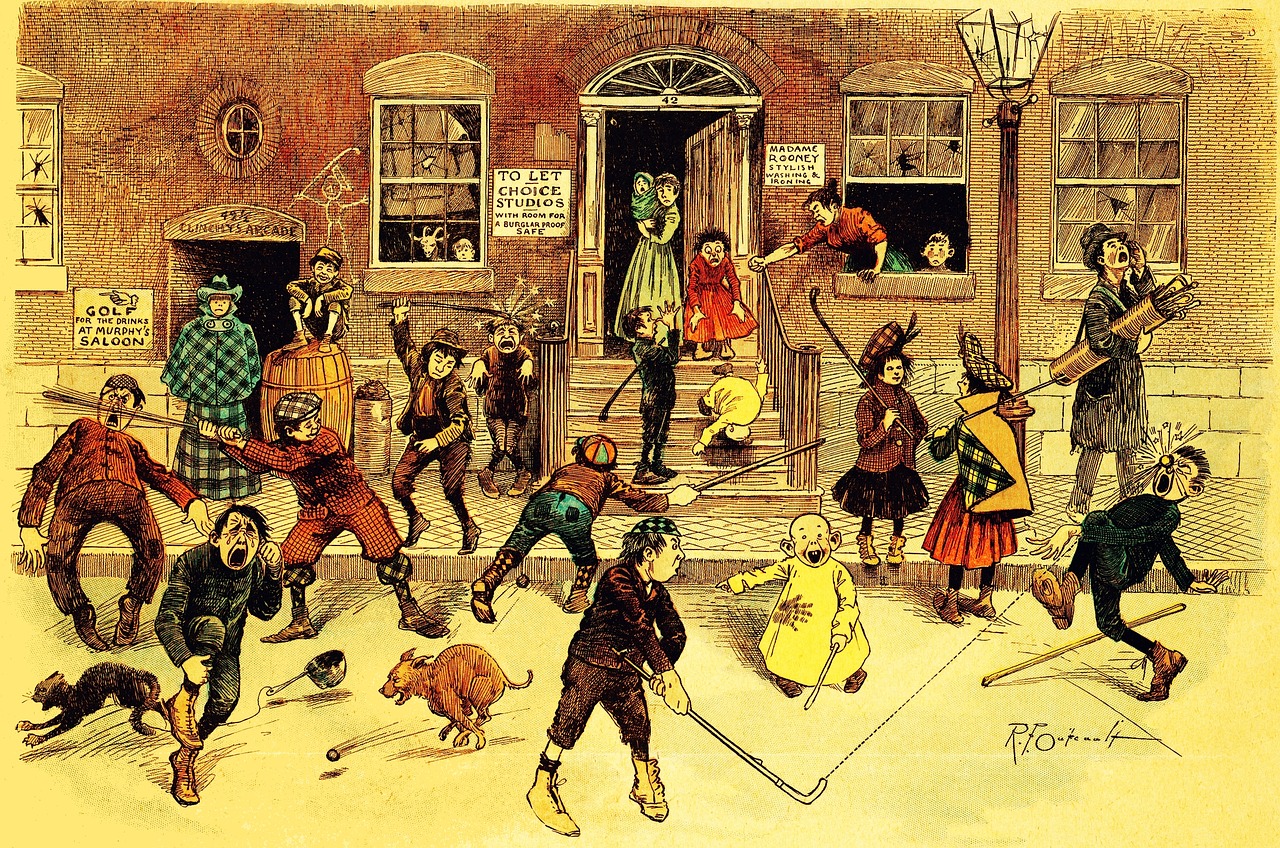
Bad neighborhood.
Photo courtesy of Pixabay.com

Places you should never go to find a date

People with a mental health challenge or who are in recovery, want, and need a close loving relationship just as much as anyone else. Sometimes in our search for a close partner, we look in all the wrong places. Here are a few of the places clients told me they found dates that I need to warn you about.

When people are sick they tend to attract sick people. Now two people with disabilities can be a great match and a great support system for each other. Just makes sure you and your potential partner are headed in the direction of recovery, not continued sickness.

Here are 7 places to avoid when looking for dates. There are good places to look; only these are NOT those good places.

1. Do not hang out around the V. D. clinic waiting for the easy ones.

When you pick a partner you pick a set of problems, different partner different set of problems. Try to avoid partners with incurable diseases. Remember when you sleep with a partner you are sleeping with all their ex’s. People with a history of sexual problems are likely to continue to have those problems. I know there are exceptions to every rule, but is this one you want to take a chance on?

2. Avoid crack houses or bars

Lots of people with an alcoholic ex get a divorce, and then their friends take them out to celebrate at — you guessed it – a bar. They meet someone; fall in love, only to discover that the new partner is — an alcoholic. People active in their addiction don’t have a place in their life for a new healthy partner. They are looking for someone who will enable them to keep drinking and using. People with an addiction are likely to be found in their natural habitat.

3. Don’t wait outside prisons for people with gate money.

Now if this is your old man or old woman getting out, that might be an exception. People do change, but give them time to find a job and a place to live before you sign on to put money on their books the next time they are away.

4. Homeless shelters are not prime dating spots

Sometimes bad things happen to good people. People are ending up homeless that never thought they would, but if you are cruising this kind of place for a date what does that say about you? Does the word predator come to mind?

5. Don’t try to pick people up while at the psychiatric hospital

This is not the time or place to start a relationship. You both need to work on you. Actually, come to think of it I know some people who met in a psychiatric facility and made a go of the relationship, but they didn’t hook up on the first hospitalization. Work on getting better first.

6. Avoid people who left domestic violence court and can’t go home because of the restraining order.

Just like some people keep hooking up with alcoholics or drug addicts there are people who keep being attracted to the strong forceful type. Then they are surprised when the relationship turns violent. If you were abused as a child or are just out of an abusive relationship be especially alert for this type of repeating pattern.

7. Avoid people with a lot of babies daddies or babies mothers.

Be especially cautious if the person you meet seems to have more children’s parents than they have children. Can’t tell you exactly where to find this sort of person but you will know then when you see them because there are just so many places they can’t go for fear of running into an ex.

So there are Dave’s 7 places to avoid when looking for people to date. Any of you have any other places you would care to add to this list? Any of you that found a great place to meet people to date that actually worked out and you would care to share?

Staying connected with David Joel Miller

Seven David Joel Miller Books are available now!

My newest book is now available. It was my opportunity to try on a new genre. I’ve been working on this book for several years, but now seem like the right time to publish it.

Story Bureau.

Story Bureau is a thrilling Dystopian Post-Apocalyptic adventure in the Surviving the Apocalypse series.

Baldwin struggles to survive life in a post-apocalyptic world where the government controls everything.

As society collapses and his family gets plunged into poverty, Baldwin takes a job in the capital city, working for a government agency called the Story Bureau. He discovers the Story Bureau is not a benign news outlet but a sinister government plot to manipulate society.

Bumps on the Road of Life. Whether you struggle with anxiety, depression, low motivation, or addiction, you can recover. Bumps on the Road of Life is the story of how people get off track and how to get your life out of the ditch.

Dark Family Secrets: Doris wants to get her life back, but small-town prejudice could shatter her dreams.

Casino Robbery Arthur Mitchell escapes the trauma of watching his girlfriend die. But the killers know he’s a witness and want him dead.

Planned Accidents  The second Arthur Mitchell and Plutus mystery.

Letters from the Dead: The third in the Arthur Mitchell mystery series.

What would you do if you found a letter to a detective describing a crime and you knew the writer and detective were dead, and you could be next?

Sasquatch. Three things about us, you should know. One, we have seen the past. Two, we’re trapped there. Three, I don’t know if we’ll ever get back to our own time.

For these and my upcoming books; please visit my Author Page – David Joel Miller

Want the latest blog posts as they publish? Subscribe to this blog.

For videos, see: Counselorssoapbox YouTube Video Channel

How do you develop a support system?

By David Joel Miller, MS, Licensed Therapist & Licensed Counselor.

Supporters

Support system.
Photo courtesy of Pixabay.com

5 tips for developing a support system.

In the early stage of recovery developing a support system can be a challenge. We all know we need someone to support us, but who and how do we enlist their support? Let’s start with a description of a person in recovery from alcoholism and then expanded the description to other forms of recovery.

Newcomers in A.A. are encouraged to find a sponsor. It can be embarrassing to ask someone you hardly know to sponsor you. This relationship needs to be a good fit. The sponsor should be someone who has something in the way of recovery to offer and someone you feel comfortable in discussing your life with. They should also be someone you can trust to tell you the truth.

Have you ever done anything to help someone else? Let’s say you did something to help a child or an elderly person, how did that feel? Did it feel good to be able to help that person?

Sponsors do things for the person because it feels good to do so. They also work with others as part of the A.A. program because helping others keeps them sober. You are not imposing on a sponsor when you ask them to be your sponsor; you are offering them a chance to feel good about helping and to further their recovery. Don’t cheat a potential sponsor out of the opportunity to be of service.

Here is the process for selecting a sponsor that will likely be helpful.

1. Attend a variety of meetings

There are lots of A.A. and N.A. meetings. Most areas have central offices that can give you the address of a meeting nearby. With the changes in technology, there are lots of online resources, meeting lists, and even online meetings. If at all possible attend in-person meetings; it is important to make personal contacts.

Look for fellowships or places that have frequent meetings at the same location. Your car can find the bar without you steering it. Make it easy for your car to find the A.A. meeting on its own. Make a habit of going even when you don’t think you need to go. Someone there may need to see you. Support systems work in two directions.

There is likely to be one meeting that feels more comfortable than others. This may become your homegroup. Don’t stop there, however. Try out other groups for that time when you can’t go to your regular group but need a meeting. As you make friends at your home group consider going to other meetings together.

2. Get phone numbers.

At each meeting listen for people who say something that strikes you as helpful. After the meeting ask for their number. Many meetings will send around a phone card for members to give the newcomer their numbers.

Should you ask someone and they say no, please do not take this as something about you. Some people are very busy and don’t think they have the time for phone calls. Others, because of their jobs or situations, are not supposed to give out their phone number. If the potential sponsor says no keep asking till you find someone who is able to give out their number.

3. Every day call one other person in recovery.

When an alcoholic is thinking of drinking they will find that the phone receiver weighs two thousand pounds. They can’t lift the phone to their face to talk. By practicing phone calling every day you strengthen your arm and your habit of calling a recovering person. Sometimes you will find the other person needed the call even more than you did.

Don’t stop after one try. If the first person you call is not home or can’t talk keep calling until you reach someone. Having more than one person in your support circle is a huge plus.

It is also recommended that you not wait until after you are drunk to call. Call before you drink. Call as a way to manage the urges. Call as a way to build that connection with your support system.

4. Select someone to be your sponsor

One of those people you are calling, the one that is there for you, that is the person you are likely to ask to be your sponsor. Ask them. If they decline ask them for a recommendation. If you trusted them enough to ask them, trust them to refer you.

5. Develop social relationships with other recovering people

The best meetings are often the meeting-before-the-meeting and the meeting-after-the-meeting. Sit and talk. Go for coffee or dessert after the meeting. People hang out and talk not only about recovery but about the challenges of living life after drugs or alcohol.

Attend your fellowship’s social events, potlucks, picnics, sporting events, and so on. The more you develop social friendships the more people you have as potential support systems. Don’t wait until the crisis strikes to form strong friendships.

The process for finding sponsors at N.A. or other twelve-step programs is much the same.

What if your problem is a mental illness, not addiction, or both?

There are an increasing number of peer-run centers and peer-run groups. Ask at your local mental health providers about peer groups. Many areas have local NAMI chapters they can be especially helpful in referring you to peer support groups, so should local mental health agencies.

There are also online groups for mental health issues.

If you have both a substance abuse issue and a mental health issue look for co-occurring groups. It can also be helpful if you have multiple issues to attend more than one fellowship.

Think about how you would like your support system to support you.  Write out the things you would like them to do and not do. Make sure you discuss your wishes should a crisis strike. Make sure your support system knows about your professional providers or who to call if you have a crisis.

So there are some suggestions for creating and strengthening a support system. What have you done to create a support system?

Other posts about support systems can be found at:

How supportive is your support system?

Can one person be a support system?

How do you develop a support system?

Support meetings for family members?

Staying connected with David Joel Miller

Seven David Joel Miller Books are available now!

My newest book is now available. It was my opportunity to try on a new genre. I’ve been working on this book for several years, but now seem like the right time to publish it.

Story Bureau.

Story Bureau is a thrilling Dystopian Post-Apocalyptic adventure in the Surviving the Apocalypse series.

Baldwin struggles to survive life in a post-apocalyptic world where the government controls everything.

As society collapses and his family gets plunged into poverty, Baldwin takes a job in the capital city, working for a government agency called the Story Bureau. He discovers the Story Bureau is not a benign news outlet but a sinister government plot to manipulate society.

Bumps on the Road of Life. Whether you struggle with anxiety, depression, low motivation, or addiction, you can recover. Bumps on the Road of Life is the story of how people get off track and how to get your life out of the ditch.

Dark Family Secrets: Doris wants to get her life back, but small-town prejudice could shatter her dreams.

Casino Robbery Arthur Mitchell escapes the trauma of watching his girlfriend die. But the killers know he’s a witness and want him dead.

Planned Accidents  The second Arthur Mitchell and Plutus mystery.

Letters from the Dead: The third in the Arthur Mitchell mystery series.

What would you do if you found a letter to a detective describing a crime and you knew the writer and detective were dead, and you could be next?

Sasquatch. Three things about us, you should know. One, we have seen the past. Two, we’re trapped there. Three, I don’t know if we’ll ever get back to our own time.

For these and my upcoming books; please visit my Author Page – David Joel Miller

Want the latest blog posts as they publish? Subscribe to this blog.

For videos, see: Counselorssoapbox YouTube Video Channel

Bipolar Disorder, Alcoholism and Addiction

By David Joel Miller, MS, Licensed Therapist & Licensed Counselor.

Bipolar.
Photo courtesy of Pixabay.com

HUGE connection between Bipolar Disorder and Substance Disorders.

There are so many connections between having Bipolar Disorder and having a Substance Use Disorder. In treatment facilities that screen for mental illness, it is not uncommon for Bipolar to be the single most common co-occurring mental illness. Anti-social disorders are common in court order referrals and sometimes you might see a lot of clients with PTSD but most often it is the combination of Bipolar Disorder and a Substance Use Disorder that really stands out.

Drugs and alcohol can mask psychiatric symptoms, can create them and both intoxication and withdrawal can look like mental illness, but the combination of Bipolar Disorder and a substance use disorder is so common it is an expectation.

Bipolar Disorder coexists with substance abuse more often than with all the Depressions put together. All mood disorders other than Bipolar Disorder are sometimes labeled unipolar depression to separate them from the bipolar condition.

The overlap between these two conditions is huge. The Epidemiological Catchment Area Study reported that more than 60% of people with Bipolar also had a substance use disorder.

Alcohol was the drug of choice for both people with Bipolar Disorder and unipolar depression.

Because many people with Bipolar Disorder report liking the mania or hypomania they most often go undetected and untreated for long periods of time. Most of the time they come in for treatment because of an episode of depression. Many also escape detection until they have legal consequences that send them to a treatment program.

Most people who finally do arrive at the diagnosis of Bipolar Disorder have seen five or more health care professionals and have spent ten or more years on the process before getting diagnosed with Bipolar Disorder.

The extreme fluctuations in mood in Bipolar Disorder interact with drugs and alcohol. The reported rate of Bipolar Disorder is 1-2 % though it seems likely that many subclinical cases go undetected for prolonged periods of time.

Cyclothymia is another diagnosis related to Bipolar Disorder that has low highs and not so low lows. It is sometimes described as on the bipolar spectrum. For a full diagnosis of Cyclothymia, you need to have had the condition for at least two years.

This disorder is rarely diagnosed and treated as it does not cause the huge impairment or legal consequences of the more severe forms of Bipolar Disorder. People with Cyclothymia have periods of feeling better and stop treatment. They only come in when depressed and hide the hypomania well. In my own clinical experience, this condition is probably vastly underdiagnosed.

When we talk about having a substance use disorder most people will respond that they are not drug addicts or alcoholics. There are forms of the disease of addiction that stop short of physical addiction but result in ruined lives, broken relationships, and periods of time incarcerated.

The hallmarks of a substance use disorder are:

Obsessions – you can’t stop thinking about it.

Cravings – repeated urges to use

Loss of control – using more and more often than planned.

Increased tolerance – Needing more to get the same high or getting less of a result from the same amount of drug.

Withdrawal effects when you run out of the drug.

Psychological addiction or dependence occurs long before physical addiction.

Bipolar Disorder may have existed before the substance abuse but did not get diagnosed because there had been no severe mania. Some people with Bipolar begin using to cover up the symptoms or to help themselves cope. We think of this as “self-medicating.

Drugs and alcohol may increase the risk of developing Bipolar Disorder.

People with Bipolar disorder and substance abuse issues are hospitalized more often and for longer. They are more likely to have rapid cycling Bipolar Disorder and to have developed the symptoms at a younger age. They are also much more likely to have mixed episodes of both mania and depression at the same time.

Co-occurring Bipolar Disorder and substance abuse are much more resistant to treatment and people with both conditions at the same time are far more likely to drop out of or fail to complete treatment.

Alcoholism is more often a result of having Bipolar Disorder rather than a risk factor and those with alcohol as their primary drug of choice do better in treatment than many other co-occurring disorders.

Further complicating this picture we should know that any alcoholic with or without a mental illness is likely to have severe mood swings. Alcohol withdrawal and alcohol intoxication can mimic many mental illnesses and it can take some period of sobriety before a baseline for diagnoses is clear.

Alcohol and illicit drug use will also interfere with getting the medication right resulting in many med changes that might otherwise not have been needed.

So there are some brief thoughts about the connections between Bipolar disorder and substance abuse, especially alcohol abuse.

If you or someone you care about has a problem with drugs, alcohol, or may have a mental illness please encourage them to go for professional assessment and treatment.

Other articles about Bipolar Disorders and related conditions can be found at:

Bipolar or Major Depression?

Bipolar – misdiagnosed or missing diagnosis?

Am I Bipolar?

Bipolar doesn’t mean moody

Are you Hyperthymic?

New Bipolar Drug Trial

Bipolar Disorder Genetics research study – Come one come all

Staying connected with David Joel Miller

Seven David Joel Miller Books are available now!

My newest book is now available. It was my opportunity to try on a new genre. I’ve been working on this book for several years, but now seem like the right time to publish it.

Story Bureau.

Story Bureau is a thrilling Dystopian Post-Apocalyptic adventure in the Surviving the Apocalypse series.

Baldwin struggles to survive life in a post-apocalyptic world where the government controls everything.

As society collapses and his family gets plunged into poverty, Baldwin takes a job in the capital city, working for a government agency called the Story Bureau. He discovers the Story Bureau is not a benign news outlet but a sinister government plot to manipulate society.

Bumps on the Road of Life. Whether you struggle with anxiety, depression, low motivation, or addiction, you can recover. Bumps on the Road of Life is the story of how people get off track and how to get your life out of the ditch.

Dark Family Secrets: Doris wants to get her life back, but small-town prejudice could shatter her dreams.

Casino Robbery Arthur Mitchell escapes the trauma of watching his girlfriend die. But the killers know he’s a witness and want him dead.

Planned Accidents  The second Arthur Mitchell and Plutus mystery.

Letters from the Dead: The third in the Arthur Mitchell mystery series.

What would you do if you found a letter to a detective describing a crime and you knew the writer and detective were dead, and you could be next?

Sasquatch. Three things about us, you should know. One, we have seen the past. Two, we’re trapped there. Three, I don’t know if we’ll ever get back to our own time.

For these and my upcoming books; please visit my Author Page – David Joel Miller

Want the latest blog posts as they publish? Subscribe to this blog.

For videos, see: Counselorssoapbox YouTube Video Channel

Running hard after recovery.

By David Joel Miller, MS, Licensed Therapist & Licensed Counselor.

Ball recovery

Recovery and Resiliency.
Photo courtesy of Pixabay.com

How hard are you running?

“I ran real hard after drugs, I’m gonna run real hard after recovery,” the client said. Even after they left I couldn’t get this out of my head. We all run real hard after our problems but how hard are we willing to run after our recovery.

Being a drug addict or an alcoholic is hard work. So are all kinds of other problems we get stuck in. The addict’s life consists of thinking about their drug of choice, all day long. There is not much room for other thoughts.

From the time they get up till the time they crash out the search for drugs is on. Addicts truly work hard to get the money to buy drugs. They do things they thought they would never do. Things they said you couldn’t pay them enough to do until they needed the money for drugs.

Every drug has its culture and the addict stays with his own kind as much as they can. The Heroin addict knows about rigs, going to the cotton, and cotton fever. The Meth smoker knows about a hundred ways to make a pipe out of any sort of scraps. The alcoholic, well for them it is types of wines and how to order a drink, on the rocks, straight up, beer back or chaser.

The addict knows how to chase their drug and the lifestyle that goes with it like an Olympic athlete. What they don’t know is how to chase recovery.

One old-timer at a 12 step meeting used to ask the newcomers a couple of simple questions.

How far were you willing to go to get a drink or a drug? How far are you willing to go to get recovery? Shouldn’t you be willing to go farther for recovery than for your addiction?

People practice for years, sometimes decades to become really good at their addiction. Maybe we should call that really bad in their addiction. But something happens when they get into recovery. They think the training is over.

Anyone who has been around meetings knows that while the addict may take a vacation from the disease the disease does not forget the addict. While the alcoholic is taking a break from drinking their disease is growing. The older we get the less alcohol or drugs our poor liver can take. The brain never forgets how to use like an addict.

Recovery is not something you can buy, purchase at the cost of programs and meetings and then tuck it away in a drawer for the time you will need it. Recovery is a set of skills and they need to be practiced over and over.

Americans have grown heavier than ever before. Many of us engage in physical activity by watching it on T. V. instead of participating in the activity. Watching exercise won’t keep you in shape. A shelf full of self-help books won’t help your recovery if you don’t read them and then go on to practice the principles in those volumes. Recovery is something we need to keep practicing.

How hard are you running after your recovery?

Staying connected with David Joel Miller

Seven David Joel Miller Books are available now!

My newest book is now available. It was my opportunity to try on a new genre. I’ve been working on this book for several years, but now seem like the right time to publish it.

Story Bureau.

Story Bureau is a thrilling Dystopian Post-Apocalyptic adventure in the Surviving the Apocalypse series.

Baldwin struggles to survive life in a post-apocalyptic world where the government controls everything.

As society collapses and his family gets plunged into poverty, Baldwin takes a job in the capital city, working for a government agency called the Story Bureau. He discovers the Story Bureau is not a benign news outlet but a sinister government plot to manipulate society.

Bumps on the Road of Life. Whether you struggle with anxiety, depression, low motivation, or addiction, you can recover. Bumps on the Road of Life is the story of how people get off track and how to get your life out of the ditch.

Dark Family Secrets: Doris wants to get her life back, but small-town prejudice could shatter her dreams.

Casino Robbery Arthur Mitchell escapes the trauma of watching his girlfriend die. But the killers know he’s a witness and want him dead.

Planned Accidents  The second Arthur Mitchell and Plutus mystery.

Letters from the Dead: The third in the Arthur Mitchell mystery series.

What would you do if you found a letter to a detective describing a crime and you knew the writer and detective were dead, and you could be next?

Sasquatch. Three things about us, you should know. One, we have seen the past. Two, we’re trapped there. Three, I don’t know if we’ll ever get back to our own time.

For these and my upcoming books; please visit my Author Page – David Joel Miller

Want the latest blog posts as they publish? Subscribe to this blog.

For videos, see: Counselorssoapbox YouTube Video Channel

Lonely Fruit Flies get drunk

By David Joel Miller, MS, Licensed Therapist & Licensed Counselor.

Fruit fly

Lonely Fruit flies drink.
Photo courtesy of Pixabay.com

Lonely fruit flies get drunk.

Lonely fruit flies drink almost 50% more alcohol than fruit flies with mates. Maybe this should reassure us, maybe not. We have known for a long time that some other mammals will get drunk. Check the internet and you will find videos of drunken monkeys. So far the question was, do monkeys drink like humans, or do humans who drink act like monkeys? Maybe both?

There are reports also of elephants that raid villager’s beer and get drunk. This is the first time I have seen an account of drunken fruit flies. And this account gives us the reason for the fruit flies drinking.

Did we really need a study of fruit flies drinking? Does this sound like something we thought we should know without a study? I had to read it twice to see why they did this study. Then I started thinking they may be on to something. If lonely fruit flies drank more maybe it is not just us humans that would drink given the chance. Hang with me on this.

This study, done in San Francisco, where else, compared the drinking of two groups of fruit flies. Knowing that part of the world the way I do I am surprised that this experiment has not already been repeated using fraternity men. Maybe it has. Send in your comments if you know of a repeat of this experiment using some other animal.

Saying the fruit flies were lonely is, of course, my interpretation. They are really hard to interview and fruit flies rarely talk about their feelings. We have to guess from their actions how fruit flies are feeling, which may be another way in which fruit flies and male humans are alike.

One way in which fruit flies are unlike humans – sort of – is that female fruit flies who have mated once lose interest in mating again. So the researchers let the female fruit flies breed, presumably without the benefit of alcohol to make the male fruit flies look better.

Then they let some more male fruit flies have a go at the lady flies. The late-arriving male flies got turned down. This is where it starts to get interesting and makes some sense of why all the flies and the alcohol.

When the males who got to mate when offered the alcohol could take it or leave it. But the male fruit flies who got turned down drank a lot more.

The unmated male flies, I prefer to think of them as lonely, had much lower levels of one specific brain chemical. A similar chemical called Neuropeptide Y is found in humans. When humans are sad or depressed the levels of Neuropeptide Y drop.

The conclusion I draw from this research is that sadness, depression, and loneliness causes a physical craving for alcohol whether you are a human or a fruit fly.

Now that is no excuse for drinking, particularly excessive drinking. In humans, we know that sex alone is not enough to reduce the urge to drink. But what stands out most for me is that a lack of warm close relationships increases the risks of a negative emotion and that predisposes a human to substance abuse.

There you have it, get depressed, Neuropeptide Y drops, and you crave alcohol whether you are a man or fruit fly.

As for those lonely fruit flies, what should we do? Maybe start a charity to form fruit fly bowling leagues or quidditch tournaments?  Anyone know of a dating service for lonely fruit flies?

Till next time, keep working on your happy relationships.

Staying connected with David Joel Miller

Seven David Joel Miller Books are available now!

My newest book is now available. It was my opportunity to try on a new genre. I’ve been working on this book for several years, but now seem like the right time to publish it.

Story Bureau.

Story Bureau is a thrilling Dystopian Post-Apocalyptic adventure in the Surviving the Apocalypse series.

Baldwin struggles to survive life in a post-apocalyptic world where the government controls everything.

As society collapses and his family gets plunged into poverty, Baldwin takes a job in the capital city, working for a government agency called the Story Bureau. He discovers the Story Bureau is not a benign news outlet but a sinister government plot to manipulate society.

Bumps on the Road of Life. Whether you struggle with anxiety, depression, low motivation, or addiction, you can recover. Bumps on the Road of Life is the story of how people get off track and how to get your life out of the ditch.

Dark Family Secrets: Doris wants to get her life back, but small-town prejudice could shatter her dreams.

Casino Robbery Arthur Mitchell escapes the trauma of watching his girlfriend die. But the killers know he’s a witness and want him dead.

Planned Accidents  The second Arthur Mitchell and Plutus mystery.

Letters from the Dead: The third in the Arthur Mitchell mystery series.

What would you do if you found a letter to a detective describing a crime and you knew the writer and detective were dead, and you could be next?

Sasquatch. Three things about us, you should know. One, we have seen the past. Two, we’re trapped there. Three, I don’t know if we’ll ever get back to our own time.

For these and my upcoming books; please visit my Author Page – David Joel Miller

Want the latest blog posts as they publish? Subscribe to this blog.

For videos, see: Counselorssoapbox YouTube Video Channel
Does drinking lite beer keep you from getting drunk?

By David Joel Miller, MS, Licensed Therapist & Licensed Counselor.

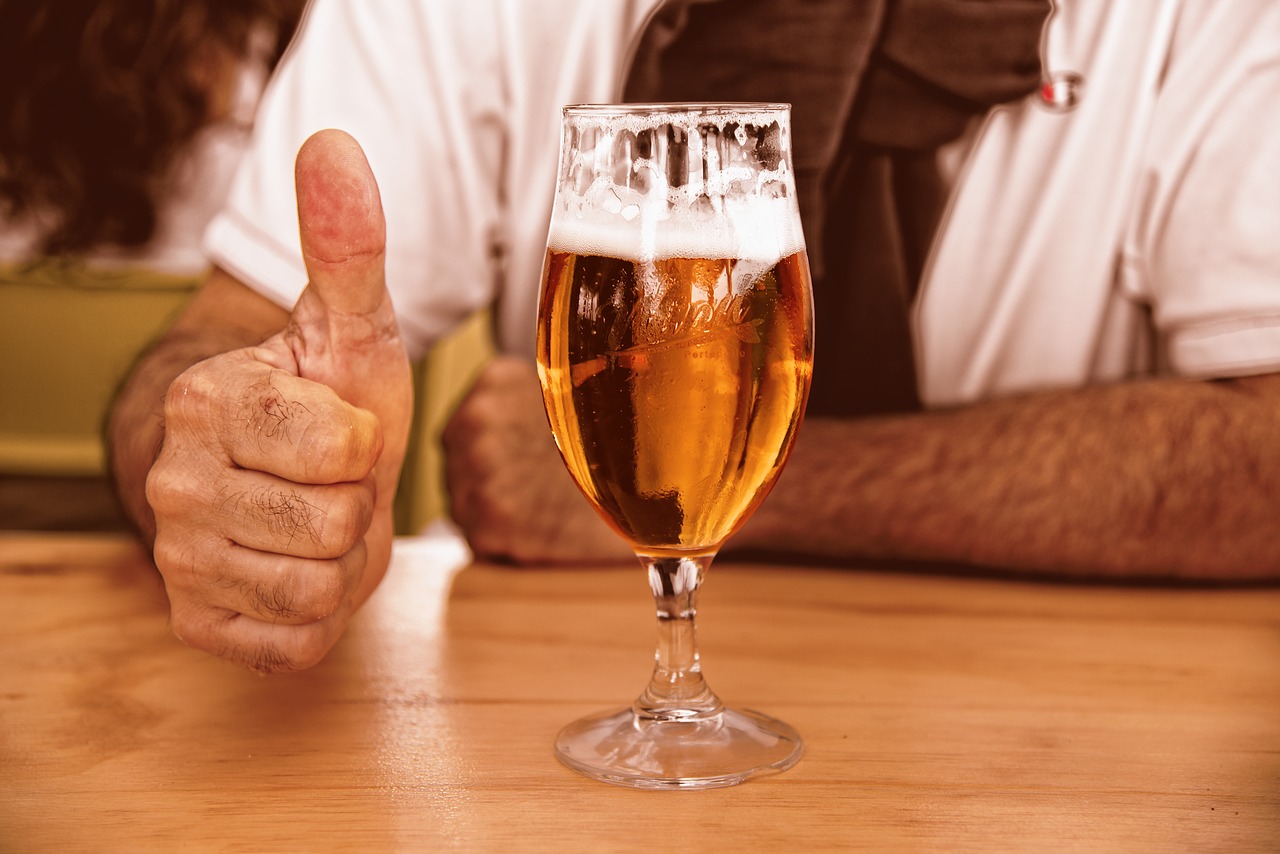
Man drinking

Drinking beer.
Photo courtesy of Pixabay.com

Can you avoid alcohol problems by drinking lite and non-alcoholic beers?

The question of drinking lite beers and drinking so-called “non-alcoholic” beers comes up frequently. People who have had problems with alcohol in the past consider switching to these alternatives to reduce the risks. Does this work?

Personally and professionally I do not recommend an approach of limited alcohol consumption to anyone who has experienced a problem with their use of substances in the past. If you have had drunk driving arrests, been diagnosed with substance abuse or dependence, or have other psychiatric problems that are affected by alcohol consumption trying to solve the problem by changing to other alcoholic beverages is not likely to work. Why? There are two major problems with this approach.

Lite beers do not contain less alcohol.

The percentage of alcohol in a beer is usually set by state or local law. In California, for a long time, “beer” had to be under 4% alcohol. (I am not a lawyer and can’t tell you if this changed but the principle remains the same.) In other places, beer could have a higher alcohol content say 5% or 6%. Above that limit it can be sold, just the name changes and so does the tax rate.

I checked an online list of beers and their alcohol contents and they mostly ran in the 4% to 6% range. One popular beer Budweiser was listed as having 5% alcohol. Bud Light was listed as having 4.2%. So the difference is small and in places, with lower limits both would have the same amount of alcohol.

Lite beers have fewer calories not less alcohol. So you do not get as full and you can drink more. Whether you drink lite beers or regulars – after four or five you will be legally drunk.

Watch out for the dangers of binge drinking.

Drinking lite beers do not keep you sober! Only not drinking keeps the alcohol out of your system. Any alcohol consumption begins to change your thinking; the difference is how much it affects you not if it will affect you.

Even “nonalcoholic beers” can contain some alcohol.

The online chart I consulted lists “nonalcoholic” Beer as having four-tenths of a percent alcohol. So this should be safer. In my experience, it is not. After four or five “non-alcoholic” beers the minimal amounts begin to add up. The cumulative effect is a change in thinking.

For anyone with an alcohol use disorder, the danger here is that after drinking a number of “non-alcoholic” beers they will begin to reason that they can have one or two real ones without a problem.

As any real alcoholic will tell you “one is too many and a thousand is never enough.”

So if you have developed an alcohol problem or if you are taking a prescribed medication that tells you to avoid alcohol, my advice to you is – don’t fool yourself by trying to find ways to use alcohol safely.

Staying connected with David Joel Miller

Seven David Joel Miller Books are available now!

My newest book is now available. It was my opportunity to try on a new genre. I’ve been working on this book for several years, but now seem like the right time to publish it.

Story Bureau.

Story Bureau is a thrilling Dystopian Post-Apocalyptic adventure in the Surviving the Apocalypse series.

Baldwin struggles to survive life in a post-apocalyptic world where the government controls everything.

As society collapses and his family gets plunged into poverty, Baldwin takes a job in the capital city, working for a government agency called the Story Bureau. He discovers the Story Bureau is not a benign news outlet but a sinister government plot to manipulate society.

Bumps on the Road of Life. Whether you struggle with anxiety, depression, low motivation, or addiction, you can recover. Bumps on the Road of Life is the story of how people get off track and how to get your life out of the ditch.

Dark Family Secrets: Doris wants to get her life back, but small-town prejudice could shatter her dreams.

Casino Robbery Arthur Mitchell escapes the trauma of watching his girlfriend die. But the killers know he’s a witness and want him dead.

Planned Accidents  The second Arthur Mitchell and Plutus mystery.

Letters from the Dead: The third in the Arthur Mitchell mystery series.

What would you do if you found a letter to a detective describing a crime and you knew the writer and detective were dead, and you could be next?

Sasquatch. Three things about us, you should know. One, we have seen the past. Two, we’re trapped there. Three, I don’t know if we’ll ever get back to our own time.

For these and my upcoming books; please visit my Author Page – David Joel Miller

Want the latest blog posts as they publish? Subscribe to this blog.

For videos, see: Counselorssoapbox YouTube Video Channel