
Acute Stress Disorder vs. PTSD

By David Joel Miller, MS, Licensed Therapist & Licensed Counselor.
Stress.
Photo courtesy of Pixabay.com

What is the difference between stress, Acute Stress Disorder, and PTSD?

Stress is a normal human reaction to something that threatens us or challenges our ability to cope. When challenged our bodies to respond. Even good things we have looked forward to, like new jobs, marriages, or the birth of a child, can cause stress. Negative events, loss of a job, divorce, sickness, or the death of someone we love can be even more stressful. Stress is a normal part of life unless it gets out of control.

Acute stress disorder is when something stresses us out and this stress results in impairment of our ability to function. It goes far beyond just being stressed out and needing time to recuperate.

Acute Stress Disorder is a diagnosable mental illness, though much of it goes untreated and unnoticed and like adjustment problems or a mild depressive episode may go away by its self, untreated. If it becomes severe enough it needs treatment before the symptoms get out of hand. The symptoms of Acute Stress Disorder must last for at least two days and must happen during the thirty days after the stressful event. Once the episode lasts more than 30 days we reclassify it as PTSD. PTSD may also intensify and produce symptoms that are in excess of those seen in Acute Stress Disorder.

Acute Stress Disorder.

Acute Stress Disorder is not just being stressed out or needing time off from work, it is far more debilitating than those symptoms.

Here are the things that need to happen for the stress to be Acute Stress Disorder. This is in my words, not the official DSM language.

Warning: This description is not meant as a diagnose-your-self project. If you think you recognize yourself, a family member, or friend in these descriptions you really should see a professional.

1. You experience or see something that makes you afraid you or someone close to you like a friend or family member will be killed or seriously injured. This could be an actual event or someone who threatened you and you believed them. As a result of this harm or risk of harm, you become intensely fearful, helpless, or horror-struck. Note this is pretty bad stuff, not just being chewed out by your boss or the risk of being fired. Those milder things are stressful and might result in an adjustment disorder if they affect you enough, but those non-life-threatening things don’t get called Acute Stress Disorder or PTSD.

2. You get lots of DISSOCIATIVE symptoms – 3 or more. Dissociative symptoms, those are bad.  Here is the list:

A. Numbing or not feeling emotions

B. You don’t feel like things are real – called derealization

C. You can’t be sure you are you – called depersonalization

D. You get dissociative amnesia – can’t remember big chunks of what happened.

3. You keep reliving this experience, like that episode of Star Trek where every day they got up and it all happened again. Your life turns into a rerun.

4. You would go a mile out of your way to avoid places or people like that again.

5. You are on edge, jumpy and the least little thing sets you off again.

6.  You get so upset you can’t go to work, avoid friends and are afraid to talk about this let alone ask for help.

7. This experience and all its terror lasts 2 days to 30 days.

8. By the way, if you did bad drugs and imagined this or there is something medically wrong with you – forget all the above and get to a doctor right away.

So what makes it PTSD?

If you have the above and it goes on over thirty days we change the name to PTSD. But then the longer this goes on the more the symptoms. This is one reason we are thinking that if we could get to people who have been injured and treat them right away we just might keep this Acute Stress Disorder from turning into PTSD. That means treating some people who could get better on their own without treatment in order to prevent others from getting PTSD, but given the long-term debilitating results of PTSD, a little extra treatment might be worth it.

Not sure what you think, but I believe that if we could provide appropriate services to all those returning GI’s from the Middle East we could prevent a lot of long-term suffering.

Those guys are worth the effort right? For the accountants out there, prevention saves a lot of money on long-term treatment also.

As Acute Stress Disorder goes past the 30-day mark lots of more severe symptoms develop, nightmares, extreme efforts to avoid anything that might remind them of the trauma, and lots of drug and alcohol abuse. PTSD and alcoholism are best friends.

There is disagreement right now about the best way to treat PTSD. I will write more in future posts on PTSD, stress, and some available treatments and new approaches that sound really interesting.

For more information on Stress and PTSD see:

Posttraumatic Stress Disorder – PTSD and bouncing back from adversity

8 warning signs you have PTSD

Posttraumatic Growth (PTG) vs. Posttraumatic Stress Disorder

Staying connected with David Joel Miller

Seven David Joel Miller Books are available now!

My newest book is now available. It was my opportunity to try on a new genre. I’ve been working on this book for several years, but now seem like the right time to publish it.

Story Bureau.

Story Bureau is a thrilling Dystopian Post-Apocalyptic adventure in the Surviving the Apocalypse series.

Baldwin struggles to survive life in a post-apocalyptic world where the government controls everything.

As society collapses and his family gets plunged into poverty, Baldwin takes a job in the capital city, working for a government agency called the Story Bureau. He discovers the Story Bureau is not a benign news outlet but a sinister government plot to manipulate society.

Bumps on the Road of Life. Whether you struggle with anxiety, depression, low motivation, or addiction, you can recover. Bumps on the Road of Life is the story of how people get off track and how to get your life out of the ditch.

Dark Family Secrets: Doris wants to get her life back, but small-town prejudice could shatter her dreams.

Casino Robbery Arthur Mitchell escapes the trauma of watching his girlfriend die. But the killers know he’s a witness and want him dead.

Planned Accidents  The second Arthur Mitchell and Plutus mystery.

Letters from the Dead: The third in the Arthur Mitchell mystery series.

What would you do if you found a letter to a detective describing a crime and you knew the writer and detective were dead, and you could be next?

Sasquatch. Three things about us, you should know. One, we have seen the past. Two, we’re trapped there. Three, I don’t know if we’ll ever get back to our own time.

For these and my upcoming books; please visit my Author Page – David Joel Miller

Want the latest blog posts as they publish? Subscribe to this blog.

For videos, see: Counselorssoapbox YouTube Video Channel

DSM-5 Diagnoses begin to disappear

By David Joel Miller, MS, Licensed Therapist & Licensed Counselor.

Medical record

Diagnosis.
Photo courtesy of Pixabay.com

UPDATE – changes in the DSM.

You can erase most of this post from your memory. During the process of updating the Diagnostic and Statistical Manual of Mental Disorders (DSM) from the DSM-IV to the DSM-5 a lot of things were proposed. Some of those suggested changes were instituted and others were left out. This post includes mostly ideas that did not make it to the final DSM-5. Because these ideas were included in a lot of research articles and other blog posts, I have left the post up but need to tell you that some of this information is now out of date.

Mental illnesses appear and disappear like magic – More DSM-5.

The effort to improve and refine the Diagnostic and Statistical Manual of Mental Disorders continues. This round of revisions has created a lot of concern about the way in which things we thought we knew about the nature and treatment of mental illness can change dramatically in a short time span.

There has been a lot of opposition to some of the proposed changes from both inside the American Psychiatric Association (APA) and those outside the association who have to work with the manual. The effects for consumers and clients may not be obvious for some time.

Recently the APA posted a notice on their website about changes they are making to the proposals for the new edition of the DSM. Not surprisingly, those revisions in proposals have coincided with the APA’s convention. The pressure to get this worked out is on now as the new edition is due out next year at the May 18-22, 2013 APA convention. That means the decisions need to be made and the book sent to the publishers by the end of 2012. The APA is accepting comments on their website from May 2nd to June 15th, 2012.

Most of these ideas are tested in carefully controlled trials with strict adherence to criteria. Unfortunately in daily practice clients don’t come in with only one problem and clinicians don’t have the time or resources to do extensive testing and diagnosing. The question remains, will this new understanding of mental disorders help or hinder the efforts to get clients the best possible care and still stay inside agency’s budgets?

Here are some of the most recent changes

1. Mixed Anxiety and Depression

This is getting moved to the back of the book under diagnosis for further study. We know that clients often have both of these together but then they also may have diabetes and sore throats but so far we are not creating lots of combo diagnosis. Bottom line if you have two mental illnesses you get two diagnoses, not one “combo,” for now.

2. Attenuated Psychosis

This moves to the back of the book also. We have plenty of psychosis class diagnosis, not sure one more will make any difference.

3. Depression gets a footnote about being careful not to make normal things into mental illnesses.

But that always has needed some judgment. If it is causing you too many problems it gets diagnosed if it is within normal it does not. So we still try to keep categories of illnesses while we also allow for variations in degree.

4. The Non-Suicidal Self-Injury Diagnosis (often called cutting)

So far has not worked the way they thought it would. Some have proposed adding Suicidal Behavior Disorder also. Currently, neither of these is considered a mental illness. They are symptoms of something but we are not all agreed on what they are symptoms of. These two are likely to end up in the back of the book along with that complex grief thing.

So the announced changes in the draft move us back closer to where we were before – except that to this point the APA is staying with their proposed changes in Autism and Substance Use Disorders. Only time will tell.

Staying connected with David Joel Miller

Seven David Joel Miller Books are available now!

My newest book is now available. It was my opportunity to try on a new genre. I’ve been working on this book for several years, but now seem like the right time to publish it.

Story Bureau.

Story Bureau is a thrilling Dystopian Post-Apocalyptic adventure in the Surviving the Apocalypse series.

Baldwin struggles to survive life in a post-apocalyptic world where the government controls everything.

As society collapses and his family gets plunged into poverty, Baldwin takes a job in the capital city, working for a government agency called the Story Bureau. He discovers the Story Bureau is not a benign news outlet but a sinister government plot to manipulate society.

Bumps on the Road of Life. Whether you struggle with anxiety, depression, low motivation, or addiction, you can recover. Bumps on the Road of Life is the story of how people get off track and how to get your life out of the ditch.

Dark Family Secrets: Doris wants to get her life back, but small-town prejudice could shatter her dreams.

Casino Robbery Arthur Mitchell escapes the trauma of watching his girlfriend die. But the killers know he’s a witness and want him dead.

Planned Accidents  The second Arthur Mitchell and Plutus mystery.

Letters from the Dead: The third in the Arthur Mitchell mystery series.

What would you do if you found a letter to a detective describing a crime and you knew the writer and detective were dead, and you could be next?

Sasquatch. Three things about us, you should know. One, we have seen the past. Two, we’re trapped there. Three, I don’t know if we’ll ever get back to our own time.

For these and my upcoming books; please visit my Author Page – David Joel Miller

Want the latest blog posts as they publish? Subscribe to this blog.

For videos, see: Counselorssoapbox YouTube Video Channel

8 warning signs you have PTSD.

By David Joel Miller, MS, Licensed Therapist & Licensed Counselor.

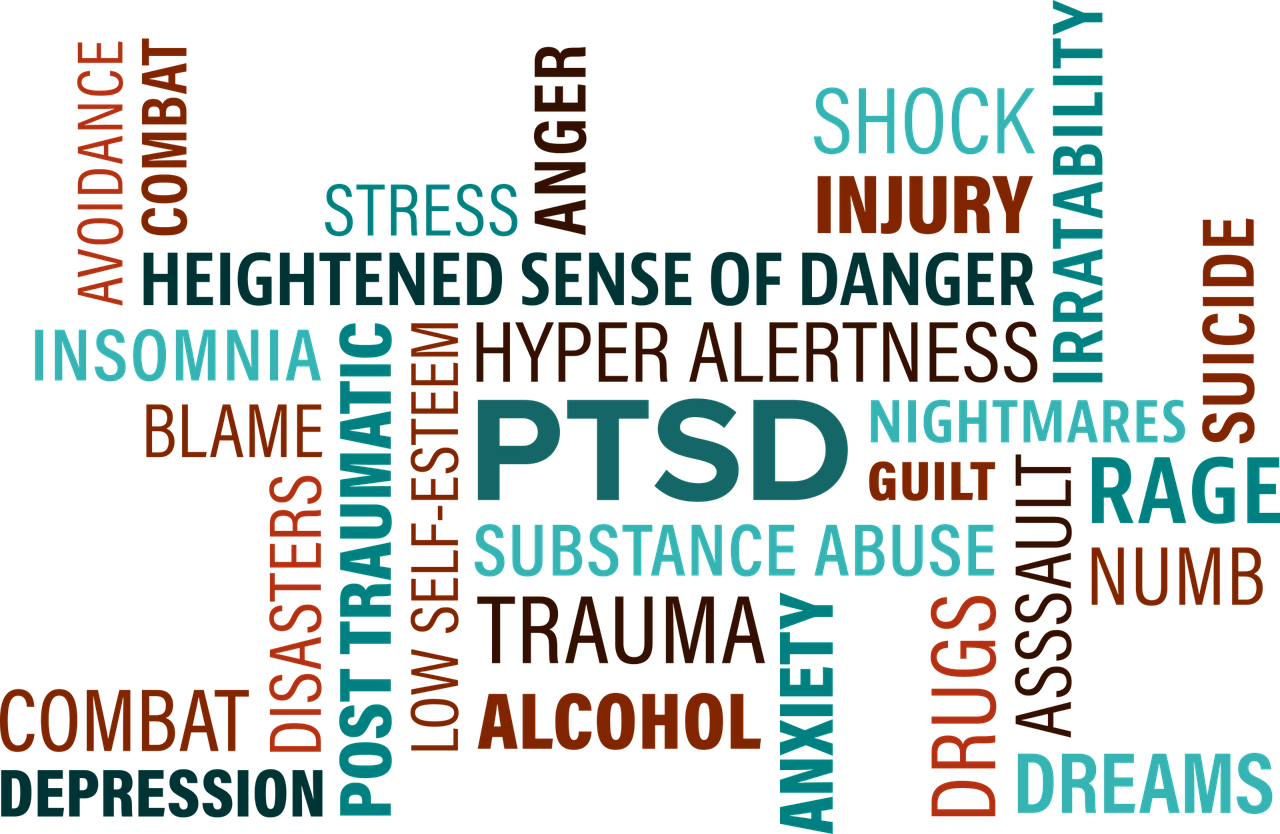
Words about PTSD

PTSD.
Photo courtesy of Pixabay.com

Could you have PTSD?

There is a whole lot more Posttraumatic Stress Disorder (PTSD) around than we would like to recognize. People struggle with the symptoms, sometimes for a lifetime. Often they think they are weak or crazy when in fact they have a recognized illness. PTSD is treatable if only those who have it would seek help.

There are three main causes of PTSD. One huge source of the illness is living through the horrors of war, either as a combatant or a civilian in a war zone. The recurring theme of so many young Americans sent off to wars in distant lands guarantee’s that we will be seeing an expanding number of PTSD cases for years to come.

Other large groups with PTSD are children who were abused and those who have been victims of domestic violence. There can be other sources of PTSD, such as witnessing a violent death or living through a natural disaster.

So what are the warning signs that you or someone you know has PTSD?

With PTSD you relive the horror day after day.

If the memory never goes away, you have recurrent thoughts about that time, that place, and it upsets you, these are all signs of PTSD. The key here is, are the thoughts intrusive? Some people especially young children get “stuck” they relive the events over and over, incorporating the things they have experienced into their play and their daily routines

The pain of PTSD follows you into your dreams.

We all have dreams; the mind tries to work out problems and save memories. Dreams in PTSD are different. The same dream recurs. It is as if you are living through the event all over again. People with PTSD can wake up screaming. If you are afraid to go to sleep for fear you will have that dream again or you don’t remember the last time you had a full night’s sleep you should be checked out for PTSD.

The feeling that the trauma is still happening is a sign of PTSD.

The trauma does not slip into the past. Every day you live through it again. This feeling of reliving the horror can be heightened by alcohol, some drugs, or a new traumatic event.

If you avoid feelings, thoughts and can’t talk about the trauma it may be PTSD.

Many returning veterans have never been able to talk about the things they experienced. When they do talk, it is usually only with other military veterans who have had similar experiences. Many with PTSD are never able to talk about their trauma outside a peer group.

Avoiding anything that reminds you of the trauma is a symptom of PTSD.

Holiday celebrations, people who wear particular cultural styles of clothing, smells, and ethnic foods, all of these can trigger a recurrence of symptoms. These recurrences are not just memories but reliving both the facts and the feelings of the first event. People with PTSD may panic and be unable to be around particular things that remind them of the traumatic incident.

Blackouts and memory gaps are common in people with PTSD.

People with PTSD may be horrifically frightened of things that remind them of the trauma but unable to recall large parts of the incident. Frequently important facts are forgotten. They see small details with great accuracy but other important parts of the story are lost in the fog.

With PTSD you experience a loss of connection.

People with PTSD lose interest in people and things around them. They find it difficult to participate in activities with others. They may become detached or unable to feel. They don’t see themselves as having a future, no family, no career. They don’t expect to live long.

Lots of episodes of sudden excessive emotions may be PTSD.

If you have PTSD you may suddenly become angry. You may be extra anxious, jump at the smallest sound. You may have trouble concentrating, be irritable, and unable to relax or sleep.

A precise diagnosis of PTSD should be made by a professional. There are other illnesses and problems that could resemble this condition. But if you experienced trauma you probably recognized yourself in this list.

For more information on Stress and PTSD see:

Posttraumatic Stress Disorder – PTSD and bouncing back from adversity

Posttraumatic Growth (PTG) vs. Posttraumatic Stress Disorder

Acute Stress Disorder vs. PTSD 

Staying connected with David Joel Miller

Seven David Joel Miller Books are available now!

My newest book is now available. It was my opportunity to try on a new genre. I’ve been working on this book for several years, but now seem like the right time to publish it.

Story Bureau.

Story Bureau is a thrilling Dystopian Post-Apocalyptic adventure in the Surviving the Apocalypse series.

Baldwin struggles to survive life in a post-apocalyptic world where the government controls everything.

As society collapses and his family gets plunged into poverty, Baldwin takes a job in the capital city, working for a government agency called the Story Bureau. He discovers the Story Bureau is not a benign news outlet but a sinister government plot to manipulate society.

Bumps on the Road of Life. Whether you struggle with anxiety, depression, low motivation, or addiction, you can recover. Bumps on the Road of Life is the story of how people get off track and how to get your life out of the ditch.

Dark Family Secrets: Doris wants to get her life back, but small-town prejudice could shatter her dreams.

Casino Robbery Arthur Mitchell escapes the trauma of watching his girlfriend die. But the killers know he’s a witness and want him dead.

Planned Accidents  The second Arthur Mitchell and Plutus mystery.

Letters from the Dead: The third in the Arthur Mitchell mystery series.

What would you do if you found a letter to a detective describing a crime and you knew the writer and detective were dead, and you could be next?

Sasquatch. Three things about us, you should know. One, we have seen the past. Two, we’re trapped there. Three, I don’t know if we’ll ever get back to our own time.

For these and my upcoming books; please visit my Author Page – David Joel Miller

Want the latest blog posts as they publish? Subscribe to this blog.

For videos, see: Counselorssoapbox YouTube Video Channel
Millions about to catch a mental illness – The DSM-5

By David Joel Miller, MS, Licensed Therapist & Licensed Counselor.

Medical record

Diagnosis.
Photo courtesy of Pixabay.com

UPDATE – changes in the DSM-5

You can erase some of this post from your memory. Non-suicidal self-injury, Cutting did not make it and is stuck in the back – maybe section. During the process of updating the Diagnostic and Statistical Manual of Mental Disorders (DSM) from the DSM-IV to the DSM-5 a lot of things were proposed. Some of those suggested changes were instituted and others were left out. This post includes mostly ideas that did make it to the final DSM-5. Because these ideas were included in a lot of research articles and other blog posts I have left the post up but need to tell you that some of this information is now out of date.

Will you be cured or struck with a new mental illness next year?

The way we understand mental illness is about to change. When the DSM-5 is published about May of 2013, millions of people will find their mental health diagnosis suddenly shuffled. Several conditions that bring clients to therapy every day, that didn’t used to be disorders, will suddenly appear. Some old disorders will disappear or become merged with others. This happened before when Manic Depressive Disorder disappeared and the Bipolar Disorders in all their shades took its place.

We Counselors don’t write the book so we don’t get much say on these changes but in order to get our clients the help they need we have to play along with the changes the Psychiatrists make in the rule book. These new rules include the latest research and hopefully refine and improve the system we use to figure out what mental, emotional or behavior problems the client has.

The new book, DSM-5 is still under review but from the version on-line we can see a lot of the directions the new version will take. There is still time for some revisions to the new DSM, but most of these changes look pretty certain.  I have been reading the new version on-line trying to get myself mentally prepared for the changes. Here are some trends I see.

Anger becomes a Disease – sort of

We know that anger and the loss of control that comes with excess anger is a serious problem. There is a huge group of people who have been required to take an anger management class. So far anger has not been a diagnosis. We have tried to force the angry client into other existing diagnoses. Some people with anger are depressed, some are anxious some are just bad people, and so on.

Cognitive therapists have been saying for years, and I agree with this, that most anger management classes fail because they seek to teach clients how to control their anger after they are already angry. Having the person who is furious count to ten only delays the explosion. The time to intervene is teaching the client not to “anger themselves” in the first place. You read that right. Others do not “make us angry” we “anger ourselves” when they don’t do what we want them to.

So we need a specific diagnosis for people who anger themselves too much and then lose control.  With kids we were calling this “Disruptive Behavior Disorder” or “Oppositional Defiant Disorder” sometimes this means blaming them as in “bad kid” diagnoses. We need to try to find ways to help kids learn new approaches. With adults, they became “depressed or anti-social, or worse.

The new label for this problem will become “Disruptive Mood Dysregulation Disorder”

Cutting and Self Mutilation becomes a disorder.

Cutting and all the other self-mutilating behaviors are a huge problem. Parents call or bring their kids in because of this all the time. There are hundreds of books on the subject and lots of research that says this is a distinct, separate disorder. But up till the DSM-5 we had to shoehorn this into something else.

The confounding issue here is that most self mutilators do not want to die. This is most often not a suicide attempt. It is also most often, though not always, not an attention-seeking behavior. Self mutilators do it repeatedly and in places where others can’t see. They use this behavior to regulate emotions.

The confounding problem, self mutilators feel bad and sometimes they do decide to commit suicide.

This problem seems destined to soon become a disorder all on its own called “Non-suicidal Self Injury.”

In the future, you won’t outgrow your diagnosis

We have had separate names for the problems that children get. Sometimes the problem stays the same but every few years we change the diagnosis. We have had a whole chapter of problems that get first diagnosed in infancy, childhood, and adolescence.  This will go away. Yes, kids can be depressed. I have seen video footage of a new-born in the hospital who showed significant sadness when mom and dad stopped paying attention to him. So if parents were to neglect a child, could the child become depressed? Sure they could. The more the parents neglect the more depressed the child becomes.

So rather than separating childhood depression and anxiety, we can think of them as the same as grown-up mental illnesses only in children the symptoms may look a little different. When they are sad the child cries and dad drinks, two different behaviors but the same emotion.

Asperger’s is about to be cured.

Suddenly in one day, everyone with Asperger’s will stop having Asperger’s. The same thing will happen to Pervasive Developmental Disorder NOS. Don’t get too excited. Within minutes they will all have caught Autism.

Why this change? Researchers have come to doubt this pigeonhole approach. The characteristics of lots of the mental illnesses we think of as separate conditions are in fact just varying degrees of symptoms of the same disorder. So rather than splitting hairs on which name we call this, we are going to think of this as a continuum and say all these people have more or less similar symptoms just some are more serious and profound than others.

So in the future, all these people will have one diagnosis but we will look at the way the symptoms affect the individual. We hope this is progress. One problem though. In the past, the treatment, especially who would pay for treatment, depended on the label. Schools, insurance companies, and regulators may need to figure this one out. How will they decide how severe your autism needs to be before someone will pay to get you treated? We think we know that the sooner this condition gets treated, even mild cases, the better the child will do throughout their whole life.

That’s enough of this for one post, more about the DSM-5 to come in the future.

Bottom line, the DSM-5 in mid-2013 will make some changes to the way we think about mental illnesses and possible the way they get treated.

Staying connected with David Joel Miller

Seven David Joel Miller Books are available now!

My newest book is now available. It was my opportunity to try on a new genre. I’ve been working on this book for several years, but now seem like the right time to publish it.

Story Bureau.

Story Bureau is a thrilling Dystopian Post-Apocalyptic adventure in the Surviving the Apocalypse series.

Baldwin struggles to survive life in a post-apocalyptic world where the government controls everything.

As society collapses and his family gets plunged into poverty, Baldwin takes a job in the capital city, working for a government agency called the Story Bureau. He discovers the Story Bureau is not a benign news outlet but a sinister government plot to manipulate society.

Bumps on the Road of Life. Whether you struggle with anxiety, depression, low motivation, or addiction, you can recover. Bumps on the Road of Life is the story of how people get off track and how to get your life out of the ditch.

Dark Family Secrets: Doris wants to get her life back, but small-town prejudice could shatter her dreams.

Casino Robbery Arthur Mitchell escapes the trauma of watching his girlfriend die. But the killers know he’s a witness and want him dead.

Planned Accidents  The second Arthur Mitchell and Plutus mystery.

Letters from the Dead: The third in the Arthur Mitchell mystery series.

What would you do if you found a letter to a detective describing a crime and you knew the writer and detective were dead, and you could be next?

Sasquatch. Three things about us, you should know. One, we have seen the past. Two, we’re trapped there. Three, I don’t know if we’ll ever get back to our own time.

For these and my upcoming books; please visit my Author Page – David Joel Miller

Want the latest blog posts as they publish? Subscribe to this blog.

For videos, see: Counselorssoapbox YouTube Video Channel

Think yourself sick – Nocebo Effect

By David Joel Miller, MS, Licensed Therapist & Licensed Counselor.

Woman thinking

Thinking.
Photo courtesy of Pixabay.com

The Nocebo Effect.

Did you know that thinking you will get sick, can make it so? Most of us are familiar with the Placebo effect in which someone who thinks they are taking powerful medication will get better even if the pill has nothing in it. There is an opposite but not so equal effect called the Nocebo effect in which we can make ourselves sick when the risk factors say we should not have gotten ill.

In one study of women with a family history of heart disease, women who expected to have heart problems – eventually developed them.  Thinking they were prone to heart disease made them four times more likely to develop the disease than those who did not think they would get it. That difference persisted even when we compared the results of diet, exercise, weight, blood pressure, and cholesterol.

This does not mean you should give up efforts to control your weight or improve your health. What it does tell us is that while positive thoughts can make you happier, negative thoughts can kill you.

Doctors have known about the existence of the Nocebo effect for a long time. Surgeons know that people who do not expect to survive an operation are much more likely to die. If the patient has had a loved one who died recently and they want to be with that loved one, the risk of death increases dramatically even when the operation is not that risky. Still, it is hard to measure something that makes the body sick but is centered in the mind, not the body.

Is this a new idea? No, not really. We have all talked or thought about someone who “makes me sick.” Brian Reid wrote an interesting article called The Nocebo Effect: Placebo’s Evil Twin for The Washington Post on April 30, 2002. He is not the only one to tackle this subject. Penny Sarchet discussed research on the ‘Nocebo’ effect in her winning essay for the Wellcome Trust science writing prize in November of 2001. There have been lots of other references to this phenomenon but it hasn’t been widely noticed.

One reason is that we like to give people credit for healing themselves through their beliefs or positive thinking but we are reluctant to criticize someone for having negative thoughts. Depressed people, for example, can’t be positive. Acknowledging the Nocebo effect feels like blaming the victim.

Many of the side-effects reported for medications may be the result of Nocebo effects. Burns, Meichenbaum, and others have talked about the way in which beliefs about the effectiveness of a medication or negative beliefs about the med can change the results of studies even when there are no active ingredients in the pill. For example, always buy multi-colored capsules if you can; they work better than white tablets regardless of what is in them.

Reid also pointed out in his article that doctors don’t like to warn patients about potential side effects because telling the patient about that side-effect makes the patient much more likely to have that side effect.

We know that thoughts are transmitted in the brain chemically. Now with various sorts of brain scans, we can see what happens in the brain. Tell someone that the medication they are taking will have a painful effect and the parts of the brain that process pain will light up.

We also know that what you are thinking, good or bad has an effect not just on your thoughts and mood but also on the production of chemicals that make you better or worse.

Have you ever awakened one morning and thought you were going to have a bad day? Have you known someone who was always negative and expected the worst? How does it usually turn out? Expecting the worst increases the chances that you will experience it.

Thinking is not a substitute for proper medical treatment, but your attitude towards that treatment may influence the effectiveness of the treatment no matter what your doctor does. Your thoughts can influence the results.

So how do you banish Nocebo?

Try to keep your thoughts positive. Read inspirational books. Spend time with friends. Having positive people around you can make you more positive. If you don’t have a positive support system, develop one. Go to religious services, do hobbies and activities where you might see people and make friends. Having good friends can lengthen your life.

Pay more attention to the benefits of things than the negative. Whatever you focus on you will get more of. Constantly worrying about side effects will make them larger. Focusing on any progress no matter how small will magnify that progress.

If something is concerning you, capture that thought, write it down, type it on the computer whatever it takes to get it recorded, and then out of your head. Trying to remember for a month all the things you need to discuss with your doctor will keep you focused on your pain and symptoms. Writing it down gets the disturbing thought out of your head and gives you something to take with you when you talk to your provider.

Work with a counselor or therapist on improving your outlook. Self-help groups, religious leaders, and trustworthy friends can also be helpful in banishing negative thoughts.

Be aware of the Nocebo effect and don’t become its next victim.

Staying connected with David Joel Miller

Seven David Joel Miller Books are available now!

My newest book is now available. It was my opportunity to try on a new genre. I’ve been working on this book for several years, but now seem like the right time to publish it.

Story Bureau.

Story Bureau is a thrilling Dystopian Post-Apocalyptic adventure in the Surviving the Apocalypse series.

Baldwin struggles to survive life in a post-apocalyptic world where the government controls everything.

As society collapses and his family gets plunged into poverty, Baldwin takes a job in the capital city, working for a government agency called the Story Bureau. He discovers the Story Bureau is not a benign news outlet but a sinister government plot to manipulate society.

Bumps on the Road of Life. Whether you struggle with anxiety, depression, low motivation, or addiction, you can recover. Bumps on the Road of Life is the story of how people get off track and how to get your life out of the ditch.

Dark Family Secrets: Doris wants to get her life back, but small-town prejudice could shatter her dreams.

Casino Robbery Arthur Mitchell escapes the trauma of watching his girlfriend die. But the killers know he’s a witness and want him dead.

Planned Accidents  The second Arthur Mitchell and Plutus mystery.

Letters from the Dead: The third in the Arthur Mitchell mystery series.

What would you do if you found a letter to a detective describing a crime and you knew the writer and detective were dead, and you could be next?

Sasquatch. Three things about us, you should know. One, we have seen the past. Two, we’re trapped there. Three, I don’t know if we’ll ever get back to our own time.

For these and my upcoming books; please visit my Author Page – David Joel Miller

Want the latest blog posts as they publish? Subscribe to this blog.

For videos, see: Counselorssoapbox YouTube Video Channel

Trauma Steals Your Sleep

By David Joel Miller, MS, Licensed Therapist & Licensed Counselor.

sleep

Child sleeping.
Photo courtesy of Pixabay.com

Trauma alters your sleep.

Trauma, especially the kind that produces Post Traumatic Stress Disorder (PTSD) alters the brain in a host of ways. One major result of trauma is a change in sleep patterns. Those changes in sleep result in a host of other mental and behavioral changes. Children who are abused or neglected or witness a traumatic event have problems sleeping. Rates of sleep disorders in abused children and adults with PTSD range from 50% to 90%. The majority of all people who experience trauma have a sleep disruption that causes other mental health problems.

While the trauma and the resulting change in sleep often go unreported, other changes in behavior get noticed. These issues frequently follow child victims of trauma into adulthood. Adult victims of trauma have the same types of outcomes and they or others may think they are just acting childish. There are reasons the brain changes and things that can be done about those changes.

Not everyone who witnesses a traumatic event develops PTSD- we know that. There is a whole area of study on the topic of resilience and why some people can bounce back and others become “traumatized.” Even people with very high resilience can develop PTSD if they experience enough trauma often enough. Children who are abused, molested, or neglected are at high risk, so are women who are abused and anyone witnessing the horrors of modern warfare often enough is likely to develop PTSD.

One result of exposure to trauma is an increase in attention to things that look like the cause of the trauma. We call this hypervigilance and many times it is a good thing.

Say you walk into the street and are hit by a car. In the future, you will be much more careful. If it happens to you as a child you may grow up to be afraid to cross streets. You may even become fearful when your children need to walk to school and feel the need to go with them to keep them safe.

A woman who is beaten and raped by some men wearing a particular color of clothing, something gang-related or a sports team’s logo, will be very careful when she sees that style of clothing again. This may keep her safe if she avoids dangerous situations. But sometimes the increased vigilance becomes a problem.

When someone becomes afraid to leave the house or to go where there are crowds because that feared person can’t be seen? What if they become afraid of all people? What if a dangerous person changes their clothing and they do not get recognized because that woman is looking out for only one clothing style? The vigilance is now turned up too high and focused on too little.

A child who is punished for a poor score on a test may try harder the next time. But if the punishment is excessive – if it turns to abuse – that child may do anything to avoid taking a test – for the rest of their life!

How does this excess vigilance, which started out to protect the person begin to rob them of sleep and undermine their mental health?

The human body and brain move through a series of sleep stages during the night. Some stages are deep and some are shallow. Most people reach a shallow stage and then fall back asleep. Not someone with PTSD.

Children with PTSD as a result of abuse have difficulty falling asleep. Their sleep is shallower all through the night because of the hypervigilance. They wake up many times during the night. When they wake up they become fearful. Is something dangerous about to happen? Was there a sound that woke them up?

Children with disrupted sleep as a result of past trauma are more likely to wet the bed. They are also more likely to get up and check the house to see if they are safe. They may sleepwalk. They may have sudden awakenings as a result of the smallest of noise and it may be hard to get to sleep again after the awakenings. They often have nightmares and sometimes night terrors when they awaken suddenly screaming in fear.

Now a lack of sleep at night makes the person with PTSD very tired the next day. They often get diagnosed with ADHD or Bipolar disorder. I question sometimes, with the clients I see, if a large amount of trauma they experienced in childhood did not cause the brain to grow and connections to form that resulted in the Bipolar condition. Since there is a genetic component to many mental illnesses, and children who have a genetic risk factor may also have parents who have a mental illness. This is not an argument for taking more children away from parents. What I am suggesting is that we need more early intervention. Kids who grow up with PTSD may have trouble being appropriate parents and the problem gets passed on before it is recognized.

During the REM sleep stage, memories are moved from short-term memory to long-term memory. Poor sleep can result in things that were learned one day being forgotten when the person gets up the next morning. Lack of sleep can also result in conditions that look like psychosis.  Staying awake too long by choice or from PTSD results in the brain making things up. Before long you can have problems telling if something is real or if you are dreaming it up. You may walk around all day more than half asleep.

People who are traumatized, with or without PTSD, and who have a sleep disruption, as a result, are much more likely to abuse alcohol or drugs. In many drug treatment programs, clients who report trauma in the past exceed 50%, sometimes the rate approaches 100%.

When the thoughts of the past keep you awake at night it appears to make sense to take something to help you sleep. Many people turn to alcohol which does not make things better, it makes them worse.

As a person drinks more the body develops a tolerance to the alcohol. It takes more and more alcohol to knock the drinker out. Being unconscious is not the same thing as sleeping. This is one reason a person who drinks and passes out is so tired the next morning.

So there you have it. Trauma especially in large doses, the PTSD kind, results in poor sleep. The poor sleep results in lots of symptoms that look like other problems. The treatment of choice here is to work with someone who specializes in treating the Trauma or PTSD and at the same time make getting lots of good sleep a priority.

Staying connected with David Joel Miller

Seven David Joel Miller Books are available now!

My newest book is now available. It was my opportunity to try on a new genre. I’ve been working on this book for several years, but now seem like the right time to publish it.

Story Bureau.

Story Bureau is a thrilling Dystopian Post-Apocalyptic adventure in the Surviving the Apocalypse series.

Baldwin struggles to survive life in a post-apocalyptic world where the government controls everything.

As society collapses and his family gets plunged into poverty, Baldwin takes a job in the capital city, working for a government agency called the Story Bureau. He discovers the Story Bureau is not a benign news outlet but a sinister government plot to manipulate society.

Bumps on the Road of Life. Whether you struggle with anxiety, depression, low motivation, or addiction, you can recover. Bumps on the Road of Life is the story of how people get off track and how to get your life out of the ditch.

Dark Family Secrets: Doris wants to get her life back, but small-town prejudice could shatter her dreams.

Casino Robbery Arthur Mitchell escapes the trauma of watching his girlfriend die. But the killers know he’s a witness and want him dead.

Planned Accidents  The second Arthur Mitchell and Plutus mystery.

Letters from the Dead: The third in the Arthur Mitchell mystery series.

What would you do if you found a letter to a detective describing a crime and you knew the writer and detective were dead, and you could be next?

Sasquatch. Three things about us, you should know. One, we have seen the past. Two, we’re trapped there. Three, I don’t know if we’ll ever get back to our own time.

For these and my upcoming books; please visit my Author Page – David Joel Miller

Want the latest blog posts as they publish? Subscribe to this blog.

For videos, see: Counselorssoapbox YouTube Video Channel

Overcoming anxiety by computer

By David Joel Miller, MS, Licensed Therapist & Licensed Counselor.

Computer

Internet.
Photo courtesy of Pixabay.com

Treating anxiety by Computer.

There is an interesting new study on an experimental treatment for anxiety using an interactive computer program. The study, done in Israel and partially funded and conducted by U. S. researchers looked at treating teenagers for anxiety using a new computerized treatment. Anxiety disorders are the most common mental health diagnoses in America and approximately 25% of teens are diagnosed with an anxiety disorder at some point in their teenage years.

Cognitive Behavioral Therapy (CBT) is commonly used to treat anxiety disorders and has been shown to be especially successful at reducing anxiety symptoms. About 70% of the time CBT reduces or eliminates anxiety symptoms in children and teens. Unfortunately, CBT treatment is not available to all the teens that need it. Without therapy, the only alternatives are medications, which may have strong and permanent side effects or letting the child suffer untreated. Most adults who suffer from anxiety disorders first experienced the symptoms as children or teens but the symptoms when untreated or undertreated.

Why factors might explain why CBT helps only 70% of those who go for therapy? How can we explain that a computer program worked to treat anxiety disorders?

People with anxiety disorders unconsciously pay more attention to threatening things than non-anxious people. Paying attention to threats and having some anxiety is protective when you are in a dangerous situation. The problem for chronic anxiety sufferers is that they pay too much attention to threats in situations that are not that threatening. People with anxiety disorders have difficulty moving their focus from a potential threat to another non-threatening item.

Now this problem of focusing on the negative is not limited to anxiety provoking things. The same principle has turned out to be effective for treating chronic pain and depression. People with chronic pain are extra attuned to their pain. They tend to focus on the pain to the exclusion of everything else.

When people with chronic pain are taught to focus on other things, pleasant positive things and they learn techniques to shift their focus from the pain to something positive they report the pain is reduced or eliminated. When you are having fun you forget your pain if only for a moment. This ability to shift focus also may explain why laughter and jokes are also an effective treatment for reducing symptoms of many common mental health problems.

Reducing symptoms is not the same as a permanent cure. But not having anxiety or pain even for a while is a great thing. And the more the symptoms are reduced the more likely you will be able to live with your condition. Recovery from many conditions does not mean completely eliminating the problem. Recovery may mean for some people an improvement in their quality of life.

We have known that thinking has a huge impact on feelings for a very long time. People with a negative bias, they think everything about themselves, the world, and the future is bad, are more likely to be depressed.

So if you are anxious, depressed, or in a lot of pain and your current treatment is not helping, consider working on changing the things you focus on. Working with a good counselor or therapist can help you learn to shift focus. So can a good self-help book.  However, you learn the techniques you will need to practice shifting your focus from the negative problem-based view to the positive recovery and resiliency point of view. My thought is that the computer-based system helped people with excess anxiety because it included a lot of practice at changing their focus in a short period of time. Even without the computer program, the more you practice shifting your attention the better you can become about changing the way you look at things.

The full article on the computer based anxiety treatment experiment is available at the NIMH site.

http://www.nimh.nih.gov/science-news/2012/computer-based-treatment-eases-anxiety-symptoms-in-children.shtml

Try this experiment, try shifting the things you pay attention to and see if your anxiety, pain, or depression shrinks. If you do this experiment leave a comment on this blog and let the rest of us know how it worked out.

Staying connected with David Joel Miller

Seven David Joel Miller Books are available now!

My newest book is now available. It was my opportunity to try on a new genre. I’ve been working on this book for several years, but now seem like the right time to publish it.

Story Bureau.

Story Bureau is a thrilling Dystopian Post-Apocalyptic adventure in the Surviving the Apocalypse series.

Baldwin struggles to survive life in a post-apocalyptic world where the government controls everything.

As society collapses and his family gets plunged into poverty, Baldwin takes a job in the capital city, working for a government agency called the Story Bureau. He discovers the Story Bureau is not a benign news outlet but a sinister government plot to manipulate society.

Bumps on the Road of Life. Whether you struggle with anxiety, depression, low motivation, or addiction, you can recover. Bumps on the Road of Life is the story of how people get off track and how to get your life out of the ditch.

Dark Family Secrets: Doris wants to get her life back, but small-town prejudice could shatter her dreams.

Casino Robbery Arthur Mitchell escapes the trauma of watching his girlfriend die. But the killers know he’s a witness and want him dead.

Planned Accidents  The second Arthur Mitchell and Plutus mystery.

Letters from the Dead: The third in the Arthur Mitchell mystery series.

What would you do if you found a letter to a detective describing a crime and you knew the writer and detective were dead, and you could be next?

Sasquatch. Three things about us, you should know. One, we have seen the past. Two, we’re trapped there. Three, I don’t know if we’ll ever get back to our own time.

For these and my upcoming books; please visit my Author Page – David Joel Miller

Want the latest blog posts as they publish? Subscribe to this blog.

For videos, see: Counselorssoapbox YouTube Video Channel

It’s not all in my head

By David Joel Miller, MS, Licensed Therapist & Licensed Counselor.

Counseling questions

Counseling questions.
Photo courtesy of Pixabay.com

It’s not all in my head.

You have a headache, stomach ache, or pains here and there in your body. You go to your doctor and they poke and prod and run tests. They can’t find anything. So they refer you to a specialist or another doctor for a second opinion. Maybe you repeat this process a few times. Eventually one of these medical professionals suggests you see, maybe even makes a referral to, a psychiatrist, physiologist, or therapist. You are angry, maybe even furious. You know it is not all in your head. You are right; it is not all in your head, but seeing a mental health professional may help.

The connection between mental and physical pain is not all that neatly compartmentalized. Your thinking and your body are not two separate things. Your “brain” and the nerve cells in it are not all stored in your head. Did you know you have nerve cells everywhere in your body and they are all connected to your brain? Yes, there are nerve cells that surround your stomach and digestive tract. So the brain in your head influences the “brain” in your gut and vice versa. When your digestion is out of whack it affects your mood. Your mood also affects your digestion. This is not just some “mental” problem, your thoughts and feelings can create a very real pain in your body.

Your body also hugely impacts your mental states. Every therapist in training is taught that before we can diagnose a “mental illness” we need to be sure that the client has seen a doctor and that any medical issues have been ruled out or are being treated. Many doctors have observed that patients who have positive mental attitudes are more likely to benefit from medical treatment. Talk therapy started with doctors who also worked with their patients on emotional problems. Today, as doctors have more and more to do that practice of working on emotions, has largely been assumed by therapists and counselors. One new trend is returning counseling and therapy to the primary care, medical setting. This is not just some way to increase medical billing. The two disciplines are being recombined because it improves care and may make you well faster.

Many treatments for depression involve taking care of yourself physically. One symptom of depression is a loss of energy. Other symptoms are changes in sleep and appetite.  One treatment for depression is taking better care of yourself physically. Walking and other physical exercises can improve your mood. Getting more sleep and eating better can also improve mood.

Improving your mood and thinking can improve your physical performance. Many athletes see therapists to help them work on the mental part of their game. Improvements in sleep and eating improve all kinds of things in a person’s mental state.

So is that positive thinking stuff all a “mind trick?” Not at all. Studies have shown that the placebo effect is a real thing, not an illusion. If we give you a medication, your brain chemistry might change. This became the basis for the idea that mental illness was a “chemical imbalance.” Then some researchers tried another approach. When you give some people the real drug and some people a placebo, a sugar pill for example, and then you draw brain fluid something interesting happens, the brain chemistry of both changes. So the fact that people think that they are getting an effective medication by itself changes their brain chemistry.

Researchers know about this and they compare the results of the placebo with the real drug. To be effective the drug should produce a much larger change than the placebo. But what is interesting to me as a therapist is how much of a change can be created in someone physically by a change in the way they are thinking.

There are other connections between the physical body and the mental state. Kids who are sick, colds, and flu, for example, are much more likely to be grouchy and irritable. Kids who are coming down with an illness are more likely to get in trouble. But the reverse, in my experience, appears to be true also. People who are stressed, anxious, or depressed are much more likely to come down with a physical illness.

So if your medical professional has suggested you see someone in the mental health field, please don’t take this as a brush-off or a lack of interest in your problem. Professional athletes still have coaches. So if your medical professional has suggested you see a counselor or therapist, please consider it. The help of a good counselor or life coach may be just what you need to combine with your medical treatment to finally get those physical problems under control.

A big thank you to all of you who have commented on this blog or emailed me off the blog. I appreciate all your comments. I can’t offer comments or advice on your specific problem. This blog is not meant as treatment. I started this blog to offer my opinion on current issues in mental health treatment. Sometimes a comment will get me thinking and when possible I will answer it with a general information post on the topic you suggest. I am also interested in hearing what you are experiencing and what information might be helpful.

Till next time here is hoping you have a happy life. David Miller, LMFT, LPCC.

Staying connected with David Joel Miller

Seven David Joel Miller Books are available now!

My newest book is now available. It was my opportunity to try on a new genre. I’ve been working on this book for several years, but now seem like the right time to publish it.

Story Bureau.

Story Bureau is a thrilling Dystopian Post-Apocalyptic adventure in the Surviving the Apocalypse series.

Baldwin struggles to survive life in a post-apocalyptic world where the government controls everything.

As society collapses and his family gets plunged into poverty, Baldwin takes a job in the capital city, working for a government agency called the Story Bureau. He discovers the Story Bureau is not a benign news outlet but a sinister government plot to manipulate society.

Bumps on the Road of Life. Whether you struggle with anxiety, depression, low motivation, or addiction, you can recover. Bumps on the Road of Life is the story of how people get off track and how to get your life out of the ditch.

Dark Family Secrets: Doris wants to get her life back, but small-town prejudice could shatter her dreams.

Casino Robbery Arthur Mitchell escapes the trauma of watching his girlfriend die. But the killers know he’s a witness and want him dead.

Planned Accidents  The second Arthur Mitchell and Plutus mystery.

Letters from the Dead: The third in the Arthur Mitchell mystery series.

What would you do if you found a letter to a detective describing a crime and you knew the writer and detective were dead, and you could be next?

Sasquatch. Three things about us, you should know. One, we have seen the past. Two, we’re trapped there. Three, I don’t know if we’ll ever get back to our own time.

For these and my upcoming books; please visit my Author Page – David Joel Miller

Want the latest blog posts as they publish? Subscribe to this blog.

For videos, see: Counselorssoapbox YouTube Video Channel

Should you be happy?

By David Joel Miller, MS, Licensed Therapist & Licensed Counselor.

Happy faces

Happiness.
Photo courtesy of Pixabay.com

Are you comfortable feeling happy?

There are lots of articles on the net and lots of blog posts about depression and anxiety, but not much being written these days about being happy. We can’t blame those people who are focused on their depression or anxiety for this state of affairs.

If you ask people what makes them happy, many people can’t answer that question. Most people have never even thought about what might make them happy. In therapy sessions, I often ask people to describe some basic emotions, things like happy, sad, afraid, or mad. Most people in crisis can’t tell what makes them feel the way they do. They just know they are in pain and turmoil.

When I ask them what would make them happy, they often sit and look at me for a long time without an answer. The question stumps them. They have never considered just what it would take to make them happy. Usually, the pain is so acute that just ending the pain is all they can think about.

Loss of pleasure is one of the symptoms of Major Depressive Disorder, that I know. Yes, sure, in my practice I work with many people who are so depressed or anxious that they can’t even think about happiness just now. What surprises me the most is that most of them have never stopped to think about what it would take to make them happy.  Many times they are not even sure they should be happy. What would you say if I asked you that question?

Do you deserve to be happy?

There are those people who hold the religious view that the time on earth is a trial and they expect to suffer. They tell me they expect to suffer. Unfortunately, they frequently mean that they want everyone else to suffer. I see their kids in therapy after the kid has given up on life and wants to die. Please, if suffering makes you happy, try to do it in a joyous manner and let those around you have the happy life they deserve.

Now I know there are lots of challenges in this world. There are families that live in poverty.  There are single parents struggling to provide for their families on one low paying income. Families have sick children. Sometimes one or both parents are ill. Sometimes awful things happen to these people. Some people suffer horrifically.

The surprise here is that sometimes in two houses, side by side, both undergoing hardships, one family is happy and the other is miserable. Why?

How is it that some people can go through life’s trials and still values their existence while another person will suffer terribly?

One major difference between those who walk through a trial and continue to be happy and those who are overwhelmed is the mental attitude they have. I know that this is so easy to say and so very hard to do. Fortunately, there are people who are willing to help you change your view of the world if you are willing to change. I am not just talking about professional counselors and therapists here, though that is their job in my opinion. There are also self-help groups, books, and support systems of friends. The key is to be willing to give up our attachment to suffering and to embrace the idea that it is possible to have a happy life.

There are at least three things that can move you towards a happy life.

1. Give up the notion that you need to suffer and embrace the idea that it is possible for you to be happy and that you deserve this happiness not because of what you do or have but simply because you are the one unique you. Embrace the quest for a happy life. A happy life is not all about pleasure. Drugs and things are not likely to make you happy.

2. Change your thinking. Most of us have a whole pack of must’s, should’s, and have-to’s that we hold onto. Being able to let go of things and move on is critical.

3. Nurture your resilience, that ability to bounce back. This is a real life. It has its ups and downs. I can guarantee that things will happen to you that you will not like. But then if you keep on track those good things will happen also. So if you keep looking at the failures you will grow them. Learn from life’s trials but grow from them also.

You and I both know that if you are down right now all this is hard to do. When you lose your job, end a relationship, become homeless, or are struggling with sickness it is easy to get down and depressed. It is easy to get into fear and worry. Look for help. Find someone that you can talk to that will understand and support you.

In future blog posts, I want to talk to you about all these issues and many more. As our country struggles with a great economic illness we seem to have neglected the mental and emotional health of our people. Do all you can to fight mental and emotional illness by carving out all the happy life you can. And share that happiness. Happiness shared is not diminished it is multiplied.

See also:

Finding happiness

How to be happy

Buying happiness

13 ways to make yourself miserable

Till next time. Wishing you the happy life you deserve.

Staying connected with David Joel Miller

Seven David Joel Miller Books are available now!

My newest book is now available. It was my opportunity to try on a new genre. I’ve been working on this book for several years, but now seem like the right time to publish it.

Story Bureau.

Story Bureau is a thrilling Dystopian Post-Apocalyptic adventure in the Surviving the Apocalypse series.

Baldwin struggles to survive life in a post-apocalyptic world where the government controls everything.

As society collapses and his family gets plunged into poverty, Baldwin takes a job in the capital city, working for a government agency called the Story Bureau. He discovers the Story Bureau is not a benign news outlet but a sinister government plot to manipulate society.

Bumps on the Road of Life. Whether you struggle with anxiety, depression, low motivation, or addiction, you can recover. Bumps on the Road of Life is the story of how people get off track and how to get your life out of the ditch.

Dark Family Secrets: Doris wants to get her life back, but small-town prejudice could shatter her dreams.

Casino Robbery Arthur Mitchell escapes the trauma of watching his girlfriend die. But the killers know he’s a witness and want him dead.

Planned Accidents  The second Arthur Mitchell and Plutus mystery.

Letters from the Dead: The third in the Arthur Mitchell mystery series.

What would you do if you found a letter to a detective describing a crime and you knew the writer and detective were dead, and you could be next?

Sasquatch. Three things about us, you should know. One, we have seen the past. Two, we’re trapped there. Three, I don’t know if we’ll ever get back to our own time.

For these and my upcoming books; please visit my Author Page – David Joel Miller

Want the latest blog posts as they publish? Subscribe to this blog.

For videos, see: Counselorssoapbox YouTube Video Channel

How many mental illnesses are there?

By David Joel Miller, MS, Licensed Therapist & Licensed Counselor.

Confused brain

Mental illness.
Photo courtesy of Pixabay.com

How many mental illnesses do you know about?

Most people are familiar with a few mental illnesses. We have an official book called the DSM-4-TR which lists all the ones that are currently recognized, but professionals all know that sometime very soon there will be a new list and then this will all change (UPDATE now the DSM-5). Sometimes, as with manic-depressive disorder, we change the way people think about an illness by changing the name. The new name for this is Bipolar Disorder and that lets us start drawing small distinctions between people who get the same diagnosis but their symptoms are so very different. Then there are a lot of things we might call “problems of daily living.” These problems send more people to counseling than most of the well known mental illnesses.

Now in addition to this, there are a lot of things in the back of the DSM (pick an edition here) that are only recognized in a particular culture. There is also a long list of diagnoses suggested for further research, which means some professionals think it should be a disorder and other professionals don’t.

So currently the DSM lists about 400 give or take mental, emotional, or behavioral disorders. Even professionals forget to use all these codes a lot of the time.

When I teach classes in substance abuse counseling, I try to give prospective substance abuse counselors an overview of all these disorders. We don’t expect them to learn to diagnose disorders, just to recognize when a problem might be a mental illness and need a referral to a mental health professional. Here is that very oversimplified way of understanding mental illnesses. We will reduce that list of 400 to about 6. For the rest of the list read the book or better yet go to a professional.

1. Problems of daily living.

These are the most common. That does not mean they are the least important. This includes adjustment disorders and relationship problems. Job loss, breakups, and divorces, and parenting issues are common but they can be fatal. Ever hear of a person going through a divorce who kills themselves or others? These adjustments to life’s changes can throw people for a loop and result in severe disability. They result in the majority of referrals to therapists in private practice. Despite the fact that these problems can cause death, violence, and lots of suffering, not all insurance covers this kind of counseling. Publicly funded programs for adults often require that you actually try to kill yourself before they will treat you. Kids get a break most of the time. We need to make therapy and counseling more available but you knew I would say that. Didn’t you?

2. Anxiety disorders.

Does it surprise you that anxiety is in second place? It would be the first place in those disorders most programs are set up to treat. Lots of anxiety out there. PTSD (Post Traumatic Stress Disorder) is on the rise. Lots of shades of anxiety from phobias like fear of snakes to panic attacks.

3. Mood disorders.

This includes depression, bipolar disorder, and a whole bunch of other labels we use less often. I have written several blog posts on these disorders and how we fail to catch them early. If you feel that you or someone around you have emotions that they can’t control, seek professional help.

4. Substance use disorders.

This includes addiction or substance abuse and dependence as we are now calling it. Some of you will argue that this is not a mental illness. Taking drugs or drinking is a choice right? Well not exactly. Think of substance abuse in the same way we might look at type two diabetes. This has been characterized as a “disease of excess calories.” So if you exercise more and eat less you may not get it. But the truth is that whatever the reason you got it, voluntary or not, once you have it, you have it.

Substance use disorder is like that. It is characterized by an increase in tolerance to a drug, a physical or psychological withdrawal, and a loss of control over the amount the client uses once they start using. Once they get it they need treatment or help to stop.

P.S. on this – in the DSM-5 there is more emphasis on the cravings that go with chemical and behavioral disorders.

5. Psychoses.

Most people would immediately think of a “paranoid schizophrenic” as an example of this. That would be wrong. Most people would also have started the list with this one. People think psychosis is a lot more common than it is. For the record, there are lots of psychoses other than Schizophrenia. Not all paranoids have schizophrenia by the way, and not all people with schizophrenia are paranoid.

Psychosis is a distortion of reality, sometimes referred to as a loss of touch with reality. That sounds more like a politician than a mentally ill person to me.

6. Problems of kids and growing up.

Things like developmental delays and mental retardation show up most often before a child goes to school. Learning disabilities and ADHD get diagnosed in the early grades and behavioral problems get diagnosed in middle school most often. This is not because these problems develop then but because as the child ages our expectations of them change and we notice different problems. Autism, Asperger’s Disorder, and Pervasive Developmental Delay NOS also get diagnosed most often when the child is young. Of course, most any of these conditions could show up in adulthood if they had not been spotted before. A group of issues we call attachment disorders could show up here but many adult clients are just now dealing with issues that began when they were very young. Things like abusive or neglectful parents. They have just managed to hide and put off dealing with these problems until a life stressor brings then out.

P.S. on that one also. In the DSM-5 we see a recognition that while something like ADHD may be first recognized in childhood it can continue your whole life. Just cause you never got this diagnosed in childhood should not keep it from getting recognized and treated later in life.

So there you have them – 6 broad categories of mental illnesses. I am sure I have left some other things out but these are the biggies that bring lots of suffering and drive people to therapy or meds. If any of these issues are affecting you or someone you care about, consider therapy, counseling, or possible meds.  There is help out there and most of the time suffering in silence does not make the pain go away.

Staying connected with David Joel Miller

Seven David Joel Miller Books are available now!

My newest book is now available. It was my opportunity to try on a new genre. I’ve been working on this book for several years, but now seem like the right time to publish it.

Story Bureau.

Story Bureau is a thrilling Dystopian Post-Apocalyptic adventure in the Surviving the Apocalypse series.

Baldwin struggles to survive life in a post-apocalyptic world where the government controls everything.

As society collapses and his family gets plunged into poverty, Baldwin takes a job in the capital city, working for a government agency called the Story Bureau. He discovers the Story Bureau is not a benign news outlet but a sinister government plot to manipulate society.

Bumps on the Road of Life. Whether you struggle with anxiety, depression, low motivation, or addiction, you can recover. Bumps on the Road of Life is the story of how people get off track and how to get your life out of the ditch.

Dark Family Secrets: Doris wants to get her life back, but small-town prejudice could shatter her dreams.

Casino Robbery Arthur Mitchell escapes the trauma of watching his girlfriend die. But the killers know he’s a witness and want him dead.

Planned Accidents  The second Arthur Mitchell and Plutus mystery.

Letters from the Dead: The third in the Arthur Mitchell mystery series.

What would you do if you found a letter to a detective describing a crime and you knew the writer and detective were dead, and you could be next?

Sasquatch. Three things about us, you should know. One, we have seen the past. Two, we’re trapped there. Three, I don’t know if we’ll ever get back to our own time.

For these and my upcoming books; please visit my Author Page – David Joel Miller

Want the latest blog posts as they publish? Subscribe to this blog.

For videos, see: Counselorssoapbox YouTube Video Channel