
How to spot a bad therapist

By David Joel Miller, MS, Licensed Therapist & Licensed Counselor.
Therapist

Therapist.
Photo courtesy of Pixabay.com

What a therapist should not do.

Spotting a bad one of anything is the hard part. It may be harder with therapists than with other professions because of the confidentiality requirement. We aren’t supposed to tell you who comes to see us as that would violate their privacy. That makes it hard for you to check references. But there are some ways you can spot people who have broken the rules, violated codes of ethics and laws, and generally not behaved in a way that would make me want anyone I know to go see them. There are tell-tale signs that this person is not the counselor for you. It is not about the size or place of their office. There are some really great people who have their offices in poor parts of town. It is also not about the price they charge. We would all like to think that the person who charges more do so because they deserve it. That is not always true. And full-time people are no more reliable than part-timers when it comes to therapists. Many really good people work only part-time because they teach, have government jobs, or are semi-retired.

There are some things that should always make you suspicious if you see them. Here in California you can go to the Board of Behavioral Sciences website and check the status of anyone’s license. Many other states have license bureaus where you can check to see if the provider has ever had an action taken against their license. You need to be careful how you read the notations if the person’s intern number shows as “canceled’ which is probably a good thing. The intern number is canceled when they get a full unrestricted license. But if their license has ever been suspended or revoked you should check why.

Every month I get a magazine for therapists and in the middle, it has a list of all the professionals whose licenses have been suspended, revoked, etc. Here are the top things that therapists and counselors should not do but sometimes some of them do.

A therapist should never have sex with a client.

Does this sound odd? This is one of the top two reasons counselors lose their licenses. In California, we have a book that is titled “Professional Therapy Never Includes Sex.” We are supposed to keep that book with us and if a client ever says a past provider had a sexual relationship with them we give them that book. There is a fine if we don’t have the book. One reason that we are not supposed to get into romantic relationships with clients is that it is unfair to have them pour out their hearts to us and then use that information to get them into bed. When you go to a counselor you are looking for an independent person. If you have ever been or think you might be involved with them romantically that is not the professional for you. It is wise to keep friendships and therapy relationships separate also. Friends can’t always tell you the truth about things. Your therapist should.

You can’t help people if you need help.

Impaired therapists especially those who abuse alcohol and drugs are in no position to help anyone else. Now I believe in recovery. People with mental, emotional or substance abuse problems can recover, and recovered people can make excellent counselors. But no one can be fully helpful when they are impaired themselves. Some professions let people who are arrested for bad behavior go back to work right away. A professional counselor or therapist will be required to get help for themselves before they can return to work. Usually, there will be a waiting period before the start back to seeing clients and they may have to have a supervisor checking their work.

If you have bipolar disorder a professional who has the disorder also may be uniquely qualified to understand what you are going through and to help you. You just need to be sure they have found the solution to the problem and are functioning well themselves. You won’t always know this. Substance abuse counselors are much more likely to self-disclose that they are in recovery than mental health counselors. I am suggesting here that you interview the therapist as much as they should interview you. How comfortable do you feel that this person is the person to help you? Do, for sure give it and yourself a chance. It is not helpful to bounce from therapist to therapist. But if you get one of those gut feelings that this is not the person for you, I think you should listen to that feeling.

How much can you be honest with the person you owe money to?

No counselor should ever borrow money from a client. It is considered unethical and probably illegal most of the time. Run from anyone who suggests that and if the therapist talks about their money problems, this is a bad sign. In fact, any time you feel like part of your therapy session was spent on the counselor’s problem this is a bad sign.

They shouldn’t be in the business of lending money either. This is really bad. It makes you indebted to them and distorts the relationship. Counseling is all about the relationship. So anything that takes the focus off working with you on your problem and puts that focus on the counselor should make you wary. This is not what is supposed to be going on here.

This also means that you need to pay as you go. Running up a big bill with your counselor makes them start thinking about the money you owe and not about helping you. If you find it hard to pay, discuss this with them, and work out a solution. Don’t just let it go.

Bosses and therapists don’t mix.

Don’t go to work for your therapist. Trading stuff for therapy is also risky as it sets up a situation for one of you to be unhappy. Most codes of ethics tell us that we should not have any other relationship with our clients that the professional one. There may be some distant relationships like living in the same town or shopping in the same grocery store, but close relationships with your counselor are always problematic.

This boss and therapist relationship is especially problematic if you work in a place that employs therapists. It is a bad idea to talk to the therapist who works in the office next to you over lunch. Do you really want everyone at work to know your marital problems? So if you need help pick someone outside your normal sphere of activity and plan to pay them and thereby keep the relationship strictly professional.

So there you have it, four rules to help you spot a counselor or therapist that is not right for you. In other posts, I have and will talk about the positive things to look for in picking a professional.

Some people think that any licensed person has been “checked out” somehow. Not exactly. They have met some minimum requirements, but other professionals do not go to see them anonymously and check them out. So should you run into a professional that is not behaving legally or ethically it is up to you to avoid that person?

Hope some of these thoughts are helpful. Till next time here is wishing you a happy life.

For more on this subject see:

5 Rules for Picking the Right Therapist

What to do if Therapy is not helping

Reasons Counselors and Therapists lose licenses

Staying connected with David Joel Miller

Seven David Joel Miller Books are available now!

My newest book is now available. It was my opportunity to try on a new genre. I’ve been working on this book for several years, but now seem like the right time to publish it.

Story Bureau.

Story Bureau is a thrilling Dystopian Post-Apocalyptic adventure in the Surviving the Apocalypse series.

Baldwin struggles to survive life in a post-apocalyptic world where the government controls everything.

As society collapses and his family gets plunged into poverty, Baldwin takes a job in the capital city, working for a government agency called the Story Bureau. He discovers the Story Bureau is not a benign news outlet but a sinister government plot to manipulate society.

Bumps on the Road of Life. Whether you struggle with anxiety, depression, low motivation, or addiction, you can recover. Bumps on the Road of Life is the story of how people get off track and how to get your life out of the ditch.

Dark Family Secrets: Doris wants to get her life back, but small-town prejudice could shatter her dreams.

Casino Robbery Arthur Mitchell escapes the trauma of watching his girlfriend die. But the killers know he’s a witness and want him dead.

Planned Accidents  The second Arthur Mitchell and Plutus mystery.

Letters from the Dead: The third in the Arthur Mitchell mystery series.

What would you do if you found a letter to a detective describing a crime and you knew the writer and detective were dead, and you could be next?

Sasquatch. Three things about us, you should know. One, we have seen the past. Two, we’re trapped there. Three, I don’t know if we’ll ever get back to our own time.

For these and my upcoming books; please visit my Author Page – David Joel Miller

Want the latest blog posts as they publish? Subscribe to this blog.

For videos, see: Counselorssoapbox YouTube Video Channel
How to spot a bad therapist

By David Joel Miller, MS, Licensed Therapist & Licensed Counselor.

Therapist

Therapist.
Photo courtesy of Pixabay.com

What a therapist should not do

Spotting a bad one of anything is the hard part. It may be harder with therapists than with other professions because of the confidentiality requirement. We aren’t supposed to tell you who comes to see us as that would violate their privacy. That makes it hard for you to check references. But there are some ways you can spot people who have broken the rules, violated codes of ethics and laws, and generally not behaved in a way that would make me want anyone I know to go see them.

There are tell-tale signs that this person is not the counselor for you. It is not about the size or place of their office. There are some really great people who have their offices in poor parts of town. It is also not about the price they charge. We would all like to think that the person who charges more does so because they deserve it. That is not always true. And full-time people are no more reliable than part-timers when it comes to therapists. Many really good people work only part-time because they teach, have government jobs, or are semi-retired.

There are some things that should always make you suspicious if you see them. Here in California you can go to the Board of Behavioral Sciences website and check the status of anyone’s license. Many other states have license bureaus where you can check to see if the provider has ever had an action taken against their license. You need to be careful how you read the notations if the person’s intern number shows as “canceled’ which is probably a good thing. The intern number is canceled when they get a full unrestricted license. But if their license has ever been suspended or revoked you should check why.

Every month I get a magazine for therapists and in the middle, it has a list of all the professionals whose licenses have been suspended, revoked, etc. Here are the top things that therapists and counselors should not do but sometimes some of them do.

A therapist should never have sex with a client.

Does this sound odd? This is one of the top two reasons counselors lose their licenses. In California, we have a book that is titled “Professional Therapy Never Includes Sex.” We are supposed to keep that book with us and if a client ever says a past provider had a sexual relationship with them we give them that book. There is a fine if we don’t have the book. One reason that we are not supposed to get into romantic relationships with clients is that it is unfair to have them pour out their hearts to us and then use that information to get them into bed. When you go to a counselor you are looking for an independent person. If you have ever been or think you might be involved with them romantically that is not the professional for you. It is wise to keep friendships and therapy relationships separate also. Friends can’t always tell you the truth about things. Your therapist should.

You can’t help people if you need help.

Impaired therapists especially those who abuse alcohol and drugs are in no position to help anyone else. Now I believe in recovery. People with mental, emotional or substance abuse problems can recover, and recovered people can make excellent counselors. But no one can be fully helpful when they are impaired themselves. Some professions let people who are arrested for bad behavior go back to work right away. A professional counselor or therapist will be required to get help for themselves before they can return to work. Usually, there will be a waiting period before the start back to seeing clients and they may have to have a supervisor checking their work.

If you have bipolar disorder a professional who has the disorder also may be uniquely qualified to understand what you are going through and to help you. You just need to be sure they have found the solution to the problem and are functioning well themselves. You won’t always know this. Substance abuse counselors are much more likely to self-disclose that they are in recovery than mental health counselors. I am suggesting here that you interview the therapist as much as they should interview you. How comfortable do you feel that this person is the person to help you? Do, for sure give it and yourself a chance. It is not helpful to bounce from therapist to therapist. But if you get one of those gut feelings that this is not the person for you, I think you should listen to that feeling.

How much can you be honest with the person you owe money to?

No counselor should ever borrow money from a client. It is considered unethical and probably illegal most of the time. Run from anyone who suggests that and if the therapist talks about their money problems, this is a bad sign. In fact, any time you feel like part of your therapy session was spent on the counselor’s problem this is a bad sign.

They shouldn’t be in the business of lending money either. This is really bad. It makes you indebted to them and distorts the relationship. Counseling is all about the relationship. So anything that takes the focus off working with you on your problem and puts that focus on the counselor, be wary. This is not what is supposed to be going on here.

This also means that you need to pay as you go. Running up a big bill with your counselor makes them start thinking about the money you owe and not about helping you. If you find it hard to pay, discuss this with them, and work out a solution. Don’t just let it go.

Bosses and therapists don’t mix.

Don’t go to work for your therapist. Trading stuff for therapy is also risky as it sets up a situation for one of you to be unhappy. Most codes of ethics tell us that we should not have any other relationship with our clients that the professional one. There may be some distant relationships like living in the same town or shopping in the same grocery store, but close relationships with your counselor are always problematic.

This boss and therapist relationship is especially problematic if you work in a place that employs therapists. It is a bad idea to talk to the therapist who works in the office next to you over lunch. Do you really want everyone at work to know your marital problems? So if you need help pick someone outside your normal sphere of activity and plan to pay them and thereby keep the relationship strictly professional.

So there you have it, four rules to help you spot a counselor or therapist that is not right for you. In other posts, I have and will talk about the positive things to look for in picking a professional.

Some people think that any licensed person has been “checked out” somehow. Not exactly. They have met some minimum requirements but other professionals do not go to see them anonymously and check them out. So, should you run into a professional that is not behaving legally or ethically it is up to you to avoid that person.

Hope some of these thoughts are helpful. Till next time here is wishing you a happy life.

David Joel Miller, LMFT, LPCC

Staying connected with David Joel Miller

Seven David Joel Miller Books are available now!

My newest book is now available. It was my opportunity to try on a new genre. I’ve been working on this book for several years, but now seem like the right time to publish it.

Story Bureau.

Story Bureau is a thrilling Dystopian Post-Apocalyptic adventure in the Surviving the Apocalypse series.

Baldwin struggles to survive life in a post-apocalyptic world where the government controls everything.

As society collapses and his family gets plunged into poverty, Baldwin takes a job in the capital city, working for a government agency called the Story Bureau. He discovers the Story Bureau is not a benign news outlet but a sinister government plot to manipulate society.

Bumps on the Road of Life. Whether you struggle with anxiety, depression, low motivation, or addiction, you can recover. Bumps on the Road of Life is the story of how people get off track and how to get your life out of the ditch.

Dark Family Secrets: Doris wants to get her life back, but small-town prejudice could shatter her dreams.

Casino Robbery Arthur Mitchell escapes the trauma of watching his girlfriend die. But the killers know he’s a witness and want him dead.

Planned Accidents  The second Arthur Mitchell and Plutus mystery.

Letters from the Dead: The third in the Arthur Mitchell mystery series.

What would you do if you found a letter to a detective describing a crime and you knew the writer and detective were dead, and you could be next?

Sasquatch. Three things about us, you should know. One, we have seen the past. Two, we’re trapped there. Three, I don’t know if we’ll ever get back to our own time.

For these and my upcoming books; please visit my Author Page – David Joel Miller

Want the latest blog posts as they publish? Subscribe to this blog.

For videos, see: Counselorssoapbox YouTube Video Channel

5 Rules for picking the right therapist

By David Joel Miller, MS, Licensed Therapist & Licensed Counselor.

Therapist

Therapist.
Photo courtesy of Pixabay.com

5 Rules for picking the right therapist.

How do you choose a counselor?

What are the key things you should look for when choosing a therapist? How do you know if this person could help you? Let’s look at some suggestions for having a good experience in therapy.

Do you relate well?

The number one predictor of a therapist’s ability to be of help to you is – If you think they can help you they can. And conversely, if you get the feeling that this person will not be able to help you, then they probably will not be able to be helpful.

Whenever you enter a helping relationship look first and foremost for a person that you get a good feeling about. In the first session, you should be interviewing the counselor as much as they are interviewing you. See if this person “gets you” and if you feel comfortable disclosing things to them. If you feel the need to hold back and not tell them something you are off to a bad start. I see two extremes to this finding a fit problem the client who works for years with the same therapist and gets no better and the client who bounces from provider to provider and never stays in a relationship long enough to get any work done. You need to give the process time, but not forever.

Do you need a specialist? Does their training or specialty matter?

Some therapists list very specific areas of experience. Truth be told all counselors see people with the same sort of problems, mostly anger, depression, and anxiety. Couples who want a better marriage and schizophrenics who have few friends both need help with relationships. But there are some issues that call for a more specialized approach. Eating disorders, sexual issues, and developmental problems need special expertise. So does substance abuse in my opinion. If several therapists tell you they don’t see that type of client and give you referrals to call, pay special attention, they are telling you that your sort of problem does not call for a mental health general practitioner. If you are referred to the same name two or three times seriously consider this person.

How long do you want counseling to take?

Some schools of therapy believe in the long slow approach, working on basic childhood and personality issues.  They take a lot of time and can be expensive but can help you change the way you relate to the world. Some clients feel they need to see a therapist on a regular basis to continue to function well. Without their weekly visit to the therapist, these people may fall apart and end up unable to hold a job or end up back in the hospital again.

Other therapies believe in brief problem-solving approaches. Cognitive and behavioral approaches generally expect you to do work on yourself between sessions. They assign homework. Do you want to do your work in session or are you expecting a crash program that includes homework?

What is your reason for wanting therapy?

Are you facing a choice – should you get a divorce or stay together or which job should you take? Do you need the counselor to provide information or just listen? A good counselor will NOT tell you what to do. That makes you dependent on them for your life decisions. They should help you grow so you can make your own informed decisions.

Do you want to change something?  Give up drugs; learn to have a better relationship with your kid? Change requires a process if it is to be successful and if the change is to be maintained. A word of caution, be sure who you want to change. The therapist can’t change a person who is not in the room and who does not want to change. They can teach you new ways of relating to that person and if you change the way you act they may change also.

Are you confused and need some help in sorting it all out? Confusion issues may take a lot longer to work through. Are you prepared to spend that much time? There may be an underlying life issue, are you willing to take a look at that even if it involves pain or talking about something you want to forget?

Are you coming to counseling for you or for someone else?

If you are coming because your partner wants you to or because of a court order you need to be clear that you are doing this for someone else. Discuss how many sessions exactly the counselor will want you to come to before they will sign that court letter. Even if you are court or spouse ordered are you willing and open to change? If you do have to do this counseling for someone else I urge you to approach it as a chance to learn some new things and to grow and develop. If you only go to shut up the judge you are likely to make yourself miserable during the process if you are not willing to really do the process

Finances – the cost of therapy.

I have put this last for a good reason. People often say they can’t afford therapy. They complain about their pain and their life situation but they are not sure that it is worth spending money to have happiness. You should give this a lot of thought. If you spend a lot each week on entertainment, video games, or eating out but find you are still unhappy, would you spend as much to see a counselor as you spend on a beauty treatment or drugs and alcohol? How much might help getting your child to behave better be worth to you?

If you have insurance talk to your provider, what is covered, what requires out-of-pocket payment? Some companies require you to see a contracted provider from a list they provide and you probably will have a co-pay. They should give you several names to choose from. Sometimes insurance companies will let you pick a counselor, pay that counselor, and then submit the receipt for reimbursement. This may cost you a little more but it gives you lots more choices.  Some people chose to pay themselves because it puts them more in control of the process.

If you don’t have insurance carefully think about how much you might be able to pay and then look around to see what is available. There are low-cost clinics and providers who do sliding scale. I wrote in a previous post about other ways to get low-cost help when you really can’t afford to pay the fee.

Hope that you find this helpful. Best wishes on your journey to a happy life. David Miller. LMFT, LPCC.

For more on this subject see:

What to do if Therapy is not helping

How to Spot a Bad Therapist

Reasons Counselors and Therapists lose licenses 

Staying connected with David Joel Miller

Seven David Joel Miller Books are available now!

My newest book is now available. It was my opportunity to try on a new genre. I’ve been working on this book for several years, but now seem like the right time to publish it.

Story Bureau.

Story Bureau is a thrilling Dystopian Post-Apocalyptic adventure in the Surviving the Apocalypse series.

Baldwin struggles to survive life in a post-apocalyptic world where the government controls everything.

As society collapses and his family gets plunged into poverty, Baldwin takes a job in the capital city, working for a government agency called the Story Bureau. He discovers the Story Bureau is not a benign news outlet but a sinister government plot to manipulate society.

Bumps on the Road of Life. Whether you struggle with anxiety, depression, low motivation, or addiction, you can recover. Bumps on the Road of Life is the story of how people get off track and how to get your life out of the ditch.

Dark Family Secrets: Doris wants to get her life back, but small-town prejudice could shatter her dreams.

Casino Robbery Arthur Mitchell escapes the trauma of watching his girlfriend die. But the killers know he’s a witness and want him dead.

Planned Accidents  The second Arthur Mitchell and Plutus mystery.

Letters from the Dead: The third in the Arthur Mitchell mystery series.

What would you do if you found a letter to a detective describing a crime and you knew the writer and detective were dead, and you could be next?

Sasquatch. Three things about us, you should know. One, we have seen the past. Two, we’re trapped there. Three, I don’t know if we’ll ever get back to our own time.

For these and my upcoming books; please visit my Author Page – David Joel Miller

Want the latest blog posts as they publish? Subscribe to this blog.

For videos, see: Counselorssoapbox YouTube Video Channel
Two kinds of fear

By David Joel Miller, MS, Licensed Therapist & Licensed Counselor.

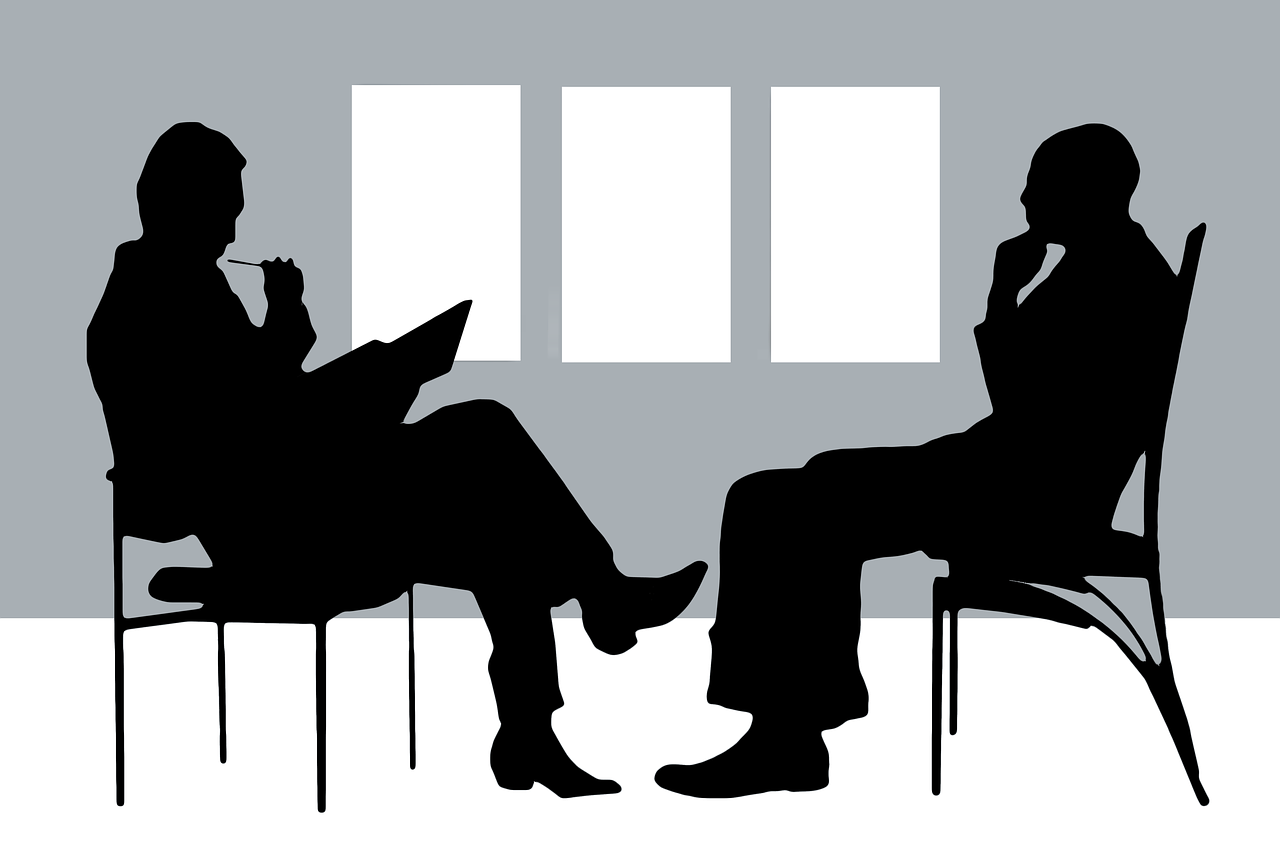
Fear.

Fear.
Photo courtesy of Pixabay.com

Underneath many of life’s problems is an ancient enemy – fear.

It is at the bottom of most negative emotions, the ones that infect our lives and undermine our happiness. Fear is at the bottom of anxiety, depression, and the problems of daily living that keep knocking us off the road to happiness. Whatever disguise fears are wearing, we each have our own special boogeyman, there seem to be two primary species of fear. This is not a new idea, I heard it a long time ago in a self-help meeting, but the more I have thought about it, the truer it seems to me.

We are usually either afraid of not getting something we want or afraid of losing something we have.

Most often we are afraid of not getting something we want. The fear that you will not get your needs or desires met is a powerful one. Unfortunately the more we have the more we need.

Think about stalkers here. They become obsessed with wanting someone, usually someone that is out of reach. I know there are stories about someone who pursued a romantic interest over a long time and much difficulty and in the end, the relationship happened. But once your intended romantic partner has gotten married, had children, and gotten a restraining order against you, it is time to give it up.

Some people try so hard for a particular job only to fall into a deep depression when it doesn’t come through. Wanting a career is wonderful. Pursuing your dream is great. But what will happen if that doesn’t pan out? You might be surprised at how many kids tell me they plan to go into major league sports. Most don’t make it. Some can’t make it and it ruins their whole life. What is really sad is when they become so fearful about failure that they self-sabotage and destroy their chances.

Ever hear the story of – well the name doesn’t matter – He was so sure his girlfriend was going to break up with him that he broke up with her first. Do you ever do that? Let your fear get control of you and destroy your chances before they began?

Therapists see some very sad cases of this fear. We see people who are not happy when alone, jump into a relationship because they are afraid that they will never be happy without a partner. Often they settle for a partner, any partner, and a relationship that is far short of what they wanted or deserved. Not surprisingly, to their counselor, they find that their partner is not happy either. Two unhappy people rarely make a happy relationship.

The second big cause of fear: We can be so in fear of losing something we have we forget to notice what we do have.

We old people have trouble keeping up. Two kids are sitting on a bench, each busily texting, neither one is speaking. I look over their shoulders. What could be so engrossing they don’t have time to talk? They are texting each other. I remember a time when my grandparents got a phone. Not everyone in the town had one. They felt lucky to be one of the first families to have one. I see a teen come into the psychiatric hospital, she cut her wrists, her parents had taken away her cell phone and she felt she had nothing to live for.

An old saying, only the rocks, and the hills are forever. Today with strip mining that may not be true. But we can get so into fear of losing something we miss out on the joy of having it. Remember in a hundred years not very many people, maybe no one will remember. For everything we have, we probably gave up something else that could have been.

Yes eventually that old car of yours, the one you saved to buy, it will break down. Keep it in the garage and never drive it and it will not get wrecked until your descendants take it out and drive it if it still runs then.

So have your fears controlled you? Do you fear you won’t get something you want and does that lead to anger, depression, or anxiety? Is that fear keeping you from trying?

Do you fear losing something so much that you can’t enjoy what you have? Is it time to challenge your fears? Don’t let fear keep you from having a happy life.

More on this is at 2 large reasons for your fear and Anxiety

Staying connected with David Joel Miller

Seven David Joel Miller Books are available now!

My newest book is now available. It was my opportunity to try on a new genre. I’ve been working on this book for several years, but now seem like the right time to publish it.

Story Bureau.

Story Bureau is a thrilling Dystopian Post-Apocalyptic adventure in the Surviving the Apocalypse series.

Baldwin struggles to survive life in a post-apocalyptic world where the government controls everything.

As society collapses and his family gets plunged into poverty, Baldwin takes a job in the capital city, working for a government agency called the Story Bureau. He discovers the Story Bureau is not a benign news outlet but a sinister government plot to manipulate society.

Bumps on the Road of Life. Whether you struggle with anxiety, depression, low motivation, or addiction, you can recover. Bumps on the Road of Life is the story of how people get off track and how to get your life out of the ditch.

Dark Family Secrets: Doris wants to get her life back, but small-town prejudice could shatter her dreams.

Casino Robbery Arthur Mitchell escapes the trauma of watching his girlfriend die. But the killers know he’s a witness and want him dead.

Planned Accidents  The second Arthur Mitchell and Plutus mystery.

Letters from the Dead: The third in the Arthur Mitchell mystery series.

What would you do if you found a letter to a detective describing a crime and you knew the writer and detective were dead, and you could be next?

Sasquatch. Three things about us, you should know. One, we have seen the past. Two, we’re trapped there. Three, I don’t know if we’ll ever get back to our own time.

For these and my upcoming books; please visit my Author Page – David Joel Miller

Want the latest blog posts as they publish? Subscribe to this blog.

For videos, see: Counselorssoapbox YouTube Video Channel

How many mental illnesses are there?

By David Joel Miller, MS, Licensed Therapist & Licensed Counselor.

Confused brain

Mental illness.
Photo courtesy of Pixabay.com

How many mental illnesses do you know about?

Most people are familiar with a few mental illnesses. We have an official book called the DSM-4-TR which lists all the ones that are currently recognized, but professionals all know that sometime very soon there will be a new list and then this will all change (UPDATE now the DSM-5). Sometimes, as with manic-depressive disorder, we change the way people think about an illness by changing the name. The new name for this is Bipolar Disorder and that lets us start drawing small distinctions between people who get the same diagnosis but their symptoms are so very different. Then there are a lot of things we might call “problems of daily living.” These problems send more people to counseling than most of the well known mental illnesses.

Now in addition to this, there are a lot of things in the back of the DSM (pick an edition here) that are only recognized in a particular culture. There is also a long list of diagnoses suggested for further research, which means some professionals think it should be a disorder and other professionals don’t.

So currently the DSM lists about 400 give or take mental, emotional, or behavioral disorders. Even professionals forget to use all these codes a lot of the time.

When I teach classes in substance abuse counseling, I try to give prospective substance abuse counselors an overview of all these disorders. We don’t expect them to learn to diagnose disorders, just to recognize when a problem might be a mental illness and need a referral to a mental health professional. Here is that very oversimplified way of understanding mental illnesses. We will reduce that list of 400 to about 6. For the rest of the list read the book or better yet go to a professional.

1. Problems of daily living.

These are the most common. That does not mean they are the least important. This includes adjustment disorders and relationship problems. Job loss, breakups, and divorces, and parenting issues are common but they can be fatal. Ever hear of a person going through a divorce who kills themselves or others? These adjustments to life’s changes can throw people for a loop and result in severe disability. They result in the majority of referrals to therapists in private practice. Despite the fact that these problems can cause death, violence, and lots of suffering, not all insurance covers this kind of counseling. Publicly funded programs for adults often require that you actually try to kill yourself before they will treat you. Kids get a break most of the time. We need to make therapy and counseling more available but you knew I would say that. Didn’t you?

2. Anxiety disorders.

Does it surprise you that anxiety is in second place? It would be the first place in those disorders most programs are set up to treat. Lots of anxiety out there. PTSD (Post Traumatic Stress Disorder) is on the rise. Lots of shades of anxiety from phobias like fear of snakes to panic attacks.

3. Mood disorders.

This includes depression, bipolar disorder, and a whole bunch of other labels we use less often. I have written several blog posts on these disorders and how we fail to catch them early. If you feel that you or someone around you have emotions that they can’t control, seek professional help.

4. Substance use disorders.

This includes addiction or substance abuse and dependence as we are now calling it. Some of you will argue that this is not a mental illness. Taking drugs or drinking is a choice right? Well not exactly. Think of substance abuse in the same way we might look at type two diabetes. This has been characterized as a “disease of excess calories.” So if you exercise more and eat less you may not get it. But the truth is that whatever the reason you got it, voluntary or not, once you have it, you have it.

Substance use disorder is like that. It is characterized by an increase in tolerance to a drug, a physical or psychological withdrawal, and a loss of control over the amount the client uses once they start using. Once they get it they need treatment or help to stop.

P.S. on this – in the DSM-5 there is more emphasis on the cravings that go with chemical and behavioral disorders.

5. Psychoses.

Most people would immediately think of a “paranoid schizophrenic” as an example of this. That would be wrong. Most people would also have started the list with this one. People think psychosis is a lot more common than it is. For the record, there are lots of psychoses other than Schizophrenia. Not all paranoids have schizophrenia by the way, and not all people with schizophrenia are paranoid.

Psychosis is a distortion of reality, sometimes referred to as a loss of touch with reality. That sounds more like a politician than a mentally ill person to me.

6. Problems of kids and growing up.

Things like developmental delays and mental retardation show up most often before a child goes to school. Learning disabilities and ADHD get diagnosed in the early grades and behavioral problems get diagnosed in middle school most often. This is not because these problems develop then but because as the child ages our expectations of them change and we notice different problems. Autism, Asperger’s Disorder, and Pervasive Developmental Delay NOS also get diagnosed most often when the child is young. Of course, most any of these conditions could show up in adulthood if they had not been spotted before. A group of issues we call attachment disorders could show up here but many adult clients are just now dealing with issues that began when they were very young. Things like abusive or neglectful parents. They have just managed to hide and put off dealing with these problems until a life stressor brings then out.

P.S. on that one also. In the DSM-5 we see a recognition that while something like ADHD may be first recognized in childhood it can continue your whole life. Just cause you never got this diagnosed in childhood should not keep it from getting recognized and treated later in life.

So there you have them – 6 broad categories of mental illnesses. I am sure I have left some other things out but these are the biggies that bring lots of suffering and drive people to therapy or meds. If any of these issues are affecting you or someone you care about, consider therapy, counseling, or possible meds.  There is help out there and most of the time suffering in silence does not make the pain go away.

Staying connected with David Joel Miller

Seven David Joel Miller Books are available now!

My newest book is now available. It was my opportunity to try on a new genre. I’ve been working on this book for several years, but now seem like the right time to publish it.

Story Bureau.

Story Bureau is a thrilling Dystopian Post-Apocalyptic adventure in the Surviving the Apocalypse series.

Baldwin struggles to survive life in a post-apocalyptic world where the government controls everything.

As society collapses and his family gets plunged into poverty, Baldwin takes a job in the capital city, working for a government agency called the Story Bureau. He discovers the Story Bureau is not a benign news outlet but a sinister government plot to manipulate society.

Bumps on the Road of Life. Whether you struggle with anxiety, depression, low motivation, or addiction, you can recover. Bumps on the Road of Life is the story of how people get off track and how to get your life out of the ditch.

Dark Family Secrets: Doris wants to get her life back, but small-town prejudice could shatter her dreams.

Casino Robbery Arthur Mitchell escapes the trauma of watching his girlfriend die. But the killers know he’s a witness and want him dead.

Planned Accidents  The second Arthur Mitchell and Plutus mystery.

Letters from the Dead: The third in the Arthur Mitchell mystery series.

What would you do if you found a letter to a detective describing a crime and you knew the writer and detective were dead, and you could be next?

Sasquatch. Three things about us, you should know. One, we have seen the past. Two, we’re trapped there. Three, I don’t know if we’ll ever get back to our own time.

For these and my upcoming books; please visit my Author Page – David Joel Miller

Want the latest blog posts as they publish? Subscribe to this blog.

For videos, see: Counselorssoapbox YouTube Video Channel

How does therapy help people?

By David Joel Miller, MS, Licensed Therapist & Licensed Counselor.

Therapy

Therapy.
Photo courtesy of Pixabay.com

People ask just how it is that therapy or counseling works.

The short answer is that there are many ways, not just one way in which therapy may work to help someone. Professionals all have their own preferred theory of therapy which is the basis of their practice. What they do is highly influenced by the theory they use, though the truth be told most of us borrow from other theories if we see a procedure that might help a client.

The way counseling might help also varies with the problem the client brings to the office. In the early days, there was one profession that largely dealt with problems of the mind, psychiatrists. Today there are many specialties that work to help people with their problems of living. A caveat here, I have my preferred way of trying to be helpful. This is my opinion so I won’t pretend to fully explain all the procedures.

Therapists are empathetic, non-judgmental listeners.

There are some things people don’t feel comfortable talking to their families and friends about. One school of therapists, Rogerians, believe that most of us have the answers to life’s problems we just need to talk them out. Being able to talk through urges and fantasies helps people to understand themselves and may lead to an improved ability to control their behavior. Clients sometimes say their therapist just sat there, listened, and didn’t tell them anything. If you want or need more than listening, discuss that with your counselor.

Therapy can be a corrective emotional experience.

Many clients tell me they have trust issues. Often this is because there has been no one in their lives they could trust or because they were not trustworthy themselves. If their family was never very affirming, a positive therapist can help them to learn to affirm themselves. Group therapy is especially good at teaching people how to deal with interpersonal problems by allowing them to experiment with new behaviors.

The counselor can provide reality testing.

Clients may come to therapy with incorrect perceptions. People think they are fat when they are normal or below in weight. They think of themselves as too old or too dumb when they are in fact at a normal developmental point in their life. People make plans that they do not have the skills or resources for, they have expectations of others that are not realistic. Having someone to “bounced ideas off” can help ground plans in the real world.

Counselors help people change life stories.

Many people have a “story” about themselves that started in early life and which they have been unable to alter. People with call themselves “a loser.” This personal story, saturated with problems, may keep them from trying new things because they expect to fail at any new effort.  Narrative therapists help people create a new story.  Cognitive therapists would call this a “thinking distortion” and use various methods to get the client to challenge this belief and create a new belief about themselves that was more adaptive. Instead of thinking of themselves as a “loser”, the client may begin to see themselves as a “survivor” who has continued to try in spite of obstacles.

Counselors teach clients new skills.

A substance abuse counselor would teach a client refusal skills. A career counselor might teach his client how to use online career inventories, interviewing skills, or resources to use to conduct a job search. Marriage counselors may teach couples communication skills. Family counselors may teach parenting skills. Skills-based approaches may involve recommendations for books to read and real-life homework to increase skills. School counselors primarily work on academic issues, what classes to take, and how to succeed in school.

Counselors help clients get in touch with themselves.

Exploration of the self, personal growth, and discovery are all legitimate reasons to see a counselor. Counselors don’t make decisions for clients, but they can teach clients decision-making skills and encourage clients to practice these skills. Therapy can help clarify values and assist clients in evaluating choices. People may come to counseling confused and in need of help in gaining clarity.

Psychotherapy can assist in changing personality.

Psychotherapists often focus on basic personality characteristics. Psychologists can give and administer personality tests while psychotherapists can spend time working through personality characteristics the client may wish to change.  Changing an underlying personality characteristic takes more time and effort than the crisis-driven techniques but it can result in long-term changes in coping skills. Psychodynamic therapists work on the unconscious. More cognitive therapists would approach personality issues by trying to help the client gain a new worldview. “Getting a new pair of glasses” results in seeing the world and problems differently.

There are sure to be more ways in which counseling is helpful. What do you think? Are you a client who has been helped? What was helpful? If you are a therapist, what do you think helps clients?

This post was featured in “Best of Blog – May 2012

Staying connected with David Joel Miller

Seven David Joel Miller Books are available now!

My newest book is now available. It was my opportunity to try on a new genre. I’ve been working on this book for several years, but now seem like the right time to publish it.

Story Bureau.

Story Bureau is a thrilling Dystopian Post-Apocalyptic adventure in the Surviving the Apocalypse series.

Baldwin struggles to survive life in a post-apocalyptic world where the government controls everything.

As society collapses and his family gets plunged into poverty, Baldwin takes a job in the capital city, working for a government agency called the Story Bureau. He discovers the Story Bureau is not a benign news outlet but a sinister government plot to manipulate society.

Bumps on the Road of Life. Whether you struggle with anxiety, depression, low motivation, or addiction, you can recover. Bumps on the Road of Life is the story of how people get off track and how to get your life out of the ditch.

Dark Family Secrets: Doris wants to get her life back, but small-town prejudice could shatter her dreams.

Casino Robbery Arthur Mitchell escapes the trauma of watching his girlfriend die. But the killers know he’s a witness and want him dead.

Planned Accidents  The second Arthur Mitchell and Plutus mystery.

Letters from the Dead: The third in the Arthur Mitchell mystery series.

What would you do if you found a letter to a detective describing a crime and you knew the writer and detective were dead, and you could be next?

Sasquatch. Three things about us, you should know. One, we have seen the past. Two, we’re trapped there. Three, I don’t know if we’ll ever get back to our own time.

For these and my upcoming books; please visit my Author Page – David Joel Miller

Want the latest blog posts as they publish? Subscribe to this blog.

For videos, see: Counselorssoapbox YouTube Video Channel

10 ways to get emotional help without money

By David Joel Miller, MS, Licensed Therapist & Licensed Counselor.

Counseling.
Photo courtesy of Pixabay.com

Can’t pay for therapy?

The times you need help the most are likely to be the times you are least able to pay. People with emotional problems often have other problems, no job or a low-paying one, physical health problems, housing issues. If you had those other problems wouldn’t you be depressed or anxious?

Now if this is an emergency, if you or someone close to you is thinking of suicide, has a drug overdose or other critical problem, please call your local emergency number. In my area, we have 911 services and every night many people call that number and end up in hospitals where they can be linked to help. People who chose to not call emergency services can walk into an emergency room and seek services. These days emergency rooms across America are filling with people with mental and emotional problems, people with nowhere else to go.

We continue to hope that the services for the people in need will match the need. So far it isn’t happening. The recent downturn in the economy has resulted in strained budgets and budget cuts. Mental health and substance abuse dollars keep shrinking at the very time the need is growing.

The first place to start of course is your local mental health facility. If you qualify for services they are likely to be covered or offered at extremely low rates. These days the need is so great most public facilities are limited to serving only those with the most severe need, people who are suicidal or have hallucinations. Even if you don’t qualify for ongoing therapy, you may be able to get emergency services or they may be able to refer you to free or low-cost services.

So if you are someone who has fallen through the cracks, who needs counseling or therapy but has no insurance, doesn’t qualify for services or your diagnosis does not meet the “medical necessity” for services, how do you get help? Here are a few suggestions, some are more available than others, and some are more painful than others but if you need help and haven’t been getting it these are things you might try.

1. Read the internet

Especially read blogs and sites about recovery. The internet can be had for little or no cost. These days’ even homeless people have email. Most libraries let people use computers for some amount of time. This has brought information to everyone. It has also caused problems. Not all sources of information are helpful. Watch out for sites that are sponsored by a company that wants to sell you something.

Read about recovery. Some writers are in lots of pain; their writing is therapeutic for them. I read those sites but I find it is good to limit readings about pain unless there are also posts about recovery. Read blogs that spread the cure, not posts that spread the disease. Also, avoid reading too many posts about diagnoses. Self-diagnosis is a trap even professionals can fall into. You need an objective professional person to make a good diagnosis. That said, if someone has given you a diagnosis, read about your condition. If the things you read don’t match what is happening to you, ask questions. Not all professionals agree on things and sometimes they get things wrong.

2. Read self-help books.

There are lots of self-help books out there. I wish I could give you a list of the best ones. I am working on that list but so far it is not ready. I asked colleagues for recommendations and at this point, no two therapists have recommended the same book or books. Read a self-help book that speaks to you. What you need to learn may be different from what someone else needs to learn. You can get self-help books for very little money. Libraries have them for loan. Some can be downloaded from the internet for free or at a low price. I have picked up some great ones at thrift stores for fifty cents to two dollars. If you find a great one please leave a comment here and share your find.

Avoid books that require you to be dependent on or give unquestioning loyalty to a person or group. A.A. literature says here are “suggestions” that have helped us. If you find a better way we wish you well. If you have to do things the author’s way chances are the book is designed to help him and not you.

3. Self-help groups.

The old standby of self-help groups are Alcoholics Anonymous (AA) and Narcotics Anonymous (NA). The success of A.A. has spawned over 200 self-help groups based on the twelve-step model. There are also specific groups for people with co-occurring or dual diagnosis issues. There are also some groups based on specific needs that do not involve the twelve steps. Please don’t be put off by the twelve step programs talk about a “higher power” even nonreligious people, atheists, and agnostics are welcomed and they often find there is something they can believe in if it is only the ability of the group to be helpful.

4. Colleges and schools

Many colleges have therapy available for students. These services are in addition to the department that does academic counseling. Check with the health services on campus if you are a student. Universities that offer counseling or therapy major often have clinics where new therapists under the supervision of experienced instructors, provide therapy services to members of the community. These university-sponsored programs have low-cost or reduced-cost options. School counselors can sometimes help with family issues, parenting, and child behavioral issues.

5. Community-based resources

Non-profit organizations are sometimes able to provide some services to people in the community who are otherwise unable to access services. Check with charitable organizations. Some areas have a 211 phone service that is able to provide social service referrals.

6. Ask therapists and counselors about sliding fee arraignments

Some practitioners are able to see clients for reduced fees. Don’t be afraid to ask, but expect to have to show proof of income.

7.  Consider group therapy

Group counseling is not second-rate services. Sometimes being in a group with others can be a powerful experience. Group fees can be significantly less than individual counseling. Some practitioners offer large group counseling at extremely low fees. In my area, there have been large groups run by professional therapists that were sponsored by churches or community-based organizations that were free. The therapist donates their time and the organization provides the space. The people who attend get free services that they would otherwise not be able to afford and the counselor often gets referrals for their private practice.

8. Substance abuse facilities

Substance abuse facilities often have outpatient groups that are extremely reasonable. They also may have free or low-cost groups for the family members of clients in substance abuse treatment.

9. Think about your priorities.

How much is your recovery worth? Many a time a person has told me they couldn’t afford therapy but they continue to pay hundreds of dollars each month for hair or nail appointments, home shopping, or their drug of choice. Is it true you can’t afford help or is it that you have not made your recovery much of a priority?

10. Consider Religious counseling.

Pastors, Rabbi’s Priest, Bishops, and other religious leaders often have training in Pastoral counseling in addition to their religious training. Seek out people who seem to care about you and about being of service.

If any of you know of other resources let me know so I can pass the information along. Till next time –

Staying connected with David Joel Miller

Seven David Joel Miller Books are available now!

My newest book is now available. It was my opportunity to try on a new genre. I’ve been working on this book for several years, but now seem like the right time to publish it.

Story Bureau.

Story Bureau is a thrilling Dystopian Post-Apocalyptic adventure in the Surviving the Apocalypse series.

Baldwin struggles to survive life in a post-apocalyptic world where the government controls everything.

As society collapses and his family gets plunged into poverty, Baldwin takes a job in the capital city, working for a government agency called the Story Bureau. He discovers the Story Bureau is not a benign news outlet but a sinister government plot to manipulate society.

Bumps on the Road of Life. Whether you struggle with anxiety, depression, low motivation, or addiction, you can recover. Bumps on the Road of Life is the story of how people get off track and how to get your life out of the ditch.

Dark Family Secrets: Doris wants to get her life back, but small-town prejudice could shatter her dreams.

Casino Robbery Arthur Mitchell escapes the trauma of watching his girlfriend die. But the killers know he’s a witness and want him dead.

Planned Accidents  The second Arthur Mitchell and Plutus mystery.

Letters from the Dead: The third in the Arthur Mitchell mystery series.

What would you do if you found a letter to a detective describing a crime and you knew the writer and detective were dead, and you could be next?

Sasquatch. Three things about us, you should know. One, we have seen the past. Two, we’re trapped there. Three, I don’t know if we’ll ever get back to our own time.

For these and my upcoming books; please visit my Author Page – David Joel Miller

Want the latest blog posts as they publish? Subscribe to this blog.

For videos, see: Counselorssoapbox YouTube Video Channel
Am I Bipolar?

By David Joel Miller, MS, Licensed Therapist & Licensed Counselor.

Person with masks

Bipolar.
Photo courtesy of Pixabay.com

Am I Bipolar?

Occasionally I get asked this question. More often the person asking the question is asking if their child, spouse, or friend is Bipolar. Almost no one ever asks me if they are depressed. Why the difference?

Most of us know when we are depressed. We know that we can be a little depressed and get over it naturally or we can get a lot depressed and need help. It is also easy to see that there is a difference between being a “little depressed” and suffering from Major Depressive Disorder which is the technical term we professionals use when we diagnose clinical depression that needs treatment.  We also have some other lesser degrees of depression we can diagnose like Dysthymic Disorder. Not so much with bipolar disorder.

Even my more liberal colleagues are uncomfortable with the idea that people could be “a little bit bipolar” even though all people have some of the characteristics of bipolar from time to time. It would be more comfortable to think that there are “those people” meaning the mentally ill – over there and then “us people” the normal ones over here. Forget for a moment that our friends and family may think we belong with the over-there folks. Why is it so hard to accept that most of the symptoms of mental illness are on a continuum from a few to a lot?

With depression, we all accept that if someone in your family dies – say, grandma, for instance, you should be sad. That is assuming, of course, you like grandma. If someone close to you dies we expect you to be sad, depressed even, we have a special name for that – Bereavement. But if five years later you are still stuck at home, too depressed to go to work because of this loss, then we think there is something excessive going on here and you will be diagnosed as depressed, probably diagnosed with Major Depressive disorder. So why don’t we do that with Bipolar disorder?

One caution is in order.  DO NOT ATTEMPT THIS AT HOME! Diagnosis is not a do-it-yourself project. This blog is meant to be informative and as you will see below most of this is not a matter of yes or no answers on a questionnaire. Some “clinical judgment” needs to be used, which is why even professionals sometimes need to consult with other professionals on close calls.

Let’s look at the criteria for Bipolar and see how someone might have all the signs or symptoms and still not qualify for the diagnosis. Some of you who read my earlier blog about Bipolar Disorder will remember that the main difference between depression and bipolar disorder is the occurrence, at least one time, of an episode of large mania or small mania (Hypomania.) I have simplified these descriptions so if you want the long-form, check the DSM.  After the 7 criteria will come the big stuff.

Here are the 7 criteria:

1. Inflated self-esteem or grandiosity.

So this sounds like an occupational disease. Wouldn’t all politicians, entertainers, and sports personalities fit this description? So thinking a lot of yourself could be good self-confidence or it could be grandiosity depending on whether you win or not. Certainly, people with bipolar disorder may be attracted to these kinds of occupations but not everyone in those fields should be diagnosed with bipolar disorder. As with all the other symptoms, this is not a yes or no answer, it is a matter of degree.

2. Decreased need for sleep.

Many people experience a night or two when they are doing something exciting and they get by on less than normal sleep for a day or two. As a society, we like people who get a lot done. But eventually, the novelty wears off and the need for sleep returns. Bipolar people have extended periods of high activities with a reduced need for sleep.  Parents with bipolar children report the child never slept that much. Though most parents don’t think their child sleeps enough when the kid keeps waking you up at night. So again the sleep issue is a matter of degree.

3. More talkative than usual or a pressure to keep talking.

Now we have all met people who talk a lot. And when you are with someone who has not seen you for a while you both may feel the need to say a lot. Some kids are so needy for attention that once the mouth opens they will talk nonstop. None of these things meet the criterion of it only happens occasionally. To really be bipolar disorder the person needs to have an out of control need to do these things.

4. Racing thoughts.

This is from the client’s point of view. They feel that even they are having difficulty keeping up with their own thoughts. Writers have this happen sometimes; the muse strikes and we have trouble getting it down on paper. That is not the same thing. Being a writer does not make you Bipolar. (We are not all bipolar are we?) These fast thoughts are also called flights of ideas, hard to stay on track when your ideas jump from subject to subject.

5. Distractibility.

This involves being pulled away easily or getting stuck on irrelevant things. Now, this is perilously close to ADHD. Kids with bipolar disorder are sometimes given an ADHD diagnosis the first time until the symptoms of bipolar disorder become clearer. More on ADHD at another time.

6. An increase in goal-directed behavior.

This is also a tricky one. If it means studying a lot and getting all “A’s” or making lots of money we may let this go. But if you are really good at having sex with lots of people or working so many hours you forget where you live – then you get diagnosed.

7. Excessive involvement in pleasurable activities that may cause you pain.

The official guide lists too much sex, buying sprees, sexual indiscretions, and foolish business investments. This leaves out gambling, substance abuse and some other impulse control problems.  What is a foolish business investment is also open to question. Should we dump the internet stock and invest in a sound carriage manufacturer’s stock? So see how some interpretation is needed?

Now all the above notwithstanding, for anything to be diagnosed – yes you heard me right – for anything to be diagnosed as a mental illness it must cause one of three things.

A. The problem keeps you from having or keeping a job. For kids, this includes going to school. In fancy-speak, we call this interfering with occupation functioning.

B. It keeps you from having good relationships with your friends or family this is called social functioning.

C. It causes you pain. So if the problem is causing you pain we are much more likely to think it is a mental or emotional disorder than if you and your friends are OK with your difference and you can keep a job.

More next time on some of these problematic diagnoses and on some other relationship issues that you have emailed me about.

Bye for now

David Miller, LMFT, LPCC

Are you a rat?

By David Joel Miller, MS, Licensed Therapist & Licensed Counselor.

Truth or lie

Separating truth from lies is hard work.
Photo courtesy of Pixabay.com

Should you ever rat? When is it OK to tell on someone?

We tell kids to talk to the teacher if someone bullies them. We tell them no one likes a tattletale. Teenagers are vehement that it is never OK to tell on your friends. Parents of teens wish someone would tell them when their child is in danger. What things might your child be doing you would want to know about? What things do you hope your friends are keeping secret?

In a previous post, I wrote about the way in which kids will tell their friends and their friend’s parents about things they would never tell their own parents. When you hear those things, what should you keep to yourself, and what is so important you need to tell? Should we accept the rule that we should never rat? Should it be OK if our kids keep those things secret?

Wouldn’t it be nice if there were all or nothing rules for behavior in life? Some people try to make absolute rules, for themselves and for others. They are mighty sure what the right thing to do is until you call one of their actions into question.

Most of the time in life, things are on a continuum, from good to less good to a little bad to a lot bad. Telling a friend’s secret to someone else is on that continuum.

As a parent, I would want to know if my child was thinking of killing themselves. Wouldn’t you? Could your child feel good about themselves if their friend confided to them that they were suicidal and they did nothing? People who talk about suicide may want to be talked out of it, to be reassured that there is someone who cares enough to intervene and stop them. Would you want to be the kind of person who saved a life or the kind who let someone die?

How would you explain to the parents of a murdered child that you knew someone was going to kill their child but you didn’t want to tell? Could you live with yourself after that? How would you feel if your friend bullied someone and they killed themselves?

It is a good idea to talk with your child about morality and ethics before they have to make those tough decisions.

If a teen is endangering their life with drugs and drinking and driving do you owe it to them to talk to them about it? If they don’t want to stop and continue to endanger their life it is permissible to tell someone else who is in a position to stop them.

Every year we hear about a local teen that is killed by driving drunk, being a passenger of a drunk, or being hit by a drunk driver. Does not trying to stop that when you know about it make you a bad friend? Would you rather be a good friend who kept a dead friend’s secrets or a bad friend who saved their life?

Professional counselors and therapists have legal constraints on secrets. We can’t tell things we might like to such as having a client tell us about past crimes. The counseling relationship has a high level of trust and if we violate that trust we keep clients from coming for the help they need.

But there are other things that counselors are legally and ethically required to talk about, like intervening if a client plans to kill themselves or someone else. We also can intervene when someone does not know how to care for themselves even if they want to be left alone.

Knowing when to keep a secret and when you need to tell to protect that friend, others and society is one of the tasks people need to learn to be adults. A parent’s major job is to help their child grow up. That sometimes it is OK to tell is a lesson we all may need to learn.

P. S. I know that tame rats can, in fact, make good pets. I have no idea why we call people who tell on each other rats. Rats don’t tell on each other. At least I don’t think they do.

I know there are some of you who won’t agree with me on this, you are entitled to be wrong.

Still feel free to comment on this or any other blog and feel free to like, forward and recommend to your heart’s content. Till next time, David Miller LMFT, LPCC.

Staying connected with David Joel Miller

Seven David Joel Miller Books are available now!

My newest book is now available. It was my opportunity to try on a new genre. I’ve been working on this book for several years, but now seem like the right time to publish it.

Story Bureau.

Story Bureau is a thrilling Dystopian Post-Apocalyptic adventure in the Surviving the Apocalypse series.

Baldwin struggles to survive life in a post-apocalyptic world where the government controls everything.

As society collapses and his family gets plunged into poverty, Baldwin takes a job in the capital city, working for a government agency called the Story Bureau. He discovers the Story Bureau is not a benign news outlet but a sinister government plot to manipulate society.

Bumps on the Road of Life. Whether you struggle with anxiety, depression, low motivation, or addiction, you can recover. Bumps on the Road of Life is the story of how people get off track and how to get your life out of the ditch.

Dark Family Secrets: Doris wants to get her life back, but small-town prejudice could shatter her dreams.

Casino Robbery Arthur Mitchell escapes the trauma of watching his girlfriend die. But the killers know he’s a witness and want him dead.

Planned Accidents  The second Arthur Mitchell and Plutus mystery.

Letters from the Dead: The third in the Arthur Mitchell mystery series.

What would you do if you found a letter to a detective describing a crime and you knew the writer and detective were dead, and you could be next?

Sasquatch. Three things about us, you should know. One, we have seen the past. Two, we’re trapped there. Three, I don’t know if we’ll ever get back to our own time.

For these and my upcoming books; please visit my Author Page – David Joel Miller

Want the latest blog posts as they publish? Subscribe to this blog.

For videos, see: Counselorssoapbox YouTube Video Channel

7 “New Drugs” parents should be aware of

By David Joel Miller, MS, Licensed Therapist & Licensed Counselor.

Drugs.

Drugs.
Photo courtesy of pixabay.

7 “New Drugs” parents should be aware of.

New drugs and new patterns of drug use continue to emerge. When I first started talking about this in my class for drug and alcohol counselors the thought entered my mind that giving out information on new drugs might encourage their use. I didn’t need to worry about that, the people who want to use them knew about them far before I did. But now that there have been a few overdoses I believe it is important for parents and professions to be aware of these new trends in drug use. So here are six new drugs and one new drug use trend that are beginning to rival the old drug use problems. For up to the minute information on these drug use trends you only have to search the internet.

1. Khat

Khat is a stimulant plant from the Middle East, another of the results of our involvement in wars there. The leaves are chewed while still fresh and moist and are a mild stimulant similar to Coca leaves. The plant and the fresh leaves are rare in the U. S. The synthetic version is becoming more common.

2. Methcathinone

Methcathinone is a synthetic and potent laboratory-produced version of the Khat plant’s active ingredient. It is not illegal or regulated everywhere yet and is growing in popularity. Results are reported as being similar to Methamphetamine.

3. Bath salts.

These are not the kind of bath salts your grandmother might have used. These drugs are being sold in “head” or “smoke” shops not bath boutiques and the label is certainly a misnomer. Common names include such benign-sounding names as “Ivory Wave,” “Purple Wave,” “Vanilla Sky” and “Bliss.”

They are used by smoking and can contain a variety of chemicals. Join Together reports that DEA has placed a temporary ban on three ingredients used in the manufacture of bath salts, Mephedrone, MDPV, and Methylone.

As fast as one ingredient is made illegal the manufacturers switch ingredients. Overdoses can be particularly nasty and use may result in psychoses or death. To re-quote “What a price to get your kicks.”

4. Synthetic Cannabinoids.

These are best known locally under the brand names of “Spice” and “K-2.”  This can be most any dried vegetable material, commonly parsley which has been coated with a synthetic Cannabinoid. There are 300 different chemicals involved so far and more are sure to be discovered. A few have been made controlled substances, mostly this means they are illegal in the U.S. As fast as one is banned another variety comes into use. These are not benign chemicals. Overdoses and toxic results have been reported including hallucinations that have not gone away after withdrawal from the drug.

5. Salvia Divinorum.

An unusual member of the sage family originally from Central America it appears to be the only member of the sage family with psychoactive properties. It was used by Native Americans in religious ceremonies and does not appear to be especially dangerous when used that way. When combined with other drugs, especially synthetics and alcohol the results are reported as being unpredictable. Since stimulants and depressants are the most popular drugs, consciousness-altering drugs like sage have not caught on in popularity the way Methcathinone and bath salts have. As with most dried herbal products the potency and ingredients can vary considerably.

6. Kratom.

Bet you thought I made that up? This has nothing to do with Superman. It is a tree, originally native to South East Asia. The leaf is reported to have both stimulant and depressive properties. In some places it is illegal and in other places, it is totally unregulated. At high doses, it has been reported to have effects similar to morphine. Some of the trees are now in the U. S. but most of the use is by buying leaves and preparations from the internet. The tree does not grow well in cold climates so most of the cases reported are from Florida. Like all other drugs, it is likely to spread over time.

7. Smoking of Heroin by teens.

This is a new twist to an old drug. This trend is occurring in the wealthier and more affluent parts of town. Abuse of pills is now epidemic. Teens have ready access to powerful painkillers. Sometimes these have been prescribed to them for injuries but often these pills are being taken from parents and grandparents medicine cabinets. After a short time, opiate addiction develops. Unable to get more pain pills an exceptionally large number of teens have taken to purchasing heroin to replace the pills. At first, they may be induced to smoke the heroin, thinking that this differentiates them from the drug addicts who use needles. The high price of the drug and the larger quantities needed when smoking result in most switching to needle use. Heroin is consuming a whole new generation.

By the time I get this posted it is likely there will be additions to the list. I hope this helps in the way of information. The only antidote I know of for an increase in drug addiction among our children is parental and societal involvement with kids. Happy, healthy kids are less likely to become addicted and they are more likely to turn to adults for help. Kids with mental health problems, who are estranged from their parents, are at increased risk. Trying to keep drugs out of our communities does not seem to be working as you can see here new drugs of abuse will keep entering our society. The only hope for taming the dragon of addiction is early intervention and treatment.

Great sources of up to date information on drug use trends and laws are THE PARTNERSHIP AT DRUG FREE.ORG and Join Together. They send out frequent updates via email. Check them out at http://www.drugfree.org/join-together

As always comments and questions are welcome.

Staying connected with David Joel Miller

Seven David Joel Miller Books are available now!

My newest book is now available. It was my opportunity to try on a new genre. I’ve been working on this book for several years, but now seem like the right time to publish it.

Story Bureau.

Story Bureau is a thrilling Dystopian Post-Apocalyptic adventure in the Surviving the Apocalypse series.

Baldwin struggles to survive life in a post-apocalyptic world where the government controls everything.

As society collapses and his family gets plunged into poverty, Baldwin takes a job in the capital city, working for a government agency called the Story Bureau. He discovers the Story Bureau is not a benign news outlet but a sinister government plot to manipulate society.

Bumps on the Road of Life. Whether you struggle with anxiety, depression, low motivation, or addiction, you can recover. Bumps on the Road of Life is the story of how people get off track and how to get your life out of the ditch.

Dark Family Secrets: Doris wants to get her life back, but small-town prejudice could shatter her dreams.

Casino Robbery Arthur Mitchell escapes the trauma of watching his girlfriend die. But the killers know he’s a witness and want him dead.

Planned Accidents  The second Arthur Mitchell and Plutus mystery.

Letters from the Dead: The third in the Arthur Mitchell mystery series.

What would you do if you found a letter to a detective describing a crime and you knew the writer and detective were dead, and you could be next?

Sasquatch. Three things about us, you should know. One, we have seen the past. Two, we’re trapped there. Three, I don’t know if we’ll ever get back to our own time.

For these and my upcoming books; please visit my Author Page – David Joel Miller

Want the latest blog posts as they publish? Subscribe to this blog.

For videos, see: Counselorssoapbox YouTube Video Channel