Morning Question # 8 – Which personality Disorders can’t read other people?

By David Joel Miller, MS, Licensed Therapist & Licensed Counselor.
personality disorder

Personality Disorder?
Photo courtesy of Pixabay.com

Which Personality Disorders can’t read other people?

None really. The closest would be Schizoid Personality Disorder, they can read people they just don’t care for people, any people. They are the classic hermits and loners.

I think you are asking about the Autism Spectrum. Autism, Asperger’s, and Pervasive Developmental Disorder NOS. Next year with the DSM-5 these will all become part of a new label Autism Spectrum Disorders. People with these disorders or varying degrees of this disorder have difficulty reading other people.

When shown pictures of people’s faces they can’t tell the angry person from the calm person. They also have difficulty reading lots of non-verbal clues. So they don’t understand when someone likes them and wants to talk or is bored and wishes they would go away. This creates all sorts of social problems.

One new treatment approach consists of teaching them all about nonverbal clues to behavior. More on this treatment coming up in a future post.

Staying connected with David Joel Miller

Seven David Joel Miller Books are available now!

My newest book is now available. It was my opportunity to try on a new genre. I’ve been working on this book for several years, but now seem like the right time to publish it.

Story Bureau.

Story Bureau is a thrilling Dystopian Post-Apocalyptic adventure in the Surviving the Apocalypse series.

Baldwin struggles to survive life in a post-apocalyptic world where the government controls everything.

As society collapses and his family gets plunged into poverty, Baldwin takes a job in the capital city, working for a government agency called the Story Bureau. He discovers the Story Bureau is not a benign news outlet but a sinister government plot to manipulate society.

Bumps on the Road of Life. Whether you struggle with anxiety, depression, low motivation, or addiction, you can recover. Bumps on the Road of Life is the story of how people get off track and how to get your life out of the ditch.

Dark Family Secrets: Doris wants to get her life back, but small-town prejudice could shatter her dreams.

Casino Robbery Arthur Mitchell escapes the trauma of watching his girlfriend die. But the killers know he’s a witness and want him dead.

Planned Accidents  The second Arthur Mitchell and Plutus mystery.

Letters from the Dead: The third in the Arthur Mitchell mystery series.

What would you do if you found a letter to a detective describing a crime and you knew the writer and detective were dead, and you could be next?

Sasquatch. Three things about us, you should know. One, we have seen the past. Two, we’re trapped there. Three, I don’t know if we’ll ever get back to our own time.

For these and my upcoming books; please visit my Author Page – David Joel Miller

Want the latest blog posts as they publish? Subscribe to this blog.

For videos, see: Counselorssoapbox YouTube Video Channel

Morning Question #6 – Could a father’s meth use cause Schizoaffective Disorder?

By David Joel Miller, MS, Licensed Therapist & Licensed Counselor.

Drugs

Stimulant drugs.
Photo courtesy of Pixabay.com

Schizoaffective Disorder and Meth use.

Schizoaffective Disorder is an unusual condition, though I think it is underdiagnosed. Think about traveling through a swamp full of lots of muck but here and there are some small islands of land. Sometimes you have one foot on land, sometimes two, and other times none. People with Schizoaffective Disorder can have episodes of psychosis, episodes of depression, or Bipolar disorder, sometimes both and sometimes neither. Depending on who sees them and when they are seen the diagnosis can change all over the place.

Mental Health conditions do not seem to be caused by any one gene. Most likely they are caused by the interaction of many genes, risk factors, environmental influences, and so on. Dad doing drugs is not likely to have caused that. Sometimes dad was doing drugs because he had a mental illness or there was a history of some disorder in the family that put him at risk.

Mom’s drug use during pregnancy is another matter. The more she uses the bigger the problem. The day she uses can determine what part of the baby was developing that day and what was affected. Mom’s drug use can result in mental retardation or learning disabilities but so far I have not seen any research out there that says the parent’s drug use before the child was born changed the child’s genes and caused a mental illness. If someone has seen that please leave a comment.

The parent’s drug use after the baby is born?

There are all kinds of research that says growing up in the home with a substance abuser can affect a child’s mental health.

Staying connected with David Joel Miller

Seven David Joel Miller Books are available now!

My newest book is now available. It was my opportunity to try on a new genre. I’ve been working on this book for several years, but now seem like the right time to publish it.

Story Bureau.

Story Bureau is a thrilling Dystopian Post-Apocalyptic adventure in the Surviving the Apocalypse series.

Baldwin struggles to survive life in a post-apocalyptic world where the government controls everything.

As society collapses and his family gets plunged into poverty, Baldwin takes a job in the capital city, working for a government agency called the Story Bureau. He discovers the Story Bureau is not a benign news outlet but a sinister government plot to manipulate society.

Bumps on the Road of Life. Whether you struggle with anxiety, depression, low motivation, or addiction, you can recover. Bumps on the Road of Life is the story of how people get off track and how to get your life out of the ditch.

Dark Family Secrets: Doris wants to get her life back, but small-town prejudice could shatter her dreams.

Casino Robbery Arthur Mitchell escapes the trauma of watching his girlfriend die. But the killers know he’s a witness and want him dead.

Planned Accidents  The second Arthur Mitchell and Plutus mystery.

Letters from the Dead: The third in the Arthur Mitchell mystery series.

What would you do if you found a letter to a detective describing a crime and you knew the writer and detective were dead, and you could be next?

Sasquatch. Three things about us, you should know. One, we have seen the past. Two, we’re trapped there. Three, I don’t know if we’ll ever get back to our own time.

For these and my upcoming books; please visit my Author Page – David Joel Miller

Want the latest blog posts as they publish? Subscribe to this blog.

For videos, see: Counselorssoapbox YouTube Video Channel

Morning Question # 5 How often and how long should you see a therapist?

By David Joel Miller, MS, Licensed Therapist & Licensed Counselor.

Therapist

Therapist.
Photo courtesy of Pixabay.com

Short answer: see a therapist as much as you need, no more, no less.

Longer answer: There is nothing special about the once a week, 50-minute hour, therapy session. Psychoanalysts often see clients twice a week or more. If you have a personality disorder, especially Borderline Personality Disorder, at least 2 to 3 times a week is recommended. Once to work on current problems, once to learn skills to avoid having more crisis type problems and more sessions as needed for addressing the past and long-term suffering.

In substance abuse, the preferred method of treatment is lots of sessions and meetings in the beginning, and then less as time goes on. Many programs begin with residential around the clock treatment to make quick gains followed by daily group sessions to consolidate the gains and lastly weekly follow-up sessions.

In Coaching or goal setting situations a single session may be all you need. That first session is sometimes followed by a booster session every so often.

Most of the time the number of sessions, frequency, and duration of treatment is determined by who is paying. Insurance may limit you. So might public funding. Court-ordered treatment may set a minimum. If you need more sessions your provider should be able to advocate for you and help you get what you need.

The more serious the illness the more treatment will be needed. For some conditions you will need to stay on medication for the rest of your life and that medication will need monitoring even when you discontinue therapy.

The question of how much, how often, and for how long are definitely things to discuss with your provider.

Staying connected with David Joel Miller

Seven David Joel Miller Books are available now!

My newest book is now available. It was my opportunity to try on a new genre. I’ve been working on this book for several years, but now seem like the right time to publish it.

Story Bureau.

Story Bureau is a thrilling Dystopian Post-Apocalyptic adventure in the Surviving the Apocalypse series.

Baldwin struggles to survive life in a post-apocalyptic world where the government controls everything.

As society collapses and his family gets plunged into poverty, Baldwin takes a job in the capital city, working for a government agency called the Story Bureau. He discovers the Story Bureau is not a benign news outlet but a sinister government plot to manipulate society.

Bumps on the Road of Life. Whether you struggle with anxiety, depression, low motivation, or addiction, you can recover. Bumps on the Road of Life is the story of how people get off track and how to get your life out of the ditch.

Dark Family Secrets: Doris wants to get her life back, but small-town prejudice could shatter her dreams.

Casino Robbery Arthur Mitchell escapes the trauma of watching his girlfriend die. But the killers know he’s a witness and want him dead.

Planned Accidents  The second Arthur Mitchell and Plutus mystery.

Letters from the Dead: The third in the Arthur Mitchell mystery series.

What would you do if you found a letter to a detective describing a crime and you knew the writer and detective were dead, and you could be next?

Sasquatch. Three things about us, you should know. One, we have seen the past. Two, we’re trapped there. Three, I don’t know if we’ll ever get back to our own time.

For these and my upcoming books; please visit my Author Page – David Joel Miller

Want the latest blog posts as they publish? Subscribe to this blog.

For videos, see: Counselorssoapbox YouTube Video Channel
Morning Question # 3. What stimulant drug causes mental illnesses?

By David Joel Miller, MS, Licensed Therapist & Licensed Counselor.

Drugs

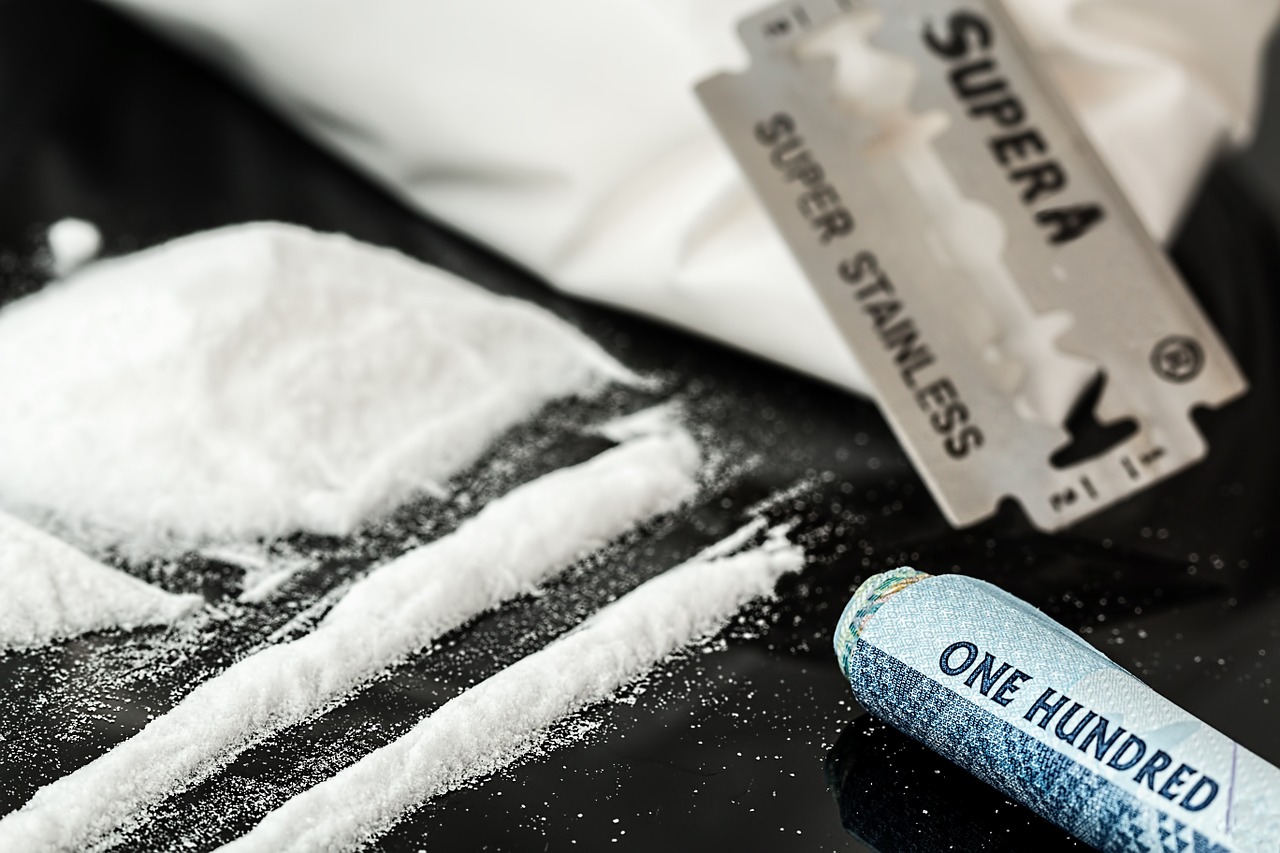
Stimulant drugs.
Photo courtesy of Pixabay.com

What stimulant drug causes mental illnesses?

Morning Question # 3.

ALL. Yes, any stimulant can cause a mental or emotional problem when you are under the influence. Some stimulants, like Methamphetamine, if you do enough of them, can cause permanent damage to the brain. The DSM includes five stimulant-induced disorders that can last after you are detoxed from the drug. Even Caffeine can cause intoxication and can induce anxiety or sleep disorders. The stronger the stimulant and the more you use the bigger the risk.

Sometimes a question or comment comes in or someone uses a search term that needs a short answer but not a post. Time permitting I will post answers to those questions in the early morning.

Staying connected with David Joel Miller

Seven David Joel Miller Books are available now!

My newest book is now available. It was my opportunity to try on a new genre. I’ve been working on this book for several years, but now seem like the right time to publish it.

Story Bureau.

Story Bureau is a thrilling Dystopian Post-Apocalyptic adventure in the Surviving the Apocalypse series.

Baldwin struggles to survive life in a post-apocalyptic world where the government controls everything.

As society collapses and his family gets plunged into poverty, Baldwin takes a job in the capital city, working for a government agency called the Story Bureau. He discovers the Story Bureau is not a benign news outlet but a sinister government plot to manipulate society.

Bumps on the Road of Life. Whether you struggle with anxiety, depression, low motivation, or addiction, you can recover. Bumps on the Road of Life is the story of how people get off track and how to get your life out of the ditch.

Dark Family Secrets: Doris wants to get her life back, but small-town prejudice could shatter her dreams.

Casino Robbery Arthur Mitchell escapes the trauma of watching his girlfriend die. But the killers know he’s a witness and want him dead.

Planned Accidents  The second Arthur Mitchell and Plutus mystery.

Letters from the Dead: The third in the Arthur Mitchell mystery series.

What would you do if you found a letter to a detective describing a crime and you knew the writer and detective were dead, and you could be next?

Sasquatch. Three things about us, you should know. One, we have seen the past. Two, we’re trapped there. Three, I don’t know if we’ll ever get back to our own time.

For these and my upcoming books; please visit my Author Page – David Joel Miller

Want the latest blog posts as they publish? Subscribe to this blog.

For videos, see: Counselorssoapbox YouTube Video Channel
Morning Question # 2 Does Methcathinone help you get big in the gym?

By David Joel Miller, MS, Licensed Therapist & Licensed Counselor.

Bath salts.
Photo courtesy of Pixabay.com

NO! No stimulant makes you big and strong, you just think you are.

Not even if you consider someone with anorexia to be overweight. Methcathinone is a stimulant just like Methamphetamine. Different chemical formulas but similar results. The people who are telling you this are also pushing the “Jenny Crank” diet. Is losing your teeth your idea of weight loss? The only bulking out you do on powerful stimulants is from the scabs on your face. There is to my knowledge no safe and effective way to get big in the gym other than eating healthy and lots of appropriate exercises. The shortcuts that do work are not safe. The safe shortcuts don’t work.  Want to get big in the gym? Lift more weight, run more miles, and eat a lot of healthy food.

Morning Question # 1 – MFT trainee or MFTT?

By David Joel Miller, MS, Licensed Therapist & Licensed Counselor.

Counseling questions

Counseling questions.
Photo courtesy of Pixabay.com

Morning Questions. (Sometimes reader question.)

A new feature for this blog. Sometimes a question or comment comes in or someone uses a search term that needs a short answer but not a post. Occasionally in the early morning, I will post answers to those questions. Here is the first one.

Morning Question # 1 – MFT trainee or MFTT?

ALWAYS – MFT Trainee. MFT Trainees are still in school. They are not yet registered or licensed. They can only work under close supervision. Both at the school they attend and the field placement they are supervised. In California, the rule is one hour of supervision for every 5 hours of client contact. Not spelling out the full word Trainee can be misleading.

For MFT interns –  who have graduated but are still accruing hours for their license the same rule applies. They should always list themselves as MFT Interns NOT MFTI. This is to avoid misrepresenting their credentials to the public.

Both trainees and interns should also tell clients who is supervising them.

Some other professions use different labels for students and unlicensed workers. For example, most social work interns have about the same experience as MFT trainees this leads to all kinds of arguments about the merits of “interns.”  For more on this label, issue see “Therapist, Counselor or Social worker?”

He slept in trash cans.

He slept in trash cans.

“Mental health care advocates hope the video of police beating the homeless man, who later died, will spark systemic reforms in the treatment of the mentally ill, even in this era of funding deficiencies.”

This story about Kelly Thomas and how he died is moving reading. If you haven’t heard about this yet check out the story by Scott Gold, Richard Winton, and Abby Sewell of the Los Angeles Times.

The full text is at:

http://www.latimes.com/health/la-me-kelly-thomas-mental-20120509%2c0%2c4023045.story?utm_source=Join+Together+Daily&utm_campaign=61e7621ec3-JT_Daily_News_Senate_Opens&utm_medium=email

People are like them trees.

By David Joel Miller, MS, Licensed Therapist & Licensed Counselor.

Tree

Tree.

“People are like them trees,” the old man said as he pointed out the window. I must have looked at him like he was crazy because he started to explain.

“Ain’t a one of them that grows straight up to the sky, not one! Some of them look straight from far off but when you get to looking right up close they everyone gots their scars.”

“They start off all looking straight; we stake them up nice and neat but sooner or later we takes the stakes off and then the tree has to grow on their own. People try to do that with their kids, stake them up, fence them round and keep them growing up on the straight. But eventually, the parents got to back off and let the kids grow on their own just like we do them trees.”

“Trees grow for a while and then they take off in one direction or other, eventually they end goin off this way or that and then they head back towards the light and grow a different way. Lots of twists and turns in direction we all have.” Had to agree with that one, not many people grow up and grow out in the same direction I thought. “We need to change direction from time to time just like them trees.”

“Sometimes them trees get pruned back, branches cut off. Life done pruned me some, recon it pruned you too” he said and gave me a glance. I had to agree my life had changed direction, been pruned a few times too. Some of that pruning hurts at the time even when it makes you grow straighter, I thought.

“Look at that one there,” he said, pointing to one large tree with a lot of branches going every which way. “He been reaching out for a long time trying to find the sun when all the time it is up there above him. We peoples look all around for happiness and don’t even know it is there like the sun for the taking long as we don’t keep grown after every which way thing.”

The longer I looked the more I could see how he was right. Trees have knots and scars just like us. But they keep on growing, growing towards the light. Trees like people grow up or we die.

“What kind of tree are you?” He asked. I said I didn’t know exactly, just one that kept changing direction looking for the light.

Never thought about it that way I said to the old man. Mind if I share the “people are like trees” idea with some other folks? “Go right ahead,” he said. “Can’t recall who told me.”

Ever since our talk, I have been thinking about the way my life keeps changing direction but keeps reaching for the sky. What will this tree of my life look like when it is done growing?

Say what do you think? What kind of tree are you?

Staying connected with David Joel Miller

Seven David Joel Miller Books are available now!

My newest book is now available. It was my opportunity to try on a new genre. I’ve been working on this book for several years, but now seem like the right time to publish it.

Story Bureau.

Story Bureau is a thrilling Dystopian Post-Apocalyptic adventure in the Surviving the Apocalypse series.

Baldwin struggles to survive life in a post-apocalyptic world where the government controls everything.

As society collapses and his family gets plunged into poverty, Baldwin takes a job in the capital city, working for a government agency called the Story Bureau. He discovers the Story Bureau is not a benign news outlet but a sinister government plot to manipulate society.

Bumps on the Road of Life. Whether you struggle with anxiety, depression, low motivation, or addiction, you can recover. Bumps on the Road of Life is the story of how people get off track and how to get your life out of the ditch.

Dark Family Secrets: Doris wants to get her life back, but small-town prejudice could shatter her dreams.

Casino Robbery Arthur Mitchell escapes the trauma of watching his girlfriend die. But the killers know he’s a witness and want him dead.

Planned Accidents  The second Arthur Mitchell and Plutus mystery.

Letters from the Dead: The third in the Arthur Mitchell mystery series.

What would you do if you found a letter to a detective describing a crime and you knew the writer and detective were dead, and you could be next?

Sasquatch. Three things about us, you should know. One, we have seen the past. Two, we’re trapped there. Three, I don’t know if we’ll ever get back to our own time.

For these and my upcoming books; please visit my Author Page – David Joel Miller

Want the latest blog posts as they publish? Subscribe to this blog.

For videos, see: Counselorssoapbox YouTube Video Channel

Getting emotionally better

By David Joel Miller, MS, Licensed Therapist & Licensed Counselor.

Life pie

Healthy Pie of Life.
Photo courtesy of Pixabay.com

How do we get better emotionally?

There are so many people telling us we should do this or not do that it is hard to know what to do to really see an emotional recovery. Which method works best?  Recovery is a process. So is resilience. Most of the self-help blogs and books focus on one of the things you need to do to get better but not many integrate all three processes.

1. Become aware that you are feeling something.

This is the providence of mindfulness. Dan Siegel calls this “monitoring.” People who had unhappy experiences in early childhood, we sometimes call this “attachment problems” – they often are numb. Ask someone with emotional numbness what they are feeling and they can’t tell you. So the first step in emotional recovery is simply to become aware that you are feeling something.

Ask yourself where in your body are you feeling this sensation? Is it pleasant or unpleasant? It is not important to name this feeling just yet. Sit with the feeling a while. What else is associated with this feeling? Is it memories? Do you see pictures from your past? Maybe the feeling is part of a story in your head.

In anger management or impulse control treatment this is a common first step. Often people react to an outside event with no realization that they have had a feeling that propelled them into action.

There is also an important connection between feelings and thoughts. We interpret events based on a “schema” or blueprint that is stored in our nervous system. We rarely recognize that this emotional blueprint was created a long time ago and has been biasing our reactions in one direction or another.

Becoming aware of your feelings can involve a variety of data collection techniques. Mindful meditation, thought records and journals, can all be used to capture the fact that you are having feelings. Not sure what you are feeling? Try drawing a picture of your feeling. Crayons are not just for our kids anymore.

2. Find a label for what you are feeling.

In group therapy, particularly with men’s only groups, we find that people have a limited vocabulary to describe their feelings. Developing a larger vocabulary for feelings allows you to discriminate between the various shades of feeling. Many groups use a chart that shows drawings of people’s faces that portray a variety of feelings; all neatly labeled under the picture with a name we can call this expression.

Many people have only three names for their feelings, good, bad, and pissed off. Good and bad are judgments about the feelings not really names of feelings. Does good mean content or excited? There is a world of difference between those two. People have a need for security but too much security may become boredom. We all like a little excitement but too much coming at us can be terrifying.

3. Transform or modify the feeling

This is the tricky part. As long as you insist that you don’t feel but that others “make you feel” you are in a reactive victim place. It is likely that there are some feelings that are primary biological functions but our responses to those sensations are learned. CBT therapists tell us that our thoughts heavily influence our feelings.

For example, when your stomach has a non-pleasant sensation we try to do something to relieve that feeling. Most people who have that feeling think they are hungry and they eat. Research has shown that more than a third of people who think they are hungry are in fact thirsty, they are dehydrated. If they learn to try drinking water first, wait a while, say thirty minutes, many times what they thought was hunger goes away, dissolved by the water.

We learn to interpret body sensations and we also learn to interpret emotional ones. If we have limited names for these feelings we start putting the wrong label on the feeling and we respond incorrectly.

Narrative therapists think we create stories for ourselves about how we “should be” or how things “are.” Creating new stories for ourselves allows us to do new behaviors. So if the schema or blueprint in our head is fuzzy we need to take another look at how it was drawn, correct the faulty parts, and develop a new way of relating to our feelings.

Most thinking is done with words. The more words you know the more potential thoughts you might have. Most of us have learned a lot of technical words, about our jobs, sports, and hobbies. But we lack the vocabulary to talk about feelings.

This three-step process, feel, identify, and transform can go a long way to help us heal from emotional pain.

Staying connected with David Joel Miller

Seven David Joel Miller Books are available now!

My newest book is now available. It was my opportunity to try on a new genre. I’ve been working on this book for several years, but now seem like the right time to publish it.

Story Bureau.

Story Bureau is a thrilling Dystopian Post-Apocalyptic adventure in the Surviving the Apocalypse series.

Baldwin struggles to survive life in a post-apocalyptic world where the government controls everything.

As society collapses and his family gets plunged into poverty, Baldwin takes a job in the capital city, working for a government agency called the Story Bureau. He discovers the Story Bureau is not a benign news outlet but a sinister government plot to manipulate society.

Bumps on the Road of Life. Whether you struggle with anxiety, depression, low motivation, or addiction, you can recover. Bumps on the Road of Life is the story of how people get off track and how to get your life out of the ditch.

Dark Family Secrets: Doris wants to get her life back, but small-town prejudice could shatter her dreams.

Casino Robbery Arthur Mitchell escapes the trauma of watching his girlfriend die. But the killers know he’s a witness and want him dead.

Planned Accidents  The second Arthur Mitchell and Plutus mystery.

Letters from the Dead: The third in the Arthur Mitchell mystery series.

What would you do if you found a letter to a detective describing a crime and you knew the writer and detective were dead, and you could be next?

Sasquatch. Three things about us, you should know. One, we have seen the past. Two, we’re trapped there. Three, I don’t know if we’ll ever get back to our own time.

For these and my upcoming books; please visit my Author Page – David Joel Miller

Want the latest blog posts as they publish? Subscribe to this blog.

For videos, see: Counselorssoapbox YouTube Video Channel

Is Behavioral health related to Behavior or Health?

By David Joel Miller, MS, Licensed Therapist & Licensed Counselor.

Mental Health or Mental Illness

Mental Health or Mental Illness?
Photo courtesy of Pixabay.com

What is Behavioral Health?

The term “Behavioral health” is getting associated with anything from a place that treats mental illness to healthy lifestyles. Additional areas of concern have been added to the things the local mental health agency concerns itself with and some of the old concerns are getting eliminated. The further we stretch the term behavioral health, the more it includes, the less meaning it has.

Some consumers, who were used to going to mental health, resent the name change to Behavioral Health. They point out that they are not their behavior and that being depressed anxious etc is not a behavior. At the same time, consumers are complaining about the new “behavioral healthcare” name, a major national group, the National Council for Community Behavioral Healthcare is pushing forward with programs aimed at reducing the stigma of mental illness and informing the community about mental illness and related issues. So why the need for a name change?

You would think that Behavioral Health and Healthy Behaviors would somehow be related. There are lots of programs, blogs, and books on living and behaving in a healthy manner. Adult-onset Diabetes is highly correlated with being overweight and with having a sedentary lifestyle. So exercising is a part of healthy behaviors but not part of most Behavioral Health Departments program. We keep changing the names for a reason.

We have a tendency to avoid words that have unpleasant connotations. First, we see someone with a disability or problem. Next, we try to define what exactly is their difficulty. Defining requires a word or term. Before long the word goes from defining this person’s challenge to being a label people attach to the person, not the condition. So the term that began as a definition of an issue someone was experiencing became a negative derisive term that we can no longer say.

Consider a historical example. We discovered that given two people, both age twenty, one might be able to do advanced Calculus and another might still be struggling with basic addition. To explain this we invented the concept of I. Q. or intelligence quotation. IQ was understood as the number that resulted from dividing their mental age by their chronological age.  Let’s avoid the math and the changes in the test that measure this idea for now.

So people with a high score were called geniuses, or gifted. For people with a low score, we needed terms that described just how much lower their score was than the average.  So at first, some people used terms to describe a particular range of low scores with terms like moron or imbecile. Before long these terms moved from describing a score on a piece of paper to describing people. Calling people by those labels was offensive to them and to others and we don’t use the labels anymore.  We invented new labels.

So the new terms became Mild, Moderate, Severe, and Profound Mental Retardation. This set of terms is still in use in the most recent DSM diagnostic manual but already I notice people are uncomfortable describing anyone with these terms and we are using newer labels to avoid describing people by their IQ score.

For a long time, the same social service department that worked with the mentally ill also worked with people with lower than average IQ scores. We had places called the “X county department of mental illness and mental retardation.” Someplace changed that name to the department “FOR the mentally retarded and mentally ill,” because the first name sounded like all the employees had a mental illness or low IQ scores. Many people with a mental illness like depression or anxiety avoided going to a place for the mentally retarded because they were “not like that.” So recently we have split off the services for those with low IQ scores. They now go to special places which in my area are called “regional centers.” I expect before long all places called regional or centers will have to change their names when people find out that regional centers serve those with low IQ’s and their families. This separation creates another problem. People with low IQ scores can and do get Anxious or Depressed and they need both kinds of help.

So we have started using another term “Developmentally delayed,” which is also fuzzy because this can be applied to a lot of things besides low IQ. Eventually, we will have to stop using this term when people catch on that some “Developmentally Delayed” people have physical or learning problems and some have low IQ scores. I have written before about the trend to diagnose all people with a low IQ as having ADHD and then give them a stimulant med. We keep hoping there will be a pill that will make all people geniuses.

But our story does not end there.

Over the last few years, mental health and substance abuse programs have begun to integrate. So the mental illness label, while it did fit some substance abusers, did not fit all. And other times we find high but not universal levels of substance abuse among clients who have mental illnesses. So we started looking for a name that might be inclusive of everyone the agency was trying to serve.

The prevalent form of therapy these days is not the traditional Freudian model but the newer Behavioral and cognitive-behavioral types. My understanding of thoughts is that they are also events. Electricity moves through nerve cells and chemicals (neurotransmitters) move between cells. So every thought also involves an event and is a behavior we could see and measure. Yanking your hand out of a fire is a behavior but it is not likely to be something you think over and decide to do. So I can easily see how someone who starts out drinking can reach a point where they are dependent on alcohol. Someone who thinks about negative events in their life may become depressed. In both cases, there are behaviors going on but in neither case do I think the person is choosing to be sick.

Among children “behavioral health” diagnoses mostly include bad behavior like being very oppositional or not meeting parent’s and teacher’s requirements. So some people have started to think that people who go to “Behavioral Health” for help are just poorly behaved and need to knock it off. I can assure you they would if they could. Having a mental illness or an addiction is not fun.

People can also get knocked down by life events like losing a loved one. The ability to get back up is called resiliency. People who have trouble getting back up may need help in the form of counseling. It is hard to see how those problems are “behavioral health” problems except in terms of an event of thoughts moving around in the head. Very often clients who can’t get back up are referred to Behavioral health. They are certain they are not crazy and know they are not doing this deliberately so they tell us they don’t need to see a counselor.

I agree with them, they are not crazy, and being depressed or anxious or having another life problem does not mean you are behaving badly. But you still just might benefit from counseling. Things will get even more complicated in the future when Behavioral Health becomes more fully integrated with physical health. Negative thoughts can actually really make you sick and physical illnesses can change your mood.

Until we find a better name for the way in which we try to help people by teaching and talking – Behavioral Health just may have to do.

Staying connected with David Joel Miller

Seven David Joel Miller Books are available now!

My newest book is now available. It was my opportunity to try on a new genre. I’ve been working on this book for several years, but now seem like the right time to publish it.

Story Bureau.

Story Bureau is a thrilling Dystopian Post-Apocalyptic adventure in the Surviving the Apocalypse series.

Baldwin struggles to survive life in a post-apocalyptic world where the government controls everything.

As society collapses and his family gets plunged into poverty, Baldwin takes a job in the capital city, working for a government agency called the Story Bureau. He discovers the Story Bureau is not a benign news outlet but a sinister government plot to manipulate society.

Bumps on the Road of Life. Whether you struggle with anxiety, depression, low motivation, or addiction, you can recover. Bumps on the Road of Life is the story of how people get off track and how to get your life out of the ditch.

Dark Family Secrets: Doris wants to get her life back, but small-town prejudice could shatter her dreams.

Casino Robbery Arthur Mitchell escapes the trauma of watching his girlfriend die. But the killers know he’s a witness and want him dead.

Planned Accidents  The second Arthur Mitchell and Plutus mystery.

Letters from the Dead: The third in the Arthur Mitchell mystery series.

What would you do if you found a letter to a detective describing a crime and you knew the writer and detective were dead, and you could be next?

Sasquatch. Three things about us, you should know. One, we have seen the past. Two, we’re trapped there. Three, I don’t know if we’ll ever get back to our own time.

For these and my upcoming books; please visit my Author Page – David Joel Miller

Want the latest blog posts as they publish? Subscribe to this blog.

For videos, see: Counselorssoapbox YouTube Video Channel