
Tobacco is the ticket to mental illness and addiction

By David Joel Miller, MS, Licensed Therapist & Licensed Counselor.

Smoking cigarettes.
Photo courtesy of Pixabay.com

Tobacco and Mental Illness.

Early Cigarette smoking is strongly linked to developing a mental illness or an addiction

The younger you start smoking the riskier it is. In our efforts to teach kids about drugs and addiction we have been neglecting to focus on the one drug that seems to be the ticket to later-life mental illness and addiction.

That drug is nicotine.

Most young people with a drug or alcohol problem began to smoke between the ages of 11 and 13. Early use of alcohol is also a factor. For now, let’s talk about the impact of smoking cigarettes on teen’s development of a mental illness or an addiction.

Among adult smokers, over 80% began smoking in the early teen years.

What has gone unnoticed for so long is the connection between this early smoking, the development of addiction to other drugs, and the development of a mental illness.

Fortuna Et al. reported on a study of adolescents in a residential substance abuse treatment program. You need to have developed a serious problem to get into residential treatment in most places these days. What they found was disturbing.

An occasional smoker, those “social” smokers, can develop a dependency on Nicotine in as little as 4 weeks. Kinney reported in a drug treatment book that after smoking just one cigarette, once they light up that second time, a young person has an 85 % chance of becoming a daily smoker. That is an extremely addictive substance.

Among teen smokers in residential substance abuse treatment, the problems with mental illness were significant. Those with depression and anxiety, both common across the lifespan, they were twice as likely to develop nicotine dependence as those without a mental illness.

People with Bipolar Disorder and or Schizophrenia are three times more likely to be nicotine dependent. Even the rates of smoking among those with ADHD are reported as significantly higher than those with no mental illness diagnosis.

Being the victim of, or being exposed to trauma, domestic violence or other abuse and neglect also correlate with an increase in smoking and nicotine dependency.

It is worth noting that from the design of these studies we can’t be sure of the exact nature of the connection. Does smoking increase the risk of developing a mental illness? It looks likely. It also looks likely that those with a preexisting mental illness are more likely to take up smoking. Either way teen smoking is a whole lot more troubling than anyone recognized in the past.

What Fortune et al. did conclude in their study was that a teen’s cigarette smoking significantly increased the risk of them developing a serious drug or alcohol addiction. They also report that those with co-occurring disorders, addiction, and a mental illness are much more likely to become nicotine dependent if they start smoking.

In this study, the only drug that teens had used first more often than smoking tobacco was smoking marijuana. We have known that route of administration significantly impacts the way the drug affects a user. It seems to me that any drug that is smoked can lead to dependency faster than other routes of administration. Even so, the conclusion that more teens with co-occurring disorders began by smoking marijuana is a concern.

Alcohol use was a close third in the drug that teens who later developed an addiction had used first. This suggests that parent use, societal approval, and ready availability are all factors in teen’s first picking up a drug and then in progressing to a more serious substance use disorder.

Most of this kind of research looks at those who develop problems and then looks back at what route the followed to get to addiction. We can’t be sure what percentage of teens that smoke cigarettes, do marijuana, or drink alcohol will go on to develop a substance use disorder or a mental illness. Still, it seems clear that those who do develop an addiction or a mental illness, most of them started abusing the readily available substance at an early age.

In studies of teens in drug treatment, Fortune et. al especially notes this, smoking is so common, almost every teen is a smoker, it is hard to see the differences between the smokers and the nonsmokers.

Lawrence et. al, looked at the connection between smoking and mental illness in a large sample of youth, not in treatment. Their conclusions were similar. Teens with a mental illness were far more likely to start smoking at an early age, smoke on an everyday basis, and be heavy smokers. They clearly identified a link between teens who smoke and mental illness.

It is important that in addressing teen mental health issues and substance abuse issues we not overlook the role of nicotine and early smoking. We also need to keep an eye out for the emergence of increased marijuana use as the first indicator of a teen mental health issue.

Other research and treatment protocols have looked at the need for a different form of treatment for those whose primary drug of choice was Marijuana and who had self-reported this as being a problem. For more on drug-specific treatment of Marijuana look at the SAMHSA publication on Brief Counseling for Marijuana Dependency (BCMD.) This publication is free.

Staying connected with David Joel Miller

Seven David Joel Miller Books are available now!

My newest book is now available. It was my opportunity to try on a new genre. I’ve been working on this book for several years, but now seem like the right time to publish it.

Story Bureau.

Story Bureau is a thrilling Dystopian Post-Apocalyptic adventure in the Surviving the Apocalypse series.

Baldwin struggles to survive life in a post-apocalyptic world where the government controls everything.

As society collapses and his family gets plunged into poverty, Baldwin takes a job in the capital city, working for a government agency called the Story Bureau. He discovers the Story Bureau is not a benign news outlet but a sinister government plot to manipulate society.

Bumps on the Road of Life. Whether you struggle with anxiety, depression, low motivation, or addiction, you can recover. Bumps on the Road of Life is the story of how people get off track and how to get your life out of the ditch.

Dark Family Secrets: Doris wants to get her life back, but small-town prejudice could shatter her dreams.

Casino Robbery Arthur Mitchell escapes the trauma of watching his girlfriend die. But the killers know he’s a witness and want him dead.

Planned Accidents  The second Arthur Mitchell and Plutus mystery.

Letters from the Dead: The third in the Arthur Mitchell mystery series.

What would you do if you found a letter to a detective describing a crime and you knew the writer and detective were dead, and you could be next?

Sasquatch. Three things about us, you should know. One, we have seen the past. Two, we’re trapped there. Three, I don’t know if we’ll ever get back to our own time.

For these and my upcoming books; please visit my Author Page – David Joel Miller

Want the latest blog posts as they publish? Subscribe to this blog.

For videos, see: Counselorssoapbox YouTube Video Channel

Emotional healing takes several tries

By David Joel Miller, MS, Licensed Therapist & Licensed Counselor.

Emotional healing.
Photo courtesy of Pixabay.com

Emotional Healing.

Some pain and trauma are just too intense to get past the first time around.

Getting over things is a process. Some things need time to heal. It is hard for others to sit and watch you suffer but sometimes you just need that space to get past it. What you can’t do is pretend it never happened and hope the pain will go away.

People come for counseling and they expect the pain to end right away. It can’t always happen that way. We find that pain, from trauma or grief and loss, takes time, and repeated attempts to get better.

Clients who have suffered a severe loss, someone close to them has died, find it hard to talk about that person at first. In the beginning, it is mostly about the pain of the loss and the tears.

Over time, the process of recovery is like the way you might peel an onion. You strip away an outer layer and then you cry. Then as your tears dry you strip away another layer. Eventually, you reach the core.

In the early stages of grief, all you can feel is the pain. What can happen if you keep working on the process is that with time you can let the pain recede and begin to remember the good things, the treasured memories, you have of that person.

People mean well when they tell you to just get over it but what they often do not understand is that getting over it is a process, not a destination. Some things in life we never get over, not completely, but we can reach a place of peace with what happened.

In counseling, we find that to push the client to talk about things before they are ready can cause more trauma rather than aid healing. Some clients come for a while, go as far as they can, and then go off to live their lives for a while. Some find that they need to return to continue or finish the process. Others have the drive to get the painful part over with as soon as possible. You may find that the pain keeps reminding you that help is needed and you can’t let it go until you finish the project.

Either way, I hope that if you are feeling the pain of a loss, a death, a trauma, a life disappointment, that you will find someone to work with on this issue that helps you move through the pain by leading you along not by forcing you to go faster than you are ready to go.

Therapy should heal the emotions not create new wounds.

If you are only partway along in your healing process, keep moving forward and know that eventually, you can reach a point of finding the meaning in the loss. Not having someone now should not take all those happy memories from you. Having suffered a terrible trauma need not rob you of your future.

The road of recovery can be difficult, but recovery is worth the effort.

Staying connected with David Joel Miller

Seven David Joel Miller Books are available now!

My newest book is now available. It was my opportunity to try on a new genre. I’ve been working on this book for several years, but now seem like the right time to publish it.

Story Bureau.

Story Bureau is a thrilling Dystopian Post-Apocalyptic adventure in the Surviving the Apocalypse series.

Baldwin struggles to survive life in a post-apocalyptic world where the government controls everything.

As society collapses and his family gets plunged into poverty, Baldwin takes a job in the capital city, working for a government agency called the Story Bureau. He discovers the Story Bureau is not a benign news outlet but a sinister government plot to manipulate society.

Bumps on the Road of Life. Whether you struggle with anxiety, depression, low motivation, or addiction, you can recover. Bumps on the Road of Life is the story of how people get off track and how to get your life out of the ditch.

Dark Family Secrets: Doris wants to get her life back, but small-town prejudice could shatter her dreams.

Casino Robbery Arthur Mitchell escapes the trauma of watching his girlfriend die. But the killers know he’s a witness and want him dead.

Planned Accidents  The second Arthur Mitchell and Plutus mystery.

Letters from the Dead: The third in the Arthur Mitchell mystery series.

What would you do if you found a letter to a detective describing a crime and you knew the writer and detective were dead, and you could be next?

Sasquatch. Three things about us, you should know. One, we have seen the past. Two, we’re trapped there. Three, I don’t know if we’ll ever get back to our own time.

For these and my upcoming books; please visit my Author Page – David Joel Miller

Want the latest blog posts as they publish? Subscribe to this blog.

For videos, see: Counselorssoapbox YouTube Video Channel

Does an affair mean you should divorce?

By David Joel Miller, MS, Licensed Therapist & Licensed Counselor.

Divorce.
Photo courtesy of Pixabay.com

7 things you need to know if you stay together after an affair.

One partner has had an affair, should you divorce? Should you stay and try to work it out?

Here are some of the things that you need to think about, talk about, and work through in counseling before you decide whether to stay together or separate.

1. Do you and your partner share any common values, goals, and interests?

What do you have in common other than having been sexual partners?

Having common values and goals for your life is a great predictor of long-term compatibility. In the first intoxicating insanity of love, we often do not ask questions about the values that underlie our potential partner’s desires and dreams.

No matter how hard you try to support your partner’s dreams and goals if you have different values the results are uncertain.

Any couple should expect to have tough times. Affairs are one of the toughest. So are deaths in the family, particularly the death of a child. Addictions are another severe crisis.

When a couple is thinking about the decision to stay together or part ways, now is the time to have those discussions about your values. That discussion can bring you closer together or help you make the decision that this relationship is not salvageable.

2. How will you feel about yourself if you stay?

What does it mean to you if you go?

The first few weeks after the discovery of an affair you may be asking yourself all sorts of questions about you. How did you make this mistake, is it your fault that the partner cheated.

This is a time to get in touch with yourself. Some people can never forgive or forget. This is an especially difficult problem for those who have been the victim of abuse or neglect in the past. If you already had “trust issues” this crisis may be beyond your ability to accept.

Think this through carefully. If you can feel good about yourself for the decision to stay, then give this a chance. If you feel you can never forgive yourself for letting them get away with this then your own mental health may demand that you leave.

3. How will you feel about being alone?

Are you likely to get into another relationship to fill that void? If you do start a new relationship they will have a sexual and relational past.

Being alone can be a scary situation. If you are fearful about that think carefully about your ability to stay single for any length of time after you end up separating.

Each partner you pick will come with a past. People fresh out of a relationship, those who are afraid to be alone, are at extra risk to start a relationship with a person who has their own set of problems and their own emotional baggage.

If you have a lot of time invested in a relationship, be careful that you do not leave one partner because they had an affair only to enter a new relationship with someone who is single because of their affair.

There are reasons why people are single. Think about what attracted you to this certain partner. Will those same things be attractive in a new partner? What are the chances that you will pick a new partner that may cheat or have an undesirable sexual past?

4. Did you contribute to this in any way?

Will you change or will you pick a new partner and go through this again next time? If you had a role in these problems, say you did not have those discussions about problems with your partner before they started the affair you will probably contribute to the same sort of problems with the next partner.

It takes two healthy people to have a healthy relationship. If you are healthy and both you and your partner are willing to work on mending this breach, you have a good chance of ending up with a great relationship. If only you will stay and do the work.

5. Is he or she reliable in other ways or is this part of their pattern of being unreliable.

If this is the only significant problem in your relationship then it may well be mendable. If this partner has a history of not coming through when you need them, they are not likely to change just because you know about the affair.

6. Besides being lovers, were you two really life partners?

If you have things in common, you like the same things, have the same hobbies, and want the same things out of life, consider staying together and mending the problems in the partnership.

If the only thing you had in common was the sexual part or if the emotional closeness you had is gone and neither of you is willing to do the work to get it back, then the chances are good that you will never be life partners.

Two people living separate lives under the same roof is not much to settle for.

7 What other serious problems does your partner have?

If your partner has other serious problems, addiction, alcoholism, or gambling, an affair could be the smallest part of the problems you will have to face. Criminal lifestyles can sweep you up. So can most any other addiction.

All of these are things to consider before making your decision to stay or go. It can help to talk this through with a Marriage Counselor or trusted advisor.

Staying connected with David Joel Miller

Seven David Joel Miller Books are available now!

My newest book is now available. It was my opportunity to try on a new genre. I’ve been working on this book for several years, but now seem like the right time to publish it.

Story Bureau.

Story Bureau is a thrilling Dystopian Post-Apocalyptic adventure in the Surviving the Apocalypse series.

Baldwin struggles to survive life in a post-apocalyptic world where the government controls everything.

As society collapses and his family gets plunged into poverty, Baldwin takes a job in the capital city, working for a government agency called the Story Bureau. He discovers the Story Bureau is not a benign news outlet but a sinister government plot to manipulate society.

Bumps on the Road of Life. Whether you struggle with anxiety, depression, low motivation, or addiction, you can recover. Bumps on the Road of Life is the story of how people get off track and how to get your life out of the ditch.

Dark Family Secrets: Doris wants to get her life back, but small-town prejudice could shatter her dreams.

Casino Robbery Arthur Mitchell escapes the trauma of watching his girlfriend die. But the killers know he’s a witness and want him dead.

Planned Accidents  The second Arthur Mitchell and Plutus mystery.

Letters from the Dead: The third in the Arthur Mitchell mystery series.

What would you do if you found a letter to a detective describing a crime and you knew the writer and detective were dead, and you could be next?

Sasquatch. Three things about us, you should know. One, we have seen the past. Two, we’re trapped there. Three, I don’t know if we’ll ever get back to our own time.

For these and my upcoming books; please visit my Author Page – David Joel Miller

Want the latest blog posts as they publish? Subscribe to this blog.

For videos, see: Counselorssoapbox YouTube Video Channel

Does smoking cause mental illness?

By David Joel Miller, MS, Licensed Therapist & Licensed Counselor.

Does smoking cause mental illness?
Photo courtesy of Pixabay.com

The evidence is starting to pile up that smoking may be a cause of some mental illnesses.

We have known for some time now that the mentally ill were heavy smokers. Those with psychosis, schizophrenia, in particular, are frequently two pack a day or more smokers.

We also have seen studies that report from 44% to over 50% of the cigarettes consumed in America are consumed by those with a mental, emotional, or behavioral disorder. Alcoholics and Drug Addicts are frequently heavy smokers.

Fully one in three adult smokers has some form of mental illness.

What most researchers have been reluctant to conclude is that smoking may be the cause of some of these mental illnesses. That is beginning to change.

One problem with the past studies has been the way the samples were drawn. A survey of the population can tell you how many people have a mental illness and how many smoked, but not which caused which or were they both caused by some third factor like poverty or trauma.

One particularly convincing study was done in Norway (Petersen et al. 2008.) They have good data on who was treated for what and why. This study was able to follow a large sample of youth beginning at age 13 and lasting 13 years until they were 27. They looked at who smoked at age 13, when they started, and the results. They were also able to follow the person’s health and mental health treatment.

This longitudinal study allowed them to compare those who had a mental illness at age 13 with those who did not and those who smoked at age 13 with those who did not. Their data tells us that those with an early onset of mental illness were at high risk to become daily smokers with a nicotine dependency.

What was more startling was that those who had no mental health diagnosis at age 13 and smoked were more likely to develop a mental illness. Smoking appears to have preceded the development of the mental illness. Even more, evidence that a mental health issue is caused by not is the cause of, smoking was found in the effects of levels of nicotine dependency.

Those youth who were heavy smokers (nicotine-dependent) developed more mental health problems regardless of the age at which they first started smoking. Someone who became a heavy smoker at age 20 with no history of mental illness was at high risk to have a mental illness at age 27.

Further evidence of the connection between smoking tobacco and mental illness comes from a study from South Australia (Bowden et al., 2001) which found that the more severe the level of mental illness the more likely the person was to smoke. The most seriously mentally ill had a smoking rate in excess of 51%.

This leads to the inescapable conclusion that smoking increases the risk of developing a mental illness in addition to the physical ones we already knew about.

How might smoking be increasing these risks?

One way smoking may increase the risk of developing a mental illness is Nicotine’s effect on the serotonin regulation in the brain. Nicotine impairs the serotonin function of the brain. Low serotonin has been postulated to be a major factor in Major Depressive Disorder. Selective Serotonin Reuptake Inhibitors (SSRI’s) that slow the breakdown of Serotonin and thereby increase the levels of serotonin in the brain are commonly used to treat depression. One antidepressant is also currently being marketed to help people stop smoking.

But there is more.

Smoking reduces the levels of oxygen in the bloodstream and the brain. This reduced oxygen is a factor in the presence of chronic pain and now appears to also be a factor in increasing depression and anxiety.

Social factors may also account for some of the differences in depression in non-smokers versus smokers. With societies shift to preferring nonsmokers, there are restrictions on smoking in public places. Smokers are finding it harder to get jobs and to be able to get off duty during the workday to smoke.

Not having a job, having few social friends, and being socially undesirable all add to the reasons a smoker is more likely to be depressed than a nonsmoker.

In future posts, we will explore the connection between smoking and specific mental illnesses and look at how and when you should quit if you want to maximize your mental wellness.

Staying connected with David Joel Miller

Seven David Joel Miller Books are available now!

My newest book is now available. It was my opportunity to try on a new genre. I’ve been working on this book for several years, but now seem like the right time to publish it.

Story Bureau.

Story Bureau is a thrilling Dystopian Post-Apocalyptic adventure in the Surviving the Apocalypse series.

Baldwin struggles to survive life in a post-apocalyptic world where the government controls everything.

As society collapses and his family gets plunged into poverty, Baldwin takes a job in the capital city, working for a government agency called the Story Bureau. He discovers the Story Bureau is not a benign news outlet but a sinister government plot to manipulate society.

Bumps on the Road of Life. Whether you struggle with anxiety, depression, low motivation, or addiction, you can recover. Bumps on the Road of Life is the story of how people get off track and how to get your life out of the ditch.

Dark Family Secrets: Doris wants to get her life back, but small-town prejudice could shatter her dreams.

Casino Robbery Arthur Mitchell escapes the trauma of watching his girlfriend die. But the killers know he’s a witness and want him dead.

Planned Accidents  The second Arthur Mitchell and Plutus mystery.

Letters from the Dead: The third in the Arthur Mitchell mystery series.

What would you do if you found a letter to a detective describing a crime and you knew the writer and detective were dead, and you could be next?

Sasquatch. Three things about us, you should know. One, we have seen the past. Two, we’re trapped there. Three, I don’t know if we’ll ever get back to our own time.

For these and my upcoming books; please visit my Author Page – David Joel Miller

Want the latest blog posts as they publish? Subscribe to this blog.

For videos, see: Counselorssoapbox YouTube Video Channel
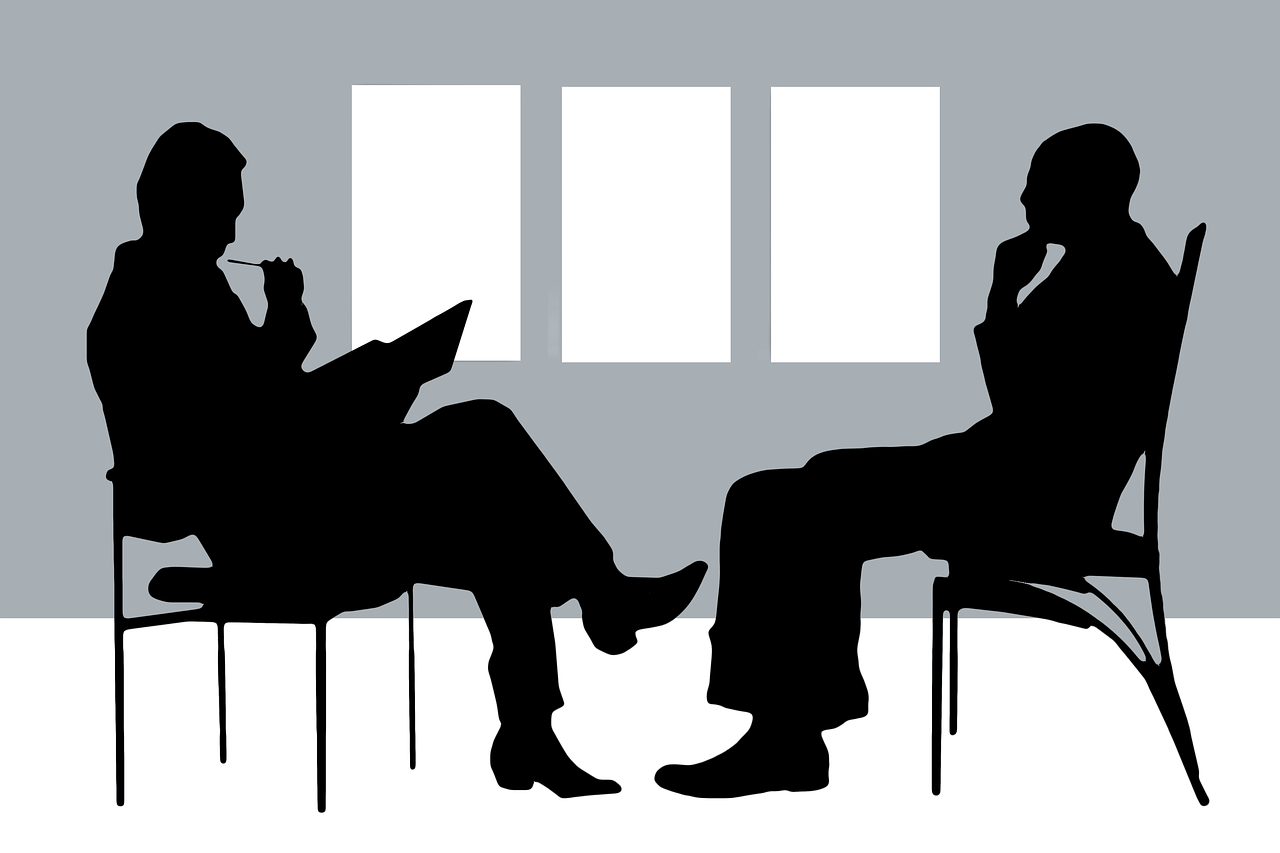
Who should treat mental illness?

By David Joel Miller, MS, Licensed Therapist & Licensed Counselor.

Therapist

Therapist.
Photo courtesy of Pixabay.com

Who should treat mental illness, where, and how should it be treated?

The mental health field is changing. A host of events and forces have intersected to influence our feelings on the proper response of society to this thing we are calling mental illness. Lots of things are happening or about to happen in this mental health field.

Here in America, the very ground underneath mental health treatment is moving.

In 1900, here in America, less than 10% of doctors had ever been to college. Until 1914 drugs were legal and you could openly buy them anywhere. As late as 1950 there were no meds to treat mental illness and those who were given a diagnosis could be tucked away first in barns and attics and later in sanitariums.

The talk therapies are just past their hundredth birthday and many people have still never been to see a therapist. Three months ago more Americans were without health care than there were those who had coverage. The few who did have health insurance here in America did not have coverage for mental illness or substance abuse. Treatment of these disorders while improving is still not on an even footing with most physical illnesses.

Less than a year ago the American Psychiatric Association released the new DSM-5 which redefined, reclassified, and altered our understanding of what is and is not a mental, emotional, or behavioral disorder. The new version of the International Classification of Diseases is due out soon which will change the field of treating mental health problems also.

This alteration in the landscape of the treatment of mental disorders is not solely confined to the United States of America. Blog readers and commenters from all over the world are asking similar questions and telling similar stories of their efforts to recover from an emotional or mental problem. They are also telling tales of less than helpful services.

The very mention of mental illness can evoke some pretty strong emotions. Some cultures, religions, and even professions still are denying the existence of such a thing as a Mental Illness.

People leave comments and they send me emails. The comments of every reader of counselorssoapbox.com are valued. Some of them I answer briefly as soon as I can. Others require longer blog posts to give them the space they call for. A few are so angry or personal I have hesitated to approve them.

Some of you have left comments or sent me emails about how we are doing things here in America and how that might differ from the way things are done in other places. I have been having an interesting ongoing conversation with Ellen in the U. K. about how they do things there. I will fill you all in on that discussion as soon as possible.

Let me offer this invitation to all of you out there to share your experiences and how the mental health delivery system works in your part of our planet. I will share my clearly limited perspective from here in Fresno, California, one of the more diverse places in this United States of America. I feel sure the view of the mental health landscape will look a lot different from other points of view.

We should be talking about how we have been treating mental illness, how we should be treating it, and how we get from where we are to where we need to be.

That discussion also implies some understanding of what “mental illness” is and how people develop a mental disorder. What a mental illness is, implies a view of what causes it, how it progresses, how to treat it. The view you take of this phenomenon also influences your view of the possibility it could be cured and if so how.

Knowing what mental illness is and what needs to be done about this leads us to the answer to my first question about who should be treating this problem.

We also have the added problem that no matter how sure we are of causes and treatments we need to know who is going to pay for these efforts. How treatment is delivered is strongly controlled by those who handle the money.

Let’s take a look at some of these questions and together see if we can find some solutions.

Staying connected with David Joel Miller

Seven David Joel Miller Books are available now!

My newest book is now available. It was my opportunity to try on a new genre. I’ve been working on this book for several years, but now seem like the right time to publish it.

Story Bureau.

Story Bureau is a thrilling Dystopian Post-Apocalyptic adventure in the Surviving the Apocalypse series.

Baldwin struggles to survive life in a post-apocalyptic world where the government controls everything.

As society collapses and his family gets plunged into poverty, Baldwin takes a job in the capital city, working for a government agency called the Story Bureau. He discovers the Story Bureau is not a benign news outlet but a sinister government plot to manipulate society.

Bumps on the Road of Life. Whether you struggle with anxiety, depression, low motivation, or addiction, you can recover. Bumps on the Road of Life is the story of how people get off track and how to get your life out of the ditch.

Dark Family Secrets: Doris wants to get her life back, but small-town prejudice could shatter her dreams.

Casino Robbery Arthur Mitchell escapes the trauma of watching his girlfriend die. But the killers know he’s a witness and want him dead.

Planned Accidents  The second Arthur Mitchell and Plutus mystery.

Letters from the Dead: The third in the Arthur Mitchell mystery series.

What would you do if you found a letter to a detective describing a crime and you knew the writer and detective were dead, and you could be next?

Sasquatch. Three things about us, you should know. One, we have seen the past. Two, we’re trapped there. Three, I don’t know if we’ll ever get back to our own time.

For these and my upcoming books; please visit my Author Page – David Joel Miller

Want the latest blog posts as they publish? Subscribe to this blog.

For videos, see: Counselorssoapbox YouTube Video Channel

What is a Licensed Counselor?

By David Joel Miller, MS, Licensed Therapist & Licensed Counselor.

Therapist

Counselor. 
Photo courtesy of Pixabay.com

What is a Licensed Counselor?

I wrote this in response to a question from U. K. on how our mental health system works. It has since occurred to me that one major difference between the U. S. system and those in other countries is the funding source. When you have a national health care system most of the expenditures are paid for by the government so if you get on the list and can provide services or you work for the government you get paid. The government can have some amount of control over quality.

Here in the U. S. most service is paid for by the individual directly or indirectly through the purchase of insurance. No money or insurance and you may get no services. This requires the government to regulate who can open an office and then sell medical or psychological services.

We have a licensing system for most professions so that just anyone does not open up an office and then start doing surgeries that kill people before they get sued and have to stop. The point of licensing is to control entry into a profession and ensure some minimum level of consumer protection.

Here then is the somewhat edited version of my reply to her question about how we do things in the American Mental health system.

Thanks for the comment. Interesting question. It had not occurred to me that there might be such differences in the U.K. Now I am thinking that given the number of readers of counselorssoapbox.com from countries other than the U. S. I need to say more.

Most of this has to do with our legal and governmental system. Not being either a lawyer or a politician. (We do not have separate Barristers and Solicitors but combined most of what they do into one group – lawyers who are also called Attorneys, and sometimes counselors in the sense of legal counselors.)

This whole area is a bit complicated.

Regulation of professions is left to what we call states. Each of the 50 states may have their own law or some may not require a license to practice a particular profession. So in one of our states if you graduate from a school with a degree in counseling you may be able to open an office and charge people for counseling. In another, there may be strict regulations on the quality of your degree, your internship, and your experience under another professional before you can get a license. If a state has high standards other states may accept that license. People who come from states with no or low standards will find that if they move to a state with high standards their background may not allow them to practice that profession. For example, if you become a doctor in a third world country many U. S. states will require that person to do more work and take more tests before they can become a doctor in that state. The big states like New York and California generally have the highest standards.

(With the health care expansion this year the ability to bill federal programs may alter this thinking a bit.)

In California, we have 29 separate codes and the one of those that regulate counselors and other professionals is called the “Business and Professions Code (BPC.)”

In the BPC there are sections for each regulated profession. Contractors have a section, hairdressers, and so on. Doctors and nurses have their own sections also.

In the mental health field in California, we recognize a number of professions.

Psychiatrists are licensed as Medical Doctors.

Psychologists are licensed by the board of psychology

The Department of Health Care Services, Alcohol and Drug Programs licenses drug and alcohol programs but not drug counselors. So the programs have a set of standards on who they can hire.

The Board of Behavioral Sciences licenses Clinical Social Workers, Marriage and Family Therapists, and Professional Clinical Counselors.

Without a state-issued license, you may not practice a profession except in a few places specifically listed in the law as “exempt settings.”  (Schools can hire school counselors who do not have to be licensed.)

The goal of this procedure is to protect the public from people who do not have the training and skills doing work that might harm or cheat the client. This process also gives clients some redress for wrongs short of a suit in court.

The law sets out the specific things you need to do to be issued a license. And each profession has their separate list of the things they can do and the requirements to qualify to do those things.

For example:

A Professional Clinical Counselor would need to possess a Bachelor’s degree (4 years), in almost any subject, or take some remedial classes called prerequisites, to enter a master’s in counseling program. They would then need to complete and graduate from an accredited or approved Master’s program (5th and 6th-year college.)

After graduation, that person must register with the Board of Behavioral Science (BBS) who evaluated the education they have, and if it meets the board’s requirement the candidate receives an intern number.

From this point on the prospective counselor is required to be supervised by a licensed person until they receive their own license.

They must accumulate a total of 3,000 hours of supervised experience.  There are some complicated rules on what counts and what doesn’t count and how much supervision they need for each hour of client contact.

When they have accumulated those supervised hours, the applicant submits the paperwork to BBS and if this is approved they are eligible to test. In my own experience, I took first a long test on specific questions to show that I understood the process of doing therapy, the laws and the ethics, and so on. If you pass that first test you then return for a second test in which you are given stories (vignettes) and you apply your knowledge to answer questions about Howe you would work with these people.

If you pass both tests you are then sent an application for a license.

At each step of this process, you pay a fee for BBS to handle your paperwork.

Once you send in your approved application and pay the fee, if all has gone well you will be issued a license to practice Professional Clinical Counseling in California. You can then work for someone else or open your own office.

But it does not end there

Every two years you will need to complete a certain number of approved continuing education classes, and pay a fee to renew your license.

After the first two years of being licensed, you can take a class, and then you are eligible to begin supervising newly registered people.

So do things operate differently in the area in which you reside?

Staying connected with David Joel Miller

Seven David Joel Miller Books are available now!

My newest book is now available. It was my opportunity to try on a new genre. I’ve been working on this book for several years, but now seem like the right time to publish it.

Story Bureau.

Story Bureau is a thrilling Dystopian Post-Apocalyptic adventure in the Surviving the Apocalypse series.

Baldwin struggles to survive life in a post-apocalyptic world where the government controls everything.

As society collapses and his family gets plunged into poverty, Baldwin takes a job in the capital city, working for a government agency called the Story Bureau. He discovers the Story Bureau is not a benign news outlet but a sinister government plot to manipulate society.

Bumps on the Road of Life. Whether you struggle with anxiety, depression, low motivation, or addiction, you can recover. Bumps on the Road of Life is the story of how people get off track and how to get your life out of the ditch.

Dark Family Secrets: Doris wants to get her life back, but small-town prejudice could shatter her dreams.

Casino Robbery Arthur Mitchell escapes the trauma of watching his girlfriend die. But the killers know he’s a witness and want him dead.

Planned Accidents  The second Arthur Mitchell and Plutus mystery.

Letters from the Dead: The third in the Arthur Mitchell mystery series.

What would you do if you found a letter to a detective describing a crime and you knew the writer and detective were dead, and you could be next?

Sasquatch. Three things about us, you should know. One, we have seen the past. Two, we’re trapped there. Three, I don’t know if we’ll ever get back to our own time.

For these and my upcoming books; please visit my Author Page – David Joel Miller

Want the latest blog posts as they publish? Subscribe to this blog.

For videos, see: Counselorssoapbox YouTube Video Channel
Should therapist teach Mindfulness?

By David Joel Miller, MS, Licensed Therapist & Licensed Counselor.

Mindfulness and meditation.
Photo courtesy of Pixabay.com

Should you go to a therapist to learn mindfulness, meditation, yoga, or spirituality?

Some therapists and counselors incorporate the teaching of meditation, mindfulness, spirituality, and a whole host of other things into their practice. Clearly, there are times that these techniques can be helpful to clients. It is equally clear to me that you do not need to be a licensed therapist to teach a meditation class.

There are also times when some of these things can be harmful if done incorrectly. Meditation can be very bad for someone with PTSD or complex trauma if every time they try to close their eyes they have a panic attack. Another practice called grounding is recommended for those clients. (That topic needs another post.)

When we start mixing things up, professionals and clients need to be really clear about what is going on. Readers have asked some questions about this and I can see some professionals may be headed for problems.

What if I decide to teach a Wednesday night class in blogging? Can I sign up my therapy clients to come to this? Sure blogging can be a great way to express yourself and some of my clients might benefit from learning to write, but if I start mixing these two activities up we are headed for trouble.

Could a “Christian Counselor” teach a Bible study? Probably no reason why not. Except if they are doing their Bible study on Wednesday nights and competing with my blogging class this is not very therapeutic for either of us. (I picked Wednesday because I teach at the College on Tuesdays and Thursdays, not because of the traditional Wednesday night prayer meetings that some churches have.)

A counselor can have outside interests. We can and should do other activates. But when the lines between therapy and those other topics get blurry, there are lots of risks to clients. Maybe my Blogging class needs to be taught at the adult education school and the Bible study needs to take place in a church or someone’s home? Then the two roles are kept separate.

By the way, any therapist that tries to bill an insurance company for these other activates under the guise of them being “therapeutic” is probably headed for big trouble.

The role of the counselor or therapist is to help you get over, recover from, or reduce the symptoms of a particular emotional, mental, or behavioral problem. This role conflict becomes a problem when a therapist starts signing people up for a yoga class.

Yoga can be helpful in managing certain emotional problems. (My understanding of Yoga is that it is an exercise done slowly and purposefully while managing your breathing.) So yes any exercise may be helpful in treating depression. Working on your breathing can be helpful in reducing symptoms of anxiety and a therapist might spend a few minutes even a session teaching a client how to control their breathing to reduce anxiety. But when the therapist starts signing up clients for a weekly yoga class, they have crossed a line in my book.

Sure any therapist can have another interest. Say the therapist likes to play baseball and they start a Saturday baseball team. Is this therapy and should they be doing this with their therapy clients?

If I was working with a group of severely impaired people, those with no friends and no jobs, a weekly trip to the park to play baseball could be therapeutic. I could teach them how to take turns, follow the rules, and how to resolve differences. We could even do some work on social skills, picking a team captain, how to talk with each other, and so on.

But if the course of this baseball therapy included people with friends and jobs and we began to talk about baseball skills, bunting, and sliding into base, this is no longer a therapy group and we are becoming a baseball team. That is not a function that requires a therapist.

This example I hope is easy to see. There are not many times a sport is likely to be a part of traditional therapy. When therapists start talking about meditation, yoga, mindfulness and a host of spiritual and self-awareness techniques the lines get blurry.

My thinking is that there are times that I may use a particular technique briefly to help a client reduce or manage symptoms but if I stray into teaching them another topic I am no longer in my “scope of practice.”

So if your therapist avoids working on your past traumas or other current issues and wants to spend a lot of time on these other topics that are not specifically designed to reduce or control your mental health symptoms, think this through.

You may need to find another yoga teacher and then restrict your therapist to doing therapy. If they are uncomfortable with that, you need to talk with them about this, or eventuality you will need to change providers to get the help you need.

Having a therapist teach a meditation, mindfulness, or yoga class, can be another of those dual relationship issues that we therapists need to be careful about. If a therapist does do those activities there needs to be a clear connection to treating the client’s symptoms.

A therapist can use these techniques to help their client recover but they can’t use their client to support their other interests.

Staying connected with David Joel Miller

Seven David Joel Miller Books are available now!

My newest book is now available. It was my opportunity to try on a new genre. I’ve been working on this book for several years, but now seem like the right time to publish it.

Story Bureau.

Story Bureau is a thrilling Dystopian Post-Apocalyptic adventure in the Surviving the Apocalypse series.

Baldwin struggles to survive life in a post-apocalyptic world where the government controls everything.

As society collapses and his family gets plunged into poverty, Baldwin takes a job in the capital city, working for a government agency called the Story Bureau. He discovers the Story Bureau is not a benign news outlet but a sinister government plot to manipulate society.

Bumps on the Road of Life. Whether you struggle with anxiety, depression, low motivation, or addiction, you can recover. Bumps on the Road of Life is the story of how people get off track and how to get your life out of the ditch.

Dark Family Secrets: Doris wants to get her life back, but small-town prejudice could shatter her dreams.

Casino Robbery Arthur Mitchell escapes the trauma of watching his girlfriend die. But the killers know he’s a witness and want him dead.

Planned Accidents  The second Arthur Mitchell and Plutus mystery.

Letters from the Dead: The third in the Arthur Mitchell mystery series.

What would you do if you found a letter to a detective describing a crime and you knew the writer and detective were dead, and you could be next?

Sasquatch. Three things about us, you should know. One, we have seen the past. Two, we’re trapped there. Three, I don’t know if we’ll ever get back to our own time.

For these and my upcoming books; please visit my Author Page – David Joel Miller

Want the latest blog posts as they publish? Subscribe to this blog.

For videos, see: Counselorssoapbox YouTube Video Channel

Do counselors have to follow ethical codes?

By David Joel Miller, MS, Licensed Therapist & Licensed Counselor.

If a therapist does not belong to a professional group do they have to follow an ethics code?

There are a lot of rules about the relationships between a client and the treating professional. There are things that the professional can do, can’t do, has to do and is required to not do. Sometimes these rules get confusing for the professional as well as the client.

Recently a situation came up in which a professional was not a member of any professional organization, so the client left that visit with the impression that this professional did not need to follow any ethics code. This report of a problem left me thinking we need to talk about some of these codes of ethics and why a professional would need to follow them and what happens if they do not belong to any organization.

Turns out there may well be a time when a mental health professional needs to follow the standards of a code of ethics even if they chose to not belong to the professional organization. More on that later in this post.

To be a mental health professional you need a license in the jurisdiction in which you intend to practice your trade. Joining a professional organization does not allow you to practice this profession. So while all professionals are encouraged to join a professional group some choose not to be members.

Here in the United States of America, the various states license the various mental health professions. Not all states license the same professions. There can be states that allow a particular profession to practice even if they do not issue a license to that profession. For example “Life Coaches” are not licensed anywhere I know. They can do all sorts of coaching on how to have a better life. What a Life coach should not do is treat a person for a mental illness if the state in which they are practicing requires that license.

This situation of when and how to follow a code of ethics is made more complicated by the multiplicity of professions and professional licenses. There are Licensed Social Workers (LCSW’s and ASW’s), Licensed Professional Clinical Counselors (LPCC’s and PCCI’s), Licensed Marriage and Family Therapists (LMFT, MFT, and MFT interns.)

Here in California, we make it even more complicated with 9 or so different registries for Registered or Certified Substance Abuse or Drug and Alcohol Counselors, each of which presumably has their own code of ethics. Here is the code of ethics for CAADE, the program in which I teach is CAADE accredited.

Recently all these registries came together to create a Uniform Code of Conduct” for California’s substance abuse counselors.

The code of ethics varies depending on your profession and the particular organization you belong to. So someone could belong to several organizations (I do), one organization or no organizations.

What if there are contradictions between the various codes of ethics? What if the professional decides to not join any group to avoid having to worry about ethical behavior? We have come up with some principles to handle those situations.

California was the last state to grant licenses to Professional Clinical Counselors. Most Licensed Professional Clinical Counselors (LPCC’s) belong to CALPCC. The exact name of the counseling professional and the specifics of what they do can vary from state to state. Many California Counselors may also be members of the American Counseling Association (ACA.) In this case, the problem was easily solved. CALPCC adopted the ACA code of ethics.  

California was the first state to licensed Marriage and Family Therapists (originally called Marriage, Family, and Child Counselors.) There are more MFT’s in California that the rest of the country combined. (LMFT, MFT, MFCC are all the same thing.)

The California Association for MFT’s (CAMFT), which has members from a bunch of other states and even some other countries, is larger, so I am told, than the American Association of Marriage and Family Therapists (AAMFT.) Both of these groups have their own codes of ethics.

The Social Workers, mostly belong to the National Association of Social Workers (NASW), which has its own code of ethics.

So now we can look at problems with which code to follow if you are members of more than one group, and what happens if the counselor tries to duck ethical behavior by not being a member of any association.

Let’s use an easy to understand example for this.

Can a counselor date and have sex with a client? If so how long do they have to wait to do the dating-sex thing?

For starters no behavioral health profession I know of thinks it is ok to have sex with a current client. That is taking advantage of a weak person and frankly sounds predatory.

The rule for substance abuse counselors is that they must wait 3 years after the client stops attending their PROGRAM (not just after no longer being their client) before they can date that former client.

Now, this substance abuse counselor decides to go on and become a professional counselor, and while in school they join a professional counseling association. The norm in these groups is that you have to wait 5 years before dating a former client.

Now say this same person decides to become a Licensed Social Worker. The rule for the NASW is the professional may NEVER get sexually involved with a former client.

So which waiting period does this person need to observe 3 years, 5 years, or never?

The rule is that you observe whichever code of ethics has a HIGHER ethical requirement. So, in this case, the answer to how long to wait would be forever.

Can this person get out of this bind by not being a member of the Social Workers Association?

Not really.

Most licensing laws require the professional to follow the customary ethics of the profession whether the professional is a member of that group or not. See if most other professionals think it is unethical then that behavior is probably illegal also.

Even if that behavior, dating or some other “dual relationship” is not outright illegal, should the professional get into that sexual relationship and then break up with that former client, they might get sued and in that case, code of ethics or not, the former client will probably win.

So the bottom line is that professionals should always adhere to the highest possible standard of ethical behavior whether they are members of a group or not.

Just not belong to a professional group does not allow you to do things the rest of the profession thinks are unethical.

Hope that helped explain this ethical issues problem. If you are not sure, you may need to contact the appropriate professional association and remember the client should be contacting an attorney or making a complaint to the appropriate licensing board if they think the professional harmed them.

Staying connected with David Joel Miller

Seven David Joel Miller Books are available now!

My newest book is now available. It was my opportunity to try on a new genre. I’ve been working on this book for several years, but now seem like the right time to publish it.

Story Bureau.

Story Bureau is a thrilling Dystopian Post-Apocalyptic adventure in the Surviving the Apocalypse series.

Baldwin struggles to survive life in a post-apocalyptic world where the government controls everything.

As society collapses and his family gets plunged into poverty, Baldwin takes a job in the capital city, working for a government agency called the Story Bureau. He discovers the Story Bureau is not a benign news outlet but a sinister government plot to manipulate society.

Bumps on the Road of Life. Whether you struggle with anxiety, depression, low motivation, or addiction, you can recover. Bumps on the Road of Life is the story of how people get off track and how to get your life out of the ditch.

Dark Family Secrets: Doris wants to get her life back, but small-town prejudice could shatter her dreams.

Casino Robbery Arthur Mitchell escapes the trauma of watching his girlfriend die. But the killers know he’s a witness and want him dead.

Planned Accidents  The second Arthur Mitchell and Plutus mystery.

Letters from the Dead: The third in the Arthur Mitchell mystery series.

What would you do if you found a letter to a detective describing a crime and you knew the writer and detective were dead, and you could be next?

Sasquatch. Three things about us, you should know. One, we have seen the past. Two, we’re trapped there. Three, I don’t know if we’ll ever get back to our own time.

For these and my upcoming books; please visit my Author Page – David Joel Miller

Want the latest blog posts as they publish? Subscribe to this blog.

For videos, see: Counselorssoapbox YouTube Video Channel

Internet Counseling?

By David Joel Miller, MS, Licensed Therapist & Licensed Counselor.

Computer

Internet.
Photo courtesy of Pixabay.com

Update – 2020.
This post was originally written in 2014. My how things have changed. The COVID pandemic has forced counselors, therapists, and educators to rethink the way we do things. In the beginning, there was a lot of resistance to working online. But when forced to do so each of these professions has developed new methods for working in a different way. Below is the post as originally written in 2014. In the near future, I will be publishing some new posts about the changes that have come about as a result of working online.

Can you get counseling or therapy while sitting at home?

There are still some big ifs, and’s, and but’s about internet or remote distance counseling. I can see some good points in favor of this approach. There is also some serious buyer beware issues.

The Internet is a new technology and so far most mental health professionals have been reluctant to adopt this one. There are some serious concerns on the part of licensing boards and professional associations about the ethics and the safety of this method.

The mental health profession has come a long way from the days when the client lay on the couch and the therapist sat behind them. In the old model, the client talked and the therapist listened. Sometimes the professional said a lot of “Um-hu’s” and “I see’s” and spent the rest of the time doodling on a pad and daydreaming. The belief was that the client if they talked long enough, might figure out the solution to why they were having this difficulty and what they should do.

This approach also presupposes that most of your problems are left over unfinished business from childhood.

Nowadays most counseling is a lot more active and focused than the old psychoanalytic model. We do more direct interventions and we have more responsibilities to keep the client and the public safe than ever before.

The preferred way to do internet counseling is via a program that lets both people see each other and talk in real-time. Emailing questions or comments is more like advice-giving. I try to answer readers’ questions on this blog in general ways but this is not therapy and is no substitute for actually sitting down and doing therapy.

Professionals who communicate with clients via emails and texts primarily use this to set appointments and confirm or change times not for doing therapy.

So is remote or internet counseling safe and is it good for the client, the professional, and the public?

Let’s look at some of the pros and cons.

Pros of distance counseling.

Internet counseling can bring help to those who live in remote areas, can’t get out of the house for physical or mental health reasons, and who just find it more convenient to seek therapy from home.

Studies suggest that distance counseling can be as effective as in-person therapy and it can be available at all sorts of times and places when a counselor might otherwise not be available.

Cons of distance counseling.

Much of what is communicated is non-verbal. From a distance, a counselor can miss those other body language messages. Some of what we do is point out the discrepancies between what the client is saying and what their body language tells us. Can’t do that if you can’t see them. Also, the tone of voice can be distorted or unrealistic over the distance.

In-person counselors work in the area you live in. That means that if they do something wrong you know who to complain to. Here in California, we are licensed by the California Board of Behavioral Sciences. That means we should be working with clients from California and only those from California unless we have a license from another state.

Where exactly does that person who is doing your internet counseling located? Do they have a license in your state, in another state, or anywhere for that matter?

What if you are feeling suicidal or if the client we are talking to is thinking about killing someone? If you are in an office we can make some calls and get you into a hospital or get you to a place that keeps you or the person that this client intends to kill safe?

What happens to the suicidal client if your therapist is on the internet from another country? What if they have little or no training and just decided online therapy was a way to make a lot of money?

Some state codes and some ethical guidelines require the professional who does over the internet counseling to meet with you at least once in a face to face session to make sure that they really know who you are and you can see and sign all the required forms.

If this internet counseling is arranged by a third-party, doctor, nurse, or rural government agency, that first visit may need to be conducted at one of their offices.

Information sent over the internet can be a lot less secure than the confidential setting in a therapist’s office. Make sure you understand the steps that the professional is taking to make sure your sessions stay confidential.

Right now there is a problem with those calling themselves “coaches.”  In most places, there are no licenses required to become a coach. Some “life coaches” have taken a couple of hour class on the internet on how to make money being a coach. Others may have taken much longer trainings in how to be a good coach.

What very few coaches have done is taken the training needed to work with people who have a mental, emotional, or behavioral disorder.

Here are some rules for picking a professional if you decide to work with them over the internet.

1. Make sure the person you are working with is a mental health professional who is licensed in your state.

2. Try to find someone who lives in the same part of the state you live in so that if you need to go see them at some point you can.

3. Plan to visit the counselor’s office at least once to get to know this person and to be sure this is the one you want to work with.

4. Discuss privacy concerns, confidentiality, prices, and so on.

This field is new and like any new technology, the specifics seem to be constantly changing. I expect there will be plenty of changes to this practice as well. Hope that sheds some light on the use of the internet to conduct remote or distance therapy.

Have any of you used the internet in this way? How did this work out for you? I would especially be interested in hearing from any professionals that are doing distance counseling.

Staying connected with David Joel Miller

Seven David Joel Miller Books are available now!

My newest book is now available. It was my opportunity to try on a new genre. I’ve been working on this book for several years, but now seem like the right time to publish it.

Story Bureau.

Story Bureau is a thrilling Dystopian Post-Apocalyptic adventure in the Surviving the Apocalypse series.

Baldwin struggles to survive life in a post-apocalyptic world where the government controls everything.

As society collapses and his family gets plunged into poverty, Baldwin takes a job in the capital city, working for a government agency called the Story Bureau. He discovers the Story Bureau is not a benign news outlet but a sinister government plot to manipulate society.

Bumps on the Road of Life. Whether you struggle with anxiety, depression, low motivation, or addiction, you can recover. Bumps on the Road of Life is the story of how people get off track and how to get your life out of the ditch.

Dark Family Secrets: Doris wants to get her life back, but small-town prejudice could shatter her dreams.

Casino Robbery Arthur Mitchell escapes the trauma of watching his girlfriend die. But the killers know he’s a witness and want him dead.

Planned Accidents  The second Arthur Mitchell and Plutus mystery.

Letters from the Dead: The third in the Arthur Mitchell mystery series.

What would you do if you found a letter to a detective describing a crime and you knew the writer and detective were dead, and you could be next?

Sasquatch. Three things about us, you should know. One, we have seen the past. Two, we’re trapped there. Three, I don’t know if we’ll ever get back to our own time.

For these and my upcoming books; please visit my Author Page – David Joel Miller

Want the latest blog posts as they publish? Subscribe to this blog.

For videos, see: Counselorssoapbox YouTube Video Channel

What is it like to have an invisible illness?

What is it like to have an invisible illness? It is hard for others to understand when you have depression, anxiety, Lupus or any of a host of other illnesses for which the symptoms are not clearly visible.

Just came across a post titled “The Spoon Theory” by Christine that explains this issue.

Hope you find this as informative as I did.