
Eating Disorders and substance abuse

By David Joel Miller, MS, Licensed Therapist & Licensed Counselor.
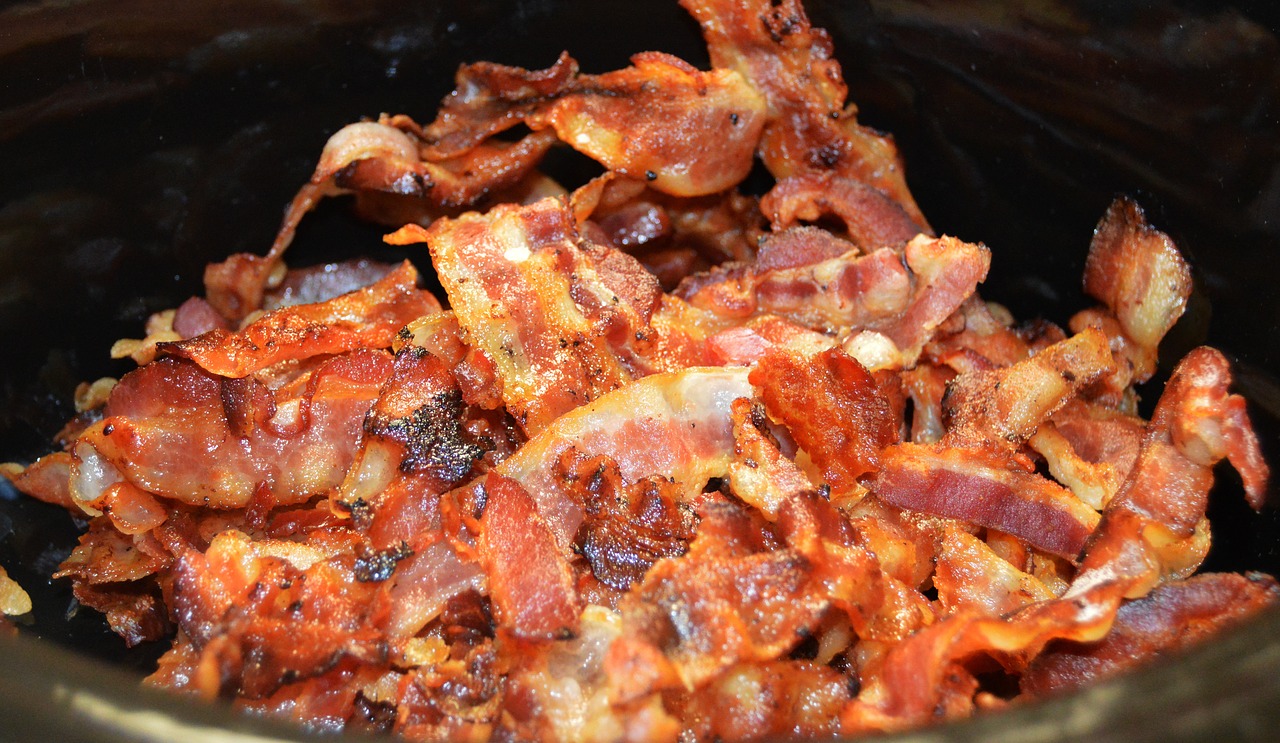
Unhealthy food

Unhealthy relationship with food.
Photo courtesy of Pixabay

More about eating disorders and substance abuse.

Risk factors for eating disorders.

Eating disorders, especially Anorexia, and Bulimia are far more common in women than in men. The ratio runs 10 women for every man. Our society’s emphasis on physical appearance puts young girls at extreme risk as they try to fit the image they see portrayed in the media. Eating disorders that begin in the teen or preteen years are unlikely to go away without treatment.

Certain activities and later on in life specific occupations have built-in an emphasis on keeping the weight off and having a particular body shape. Young women who train to become models, gymnasts, and dancers are at high risk.

Young men who engage in sports that emphasize weight classes are also at risk of developing Anorexia or Bulimia. Male gymnasts, wrestlers, and jockeys all experience pressure to lose weight and keep it off that may become unhealthy.

Added eating disorder dangers.

The dangers of eating disorders are not confined to those with anorexia who reach low body weight. Even when the bodyweight looks normal, the process of purging, intentional vomiting, and extreme dieting, can create health risks. Some methods harm health while being ineffective for weight loss.

Purging and diuretics can create extreme dehydration and an electrolyte imbalance. Dehydration does not equate with a loss of total weight and can seriously impair health.

Subclinical forms of eating disorders.

Milder forms of eating disorders are more common than previously thought. As the emphasis on obesity and weight loss has grown, many more people have resorted to extreme measures to get a sudden weight loss or to reduce weight gain. Despite the health risks involved it is tempting to allow yourself an occasional purge to offset the guilty feeling surrounding overeating or a meal with excess calories.

Co-occurrence of Eating Disorders and substance use disorders.

The overlap between Bulimia and substance abuse may be larger than previously thought.

Assorted studies on the co-occurrence of Bulimia and substance abuse have given varying estimates of the number of people with both issues. Current estimates run between a median of 25% and a high of 50%. Clearly, lots of milder cases of combined Bulimia and substance abuse are going undetected and untreated until one or both problems become acute. These two problems together are much more than the sum of adding up both disorders.

People with eating disorders are also more likely to currently have or have had a history of an anxiety disorder and a mood disorder. Many with an eating disorder have three or more disorders.

Those with eating disorders are at high risk to abuse or become dependent on stimulants. The “Jenny Crank” diet is legendary among Methamphetamine abusers. Abuse of stimulants for weight control regularly results in chemical dependency and serious health problems.

Boundaries between eating disorders are not firm.

During their lifetime people with eating disorders may move between the three principal eating disorders.

Medical issues in eating disorders are noteworthy.

Medical problems are especially challenging for those with an eating disorder. Untreated an eating disorder can lead to serious medical problems and sometimes death. Eating Disorders rarely go away by themselves and need professional treatment before the damage to the body and the emotions becomes permanent and possibly irreversible.

Other Eating Disorder posts can be found at:

Binge Eating Disorder – the other side of Anorexia and Bulimia 

Middle class and starving to death in America – An Eating Disorder called Anorexia

Love Hate relationship with food – Bulimia Nervosa

Avoidant Restrictive Food Intake Disorder

Staying connected with David Joel Miller

Seven David Joel Miller Books are available now!

My newest book is now available. It was my opportunity to try on a new genre. I’ve been working on this book for several years, but now seem like the right time to publish it.

Story Bureau.

Story Bureau is a thrilling Dystopian Post-Apocalyptic adventure in the Surviving the Apocalypse series.

Baldwin struggles to survive life in a post-apocalyptic world where the government controls everything.

As society collapses and his family gets plunged into poverty, Baldwin takes a job in the capital city, working for a government agency called the Story Bureau. He discovers the Story Bureau is not a benign news outlet but a sinister government plot to manipulate society.

Bumps on the Road of Life. Whether you struggle with anxiety, depression, low motivation, or addiction, you can recover. Bumps on the Road of Life is the story of how people get off track and how to get your life out of the ditch.

Dark Family Secrets: Doris wants to get her life back, but small-town prejudice could shatter her dreams.

Casino Robbery Arthur Mitchell escapes the trauma of watching his girlfriend die. But the killers know he’s a witness and want him dead.

Planned Accidents  The second Arthur Mitchell and Plutus mystery.

Letters from the Dead: The third in the Arthur Mitchell mystery series.

What would you do if you found a letter to a detective describing a crime and you knew the writer and detective were dead, and you could be next?

Sasquatch. Three things about us, you should know. One, we have seen the past. Two, we’re trapped there. Three, I don’t know if we’ll ever get back to our own time.

For these and my upcoming books; please visit my Author Page – David Joel Miller

Want the latest blog posts as they publish? Subscribe to this blog.

For videos, see: Counselorssoapbox YouTube Video Channel

.

The face of bullying is changing

By David Joel Miller, MS, Licensed Therapist & Licensed Counselor.

Crying child

Youth mental health.
Photo courtesy of Pixabay.com

As bullying changes so should our response.

Most kids will be bullied sooner or later.  We used to think that there was something that the victim was doing. It would make us feel safer to think they had done something wrong and if we teach kids to avoid that mistake then our kids will be safe. Like blaming the rape victim, blaming the victim of bullying has not helped reduce the number of incidents. The amount seems to be growing. So is the type.

Our fear of violence in the school has led to crackdowns on violence. We have zero-tolerance policies. Bring a weapon to school and you get kicked out. Hit someone and you will be suspended maybe even expelled. There is no such thing as a “normal” fight between kids anymore. This has reduced the rate of physical bullying – somewhat. It has not reduced the rate of emotional bullying.

Bullying is not always from outside the family. The most devastating form occurs when family members, those who should have protected you, become the bullies. Relentlessly harassing a family member, the name-calling and the feeling of rejection all take their toll.

Kids have come into the psychiatric facilities as a result of a suicide attempt and they tell me their family has called them fat and dumb for years. They finally just gave up. This form of emotional bullying is also emotional abuse. It can and probably usually should be reported to the Child protective services as child emotional abuse. Besides intervening in the family we need to help the victim to get past the trauma of the abuse. But bullying is everywhere.

The new face of bullying is the anonymous face of the internet, cyber-bullying. It is also the acts of kids rejecting and excluding other kids. There is a lot more name-calling and cruel posts online.

Recently Psychotherapy Networker presented a webinar on bullying featuring Stan Davis as part of their parenting skills series. I try to catch as many of their presentations as possible. Most of the programs are designed for professionals and include continuing education units (CEU’s.) They also make some presentations available free of charge, but only for a short time. For more information on Psychotherapy Networker and their webinars see: http://www.psychotherapynetworker.org/

Davis tells us that the old approach to bullying is not working. Education for bullying, as in education for drug abuse does not solve the problem. Kids know they shouldn’t bully, with or without an education component.

The kids who tell me at age 8 that drugs are bad and they learned in school that you should never do drugs; I see them again in their teens after they have had an overdose. Same thing with bullying.

If we really want to create a climate without bullying, or less of it anyway, we can’t excuse or alibi bullying when it happens. We need a consistent message that there is zero-tolerance for emotional bullying just like zero tolerance for physical violence. So far society is not consistent with this message at home or at school.

Drugs are cool in movies and on T. V. so are in your face put-downs of others. Kids are learning to bully from what they see others do and lacking any amount of self-control they imitate the reality shows and the movie and video game bullying.  Like the way, drunk driving stopped being OK as a result of a concerted campaign by MADD we need a campaign to make bullying a not acceptable activity.

Davis also mentioned that the best antidote for bullying is friends. The more a child belongs and feels like a part of something the less likely they will be affected by bullying. The most victimized are the most alone and once they become the victim they are more likely to be shunned by others, who are afraid to become victims also.

Connection reduces the impact of trauma whether it is from bullying or from a natural disaster. We know from other sources that people with a serious mental illness, like schizophrenia, which have partners at home that support them are half as likely to end up in the psychiatric hospital. Kids who have friends are less likely to be permanently harmed by bullying.

Resiliency is also a source of protection when someone is bullied. Resilient people seem to be able to screen out the verbal insults and the put-downs  Screens, says Davis, keep out the injury, but we need help from our friends to keep the screens of protection clean and repaired.

So the summary here is that more bullying today is non-physical like insults and rejection and to protect against this, more friends and resiliency are what is needed.

See also: Bullying, Families, and Resilience 

Staying connected with David Joel Miller

Seven David Joel Miller Books are available now!

My newest book is now available. It was my opportunity to try on a new genre. I’ve been working on this book for several years, but now seem like the right time to publish it.

Story Bureau.

Story Bureau is a thrilling Dystopian Post-Apocalyptic adventure in the Surviving the Apocalypse series.

Baldwin struggles to survive life in a post-apocalyptic world where the government controls everything.

As society collapses and his family gets plunged into poverty, Baldwin takes a job in the capital city, working for a government agency called the Story Bureau. He discovers the Story Bureau is not a benign news outlet but a sinister government plot to manipulate society.

Bumps on the Road of Life. Whether you struggle with anxiety, depression, low motivation, or addiction, you can recover. Bumps on the Road of Life is the story of how people get off track and how to get your life out of the ditch.

Dark Family Secrets: Doris wants to get her life back, but small-town prejudice could shatter her dreams.

Casino Robbery Arthur Mitchell escapes the trauma of watching his girlfriend die. But the killers know he’s a witness and want him dead.

Planned Accidents  The second Arthur Mitchell and Plutus mystery.

Letters from the Dead: The third in the Arthur Mitchell mystery series.

What would you do if you found a letter to a detective describing a crime and you knew the writer and detective were dead, and you could be next?

Sasquatch. Three things about us, you should know. One, we have seen the past. Two, we’re trapped there. Three, I don’t know if we’ll ever get back to our own time.

For these and my upcoming books; please visit my Author Page – David Joel Miller

Want the latest blog posts as they publish? Subscribe to this blog.

For videos, see: Counselorssoapbox YouTube Video Channel

How safe if your young child from drugs?

By David Joel Miller, MS, Licensed Therapist & Licensed Counselor.

Drugs

Drugs.
Photo courtesy of Pixabay.com

Are you keeping your child away from drugs?

We would like to think that we can keep our children safe. We expect drug use to be something teens or young adults might do. Not young children. The truth is that younger and younger children are trying drugs. Most kids have been exposed to drugs and alcohol by the end of the third grade. Even kids from drug and alcohol-free homes are at risk. If you are thinking “my kids would never do drugs” you may be fooling yourself.

If you are thinking alcohol, that’s not a drug, think again. Any alcohol use by an eight-year-old is a problem. The younger they begin to use drugs, the more likely there will be problems. Not just the problem of addiction but also changes in emotions and learning. The more a student drinks the lower the GPA they will have. One study said “F” students drink on average twice what “A” student’s drink.

Very young kids get their first drugs at home.

First experiences with drugs frequently happen at home. Sneaking some of their parent’s cigarettes or alcohol is many a child’s first experience with drugs. That half-consumed beer or the carelessly left pack of cigarettes is an easy way to get started. But there are bigger dangers lurking even if the parents don’t smoke or drink.

Early grade kids get their drugs under the kitchen sink or in the garage.

Those cleaning solvents, the gasoline, the spray paint, all these things can be used to inhale or huff. Spray cans are an easy way to alter consciousness. A lot of inhalant abuse goes unnoticed by parents who think “no not my child” until it has caused permanent health problems.

It is not the “pusher” that gets your kid on drugs.

We used to think that there were unscrupulous people out there trying to get our kids hooked on drugs. Most people are introduced to drugs by a close friend or family member. Boys are often started off by an older male cousin or uncle; girls learn drug use from an old sister, aunt, or their first boyfriend.

Most kids who use drugs on a daily basis tell me that at first, they didn’t have to pay for it. Friends gave it to them for free. Later on, the circle of friends began to pool their money to buy it. It is not until the drug habit gets regular and expensive that the kid has to come up with the money to pay.

Street drugs are not the biggest part of the problem

Abuse of prescription drugs is on the rise. In a previous post “Grandma is the drug connect”  I wrote about how unknowing family members, grandma, in particular, are becoming the drug supplier of choice for today’s teen.

When it comes to drug overdoses street drugs are way behind prescription drugs as a cause of death.

So have you really thought about this problem of young kids doing drugs? Just how sure are you that your child is safe from drugs?

Staying connected with David Joel Miller

Seven David Joel Miller Books are available now!

My newest book is now available. It was my opportunity to try on a new genre. I’ve been working on this book for several years, but now seem like the right time to publish it.

Story Bureau.

Story Bureau is a thrilling Dystopian Post-Apocalyptic adventure in the Surviving the Apocalypse series.

Baldwin struggles to survive life in a post-apocalyptic world where the government controls everything.

As society collapses and his family gets plunged into poverty, Baldwin takes a job in the capital city, working for a government agency called the Story Bureau. He discovers the Story Bureau is not a benign news outlet but a sinister government plot to manipulate society.

Bumps on the Road of Life. Whether you struggle with anxiety, depression, low motivation, or addiction, you can recover. Bumps on the Road of Life is the story of how people get off track and how to get your life out of the ditch.

Dark Family Secrets: Doris wants to get her life back, but small-town prejudice could shatter her dreams.

Casino Robbery Arthur Mitchell escapes the trauma of watching his girlfriend die. But the killers know he’s a witness and want him dead.

Planned Accidents  The second Arthur Mitchell and Plutus mystery.

Letters from the Dead: The third in the Arthur Mitchell mystery series.

What would you do if you found a letter to a detective describing a crime and you knew the writer and detective were dead, and you could be next?

Sasquatch. Three things about us, you should know. One, we have seen the past. Two, we’re trapped there. Three, I don’t know if we’ll ever get back to our own time.

For these and my upcoming books; please visit my Author Page – David Joel Miller

Want the latest blog posts as they publish? Subscribe to this blog.

For videos, see: Counselorssoapbox YouTube Video Channel

Grandma is the drug connect.

By David Joel Miller, MS, Licensed Therapist & Licensed Counselor.

Drugs

Drug counseling.
Photo courtesy of Pixabay.com

Grandparents are some teens drug supplier of choice.

Medicine cabinet.

Bathroom medicine cabinets. Photo courtesy of Pixabay.com

Grandmas. along with grandpas, mothers and dads are becoming the major suppliers of illicit drugs for today’s teens. Grandma may not know it yet, but the drugs she supplied could put her grandkids in the hospital emergency room. This hasn’t happened just once; it has occurred repeatedly all across America. Teens are getting their drug supplies by raiding the old people’s medicine cabinets and dresser drawers.

This is not an isolated incident. Abuse of prescription medications, popping the old folk’s pills, is replacing Methamphetamine as the drug of choice for today’s teens in many places across America.

Kids have always raided the old folk’s stash, purloined the liquor and smoked dads weed, but this is different and more ominous. Kids are ending up in emergency rooms from overdoses of unknown prescription medication. Frequently the teens don’t know what they have taken. Not the pharmaceutical names or the consequences. With the rapid increase in prescription drugs on the market the standard drug tests don’t begin to detect all the life-threatening drugs or combinations teens may have taken.

Combine unknown prescription drugs with alcohol or the new synthetic drugs and the results can be fatal. The casualties add up at an ever more rapid rate. Today’s teens are more likely to become addicted to prescription painkillers than to illegal street drugs.

The liver may work hard, but put alcohol in the bloodstream and that poor little liver is overwhelmed. It just can’t cope with all those pills. Lots of bad things including death can happen.

We try to control this. At least I hope doctors are trying. When they see someone who is abusing prescription drugs, or just that grandma is using too many, they may not write more prescriptions. Grandchild’s supply may dry up.

Deprive a hooked person of their prescription Opiates or Opioids and it is a short progression to the illegal ones. You can buy the pills on the street, but Vicodin and Oxycodone sold at the bus stop don’t come cheap.

Teens in my town have caught on to smoking heroin to avoid the withdrawal symptoms from the prescribed opiates. Smoking heroin gets expensive fast. They soon find that most of the potency goes up in smoke. So the new connection, the one grandma never expected, is all too ready to show the new addict how to assemble a rig and how to shoot up a vein.

There is a solution to the problem of keeping kids out of the old folk’s pills. Lock the meds up and keep the key a secret. Unfortunately, we older types forget where we put the key. We also don’t remember that there are leftover meds for all sorts of things, in cabinets, drawers, and on the kitchen table. We used to have to take these pills but stopped taking them. We still have pills left.

Some people try flushing them down the toilet. Not recommended. It does all sorts of things to the environment. There are other ways I have heard of, but I won’t tell you about those ways here as they are also not recommended.

There is a much better solution. Surrender unused medication at the next:

NATIONAL PRESCRIPTION DRUG TAKE BACK DAY on April 28, 2012.

A list of the collection sites is found at Collection sites. 

Please consider – This is no small thing!

Over the last 13 months, the American public has turned in almost 500 TONS of unneeded prescription drugs. That is – for us non-math majors just short of ONE MILLION POUNDS of drugs that were lying around the house. These were drugs that might have ended up sending your kids or grandkids to the hospital emergency room or worse.

Please turn your unneeded drugs in and don’t become the next grandma drug connect.

This post was featured in “Best of Blog – May 2012

Staying connected with David Joel Miller

Seven David Joel Miller Books are available now!

My newest book is now available. It was my opportunity to try on a new genre. I’ve been working on this book for several years, but now seem like the right time to publish it.

Story Bureau.

Story Bureau is a thrilling Dystopian Post-Apocalyptic adventure in the Surviving the Apocalypse series.

Baldwin struggles to survive life in a post-apocalyptic world where the government controls everything.

As society collapses and his family gets plunged into poverty, Baldwin takes a job in the capital city, working for a government agency called the Story Bureau. He discovers the Story Bureau is not a benign news outlet but a sinister government plot to manipulate society.

Bumps on the Road of Life. Whether you struggle with anxiety, depression, low motivation, or addiction, you can recover. Bumps on the Road of Life is the story of how people get off track and how to get your life out of the ditch.

Dark Family Secrets: Doris wants to get her life back, but small-town prejudice could shatter her dreams.

Casino Robbery Arthur Mitchell escapes the trauma of watching his girlfriend die. But the killers know he’s a witness and want him dead.

Planned Accidents  The second Arthur Mitchell and Plutus mystery.

Letters from the Dead: The third in the Arthur Mitchell mystery series.

What would you do if you found a letter to a detective describing a crime and you knew the writer and detective were dead, and you could be next?

Sasquatch. Three things about us, you should know. One, we have seen the past. Two, we’re trapped there. Three, I don’t know if we’ll ever get back to our own time.

For these and my upcoming books; please visit my Author Page – David Joel Miller

Want the latest blog posts as they publish? Subscribe to this blog.

For videos, see: Counselorssoapbox YouTube Video Channel
More ways to mess up your mind

By David Joel Miller, MS, Licensed Therapist & Licensed Counselor.

Drugs.

Drugs.
Photo courtesy of Pixabay.

Drug use articles making news – parents beware.

Over the last week, a lot of articles have appeared in the news about the effects of new trends in drug use. In a previous post, I talked about new drugs and drug trends. Here are the latest developments on that front.

Drug use during pregnancy.

A recent study reported that there are more and longer-term effects of methamphetamine use on children. My experience in counseling in California’s central valley led me to expect to see more of this and now we are. A large multi-site study shows that children with perinatal exposure to Meth have long-term problems with behavior. The symptoms look a lot like ADHD but include lots of other behavior problems and learning disabilities.

Counselors have learned to be skeptical of these kinds of studies, but this one is different. A lot was made out of the phenomenon of “Crack babies.”  Long-term studies were not as certain. Crack babies were being born prematurely and with low birth weight, but given good care, they did catch up. Many of the early problems in “Crack babies” diminished as the child matured. Not so with meth babies.

Meth babies are often born prematurely with low birth weight also. Yes given good care, they put on the weight and mature also. But unlike Crack babies, the Meth children do not seem to be outgrowing their problems.

Now in all fairness and the interest of honesty here, pregnant women who knowingly use meth during pregnancy are not the largest part of the problem.

The injury done to the unborn by the mother’s use of drugs depends on the point in the pregnancy at which the mother consumes the drugs. A whole lot of damage gets done during the first trimester of pregnancy when women do not yet know they are pregnant. This is particularly an issue for young women who may underestimate the chance of getting pregnant for the first time.

We should also remember that no matter how serious the damage which was done to the unborn by meth or cocaine, there is another drug that is doing more damage. One drug alone accounts for more than half of all the avoidable birth defects – and that one drug is – Alcohol.

Kratom use is picking up in the U. S.

This drug is banned in its native country but is being produced in the U. S. now. It is also more available than ever via the internet. Like most other drugs that some people use to get high, this drug now has a fan club that wants to promote the benefits of “Medical Kratom.”

Synthetic Marijuana use goes up.

Doctors in emergency rooms are seeing and sometimes missing overdoses of synthetic marijuana. Clients in substance abuse programs have been caught smoking these products to get high because they think they will not get detected by drug tests. The synthetic marijuana’s does show up in the toxicology screens but E. R. doctors are missing this because the symptoms can vary so much from one person to another. Over ten percent of high school students are reporting they have smoked synthetic marijuana. Symptoms go anywhere from a mild high to psychosis and catatonia. Hearing voices and not being able to move is not what people expect from smoking this drug but it can happen.

Energy drinks send their users to the E. R.

Getting your energy from a bottle or a can may not be all we thought it was. Hospital emergency room visits for people, mainly men, under the influence of energy drinks has gone up 1,000% since 2005. Some brands contain not only caffeine but lots of other stimulant chemicals. When the stimulants kick in especially when combined with coffee or other caffeinated beverages the symptoms can look like a heart attack.

Even more serious is the combination of energy drinks and alcohol. People think they are ok because of the stimulant in the energy drink but are impaired by the alcohol without knowing it.

Khat may be banned in the Netherlands.

Now when a country with notoriously liberal drug laws bans a new drug we have to wonder what is up with this one. Some people are suggesting that the reason the Netherlands is banning Khat is racially motivated, most Khat users are also ethnic Somali or from eastern African. The official government version is that this is not about race but because of the problems they are seeing with those who use Khat on a regular basis.

The liberal drug laws of Amsterdam may be fading away. What the Netherlands has found is that while liberal drug laws may have helped control some diseases in the population it has also attracted a lot of drug addicts from other European countries. Some articles suggest that even Amsterdam is no longer enthralled with being the drug tourist attraction it once was.

So there you have it. Some updates to my last post about new drug trends parents should keep in mind.

Till next time, David Miller, LMFT, LPCC

Staying connected with David Joel Miller

Seven David Joel Miller Books are available now!

My newest book is now available. It was my opportunity to try on a new genre. I’ve been working on this book for several years, but now seem like the right time to publish it.

Story Bureau.

Story Bureau is a thrilling Dystopian Post-Apocalyptic adventure in the Surviving the Apocalypse series.

Baldwin struggles to survive life in a post-apocalyptic world where the government controls everything.

As society collapses and his family gets plunged into poverty, Baldwin takes a job in the capital city, working for a government agency called the Story Bureau. He discovers the Story Bureau is not a benign news outlet but a sinister government plot to manipulate society.

Bumps on the Road of Life. Whether you struggle with anxiety, depression, low motivation, or addiction, you can recover. Bumps on the Road of Life is the story of how people get off track and how to get your life out of the ditch.

Dark Family Secrets: Doris wants to get her life back, but small-town prejudice could shatter her dreams.

Casino Robbery Arthur Mitchell escapes the trauma of watching his girlfriend die. But the killers know he’s a witness and want him dead.

Planned Accidents  The second Arthur Mitchell and Plutus mystery.

Letters from the Dead: The third in the Arthur Mitchell mystery series.

What would you do if you found a letter to a detective describing a crime and you knew the writer and detective were dead, and you could be next?

Sasquatch. Three things about us, you should know. One, we have seen the past. Two, we’re trapped there. Three, I don’t know if we’ll ever get back to our own time.

For these and my upcoming books; please visit my Author Page – David Joel Miller

Want the latest blog posts as they publish? Subscribe to this blog.

For videos, see: Counselorssoapbox YouTube Video Channel
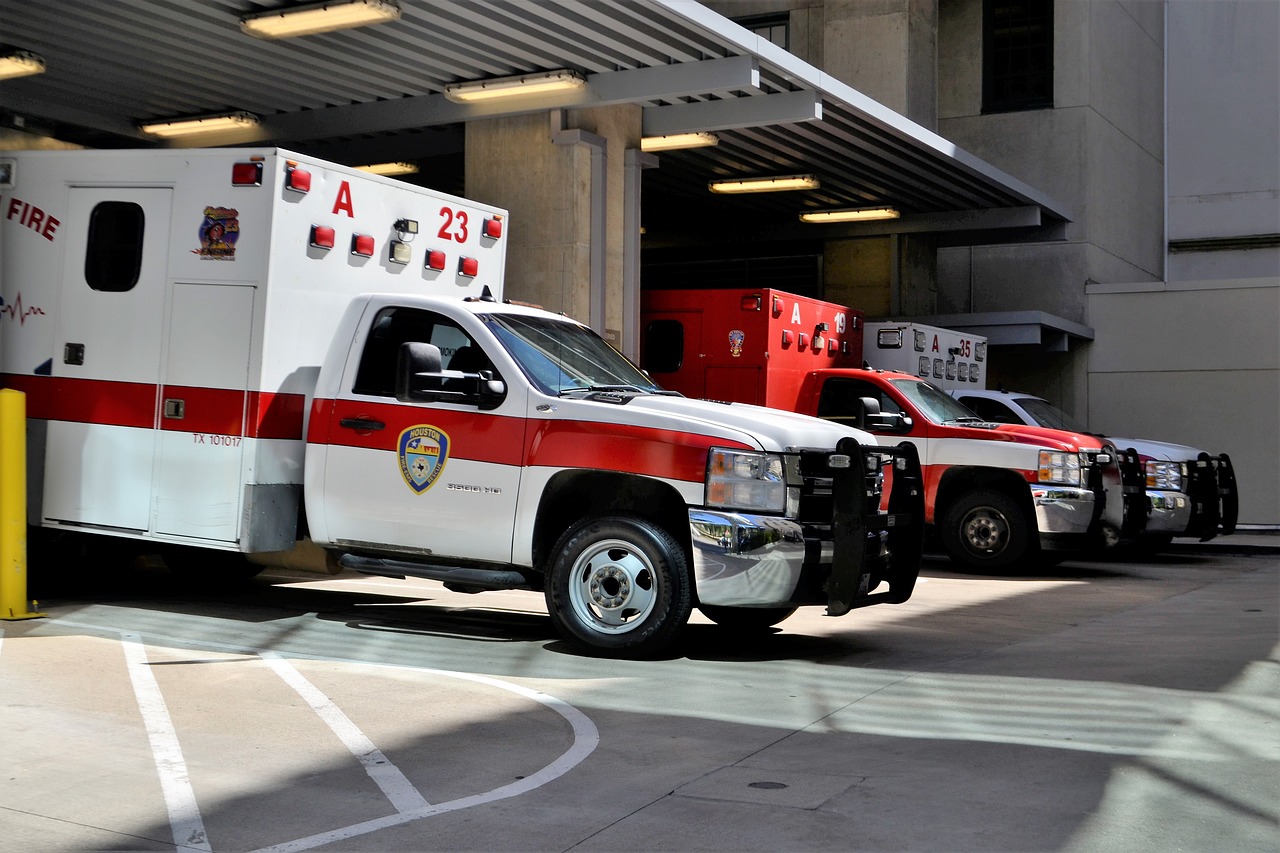
The ambulance at the corner

By David Joel Miller, MS, Licensed Therapist & Licensed Counselor.

Hospital emergency.

Ambulance.
Photo courtesy of Pixabay.

The ambulance at the corner.

There was an ambulance at the corner this morning. I almost missed it, but I had to stop for the light. I glanced over to see what they were doing. The light might change at any moment.

There was a homeless man I had seen at that corner before. The brick wall by the gas station shielded him from view. I saw his shopping cart on the sidewalk. The ambulance was parked just beyond. That nameless homeless person was motionless on his blanket, there on the sidewalk with the EMT’s all around.

There was a woman standing nearby holding the leash to her dog. She was staring at the homeless man, lying there so still. We don’t see a lot of homeless people in this part of town. Down on the south side, we see them, but not out north. Lately the homeless are coming farther north, or did he use to live here. Are people up north starting to be homeless also?

While I watched the paramedics rolled the man over. He didn’t seem to move. I wondered was he dead, was he unconscious? Maybe he was mentally ill. Most of the street people are mentally ill. Maybe he was a drug addict, lots of them are homeless. Maybe he was both mentally ill and homeless – or not.

A house near me is vacant. They lost it to foreclosure. This used to be a good neighborhood, middle class, and full of promise, now there are more for sale signs than residents. There are also lots of houses that sit empty, we all know they have been empty for a very long time, just the banks haven’t put the for sale signs, the “someone’s dreams died here” sign, on them yet.

Maybe that homeless man with the shopping cart was the man who used to live on the corner. His house went into foreclosure. Then his wife and kids left, gone to live with her parents. They said he drank a lot and then he was gone.

So I wondered who this unmoving man was by the corner. Why did he go to sleep on the sidewalk last night? Did he die of an overdose or of exposure? Was he just unconscious? They should try to revive him so he could – So he could what, come back to sleep behind the brick wall by the corner?

I have to hold on to hope. Somehow we will find a way to help those who are homeless, those who are addicted, those whose mental illness has taken them from family and friends.  But the hope seems fainter now, looking at that man lying on the sidewalk as I wonder what in his life went wrong.

It would be reassuring to think that being homeless and sleeping on the sidewalk only happens to bad people, people who deserve it. But I know from my own experiences that bad things sometimes happen to people who work hard and try their best. If only I could say he deserved his fate I might not feel so afraid and venerable.

Why do the homeless seem so old, so old and young? Living on the street ages you. I know that. And there are more seniors who can’t pay their bills now. Why didn’t someone help him?  But I know that there is less money now for any sort of help for people, less than we used to have. We needed the tax cuts for businesses to create jobs and now there is less money for people who don’t work.

Is all that stuff on my shopping list really that important? Do we really need more stuff? What does it say about me that I live in a society that appears to values things more than people? Did some abstract thing called a recession cause this or was it a bursting housing bubble that was the cause? Or did this happen because I and people like me stopped caring about other people? I wondered what I should do.

And then the light changed.

Staying connected with David Joel Miller

Seven David Joel Miller Books are available now!

My newest book is now available. It was my opportunity to try on a new genre. I’ve been working on this book for several years, but now seem like the right time to publish it.

Story Bureau.

Story Bureau is a thrilling Dystopian Post-Apocalyptic adventure in the Surviving the Apocalypse series.

Baldwin struggles to survive life in a post-apocalyptic world where the government controls everything.

As society collapses and his family gets plunged into poverty, Baldwin takes a job in the capital city, working for a government agency called the Story Bureau. He discovers the Story Bureau is not a benign news outlet but a sinister government plot to manipulate society.

Bumps on the Road of Life. Whether you struggle with anxiety, depression, low motivation, or addiction, you can recover. Bumps on the Road of Life is the story of how people get off track and how to get your life out of the ditch.

Dark Family Secrets: Doris wants to get her life back, but small-town prejudice could shatter her dreams.

Casino Robbery Arthur Mitchell escapes the trauma of watching his girlfriend die. But the killers know he’s a witness and want him dead.

Planned Accidents  The second Arthur Mitchell and Plutus mystery.

Letters from the Dead: The third in the Arthur Mitchell mystery series.

What would you do if you found a letter to a detective describing a crime and you knew the writer and detective were dead, and you could be next?

Sasquatch. Three things about us, you should know. One, we have seen the past. Two, we’re trapped there. Three, I don’t know if we’ll ever get back to our own time.

For these and my upcoming books; please visit my Author Page – David Joel Miller

Want the latest blog posts as they publish? Subscribe to this blog.

For videos, see: Counselorssoapbox YouTube Video Channel

How many mental illnesses are there?

By David Joel Miller, MS, Licensed Therapist & Licensed Counselor.

Confused brain

Mental illness.
Photo courtesy of Pixabay.com

How many mental illnesses do you know about?

Most people are familiar with a few mental illnesses. We have an official book called the DSM-4-TR which lists all the ones that are currently recognized, but professionals all know that sometime very soon there will be a new list and then this will all change (UPDATE now the DSM-5). Sometimes, as with manic-depressive disorder, we change the way people think about an illness by changing the name. The new name for this is Bipolar Disorder and that lets us start drawing small distinctions between people who get the same diagnosis but their symptoms are so very different. Then there are a lot of things we might call “problems of daily living.” These problems send more people to counseling than most of the well known mental illnesses.

Now in addition to this, there are a lot of things in the back of the DSM (pick an edition here) that are only recognized in a particular culture. There is also a long list of diagnoses suggested for further research, which means some professionals think it should be a disorder and other professionals don’t.

So currently the DSM lists about 400 give or take mental, emotional, or behavioral disorders. Even professionals forget to use all these codes a lot of the time.

When I teach classes in substance abuse counseling, I try to give prospective substance abuse counselors an overview of all these disorders. We don’t expect them to learn to diagnose disorders, just to recognize when a problem might be a mental illness and need a referral to a mental health professional. Here is that very oversimplified way of understanding mental illnesses. We will reduce that list of 400 to about 6. For the rest of the list read the book or better yet go to a professional.

1. Problems of daily living.

These are the most common. That does not mean they are the least important. This includes adjustment disorders and relationship problems. Job loss, breakups, and divorces, and parenting issues are common but they can be fatal. Ever hear of a person going through a divorce who kills themselves or others? These adjustments to life’s changes can throw people for a loop and result in severe disability. They result in the majority of referrals to therapists in private practice. Despite the fact that these problems can cause death, violence, and lots of suffering, not all insurance covers this kind of counseling. Publicly funded programs for adults often require that you actually try to kill yourself before they will treat you. Kids get a break most of the time. We need to make therapy and counseling more available but you knew I would say that. Didn’t you?

2. Anxiety disorders.

Does it surprise you that anxiety is in second place? It would be the first place in those disorders most programs are set up to treat. Lots of anxiety out there. PTSD (Post Traumatic Stress Disorder) is on the rise. Lots of shades of anxiety from phobias like fear of snakes to panic attacks.

3. Mood disorders.

This includes depression, bipolar disorder, and a whole bunch of other labels we use less often. I have written several blog posts on these disorders and how we fail to catch them early. If you feel that you or someone around you have emotions that they can’t control, seek professional help.

4. Substance use disorders.

This includes addiction or substance abuse and dependence as we are now calling it. Some of you will argue that this is not a mental illness. Taking drugs or drinking is a choice right? Well not exactly. Think of substance abuse in the same way we might look at type two diabetes. This has been characterized as a “disease of excess calories.” So if you exercise more and eat less you may not get it. But the truth is that whatever the reason you got it, voluntary or not, once you have it, you have it.

Substance use disorder is like that. It is characterized by an increase in tolerance to a drug, a physical or psychological withdrawal, and a loss of control over the amount the client uses once they start using. Once they get it they need treatment or help to stop.

P.S. on this – in the DSM-5 there is more emphasis on the cravings that go with chemical and behavioral disorders.

5. Psychoses.

Most people would immediately think of a “paranoid schizophrenic” as an example of this. That would be wrong. Most people would also have started the list with this one. People think psychosis is a lot more common than it is. For the record, there are lots of psychoses other than Schizophrenia. Not all paranoids have schizophrenia by the way, and not all people with schizophrenia are paranoid.

Psychosis is a distortion of reality, sometimes referred to as a loss of touch with reality. That sounds more like a politician than a mentally ill person to me.

6. Problems of kids and growing up.

Things like developmental delays and mental retardation show up most often before a child goes to school. Learning disabilities and ADHD get diagnosed in the early grades and behavioral problems get diagnosed in middle school most often. This is not because these problems develop then but because as the child ages our expectations of them change and we notice different problems. Autism, Asperger’s Disorder, and Pervasive Developmental Delay NOS also get diagnosed most often when the child is young. Of course, most any of these conditions could show up in adulthood if they had not been spotted before. A group of issues we call attachment disorders could show up here but many adult clients are just now dealing with issues that began when they were very young. Things like abusive or neglectful parents. They have just managed to hide and put off dealing with these problems until a life stressor brings then out.

P.S. on that one also. In the DSM-5 we see a recognition that while something like ADHD may be first recognized in childhood it can continue your whole life. Just cause you never got this diagnosed in childhood should not keep it from getting recognized and treated later in life.

So there you have them – 6 broad categories of mental illnesses. I am sure I have left some other things out but these are the biggies that bring lots of suffering and drive people to therapy or meds. If any of these issues are affecting you or someone you care about, consider therapy, counseling, or possible meds.  There is help out there and most of the time suffering in silence does not make the pain go away.

Staying connected with David Joel Miller

Seven David Joel Miller Books are available now!

My newest book is now available. It was my opportunity to try on a new genre. I’ve been working on this book for several years, but now seem like the right time to publish it.

Story Bureau.

Story Bureau is a thrilling Dystopian Post-Apocalyptic adventure in the Surviving the Apocalypse series.

Baldwin struggles to survive life in a post-apocalyptic world where the government controls everything.

As society collapses and his family gets plunged into poverty, Baldwin takes a job in the capital city, working for a government agency called the Story Bureau. He discovers the Story Bureau is not a benign news outlet but a sinister government plot to manipulate society.

Bumps on the Road of Life. Whether you struggle with anxiety, depression, low motivation, or addiction, you can recover. Bumps on the Road of Life is the story of how people get off track and how to get your life out of the ditch.

Dark Family Secrets: Doris wants to get her life back, but small-town prejudice could shatter her dreams.

Casino Robbery Arthur Mitchell escapes the trauma of watching his girlfriend die. But the killers know he’s a witness and want him dead.

Planned Accidents  The second Arthur Mitchell and Plutus mystery.

Letters from the Dead: The third in the Arthur Mitchell mystery series.

What would you do if you found a letter to a detective describing a crime and you knew the writer and detective were dead, and you could be next?

Sasquatch. Three things about us, you should know. One, we have seen the past. Two, we’re trapped there. Three, I don’t know if we’ll ever get back to our own time.

For these and my upcoming books; please visit my Author Page – David Joel Miller

Want the latest blog posts as they publish? Subscribe to this blog.

For videos, see: Counselorssoapbox YouTube Video Channel
Do drugs cause mental illness?

By David Joel Miller, MS, Licensed Therapist & Licensed Counselor.

Drugs

Drugs.
Photo courtesy of Pixabay.com

What is the connection between drugs and mental illness?

By drugs here I am talking about illegal or street drugs, though prescription drugs can be misused and create the same effects. The relationship between drug use and mental illness is not so clear-cut as first glance would suggest. Not all mentally ill people use street drugs and many of them did not try street drugs until after they had an episode of mental illness.

1. Drugs can cause a mental or emotional problem.

There is a clear connection between some drugs of abuse and some mental emotional and behavioral disorders. We call these problems “substance-induced disorders.”

That connection can include emotional problems caused by prescription medications. Stimulant abuse, especially Methamphetamine can cause full-blown psychosis. Currently, we think there are several connections between Marijuana and psychosis. That would be a subject for another post, maybe even a book.

Drugs of many kinds can cause or exacerbate depression and other mood disorders. They can also cause or increase anxiety. There are several ways drugs can cause an emotional problem.

A. Intoxication.  People may behave differently when under the influence. Alcohol is an easy to see case of this. So is Phencyclidine abuse. People who rarely have caffeine may have an intoxication reaction if they suddenly ingest a large amount.

B. Withdrawal – They may have problems when they are withdrawing from drugs. Heroin or opiate-dependent people get very physically ill. Meth users crash, become depressed, and sleep for extended periods of time.

C. Substance-induced disorders. They may also develop long-term issues as a result of drug use. Meth-induced psychosis is becoming more common in my area. The central valley of California was described in a recent news article as “The Meth Capital of America.”  It is clear that people under the influence of meth can be psychotic. It is also beginning to be clear that the psychosis does not always go away once they stop using Meth. The way in which Meth damages some parts of the brain more than others, those changes on brain scans, are making some researchers look at specific structures in the brain as possible causes for many cases of psychosis.

There is a difference in the hallucinations experienced by drug abusers and those reported by people with psychosis. People with Schizophrenia most often report hearing voices, auditory hallucinations. Meth-induced psychosis is most often visual. They see Meth monsters or pet shadow puppies. Meth users also report that their visions do not go away when they close their eyes. So while the two types of psychosis are similar they are not identical. Maybe future research will answer all these questions.

2. People with a mental or emotional problem may be more attracted to a particular drug.

People with chronic episodes of depression may be attracted to stimulants. The quick lift of caffeine or cocaine can make your depression more manageable – temporarily, very temporarily. Freud, the father of modern psychiatry experimented with Cocaine as a way to treat depression and produce overall happiness. What we found out was that while there might be a lift of mood, there was always a crash afterward.  So the use of stimulants is no longer accepted practice because it leaves the user in a worse state than where they started.

Other examples of ways in which people with particular mental illness might be attracted to a particular drug are the way in which people with psychosis, meaning schizophrenia, schizoaffective disorder, sometimes Bipolar disorder, etc. are highly attracted to smoking. The nicotine may have some effects on the disorder. I am not suggesting anyone should take up smoking; the bad health results far outweigh the current pleasant feelings.

While we are on the subject of smoking, however briefly, I need to mention one report I read that said that more than half the cigarettes smoked in America are consumed by people with a DSM-4-TR diagnosis. Some writers have suggested that cigarette companies have deliberately added things and marketed their products to people with mental illness and substance abuse disorders. I do not know if that is true but I do know many clients with severe mental illnesses and substance abusers are heavy smokers. Remember this blog is called counselors soapbox for a reason.

In residential substance abuse facilities, we find that many clients entering treatment had the symptoms of a mental or emotional disorder before they ever started abusing substances. One theory to explain this is that some substance abusers are “self-medicating.”

3. Giving up your drug of choice can result in severe depression, anxiety, and other emotional problems.

Most long-term users get closer to their drug of choice than to other people. All their friends are involved with the same drug. So once they quit they are very alone.

This process of giving up your drug of choice is a lot like grieving over the loss of a family member or friend. The alcoholic might tell you that women come and go but “Sherry is always there.” The Meth user describes their effort to quit as “Crystal is always there.” And they remind us that “She,” whichever she that is, is jealous and didn’t want them having any other relationships.

So there you have some thoughts on the relationships between drugs and mental illness. There are other relationships but I need to stop for now.

Hoping to hear from you about your thoughts on the topic of the connections between drugs and mental illness.

Staying connected with David Joel Miller

Seven David Joel Miller Books are available now!

My newest book is now available. It was my opportunity to try on a new genre. I’ve been working on this book for several years, but now seem like the right time to publish it.

Story Bureau.

Story Bureau is a thrilling Dystopian Post-Apocalyptic adventure in the Surviving the Apocalypse series.

Baldwin struggles to survive life in a post-apocalyptic world where the government controls everything.

As society collapses and his family gets plunged into poverty, Baldwin takes a job in the capital city, working for a government agency called the Story Bureau. He discovers the Story Bureau is not a benign news outlet but a sinister government plot to manipulate society.

Bumps on the Road of Life. Whether you struggle with anxiety, depression, low motivation, or addiction, you can recover. Bumps on the Road of Life is the story of how people get off track and how to get your life out of the ditch.

Dark Family Secrets: Doris wants to get her life back, but small-town prejudice could shatter her dreams.

Casino Robbery Arthur Mitchell escapes the trauma of watching his girlfriend die. But the killers know he’s a witness and want him dead.

Planned Accidents  The second Arthur Mitchell and Plutus mystery.

Letters from the Dead: The third in the Arthur Mitchell mystery series.

What would you do if you found a letter to a detective describing a crime and you knew the writer and detective were dead, and you could be next?

Sasquatch. Three things about us, you should know. One, we have seen the past. Two, we’re trapped there. Three, I don’t know if we’ll ever get back to our own time.

For these and my upcoming books; please visit my Author Page – David Joel Miller

Want the latest blog posts as they publish? Subscribe to this blog.

For videos, see: Counselorssoapbox YouTube Video Channel

Chemical imbalance?

By David Joel Miller, MS, Licensed Therapist & Licensed Counselor.

Brain

Memory.
Photo courtesy of Pixabay.com

Some of the ways mental illness is described disturb me. Chemical imbalance and minimal brain damage are especially troublesome. This post is about the whole idea of mental illness being the result of a chemical imbalance. I can see how these ideas got their start and why they continue to be popular, but they can be way misleading also. Below is a very oversimplified explanation of this issue.

One reason these ideas gained popularity was that it explains why some people were not able to “just snap out of it” even when they tried. We began to believe that mental illness was not a choice or a moral flaw but an illness. And if it was an illness then we should be able to find treatments for it. We also started to think there were risk factors and protective factors. Not everyone with a particular gene gets a particular disorder even when the gene increases the risk.

When I first studied physiological psychology way back in the dark ages of the 1960’s we studied mostly electrical potential and structure of the brain. There were a total of two neurotransmitters that were of any importance in that class. Forty years later I took a class on the effects of drugs and alcohol on the body and the brain. In that class, the text reported there were over 200 neurotransmitters in the brain and that brain chemistry was way more important than anyone had thought until that time. The book also suggested that there were probably another 200 or so neurotransmitters that had yet to be identified and named. That number has grown since.

One thing this diversity of chemicals in the brain might explain is the way in which drugs of abuse might work. There is one theory called the “lock and key” theory that says that drugs of abuse while not the same chemical as a neurotransmitter are shaped just like one and so they fit in the receptors, the locks, in the brain and these chemicals make the same things happen that happen when neurotransmitters move only way more so.

We now know, or think we know, that messages in the brain are carried within a nerve cell, called a neuron, by electrical charges. But from one neuron to another they are carried chemically. The role of the neurotransmitters is to move messages about. But there are other chemicals present also and they do many other things. It is a complicated world inside our brains.

We discovered that a medication that changed the way a neurotransmitter, serotonin, for example, was made, moved around, broken down, and recycled, could also impact mental illness symptoms. So the shorthand for this became that someone who had depression might have a shortage of serotonin. The expectation was that give this person a medication that increases serotonin and they should be cured. It has turned out to be more complicated than that.

The belief that a shortage or surplus of a neurotransmitter was causing a particular mental illness gave rise to the idea that in time we would be able to take a sample of the fluid in someone’s brain, decide which neurotransmitter or enzyme was out of balance, and then by adding or subtracting neurotransmitters they could be cured. People still come into our office and want to be “tested” to find out which chemical in their brain is out of balance. So far this hasn’t worked out. Let me suggest why.

Thoughts are carried from nerve cell to nerve cell chemically. You have lots of thoughts, conscious and unconscious. Hunger is a thought, so is tired. We may feel these long before we know that consciously. A depressed person might have a happy thought, might even laugh at a joke. The brain chemistry will change. They think about their depression or a bad experience their brain chemistry changes again. So the chemicals in the brain are constantly changing. We also find that changes in thinking can change your mood. That is the basis of conative therapies. Changes in muscles are also controlled by chemicals so that might explain why behavioral therapies work also. But psychiatric chemicals, like anti-depressants, do work also.

Another thing we are starting to read about in the popular accounts of scientific research is the way in which neurotransmitters may act differently in different structures of the brain. We also find that there is a lot more than one model of a neurotransmitter. If serotonin were like a car, say a sedan model, there would be two-door and four-door models and various colors. Turns out there are multiple varieties of neurotransmitters. So the more we learn about brain chemistry the more refined the medications become but the more questions there are that need answers.

Rather than being just a simple case of a chemical imbalance, it may be that some brains get more mileage out of one chemical than another. Some brains come with superchargers and need higher octane fuel and others stall on the same mix. Forgive the repeated use of the car analogy but it comes the closest of any I can think of as to why we can’t just test for a chemical imbalance and why some people respond well to a medication and other people do not.

So remember that it is not just a shortage of or surplus of a chemical that throws brains out of balance. The things you do and the thoughts you think also influence your brain chemistry. In future posts, I want to talk about minimal brain damage and the ways in which psychiatric medications like anti-depressants might be working. Remember this is coming from a therapist and counselors point of view. Before you make any changes in your medication, starting or stopping, please talk with your doctor. But in my world, it never seems to hurt if you add some counseling to the medication.

Staying connected with David Joel Miller

Seven David Joel Miller Books are available now!

My newest book is now available. It was my opportunity to try on a new genre. I’ve been working on this book for several years, but now seem like the right time to publish it.

Story Bureau.

Story Bureau is a thrilling Dystopian Post-Apocalyptic adventure in the Surviving the Apocalypse series.

Baldwin struggles to survive life in a post-apocalyptic world where the government controls everything.

As society collapses and his family gets plunged into poverty, Baldwin takes a job in the capital city, working for a government agency called the Story Bureau. He discovers the Story Bureau is not a benign news outlet but a sinister government plot to manipulate society.

Bumps on the Road of Life. Whether you struggle with anxiety, depression, low motivation, or addiction, you can recover. Bumps on the Road of Life is the story of how people get off track and how to get your life out of the ditch.

Dark Family Secrets: Doris wants to get her life back, but small-town prejudice could shatter her dreams.

Casino Robbery Arthur Mitchell escapes the trauma of watching his girlfriend die. But the killers know he’s a witness and want him dead.

Planned Accidents  The second Arthur Mitchell and Plutus mystery.

Letters from the Dead: The third in the Arthur Mitchell mystery series.

What would you do if you found a letter to a detective describing a crime and you knew the writer and detective were dead, and you could be next?

Sasquatch. Three things about us, you should know. One, we have seen the past. Two, we’re trapped there. Three, I don’t know if we’ll ever get back to our own time.

For these and my upcoming books; please visit my Author Page – David Joel Miller

Want the latest blog posts as they publish? Subscribe to this blog.

For videos, see: Counselorssoapbox YouTube Video Channel

Side Effects

By David Joel Miller, MS, Licensed Therapist & Licensed Counselor.

Drugs.

Drugs.
Photo courtesy of Pixabay.

What about those drug side effects.

The other night as I was walking by the Television in the family room I heard a frightening commercial in which they described a long list of possible side effects for a medication they were advertising. This experience combined two things that I try to avoid, television and commercials that interrupt my train of thought. Fortunately, I recovered enough from the trauma to start thinking about what they were portraying in their commercial. Here they had paired a positive commercial with a quick legal disclaimer of all kinds of possible side effects.  They also had a “call to action” saying “ask your doctor” if you should be taking our med.

With that graphic warning would anyone buy this medication? Then it occurred to me that yes indeed people were buying the med despite some pretty extreme side effects. I won’t give the name of the med but here is what I remember of the list of side effects. Remember I was walking by the family room when I heard this so I may have gotten some of these side effects wrong.

This med may cause sexual impotence, sudden death, and the loss of body parts, presumably because after taking this drug sometimes arms and legs or other members fall off. It also has caused blindness, deafness, and loss of memory. These side effects alone caught my attention, though the list was considerably longer. Could any possible benefit outweigh a side effect like death and impotence?

This drug was not a warning for some illegal drug. I know that people might take a drug that causes their teeth to fall out and their skin to develop scabs along with the loss of home and family. Illegal drugs like Methamphetamine result in these kinds of effects all the time. But why do legally prescribed drugs have so many terrible side effects and get prescribed anyway? Here are some thoughts about how side effects are discovered and what the risks are.

Let’s say for example sake that a company approached the college where I teach and offered the students a chance to test some new drugs that had been shown in lab tests to increase concentration and intelligence. Set aside for a second the ethical issues about should we do this test and let’s say that someone thinks that testing this drug is worth the ethical risks. Maybe it also prevents cancer. So we do the test.

There are two things we want to know. Does it work? Is it safe? For the does it work issue we want to know if it improves test scores and makes students more alert in class. For the “is it safe issue” we want to know if there are side effects, like death, that outweigh the benefits.  So we do two things, we give some students one drug and the rest another drug. Preferably we make them look-alike so no one knows who is taking which drug. An even better procedure might be to make up a third test group that gets a pill with no drug in it. During the test we also want students to record any health problems they develop.

So if we test these drugs on thousands of students what might happen? During the course of the test could any students have nights where they could not sleep? Sure. Would other students have a night where they were so tired they fell asleep early? Some of the students would gain weight during the semester and some might lose weight. There might be people who got constipated or who got diarrhea. Some students would also catch colds and flu during the test.

At this point we might have a list of side effects that reads like this:

May cause insomnia or drowsiness

May cause constipation or diarrhea

May cause weight gain or loss

May cause repertory symptoms

Now we need to check a few things. Did one drug produce more of any one side effect than the other? Even more importantly how did the side effects of the two active drugs compare to the side effects reported by people who were taking the inactive pill?

So in considering whether to take a drug and run the risk of the side effects, you also need to know how much the drug increases the risk over the risk from not taking the drug.  So rather than relying on what you hear about a drug’s side effects on a brief commercial or even by reading about side effects on blogs of people who have taken that drug you also need to discuss the risks and benefits with your doctor.

Sometimes people tune out the warnings about side effects thinking that the benefit is so great that they are willing to run some risks. We all like to think that bad things won’t happen to us. If you want to be an informed consumer it pays to consider the risks also.

In my thinking, you need to balance the risks and the benefits and your doctor can help you do this. Getting two minutes extra sleep a night may not be worth the risk of a sudden heart attack. Some people avoid psychiatric medication because of weight gain, but the risk of the weight gain, even if you end up with diabetes may be worth it if the med keeps you out of the psychiatric hospital and lets you have a life. Don’t be scared off from a potentially helpful medication by the list of side effects, but please, do discuss the med with your doctor and decide if the risks are worth the benefits for you.

And do I need to say this? Don’t ever take a med that was not prescribed for you!

Till next time, wishing you a happy life.

Staying connected with David Joel Miller

Seven David Joel Miller Books are available now!

My newest book is now available. It was my opportunity to try on a new genre. I’ve been working on this book for several years, but now seem like the right time to publish it.

Story Bureau.

Story Bureau is a thrilling Dystopian Post-Apocalyptic adventure in the Surviving the Apocalypse series.

Baldwin struggles to survive life in a post-apocalyptic world where the government controls everything.

As society collapses and his family gets plunged into poverty, Baldwin takes a job in the capital city, working for a government agency called the Story Bureau. He discovers the Story Bureau is not a benign news outlet but a sinister government plot to manipulate society.

Bumps on the Road of Life. Whether you struggle with anxiety, depression, low motivation, or addiction, you can recover. Bumps on the Road of Life is the story of how people get off track and how to get your life out of the ditch.

Dark Family Secrets: Doris wants to get her life back, but small-town prejudice could shatter her dreams.

Casino Robbery Arthur Mitchell escapes the trauma of watching his girlfriend die. But the killers know he’s a witness and want him dead.

Planned Accidents  The second Arthur Mitchell and Plutus mystery.

Letters from the Dead: The third in the Arthur Mitchell mystery series.

What would you do if you found a letter to a detective describing a crime and you knew the writer and detective were dead, and you could be next?

Sasquatch. Three things about us, you should know. One, we have seen the past. Two, we’re trapped there. Three, I don’t know if we’ll ever get back to our own time.

For these and my upcoming books; please visit my Author Page – David Joel Miller

Want the latest blog posts as they publish? Subscribe to this blog.

For videos, see: Counselorssoapbox YouTube Video Channel