Is your life where you want it to be?

Climbing Life’s Mountains.
Photo courtesy of Pixabay.com

Climbing Life’s Mountains.

By David Joel Miller, MS, Licensed Therapist & Counselor.

Is your life where you wanted it to be?

Many of the people I talk to in my therapy practice who are in their twenties, thirties, and even forties, men and women both, tell me that they are not where they should be in life. While there can be many reasons for that, I wanted to talk to you today about some of the more common reasons people fail to reach their goals, and even when they do, they don’t feel that they are successful enough.

In a previous post, I talked about how I view my personal process of setting and achieving goals as being metaphorically like an Indoor Mountain Climber. For this post, I will use that metaphor and expand on it. Whether the mountain you’re trying to climb is outdoors or a challenge in your home or work life, there are some questions you need to ask yourself.

How did I pick that goal?

Most people spend more time shopping for a used car than they do picking out a college major or a life partner. Not knowing the person you’re moving in with and not knowing what you will be doing once you get your degree and are working in that field leads to a lot of disappointment.

It’s common to underestimate how hard it is to climb the mountain you have chosen. People who have been in a career field for ten years often compare themselves to people who have been on the job for thirty or forty years and feel they have a lot of ground to catch up. When you have been climbing your mountain for a few hours, and you look up towards the summit, it can easily look like you have not gotten anywhere.

Most overnight successes spent years developing their skills before they got their big break. When you’re partway into your career, don’t complain that you’re not yet at the top of your profession. Take a good look around at how long those people above you have been climbing. It also helps to prevent discouragement to look at those people who are just starting out and realize how far you’ve come.

Did you pick the wrong mountain to climb?

Many people reach a point where they look around and say to themselves, “I think I’m climbing the wrong mountain.” A lot of people discover that the career they are pursuing doesn’t provide the rewards they’re looking for. What you learn in school are the basics. What you learn on the job is the reality.

Lots of things are fun when you’re first learning a new subject. Especially if you are like me and love learning just for the sake of learning. However, once you get on the job, those abstract theoretical questions can become the drudgery of doing the same task over and over. If you are going to spend all day filling out forms, you need to enjoy that process, or there needs to be some other reward in your outside of work life to keep you doing it.

Making a large salary won’t make you happy.

Studies of happiness tell us we have made a mistake in how we evaluate happiness. Happiness and unhappiness are not at opposite ends of a spectrum. Happiness is one feeling, and unhappiness is another. When life is hard, if you live in poverty and struggle to provide the basics of life, it’s likely you will be unhappy. But even in unhappy circumstances, when your partner or children hug you and tell you how much they appreciate you, it makes you happy.

This separateness of happiness and unhappiness explains to me why more money can reduce unhappiness but it will not by itself increase happiness. Spending money on things only makes you happy for a very brief period of time.

If you don’t have a car, buying one that runs makes you less unhappy. Buying a brand-new fancy prestige car may make you happy for a while, but that happiness is off, and you must keep trading up for the newest and latest prestige item.

Everyone needs something that gives their life meaning and purpose.

If you can find and pursue the one thing that gives your life meaning and purpose, you are much more likely to find happiness. For some people, their work is a way to earn enough money so that on their time off, they can do those things that give their life meaning and purpose. Other people are able to find a job which in and of itself fills their life with meaning and purpose.

Have you achieved the right balance between things that support you physically and those activities that give your life meaning and purpose?

Does David Joel Miller see clients for counseling and coaching?

Yes, I do. I can see private pay clients if they live in California, where I am licensed. If you’re interested in information about that, please email me or use the contact me form.

Recently, I began working with a telehealth company called Grow Therapy. If you’d like to make an appointment to work with me, contact them, and they can do the required paperwork and show you my available appointments. The link for making an appointment to talk with me is: David Joel Miller, LMFT, LPCC 

Staying in touch with David Joel Miller.

Want the latest blog posts as they are published? Subscribe to this blog.

For more information about my writing journey, my books, and other creative activities, please subscribe to my blog at davidjoelmillerwriter.com

Seven David Joel Miller Books are available on Amazon now! And more are on the way.

For more about my books, please visit my Amazon Author Page – David Joel Miller

For information about my work in mental health, substance abuse, and having a happy life, please check out https://counselorssoapbox.com

For videos, see: Counselorssoapbox YouTube Video Channel

Overcome sadness by collecting special moments.

Special Moment
Photo courtesy of Pixabay.com

Overcome sadness by collecting special moments.

By David Joel Miller, MS, Licensed Therapist & Counselor.

The human brain has a negativity bias.

The human brain has a preference for remembering the negative and forgetting the positive. Whether that’s by design or the result of experience through millions of years of evolution, I will leave it to others to decide. But I can see how this negativity bias could benefit human survival and how it is causing a lot of pain and suffering today. Let me try to illustrate this with a couple of hypothetical stories.

Please hang with me to the end of these parables when I explain how you can overcome negativity bias and become a happier, more positive person by collecting special moments.

The story of the red berries.

Imagine, if you can, being a human living in the forest or jungle before the advent of electricity, refrigerators, canned goods, or any practical way to store food through the winter. You might’ve figured out how to dry certain seeds, but drying berries was very impractical.

One day, you’re walking through the jungle and find some bushes covered with bright red berries. You try a few, and they are tasty. So, you eat as many as you can. Imagine the time before the Industrial Revolution and modern civilization when humans typically went hungry through most of the winter. Hence, the preference in earlier times was for women with a little meat on their bones who might survive the lean times and be able to care for the children.

As an aside here, I read somewhere once that the human brain has twenty-two circuits to tell us we are hungry. When hungry, we get headaches, our stomach growls, we may feel weak, and so on. As I remember it, we only have eight circuits, which feedback to tell the brain we have had enough to eat. Hence, humans tend to continue to gain weight whenever food is available and only lose it when there is famine. Not a terribly adaptive quality in this modern industrial era.

The following day, you are walking again through the hypothetical jungle again. There’s no need to remember what the berries looked like because while they were tasty, you ate them all, and there are no more to be had. Hence, we tend to forget many positive experiences which may be challenging to repeat.

But, in our hypothetical tale, let’s say that you became violently ill, threw up those berries, and almost died. Can you see now why you might, having had a negative experience, remember those berries for the rest of your life? This negativity bias carries over into many other human activities where we remember one unpleasant event but forget large numbers of positive events.

What color were the flowers?

I was working at an agency that saw many children. Often, their parents showed up wanting to know how the child was doing. I noticed a definite negativity bias on the part of the parents toward the whole process. But I wasn’t quite sure how to overcome that bias.

One day, on my way to work, I noticed as I walked in the front door that the landscapers had replaced flowers in front of the building with some new plants that were in bright bloom. I hurried in and got to work, knowing the first family would be there to see the child in minutes.

Partway into the conversation, I realized that these parents could tell me everything the child did wrong, as well as what the teacher and the professionals were doing wrong, but had difficulty describing anything about the situation that was good or right. And then it struck me. I suffered from that same negativity bias. I had seen those brightly colored flowers when I came to work that morning, but now caught up in the problems of the day, I couldn’t remember what those flowers looked like or what color they were.

During my lunch hour, I went outside and looked at those flowers again. I spent anywhere from thirty seconds to several minutes examining each one. I discovered that thirty seconds of looking at something positive was the bare minimum for me to remember it later. And the longer I looked at a particular flowering plant, the more likely I was to remember it hours, days, even years later.

The way you overcome negativity bias is to pay more attention to the positive.

Whenever something good happens in your life, spend some time consciously looking at it, staring at it, and committing it to memory. So many of life’s special moments go by unnoticed. Become a collector of those special moments, and the whole nature of your life will become more positive and filled with special moments.

This technique is especially useful with children and partners.

One simple rule of parenting is to always “catch your child doing something right.” The more you notice the positive things your child does and compliment them on it, the more likely they are to repeat that behavior. When children are doing something you don’t like, ignoring it whenever possible is likely to extinguish the behavior. It’s worth noticing that some children who will only get attention when they do something wrong behave badly more often simply to get that extra attention.

If you want a happy, more satisfying life full of contentment, become a collector of special moments. Consider writing them down. The more attention you pay to the positive in life, the more you will realize that positive things are happening all around you every day. If only you would collect that positivity and save it up against the next rainy day.

Does David Joel Miller see clients for counseling and coaching?

Yes, I do. I can see private pay clients if they live in California, where I am licensed. If you’re interested in information about that, please email me or use the contact me form.

Staying in touch with David Joel Miller.

Want the latest blog posts as they are published? Subscribe to this blog.

For more information about my writing journey, my books, and other creative activities, please subscribe to my blog at davidjoelmillerwriter.com

Seven David Joel Miller Books are available on Amazon now! And more are on the way.

For more about my books, please visit my Amazon Author Page – David Joel Miller

For information about my work in mental health, substance abuse, and having a happy life, please check out https://counselorssoapbox.com

Why you can’t find happiness

Road

Road to a happy life.
Photo courtesy of Pixabay.com

Why you can’t find happiness.

By David Joel Miller, MS, Licensed Therapist & Counselor.

Has happiness eluded you?

Trying to find happiness in modern-day America, and probably in all the industrial world, is the equivalent of looking for snow snakes and going into the forest to hunt Snipe. So many people equate happiness with pleasure that the coin of happiness has become severely tarnished.

In a country with such a high material standard of living, why are so many people chronically unhappy. We could argue that income distribution plays a role in this problem, but that’s not the point I’m pursuing. Not having enough money to pay for food and housing can undoubtedly lead to a less happy life. But I see people who are happy living in very modest settings.

I remember an old proverb that says that happiness is like a butterfly. You can chase it all over and never catch it. But if you sit quietly, the butterfly of happiness just might come and land on you. I think there’s a lot of wisdom in that idea. Pursuing happiness doesn’t get you closer to it. The best way to achieve happiness is to be happy as you go through your day-to-day activities. During the year 2024, I want to explore the idea that happiness can be within the reach of almost anyone if they know the techniques to find it. Happiness is about being, not about doing or having.

Why are so many middle-class and wealthy people chronically unhappy?

Pick up any tabloid at the grocery store, and you’ll find article after article about the woes and miseries of the rich and famous. While more money doesn’t make you unhappy, having wealth doesn’t seem to automatically guarantee happiness. Above a certain income level, the connection between money and happiness appears to be either negative or nonexistent.

Some people try to increase their happiness by spending. They get a sudden rush of excitement and pleasure when they buy something. That pleasure fades quickly. They’re not getting their joy out of having and using the item they purchased. To a chronic shopaholic, the pleasure ends as soon as the purchases are placed in the trunk of their car. I knew one chronic overspender who sold their car and never cleaned out the trunk. The purchaser found it full of impulse buys that had never made it into the overspender’s house.

Trying to buy your way into happiness results in lots of debt. The pleasure of the purchase fades quickly, but the pain of that credit card bill coming due each month goes on almost forever.

Fame doesn’t seem to bring happiness either.

I think we can all remember a great variety of famous people who lived unhappy lives and died unhappy deaths. If fame doesn’t bring happiness to those few who achieve it, how are the rest of us supposed to ever become happy?

I’ve told my students in the chemical dependency class that I think America needs a museum dedicated to famous debt junkies. The list of famous musicians, actors, and politicians who developed severe alcohol or drug use disorders goes on and on. Getting high leads to suffering, not happiness.

Perhaps we are chasing the wrong animal.

You don’t go deer hunting 20 miles off the California coast. And you can’t catch a shark in the middle of the Mojave Desert. You might find a skeleton there, but you won’t find a live fish of any significant size in the desert. The same is true of pursuing pleasure, thinking it will bring happiness.

When you ask most people about pursuing happiness, they think about the things that produce large rushes of adrenaline, dopamine, and serotonin. Ask most people about being happy, and they will think about having fun. The road to happiness is supposed to lead through all the hedonic pleasures. Want more happiness? Drink more liquor, do more drugs, have more sex, gamble at the casino, and take up thrill-seeking like riding roller coasters and jumping out of airplanes.

If money or fame brought happiness, why is it so many rich and famous people turn to drugs and alcohol seeking to find happiness and to ease their pain? I believe it’s because people mistake temporary pleasure for genuine happiness.

What should people look for when they’re seeking happiness?

The coin of happiness has two sides; one side looks bright and shiny, and people chase it, thinking they can buy happiness with that coin. But the other side of the coin of happiness doesn’t sparkle so brightly. The Greeks called the shiny path hedonics, the pursuit of hedonism. Those temporary bursts of pleasure fade quickly and leave the person less well-off than when they started.

The other path the Greeks called Eudaimonia or Eudemonics. It consists of all those calm, soothing experiences in life. The path to a long-term life of flourishing takes you by way of fields of satisfaction, lakes of contentment, the joys of doing for others, and the pleasure of self-improvement.

If you want to find this path, pay attention to the things that provide satisfaction, not the things you can never get enough of. Avoid temporary excitement and seek long-term contentment. Give up using others and, instead, look for ways to be of service to those around you.

If you take this path and create a flourishing life, you will find that the butterfly of happiness you couldn’t catch up with in the fast lane will come and sit on your shoulder as you bask in the rays of contentment and savor the joys of a life well lived.

Does David Joel Miller see clients for counseling and coaching?

Yes, I do. I can see private pay clients if they live in California, where I am licensed. If you’re interested in information about that, please email me or use the contact me form.

Staying in touch with David Joel Miller.

Want the latest blog posts as they are published? Subscribe to this blog.

For more information about my writing journey, my books, and other creative activities, please subscribe to my blog at davidjoelmillerwriter.com

Seven David Joel Miller Books are available on Amazon now! And more are on the way.

For more about my books, please visit my Amazon Author Page – David Joel Miller

For information about my work in mental health, substance abuse, and having a happy life, please check out https://counselorssoapbox.com

For videos, see: Counselorssoapbox YouTube Video Channel

Secrets of the good life – Video

My latest video: Some secrets of the good life, is available today on the counselorssoapbox YouTube video Channel.

Happiness.

Happy faces
Happiness. Photo courtesy of Pixabay.com

Happiness.

Sunday Inspiration.     Post by David Joel Miller.

“Hope

Smiles from the threshold of the year to come,

Whispering ‘it will be happier’…”

― Alfred Lord Tennyson

“Take responsibility of your own happiness, never put it in other people’s hands.”

― Roy T. Bennett, The Light in the Heart

“Many people lose the small joys in the hope for the big happiness.”

― Pearl S. Buck

Wanted to share some inspirational quotes with you.  Today seemed like a good time to do this. There are an estimated 100,000 words in the English language that are feelings related. Some emotions are pleasant, and some are unpleasant, but all feelings can provide useful information. If any of these quotes strike a chord with you, please share them.

Look at these related posts for more on this topic and other feelings.

Emotions and Feelings.

Inspiration

Happiness

Positive Psychology

Egotistical.

Egotistical. Photo courtesy of Pixabay.com.               

Egotistical.

Sunday Inspiration.     Post by David Joel Miller.

“Conscience makes egotists of us all.”

― Oscar Wilde, The Picture of Dorian Gray

“The common idea that success spoils people by making them vain, egotistical and self-complacent is erroneous; on the contrary, it makes them, for the most part, humble, tolerant and kind. Failure makes people bitter and cruel.”

― W. Somerset Maugham, The Razor’s Edge

“Happiness is egotistical.”

― Alexandre Dumas

Wanted to share some inspirational quotes with you.  Today seemed like a good time to do this. There are an estimated 100,000 words in the English language that are feelings related. Some emotions are pleasant, and some are unpleasant, but all feelings can provide useful information. If any of these quotes strike a chord with you, please share them.

Look at these related posts for more on this topic and other feelings.

Emotions and Feelings.

Inspiration

Happiness.

Happy faces
Happiness. Photo courtesy of Pixabay.com

Happiness,

Sunday Inspiration.     Post by David Joel Miller.

“Happiness is not something ready made. It comes from your own actions.”

― Dalai Lama XIV

“The most important thing is to enjoy your life—to be happy—it’s all that matters.”

― Audrey Hepburn

“When one door of happiness closes, another opens; but often we look so long at the closed door that we do not see the one which has been opened for us.”

― Helen Keller

Wanted to share some inspirational quotes with you.  Today seemed like a good time to do this. There are an estimated 100,000 words in the English language that are feelings related. Some emotions are pleasant, and some are unpleasant, but all feelings can provide useful information. If any of these quotes strike a chord with you, please share them.

Look at these related posts for more on this topic and other feelings.

Emotions and Feelings.

Inspiration

Happiness

Positive Psychology

How do you create the best life possible?

Contentment
Contentment Photo courtesy of Pixabay.com

By David Joel Miller, MS, Licensed Therapist & Licensed Counselor.

Three steps to a flourishing life.

Mental health programs frequently stop at just treating mental illness. We’ve learned that merely treating your depression or anxiety or other mental illness does not create a happy, flourishing life. When I ask people what makes them happy, many people struggle for an answer.

It’s easy to confuse happiness with temporary bursts of pleasure. The only way that many adults know how to have fun is to use drugs, alcohol, or engage in sex or other risky behaviors. It turns out there’s a lot of ways to have a pleasant, contented life that don’t involve the so-called adult pleasures.

Over the last couple of decades, a new movement has emerged in the mental health and wellness field called positive psychology. Positive psychology tries to look beyond reducing pain and temporary bursts of pleasure to the creation of those peak experiences that are sometimes described as the good life, flourishing, or experiencing episodes of flow. Here are some steps to take you to whenever you would subjectively describe as your good, ideal life.

Decrease your negative emotions.

Some negative emotions are an essential part of living life. Anxiety can be a productive emotion when it warns you of danger. If something awful happens in your life, when someone you love dies, when you lose a job, or a relationship ends, it’s reasonable and even normal to be sad for a while. But suppose your life is overwhelmed by anxiety and depression. In that case, we diagnose those as mental illnesses, and the first part of the journey to a good life is overcoming those excesses of negative emotions. Unfortunately, treating mental illness is where most mental health treatment programs end.

Increase your positive emotions.

The more you can experience positive emotions, as the quality of your life improves. The human brain is biased. It places a premium on recognizing danger and unhappiness. It’s easy to walk right past beauty and positive experiences without ever noticing them. Learn to become a happiness expert. Stop and smell the roses. Along the way don’t forget to smell all the other flowers and enjoy the beautiful scenery.

Many people can readily recall all the problems they’ve had in relationships. It’s common for couples who come to marriage counseling to have a list of their complaints about their partner. What is usually missing are any memories of the happy occasions. If you want a flourishing life, make sure you collect as many positive feelings and memories as possible.

Create a flourishing life full of zest and vitality.

The people who say that they have a good quality of life are almost uniformly full of zest and vitality. Sometimes these two terms are used interchangeably. Vitality generally refers to physical health. The term zest, more commonly, is applied to emotional enthusiasm. If you enjoy what you do every day, you will have a subjectively more joyous life.

People who lack zest for life drift into inactivity and can become couch potatoes. They may burn out on their work and relationships. The best way to create a life worth living is to engage in the activities that energize you rather than wear you out. When you enjoyed the work you do for a living, it won’t wear you out or pull you down. If you want an exceptionally good life, emphasize the things that energize you.

Increase your life satisfaction.

In all these ways, seek to increase your life satisfaction. You only get one life. You can live each day burdened by your cares, or life can be a grand adventure in which every day adds to your quality of life.

I’ve listed some simple takeaways from the articles I’ve read on positive psychology and having a better life. Does the life you’re living bring you joy? What activities do you engage in which give your life meaning and purpose? Feel free to leave a comment in the box below.

Staying connected with David Joel Miller

Seven David Joel Miller Books are available now!

My newest book is now available. It was my opportunity to try on a new genre. I’ve been working on this book for several years, but now seems like the right time to publish it.

Story Bureau.

Story Bureau is a thrilling Dystopian Post-Apocalyptic adventure in the Surviving the Apocalypse series.

Baldwin struggles to survive life in a post-apocalyptic world where the government controls everything.

As society collapses and his family gets plunged into poverty, Baldwin takes a job in the capital city, working for a government agency called the Story Bureau. He discovers the Story Bureau is not a benign news outlet but a sinister government plot to manipulate society.

Bumps on the Road of Life. Whether you struggle with anxiety, depression, low motivation, or addiction, you can recover. Bumps on the Road of Life is the story of how people get off track and how to get your life out of the ditch.

Dark Family Secrets: Doris wants to get her life back, but small-town prejudice could shatter her dreams.

Casino Robbery Arthur Mitchell escapes the trauma of watching his girlfriend die. But the killers know he’s a witness and want him dead.

Planned Accidents  The second Arthur Mitchell and Plutus mystery.

Letters from the Dead: The third in the Arthur Mitchell mystery series.

What would you do if you found a letter to a detective describing a crime and you knew the writer and detective were dead, and you could be next?

Sasquatch. Three things about us, you should know. One, we have seen the past. Two, we’re trapped there. Three, I don’t know if we’ll ever get back to our own time.

For these and my upcoming books; please visit my Author Page – David Joel Miller

Want the latest blog posts as they publish? Subscribe to this blog.

For videos, see: Counselorssoapbox YouTube Video Channel

The Paradox of Pleasure.

Pleasure. Photo courtesy of Pixabay.

By David Joel Miller, MS, Licensed Therapist & Licensed Counselor.

What’s the connection between pleasure and happiness?

Wikipedia defines pleasure as “a mental experience that humans and other conscious animals find enjoyable, positive, or worthy of seeking. It can be a part of other mental states such as happiness, entertainment, enjoyment, ecstasy, and euphoria.” While pleasure is undoubtedly a part of happiness, it’s not the whole thing.

Positive psychology, a relatively new branch of mental health, tells us that being mentally healthy, having a good life is more than merely a lack of mental illness. If you have a mental illness such as depression or anxiety, it needs to be treated. But the elimination of a mental illness doesn’t equate with a life of fulfillment. How do you move from not being depressed to a life full of joy, happiness, contentment, meaning, and purpose? How far along that path will pleasure take you?

When most people think of happiness, they think of pleasure.

Pleasure is unquestionably a part of having a happy life, but it’s not the only part. A genuinely happy life, a life in which people are flourishing and finding meaning and purpose, needs a lot more than just pleasure. While pleasure may take you part of the way to the good life, it doesn’t take you all the way. Let’s look at how pleasure starts you out in the right direction but can get you stuck on the thing we call the hedonic treadmill.

Sometimes pleasure leads to happiness but not always.

The brain craves pleasure. Pleasure is our nervous system’s way of rewarding us for doing things that might benefit us. In small quantities, pleasure can increase your happiness. Pleasures produce the most happiness when they are unexpected. But too much of a good thing, especially on a regular basis, can be bad for you. The human brain is biased towards novel pleasures. So, each successive dose of a particular pleasure adds smaller and smaller amounts to happiness. The first slice of chocolate cake tastes good. Eating the second chocolate cake can impair your health. Eventually, most pleasures turn on you.

Pleasure wears off quickly, and this can lead to an addiction.

In psychology, this phenomenon is called habituation. The first drink can be enjoyable, but subsequent drinks each produce less pleasure. Each subsequent drink creates less subjective pleasure. When the pleasure fades, this can lead to cravings for more. Farther down the road, people find themselves drinking, using drugs, or engaging in behavioral addictions, not for the pleasure it brings them, but to prevent the cravings that come with withdrawal.

Pleasure must be taken in slowly.

Trying to maximize your happiness by consuming pleasure too quickly doesn’t work. You can’t see much of the scenery when you’re driving 100 miles an hour. Taking in pleasure slowly is a technique sometimes called savoring. In our fast-paced society, people are prone to suck in the pleasure as rapidly as possible and then move on to the next pleasurable event. This frantic search for pleasure results in absorbing very little of the pleasure from the things you do.

You can’t enjoy the taste of food when you swallow it whole.

The human brain seems to be biased to remember negative things. The threat circuits in our brain stem warn us of danger. Positive experiences, on the other hand, require effort to recognize. Modern life is moving at a pace that can be overwhelming. If you want more happiness in your life, you need to become a happiness expert. When positive events happen, we need to slow down and savor them. In this era of fast food and instant gratification savoring life’s positive experiences is becoming a lost art.

Throughout this year want to bring you some additional information about the elements of a good life and how to create a life full of joy, meaning, and purpose. If you have found ways to create a life that is flourishing, please share them by leaving a comment in the box below.

Staying connected with David Joel Miller

Seven David Joel Miller Books are available now!

My newest book is now available. It was my opportunity to try on a new genre. I’ve been working on this book for several years, but now seems like the right time to publish it.

Story Bureau.

Story Bureau is a thrilling Dystopian Post-Apocalyptic adventure in the Surviving the Apocalypse series.

Baldwin struggles to survive life in a post-apocalyptic world where the government controls everything.

As society collapses and his family gets plunged into poverty, Baldwin takes a job in the capital city, working for a government agency called the Story Bureau. He discovers the Story Bureau is not a benign news outlet but a sinister government plot to manipulate society.

Bumps on the Road of Life. Whether you struggle with anxiety, depression, low motivation, or addiction, you can recover. Bumps on the Road of Life is the story of how people get off track and how to get your life out of the ditch.

Dark Family Secrets: Doris wants to get her life back, but small-town prejudice could shatter her dreams.

Casino Robbery Arthur Mitchell escapes the trauma of watching his girlfriend die. But the killers know he’s a witness and want him dead.

Planned Accidents  The second Arthur Mitchell and Plutus mystery.

Letters from the Dead: The third in the Arthur Mitchell mystery series.

What would you do if you found a letter to a detective describing a crime and you knew the writer and detective were dead, and you could be next?

Sasquatch. Three things about us, you should know. One, we have seen the past. Two, we’re trapped there. Three, I don’t know if we’ll ever get back to our own time.

For these and my upcoming books; please visit my Author Page – David Joel Miller

Want the latest blog posts as they publish? Subscribe to this blog.

For videos, see: Counselorssoapbox YouTube Video Channel

What does your happy place look like?

By David Joel Miller, MS, Licensed Therapist & Licensed Counselor.

Can you picture the time you were happy?

Early in life, even before we have the vocabulary to store memories in our brain as stories, those memories are stored as pictures. When you think back over your life, the most positive memories often evoke images.

The exercise of imagining your happy place can be extremely helpful in managing overwhelming emotions. Once you learn to mentally go to your happy place, you can go there whenever you choose. When I think of my happy place, a picture of a particular place and time readily forms in my mind and has a calming effect.

When I try to do this “happy place” exercise with some of my clients, they seem to have difficulty imagining I happy place. If you are high in anxiety or depression, memories of happy times and places may be hard to picture. I thought I’d offer you a few images that might help take you to your happy place.

Which of these pictures most says this is my happy place to you?

The Beach
The Mountains.
Puppies.

A Theme Park
Children Playing
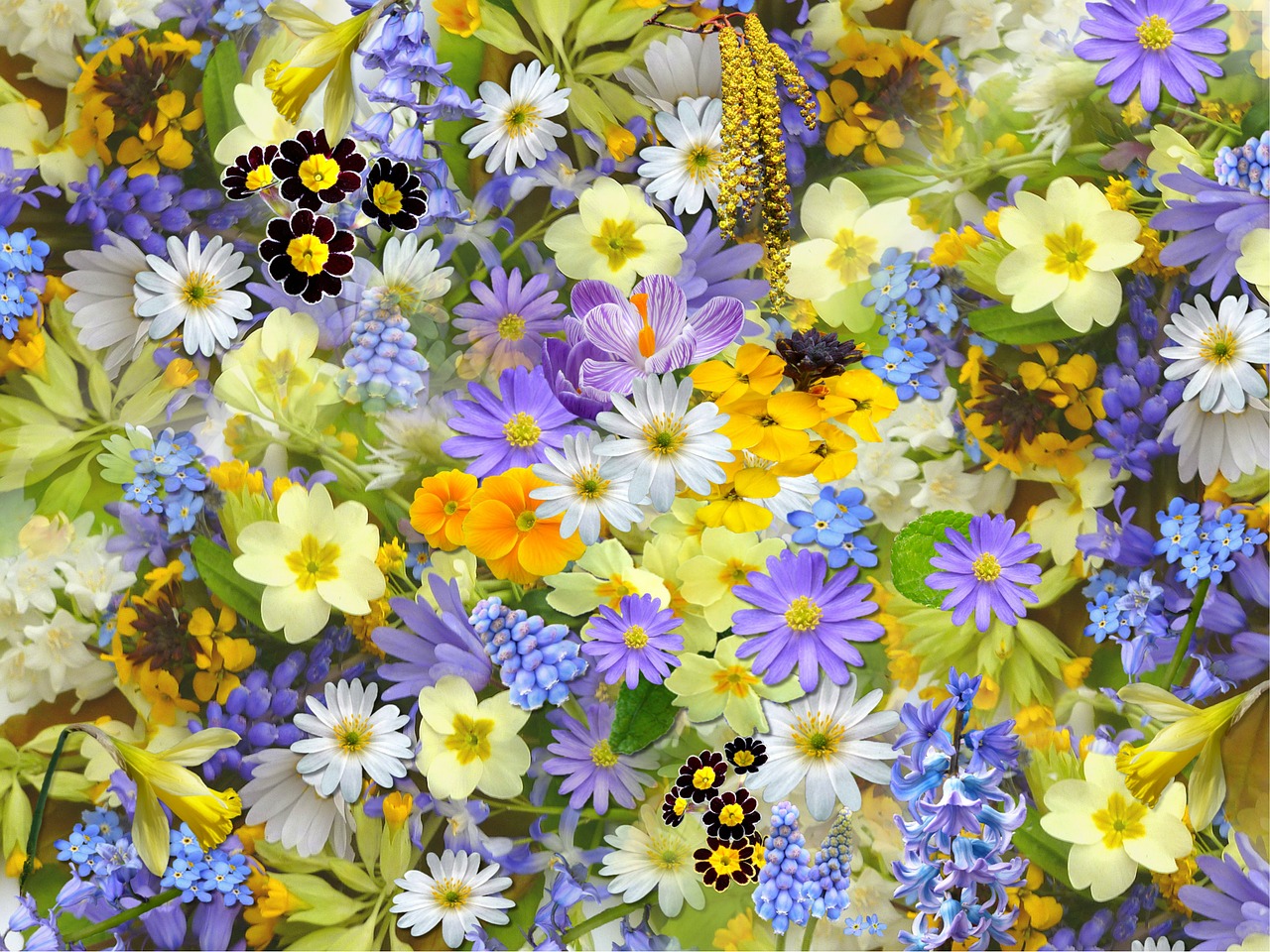
Flowers.

The next time you feel stressed, take a deep breath and remember your happy place. Is there another place that increases your happiness when you think about it? Please share your happy place with others by leaving a comment in the box below.

Staying connected with David Joel Miller

Seven David Joel Miller Books are available now!

My newest book is now available. It was my opportunity to try on a new genre. I’ve been working on this book for several years, but now seems like the right time to publish it.

Story Bureau.

Story Bureau is a thrilling Dystopian Post-Apocalyptic adventure in the Surviving the Apocalypse series.

Baldwin struggles to survive life in a post-apocalyptic world where the government controls everything.

As society collapses and his family gets plunged into poverty, Baldwin takes a job in the capital city, working for a government agency called the Story Bureau. He discovers the Story Bureau is not a benign news outlet but a sinister government plot to manipulate society.

Bumps on the Road of Life. Whether you struggle with anxiety, depression, low motivation, or addiction, you can recover. Bumps on the Road of Life is the story of how people get off track and how to get your life out of the ditch.

Dark Family Secrets: Doris wants to get her life back, but small-town prejudice could shatter her dreams.

Casino Robbery Arthur Mitchell escapes the trauma of watching his girlfriend die. But the killers know he’s a witness and want him dead.

Planned Accidents  The second Arthur Mitchell and Plutus mystery.

Letters from the Dead: The third in the Arthur Mitchell mystery series.

What would you do if you found a letter to a detective describing a crime and you knew the writer and detective were dead, and you could be next?

Sasquatch. Three things about us, you should know. One, we have seen the past. Two, we’re trapped there. Three, I don’t know if we’ll ever get back to our own time.

For these and my upcoming books; please visit my Author Page – David Joel Miller

Want the latest blog posts as they publish? Subscribe to this blog.

For videos, see: Counselorssoapbox YouTube Video Channel