
Why relationships fail – two large reasons

By David Joel Miller, MS, Licensed Therapist & Licensed Counselor.

Couple drinking

Couple’s relationship with alcohol.
Photo courtesy of pixabay

Two major causes are responsible for the majority of failed relationships.

Most of the research in this area has been done by Marriage or Couples Counselors but the results of these insights are applicable to other relationships, particularly the relationship between boss and employee. The major reason for relationship failure turns out not to be the thing we most expect.

Conflicted relationships fail and they often end early.

We expect couples who fight a lot to have a bad relationship and for the relationship to fail. That does happen – sometimes but not as often as you would think.

Relationships with lots of negativity, constant conflict are likely to end fairly soon. Gottman has done a lot of research in this area and he tells us that these relationships commonly end in the first seven years, with an average length of just over five years. These relationships are easy to spot lots of obvious arguing and fights. Sometimes there is violence. The police in every town know where these couples live.

After a few years of non-stop conflict these couples part. Often they are still angry with each other and they may have to make the exchanges of the children at a supervised site.

Sadly what often happens is both parties get into new relationships and they discover that the second or eighth time is no better than the first. Gottman tells us based on his research that almost 70% of fights are about things for which there is no solution. She likes green tea and he wants black or it could be religion, politics, or any other area of preference. Much less often a couple disagrees about something where they might be able to work out a solution that makes them both happy.

In other relationships, like jobs and friendships, people who have these kinds of conflicts quit jobs, get fired, or don’t stay around long. Sometimes they have an employment history of lots of short-term jobs. They may also have an arrest record for domestic violence or bar fights. They are also likely to have over-close friendships followed by a complete rupture of that relationship.

Getting into hugely negative conflicts is not the same as being assertive though some people confuse getting there way and giving in with being assertive or being victimized.

As dramatic as unrestrained conflict may be it is not the major reason that marriages fail. It is also not, in my experience, the reason productive employees leave companies or that long-term friendships end. There is a bigger cause of failed relationships.

Relationships without love, friendship, or caring take longer to fail but eventually these couples pull apart.

In these couples, there is nothing positive between them. They have no fun together and often prefer to live the majority of their lives apart. Now I know that there was a time that couples like this stayed together till death do them part, but that was a long time ago.

Couples in these kinds of relationships describe themselves as feeling “dead.” There is nothing that the couple has in common and eventually, the relationship ends. In the workplace, these relationships are devoid of positive regard for the other party. The only things the employee hears from the boss are the complaints and the errors. The only time the employee seeks out the boss is when they have a grievance. Neither may enjoy coming to work anymore. They forget to ever have anything positive to say about each other or about the goal their organization is pursuing.

So often couples start out the relationship describing themselves as best friends, somewhere along the way they forget that the best of friendships require work and they require shared experiences. These couples are especially prone to the “empty nest syndrome” or the “we only stayed together for the sake of the kids.” Eventually, the kids grow up and move out on their own and this couple is stuck with each other. Sometimes they are able to recreate a positive relationship but often there are no feelings left to build on.

These are not the couples who are content with each other and who are comfortable whether alone or together. They are the couples who hate to be together. There is always tension in the air if they are both in the same room but the discomfort never erupts into overt hostilities. In these relationships, neither partner makes an effort to consider the other and you will never see one comfort the other in times of pain. These are empty and uncaring couples.

So there you have it, two kinds of relationships that end on the rocks. The openly hostile violent relationships may end first but the hidden dislike eventually takes its toll. Just avoiding fights is not a solution to relationship failure. Creating more positive experiences together than negative ones is the safest route to keeping the relationship intact and healthy.

Staying connected with David Joel Miller

Seven David Joel Miller Books are available now!

My newest book is now available. It was my opportunity to try on a new genre. I’ve been working on this book for several years, but now seem like the right time to publish it.

Story Bureau.

Story Bureau is a thrilling Dystopian Post-Apocalyptic adventure in the Surviving the Apocalypse series.

Baldwin struggles to survive life in a post-apocalyptic world where the government controls everything.

As society collapses and his family gets plunged into poverty, Baldwin takes a job in the capital city, working for a government agency called the Story Bureau. He discovers the Story Bureau is not a benign news outlet but a sinister government plot to manipulate society.

Bumps on the Road of Life. Whether you struggle with anxiety, depression, low motivation, or addiction, you can recover. Bumps on the Road of Life is the story of how people get off track and how to get your life out of the ditch.

Dark Family Secrets: Doris wants to get her life back, but small-town prejudice could shatter her dreams.

Casino Robbery Arthur Mitchell escapes the trauma of watching his girlfriend die. But the killers know he’s a witness and want him dead.

Planned Accidents  The second Arthur Mitchell and Plutus mystery.

Letters from the Dead: The third in the Arthur Mitchell mystery series.

What would you do if you found a letter to a detective describing a crime and you knew the writer and detective were dead, and you could be next?

Sasquatch. Three things about us, you should know. One, we have seen the past. Two, we’re trapped there. Three, I don’t know if we’ll ever get back to our own time.

For these and my upcoming books; please visit my Author Page – David Joel Miller

Want the latest blog posts as they publish? Subscribe to this blog.

For videos, see: Counselorssoapbox YouTube Video Channel

Directions to happiness

By David Joel Miller, MS, Licensed Therapist & Licensed Counselor.

Happy faces

Happiness.
Photo courtesy of Pixabay.com

Looking for happiness?

It is hard to find something if you don’t know where it is or what to look for. Happiness is a lot like that. Can you remember the name of your elementary school? What was the school mascot? People are able to answer questions like that all the time but they have difficulty describing things that might make them happy.

It is also helpful to know how to avoid going somewhere you do not want to go to. Besides knowing the things that might make you happy it pays to know the things that might make you sad, afraid, or mad. Most of the time we can feel sad when it is inside us but often we can’t remember or describe it even at a few minutes distance.

When asked what things make you happy or sad lots of people can’t tell me or they will list off some things, video games, or a new job to make them happy, and losing their job or not getting something they want will make them sad. Things are easier to describe than relationships and characteristics like love and acceptance. Most times those things are only symbols for the feelings we all would like to experience.

We spend so much time with ourselves, every moment of every day we are there with ourselves. Most of the time we are there but we are not present. We may be physically in our bodies but our minds, our consciousness is not home. We are avoiding feeling what we feel.

You would think that we should know all about ourselves. Most of us never take the time to really get to know ourselves, our wants and desires, until a crisis strikes.

If I asked you about your best friend, what they like what makes them happy or sad, could you tell me?

Many times the person I asked can describe in detail their friend or relatives’ favorite color, flower, movie, or place. But ask them to tell you about themselves and they are out of answers. We ask our friends these questions, talking about you and asking about the other is part of the process of getting acquainted.  Often we are afraid to take the time to get to know ourselves.

Would you want you for a best friend? Lots of people in therapy will say no. I tell them that they need to be their own best friend. How can others treat you better than you treat yourself?

So the first step on the road to happiness is getting to know you. Seeing you realistically but still being able to accept you with all the faults. We often can accept a friend with warts and all but let us be one hair less than perfect and we can judge ourselves unmercifully. Learn to accept yourself.

One question I ask kids is if they were that person in the Aladdin’s lamp story and they found that lamp, what would their three wishes be? Some kids give me a list of things video games and new sneakers. Other kids say they want their parents to stop fighting or to still be together.  Wishes like this tell me about what is really important. What do you think you would wish for?

How might having three magic wishes reveal what you truly value and what direction you need to go to find your happy life?

Staying connected with David Joel Miller

Seven David Joel Miller Books are available now!

My newest book is now available. It was my opportunity to try on a new genre. I’ve been working on this book for several years, but now seem like the right time to publish it.

Story Bureau.

Story Bureau is a thrilling Dystopian Post-Apocalyptic adventure in the Surviving the Apocalypse series.

Baldwin struggles to survive life in a post-apocalyptic world where the government controls everything.

As society collapses and his family gets plunged into poverty, Baldwin takes a job in the capital city, working for a government agency called the Story Bureau. He discovers the Story Bureau is not a benign news outlet but a sinister government plot to manipulate society.

Bumps on the Road of Life. Whether you struggle with anxiety, depression, low motivation, or addiction, you can recover. Bumps on the Road of Life is the story of how people get off track and how to get your life out of the ditch.

Dark Family Secrets: Doris wants to get her life back, but small-town prejudice could shatter her dreams.

Casino Robbery Arthur Mitchell escapes the trauma of watching his girlfriend die. But the killers know he’s a witness and want him dead.

Planned Accidents  The second Arthur Mitchell and Plutus mystery.

Letters from the Dead: The third in the Arthur Mitchell mystery series.

What would you do if you found a letter to a detective describing a crime and you knew the writer and detective were dead, and you could be next?

Sasquatch. Three things about us, you should know. One, we have seen the past. Two, we’re trapped there. Three, I don’t know if we’ll ever get back to our own time.

For these and my upcoming books; please visit my Author Page – David Joel Miller

Want the latest blog posts as they publish? Subscribe to this blog.

For videos, see: Counselorssoapbox YouTube Video Channel

Unhappy Relationships

By David Joel Miller, MS, Licensed Therapist & Licensed Counselor.

Couple not talking

Unhappy relationship.
Photo courtesy of Pixabay.com

The most important issues in our lives are our relationships.

Unhappy relationships bring more people to counseling and therapy than any other issue.  Relationship issues sent more people to psychiatric hospitals than all the other causes of emotional turmoil. That need for connection to other humans underlies all human activity. If having a good relationship is so important to a happy life, why is it such a difficult thing for us to do?

When we say relationship issues most people think first and sometimes only, about romantic, sexual relationships. Type a question about relationships into most any search engine and you will be taken forthwith to a dating site. As important as this relationship is to most of us, it is not the only or the most important relationship we might have. Many people rely on the romantic relationship and fail to develop another more important relationship – their connection with themselves.

Humans, like most vertebrates, begin life with our primary relationship being our relationship with our parents. Sometimes this is one parent sometimes two; sometimes the primary caregiver is a non-biological person. That first relationship sets the pattern for the rest of our relationships. We store a blueprint away in our brain and often we keep reproducing that first primary relationship in every human connection we have afterward. Just because that relationship is good or bad does not control the quality of all relationships afterward. We can learn new patterns of relating to others.

Our early years are spent developing relationships beyond that one close caregiver we are so dependant on. Children who have unreliable or impaired caregivers find it difficult to develop functional relationships with others in their lives. Their blueprints for life have smudges and missing lines where things they should have learned about relationships were left out. Sometimes the lines were drawn incorrectly such as when the primary caregiver abuses or neglects the child. In those situations, we may begin to think that things are normal and acceptable even when they are severely dysfunctional.

Even when the primary caregiver does a good job of meeting a child’s needs the person may get some of the lessons wrong. As a therapist I spend a lot of time helping people correct these blueprints, sort out the things they learned that are not so and we look for missing parts of that life blueprint, the lessons not learned.

Beyond the first lessons with that original caregiver, most of us learn by relating to others. The first five or so years are spent with close family, siblings, grandparents, aunts, uncles and other relations. Eventually, there will be relationships with non-relatives, friends, and neighbors.  Some of these relationships will be helpful, some will not.

During our school years, we might learn some lessons from teachers and other unrelated adults, most often we learn from peers. Those other kids our own age that were struggling to grow up and find their way in life taught us lessons even when they didn’t know the answers. Many of our likes and dislikes our habits and needs were formed at this stage. We rarely look back to examine the changes to the life blueprint during those years. Not until part of our structure collapses in divorce, addiction or a relationship failure do we have a reason to check our life blueprint.

The relationship most of us neglect is that one relationship which we should pay the most attention to – our relationship with ourselves. Wherever you go, whatever you do, you will be there. Do you like yourself? Would you want you for a best friend? Make friends with yourself. Spend time getting to know you. Learn to treat yourself the way you would want others to treat you. Become your own best friend.

So often when we are sad, depressed, or anxious we crave a good fulfilling relationship. Often we reach out for another human, thinking that if we just found that one person that could love us enough, then we would be healed. That seems to only work in fiction. Two sick people do not make for a healthy relationship. To have a healthy happy relationship you need two healthy people. So before you go looking for a partner to fill in the missing pieces of your soul consider first getting to know yourself and become your own best friend.

Having children for the sake of making you happy all too often results in short-term pleasure and long-term unhappiness. Sex and drugs are not a substitute for a happy inside. There are too many people who grew up in homes where their parent’s never learned to be happy and where they inherited the family blueprint for dysfunctional living, that constant search for something outside of yourself that will make you happy.

Before you begin your search for that one special person to fill your life, please work on the relationship with that one special person you already know – you.

Staying connected with David Joel Miller

Seven David Joel Miller Books are available now!

My newest book is now available. It was my opportunity to try on a new genre. I’ve been working on this book for several years, but now seem like the right time to publish it.

Story Bureau.

Story Bureau is a thrilling Dystopian Post-Apocalyptic adventure in the Surviving the Apocalypse series.

Baldwin struggles to survive life in a post-apocalyptic world where the government controls everything.

As society collapses and his family gets plunged into poverty, Baldwin takes a job in the capital city, working for a government agency called the Story Bureau. He discovers the Story Bureau is not a benign news outlet but a sinister government plot to manipulate society.

Bumps on the Road of Life. Whether you struggle with anxiety, depression, low motivation, or addiction, you can recover. Bumps on the Road of Life is the story of how people get off track and how to get your life out of the ditch.

Dark Family Secrets: Doris wants to get her life back, but small-town prejudice could shatter her dreams.

Casino Robbery Arthur Mitchell escapes the trauma of watching his girlfriend die. But the killers know he’s a witness and want him dead.

Planned Accidents  The second Arthur Mitchell and Plutus mystery.

Letters from the Dead: The third in the Arthur Mitchell mystery series.

What would you do if you found a letter to a detective describing a crime and you knew the writer and detective were dead, and you could be next?

Sasquatch. Three things about us, you should know. One, we have seen the past. Two, we’re trapped there. Three, I don’t know if we’ll ever get back to our own time.

For these and my upcoming books; please visit my Author Page – David Joel Miller

Want the latest blog posts as they publish? Subscribe to this blog.

For videos, see: Counselorssoapbox YouTube Video Channel

5 Rules for picking the right therapist

By David Joel Miller, MS, Licensed Therapist & Licensed Counselor.

Therapist

Therapist.
Photo courtesy of Pixabay.com

5 Rules for picking the right therapist.

How do you choose a counselor?

What are the key things you should look for when choosing a therapist? How do you know if this person could help you? Let’s look at some suggestions for having a good experience in therapy.

Do you relate well?

The number one predictor of a therapist’s ability to be of help to you is – If you think they can help you they can. And conversely, if you get the feeling that this person will not be able to help you, then they probably will not be able to be helpful.

Whenever you enter a helping relationship look first and foremost for a person that you get a good feeling about. In the first session, you should be interviewing the counselor as much as they are interviewing you. See if this person “gets you” and if you feel comfortable disclosing things to them. If you feel the need to hold back and not tell them something you are off to a bad start. I see two extremes to this finding a fit problem the client who works for years with the same therapist and gets no better and the client who bounces from provider to provider and never stays in a relationship long enough to get any work done. You need to give the process time, but not forever.

Do you need a specialist? Does their training or specialty matter?

Some therapists list very specific areas of experience. Truth be told all counselors see people with the same sort of problems, mostly anger, depression, and anxiety. Couples who want a better marriage and schizophrenics who have few friends both need help with relationships. But there are some issues that call for a more specialized approach. Eating disorders, sexual issues, and developmental problems need special expertise. So does substance abuse in my opinion. If several therapists tell you they don’t see that type of client and give you referrals to call, pay special attention, they are telling you that your sort of problem does not call for a mental health general practitioner. If you are referred to the same name two or three times seriously consider this person.

How long do you want counseling to take?

Some schools of therapy believe in the long slow approach, working on basic childhood and personality issues.  They take a lot of time and can be expensive but can help you change the way you relate to the world. Some clients feel they need to see a therapist on a regular basis to continue to function well. Without their weekly visit to the therapist, these people may fall apart and end up unable to hold a job or end up back in the hospital again.

Other therapies believe in brief problem-solving approaches. Cognitive and behavioral approaches generally expect you to do work on yourself between sessions. They assign homework. Do you want to do your work in session or are you expecting a crash program that includes homework?

What is your reason for wanting therapy?

Are you facing a choice – should you get a divorce or stay together or which job should you take? Do you need the counselor to provide information or just listen? A good counselor will NOT tell you what to do. That makes you dependent on them for your life decisions. They should help you grow so you can make your own informed decisions.

Do you want to change something?  Give up drugs; learn to have a better relationship with your kid? Change requires a process if it is to be successful and if the change is to be maintained. A word of caution, be sure who you want to change. The therapist can’t change a person who is not in the room and who does not want to change. They can teach you new ways of relating to that person and if you change the way you act they may change also.

Are you confused and need some help in sorting it all out? Confusion issues may take a lot longer to work through. Are you prepared to spend that much time? There may be an underlying life issue, are you willing to take a look at that even if it involves pain or talking about something you want to forget?

Are you coming to counseling for you or for someone else?

If you are coming because your partner wants you to or because of a court order you need to be clear that you are doing this for someone else. Discuss how many sessions exactly the counselor will want you to come to before they will sign that court letter. Even if you are court or spouse ordered are you willing and open to change? If you do have to do this counseling for someone else I urge you to approach it as a chance to learn some new things and to grow and develop. If you only go to shut up the judge you are likely to make yourself miserable during the process if you are not willing to really do the process

Finances – the cost of therapy.

I have put this last for a good reason. People often say they can’t afford therapy. They complain about their pain and their life situation but they are not sure that it is worth spending money to have happiness. You should give this a lot of thought. If you spend a lot each week on entertainment, video games, or eating out but find you are still unhappy, would you spend as much to see a counselor as you spend on a beauty treatment or drugs and alcohol? How much might help getting your child to behave better be worth to you?

If you have insurance talk to your provider, what is covered, what requires out-of-pocket payment? Some companies require you to see a contracted provider from a list they provide and you probably will have a co-pay. They should give you several names to choose from. Sometimes insurance companies will let you pick a counselor, pay that counselor, and then submit the receipt for reimbursement. This may cost you a little more but it gives you lots more choices.  Some people chose to pay themselves because it puts them more in control of the process.

If you don’t have insurance carefully think about how much you might be able to pay and then look around to see what is available. There are low-cost clinics and providers who do sliding scale. I wrote in a previous post about other ways to get low-cost help when you really can’t afford to pay the fee.

Hope that you find this helpful. Best wishes on your journey to a happy life. David Miller. LMFT, LPCC.

For more on this subject see:

What to do if Therapy is not helping

How to Spot a Bad Therapist

Reasons Counselors and Therapists lose licenses 

Staying connected with David Joel Miller

Seven David Joel Miller Books are available now!

My newest book is now available. It was my opportunity to try on a new genre. I’ve been working on this book for several years, but now seem like the right time to publish it.

Story Bureau.

Story Bureau is a thrilling Dystopian Post-Apocalyptic adventure in the Surviving the Apocalypse series.

Baldwin struggles to survive life in a post-apocalyptic world where the government controls everything.

As society collapses and his family gets plunged into poverty, Baldwin takes a job in the capital city, working for a government agency called the Story Bureau. He discovers the Story Bureau is not a benign news outlet but a sinister government plot to manipulate society.

Bumps on the Road of Life. Whether you struggle with anxiety, depression, low motivation, or addiction, you can recover. Bumps on the Road of Life is the story of how people get off track and how to get your life out of the ditch.

Dark Family Secrets: Doris wants to get her life back, but small-town prejudice could shatter her dreams.

Casino Robbery Arthur Mitchell escapes the trauma of watching his girlfriend die. But the killers know he’s a witness and want him dead.

Planned Accidents  The second Arthur Mitchell and Plutus mystery.

Letters from the Dead: The third in the Arthur Mitchell mystery series.

What would you do if you found a letter to a detective describing a crime and you knew the writer and detective were dead, and you could be next?

Sasquatch. Three things about us, you should know. One, we have seen the past. Two, we’re trapped there. Three, I don’t know if we’ll ever get back to our own time.

For these and my upcoming books; please visit my Author Page – David Joel Miller

Want the latest blog posts as they publish? Subscribe to this blog.

For videos, see: Counselorssoapbox YouTube Video Channel
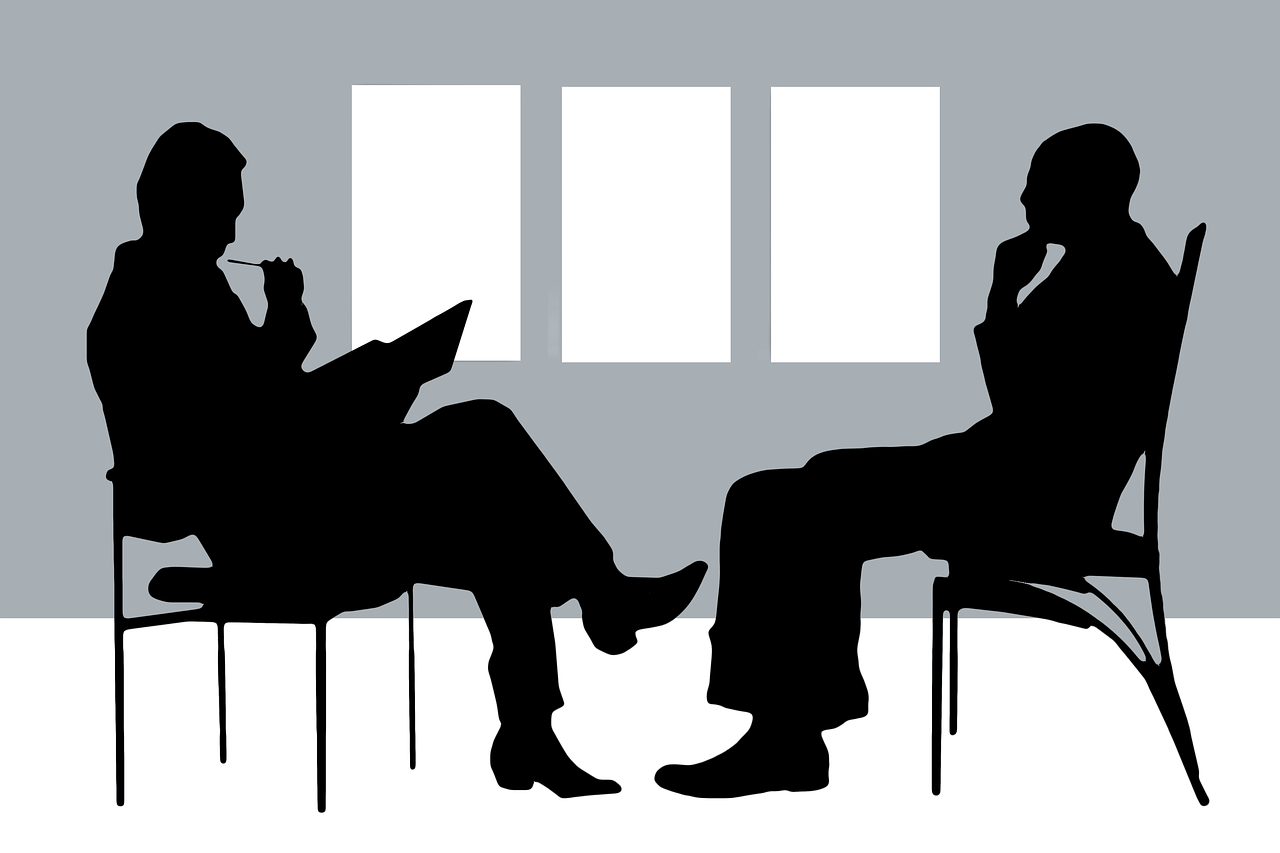
What should I do?

By David Joel Miller, MS, Licensed Therapist & Licensed Counselor.

Counseling questions

Counseling questions.
Photo courtesy of Pixabay.com

Wondering what to do with your life?

When you came home from the hospital that first day of your life, did you get a guide to life, where to go, and what to do? I didn’t get mine either. People frequently come to counselors for the answers from that book. Unfortunately, there are no such books. There are some lessons we have learned from living our lives but I am not sure we should recommend those to you. Your life is after all yours. So how could you decide what to do? Let me suggest some options.

There are some guides to having a good life, those general things on proper living, like the Ten Commandments and ethical principles. But it is hard to apply that instruction to daily life, like jobs and children. People look for guidance everywhere. Some people visit fortune tellers and some read columns by economists. The hope is the same; that some expert will be able to tell us what will happen and what we should do.  These sources of information may inform your choices but they won’t tell you what to do. It’s your life and you need to make the decisions. Sorry to have to tell you that. So how might a counselor help you with a decision?  What are the things that the counselor should do and what are the parts of this process you should do yourself?

What are your values?

What are your religious or moral values? How strongly do you hold these concepts? Is the course of action consistent with these values? How will you feel about that choice after you have made it? A counselor can help here by letting you “talk this out.” You can explore conflicts between what you are thinking of doing and what you value. Many people have never looked carefully at their values. Do you believe this or is this something that you learned from a parent or authority figure? Though shalt not kill is a good value – unless you are in the army or on the police force.

What if you learned that money is all-important. Make money your family told you when you were young. Now you have the chance to do something you truly love but the pay is not so good. Which values are more important to you?

No one in the helping professions should impose their values on you. Some counselors firmly believe that a couple should always stay together, no divorce no matter what. Another counselor may be a “feminist” or a strong believer in woman’s rights. They may encourage all their clients to divorce. As a profession, most counselors believe we should not make those decisions for you. If we have strong opinions one way or the other we should tell you at the start. We can work with you on improving the relationship if that is what you want. We might also work with you on a safety plan to protect you and the children from domestic violence.

What are your options?

People often stay trapped in a bad situation because they have become stuck and hopeless. They don’t know they have choices. Career changes are a good example of this. The counselor should help you learn to find answers not find them for you. This issue causes a lot of frustration among clients. Some counselors are so reluctant to impose any idea on their clients they listen to them talk about their unhappiness but never think to point to the answer even when the counselor knows where it is. An example might help here.

You are stuck in a low paying job you hate. You can’t find anything better and you become depressed and angry with your family as a result. You could work on your anger and your depression. That might help. You could also learn some new job search skills. There are online resources that a career counselor might tell you about where you could look at pay scales and requirements for other careers. There might be one that is perfect for you, just what you want, but you need more education. So the counselor might tell you about schools that offer this training and were to go to research them.

If you were homeless would you want a counselor that listens to your pain or one that gave you the number of an agency that could find you a place to stay? Maybe you would want one that did both. So a good counselor will show you how to find options but won’t tell you which one to choose. It is your life after all.

Many counselors strongly believe in an approach called “Bibliotherapy.”  They will recommend books for you to read and then discuss what you read with you. Did the ideas in the book help you make a decision? What else do you need to know?

The counselor should help with reality testing. So what is that?

When people are very angry, depressed, or fearful, Ideas come to them that sound like a possible solution to their problem. Suicide and Homicide are extreme examples of this. But there are milder possibilities. Someone who just had a fight with their boss may be in a hurry to quit their job and tell their boss off. When upset we humans seem to lose the ability to think things over and are prone to act impulsively. That is not an excuse for bad behavior, only the truly “legally insane” can’t tell right from wrong.

Say a person comes in and tells their counselor that they feel that God is punishing them for their sins. That, they say, is why they are having all these troubles. If this is consistent with their beliefs the counselor needs to consider the client may really believe this. Who am I to decide what God is up to?

So this client decides to quit his job, give up his family, and become a Missionary to Burma. Here is where reality testing kicks in. There is a process in most religious groups for selecting missionaries. Is he willing to go through the selection process? Does he speak the language?  How will he support himself? Who will take care of his family? So the idea to drop everything is probably not reality. If he is a doctor and is willing to go through a several-year process, this is a lot more possible than if he works in fast food and wants to start tomorrow.

Should the counselor and the client discount this idea altogether? Maybe not. He might decide to donate money to a group that is already working in that area. He might support literacy efforts or a medical program. He could decide to volunteer at a nonprofit near home.

So there you have it, for now. Three ways in which counseling could help you decide what to do without imposing the counselor’s values and will on you.

Hope you are moving towards a truly happy life.

Staying connected with David Joel Miller

Seven David Joel Miller Books are available now!

My newest book is now available. It was my opportunity to try on a new genre. I’ve been working on this book for several years, but now seem like the right time to publish it.

Story Bureau.

Story Bureau is a thrilling Dystopian Post-Apocalyptic adventure in the Surviving the Apocalypse series.

Baldwin struggles to survive life in a post-apocalyptic world where the government controls everything.

As society collapses and his family gets plunged into poverty, Baldwin takes a job in the capital city, working for a government agency called the Story Bureau. He discovers the Story Bureau is not a benign news outlet but a sinister government plot to manipulate society.

Bumps on the Road of Life. Whether you struggle with anxiety, depression, low motivation, or addiction, you can recover. Bumps on the Road of Life is the story of how people get off track and how to get your life out of the ditch.

Dark Family Secrets: Doris wants to get her life back, but small-town prejudice could shatter her dreams.

Casino Robbery Arthur Mitchell escapes the trauma of watching his girlfriend die. But the killers know he’s a witness and want him dead.

Planned Accidents  The second Arthur Mitchell and Plutus mystery.

Letters from the Dead: The third in the Arthur Mitchell mystery series.

What would you do if you found a letter to a detective describing a crime and you knew the writer and detective were dead, and you could be next?

Sasquatch. Three things about us, you should know. One, we have seen the past. Two, we’re trapped there. Three, I don’t know if we’ll ever get back to our own time.

For these and my upcoming books; please visit my Author Page – David Joel Miller

Want the latest blog posts as they publish? Subscribe to this blog.

For videos, see: Counselorssoapbox YouTube Video Channel

Finding happiness or misery

Counselorssoapbox.com

By David Joel Miller, MS, Licensed Therapist & Licensed Counselor.

You get what you look for. Sounds simple, but this basic principle has a huge impact on how happy we are. Take two couples one happy and the other miserable – what is the difference?

Couple one, let’s call then Bob and Sue, for no particular reason. Bob complains that Sue nags him. She never likes the tie he wears. Nothing he ever does is good enough. Sue is sure that Bob doesn’t love her. He never wants to spend time with her. He is always too busy with his job and his studies for his night class to spend time with her. Sue says the only time Bob does things around the house is when she nags him, he always puts off taking the garbage out until the last possible moment. She has to keep at him because he will put off taking out the trash until bedtime if she doesn’t keep on him.

The couple next door, let’s call them Juan and Ann, again for no special reason. Juan says he is so happy in his relationship. Ann is always trying to be helpful. She wants him to be successful and look his best. She is so helpful; she even makes suggestions for which tie will make him look his best. Ann tells me she is so happy to be with Juan. He works so hard to provide for the family. He is even taking a night class to help improve their income. Juan is so helpful around the house, Ann says, sometimes she has to remind him because he is so busy, but he always gets the trash out before he goes to bed.

Now Bob and Sue are sure that their neighbors are very nosy, always minding other people’s business. When the family came to visit that old busybody across the street came over and demanded to know who was there. Sometimes that woman brings over food in an effort to get into the house and spy on them. They have had to tell the neighbors several times to mind their own business. This town is so hostile. The other day one of the people up the street followed Sue all over the grocery store.

Juan and Ann report they feel so safe in their neighborhood. They have a neighborhood watch. One time when Ann’s parents came for a visit, Mrs. Smith across the street came over to check who was going into their house. She almost called the police on Ann’s family. Mrs. Smith brought over a cake she had baked for the family to enjoy. Ann and Juan feel so safe knowing that the people on their street will keep an eye on their house when they are not home. It is such a friendly town. Last week they went shopping and ran into Mrs. Smith in the market. She was going one way and Ann was going the other, they must have run into her ten times that day. They had a good laugh that they just couldn’t stay away from each other.

Why is the experience of these two couples, who live just a few houses apart so different? One couple loves their town and their marriage and the other is miserable. Two important happy life principles are at work here. First, the happy couple has a happy positive belief about the way they are, the way the world is, and how the future will turn out. This illustrates the principle that beliefs about things, not the things themselves create our feelings. But no matter what you believe, life experiences will impact your beliefs and feelings. Both couples have a bias in their thinking.

We call this bias confirmatory bias. If you think your spouse is uncaring or lazy you will watch the things they do and pick out the things that confirm your belief as proof you were right. It is a natural human tendency to look for things that will make us right and to ignore or discard the things that might force us to change our minds.

Happy couples see things their partner does and interpret them as positive. Unhappy couples can find plenty of proof that their partner is unloving and uncaring. Now we know there are bad relationships and uncaring or dishonest people out there. But if you enter a relationship expecting your partner to make you happy they are likely to. If you go into a relationship with the expectation your partner will mistreat you then you will find lots of “proof” for that also.

Much of our news fits this pattern also. Two people hear the same economic report, one sees things in the report to say that the economy is improving; the other person sees things to prove that the economy is getting worse.  Political speeches and debates especially demonstrate this principle. If you are strongly in favor of a candidate you will think they made a great speech. If you dislike that same candidate you will find something in the speech to seize upon and “prove” that person is unfit for public office. If you are wrong about a candidate for office you can complain about them until the next election. If you live with someone it is a bigger problem.

Sometimes it pays to challenge those beliefs. Is your spouse really being uncaring or unloving or do you look for the faults and miss the positive things they really did do for you?

Staying connected with David Joel Miller

Seven David Joel Miller Books are available now!

My newest book is now available. It was my opportunity to try on a new genre. I’ve been working on this book for several years, but now seem like the right time to publish it.

Story Bureau.

Story Bureau is a thrilling Dystopian Post-Apocalyptic adventure in the Surviving the Apocalypse series.

Baldwin struggles to survive life in a post-apocalyptic world where the government controls everything.

As society collapses and his family gets plunged into poverty, Baldwin takes a job in the capital city, working for a government agency called the Story Bureau. He discovers the Story Bureau is not a benign news outlet but a sinister government plot to manipulate society.

Bumps on the Road of Life. Whether you struggle with anxiety, depression, low motivation, or addiction, you can recover. Bumps on the Road of Life is the story of how people get off track and how to get your life out of the ditch.

Dark Family Secrets: Doris wants to get her life back, but small-town prejudice could shatter her dreams.

Casino Robbery Arthur Mitchell escapes the trauma of watching his girlfriend die. But the killers know he’s a witness and want him dead.

Planned Accidents  The second Arthur Mitchell and Plutus mystery.

Letters from the Dead: The third in the Arthur Mitchell mystery series.

What would you do if you found a letter to a detective describing a crime and you knew the writer and detective were dead, and you could be next?

Sasquatch. Three things about us, you should know. One, we have seen the past. Two, we’re trapped there. Three, I don’t know if we’ll ever get back to our own time.

For these and my upcoming books; please visit my Author Page – David Joel Miller

Want the latest blog posts as they publish? Subscribe to this blog.

For videos, see: Counselorssoapbox YouTube Video Channel

Healthy relationships

By David Joel Miller, MS, Licensed Therapist & Licensed Counselor.

Couple

Relationship.
Photo courtesy of Pixabay.com

Searching for happiness.

Type into a search engine almost any term about happiness or relationships and you find a whole lot of links to dating sites right at the top. Those dot com places, you know the ones I mean, make it sound like the only relationship that matters is a romantic partner one, and if you don’t have one you are somehow incomplete and unhealthy.

Most of the articles on these sites are about how to attract a partner. How to do the right things say the right things and wear the right things to be desirable. The inference here is that if you just got someone to be your partner you would be happy. If selling sex wasn’t illegal in most places I think they would flat do that also. Some get awfully close to selling relationships. So with so many people hooking up for more or less time, why are so many people so unhappy? Is a romantic partner relationship really the only one that matters?

Why do so many people in unhappy marriages divorce and remarry, only to be unhappy again? Because they never learned that happiness was inside and unhappiness was everywhere. That does not mean that sometimes relationships need to end or that having had one bad relationship you should never try again. It does mean that you need to learn to be healthy and happy or you won’t be able to be in a healthy happy relationship. Two mentally unhealthy people do not make for a healthy relationship.

People with some pretty extreme disabilities can and do have great healthy relationships. Schizophrenics who have a supportive person living with them are about half as likely to end up back in the hospital. Just be sure you are together because you both can contribute to the relationship.

So where do you start to have a great relationship? I suggest first try getting to be your own best friend, which is not an excuse for self-centeredness. I often ask clients if they would want themselves as a friend. Clients with deep depression or lots of anxiety usually say no. In fact, I continue to be surprised by how many people would not want themselves for a best friend.

If you sell someone something you would not buy yourself we think you are a lot dishonest. So how could you possibly get someone to be your friend if you wouldn’t want to be a friend to that kind of person? Now please do not give up here and say it is hopeless. Lots of mothers bring in their children and want me to change them. People in unhappy relationships come in and want us to change their partner. How about doing the remodeling program on yourself first?

Can you believe there are people who have been married to not one but two or three alcoholics? After a lot of pain and suffering, they get out of their relationship. They decide to get back out there, they go out for a night on the town with some friends and they meet a new romantic interest. Then what happens? That person, the one they met in the bar, guess what? They turn out to be an alcoholic also.

Women who have been abused and men also, often find they get into a new relationship and that person is abusive. Why?

Because unless we take the time to look at ourselves we keep being attracted to the same dysfunctional types. If you keep hooking up with drug addicts, you either need to change whom you are attracted to or get yourself a drug addict with fifteen or twenty years clean and sober.

Think back to a time in your life you met a new friend. You wanted to know all about them. Didn’t you? Why is it that my clients can tell me all about their significant other and their kids and often their parents but they have no answers to questions about themselves?

Ever heard the saying that beauty is skin deep, but ugly goes all the way to the bone? Despite the fact that what is inside counts, far more than you may think, most people think that the way to be more attractive is to lose weight or change their look. Attractive people go through messy painful divorces also. Most women are surprised to find out that a happy smiling woman is a lot more attractive than an angry hostile one, regardless of their figure and their “look.”

Before I leave this topic, for now, I need to remind you that good relationships include the way in which you relate to your children, your parents, your boss, and sometimes even your ex.

The take away from this? Before you are likely to be happy in a romantic relationship you need to learn to be happy with yourself and then learn to be happy in those relationships with family and friends you already have. Only after you have learned to master these challenges are you likely to be successful at having a happy romantic relationship.

Staying connected with David Joel Miller

Seven David Joel Miller Books are available now!

My newest book is now available. It was my opportunity to try on a new genre. I’ve been working on this book for several years, but now seem like the right time to publish it.

Story Bureau.

Story Bureau is a thrilling Dystopian Post-Apocalyptic adventure in the Surviving the Apocalypse series.

Baldwin struggles to survive life in a post-apocalyptic world where the government controls everything.

As society collapses and his family gets plunged into poverty, Baldwin takes a job in the capital city, working for a government agency called the Story Bureau. He discovers the Story Bureau is not a benign news outlet but a sinister government plot to manipulate society.

Bumps on the Road of Life. Whether you struggle with anxiety, depression, low motivation, or addiction, you can recover. Bumps on the Road of Life is the story of how people get off track and how to get your life out of the ditch.

Dark Family Secrets: Doris wants to get her life back, but small-town prejudice could shatter her dreams.

Casino Robbery Arthur Mitchell escapes the trauma of watching his girlfriend die. But the killers know he’s a witness and want him dead.

Planned Accidents  The second Arthur Mitchell and Plutus mystery.

Letters from the Dead: The third in the Arthur Mitchell mystery series.

What would you do if you found a letter to a detective describing a crime and you knew the writer and detective were dead, and you could be next?

Sasquatch. Three things about us, you should know. One, we have seen the past. Two, we’re trapped there. Three, I don’t know if we’ll ever get back to our own time.

For these and my upcoming books; please visit my Author Page – David Joel Miller

Want the latest blog posts as they publish? Subscribe to this blog.

For videos, see: Counselorssoapbox YouTube Video Channel

Should you be happy?

By David Joel Miller, MS, Licensed Therapist & Licensed Counselor.

Happy faces

Happiness.
Photo courtesy of Pixabay.com

Are you comfortable feeling happy?

There are lots of articles on the net and lots of blog posts about depression and anxiety, but not much being written these days about being happy. We can’t blame those people who are focused on their depression or anxiety for this state of affairs.

If you ask people what makes them happy, many people can’t answer that question. Most people have never even thought about what might make them happy. In therapy sessions, I often ask people to describe some basic emotions, things like happy, sad, afraid, or mad. Most people in crisis can’t tell what makes them feel the way they do. They just know they are in pain and turmoil.

When I ask them what would make them happy, they often sit and look at me for a long time without an answer. The question stumps them. They have never considered just what it would take to make them happy. Usually, the pain is so acute that just ending the pain is all they can think about.

Loss of pleasure is one of the symptoms of Major Depressive Disorder, that I know. Yes, sure, in my practice I work with many people who are so depressed or anxious that they can’t even think about happiness just now. What surprises me the most is that most of them have never stopped to think about what it would take to make them happy.  Many times they are not even sure they should be happy. What would you say if I asked you that question?

Do you deserve to be happy?

There are those people who hold the religious view that the time on earth is a trial and they expect to suffer. They tell me they expect to suffer. Unfortunately, they frequently mean that they want everyone else to suffer. I see their kids in therapy after the kid has given up on life and wants to die. Please, if suffering makes you happy, try to do it in a joyous manner and let those around you have the happy life they deserve.

Now I know there are lots of challenges in this world. There are families that live in poverty.  There are single parents struggling to provide for their families on one low paying income. Families have sick children. Sometimes one or both parents are ill. Sometimes awful things happen to these people. Some people suffer horrifically.

The surprise here is that sometimes in two houses, side by side, both undergoing hardships, one family is happy and the other is miserable. Why?

How is it that some people can go through life’s trials and still values their existence while another person will suffer terribly?

One major difference between those who walk through a trial and continue to be happy and those who are overwhelmed is the mental attitude they have. I know that this is so easy to say and so very hard to do. Fortunately, there are people who are willing to help you change your view of the world if you are willing to change. I am not just talking about professional counselors and therapists here, though that is their job in my opinion. There are also self-help groups, books, and support systems of friends. The key is to be willing to give up our attachment to suffering and to embrace the idea that it is possible to have a happy life.

There are at least three things that can move you towards a happy life.

1. Give up the notion that you need to suffer and embrace the idea that it is possible for you to be happy and that you deserve this happiness not because of what you do or have but simply because you are the one unique you. Embrace the quest for a happy life. A happy life is not all about pleasure. Drugs and things are not likely to make you happy.

2. Change your thinking. Most of us have a whole pack of must’s, should’s, and have-to’s that we hold onto. Being able to let go of things and move on is critical.

3. Nurture your resilience, that ability to bounce back. This is a real life. It has its ups and downs. I can guarantee that things will happen to you that you will not like. But then if you keep on track those good things will happen also. So if you keep looking at the failures you will grow them. Learn from life’s trials but grow from them also.

You and I both know that if you are down right now all this is hard to do. When you lose your job, end a relationship, become homeless, or are struggling with sickness it is easy to get down and depressed. It is easy to get into fear and worry. Look for help. Find someone that you can talk to that will understand and support you.

In future blog posts, I want to talk to you about all these issues and many more. As our country struggles with a great economic illness we seem to have neglected the mental and emotional health of our people. Do all you can to fight mental and emotional illness by carving out all the happy life you can. And share that happiness. Happiness shared is not diminished it is multiplied.

See also:

Finding happiness

How to be happy

Buying happiness

13 ways to make yourself miserable

Till next time. Wishing you the happy life you deserve.

Staying connected with David Joel Miller

Seven David Joel Miller Books are available now!

My newest book is now available. It was my opportunity to try on a new genre. I’ve been working on this book for several years, but now seem like the right time to publish it.

Story Bureau.

Story Bureau is a thrilling Dystopian Post-Apocalyptic adventure in the Surviving the Apocalypse series.

Baldwin struggles to survive life in a post-apocalyptic world where the government controls everything.

As society collapses and his family gets plunged into poverty, Baldwin takes a job in the capital city, working for a government agency called the Story Bureau. He discovers the Story Bureau is not a benign news outlet but a sinister government plot to manipulate society.

Bumps on the Road of Life. Whether you struggle with anxiety, depression, low motivation, or addiction, you can recover. Bumps on the Road of Life is the story of how people get off track and how to get your life out of the ditch.

Dark Family Secrets: Doris wants to get her life back, but small-town prejudice could shatter her dreams.

Casino Robbery Arthur Mitchell escapes the trauma of watching his girlfriend die. But the killers know he’s a witness and want him dead.

Planned Accidents  The second Arthur Mitchell and Plutus mystery.

Letters from the Dead: The third in the Arthur Mitchell mystery series.

What would you do if you found a letter to a detective describing a crime and you knew the writer and detective were dead, and you could be next?

Sasquatch. Three things about us, you should know. One, we have seen the past. Two, we’re trapped there. Three, I don’t know if we’ll ever get back to our own time.

For these and my upcoming books; please visit my Author Page – David Joel Miller

Want the latest blog posts as they publish? Subscribe to this blog.

For videos, see: Counselorssoapbox YouTube Video Channel
Maintenance is a part of change

By David Joel Miller, MS, Licensed Therapist & Licensed Counselor.

Changing your life

Time for a life change?
Photo courtesy of Pixabay.com

How do you stay changed?

How can maintenance be a part of change? Isn’t maintenance what you do, as needed after the successful results of change are obvious? No, not at all. Not including maintenance as a step in the change process is where many improvement projects, public and private get themselves into trouble. Let me give you a more visual example.

The other day I drove through an older part of town. This part of town, built throughout the Victorian era to the turn of the century was really something once. Today this part of town is a poor neighborhood. While there are still a few houses that reflect the old glory days most of them are getting run down now. A couple of houses are slated for demolition. What happened to those grand old houses? There was no earthquake or fire, nothing dramatic, just the slow process of decomposition.

A roof was torn off, the owner had not bothered to get it fixed and the rain had rotted out the lumber. Another has a porch that has fallen down. Lots of homes have not been painted in a while, broken windows are covered with cardboard, and sometimes there is an old blue tarp over the destruction. Realtors describe these homes as having “deferred maintenance.” Last time I talked with you about relapse as the result of the failure to do a maintenance step. Relapse is a sort of deferred maintenance.

What do we hear from people who relapsed on substances? You hear the story so often it starts to sound like a well-rehearsed poem. The recovering person says they, stopped going to meetings, stopped calling their sponsor, and started hanging out at the old spots. The dieter gets the goal pounds off and then eases up on the diet. The change has been a short-term project and now the deferral of maintenance starts. Eventually, when the change is completely reversed by the relapse the person starts to wonder when they tried to make that change in the first place.

We tell recovering people that whatever you did to get better, you need to keep doing it to stay recovered. Most people don’t want to accept the idea that what was needed was not a quick repair but an ongoing plan of preventative maintenance.

One important component of that relapse prevention plan is learning to provide good self-care. Having a good support system is also vital. People who have positive people in their life, people that want them to do well, are more likely to succeed. Never get to busy to call your support system. One study found that schizophrenics with a warm supportive person in the home with them cut their risk of ending up in a psychiatric hospital by almost 50%. People who attend AA drink less even if they don’t stop altogether. Many weight loss programs include a group component. Being surrounded by others who are also working on their own recovery is likely to strengthen your recovery.

Real lasting change has to include a commitment to a different lifestyle. This does not mean that every self-improvement plan needs to take over your life. If the changes you make are hard to do the chances are that you will stop doing them when the urgency is gone. Urgency is an often-overlooked factor. If your doctor tells you to lose twenty pounds or he can’t do a life-saving surgery, that is motivation. If the judge says to stay off drugs or you will go back to prison that is motivation. But if the diet is a lot of work to keep up it will probably be forgotten way too soon.

The end of this tale is that whatever got you better, diet, meetings, a religious practice, or time with friends, keep doing them. Don’t give up these positive things as you see results from your change efforts.

That is the story of my understanding of stages of change. In future blog posts, I want to talk more about relapse prevention and triggers. We should also talk more about the connection between depression, bipolar, and abuse of a couple of substances. There is a huge connection between mood disorders and substances and not always in the direction you might think. I also want to talk about why it seems there is so much controversy, especially among professionals about the diagnosis of bipolar disorder.

I read your comments and appreciate them. I also try to read as many blogs as I can that are written by recovering people of all types. The things you say remind me of things I need to talk about.

There is a lot of pain out there and we know how to help more than ever before – so why is it hard for people to find the help they need?  Why doesn’t therapy always work? What makes counseling helpful? I will give you my take on these issues and would appreciate yours.

I also want to talk to all of you, very soon, about how you might find help when you don’t have the money to pay for the help you need. Till then, here is wishing you all a happy life.

Other posts on this topic can be found at Pre-contemplation, Contemplation, Preparation, Early Action, Late Action, Maintenance, relapse, recovery, triggers, support system, more on support systems, Resiliency

Staying connected with David Joel Miller

Seven David Joel Miller Books are available now!

My newest book is now available. It was my opportunity to try on a new genre. I’ve been working on this book for several years, but now seem like the right time to publish it.

Story Bureau.

Story Bureau is a thrilling Dystopian Post-Apocalyptic adventure in the Surviving the Apocalypse series.

Baldwin struggles to survive life in a post-apocalyptic world where the government controls everything.

As society collapses and his family gets plunged into poverty, Baldwin takes a job in the capital city, working for a government agency called the Story Bureau. He discovers the Story Bureau is not a benign news outlet but a sinister government plot to manipulate society.

Bumps on the Road of Life. Whether you struggle with anxiety, depression, low motivation, or addiction, you can recover. Bumps on the Road of Life is the story of how people get off track and how to get your life out of the ditch.

Dark Family Secrets: Doris wants to get her life back, but small-town prejudice could shatter her dreams.

Casino Robbery Arthur Mitchell escapes the trauma of watching his girlfriend die. But the killers know he’s a witness and want him dead.

Planned Accidents  The second Arthur Mitchell and Plutus mystery.

Letters from the Dead: The third in the Arthur Mitchell mystery series.

What would you do if you found a letter to a detective describing a crime and you knew the writer and detective were dead, and you could be next?

Sasquatch. Three things about us, you should know. One, we have seen the past. Two, we’re trapped there. Three, I don’t know if we’ll ever get back to our own time.

For these and my upcoming books; please visit my Author Page – David Joel Miller

Want the latest blog posts as they publish? Subscribe to this blog.

For videos, see: Counselorssoapbox YouTube Video Channel

Is Relapse a part of recovery?

By David Joel Miller, MS, Licensed Therapist & Licensed Counselor.

Relapse

Relapse.
Photo courtesy of Pixabay.com

At some point, every recovery program has to tackle the issue of relapse. Why after losing all that weight do people suddenly put it back on? Do all alcoholics; sooner or later pick up a drink? Once you have depression you will always have recurrent bouts right? The way in which relapses are understood separates the Stages of change model from almost every other model of recovery. I have been told more than once that relapse is a part of recovery. I am not buying that! It doesn’t have to be that way.

So if relapse were a part of recovery, every person signing up for a self-improvement program should get out their calendar on day one and plan for their relapse. Doesn’t AA even say a relapse is a part of recovery? No, it doesn’t. The AA book says that a certain percentage of people get it the first time and don’t relapse. Bill W. estimated that percentage at 50%. In the early days, it appears that a lot of people who really wanted the program and stuck with it got it the first time around. He also said that there were some people, maybe 25% who tried a few times and eventually got it. The rest were better while they were in the program but kept going in and out. The stages of change model agrees with that thinking.

So why do people say that relapse is a part of recovery? Mostly, people say that because relapse happens a lot. And if relapse does happen, rather than giving up, the objective is to pick yourself up and try again. One article I read said smokers typically have to try to quit seven times. Now some people quit on the first try, a few people become nonsmokers in a few tries and there may be some people who just don’t seem to be able to quit. Any self-change is like that. It takes more than trying hard.

It is not the quitting of bad habits that is the problem. Some people quit drinking 5 or 6 times in one day. It is the staying quit that is harder. So how does someone make a change, give up a bad habit, make an improvement in their life, and then stay changed?

The stages of change model says that after all that effort, that process of change, there is one more thing you need to do to stay changed. See change is not a one-time thing. Real lasting change is an ongoing process. Why do people think that they can excessive like crazy, take off a few pounds, and then once they lose the weight they can stop the exercise?  How many days off Heroin before it would be safe to try some drugs again? The truth is that change is not a thing – it is a process. Once you make the change you have to keep doing the process to maintain the change.

The thing you need to do to stay changed is called maintenance. To stay changed you will need to do some maintenance. If you mow a lawn once will it grow back? So if it took an increase in exercise or an improvement in healthy eating to lose weight it will require you to keep doing that work to keep the weight off. The addicted person can’t just put down the substance; they need to keep doing the things that got them sober.  In the stages of change, relapse is not seen as something that is part of change it is understood as a failure to do the one remaining step in the process of change – doing maintenance.

Now, this is easier to see when we talk about weight loss or addiction but what about depression or bipolar disorder? With any of life’s problems, there are things that you can do to make the problem grow and other things that make the problem shrink. Taking good care of yourself is especially important for mental and emotional issues. So if taking good care of yourself makes you less depressed, what might happen if you stopped eating and sleeping well? Your depression might grow. The maintenance step is needed for holding onto any change you made, it is the best antidote to a relapse, whether that relapse is weight gain, addiction, or depression.

Next time we will talk about the last stage of change – maintenance. After that, I want to talk a bit about some related problems like triggers and finding help when you have few resources. Till then –

Staying connected with David Joel Miller

Seven David Joel Miller Books are available now!

My newest book is now available. It was my opportunity to try on a new genre. I’ve been working on this book for several years, but now seem like the right time to publish it.

Story Bureau.

Story Bureau is a thrilling Dystopian Post-Apocalyptic adventure in the Surviving the Apocalypse series.

Baldwin struggles to survive life in a post-apocalyptic world where the government controls everything.

As society collapses and his family gets plunged into poverty, Baldwin takes a job in the capital city, working for a government agency called the Story Bureau. He discovers the Story Bureau is not a benign news outlet but a sinister government plot to manipulate society.

Bumps on the Road of Life. Whether you struggle with anxiety, depression, low motivation, or addiction, you can recover. Bumps on the Road of Life is the story of how people get off track and how to get your life out of the ditch.

Dark Family Secrets: Doris wants to get her life back, but small-town prejudice could shatter her dreams.

Casino Robbery Arthur Mitchell escapes the trauma of watching his girlfriend die. But the killers know he’s a witness and want him dead.

Planned Accidents  The second Arthur Mitchell and Plutus mystery.

Letters from the Dead: The third in the Arthur Mitchell mystery series.

What would you do if you found a letter to a detective describing a crime and you knew the writer and detective were dead, and you could be next?

Sasquatch. Three things about us, you should know. One, we have seen the past. Two, we’re trapped there. Three, I don’t know if we’ll ever get back to our own time.

For these and my upcoming books; please visit my Author Page – David Joel Miller

Want the latest blog posts as they publish? Subscribe to this blog.

For videos, see: Counselorssoapbox YouTube Video Channel