
Alexithymia and the Feelings Palette.

By David Joel Miller, MS, Licensed Therapist & Licensed Counselor.

Managing feelings.
Photo courtesy of Pixabay.com

Your feelings palette – What feelings paint your life?

Most of us are familiar with the pallets artists use to hold and mix their paints when doing a painting or other artwork. The more colors on the palette the more opportunities the artist has to create an inspiring work of art.

Palettes are also defined as “a range of qualities in a non-visual art.” There are palettes for your taste buds and palettes to decorate the house. Designers use palettes of fabric or of looks and textures to make the things they design more appealing.

What we forget about, all too often, are those other pallets that get used to make life a better place, those feelings pallets you use to make that life within a place.

Alexithymia

Difficulty feeling what we are feeling and struggles to describe what you are feeling is sometimes referred to as Alexithymia. The simplest description of this condition is “I ain’t got a word to describe how I feel.”

Alexithymia is not technically a diagnosable disorder, despite the huge number of people who have this problem. People with trouble recognizing what they feel and then a vocabulary that allows them to describe that feeling fall on a continuum from very mild to extremely severe. Using tests specific for Alexithymia the best estimate is that ten percent of the U. S. population may have a severe form of this condition.

Alexithymia and Mental Illness.

Alexithymia overlaps certain mental health disorders and people with those conditions are more likely to have Alexithymia and the resulting difficulty identifying, naming, and working with feelings. Those with an Autism Spectrum disorder are more likely to show symptoms of what might be called Alexithymia.

Alexithymia also overlaps depression and anxiety and the more depressed or the more anxious someone is the harder it may be for them to recognize feelings. Disorders that cause numbing as in the Stress disorders, PTSD and Acute Stress disorders and dissociation can also have features of Alexithymia. Alexithymia has also been reported in those with an eating disorder.

People who have difficulty recognizing and naming feelings when they feel them also have difficulty in recognizing what others around them feel and may be perceived as uncaring and unfeeling.

There is a difference between not recognizing that you are feeling and the ability to name or describe a feeling. Some people know they are feeling something they just do not have the feelings vocabulary to describe to themselves and others what it is they are feeling.

Many men were socialized to have this condition. There was a time when feelings were suspect and people tried very hard to never ever have feelings. This resulted in a lack of learning about feelings and an inability to recognize what you feel and how to respond appropriately.

If the only feelings you have are “Good, Bad, and ANGRY” you will be angry a lot. You also may have difficulty recognizing what makes you feel “good or bad” and how to regulate your emotions.

Learning to recognize feelings when you have them and learning to develop the skills to increase or decrease feelings when you need and want to, is an important part of anger management training.

How can you learn to control your anger if you do not recognize when you are or are becoming angry?

Learning about feelings.

Learning to recognize and identify feelings is a part of most counselor training programs. To date I have written about 60 posts on various feelings and emotions which you will find under:

Emotions and Feelings

Posts on Anger and Anger Management are at:

Anger Management

I think one reason feelings are so troubling to so many people is that if you do not know anything about feelings you have a hard time recognizing them. This goes for all kinds of other things as well. How can you find something if you don’t know what it looks like?

I wrote about this in a post about the “expert effect” which you will find at:

Expert effects Memory and the Purple Glass.

Periodically this year I would like to publish some posts on various feelings in the cause of “Emotionally Literacy” an effort to improve people’s ability to recognize feelings and make them your friends.

I hope you will all join me in these discussions.

Staying connected with David Joel Miller

Seven David Joel Miller Books are available now!

My newest book is now available. It was my opportunity to try on a new genre. I’ve been working on this book for several years, but now seem like the right time to publish it.

Story Bureau.

Story Bureau is a thrilling Dystopian Post-Apocalyptic adventure in the Surviving the Apocalypse series.

Baldwin struggles to survive life in a post-apocalyptic world where the government controls everything.

As society collapses and his family gets plunged into poverty, Baldwin takes a job in the capital city, working for a government agency called the Story Bureau. He discovers the Story Bureau is not a benign news outlet but a sinister government plot to manipulate society.

Bumps on the Road of Life. Whether you struggle with anxiety, depression, low motivation, or addiction, you can recover. Bumps on the Road of Life is the story of how people get off track and how to get your life out of the ditch.

Dark Family Secrets: Doris wants to get her life back, but small-town prejudice could shatter her dreams.

Casino Robbery Arthur Mitchell escapes the trauma of watching his girlfriend die. But the killers know he’s a witness and want him dead.

Planned Accidents  The second Arthur Mitchell and Plutus mystery.

Letters from the Dead: The third in the Arthur Mitchell mystery series.

What would you do if you found a letter to a detective describing a crime and you knew the writer and detective were dead, and you could be next?

Sasquatch. Three things about us, you should know. One, we have seen the past. Two, we’re trapped there. Three, I don’t know if we’ll ever get back to our own time.

For these and my upcoming books; please visit my Author Page – David Joel Miller

Want the latest blog posts as they publish? Subscribe to this blog.

For videos, see: Counselorssoapbox YouTube Video Channel

Lonely Holidays

By David Joel Miller, MS, Licensed Therapist & Licensed Counselor.

Woman alone at the beach

Alone for the holiday.
Photo courtesy of Pixabay.com

The holidays can be a tough time for many people.

The season comes with high expectations. Things you should do should have and should be. Compared to your expectations this season can be a disappointment. It doesn’t have to be that way. If you are thinking about who you wish you were with and they are not there it can be sad.

For some folk the only visitors this season will be the demons: sadness, depression, guilt, and self-doubt. Rumination and revisiting the past can generate all forms of unhelpful thoughts.

Loneliness is often accompanied by his pal, emptiness, that giant-sized hole in your middle. There are a host of ways you might try to fill that hole and keep the loneliness at bay. Most of these loneliness cures promise to make you feel better for a moment but at a long-term price. They will reach for the things that only work for a short while. Let’s talk first some things that are unhelpful then review some suggestions for coping with holiday loneliness.

Spending your way to happiness is unhelpful in the longer run.

This season is the time for the annual binge behavior. Many people expect to gorge themselves on things in an effort to make themselves feel better, feel adequate. It is a short trip from treating yourself to a new gadget to thinking that your self-worth depends on your ability to spend and spend.

Don’t have the cash? You can dine on a diet of debt. Many people will be vomiting up their money for the year to come after the overindulgence of debt spending.

There is no magic pill for feeling lonely.

This holiday season people around the globe will look for all manner of substances to satiate that uneasy feeling that they are not what they should be or that what they are is not good enough. Drugs and alcohol are chief among those things that will be abused aplenty.

Some people will discover this holiday season that they too are candidates for an addiction or alcoholism. One dose of your drug of choice makes you forget what is bothering you but at the price of becoming dependent on that drug. Addiction is a gift that keeps on taking.

If you have a health challenge, physical or mental, a diagnosed illness, medication can be important. But no medication changes your unhelpful thoughts and makes your loneliness vanish.

The kind of drug most people will take this year, the self-prescribed alcohol or street drugs will let you forget your discomfort for a moment at a high long-term cost.

Do not let the wolves in the door.

When you start to feel that loneliness knocking at your door it is tempting to let all kinds of harmful people in. People will hook up and reconnect, often with the people who have caused them the most pain. It is tempting to let a dangerous person into your life to keep loneliness at bay, but that creature may destroy you later.

Avoid dogmatism, fanaticism, and revenge.

Dedicating yourself to a cause and trying to annihilate those who disagree is an intoxicant. Trying to make yourself less alone by launching a program of forcing others to agree with your politics, religion, or other dogma may divert your attention from your unhappiness for a while. Inflicting pain on others will never heal the wound in your heart.

Stalking and seeking revenge keeps you connected to the person who harmed you and maintains the pain. Do not believe that someone’s departure from your life is the sole cause of your loneliness. Living the best life possible now is the cure for the loss of someone from your life.

What does work to keep loneliness from entering your life?

Being alone does not equal being lonely.

If whenever you are alone you find yourself feeling lonely and frantically looking for something or someone to help you feel better, the problem is that you have not learned to be comfortable in your own company. Learn to like yourself, become your own best friend. Discover the ways that you can please yourself. In other posts past and future we can talk about things to do when you are alone that are positive and nurturing of you.

Reconnect with positive people.

The holidays are a good time to reach out. Mail or email someone who was a positive influence in your life that you have not talked with in a while. Plan to visit some old friends and some younger ones. Take yourself back to some places that are filled with happy memories.

Pain, loneliness, and regret have a way of pounding on your door. Happy memories wait patiently outside that door for you to invite them in.

Seek out supportive people and give them the opportunity to feel good by being of service.

Self-help groups, 12 step groups, in particular, have all kinds of events this time of year. They conduct marathon meetings, potlucks, and social events so that recovering people do not need to be alone for the holidays. Seek out others in recovery.

Visit a positive online community.

Leave comments, read blog posts, interact with other recovering people. Know that others may be waiting for the blessing of your comment. Look for the good in others and share the best in you.

Practice your religious or spiritual tradition.

Feeling that you are connected to something greater than yourself is an antidote to that empty feeling. Make time this holiday season to think about what you think is important and why you chose that belief.

Feeling a connection to a power greater than yourself can help turn that feeling of loneliness into a feeling of purpose. Practice those ceremonies that make meaning for you. Prayer, meditation, and ritual all put you in a proper connection to your higher power.

Alone need not mean lonely.

Just because you are alone this holiday season does not mean you have to be lonely. Alone is on the outside and lonely is on the inside.

What will you do this holiday season to help your recovery and thwart the loneliness, creature?

Staying connected with David Joel Miller

Seven David Joel Miller Books are available now!

My newest book is now available. It was my opportunity to try on a new genre. I’ve been working on this book for several years, but now seem like the right time to publish it.

Story Bureau.

Story Bureau is a thrilling Dystopian Post-Apocalyptic adventure in the Surviving the Apocalypse series.

Baldwin struggles to survive life in a post-apocalyptic world where the government controls everything.

As society collapses and his family gets plunged into poverty, Baldwin takes a job in the capital city, working for a government agency called the Story Bureau. He discovers the Story Bureau is not a benign news outlet but a sinister government plot to manipulate society.

Bumps on the Road of Life. Whether you struggle with anxiety, depression, low motivation, or addiction, you can recover. Bumps on the Road of Life is the story of how people get off track and how to get your life out of the ditch.

Dark Family Secrets: Doris wants to get her life back, but small-town prejudice could shatter her dreams.

Casino Robbery Arthur Mitchell escapes the trauma of watching his girlfriend die. But the killers know he’s a witness and want him dead.

Planned Accidents  The second Arthur Mitchell and Plutus mystery.

Letters from the Dead: The third in the Arthur Mitchell mystery series.

What would you do if you found a letter to a detective describing a crime and you knew the writer and detective were dead, and you could be next?

Sasquatch. Three things about us, you should know. One, we have seen the past. Two, we’re trapped there. Three, I don’t know if we’ll ever get back to our own time.

For these and my upcoming books; please visit my Author Page – David Joel Miller

Want the latest blog posts as they publish? Subscribe to this blog.

For videos, see: Counselorssoapbox YouTube Video Channel
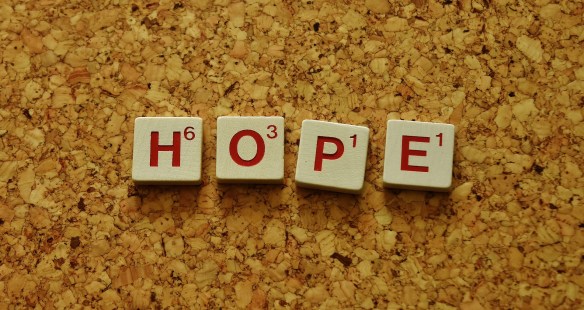
Hope- the missing Mental Health ingredient.

By David Joel Miller, MS, Licensed Therapist & Licensed Counselor.

Hope

Hope. The missing mental health ingredient. 
Photo courtesy of Pixabay.com

Without hope treatment for mental illness is ineffective.

Large doses of hope may turn out to be the most effective treatment for mental illness. It is an ingredient that has been missing from treatment programs for far too long.

The conventional wisdom, when it comes to mental health, turns out to not be true. For a long time, there has been the belief that there are two kinds of people, the normal and the mentally ill. The result of this thinking error was that we lost hope for those with a mental illness to recover.

Turns out that they is us. In their lifetime half of all Americans will have an episode of a mental illness that should be diagnosed and treated. No, just toughing it out and pretending you do not have a problem will not make it go away.

Mental Health is on a continuum. Some people’s experience of a mental illness will be more severe than others. People on this continuum can move to being more healthy or less mentally healthy. Just like physical health, you may not be able to know who is going to get which disorder at which time but we know there are risk factors and ways to keep yourself more mentally healthy.

This misunderstanding, that people without a mental illness can get better or worse and so can those with a mental illness, has impeded our ability to help those experiencing an emotional problem.

Many of our mental health treatment systems are still stuck in that old way of thinking. If the mentally ill are different from the rest of us then they will always be ill and society needs to take care of them and run their lives. That approach is devoid of hope and disregards the role of the person with an illness in managing their symptoms and their life.

If we recognize that mental illness, like physical illness, can get better at times and worse at times, then this tells us that there is hope. Hope for recovery is fundamental to any rational approach to treating mental illness.

If those with a mental illness are not permanently stuck in a hopeless place then there are things that they can do to improve their mental health and wellness. This concept, that people with a challenge can live meaningful lives, that you can recover, is one of the basic tenants of 12 step programs. It seems that recovery works very well for alcoholism and addiction – why not for mental illness?

By recovery or Wellness and Recovery we do not necessarily mean a cure. Some conditions, once you have them, there will always be a risk of a relapse. Both Mental illness and Substance Use Disorders are conditions for which there is a high risk of relapse.

If there are things that increase the risk of relapse then there are certain things that can reduce this risk. This means to me that recovery from mental illness is not something that the doctor or therapist does to the client, it is something we help the client learn to do for themselves.

Some of you are thinking, yeah right! They need to see a doctor for medication. Yes, this is true. They need the doctor’s expertise when it comes to medication. But those meds are worthless unless that person has the skills needed to take those meds as prescribed.

Every program I have ever worked at has talked about a subject called “medication compliance” as if getting people to take their meds was something we professionals should make people do. Truth is we get the best results, and so do the clients, when we empower clients to actively participate in this process.

This concept, that Hope is a necessary part of recovery, is not something original with me. The value of hope has ancient roots. When it comes to mental health it is a concept that’s time has come.

W.R.A.P. – Wellness and Recovery Action Planning.

Recently I had the pleasure of attending a training on a program called “WRAP” which stands for Wellness and Recovery Action Planning.” This program was developed by and for mental health clients/consumers to use in planning to maintain their mental health and to have a plan for what to do if that mental health faced a challenge.

For more on this program see: https://copelandcenter.com/wellness-recovery-action-plan-wrap

Look also at http://www.mentalhealthrecovery.com/

Books about WRAP are available from https://www.wrapandrecoverybooks.com/store/

As a result of attending this training, I am now a certified W.R.A.P.  Facilitator. If you want to know more about that contact me or check out the links above.

One of the important parts of this training was the discussion of 5 “Key Concepts” that are the foundation of the W.R.A.P. program.

One of those Key concepts? You guessed it. – HOPE.

How do all of you feel about this radical concept – Hope? Do you have some? Do any of you have stories about hope and recovery you would be able to share with the other blog readers?

Consider how much hope you have and how you can build more hope for you and others.

Staying connected with David Joel Miller

Seven David Joel Miller Books are available now!

My newest book is now available. It was my opportunity to try on a new genre. I’ve been working on this book for several years, but now seem like the right time to publish it.

Story Bureau.

Story Bureau is a thrilling Dystopian Post-Apocalyptic adventure in the Surviving the Apocalypse series.

Baldwin struggles to survive life in a post-apocalyptic world where the government controls everything.

As society collapses and his family gets plunged into poverty, Baldwin takes a job in the capital city, working for a government agency called the Story Bureau. He discovers the Story Bureau is not a benign news outlet but a sinister government plot to manipulate society.

Bumps on the Road of Life. Whether you struggle with anxiety, depression, low motivation, or addiction, you can recover. Bumps on the Road of Life is the story of how people get off track and how to get your life out of the ditch.

Dark Family Secrets: Doris wants to get her life back, but small-town prejudice could shatter her dreams.

Casino Robbery Arthur Mitchell escapes the trauma of watching his girlfriend die. But the killers know he’s a witness and want him dead.

Planned Accidents  The second Arthur Mitchell and Plutus mystery.

Letters from the Dead: The third in the Arthur Mitchell mystery series.

What would you do if you found a letter to a detective describing a crime and you knew the writer and detective were dead, and you could be next?

Sasquatch. Three things about us, you should know. One, we have seen the past. Two, we’re trapped there. Three, I don’t know if we’ll ever get back to our own time.

For these and my upcoming books; please visit my Author Page – David Joel Miller

Want the latest blog posts as they publish? Subscribe to this blog.

For videos, see: Counselorssoapbox YouTube Video Channel
What do you do if you are allergic to smoke?

By David Joel Miller, MS, Licensed Therapist & Licensed Counselor.

Allergic to cigarette smoke?
Photo courtesy of pixabay.

How do you work around smokers if you are allergic to smoke?

This question originally came to me as an email from a counselor who is allergic to smoke. While they love the work if it’s difficult being around people who are heavy smokers. This problem also applies to those who have allergies to perfume or other strong scents. I thought I would pass this along for whatever it is worth. If any of you out there have other ideas feel free to leave a comment or contact me.

This is an extra problem, I believe, for anyone who works in mental health or substance abuse treatment areas. The comments also apply to those who work with the homeless or in social service agencies.

Smoke also affects the family members and children of smokers. When there are children involved we suggest that the smoker refrain from smoking not only when the children are around but also suggest that they not smoke in areas that their children will be.

See the post on Third Hand Smoke to find out more about the lingering effects of having a smoker in a room where others later go.

As an ex-smoker, this is less of an issue for me. I often do not notice the scent of smoke but others may. I am not suggesting anyone take up smoking to reduce the issues they have with being around others who smoke.

I have written previously about how tobacco (nicotine) is the drug of choice among the homeless. See: What is the Drug of choice among the homeless?

Smoking and mental illness.

Heavy smoking is common among those with serious and persistent mental illnesses, substance abusers, and the homeless. Smoking is not the only reason that these clients may have a strong odor. Lack of hygiene facilities makes the problems worse and so do illnesses like depression that make it overwhelming for many people to do their activities of daily life.

The conventional wisdom used to be that smoking calmed down people with psychosis or emotional issues. So if you were trying to treat someone hearing voices or abusing street drugs, why make then give up tobacco at the same time?

Today, more and more places, treatment facilities, and self-help meetings are going smokeless. What we have found is that helping people give up tobacco does not hamper their recovery from other substances and may help improve their mental health symptoms.

Increasingly stop smoking programs are finding their place in the treatment of people with mental illness and substance use disorders.

Here are some thoughts to help those of you who find yourself around smokers who are triggering your allergies.

What do you do if you are allergic to smoke?

This is a serious challenge. I would hate to think that anyone would need to give up their profession because of allergies.  This is a severe challenge for people with allergies since so many clients are heavy smokers and the smoke smell lingers long after they have put that cigarette out. Heavy smoking is common in people with psychosis, schizophrenia, substance use disorders, and so on. I did have a colleague who had severe allergies and even someone wearing perfume or having flowers in their office set off their attacks.

Six suggestions for coping with smoke:

  1. See your doctor, especially an allergist. Untreated this is only likely to get worse. Taking medication may help prevent the allergies from getting worse.
  2. Consider a fan or air purifier for your office
  3. Try to work in larger offices or rooms where the smell may be less overwhelming.
  4. See if you can do some distance counseling work. We have a law here (California) that helps people who are in rural areas, shut-in’s, etc. see their therapist via the internet. Other professionals may be able to do more of their contacts via phone.
  5. See if you can get assigned to a school-based program or work with children. Their parents may smoke but you will have less smell on your clients.
  6. See if you can work in an inpatient facility that has a no smoking policy

Not sure if those suggestions will help you but that is the ones I have thought of so far.

If any of you readers come up with any other solutions let me know.  Let’s see what blog readers can come up with.

Is being around smokers or strong odors an issue for you?

Staying connected with David Joel Miller

Seven David Joel Miller Books are available now!

My newest book is now available. It was my opportunity to try on a new genre. I’ve been working on this book for several years, but now seem like the right time to publish it.

Story Bureau.

Story Bureau is a thrilling Dystopian Post-Apocalyptic adventure in the Surviving the Apocalypse series.

Baldwin struggles to survive life in a post-apocalyptic world where the government controls everything.

As society collapses and his family gets plunged into poverty, Baldwin takes a job in the capital city, working for a government agency called the Story Bureau. He discovers the Story Bureau is not a benign news outlet but a sinister government plot to manipulate society.

Bumps on the Road of Life. Whether you struggle with anxiety, depression, low motivation, or addiction, you can recover. Bumps on the Road of Life is the story of how people get off track and how to get your life out of the ditch.

Dark Family Secrets: Doris wants to get her life back, but small-town prejudice could shatter her dreams.

Casino Robbery Arthur Mitchell escapes the trauma of watching his girlfriend die. But the killers know he’s a witness and want him dead.

Planned Accidents  The second Arthur Mitchell and Plutus mystery.

Letters from the Dead: The third in the Arthur Mitchell mystery series.

What would you do if you found a letter to a detective describing a crime and you knew the writer and detective were dead, and you could be next?

Sasquatch. Three things about us, you should know. One, we have seen the past. Two, we’re trapped there. Three, I don’t know if we’ll ever get back to our own time.

For these and my upcoming books; please visit my Author Page – David Joel Miller

Want the latest blog posts as they publish? Subscribe to this blog.

For videos, see: Counselorssoapbox YouTube Video Channel

Do you have hidden anger?

By David Joel Miller, MS, Licensed Therapist & Licensed Counselor.

Hidden anger.
Picture courtesy of pixabay.

Hidden anger can poison you and your relationships.

You may not feel comfortable expressing your anger. There may be others around you who try to pretend that they are not angry about things when deep down inside they are seething. Allow that anger to live inside you and no matter how much you try to hide it eventually it will seep out.

Hiding anger and keeping it inside is sometimes called “Stuffing your anger.” Stuffed anger will make you physically ill. Those people who try to pretend they are not angry, find their unacknowledged anger leaking out all over the place. One major way anger leaks out is through passive-aggressive behavior.

Hiding anger does not make it go away. Hidden anger will make you sick or poison your relationships. Expressing it in aggressive ways can destroy you and others. There are ways to avoid letting this anger build up and most of those ways are about seeing things differently before the anger takes hold and resolving conflict in positive ways.

You can’t defuse hidden anger if you do not recognize it. Here is a list of some ways anger stays camouflaged and how hidden anger will leak out. These problems may have started with hidden anger but unrecognized and not dealt with these symptoms can develop into depression, anxiety, or another mental illness.

1. Foot-dragging, lateness, and procrastination may be hidden anger.

Once someone develops a resentment towards you, they may begin expressing that anger in passive ways. They say they will do something or stop doing something but the thing they promised just keeps slipping their mind.

People can develop hidden anger and obstructive behavior even while believing they do mean to do the thing you ask. Passive-aggressive behavior can be an unconscious behavior.

If you find that you are habitually late for an appointment with someone, look carefully and see if you have anger over having to do something for them. Are you procrastinating about doing something? Is it possible that you have some anger over having to do this task?

Take a close look at the things that you never get around to doing and you may be able to diagnose a case of hidden anger.

2. Difficulty falling asleep or frequent awakenings may be the result of hidden anger.

Changes in sleep are often symptoms of an underlying emotional or mental issue. If you find yourself tossing and turning and thinking about someone or something examine this sleep issue and see if it is a hiding place for hidden anger.

3. Bad dreams and nightmares about the person who made you angry.

Bad dreams, nightmares, and their hurtful cousin, night terrors may have their source in anger that you can’t express. Hide that anger and the brain will continue to work on the feeling while you sleep.

Not every dream needs an interpretation, but recurrent disturbing dreams invite a closer look. Dreams that contain the effects of hidden anger are a good place for hidden anger to hide. You will find the hidden anger is readily recognizable when you begin to recall that bad dream.

4. Feeling tired, run down, and like you can’t take any more may be unresolved anger.

Anger that is not recognized continues to try to make itself heard. One theory about the causes of depression is that it may stem from anger that is turned inward rather than outwards towards the real cause of your discomfort.

When someone does something that could be a cause of anger and you are unwilling or unable to express those feeling the result can be a loss of drive. Nothing is fun, you can’t feel happy and all you want to do is lay around and try to rest.

All of those symptoms of hidden anger look like symptoms of depression and underneath a lot of depression, we find some anger.

Consider also that it does not need to be someone else that you are angry at. Anger at yourself is a prime candidate to become hidden anger.

You wish you had not done something, you resent the consequences, but how can you punish yourself for this error? Stuffing a mouth full of anger and making yourself sick in the process is one possibility.

5. Sarcasm, innuendos, and backhanded compliments maybe anger based.

Watch out for those backhanded compliments. When the things that get said to you are full of sarcasm and innuendo suspect that the humor is an attempt to hide some anger that the other person does not want to be direct about.

6. Icky sweet people may be disingenuous and hiding some anger.

You know the people I mean. They smile with even the back teeth showing. There can be something menacing in their smiles and greetings. Despite all their repetition of “dear” and “friend” you feel threatened not welcomed.

If this other person slips your name into sentences more often than a call center person from a third world country, suspect hidden anger.

Are you full of hidden anger? Are you the recipient of hidden or thinly disguised anger? Consider some work on getting the air cleared and the real problems dealt with. Or failing to be able to talk honestly about what is eating you or bugging them, consider if this relationship is really a healthy one.

Are there other varieties of hidden anger you have experienced? What other types can you add to the list?

Staying connected with David Joel Miller

Seven David Joel Miller Books are available now!

My newest book is now available. It was my opportunity to try on a new genre. I’ve been working on this book for several years, but now seem like the right time to publish it.

Story Bureau.

Story Bureau is a thrilling Dystopian Post-Apocalyptic adventure in the Surviving the Apocalypse series.

Baldwin struggles to survive life in a post-apocalyptic world where the government controls everything.

As society collapses and his family gets plunged into poverty, Baldwin takes a job in the capital city, working for a government agency called the Story Bureau. He discovers the Story Bureau is not a benign news outlet but a sinister government plot to manipulate society.

Bumps on the Road of Life. Whether you struggle with anxiety, depression, low motivation, or addiction, you can recover. Bumps on the Road of Life is the story of how people get off track and how to get your life out of the ditch.

Dark Family Secrets: Doris wants to get her life back, but small-town prejudice could shatter her dreams.

Casino Robbery Arthur Mitchell escapes the trauma of watching his girlfriend die. But the killers know he’s a witness and want him dead.

Planned Accidents  The second Arthur Mitchell and Plutus mystery.

Letters from the Dead: The third in the Arthur Mitchell mystery series.

What would you do if you found a letter to a detective describing a crime and you knew the writer and detective were dead, and you could be next?

Sasquatch. Three things about us, you should know. One, we have seen the past. Two, we’re trapped there. Three, I don’t know if we’ll ever get back to our own time.

For these and my upcoming books; please visit my Author Page – David Joel Miller

Want the latest blog posts as they publish? Subscribe to this blog.

For videos, see: Counselorssoapbox YouTube Video Channel

What is selective tolerance?

By David Joel Miller, MS, Licensed Therapist & Licensed Counselor.

What is

What is selective tolerance?
Photo courtesy of Pixabay.

Not all tolerance is created equal

What is tolerance?

Tolerance, as it applies to medications and drugs, is having less and less of a reaction to a drug the more it is used or having to use increasing amounts of the drug to get the same result. Tolerance, in the sense in which I am using the term here, is the way in which repeated exposures to something produce less and less of a reaction. People get used to things and so does your physical body.

When it comes to substances, whether they are legal, prescribed or street drugs, tolerance is that characteristic of the body to learn to resist things. The body develops an “immunity” or reacts less and less strongly the more times it experiences something.

Over time the drug addict uses more and more of their particular drug of choice. The person taking prescribed medications may also develop a tolerance resulting in needing a larger dose to achieve the same result or eventually they may need to be switched to a different drug.

Tolerance used to be one of the two symptoms that were used to define addiction. Withdrawal was the other one. Because tolerance and withdrawal are characteristics of many substances, not just drugs of abuse, we have had to look at other symptoms to define a problematic use of substances. We now call that problematic use a “substance use disorder.”

What is selective tolerance?

Selective tolerance is those times when someone develops a tolerance to one effect of the drug but not another. The body “selects” one action to develop tolerance to and not another.

A simple example of selective tolerance.

Coffee contains caffeine, a stimulant drug. Many people drink it first thing in the morning to help them wake up and get going. It is also common to find that consuming a caffeinated beverage to late in the evening results in not being able to sleep well that night. It is recommended that you not consume caffeine in the afternoon or evening so that you will get a full night’s sleep.

Have you ever known someone who could drink a lot of coffee or caffeinated soda just before bedtime and still sleep like a rock? Most of us have. That person has “built up a tolerance” to caffeine’s sleep interfering characteristic.

That same person will have some caffeine, probably a lot of it, the next morning, and report that the caffeine helps them wake up and get going.

How can this be? Did they develop a tolerance to caffeine or not?

It appears that they have developed a tolerance to one action of the caffeine but not the other. That is the thing we call selective tolerance.

It is quite possible that psychological factors play a role here, but there are lots of other times when someone develops a tolerance to one of a drug’s effects and not another.

There have been some divided opinions on whether drinking coffee is good or bad. My belief is that for most people, most of the time, coffee has more positive than negatives. The choices it up to you.

Could you develop selective tolerance to the effects of alcohol?

The research says that many people do just that. This may be why we see very inconsistent results in research on some of alcohol’s effects. I am not being an apologist for alcohol by saying this, just trying to get the story right. Despite the problems, alcohol causes our society another round of prohibition is unlikely.

My view is that those countries that have a total ban on alcohol often have high levels of problems with another drug. Many countries with a total ban on alcohol have a worse problem than the U. S. does when it comes to Heroin. The solution, such as it is, seems to be better educated on the effects of drugs on the mind and the body. Hence this blog.

Heavy alcohol drinkers develop tolerance to alcohol’s motor coordination effects.

Those who drink a lot find ways to hide the fact that they are under the influence. More concentration on walking straight may keep the drunk out of jail.  Research shows that many heavy drinkers do develop a tolerance to the motor coordination effects.

Heavy drinkers do not develop a tolerance to the bad decision-making effects

One key result of alcohol’s effects on the brain is disinhibiting the drinker. Under the influence, people say and do things that they would not do when sober. One study reported that they found no tolerance developing to alcohol’s disinhibiting effects in heavy drinkers (Miller, M., et al, 2012, no relation to me I know of.)

This study also notes that recent drinking patterns are predictive of tolerance. You do not need to be an alcoholic, a chronic drinker, or even a heavy lifetime user of alcohol to show tolerance to some of its effects.

So we conclude that people do develop selective tolerance to the effects of alcohol and probably most other drugs. Drinking a lot of alcohol is still not a good idea. While your liver may develop tolerance with repeated doses of alcohol, it can also develop Fatty liver, alcoholic hepatitis, and cirrhosis.

Use all medications and drugs with caution and be aware that while you may be developing some tolerance, getting used to using this drug, there are probably other effects the drug is having on your body and your mind that you are unaware of.

Staying connected with David Joel Miller

Seven David Joel Miller Books are available now!

My newest book is now available. It was my opportunity to try on a new genre. I’ve been working on this book for several years, but now seem like the right time to publish it.

Story Bureau.

Story Bureau is a thrilling Dystopian Post-Apocalyptic adventure in the Surviving the Apocalypse series.

Baldwin struggles to survive life in a post-apocalyptic world where the government controls everything.

As society collapses and his family gets plunged into poverty, Baldwin takes a job in the capital city, working for a government agency called the Story Bureau. He discovers the Story Bureau is not a benign news outlet but a sinister government plot to manipulate society.

Bumps on the Road of Life. Whether you struggle with anxiety, depression, low motivation, or addiction, you can recover. Bumps on the Road of Life is the story of how people get off track and how to get your life out of the ditch.

Dark Family Secrets: Doris wants to get her life back, but small-town prejudice could shatter her dreams.

Casino Robbery Arthur Mitchell escapes the trauma of watching his girlfriend die. But the killers know he’s a witness and want him dead.

Planned Accidents  The second Arthur Mitchell and Plutus mystery.

Letters from the Dead: The third in the Arthur Mitchell mystery series.

What would you do if you found a letter to a detective describing a crime and you knew the writer and detective were dead, and you could be next?

Sasquatch. Three things about us, you should know. One, we have seen the past. Two, we’re trapped there. Three, I don’t know if we’ll ever get back to our own time.

For these and my upcoming books; please visit my Author Page – David Joel Miller

Want the latest blog posts as they publish? Subscribe to this blog.

For videos, see: Counselorssoapbox YouTube Video Channel

Effects of Alcohol last long after you sober up

By David Joel Miller, MS, Licensed Therapist & Licensed Counselor.

Alcoholic beverages.
Photo courtesy of Pixabay.com

Alcohol continues to affect you after it has left your bloodstream.

Researchers are finding that the effects of alcohol are not limited to what we see or experience while the alcohol is present in the bloodstream. Those effects continue long after the liver has removed the alcohol from the bloodstream. Here are some of the things researchers are reporting about the effects alcohol leaves behind after it has done its work.

One of these lingering effects increases the risk that alcoholics or those with an alcohol use disorder will drink again.

1. Hangovers impair your driving skills.

One study measured attention, coordination, and vigilance in college students the night after they had consumed enough alcohol to become legally intoxicated. Students were tested one day and then again the next. Some students were instructed to not drink alcohol overnight, others were allowed to drink to intoxication. The following week the groups switched. This allowed a comparison of how students did on the various tests after a night of drinking or no drinking.

This study was done in the college dorm to avoid increasing the number of drunk people out on the roads. I did not do this research, just reporting what I read.

The results?

Students who had drunk to intoxication, that would be enough alcohol to reach a point one zero blood alcohol content (.10), were just as impaired the next morning when their blood alcohol content had returned to zero as they had been the night before.

You are just as impaired with a hangover as when you are legally drunk!

Actually, many of the subjects in this experiment were in worse shape with a hangover than when they were legally drunk. Memory, attention, motor coordination even the ability to plan were all significantly affected.

2. Alcohol causes the blood-brain barrier to “leak.”

The purpose of the blood-brain barrier is to keep things out of the head that does not belong there. It also has to let things in that the brain needs. This functioning as the brain’s border patrol is hard work for that blood-brain barrier. When that Blood-Brain Barrier is under attack, under the influence of alcohol, it has trouble doing its job.

One thing that gets kept out of the brain when you have alcohol in your system is glucose. Your brain may only be 2% of your body but it uses 20% of the energy, so a shortage of fuel develops quickly while all those alien Alcohol molecules are storming the brain’s border.

This is why so many hangover remedies include sweet ingredients. Without energy, the brain can’t work efficiently.

3. Impaired coordination lasts a long time.

At some point, and that precise level is still debatable, high levels of alcohol in the bloodstream alter or damage the part of the brain that controls coordination. Evidence of this comes from several sources.

Chronic alcoholics exhibit unsteady gates even when they have undergone detox and their blood alcohol levels are at zero.

Children born with fetal alcohol syndrome, the most severe form of damage to a child as a result of the mother’s alcohol consumption, exhibit a particular form of uncoordination. When moving their arms they move them much more rapidly when close to the body than when farther away. There is also a decided jerkiness to their arm movements. All of this points to Alcohol causing impairment in the brain’s ability to regulate motion long after there has been any physical presence of alcohol.

This impairment in coordination lasts into adulthood.

4. Alcohol shrinks the brain’s size and volume.

The prefrontal lobes of the brain shrink about 11% in those who have abused alcohol over some period of time. Other parts of the brain shrink also, resulting in an expansion of those blood-filled spaces called Lateral Ventricles by as much as 42%.

I have not found a source that quantifies this as to how much alcohol over how long a time this takes to happen. What has been established, at least tentatively, is how much of the damage to the brain can be repaired.

The size of the lateral ventricles seems to shrink with sustained abstinence. The ventricles shrink and the surrounding brain tissue expands and or grows back a little but not all the way.  The damage to the prefrontal lobes does not seem to be repaired.

This results in many people in alcohol recovery having impaired executive functions. They need to learn or relearn planning, scheduling, and decision-making skills.

Combine the changes in the brain with the loss of coordination and the result is 33% to 50% of all those with an alcohol use disorder will have cognitive or motor disorders in addition to difficulty controlling their consumption of alcohol.

5. Alcohol lowers inhibitions long after it has exited the body.

Most of us know that alcohol lowers inhibitions and allows people to do and say things that they would not otherwise do. What has been discovered recently is that a pattern of recent heavy drinking increases that disinhibited behavior. The result is that drinking heavily even if only for a while increases the risk of your making poor decisions even during times when you are not drinking.

One researcher observed that this residual loss of control is one more reason that people with alcohol use disorders are at high risk of drinking again even when they are trying to stay sober.  The brain really has rewired itself and the part of the brain that says “do not do that” is off-line for an extended period of time after a recent episode of heavy drinking.

There are other long-term consequences of drinking alcohol but let’s leave that for a future post.

Staying connected with David Joel Miller

Seven David Joel Miller Books are available now!

My newest book is now available. It was my opportunity to try on a new genre. I’ve been working on this book for several years, but now seem like the right time to publish it.

Story Bureau.

Story Bureau is a thrilling Dystopian Post-Apocalyptic adventure in the Surviving the Apocalypse series.

Baldwin struggles to survive life in a post-apocalyptic world where the government controls everything.

As society collapses and his family gets plunged into poverty, Baldwin takes a job in the capital city, working for a government agency called the Story Bureau. He discovers the Story Bureau is not a benign news outlet but a sinister government plot to manipulate society.

Bumps on the Road of Life. Whether you struggle with anxiety, depression, low motivation, or addiction, you can recover. Bumps on the Road of Life is the story of how people get off track and how to get your life out of the ditch.

Dark Family Secrets: Doris wants to get her life back, but small-town prejudice could shatter her dreams.

Casino Robbery Arthur Mitchell escapes the trauma of watching his girlfriend die. But the killers know he’s a witness and want him dead.

Planned Accidents  The second Arthur Mitchell and Plutus mystery.

Letters from the Dead: The third in the Arthur Mitchell mystery series.

What would you do if you found a letter to a detective describing a crime and you knew the writer and detective were dead, and you could be next?

Sasquatch. Three things about us, you should know. One, we have seen the past. Two, we’re trapped there. Three, I don’t know if we’ll ever get back to our own time.

For these and my upcoming books; please visit my Author Page – David Joel Miller

Want the latest blog posts as they publish? Subscribe to this blog.

For videos, see: Counselorssoapbox YouTube Video Channel

Binging on food – Binge Eating

By David Joel Miller, MS, Licensed Therapist & Licensed Counselor.

Food.
Photo courtesy of Pixabay.com

Out of control eating is officially a mental illness.

With the advent of the DSM-5, Binge Eating Disorder (307.51 F50.8), is officially a recognized mental illness. Reading through the description of this newly recognized disorder it occurs to me that this is not what most non-professionals have been thinking of when they talk about people who overeat. What follows is my oversimplified explanation of how I understand this and how it might affect clients I see. For the full official description, you would need to read the APA’s DSM-5 text.

Why does Binge Eating Disorder matter?

Given the APA’s estimates, the number of people in the U. S. who currently have or meet the criteria for Binge Eating Disorder would run from 2 ½ to 5 MILLION people. A look at the criteria also indicates this is a lot more serious condition than we might first think. A lot of the criteria remind me of the features we see in alcoholism. This is more than just liking to eat. Binge Eating Disorder goes all the way to losing control.

First, some things that do not appear to be included in the definition of Binge Eating Disorder and then the things that might define the disorder.

What Binge Eating Disorder is not:

Binge Eating disorder is not being overweight or obese.

We think that excess weight is a medical problem. There are a lot of reasons someone could be overweight or even obese that have nothing to do with binge eating. Mental Health and obesity have a lot of connections but Binge Eating Disorder is not the only one. (More on how mental illness may be making you overweight in an upcoming post.)

Binge Eating Disorder is not Holiday Eating.

That Thanksgiving dinner is a good reason to gorge yourself. It is almost Un-American to eat lightly on that holiday. Lots of families have other traditional family or holiday celebrations and the food is a major part of that celebration. We do not count social eating events as Binge Eating Disorder even if after the holidays you find you have packed on some pounds.

Snacking all day is not Binge Eating Disorder.

Some people have told me that eating small amounts of food at many small meals a day is healthier than a few huge ones. I am also told that eating lots of food is healthy if you can do it all day long. (I am skeptical of that argument.) There was a time when low weight people died every winter and a fat baby was considered a healthy baby. Modern healthcare has severed that connection, but I know new parents often worry if their child is not gaining weight as rapidly as they expected.

Eating because you are chronically hungry is about poverty, famine, or bad nutrition.

If someone is low in body weight and eats a lot that is probably not Binge Eating Disorder. If they are staying low body weight because they do other “compensating” behaviors that is a different kind of eating disorder most likely Bulimia Nervosa.

Eating frequently because you are growing, expending energy, or just plain hungry is not Binge Eating Disorder. Binging is sneakier than that.

What factors do make it Binge Eating Disorder?

 The Binge eater feels bad when they do it.

People with Binge-eating Disorder may eat alone so others do not see how much they eat. This behavior reminds me of the alcoholic sneaking drinks. The Binge Eater does not want others to see them binging. They may eat in solitary, hide the evidence, and feel guilty or ashamed of what they do.

Eventually, that shame and or guilt become a separate problem that needs treatment and may be the thing that keeps the binging behavior going even if they want to stop.

Binge eaters lose control of their eating.

This loss of control takes many forms. The binge eater eats fast, very fast. They eat more than they want. They can’t stop eating even when they are overfull. They may keep on eating to the point of feeling sick to their stomach.

One of the defining features of this disorder is the tendency to eat huge amounts of food in a short period of time. A binge eater will eat enough food for two or three people and do it in 2 hours of mealtime or less.

Binge Eaters do these behaviors a lot.

This is not something that the binge eater does occasionally. To get this new diagnosis a person would need to binge at least 13 times over a three-month period.

The Binge Eating Disorder diagnosis allows for a range of severity.

The minimum is 13 times in three months. Extreme Binge Eating Disorder is binging two times a day all 7 days a week. To meet the 3-month rule and have extreme Binge Eating Disorder would require over 180 episodes of binging with no compensating efforts to lose the calories.

Emotional Eating does not automatically count as a Binge.

Most counselors have heard clients describe times they “emotionally eat.” You have a fight with your partner and there go the whole two gallons of ice cream. Those uses of food to make yourself feel better are more likely a part of depression, anxiety, or that often overlooked but sometimes fatal Adjustment Disorder.

The Binge Eating conclusion?

If you are overweight or obese see your doctor and work on your physical health. If you occasionally use food as a drug to treat your emotional problems work on those problems. But if you find that you or someone you know is repeatedly binging on food, feels shame and guilt about this behavior, or has lost control of how much they eat, it is time for some professional help.

Staying connected with David Joel Miller

Seven David Joel Miller Books are available now!

My newest book is now available. It was my opportunity to try on a new genre. I’ve been working on this book for several years, but now seem like the right time to publish it.

Story Bureau.

Story Bureau is a thrilling Dystopian Post-Apocalyptic adventure in the Surviving the Apocalypse series.

Baldwin struggles to survive life in a post-apocalyptic world where the government controls everything.

As society collapses and his family gets plunged into poverty, Baldwin takes a job in the capital city, working for a government agency called the Story Bureau. He discovers the Story Bureau is not a benign news outlet but a sinister government plot to manipulate society.

Bumps on the Road of Life. Whether you struggle with anxiety, depression, low motivation, or addiction, you can recover. Bumps on the Road of Life is the story of how people get off track and how to get your life out of the ditch.

Dark Family Secrets: Doris wants to get her life back, but small-town prejudice could shatter her dreams.

Casino Robbery Arthur Mitchell escapes the trauma of watching his girlfriend die. But the killers know he’s a witness and want him dead.

Planned Accidents  The second Arthur Mitchell and Plutus mystery.

Letters from the Dead: The third in the Arthur Mitchell mystery series.

What would you do if you found a letter to a detective describing a crime and you knew the writer and detective were dead, and you could be next?

Sasquatch. Three things about us, you should know. One, we have seen the past. Two, we’re trapped there. Three, I don’t know if we’ll ever get back to our own time.

For these and my upcoming books; please visit my Author Page – David Joel Miller

Want the latest blog posts as they publish? Subscribe to this blog.

For videos, see: Counselorssoapbox YouTube Video Channel
Meth, Cocaine and Ecstasy really do cook your brain

By David Joel Miller, MS, Licensed Therapist & Licensed Counselor.

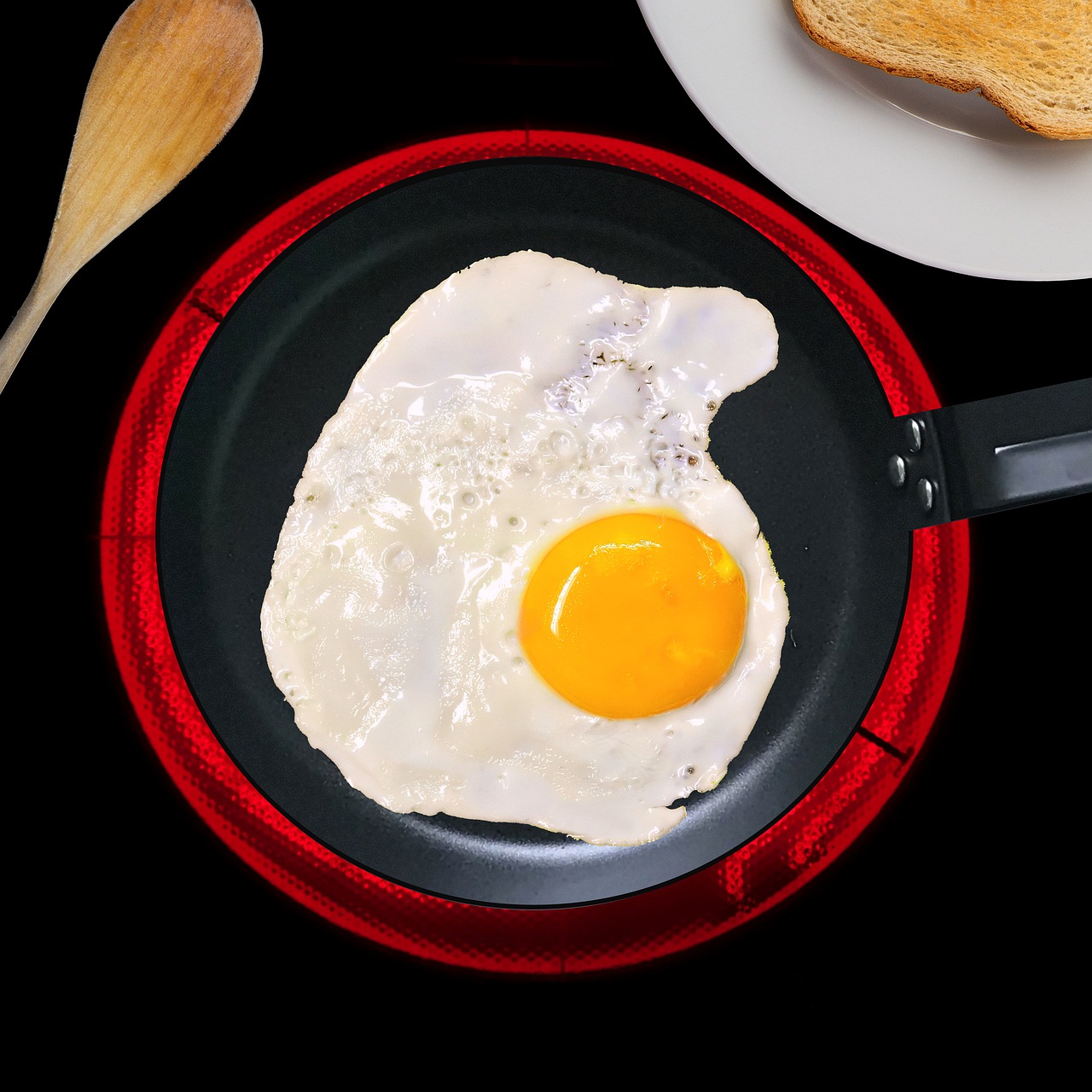
egg cooking

Drugs can fry your brain.
Photo courtesy of Pixabay.com

Stimulant drugs cause overheating of the brain.

Your brain’s temperature does vary. The temperature in your brain can fluctuate a whole lot. Some things cause your brain to heat way up and other things cause it to cool down a lot.

Most of what we know about brain temperatures comes from studies of rats but it looks like the human brain runs at a temperature very close to the rat’s brain.

When Mr. Rat is sleeping his brains temperature cools down to about 95 (35C.) During the day Rat’s brain will mostly be around 98.6 (37C) which is what we expect the human brain and body to be.

When drugs are introduced into a mammals system, as they are metabolized, the brain’s temperature will shift to reflect that metabolism. Physical exercise and emotions alter this brain temperature also.

The way that a drug affects the brain’s temperature is, as are many other effects of drugs, very dependent on the dose of drugs and the route of administration.

Mr. Rat’s max brain temperature reaches an extreme high of 103 (39.5) during extremely vigorous rat sex.

That was his top brain temp without drugs. But let Mr. Rat, and presumably, humans, start tweaking on Meth and his brain temp cranks up to an over-the-top level of 104 (40C.)

At that point, the brain temp has begun to damage Mr. Rat and his larger human cousin’s brain. From here on as the brain temperature rises, the blood-brain barrier, the thing that protects your brain from infection and other damage, begins to leak. At this temperature, the very structure of the brain begins to “cook” as in there are structural changes.

I am not making this stuff up. I found this is in Kiyatkin’s article “The hidden side of drug action: brain temperature changes induced by neuroactive drugs,” from Psychopharmacology (2013) 225:765–780

Kiyatkin also points out that while the human brain only contains 2% of your body weight it uses up to 20% of the energy you use every day. This may explain why since T. V. came on the scene humans are thinking less and weighing more, but that is a topic for another blog post. (The T. V. part is my theory, not Kiyatkin’s.)

He does point out that the brain holds heat and the temperature there is likely to run hotter than the body temp, the center of the brain runs hotter yet as it takes a lot of blood flow to cool that part of your brain down. So if someone is doing (abusing) a drug like meth, ecstasy, or molly, the temperature in their brain center is likely to be higher than the rest of them.

The hotter the temperature of the brain the more severe any brain injury is likely to be.

This same study looked at rats trained to press a lever to get Cocaine and those rats who just had to wait around for an injection. The rats who self-injected or were drug-seeking – guess what? The temperature in the brains of addicted rats goes up when they are looking for cocaine. This suggests, at least the way I read this study, that the stimulant drug had changed the way the brain utilizes neurotransmitters and regulates temperature.

Both Meth and MDMA (Ecstasy or Molly) induce strong peripheral vasoconstriction. So while they increase the temperature in the brain they reduce the ability of the body to get rid of this heat.

In male rats when the room temperature went up to 29C (84.4) and they had social interactions with female rats, something that would normally raise the temperature of their brain slightly, Meth raised their brain temperature to dangerous levels (42C, 107.6F.) and within 6 hours 5 out of 6 rats died.

This brain cooking phenomenon may well explain the reports of deaths at human social events from dehydration despite efforts to drink water and stay cool.

Humans can tolerate Meth and other stimulant drug doses better than rates and we humans are better at regulating temperature. Still, above 104F (40C) high brain temperatures are implicated in permanent damage to the brain. (See (Chen et al. 2003; Iwagami1996; Oifa and Kleshchnov 1985; Lepock 2003; Sharma and Hoopes 2003; Yamamoto and Zhu 1998) quoted by Kiyatkin,)

So when people tell you that Meth, Ecstasy, or Molly is cooking your brain, they are telling it right.

Staying connected with David Joel Miller

Seven David Joel Miller Books are available now!

My newest book is now available. It was my opportunity to try on a new genre. I’ve been working on this book for several years, but now seem like the right time to publish it.

Story Bureau.

Story Bureau is a thrilling Dystopian Post-Apocalyptic adventure in the Surviving the Apocalypse series.

Baldwin struggles to survive life in a post-apocalyptic world where the government controls everything.

As society collapses and his family gets plunged into poverty, Baldwin takes a job in the capital city, working for a government agency called the Story Bureau. He discovers the Story Bureau is not a benign news outlet but a sinister government plot to manipulate society.

Bumps on the Road of Life. Whether you struggle with anxiety, depression, low motivation, or addiction, you can recover. Bumps on the Road of Life is the story of how people get off track and how to get your life out of the ditch.

Dark Family Secrets: Doris wants to get her life back, but small-town prejudice could shatter her dreams.

Casino Robbery Arthur Mitchell escapes the trauma of watching his girlfriend die. But the killers know he’s a witness and want him dead.

Planned Accidents  The second Arthur Mitchell and Plutus mystery.

Letters from the Dead: The third in the Arthur Mitchell mystery series.

What would you do if you found a letter to a detective describing a crime and you knew the writer and detective were dead, and you could be next?

Sasquatch. Three things about us, you should know. One, we have seen the past. Two, we’re trapped there. Three, I don’t know if we’ll ever get back to our own time.

For these and my upcoming books; please visit my Author Page – David Joel Miller

Want the latest blog posts as they publish? Subscribe to this blog.

For videos, see: Counselorssoapbox YouTube Video Channel
11 rules for Making Friends and Creating a Support System

By David Joel Miller, MS, Licensed Therapist & Licensed Counselor.

True friends.
Photo courtesy of pixabay.

Positive social networks can keep you healthy.

Modern society moves at a fast pace. People move a lot and there are smaller families than there used to be. One challenge for all of us is how to create or strengthen those support systems. Networking is just as important in your personal emotional life as it is in your professional life.

The best professional networks should include some people who you would want as friends and supporters. Here are some suggestions on how to strengthen those connections with others by making friends, developing networks, and strengthening your support system.

1. Shared interests build friendships.

Most friendships develop around shared interests. If you want to make more friends go where people who like the same things as you hang out. Hang out at a bar and you meet drinkers. Go to the book club and you meet readers. The activities you enjoy are the best places to meet people who like what you do. Do not wait till you have friends to do things. Do the things you love first and you will make friends who love the same things you do.

2. To meet new people come early and stay late.

Arriving late for a meeting keeps you from talking to others. So does running off before the meeting ends. If you want to meet others you need to budget your time as well as your money. Come a little early to meet people and plan to hang around a few minutes after the meeting ends so you can talk to other like-minded people.

3. Help others – get into services.

Offer to help out. Set up chairs, make the coffee, or hand out programs. Doing things to be of service makes you more a part of the group and is a great way to meet other people.

4. Be a giver, not a taker.

If you are only there for what you can get out of a gathering you are likely to be disappointed. A selfish person is not high on the desirable list. Learn to do things for others just for the joy of giving and you will find that others appreciate you and what to get to know you.

This does not mean that you need to let others abuse you or that you need to buy your way into a group by doing or paying for things. What is important is that to make friends and supporters you need to act like the kind of person they would like to have for a friend.

5. Take someone with you.

Friendships are networks. Invite someone to go with you and you are not alone. They may well invite you the next time. The best way to meet people is through the people you already know. Make sure that the friends you hang out with are positive people. Your friends tend to introduce you to others just like they are.

6. Stay on topic.

If you are in a group that is talking about school activates do not try to take over the group and tell the stories of your last trip to where ever. Even in small-talk conversations try to share about the things others are talking about.

7. Help others join in.

The fastest way to make new friends is to help others to join in. Put your hand out, say hello and you will find you are the go-to person for making friends.

8. Pay attention to the person you are talking to.

Remembering people’s names is a blessing. Work on it. Refer to others by names some of the time. Be careful that you have something real to say rather than punctuating every other sentence with their name. Having someone repeat your name several times in a sentence makes them feel like you are talking to a creepy call-center person.

One way to develop a deeper connection is to really pay attention to the person you are talking with. Look at them and stop looking around. Looking over your shoulder for the next conversation victim tells the person that you are talking with that they do not matter that much to you.

9. Don’t cling on desperately – be ready to mingle.

In new situations, once you meet someone and engage them in conversation be ready to let them go. Having someone you just met latch onto you and follow you around the rest of the evening can feel like you now have a stalker.

10. Try to reconnect. Send emails, friend, connect on social media.

Whenever possible get a person’s contact info. Make sure you send them an email, friend them on social media or give them a call. Reach out to them like you want to be friends not like you are trying to sign them up for your multi-level marketing company.

11. Be sensitive to other’s needs for privacy.

Some people are all out there. Their life is an open book. Others, they are more private people. Do not push to invade others’ privacy. Some people keep their social media set to only a handful of close friends and family. Others have 15,000 best friends in their circle.

Know whether the person you met is open to you just dropping by or do they keep their home a sanctuary for just them and their family.

When adding friends to your support system think first about how public or private you want this relationship to be and make that clear if there is a chance that the person you just met will friend you and show up for dinner.

You will have some friends that are in all parts of your life and others that may be in only a few shared activities.

Staying connected with David Joel Miller

Seven David Joel Miller Books are available now!

My newest book is now available. It was my opportunity to try on a new genre. I’ve been working on this book for several years, but now seem like the right time to publish it.

Story Bureau.

Story Bureau is a thrilling Dystopian Post-Apocalyptic adventure in the Surviving the Apocalypse series.

Baldwin struggles to survive life in a post-apocalyptic world where the government controls everything.

As society collapses and his family gets plunged into poverty, Baldwin takes a job in the capital city, working for a government agency called the Story Bureau. He discovers the Story Bureau is not a benign news outlet but a sinister government plot to manipulate society.

Bumps on the Road of Life. Whether you struggle with anxiety, depression, low motivation, or addiction, you can recover. Bumps on the Road of Life is the story of how people get off track and how to get your life out of the ditch.

Dark Family Secrets: Doris wants to get her life back, but small-town prejudice could shatter her dreams.

Casino Robbery Arthur Mitchell escapes the trauma of watching his girlfriend die. But the killers know he’s a witness and want him dead.

Planned Accidents  The second Arthur Mitchell and Plutus mystery.

Letters from the Dead: The third in the Arthur Mitchell mystery series.

What would you do if you found a letter to a detective describing a crime and you knew the writer and detective were dead, and you could be next?

Sasquatch. Three things about us, you should know. One, we have seen the past. Two, we’re trapped there. Three, I don’t know if we’ll ever get back to our own time.

For these and my upcoming books; please visit my Author Page – David Joel Miller

Want the latest blog posts as they publish? Subscribe to this blog.

For videos, see: Counselorssoapbox YouTube Video Channel