
6 ways to recover from Complex Trauma or Complex PTSD

By David Joel Miller, MS, Licensed Therapist & Licensed Counselor.
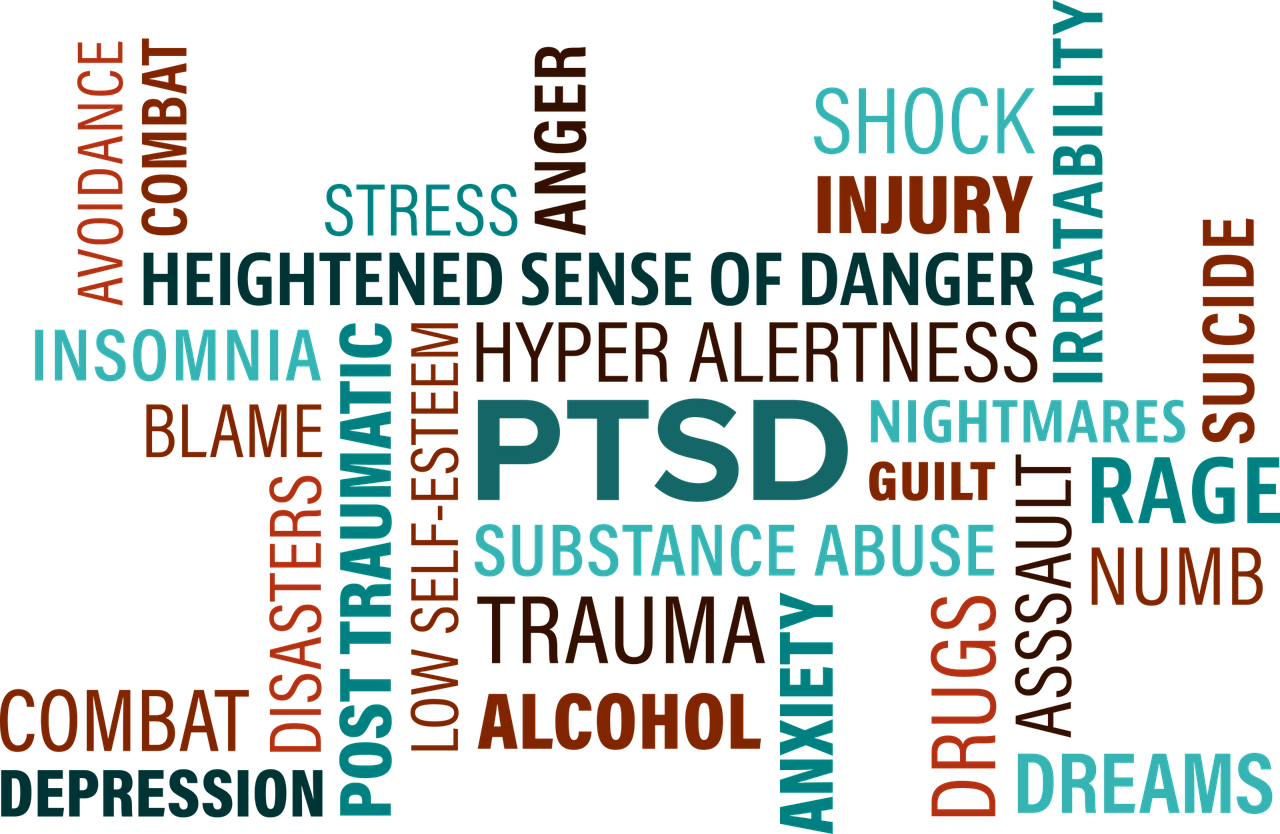
Words about PTSD

PTSD.
Photo courtesy of Pixabay.com

You can recover from Complex Trauma or Complex PTSD.

Complex Trauma or Complex PTSD is the result of repeated injuries, each of which creates additional trauma. Complex Trauma frequently arises in children who are abused or neglected over long periods of time or survivors of sexual assaults who are re-assaulted.

Being injured once is bad enough but repeated traumatization can result in problems far in excess of those caused by a single trauma. People who were traumatized in childhood and then retraumatize in later life are likely to develop severe and debilitating symptoms. Some researchers have suggested the name of Complex Trauma or Complex PTSD for this condition.

It appears that many people can experience severe trauma, recover, and not develop PTSD. Some of the symptoms of PTSD are normal reactions to experiencing trauma – in the short run. If the reaction is excessive, interferes with a job, friendships or relationships then it first becomes Acute Stress Disorder when the symptoms continue for long periods of time and seriously interfere with functioning the name and diagnosis is changed to Posttraumatic Stress Disorder (PTSD).

Complex Trauma adds trauma upon trauma and results in long-term suffering.

Some treatments make the symptoms of Complex Trauma worse and some things are effective in treatment. Here are the basic rules for recovering from Complex Trauma. I based this on the research of Conner & Higgins and their description of the work of Chu, with my own usually twists.

1. CAUTION – do not start digging until you know what is buried out there, avoid black holes.

The first reaction of someone trying to recover from complex trauma and the approach of many counselors is to go searching for the buried details. People ask “Why can’t I remember things?” Counselors are tempted to try to recover those lost memories. This can result in more trauma and pain and runs the risk of digging up stuff that wasn’t really buried in your yard but the yards of neighbors or even fictional characters.

Some serious damage has been done by forcing people to remember things way before they were ready and by hunting for things that you are not sure happened. Ask a kid often enough about sexual abuse and they will begin to “remember” things that “may have happened” or they “think” happened. These contaminated memories have resulted in a lot of extra pain.

There are a number of other steps that need to be completed before you go digging into the past for answers. The brain tries to protect us by hiding details from us that might keep us from functioning well enough to survive. Trust the process.

2. Have a supportive therapist or counselor as well as a support system in place.

You can’t make this journey of healing alone and the more capable the companions you have on the journey the better. Professionals are important because there may be things you need to tell them that you won’t feel safe telling others. Peers are also helpful for similar reasons.

Group counseling can be especially effective when and if you are ready to talk in front of others.

3. Ensure your personal safety

If you are in a dangerous situation healing is not likely until you deal with the current emergency. Make a safety plan and execute it. You need to feel safe and have reliable food clothing and shelter before you think about other aspects of recovery. But don’t put off recovery waiting for the day you will miraculously feel safe. Get started on the safety part first. Just taking steps to move to a safe place can be empowering.

Challenges to your safety don’t only come from outside. You may be a big part of the danger. Avoid, control, or work on urges and cravings. Confront any urges to commit suicide and seek help immediately if you have thoughts of suicide. Recognize and deal with non-suicidal self-injury, substance abuse, eating disorders, and the urge to try out risky behaviors. Don’t put yourself at risk to be victimized anymore.

4. Get your daily routines and rituals in place.

Most people who experience a crisis lose that ability to get up, eat, care for themselves, and then move about their day. The sooner you re-establish your daily routine the better.

When children are involved the recommendation is the sooner you can resume family rituals the better. Get back to your spiritual home. Remember to have some sort of ritual in your life; birthdays, Christmas, or any other familiar activity makes everyone feel better.

Returning to a job or other activity can be a great way to begin your recovery. If you can’t work at a paid job consider volunteering. Having a reason to get up and out of the house can jump-start your recovery.

A regular and consistent amount of sleep is important. So is some form of exercise. Be as consistent as possible with mealtimes and bedtimes. Include time for relaxation and positive activities.

5. Learn as much as you can about stress, acute stress, and the more difficult forms of PTSD and Chronic Stress. Learn to manage your primary symptoms.

Knowledge is power. When you know you are not “crazy” or “losing your mind” but that the things you are experiencing are common responses to what you have been through, then it is easier to look for the things others have found useful in recovering from their chronic stress.

Accept what you feel. Try to learn to feel what you are feeling rather than run from the uncomfortable feelings. The feelings will come and go. Learn that you don’t have to run from feelings, but you do need to move away from real danger.

6. Begin work on your long-term issues, the chronic stress symptoms, the problems you had before the stressor, and lastly the actual event.

Often people who develop PTSD or a chronic stress disorder discover they had other issues before the stress that put them at risk for PTSD.

Begin to talk about you. What does the experience mean to you? Who are you aside from the trauma? What does the trauma say about the person or thing that hurt you? What if any sense can you make of this?

The discussion of what actually happened should occur when you are ready to tackle this information.

7. Have patience with yourself and the persistence to work through your problems.

Recovery does not happen all at once. There may be sudden leaps forward or slips back but a continued effort will get you to recovery.

Use tools like positive affirmations. You are a worthwhile person no matter what has happened to you. Give yourself credit for the things you accomplish.

You can recover from Complex Trauma or Complex PTSD.

Staying connected with David Joel Miller

Seven David Joel Miller Books are available now!

My newest book is now available. It was my opportunity to try on a new genre. I’ve been working on this book for several years, but now seem like the right time to publish it.

Story Bureau.

Story Bureau is a thrilling Dystopian Post-Apocalyptic adventure in the Surviving the Apocalypse series.

Baldwin struggles to survive life in a post-apocalyptic world where the government controls everything.

As society collapses and his family gets plunged into poverty, Baldwin takes a job in the capital city, working for a government agency called the Story Bureau. He discovers the Story Bureau is not a benign news outlet but a sinister government plot to manipulate society.

Bumps on the Road of Life. Whether you struggle with anxiety, depression, low motivation, or addiction, you can recover. Bumps on the Road of Life is the story of how people get off track and how to get your life out of the ditch.

Dark Family Secrets: Doris wants to get her life back, but small-town prejudice could shatter her dreams.

Casino Robbery Arthur Mitchell escapes the trauma of watching his girlfriend die. But the killers know he’s a witness and want him dead.

Planned Accidents  The second Arthur Mitchell and Plutus mystery.

Letters from the Dead: The third in the Arthur Mitchell mystery series.

What would you do if you found a letter to a detective describing a crime and you knew the writer and detective were dead, and you could be next?

Sasquatch. Three things about us, you should know. One, we have seen the past. Two, we’re trapped there. Three, I don’t know if we’ll ever get back to our own time.

For these and my upcoming books; please visit my Author Page – David Joel Miller

Want the latest blog posts as they publish? Subscribe to this blog.

For videos, see: Counselorssoapbox YouTube Video Channel

Why research is not about your problems – co-occurring diagnoses

By David Joel Miller, MS, Licensed Therapist & Licensed Counselor.

White mouse

Sometimes the mice get it wrong.
Photo courtesy of Pixabay.com

Feeling left out? You probably have been.

Have you had difficulty finding information that applies to the problems you are facing? You are not alone. The latest research usually doesn’t apply to your condition and should you find a relevant article it may end with the statement, this treatment has not been studied in patients with X, Y, or Z.  In the mental health field, this issue is especially acute, “acute” meaning sharp and painful not “a cute” as in nice to look at.

Most people don’t have only one problem. We have many, many problems. So when we look for treatment we want something that might help us. When people have multiple problems we call that dual diagnosis or co-occurring disorders. You may have two mental health diagnoses, maybe more. Sometimes this is called multi-occurring or even “complex.”

Most people with a mental illness will meet the criteria for two or more conditions. The overlap between substance abuse and mental illness is the rule, not the exception. People with mental illnesses are more likely to develop an addiction or substance abuse disorder than those without mental illness.

People with a mental illness often have a physical illness. People with an earlier physical illness are more likely to develop a mental illness. If you are seriously and chronically ill you might be a little depressed and anxious wouldn’t you?

As a therapist and a blog writer, I am always looking for the latest in research, things that might help my client. There are some new things, but frankly, there are a lot of studies that are not very helpful.

Most studies exclude from their population anyone who had a substance abuse problem until they are clean and sober for at least 6 months or more. They also exclude from studies those who have had a psychosis such as schizophrenia.

Most of my career has been spent in substance abuse facilities, crisis units, and psychiatric hospitals. Clients there have the greatest need for new effective treatments. They also have the most co-occurring disorders.  The newest treatments have not been tested on the people who need the help the most.

Drug companies would love to play this game. Many psychiatric meds cause weight gain. This excess weight gain can result in obesity and diabetes. So if I am a drug manufacturer and want to minimize side effects which I need to report to the government I would want to exclude a person who had diabetes, better yet let’s leave out anyone who is overweight. When it comes to drug companies there are regulatory agencies that keep an eye out for this sort of thing, with psychotherapy not so much.

Recently I have been doing some reading on the problems related to treating people with PTSD. We need to find better ways to help people with this condition. Right now there are lots of possible treatments but even the big names in therapy don’t seem to agree on the best approach. If therapists don’t agree on the best treatment how is the client to know if the treatment will help or harm them?

Most of the clients I see who have PTSD also have other problems. Substance Abuse is common. With those recurring intrusive memories that keep you from a good night’s sleep for years on end would you be tempted to drink?  Most of the “controlled” studies on PTSD exclude anyone with a substance use disorder or psychosis. These are the clients for whom we most need to find better treatments.

People who have a combination of PTSD and depression or substance abuse are at greater risk. Does it make sense to exclude high-risk clients from efforts to evaluate treatment for high-risk clients?

Recently I came across a study on a new treatment for PTSD. I won’t spoil the fun by telling you whose study this was.

The introduction sounded good until I read further. They excluded from their study anyone with Bipolar Disorder, Psychosis, or a history of addiction. By the time they got done excluding they were down to less than ten subjects. They had excluded more people than they included. To me, this means they should have gone the other way and tried this new treatment on the people with the most problems, the larger group. When they did their study they found out that all but one of their subjects had a history of alcohol abuse. While they had screened out current alcoholics they missed that all the people they serve had at some time or other had an alcohol problem.

A further concern should be mentioned here. Treatment should not make a client worse. Some of the current treatments for PTSD seem to make clients worse off, the treatment can retraumatize them.  Treatments that are too painful result in clients dropping out of treatment. I continue to believe that people do not benefit from the treatment they do not receive, no matter how great the treatment looked in a research study.

I will post more about treatments for PTSD as I wade through the newer studies.

For more blog posts on PTSD, substance abuse, or Co-occurring disorders see the newly revised list by categories to the right.

Staying connected with David Joel Miller

Seven David Joel Miller Books are available now!

My newest book is now available. It was my opportunity to try on a new genre. I’ve been working on this book for several years, but now seem like the right time to publish it.

Story Bureau.

Story Bureau is a thrilling Dystopian Post-Apocalyptic adventure in the Surviving the Apocalypse series.

Baldwin struggles to survive life in a post-apocalyptic world where the government controls everything.

As society collapses and his family gets plunged into poverty, Baldwin takes a job in the capital city, working for a government agency called the Story Bureau. He discovers the Story Bureau is not a benign news outlet but a sinister government plot to manipulate society.

Bumps on the Road of Life. Whether you struggle with anxiety, depression, low motivation, or addiction, you can recover. Bumps on the Road of Life is the story of how people get off track and how to get your life out of the ditch.

Dark Family Secrets: Doris wants to get her life back, but small-town prejudice could shatter her dreams.

Casino Robbery Arthur Mitchell escapes the trauma of watching his girlfriend die. But the killers know he’s a witness and want him dead.

Planned Accidents  The second Arthur Mitchell and Plutus mystery.

Letters from the Dead: The third in the Arthur Mitchell mystery series.

What would you do if you found a letter to a detective describing a crime and you knew the writer and detective were dead, and you could be next?

Sasquatch. Three things about us, you should know. One, we have seen the past. Two, we’re trapped there. Three, I don’t know if we’ll ever get back to our own time.

For these and my upcoming books; please visit my Author Page – David Joel Miller

Want the latest blog posts as they publish? Subscribe to this blog.

For videos, see: Counselorssoapbox YouTube Video Channel

Best of Blog – May 2012

Counselorssoapbox.com

By David Joel Miller, MS, Licensed Therapist & Licensed Counselor.

Here it is – The Best of Blog Recap for May 2012 –

Thanks so much to all of you for making this another great month. I appreciate all those of you that have read the blog and especially appreciate those who have left “likes” and comments. Please feel free to leave a comment or ask a question.

I have included 5 posts since the last two in both categories were tied or very close.

Best of blog for May

How much should you tell a therapist?

Are you Hyperthymic?

Why can’t we forget the painful past?

Posttraumatic Growth (PTG) vs. Posttraumatic Stress Disorder (PTSD)

Is it Complex Grief, Depression, or Bereavement?

The best of blog all-time posts are

How much should you tell a therapist?

How does therapy help people?

Are you Hyperthymic?

Why can’t we forget the painful past?

Grandma is the drug connect

To date, there have been readers in over fifty countries. Thanks to all of you. Stay tuned for more to come.

Till next time, David Miller, LMFT, LPCC saying “Hope you are having the happy life you deserve.”

Love Hate relationship with food – Bulimia Nervosa.

By David Joel Miller, MS, Licensed Therapist & Licensed Counselor.

Unhealthy relationship with food.
Photo courtesy of pixabay

Bulimia Nervosa a relapsing eating disease.

Bulimia Nervosa is included in the eating disorder category along with Anorexia Nervosa but it is very different from the other eating disorders. Anorexia progresses like a vice, starving the sufferer until their weight reaches a critical potentially fatal low. Bulimia runs its course in episodes of extreme eating and efforts to undo the overeating and lose the weight until it finally does its damage.

If you didn’t hear the person with Bulimia talking about food, should you only hear the emotional component, it would be hard to distinguish Bulimia from the binge drinking form of alcoholism.

Episodes of binging and the resulting guilt can be triggered by many of the same things that trigger addictive binges. Poor relationships and conflicts with others, the feeling of deprivation from excessively strict diets, or feeling out of control all can trigger the binges.

Binge eaters describe these overwhelming obsessive-compulsive urges as emotional eating. Emotional eaters who do not purge develop Binge Eating Disorder. Those who start compensating develop Bulimia.

Most people who develop Bulimia start off at normal or even a little overweight. They are likely to be a little older than the beginning person with Anorexia, perhaps late teens or even early twenties. There may be a period of moderate to strict dieting before the Bulimia strikes.

When they diet they have increasingly intense urges to eat. The tension continues to grow until the individual can’t stand it any longer, then like the alcoholic, the binge is on. At this point, the “just don’t think about it” approach does not work and may make things worse. In a previous post “Don’t think about Elephants.”   I described why the “just not thinking about things” approach does not work and what else can be done in this circumstance.

Binge drinking is defined as 4-5 drinks on a single drinking occasion, enough to get intoxicated. Binge eating is described as eating far more than a normal person during a single food intake episode lasting two hours or less. Bulimics crave food and then when they give in and eat it is not a little, but a lot of food consumed in a short amount of time. This overconsumption results in guilt and regret.

These episodes increase in frequency. Typically the person with Bulimia will have two or more episodes of loss of control, binge eating, and then efforts to purge the food every week for at least three months. The guilt over the episode increases the risk they will binge again.

Often the food of choice is ice cream or cake though no one food type is the choice of all people with Bulimia. They will eat until they reach the over-full point, become uncomfortable, or even painfully full.

The Bulimic then tries to undo the excess calories by deliberate vomiting or other compensatory behaviors. This is not a disease of gradual overeating and excess weight gain. Bulimia may result in sudden swings in weight, both increases, and decreases. The damage comes not from the weight gain or loss but from the radical behaviors used to undo the binge episode.

The emphasis is on the person’s use of “inappropriate” methods to undo the overeating. Someone with Bulimia may vomit so often that the enamel in the teeth is destroyed. They may develop calluses on the knuckles from repeated efforts to force the vomiting.

There can be damage to the throat and esophagus. A great many medical problems develop over time but may go unnoticed as the person’s weight swings up and down rather than moving to an extreme.

Bulimia is more common than Anorexia with up to three percent of women developing Bulimia during their lifetime.

These episodes of binge eating and the resulting efforts to undo the overeating are generally done in secret. The sufferer tries to be inconspicuous and may withdraw from family and friends damaging their relationships.

Self-esteem for the person with Bulimia is dependent on body shape and weight. They often develop intense depression after a period of bingeing and purging. Some have undiagnosed depression before the Bulimia, but Bulimia can also cause depression and anxiety.

Bulimia Nervosa like Anorexia Nervosa is treatable but both require specialized treatment by someone knowledgeable and experienced in treating eating disorders.

Bulimia is not associated with a high risk of suicide or death from medical complications, though some who have suffered from Bulimia can become severely depressed and have thoughts of self-harm.

Bulimia Nervosa is an illness not a case of vain or selfish behavior. If you want to be helpful to someone with this disorder listen to what they have to say in an open and non-judgmental way.

If you have Bulimia, get help now. If you know someone who has this problem encourage them to seek professional help.

Other posts about eating disorders and the new DSM-V proposals will be found at:

Binge Eating Disorder – the other side of Anorexia and Bulimia 

Middle class and starving to death in America – An Eating Disorder called Anorexia

Love Hate relationship with food – Bulimia Nervosa

Eating Disorders and Substance abuse  

Avoidant Restrictive Food Intake Disorder

Staying connected with David Joel Miller

Seven David Joel Miller Books are available now!

My newest book is now available. It was my opportunity to try on a new genre. I’ve been working on this book for several years, but now seem like the right time to publish it.

Story Bureau.

Story Bureau is a thrilling Dystopian Post-Apocalyptic adventure in the Surviving the Apocalypse series.

Baldwin struggles to survive life in a post-apocalyptic world where the government controls everything.

As society collapses and his family gets plunged into poverty, Baldwin takes a job in the capital city, working for a government agency called the Story Bureau. He discovers the Story Bureau is not a benign news outlet but a sinister government plot to manipulate society.

Bumps on the Road of Life. Whether you struggle with anxiety, depression, low motivation, or addiction, you can recover. Bumps on the Road of Life is the story of how people get off track and how to get your life out of the ditch.

Dark Family Secrets: Doris wants to get her life back, but small-town prejudice could shatter her dreams.

Casino Robbery Arthur Mitchell escapes the trauma of watching his girlfriend die. But the killers know he’s a witness and want him dead.

Planned Accidents  The second Arthur Mitchell and Plutus mystery.

Letters from the Dead: The third in the Arthur Mitchell mystery series.

What would you do if you found a letter to a detective describing a crime and you knew the writer and detective were dead, and you could be next?

Sasquatch. Three things about us, you should know. One, we have seen the past. Two, we’re trapped there. Three, I don’t know if we’ll ever get back to our own time.

For these and my upcoming books; please visit my Author Page – David Joel Miller

Want the latest blog posts as they publish? Subscribe to this blog.

For videos, see: Counselorssoapbox YouTube Video Channel

He slept in trash cans.

He slept in trash cans.

“Mental health care advocates hope the video of police beating the homeless man, who later died, will spark systemic reforms in the treatment of the mentally ill, even in this era of funding deficiencies.”

This story about Kelly Thomas and how he died is moving reading. If you haven’t heard about this yet check out the story by Scott Gold, Richard Winton, and Abby Sewell of the Los Angeles Times.

The full text is at:

http://www.latimes.com/health/la-me-kelly-thomas-mental-20120509%2c0%2c4023045.story?utm_source=Join+Together+Daily&utm_campaign=61e7621ec3-JT_Daily_News_Senate_Opens&utm_medium=email

DSM-5 Diagnoses begin to disappear

By David Joel Miller, MS, Licensed Therapist & Licensed Counselor.

Medical record

Diagnosis.
Photo courtesy of Pixabay.com

UPDATE – changes in the DSM.

You can erase most of this post from your memory. During the process of updating the Diagnostic and Statistical Manual of Mental Disorders (DSM) from the DSM-IV to the DSM-5 a lot of things were proposed. Some of those suggested changes were instituted and others were left out. This post includes mostly ideas that did not make it to the final DSM-5. Because these ideas were included in a lot of research articles and other blog posts, I have left the post up but need to tell you that some of this information is now out of date.

Mental illnesses appear and disappear like magic – More DSM-5.

The effort to improve and refine the Diagnostic and Statistical Manual of Mental Disorders continues. This round of revisions has created a lot of concern about the way in which things we thought we knew about the nature and treatment of mental illness can change dramatically in a short time span.

There has been a lot of opposition to some of the proposed changes from both inside the American Psychiatric Association (APA) and those outside the association who have to work with the manual. The effects for consumers and clients may not be obvious for some time.

Recently the APA posted a notice on their website about changes they are making to the proposals for the new edition of the DSM. Not surprisingly, those revisions in proposals have coincided with the APA’s convention. The pressure to get this worked out is on now as the new edition is due out next year at the May 18-22, 2013 APA convention. That means the decisions need to be made and the book sent to the publishers by the end of 2012. The APA is accepting comments on their website from May 2nd to June 15th, 2012.

Most of these ideas are tested in carefully controlled trials with strict adherence to criteria. Unfortunately in daily practice clients don’t come in with only one problem and clinicians don’t have the time or resources to do extensive testing and diagnosing. The question remains, will this new understanding of mental disorders help or hinder the efforts to get clients the best possible care and still stay inside agency’s budgets?

Here are some of the most recent changes

1. Mixed Anxiety and Depression

This is getting moved to the back of the book under diagnosis for further study. We know that clients often have both of these together but then they also may have diabetes and sore throats but so far we are not creating lots of combo diagnosis. Bottom line if you have two mental illnesses you get two diagnoses, not one “combo,” for now.

2. Attenuated Psychosis

This moves to the back of the book also. We have plenty of psychosis class diagnosis, not sure one more will make any difference.

3. Depression gets a footnote about being careful not to make normal things into mental illnesses.

But that always has needed some judgment. If it is causing you too many problems it gets diagnosed if it is within normal it does not. So we still try to keep categories of illnesses while we also allow for variations in degree.

4. The Non-Suicidal Self-Injury Diagnosis (often called cutting)

So far has not worked the way they thought it would. Some have proposed adding Suicidal Behavior Disorder also. Currently, neither of these is considered a mental illness. They are symptoms of something but we are not all agreed on what they are symptoms of. These two are likely to end up in the back of the book along with that complex grief thing.

So the announced changes in the draft move us back closer to where we were before – except that to this point the APA is staying with their proposed changes in Autism and Substance Use Disorders. Only time will tell.

Staying connected with David Joel Miller

Seven David Joel Miller Books are available now!

My newest book is now available. It was my opportunity to try on a new genre. I’ve been working on this book for several years, but now seem like the right time to publish it.

Story Bureau.

Story Bureau is a thrilling Dystopian Post-Apocalyptic adventure in the Surviving the Apocalypse series.

Baldwin struggles to survive life in a post-apocalyptic world where the government controls everything.

As society collapses and his family gets plunged into poverty, Baldwin takes a job in the capital city, working for a government agency called the Story Bureau. He discovers the Story Bureau is not a benign news outlet but a sinister government plot to manipulate society.

Bumps on the Road of Life. Whether you struggle with anxiety, depression, low motivation, or addiction, you can recover. Bumps on the Road of Life is the story of how people get off track and how to get your life out of the ditch.

Dark Family Secrets: Doris wants to get her life back, but small-town prejudice could shatter her dreams.

Casino Robbery Arthur Mitchell escapes the trauma of watching his girlfriend die. But the killers know he’s a witness and want him dead.

Planned Accidents  The second Arthur Mitchell and Plutus mystery.

Letters from the Dead: The third in the Arthur Mitchell mystery series.

What would you do if you found a letter to a detective describing a crime and you knew the writer and detective were dead, and you could be next?

Sasquatch. Three things about us, you should know. One, we have seen the past. Two, we’re trapped there. Three, I don’t know if we’ll ever get back to our own time.

For these and my upcoming books; please visit my Author Page – David Joel Miller

Want the latest blog posts as they publish? Subscribe to this blog.

For videos, see: Counselorssoapbox YouTube Video Channel

How safe if your young child from drugs?

By David Joel Miller, MS, Licensed Therapist & Licensed Counselor.

Drugs

Drugs.
Photo courtesy of Pixabay.com

Are you keeping your child away from drugs?

We would like to think that we can keep our children safe. We expect drug use to be something teens or young adults might do. Not young children. The truth is that younger and younger children are trying drugs. Most kids have been exposed to drugs and alcohol by the end of the third grade. Even kids from drug and alcohol-free homes are at risk. If you are thinking “my kids would never do drugs” you may be fooling yourself.

If you are thinking alcohol, that’s not a drug, think again. Any alcohol use by an eight-year-old is a problem. The younger they begin to use drugs, the more likely there will be problems. Not just the problem of addiction but also changes in emotions and learning. The more a student drinks the lower the GPA they will have. One study said “F” students drink on average twice what “A” student’s drink.

Very young kids get their first drugs at home.

First experiences with drugs frequently happen at home. Sneaking some of their parent’s cigarettes or alcohol is many a child’s first experience with drugs. That half-consumed beer or the carelessly left pack of cigarettes is an easy way to get started. But there are bigger dangers lurking even if the parents don’t smoke or drink.

Early grade kids get their drugs under the kitchen sink or in the garage.

Those cleaning solvents, the gasoline, the spray paint, all these things can be used to inhale or huff. Spray cans are an easy way to alter consciousness. A lot of inhalant abuse goes unnoticed by parents who think “no not my child” until it has caused permanent health problems.

It is not the “pusher” that gets your kid on drugs.

We used to think that there were unscrupulous people out there trying to get our kids hooked on drugs. Most people are introduced to drugs by a close friend or family member. Boys are often started off by an older male cousin or uncle; girls learn drug use from an old sister, aunt, or their first boyfriend.

Most kids who use drugs on a daily basis tell me that at first, they didn’t have to pay for it. Friends gave it to them for free. Later on, the circle of friends began to pool their money to buy it. It is not until the drug habit gets regular and expensive that the kid has to come up with the money to pay.

Street drugs are not the biggest part of the problem

Abuse of prescription drugs is on the rise. In a previous post “Grandma is the drug connect”  I wrote about how unknowing family members, grandma, in particular, are becoming the drug supplier of choice for today’s teen.

When it comes to drug overdoses street drugs are way behind prescription drugs as a cause of death.

So have you really thought about this problem of young kids doing drugs? Just how sure are you that your child is safe from drugs?

Staying connected with David Joel Miller

Seven David Joel Miller Books are available now!

My newest book is now available. It was my opportunity to try on a new genre. I’ve been working on this book for several years, but now seem like the right time to publish it.

Story Bureau.

Story Bureau is a thrilling Dystopian Post-Apocalyptic adventure in the Surviving the Apocalypse series.

Baldwin struggles to survive life in a post-apocalyptic world where the government controls everything.

As society collapses and his family gets plunged into poverty, Baldwin takes a job in the capital city, working for a government agency called the Story Bureau. He discovers the Story Bureau is not a benign news outlet but a sinister government plot to manipulate society.

Bumps on the Road of Life. Whether you struggle with anxiety, depression, low motivation, or addiction, you can recover. Bumps on the Road of Life is the story of how people get off track and how to get your life out of the ditch.

Dark Family Secrets: Doris wants to get her life back, but small-town prejudice could shatter her dreams.

Casino Robbery Arthur Mitchell escapes the trauma of watching his girlfriend die. But the killers know he’s a witness and want him dead.

Planned Accidents  The second Arthur Mitchell and Plutus mystery.

Letters from the Dead: The third in the Arthur Mitchell mystery series.

What would you do if you found a letter to a detective describing a crime and you knew the writer and detective were dead, and you could be next?

Sasquatch. Three things about us, you should know. One, we have seen the past. Two, we’re trapped there. Three, I don’t know if we’ll ever get back to our own time.

For these and my upcoming books; please visit my Author Page – David Joel Miller

Want the latest blog posts as they publish? Subscribe to this blog.

For videos, see: Counselorssoapbox YouTube Video Channel

Millions about to catch a mental illness – The DSM-5

By David Joel Miller, MS, Licensed Therapist & Licensed Counselor.

Medical record

Diagnosis.
Photo courtesy of Pixabay.com

UPDATE – changes in the DSM-5

You can erase some of this post from your memory. Non-suicidal self-injury, Cutting did not make it and is stuck in the back – maybe section. During the process of updating the Diagnostic and Statistical Manual of Mental Disorders (DSM) from the DSM-IV to the DSM-5 a lot of things were proposed. Some of those suggested changes were instituted and others were left out. This post includes mostly ideas that did make it to the final DSM-5. Because these ideas were included in a lot of research articles and other blog posts I have left the post up but need to tell you that some of this information is now out of date.

Will you be cured or struck with a new mental illness next year?

The way we understand mental illness is about to change. When the DSM-5 is published about May of 2013, millions of people will find their mental health diagnosis suddenly shuffled. Several conditions that bring clients to therapy every day, that didn’t used to be disorders, will suddenly appear. Some old disorders will disappear or become merged with others. This happened before when Manic Depressive Disorder disappeared and the Bipolar Disorders in all their shades took its place.

We Counselors don’t write the book so we don’t get much say on these changes but in order to get our clients the help they need we have to play along with the changes the Psychiatrists make in the rule book. These new rules include the latest research and hopefully refine and improve the system we use to figure out what mental, emotional or behavior problems the client has.

The new book, DSM-5 is still under review but from the version on-line we can see a lot of the directions the new version will take. There is still time for some revisions to the new DSM, but most of these changes look pretty certain.  I have been reading the new version on-line trying to get myself mentally prepared for the changes. Here are some trends I see.

Anger becomes a Disease – sort of

We know that anger and the loss of control that comes with excess anger is a serious problem. There is a huge group of people who have been required to take an anger management class. So far anger has not been a diagnosis. We have tried to force the angry client into other existing diagnoses. Some people with anger are depressed, some are anxious some are just bad people, and so on.

Cognitive therapists have been saying for years, and I agree with this, that most anger management classes fail because they seek to teach clients how to control their anger after they are already angry. Having the person who is furious count to ten only delays the explosion. The time to intervene is teaching the client not to “anger themselves” in the first place. You read that right. Others do not “make us angry” we “anger ourselves” when they don’t do what we want them to.

So we need a specific diagnosis for people who anger themselves too much and then lose control.  With kids we were calling this “Disruptive Behavior Disorder” or “Oppositional Defiant Disorder” sometimes this means blaming them as in “bad kid” diagnoses. We need to try to find ways to help kids learn new approaches. With adults, they became “depressed or anti-social, or worse.

The new label for this problem will become “Disruptive Mood Dysregulation Disorder”

Cutting and Self Mutilation becomes a disorder.

Cutting and all the other self-mutilating behaviors are a huge problem. Parents call or bring their kids in because of this all the time. There are hundreds of books on the subject and lots of research that says this is a distinct, separate disorder. But up till the DSM-5 we had to shoehorn this into something else.

The confounding issue here is that most self mutilators do not want to die. This is most often not a suicide attempt. It is also most often, though not always, not an attention-seeking behavior. Self mutilators do it repeatedly and in places where others can’t see. They use this behavior to regulate emotions.

The confounding problem, self mutilators feel bad and sometimes they do decide to commit suicide.

This problem seems destined to soon become a disorder all on its own called “Non-suicidal Self Injury.”

In the future, you won’t outgrow your diagnosis

We have had separate names for the problems that children get. Sometimes the problem stays the same but every few years we change the diagnosis. We have had a whole chapter of problems that get first diagnosed in infancy, childhood, and adolescence.  This will go away. Yes, kids can be depressed. I have seen video footage of a new-born in the hospital who showed significant sadness when mom and dad stopped paying attention to him. So if parents were to neglect a child, could the child become depressed? Sure they could. The more the parents neglect the more depressed the child becomes.

So rather than separating childhood depression and anxiety, we can think of them as the same as grown-up mental illnesses only in children the symptoms may look a little different. When they are sad the child cries and dad drinks, two different behaviors but the same emotion.

Asperger’s is about to be cured.

Suddenly in one day, everyone with Asperger’s will stop having Asperger’s. The same thing will happen to Pervasive Developmental Disorder NOS. Don’t get too excited. Within minutes they will all have caught Autism.

Why this change? Researchers have come to doubt this pigeonhole approach. The characteristics of lots of the mental illnesses we think of as separate conditions are in fact just varying degrees of symptoms of the same disorder. So rather than splitting hairs on which name we call this, we are going to think of this as a continuum and say all these people have more or less similar symptoms just some are more serious and profound than others.

So in the future, all these people will have one diagnosis but we will look at the way the symptoms affect the individual. We hope this is progress. One problem though. In the past, the treatment, especially who would pay for treatment, depended on the label. Schools, insurance companies, and regulators may need to figure this one out. How will they decide how severe your autism needs to be before someone will pay to get you treated? We think we know that the sooner this condition gets treated, even mild cases, the better the child will do throughout their whole life.

That’s enough of this for one post, more about the DSM-5 to come in the future.

Bottom line, the DSM-5 in mid-2013 will make some changes to the way we think about mental illnesses and possible the way they get treated.

Staying connected with David Joel Miller

Seven David Joel Miller Books are available now!

My newest book is now available. It was my opportunity to try on a new genre. I’ve been working on this book for several years, but now seem like the right time to publish it.

Story Bureau.

Story Bureau is a thrilling Dystopian Post-Apocalyptic adventure in the Surviving the Apocalypse series.

Baldwin struggles to survive life in a post-apocalyptic world where the government controls everything.

As society collapses and his family gets plunged into poverty, Baldwin takes a job in the capital city, working for a government agency called the Story Bureau. He discovers the Story Bureau is not a benign news outlet but a sinister government plot to manipulate society.

Bumps on the Road of Life. Whether you struggle with anxiety, depression, low motivation, or addiction, you can recover. Bumps on the Road of Life is the story of how people get off track and how to get your life out of the ditch.

Dark Family Secrets: Doris wants to get her life back, but small-town prejudice could shatter her dreams.

Casino Robbery Arthur Mitchell escapes the trauma of watching his girlfriend die. But the killers know he’s a witness and want him dead.

Planned Accidents  The second Arthur Mitchell and Plutus mystery.

Letters from the Dead: The third in the Arthur Mitchell mystery series.

What would you do if you found a letter to a detective describing a crime and you knew the writer and detective were dead, and you could be next?

Sasquatch. Three things about us, you should know. One, we have seen the past. Two, we’re trapped there. Three, I don’t know if we’ll ever get back to our own time.

For these and my upcoming books; please visit my Author Page – David Joel Miller

Want the latest blog posts as they publish? Subscribe to this blog.

For videos, see: Counselorssoapbox YouTube Video Channel
Blaming obese older parents.

By David Joel Miller, MS, Licensed Therapist & Licensed Counselor.

Older people

Elderly couple.
Photo courtesy of Pixabay.com

Do overweight older parents produce kids with birth defects?

There have been a lot of articles recently telling us that older parents are more likely to have children with autism, schizophrenia, and birth defects. Is this true? And if it is true how do we explain what is going on here. Clearly, not every older parent has a child with a mental illness or birth defects. Nor do all offspring from obese parents develop autism or schizophrenia, not by a long shot. But the studies suggest an increased risk here. What is really going on? Here is my oversimplified counselor – metaphor explanation.  For a more scientific explanation, you may want to talk with or read doctors and geneticists explanations.

My grandmother would be horrified with the thought that there could be such a thing as a baby or a mother being too fat. In her time skinny babies died a lot more than plump babies. Skinny mothers died more often too.

She was right about that, as far as it goes. Women who are significantly underweight from poverty, illness, or an eating disorder are more likely to have a miscarriage, a low birth weight baby, or a child with birth defects. Not eating as a result of anxiety or depression can cause these problems also. But too skinny mothers are not the major source of problems. Not in this century anyway.

Grandma also had lots of aunts and cousins who had very large families. Women had children starting as young as they could and kept it up as long as they were fertile. That was before birth control. She just might have been right about baby’s needing to have some weight on their bones to survive. But there were some things grandma didn’t know.

Grandma wasn’t near as concerned about the age of the parents either. Older men marrying a very young woman was the norm and for good reasons. In colonial days there were forty sometimes fifty or more men for every woman. So the day that a woman began to have her period the men started calling on this marriage prospect. Lots of women married much older men because the men were financially secure. They married older men and then outlived them and married again.

Men remarried a whole lot more then than now also. People didn’t need to divorce then, their partners kept dying.

Women used to be a lot more delicate than they are now. They died in childbirth and they died every spring of the milk sickness. There were also food shortages and epidemics. Skinny people died a lot. Hence the belief that fat was healthy. Now we know that is not the whole story.

We have long suspected that the father’s age was a factor in some things like schizophrenia or autism. This became more of a theory as there were plenty of young men and fewer old men on their third fourth or fifth wife. Women did not use to have so many children late in life. Now with birth control, postponing children, and fertility treatments there are, percentage-wise, more children born to older mothers. That has started us wondering if the mother’s age matters also.

Grandma would have said that healthy kids and long life were in the genes. She would have been partially right.

Genes are not the whole answer! The same gene can do different things at different times in your life. So there are genes and there is gene expression, how the gene acts when in a certain time and place. Think of this as manners for genes.

My genes gave me that nice dark hair when I was young. Somewhere along the way, they decided I was old enough I needed to look the part so now they give me gray hair. I am pretending they are not turning the gray to white. The Same gene for hair color but different age and different hair color. If I had a child at this age they could inherit the dark black hair of my youth but I am stuck with the old man color for no better reason than that I am getting – well older.

Now no cell is made to last forever. Cells like people need to reproduce. I hear that cells replace themselves every seven years. For argument’s sake let’s say that this is true. Why do cell mutilations keep happening? Why do cells have birth defects?

Think of this as the “copier theory of cells.” Every time a cell reproduces it makes a copy of its self. Have you ever made a copy and then when you can’t find the original had to make a copy of a copy? The more generations the copy goes through the more chance it will be fuzzy and someone will read it wrong. Older cells may get fuzzy also. The more copies the more chance for changes – mutations to creep in. Some of those changes in humans may be good things, adaptive changes. But most gene changes cause birth defects.

So what does being overweight or drinking alcohol have to do with birth defects? Alcohol for the record causes more preventable birth defects than anything else. Why is this?

Ever seen someone mark up an original before copying it? Imagine with me an original with white-out on it and some highlighter marks. Now before this stuff can dry the person puts the original on the copier glass and makes their copy. That messy stuff gets all over the glass. Every copy we make now has all those marks on it. They are all hard to read.

So when there are chemicals in the parents’ bloodstream, like alcohol, the copies that get made are fuzzy. More alcohol and the copies get worse. We know alcohol and drugs blur the mother’s contribution to the child’s genes. We also suspect that some chemicals may blur the father’s contribution also.

We used to think that if the mother took in too few calories bad things happened to her and the potential baby. Excess calories were stored as fat in the mother. No harm to the baby there right? Not so fast.

If the mother develops diabetes that high blood sugar could have an effect. So could all sorts of other hormones. So we think that the more overweight the mother the more the risks to the child. Now, remember risks do not equal disease. You can have a risk factor for a disorder and not get it. Strenuous excesses and severe dieting during pregnancy or when you are trying to get pregnant are not recommended. But the mother’s overall health, her efforts to keep her blood sugar under control, and to avoid toxins, especially alcohol, just may increase the chances of a healthy child.

Being older or overweight may not be reasons to avoid having children but the increase in risk factors may explain why we are seeing more children born with certain mental and physical illnesses like autism, psychosis, and ADHD.

Staying connected with David Joel Miller

Seven David Joel Miller Books are available now!

My newest book is now available. It was my opportunity to try on a new genre. I’ve been working on this book for several years, but now seem like the right time to publish it.

Story Bureau.

Story Bureau is a thrilling Dystopian Post-Apocalyptic adventure in the Surviving the Apocalypse series.

Baldwin struggles to survive life in a post-apocalyptic world where the government controls everything.

As society collapses and his family gets plunged into poverty, Baldwin takes a job in the capital city, working for a government agency called the Story Bureau. He discovers the Story Bureau is not a benign news outlet but a sinister government plot to manipulate society.

Bumps on the Road of Life. Whether you struggle with anxiety, depression, low motivation, or addiction, you can recover. Bumps on the Road of Life is the story of how people get off track and how to get your life out of the ditch.

Dark Family Secrets: Doris wants to get her life back, but small-town prejudice could shatter her dreams.

Casino Robbery Arthur Mitchell escapes the trauma of watching his girlfriend die. But the killers know he’s a witness and want him dead.

Planned Accidents  The second Arthur Mitchell and Plutus mystery.

Letters from the Dead: The third in the Arthur Mitchell mystery series.

What would you do if you found a letter to a detective describing a crime and you knew the writer and detective were dead, and you could be next?

Sasquatch. Three things about us, you should know. One, we have seen the past. Two, we’re trapped there. Three, I don’t know if we’ll ever get back to our own time.

For these and my upcoming books; please visit my Author Page – David Joel Miller

Want the latest blog posts as they publish? Subscribe to this blog.

For videos, see: Counselorssoapbox YouTube Video Channel

Sharing made me a new person – group therapy.

By David Joel Miller, MS, Licensed Therapist & Licensed Counselor.

Support group

Group.

Group therapy can be very helpful.

The group really helped me, sharing made me a new person. The client was trying to describe the way that being in group counseling had benefited them. I am a believer in group therapy. I have seen the things that happen when a group is on task and working. The clients can see it also.

There is a saying in groups that “we are only as sick as our secrets.” One powerful way in which groups can help people is to allow them to tell their stories in a supportive environment.  When it works it can be magic.

Twelve-step groups are self-help group’s not professional therapy. But in the addiction field, we quickly learned the value of being in a group that understood what you are going through and who were all supportive of your recovery. In mental health groups, we see the same results. People all sharing about their life struggles makes us feel more connected and less alone. Powerful things happen in peer support groups.

Some professionals are leery of groups. They have suggested to me that group counseling is a lesser sort. They tell me that “real therapy” takes place with one client and one therapist in the room. I try to avoid arguing. Then why do we do couples counseling and family counseling if it is best done in an individual session I ask? I try to listen politely to their answers.

Most of life is about relationships. We are wounded in our relationships and most often we are healed by a helping, supportive relationship. Sometimes that relationship is a counselor, sometimes it is a group.

Not all groups are safe places to tell your most painful life events. In therapy groups, it is up to the leader to make groups a safe place. In self-help groups, it can be riskier. We talk about confidentiality and anonymity but that is no guarantee that someone will not break the rules and repeat what another person said. The longer the group has been together the safer people feel but it is never without risks.

What I often see happen is that people try to keep things secret in group, that everyone else in the group knew already. When someone is arrested for a DUI it is in the paper but when they come to a group, they hint vaguely about a self-control problem and demand confidentiality.

More than once a client has told me something in a private session and then a few weeks later their courage now turned up a notch, they tell the whole group. In almost every case the result was that the group understood and supported them in their disclosure and the person, now having publicly admitted their defects of character, finds they have unburdened themselves and are no longer kept in pain by that secret.

Some of us have spent our whole life’s trying to hide our true selves from others. There is something very freeing about opening up and sharing about our total selves, warts and all. People who have to hide themselves from others not only cover up their flaws, they cover up their endearing qualities also.

Sharing who you really are can indeed make you a whole new person.

Staying connected with David Joel Miller

Seven David Joel Miller Books are available now!

My newest book is now available. It was my opportunity to try on a new genre. I’ve been working on this book for several years, but now seem like the right time to publish it.

Story Bureau.

Story Bureau is a thrilling Dystopian Post-Apocalyptic adventure in the Surviving the Apocalypse series.

Baldwin struggles to survive life in a post-apocalyptic world where the government controls everything.

As society collapses and his family gets plunged into poverty, Baldwin takes a job in the capital city, working for a government agency called the Story Bureau. He discovers the Story Bureau is not a benign news outlet but a sinister government plot to manipulate society.

Bumps on the Road of Life. Whether you struggle with anxiety, depression, low motivation, or addiction, you can recover. Bumps on the Road of Life is the story of how people get off track and how to get your life out of the ditch.

Dark Family Secrets: Doris wants to get her life back, but small-town prejudice could shatter her dreams.

Casino Robbery Arthur Mitchell escapes the trauma of watching his girlfriend die. But the killers know he’s a witness and want him dead.

Planned Accidents  The second Arthur Mitchell and Plutus mystery.

Letters from the Dead: The third in the Arthur Mitchell mystery series.

What would you do if you found a letter to a detective describing a crime and you knew the writer and detective were dead, and you could be next?

Sasquatch. Three things about us, you should know. One, we have seen the past. Two, we’re trapped there. Three, I don’t know if we’ll ever get back to our own time.

For these and my upcoming books; please visit my Author Page – David Joel Miller

Want the latest blog posts as they publish? Subscribe to this blog.

For videos, see: Counselorssoapbox YouTube Video Channel