
Gloomy day in my head

By David Joel Miller, MS, Licensed Therapist & Licensed Counselor.

Tree

Tree.

Weather influences our mood.

When I left the house today it was gloomy. Before I knew it I was gloomy. Guess that’s the way it works. The wind was blowing and everything is wet. For most of you that won’t sound unusual, for me it is. I live in a very dry part of Central California; water does not fall from the sky and get everything wet all that often. I checked to see if my neighbor turned his sprinkler up to high. He hadn’t. The street was wet everywhere.

The last time my car was this wet was when I went through the car wash. Why did a little bit of rain put me in such a dark mood?

This would be a nice day to sit curled up by a fire. I used to love to sit by the fire in another place, long ago, when we had that fireplace. How primitive. I imagined how long ago people might gather around the fire in their cave. Now we have houses with fireplaces. Today might be a “no burn” day because of the air pollution. We have more bad air alerts than before. I would huddle around the fire but I have central heat and air. Huddling around a floor vent just isn’t the same. Besides, I have to go to work.

Does the weather really affect my mood that much?

Was it just a few days ago that we changed the clocks? Ever since the time change, everyone at work has been complaining that they have not been able to sleep right.  Is it because the weather warmed and the days are getting brighter? Do my moods really change at the drop of a few sunbeams or raindrops? All this civilization and my mood changes with the weather like a plant growing towards the light. Does today know it is gloomy?

The birds are missing from the tree today. I miss the birds. Most days they are up and cooing when I leave for work. I have not seen them nesting yet. I know that when they build their nests the male will be missing all day sitting on the nest. Then only the female will come around in the daylight looking for food.

I have had a fondness, a sense of connection to the birds, the pigeons, and doves, ever since my father and I built that building in the backyard to house my first two pigeons. And that day he told me the story of how his father, my grandfather, used to raise birds in his backyard. Birds mostly nest alone. They must have hunkered down somewhere. The world seems so empty when the birds are away. Do the birds get lonely when the sky turns gloomy?

The Camellias look so defeated. The rain in the night has beaten them down. I remember other camellia bushes from long ago. Sitting under the windows at the high school I used to attend. They looking forlorn another day I remember so long ago, the day the loudspeakers in the school told us that the president had been shot. That day was gloomy also. The blooms remind me of my youth, the blossoms knocked to the ground tell me of things past.

There are no squirrels out today. They must all be snug in some nest in a hole in the ground. The idea of crawling into a hole in the ground does not make me feel any less gloomy. Maybe you need to be a squirrel to understand the comforts of holes. Do squirrels get gloomy?

As I drive through the rain, I think about the way I feel. There is that friend I haven’t seen in a long time. I need to make the time to see friends again. I think about an old friend, No emails between us for a long time. Maybe tonight after work I will write that email I have been putting off. Maybe I will talk with someone today while we work.

Is that the difference between animals and people?  They say animals when frightened or upset look for things, holes, nests, and caves. People, when we are gloomy and sad look for other people.

My cat stares at me from the window and watches as I drive away.

Staying connected with David Joel Miller

Seven David Joel Miller Books are available now!

My newest book is now available. It was my opportunity to try on a new genre. I’ve been working on this book for several years, but now seem like the right time to publish it.

Story Bureau.

Story Bureau is a thrilling Dystopian Post-Apocalyptic adventure in the Surviving the Apocalypse series.

Baldwin struggles to survive life in a post-apocalyptic world where the government controls everything.

As society collapses and his family gets plunged into poverty, Baldwin takes a job in the capital city, working for a government agency called the Story Bureau. He discovers the Story Bureau is not a benign news outlet but a sinister government plot to manipulate society.

Bumps on the Road of Life. Whether you struggle with anxiety, depression, low motivation, or addiction, you can recover. Bumps on the Road of Life is the story of how people get off track and how to get your life out of the ditch.

Dark Family Secrets: Doris wants to get her life back, but small-town prejudice could shatter her dreams.

Casino Robbery Arthur Mitchell escapes the trauma of watching his girlfriend die. But the killers know he’s a witness and want him dead.

Planned Accidents  The second Arthur Mitchell and Plutus mystery.

Letters from the Dead: The third in the Arthur Mitchell mystery series.

What would you do if you found a letter to a detective describing a crime and you knew the writer and detective were dead, and you could be next?

Sasquatch. Three things about us, you should know. One, we have seen the past. Two, we’re trapped there. Three, I don’t know if we’ll ever get back to our own time.

For these and my upcoming books; please visit my Author Page – David Joel Miller

Want the latest blog posts as they publish? Subscribe to this blog.

For videos, see: Counselorssoapbox YouTube Video Channel
What if your parents got it wrong?

By David Joel Miller, MS, Licensed Therapist & Licensed Counselor.

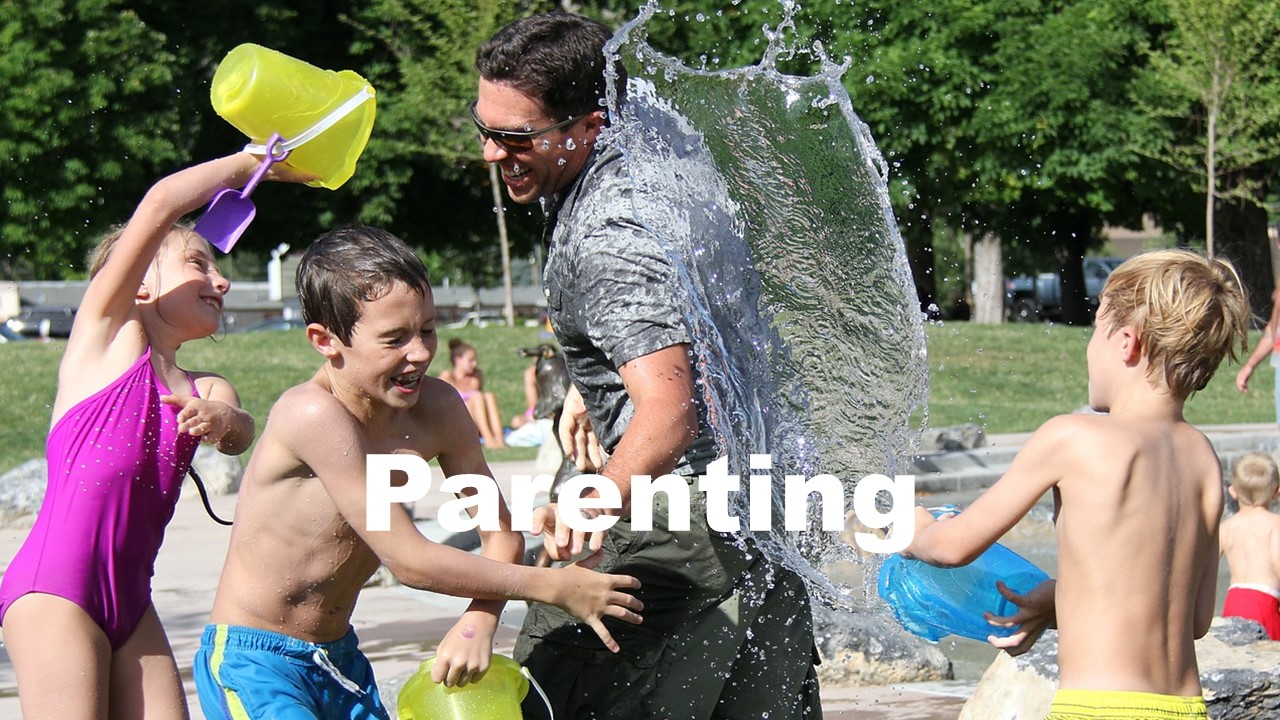
Parenting.

Parenting.
Photo courtesy of Pixabay.com

Humans have a significant design flaw.

If I had been the engineer working on the human design team I would have done it differently. Consider for a moment that we put our youngest most inexperienced humans in charge of keeping the species going. Wouldn’t you think we should have the oldest most experienced people in charge of bearing and raising the children? It is a wonder the human species survived.

Fertility is highest among the very young, teens and twenties. Neuroscience tells us that the frontal lobe of the brain is not fully formed until the mid-twenties. Couples get together, have children, and just about the time they get the process down and start to be credible parents they have passed the child-bearing prime and move to being grandparents. Wouldn’t it make more sense to have children late in life when you have the process of growing up figured out?

Most of the time young parents raise their kids exactly the way they were raised or exactly the opposite. So we keep repeating the same excess of behaviors that produced dysfunctional families.

We are told that if parents get it half right their kids will think they are great parents, but what do kids know? And clearly, way too many parents have children at a young age when they are unable to get even half the parent role right.

Did you ever get 100% on a test? Ten years later could you still get one hundred percent? I do pretty well on written tests most of the time. But I do not remember very many 100 %s. So If I only get part of what I am supposed to learn about being a parent and then only pass on half of that – well pretty soon the whole human tribe will be totally ignorant about child-rearing.

Consider the math, if we get it half right and then teach what we know and they get half of what we know and then they pass it on and the third person only gets half of that half we are now down to 12 ½%. Pretty soon at this rate, we are approaching zero. This is the learning curve we used to have on sex education when we avoided telling kids about that all together.

This is an especially large problem for children who grow up in dysfunctional families. Their parents did not know how to be good parents and these children when they become adults have so much trouble caring for themselves there is not much left to use in caring for offspring. But because of that trick of our genes, these uneducated adults reproduce first and then grow up second.

Now don’t get me wrong here – I am not pointing any fingers. I did the “experiment on the first one and see if I can figure this out” method of parenting, just like a lot of my generation.

A few hundred years back they had some mechanisms to reduce the number of children who were reproducing and the problems of young parents who had to learn their parenting skills while on the job of raising kids. First, they used to starve young people, feed the older workers first. And we had lots of childhood mortality. I am not suggesting that we should try this, just saying. Poor diets kept fertility low until people got older and reduced the number of really young people who were giving birth.

More importantly, than late-onset fertility and high death rates among children and young mothers was another factor called relatives. Not just grandparents but other more distant relatives. There was a time when everyone in a town knew each other and they were all connected. That was sometimes good when they supported the younger parents in being better parents and sometimes bad when a dysfunctional pattern, like child abuse or molestation, became common in a small community.

At this point, some of you readers will be saying aren’t people waiting longer to have children? Won’t that solve the problem?  Yes, some people are waiting until they are older to start families. That will help with the better parenting problem if and only if they had good teachers or if they have grown up and matured enough to have learned those how to be better parent lessons. Also, take note there are way too many cases of twelve and thirteen-year-old mothers and fathers. Sometimes these extra young people have help from older adults. In my state, that kind of help is called child sexual abuse and is both illegal and reportable. Not everywhere is it illegal though.

So what is the solution if your parents did not know how to be good enough parents or if you became a parent way too young? I suggest that it is never too late to take a parenting class or read a book on parenting. If you did not learn the lessons you should have learned from your parents you need to learn them and teach yourself first.

One first step in healing the pain of dysfunctional parenting is to learn what good parenting looks like and then to be a good nurturing parent for yourself. As you learn to care for yourself you will get better at caring for others.

Anyone know a good parenting book?

Staying connected with David Joel Miller

Two David Joel Miller Books are available now!

Bumps on the Road of Life. Whether you struggle with anxiety, depression, low motivation, or addiction, you can recover. Bumps on the Road of Life is the story of how people get off track and how to get your life out of the ditch.

Casino Robbery is a novel about a man with PTSD who must cope with his symptoms to solve a mystery and create a new life.

For these and my upcoming books; please visit my Amazon Author Page – David Joel Miller

Want the latest blog posts as they publish? Subscribe to this blog.

Want the latest on news from recoveryland, the field of counseling, my writing projects, speaking and teaching? Please sign up for my newsletter at – Newsletter. I promise not to share your email or to send you spam, and you can unsubscribe at any time.

For more about David Joel Miller and my work in the areas of mental health, substance abuse, and Co-occurring disorders see my Facebook author’s page, davidjoelmillerwriter. A list of books I have read and can recommend is over at Recommended Books. If you are in the Fresno California area, information about my private practice is at counselorfresno.com.

Trauma Steals Your Sleep

By David Joel Miller, MS, Licensed Therapist & Licensed Counselor.

sleep

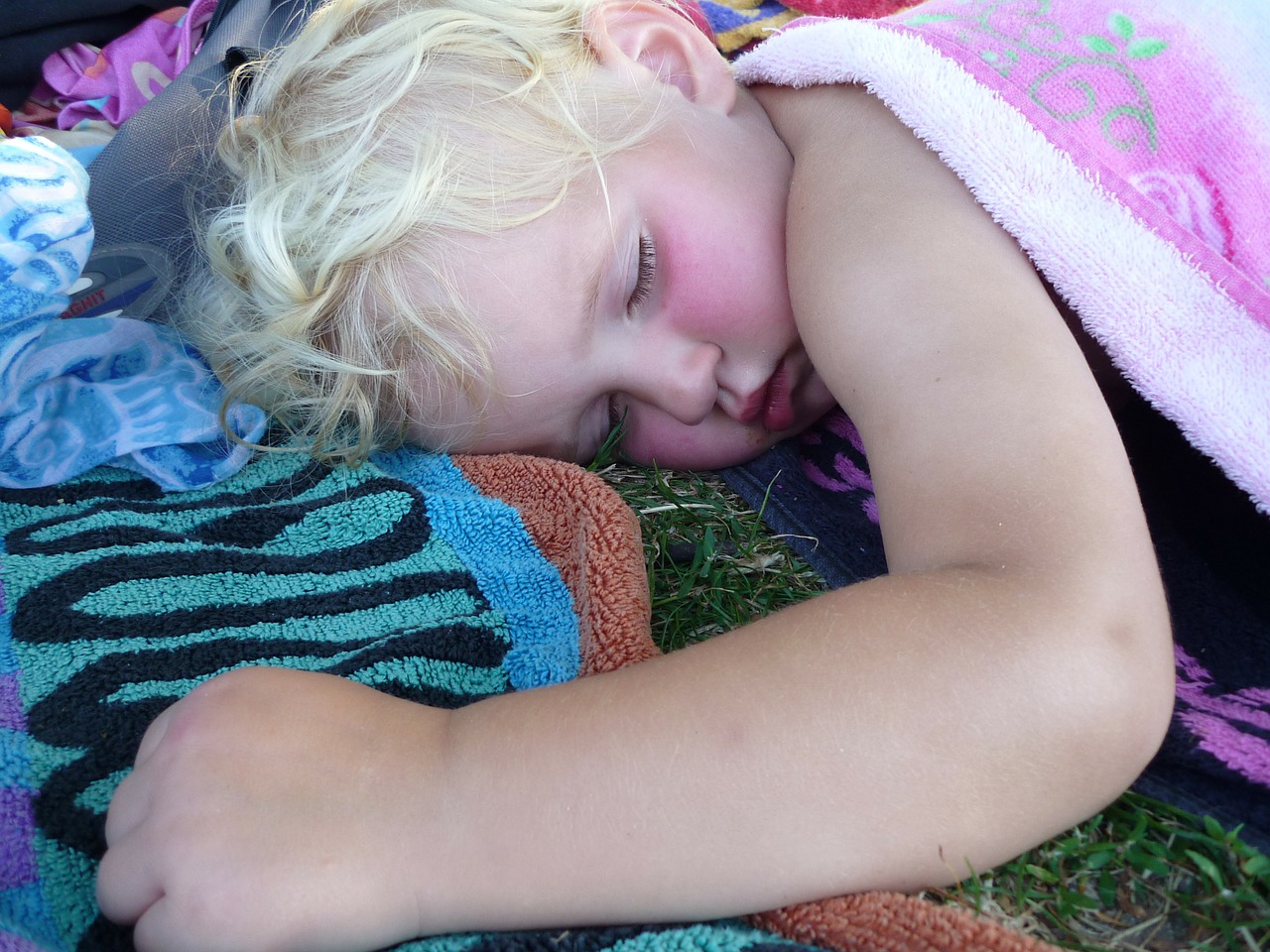
Child sleeping.
Photo courtesy of Pixabay.com

Trauma alters your sleep.

Trauma, especially the kind that produces Post Traumatic Stress Disorder (PTSD) alters the brain in a host of ways. One major result of trauma is a change in sleep patterns. Those changes in sleep result in a host of other mental and behavioral changes. Children who are abused or neglected or witness a traumatic event have problems sleeping. Rates of sleep disorders in abused children and adults with PTSD range from 50% to 90%. The majority of all people who experience trauma have a sleep disruption that causes other mental health problems.

While the trauma and the resulting change in sleep often go unreported, other changes in behavior get noticed. These issues frequently follow child victims of trauma into adulthood. Adult victims of trauma have the same types of outcomes and they or others may think they are just acting childish. There are reasons the brain changes and things that can be done about those changes.

Not everyone who witnesses a traumatic event develops PTSD- we know that. There is a whole area of study on the topic of resilience and why some people can bounce back and others become “traumatized.” Even people with very high resilience can develop PTSD if they experience enough trauma often enough. Children who are abused, molested, or neglected are at high risk, so are women who are abused and anyone witnessing the horrors of modern warfare often enough is likely to develop PTSD.

One result of exposure to trauma is an increase in attention to things that look like the cause of the trauma. We call this hypervigilance and many times it is a good thing.

Say you walk into the street and are hit by a car. In the future, you will be much more careful. If it happens to you as a child you may grow up to be afraid to cross streets. You may even become fearful when your children need to walk to school and feel the need to go with them to keep them safe.

A woman who is beaten and raped by some men wearing a particular color of clothing, something gang-related or a sports team’s logo, will be very careful when she sees that style of clothing again. This may keep her safe if she avoids dangerous situations. But sometimes the increased vigilance becomes a problem.

When someone becomes afraid to leave the house or to go where there are crowds because that feared person can’t be seen? What if they become afraid of all people? What if a dangerous person changes their clothing and they do not get recognized because that woman is looking out for only one clothing style? The vigilance is now turned up too high and focused on too little.

A child who is punished for a poor score on a test may try harder the next time. But if the punishment is excessive – if it turns to abuse – that child may do anything to avoid taking a test – for the rest of their life!

How does this excess vigilance, which started out to protect the person begin to rob them of sleep and undermine their mental health?

The human body and brain move through a series of sleep stages during the night. Some stages are deep and some are shallow. Most people reach a shallow stage and then fall back asleep. Not someone with PTSD.

Children with PTSD as a result of abuse have difficulty falling asleep. Their sleep is shallower all through the night because of the hypervigilance. They wake up many times during the night. When they wake up they become fearful. Is something dangerous about to happen? Was there a sound that woke them up?

Children with disrupted sleep as a result of past trauma are more likely to wet the bed. They are also more likely to get up and check the house to see if they are safe. They may sleepwalk. They may have sudden awakenings as a result of the smallest of noise and it may be hard to get to sleep again after the awakenings. They often have nightmares and sometimes night terrors when they awaken suddenly screaming in fear.

Now a lack of sleep at night makes the person with PTSD very tired the next day. They often get diagnosed with ADHD or Bipolar disorder. I question sometimes, with the clients I see, if a large amount of trauma they experienced in childhood did not cause the brain to grow and connections to form that resulted in the Bipolar condition. Since there is a genetic component to many mental illnesses, and children who have a genetic risk factor may also have parents who have a mental illness. This is not an argument for taking more children away from parents. What I am suggesting is that we need more early intervention. Kids who grow up with PTSD may have trouble being appropriate parents and the problem gets passed on before it is recognized.

During the REM sleep stage, memories are moved from short-term memory to long-term memory. Poor sleep can result in things that were learned one day being forgotten when the person gets up the next morning. Lack of sleep can also result in conditions that look like psychosis.  Staying awake too long by choice or from PTSD results in the brain making things up. Before long you can have problems telling if something is real or if you are dreaming it up. You may walk around all day more than half asleep.

People who are traumatized, with or without PTSD, and who have a sleep disruption, as a result, are much more likely to abuse alcohol or drugs. In many drug treatment programs, clients who report trauma in the past exceed 50%, sometimes the rate approaches 100%.

When the thoughts of the past keep you awake at night it appears to make sense to take something to help you sleep. Many people turn to alcohol which does not make things better, it makes them worse.

As a person drinks more the body develops a tolerance to the alcohol. It takes more and more alcohol to knock the drinker out. Being unconscious is not the same thing as sleeping. This is one reason a person who drinks and passes out is so tired the next morning.

So there you have it. Trauma especially in large doses, the PTSD kind, results in poor sleep. The poor sleep results in lots of symptoms that look like other problems. The treatment of choice here is to work with someone who specializes in treating the Trauma or PTSD and at the same time make getting lots of good sleep a priority.

Staying connected with David Joel Miller

Seven David Joel Miller Books are available now!

My newest book is now available. It was my opportunity to try on a new genre. I’ve been working on this book for several years, but now seem like the right time to publish it.

Story Bureau.

Story Bureau is a thrilling Dystopian Post-Apocalyptic adventure in the Surviving the Apocalypse series.

Baldwin struggles to survive life in a post-apocalyptic world where the government controls everything.

As society collapses and his family gets plunged into poverty, Baldwin takes a job in the capital city, working for a government agency called the Story Bureau. He discovers the Story Bureau is not a benign news outlet but a sinister government plot to manipulate society.

Bumps on the Road of Life. Whether you struggle with anxiety, depression, low motivation, or addiction, you can recover. Bumps on the Road of Life is the story of how people get off track and how to get your life out of the ditch.

Dark Family Secrets: Doris wants to get her life back, but small-town prejudice could shatter her dreams.

Casino Robbery Arthur Mitchell escapes the trauma of watching his girlfriend die. But the killers know he’s a witness and want him dead.

Planned Accidents  The second Arthur Mitchell and Plutus mystery.

Letters from the Dead: The third in the Arthur Mitchell mystery series.

What would you do if you found a letter to a detective describing a crime and you knew the writer and detective were dead, and you could be next?

Sasquatch. Three things about us, you should know. One, we have seen the past. Two, we’re trapped there. Three, I don’t know if we’ll ever get back to our own time.

For these and my upcoming books; please visit my Author Page – David Joel Miller

Want the latest blog posts as they publish? Subscribe to this blog.

For videos, see: Counselorssoapbox YouTube Video Channel
LPCC exam is behind me!

Counseling questions

Counseling questions.
Photo courtesy of Pixabay.com

I passed! The LPCC (Licensed Professional Clinical Counselor) gap exam is behind me. Yes, I have been licensed as a Marriage and Family Therapist for some time, but becoming an LPCC has been on my “to-do list” ever since California began the process of licensing LPCC’s. So with one license why did I want another?

California is the last of the fifty states to license LPCC’s. Some states have other names for this specialty but the things we do, called scope of practice, are about the same. Social workers have been around for a long time, so have guidance counselors and psychiatrists. But the use of brief psychotherapy is a relatively new trend. Mostly this area began after WWII and really took off during the 1960s. To me, that seems like yesterday.

Professional counselors, in my opinion, are uniquely qualified to work on those immediate, day-to-day problems, like job loss, recovery from financial losses, and those other bumps on life’s road that can throw someone for a loop. I like being able to help someone decide what a happy life would look like for them and then develop a plan to create that life.

While doing all this happy life work, I need to remember that the relationship problems like partners and children are also among the things that can derail a life plan. Marriage and Family Therapists get to work on building good relationships with couples and families. That kind of relationship building and repair is important work also. So I am glad I took the LMFT training and have been privileged to work with so many families and children.  Being able to do both kinds of helping activities makes me really happy.

Thanks for letting me share about my exam pass. A few more weeks and the new license should be in my mailbox.

Sorry for the shortage of posts while I was studying for the exam. In the future, I want to write more about overcoming life’s challenges and designing the kind of life you want to live while maintaining a good set of relationships with the others in your life.

Staying connected with David Joel Miller

Seven David Joel Miller Books are available now!

My newest book is now available. It was my opportunity to try on a new genre. I’ve been working on this book for several years, but now seem like the right time to publish it.

Story Bureau.

Story Bureau is a thrilling Dystopian Post-Apocalyptic adventure in the Surviving the Apocalypse series.

Baldwin struggles to survive life in a post-apocalyptic world where the government controls everything.

As society collapses and his family gets plunged into poverty, Baldwin takes a job in the capital city, working for a government agency called the Story Bureau. He discovers the Story Bureau is not a benign news outlet but a sinister government plot to manipulate society.

Bumps on the Road of Life. Whether you struggle with anxiety, depression, low motivation, or addiction, you can recover. Bumps on the Road of Life is the story of how people get off track and how to get your life out of the ditch.

Dark Family Secrets: Doris wants to get her life back, but small-town prejudice could shatter her dreams.

Casino Robbery Arthur Mitchell escapes the trauma of watching his girlfriend die. But the killers know he’s a witness and want him dead.

Planned Accidents  The second Arthur Mitchell and Plutus mystery.

Letters from the Dead: The third in the Arthur Mitchell mystery series.

What would you do if you found a letter to a detective describing a crime and you knew the writer and detective were dead, and you could be next?

Sasquatch. Three things about us, you should know. One, we have seen the past. Two, we’re trapped there. Three, I don’t know if we’ll ever get back to our own time.

For these and my upcoming books; please visit my Author Page – David Joel Miller

Want the latest blog posts as they publish? Subscribe to this blog.

For videos, see: Counselorssoapbox YouTube Video Channel

Love triangles and threesomes

By David Joel Miller, MS, Licensed Therapist & Licensed Counselor.

Couple’s relationship with alcohol.
Photo courtesy of pixabay

Are you in a love triangle?

Those old love triangles are the stuff novels are made of and I expected to see a lot of them in the work I do as a Marriage and Family Therapist. Threesomes and triangles conjure up different images but the issues that turn up in the counseling session are very similar. One particular variety of this theme is especially common in my counseling practice.

The classic love triangle has love flowing around the outline but not back in the direction it came from. Usually, this is two people in a relationship when one decides they would prefer to be in another relationship. If they are married, or they have children this gets messy. The worst part of these affairs is when one partner wants out and the other wants to save the relationship. Often there are a lot of hurt feelings and when these relationships end there can be violence, depression, or self-harm. This is common but it is not the relationship with three parties I see most often.

The relationship that jumps to mind when we say threesome is more like three people involved in sex or a close love relationship presumably with the knowledge and consent of all the parties involved. I can’t tell you if this is a particularly common occurrence as I don’t do research on sexual practices but when it does lead someone to counseling, it is usually because it did not turn out to be all fun and games. When these relationships fall apart there are likely to be three or more hurt people. But this is far from the most common three-way relationship I see in counseling.

The most common threesome type relationship that drives clients to counseling involves two people, sex or sexual orientation doesn’t matter here.  What does matter is that one of the parties has introduced another love object into the relationship? That love object is far and away most likely to be some form of addiction.

Falling in love with a drug.

Sherry or Jack or Bud is likely to be a constant visitor in many a relationship. Men and woman will forsake their partners to be with Crystal or Crack. And members of both sexes are likely to fall head over heels for lady luck. Addictions of all sorts become a part of a couple’s love relationships on a very frequent basis.

Some partners try to compete with the addictions intrusion in the relationship. Clearly, over time the formerly loving partner becomes alienated by the new-found love interest. Who can compete with the wiles of Ethel-nol? As the struggle for attention increases, all sorts of family dysfunction become the norm.

Many a couple has thought that the way to tame an alluring addiction is to invite them into the relationship. Turn your partner’s new love addiction into a family affair and make it a threesome. This works for a while. Life is a party that seems to never end. An addiction, whether Crystal or lady luck, is a jealous mistress and eventually she takes over and turns the whole family into her servants.

Addiction stays to console the addict long after the family, loved ones; job, and health have abandoned the house. Many an addict has given up their house to stay with their addiction.

By the time the unwary couple calls the counselor seeking treatment both partners, the relationship, jobs, and children will have been destroyed.

When addiction has become a part of the love triangle the only cure is a full divorce from the addiction before all is destroyed. Unfortunately, by the time the addict, alcoholic, or gambler leaves their best friend, their addiction, the damage may have reached the irreversible point.

The moral of our tale is that when addiction is a part of a relationship there is not much left for anyone else. The earlier you seek treatment because you are in love with an addiction the better. If someone you love has fallen head over heels for an addiction insist they end this affair before everyone suffers.

Seek help early if addiction is a participant in your relationship.

Staying connected with David Joel Miller

Seven David Joel Miller Books are available now!

My newest book is now available. It was my opportunity to try on a new genre. I’ve been working on this book for several years, but now seem like the right time to publish it.

Story Bureau.

Story Bureau is a thrilling Dystopian Post-Apocalyptic adventure in the Surviving the Apocalypse series.

Baldwin struggles to survive life in a post-apocalyptic world where the government controls everything.

As society collapses and his family gets plunged into poverty, Baldwin takes a job in the capital city, working for a government agency called the Story Bureau. He discovers the Story Bureau is not a benign news outlet but a sinister government plot to manipulate society.

Bumps on the Road of Life. Whether you struggle with anxiety, depression, low motivation, or addiction, you can recover. Bumps on the Road of Life is the story of how people get off track and how to get your life out of the ditch.

Dark Family Secrets: Doris wants to get her life back, but small-town prejudice could shatter her dreams.

Casino Robbery Arthur Mitchell escapes the trauma of watching his girlfriend die. But the killers know he’s a witness and want him dead.

Planned Accidents  The second Arthur Mitchell and Plutus mystery.

Letters from the Dead: The third in the Arthur Mitchell mystery series.

What would you do if you found a letter to a detective describing a crime and you knew the writer and detective were dead, and you could be next?

Sasquatch. Three things about us, you should know. One, we have seen the past. Two, we’re trapped there. Three, I don’t know if we’ll ever get back to our own time.

For these and my upcoming books; please visit my Author Page – David Joel Miller

Want the latest blog posts as they publish? Subscribe to this blog.

For videos, see: Counselorssoapbox YouTube Video Channel

Why relationships fail – two large reasons

By David Joel Miller, MS, Licensed Therapist & Licensed Counselor.

Couple drinking

Couple’s relationship with alcohol.
Photo courtesy of pixabay

Two major causes are responsible for the majority of failed relationships.

Most of the research in this area has been done by Marriage or Couples Counselors but the results of these insights are applicable to other relationships, particularly the relationship between boss and employee. The major reason for relationship failure turns out not to be the thing we most expect.

Conflicted relationships fail and they often end early.

We expect couples who fight a lot to have a bad relationship and for the relationship to fail. That does happen – sometimes but not as often as you would think.

Relationships with lots of negativity, constant conflict are likely to end fairly soon. Gottman has done a lot of research in this area and he tells us that these relationships commonly end in the first seven years, with an average length of just over five years. These relationships are easy to spot lots of obvious arguing and fights. Sometimes there is violence. The police in every town know where these couples live.

After a few years of non-stop conflict these couples part. Often they are still angry with each other and they may have to make the exchanges of the children at a supervised site.

Sadly what often happens is both parties get into new relationships and they discover that the second or eighth time is no better than the first. Gottman tells us based on his research that almost 70% of fights are about things for which there is no solution. She likes green tea and he wants black or it could be religion, politics, or any other area of preference. Much less often a couple disagrees about something where they might be able to work out a solution that makes them both happy.

In other relationships, like jobs and friendships, people who have these kinds of conflicts quit jobs, get fired, or don’t stay around long. Sometimes they have an employment history of lots of short-term jobs. They may also have an arrest record for domestic violence or bar fights. They are also likely to have over-close friendships followed by a complete rupture of that relationship.

Getting into hugely negative conflicts is not the same as being assertive though some people confuse getting there way and giving in with being assertive or being victimized.

As dramatic as unrestrained conflict may be it is not the major reason that marriages fail. It is also not, in my experience, the reason productive employees leave companies or that long-term friendships end. There is a bigger cause of failed relationships.

Relationships without love, friendship, or caring take longer to fail but eventually these couples pull apart.

In these couples, there is nothing positive between them. They have no fun together and often prefer to live the majority of their lives apart. Now I know that there was a time that couples like this stayed together till death do them part, but that was a long time ago.

Couples in these kinds of relationships describe themselves as feeling “dead.” There is nothing that the couple has in common and eventually, the relationship ends. In the workplace, these relationships are devoid of positive regard for the other party. The only things the employee hears from the boss are the complaints and the errors. The only time the employee seeks out the boss is when they have a grievance. Neither may enjoy coming to work anymore. They forget to ever have anything positive to say about each other or about the goal their organization is pursuing.

So often couples start out the relationship describing themselves as best friends, somewhere along the way they forget that the best of friendships require work and they require shared experiences. These couples are especially prone to the “empty nest syndrome” or the “we only stayed together for the sake of the kids.” Eventually, the kids grow up and move out on their own and this couple is stuck with each other. Sometimes they are able to recreate a positive relationship but often there are no feelings left to build on.

These are not the couples who are content with each other and who are comfortable whether alone or together. They are the couples who hate to be together. There is always tension in the air if they are both in the same room but the discomfort never erupts into overt hostilities. In these relationships, neither partner makes an effort to consider the other and you will never see one comfort the other in times of pain. These are empty and uncaring couples.

So there you have it, two kinds of relationships that end on the rocks. The openly hostile violent relationships may end first but the hidden dislike eventually takes its toll. Just avoiding fights is not a solution to relationship failure. Creating more positive experiences together than negative ones is the safest route to keeping the relationship intact and healthy.

Staying connected with David Joel Miller

Seven David Joel Miller Books are available now!

My newest book is now available. It was my opportunity to try on a new genre. I’ve been working on this book for several years, but now seem like the right time to publish it.

Story Bureau.

Story Bureau is a thrilling Dystopian Post-Apocalyptic adventure in the Surviving the Apocalypse series.

Baldwin struggles to survive life in a post-apocalyptic world where the government controls everything.

As society collapses and his family gets plunged into poverty, Baldwin takes a job in the capital city, working for a government agency called the Story Bureau. He discovers the Story Bureau is not a benign news outlet but a sinister government plot to manipulate society.

Bumps on the Road of Life. Whether you struggle with anxiety, depression, low motivation, or addiction, you can recover. Bumps on the Road of Life is the story of how people get off track and how to get your life out of the ditch.

Dark Family Secrets: Doris wants to get her life back, but small-town prejudice could shatter her dreams.

Casino Robbery Arthur Mitchell escapes the trauma of watching his girlfriend die. But the killers know he’s a witness and want him dead.

Planned Accidents  The second Arthur Mitchell and Plutus mystery.

Letters from the Dead: The third in the Arthur Mitchell mystery series.

What would you do if you found a letter to a detective describing a crime and you knew the writer and detective were dead, and you could be next?

Sasquatch. Three things about us, you should know. One, we have seen the past. Two, we’re trapped there. Three, I don’t know if we’ll ever get back to our own time.

For these and my upcoming books; please visit my Author Page – David Joel Miller

Want the latest blog posts as they publish? Subscribe to this blog.

For videos, see: Counselorssoapbox YouTube Video Channel

February 2012 – Best of Blog Recap

Counselorssoapbox.com

Here it is – The Best of Blog Recap for February 2012 –

Thanks, some more to all of you that read this blog. This has been the most read month ever for the counselorssoapbox blog. Hope some of the things I have written have been helpful and thought-provoking. Feel free to comment and especially pass along the link to anyone you think might want to read this effort.

This month there were a few days with no post but when we reached the month end there were more posts than I had originally planned. We will see what the next month holds.

Here are the top read blog posts of the last month.

1. Do drugs cause mental illness?

2. How does therapy help people?

3. How many mental illnesses are there?

4. How much should you tell a therapist?

The all-time top read posts were:

1. How does therapy help people?

2. Post-Traumatic Stress Disorder – PTSD and bouncing back from adversity

3. Do drugs cause mental illness?

4. Treatment for teens risky Behavior

Over time lots of you have viewed the home page and “about the author” page also.

Thanks to all my readers new and old.

Next month we will explore some other topics and see what we come up with.

Till next time, David Miller, LMFT, NCC

Unhappy Relationships

By David Joel Miller, MS, Licensed Therapist & Licensed Counselor.

Couple not talking

Unhappy relationship.
Photo courtesy of Pixabay.com

The most important issues in our lives are our relationships.

Unhappy relationships bring more people to counseling and therapy than any other issue.  Relationship issues sent more people to psychiatric hospitals than all the other causes of emotional turmoil. That need for connection to other humans underlies all human activity. If having a good relationship is so important to a happy life, why is it such a difficult thing for us to do?

When we say relationship issues most people think first and sometimes only, about romantic, sexual relationships. Type a question about relationships into most any search engine and you will be taken forthwith to a dating site. As important as this relationship is to most of us, it is not the only or the most important relationship we might have. Many people rely on the romantic relationship and fail to develop another more important relationship – their connection with themselves.

Humans, like most vertebrates, begin life with our primary relationship being our relationship with our parents. Sometimes this is one parent sometimes two; sometimes the primary caregiver is a non-biological person. That first relationship sets the pattern for the rest of our relationships. We store a blueprint away in our brain and often we keep reproducing that first primary relationship in every human connection we have afterward. Just because that relationship is good or bad does not control the quality of all relationships afterward. We can learn new patterns of relating to others.

Our early years are spent developing relationships beyond that one close caregiver we are so dependant on. Children who have unreliable or impaired caregivers find it difficult to develop functional relationships with others in their lives. Their blueprints for life have smudges and missing lines where things they should have learned about relationships were left out. Sometimes the lines were drawn incorrectly such as when the primary caregiver abuses or neglects the child. In those situations, we may begin to think that things are normal and acceptable even when they are severely dysfunctional.

Even when the primary caregiver does a good job of meeting a child’s needs the person may get some of the lessons wrong. As a therapist I spend a lot of time helping people correct these blueprints, sort out the things they learned that are not so and we look for missing parts of that life blueprint, the lessons not learned.

Beyond the first lessons with that original caregiver, most of us learn by relating to others. The first five or so years are spent with close family, siblings, grandparents, aunts, uncles and other relations. Eventually, there will be relationships with non-relatives, friends, and neighbors.  Some of these relationships will be helpful, some will not.

During our school years, we might learn some lessons from teachers and other unrelated adults, most often we learn from peers. Those other kids our own age that were struggling to grow up and find their way in life taught us lessons even when they didn’t know the answers. Many of our likes and dislikes our habits and needs were formed at this stage. We rarely look back to examine the changes to the life blueprint during those years. Not until part of our structure collapses in divorce, addiction or a relationship failure do we have a reason to check our life blueprint.

The relationship most of us neglect is that one relationship which we should pay the most attention to – our relationship with ourselves. Wherever you go, whatever you do, you will be there. Do you like yourself? Would you want you for a best friend? Make friends with yourself. Spend time getting to know you. Learn to treat yourself the way you would want others to treat you. Become your own best friend.

So often when we are sad, depressed, or anxious we crave a good fulfilling relationship. Often we reach out for another human, thinking that if we just found that one person that could love us enough, then we would be healed. That seems to only work in fiction. Two sick people do not make for a healthy relationship. To have a healthy happy relationship you need two healthy people. So before you go looking for a partner to fill in the missing pieces of your soul consider first getting to know yourself and become your own best friend.

Having children for the sake of making you happy all too often results in short-term pleasure and long-term unhappiness. Sex and drugs are not a substitute for a happy inside. There are too many people who grew up in homes where their parent’s never learned to be happy and where they inherited the family blueprint for dysfunctional living, that constant search for something outside of yourself that will make you happy.

Before you begin your search for that one special person to fill your life, please work on the relationship with that one special person you already know – you.

Staying connected with David Joel Miller

Seven David Joel Miller Books are available now!

My newest book is now available. It was my opportunity to try on a new genre. I’ve been working on this book for several years, but now seem like the right time to publish it.

Story Bureau.

Story Bureau is a thrilling Dystopian Post-Apocalyptic adventure in the Surviving the Apocalypse series.

Baldwin struggles to survive life in a post-apocalyptic world where the government controls everything.

As society collapses and his family gets plunged into poverty, Baldwin takes a job in the capital city, working for a government agency called the Story Bureau. He discovers the Story Bureau is not a benign news outlet but a sinister government plot to manipulate society.

Bumps on the Road of Life. Whether you struggle with anxiety, depression, low motivation, or addiction, you can recover. Bumps on the Road of Life is the story of how people get off track and how to get your life out of the ditch.

Dark Family Secrets: Doris wants to get her life back, but small-town prejudice could shatter her dreams.

Casino Robbery Arthur Mitchell escapes the trauma of watching his girlfriend die. But the killers know he’s a witness and want him dead.

Planned Accidents  The second Arthur Mitchell and Plutus mystery.

Letters from the Dead: The third in the Arthur Mitchell mystery series.

What would you do if you found a letter to a detective describing a crime and you knew the writer and detective were dead, and you could be next?

Sasquatch. Three things about us, you should know. One, we have seen the past. Two, we’re trapped there. Three, I don’t know if we’ll ever get back to our own time.

For these and my upcoming books; please visit my Author Page – David Joel Miller

Want the latest blog posts as they publish? Subscribe to this blog.

For videos, see: Counselorssoapbox YouTube Video Channel

What do you do if therapy is not helping?

By David Joel Miller, MS, Licensed Therapist & Licensed Counselor.

Counseling questions

Counseling questions.
Photo courtesy of Pixabay.com

Counseling not working?

So you have been going to therapy for a while now and things are just not getting better what should you do now? Here are a few suggestions.

Talk to the counselor about your progress.

Sometimes you may think nothing is changing, you may be too close to your problems and in so much pain that you don’t see the progress you have made. Reviewing what has happened so far in counseling can help you gain perspective. Some problems are more difficult to solve than others. Consider where you started from in evaluating your progress. Sometimes, for some people, the light just comes on but other people find lifelong problems take time to work through.

Clarify your objectives.

You also want to discuss your objectives with your provider.  If your provider is working on one issue but you really feel that you need to solve something else you need to tell them. If your goals are unclear then it is not surprising you are not seeing progress. When therapy started you may have been in so much pain all you wanted was for the hurt to stop. Often in the early stages of change, we are very unclear about what we want to have change. As the process progresses you may decide on a goal or you may want to change your goal. Is it possible your goal changed without you noticing?

Consider what you are doing in the hours outside of therapy.

There are 168 hours a week; you only spend one or two of those in therapy.  If you come to the counselor’s office, talk about change but the rest of the week you live your life the same old way, you are not likely to make much progress. Are you working on improving your lifestyle? Have you cut down on drugs and alcohol? Should you cut them out altogether? Do you get enough sleep? Do you eat well and exercise? An hour a week talking about your stress will not do much if you continue to live a stressful life. Has your counselor suggested homework? Have you done it? If they did not suggest homework consider asking them why not? If you didn’t do the action steps ask yourself why not.

 Reevaluate your motivation to change.

Are you interested in changing? Did you come to therapy hoping that the counselor could help you change someone else? Specifically, what do you want to change? Or do you really want anything to change? If you don’t what change, then what do you want from being in counseling?

Are there other helpful things you could add to therapy?

Consider adding self-help groups, reading self-help books, and working on developing or improving your support system. Support groups of others who are struggling with the same issue are extremely powerful. Learn from those who are farther along in their journey. Self-help books are full of ideas that might be just what you need. Ask your counselor to recommend some books or groups that might aid in achieving your goals. Take the good and uplifting from where ever you can get it. Do you have a religious or spiritual belief? Are you practicing that belief?

Consider adding medication.

Many people come to counseling resistant to medication. Medications are not a magic cure-all but for some conditions, they are helpful, for some they are essential. Possibly the help you get from a medication may be just the thing you need to get that initial progress into motion.

Reexamine the relationship between yourself and the therapist.

The major predictor of success in a counseling relationship is your belief in the counselor’s ability to help you. If you have any doubts about that consider why you have doubts about this relationship. Do you lack trust? Do you not feel heard?  Consider talking with your provider about your doubts. Then if you still feel that this relationship is not helping consider seeing someone else. There are times when even the best therapist might decide that they are not helping a client. The ethical thing for a provider to do if they are unable to be helpful is to refer that client to someone else that has more expertise or is a better fit for that client.

Here is hoping that you are finding the things you need to help you along your journey to the life you truly want and deserve.

For more on this subject see:

5 Rules for Picking the Right Therapist

How to Spot a Bad Therapist

Reasons Counselors and Therapists lose licenses 

Staying connected with David Joel Miller

Seven David Joel Miller Books are available now!

My newest book is now available. It was my opportunity to try on a new genre. I’ve been working on this book for several years, but now seem like the right time to publish it.

Story Bureau.

Story Bureau is a thrilling Dystopian Post-Apocalyptic adventure in the Surviving the Apocalypse series.

Baldwin struggles to survive life in a post-apocalyptic world where the government controls everything.

As society collapses and his family gets plunged into poverty, Baldwin takes a job in the capital city, working for a government agency called the Story Bureau. He discovers the Story Bureau is not a benign news outlet but a sinister government plot to manipulate society.

Bumps on the Road of Life. Whether you struggle with anxiety, depression, low motivation, or addiction, you can recover. Bumps on the Road of Life is the story of how people get off track and how to get your life out of the ditch.

Dark Family Secrets: Doris wants to get her life back, but small-town prejudice could shatter her dreams.

Casino Robbery Arthur Mitchell escapes the trauma of watching his girlfriend die. But the killers know he’s a witness and want him dead.

Planned Accidents  The second Arthur Mitchell and Plutus mystery.

Letters from the Dead: The third in the Arthur Mitchell mystery series.

What would you do if you found a letter to a detective describing a crime and you knew the writer and detective were dead, and you could be next?

Sasquatch. Three things about us, you should know. One, we have seen the past. Two, we’re trapped there. Three, I don’t know if we’ll ever get back to our own time.

For these and my upcoming books; please visit my Author Page – David Joel Miller

Want the latest blog posts as they publish? Subscribe to this blog.

For videos, see: Counselorssoapbox YouTube Video Channel

More child sexual predators?

Counseling questions

Counseling questions.
Photo courtesy of Pixabay.com

Have you lost track of the number of reports in the news of people abusing children? I know I have. One topic of discussion around the water coolers and in the media these days is the number of these reports and the number of times the thing we fear most, turns out to be true. Which makes one wonder- is there more child abuse, especially child sexual abuse, going on these days?

We are correct to distrust reports of more – or fewer predictors these days. More people being arrested does not mean more incidents. It is very likely that children have been victimized since time began, which is not to excuse it, just to say we can’t be sure there is more going on now. But the number, frequency, and severity of children being abused are beyond troubling.

With children, professionals like myself are what is called “mandated reporters” which means if we know or reasonably suspect someone is harming a child we are required to report this. From the number of adults who end up in therapy as a result of being victims of sexual abuse, it seems clear that this has been going on largely overlooked for a long time. Mostly we don’t like to think that someone who is working with children might be harming them. The stranger molester is very rare, most of the time the person harming kids is someone that is close to them and is respected by the community.

Beyond the pain of the first abuse, most adult victims will tell you the most painful part of being a victim was the number of adults who dismissed the claim or covered up for the perpetrator. I read that one child victim was punished for “making stories up” about his abuser. Years later we find out that this victim was telling the truth but was intimidated by adults into silence.

The shocking thing about so many of these reports of an adult sexually abusing a child is not just that the incidents are occurring but that the activities have gone on for so long, involved so many children and the perpetrator was allowed so much access to children. There may be some societal changes that account for this.

We live in a more anonymous society than ever before. This is the first time in the history of the world that the majority of people on earth live in large cities instead of rural communities. In the small town, there was always someone who was considered “weird” and the children were told to avoid them. This may not have protected anyone. Kids back then disappeared and things happened to them on the way home from school but we felt safer then, thinking that by avoiding certain people we were keeping kids safe. Today we have little idea who lives next door let alone on the next block.  We also know very little about public figures like the teacher, pastor, or priest.

Some people think that putting lists of child predators online will help reduce children being victimized. This process has proved inefficient in practice. I was at a county fair a while back. It was a relatively small county. The local police had a map in their booth with pins showing the location of registered sex offenders. In this one small town, there was no street that did not have a pin within a block or two. The sex offenders we know about are everywhere. What about the ones we won’t know about for years to come?

There is some likelihood that in times past most predators were solitary creatures. They were afraid to let anyone know their secret. That reduced their ability to abuse children and may have limited the number of victims. You don’t share secrets in a small town where if one person found out your secret everyone might be out to get you.

There was also a lot more social disapproval of people who might be abusing a child especially sexually. There were and still are families in which child sexual abuse is a family tradition. Older relatives abuse children and the parents who were abused themselves cover it up. More than once an adult has cried while talking about their child’s victimization and then they told me they had been a victim themselves, sometimes the adult was molested by the same uncle or cousin that had now molested their child.

In addition to the reduced social disapproval, these days it has become easier for predators to find others who approve of their behavior. They are able to connect via the internet and other electronic media. Children who don’t understand victimization, we all think things won’t happen to us when we are young, put themselves in risky online situations.

The increase in pornography and sexually explicit materials makes deviant behaviors look more normal. A few years back people who wanted sexually explicit materials had to go to a particular store and buy something that was kept under the counter. By today’s standards, most of that stuff was pretty mild. Today situation comedies have more sexual content and more violence than the girly magazines used to portray. Violence and sexual content are a lot more interesting to watch most of the time than normal behavior. If you watch a lot of violence or sex it is easy to get a distorted view of reality and think that things are normal that in times past were clearly off-limits.

The widespread abuse of stimulants has added to the problem of inappropriate sexual behavior, especially the increase in hypersexuality. Meth users report that under the influence they felt extreme sexual urges and participated in sexual acts that when off drugs they would never have considered. Much, but not all child sexual abuse is reported to be connected with drug abuse.

If it were possible to put aside the emotional cost of child mistreatment, which is not possible for most of us, there is still a huge monetary cost to society. According to the CDC, a single year of child abuse costs society over $200,000 in additional lifetime treatment costs. That is more than the cost of a stroke or most physical diseases. More years of abuse means more pain and more expense. We also know from studies of PTSD that the sooner someone gets treatment the less likelihood there will be a severe permanent disability. This makes the early detection and treatment of abused children all the more important.

So this blog post is running long.

The point of all this is that there may not be any more people who are having urges to sexually abuse children now than in times past. What we are seeing now are more cases involving people we all thought we could trust. There are societal factors that may be reducing the inhibitions of people who have these urges. These incidents can make us start to fear and distrust everyone. Some of these cases involve large numbers of victims and have gone on over long periods of time. Being a victim of abuse causes lifelong suffering and we as a society need to do more to prevent and treat these victims. The questions before us are how to prevent or reduce the number of these incidents and do we as a culture have the will to use resources to heal the victims?

Any thoughts on this?

Staying connected with David Joel Miller

Seven David Joel Miller Books are available now!

My newest book is now available. It was my opportunity to try on a new genre. I’ve been working on this book for several years, but now seem like the right time to publish it.

Story Bureau.

Story Bureau is a thrilling Dystopian Post-Apocalyptic adventure in the Surviving the Apocalypse series.

Baldwin struggles to survive life in a post-apocalyptic world where the government controls everything.

As society collapses and his family gets plunged into poverty, Baldwin takes a job in the capital city, working for a government agency called the Story Bureau. He discovers the Story Bureau is not a benign news outlet but a sinister government plot to manipulate society.

Bumps on the Road of Life. Whether you struggle with anxiety, depression, low motivation, or addiction, you can recover. Bumps on the Road of Life is the story of how people get off track and how to get your life out of the ditch.

Dark Family Secrets: Doris wants to get her life back, but small-town prejudice could shatter her dreams.

Casino Robbery Arthur Mitchell escapes the trauma of watching his girlfriend die. But the killers know he’s a witness and want him dead.

Planned Accidents  The second Arthur Mitchell and Plutus mystery.

Letters from the Dead: The third in the Arthur Mitchell mystery series.

What would you do if you found a letter to a detective describing a crime and you knew the writer and detective were dead, and you could be next?

Sasquatch. Three things about us, you should know. One, we have seen the past. Two, we’re trapped there. Three, I don’t know if we’ll ever get back to our own time.

For these and my upcoming books; please visit my Author Page – David Joel Miller

Want the latest blog posts as they publish? Subscribe to this blog.

For videos, see: Counselorssoapbox YouTube Video Channel