
Are Wiccans Schizoid? Are African-Americans?

By David Joel Miller, MS, Licensed Therapist & Licensed Counselor.
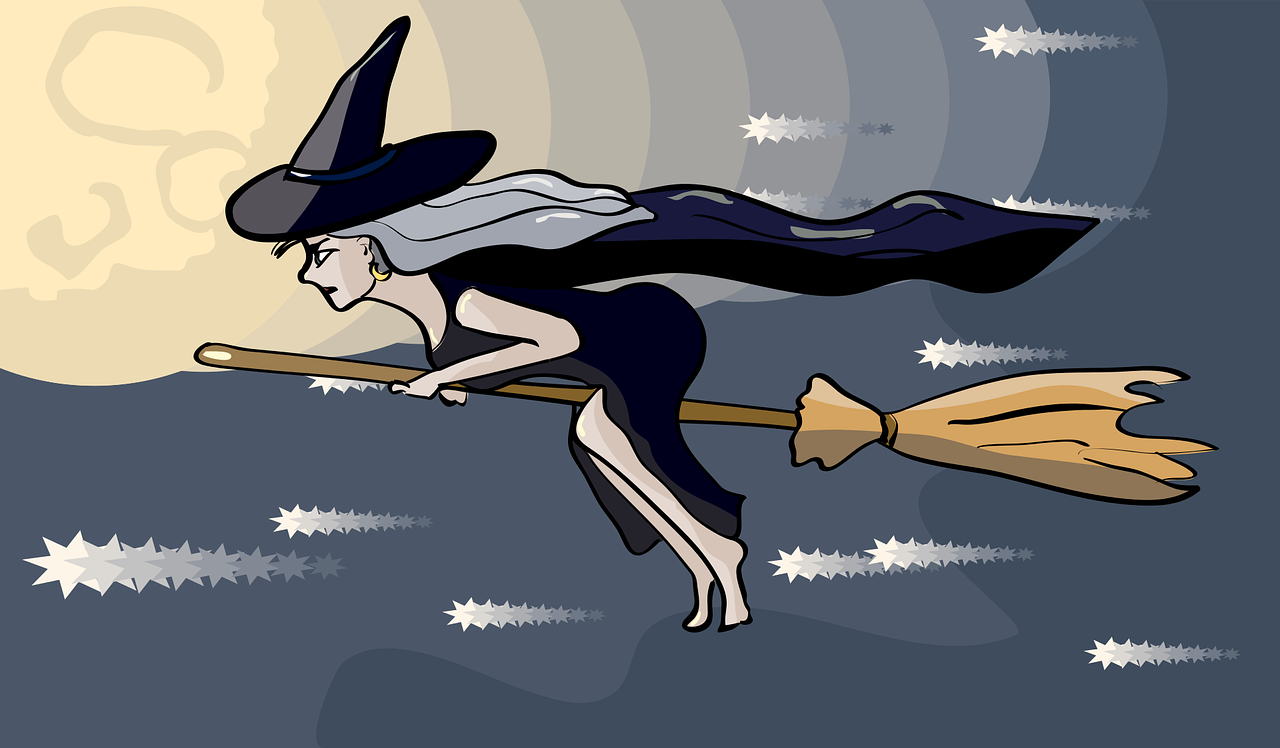
Who is Schizoid?

These kinds of search questions come up periodically. Sometimes I feel like these questions need to be answered even at the risk of making some people mad. I think we need to look at Schizoid personality disorder and other psychosis and its relationship to religious and racial minorities even at the risk of making a whole lot of people angry.

Wow, religion and race in one post, guaranteed to piss someone off!

Particular religious groups have been connected with various mental illnesses from time to time. In fact, even in professional trainings, Wiccans, members of a particular recognized religion, get connected with mental illness especially Schizoid personality disorder or Schizotypal disorder frequently. There was a time that minority races were mostly considered to suffer from mental illnesses also.

So first let’s look at what is Schizoid personality disorder and then why races and religions get connected to particular disorders.

At this point, before the hate mail starts arriving, I would like to point out, for better or worse, that I do indeed know people; some yes are even friends, of both the Wiccan and the African-American persuasions. As an aside I have also made the acquaintance of a few assorted Muslims, Christians, Atheists, Israelis, Palestinians, an Icelander, and one person who might be described as a genetic Republican. Most of whom I consider more or less friends through no fault of theirs. I have left a few others out of this post because I could not spell their race or religion.

This issue of who or what is Schizoid is somewhat clouded by the way in which classification of personality disorders will change when the DSM-5 comes out in May. Some disorders stay, some go and then we reenter the whole question of are any diagnosis real? This is the old Categories versus dimensions controversy. Some people clearly have enough symptoms to get a diagnosis but what about people with only a few symptoms are they normal? Do they have a slight disorder? Or will we need to create a billion or so individual symptom severities to fit each and every one? I will leave that one to the authors of the DSM-5.

DSM-5 update.

Mostly they left the personality disorders alone.

What we currently think of as Schizoid personality characteristics is a person who:

Is detached from social relationships and has a restricted range of expressing emotions in interpersonal situations, and this has been going on since they reached adulthood. (I am crudely paraphrasing from the DSM-4-TR here) and they have 4 or 7 characteristics listed below and they do not have another mental illness that explains their symptoms.

You math majors out there will note that 4 of 7 symptoms allows for 840 possible combinations of symptoms. We clinician types also get to interpret whether you have or do not have any one of these symptoms which can result in a lot of disagreement between clinicians.

The seven symptoms to choose from are:

1. Does not enjoy or want close relationships including being part of a family

In addition to schizoid personality disorder this might fit people who have faced abuse or discrimination and as a result, avoid close relationships.

2. Almost always chooses solitary activities

These criteria could also fit gamers and those who are addicted to the internet.

3. Has little interest in having sex.

This could be the result of past aversive experiences.

4. Takes pleasure in few if any activities

This sounds a bit like depression so does the lack of interest in sex above, this will make it harder but not impossible for gamers to get this diagnosis.

5. Lacks friends other than first-degree family members.

Lots of victims of discrimination and immigrants could fit this criterion.

6. Appears indifferent to praise or criticism of others.

This fits lots of people with learned helplessness and those who live in non-affirming environments. Why seek praise or affirmation if when you expose your emotional self you will not be liked for who you are.

7. Shows emotional coldness, detachment, or flattened affect.

People who face discrimination may hide their true selves and restrict their emotions in public situations. If you get abused for your differentness you may keep your feelings inside even at home.

Now someone with a true personality disorder has these symptoms, most or all of them all the time and not just when in social settings. But can you see how someone who has faced discrimination or is a member of a religion with unusual beliefs could try to avoid expressing those feelings around others who might attack or punish you for being who you are?

Can you see how mental health could be used to punish people who were different racially or religiously and then when they try to keep who they are a secret to avoid that discrimination they could be labeled withdrawn and uninterested in others?

Sure some people with certain mental illnesses could be attracted to certain religious or political causes, but to move over into thinking that people of any one religion or race are probably suffering from any one mental illness is wrong and potentially dangerous.

Besides, I think the people who wrote these search terms probably had Schizoid personality disorder and Schizotypal personality disorder confused. Schizotypal probably fits some rock and rollers and celebrities better than it fits Wiccan and African-Americans but it also gets thrown on anyone who is different way too often.

Schizotypal people wear funny clothing like straw hats and suspenders – or are those farmers? See how easy it is to think that people who are different from you must be sick in some way?

Before we start thinking that people who are different must somehow be mentally ill, think back to those basic criteria. Does this person’s problem or behavior interfere with their ability to work, have friends and family or does it upset them? If not they shouldn’t get a mental health diagnosis just because they are different.

Staying connected with David Joel Miller

Seven David Joel Miller Books are available now!

My newest book is now available. It was my opportunity to try on a new genre. I’ve been working on this book for several years, but now seem like the right time to publish it.

Story Bureau.

Story Bureau is a thrilling Dystopian Post-Apocalyptic adventure in the Surviving the Apocalypse series.

Baldwin struggles to survive life in a post-apocalyptic world where the government controls everything.

As society collapses and his family gets plunged into poverty, Baldwin takes a job in the capital city, working for a government agency called the Story Bureau. He discovers the Story Bureau is not a benign news outlet but a sinister government plot to manipulate society.

Bumps on the Road of Life. Whether you struggle with anxiety, depression, low motivation, or addiction, you can recover. Bumps on the Road of Life is the story of how people get off track and how to get your life out of the ditch.

Dark Family Secrets: Doris wants to get her life back, but small-town prejudice could shatter her dreams.

Casino Robbery Arthur Mitchell escapes the trauma of watching his girlfriend die. But the killers know he’s a witness and want him dead.

Planned Accidents  The second Arthur Mitchell and Plutus mystery.

Letters from the Dead: The third in the Arthur Mitchell mystery series.

What would you do if you found a letter to a detective describing a crime and you knew the writer and detective were dead, and you could be next?

Sasquatch. Three things about us, you should know. One, we have seen the past. Two, we’re trapped there. Three, I don’t know if we’ll ever get back to our own time.

For these and my upcoming books; please visit my Author Page – David Joel Miller

Want the latest blog posts as they publish? Subscribe to this blog.

For videos, see: Counselorssoapbox YouTube Video Channel
5 things you need to ask yourself about mistakes to avoid making them again

By David Joel Miller, MS, Licensed Therapist & Licensed Counselor.

Mistakes and errors

Mistakes.
Photo courtesy of Pixabay.com

Why your brain may be hiding things from you.

The theme of this blog is recovery and having a happy life. But we can’t create that happy life by hiding from the pain of the past.  No introspection or inventory would be complete without a look at some of the negative or the less than positive memories.

In a previous post, we explored some of the happy times in your life, now it is time to look deeply at some other aspects of the you and see what is there – deep inside you.

I recommend writing the answers to these questions down if at all possible. Creating a journal or instruction book for your life gives you a reference book to look back at. The process of writing things down helps get things out and often we find that things come out in writing we never realized until they appear before us on paper.

1. How has health and wellness affected your life?

When have you faced prolonged illness or health challenges and how has that affected your happiness? If you haven’t had the experience of being sick how has your good health affected your moods and what have you learned from that?

Many a person’s life has been shaped by a period of illness they experienced in childhood. If you were sick for a while, what did you do during that time? Did you have a caretaker that you spent time with? How did they affect you and how do you remember that time? Did the things that person said and did with you affect who you became.

If you were seriously ill and spent time in the hospital, how have those experiences influence who you became? Did you face those challenges with a family member or friend or did you feel very alone?

Did you have a family member that had health challenges? Did you help care for them? How has being a caregiver in childhood affected you?

What lessons did you learn and what did you tell yourself as a result of these experiences?

2. What are your bad qualities?

What would you say are your flaws?

Some gemstones are made more beautiful by their flaws. Your defects of character are there for a reason and your life task is to see what use you can make of those qualities others may not appreciate.

You can’t change things you are not aware of.

Asking people about their bad characteristics is a common interview question. It is surprising how many people have no idea of either their strengths or their weaknesses. Even fewer people have faced their weaknesses and done something to overcome them.

3. If you could change one thing about yourself what would it be?

Would you change your appearance? Would you change your hair? Would you be taller or shorter? Can you accept you just the way you are?

Would the change you make be on the inside? Would you be willing to give up anger or shyness?

Some recovered people do not regret anything about their past. They have come to terms with their failings and now can see how those problems from their past have made them stronger and better people as a result.

Can you truly say that you do not regret your past, even the mistakes? Can you also say that while you may not regret the past or want to change it, you would not want to repeat those mistakes or have to live through those hard times again?

4. If you could change three things about yourself what would these things be?

Are these things like height and appearance that really can’t be changed all that much or are they things like weight and education that you might be able to change if you put in the effort?

You may not be able to make yourself smarter but you can get more education. The smartest people are not always the ones who achieve the most in life. People who take an honest look at themselves and change what they can, while accepting what they can’t change, go a lot further in life.

We often make the mistake of thinking that if we could change things on the outside, where we live, how much money we have, our job or our partner, change that and then we would be happy.

What sometimes happens is that we change ourselves, do the work of real inner change. As a result of those changes on the inside we become happy and content and then the things on the outside, our external things begin to change.

5. What are your greatest life regrets?

If you got some “do-overs” what things would you want to go back and do differently? Are there things that you would not change but that you hope you never have to undergo again? If your today-self could tell your five-year-old-self something what would that be? You can repeat this exercise for various ages and see what advice you can now give to the you’s that used to be.

Lastly ask yourself what the person you will be in the future, at retirement age or beyond, what advice would that older-self give the you that exists now? Consider taking some of these pieces of advice from the current self to the childhood self and from the future older self to the present person you are. How would following that advice change the way you are living now?

Staying connected with David Joel Miller

Seven David Joel Miller Books are available now!

My newest book is now available. It was my opportunity to try on a new genre. I’ve been working on this book for several years, but now seem like the right time to publish it.

Story Bureau.

Story Bureau is a thrilling Dystopian Post-Apocalyptic adventure in the Surviving the Apocalypse series.

Baldwin struggles to survive life in a post-apocalyptic world where the government controls everything.

As society collapses and his family gets plunged into poverty, Baldwin takes a job in the capital city, working for a government agency called the Story Bureau. He discovers the Story Bureau is not a benign news outlet but a sinister government plot to manipulate society.

Bumps on the Road of Life. Whether you struggle with anxiety, depression, low motivation, or addiction, you can recover. Bumps on the Road of Life is the story of how people get off track and how to get your life out of the ditch.

Dark Family Secrets: Doris wants to get her life back, but small-town prejudice could shatter her dreams.

Casino Robbery Arthur Mitchell escapes the trauma of watching his girlfriend die. But the killers know he’s a witness and want him dead.

Planned Accidents  The second Arthur Mitchell and Plutus mystery.

Letters from the Dead: The third in the Arthur Mitchell mystery series.

What would you do if you found a letter to a detective describing a crime and you knew the writer and detective were dead, and you could be next?

Sasquatch. Three things about us, you should know. One, we have seen the past. Two, we’re trapped there. Three, I don’t know if we’ll ever get back to our own time.

For these and my upcoming books; please visit my Author Page – David Joel Miller

Want the latest blog posts as they publish? Subscribe to this blog.

For videos, see: Counselorssoapbox YouTube Video Channel

Perfectionism – good thing or bad thing

By David Joel Miller, MS, Licensed Therapist & Licensed Counselor.

Hitting a target

Goal.
Photo courtesy of Pixabay.com

Is your perfectionism out of control?

Perfectionism, that constant striving to do everything just right, has been connected with high accomplishment. Parents often believe the way to get the most out of their children is to push them for ever-increasing goals. Parents may feel their role is to point out their child’s failings to inspire them to do better.

People who aim for perfection set higher goals and may achieve grander things than those who have lower expectations. Does perfectionism really inspire more effort and accomplishment? Or does perfectionism have a dark side?

Perfectionism’s dark side.

Perfectionism has been linked to high worry, fear of failure, eating disorders, depression, obsessive-compulsive disorder, and an increased risk of suicide. Perfectionists can suffer unmercifully and they can make those around them miserable also.

Perfectionism, Learned, or Genetic?

In this conversation about perfectionism, I am talking about the learned variety. Anything which is learned can be unlearned. There are those whose perfectionist tendencies are a part of Obsessive-Compulsive Disorder or Obsessive-Compulsive Personality Disorder. These disorders appear to have a physical or genetic basis in addition to any learned component. If you have OCD or OCPD medication and therapy may be helpful in managing your disorder so can other recovery methods.

Perfectionism has mixed results.

Why does this striving for perfection sometimes result in champions and other times in learned hopelessness and failure? The key lies in how the perfectionist was raised and in how they are raising themselves. What were the messages the perfectionist received in childhood from whatever source and how have they gone on to adopt those “need to be perfect” themes?

One way in which setting high standards goes wrong and results in unhealthy perfectionism is when caregivers set high standards but are at the same time disapproving of the child. If the parent’s approval of the child is contingent on success, the only way a child can get that parent’s love is to always be perfect and win at everything.

After receiving this message for a while the perfectionist internalizes the message “I am what I accomplish, if I don’t do everything perfectly I am no good.” Not only do they believe this message but they repeatedly retell themselves this story.

No matter how hard this child tries it is never enough, a little league championship should have been a World Series win and a gold medal should have been the most Gold Medals ever. The target keeps changing and the child internalizes this belief that they will never be good enough and that their self-worth is dependent on never making a mistake.

Homes that produce unhealthy perfectionists are high in control, the parent is in charge of most everything, but they are low in warmth and affection. To win is to be loved. To lose is to face rejection. Perfectionists go on to love or reject themselves based on their successes and failures.

Parental acceptance in children and presumably self-acceptance in adulthood appear to be the best antidotes to perfectionism, self-doubt, and excessive worry about mistakes.

If you didn’t get acceptance in childhood or didn’t get as much as you feel you need, begin today to accept yourself. Whatever you do is good enough. This is tough medicine for the perfectionist to swallow. Something about that constant struggle to be perfect reduces anxiety and seems protective at the time until the perfectionist fails at something.

If how you feel about yourself or how others feel about you is dependent not on effort but upon results you are in for a rough ride. Smooth out the road ahead by cutting yourself some slack.

Self-esteem for perfectionists fluctuates widely. When they achieve their goals they feel good about themselves and when they fall short they are overly negative and pessimistic. You should not base your self-esteem on what you win or lose. You are not a better person for being a perfectionist and may, in fact, be a pain to be around.

Parents who over control children and do not allow their child to develop a sense of self-control do not prevent the child from making mistakes. These parents prevent their children from learning how to make choices.

If that happened to you, stop making the same mistake with yourself and start accepting that most things in life do not need to be perfect. The time used to make one thing perfect is time taken away from other things you should do, like being present with your children and not passing the perfectionist disorder on to them.

If you are plagued by perfectionism and it has made you or those around you miserable are you ready to seek help for your perfectionism?

Staying connected with David Joel Miller

Seven David Joel Miller Books are available now!

My newest book is now available. It was my opportunity to try on a new genre. I’ve been working on this book for several years, but now seem like the right time to publish it.

Story Bureau.

Story Bureau is a thrilling Dystopian Post-Apocalyptic adventure in the Surviving the Apocalypse series.

Baldwin struggles to survive life in a post-apocalyptic world where the government controls everything.

As society collapses and his family gets plunged into poverty, Baldwin takes a job in the capital city, working for a government agency called the Story Bureau. He discovers the Story Bureau is not a benign news outlet but a sinister government plot to manipulate society.

Bumps on the Road of Life. Whether you struggle with anxiety, depression, low motivation, or addiction, you can recover. Bumps on the Road of Life is the story of how people get off track and how to get your life out of the ditch.

Dark Family Secrets: Doris wants to get her life back, but small-town prejudice could shatter her dreams.

Casino Robbery Arthur Mitchell escapes the trauma of watching his girlfriend die. But the killers know he’s a witness and want him dead.

Planned Accidents  The second Arthur Mitchell and Plutus mystery.

Letters from the Dead: The third in the Arthur Mitchell mystery series.

What would you do if you found a letter to a detective describing a crime and you knew the writer and detective were dead, and you could be next?

Sasquatch. Three things about us, you should know. One, we have seen the past. Two, we’re trapped there. Three, I don’t know if we’ll ever get back to our own time.

For these and my upcoming books; please visit my Author Page – David Joel Miller

Want the latest blog posts as they publish? Subscribe to this blog.

For videos, see: Counselorssoapbox YouTube Video Channel
Making friends by calling them names.

By David Joel Miller, MS, Licensed Therapist & Licensed Counselor.

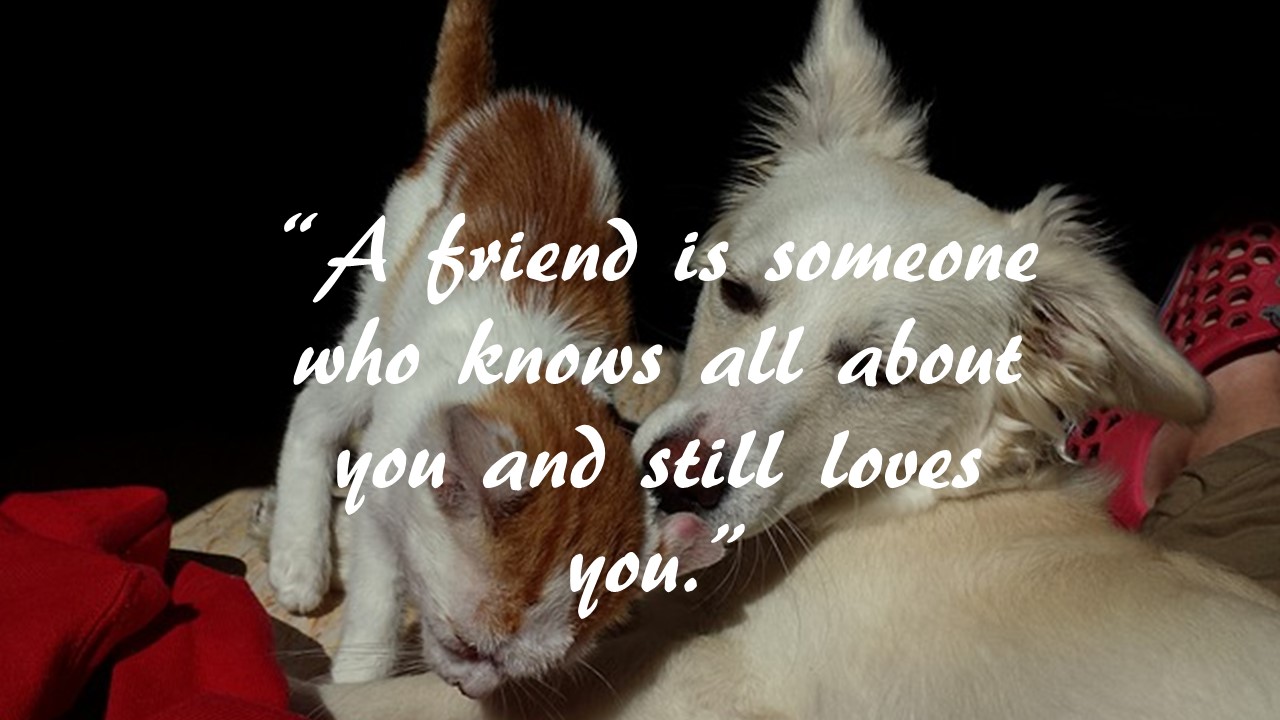
Friendship

Friendship
Photo courtesy of Pixabay.com

Does criticizing people get them to like you?

There seems to be a widely held belief that the way to get people to like and respect you is to criticize them and tell them what they are doing wrong.

Intuitively most people understand that if upon meeting someone for the first time, you began to upbraid them, called them names, and told them how worthless they are, this would not be likely to lead to having a large number of friends. We know this but we often do it anyway.

You would expect that each of us would be striving to treat ourselves well and yet we frequently call ourselves names that we would never, ever, dare call a friend.

Ever call yourself “stupid’ or “dumb?” Think for a moment about saying that to a friend. Not once, when they made an unusually poor choice, but consistently day after day. We wouldn’t do that to a friend, but most of us, most of the time, repeatedly call ourselves names.

The danger of calling yourself names is that you will start believing what you tell yourself.

Pictures of cute little puppies and little children inspire us to want to help. They can inspire us to kindness. It is easy to be kind to others. Most of us are afraid to be kind to ourselves.

Why is compassion reserved for other, unrelated people?

Somewhere we got the idea that it was acceptable to be kind to others but if we were to be nice or kind to ourselves then we would spoil ourselves and thereafter be worthless. So year after year we continue to beat ourselves up for one thing after another.

People, who truly spoil themselves, in a bad way, are not those who are kind and compassionate to themselves. The worst sort of spoilage occurs when we tell ourselves we are no good, worthless, or useless and then use that self-description as an excuse for behaving badly.

If you tell yourself you are a slob and then stop trying to clean up your living space because after all you are a slob and no one should expect a slob to clean. If you say you are stupid and then use that belief as an excuse to never attempt anything, expecting your family or society to take care of you. You are using your self-criticism to excuse poor behavior.

Some people tell themselves they are addicts, and what do you expect from an addict? Why of course I relapsed and used drugs again, I am an addict. But if you begin to tell yourself that I USED to be an addict, look at the possibilities that opens up.

One form of therapy is called “narrative therapy.” The way I understand this is that we tell ourselves and others stories, not untrue stories, just stories, and then as we tell them more and more we begin to believe our own fiction. So if you tell yourself you are dumb or worthless you become less and less able to accomplish anything.

People who say “I am an angry person,” stay angry and convince themselves they can’t change. If we can get them to start saying I USED to be an angry person, but I am changing, then amazingly they change.

Do you believe that the only way to get anybody to do things is to beat them? We find that this is a poor way to motivate either ourselves or others. Yet many people continue to beat themselves up, verbally, day after day.

One thing we tell parents as part of the basic parenting class is to catch their children doing something right. Small amounts of praise, judiciously used are great motivators. If the only way your children get your attention is to misbehave, they will misbehave for attention.

The parent who does nothing but criticizes their child finds that the child may give up. Consider the child who wants badly to please their parent; they study very hard for a big test. When the results come out the child has achieved a score of 99 out of 100 possible points.

What does this parent say? Why did you miss that one? You knew that! The result is that the child stops trying, convinced that no matter how hard they tried they will never be good enough.

Years later we find that person and many others still trying to motivate themselves by telling themselves that how they are is not good enough.

The risk here is that rather than motivate yourself to try harder, you will convince yourself that you are a failure and stop trying.

Ultimately you may become the person you say you are.

Staying connected with David Joel Miller

Seven David Joel Miller Books are available now!

My newest book is now available. It was my opportunity to try on a new genre. I’ve been working on this book for several years, but now seem like the right time to publish it.

Story Bureau.

Story Bureau is a thrilling Dystopian Post-Apocalyptic adventure in the Surviving the Apocalypse series.

Baldwin struggles to survive life in a post-apocalyptic world where the government controls everything.

As society collapses and his family gets plunged into poverty, Baldwin takes a job in the capital city, working for a government agency called the Story Bureau. He discovers the Story Bureau is not a benign news outlet but a sinister government plot to manipulate society.

Bumps on the Road of Life. Whether you struggle with anxiety, depression, low motivation, or addiction, you can recover. Bumps on the Road of Life is the story of how people get off track and how to get your life out of the ditch.

Dark Family Secrets: Doris wants to get her life back, but small-town prejudice could shatter her dreams.

Casino Robbery Arthur Mitchell escapes the trauma of watching his girlfriend die. But the killers know he’s a witness and want him dead.

Planned Accidents  The second Arthur Mitchell and Plutus mystery.

Letters from the Dead: The third in the Arthur Mitchell mystery series.

What would you do if you found a letter to a detective describing a crime and you knew the writer and detective were dead, and you could be next?

Sasquatch. Three things about us, you should know. One, we have seen the past. Two, we’re trapped there. Three, I don’t know if we’ll ever get back to our own time.

For these and my upcoming books; please visit my Author Page – David Joel Miller

Want the latest blog posts as they publish? Subscribe to this blog.

For videos, see: Counselorssoapbox YouTube Video Channel