
Bipolar or Major Depression?

By David Joel Miller, MS, Licensed Therapist & Licensed Counselor.

Depressed person

Depression.
Photo courtesy of Pixabay.com

Since episodes of depression are a feature of Bipolar Disorder, how would we know if this is indeed Bipolar Disorder? And does it really matter?

Yes, it does matter. People who have Bipolar Disorder are more likely to have major problems in many areas of their life. Certainly, depression is debilitating, it causes more disability than lots of physical disabilities but Bipolar cases more noticeable and life-threatening problems. Treating someone who has Bipolar Disorder for depression may result in creating manic episodes and make the condition worse. No professional ever intends to make the patient worse, at least I hope not, but not seeing the signs of Bipolar can result in incorrect treatment. Now in fairness to doctors and other professionals often the client, not knowing the differences, fails to report symptoms that might have helped in getting the correct diagnosis. Here are some things that might indicate that the condition under treatment was, in fact, Bipolar Disorder and not Major Depression.

1. Sudden onset of episodes.

Clients with Bipolar are more likely to have sudden episodes of depression and sudden remission of depressive symptoms. Major Depression is more likely to creep up on you. And Major Depression rarely just goes away suddenly without treatment or some other reason. Bipolar Disorder may strike suddenly and it may switch to an elated mood or mania all of a sudden.

2. Early age of first onset.

There was a time when we thought little kids did not get depression, not anymore. Very small children do indeed experience episodes of depression. One way we have found this out is that more and more people who struggled with depression or Bipolar Disorder as children have become professionals.

The younger the child is when they first experience a mood disorder episode the more likely they are to go on and develop Bipolar Disorder. Now we are not saying that the child is to blame for being moody. If they are able to control the mood swings then it is not Bipolar or Depression. We are also not talking about that day-to-day moodiness or event-triggered moods that all children experience. Each type of mood disorder, depression, Dysthymia, Cyclothymia, Bipolar one, and two each have a minimum length of time that is needed. This separates the events of living from a true episode of a mental illness.

3. Presence of Psychosis

With Bipolar Disorder there is almost always some disturbance of reality. This does not mean that the client is hallucinating. Psychosis also includes delusions, irrational thinking, and lots of grandiosity. During manic episodes, people with Bipolar simply try to do way too much. And they believe they can and should be able to do these things.

There is also a diagnosis of Major Depression with Psychotic Features, so the boundary between Depression and Bipolar gets blurry the closer you look. The good news is it doesn’t matter which label you get, the treatment is about the same. The bad news is that by sticking with the treatment for depression sometimes the diagnosis and treatment of Bipolar Disorder gets delayed. If you or those around you say you have thinking problems, grandiosity or delusions make sure to tell the professional who is treating you. If you don’t have someone treating you and experience delusions, seek help quickly. The sooner you get help the better the prognosis.

4. Presence of “Psychomotor retardation”

During episodes of depression some people get so tired they have trouble moving. Sometimes they literally can’t get out of bed. These extreme levels of impairment may signal that this is Bipolar and not Depression.

5. Having “Atypical features”

Many people with depression become very agitated. They can’t sleep and they can’t eat. People with atypical features are just the opposite. A shorthand way of explaining Atypical features is like a bear hibernating for the winter. These clients eat all they can. They may be over hungry at certain times of the day. Then once they get to bed they want to, need to, sleep far beyond what other people do. During extreme episodes of depression with atypical features, a client will be unable to do anything but sleep and eat.

These “Atypical” features can be seasonal as in Seasonal Affective Disorder or they can come and go with the rhythms of the year.  Having an episode of depression with atypical features increases the chances that an episode of mania or hypomania is just around the corner and with that episode comes a diagnosis of Bipolar Disorder.

6. Having a sudden overwhelming improvement in depression mood when given an antidepressant.

Antidepressant medications need time to work. Usually, the effects of antidepressants build up slowly over time. Antidepressants are not “happy pills” they do not suddenly make someone happy. They should usually be coupled with some form of therapy or addressing life’s problems.

When people with Bipolar Disorder take antidepressants they are sometimes propelled from depression to mania. A sudden huge response to antidepressants needs to be monitored for possible mania or delusional thinking. Too much response to an antidepressant suggests that this is, in fact, Bipolar disorder.

If you are unsure about this or think you may have Bipolar instead of depression talk with your doctor, psychiatrist, or therapist before making any changes in your meds. Your doctor needs to know what is happening in order to monitor your condition and there can be adverse results to suddenly stopping or changing a medication.

7. Family history of Bipolar Disorder, Psychosis, Schizophrenia, or excessive irrational behavior.

The more people on your family tree with an issue, especially close relatives, the more likely you are to have problems. Being Bipolar has had some advantages in some situations. Many people with Bipolar disorder are highly creative and productive as long as they can keep things on track.

Some families have avoided getting professional help and so there may be no formal diagnoses but most families have their stories about family members with mental health issues. Family trees with lots of depression in them seem to produce more people with a genetic risk factor for depression. Families with lots of people who had hallucinations, delusions or mania increase the risk for Bipolar Disorder. Lots of substance abuse in your family tree increases risks for substance abuse and mental illness, for a variety of reasons. Remember however that risk factor does not equal an illness. Lots of people grow up in high-risk families and have no problems, other people are the first in their family to get a diagnosis or have a problem. We are still trying to figure out why this happens.

Hope this was food for thought for you and that it encouraged some people to go for the professional help they need.

Till next time this is David Joel Miller, LMFT, LPCC saying so long.

If you have any thoughts on depression or Bipolar Disorder and the differences between them, please leave a comment on this blog.

Staying connected with David Joel Miller

Seven David Joel Miller Books are available now!

My newest book is now available. It was my opportunity to try on a new genre. I’ve been working on this book for several years, but now seem like the right time to publish it.

Story Bureau.

Story Bureau is a thrilling Dystopian Post-Apocalyptic adventure in the Surviving the Apocalypse series.

Baldwin struggles to survive life in a post-apocalyptic world where the government controls everything.

As society collapses and his family gets plunged into poverty, Baldwin takes a job in the capital city, working for a government agency called the Story Bureau. He discovers the Story Bureau is not a benign news outlet but a sinister government plot to manipulate society.

Bumps on the Road of Life. Whether you struggle with anxiety, depression, low motivation, or addiction, you can recover. Bumps on the Road of Life is the story of how people get off track and how to get your life out of the ditch.

Dark Family Secrets: Doris wants to get her life back, but small-town prejudice could shatter her dreams.

Casino Robbery Arthur Mitchell escapes the trauma of watching his girlfriend die. But the killers know he’s a witness and want him dead.

Planned Accidents  The second Arthur Mitchell and Plutus mystery.

Letters from the Dead: The third in the Arthur Mitchell mystery series.

What would you do if you found a letter to a detective describing a crime and you knew the writer and detective were dead, and you could be next?

Sasquatch. Three things about us, you should know. One, we have seen the past. Two, we’re trapped there. Three, I don’t know if we’ll ever get back to our own time.

For these and my upcoming books; please visit my Author Page – David Joel Miller

Want the latest blog posts as they publish? Subscribe to this blog.

For videos, see: Counselorssoapbox YouTube Video Channel

10 ways to get emotional help without money

By David Joel Miller, MS, Licensed Therapist & Licensed Counselor.

Counseling.
Photo courtesy of Pixabay.com

Can’t pay for therapy?

The times you need help the most are likely to be the times you are least able to pay. People with emotional problems often have other problems, no job or a low-paying one, physical health problems, housing issues. If you had those other problems wouldn’t you be depressed or anxious?

Now if this is an emergency, if you or someone close to you is thinking of suicide, has a drug overdose or other critical problem, please call your local emergency number. In my area, we have 911 services and every night many people call that number and end up in hospitals where they can be linked to help. People who chose to not call emergency services can walk into an emergency room and seek services. These days emergency rooms across America are filling with people with mental and emotional problems, people with nowhere else to go.

We continue to hope that the services for the people in need will match the need. So far it isn’t happening. The recent downturn in the economy has resulted in strained budgets and budget cuts. Mental health and substance abuse dollars keep shrinking at the very time the need is growing.

The first place to start of course is your local mental health facility. If you qualify for services they are likely to be covered or offered at extremely low rates. These days the need is so great most public facilities are limited to serving only those with the most severe need, people who are suicidal or have hallucinations. Even if you don’t qualify for ongoing therapy, you may be able to get emergency services or they may be able to refer you to free or low-cost services.

So if you are someone who has fallen through the cracks, who needs counseling or therapy but has no insurance, doesn’t qualify for services or your diagnosis does not meet the “medical necessity” for services, how do you get help? Here are a few suggestions, some are more available than others, and some are more painful than others but if you need help and haven’t been getting it these are things you might try.

1. Read the internet

Especially read blogs and sites about recovery. The internet can be had for little or no cost. These days’ even homeless people have email. Most libraries let people use computers for some amount of time. This has brought information to everyone. It has also caused problems. Not all sources of information are helpful. Watch out for sites that are sponsored by a company that wants to sell you something.

Read about recovery. Some writers are in lots of pain; their writing is therapeutic for them. I read those sites but I find it is good to limit readings about pain unless there are also posts about recovery. Read blogs that spread the cure, not posts that spread the disease. Also, avoid reading too many posts about diagnoses. Self-diagnosis is a trap even professionals can fall into. You need an objective professional person to make a good diagnosis. That said, if someone has given you a diagnosis, read about your condition. If the things you read don’t match what is happening to you, ask questions. Not all professionals agree on things and sometimes they get things wrong.

2. Read self-help books.

There are lots of self-help books out there. I wish I could give you a list of the best ones. I am working on that list but so far it is not ready. I asked colleagues for recommendations and at this point, no two therapists have recommended the same book or books. Read a self-help book that speaks to you. What you need to learn may be different from what someone else needs to learn. You can get self-help books for very little money. Libraries have them for loan. Some can be downloaded from the internet for free or at a low price. I have picked up some great ones at thrift stores for fifty cents to two dollars. If you find a great one please leave a comment here and share your find.

Avoid books that require you to be dependent on or give unquestioning loyalty to a person or group. A.A. literature says here are “suggestions” that have helped us. If you find a better way we wish you well. If you have to do things the author’s way chances are the book is designed to help him and not you.

3. Self-help groups.

The old standby of self-help groups are Alcoholics Anonymous (AA) and Narcotics Anonymous (NA). The success of A.A. has spawned over 200 self-help groups based on the twelve-step model. There are also specific groups for people with co-occurring or dual diagnosis issues. There are also some groups based on specific needs that do not involve the twelve steps. Please don’t be put off by the twelve step programs talk about a “higher power” even nonreligious people, atheists, and agnostics are welcomed and they often find there is something they can believe in if it is only the ability of the group to be helpful.

4. Colleges and schools

Many colleges have therapy available for students. These services are in addition to the department that does academic counseling. Check with the health services on campus if you are a student. Universities that offer counseling or therapy major often have clinics where new therapists under the supervision of experienced instructors, provide therapy services to members of the community. These university-sponsored programs have low-cost or reduced-cost options. School counselors can sometimes help with family issues, parenting, and child behavioral issues.

5. Community-based resources

Non-profit organizations are sometimes able to provide some services to people in the community who are otherwise unable to access services. Check with charitable organizations. Some areas have a 211 phone service that is able to provide social service referrals.

6. Ask therapists and counselors about sliding fee arraignments

Some practitioners are able to see clients for reduced fees. Don’t be afraid to ask, but expect to have to show proof of income.

7.  Consider group therapy

Group counseling is not second-rate services. Sometimes being in a group with others can be a powerful experience. Group fees can be significantly less than individual counseling. Some practitioners offer large group counseling at extremely low fees. In my area, there have been large groups run by professional therapists that were sponsored by churches or community-based organizations that were free. The therapist donates their time and the organization provides the space. The people who attend get free services that they would otherwise not be able to afford and the counselor often gets referrals for their private practice.

8. Substance abuse facilities

Substance abuse facilities often have outpatient groups that are extremely reasonable. They also may have free or low-cost groups for the family members of clients in substance abuse treatment.

9. Think about your priorities.

How much is your recovery worth? Many a time a person has told me they couldn’t afford therapy but they continue to pay hundreds of dollars each month for hair or nail appointments, home shopping, or their drug of choice. Is it true you can’t afford help or is it that you have not made your recovery much of a priority?

10. Consider Religious counseling.

Pastors, Rabbi’s Priest, Bishops, and other religious leaders often have training in Pastoral counseling in addition to their religious training. Seek out people who seem to care about you and about being of service.

If any of you know of other resources let me know so I can pass the information along. Till next time –

Staying connected with David Joel Miller

Seven David Joel Miller Books are available now!

My newest book is now available. It was my opportunity to try on a new genre. I’ve been working on this book for several years, but now seem like the right time to publish it.

Story Bureau.

Story Bureau is a thrilling Dystopian Post-Apocalyptic adventure in the Surviving the Apocalypse series.

Baldwin struggles to survive life in a post-apocalyptic world where the government controls everything.

As society collapses and his family gets plunged into poverty, Baldwin takes a job in the capital city, working for a government agency called the Story Bureau. He discovers the Story Bureau is not a benign news outlet but a sinister government plot to manipulate society.

Bumps on the Road of Life. Whether you struggle with anxiety, depression, low motivation, or addiction, you can recover. Bumps on the Road of Life is the story of how people get off track and how to get your life out of the ditch.

Dark Family Secrets: Doris wants to get her life back, but small-town prejudice could shatter her dreams.

Casino Robbery Arthur Mitchell escapes the trauma of watching his girlfriend die. But the killers know he’s a witness and want him dead.

Planned Accidents  The second Arthur Mitchell and Plutus mystery.

Letters from the Dead: The third in the Arthur Mitchell mystery series.

What would you do if you found a letter to a detective describing a crime and you knew the writer and detective were dead, and you could be next?

Sasquatch. Three things about us, you should know. One, we have seen the past. Two, we’re trapped there. Three, I don’t know if we’ll ever get back to our own time.

For these and my upcoming books; please visit my Author Page – David Joel Miller

Want the latest blog posts as they publish? Subscribe to this blog.

For videos, see: Counselorssoapbox YouTube Video Channel

How do people change? Preparation

By David Joel Miller, MS, Licensed Therapist & Licensed Counselor.

Change

Change.
Photo courtesy of Pixabay.com

Stages of Change – Preparation.

In the last two blogs (Stages of Change – Pre-contemplation, Contemplation) we explored steps one and two of a model of change. Some of you will remember that I was using a weight loss example. The need to change could be weight loss but it might also be an addiction, job or career change, or a relationship event. So to recap past episodes of my little story, I go to a reunion, people tell me I have put on a lot of weight. At first, I deny this, and I argue about it. That stage of change is called pre-contemplation. Next, I do some thinking about it. I weigh myself, ask the advice of others and I do lots of thinking about it. Finally despite all my efforts to avoid having a problem I discovered that in fact, I do have a problem. Now I am faced with a choice.

At this point, I could just accept the fact that I am now FAT!  Accept and go on with my life maybe embrace the idea. Yes, I am fat and proud of it. Since I am fat why not be the best that I can be and let my fatness shine through. Some people accept their problem. Many alcoholics go on drinking until the bitter end. Or – as strange as this may seem to some people I could decide to make a change and face my problem. That brings us to the third stage of change.

Stage of change 3 – Preparation. Some authors call this determination.

So I decide to challenge my fatness or my joblessness or – could be any other problem. I get out the phone book and look up gyms. There is one right around the corner and I call them. Then for good measure, I call a few more. Most gyms have sales on new memberships around the first of every year. Three months for the price of two and so on. They know that lots of us will decide to exercise, get in shape, join a gym as part of our New Year’s resolution. They also know to get the cash now, because by February at the latest most of the new gym members will have stopped coming. But a few people will stay at it and next year they will be that slim trim self I want to be. So how do they do it?

So I go down and tour this gym. I like the place, friendly people and all, so I join. And I get ready. There is a sporting goods store in that shopping center and I go there and buy some new exercise clothing. Notice I still haven’t exercised much but my credit card at this point. But there is more.

I see a video sales and rental place in the center. I go in there and find some exercise videos. I am in whole hog. I buy three videos. Now I take them home and put them in the VCR.  (Update this to DVD or Blue Ray or Hollow-suite program as needed.) I pop a big bowl of popcorn put my feet up and sit and watch these three videos, faithfully for a week. I really like watching exercise videos. Not so sure about actually exercising though. See a problem here?

Pause this picture for a minute. Doesn’t this apply to most any planned change? People buy books, self-help, or AA books, and then they take them home and pile them on the table and balance a drink on them. Other people put that new self-help book under their pillow in the hope that by osmosis the book will change us while we sleep. Unfortunately, change requires more than preparation. Don’t misunderstand here. Getting a list of meetings for AA or weight loss places is good. Joining a gym is good also. But doesn’t it take more than preparation to make a change?

At some point, I need to stop preparing, use that determination, and actually do something. Next blog we will talk about that next fourth stage of change where the rubber meets the road, where we finally start doing some things that result in change. So if you still want to learn about stages of change stay tuned for the next blog post. If you have decided to stay the way you are or to change someone else, skip the next couple of posts and rejoin us for the episode after the change is over. Feel free to share your thoughts along the way.

Other posts on this topic can be found at Pre-contemplation, Contemplation, Preparation, Early Action, Late Action, Maintenance, relapse, recovery, triggers, support system, more on support systems, Resiliency

Staying connected with David Joel Miller

Seven David Joel Miller Books are available now!

My newest book is now available. It was my opportunity to try on a new genre. I’ve been working on this book for several years, but now seem like the right time to publish it.

Story Bureau.

Story Bureau is a thrilling Dystopian Post-Apocalyptic adventure in the Surviving the Apocalypse series.

Baldwin struggles to survive life in a post-apocalyptic world where the government controls everything.

As society collapses and his family gets plunged into poverty, Baldwin takes a job in the capital city, working for a government agency called the Story Bureau. He discovers the Story Bureau is not a benign news outlet but a sinister government plot to manipulate society.

Bumps on the Road of Life. Whether you struggle with anxiety, depression, low motivation, or addiction, you can recover. Bumps on the Road of Life is the story of how people get off track and how to get your life out of the ditch.

Dark Family Secrets: Doris wants to get her life back, but small-town prejudice could shatter her dreams.

Casino Robbery Arthur Mitchell escapes the trauma of watching his girlfriend die. But the killers know he’s a witness and want him dead.

Planned Accidents  The second Arthur Mitchell and Plutus mystery.

Letters from the Dead: The third in the Arthur Mitchell mystery series.

What would you do if you found a letter to a detective describing a crime and you knew the writer and detective were dead, and you could be next?

Sasquatch. Three things about us, you should know. One, we have seen the past. Two, we’re trapped there. Three, I don’t know if we’ll ever get back to our own time.

For these and my upcoming books; please visit my Author Page – David Joel Miller

Want the latest blog posts as they publish? Subscribe to this blog.

For videos, see: Counselorssoapbox YouTube Video Channel

Stages of Change or how do we change? Pre-Contemplation

By David Joel Miller, MS, Licensed Therapist & Licensed Counselor.

Change

Change.
Photo courtesy of Pixabay.com

Change.

In a previous blog, I wrote about New Year’s Resolutions and how to get out of them. Now occasionally someone argues with me on this and says – no – really – I do want to change. I like to hear that. We, counselors, and therapists are in the business of helping people to change. I like to think of this as the happy life business. Lots of what is here is written for counselors, but if you are interested in change for yourself or others, please read on and see how we think it is that people really change.

Most people who change are able to transform their life by a gradual process, not a one-time resolution. Now I know that there is such a thing as a religious or spiritual conversion and also that some people do make resolutions and as a result change. I would suggest that most of the time that conversion or resolution is part of a process of change. They may make a change of direction but the person needs to do some work on getting to the new behaviors they want.

Every year for New Year’s or other occasions millions of people make a resolution that they will change themselves. Some plan to lose weight, some want to stop smoking or give up drugs. Lots of things they might want to change. Come back a year later and most of them will still be the way they were when they made that resolution. But a few people will really have changed. Why is it that some people are able to carry through and make the change while most people can’t? What happened to the ones that succeeded? These questions resulted in some studies of how people change and at last three guys wrote a book on how all things get changed. The book was “Changing for Good” and the authors were Prochaska, Norcross, and DeClemente. As a result of this book and others, substance abuse counselors, and many therapists are taught the Stages of Change model and they use it to help clients understand how to change.

So here is an example I tell my classes of how someone might change.

One year I attend a reunion and I run into an old friend. He comments on how much weight I have gained since he saw me last. I tell him no, I weigh the same thing I did in High School, well almost, but I am not gaining weight. He shakes his head and changes the subject.

Later that evening I run into an old girlfriend. She tells me she almost didn’t recognize me. “You have gotten so BIG! She exclaims. She is just jealous I think. Look at that skinny little wimp she is with, bet he has an eating disorder or something. I am definitely not gained any weight. I do not have a problem. And even if I have gained a little weight, so what, why would I care, I have no plans to change me.

Later in the evening, someone else remarks about my weight. This suit does seem a little tight. The tight fit is what is making me look fat. Ever since I moved to the desert my clothes have been shrinking. Even the ones in the closet that I don’t wear seem smaller recently. Some of you are thinking here that I am in denial. Maybe so.  The stages of change model calls this Pre-contemplation.

Stage 1: Pre-Contemplation

At this point, I am not thinking about making a change. People around me see a problem but so far I don’t. Now you could argue with me at this point and insist I get on a diet and lose weight. Lots of spouses do that. But if I don’t yet see that I have a problem all your lecturing me about being in denial of my problem will only make me mad.

Substance abuse counselors in the old days used to spend a lot of time arguing with clients, trying to break down denial. So did weight loss and stop smoking professionals. And the result most of the time was that clients stopped listening. So the thing you might do if you were faced with someone who did not think he had a problem would be, provide them with information. If you are reading this and you are already thinking you might need to change something, then you are already past the first of the seven steps that lead to real lasting change.

Often people reach the point of needing to change because of some traumatic experience. Until something happens we don’t even think about the need for change. Lots of people are suddenly confronted with a problem, most try to find a way to avoid change. Divorces or breakups, job loss, forced career changes, arrests and incarceration, and even medical problems can all require people to consider the need for change in their life.

One client told me he did not have a problem. This is typical in pre-contemplation. He just likes to have fun. How can you argue with a fun-loving guy? His wife, soon to be ex, she thinks he has a problem. His last employer told him he had a problem. So did his parole agent and a judge or two. But he was sure he didn’t have a problem.

With any problem, it seems to be human nature to try to find a way to cope without having to change. So we go through all kinds of mental gymnastics to try to not have a problem. Addictions to drugs, alcohol, food, or other substance are especially prone to go unrecognized. Some people also spend lives in bad relationships, sometimes we call them co-dependent or enablers, sometimes they just say they love too much.

People also can become entangled in activities, the gamble till. There is no money left and then borrow or steal money to try to win it all back. Some people are addicted to the process of pulling the lever or turning cards. Other people are addicted to being in a relationship. They would rather be in a bad relationship than none at all. Sex can be an addiction also. Recently we are seeing a rash of problems caused by electronic media. People spend all their time and money on a pornography site, even when it starts to affect their health or their relationships. Some people become addicted to gaming or high adrenalin activities.

So how do you know if the thing you are involved in has moved from you just like to have fun to an out of control life? Counselors have three ways to decide if this is a problem or not.

1. Does it affect your job or income? Has this activity you like to do cause you to lose jobs or promotions? Does it get you in trouble at work? Has it negatively impacted your career? Then this might be a problem.

2. Has the activity you are doing interfered with your relationship with family and friends? Once you start losing friends this is a problem. Especially if you find you are making new friends who agree with you that you’re drinking or drugging is no problem and then they ask you to pay for their drug use. See an issue here?  If both your ex’s thought your fun activity was a problem that should give you a clue. And if your family starts avoiding you and doesn’t want you around anymore you may have a problem.

3. If what you have been doing is starting to bother you. If you feel sad all the time or experience guilt when you do that activity, then it just might be a problem. Professionals call this subjective distress. It is easy to see when it involves depression, anxiety, and loneliness.

One way to understand this is that if multiple people suggest to you that you have a problem, weight loss in this example, then maybe you should check it out and see what they are talking about. At that point, you are ready for the second step in the process of change.

Next time we will talk about our model’s second stage of change – Contemplation.

Other posts on this topic can be found at Pre-contemplation, Contemplation, Preparation, Early Action, Late Action, Maintenance, relapse, recovery, triggers, support system, more on support systems, Resiliency

Staying connected with David Joel Miller

Seven David Joel Miller Books are available now!

My newest book is now available. It was my opportunity to try on a new genre. I’ve been working on this book for several years, but now seem like the right time to publish it.

Story Bureau.

Story Bureau is a thrilling Dystopian Post-Apocalyptic adventure in the Surviving the Apocalypse series.

Baldwin struggles to survive life in a post-apocalyptic world where the government controls everything.

As society collapses and his family gets plunged into poverty, Baldwin takes a job in the capital city, working for a government agency called the Story Bureau. He discovers the Story Bureau is not a benign news outlet but a sinister government plot to manipulate society.

Bumps on the Road of Life. Whether you struggle with anxiety, depression, low motivation, or addiction, you can recover. Bumps on the Road of Life is the story of how people get off track and how to get your life out of the ditch.

Dark Family Secrets: Doris wants to get her life back, but small-town prejudice could shatter her dreams.

Casino Robbery Arthur Mitchell escapes the trauma of watching his girlfriend die. But the killers know he’s a witness and want him dead.

Planned Accidents  The second Arthur Mitchell and Plutus mystery.

Letters from the Dead: The third in the Arthur Mitchell mystery series.

What would you do if you found a letter to a detective describing a crime and you knew the writer and detective were dead, and you could be next?

Sasquatch. Three things about us, you should know. One, we have seen the past. Two, we’re trapped there. Three, I don’t know if we’ll ever get back to our own time.

For these and my upcoming books; please visit my Author Page – David Joel Miller

Want the latest blog posts as they publish? Subscribe to this blog.

For videos, see: Counselorssoapbox YouTube Video Channel

12 ways to Sabotage New Year’s resolutions

By David Joel Miller, MS, Licensed Therapist & Licensed Counselor.

the future

Living the Future
Photo courtesy of Pixabay.com

There are hundreds of articles out there about how to keep New Year’s resolutions. This isn’t one of them. This is about getting out of the ones you already made.

Lots of people make New Year’s resolutions, we feel we have to. But then the next morning we wish we had never said that. Here are some easy ways to make sure that your New Year’s resolution ends up in the dust and ensure that no one blames you for not living up to your promises.

1. Set huge impossible large goals. Despite not exercising for the last  60 years or so and having given up my photograph efforts in the late 1970s, this year I plan to make a film chronicling my success at winning twelve different gold medals in sports I had not previously played. Who could blame me for not keeping that one? The key here is to not plan to do anything, just plan to somehow have achieved the goal without effort.

2. Do not write down your goals or tell anyone. Writing things down leaves evidence. You might be tempted to look at your goals during the year. If you can’t remember what you planned to do how can it be your fault? Telling someone only expands the conspiracy. If you don’t tell, they won’t ask. People who blab their resolutions fell obliged to work on them.

3. Hang out with the losers. If you hang out with successful people you might emulate them. Want to avoid weight loss? Hang out at the donut shop or a buffet; better yet look up a donut buffet.

4. Resolve to change someone else. This is a favorite one that works every time. Plan to change your children or your spouse. Who could blame you if your family does not change? It was certainly your ex’s fault or maybe the fault of those rotten kids, wherever they are these days.

5. Embrace boredom. If it is fun don’t do it. Make resolutions to do boring, painful things not something you might actually get to like if you tried it. Nothing will squash a resolution faster than a good reason to avoid it in the first place.

6. Bet the farm on this one. If you are going to not do something, don’t do something big. Make your resolution so huge that your family might end up homeless if you did not carry through. Who could argue with you giving up your dream for the safety of your family? Doing a series of small things might actually be doable and then you would be stuck with a string of successes. Nothing ends your streak of failures like a small unsuspected success.

7. Test yourself constantly. This works well for alcoholics, who test themselves by buying alcohol and hanging out in bars. If your resolution had to do with food, go shopping and fill the house with your favorite foods. Then check the cupboard or the fridge often just to reassure yourself you have not eaten them – yet. Test yourself often enough you are sure to fail.

8. Don’t worry about being emotional. Watch sad movies and cry. Pick lots of fights. Argue with everyone you can. After an emotional day like that, you are sure to not have the energy needed to work on any stupid resolution. Happiness is incompatible with failure. Laughter can ruin a well thought out sorry-for-yourself binge. Stay moody.

9. Stop sleeping. Stay up all night every night and then sleep all day. Worry about your exercise plan, make a list of things you can’t buy. Lack of sleep will make you irrational but who can blame a half-crazed person for shopping online all night.

10. Give up all friends. Nothing so ensures your failure at resolutions as being totally isolated from all human contact. Quit your job, fight with your spouse till they leave, and hang up on your friends. People who are all alone should not be expected to be a success at anything, right?

11. Don’t eat. Being really eat-a-bear hungry can make you grouchy enough to not only stop trying but to be able to tell anyone still talking to you to put that resolution where the moonshine doesn’t- whatever.

12. If you tried before and failed don’t try again. Some people keep trying. If they keep that up they risk an eventual success. Smokers have an edge here. Most need to try to quit five to seven times so they get to talk about their try’s three or four times before giving up. Be careful though if you try too many times you might just end up making that change.

Well, I hope that this was helpful to all of you who are trying to avoid carrying through on your New Year’s resolutions. You could use this at other times of the year for any other change you are avoiding. Despite all my good advice some of you will try to make and keep New Year’s resolutions. Those of you who are successful will probably have passed through the series of steps we call “Stages of Change.” I see some of my former students smiling at that. They knew I couldn’t slip by mentioning the “Stages of Change.”

Spoiler alert – In a future blog I plan to write about how it is that people who attempt changes really do go about doing it successfully. Some of you are anticipating me and are inferring that real change rarely comes from one time resolutions and may involve a series of steps which we counselors like to term “Stages of Change.” If you prefer making resolutions and then not keeping them, avoid those blog posts.

Staying connected with David Joel Miller

Seven David Joel Miller Books are available now!

My newest book is now available. It was my opportunity to try on a new genre. I’ve been working on this book for several years, but now seem like the right time to publish it.

Story Bureau.

Story Bureau is a thrilling Dystopian Post-Apocalyptic adventure in the Surviving the Apocalypse series.

Baldwin struggles to survive life in a post-apocalyptic world where the government controls everything.

As society collapses and his family gets plunged into poverty, Baldwin takes a job in the capital city, working for a government agency called the Story Bureau. He discovers the Story Bureau is not a benign news outlet but a sinister government plot to manipulate society.

Bumps on the Road of Life. Whether you struggle with anxiety, depression, low motivation, or addiction, you can recover. Bumps on the Road of Life is the story of how people get off track and how to get your life out of the ditch.

Dark Family Secrets: Doris wants to get her life back, but small-town prejudice could shatter her dreams.

Casino Robbery Arthur Mitchell escapes the trauma of watching his girlfriend die. But the killers know he’s a witness and want him dead.

Planned Accidents  The second Arthur Mitchell and Plutus mystery.

Letters from the Dead: The third in the Arthur Mitchell mystery series.

What would you do if you found a letter to a detective describing a crime and you knew the writer and detective were dead, and you could be next?

Sasquatch. Three things about us, you should know. One, we have seen the past. Two, we’re trapped there. Three, I don’t know if we’ll ever get back to our own time.

For these and my upcoming books; please visit my Author Page – David Joel Miller

Want the latest blog posts as they publish? Subscribe to this blog.

For videos, see: Counselorssoapbox YouTube Video Channel

Bipolar doesn’t mean moody

By David Joel Miller, MS, Licensed Therapist & Licensed Counselor.

Person with masks

Bipolar.
Photo courtesy of Pixabay.com

Bipolar doesn’t mean moody.

Three psychiatric diagnoses (ADHD, Bipolar, and Schizophrenia) have left the scientific literature and taken up residency in the media and in everyday conversation. The problem with these usages is it devalues the term and pretty soon it is being misused more often than it is used correctly. Bipolar is one of those terms.

Kids report that their peers call them or others “Bipolar.” We hear about it on talk shows. Sometimes parents call their children or their partner Bipolar with no clear idea what the term means. Children are being diagnosed with bipolar disorder at younger and younger ages. Early diagnosis and treatment is a good thing; it may reduce a lifetime of suffering. Referring every kid in first grade who is irritable for a bipolar evaluation is probably not warranted.

Lots of parents want their child “tested” for bipolar disorder. I wish there was a simple test, say blood or urine that would detect the disorder. There may be physical signs or markers, but so far no one seems to be able to detect bipolar disorder other than by a psychological evaluation that involves descriptions of mood and behavior. When many parents want to know if their child is bipolar, what they really mean is the child is irritable or difficult and they need help.

People refer to others who are moody as Bipolar. Bipolar disorder does not mean moody! Some people are naturally moody others get moody when something upsets them. Lack of sleep makes most anyone moody and grouchy. Not everyone with sleep disturbances has bipolar disorder by any stretch of the imagination.

When we talk about bipolar disorder we are talking about a condition, not a person. A person may have bipolar disorder that does not make them “bipolar.”

So what is Bipolar – really? It used to be called Manic Depressive disorder. I see client questionnaires where they report they have family histories of both manic-depressive disorder and Bipolar. I won’t go into the politics behind the name change but it is important to note two things. Bipolar is a mood disorder so it is in the same “family” or chapter as Depression and other mood disorders. The second characteristic is that for the problem to be bipolar it must include Mania or its cousin Hypomania.

Update – In the DSM-5 they did away with the term “mood disorders.” More and more professionals are thinking that Bipolar and Major Depressive Disorder are for-sure two separate things. You may have periods of depression for a while before the mania but we need to be careful to separate the Bipolar from the Major depression.

So what is mania? I won’t repeat the whole DSM-4-TR criteria here if you want that please go to the source. But a couple of things that separate mania and therefore bipolar disorder are important. For some clients, this looks like someone on Meth – without the drugs. This is not a little bit thing that comes and goes. When it occurs the person is debilitated.

Mania involves a period of time where the client’s behavior is elevated, expansive, or irritable. In short, they are “off the hook” and this is not deliberate but uncontrollable. During this time frame, they have a bunch of behaviors that are far too excessive. The DSM lists 7 characteristics and the person should have the majority of these symptoms. Not sleeping and not needing to sleep is a red flag. They are up all night doing things and they don’t even feel tired. They are likely to show grandiosity and excessive self-esteem. They talk faster than those around them can listen and they think faster than they can talk. But the thoughts may make sense only to the person with bipolar disorder. They are likely to get “stuck” on things, too much work, buying sprees, excessive sexual activity, and other risk-taking activities.

Since mania is seductive, who wouldn’t like to be able to have fun twenty-four hours a day and not need to sleep, during manic episodes the client with bipolar may be strongly attracted to stimulant drugs like methamphetamine and cocaine. Alcohol abuse is also common which increases the crash when the manic episode ends. And it always ends.

Most people who truly have bipolar disorder are first diagnosed with depression. One indicator that makes me suspicious is when a depressed client takes an anti-depressant and recovers suddenly and now is “better than ever.” A manic episode is about to occur.

So far talking about Bipolar disorder, with its depressive and manic symptoms makes it sound like the person runs from manic (which is not happy by the way) to depressed. That’s not the whole story. Kay Redfield Jamison writes about what we might call mixed states. It is possible, probably more common than we might think, to have both mania and depression at the same time. Think of the shifting moods like a tire on your car. When it is parked we could mark one side of the tire and call that the back, the other would be the front. But once the tire starts to move you don’t drive on the front or the back but the whole tire. So the person with bipolar may experience a mixture of depression and mania at the same time.

Another feature of Bipolar disorder that separates it from moodiness and depression is the tendency for the elevated thinking to become first delusional and then it may progress to include hallucinations. So the person with bipolar disorder is not only thinking odd thoughts but is very irritated with others that they don’t “get them.”

Hope this explanation got you thinking about Bipolar disorder. If you would like more information, check out the Depression and Bipolar Support Alliance.

As always your comments are welcome. If you like this blog spread the word. If not let me know what might improve it. Till next time.

David Miller, LMFT, LPCC

How much is Two Times Algebra Two?

Counselorssoapbox.com

How much is Two Times Algebra Two?

Kids complain that their parents don’t help them with homework enough. Some parents confide in me that they don’t know how to help their kids. Now I know I took Algebra Two back in high school. Though I now think the half-life of that knowledge is shorter than the half-life of Hassiam, which I am told is somewhere around 8 seconds. So what am I to do when a child asks for help on Algebra Two or worse yet Chemistry with all the elements that have been invented since I completed school just after the last Ice age?

What do parents do who didn’t take these classes or who did not have the opportunity to complete their schooling? We probably don’t want to tell kids “I haven’t used that since I was in school” or anything that might imply that learning new material is unimportant. Even if kids don’t ever use a particular piece of knowledge the process of learning how to learn is important for success in this modern age. So what can a parent do to help their child?

Someone sent me a solution to this problem. And it is FREE! Yes, you read that right. Yes, this is a free homework helper and in the child’s own language. Kids are digital natives. I start to feel like a visitor from a distant galaxy when exposed to new technology, but kids get this stuff right away. So here is the solution.

Check out the Khan Academy – free online videos on everything from Basic Addition starts with the one plus one stuff all the way up to Trig and Calculus and stuff like that. Not just math here either. They’ve got videos on Science and History and even some cool stuff that parents might want to learn.

So check them out. Here is the web address: http://www.khanacademy.org/

Let me know what you think. Just don’t stop coming back here. Pleeeeease –

Look at all the suggestions for things to write about that I am receiving from Blogees (Is that near a word? What do you call recurrent Blog readers and subscribers?)  You may see a couple of extra posts this month besides my usual Sunday one.

Staying connected with David Joel Miller

Seven David Joel Miller Books are available now!

My newest book is now available. It was my opportunity to try on a new genre. I’ve been working on this book for several years, but now seem like the right time to publish it.

Story Bureau.

Story Bureau is a thrilling Dystopian Post-Apocalyptic adventure in the Surviving the Apocalypse series.

Baldwin struggles to survive life in a post-apocalyptic world where the government controls everything.

As society collapses and his family gets plunged into poverty, Baldwin takes a job in the capital city, working for a government agency called the Story Bureau. He discovers the Story Bureau is not a benign news outlet but a sinister government plot to manipulate society.

Bumps on the Road of Life. Whether you struggle with anxiety, depression, low motivation, or addiction, you can recover. Bumps on the Road of Life is the story of how people get off track and how to get your life out of the ditch.

Dark Family Secrets: Doris wants to get her life back, but small-town prejudice could shatter her dreams.

Casino Robbery Arthur Mitchell escapes the trauma of watching his girlfriend die. But the killers know he’s a witness and want him dead.

Planned Accidents  The second Arthur Mitchell and Plutus mystery.

Letters from the Dead: The third in the Arthur Mitchell mystery series.

What would you do if you found a letter to a detective describing a crime and you knew the writer and detective were dead, and you could be next?

Sasquatch. Three things about us, you should know. One, we have seen the past. Two, we’re trapped there. Three, I don’t know if we’ll ever get back to our own time.

For these and my upcoming books; please visit my Author Page – David Joel Miller

Want the latest blog posts as they publish? Subscribe to this blog.

For videos, see: Counselorssoapbox YouTube Video Channel

Anxiety is like a cat!

By David Joel Miller, MS, Licensed Therapist & Licensed Counselor.

Stray cat

Feral cat.
Photo courtesy of Pixabay.com

Anxiety is like a cat!

What exactly is anxiety? And what is an anxiety disorder?

Well to some people it looks like a kitten.

And to others, it looks like a lion.

A little anxiety can feel like a small cat rubbing on your leg, a bit of an annoyance but nothing you can’t handle. It can push you to try harder. It is the stage fright that keys up the performer to go all out and give the performance of their life.

For others, Anxiety is the lion that keeps you off the stage of life. It is a terrifying disorder that tries to eat you alive.

Anxiety disorders are the most common emotional problem in America. In any one year, approximately one in five Americans will have an episode of anxiety that is severe enough to interfere with their everyday functioning, an episode so severe they should go for treatment.

Dictionaries define anxiety as a feeling, worry, nervousness, agitation, fear, or apprehension. The symptoms can interfere with every system in the body. Anxiety symptoms are often mistaken for physical illnesses and send millions of people repeatedly to the doctor looking for a physical cause of an emotional problem.

Now if you have a physical problem, by all means, see your doctor. But if the problem keeps changing, if the doctor can’t find anything wrong with you, then the problem may be emotional. That does not mean the problem is “all in your head” it is there, but it is everywhere in your body also, and there are treatments for anxiety.

Robert Sapolsky wrote a really cool book, called “Why Zebras Don’t Get Ulcers” which explains how your fears can essentially hijack your body and show up by making you sick. I highly recommend this book to counselors and therapists who want to understand anxiety and want to help people with this problem. But what if you or your child is suffering from anxiety. And I do mean SUFFERING? What if you just want to get your life back?

There are ways to turn the volume down on anxiety, shrink that cat down to a manageable size. I am not saying to get rid of anxiety altogether. If there is a real live lion chasing you, or a gang banger with a gun, some fear and anxiety is a good thing. Under those circumstances, anxiety might save your life. If your fears are keeping you from having a life, what then?

A good counselor or therapist can help you shrink those fears. There are self-help books that help also. A good counselor can help you learn and practice skills to stop anxiety in its tracks. The difficulty here is they will probably see you an hour a week, now you got 167 hours to go before your next appointment. What now? This is where a good self-help book can help, especially if you talk it over with a professional and practice the skills. A book is also helpful if you need to help a child get over their anxiety.

One book that I find helpful for managing anxiety is Tamar Chansky’s book “Freeing Your Child from Anxiety: Powerful, Practical Solutions to Overcome Your Child’s Fears, Worries, and Phobias.  She has lots of good techniques for reducing and controlling anxiety. She does some creative things like using a “Fear Extinguisher” and a “Fear Thermometer” as well as some of the standbys like creating incompatible emotion states by using humor or relaxation to reduce anxiety.

So is anger a problem for you? How do you reduce or control your anger? And if you are a counselor and work with clients with anxiety – What do you find the most effective approach?

There will be more on this topic to come, and please feel free to comment on this or any other topic in my blog. Till next week. David Joel Miller, LMFT, LPCC.

Staying connected with David Joel Miller

Seven David Joel Miller Books are available now!

My newest book is now available. It was my opportunity to try on a new genre. I’ve been working on this book for several years, but now seem like the right time to publish it.

Story Bureau.

Story Bureau is a thrilling Dystopian Post-Apocalyptic adventure in the Surviving the Apocalypse series.

Baldwin struggles to survive life in a post-apocalyptic world where the government controls everything.

As society collapses and his family gets plunged into poverty, Baldwin takes a job in the capital city, working for a government agency called the Story Bureau. He discovers the Story Bureau is not a benign news outlet but a sinister government plot to manipulate society.

Bumps on the Road of Life. Whether you struggle with anxiety, depression, low motivation, or addiction, you can recover. Bumps on the Road of Life is the story of how people get off track and how to get your life out of the ditch.

Dark Family Secrets: Doris wants to get her life back, but small-town prejudice could shatter her dreams.

Casino Robbery Arthur Mitchell escapes the trauma of watching his girlfriend die. But the killers know he’s a witness and want him dead.

Planned Accidents  The second Arthur Mitchell and Plutus mystery.

Letters from the Dead: The third in the Arthur Mitchell mystery series.

What would you do if you found a letter to a detective describing a crime and you knew the writer and detective were dead, and you could be next?

Sasquatch. Three things about us, you should know. One, we have seen the past. Two, we’re trapped there. Three, I don’t know if we’ll ever get back to our own time.

For these and my upcoming books; please visit my Author Page – David Joel Miller

Want the latest blog posts as they publish? Subscribe to this blog.

For videos, see: Counselorssoapbox YouTube Video Channel
Stress

By David Joel Miller, MS, Licensed Therapist & Licensed Counselor.

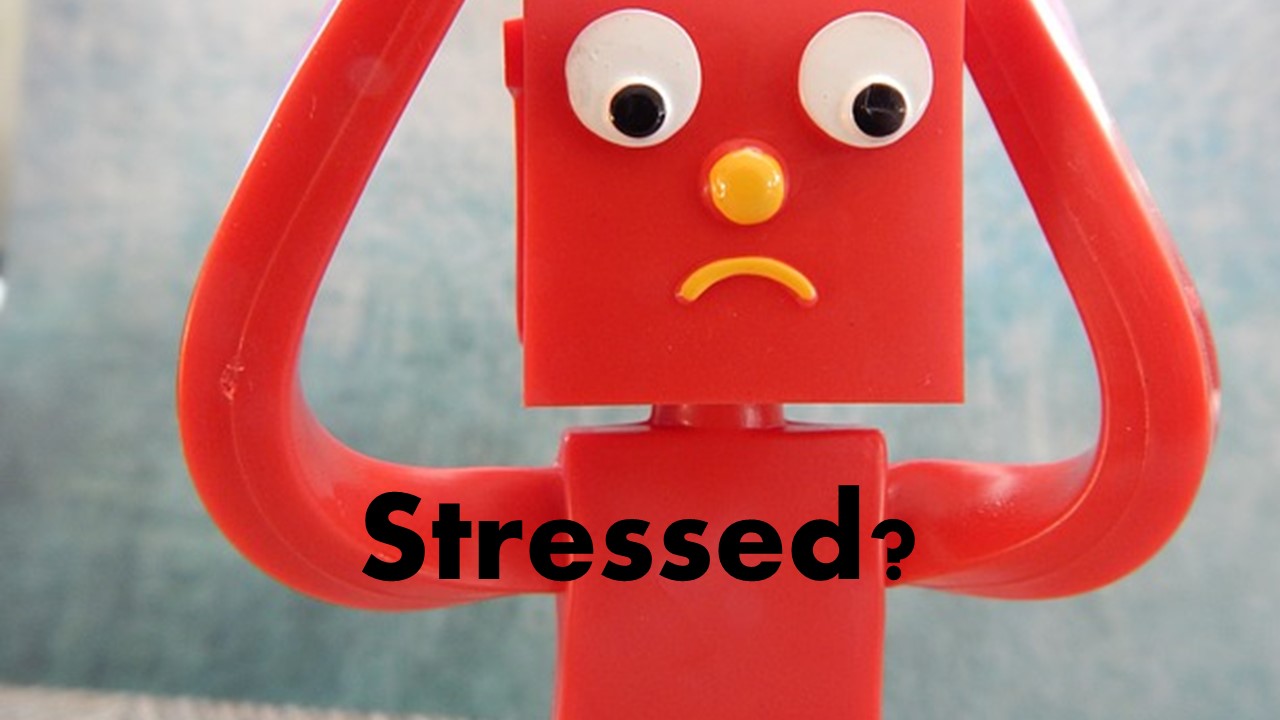
Stressed

Feeling stressed out?
Photo courtesy of Pixabay.com

Stress!

“Can you feel the stress in this room?”

The person next to me bent over and whispered in my ear. “Yes,” I replied. “I have never felt it this strongly,” they said.

Are you feeling it too?

These days people are collapsing under stress as never before. Fear is stalking us.

We are daily reminded of two wars – should we make that three – and counting? Housing prices continue to crumble; most homeowners are underwater if they haven’t lost their home to foreclosure already. Unemployment is up – stubbornly up. In my area, unemployment flirts with the 20% mark. Is it any wonder we are stressed?

The gridlock in Washington hasn’t reduced the stress level of anyone I know. Did I hear that right – politicians almost let us default on the NATIONAL DEBT! And the stock market makes my stomach hurt worse than any roller coaster I ever rode on. Consumer confidence is near the bottom. Did I read that right – one credit card company emailed me a warning – I did not owe them anything but they were warning me THEY didn’t have the money to lend me?

Are company presidents really bragging about the number of American jobs they have eliminated?  It is not just the low-skilled unemployed that are out of work. People with college degrees are unable to find jobs; some are running out of unemployment benefits. And the once safe place – government employment – has become a scary place as huge numbers of government employees at all levels are being laid off.

There was a time when the way to escape economic uncertainty was to go back to school, usually to college, and get a degree. A degree is still a wonderful thing, but occupations are changing so rapidly a degree is no guarantee of finding a job.

California has traditionally been the land of second chances. And third and fourth … But as the budgets shrink colleges everywhere are raising tuition, cutting classes, and capping enrollment  So even if someone chooses to go back to school there are no guarantees of admission, classes, or a career afterward. That is causing students a lot of stress.

Being a parent is even more stressful. Lots of kids are not finishing school. The numbers going to juvenile halls show no sign of declining. Teen pregnancies and drug use are everywhere you look. If parents had known the risks beforehand we might not have become parents.

It’s only adults that stress right? Kids don’t understand stress, right? They don’t know we are stressed, we are hiding it well. Wrong! The hospital emergency rooms are seeing those kids. I read on the internet, a study which said over the last ten years the number of children admitted to psychiatric hospitals has continued to rise. These are kids who say they want to commit suicide, kids who wish they were never born, or they wish that they were dead.

No, not every kid says that, but the numbers who do are rising. Kids who never before knew what homelessness meant are learning the hard way. Kids tell me they have moved 3 – 4 – 7 times or more because the family couldn’t pay the rent. Several families move in together in a house too small for one family.

Some kids get kicked out of school. I am seeing a wave of home-schooled; self-taught students who couldn’t be kept in the classroom anymore because of their behavior – or their parent’s behavior.

Lots of those kids who end up in contact with the official system, welfare, Child protective services, juvenile hall, where are their parents? They are in prison and jail. In our society, for a long time, one in three black men went to prison. But the numbers are changing now. More Hispanics, more women, and more white men are going to prison. Nowadays everyone gets a chance to do time.

Our prisons are overcrowded and soon we will have to start letting people out to make room for the new prisoners.

Some kids are looking forward to seeing their parents freshly released from prison; some are scared for the same reason.

It’s the drugs, right? We have been fighting the war on drugs so long, our battle flag is torn and covered in blood. More children and younger ones are trying drugs. Some are doing drugs with their parents; others are stealing their parent’s drugs.

And it’s not just the same old drugs, six new drugs, maybe more, have arrived on the streets of America in the last couple of years. Some of these drugs aren’t illegal yet. Most don’t show on the hospital screening tests. And the kids who tell me they are using drugs – they keep getting younger and younger.

And the drugs that hurt the most are not the rare illegal ones. They are not the ones that sneak in through the windows but the ones that we openly carry in the front door. Alcohol and Tobacco-related deaths account for over 95 percent of all drug-related deaths. Abused prescription drugs are in second place with all illegal drugs a distant third.

So what causes these children to succumb to all this stress?  Why do some parents cave in under the stress and others make it through? In the future, I will write more about my thoughts on withstanding stress, but now I would like to know –

What do you think?

How do you cope with stress?

How can those of us that are in the helping professions, counselors, therapists, doctors, nurses, and others – how can we help people to withstand these horrific levels of stress?

Staying connected with David Joel Miller

Seven David Joel Miller Books are available now!

My newest book is now available. It was my opportunity to try on a new genre. I’ve been working on this book for several years, but now seem like the right time to publish it.

Story Bureau.

Story Bureau is a thrilling Dystopian Post-Apocalyptic adventure in the Surviving the Apocalypse series.

Baldwin struggles to survive life in a post-apocalyptic world where the government controls everything.

As society collapses and his family gets plunged into poverty, Baldwin takes a job in the capital city, working for a government agency called the Story Bureau. He discovers the Story Bureau is not a benign news outlet but a sinister government plot to manipulate society.

Bumps on the Road of Life. Whether you struggle with anxiety, depression, low motivation, or addiction, you can recover. Bumps on the Road of Life is the story of how people get off track and how to get your life out of the ditch.

Dark Family Secrets: Doris wants to get her life back, but small-town prejudice could shatter her dreams.

Casino Robbery Arthur Mitchell escapes the trauma of watching his girlfriend die. But the killers know he’s a witness and want him dead.

Planned Accidents  The second Arthur Mitchell and Plutus mystery.

Letters from the Dead: The third in the Arthur Mitchell mystery series.

What would you do if you found a letter to a detective describing a crime and you knew the writer and detective were dead, and you could be next?

Sasquatch. Three things about us, you should know. One, we have seen the past. Two, we’re trapped there. Three, I don’t know if we’ll ever get back to our own time.

For these and my upcoming books; please visit my Author Page – David Joel Miller

Want the latest blog posts as they publish? Subscribe to this blog.

For videos, see: Counselorssoapbox YouTube Video Channel