
The question why? – In therapy

By David Joel Miller, MS, Licensed Therapist & Licensed Counselor.

The question why in therapy.
Photo courtesy of Pixabay.com

Does it help to know why?

More than half the time in most therapy sessions is spent on the question of why? Most of the time the focus of the why question, is not on the client but on some other person in their life. Clients spend a good deal of time asking me why their partner did this or that, why did their parents do something, and so on.

It would be reassuring to know why. Most of us think if we just knew “why” then we could prevent something bad from happening. The great illusion of most relationships is that we can somehow control the behavior of others. Most of the time we can’t control the others in our lives, and except for teaching our children good behavior, controlling others is probably not healthy.

The questions we should be asking are not about others. More helpful questions are the ones we ask about ourselves. What do I really want out of life, what are my values? How much am I willing to invest in reaching my goals? Can I accept this situation? What am I willing to do to change?

Sometimes we focus on others to avoid looking at ourselves. It is easy to upset yourself about things happening in the next apartment, across the street, or across the country.  Looking at what is happening in your own life is more productive. It is also more challenging.

People like to vent about their partner, their boss, or their children. It would be easy to devote a lot of therapy time to talking about others. Conversations between friends often turn to talking about others. We call that practice gossiping. It is easy to do. We may even think that by discussing others, we can gain some insight into the situation, some way to improve our outcomes.

One thing we tell clients in therapy is that it is not productive to talk about people who are not in the room. Taking about your conflicts with your partner may make you feel better, temporarily, but it won’t change the situation. There are two ways to improve this relationship situation, get the other person in the therapy room, or change yourself.

Marriage, Child, and Family Therapist’s work from a “systems” perspective, to change a family situation it helps to get all the people involved in the room. Often the “identified patient” is not the one with the problem. Let’s look at some examples of this situation.

The mother comes in with her teenage child. The child has a severe weight problem. The child has become depressed as a result of being overweight. Despite mom’s best efforts to put this teen on a diet, make them exercise; the teen continues to gain weight. The teen comes to therapy; they don’t want to talk about their weight. What is on their mind is the way their parents have been fighting and every time they go to visit Grandma, she runs mom down the whole visit.

Turns out that because of the marital conflict, every time dad takes this teen out they stop somewhere for something to eat. Dad always says “don’t tell your mother, she is way too hard on you,” which the teen tries to respect.

When the teen visits grandma, she does the same thing, makes excuses for why the teen does not need to lose weight, and rewards the teen with food treats. Grandma does not like her daughter-in-law and gets even with her by being the teens “friend” and sabotaging the mother’s plans for the teen to lose weight.

Working with the teen around weight loss may not be very effective. One approach is to get the whole family together at once and talk about how they are all colluding to use the teen’s weight as a way to try to control or get even with other family members.

Sometimes we can’t get the whole family to therapy. We have to work with the teen on what they really want. If the teen is impacted by this weight issue, we may need to help them to learn how to say no to dad and grandma’s efforts to sabotage their diet. Some teens can’t resist the family dance and are stuck.

Boys escape this family dance by joining the military or running away from home. Girls try to escape by getting pregnant, moving in with a man, or some other way of having to leave the family. Both genders may also use drugs and alcohol to escape intolerable conflicts.

Another situation that results in a lot of talk about a person who is not in the room is the spouse of the alcoholic or addict. They are likely to want to spend a lot of time on how to make their partner stop or on what they did to make them drink and use.

The spouse did nothing to make their partner abuse substances.  A bad relationship may have contributed, but it is not the cause. People drink and use to change the way they feel. Eventually, they lose the ability to cope without the substances. Some people can use and drink a little or even drink a lot and then stop when they want. Other people find that when they try to stop, they can’t. We consider this an example of the disease of addiction.

There is not much the non-using partner can do to stop the other person’s substance abuse.  They have a choice. End the relationship, say that this is more than you signed on for and you are done, or you can accept that the other person is the way they are and go on from there. Spending time talking about the person who is not in the room is not helpful here either.

Do you spend a lot of time asking why others do what they do? How much time have you spent looking at yourself? What do you really want? What can you accept or not accept?

Don’t waste time on the why; work on the “what and how” of the changes you need to make to have a happy future.

Staying connected with David Joel Miller

Seven David Joel Miller Books are available now!

My newest book is now available. It was my opportunity to try on a new genre. I’ve been working on this book for several years, but now seem like the right time to publish it.

Story Bureau.

Story Bureau is a thrilling Dystopian Post-Apocalyptic adventure in the Surviving the Apocalypse series.

Baldwin struggles to survive life in a post-apocalyptic world where the government controls everything.

As society collapses and his family gets plunged into poverty, Baldwin takes a job in the capital city, working for a government agency called the Story Bureau. He discovers the Story Bureau is not a benign news outlet but a sinister government plot to manipulate society.

Bumps on the Road of Life. Whether you struggle with anxiety, depression, low motivation, or addiction, you can recover. Bumps on the Road of Life is the story of how people get off track and how to get your life out of the ditch.

Dark Family Secrets: Doris wants to get her life back, but small-town prejudice could shatter her dreams.

Casino Robbery Arthur Mitchell escapes the trauma of watching his girlfriend die. But the killers know he’s a witness and want him dead.

Planned Accidents  The second Arthur Mitchell and Plutus mystery.

Letters from the Dead: The third in the Arthur Mitchell mystery series.

What would you do if you found a letter to a detective describing a crime and you knew the writer and detective were dead, and you could be next?

Sasquatch. Three things about us, you should know. One, we have seen the past. Two, we’re trapped there. Three, I don’t know if we’ll ever get back to our own time.

For these and my upcoming books; please visit my Author Page – David Joel Miller

Want the latest blog posts as they publish? Subscribe to this blog.

For videos, see: Counselorssoapbox YouTube Video Channel
Does a little alcohol make you more productive?

By David Joel Miller, MS, Licensed Therapist & Licensed Counselor.

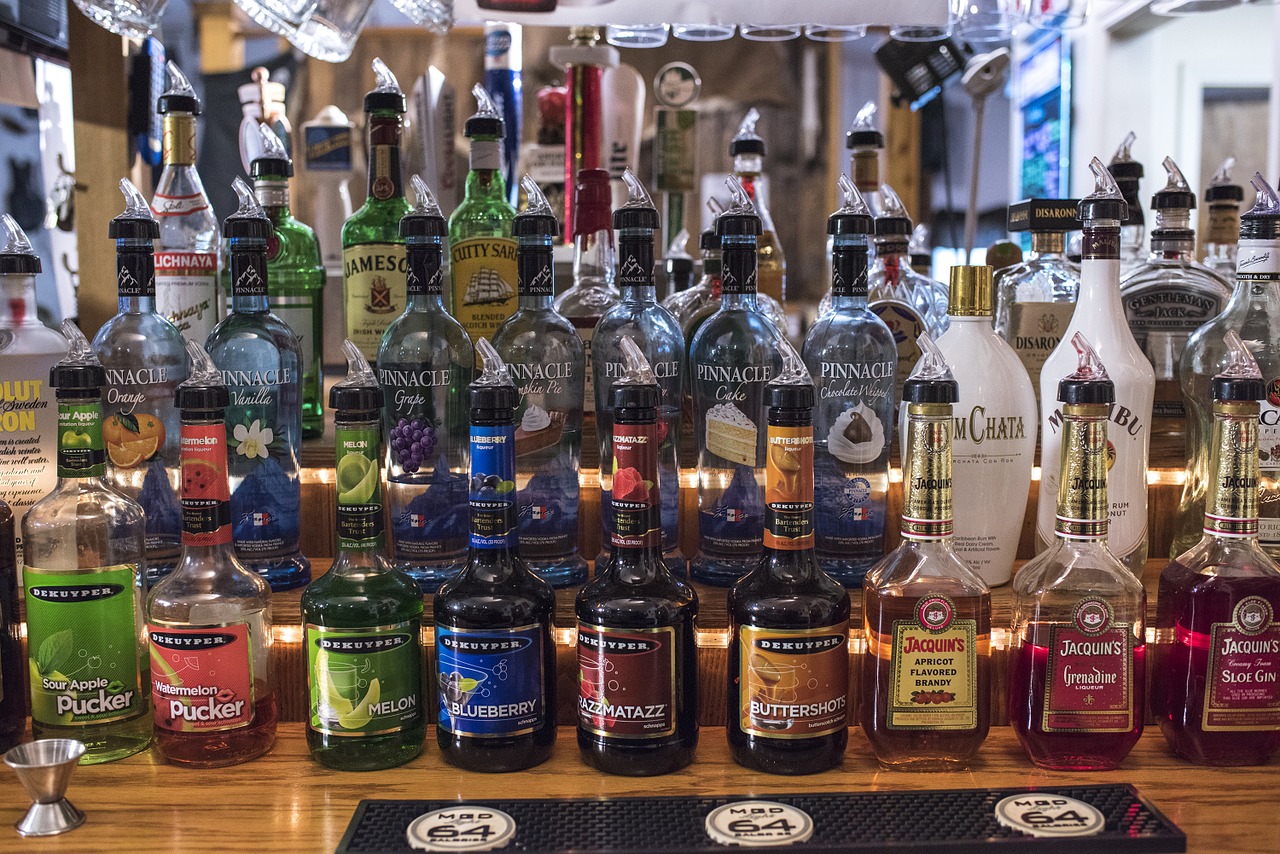
Bottles of alcohol.

Alcoholic Beverages.
Photo courtesy of Pixabay.com

Alcohol’s effect on productivity – Morning Question #28

Alcohol is not likely to make you more productive. People used to believe that alcohol was a stimulant and increased your productivity. It is not a stimulant, it is a depressant.

What alcohol does do is reduce the function of parts of the brain; as a result, people lose their inhibitions. So people who put things off and avoid things because of anxiety and shyness may do things while they have alcohol in the bloodstream that they otherwise would not do.

Taking more chances can be good if it helps you overcome inhibitions and gets you to try something for the first time. But it can also be bad if the thing you try that one time has harmful consequences, like sex with a new partner or drugs. Having to use chemicals to overcome anxiety also increases the risk you will become dependent on that chemical to cope with that problem the next time it arises.

This false belief in alcohol’s ability to increase productivity resulted in a lot of authors, newspaperman, and other creative types abusing alcohol and resulted in a lot of alcoholism.

There is no magic substance to make you more productive or creative.

Good health practices, some exercise, and reducing the internal censor that inhibits you from trying new things can go a long way towards increasing your productivity.

Staying connected with David Joel Miller

Seven David Joel Miller Books are available now!

My newest book is now available. It was my opportunity to try on a new genre. I’ve been working on this book for several years, but now seem like the right time to publish it.

Story Bureau.

Story Bureau is a thrilling Dystopian Post-Apocalyptic adventure in the Surviving the Apocalypse series.

Baldwin struggles to survive life in a post-apocalyptic world where the government controls everything.

As society collapses and his family gets plunged into poverty, Baldwin takes a job in the capital city, working for a government agency called the Story Bureau. He discovers the Story Bureau is not a benign news outlet but a sinister government plot to manipulate society.

Bumps on the Road of Life. Whether you struggle with anxiety, depression, low motivation, or addiction, you can recover. Bumps on the Road of Life is the story of how people get off track and how to get your life out of the ditch.

Dark Family Secrets: Doris wants to get her life back, but small-town prejudice could shatter her dreams.

Casino Robbery Arthur Mitchell escapes the trauma of watching his girlfriend die. But the killers know he’s a witness and want him dead.

Planned Accidents  The second Arthur Mitchell and Plutus mystery.

Letters from the Dead: The third in the Arthur Mitchell mystery series.

What would you do if you found a letter to a detective describing a crime and you knew the writer and detective were dead, and you could be next?

Sasquatch. Three things about us, you should know. One, we have seen the past. Two, we’re trapped there. Three, I don’t know if we’ll ever get back to our own time.

For these and my upcoming books; please visit my Author Page – David Joel Miller

Want the latest blog posts as they publish? Subscribe to this blog.

For videos, see: Counselorssoapbox YouTube Video Channel
Co-occurring Disorders and Dual Diagnosis

By David Joel Miller, MS, Licensed Therapist & Licensed Counselor.

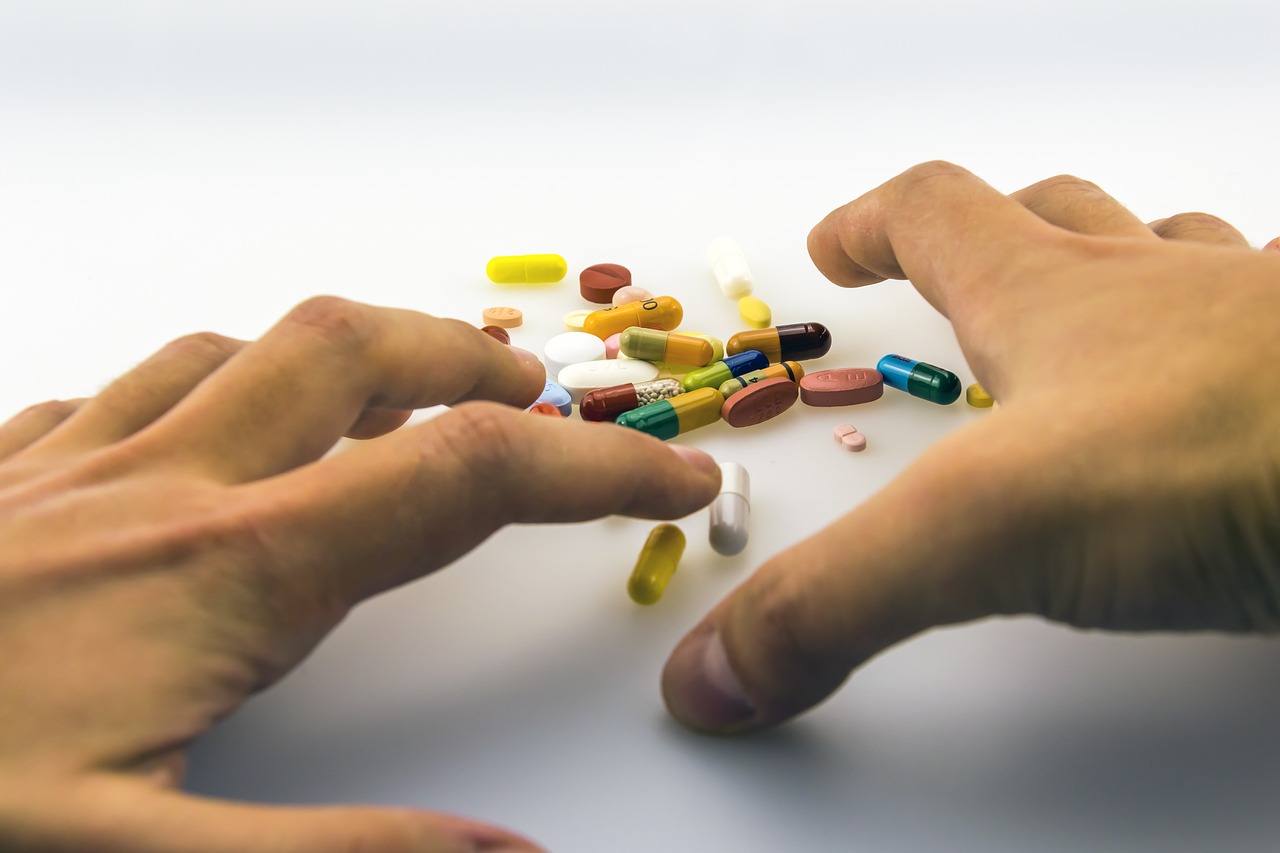
Hands with pills

Addiction and Mental illness. 
Photo courtesy of Pixabay

What are these things? They sound serious. – They are.

Someone who has two problems may have a harder time getting help than people with only one problem. Once society recognized that it was possible to help people with mental and emotional problems instead of just locking them up in an institution, we began to create special programs to deal with these issues.

The problem has been that most programs that were meant to help, was that they were organized around problems and not around people.

Mental Health programs.

Programs for the mentally ill were separated from those that treated other problems. We were afraid the mentally ill would become violent. We were afraid they might hurt themselves. Mostly we were just afraid. If they acted out we arrested them and locked them away.

Then medications for the mentally ill were discovered and we decided that maybe we did not need to keep locking them away. They could be helped in outpatient settings. Mental health clinics were created.

Substance Use Disorders.

Substance abusers were segregated also. At first, the thought was that “those people” chose to do what they do. We arrested and incarcerated the alcoholics and addicts. The thought was “they never get better” or they just need to quit.

Alcoholics Anonymous changed our way of understanding alcoholism. Groups of alcoholics got together and talked about recovery, they got better. After Alcoholics Anonymous came Narcotics Anonymous, followed by hundreds of other 12 step groups and ultimately the creation of substance abuse facilities.

Treatment for addiction and alcoholism worked.

The Silos

The specialized programs quickly evolved into silos. The Mental health programs treated the mentally ill, they sent all substance abusers away – referred them to a substance abuse program.

The substance abuse programs referred the mentally ill to a mental health program.

The programs developed mantras.

If you do drugs, drink alcohol, you can’t be in a mental health program. Get 30 (or 90 or more) days clean and come back.

The substance abuse programs told clients they could not attend drug classes if they took psychiatric medication. Some counselors told clients that “if you take psych meds you are not clean.”

Old-timers grumbled that the Big Book says to follow the doctor’s advice and take your meds as prescribed. Still the programs sent anyone with a mental health problem to mental health.

The client was ping-ponged back and forth between mental health and substance abuse programs often ending up in the hospital emergency room where they received their treatment one E. R. visit at a time.

Dual Diagnosis programs are created.

Over time the number of people who were identified with both mental illness and substance abuse problems began to be recognized as significant. They were seen at the doors of mental health clinics, substance abuse programs, hospitals, homeless shelters, and welfare offices.

People with both a substance abuse disorder and mental illness usually can’t work. They burn out their families. They live on the street and in low-income neighborhoods.

People who live on the street, have no medical care, get sick, and end up in E.R.’s We began to designate this condition as “Dual Diagnosis.”

Books were written on Dual diagnosis, what it is, how to treat it. Some programs began to train beginning professionals on how to recognize the presence of substance abuse and mental illness. Still, most programs were organized as if all clients had one and only one problem.

Dual Diagnosis swells.

Doctors do most of the diagnosing and most of the clients with substance use disorders and a mental illness end up in the emergency clinics, they have few other options. Counselors saw dual diagnoses as one thing, doctors saw another.

The term dual diagnosis began to widen to include anyone with two (or more) diagnoses. From a medical treatment perspective, this makes sense. A client with diabetes or a heart condition and substance abuse has two problems. Someone with a mental illness and hypertension has two problems also. And for the treating physician, this can be very important. Medications for the psychiatric problem or the alcohol and street drugs can interact with the medications for the physical problem. The doctors need to know these things. There are articles now on dual-diagnoses that are about treating two medical problems at the same time.

Co-occurring Disorders emerge.

The term “Co-occurring Disorders” began to be used for that common issue of clients who had both a mental illness and a substance use disorder. Specialized trainings and even programs were created for people with those two problems that occur together so often.

The expression “co-occurring disorders are an expectation, not an exception” was born.

Things have begun to get better for the client who has both of these problems. But there are still clinicians who work in one area and are uncomfortable with clients who have the other problem also. Programs still see themselves as providing service either to substance abusers or to the mentally ill but not both.

Behavioral Health programs.

Behavioral health agencies now exist with the mandate to serve the mentally ill and the substance abuse clients. Some programs also include services for the mentally retarded and the developmentally delayed. Programs continue to be developed around problems and not people.

Could a developmentally delayed person also have a mental illness, say depression, and abuse substances?

Even the term “behavioral health” is problematic. It focuses on the problem as behavior. “Those people” do not do what society wants. It has been taken to mean that the people who receive services at behavioral health chose to be the way they are rather than that they have a disorder that is treatable.

The coordination of substance abuse and mental health services is a step forward but it is far from the end of the journey.

The future.

In the future, we hope to see a time when anyone who needs help gets it regardless of the specific combinations of challenges they are faced with. A time when mental health services and substance abuse treatment is offered alongside physical health services.

We hope the day will come when the largest housing facilities for the mentally ill are not in jails and where the bulk of substance abuse treatment is not done in prisons. Where we as a society provide prevention and treatment in the childhood years before our children have to go to jails and prisons rather than wait to offer services to them in prison.

We have a long way to go before the treatment of dual diagnoses becomes routine, but the fields of mental illness, substance use disorder treatment, and physical health management are changing for the better.

For more on Dual Diagnosis, Co-occurring disorders, substance abuse, and mental health topics see the categories list to the right. Coming soon will be a list of “Dual Diagnosis links and resources.”

Staying connected with David Joel Miller

Seven David Joel Miller Books are available now!

My newest book is now available. It was my opportunity to try on a new genre. I’ve been working on this book for several years, but now seem like the right time to publish it.

Story Bureau.

Story Bureau is a thrilling Dystopian Post-Apocalyptic adventure in the Surviving the Apocalypse series.

Baldwin struggles to survive life in a post-apocalyptic world where the government controls everything.

As society collapses and his family gets plunged into poverty, Baldwin takes a job in the capital city, working for a government agency called the Story Bureau. He discovers the Story Bureau is not a benign news outlet but a sinister government plot to manipulate society.

Bumps on the Road of Life. Whether you struggle with anxiety, depression, low motivation, or addiction, you can recover. Bumps on the Road of Life is the story of how people get off track and how to get your life out of the ditch.

Dark Family Secrets: Doris wants to get her life back, but small-town prejudice could shatter her dreams.

Casino Robbery Arthur Mitchell escapes the trauma of watching his girlfriend die. But the killers know he’s a witness and want him dead.

Planned Accidents  The second Arthur Mitchell and Plutus mystery.

Letters from the Dead: The third in the Arthur Mitchell mystery series.

What would you do if you found a letter to a detective describing a crime and you knew the writer and detective were dead, and you could be next?

Sasquatch. Three things about us, you should know. One, we have seen the past. Two, we’re trapped there. Three, I don’t know if we’ll ever get back to our own time.

For these and my upcoming books; please visit my Author Page – David Joel Miller

Want the latest blog posts as they publish? Subscribe to this blog.

For videos, see: Counselorssoapbox YouTube Video Channel

Bereavement, Grief and Loss – V62.82 or Z63.4

Quote

By David Joel Miller.

Why Bereavement might require counseling.

Bereavement

Bereavement, grief, and loss.
Picture courtesy of Pixabay.

Why Bereavement might require counseling.

Bereavement, the loss of someone close, is a normal part of life. How you react to that Bereavement determines if someone needs to see a counselor. We expect you to go through the process of grieving when they lose someone close to you. If you have difficulty with this process you might need to see a counselor.

Having certain other factors in your life may increase the need for professional help to deal with the bereavement.

Most people can navigate the bereavement process with the help of family, friends, and their faith-based community if they have a particular faith. We expect you to think about the departed person, be sad, and have some physical symptoms. Crying, loss of appetite, poor sleep, and even some weight loss are common in the early stages of bereavement. You may experience more or less of these symptoms. Some people can express this outwardly and some keep the pain inside.

You will probably never completely get over the loss and you are sure to always remember the loved one but at some point, you will begin to be able to return to your life as it was before they passed. You should still be able to work, be close to others among your family and friends, and find some things pleasurable to do.

If the symptoms go on too long they begin to look more like depression than normal grief. How long the bereavement process may take you depends on you and your culture. In American and most of the “western” culture, we expect this process to take 60 days or less. If it goes beyond that we need to look at how this loss is affecting you.

If you have had other problems in the past this may put you at high risk for Bereavement issues.  If you have a history of substance abuse issues, bereavement may be a trigger for you. The loss may increase the risk you will relapse. People with histories of mental health issues are also at increased risk when navigating grief and loss.

People with Co-occurring Disorders (dual-diagnosis) are at added risk and need to be making full use of their relapse prevention tools and their support systems during this time.

Experiencing depression, substance abuse episodes, or relapsing into episodes of either are reasons you may decide to seek therapy.

Some warning signs of bereavement problems are listed in the DSM. The symptoms (in my words) include 1. Excess guilt other than about things that happened around the time of the death. 2. Thoughts of death beyond just wishing you had died with or instead of them, especially any thoughts of suicide or allowing yourself to die. 3. Feeling worthless. 4. Sluggishness, lack of energy to do anything 5. Can’t work, be with family or friends or have fun 6. Hallucinations

Bereavement is a V code (in the DSM-5 now a Z code) and is not covered by some insurance plans but if you need help it is well worth the cost to see a counselor.

If you occasionally see the person briefly or hear their voice from time to time we let that go. Depending on your beliefs this may be a very normal experience. If you see or hear other things or this begins to interfere with your life than seek help.

I have used the terms grief and loss in this explanation of bereavement but there are other types of grief and loss besides bereavement. People grieve over lost loves, divorces, job loss, natural disasters, and many other things. None of those fall under the heading of bereavement and they may or may not meet criteria for treatment according to the DSM. But then many people who don’t have a specific diagnosis come to see a counselor, they just need help solving some of life’s problems.

While I can’t provide counseling or therapy via this blog I would love to hear from any of you who care to comment on this post about your experiences with Bereavement and how you moved past it. Questions on this topic or anything having to do with mental health, substance abuse or dual diagnosis are welcome.

Has Bereavement impacted your mental health, substance abuse, dual diagnosis, and how have you coped?

Staying connected with David Joel Miller

Seven David Joel Miller Books are available now!

My newest book is now available. It was my opportunity to try on a new genre. I’ve been working on this book for several years, but now seem like the right time to publish it.

Story Bureau.

Story Bureau is a thrilling Dystopian Post-Apocalyptic adventure in the Surviving the Apocalypse series.

Baldwin struggles to survive life in a post-apocalyptic world where the government controls everything.

As society collapses and his family gets plunged into poverty, Baldwin takes a job in the capital city, working for a government agency called the Story Bureau. He discovers the Story Bureau is not a benign news outlet but a sinister government plot to manipulate society.

Bumps on the Road of Life. Whether you struggle with anxiety, depression, low motivation, or addiction, you can recover. Bumps on the Road of Life is the story of how people get off track and how to get your life out of the ditch.

Dark Family Secrets: Doris wants to get her life back, but small-town prejudice could shatter her dreams.

Casino Robbery Arthur Mitchell escapes the trauma of watching his girlfriend die. But the killers know he’s a witness and want him dead.

Planned Accidents  The second Arthur Mitchell and Plutus mystery.

Letters from the Dead: The third in the Arthur Mitchell mystery series.

What would you do if you found a letter to a detective describing a crime and you knew the writer and detective were dead, and you could be next?

Sasquatch. Three things about us, you should know. One, we have seen the past. Two, we’re trapped there. Three, I don’t know if we’ll ever get back to our own time.

For these and my upcoming books; please visit my Author Page – David Joel Miller

Want the latest blog posts as they publish? Subscribe to this blog.

For videos, see: Counselorssoapbox YouTube Video Channel

Eating Disorders and substance abuse

By David Joel Miller, MS, Licensed Therapist & Licensed Counselor.

Unhealthy food

Unhealthy relationship with food.
Photo courtesy of Pixabay

More about eating disorders and substance abuse.

Risk factors for eating disorders.

Eating disorders, especially Anorexia, and Bulimia are far more common in women than in men. The ratio runs 10 women for every man. Our society’s emphasis on physical appearance puts young girls at extreme risk as they try to fit the image they see portrayed in the media. Eating disorders that begin in the teen or preteen years are unlikely to go away without treatment.

Certain activities and later on in life specific occupations have built-in an emphasis on keeping the weight off and having a particular body shape. Young women who train to become models, gymnasts, and dancers are at high risk.

Young men who engage in sports that emphasize weight classes are also at risk of developing Anorexia or Bulimia. Male gymnasts, wrestlers, and jockeys all experience pressure to lose weight and keep it off that may become unhealthy.

Added eating disorder dangers.

The dangers of eating disorders are not confined to those with anorexia who reach low body weight. Even when the bodyweight looks normal, the process of purging, intentional vomiting, and extreme dieting, can create health risks. Some methods harm health while being ineffective for weight loss.

Purging and diuretics can create extreme dehydration and an electrolyte imbalance. Dehydration does not equate with a loss of total weight and can seriously impair health.

Subclinical forms of eating disorders.

Milder forms of eating disorders are more common than previously thought. As the emphasis on obesity and weight loss has grown, many more people have resorted to extreme measures to get a sudden weight loss or to reduce weight gain. Despite the health risks involved it is tempting to allow yourself an occasional purge to offset the guilty feeling surrounding overeating or a meal with excess calories.

Co-occurrence of Eating Disorders and substance use disorders.

The overlap between Bulimia and substance abuse may be larger than previously thought.

Assorted studies on the co-occurrence of Bulimia and substance abuse have given varying estimates of the number of people with both issues. Current estimates run between a median of 25% and a high of 50%. Clearly, lots of milder cases of combined Bulimia and substance abuse are going undetected and untreated until one or both problems become acute. These two problems together are much more than the sum of adding up both disorders.

People with eating disorders are also more likely to currently have or have had a history of an anxiety disorder and a mood disorder. Many with an eating disorder have three or more disorders.

Those with eating disorders are at high risk to abuse or become dependent on stimulants. The “Jenny Crank” diet is legendary among Methamphetamine abusers. Abuse of stimulants for weight control regularly results in chemical dependency and serious health problems.

Boundaries between eating disorders are not firm.

During their lifetime people with eating disorders may move between the three principal eating disorders.

Medical issues in eating disorders are noteworthy.

Medical problems are especially challenging for those with an eating disorder. Untreated an eating disorder can lead to serious medical problems and sometimes death. Eating Disorders rarely go away by themselves and need professional treatment before the damage to the body and the emotions becomes permanent and possibly irreversible.

Other Eating Disorder posts can be found at:

Binge Eating Disorder – the other side of Anorexia and Bulimia 

Middle class and starving to death in America – An Eating Disorder called Anorexia

Love Hate relationship with food – Bulimia Nervosa

Avoidant Restrictive Food Intake Disorder

Staying connected with David Joel Miller

Seven David Joel Miller Books are available now!

My newest book is now available. It was my opportunity to try on a new genre. I’ve been working on this book for several years, but now seem like the right time to publish it.

Story Bureau.

Story Bureau is a thrilling Dystopian Post-Apocalyptic adventure in the Surviving the Apocalypse series.

Baldwin struggles to survive life in a post-apocalyptic world where the government controls everything.

As society collapses and his family gets plunged into poverty, Baldwin takes a job in the capital city, working for a government agency called the Story Bureau. He discovers the Story Bureau is not a benign news outlet but a sinister government plot to manipulate society.

Bumps on the Road of Life. Whether you struggle with anxiety, depression, low motivation, or addiction, you can recover. Bumps on the Road of Life is the story of how people get off track and how to get your life out of the ditch.

Dark Family Secrets: Doris wants to get her life back, but small-town prejudice could shatter her dreams.

Casino Robbery Arthur Mitchell escapes the trauma of watching his girlfriend die. But the killers know he’s a witness and want him dead.

Planned Accidents  The second Arthur Mitchell and Plutus mystery.

Letters from the Dead: The third in the Arthur Mitchell mystery series.

What would you do if you found a letter to a detective describing a crime and you knew the writer and detective were dead, and you could be next?

Sasquatch. Three things about us, you should know. One, we have seen the past. Two, we’re trapped there. Three, I don’t know if we’ll ever get back to our own time.

For these and my upcoming books; please visit my Author Page – David Joel Miller

Want the latest blog posts as they publish? Subscribe to this blog.

For videos, see: Counselorssoapbox YouTube Video Channel

.

Recovery defined

By David Joel Miller, MS, Licensed Therapist & Licensed Counselor.

Ball recovery

Recovery and Resiliency.
Photo courtesy of Pixabay.com

What exactly is recovery?

Should we describe someone as “In recovery,” “recovering” or recovered? What about resilience. Is it in any way related to recovery? This month SAMHSA (Substance Abuse and Mental Health Services Administration) suggested a working definition for recovery.

The word recovery is commonly used when talking about substance abuse. Recently mental health has tried to incorporate wellness and recovery language into mental health programs. But it has long been clear that not everyone agrees about what is meant by recovery.

Trying to define recovery has always been a challenge.  Not the dictionary definition, which is relatively straightforward but not simple. Some common dictionary definitions of recovery include 1 A return to health 2 Return to a normal state 3 Gaining back something that was lost. The hard part was to explain what recovery meant when related to the issues of mental health and substance abuse.

Many people describe themselves as recovering. By that they mean they are struggling with a chronic progressive disease like alcoholism or drug addiction. They do not believe you are ever cured of a chronic disease condition and continue to remind themselves that at any moment they could experience a recurrence if they were to relax their vigilance.

Some people prefer the term “in recovery.” They believe that recovery is not a passive thing that happens to them but something that requires their active participation. They need to climb on board the recovery train and move towards their goal.

Some old-time AA members describe themselves as “recovered” and they point to the title page to the book “Alcoholics Anonymous” which states that the book is “the story of how many thousands of men and women have recovered from Alcoholism.” They further point out the book say that “we are not cured” but “have recovered from a hopeless state of mind and body.”  The thought that anyone could ever be fully recovered scares other people. They point out that accepting being recovered might lead someone to become careless and think that there is not more work to do on themselves.

SAMHS has suggested the following as a working definition of recovery:

A process of change through which individuals improve their health and wellness, live a self-directed life, and strive to reach their full potential.

SAMHSA delineates four major dimensions that support a life in recovery, Health, Home, Purpose, and Community.

A resiliency researcher tried to explain the difference between recovery and resiliency as – Recovery is coming back from negative consequences and resiliency as the ability to continue to function despite traumas.

A short way to think of this might be – Recovery is the process of getting back to where you were, regaining your life and Resiliency is handling life on life’s terms.

Staying connected with David Joel Miller

Seven David Joel Miller Books are available now!

My newest book is now available. It was my opportunity to try on a new genre. I’ve been working on this book for several years, but now seem like the right time to publish it.

Story Bureau.

Story Bureau is a thrilling Dystopian Post-Apocalyptic adventure in the Surviving the Apocalypse series.

Baldwin struggles to survive life in a post-apocalyptic world where the government controls everything.

As society collapses and his family gets plunged into poverty, Baldwin takes a job in the capital city, working for a government agency called the Story Bureau. He discovers the Story Bureau is not a benign news outlet but a sinister government plot to manipulate society.

Bumps on the Road of Life. Whether you struggle with anxiety, depression, low motivation, or addiction, you can recover. Bumps on the Road of Life is the story of how people get off track and how to get your life out of the ditch.

Dark Family Secrets: Doris wants to get her life back, but small-town prejudice could shatter her dreams.

Casino Robbery Arthur Mitchell escapes the trauma of watching his girlfriend die. But the killers know he’s a witness and want him dead.

Planned Accidents  The second Arthur Mitchell and Plutus mystery.

Letters from the Dead: The third in the Arthur Mitchell mystery series.

What would you do if you found a letter to a detective describing a crime and you knew the writer and detective were dead, and you could be next?

Sasquatch. Three things about us, you should know. One, we have seen the past. Two, we’re trapped there. Three, I don’t know if we’ll ever get back to our own time.

For these and my upcoming books; please visit my Author Page – David Joel Miller

Want the latest blog posts as they publish? Subscribe to this blog.

For videos, see: Counselorssoapbox YouTube Video Channel