How to tell when drug and alcohol use is a problem? How do professionals diagnose Substance Use Disorders? Today’s video looks at the topic of identifying drug and alcohol problems.

How to tell when drug and alcohol use is a problem? How do professionals diagnose Substance Use Disorders? Today’s video looks at the topic of identifying drug and alcohol problems.
By David Joel Miller, MS, Licensed Therapist & Licensed Counselor.
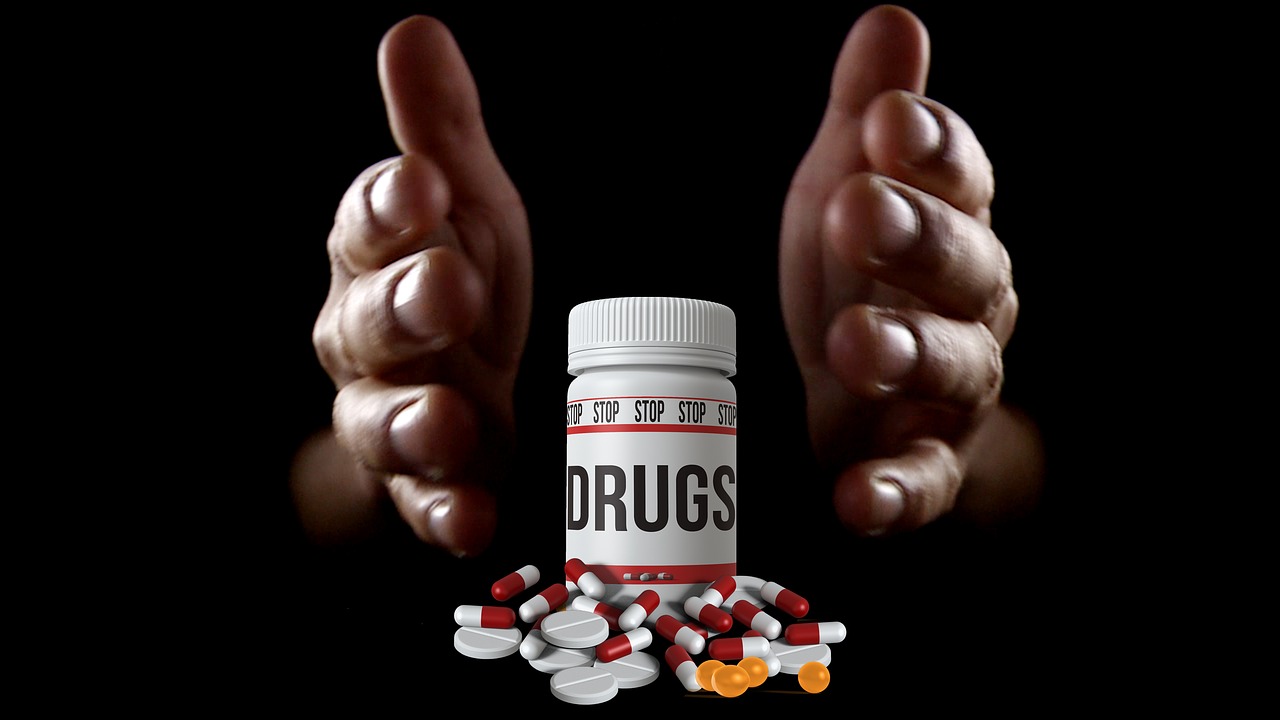
Drugs.
Photo courtesy of Pixabay.
When people think of drug withdrawal the picture they see is the one of classic heroin withdrawal. Someone coming off heroin or other opiates does some “kicking” both drug wise and legs-wise. They also have diarrhea and “goosebumps.” Because opiates are pain relievers during withdrawals people can experience high levels of pain.
That dramatic type of withdrawal is not the only kind you might have. Each drug you might take can have some effects when the level in your body, principally in your bloodstream, begins to drop.
Drug withdrawal is an identifiable illness or syndrome that happens when someone stops taking a drug or reduces the amount they are using significantly. The symptoms begin when the level of a drug in the blood drops. Withdrawal symptoms can vary in severity and each drug has its own pattern of withdrawal symptoms. An alternative name for withdrawal is Abstinence Syndrome.
In the early stages of drug use, withdrawal symptoms may be minimal and go unnoticed. Once the body has adjusted to having that drug present and made adaptations the symptoms become more pronounced. Symptoms may not be entirely physical. For some drugs the primary withdrawal symptoms are psychological.
The more severe the withdrawal symptoms the more likely the user is to pick that drug back up to reduce those symptoms. A withdrawal symptom of drugs taken to reduce anxiety, prescribed or self-medicated ones, is an increase in anxiety. People who smoke marijuana to reduce anxiety report that the anxiety gets really bad after they discontinue smoking it. This results in a return to marijuana use.
Getting rid of withdrawal symptoms is a strong motivator to resume drug use again.
I find it interesting that some drugs such as Inhalants and Hallucinogens have no withdrawal symptoms specified. We also have only one diagnosis and F code for the group of drugs, Sedative, Hypnotic or Anxiolytic Drugs. Withdrawal from these drugs can be different with different drugs. Stimulant Withdrawal is separated and has one code for Cocaine and another for Amphetamines and other stimulants. These DSM-5 codes are a rough sketch. For the full details consult the DSM-5 text. Also, note that there are well-defined withdrawal criteria for Cannabis (Marijuana) and Caffeine.
Alcohol Withdrawal (F10.239 or F10.232)
Caffeine Withdrawal (F15.93)
Cannabis (Marijuana) Withdrawal (F12.288)
Opioid Withdrawal (F11.23)
Sedative, Hypnotic or Anxiolytic Withdrawal (F13.239, F13.232)
Stimulant Withdrawal
Amphetamine or other stimulant (F15.23)
Cocaine Withdrawal (F14.23)
Tobacco Withdrawal (F17.203)
Other (or Unknown) Substance Withdrawal (F19.239)
For more on drugs and recovery see:
Drug Use, Abuse, and Addiction Recovery
Terms and their meaning can differ with the profession using them. The literature from the Rehab or AOD (Alcohol and Other Drug) field may be very different from that in the mental health field. There is still a large gap between recovery programs, AOD professionals and the terms and descriptions used in the DSM.
FYI These “What is” sometimes “What are” posts are my efforts to explain terms commonly used in Mental Health, Clinical Counseling, Substance Use Disorder Counseling, Psychology, Life Coaching, and related disciplines in a plain language way. Many are based on the new DSM-5; some of the older posts were based on the DSM-IV-TR, both published by the APA. For the more technical versions please consult the DSM or other appropriate references.
Staying connected with David Joel Miller
Seven David Joel Miller Books are available now!
My newest book is now available. It was my opportunity to try on a new genre. I’ve been working on this book for several years, but now seem like the right time to publish it.
Story Bureau is a thrilling Dystopian Post-Apocalyptic adventure in the Surviving the Apocalypse series.
Baldwin struggles to survive life in a post-apocalyptic world where the government controls everything.
As society collapses and his family gets plunged into poverty, Baldwin takes a job in the capital city, working for a government agency called the Story Bureau. He discovers the Story Bureau is not a benign news outlet but a sinister government plot to manipulate society.
Bumps on the Road of Life. Whether you struggle with anxiety, depression, low motivation, or addiction, you can recover. Bumps on the Road of Life is the story of how people get off track and how to get your life out of the ditch.
Dark Family Secrets: Doris wants to get her life back, but small-town prejudice could shatter her dreams.
Casino Robbery Arthur Mitchell escapes the trauma of watching his girlfriend die. But the killers know he’s a witness and want him dead.
Planned Accidents The second Arthur Mitchell and Plutus mystery.
Letters from the Dead: The third in the Arthur Mitchell mystery series.
What would you do if you found a letter to a detective describing a crime and you knew the writer and detective were dead, and you could be next?
Sasquatch. Three things about us, you should know. One, we have seen the past. Two, we’re trapped there. Three, I don’t know if we’ll ever get back to our own time.
For these and my upcoming books; please visit my Author Page – David Joel Miller
Want the latest blog posts as they publish? Subscribe to this blog.
For videos, see: Counselorssoapbox YouTube Video Channel
By David Joel Miller, MS, Licensed Therapist & Licensed Counselor.

What are the 11 drug categories in the DSM-5?
Photo courtesy of Pixabay.
There are lots of ways to categorize drugs depending on why you are doing the categorizing. In the DSM-5 the drugs are primarily classified by the way they affect the body of the person who is using the drugs. This perspective is a medical one and the doctors likely have a different perspective on this than substance abuse or mental health counselors.
This classification of drugs appears in the substance use disorder section. Substance Use Disorders largely excludes the effects or side effects of prescribed medications. This classification system emphasizes drugs with similar effects on the body and which might be medically treated with similar medications. Counselors will likely see some of this from a somewhat different treatment perspective.
It is important to note that to get a diagnosis in the section the person does not have to intend to use the drug. Someone exposed to fumes or accidental exposure, say to pesticide, could meet criteria for a diagnosis if the chemical resulted in symptoms that fit one of these classifications.
Alcohol F10.XX
Caffeine F15.9X
Cannabis (Primarily Marijuana) F12.XX
Hallucinogens F16.XX
Inhalants F18.XX
Opioids (Heroin and RX pills) F11.XX
Sedatives, Hypnotics, and Anxiolytics. F13.XX
Stimulants. (This combines Cocaine F14.XX and Amphetamines F15.XX, the DSM does not separate Meth from other amphetamines the way substance abuse treatment does.)
Tobacco F17.XX
Other or Unknown Substance Use Disorder F19.XX
Each particular drug may or may not have additional specifiers after the initial F number. Some have three digits after and some have only two available.
This DSM-5 classification system is only marginally related to the Federal Drug Schedules used here in the U. S. to regulate the sale and prescription of drugs. Various groups and authors have classified drugs, both drugs of abuse and prescribed drugs, using a number of other systems. Some things we know are drugs are often not regulated because they are sold with a label “not for human consumption.” Herbal products and supplements fall into a gray area and regulation of these products along with classification are more problematic.
Substance use disorders are included in the DSM-5 and hence qualify as a “mental disorder.” As with the other things we are calling a mental illness or disorder this problem needs to interfere with your ability to work or go to school, your relationships, your enjoyable activities, or cause you personal distress. Otherwise, you may have the issues but you will not get the diagnoses if this is a preference, not a problem.
One major reason people get this diagnosis is that they get arrested for breaking a drug-related law. This qualifies as a problem with some sort of functioning. With other mental illnesses, there is an exclusion if your problems only happen when you are under the influence of drugs or medicines or because of some other physical or medical problem. For substance use disorders we do not need to rule out drug use or exposure as causes.
FYI These “What is” sometimes “What are” posts are my efforts to explain terms commonly used in Mental Health, Clinical Counseling, Substance Use Disorder Counseling, Psychology, Life Coaching, and related disciplines in a plain language way. Many are based on the new DSM-5; some of the older posts were based on the DSM-IV-TR, both published by the APA. For the more technical versions please consult the DSM or other appropriate references.
You might also want to check out these other counselorssoapbox posts.
Drug Use, Abuse, and Addiction
Staying connected with David Joel Miller
Seven David Joel Miller Books are available now!
My newest book is now available. It was my opportunity to try on a new genre. I’ve been working on this book for several years, but now seem like the right time to publish it.
Story Bureau is a thrilling Dystopian Post-Apocalyptic adventure in the Surviving the Apocalypse series.
Baldwin struggles to survive life in a post-apocalyptic world where the government controls everything.
As society collapses and his family gets plunged into poverty, Baldwin takes a job in the capital city, working for a government agency called the Story Bureau. He discovers the Story Bureau is not a benign news outlet but a sinister government plot to manipulate society.
Bumps on the Road of Life. Whether you struggle with anxiety, depression, low motivation, or addiction, you can recover. Bumps on the Road of Life is the story of how people get off track and how to get your life out of the ditch.
Dark Family Secrets: Doris wants to get her life back, but small-town prejudice could shatter her dreams.
Casino Robbery Arthur Mitchell escapes the trauma of watching his girlfriend die. But the killers know he’s a witness and want him dead.
Planned Accidents The second Arthur Mitchell and Plutus mystery.
Letters from the Dead: The third in the Arthur Mitchell mystery series.
What would you do if you found a letter to a detective describing a crime and you knew the writer and detective were dead, and you could be next?
Sasquatch. Three things about us, you should know. One, we have seen the past. Two, we’re trapped there. Three, I don’t know if we’ll ever get back to our own time.
For these and my upcoming books; please visit my Author Page – David Joel Miller
Want the latest blog posts as they publish? Subscribe to this blog.
For videos, see: Counselorssoapbox YouTube Video Channel
By David Joel Miller, MS, Licensed Therapist & Licensed Counselor.
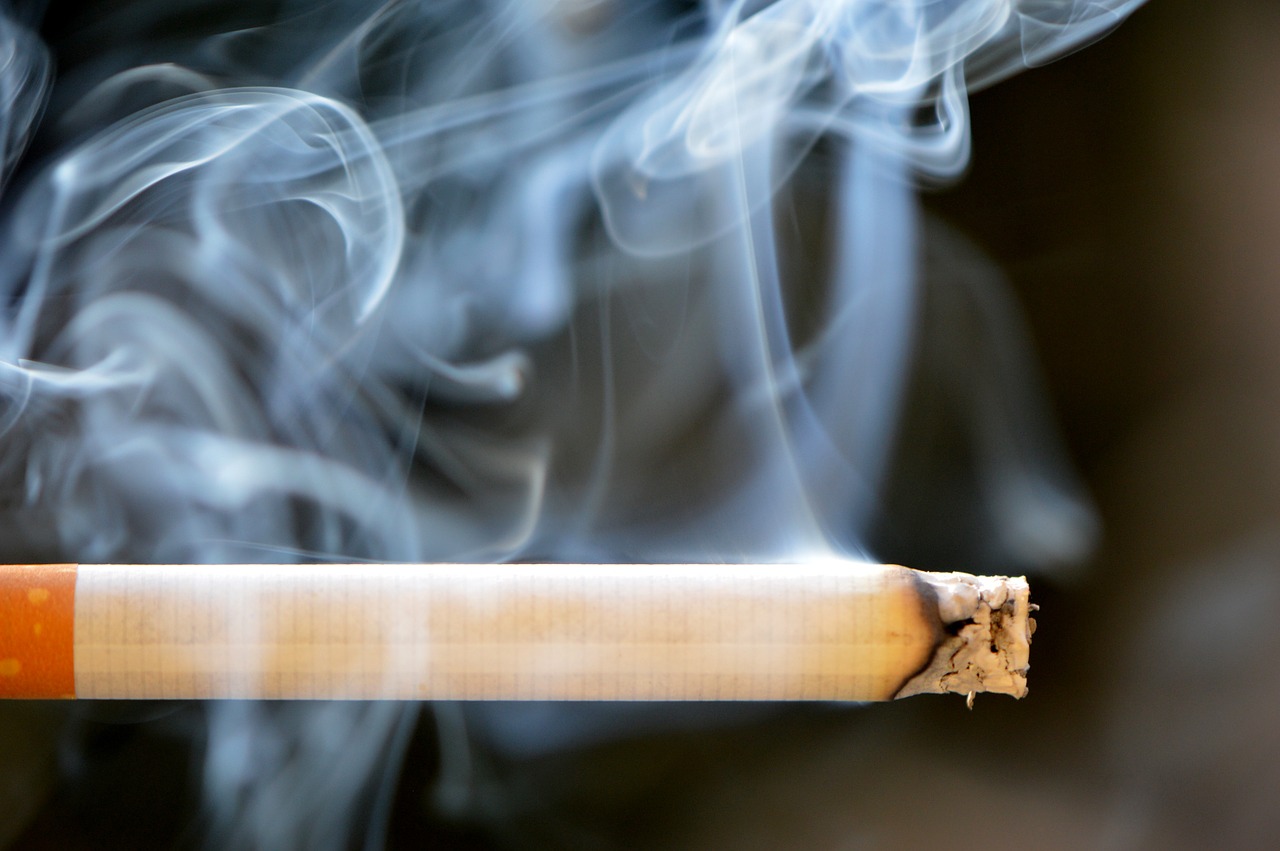
Cigarette smoking is addictive.
Photo courtesy of Pixabay.com
Comments on the deltaFosB post and the causes of addiction.
Some comments came in on the DeltaFosB post I think need discussing.
Normally I do not answer or re-comment on comments on posts. If you like a post cool. I will thank the reader for the like and that is that. If you disagree, then you are entitled to your opinion. I reserve the right to be wrong and so should all of you. Further arguing with people about their comments is not likely to change their minds so I try to use as much of my time as productively as possible and move on to new things.
This time feels different. On the chance that there are others who drew the same conclusions from the post that one reader “Tom” drew, I thought it would be worth further discussion. I posted the headline to the original post with a link to the post on google+ and this comment from Tom was received over there.
First Toms comment on the post and then my explanations of why I think Tom is off base here.
“…there really does seem to be a physical change in the brain that accounts for why some people become addicted to chemicals, drugs in particular, and behaviors…”
I think that’s confusing hypothesis with findings. No one is seriously reporting that they have found the cause of addiction. For one thing, there is seriously insufficient research to support a global generalization of that sort.
People have been trying to find this mythical organic cause of addiction, and failing, for decades. What you report does go beyond the speculative, although it surely is not pure speculation. The research we have only supports informed speculation, to my mind.
The ambiguity in this phrase – “…that accounts for why some people become addicted…” is dangerous. I think what you’re really trying to say is something like “…that accounts for why some addicts become addicts…” As written, you appear to be talking about all addicts, and that is far beyond what we can address with the research you review, I think.
The fact remains that most people who drink alcohol are not addicts. Most people who use heroin are not addicts (little-known fact). Most people given opiates for pain can’t wait to get off of them, because of their unpleasant cognitive side effects. Those who become addicted are a small minority, and they seem all to have something in common: a persistent uncomfortable mental state which psychoactive substances/behaviors moderates. Happy people do not become addicts.
This has been known for a long, long time. But people just don’t want to let go of the “demon dope” hypothesis. The reality is more complex.
My response to Tom’s comments:
It appears that you are reaching conclusions from what I wrote that is not what I was saying. I suspect we have some fundamental philosophical differences here. We seem to be using words differently also. Look up the word addiction in a number of dictionaries and you will get a variety of definitions. I am concerned that people are using the term Addict as a pejorative term. The homeless and the mentally ill get that treatment also. Asserting that “addicts” are in some fundamental way different from non-addicted people is reassuring to some. If you have a job and a home you can tell yourself that you are not an “addict.” This obscures the very real issue of a growing problem of substance use and behavior use disorders in our society.
Let me try to clarify what I was saying about the criticisms you raised of the blog post.
If we accept that addiction could be a disease then the disease model fits. Compare this to the “demon Bacteria” theory of tuberculosis. One way of determining if something is a disease is to ask three questions.
Is there a specific agent that may be causing this condition?
Is there a host that gets the disease?
Is there a way in which this agent gets into the host?
Does this “demon bacteria” cause tuberculosis?
There are people who are around some specific other but do not get the disease. Does this mean that the bacteria is not the cause and that people who get T.B want to have it? “Bad air,” wearing dirty clothing, and failure to wash your feet, along with a raft of other behaviors, have been postulated as causing the thing that we now attribute to the disease tuberculosis. You can be around someone with an infection, and you may or may not get the disease. Your immune system, the length, and severity of exposure the room size, and other factors can influence whether you get the disease.
Do addictions fit this model? Yes, mostly. There are agents, pornography, or a drug (alcohol and prescribed medications could be included here.) Yes, it is an individual host that gets the disease, though with what we are calling addictions, the family and society are also affected. Lastly, there has to be an exposure to the agent. Unless you view pornography, take drugs or drink, you will not develop an addiction to these behaviors or substances.
I am increasingly unconformable using the word “addict.” We do not describe people with other disorders as their disorder. We do not, or should not, refer to someone who has been diagnosed with cancer as “the Cancer.”
Many people drink or use drugs to celebrate, at some point, sometimes the very first time, they go to extremes and develop a substance use disorder. Someone who drinks only one time a year, say for New Years, but over the last three years received two DUI’s and was arrested once for a bar fight clearly has an alcohol use disorder.
Thanks for the comment anyway, it inspired this further explanation.
Staying connected with David Joel Miller
Seven David Joel Miller Books are available now!
My newest book is now available. It was my opportunity to try on a new genre. I’ve been working on this book for several years, but now seem like the right time to publish it.
Story Bureau is a thrilling Dystopian Post-Apocalyptic adventure in the Surviving the Apocalypse series.
Baldwin struggles to survive life in a post-apocalyptic world where the government controls everything.
As society collapses and his family gets plunged into poverty, Baldwin takes a job in the capital city, working for a government agency called the Story Bureau. He discovers the Story Bureau is not a benign news outlet but a sinister government plot to manipulate society.
Bumps on the Road of Life. Whether you struggle with anxiety, depression, low motivation, or addiction, you can recover. Bumps on the Road of Life is the story of how people get off track and how to get your life out of the ditch.
Dark Family Secrets: Doris wants to get her life back, but small-town prejudice could shatter her dreams.
Casino Robbery Arthur Mitchell escapes the trauma of watching his girlfriend die. But the killers know he’s a witness and want him dead.
Planned Accidents The second Arthur Mitchell and Plutus mystery.
Letters from the Dead: The third in the Arthur Mitchell mystery series.
What would you do if you found a letter to a detective describing a crime and you knew the writer and detective were dead, and you could be next?
Sasquatch. Three things about us, you should know. One, we have seen the past. Two, we’re trapped there. Three, I don’t know if we’ll ever get back to our own time.
For these and my upcoming books; please visit my Author Page – David Joel Miller
Want the latest blog posts as they publish? Subscribe to this blog.
For videos, see: Counselorssoapbox YouTube Video Channel
 counselorssoapbox