
Your thoughts making you anxious?

By David Joel Miller, MS, Licensed Therapist & Licensed Counselor.

Anxiety provoking.

Anxiety.
Photo courtesy of Pixabay.com

9 ways to tell if your thoughts are causing your anxiety.

Is anxiety a constant feature in your life? Anxiety has its place. It tells you if you are in a dangerous situation and keeps you alert. But if you are always in an anxious state you will wear yourself out and anxiety no longer becomes protective, it becomes your tormentor.

If you have a pattern of thinking anxious thoughts even when they are not necessary then you may be training your brain to maintain an anxious state at times you should be relaxed and calm.

How many of these over-anxious thoughts are you practicing?

1. Your negative thoughts have become a habit.

Is your default brain setting to look for the danger, for what could go wrong? Have you made looking for the negative a habit? Start looking for the good, the unexpected. Meditate on the positive things in your life and challenge yourself to stop ruminating on what could go wrong and begin looking for all the constructive things in your life.

Developing a list of things you are grateful for can increase the habit of seeing the good and reduce the tendency to look for the anxiety-provoking cues in your environment.

2. A recurring thought interferes with your life.

Do you have a recurring fear that you are or will get sick? Do you worry about finances and think you will go broke? Do you practice the thoughts you will have when something bad might happen?

Look for the facts in these situations. See a doctor. Get your health checked out. Work on your finances. Look for ways to earn more, spend less, and save some. Buy some insurance.

Stop practicing that fearful, anxious thought and begin to take action. Include in those actions learning to relax and to look for the positive. Give yourself credit for the things you have accomplished.

3. You worry about things that don’t really matter.

Do you worry that something will happen, somewhere, to someone, and you do not even know why? Do you worry that characters on shows will die or fictional couples will break up?

When you find yourself worrying, ask yourself, does this matter? Does it matter to you? Does it matter right now?

Do you worry about whether to buy one kind of vegetable or the other? Make a choice and the worry ends. For many of life’s choices, there is no correct answer. Pick the thing you want and move forward.

4. Your need for everything to be perfect makes you anxious.

You are a human, aren’t you? No human is perfect. We learn from our mistakes. Learn from your mistake and do better next time. Everything can never be perfect. Your perfect will not be someone else’s.

5. Your worry about things that are out of your control makes you anxious.

Some things are your job. Some things are not. Worrying about someone else’s job is unproductive. You may think about what would happen, you may even make contingency plans, but let others worry about their stuff.

Worrying about things over which you have no control does not protect you from danger. It diverts resources from doing the things you need to do into unproductive worrying.

6. You beat yourself up about things everyone does – normal behavior.

Accept your humanness, embrace it. Sometimes you will burp, sometimes you will pass gas, possible at the most embarrassing moment. All humans sometimes trip or fall.

We all make errors and do uncomfortable things. Try to minimize your number and the nature of your embarrassing moments but do not beat yourself up.

Hint here. Turn your cell phone off during church services and do not eat beans just before an important meeting. Do things proactively to reduce your embarrassing moments, but once they happen, accept that you to are blessed with those normal human moments.

7. Calling yourself names increases your anxieties.

Call a child stupid often enough and they believe you. Eventually, they will stop trying to learn. You can do the same thing to yourself. Calling yourself names is not helpful. It will result in anxiety over your self-worth. You are worthwhile simply because you are you.

8. Second-guessing decisions will paralyze you with anxiety.

Once a decision is made move forward. There are times when situations change when you get new information, and you need to reevaluate. If you find yourself rethinking every decision realize that this is wasting time looking back over your shoulder at the past and you should be living in the present.

9. Telling yourself that good things will never happen for you feeds the anxiety.

What you tell yourself over and over your brain believes. If you say you can’t your brain will avoid trying. If you repeatedly tell yourself things will never get better, they won’t. This is a negative affirmation. Negative affirmations like positive ones work. Try telling yourself that you can do things and good things become possible.

Do you practice any of those 9 thinking patterns that cause anxiety? Would you be willing to part with some of your fearfulness? Try practicing more positive and more helpful ways of thinking. Practice helpful thoughts over and over and see if your anxieties don’t melt away.

Staying connected with David Joel Miller

Seven David Joel Miller Books are available now!

My newest book is now available. It was my opportunity to try on a new genre. I’ve been working on this book for several years, but now seem like the right time to publish it.

Story Bureau.

Story Bureau is a thrilling Dystopian Post-Apocalyptic adventure in the Surviving the Apocalypse series.

Baldwin struggles to survive life in a post-apocalyptic world where the government controls everything.

As society collapses and his family gets plunged into poverty, Baldwin takes a job in the capital city, working for a government agency called the Story Bureau. He discovers the Story Bureau is not a benign news outlet but a sinister government plot to manipulate society.

Bumps on the Road of Life. Whether you struggle with anxiety, depression, low motivation, or addiction, you can recover. Bumps on the Road of Life is the story of how people get off track and how to get your life out of the ditch.

Dark Family Secrets: Doris wants to get her life back, but small-town prejudice could shatter her dreams.

Casino Robbery Arthur Mitchell escapes the trauma of watching his girlfriend die. But the killers know he’s a witness and want him dead.

Planned Accidents  The second Arthur Mitchell and Plutus mystery.

Letters from the Dead: The third in the Arthur Mitchell mystery series.

What would you do if you found a letter to a detective describing a crime and you knew the writer and detective were dead, and you could be next?

Sasquatch. Three things about us, you should know. One, we have seen the past. Two, we’re trapped there. Three, I don’t know if we’ll ever get back to our own time.

For these and my upcoming books; please visit my Author Page – David Joel Miller

Want the latest blog posts as they publish? Subscribe to this blog.

For videos, see: Counselorssoapbox YouTube Video Channel

Things you need to stop worrying about

By David Joel Miller, MS, Licensed Therapist & Licensed Counselor.

Man worrying,

Some things you do not need to worry about.
Photo courtesy of Pixabay.com

Worrying about the wrong things is keeping you stuck.

Some things may be worth worrying about. Especially if that worry will spur you to take action and change something.

There are a whole lot of things that consume people’s time in worry that really should not be on your list of things to worry about.

Chuck these topics of worry for a happier more productive life.

1. Stop worrying about what others think about you.

The more you do the more people will find to criticize you about. What others think about you is none of your business. Do things because you think they are right, do them because they please you and because this is what you chose to do. Let others opinions go.

2. Stop worrying that you are not good enough.

You are however you are. Accept yourself as you are and then go on to make the best of who and what you are. You are plenty good enough for you. If there is room for improvement focus on the things you would like to be better and let go of the thoughts that you are not yet all you want to be.

You are and will be throughout your life a work in progress, not a finished person.

3. Stop worrying about what you “should” do.

That list of “should’s” left over from childhood is holding you back. Do not do things because others said you should. If you think it is right do it. Do only those things that are right for you.

Do what you are doing. Do it to the best of your ability and in a fair and honest way but never sweat whether the thing you have chosen to do is what you “should” be doing.

While doing one thing do not worry about other things you should be doing. Stay focused on the moment or quit and change what you are doing.

You are always doing what you are doing now.

4. Do not worry that people do not agree with you.

There are always people who will disagree no matter who you are or what you will do. New, innovative things arise because someone does something that others never thought of doing.

You will not be able to make everyone happy. Start by making yourself happy. Consider the consequences of who will disagree with you and why, but the final authority on you is you.

5. Do not worry about someone else’s issues.

You can only change you. If someone else has issues then they need to be willing to change. You can offer support if they chose to change but you are not in charge of others’ lives and they are not in control of yours.

Focus on your own issues, those things you can and should be working on, and offer others the same option.

6. Stop trying to get someone to do what you want.

You can waste a lot of time on manipulation and trying to control others. Work on being the kind of person others would want to work with rather than trying to make them do things your way.

Your way may be good for you but it might not be what someone else needs. Especially stay focused on the results you want rather than on making others do things the way you would do them.

7. Don’t worry that you do not have enough education

Plenty of people have accomplished great things with minimal education. People frequently use a lack of formal education as an excuse for not doing anything.

Do what you can with the training you have. Practical experience is a great teacher. Get more education if this is a requirement for a field you want to work in. You are never too old for more learning. Many people have to retrain multiple times for new careers. People with one degree decide that field is not a fit for them and change occupations.

Make the most of what you know and learn something new each day. You will be amazed at how far you can go.

8. Do not worry about your looks.

Make the most of what you have but always stay focused on who you are inside and what you can do. Sure in some fields a certain look is valued. But there are plenty of stories about how a person who is driven to succeed made it even though they did not fit the normal look.

A quick glance around any large employer will show you that there are lots of people working there that have less than perfect looks.

9. Do not think that you can’t face a problem.

Most problems have to be faced one way or another. Even if you run you have had an encounter with that problem. Run once and you may have to run the rest of your life. Problems do not disappear when you run from them. Many problems shrink as soon as you begin to take actions to work on them.

10. Avoid rehashing what you should have done.

The past is gone. Worrying about what you should have done prevents you from doing in the only time you ever really have – the now.

Keep doing. Accept that some things will work out. You will have some regrets and along the way, you will accomplish some things you can be proud of.

11. Stop thinking that you are not doing enough.

Do what you can. Make an honest effort. That is enough. If you can do more do it. Time spent worrying that you are not doing enough is time not spent working or relaxing. Self-care, time not working, is a part of keeping yourself productive.

12. Do not worry that you are doing too much.

If you are highly productive give yourself credit. If this is wearing you out cut back. Practice saying “No.” If you need to do this because of a boss or a position you hold then relax and stop worrying about it.

Do not concern yourself that you are doing more and someone else is doing less. You are not them and they are not you.

13. Stop worrying about things that are out of your control.

Plan for the unexpected. Work to mitigate the effects of disasters and the unexpected but worrying about them wastes time trying to control the uncontrollable when you should be making the most of the opportunities at hand.

Worrying about the unexpected wears you out and accomplishes nothing.

14. Do not worry that you are going to fast.

Some things take more time than others. Some people move and work at a fast pace. If you are making too many mistakes slow down. Work at the pace that is best for you.

15. Stop thinking that you made a mistake.

If you made mistakes, correct the ones that you can. If it can’t be corrected learn from it. Most mistakes are small things in the long run. What is the lesson you needed to learn? The more you try to accomplish the greater the risk that some things will not work out. Do not think of these less than perfect outcomes as mistakes. They are learning opportunities.

16. Avoid worrying about money.

Worrying about money does make more of it. Somehow those with little money get by and those with a lot never seem to have enough. If you have money problems work on ways to spend less, stretch what you have further, and make more.

Worrying is wasted effort. Learn all you can about money and finances. Do not be misled into thinking that if you just had more money your troubles would disappear. You would still have problems they would just be different problems.

17. Avoid the thought that there is something wrong with you.

You are fine just the way you are. If you have medical or psychiatric concerns see a doctor or a therapist. If you have legal or financial issues see a professional in that field.

Learn to accept yourself the way you are and then work on becoming a better more skilled person.

18. Don’t worry that you do not have the best things.

People who judge you based on the things you have are shallow people. Judging yourself that way will make you shallow. The more you have, the farther away the goal of having the “best things” moves.

There is no end to the things people think they need and then tomorrow those things are passé.

Anyone out there jealous of my collection of 8 track cassettes and 8-inch floppy diskettes?

19. Stop thinking that your opinion is wrong.

You have the right to your opinion. You also have the right to sometimes be wrong. Accept that no one is right all the time.

When making decisions and taking actions consider the possibility that you could be wrong. When you get new information or situations change reconsider your opinion.

Do not beat yourself up for having had an incorrect opinion and especially do not waste time on worrying that today’s opinion may be tomorrow’s error.

20. Stop worrying that people are taking advantage of you.

Be careful in your dealings. Do not assume others have your best interest at heart. Make sure you do things because you want to and they are right for you.

Once you make those decisions do not worry if someone else is getting something out of your interaction.

Reserve the right to periodically reevaluate things and change relationships as needed. Worrying will not protect you from being taken advantage of. Careful research and good advice will help here.

21. Do not worry that others are better than you.

There will always be someone better than everyone else. Records only stand so long and then someone breaks them.

You can’t be the best at everything. You may not be the best at anything. Work on being the best you can be and accept that if you approve of yourself then what you do will be good enough.

22. Don’t worry that you are out of time.

Time keeps moving forward. Make the best of what you have and then let it go. Worry that you are out of time waists some of the precious time you do have.

23. The things you want will never happen.

If they did happen then you would only want more. Some things we want do happen and some do not. In retrospect, as we grow older, some of the things we wanted in the past we become glad never happened.

There are 23 different things that you could worry about, but why would you? Stop worrying about as many of these things as you can and see if your life does not become happier and more productive.

Are there other things you have found that you no longer need to worry about?

Staying connected with David Joel Miller

Seven David Joel Miller Books are available now!

My newest book is now available. It was my opportunity to try on a new genre. I’ve been working on this book for several years, but now seem like the right time to publish it.

Story Bureau.

Story Bureau is a thrilling Dystopian Post-Apocalyptic adventure in the Surviving the Apocalypse series.

Baldwin struggles to survive life in a post-apocalyptic world where the government controls everything.

As society collapses and his family gets plunged into poverty, Baldwin takes a job in the capital city, working for a government agency called the Story Bureau. He discovers the Story Bureau is not a benign news outlet but a sinister government plot to manipulate society.

Bumps on the Road of Life. Whether you struggle with anxiety, depression, low motivation, or addiction, you can recover. Bumps on the Road of Life is the story of how people get off track and how to get your life out of the ditch.

Dark Family Secrets: Doris wants to get her life back, but small-town prejudice could shatter her dreams.

Casino Robbery Arthur Mitchell escapes the trauma of watching his girlfriend die. But the killers know he’s a witness and want him dead.

Planned Accidents  The second Arthur Mitchell and Plutus mystery.

Letters from the Dead: The third in the Arthur Mitchell mystery series.

What would you do if you found a letter to a detective describing a crime and you knew the writer and detective were dead, and you could be next?

Sasquatch. Three things about us, you should know. One, we have seen the past. Two, we’re trapped there. Three, I don’t know if we’ll ever get back to our own time.

For these and my upcoming books; please visit my Author Page – David Joel Miller

Want the latest blog posts as they publish? Subscribe to this blog.

For videos, see: Counselorssoapbox YouTube Video Channel
Why worry may not be a bad thing.

By David Joel Miller, MS, Licensed Therapist & Licensed Counselor.

Man worrying,

Worried.
Photo courtesy of Pixabay.com

Do you worry too much or too little?

Self-help books and common wisdom tend to equate worry and anxiety. It would appear that the two are not the same thing and that sometimes a little worry can be good for you.

We saw in previous posts that words, especially words about feelings, do not mean the same thing to everyone. One person’s worry may not be another’s in the same way that my purple may be your fuchsia. While dictionary definitions make the definitions of worry and anxiety much the same, researchers think they are quite different and that sometimes worrying can be good for you.

Anxiety is about heightened awareness or hyper-vigilance. An anxious person is hypersensitive about things and may overreact to things that have little or no real danger. In that sense, anxiety is related to fear. Anxiety’s role is to keep us on the lookout and avoid things that might be dangerous.

Worry has the connotation of constant thinking about something. Researchers think anxiety and fear are more visual or emotional reactions while worry is a mental and verbal rumination.

Worrying about things can keep them in your mind and this can result in perpetuating fear and anxiety. But there can be good results from worry in addition to the bad ones if worry is not accompanied by excessive anxiety or fear.

Think of worry as being like my very old computer. Sometimes my computer slows down because an operation takes a lot of CPU memory. I get those little warning messages in the corner of my screen saying high CPU usage by and it names a program that is using all that memory.

Worry does the same thing to my mind. It uses up a lot of memory capacity, thinking about the thing that is worrying me. The result is that I slow down on what I am doing and devote more of my thinking ability to the task of worrying.  At this point, worrying is impairing my mental efficiency.

As my mind slows down and devotes more resources to the task that worries me, there is increased attention to that one thing and all other mental tasks are neglected. The result is that as a byproduct of worrying I may do fewer things but I am likely to devote more attention to the one thing I am worried about. Worriers make fewer errors on the task they worry about as a result of that increased attention. So worrying can be useful in reducing error rates by having a task fully occupy your mind.

Worrying results in a trade-off between the time needed to do the routine tasks I need to do and an increased accuracy as I try to avoid making any errors. If accuracy is imperative worrying makes sense.

Worry is not solely about the task or challenge I am facing, it is also about making plans, contingency plans for what I will do if – and here I may worry about both high probability occurrences as well as low probability ones.

As a result of all this worrying and contingent planning, I may react to situations faster than someone who has not thought about this possibility at all. So if you might be faced with a sudden unexpected need to do something and the risk of making an error would be catastrophic, worrying may be just the ticket to allow you to make an instant lifesaving decision.

Worrying can be seen as a symptom of some mental illnesses. It is especially viewed as a process that maintains Generalized Anxiety Disorder (GAD) in the same way that nightmares maintain Posttraumatic Stress Disorder PTSD.)

If you suffer from an anxiety disorder, then worrying is probably going to do you more harm than good. But if you are a relatively normal person and are faced with some really important life-changing decisions then some worry, thinking through all the possibilities and what could go wrong, may be just what you need.

If your worry has gotten out of hand, if you worry needlessly about small things and things that are very unlikely to happen, then improving your worry ability is not for you. If excessive worry has interfered with your job or fun activities it is a problem. If your friends and family avoid you or are concerned about all the worrying you do, then you may need help sorting out what is important and what is just an unproductive loop of constant worry.

If you have a major life change coming then do a little worrying and planning about what might happen and what you will need to do.

But if worry has gotten excessive and is making your life unhappy and out of control, consider getting some professional help for that out of control worry monster that has taken over your life.

Staying connected with David Joel Miller

Seven David Joel Miller Books are available now!

My newest book is now available. It was my opportunity to try on a new genre. I’ve been working on this book for several years, but now seem like the right time to publish it.

Story Bureau.

Story Bureau is a thrilling Dystopian Post-Apocalyptic adventure in the Surviving the Apocalypse series.

Baldwin struggles to survive life in a post-apocalyptic world where the government controls everything.

As society collapses and his family gets plunged into poverty, Baldwin takes a job in the capital city, working for a government agency called the Story Bureau. He discovers the Story Bureau is not a benign news outlet but a sinister government plot to manipulate society.

Bumps on the Road of Life. Whether you struggle with anxiety, depression, low motivation, or addiction, you can recover. Bumps on the Road of Life is the story of how people get off track and how to get your life out of the ditch.

Dark Family Secrets: Doris wants to get her life back, but small-town prejudice could shatter her dreams.

Casino Robbery Arthur Mitchell escapes the trauma of watching his girlfriend die. But the killers know he’s a witness and want him dead.

Planned Accidents  The second Arthur Mitchell and Plutus mystery.

Letters from the Dead: The third in the Arthur Mitchell mystery series.

What would you do if you found a letter to a detective describing a crime and you knew the writer and detective were dead, and you could be next?

Sasquatch. Three things about us, you should know. One, we have seen the past. Two, we’re trapped there. Three, I don’t know if we’ll ever get back to our own time.

For these and my upcoming books; please visit my Author Page – David Joel Miller

Want the latest blog posts as they publish? Subscribe to this blog.

For videos, see: Counselorssoapbox YouTube Video Channel

3 ways to Cut Down on Stress

By David Joel Miller, MS, Licensed Therapist & Licensed Counselor.

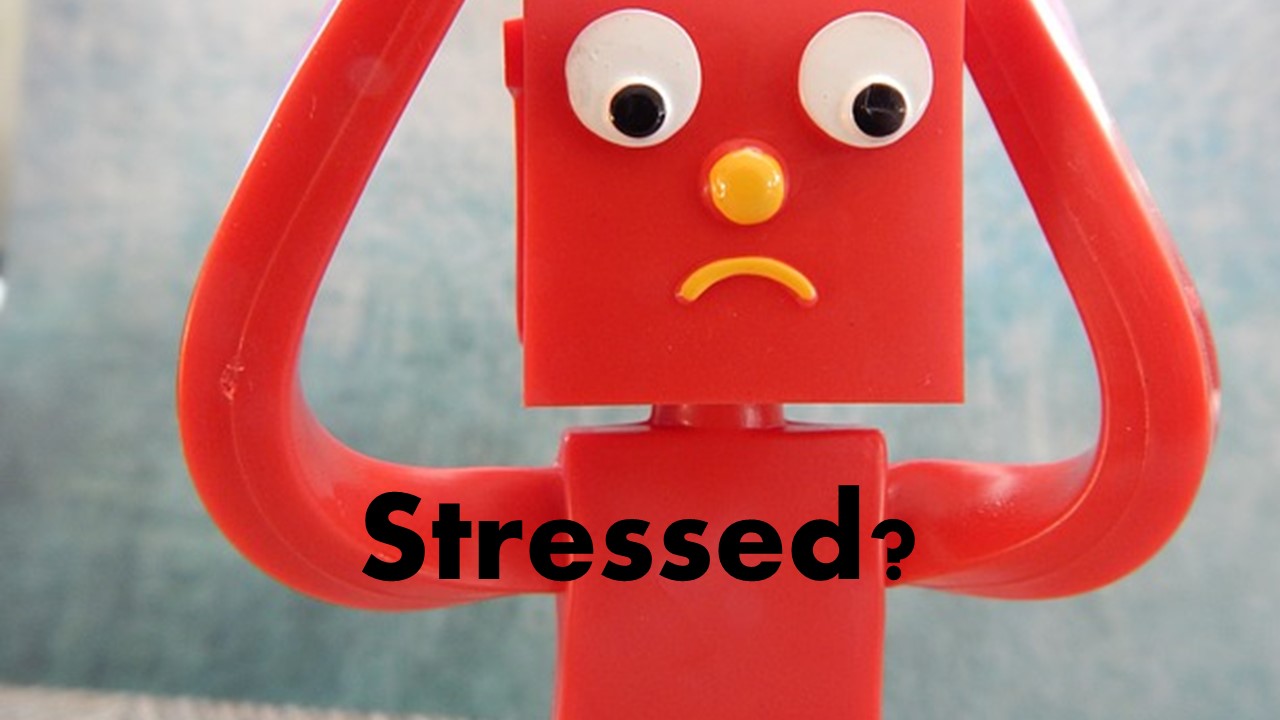
Stressed

Feeling stressed out?
Photo courtesy of Pixabay.com

Trim away the worries and live a healthier life.

Want a reduced stress diet? Try trimming out some of the stress. Just as weight loss programs tell you to trim the fat out of your diet there are three ways to trim excess stress out of your life.

1. Cut off the future

Learn to be mindful and stay in the present. Yes, of course, you should make plans for the future and take the steps needed to get there, but stressing over things that may or may not happen adds a lot of stress to your diet for events you haven’t even tasted yet.

Worrying that you may not get what you want can add a lot of stress to your life today when what you should really be doing is the required work to get where you are going. Stressing over the uncertainty of the future can keep you from enjoying the taste of the present.

2. Cut down on the past

A steady diet of regrets and recriminations about the past can keep you stressed out and unable to live in the present.

The work of grieving over losses and letting go of guilt and shame may require seeing a therapist or counselor. Make the effort to process those old hurts and let them go.

Many of us have resentments towards people who have harmed or wronged us in the past. Holding onto those old wounds keeps us living in the stress of events that have long since ended.

Let the past live in the past and spend your time having the best possible present to enjoy your low-stress diet.

3. Stop trying to eat other people’s dinner – worrying about problems others need to solve

That you care about others is wonderful, but if you are finding your life overrun by stressors then you need to send some of them back where they came from.

You can’t solve problems for others and the more you stress yourself out over their issues the fewer resources you have for your life in the here and now.

If you chose to worry and stress there will always be negative news from around the globe twenty-four-seven. Some people believe that worrying and stressing over what might happen somehow keeps the safe from an unwanted future. It doesn’t work that way.

Prepare for the worst but live in the now. Limit your worrying to the things that you really may be able to influence and practice your acceptance of those things that are out of your control.

Is a reduced stress diet for you?

Try one for a while and see if you are not healthier and happier. If reduced stress does not work for you then you can always go back to worrying about the problems that are out of your control.

Staying connected with David Joel Miller

Seven David Joel Miller Books are available now!

My newest book is now available. It was my opportunity to try on a new genre. I’ve been working on this book for several years, but now seem like the right time to publish it.

Story Bureau.

Story Bureau is a thrilling Dystopian Post-Apocalyptic adventure in the Surviving the Apocalypse series.

Baldwin struggles to survive life in a post-apocalyptic world where the government controls everything.

As society collapses and his family gets plunged into poverty, Baldwin takes a job in the capital city, working for a government agency called the Story Bureau. He discovers the Story Bureau is not a benign news outlet but a sinister government plot to manipulate society.

Bumps on the Road of Life. Whether you struggle with anxiety, depression, low motivation, or addiction, you can recover. Bumps on the Road of Life is the story of how people get off track and how to get your life out of the ditch.

Dark Family Secrets: Doris wants to get her life back, but small-town prejudice could shatter her dreams.

Casino Robbery Arthur Mitchell escapes the trauma of watching his girlfriend die. But the killers know he’s a witness and want him dead.

Planned Accidents  The second Arthur Mitchell and Plutus mystery.

Letters from the Dead: The third in the Arthur Mitchell mystery series.

What would you do if you found a letter to a detective describing a crime and you knew the writer and detective were dead, and you could be next?

Sasquatch. Three things about us, you should know. One, we have seen the past. Two, we’re trapped there. Three, I don’t know if we’ll ever get back to our own time.

For these and my upcoming books; please visit my Author Page – David Joel Miller

Want the latest blog posts as they publish? Subscribe to this blog.

For videos, see: Counselorssoapbox YouTube Video Channel