Unknown's avatar

About David Joel Miller

David Miller is a California Licensed Marriage and Family Therapist, Clinical Counselor, faculty member at a local college, certified trainer and writer.

Should LPC interns tell people they are interns?

By David Joel Miller, MS, Licensed Therapist & Licensed Counselor.
Counseling questions

Counseling questions.
Photo courtesy of Pixabay.com

Do you have to tell what your therapist license status is?

Morning Question #17

YES! Sorry folks I know sometimes this is a pain.

If you are an intern say you are an intern. If you are a trainee say so. Once you say what you are, you may end up needing to spend some time explaining the designation. When people call me Dr. Miller I have to explain that I am a Therapist and Counselor and that I have a Master’s Degree, not a Ph.D.

People with a doctorate may be able to call themselves “Doctor” but they need to explain that they are Ph.D.’s or PsyD’s not medical doctors. In most places, Ph.D.’s can’t prescribe and we all need to help clients understand what we do and not mislead the public.

If this bothers you, go into something with a less rigorous code of ethics.

Staying connected with David Joel Miller

Seven David Joel Miller Books are available now!

My newest book is now available. It was my opportunity to try on a new genre. I’ve been working on this book for several years, but now seem like the right time to publish it.

Story Bureau.

Story Bureau is a thrilling Dystopian Post-Apocalyptic adventure in the Surviving the Apocalypse series.

Baldwin struggles to survive life in a post-apocalyptic world where the government controls everything.

As society collapses and his family gets plunged into poverty, Baldwin takes a job in the capital city, working for a government agency called the Story Bureau. He discovers the Story Bureau is not a benign news outlet but a sinister government plot to manipulate society.

Bumps on the Road of Life. Whether you struggle with anxiety, depression, low motivation, or addiction, you can recover. Bumps on the Road of Life is the story of how people get off track and how to get your life out of the ditch.

Dark Family Secrets: Doris wants to get her life back, but small-town prejudice could shatter her dreams.

Casino Robbery Arthur Mitchell escapes the trauma of watching his girlfriend die. But the killers know he’s a witness and want him dead.

Planned Accidents  The second Arthur Mitchell and Plutus mystery.

Letters from the Dead: The third in the Arthur Mitchell mystery series.

What would you do if you found a letter to a detective describing a crime and you knew the writer and detective were dead, and you could be next?

Sasquatch. Three things about us, you should know. One, we have seen the past. Two, we’re trapped there. Three, I don’t know if we’ll ever get back to our own time.

For these and my upcoming books; please visit my Author Page – David Joel Miller

Want the latest blog posts as they publish? Subscribe to this blog.

For videos, see: Counselorssoapbox YouTube Video Channel

What is Borderline Personality Disorder?

By David Joel Miller, MS, Licensed Therapist & Licensed Counselor.

personality disorder

What is borderline personality disorder?
Photo courtesy of Pixabay.com

Bipolar or Borderline Personality Disorder?

People with Borderline Personality Disorder (BPD) experience intense emotional pain and lots of loss in their life. They never feel the faint breeze or the warmth of the sun in the springtime. For the Borderline the world is a place of hurricanes and scorching heat. Life is one horrific storm. They experience terrible loss. BPD may result in interrupted education, ruined or unstable relationships, and frequent job loss.

BPD can look like Bipolar Disorder but while the Bipolar person may have months of depression and long periods of elevated mood or irritability the BPD person has all those mood changes in a single day.

Borderline Personality Disorder (BPD) is an often overlooked and misunderstood mental health issue that gets placed under the heading Personality Disorders. BPD is coded on Axis II and viewed as long-standing and difficult to treat. Personality disorders often co-occur with other mental health challenges such as depression and Bipolar disorder. Because of the notion that a personality disorder is difficult, if not impossible to treat, there is a reluctance to give clients this diagnosis.

Untreated BPD is viewed as a “pervasive” or inflexible pattern in life and includes four characteristics, unstable relationships, fuzzy self-image, impulsivity, and lots of negative emotions. The DSM lists 9 “criteria” or symptoms the client might have but only requires 5 of those nine symptoms to make the diagnosis. In practice, this means a lot of judgment calls.

Most people with Borderline Personality Disorder have some but not all of the “criteria” for the disorder. Gunderson suggests in his book that there are three distinct Levels of Borderline Personality Disorder based on the nature of your relationships with others.

Children experience some mood instability as a normal part of growing up. We expect some BPD characteristics that will go away as they mature. As a result, children are almost never given a personality disorder diagnosis. When the BPD picture seems to be developing, the child may be described as having “Borderline traits.”  Those with untreated BPD generally do not get better with age, the pain they experience grows.

BPD begins in early adulthood and those “characteristics” or “traits” need to occur in multiple situations. This disorder, when treated, generally fades as the person gets older. Women make up 75% of those who get BPD diagnosis and frequently had a diagnosis of Bipolar Disorder prior to being diagnosed with BPD. This disorder is probably underdiagnosed in men because men act out, break laws, and get caught abusing substances more often than women. These other problems get diagnosed first and become the focus of treatment.

Treatment for Borderline Personality Disorder is effective in reducing symptoms. Ten years after treatment half of those diagnosed with BPD no longer have enough symptoms to receive the diagnosis though they may continue to have some Borderline “traits.”

There appear to be a number of Causes of Borderline Personality Disorder. Some of the symptoms of BPD are adaptive behaviors that may have worked to protect you and get your needs met when you were younger but as you grow up these behaviors no longer work.

Abandonment is a key issue for those with BPD. They need someone in their life and can’t stand being alone but fear being rejected and abandoned. They are constantly on the lookout for signs of potential abandonment. As a result, they may appear needy and drive people away. Their impulsive behavior creates exactly what they most fear.

Someone with BPD is very sensitive to their environment. When things do not go well in relationships they blame themselves and may “take it out” on themselves. Self-mutilating, cutting, burning, and suicide attempts are common.

Because of their terrible need for a supportive relationship BPD individuals tend to jump into very close intimate relationships without getting to know the other person. As a result, they over-trust people who should not be trusted and expect more from partners than another person can provide. Once disappointed they become furiously angry. They are often demanding in relationships and need lots of time with their partner. They may have violent emotional reactions when their partner attempts to leave for work, school, or errands.

Sudden changes in their opinions of others are common. When let down by those in their life they respond with lots of anger, sarcasm, and bitterness which only drives others farther away.

Many individuals with BPD report they don’t know who they are other than by adopting the values of those around them. They may have sudden changes or difficulty identifying values, goals, or career plans. They often self-sabotage. It is not uncommon for someone with BPD to quit school just before finals or leave a job just as they were about to get a raise or promotion.

Living with Borderline Personality Disorder is a horrific challenge for those with this condition and it challenges those who would like to be in a relationship with the person with a Borderline condition. While treatment is never easy it can be effective and result in creating a happy, fulfilled, and connected life.

Other posts on Borderline Personality Disorder include:

What is Borderline Personality Disorder?

What causes Borderline Personality Disorder?

Levels or types of Borderline Personality Disorder

Treatment for Borderline Personality Disorder

Staying connected with David Joel Miller

Seven David Joel Miller Books are available now!

My newest book is now available. It was my opportunity to try on a new genre. I’ve been working on this book for several years, but now seem like the right time to publish it.

Story Bureau.

Story Bureau is a thrilling Dystopian Post-Apocalyptic adventure in the Surviving the Apocalypse series.

Baldwin struggles to survive life in a post-apocalyptic world where the government controls everything.

As society collapses and his family gets plunged into poverty, Baldwin takes a job in the capital city, working for a government agency called the Story Bureau. He discovers the Story Bureau is not a benign news outlet but a sinister government plot to manipulate society.

Bumps on the Road of Life. Whether you struggle with anxiety, depression, low motivation, or addiction, you can recover. Bumps on the Road of Life is the story of how people get off track and how to get your life out of the ditch.

Dark Family Secrets: Doris wants to get her life back, but small-town prejudice could shatter her dreams.

Casino Robbery Arthur Mitchell escapes the trauma of watching his girlfriend die. But the killers know he’s a witness and want him dead.

Planned Accidents  The second Arthur Mitchell and Plutus mystery.

Letters from the Dead: The third in the Arthur Mitchell mystery series.

What would you do if you found a letter to a detective describing a crime and you knew the writer and detective were dead, and you could be next?

Sasquatch. Three things about us, you should know. One, we have seen the past. Two, we’re trapped there. Three, I don’t know if we’ll ever get back to our own time.

For these and my upcoming books; please visit my Author Page – David Joel Miller

Want the latest blog posts as they publish? Subscribe to this blog.

For videos, see: Counselorssoapbox YouTube Video Channel

Top 10 Men’s Issues

By David Joel Miller, MS, Licensed Therapist & Licensed Counselor.

Men drinking

Drugs and alcohol are top men’s issues.
Photo courtesy of Pixabay.com

What are Men’s issues and how are they different from the other issues that bring clients to counseling?

Men have issues. We are not talking about back copies of the swimsuit issues either. Men traditionally have avoided coming to counseling for those issues even when they really could have used some help. Men try to tough it out and cope without asking for help. That reluctance to come to see a counselor is changing. The result of this trend has been an increase in counselors who specialize in “Men’s issues.”

Men will spend thousands on a career counselor or a life coach to help them with jobs or business success but when it comes to relationships, children, and their own happiness and well-being, they have been slow to accept the need for assistance.

When I started in this profession, I was surprised to see relatively few men in the classes with me. There were few men counselors and very few men in treatment. The few men who did come to see a counselor were referred to treatment by a judge, parole, or probation.

When I worked as a substance abuse counselor there were lots of men. They predominate in treatment and in the profession when it comes to substance abuse, domestic violence, drunk driving, and similar issues. When it comes to social work or the therapy room the men disappear on both sides of the desk. Among clients, this is beginning to change as men realize the need for more resources in managing life’s problems.

Men report to me that they have felt like their role in the family was that of a prepaid debit card. They go out and make money which is placed at the disposal of their family. If they fail to earn enough they are likely to be discarded like a maxed-out credit card. Beyond the simple maintenance of their most basic needs, food, sex, and a few expensive toys, men were conditioned to think that they should not have feelings or weaknesses.

For a man to ask for help implies accepting failure. Men kept going even when injured emotionally until they could not keep going. The homeless veterans of past wars, tortured by the symptoms of PTSD, are a testimony to the way in which men that showed a weakness can be discarded. To ask for help with an emotion was tantamount to accepting failure.

This situation is changing and for good reason. Men are learning that to acknowledge feelings is not a sign of failure. To seek consultation for struggles with life’s problems is not weakness but wisdom.

More men than ever before are assuming the role of primary custodians of their children. They are moving into the areas of childrearing that once were the exclusive territory of women. Methamphetamine and other drug addiction have accelerated this trend as more women leave their children and run the streets. Some men step up and become Mr. Mom and Dad.

Men come to counseling for information on being a good parent. They want to know how to raise happy children and they want to know how to experience this happiness after the loss of their illusion that all they needed to do to make things come out right was to earn more money.

The major “men’s issues” continue to be the traditional issues of men forced to treatment by someone else with some new issues brought on by the changes in the American family and society.

The top “men’s issues” in my practice are:

1. Career

2. Achieving success

3. Fatherhood

4. Single parenthood

5. Maintain relationships with children after divorce or separation

6.  Getting close and trusting others

7. Substance abuse

8. Anger management

9. Male sexual issues

10. Trauma

These Top Ten Men’s Issues have a lot in common with issues that bring women to therapy. The largest differences I see in the experiences are that women are a lot more attuned to the idea of working with and paying attention to their feelings. Women are schooled in expressing their feelings as a way to get relief from unpleasant experiences. Men tend to ignore feelings until overwhelm by them.

Men come to counseling looking to find solutions to their problems. What they may discover is that feelings are a valuable source of information that they will need to use to find the solution that is right for them and their relationships.

Staying connected with David Joel Miller

Seven David Joel Miller Books are available now!

My newest book is now available. It was my opportunity to try on a new genre. I’ve been working on this book for several years, but now seem like the right time to publish it.

Story Bureau.

Story Bureau is a thrilling Dystopian Post-Apocalyptic adventure in the Surviving the Apocalypse series.

Baldwin struggles to survive life in a post-apocalyptic world where the government controls everything.

As society collapses and his family gets plunged into poverty, Baldwin takes a job in the capital city, working for a government agency called the Story Bureau. He discovers the Story Bureau is not a benign news outlet but a sinister government plot to manipulate society.

Bumps on the Road of Life. Whether you struggle with anxiety, depression, low motivation, or addiction, you can recover. Bumps on the Road of Life is the story of how people get off track and how to get your life out of the ditch.

Dark Family Secrets: Doris wants to get her life back, but small-town prejudice could shatter her dreams.

Casino Robbery Arthur Mitchell escapes the trauma of watching his girlfriend die. But the killers know he’s a witness and want him dead.

Planned Accidents  The second Arthur Mitchell and Plutus mystery.

Letters from the Dead: The third in the Arthur Mitchell mystery series.

What would you do if you found a letter to a detective describing a crime and you knew the writer and detective were dead, and you could be next?

Sasquatch. Three things about us, you should know. One, we have seen the past. Two, we’re trapped there. Three, I don’t know if we’ll ever get back to our own time.

For these and my upcoming books; please visit my Author Page – David Joel Miller

Want the latest blog posts as they publish? Subscribe to this blog.

For videos, see: Counselorssoapbox YouTube Video Channel

Is nicotine a stimulant or a depressant?

By David Joel Miller, MS, Licensed Therapist & Licensed Counselor.

Full ashtray

Smoking cigarettes.
Photo courtesy of Pixabay.com

Is Tobacco an upper or a downer?

Half the articles I read tell me that Nicotine is a depressant. The other half, just as authoritatively, say it is a stimulant. It can’t be both, can it?

Smokers will tell you that when they get up in the morning they need a smoke to wake them up and get them going. Those very same smokers will tell you that at bedtime then need one last cigarette to calm them down and put them to sleep. How is this working?

Nicotine is one of a very small group of chemicals, probably the only one that is in common use, which works as both a stimulant and a depressant. Chemicals like this are called Biphasic.

Pure Nicotine is very, very poisonous.

As an insecticide, in its pure form, it will kill insects like crazy. But as a pure chemical, if it is sprayed on a field and gets on workers, those laborers will end up in the hospital and may die. So why doesn’t it kill smokers, quick like? If it killed you the first time you used it, there wouldn’t be many long-term smokers would there?

The nicotine from three packs of cigarettes, if consumed in pure form, would kill the average adult. A child could die from much less. Most of the nicotine in a cigarette is broken down by the burning and is taken in slowly, a small amount at a time. This result is a chronic low-level of the poisonous chemicals in the bloodstream rather than a single large fatal dose. A small child or pet eating a few cigarettes could reach a toxic, fatal level.

Most cases of nicotine poisoning and death are the result of being exposed to highly concentrated nicotine used as an insecticide. While nicotine was commonly used as an insecticide in the past, it has been replaced by newer more modern insecticides.

The one area in which nicotine is still permitted is in “organic” crops since nicotine is derived from a plant. Some countries have banned the use of nicotine as an insecticide and it appears likely that even the use for organic food will soon be eliminated.

Nicotine’s effects depend on the blood level.

In the early stages, the nicotine stimulates many responses in the body. The smoker, by taking in that first puff in the morning, believes they are energized.

As the day progresses the levels of nicotine in the bloodstream fluctuate. After each smoke, the level rises. The body, principally the liver, attempts to remove the toxin and the level is reduced. This up-down action creates the craving the smoker experiences.

The administration of any drug in many small doses, particularly by smoking, increases the addiction potential.

Late in the day, the smoker will have achieved a relatively high level of nicotine in the bloodstream. At high doses, the nicotine begins to depress systems in the body. Just before bedtime, the habitual smoker will smoke more in a shorter period of time in an effort to relax for sleep. The level of nicotine will slowly fall during the night as the liver detoxifies the drug.

Smokers instinctively respond to these low dose – high dose effects. A smoker who is trying to feel stimulated will take many short puffs. The smoker trying to sedate themselves will take fewer long puffs and raise the level in the bloodstream more rapidly.

It seems likely that many poisonous chemicals would affect the body in the same biphasic way. At low doses, the poison stimulates the body to defend itself and at high doses, the body shuts down under the effects of the poison. Nicotine, unlike many other poisons, is different in that it is able to produce these body and mind-altering effects which users find so pleasant while producing the diseases and death slowly over time rather than quickly.

Nicotine withdrawal.

Another reason for Nicotine’s calming effects is that repeated smoking counteracts the withdrawal or abstinence effect. As the level of nicotine in the smoker’s body drops they begin to experience withdrawal and become agitated. By replacing the nicotine in the bloodstream the smoker is delaying the withdrawal and reliving the agitation.

Tobacco keeps its users alive and dependent on it for their mood state changes for as long as it can.

Why do the effects of nicotine on the body matter to readers of a blog on mental health and substance abuse issues?

Because, by one report, the majority of cigarettes consumed in America are smoked by people with a diagnosed mental illness. Hope this post helps explain the way in which nicotine can both stimulate and depress the body.

Staying connected with David Joel Miller

Seven David Joel Miller Books are available now!

My newest book is now available. It was my opportunity to try on a new genre. I’ve been working on this book for several years, but now seem like the right time to publish it.

Story Bureau.

Story Bureau is a thrilling Dystopian Post-Apocalyptic adventure in the Surviving the Apocalypse series.

Baldwin struggles to survive life in a post-apocalyptic world where the government controls everything.

As society collapses and his family gets plunged into poverty, Baldwin takes a job in the capital city, working for a government agency called the Story Bureau. He discovers the Story Bureau is not a benign news outlet but a sinister government plot to manipulate society.

Bumps on the Road of Life. Whether you struggle with anxiety, depression, low motivation, or addiction, you can recover. Bumps on the Road of Life is the story of how people get off track and how to get your life out of the ditch.

Dark Family Secrets: Doris wants to get her life back, but small-town prejudice could shatter her dreams.

Casino Robbery Arthur Mitchell escapes the trauma of watching his girlfriend die. But the killers know he’s a witness and want him dead.

Planned Accidents  The second Arthur Mitchell and Plutus mystery.

Letters from the Dead: The third in the Arthur Mitchell mystery series.

What would you do if you found a letter to a detective describing a crime and you knew the writer and detective were dead, and you could be next?

Sasquatch. Three things about us, you should know. One, we have seen the past. Two, we’re trapped there. Three, I don’t know if we’ll ever get back to our own time.

For these and my upcoming books; please visit my Author Page – David Joel Miller

Want the latest blog posts as they publish? Subscribe to this blog.

For videos, see: Counselorssoapbox YouTube Video Channel

Can one person be a support system?

By David Joel Miller, MS, Licensed Therapist & Licensed Counselor.

Support system.
Photo courtesy of Pixabay.com

How many people make a support system?

Morning Question #16

Having a close, significant person as a support system can be extremely helpful. People with a serious and persistent mental illness who are in a long-term supportive relationship are less likely to end up back in the hospital. There are several reasons why a one-person support system is risky for them and for you.

Expecting one person to carry the full load of supporting you is an awful lot to ask. It is too much for someone to care for your needs and to be in a close relationship with you. How does that person get their needs met? If you need a support system, can you be fully present to meet your partner’s needs? Having people other than your partner in a support network increases the support you can call on and avoids pushing that one person who is around you all the time to the breaking point.

More people in your support system spreads the burden around and increases the joy of being able to help each other. Building a support system is important, so is making sure they are supportive.

Support people are often relatives or close intimate partners. Having someone to love and who loves you can be very supportive. No relationship is ever conflict-free. If you and your partner have a disagreement, if there is a fight, you risk your support system being unavailable just at the time you most need one.

We tend to be attracted to and close to people like ourselves. There is no reason why two people who have depression or any other mental illness can’t be in a relationship. If your partner has issues also they may not always be available or able to cope with your issues.

Too many people in your support system may be just as much of a problem, as too few. It is difficult to stay in contact with many people. A support person should be someone you know well and who knows you well.

How many people do you have in your support system? How many do you believe would be ideal?

Other posts about support systems can be found at:

How supportive is your support system?

Support meetings for family members?

How do you develop a support system?

Staying connected with David Joel Miller

Seven David Joel Miller Books are available now!

My newest book is now available. It was my opportunity to try on a new genre. I’ve been working on this book for several years, but now seem like the right time to publish it.

Story Bureau.

Story Bureau is a thrilling Dystopian Post-Apocalyptic adventure in the Surviving the Apocalypse series.

Baldwin struggles to survive life in a post-apocalyptic world where the government controls everything.

As society collapses and his family gets plunged into poverty, Baldwin takes a job in the capital city, working for a government agency called the Story Bureau. He discovers the Story Bureau is not a benign news outlet but a sinister government plot to manipulate society.

Bumps on the Road of Life. Whether you struggle with anxiety, depression, low motivation, or addiction, you can recover. Bumps on the Road of Life is the story of how people get off track and how to get your life out of the ditch.

Dark Family Secrets: Doris wants to get her life back, but small-town prejudice could shatter her dreams.

Casino Robbery Arthur Mitchell escapes the trauma of watching his girlfriend die. But the killers know he’s a witness and want him dead.

Planned Accidents  The second Arthur Mitchell and Plutus mystery.

Letters from the Dead: The third in the Arthur Mitchell mystery series.

What would you do if you found a letter to a detective describing a crime and you knew the writer and detective were dead, and you could be next?

Sasquatch. Three things about us, you should know. One, we have seen the past. Two, we’re trapped there. Three, I don’t know if we’ll ever get back to our own time.

For these and my upcoming books; please visit my Author Page – David Joel Miller

Want the latest blog posts as they publish? Subscribe to this blog.

For videos, see: Counselorssoapbox YouTube Video Channel

Success, happiness and contentment

By David Joel Miller, MS, Licensed Therapist & Licensed Counselor.

Success

Success.
Photo courtesy of Pixabay.com

How do you get what you want out of life?

Just what is success, how do you measure it and how do you achieve it? Will more success create happiness and contentment or is there something more needed to get where you want to go in life?

I just couldn’t resist sharing this with all of you who have followed my musings here on http://www.counselorssoapbox.com

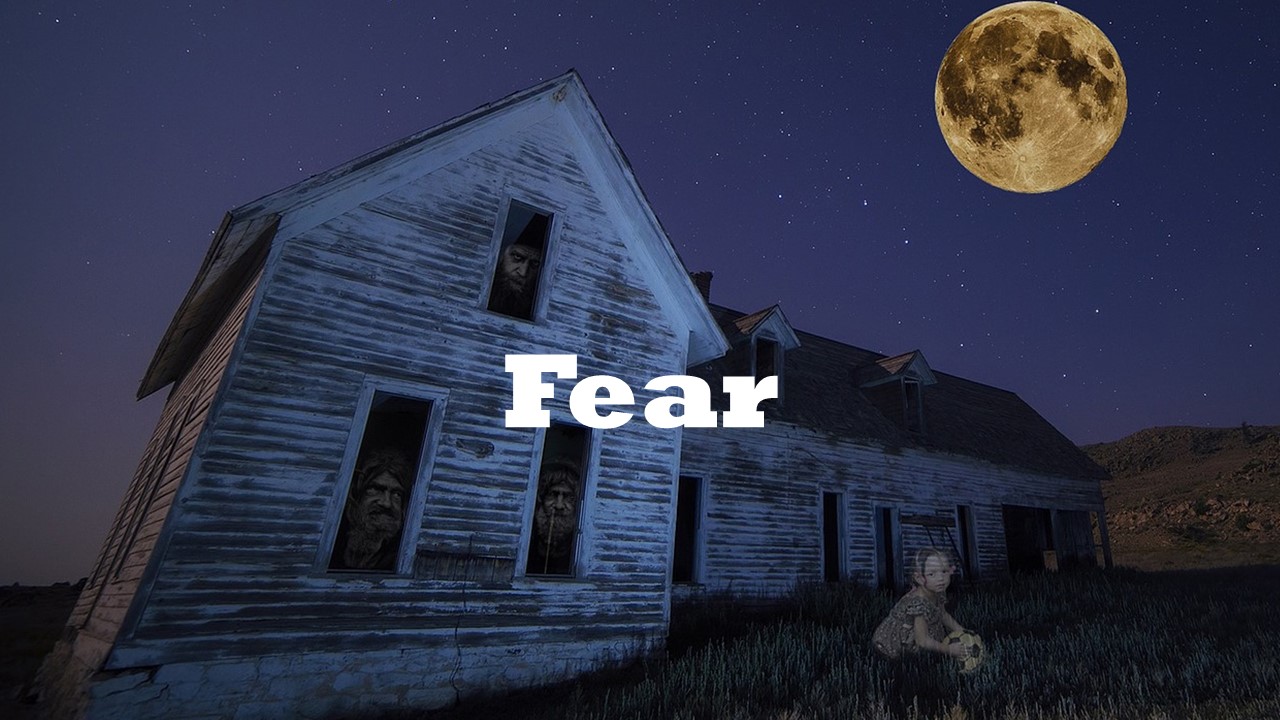
2 large reasons for your fear

By David Joel Miller, MS, Licensed Therapist & Licensed Counselor.

Fear.

Fear.
Photo courtesy of Pixabay.com

Reasons you are afraid.

Fear is everywhere. Some people achieve great things in spite of their fear while other people are paralyzed into inaction by those very same fears. We establish a relationship with every one of those fears and anxieties.

What is your relationship to your fears?

Fear, like anxiety, can be either a protector or a bully. Some fear is protective. It reminds us that we are not immortal, bad things can happen to us. Lack of fear in dangerous situations can put us at risk of serious injury or death. Fear can also keep us a prisoner in our own minds.

No one is totally fearless. We each have some fear lurking there in our brains, hard-wired into our psyche, the result of generations of living with the dangers of the world. Brave people act in spite of fear.

If you live with a person you get to know them over time. You talk with them, ask them questions, and sometimes question what they say. Have you questioned your fears?

It is said that all our fears fall into two principle classes: Fear of losing something we have and fear of not getting something we want.

Fear of losing something we have.

Being afraid of death or serious bodily injury is reasonable, but some people are so afraid they might lose what they have they never loosen their grip on the things in their life. When your hands and life is full of things there is no room left to add something new.

People come in for counseling all the time, terribly afraid of losing a job. They hate the job, don’t like or respect the place they work, yet they just can’t bring themselves to leave. Often they are afraid that they are going to be fired or laid off. They are stuck in fear of being without a job, so stuck in that fear, they become paralyzed.

Eventually, something happens. One day they become angry and quit or that dreaded firing occurs. Then they are forced to look for a new job. There is frequently a period of suffering. Money is tight, but most often they get a new job and when they do they report they like the new one so much better. They wish they had made the change earlier.

When I see these clients I try to remind them that the best time to look for work is when you have a job. But fear can keep you frozen until you are forced to make that change.

Sometimes the new job pays less or requires relocation. They start off saying they just can’t cut their bills, can’t move away from their family or friends, but eventually, they do just that. The impossible becomes doable. Running from fear makes it grow; facing your worst fears can shrink them.

The lessons I learned from this is to keep my options open, keep doing my best and never say I can’t do something. Do not let the fear of losing something keeps you from finding what just might make you happier than ever before.

The same principle applies to unhappy or violent relationships, people hold on to a relationship trying to make it be something it will never be. Judith Viorst in her book Necessary Losses talks about the way in which we may have no room for new relationships until we end the old.

Is the fear of losing something you currently have, preventing you from creating the happy life you deserve?

Fear of not getting something we want.

Ever want something so much you were unable to take the steps you needed to take to secure your goal? The fear that we won’t be able to do something keeps so very many people from ever trying in the first place.

Students tell me they could never take a particular class or complete a certain degree. “Too old” is the most common reason. I know from very personal experience that “too old” is never a valid excuse. More and more people are returning to school for a career change. That master’s degree I had always wanted to complete and never did. The one I put off because I need to work and support a family? The one that I told myself I was too old to try for? I completed that degree forty years after my first day in college. Please don’t tell me it is ever too late or that it is taking too long to get that degree.

People tell me I will be thirty, forty, or fifty when they finish. That it may take them six or ten years to get this done. They say they will only be able to work for twenty or thirty years at this new field. How much older will you be in ten years if you do not try?  Will you be any younger if you don’t try?

How many people know what they want out of life at 18. How many students train for careers they never work in? What if the career you trained for ceased to exist like the Cordwainers and Redsmiths?

Age and experience can be such a plus.

People are afraid to apply for a job, take a test, or ask someone out on a date for fear they will not get what they want. They can sink into depression and hopelessness while never even taking the test or making the effort.

How old is too old to have a loving relationship? People say they can’t try again. I have sat and watched people in their “golden years” down in the desert in the winter. Those gray-haired elders, every day you see a couple of them meeting and dating just like they were sixteen again. Please don’t think there is some point in your life when you have to settle for unhappiness.

Have you experienced fear keeping you from a happy life? Are you done letting your fears of losing something you have and your fears of not getting something you want, keep you from the life you should have?

Staying connected with David Joel Miller

Seven David Joel Miller Books are available now!

My newest book is now available. It was my opportunity to try on a new genre. I’ve been working on this book for several years, but now seem like the right time to publish it.

Story Bureau.

Story Bureau is a thrilling Dystopian Post-Apocalyptic adventure in the Surviving the Apocalypse series.

Baldwin struggles to survive life in a post-apocalyptic world where the government controls everything.

As society collapses and his family gets plunged into poverty, Baldwin takes a job in the capital city, working for a government agency called the Story Bureau. He discovers the Story Bureau is not a benign news outlet but a sinister government plot to manipulate society.

Bumps on the Road of Life. Whether you struggle with anxiety, depression, low motivation, or addiction, you can recover. Bumps on the Road of Life is the story of how people get off track and how to get your life out of the ditch.

Dark Family Secrets: Doris wants to get her life back, but small-town prejudice could shatter her dreams.

Casino Robbery Arthur Mitchell escapes the trauma of watching his girlfriend die. But the killers know he’s a witness and want him dead.

Planned Accidents  The second Arthur Mitchell and Plutus mystery.

Letters from the Dead: The third in the Arthur Mitchell mystery series.

What would you do if you found a letter to a detective describing a crime and you knew the writer and detective were dead, and you could be next?

Sasquatch. Three things about us, you should know. One, we have seen the past. Two, we’re trapped there. Three, I don’t know if we’ll ever get back to our own time.

For these and my upcoming books; please visit my Author Page – David Joel Miller

Want the latest blog posts as they publish? Subscribe to this blog.

For videos, see: Counselorssoapbox YouTube Video Channel

Blackouts – common or rare?

By David Joel Miller, MS, Licensed Therapist & Licensed Counselor.

Drinking

Binge drinking.
Photo courtesy of Pixabay.com

Are blackouts common?

Morning Question #15.

Blackouts are nothing like passing out or being unconscious. Blackouts involve the ability to walk, talk, and function while intoxicating but to form no memories. The next day the drinker may not know what happened.

Blackouts are relatively common, with up to half of all college students reporting having had an episode of memory loss when drinking. These episodes are highly associated with Binge Drinking. Blackouts range from “brownouts” sometimes called fragmentary blackouts where there are portions of memory mixed with missing facts to full-on blackouts (sometimes called block blackouts) of having lived hours or sometimes days with no memory of where you were or what happened.

Having a blackout especially early in your drinking career indicates a huge risk of developing alcoholism.

Staying connected with David Joel Miller

Seven David Joel Miller Books are available now!

My newest book is now available. It was my opportunity to try on a new genre. I’ve been working on this book for several years, but now seem like the right time to publish it.

Story Bureau.

Story Bureau is a thrilling Dystopian Post-Apocalyptic adventure in the Surviving the Apocalypse series.

Baldwin struggles to survive life in a post-apocalyptic world where the government controls everything.

As society collapses and his family gets plunged into poverty, Baldwin takes a job in the capital city, working for a government agency called the Story Bureau. He discovers the Story Bureau is not a benign news outlet but a sinister government plot to manipulate society.

Bumps on the Road of Life. Whether you struggle with anxiety, depression, low motivation, or addiction, you can recover. Bumps on the Road of Life is the story of how people get off track and how to get your life out of the ditch.

Dark Family Secrets: Doris wants to get her life back, but small-town prejudice could shatter her dreams.

Casino Robbery Arthur Mitchell escapes the trauma of watching his girlfriend die. But the killers know he’s a witness and want him dead.

Planned Accidents  The second Arthur Mitchell and Plutus mystery.

Letters from the Dead: The third in the Arthur Mitchell mystery series.

What would you do if you found a letter to a detective describing a crime and you knew the writer and detective were dead, and you could be next?

Sasquatch. Three things about us, you should know. One, we have seen the past. Two, we’re trapped there. Three, I don’t know if we’ll ever get back to our own time.

For these and my upcoming books; please visit my Author Page – David Joel Miller

Want the latest blog posts as they publish? Subscribe to this blog.

For videos, see: Counselorssoapbox YouTube Video Channel

5 Steps to addiction

By David Joel Miller, MS, Licensed Therapist & Licensed Counselor.

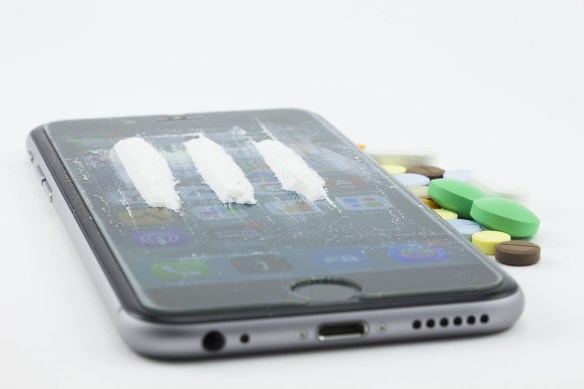
Drugs of addiction

Addiction.
Photo courtesy of Pixabay.com

What does it take to turn a normal person into a drug addict?

I remember some career information when I was in high school. We took a test to see what our abilities were and what careers might interest us the most. I don’t remember a drug addict or alcoholic being on the list of possible careers. Even without any guidance a lot of people end up making a lifetime occupation out of their addiction.

How does addiction develop? Take these five steps to find your chemical dependency.

1. Experimentation with substances.

Involvement with chemicals begins with some experimentation. A friend offers you one of their cigarettes and you try it. Forget all you have heard about this or that drug being a gateway drug. Far and away the “gateway” drugs of choice are nicotine and alcohol.

Lots of kids get their start at abusing drugs by swiping a few cigarettes, maybe a pack if they can, from a family member. A leftover beer, a partial bottle sitting around, that is all it takes. Lots of seasoned drug addicts remember with me the time they took some sips on a family member’s beer or drank from mom and dad’s liquor cabinet when the folks were away.

Boys usually get their start with the help and encouragement of a male friend or an older family member. It’s not a drug pusher that gets the disease of addiction going, it is a brother, uncle, cousin, or another close male.

Girls most often learn how to use drugs from their first boyfriend. They may go on to share this knowledge with other girlfriends but mostly they all compare notes and then get the next lesson from the next man in their life. Keep the learning up long enough and one of those men will teach you how to save money by sharing needles and then you can share everything that man has, especially the diseases.

2. Social drinking and drug use.

After the first trial of drug use, the budding young experimenter is likely to finds some collaborators in drug learning. The guys or gals get together and drink a few beers, sometimes they get wasted. Eventually, sooner probably, rather than later, someone brings some weed, bomb, some 420 to the party. The group has discovered marijuana; they have also discovered doing an illicit or illegal drug.

Some people have to steal the weed, others buy it, a few have “friends” who in the beginning will front it to you for free. This is probably too early in the trip for the aspiring popular person to have heard the old expression “the first one is free; the second will cost you double.”

Every week the group gets together. Say Friday night. Eventually given enough good stuff, the party stretches over into Saturday morning. There may be some getting drunk, some learning to throw up and to treat hangovers the next day.

There may be some violence, some unplanned, even unwanted sex. People may start doing illegal and dangerous things. Occasionally people get in trouble, get arrested, or even killed. Usually, that is someone else in some other town, someone who wasn’t careful enough. It won’t happen to one of your group.

As long as it is social it is all good. But what happens when the group is away?

3. Substance use becomes a habit.

The time will come in everyone’s life when the group is not there that one Friday night.
This is the turning point.

It is Friday. That is the night you drink and party right? Tonight you are alone. What will you do? This is the point where a few will decide enough is enough. A few beers with friends is fine, but this getting drunk and stoned every weekend is too much.

Far too many people at this point decide that it is Friday and on Fridays, we drink and drug. They will go on with the party, friends or no friends. They may look for another group to use with or they may use alone, but at this point, they have turned a social event into a habit. They will use no matter what it takes.

4. Psychological need for substances.

The user will struggle along for a while, months, years, maybe even decades. The use now is accelerating. There is more using alone. The negative consequences begin to mount up.

There may be DUI’s. When using they do things they will regret later. There are fights, violence, possibly arrests. They decide they want to quit. At this point, they have had enough. They vow to stop drinking and drugging, well not stop exactly, but they will cut back.

The person on their way to addiction is at the point where when they try to control their use they find it is so much harder than they thought. They have lost the ability to control their usage. They need to drink more and use more to get the same high. This is called tolerance. They can’t function without the drug.

In those brief periods of not using or drinking they can’t stop thinking about the drug, how long till five and the next time they can drink?

This person is not yet fully psychologically dependent but they have developed a mental need for their drug of choice. Without that drug, they are not happy. Even with the drug they are no longer enjoying the use. They now use just to get back to normal.

5. Physical need for a drug completes the process.

At this juncture, the person is having physical problems. They may get sick when without their drug of choice. They can’t stand the thought of running out. The alcoholic now needs an eye-opener in the morning. The meth addict tries to keep back a taste to help get them out of bed. It is no longer using to feel pleasure, now it is using to get well again.

The alcoholic may have D.T’s. They may risk seizures and death if deprived of their drug. The process has gone to the end. The experiment is over. The drug has taken control of the person.

If you recognize yourself in this story, consider where you are in the process and where you want to go. If you have reached the point where this is a habit or an addiction know that there is help available to stop the disease of addiction before you reach the end.

Beyond psychical addiction, so the story goes, there are three destinations, Jails, institutions, and death.
Changing the outcome is not easy but it is possible.

Are you ready to change your direction or are you on the 5 steps to addiction path?

Staying connected with David Joel Miller

Seven David Joel Miller Books are available now!

My newest book is now available. It was my opportunity to try on a new genre. I’ve been working on this book for several years, but now seem like the right time to publish it.

Story Bureau.

Story Bureau is a thrilling Dystopian Post-Apocalyptic adventure in the Surviving the Apocalypse series.

Baldwin struggles to survive life in a post-apocalyptic world where the government controls everything.

As society collapses and his family gets plunged into poverty, Baldwin takes a job in the capital city, working for a government agency called the Story Bureau. He discovers the Story Bureau is not a benign news outlet but a sinister government plot to manipulate society.

Bumps on the Road of Life. Whether you struggle with anxiety, depression, low motivation, or addiction, you can recover. Bumps on the Road of Life is the story of how people get off track and how to get your life out of the ditch.

Dark Family Secrets: Doris wants to get her life back, but small-town prejudice could shatter her dreams.

Casino Robbery Arthur Mitchell escapes the trauma of watching his girlfriend die. But the killers know he’s a witness and want him dead.

Planned Accidents  The second Arthur Mitchell and Plutus mystery.

Letters from the Dead: The third in the Arthur Mitchell mystery series.

What would you do if you found a letter to a detective describing a crime and you knew the writer and detective were dead, and you could be next?

Sasquatch. Three things about us, you should know. One, we have seen the past. Two, we’re trapped there. Three, I don’t know if we’ll ever get back to our own time.

For these and my upcoming books; please visit my Author Page – David Joel Miller

Want the latest blog posts as they publish? Subscribe to this blog.

For videos, see: Counselorssoapbox YouTube Video Channel

Is Dysthymia better in the morning or worse?

By David Joel Miller, MS, Licensed Therapist & Licensed Counselor.

Depressed person

Depression.
Photo courtesy of Pixabay.com

Which depression is worse in the morning? – Morning Question #14

Having more depressive symptoms in the morning is a characteristic of “Atypical features” of a mood disorder. Atypical does not mean unusual it means “not melancholy.”

Atypical features include the hibernating-like-a-bear symptoms, overeating, sleeping too much, and being tired and grouchy in the morning. With atypical features, the person may be able to feel better temporarily if something they really like happens, but the happiness does not last long. They may also feel better in the evening but by morning the depression comes back.

Atypical features can occur during episodes of Dysthymia, Bipolar one or two Disorders, and Major Depressive Disorder. In practice, the only time I remember seeing this on a file is as part of the diagnosis of a Major Depressive Disorder but having atypical features increases the risk that this will eventually turn into a Bipolar disorder.

If your mood is customarily worse at a particular time of day, make sure you are eating and sleeping well, that there are not environmental problems like relationship issues that are causing this, and then seriously consider consulting with a medical doctor or psychiatrist. If the doctor rules out any medical problems then some counseling should help.

Staying connected with David Joel Miller

Seven David Joel Miller Books are available now!

My newest book is now available. It was my opportunity to try on a new genre. I’ve been working on this book for several years, but now seem like the right time to publish it.

Story Bureau.

Story Bureau is a thrilling Dystopian Post-Apocalyptic adventure in the Surviving the Apocalypse series.

Baldwin struggles to survive life in a post-apocalyptic world where the government controls everything.

As society collapses and his family gets plunged into poverty, Baldwin takes a job in the capital city, working for a government agency called the Story Bureau. He discovers the Story Bureau is not a benign news outlet but a sinister government plot to manipulate society.

Bumps on the Road of Life. Whether you struggle with anxiety, depression, low motivation, or addiction, you can recover. Bumps on the Road of Life is the story of how people get off track and how to get your life out of the ditch.

Dark Family Secrets: Doris wants to get her life back, but small-town prejudice could shatter her dreams.

Casino Robbery Arthur Mitchell escapes the trauma of watching his girlfriend die. But the killers know he’s a witness and want him dead.

Planned Accidents  The second Arthur Mitchell and Plutus mystery.

Letters from the Dead: The third in the Arthur Mitchell mystery series.

What would you do if you found a letter to a detective describing a crime and you knew the writer and detective were dead, and you could be next?

Sasquatch. Three things about us, you should know. One, we have seen the past. Two, we’re trapped there. Three, I don’t know if we’ll ever get back to our own time.

For these and my upcoming books; please visit my Author Page – David Joel Miller

Want the latest blog posts as they publish? Subscribe to this blog.

For videos, see: Counselorssoapbox YouTube Video Channel