
Could psych meds kill?

By David Joel Miller, MS, Licensed Therapist & Licensed Counselor.

Drugs

Drug counseling.
Photo courtesy of Pixabay.com

Taking your medication could kill you or someone else.

When we think of drug-related deaths we think first of illegal street drugs and overdose deaths but in fact, legal drugs or medication kill a lot more people than the illegal ones. Psych meds do result in deaths and serious injury.

Several recent studies have highlighted the dangers of taking a prescription medication and driving. The problem of impaired drivers includes those taking prescribed psychiatric medication. A recent large study in Taiwan confirms what other studies in the United States have suggested. There is a definite link between taking some, but not all, prescription psychiatric medication and serious car accidents.

At the top of the list for possible danger is sleeping medications. Sleeping pills have been implicated in episodes where people who have no history of substance abuse still had a “blackout” and drove without a memory of taking the trip. Now we have evidence that people who take sleeping pills are more likely to be involved in serious accidents. Even if you do not feel impaired you may be at risk. The person who is in no shape to drive is also the person who can’t tell if they are impaired.

Anti-anxiety medications particularly Benzodiazepines have been involved in a number of cases of serious car accidents.

Antidepressants are also present in the system of people who are involved in accidents in a disproportionate number of car crashes. Why antidepressants should be involved is still unclear.

Surprisingly the recent studies have not shown any significant connection between antipsychotics and accidents.

It is not those diagnosed with paranoid-schizophrenia but the anxious-insomniacs who are crashing into us.

My guess is that the increased use of the newer atypical antipsychotic medications has resulted in people with psychosis leading better, safer lives.

Another overlooked factor in accident prevention has been the association between marijuana smoking and serious car accidents. Most people know about the connection between alcohol and accidents but weed?

Studies have shown that the majority of drivers involved in serious accidents are positive for marijuana (THC) at the time of their accident. Either smoking marijuana is increasing your risk of an accident, or most people these days are smoking weed.

Regardless of your feelings about marijuana, drug legalization or decriminalization there appears to be a connection between being high on weed and getting in an accident. So if you smoke I would prefer it if you stayed off the road, especially while I am out there.

So now we know more about this subject of medications, drugs, and driving.

It is not just illegal drugs or alcohol that can impair your driving ability, prescribed drugs including some psychiatric ones also can increase the risk of you hurting yourself or others while driving.

The combination of prescribed medication, street drugs, and or alcohol, is just asking to be in a serious accident.

Staying connected with David Joel Miller

Seven David Joel Miller Books are available now!

My newest book is now available. It was my opportunity to try on a new genre. I’ve been working on this book for several years, but now seem like the right time to publish it.

Story Bureau.

Story Bureau is a thrilling Dystopian Post-Apocalyptic adventure in the Surviving the Apocalypse series.

Baldwin struggles to survive life in a post-apocalyptic world where the government controls everything.

As society collapses and his family gets plunged into poverty, Baldwin takes a job in the capital city, working for a government agency called the Story Bureau. He discovers the Story Bureau is not a benign news outlet but a sinister government plot to manipulate society.

Bumps on the Road of Life. Whether you struggle with anxiety, depression, low motivation, or addiction, you can recover. Bumps on the Road of Life is the story of how people get off track and how to get your life out of the ditch.

Dark Family Secrets: Doris wants to get her life back, but small-town prejudice could shatter her dreams.

Casino Robbery Arthur Mitchell escapes the trauma of watching his girlfriend die. But the killers know he’s a witness and want him dead.

Planned Accidents  The second Arthur Mitchell and Plutus mystery.

Letters from the Dead: The third in the Arthur Mitchell mystery series.

What would you do if you found a letter to a detective describing a crime and you knew the writer and detective were dead, and you could be next?

Sasquatch. Three things about us, you should know. One, we have seen the past. Two, we’re trapped there. Three, I don’t know if we’ll ever get back to our own time.

For these and my upcoming books; please visit my Author Page – David Joel Miller

Want the latest blog posts as they publish? Subscribe to this blog.

For videos, see: Counselorssoapbox YouTube Video Channel

Mania in children?

By David Joel Miller, MS, Licensed Therapist & Licensed Counselor.

Person with masks

Bipolar.
Photo courtesy of Pixabay.com

Do children really have mania?

Parents bring children into the emergency rooms and the psychiatric facilities because their child “flips out” and begins damaging property. Say the child begins breaking out all the windows in a row of buildings. They are angry and out of control. Efforts to get them to stop are unsuccessful and they may continue even when threatened with violence. Is this an early sign that the child has Bipolar disorder?

Diagnosing Bipolar Disorder in children is highly controversial. To make that diagnosis we need to know if children really have episodes of mania or hypomania. No mania and there should be no Bipolar Diagnosis. Anger and mania are related; they may overlap but are they part of the same thing? The researchers in this area are clearly not in agreement. I will save my opinion for the end.

Children have temper outbursts. If we reduce the level of symptoms needed to include those outbursts as a mental illness all children would get the label and the diagnoses would become meaningless.

To be considered Mania it should last 7 days, for Hypomania an episode needs to last for at least four days. This rules out all those brief temper outbursts from consideration.  It also excludes those times when any and all of us might have a time period of excitement when we sleep less or are excited to pursue a new activity, like a new love interest.

Recently there has been an increase in the use of the Bipolar NOS diagnoses in children because this allows for some judgment calls as to the length of the episode needed to make the diagnosis. One study (Stringaris et al. 2010) looked at children who had been diagnosed with Bipolar and concluded there was no evidence of mania in children under the age of thirteen, meaning no child that young should be getting the diagnosis of Bipolar. Other researchers disagree.

Stringaris did find that of those children who had brief episodes, too brief to meet criteria for a hypomanic episode, fully 25% did go on to develop all the symptoms needed to diagnose Bipolar Disorder within two years. His conclusion is that we should wait until the teen years and the full criterion is met before diagnosing Bipolar Disorder.

This is a problem for me. Why would we begin treating a child if they do not have an illness? No diagnosis no treatment. So to get the family the help they need, we need the diagnosis. If not Bipolar Disorder then what would we call this child’s problem? Also, the study tells us that 25% of these brief episodes will develop symptoms in 2 years. What about 10 years or 20?  I have not yet found research that answers those questions.

Early-onset researchers come up with a different answer. Telling us that – Mania, Bipolar one mostly starts in the adolescent period (McNamara, 2010.) This study goes on to cite 6 factors that may constitute risk factors for the early development of Bipolar Disorder.

One significant risk factor is a history of being the victim of abuse and neglect. We know that early childhood experiences can induce changes in the wiring of the brain. So can later life traumas. Psycho-social stressors are also listed as risk factors. These are also risk factors for personality disorders and other mental illnesses.

This tells us that experience and learning can be risk factors for developing Bipolar Disorder.

A family history of Bipolar is also a risk factor. Not just family members living in the home, but first-degree family members who have any mood disorder, whether in the home or not, appear to increase the risk of developing Bipolar.

That says that heredity is a risk factor for Bipolar Disorder.

A history of substance abuse, prescribed antidepressants and stimulants, and dietary deficiencies all have been implicated as having a connection to Bipolar disorder.

See: Do medications and drugs cause Mania or Bipolar Disorder and other Co-occurring blog posts

Lastly, McNamara sums up the argument for diagnosing Bipolar Disorder in children by saying that most people who go on to get the diagnosis had “prodromal” or early symptoms 10 full years before they were diagnosed.

We know from other mental health research that the sooner an illness is recognized and treated the better the chance of a full recovery.

My opinion

Children who have a brief – one day temper or behavioral outburst are unlikely to be having Bipolar disorder. This is anger or bad behavior and you should try treating them for anger and behavior first. But the pattern needs monitoring.

There are dangers from over-treating psychiatric illnesses in children and there are dangers of under-treating. Pick a provider you trust and listen to their advice and judgment. I especially recommend a consultation with a child psychiatrist whenever possible.

Don’t adopt a wait and attitude, even if you decide to skip the medication for now, if your child has these kinds of symptoms get the child counseling or therapy.

Care to share or comment?

Has your child had outbursts that looked like mania or hypomania and have you considered the possibility they may have Bipolar disorder?

Staying connected with David Joel Miller

Seven David Joel Miller Books are available now!

My newest book is now available. It was my opportunity to try on a new genre. I’ve been working on this book for several years, but now seem like the right time to publish it.

Story Bureau.

Story Bureau is a thrilling Dystopian Post-Apocalyptic adventure in the Surviving the Apocalypse series.

Baldwin struggles to survive life in a post-apocalyptic world where the government controls everything.

As society collapses and his family gets plunged into poverty, Baldwin takes a job in the capital city, working for a government agency called the Story Bureau. He discovers the Story Bureau is not a benign news outlet but a sinister government plot to manipulate society.

Bumps on the Road of Life. Whether you struggle with anxiety, depression, low motivation, or addiction, you can recover. Bumps on the Road of Life is the story of how people get off track and how to get your life out of the ditch.

Dark Family Secrets: Doris wants to get her life back, but small-town prejudice could shatter her dreams.

Casino Robbery Arthur Mitchell escapes the trauma of watching his girlfriend die. But the killers know he’s a witness and want him dead.

Planned Accidents  The second Arthur Mitchell and Plutus mystery.

Letters from the Dead: The third in the Arthur Mitchell mystery series.

What would you do if you found a letter to a detective describing a crime and you knew the writer and detective were dead, and you could be next?

Sasquatch. Three things about us, you should know. One, we have seen the past. Two, we’re trapped there. Three, I don’t know if we’ll ever get back to our own time.

For these and my upcoming books; please visit my Author Page – David Joel Miller

Want the latest blog posts as they publish? Subscribe to this blog.

For videos, see: Counselorssoapbox YouTube Video Channel
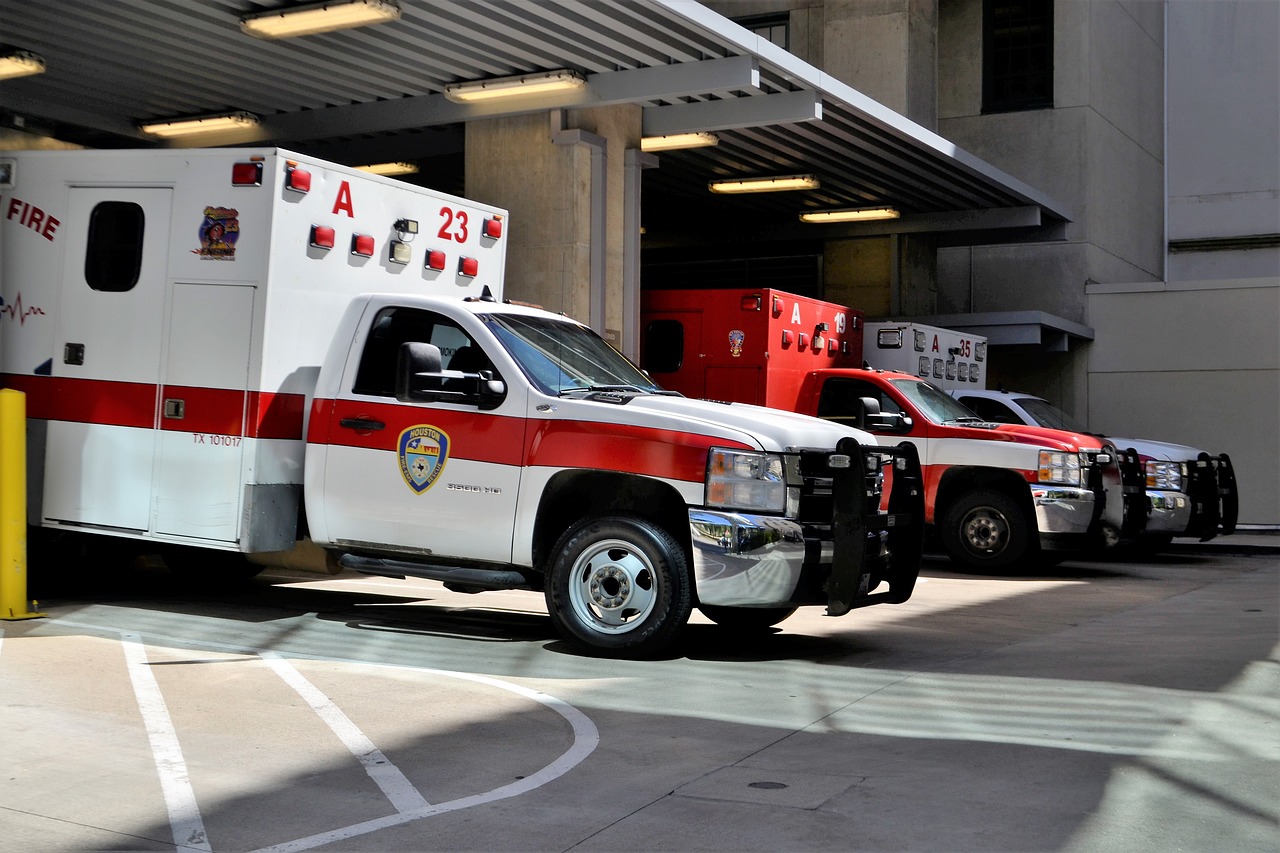
What if you go to the hospital drunk or high?

What if you go to the hospital drunk or high?
Photo courtesy of pixabay.

By David Joel Miller.

Hospital emergency rooms are filling up with people under the influence.

This is causing a whole lot of problems for hospitals, the emergency room staff, and society in general. There is no special reason why someone needs to go to a hospital because they are drunk or high unless they also have a medical or psychiatric emergency.

They end up there because of the other problems drug and alcohol use cause to the person and to society. Often this happens because there is just no other place to send them. Hospitals do not function as an extension of law enforcement and patient privacy is strongly enforced so unless you are in prison when the emergency occurs don’t worry about seeking help because of the legal consequences.

People who are drunk or high are a lot more likely to slip, fall, or otherwise injure themselves. The emergency room staff is used to this and unless you broke some major law like hitting someone while driving drunk and you are already in custody, their goal is to get you patched up and out of there.

Some under-the-influence people really really need to be in the hospital.

If someone has the Delirium Tremens (DT’s), they need to be in the hospital, this is life-threatening. But most drunks are just a pain to the workers in the ER. They argue, try to go places, and do things that just get in the way.

Heroin and other opiate abusers need an injection to reverse the effects of the overdose, but most enlightened emergency responders carry the injection to do this on the ambulance so that by the time the patient reaches the hospital the emergency is over.

Drunks are most problematic because the alcohol impairs their judgment. They are often suicidal or violent. No not everyone who drinks gets suicidal or violent but many suicidal people abuse substances. A binge drinker is 55 times more likely to attempt suicide than a non-drinker.

Substance abusers make up a significant proportion of admissions to psychiatric facilities. While they are under the influence they are prone to be violent and irresponsible. Some of them are still suicidal or violent after the drugs and alcohol wear off and need further treatment.

Since we don’t know if the current psychiatric problem is only a result of the substance or do they have these issues at other times. Most suicidal, self-harming, or violent people who are under the influence end up staying until the drugs and alcohol wear off and they can rationally answer questions about their behavior and intent.

One very effective approach to this overflow of under-the-influence people filling up the hospital ER’s has been the creation of sobering centers.

Situated close to the hospital and under the supervision of medical staff, trained Para-professionals such as substance abuse counselors and mental health professionals can screen patients for medical necessity and supervise detoxification. These systems have worked well. Unfortunately, when budgets get tight, detox, as well as other services for substance abusers and the mentally ill, get cut.

At the time the need is the greatest detox and sobering centers are the most likely to get cut and throw their work back on the already overused ER’s.

Hospitals are also seeing a surge in irrational people as a result of synthetic drug use. (See 7 new drugs parents should be aware of.) Sometimes that psychosis goes away once they detox but other times it seems to be long-term and results in a psychiatric hospital admission.  Professionals are debating whether the new drugs are creating the psychosis or just a stressor that causes the first occurrence of the disorder.

I am convinced that drug use is damaging some brains and creating mental illness which would not have occurred without the drug use. I understand that not everyone agrees with this position.

So the conclusion to all this is that if you or someone around you is drunk or high and there appears to be a medical or psychiatric emergency you should go to the hospital and get checked out and do not worry about the police finding out about this as a result of your visit. If there is no medical or psychiatric problem and no past history of problems most people do not need to go to the hospital. When in doubt call 911, the doctor or hospital first, not your therapist or the social worker.

Staying connected with David Joel Miller

Seven David Joel Miller Books are available now!

My newest book is now available. It was my opportunity to try on a new genre. I’ve been working on this book for several years, but now seem like the right time to publish it.

Story Bureau.

Story Bureau is a thrilling Dystopian Post-Apocalyptic adventure in the Surviving the Apocalypse series.

Baldwin struggles to survive life in a post-apocalyptic world where the government controls everything.

As society collapses and his family gets plunged into poverty, Baldwin takes a job in the capital city, working for a government agency called the Story Bureau. He discovers the Story Bureau is not a benign news outlet but a sinister government plot to manipulate society.

Bumps on the Road of Life. Whether you struggle with anxiety, depression, low motivation, or addiction, you can recover. Bumps on the Road of Life is the story of how people get off track and how to get your life out of the ditch.

Dark Family Secrets: Doris wants to get her life back, but small-town prejudice could shatter her dreams.

Casino Robbery Arthur Mitchell escapes the trauma of watching his girlfriend die. But the killers know he’s a witness and want him dead.

Planned Accidents  The second Arthur Mitchell and Plutus mystery.

Letters from the Dead: The third in the Arthur Mitchell mystery series.

What would you do if you found a letter to a detective describing a crime and you knew the writer and detective were dead, and you could be next?

Sasquatch. Three things about us, you should know. One, we have seen the past. Two, we’re trapped there. Three, I don’t know if we’ll ever get back to our own time.

For these and my upcoming books; please visit my Author Page – David Joel Miller

Want the latest blog posts as they publish? Subscribe to this blog.

For videos, see: Counselorssoapbox YouTube Video Channel

Is nicotine a stimulant or a depressant?

By David Joel Miller, MS, Licensed Therapist & Licensed Counselor.

Full ashtray

Smoking cigarettes.
Photo courtesy of Pixabay.com

Is Tobacco an upper or a downer?

Half the articles I read tell me that Nicotine is a depressant. The other half, just as authoritatively, say it is a stimulant. It can’t be both, can it?

Smokers will tell you that when they get up in the morning they need a smoke to wake them up and get them going. Those very same smokers will tell you that at bedtime then need one last cigarette to calm them down and put them to sleep. How is this working?

Nicotine is one of a very small group of chemicals, probably the only one that is in common use, which works as both a stimulant and a depressant. Chemicals like this are called Biphasic.

Pure Nicotine is very, very poisonous.

As an insecticide, in its pure form, it will kill insects like crazy. But as a pure chemical, if it is sprayed on a field and gets on workers, those laborers will end up in the hospital and may die. So why doesn’t it kill smokers, quick like? If it killed you the first time you used it, there wouldn’t be many long-term smokers would there?

The nicotine from three packs of cigarettes, if consumed in pure form, would kill the average adult. A child could die from much less. Most of the nicotine in a cigarette is broken down by the burning and is taken in slowly, a small amount at a time. This result is a chronic low-level of the poisonous chemicals in the bloodstream rather than a single large fatal dose. A small child or pet eating a few cigarettes could reach a toxic, fatal level.

Most cases of nicotine poisoning and death are the result of being exposed to highly concentrated nicotine used as an insecticide. While nicotine was commonly used as an insecticide in the past, it has been replaced by newer more modern insecticides.

The one area in which nicotine is still permitted is in “organic” crops since nicotine is derived from a plant. Some countries have banned the use of nicotine as an insecticide and it appears likely that even the use for organic food will soon be eliminated.

Nicotine’s effects depend on the blood level.

In the early stages, the nicotine stimulates many responses in the body. The smoker, by taking in that first puff in the morning, believes they are energized.

As the day progresses the levels of nicotine in the bloodstream fluctuate. After each smoke, the level rises. The body, principally the liver, attempts to remove the toxin and the level is reduced. This up-down action creates the craving the smoker experiences.

The administration of any drug in many small doses, particularly by smoking, increases the addiction potential.

Late in the day, the smoker will have achieved a relatively high level of nicotine in the bloodstream. At high doses, the nicotine begins to depress systems in the body. Just before bedtime, the habitual smoker will smoke more in a shorter period of time in an effort to relax for sleep. The level of nicotine will slowly fall during the night as the liver detoxifies the drug.

Smokers instinctively respond to these low dose – high dose effects. A smoker who is trying to feel stimulated will take many short puffs. The smoker trying to sedate themselves will take fewer long puffs and raise the level in the bloodstream more rapidly.

It seems likely that many poisonous chemicals would affect the body in the same biphasic way. At low doses, the poison stimulates the body to defend itself and at high doses, the body shuts down under the effects of the poison. Nicotine, unlike many other poisons, is different in that it is able to produce these body and mind-altering effects which users find so pleasant while producing the diseases and death slowly over time rather than quickly.

Nicotine withdrawal.

Another reason for Nicotine’s calming effects is that repeated smoking counteracts the withdrawal or abstinence effect. As the level of nicotine in the smoker’s body drops they begin to experience withdrawal and become agitated. By replacing the nicotine in the bloodstream the smoker is delaying the withdrawal and reliving the agitation.

Tobacco keeps its users alive and dependent on it for their mood state changes for as long as it can.

Why do the effects of nicotine on the body matter to readers of a blog on mental health and substance abuse issues?

Because, by one report, the majority of cigarettes consumed in America are smoked by people with a diagnosed mental illness. Hope this post helps explain the way in which nicotine can both stimulate and depress the body.

Staying connected with David Joel Miller

Seven David Joel Miller Books are available now!

My newest book is now available. It was my opportunity to try on a new genre. I’ve been working on this book for several years, but now seem like the right time to publish it.

Story Bureau.

Story Bureau is a thrilling Dystopian Post-Apocalyptic adventure in the Surviving the Apocalypse series.

Baldwin struggles to survive life in a post-apocalyptic world where the government controls everything.

As society collapses and his family gets plunged into poverty, Baldwin takes a job in the capital city, working for a government agency called the Story Bureau. He discovers the Story Bureau is not a benign news outlet but a sinister government plot to manipulate society.

Bumps on the Road of Life. Whether you struggle with anxiety, depression, low motivation, or addiction, you can recover. Bumps on the Road of Life is the story of how people get off track and how to get your life out of the ditch.

Dark Family Secrets: Doris wants to get her life back, but small-town prejudice could shatter her dreams.

Casino Robbery Arthur Mitchell escapes the trauma of watching his girlfriend die. But the killers know he’s a witness and want him dead.

Planned Accidents  The second Arthur Mitchell and Plutus mystery.

Letters from the Dead: The third in the Arthur Mitchell mystery series.

What would you do if you found a letter to a detective describing a crime and you knew the writer and detective were dead, and you could be next?

Sasquatch. Three things about us, you should know. One, we have seen the past. Two, we’re trapped there. Three, I don’t know if we’ll ever get back to our own time.

For these and my upcoming books; please visit my Author Page – David Joel Miller

Want the latest blog posts as they publish? Subscribe to this blog.

For videos, see: Counselorssoapbox YouTube Video Channel

5 Steps to addiction

By David Joel Miller, MS, Licensed Therapist & Licensed Counselor.

Drugs of addiction

Addiction.
Photo courtesy of Pixabay.com

What does it take to turn a normal person into a drug addict?

I remember some career information when I was in high school. We took a test to see what our abilities were and what careers might interest us the most. I don’t remember a drug addict or alcoholic being on the list of possible careers. Even without any guidance a lot of people end up making a lifetime occupation out of their addiction.

How does addiction develop? Take these five steps to find your chemical dependency.

1. Experimentation with substances.

Involvement with chemicals begins with some experimentation. A friend offers you one of their cigarettes and you try it. Forget all you have heard about this or that drug being a gateway drug. Far and away the “gateway” drugs of choice are nicotine and alcohol.

Lots of kids get their start at abusing drugs by swiping a few cigarettes, maybe a pack if they can, from a family member. A leftover beer, a partial bottle sitting around, that is all it takes. Lots of seasoned drug addicts remember with me the time they took some sips on a family member’s beer or drank from mom and dad’s liquor cabinet when the folks were away.

Boys usually get their start with the help and encouragement of a male friend or an older family member. It’s not a drug pusher that gets the disease of addiction going, it is a brother, uncle, cousin, or another close male.

Girls most often learn how to use drugs from their first boyfriend. They may go on to share this knowledge with other girlfriends but mostly they all compare notes and then get the next lesson from the next man in their life. Keep the learning up long enough and one of those men will teach you how to save money by sharing needles and then you can share everything that man has, especially the diseases.

2. Social drinking and drug use.

After the first trial of drug use, the budding young experimenter is likely to finds some collaborators in drug learning. The guys or gals get together and drink a few beers, sometimes they get wasted. Eventually, sooner probably, rather than later, someone brings some weed, bomb, some 420 to the party. The group has discovered marijuana; they have also discovered doing an illicit or illegal drug.

Some people have to steal the weed, others buy it, a few have “friends” who in the beginning will front it to you for free. This is probably too early in the trip for the aspiring popular person to have heard the old expression “the first one is free; the second will cost you double.”

Every week the group gets together. Say Friday night. Eventually given enough good stuff, the party stretches over into Saturday morning. There may be some getting drunk, some learning to throw up and to treat hangovers the next day.

There may be some violence, some unplanned, even unwanted sex. People may start doing illegal and dangerous things. Occasionally people get in trouble, get arrested, or even killed. Usually, that is someone else in some other town, someone who wasn’t careful enough. It won’t happen to one of your group.

As long as it is social it is all good. But what happens when the group is away?

3. Substance use becomes a habit.

The time will come in everyone’s life when the group is not there that one Friday night.
This is the turning point.

It is Friday. That is the night you drink and party right? Tonight you are alone. What will you do? This is the point where a few will decide enough is enough. A few beers with friends is fine, but this getting drunk and stoned every weekend is too much.

Far too many people at this point decide that it is Friday and on Fridays, we drink and drug. They will go on with the party, friends or no friends. They may look for another group to use with or they may use alone, but at this point, they have turned a social event into a habit. They will use no matter what it takes.

4. Psychological need for substances.

The user will struggle along for a while, months, years, maybe even decades. The use now is accelerating. There is more using alone. The negative consequences begin to mount up.

There may be DUI’s. When using they do things they will regret later. There are fights, violence, possibly arrests. They decide they want to quit. At this point, they have had enough. They vow to stop drinking and drugging, well not stop exactly, but they will cut back.

The person on their way to addiction is at the point where when they try to control their use they find it is so much harder than they thought. They have lost the ability to control their usage. They need to drink more and use more to get the same high. This is called tolerance. They can’t function without the drug.

In those brief periods of not using or drinking they can’t stop thinking about the drug, how long till five and the next time they can drink?

This person is not yet fully psychologically dependent but they have developed a mental need for their drug of choice. Without that drug, they are not happy. Even with the drug they are no longer enjoying the use. They now use just to get back to normal.

5. Physical need for a drug completes the process.

At this juncture, the person is having physical problems. They may get sick when without their drug of choice. They can’t stand the thought of running out. The alcoholic now needs an eye-opener in the morning. The meth addict tries to keep back a taste to help get them out of bed. It is no longer using to feel pleasure, now it is using to get well again.

The alcoholic may have D.T’s. They may risk seizures and death if deprived of their drug. The process has gone to the end. The experiment is over. The drug has taken control of the person.

If you recognize yourself in this story, consider where you are in the process and where you want to go. If you have reached the point where this is a habit or an addiction know that there is help available to stop the disease of addiction before you reach the end.

Beyond psychical addiction, so the story goes, there are three destinations, Jails, institutions, and death.
Changing the outcome is not easy but it is possible.

Are you ready to change your direction or are you on the 5 steps to addiction path?

Staying connected with David Joel Miller

Seven David Joel Miller Books are available now!

My newest book is now available. It was my opportunity to try on a new genre. I’ve been working on this book for several years, but now seem like the right time to publish it.

Story Bureau.

Story Bureau is a thrilling Dystopian Post-Apocalyptic adventure in the Surviving the Apocalypse series.

Baldwin struggles to survive life in a post-apocalyptic world where the government controls everything.

As society collapses and his family gets plunged into poverty, Baldwin takes a job in the capital city, working for a government agency called the Story Bureau. He discovers the Story Bureau is not a benign news outlet but a sinister government plot to manipulate society.

Bumps on the Road of Life. Whether you struggle with anxiety, depression, low motivation, or addiction, you can recover. Bumps on the Road of Life is the story of how people get off track and how to get your life out of the ditch.

Dark Family Secrets: Doris wants to get her life back, but small-town prejudice could shatter her dreams.

Casino Robbery Arthur Mitchell escapes the trauma of watching his girlfriend die. But the killers know he’s a witness and want him dead.

Planned Accidents  The second Arthur Mitchell and Plutus mystery.

Letters from the Dead: The third in the Arthur Mitchell mystery series.

What would you do if you found a letter to a detective describing a crime and you knew the writer and detective were dead, and you could be next?

Sasquatch. Three things about us, you should know. One, we have seen the past. Two, we’re trapped there. Three, I don’t know if we’ll ever get back to our own time.

For these and my upcoming books; please visit my Author Page – David Joel Miller

Want the latest blog posts as they publish? Subscribe to this blog.

For videos, see: Counselorssoapbox YouTube Video Channel
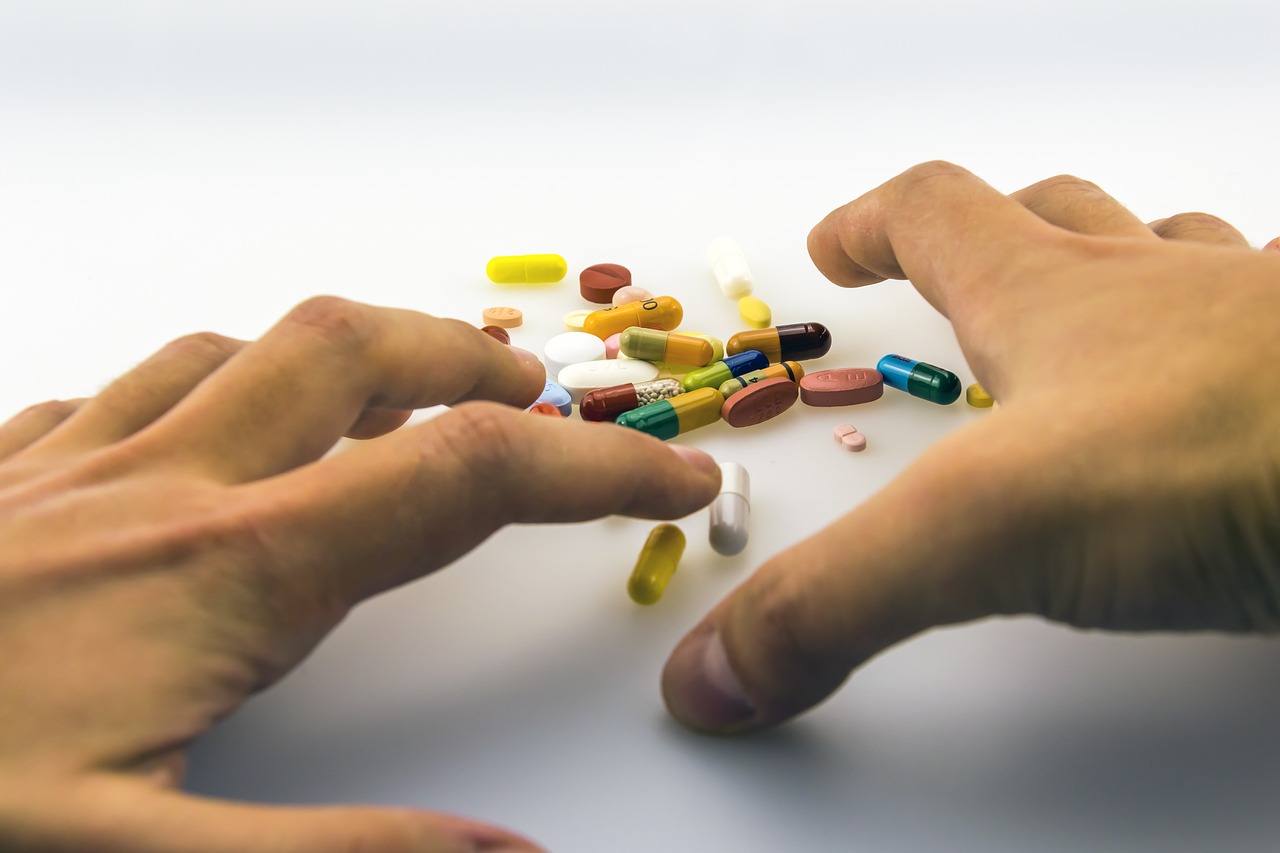
Top 4 reasons people drink or use

By David Joel Miller, MS, Licensed Therapist & Licensed Counselor.

Drugs of addiction

Addiction.
Photo courtesy of Pixabay.com

The top 4 reasons you began to drink or use drugs.

Many people want to find the reasons they drank and used. Here are some common reasons and what to do about them.

1. Good day – celebrate.

In the beginning, it is all good. A little of this or that will help you celebrate. Your drug of choice helped you feel stronger, more attractive, more outgoing, and smarter. No one gives up a substance that makes them feel like that.

Drinking and using is often a social thing, you do it with your friends until your abuse of substances drives friends away and it is just you and your drug.

At the start of addiction, it is all good. As time goes on the wreckage mounts. What the addicted person eventually learns is that the drug was not their friend, making them happy, sharing their happiness. Addiction is a thief that steals your happiness.

Solution? Learn to celebrate without drugs and alcohol.

2. Bad day – drink, use to cheer yourself up.

People drink and use to change their mood. If you are sad, use a chemical to brighten your day. It works for a while. Then the drug or the alcohol stops working. It leaves you still miserable. Eventually, that drug begins to beat you up. The drug becomes the reason you are sad and depressed. The drug makes you anxious and scared.

We hear the refrain everywhere we go. This went wrong – I need a drink. That was late or unpleasant – I need a drink. People around you will tell you “You look like you could use a drink.” Not till years later will you hear “I think you have been drinking too much.”

Solution? – Learn to manage negative emotions without chemicals and learn that sometimes it is normal to feel bad for a while.

3. Boring day use drugs to create excitement.

In the early stages of use, it sounds exciting. Things are dull and boring – get high. Don’t know what you want to do – get high. For everything that is missing the refrain is get high. When there is nothing left and your life has passed by unlived you might realize that getting high day after day is the same old boring thing.

Solution – Learn to become excited about the things you already do and learn to enjoy the benefits of peace and quiet sometimes.

4. Any other reason to use whether it satisfies you or not.

Most addicts or alcoholics have a reason they tell themselves is why they drink. They had a lousy childhood, that’s why they use. They lost a partner and that means they will forever be alone. The drug promises comfort and companionship.

Drugs and alcohol pretend to be your friend. They promise a cure for loneliness, anger, and pain. In the end, they take everything you have and leave you to defeated to care anymore.

Alcohol looks like a cure for anger; it takes your mind off the thing that made you angry for a moment. But it also lowers your inhibitions. People who treat anger with alcohol are more likely to get violent, not less. People who treat depression are at an increased risk to attempt suicide or other self-harming behaviors. Treating negative emotions makes the emotion more of a problem not less.

While many people with a drug or alcohol problem would like to find a hidden reason why they drink and drug – the truth is that even when they think they have discovered the reason they still have the addiction. The reason for addiction is simple, addicts and alcoholics put chemicals in their bodies to change the way they feel and act. Once there the drug turns on the user and takes control of their life.

Solution? Build a life with meaning and purpose that is built on real experiences not the fraud of addiction.

Staying connected with David Joel Miller

Seven David Joel Miller Books are available now!

My newest book is now available. It was my opportunity to try on a new genre. I’ve been working on this book for several years, but now seem like the right time to publish it.

Story Bureau.

Story Bureau is a thrilling Dystopian Post-Apocalyptic adventure in the Surviving the Apocalypse series.

Baldwin struggles to survive life in a post-apocalyptic world where the government controls everything.

As society collapses and his family gets plunged into poverty, Baldwin takes a job in the capital city, working for a government agency called the Story Bureau. He discovers the Story Bureau is not a benign news outlet but a sinister government plot to manipulate society.

Bumps on the Road of Life. Whether you struggle with anxiety, depression, low motivation, or addiction, you can recover. Bumps on the Road of Life is the story of how people get off track and how to get your life out of the ditch.

Dark Family Secrets: Doris wants to get her life back, but small-town prejudice could shatter her dreams.

Casino Robbery Arthur Mitchell escapes the trauma of watching his girlfriend die. But the killers know he’s a witness and want him dead.

Planned Accidents  The second Arthur Mitchell and Plutus mystery.

Letters from the Dead: The third in the Arthur Mitchell mystery series.

What would you do if you found a letter to a detective describing a crime and you knew the writer and detective were dead, and you could be next?

Sasquatch. Three things about us, you should know. One, we have seen the past. Two, we’re trapped there. Three, I don’t know if we’ll ever get back to our own time.

For these and my upcoming books; please visit my Author Page – David Joel Miller

Want the latest blog posts as they publish? Subscribe to this blog.

For videos, see: Counselorssoapbox YouTube Video Channel

In an addiction state of mind.

By David Joel Miller, MS, Licensed Therapist & Licensed Counselor.

Hands with pills

Addiction.
Photo courtesy of Pixabay

Addiction is a mental illness.

As difficult as it is to withdraw from some drugs you would think that the primary thrust of addiction treatment would be detoxification facilities. When it comes to curing addiction, Detox programs are an almost universal failure. The majority of people who undergo detox, somewhere near 90% relapse in the first year after detox treatment.

We have been taught to think of addiction as a terrible physical craving, a drug sickness of the body when the user tries to stop. The physical part is the smallest part of addiction.

After 72 hours of detox, the standard treatment in many places, the addict should be past the cravings. Most drugs pass out of the body in hours, days at the most. How then do we explain the high rate of relapse among addicted people?

Some of the hardest to kick drugs have little or no physical withdrawal symptoms. We should expect that the highest rates of relapse would occur in the first few days after cessation. Despite the widely held opinion that addiction is a physical dependence on drugs, recovering people continue to relapse mouths, years, even decades after treatment. The inescapable conclusion?

Addiction is in the mind not the body!

Many efforts to treat addiction fail because they look in the wrong place, in the body. We see programs that include lots of diet and exercise, health farms, and sanitariums they used to be called. They had only limited success.

One way to describe addiction is that the addict’s brain has “gone over to the other team.” The alcoholic develops an alcoholic mind. Efforts to treat that condition with detoxification or drug replacement do not result in the “head change” that is needed to recover.

The psychological cravings persist for a long time after the physical urges have dissipated.

The core problem of addiction is the mind’s determination to obsess over getting a substance, any substance, to change the way we feel.

Once the mind convinces the addict to try a little, just a little, of their drug of choice, the body produces the cravings that continue the use.

Long-term recovery requires stopping those thoughts that an addict can ever safely use even a little of a drug and replacing those using thoughts with positive thoughts.

Recovery from addiction is a long-term process of changing your thinking to change your life.

Staying connected with David Joel Miller

Seven David Joel Miller Books are available now!

My newest book is now available. It was my opportunity to try on a new genre. I’ve been working on this book for several years, but now seem like the right time to publish it.

Story Bureau.

Story Bureau is a thrilling Dystopian Post-Apocalyptic adventure in the Surviving the Apocalypse series.

Baldwin struggles to survive life in a post-apocalyptic world where the government controls everything.

As society collapses and his family gets plunged into poverty, Baldwin takes a job in the capital city, working for a government agency called the Story Bureau. He discovers the Story Bureau is not a benign news outlet but a sinister government plot to manipulate society.

Bumps on the Road of Life. Whether you struggle with anxiety, depression, low motivation, or addiction, you can recover. Bumps on the Road of Life is the story of how people get off track and how to get your life out of the ditch.

Dark Family Secrets: Doris wants to get her life back, but small-town prejudice could shatter her dreams.

Casino Robbery Arthur Mitchell escapes the trauma of watching his girlfriend die. But the killers know he’s a witness and want him dead.

Planned Accidents  The second Arthur Mitchell and Plutus mystery.

Letters from the Dead: The third in the Arthur Mitchell mystery series.

What would you do if you found a letter to a detective describing a crime and you knew the writer and detective were dead, and you could be next?

Sasquatch. Three things about us, you should know. One, we have seen the past. Two, we’re trapped there. Three, I don’t know if we’ll ever get back to our own time.

For these and my upcoming books; please visit my Author Page – David Joel Miller

Want the latest blog posts as they publish? Subscribe to this blog.

For videos, see: Counselorssoapbox YouTube Video Channel
Can you change a mentally ill family member – Powerlessness?

By David Joel Miller, MS, Licensed Therapist & Licensed Counselor.

Change

Change.
Photo courtesy of Pixabay.com

What is powerlessness?

Does powerlessness have anything to do with mental illness and family members? The more we move from a model of mental illness that emphasizes permanent disability to a wellness and recovery model the more we see terms like powerlessness applied to the recovery from mental illness process. One blog reader asked about applying Al-anon principles to their problems with mentally ill family members.

Are people really powerless over mental illness and addiction? Doesn’t saying you are powerless just breed an attitude of helplessness, a victim mentality? Not at all.

There are some things in life we have control over, there are a lot of other things that we have little or no control over. The important thing is learning which is which.

This kid was walking along texting on his phone and generally not watching where he was going. He walked straight into a cement wall. The whole situation looked humorous to me, but I am quite sure it was not a laughing matter to that teen. He became quite angry and hit that wall a good one with his fist.

That teen could stand there pounding away at the cement wall but in the end, he is likely to find he is powerless over that wall. Eventually, he may damage the wall but he is going to harm himself seriously in the process.

Now insisting that the wall is wrong, that it needs to get out of his way is unlikely to be helpful. But isn’t that what happens to so many people, especially people in recovery, every day. Despite clear indications that the current approach we are taking is not working we continue to insist that the world change to accommodate us.

Looking at that wall in an objective way it was easy to see that there was a gate only a short distance away. The teen could have taken the gate, or at the other end the wall ended and with a few extra steps he could have gone around, still, he insisted the wall change.

The alcoholic is like that. Every time they drink they end up drunk. They struggle to control their drinking. The anxious or depressed person tries to deny they have a problem. Ignore the problem and it will go away is the universal motto.

Even after untold negative consequences, alcoholics tell themselves they will find a way to keep drinking and not have problems. The sad truth is that if anything has become an addiction in your life you will never be able to control that thing again. You are powerless to make that thing do what you want it to.

We are all powerless over rain. Now anyone can take a few raindrops. But I have never been able to make it rain or not rain on command. Facing a hurricane I can walk into the storm contending that I am not powerless over a little rain but eventually the storm will get the better of me.

The surest course of action when encountering the hurricane is to admit you are powerless over the storm and take cover in as safe a place as possible. Accepting that you are powerless over hurricanes and that the storm will do what it will do is a wise use of thought. Accepting help for your emotional problem is a wise course also.

The safest thing to do when encountering a drug is to admit that the tiny little thing can whip you any day. Struggling to do a little of the drug and still not let it control you is looking for disaster. No one controls their addiction. Learning that you can say no before the first taste, that is power.

We also need to learn that we are powerless over others. All that begging and bribing, the threatening and the use of force, this approach never really gets you control of the person. If your partner is addicted do you really think you can somehow win the battle to control the substance? We are powerless over people and things.

People will struggle for years to not be sick even when an effective treatment for their problem is right in front of them.

So the idea that a family member might by some special effort get their family member to change and presumably not have a mental illness, that is the clearest sort of delusion.

A central message of Al-anon as I understand it is the same as the message to addict’s, continued efforts to pretend that we have control over others, people, or things, are an illusion. Once you admit you are powerless over the mental illness, then the person can stop trying to pretend they don’t have the problem and begin to look for help in living with their issue.

The key to helping others is to first change yourself. The serenity prayer tells us to change the things we can, mostly that is ourselves, accept the things we cannot change, and develop the wisdom to know the difference.

Absolutely spiritual principles like those of A.A., Al-anon, and other 12 step groups apply to mental illness just as they apply to addiction and alcoholism.

Staying connected with David Joel Miller

Seven David Joel Miller Books are available now!

My newest book is now available. It was my opportunity to try on a new genre. I’ve been working on this book for several years, but now seem like the right time to publish it.

Story Bureau.

Story Bureau is a thrilling Dystopian Post-Apocalyptic adventure in the Surviving the Apocalypse series.

Baldwin struggles to survive life in a post-apocalyptic world where the government controls everything.

As society collapses and his family gets plunged into poverty, Baldwin takes a job in the capital city, working for a government agency called the Story Bureau. He discovers the Story Bureau is not a benign news outlet but a sinister government plot to manipulate society.

Bumps on the Road of Life. Whether you struggle with anxiety, depression, low motivation, or addiction, you can recover. Bumps on the Road of Life is the story of how people get off track and how to get your life out of the ditch.

Dark Family Secrets: Doris wants to get her life back, but small-town prejudice could shatter her dreams.

Casino Robbery Arthur Mitchell escapes the trauma of watching his girlfriend die. But the killers know he’s a witness and want him dead.

Planned Accidents  The second Arthur Mitchell and Plutus mystery.

Letters from the Dead: The third in the Arthur Mitchell mystery series.

What would you do if you found a letter to a detective describing a crime and you knew the writer and detective were dead, and you could be next?

Sasquatch. Three things about us, you should know. One, we have seen the past. Two, we’re trapped there. Three, I don’t know if we’ll ever get back to our own time.

For these and my upcoming books; please visit my Author Page – David Joel Miller

Want the latest blog posts as they publish? Subscribe to this blog.

For videos, see: Counselorssoapbox YouTube Video Channel

Why giving up the drugs and alcohol didn’t make you happy

By David Joel Miller, MS, Licensed Therapist & Licensed Counselor.

Drugs.

Drugs.
Photo courtesy of Pixabay.

What being a “dry drunk” means.

It’s a common problem; someone gives up the drugs and the alcohol. Time goes by and they are still miserable and their lives are a mess. They expected to quit and things would be better. They quit and things did not get better. They ask “Why?”

For most people who arrive at substance recovery, the drugs, and the alcohol are not the problems. For far too long they have been that person’s solution. The problem is they don’t know how to live life without drugs and alcohol.

People with a mental illness fall into the same trap. They see a doctor take a pill or complete a therapy program. They expect it to help. It may help a little, for a while, but then they feel worse and the recovery they have begins to slip away.

You may know deep down you need to give something up. Is it a drug, alcohol or is it Anger and feeling sorry for yourself? Yes, others may have wronged you. But they are gone and you are still suffering. The past fills up your mind with pain and suffering, leaving no room for a happy contented present or future.

You may have lost a relationship, a job, or been to jail or prison. Some people lose their children because they can’t stop drinking and drugging. Your doctor may have told you “one more drink and you will die.” None of those reasons are good enough to stop and stay stopped if life after drugs was dull, boring, and unhappy.

Some people quit, they stay off the sauce for a period of time, but they are still miserable. You can see someone like this at most any A.A. meeting, you see them in churches and self-help groups. Five years or ten without drugs and they are still angry, hate themselves and others. They know they can’t drink or drug but they wish they could. In recovery language, they are called dry drunks.

Anger, fear, and resentments, those are the poisons that keep people sick. Hard to let go of that resentment. Who wants to admit that holding on to that grudge may make them feel “right” but it also makes them feel miserable?

A dry drunk has all the behaviors of a drunk. They don’t like life and can’t cope without something outside themselves to make them feel better. Sometimes they move from addiction to addiction, they try gambling or spending, sometimes it is sex or a new religion. What they don’t do is try to change themselves.

Recovery is more than putting the plug in the jug. It is more than taking medication or completing a program. Recovery takes work. There is a process you need to go through to make peace with yourself and the past. Recovering people most often find they need to work on themselves a lot. Recovery is an inside job, you hear the recovered people say. Looking at yourself is painful sometimes. The pain of self-examination leads to healing. The pain of substance abuse leads to failed relationships, jails, prisons, psych hospitals, and eventually death.

Therapists have a saying “never work harder than the client.” What we mean by that is that recovery is not something we can do to a client. Recovery is a process we can guide someone through but they need to do the work.

As long as you hold on to that addiction, the anger, the blame, you don’t have to begin to take the responsibility for your own recovery.

Living with an addiction requires a skill set. So does living with a mental illness. People learn those skills whether they intend to or not.

Recovery requires learning a new set of skills, getting a new toolkit. It also requires putting those tools to work; you need to get your recovery tools dirty by using them.

What new skills have you learned? Have you gotten honest with yourself? Do you write about things in your journal? Do you talk with your counselor, or sponsor? Have you stopped running from crisis to crisis and started making up longer-term plans, not plans of what you will have, but plans for what you will do?

Recovery is a journey. If you stick to the route you will find that the trip gets better and better.

Staying connected with David Joel Miller

Seven David Joel Miller Books are available now!

My newest book is now available. It was my opportunity to try on a new genre. I’ve been working on this book for several years, but now seem like the right time to publish it.

Story Bureau.

Story Bureau is a thrilling Dystopian Post-Apocalyptic adventure in the Surviving the Apocalypse series.

Baldwin struggles to survive life in a post-apocalyptic world where the government controls everything.

As society collapses and his family gets plunged into poverty, Baldwin takes a job in the capital city, working for a government agency called the Story Bureau. He discovers the Story Bureau is not a benign news outlet but a sinister government plot to manipulate society.

Bumps on the Road of Life. Whether you struggle with anxiety, depression, low motivation, or addiction, you can recover. Bumps on the Road of Life is the story of how people get off track and how to get your life out of the ditch.

Dark Family Secrets: Doris wants to get her life back, but small-town prejudice could shatter her dreams.

Casino Robbery Arthur Mitchell escapes the trauma of watching his girlfriend die. But the killers know he’s a witness and want him dead.

Planned Accidents  The second Arthur Mitchell and Plutus mystery.

Letters from the Dead: The third in the Arthur Mitchell mystery series.

What would you do if you found a letter to a detective describing a crime and you knew the writer and detective were dead, and you could be next?

Sasquatch. Three things about us, you should know. One, we have seen the past. Two, we’re trapped there. Three, I don’t know if we’ll ever get back to our own time.

For these and my upcoming books; please visit my Author Page – David Joel Miller

Want the latest blog posts as they publish? Subscribe to this blog.

For videos, see: Counselorssoapbox YouTube Video Channel

Morning Question # 9 Is Substance abuse or mental illness first?

By David Joel Miller, MS, Licensed Therapist & Licensed Counselor.

Hands with pills

Addiction.
Photo courtesy of Pixabay

Does Substance abuse or mental illness occur first?

Both can be first, depends on the person. People who have early symptoms of mental illness are at high risk of developing substance abuse disorders. People who begin abusing substances early in life are more likely to develop mental illness. It may be hard for many people to remember a time before they had one or the other so it is hard to tell sometimes. I like to start by asking how old someone was when they first began to use drugs and alcohol and then ask what life was like before the drugs or alcohol. Some people can’t remember a time before one or both.

Staying connected with David Joel Miller

Seven David Joel Miller Books are available now!

My newest book is now available. It was my opportunity to try on a new genre. I’ve been working on this book for several years, but now seem like the right time to publish it.

Story Bureau.

Story Bureau is a thrilling Dystopian Post-Apocalyptic adventure in the Surviving the Apocalypse series.

Baldwin struggles to survive life in a post-apocalyptic world where the government controls everything.

As society collapses and his family gets plunged into poverty, Baldwin takes a job in the capital city, working for a government agency called the Story Bureau. He discovers the Story Bureau is not a benign news outlet but a sinister government plot to manipulate society.

Bumps on the Road of Life. Whether you struggle with anxiety, depression, low motivation, or addiction, you can recover. Bumps on the Road of Life is the story of how people get off track and how to get your life out of the ditch.

Dark Family Secrets: Doris wants to get her life back, but small-town prejudice could shatter her dreams.

Casino Robbery Arthur Mitchell escapes the trauma of watching his girlfriend die. But the killers know he’s a witness and want him dead.

Planned Accidents  The second Arthur Mitchell and Plutus mystery.

Letters from the Dead: The third in the Arthur Mitchell mystery series.

What would you do if you found a letter to a detective describing a crime and you knew the writer and detective were dead, and you could be next?

Sasquatch. Three things about us, you should know. One, we have seen the past. Two, we’re trapped there. Three, I don’t know if we’ll ever get back to our own time.

For these and my upcoming books; please visit my Author Page – David Joel Miller

Want the latest blog posts as they publish? Subscribe to this blog.

For videos, see: Counselorssoapbox YouTube Video Channel