
Think your pain away, why meds may not be enough

By David Joel Miller, MS, Licensed Therapist & Licensed Counselor.

Coping with pain.
Photo courtesy of Pixabay.com

If being mentally healthy will reduce your physical pain why is it a last resort?

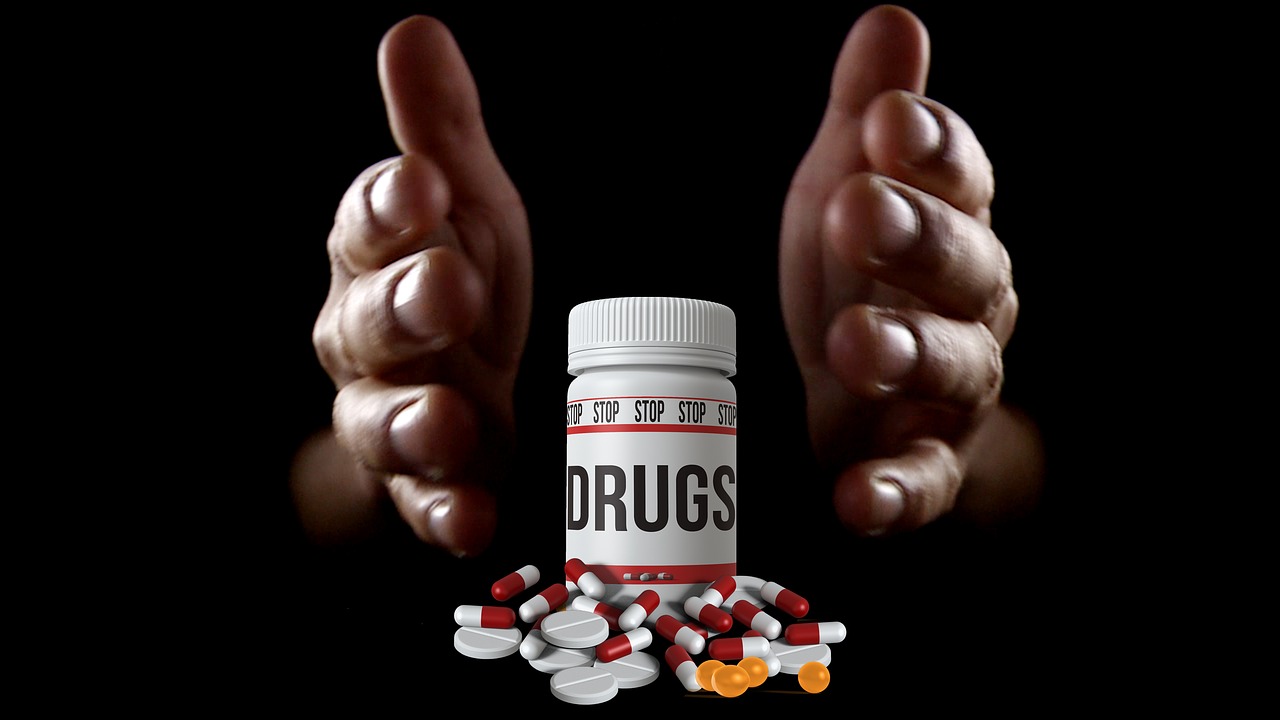
Prescription drug use in America is at an all-time high. So is the abuse of prescription drugs. With more and stronger medications always being introduced why do so many Americans report chronic pain?

Doctors will prescribe all sorts of medication, sometimes even surgery, but when all else fails they will often refer the patient to counseling or a mindfulness class. Why is working on your thinking a last resort?

We know if you think about your pain, really concentrate on what is ailing you the pain grows in importance. It may even take over your life. This effect is true for both mental and physical pain.

Some simple mental techniques have been repeatedly shown to reduce the impact of pain and lessen the disability caused by those pains.

We know that those old pain involved expressions carry a lot of truth.

You are a pain in the neck – People who fit that description makes us feel sore in the neck region.

You make me sick – People who are disagreeable can affect our sleep and digestion.

We know from personal experience that dysfunctional interpersonal relationships can cause real physical pain. Learning to change or accept things in our life can go a long way towards managing our pain, both physical and mental.

Has there ever been a time when you were in serious pain and then something fun, a happy event occurred? For that brief time, you discover that you forget about your pain. Watching a funny program can reduce the feelings of sadness that are plaguing us.

In an earlier post, I wrote about “Don’t think about Elephants.” The process of trying not to think about a thing actually can make that item harder to forget. We find that rather than trying to not think about the pain, the pain in the back, or the pain in the heart, we need to focus on things that are helpful and positive.

Hospitals with chronic pain clinics have found that classes in exercise, yoga especially, mindfulness, and other calming techniques can reduce pain for patients who had found no relief via the medication or surgery approaches.

Yoga and mindfulness are not some metaphysical hocus-pocus. As it was explained to me mindfulness is nothing more than paying attention to what you are doing. Make sure that you are walking when you walk instead of brooding about your troubles.

And yoga? What about that? One instructor told me that yoga is just exercising while breathing. If you didn’t focus on improving your breathing, yoga would just be another type of calisthenics.

Something as simple as walking each day can have a significant effect on depression.

Learning to breathe, relax, and clear your mind, can be especially helpful in reducing the stress and tension in the body.

So consider including some work on your thinking and your body as part of any pain management program. As always talk with your doctor before making any sudden changes but let that doctor know you are open to some counseling or exercise if that might help control your pain.

Staying connected with David Joel Miller

Seven David Joel Miller Books are available now!

My newest book is now available. It was my opportunity to try on a new genre. I’ve been working on this book for several years, but now seem like the right time to publish it.

Story Bureau.

Story Bureau is a thrilling Dystopian Post-Apocalyptic adventure in the Surviving the Apocalypse series.

Baldwin struggles to survive life in a post-apocalyptic world where the government controls everything.

As society collapses and his family gets plunged into poverty, Baldwin takes a job in the capital city, working for a government agency called the Story Bureau. He discovers the Story Bureau is not a benign news outlet but a sinister government plot to manipulate society.

Bumps on the Road of Life. Whether you struggle with anxiety, depression, low motivation, or addiction, you can recover. Bumps on the Road of Life is the story of how people get off track and how to get your life out of the ditch.

Dark Family Secrets: Doris wants to get her life back, but small-town prejudice could shatter her dreams.

Casino Robbery Arthur Mitchell escapes the trauma of watching his girlfriend die. But the killers know he’s a witness and want him dead.

Planned Accidents  The second Arthur Mitchell and Plutus mystery.

Letters from the Dead: The third in the Arthur Mitchell mystery series.

What would you do if you found a letter to a detective describing a crime and you knew the writer and detective were dead, and you could be next?

Sasquatch. Three things about us, you should know. One, we have seen the past. Two, we’re trapped there. Three, I don’t know if we’ll ever get back to our own time.

For these and my upcoming books; please visit my Author Page – David Joel Miller

Want the latest blog posts as they publish? Subscribe to this blog.

For videos, see: Counselorssoapbox YouTube Video Channel

The Yoga of pain

By David Joel Miller, MS, Licensed Therapist & Licensed Counselor.

I did not realize that yoga could be so painful.

Yoga postures Parshvakonasana

Yoga postures Parshvakonasana (Photo credit: Wikipedia)

Some people are able to do all the postures with little or no discomfort. I, on the other hand, have perfected the art of suffering through Yoga.

Absolutely I am not an expert on Yoga. Not unless three sessions over a two month period make one an expert. I have however learned a large amount about what not to do while practicing Yoga. If any of you out there know more than I do about this subject, feel free to leave a comment and help us, newbies, out.

First a little about how I came to be attending a Yoga class in the first place. I am not too much interested in the religious aspects. I value my hair too much. Once long ago I was tempted for several days to join the Krishnas, cute girls, and all. But the robes and the shaving the head, that cured me of that thought.

So why Yoga? First off my doctor has been urging me to get more exercise. I briefly tried an aerobics, calisthenics, and weightlifting program.  The instructor was of the no pain – no gain school. He was home on leave for the summer and was making a little extra change before resuming his primary job, something about waterboarding on a remote Caribbean island. This was a painful experience.

A second reason to consider Yoga was when I dropped my pen on the floor and had to lay down to get it. My old body no longer bends all the way to the floor.

The first session of Yoga went great, well maybe acceptable would be a better description. By the third session, I was in pain, again. Thereupon I set about trying to ascertain what Yoga and pain might have in common. Was pain really needed for gain in the Yoga arena?

Yoga is defined as “a system or set of breathing exercises and postures derived from or based on Hindu yoga.” I do not think there is anything predictive of pain in that description.

The only common feature that my practice of yoga and I have in common, is  – well – ME!

Clearly, there were things that I was doing incorrectly. I will not give you the full list of the things I do incorrectly, that would require the assistance of a family member. But here are a few of the errors I made in doing my Yoga.

You must continue to breathe while doing yoga postures.

Who knew that breathing was all that important? Turns out that the muscles need oxygen to function properly. If you have the tendency, as I do, to hold your breath while exerting yourself you will stop breathing while in those long poses and the result will be, muscles deprived of oxygen can become painful.

It is not necessary to strain to benefit from the exercise.

Forcing yourself to twist the way the person next to you does is not a good idea. Especially if they have been practicing Yoga for 20+ years. Go as far as you can, using the resistance of your own muscles to help you strengthen. If you are feeling pain this is BAD.

The little booklet we got when I signed up for class said, once I read it, the newcomer benefits from going partway until they can become flexible enough to bend farther. The more experienced person needs to bend a lot farther to get the same benefit.

This is the first time I can remember that being unable to do something was a plus.

Work around your injuries.

Do not force a part of the body that won’t bend, go as far as the part that does bend will go and then stop. The objective is to improve your breathing and ability to move, not to develop a full inventory of past injuries.

Doing a little each day is better than a marathon session once a month.

Between the last two group sessions, I have been doing a few stretching exercises each night before bed.

Guess what I discovered? If I gently stretch while breathing each night, by the end of the week I was able to reach my toes. OK, I was lying down at the time, but look, just being able to reach them, that is like a good thing, right?

Have any of you out there started on a fitness program as part of your recovery? Anybody do Yoga or a related exercise. Could you help an old guy out with any suggested ways to get the benefits without the pain?

Staying connected with David Joel Miller

Seven David Joel Miller Books are available now!

My newest book is now available. It was my opportunity to try on a new genre. I’ve been working on this book for several years, but now seem like the right time to publish it.

Story Bureau.

Story Bureau is a thrilling Dystopian Post-Apocalyptic adventure in the Surviving the Apocalypse series.

Baldwin struggles to survive life in a post-apocalyptic world where the government controls everything.

As society collapses and his family gets plunged into poverty, Baldwin takes a job in the capital city, working for a government agency called the Story Bureau. He discovers the Story Bureau is not a benign news outlet but a sinister government plot to manipulate society.

Bumps on the Road of Life. Whether you struggle with anxiety, depression, low motivation, or addiction, you can recover. Bumps on the Road of Life is the story of how people get off track and how to get your life out of the ditch.

Dark Family Secrets: Doris wants to get her life back, but small-town prejudice could shatter her dreams.

Casino Robbery Arthur Mitchell escapes the trauma of watching his girlfriend die. But the killers know he’s a witness and want him dead.

Planned Accidents  The second Arthur Mitchell and Plutus mystery.

Letters from the Dead: The third in the Arthur Mitchell mystery series.

What would you do if you found a letter to a detective describing a crime and you knew the writer and detective were dead, and you could be next?

Sasquatch. Three things about us, you should know. One, we have seen the past. Two, we’re trapped there. Three, I don’t know if we’ll ever get back to our own time.

For these and my upcoming books; please visit my Author Page – David Joel Miller

Want the latest blog posts as they publish? Subscribe to this blog.

For videos, see: Counselorssoapbox YouTube Video Channel

Sleep and Mental Illness connection

By David Joel Miller, MS, Licensed Therapist & Licensed Counselor.

sleep

Child sleeping.
Photo courtesy of Pixabay.com

Does poor sleep cause mental illness or does mental illness keep you from sleeping?

There is a huge connection between mental health issues and insomnia. This fact has been recognized for a long time and its recognition has been built into most of the diagnostic codes.

Some recent studies are making mental health professionals question if have gotten the connections right. Could be there are more connections between sleep and good mental health than we thought.

Sleep disturbances are a diagnostic feature of Major Depressive Disorder. Typical depression includes the inability to sleep. Depression with atypical features is characterized by excessive sleeping. Clients might describe this as hibernating in bed. But depression is not the only mental illness in which sleep features play a role.

Bipolar disorder requires a period of mania or hypomania for diagnosis. One key feature of the “mania spectrum” is needing less or very little sleep and being able to function on reduced sleep. I don’t recall ever reading about a “mania spectrum” but the variability of the way clients report manic-like symptoms is making me think that there is a continuum of manic symptoms just like the continuum of other disorders.

There are specific sleep disorders but as a counselor and therapist, I don’t believe I have ever been called on to work in that area. Most sleep disorders are seen as more medical problems. It is only when a lack of sleep or excessive sleep begins to affect someone’s overall mental health that we counselors get to talk with them.

One health concern has become that increasing weight, the epidemic of obesity it has been called, can cause poor sleep. So we need to wonder if inactivity, excess calories, and weight gain are harming our mental as well as our physical health.

There is also a connection between poor sleep and Posttraumatic Stress Disorder (PTSD.) Nightmares, as well as daytime intrusive memories, are considered symptoms of PTSD. We probably should observe a distinction between bad dreams and nightmares. With bad dreams, people do not awaken until the morning and may or may not have detailed memories of the dream. Sometimes others around them are aware they had a bad dream even if the dreamer is not aware.

Nightmares are much nastier creatures. They are characterized by strong negative emotions and frequent “awakenings” from the dream. People who have nightmares are much more likely to remember them because they keep waking up.

We also know that having nightmares will prolong the symptoms of PTSD. In a previous post, I wrote about the way in which nightmares play a role in maintaining PTSD symptoms. Nightmares and dreams, good or bad dreams are strongly connected to spiritual, religious, and cultural values. Some people also see nightmares as warnings about the future and as a source of intuition. Given that past experiences are a basis for dreams and that what happened in the past may happen again, dreaming about worries would seem to be a normal phenomenon.

What if we have this all backward? Could a sleep disruption be a cause of mental illness rather than a symptom or a maintenance factor?

One study of veterans of the Iraq war looked at the relationship between insomnia and PTSD. Now this is just one study so the results are preliminary and more studies may not get the same result, still, the results were surprising.

What they found was that for these veterans insomnia came BEFORE the PTSD symptoms. Insomnia 4 months after returning from deployment predicted the development of PTSD symptoms at 8 months post-deployment (Wright, Et al., 2011.) It seems likely that an increase in anxiety resulting from being in a risky situation could cause sleep disruptions and the result, much later, would be episodes of mental health problems.

Their suggestion and there was a lot more to this study was that sleep functioned as an emotional regulator. So insomnia may be both a symptom of, and a cause of, mental illness. An increase in insomnia predicted who would develop depression as much as three years later.

Good self-care, including a healthy diet, exercise, and good sleep hygiene has long been an integral part of relapse prevention in substance abuse. We are also seeing that relapse prevention is an important part of mental health recovery.

What if sleep changes could be an effective predictor of mental health relapse? In what ways might we be able to improve our sleep and thereby improve our mental health?

Staying connected with David Joel Miller

Seven David Joel Miller Books are available now!

My newest book is now available. It was my opportunity to try on a new genre. I’ve been working on this book for several years, but now seem like the right time to publish it.

Story Bureau.

Story Bureau is a thrilling Dystopian Post-Apocalyptic adventure in the Surviving the Apocalypse series.

Baldwin struggles to survive life in a post-apocalyptic world where the government controls everything.

As society collapses and his family gets plunged into poverty, Baldwin takes a job in the capital city, working for a government agency called the Story Bureau. He discovers the Story Bureau is not a benign news outlet but a sinister government plot to manipulate society.

Bumps on the Road of Life. Whether you struggle with anxiety, depression, low motivation, or addiction, you can recover. Bumps on the Road of Life is the story of how people get off track and how to get your life out of the ditch.

Dark Family Secrets: Doris wants to get her life back, but small-town prejudice could shatter her dreams.

Casino Robbery Arthur Mitchell escapes the trauma of watching his girlfriend die. But the killers know he’s a witness and want him dead.

Planned Accidents  The second Arthur Mitchell and Plutus mystery.

Letters from the Dead: The third in the Arthur Mitchell mystery series.

What would you do if you found a letter to a detective describing a crime and you knew the writer and detective were dead, and you could be next?

Sasquatch. Three things about us, you should know. One, we have seen the past. Two, we’re trapped there. Three, I don’t know if we’ll ever get back to our own time.

For these and my upcoming books; please visit my Author Page – David Joel Miller

Want the latest blog posts as they publish? Subscribe to this blog.

For videos, see: Counselorssoapbox YouTube Video Channel

High Free Marijuana?

By David Joel Miller, MS, Licensed Therapist & Licensed Counselor.

Cannabis

Marijuana.
Photo courtesy of Pixabay.com

There is marijuana that does not get people high.

As I have mentioned in the past, there seems to be a conflict between marijuana that has medicinal properties and marijuana that gets you high.

Marijuana that is more medicinal is believed to be high in a chemical called CBD. CBD does not result in intoxication.

Marijuana that gets you high contains large amounts of THC.

Till now if you smoked medical marijuana you were going to get high and frankly that is what most medical marijuana users want. That may be changing.

Just saw a piece on MSN about an Israeli company that is growing a high CBD variety of marijuana that has medicinal properties but does not get you high.  MSN included a link to the BBC original article that can be found at http://www.bbc.co.uk/news/world-middle-east-20189347

Let me know what you think about this.

What are Lucid Dreams? Do Lucid Dreams cure Nightmares?

By David Joel Miller, MS, Licensed Therapist & Licensed Counselor.

Dreams and Nightmares

Dreams and Nightmares
Photo courtesy of Pixabay.com

Can Lucid Dreams cure nightmares?

Lucid dreams are dreams in which the dreamer knows that they are dreaming but does not awaken. Experienced Lucid dreamers are able to control the content and direction of the dream.

Lucid Dreams have been the subject of discussion for centuries. Various Lucid Dream techniques and dream practices are a part of Dream Yoga and Tibetan Buddhist practices but were largely dismissed by western practitioners. In recent years hard scientific evidence that Lucid Dreaming is occurring has been accumulating.

The goal in Lucid Dreaming is to manipulate the dreams so as to solve problems and reduce distressing elements of the dream. If the dreamer can recognize that they are dreaming they can become an active participant in the dream, creating and acting out events in the dream they wish would occur.

In a previous post, I wrote about how Nightmares can Maintain PTSD, most treatment for nightmares has involved talking about or rewriting dreams while awake. Lucid dreaming creates an opportunity to work on altering distressing dreams as they occur by taking actions to alter the course of the Lucid Dream.

Lucid Dreaming was used effectively in one 2006 study to reduce the frequency of nightmares.

While therapy has been applied to interpreting dreams and to coping with distressing elements of dreams after they occur, lucid dreaming is a tool for altering the dream as it is in progress.

Becoming aware that you are dreaming has also been used by artists and people seeking to improve their creativity by increasing the ability to move visions in the dream world into the awake world.

Most dream content is lost in the morning as soon as the dreamer moves or begins their morning rituals. Learning to recognize that you are dreaming and to continue to hold and process the dream upon awakening can increase the amount of the content of your dream the conscious mind retains.

Keeping a notebook by the bed and writing down all you can of the dream immediately upon awakening helps keep the dream from evaporating upon rising.

Experienced Lucid dreamers can review previous dreams and return to finish a previous dream. Lessons learned while dreaming can then be retained and applied to the waking life.

Researchers have found that things seen in the dream state will be believed even when they defy the laws of physics as we know them. While asleep the dreamer is willing to believe what they see, but upon awakening, they are quickly aware that what they saw in the dream is not possible. In the dream state seeing, really is believing.

Related to Lucid Dreaming is the phenomenon of False Awakening.  In False Awakening the dreamer dreams they have awakened but the dream continues. This continues until the dreamer realizes this must still be a dream or until they really do awaken.

Related Posts include Sleep Paralysis and Trauma Steals your Sleep.

Have you been able to recall your dreams? Have you ever tried to participate in the dream and alter the course of events? If you have had a Lucid dreaming experience or a false awakening please leave a comment.

Staying connected with David Joel Miller

Seven David Joel Miller Books are available now!

My newest book is now available. It was my opportunity to try on a new genre. I’ve been working on this book for several years, but now seem like the right time to publish it.

Story Bureau.

Story Bureau is a thrilling Dystopian Post-Apocalyptic adventure in the Surviving the Apocalypse series.

Baldwin struggles to survive life in a post-apocalyptic world where the government controls everything.

As society collapses and his family gets plunged into poverty, Baldwin takes a job in the capital city, working for a government agency called the Story Bureau. He discovers the Story Bureau is not a benign news outlet but a sinister government plot to manipulate society.

Bumps on the Road of Life. Whether you struggle with anxiety, depression, low motivation, or addiction, you can recover. Bumps on the Road of Life is the story of how people get off track and how to get your life out of the ditch.

Dark Family Secrets: Doris wants to get her life back, but small-town prejudice could shatter her dreams.

Casino Robbery Arthur Mitchell escapes the trauma of watching his girlfriend die. But the killers know he’s a witness and want him dead.

Planned Accidents  The second Arthur Mitchell and Plutus mystery.

Letters from the Dead: The third in the Arthur Mitchell mystery series.

What would you do if you found a letter to a detective describing a crime and you knew the writer and detective were dead, and you could be next?

Sasquatch. Three things about us, you should know. One, we have seen the past. Two, we’re trapped there. Three, I don’t know if we’ll ever get back to our own time.

For these and my upcoming books; please visit my Author Page – David Joel Miller

Want the latest blog posts as they publish? Subscribe to this blog.

For videos, see: Counselorssoapbox YouTube Video Channel

Binge drinking, memory loss, cognitive decline and Alzheimer’s

By David Joel Miller, MS, Licensed Therapist & Licensed Counselor.

Drinking

Binge drinking.
Photo courtesy of Pixabay.com

Binge drinking your way to Memory loss, cognitive decline, and Alzheimer’s.

Once you get past age sixty-five, it doesn’t take much in the way of binge drinking to impair your cognitive abilities. A recent study by Dr. Lang of the University of Exeter reports that the threshold for memory loss as a result of binge drinking is a lot lower in senior citizens than previously thought.

Seniors who binge drank TWO times per MONTH were 250% more likely to have memory loss and cognitive decline than those who did not binge drink.

The study defined binge drinking in seniors as four or more drinks on one drinking occasion. Given what other studies have found about the declining tolerance of seniors for alcohol, that four drink figure sounds awfully high. See a previous post on binge drinking for more on the effects of substances on the elderly.

This study does not draw a conclusion about any connection between binge drinking and either dementia or Alzheimer’s. But the conclusion that even occasional episodes of four drinks by seniors can impair the memory makes me question the safety of these promotions trying to get seniors to drink a little for their heart.

This study was presented at the Alzheimer’s Association International Conference. A second study presented at the same conference examined the effects of “moderate” drinking on older women. In this one over 1,300 women age 65 and up were studied for twenty years. The result?

Moderate alcohol consumption did not protect memory in older women.

We also suspect that binge drinking coupled with prescription medications increases the risk of blackouts in Seniors.

The drinking by seniors conclusion?

Alcohol consumption by seniors does not protect the memory and even occasional binge drinking, as few as four drinks in one day, maybe less, can result in memory loss for those in the senior community.

Staying connected with David Joel Miller

Seven David Joel Miller Books are available now!

My newest book is now available. It was my opportunity to try on a new genre. I’ve been working on this book for several years, but now seem like the right time to publish it.

Story Bureau.

Story Bureau is a thrilling Dystopian Post-Apocalyptic adventure in the Surviving the Apocalypse series.

Baldwin struggles to survive life in a post-apocalyptic world where the government controls everything.

As society collapses and his family gets plunged into poverty, Baldwin takes a job in the capital city, working for a government agency called the Story Bureau. He discovers the Story Bureau is not a benign news outlet but a sinister government plot to manipulate society.

Bumps on the Road of Life. Whether you struggle with anxiety, depression, low motivation, or addiction, you can recover. Bumps on the Road of Life is the story of how people get off track and how to get your life out of the ditch.

Dark Family Secrets: Doris wants to get her life back, but small-town prejudice could shatter her dreams.

Casino Robbery Arthur Mitchell escapes the trauma of watching his girlfriend die. But the killers know he’s a witness and want him dead.

Planned Accidents  The second Arthur Mitchell and Plutus mystery.

Letters from the Dead: The third in the Arthur Mitchell mystery series.

What would you do if you found a letter to a detective describing a crime and you knew the writer and detective were dead, and you could be next?

Sasquatch. Three things about us, you should know. One, we have seen the past. Two, we’re trapped there. Three, I don’t know if we’ll ever get back to our own time.

For these and my upcoming books; please visit my Author Page – David Joel Miller

Want the latest blog posts as they publish? Subscribe to this blog.

For videos, see: Counselorssoapbox YouTube Video Channel

Does sleep paralysis cause or is it caused by mental illness?

Sleep paralysis

Sleep paralysis.
Photo courtesy of pixabay.

By David Joel Miller, MS, Licensed Therapist & Licensed Counselor.

More on Sleep paralysis.

Remember this is written from a therapist’s point of view. If there is any chance that you or someone you know has a medical problem, have it checked out by a doctor first. But if the doctor finds nothing medically wrong with you that does not mean you are going crazy. It might mean that you can benefit from some counseling to help you better cope with stress.

Many people who experience sleep paralysis, hypnogogic hallucinations, or “exploding head syndrome,” think they are going crazy or fatally ill. Knowing that these are explainable phenomena and have simple treatment can reduce the concerns. Sleep Paralysis and many related sleep problems are often triggered by stress. More stress, good or bad stress, and the chances of an attack increases.

People who become fearful of another occurrence of Sleep Paralysis can “prime the pump” and increase the risks of a second bout in the same way people who experience panic attacks begin to worry about having another episode.

If clients describe these events as dreams the doctor is likely to reassure them that it is normal. Patients who explain these events as demons, spirits, or believe they actually saw a supernatural being are likely to be prescribed a psychiatric medication. Antipsychotics, antidepressants, and anti-anxiety medications (Benzodiazepines) are all believed to increase the incidence of Sleep Paralysis and Hypnogogic Hallucinations (Gangdev, 2004.)

Other things that have been reported to increase the risks of having an episode of Sleep Paralysis include being physically ill, such as having the flu, watching or experiencing emotionally upsetting events, such as having an argument.

If the paralysis or hallucinations only occur when going to sleep and waking up they are most likely sleep-related and not the result of a mental illness. Gangdev, in his article, asked the question: “It is possible that a small proportion of patients diagnosed with schizophrenia who experience hallucinations may actually be experiencing escaped REM-related dream activity during the wakeful state?”

There is a significant overlap between sleep paralysis and Narcolepsy. Narcolepsy includes not only sleep paralysis but hypnogogic and hypnopompic hallucinations, daytime sleepiness, and Cataplexy (sudden unexplained loss of muscle tone.)

Sleep Paralysis without any cataplexy or daytime sleepiness is not considered to be associated with Narcolepsy and is referred to as Isolated Sleep Paralysis (ISP.) Penn reported that 16 % of medical students reported at least one episode of sleep paralysis. That makes me think that long hours and sleep deprivation may be a major cause of many of these events.

Sleep Paralysis is far more common in African-Americans and in one study of Nigerian subjects more than half had experienced ISP. It is also common in Japanese Subjects.

People who have a Sleep Paralysis event find it helpful to get up move about and make sure they are fully awake before attempting to return to bed. People who do not get out of bed have an increased risk of having multiple episodes of sleep paralysis in the same night. Sleeping flat on your back looking up at the ceiling (supine position) is much more likely to cause a Sleep Paralysis experience than sleeping on your side.

Knowing that episodes of Sleep Paralysis and Hypnogogic Hallucinations are relatively common and most often harmless can help someone cope with these experiences.

Staying connected with David Joel Miller

Seven David Joel Miller Books are available now!

My newest book is now available. It was my opportunity to try on a new genre. I’ve been working on this book for several years, but now seem like the right time to publish it.

Story Bureau.

Story Bureau is a thrilling Dystopian Post-Apocalyptic adventure in the Surviving the Apocalypse series.

Baldwin struggles to survive life in a post-apocalyptic world where the government controls everything.

As society collapses and his family gets plunged into poverty, Baldwin takes a job in the capital city, working for a government agency called the Story Bureau. He discovers the Story Bureau is not a benign news outlet but a sinister government plot to manipulate society.

Bumps on the Road of Life. Whether you struggle with anxiety, depression, low motivation, or addiction, you can recover. Bumps on the Road of Life is the story of how people get off track and how to get your life out of the ditch.

Dark Family Secrets: Doris wants to get her life back, but small-town prejudice could shatter her dreams.

Casino Robbery Arthur Mitchell escapes the trauma of watching his girlfriend die. But the killers know he’s a witness and want him dead.

Planned Accidents  The second Arthur Mitchell and Plutus mystery.

Letters from the Dead: The third in the Arthur Mitchell mystery series.

What would you do if you found a letter to a detective describing a crime and you knew the writer and detective were dead, and you could be next?

Sasquatch. Three things about us, you should know. One, we have seen the past. Two, we’re trapped there. Three, I don’t know if we’ll ever get back to our own time.

For these and my upcoming books; please visit my Author Page – David Joel Miller

Want the latest blog posts as they publish? Subscribe to this blog.

For videos, see: Counselorssoapbox YouTube Video Channel

Sleep Paralysis – What causes it? Is it related to PTSD or demons?

By David Joel Miller, MS, Licensed Therapist & Licensed Counselor.

Sleep paralysis.
Photo courtesy of Pixabay.com

Is Sleep Paralysis related to PTSD or the supernatural?

Imagine awakening suddenly in the middle of the night. Sitting on your chest is a demon; there are ghosts, dead people, or spirits standing around your bed. You try to scream but nothing comes from your throat. You would run if you could but your legs won’t work. You are awake and paralyzed. Looking up at the demons you are helpless to do anything beyond saying a silent prayer inside your head. You are experiencing Sleep Paralysis.

Sleep Paralysis is one of those unusual problems. This condition is especially terrifying to someone who has the disorder.  If you have a belief in the supernatural you may dread falling asleep.

Sleep Paralysis has long been more the province of legends and the supernatural than included in the area of mental health. This experience has been connected to many otherworldly phenomena. Similar experiences were described during the Salem witchcraft trials.

Today we have a scientific explanation that satisfies some, some of the time, but are we sure?

In Sleep Paralysis you can see, move your eyes and breathe, but the rest of your body is unable to move.  Some episodes of Sleep Paralysis last seconds. The average is six minutes. Occasional an episode of sleep paralysis will last longer than 6 minutes or on rare occasion’s hours.

Many people with Sleep Paralysis, up to 30% also have a history of Panic Attacks. It is more common among those with PTSD or anxiety disorders. Sleep Paralysis is also most common among those with minority status, especially African-Americans (Sharpless et al 2010.)

Other researchers have suggested that dissociation may be related to the old or “Lizard brains” freeze response to threat or danger. The same mechanism might explain the inability to move despite overwhelming terror found in Sleep Paralysis. Fear and anxiety may both cause and be the consequence of Sleep Paralysis.

Sleep paralysis is more common with overtired or sleep-deprived individuals. It is also associated with taking Antidepressants, Benzodiazepines, and some other medications. Ohayon et al., 1999 (Cited by Sharpless) also suggested a relationship between SSRIs and Sleep Paralysis but Sharpless did not find a connection.

Sleep paralysis can occur when falling asleep or when awakening from sleep. Its main characteristic is not being able to move for an extended period of time. This condition occurs naturally during REM sleep but we don’t know we are becoming paralyzed when we are asleep.

The episodes of paralysis while awake are most often accompanied by very vivid hallucinations. The more vivid the hallucinations the more terrifying the Sleep Paralysis. Sometimes the person will experience hearing sounds. Even when experiencing the full symptoms of Sleep Paralysis, both the visions and the inability to move, many people describe the experience as a “dream” (Fukuda et al, 2000.)

If the hallucinations occur when falling asleep they are called Hypnogogic. Hallucinations that occur when awakening are called Hypnopompic.

Sleep paralysis may be connected with a physical disorder such as Narcolepsy. Reports suggest that those who hear sounds are most likely to also have narcolepsy. Sleep paralysis has also been associated with Migraines. If this occurs more than once or causes significant distress it is wise to seek medical attention.

Sleep paralysis is more likely to occur when someone has moved to a new location, is under stress, or has consumed an excessive amount of alcohol.

Mental health practitioners, therapists, and counselors are mostly concerned with two relationships between sleep and mental health. Is the problem with sleep caused by a mental illness? Symptoms of depression include changes in sleep and appetite. Depression can be seen as the cause of a sleep problem.

Sometimes sleep issues can create symptoms that are diagnosed as mental illness. Nightmares play a role in maintaining depression and PTSD.

Beyond those two alternatives, most other sleep issues are in the providence of medical doctors. There are plenty of sleep problems that are in the International classification of sleep disorders that are not directly included in the DSM.

The following are past posts on connections between sleep and mental health issues.

Getting Rid of Nightmares that Maintain Depression and PTSD

Trauma Steals Your Sleep 

Staying connected with David Joel Miller

Seven David Joel Miller Books are available now!

My newest book is now available. It was my opportunity to try on a new genre. I’ve been working on this book for several years, but now seem like the right time to publish it.

Story Bureau.

Story Bureau is a thrilling Dystopian Post-Apocalyptic adventure in the Surviving the Apocalypse series.

Baldwin struggles to survive life in a post-apocalyptic world where the government controls everything.

As society collapses and his family gets plunged into poverty, Baldwin takes a job in the capital city, working for a government agency called the Story Bureau. He discovers the Story Bureau is not a benign news outlet but a sinister government plot to manipulate society.

Bumps on the Road of Life. Whether you struggle with anxiety, depression, low motivation, or addiction, you can recover. Bumps on the Road of Life is the story of how people get off track and how to get your life out of the ditch.

Dark Family Secrets: Doris wants to get her life back, but small-town prejudice could shatter her dreams.

Casino Robbery Arthur Mitchell escapes the trauma of watching his girlfriend die. But the killers know he’s a witness and want him dead.

Planned Accidents  The second Arthur Mitchell and Plutus mystery.

Letters from the Dead: The third in the Arthur Mitchell mystery series.

What would you do if you found a letter to a detective describing a crime and you knew the writer and detective were dead, and you could be next?

Sasquatch. Three things about us, you should know. One, we have seen the past. Two, we’re trapped there. Three, I don’t know if we’ll ever get back to our own time.

For these and my upcoming books; please visit my Author Page – David Joel Miller

Want the latest blog posts as they publish? Subscribe to this blog.

For videos, see: Counselorssoapbox YouTube Video Channel

What do drug dreams mean?

By David Joel Miller.

Drug dreams.
Photo courtesy of pixabay.

Drug dreams and nightmares in people with co-occurring issues.

An increase in dreams is a common occurrence among people in early substance abuse recovery. Some of these dreams become especially vivid and troubling. Many drugs suppress dreaming and the brain seems to need to make up for those lost dreams. Some of these dreams are memories being consolidated or current issues. Other previously suppressed dreams may be unfinished business, especially traumas that had not been processed while the client was using or drinking.

I remind clients that being unconscious is not the same thing as sleeping. The heavy use of drugs and alcohol has not allowed normal dreaming to take place.

Often there is an increase in nightmares as the person gets more time off the drugs or alcohol. As we discussed in a previous post (Getting rid of nightmares that maintain depression and PTSD) those dreams that are interpreted as nightmares play a role in maintaining depression, anxiety, and PTSD. This is an extra problem for those who have used alcohol to avoid the disturbing nightmares and now experience nightmares as a trigger for relapse.

One commonly reported dream by people in recovery is the dream about using their drug of choice. The conventional wisdom is that as the person withdraws from the drug, the brain adjusts to a new balance without the presence of drugs and at this point dreams about the drug are common.

Clients who awake from a dream and are genuinely scared that they may have used may experience a panicked reaction. They need reassurance that dreams of drug use which result in a fear of use are a common and expected occurrence in recovery.

Some drug use dreams are so realistic that the client has the sense of tasting the drug in their mouth or feeling the familiar body changes. This sensation can be especially disturbing and may be a relapse trigger.

Positive drug use dreams can be dangerous. Franey and Christo, researchers from London, report that of clients with six weeks or more clean, 85% had drug use dreams. The average number of dreams was between two and three per month. The more drug use dreams the more the risk of relapse.

Frequent positive dreams may be a warning that the addictive part of your brain is craving drugs.

If you have drug use dreams it is important to talk with someone whom you trust as soon as possible after awakening from the dream.

The use of alcohol or sleeping pills is generally not recommended for people with substance abuse issues. The risk of abuse is great and the benefits generally small. If you feel you need some sleeping aids, talk with your doctor or psychiatrists about the risks and benefits before starting to take anything.  Make sure you remind your doctor of any substance abuse issues or mental health diagnosis before beginning a treatment program that includes sleep aids.

You might want to take a look at other posts on:

Sleep

Dreams and Nightmares 

Have you experienced drug use dreams? Feel free to leave a comment about your experiences with drug or alcohol use dreams.

Staying connected with David Joel Miller

Seven David Joel Miller Books are available now!

My newest book is now available. It was my opportunity to try on a new genre. I’ve been working on this book for several years, but now seem like the right time to publish it.

Story Bureau.

Story Bureau is a thrilling Dystopian Post-Apocalyptic adventure in the Surviving the Apocalypse series.

Baldwin struggles to survive life in a post-apocalyptic world where the government controls everything.

As society collapses and his family gets plunged into poverty, Baldwin takes a job in the capital city, working for a government agency called the Story Bureau. He discovers the Story Bureau is not a benign news outlet but a sinister government plot to manipulate society.

Bumps on the Road of Life. Whether you struggle with anxiety, depression, low motivation, or addiction, you can recover. Bumps on the Road of Life is the story of how people get off track and how to get your life out of the ditch.

Dark Family Secrets: Doris wants to get her life back, but small-town prejudice could shatter her dreams.

Casino Robbery Arthur Mitchell escapes the trauma of watching his girlfriend die. But the killers know he’s a witness and want him dead.

Planned Accidents  The second Arthur Mitchell and Plutus mystery.

Letters from the Dead: The third in the Arthur Mitchell mystery series.

What would you do if you found a letter to a detective describing a crime and you knew the writer and detective were dead, and you could be next?

Sasquatch. Three things about us, you should know. One, we have seen the past. Two, we’re trapped there. Three, I don’t know if we’ll ever get back to our own time.

For these and my upcoming books; please visit my Author Page – David Joel Miller

Want the latest blog posts as they publish? Subscribe to this blog.

For videos, see: Counselorssoapbox YouTube Video Channel
Getting rid of Nightmares that maintain Depression and PTSD

By David Joel Miller, MS, Licensed Therapist & Licensed Counselor.

Nightmares maintain depression and PTSD.
Photo courtesy of Pixabay

Then Come Nightmares.

Frequent nightmares play a major role in maintaining depression, PTSD, and other mental health problems. It is common for people to think that they need to cure the PTSD or Depression and then the nightmares will go away.  The opposite approach is more likely to be productive.

Most treatments for PTSD do not target the nightmares. There are treatments for nightmares available, some as brief as three sessions. These have been shown to help reduce nightmares and promote recovery from other problems.

Treatment for nightmares has been shown to reduce symptoms of PTSD and depression.

Children also suffer from nightmare related problems. Children who are fearful because of a family problem, moves, divorces, or separation develop symptoms of mental illness. “Bad dreams” are the result of the child’s out of control fear and are at the root of many childhood attention or conduct disturbances. When the child gets a good night’s sleep they behave, when they don’t sleep they don’t pay attention, and they don’t mind.

Nightmares are associated with high levels of anxiety. They are fear-based.

Most people who have PTSD, depression, bipolar disorder, or any other diagnosis also have a co-occurring anxiety problem. Now sometimes anxiety is good, it protects you from danger. But when the anxiety circuits do not turn off the anxiety gets to be the problem rather than the solution.

We also see lots of disturbing dreams in clients recovering from substance abuse problems. Substance abuse counselors report clients sharing about drug-using dreams. We have some simple interventions around those issues, but not much research has been done in this area because substance abusers, people with Bipolar Disorder, and people with psychosis are routinely excluded from research studies. I believe that the treatment for nightmares will work for anyone.

The solution is to tone down that fear circuit.

Before I describe a treatment method for reducing nightmares – a word of caution, working on nightmares, especially those that maintain PTSD, can be a painful process. It is best to work with a therapist or other professional person, and you need to make sure you have a strong support system in place in case you have difficulty coping.  For more on support systems see “How to develop a support system” or “How supportive is your support system?”

Taming nightmares involves three steps.

1. Learn relaxation methods.

Nightmares are fear-based, and the fear persists after you awake. Sitting thinking about the scary part of the dream might reinforce the nightmare and result in memorizing your nightmare. Fear and relaxations are not compatible. The more you relax, the less fear you will have. As you get better at relaxing your fear shrinks and your dreams become less traumatic.

2. Learn sleep hygiene

Keeping regular bedtimes, reducing or eliminating caffeine especially in the hours before bedtime and other efforts to improve sleep naturally are helpful. It is important to allow plenty of time for sleep.

People who stay up late and get up early gradually become sleep deprived. Lack of sleep aggravates all sorts of mental health issues. Insufficient sleep increases the possibilities that you will be suddenly awakened and will remember the “bad dreams.”

During sleep the brain keeps working on our issues, memories are consolidated and thoughts organized. We only call dreams “nightmares” if we awake during the dream and have memories of it. Better sleep can result in fewer nightmares.

3. Begin treatment of the nightmares once you are relaxed and well-rested.

The process of “reframing” nightmares makes them less scary and more manageable. Reframing or reprocessing is helpful for intrusive daytime thoughts as well as for nightmares.  The application of this to reducing or eliminating nightmares was described by Rhudy et al. in their 2010 article on CBT treatment for nightmares in trauma-exposed people, where they called it “ERRT” therapy.  Ben Furman has also described a similar approach for use with children.

Disclaimer- Rhudy et al.’s study, like most research in the mental health area, excluded substance abusers, people with mania or psychosis, and probably screened out all people with Bipolar Disorders. The sample size was also low with about twenty people per group. There is so much overlap between substance abuse, bipolar disorder, and PTSD in the clients I see these studies leave out exactly the people who most need new effective treatments. That said – the ideas appear to be fully appropriate for clients with co-occurring disorders.

Here is how it works:

To reprocess or reframe nightmares do the following things:

A. Write out as full a description of the nightmare as possible.

Getting it down on paper tames the story and makes it manageable. It also allows you to go back over it and add missing details. In step C you will be rewriting it with added insight.

Remember that it is a normal process for your brain to use your dreams to make sense of your experiences. In dreams, your brain will turn the experience around and examine it from all sides. Your brain may also play out multiple alternative endings for the event. It is not the dream that is the problem; it is the connection between the dream and fear that makes this a nightmare.

If you have several versions of the dream try to write them all down.

B. Read the nightmare story aloud.

Listen for the themes in the story. What are the fear messages? I think it is helpful to be able to read this to a therapist or other support person who can keep you from being overwhelmed and can provide some insight into things you may not immediately see. Just don’t make someone listen to your nightmare that is not emotionally able to hear the story.

C. Re-script the nightmare.

What is the expected ending? What is an alternative ending? Write out the story this time with a new less scary ending. Read the new version out loud. Has seeing a new possible ending tamed the fear?

Furman described a story, not sure where it originated, in which a grandmother applied the sort of approach to her grandson’s nightmare.

The child came to the grandmother scared because of a nightmare.

“Grandma, ” he said, “I had a nightmare.”

“There are no such things as nightmares,” The grandmother said “Only goodmares. All dreams should have happy endings. The problem is you keep waking up before the end. What is a good ending that could have happened?”

In this story, the child then works with his grandmother to find new happy endings for these scary dreams. The result – fewer scary dreams and less fear when bad dreams occurred.

Warring – in people with PTSD who were treated with re-scripting the fear declined first, anger later and the frequency and length of nightmares were the last things to decline.

Talk to your care provider about this process. If you try this process, see if it works. Learn to relax more. Tame your sleep. Then tame your nightmares. If you have had success in changing your nightmares ending please share your success with the rest of us.

Staying connected with David Joel Miller

Seven David Joel Miller Books are available now!

My newest book is now available. It was my opportunity to try on a new genre. I’ve been working on this book for several years, but now seem like the right time to publish it.

Story Bureau.

Story Bureau is a thrilling Dystopian Post-Apocalyptic adventure in the Surviving the Apocalypse series.

Baldwin struggles to survive life in a post-apocalyptic world where the government controls everything.

As society collapses and his family gets plunged into poverty, Baldwin takes a job in the capital city, working for a government agency called the Story Bureau. He discovers the Story Bureau is not a benign news outlet but a sinister government plot to manipulate society.

Bumps on the Road of Life. Whether you struggle with anxiety, depression, low motivation, or addiction, you can recover. Bumps on the Road of Life is the story of how people get off track and how to get your life out of the ditch.

Dark Family Secrets: Doris wants to get her life back, but small-town prejudice could shatter her dreams.

Casino Robbery Arthur Mitchell escapes the trauma of watching his girlfriend die. But the killers know he’s a witness and want him dead.

Planned Accidents  The second Arthur Mitchell and Plutus mystery.

Letters from the Dead: The third in the Arthur Mitchell mystery series.

What would you do if you found a letter to a detective describing a crime and you knew the writer and detective were dead, and you could be next?

Sasquatch. Three things about us, you should know. One, we have seen the past. Two, we’re trapped there. Three, I don’t know if we’ll ever get back to our own time.

For these and my upcoming books; please visit my Author Page – David Joel Miller

Want the latest blog posts as they publish? Subscribe to this blog.

For videos, see: Counselorssoapbox YouTube Video Channel