Could your overthinking be an illness?

By David Joel Miller, MS, Licensed Therapist & Licensed Counselor.

Woman thinking

Overthinking.
Photo courtesy of Pixabay.com

Overthinking leads to mental health problems.

Overthinking, that constantly turning problems over in your mind, sometimes called rumination, may be a symptom of an existing or developing

mental illness. Constantly second-guessing your past leads to depression. Having doubts about the future increases your anxiety. How many of these overthinking problems are you experiencing?

Am I good enough?

Continually wondering how you compare to others can be a sign of social or performance anxiety. Accepting yourself as you are while striving for self-improvement will increase your mental health. Constantly comparing yourself and judging everything you do results in the bias of only seeing your faults and never recognizing your strengths.

Should I have said that?

Extreme concerns over what you should say or didn’t say is another sign of social anxiety. For many situations, there is no correct response. In social situations strive to be your genuine self. You can reduce the number of social errors you make by pausing before speaking. Not every thought should escape from your mouth. Learn from any mistakes you make but avoid continually rehashing every conversation.

You have a bad case of the “what if’s.”

If you are constantly on the alert for any presence of threats, you may have Generalized Anxiety Disorder. Some people develop this condition because of past stress or trauma. But if you instinctively look for every possible way in which something could go wrong, you’ve developed the overanxious condition professionals call Generalized Anxiety Disorder. Most time spent on what if’s will be time wasted on thinking about unlikely possibilities. Focus your efforts on high probability events.

You worry about having an undiagnosed illness.

Worry about having an illness that hasn’t been diagnosed can be the result of a Somatic Symptom Disorder or an Illness Anxiety Disorder. When you have concerns about your health see your Dr. If your symptoms are severe, you may want to get a second opinion. Continuing to worry that you might develop an illness robs you of the opportunity to enjoy the life you have.

You worry about leaving the house.

This condition is called Agoraphobia, which translates to fear of the marketplace. People who worry constantly and excessively about leaving the house can also be afraid of crowds and meeting strangers. If you have this worry, seek professional help before your fears hold you prisoner in your own home. Agoraphobia can hold you hostage and deprive you of your family, friends, and your job.

You worry about having another panic attack.

People who are prone to panic attacks often know that the symptoms they have are from a panic attack. Still, during a panic attack, you may worry that this time you actually are having a heart attack or that you will not be able to catch your breath and will suffocate. It’s common for people with panic disorder to fear being somewhere where they will not be able to get help.

You fear something bad will happen and you need to do a ritual to prevent that.

This type of repetitive overthinking is characteristic of Obsessive-Compulsive Disorder. While the person with this disorder may know, the fear is irrational; they still feel compelled to do a repetitive behavior in the belief that this will prevent the danger.

Overthinking, or rumination can be both a cause of and a symptom of a serious mental health problem. If your overthinking is undermining your happy life, seek help.

Staying connected with David Joel Miller

Seven David Joel Miller Books are available now!

My newest book is now available. It was my opportunity to try on a new genre. I’ve been working on this book for several years, but now seem like the right time to publish it.

Story Bureau.

Story Bureau is a thrilling Dystopian Post-Apocalyptic adventure in the Surviving the Apocalypse series.

Baldwin struggles to survive life in a post-apocalyptic world where the government controls everything.

As society collapses and his family gets plunged into poverty, Baldwin takes a job in the capital city, working for a government agency called the Story Bureau. He discovers the Story Bureau is not a benign news outlet but a sinister government plot to manipulate society.

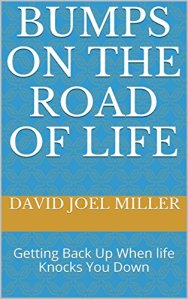
Bumps on the Road of Life. Whether you struggle with anxiety, depression, low motivation, or addiction, you can recover. Bumps on the Road of Life is the story of how people get off track and how to get your life out of the ditch.

Dark Family Secrets: Doris wants to get her life back, but small-town prejudice could shatter her dreams.

Casino Robbery Arthur Mitchell escapes the trauma of watching his girlfriend die. But the killers know he’s a witness and want him dead.

Planned Accidents  The second Arthur Mitchell and Plutus mystery.

Letters from the Dead: The third in the Arthur Mitchell mystery series.

What would you do if you found a letter to a detective describing a crime and you knew the writer and detective were dead, and you could be next?

Sasquatch. Three things about us, you should know. One, we have seen the past. Two, we’re trapped there. Three, I don’t know if we’ll ever get back to our own time.

For these and my upcoming books; please visit my Author Page – David Joel Miller

Want the latest blog posts as they publish? Subscribe to this blog.

For videos, see: Counselorssoapbox YouTube Video Channel

What are Somatic Symptom and Related Disorders?

By David Joel Miller, MS, Licensed Therapist & Licensed Counselor.

What is

What are Somatic Symptom and Related Disorders?
Photo courtesy of Pixabay.

Your mind and your body are connected.

The Somatic Symptom and Related Disorders chapter in the DSM 5 covers a group of disorders in which both the body and the emotions play a role. A lot of people think of the mind and the body as two separate things. They would like to believe that if you are sick, that means there was something wrong in your body. Otherwise – your pain is all in your head. The truth is emotional problems can make you physically ill, and illnesses that originated the body can significantly impact your emotional health.

People with Somatic Symptom and Related Disorder are primarily seen in medical settings, often by primary care physicians. They are less often seen in mental health settings, and then primarily because their doctor referred them. Some of these conditions are quite rare in the general population. If a condition affects one in 300 people, then there would be over 1,000,000 people in the U.S. with that condition.

Many emotional and mental disorders create physical symptoms in the body. Depression characteristically causes changes in sleep and appetite as well as a loss of energy and motivation. Anxiety disorders can cause dizziness, sweating, light-headedness, shortness of breath, and many other physical symptoms. Panic Disorder manifests with symptoms similar to a heart attack or respiratory failure.

This group of disorders displays significant physical or somatic symptoms. The pain and suffering of the body are readily apparent. In these conditions, there is also significant distress and impairment in your ability to work, create, and maintain relationships, or enjoy other important areas of your life. People with Somatic Symptoms Disorders are very upset by their symptoms.

This family of diagnoses should not be used simply because the doctor has been unable to find a medical explanation for the condition. Somatic Symptoms Disorders also require a change in the way the patient sees their symptoms. What the doctor or therapist is looking for is the way in which the patient’s thoughts, feelings, and behaviors, are being altered because of the physical symptoms. Somatic Symptom Disorder, the most common among this family of disorders, is often present in combination with another diagnosed physical illness. When both conditions are present, it becomes more difficult to treat and may require the services of both a medical doctor and a therapist.

Risk factors for developing a Somatic Symptom Disorder.

Having a history of traumatic experiences in early life increases the risk of a Somatic Symptom Disorder. Stress is more than just a feeling. When under stress, hormones, and neurotransmitters change. Living with high levels of stress hormones alters the functioning of the nervous system. Other risk factors include increased sensitivity to pain, chronic pain, or living in an environment where no one listens to your needs unless you report physical pain.

Other disorders related to somatic symptoms.

Here is a short list of other disorders related to Somatic Symptom Disorder.

Illness Anxiety Disorder.

Conversion Disorder.

Facetious Disorder.

False Pregnancy (Pseudocyests)

Brief forms of Somatic Symptom Disorders.

As with the other things we are calling a mental illness, these conditions need to interfere with your ability to work or go to school, your relationships, your enjoyable activities or cause you personal distress. Otherwise, you may have the issues, but you will not get the diagnoses if this is not causing you a problem. If the only time this happens is when under the influence of drugs or medicines, or because of some other physical or medical problem, this problem needs to be more severe than your situation would warrant. These other issues need treating first; then if you still have symptoms, you could get this diagnosis.

FYI These “What is” sometimes “What are” posts are my efforts to explain terms commonly used in Mental Health, Clinical Counseling, Substance Use Disorder Counseling, Psychology, Life Coaching, and related disciplines in a plain language way. Many are based on the new DSM-5; some of the older posts were based on the DSM-IV-TR, both published by the APA. For the more technical versions, please consult the DSM or other appropriate references.

Recommended Mental Health Books

David Miller at counselorssoapbox.com is an Amazon Affiliate and may receive a small Commission if you purchase a book or product using the link on this page. Using the link will not increase the cost to you.

Staying connected with David Joel Miller

Seven David Joel Miller Books are available now!

My newest book is now available. It was my opportunity to try on a new genre. I’ve been working on this book for several years, but now seem like the right time to publish it.

Story Bureau.

Story Bureau is a thrilling Dystopian Post-Apocalyptic adventure in the Surviving the Apocalypse series.

Baldwin struggles to survive life in a post-apocalyptic world where the government controls everything.

As society collapses and his family gets plunged into poverty, Baldwin takes a job in the capital city, working for a government agency called the Story Bureau. He discovers the Story Bureau is not a benign news outlet but a sinister government plot to manipulate society.

Bumps on the Road of Life. Whether you struggle with anxiety, depression, low motivation, or addiction, you can recover. Bumps on the Road of Life is the story of how people get off track and how to get your life out of the ditch.

Dark Family Secrets: Doris wants to get her life back, but small-town prejudice could shatter her dreams.

Casino Robbery Arthur Mitchell escapes the trauma of watching his girlfriend die. But the killers know he’s a witness and want him dead.

Planned Accidents  The second Arthur Mitchell and Plutus mystery.

Letters from the Dead: The third in the Arthur Mitchell mystery series.

What would you do if you found a letter to a detective describing a crime and you knew the writer and detective were dead, and you could be next?

Sasquatch. Three things about us, you should know. One, we have seen the past. Two, we’re trapped there. Three, I don’t know if we’ll ever get back to our own time.

For these and my upcoming books; please visit my Author Page – David Joel Miller

Want the latest blog posts as they publish? Subscribe to this blog.

For videos, see: Counselorssoapbox YouTube Video Channel

.

Could you start over after a trauma?

By David Joel Miller.

David Joel Miller Books

David Joel Miller Books

Ninety-nine cent Kindle book sale.

The Kindle Edition of my latest book, a novel about a man forced to recover from an incredible trauma, is on sale right now for just ninety-nine cents.

Casino Robbery.

The robbers wanted more than money; they planned to kill Arthur’s fiancé and her boss.

Arthur Mitchell was trying to start his life over with a fiancé and a new job. That all ends

Photo of Casino Robbery book

Casino Robbery.

when the casino robbers shoot Arthur, kill his fiancée, and her boss. Arthur would like to forget that horrible day, but the traumatic nightmares and constant reminders won’t let him, and someone is still out to get him. When he tries to start over by running a rural thrift store, someone knocks him unconscious, vandalize the store, and finally tries to kill him. His only chance to find peace is to figure out what the killers want from him and why.

Casino Robbery is a novel that explores the world of a man with PTSD who has to cope with his symptoms to solve the mystery and create a new life.

The Kindle Edition can be ordered now for just 99 cents!

Casino Robbery is also available in paperback.

Bumps on the Road of Life

Don’t forget about my first book.

Bumps on the Road of Life is now available in Kindle format. It was released 11/13/17. The paperback version is also available. Look at the description below. Thank you, to those who have already ordered paperback copies or the Kindle Edition.

Bumps on the Road of Life

Your cruising along the road of life and then wham, something knocks you in the ditch.

Bumps on the Road of Life.

Bumps on the Road of Life.
By David Joel Miller

Sometimes you get your life going again quickly. Other times you may stay off track and in the ditch for a considerable time. If you have gone through a divorce, break up or lost a job you may have found your life off track. Professionals call those problems caused by life-altering events “Adjustment Disorders.” Bumps on the Road of Life is the story of Adjustment Disorders, how they get people off track and how to get your life out of the ditch.

Bumps on the Road of Life

Please visit my Amazon Author Page – David Joel Miller

if you purchased either of my books, reviews are appreciated.

I sincerely hope you all enjoy reading my book as much as I enjoyed writing them. If you do, I would greatly appreciate a short review on Amazon or your favorite book website. Reviews are crucial for any author, and even just a line or two can make a huge difference.

Thanks again for reading this blog, pardon the short digression, next time we will return to another post about mental health, substance use disorders, and having a happy successful life.

David Joel Miller.

Overthinking takes you nowhere.

By David Joel Miller, MS, Licensed Therapist & Licensed Counselor.

Woman thinking

Overthinking.
Photo courtesy of Pixabay.com

Thinking the same thoughts over and over does not lead to insight.

In overthinking you get stuck on thinking the same thoughts over and over. To gain insight, you need to think about things from a different perspective. Take a break from your problems, sleep on it overnight, have some fun, and your problem is likely to look different the next time you think about it.

Overthinking is sometimes described as racing thoughts. These racing thoughts are different from the kind of out of control thoughts described in Bipolar Disorder. Overthinking is related to anxiety disorders in that these thoughts look like a hamster in his wheel, running as fast as he can around and around in the same place. In overthinking your thoughts take you nowhere but they do increase your anxiety. The racing thoughts of bipolar take you farther and farther into grandiose beliefs and urges.

Things will change whether you think about them or not.

Whether you think about it or not the weather will change. You can prepare for the weather but worrying about it will neither prevent the storm nor make it worse. Know that, regardless of what you think, the summers and winters will come. Overthinking steals your life.

The time you spend overthinking is time you are not doing.

Living is about the things you do, not the things you think about doing. The best way to prepare for the future is by living today. It’s easy to stay busy thinking about the past, worrying about the future, all the while avoiding taking action in the present.

Don’t believe everything you think.

Sometimes we take our own thinking as evidence for the truth of what we believe. IF something is making you anxious, you need to take a good look at it, and sometimes you need to listen to your gut. Consider however that just because something scares you that does not make it dangerous. Often our preconceived views of things turn out to be wrong. Be careful that you don’t jump to the conclusion and then because you think it; you look for evidence to support that view.

Don’t recruit others to overthink with you.

Group overthinking has been called co-rumination. If every time you get together with your friends, you go over and over the same problems in life, these relationships have moved from being supportive to keeping you stuck in your problems. You don’t need half a dozen people helping you think about how awful things are.

The more baggage you accumulate, the harder it is to move forward.

Do you have a lot of baggage from the past? Do you spend a lot of time taking it out, looking it over, and then packing it up again to take it with you into the future? Constantly dwelling on the mistakes and the pain of the past keeps you stuck. Learn life’s lessons but be careful not to carry any more baggage into the future than is absolutely necessary.

Overthinking prevents you from making decisions.

The more you think about something, the harder it may be to decide. Unfortunately, not deciding and not acting are decisions. Don’t let overthinking make your decisions for you by preventing you from ever doing something which might benefit you.

Overthinking destroys your creativity.

Creativity is about new ways of looking at things and new ways of combining them. If you are stuck in overthinking and worry about what the right way to do something is, you will become afraid to take the chances necessary to be truly creative. Overthinking will tell you that there’s only one correct answer and you need to find that answer. Creativity will tell you that there are many possible solutions and the more open you are to those solutions the more creative you will become.

Overthinking tells you there’s only one way to do things.

The longer you think about things more likely you are to doubt each possibility. Overthinking by pointing out the pitfalls of potential decisions takes away your choices. If you want to be truly free, don’t let your worried mind tell you that you shouldn’t make the choices that appeal to you. Often when presented with a choice, our first thought is the correct one. People who are high in test anxiety often find the more they go over their answers and change them, the lower their test score goes. Don’t let overthinking talk you out of the choice that’s right for you.

Staying connected with David Joel Miller

Seven David Joel Miller Books are available now!

My newest book is now available. It was my opportunity to try on a new genre. I’ve been working on this book for several years, but now seem like the right time to publish it.

Story Bureau.

Story Bureau is a thrilling Dystopian Post-Apocalyptic adventure in the Surviving the Apocalypse series.

Baldwin struggles to survive life in a post-apocalyptic world where the government controls everything.

As society collapses and his family gets plunged into poverty, Baldwin takes a job in the capital city, working for a government agency called the Story Bureau. He discovers the Story Bureau is not a benign news outlet but a sinister government plot to manipulate society.

Bumps on the Road of Life. Whether you struggle with anxiety, depression, low motivation, or addiction, you can recover. Bumps on the Road of Life is the story of how people get off track and how to get your life out of the ditch.

Dark Family Secrets: Doris wants to get her life back, but small-town prejudice could shatter her dreams.

Casino Robbery Arthur Mitchell escapes the trauma of watching his girlfriend die. But the killers know he’s a witness and want him dead.

Planned Accidents  The second Arthur Mitchell and Plutus mystery.

Letters from the Dead: The third in the Arthur Mitchell mystery series.

What would you do if you found a letter to a detective describing a crime and you knew the writer and detective were dead, and you could be next?

Sasquatch. Three things about us, you should know. One, we have seen the past. Two, we’re trapped there. Three, I don’t know if we’ll ever get back to our own time.

For these and my upcoming books; please visit my Author Page – David Joel Miller

Want the latest blog posts as they publish? Subscribe to this blog.

For videos, see: Counselorssoapbox YouTube Video Channel

Illness Anxiety Disorder (F45.21.)

By David Joel Miller, MS, Licensed Therapist & Licensed Counselor.

medical

Acute or Chronic Illness?
Photo courtesy of Pixabay.com

What is Illness Anxiety Disorder?

Illness Anxiety Disorder is a condition in which the patient is preoccupied with the idea that they have or will get a physical illness. The person with Illness Anxiety Disorder may have no physical symptoms, or the symptoms that have could be relatively mild. The concern they have is not about the symptoms, but it is about their worry that they might have or be developing an illness. In the past, this condition was included as part of the Somatization Disorder, but the symptoms are sufficiently distinct that in the DSM-5 it was listed separately.

People with Illness Anxiety Disorder have high anxiety about their health. They can be easily alarmed by very small changes in their health status. The smallest symptom will convince them they are developing a serious, possibly fatal, disease.

The possibility of an illness takes over their lives.

People with Illness Anxiety Disorder spend a lot of time looking for symptoms. They may do a lot of self-exams, or have large numbers of laboratory tests performed. They often see multiple doctors to get second opinions. Even when reassured that there is nothing seriously wrong with them they convinced themselves that the doctor had missed something. They find it impossible to believe there is nothing wrong with them and may complain that the doctor didn’t care and did nothing to help them.

Illness Anxiety Disorder is not a short-term condition. To meet the criteria for this condition the patient must have had symptoms for at least six months or more. Most people have symptoms for much longer time periods, though during these times the particular condition they are concerned about may keep changing.

Illness Anxiety Disorder seriously affects people’s lives.

People with this condition spend a lot of time talking about their illness or illnesses. Their ill-health becomes their principal topic of conversation. Their limited focus on illness damages relationships. The belief that they are will become sick turns them into invalids, afraid to be active or leave the house.

Medical treatment becomes their primary focus.

Considerable time can be spent visiting various doctors and specialists and having tests run and rerun. Despite reassurance from doctors that there is nothing wrong with them or that their condition is not serious, these patients continue to believe they are becoming seriously ill. In older adults, the primary concern may be memory loss. Despite reassurances that some forgetting is normal, they may worry that having forgotten something means they are developing Alzheimer’s or dementia.

As this condition progresses, they may spend considerable time on the Internet reading about and researching their perceived symptoms.

Triggers for developing Illness Anxiety Disorder.

Hearing about someone falling ill and developing a rare medical condition is a common trigger for Illness Anxiety Disorder. Reading articles or news stories about medical conditions increase the risk of developing Illness Anxiety Disorder.

Illness anxiety disorder comes in two types.

  1. Care seeking.

This type is largely seen in medical settings where they are likely to have accumulated thick files, had many tests, and have been prescribed a significant number of medications.

  1. Care avoidance.

Despite considerable worry and personal research on the possibility they have or are contracting a serious illness, care avoidance types avoid doctors who might confirm their fears.

Staying connected with David Joel Miller

Seven David Joel Miller Books are available now!

My newest book is now available. It was my opportunity to try on a new genre. I’ve been working on this book for several years, but now seem like the right time to publish it.

Story Bureau.

Story Bureau is a thrilling Dystopian Post-Apocalyptic adventure in the Surviving the Apocalypse series.

Baldwin struggles to survive life in a post-apocalyptic world where the government controls everything.

As society collapses and his family gets plunged into poverty, Baldwin takes a job in the capital city, working for a government agency called the Story Bureau. He discovers the Story Bureau is not a benign news outlet but a sinister government plot to manipulate society.

Bumps on the Road of Life. Whether you struggle with anxiety, depression, low motivation, or addiction, you can recover. Bumps on the Road of Life is the story of how people get off track and how to get your life out of the ditch.

Dark Family Secrets: Doris wants to get her life back, but small-town prejudice could shatter her dreams.

Casino Robbery Arthur Mitchell escapes the trauma of watching his girlfriend die. But the killers know he’s a witness and want him dead.

Planned Accidents  The second Arthur Mitchell and Plutus mystery.

Letters from the Dead: The third in the Arthur Mitchell mystery series.

What would you do if you found a letter to a detective describing a crime and you knew the writer and detective were dead, and you could be next?

Sasquatch. Three things about us, you should know. One, we have seen the past. Two, we’re trapped there. Three, I don’t know if we’ll ever get back to our own time.

For these and my upcoming books; please visit my Author Page – David Joel Miller

Want the latest blog posts as they publish? Subscribe to this blog.

For videos, see: Counselorssoapbox YouTube Video Channel

What is an E.A.P.?

By David Joel Miller, MS, Licensed Therapist & Licensed Counselor.

Man questioning

E.A.P. Sometimes you need a little help.
Photo courtesy of Pixabay.com

E. A. P. stands for employee assistance program.

Many companies have a series of services available to their employees to help with outside of work issues. These out of work problems can affect an employee’s performance at work. Employees with legal problems, tax problems, or emotional and relational problems may have difficulty functioning effectively at work.

Companies may offer their employees the opportunity to consult with a professional about personal issues. The option to use an E.A.P. is often part of the employee’s benefits package. There are outside companies who contract with employers to provide E.A.P. services. The E.A.P. provider then contracts with lawyers, accountants, and counselors, and therapists. Some medical insurance companies also offer E.A.P. programs.

E.A.P.’s and therapy.

One important E.A.P. service is counseling or therapy. Plans vary widely in how much counseling and what kinds of counseling are covered. These plans are not meant to replace medical insurance for long-term and serious mental illnesses. What the E.A.P plan does cover is a small number of sessions with a counselor or therapist to help people deal with the problems of life.

How E.A.P. counseling works.

An employee at a company with an E.A.P. plan decides they have a problem they need to talk about, but they may not want to talk to their supervisor about this issue. They call their companies E.A.P. provider. This company has been contracted in advance to provide services for all the companies employees. The E.A.P. company may provide the service themselves, but more commonly when it comes to emotional issues, they will refer that employee to a counselor who can provide the needed service.

Generally, the E.A.P. Company authorizes a set number of sessions of counseling. E.A.P. counseling is meant to be brief in nature. Depending on the employer’s plan, three, six, or even 12 free sessions of counseling are provided. The details of what the client talks about are not reported to the company they work for. Once the counselor sees the client, they bill the E.A.P. company for the session.

What kind of problems does E.A.P. counseling cover?

Relationship issues, with either partners, children, or parents are frequent topics of E.A.P. counseling. Other common E.A.P. counseling topics include drinking and substance use problems, educational issues, moves, deaths in the family, and other grief and loss challenges.

What problems are generally not included in E.A.P. counseling?

E.A.P. counseling is designed to be brief and covers a limited number of sessions. It is sometimes described as “non-medical counseling.” Most plans exclude serious and persistent mental illness. If the client receives a mental health diagnosis, they will be referred to a therapist on the client’s medical insurance panel.

Does brief E.A.P. counseling work?

Counselors who work with E.A.P.’s do a lot of brief counseling interventions. These can be highly effective in helping people through an immediate crisis. In my private practice, I do a lot of brief E.A.P. type work. I find it very rewarding to be able to help people reduce their problems and improve the quality of their life.

If you work somewhere that has an E.A.P. plan and you have been struggling with an emotional challenge, consider using your E.A.P. to help you through the struggles you are facing.

Staying connected with David Joel Miller

Seven David Joel Miller Books are available now!

My newest book is now available. It was my opportunity to try on a new genre. I’ve been working on this book for several years, but now seem like the right time to publish it.

Story Bureau.

Story Bureau is a thrilling Dystopian Post-Apocalyptic adventure in the Surviving the Apocalypse series.

Baldwin struggles to survive life in a post-apocalyptic world where the government controls everything.

As society collapses and his family gets plunged into poverty, Baldwin takes a job in the capital city, working for a government agency called the Story Bureau. He discovers the Story Bureau is not a benign news outlet but a sinister government plot to manipulate society.

Bumps on the Road of Life. Whether you struggle with anxiety, depression, low motivation, or addiction, you can recover. Bumps on the Road of Life is the story of how people get off track and how to get your life out of the ditch.

Dark Family Secrets: Doris wants to get her life back, but small-town prejudice could shatter her dreams.

Casino Robbery Arthur Mitchell escapes the trauma of watching his girlfriend die. But the killers know he’s a witness and want him dead.

Planned Accidents  The second Arthur Mitchell and Plutus mystery.

Letters from the Dead: The third in the Arthur Mitchell mystery series.

What would you do if you found a letter to a detective describing a crime and you knew the writer and detective were dead, and you could be next?

Sasquatch. Three things about us, you should know. One, we have seen the past. Two, we’re trapped there. Three, I don’t know if we’ll ever get back to our own time.

For these and my upcoming books; please visit my Author Page – David Joel Miller

Want the latest blog posts as they publish? Subscribe to this blog.

For videos, see: Counselorssoapbox YouTube Video Channel

Afraid of compliments?

By David Joel Miller, MS, Licensed Therapist & Licensed Counselor.

gift

Compliments are like gifts.
Photo courtesy of Pixabay.com

Reasons you can’t accept a compliment.

If you find it difficult to accept a compliment, you need to ask yourself, is it humility or low self-esteem? People with adequate self-esteem can accept compliments when they are offered. If you’re finding it difficult to accept compliments, the thoughts and beliefs below may be the cause of your inability to accept compliments.

People with adequate self-esteem can accept compliments when they are offered. If you’re finding it difficult to accept compliments, the thoughts and beliefs below may be the cause of your inability to accept compliments. If you’re finding it difficult to accept compliments, the thoughts and beliefs below may be the cause of your inability to accept compliments.

How many of these compliment interfering thoughts are you holding onto?

You are used to people giving insincere compliments.

If you grew up in a home where you never got complimented for what you did, and the compliments you did get were backhanded insults, you’ve been conditioned to not believe compliments when you receive them. Abusive relationships may have undermined your confidence. When there’s a scarcity of water, people get poisoned by drinking from contaminated wells. If the compliments you received in the past were insincere, you’ve come to avoid even the truthful compliments.

You think you are a fraud.

If you view your successes as accidents, undeserved achievements, you may have an underlying belief that you are a fraud. Even highly successful and creative people are prone to the belief that their past accomplishments have been accidents and that they, in fact, have no ability. Your self-doubts, allowed to grow in magnitude, can leave you doubting your abilities.

You think they want something.

Most people have experienced encounters with flatterers. These people spread insincere compliments around to manipulate others. There’s a part of us that’s always wondering what the person who complimented us wants. When you receive a compliment, think carefully about the person who is giving you that compliment. Are they trustworthy or are they the kind of person who might be seeking to take advantage of you? Genuine people give compliments as a way of acknowledging achievements. If there are people in your life whose compliments seem insincere, you need to re-examine your relationships with them. Surround yourself with people you can trust, and you should have no difficulty in accepting their compliments.

Do you think accepting compliments makes you egotistical?

The belief that too many compliments make someone egotistical is a common misconception. Some parents try to raise their children by just expecting them to always be perfect. The result of never being praised for good behavior, but being constantly reprimanded for errors is a condition called “learned helplessness.”

Think of compliments in the same manner you think of your paycheck. If you work hard, you expect to get paid. Most people expect that over time hard work will result in pay raises. If your boss never pays you, most people won’t stay on the job long. If the things you do for others are not appreciated, you may find it hard to keep doing for them. The compliments that result in egotism are the ones that are handed out even when the person has not accomplished anything.

You don’t feel good about yourself.

Low self-esteem is both a symptom of and a major cause of the inability to accept compliments. Work on accepting yourself just as you are. Getting to know both the good and the bad of yourself. Get comfortable with acknowledging to yourself when you’ve done something worthwhile. People who have an accurate self-view can feel good about their accomplishments, compliment themselves, without the need for excessive praise.

You are uncomfortable with appreciation.

Work on appreciating yourself, and others around you. Strive to believe that you are a worthwhile person just like everyone else. When you are in healthy relationships with others, you will both appreciate them, and they will appreciate you. Compliments are one way of expressing your appreciation for both what others do and for their presence in your life.

Are you ready to change your relationship with compliments?

Mentally healthy people get comfortable with both giving and accepting compliments. They are neither desperately hungry for compliments nor do they unnecessarily reject them. When someone offers you a compliment, consider it a gift. Rejecting the compliment, diminishing it by saying it was no big thing, is like rejecting the person who offered you the compliment

Accept the gift of a compliment just as you would some other small token. If you don’t trust the person or their motives, be careful about accepting their compliments. The best thing you can do when offered a compliment is simply to accept it with a gracious thank you.

What will you do to get more comfortable with giving and receiving compliments?

Staying connected with David Joel Miller

Seven David Joel Miller Books are available now!

My newest book is now available. It was my opportunity to try on a new genre. I’ve been working on this book for several years, but now seem like the right time to publish it.

Story Bureau.

Story Bureau is a thrilling Dystopian Post-Apocalyptic adventure in the Surviving the Apocalypse series.

Baldwin struggles to survive life in a post-apocalyptic world where the government controls everything.

As society collapses and his family gets plunged into poverty, Baldwin takes a job in the capital city, working for a government agency called the Story Bureau. He discovers the Story Bureau is not a benign news outlet but a sinister government plot to manipulate society.

Bumps on the Road of Life. Whether you struggle with anxiety, depression, low motivation, or addiction, you can recover. Bumps on the Road of Life is the story of how people get off track and how to get your life out of the ditch.

Dark Family Secrets: Doris wants to get her life back, but small-town prejudice could shatter her dreams.

Casino Robbery Arthur Mitchell escapes the trauma of watching his girlfriend die. But the killers know he’s a witness and want him dead.

Planned Accidents  The second Arthur Mitchell and Plutus mystery.

Letters from the Dead: The third in the Arthur Mitchell mystery series.

What would you do if you found a letter to a detective describing a crime and you knew the writer and detective were dead, and you could be next?

Sasquatch. Three things about us, you should know. One, we have seen the past. Two, we’re trapped there. Three, I don’t know if we’ll ever get back to our own time.

For these and my upcoming books; please visit my Author Page – David Joel Miller

Want the latest blog posts as they publish? Subscribe to this blog.

For videos, see: Counselorssoapbox YouTube Video Channel
How to stop overthinking.

By David Joel Miller, MS, Licensed Therapist & Licensed Counselor.

Overthinking.
Photo courtesy of Pixabay.com

Overthinking is harmful to your mental health.

People who do a lot of overthinking, sometimes called rumination, increase their anxiety and their sadness. Unchecked overthinking, far from being helpful, can result in worry and leads to mental health issues such as anxiety disorders and depression. In overthinking your mind becomes your adversary, not your ally. If your mind is constantly turning things over and over and is wearing you out or if you find your overthinking has begun to interfere with your sleep and your relationships, it’s time to do something to put a stop to that overthinking.

If you suffer from overthinking here are some ways to get off that destructive path.

Notice when you overthink.

Overthinking can become an insidious habit. Become aware of when you are feeling distressed or anxious. The first step in getting overthinking out of your life is to become aware of how frequently you are overthinking. Avoid the trap of overthinking your overthinking.

Practice thought stopping.

When a child is doing something, they shouldn’t, we tell them to “knock that off.” When your mind starts taking you into bad neighborhoods, tell that mind to “stop that.” Another technique for stopping negative thoughts is to shift your focus to something positive. Search your memory for the happiest event in your life or imagine a happy event. When your brain begins to overthink possible negative occurrences, tell it to move to the positive.

Focus on the things that are likely to happen.

Most worry and overthinking is the result of an excessive focus on things that might or could happen but are very unlikely. Don’t spend large amounts of time thinking about things that are unlikely to happen. Most of the things we worry about never happen. Overthinking low probability events distracts you from dealing with the things that need doing today to prevent problems in the future.

Become a happiness expert.

Overthinking makes you an expert on unhappiness. Having a laser focus on what could go wrong obscures your vision of what could go right. People who are high in anxiety and depression develop a cognitive bias towards the negative. They don’t see the positive in their lives, and when they do they discount it. Notice small positive events in your life. When something good happens, don’t blink right away. Continue to look at and think about those positive, happy occurrences.

Avoid perfection paralysis.

Frequently people who are high in overthinking consider themselves perfectionists. An excessive focus on perfection can leave you paralyzed. Pursue excellence. Try to become the best person possible, but avoid an emphasis on absolute perfection. Whatever you achieve should be valued.

Accept yourself as you are.

Failure to accept yourself, as you are, leads to a lot of unhappiness. However, you are, is perfectly acceptable. Acceptance values how far you have come. If you spend all your time looking for flaws you will miss your unique, individual qualities. Acceptance of yourself, others as they are, and the world the way it is rather than insisting that people places, and things must be the way you want them to be will increase your happiness and reduce your anxiety-provoking overthinking.

Inventory what you have not what’s missing.

Our society today, with its emphasis on the lifestyles of the rich and famous, has resulted in a lot of people believing their life is missing something. Constantly thinking about what’s missing from your life robs you of the enjoyment of the things you do have. When your focus is on keeping up with the Trumps, you will never have enough. When you adopt an attitude of gratitude, you can enjoy the people and the things you do have rather than grieve over your lack of those things that others have.

Take the long view.

Overthinking takes the short view. The focus is on what’s lacking now, the problems of today. Ask yourself what difference today’s problem will make 20 years from now? How about 50 years from now? When you start focusing on where you want to be in the future the problems of today shrink and become insignificant.

Reframe the scary as exciting.

Before an athletic contest, teams try to psych themselves up. If you expect to be beaten badly, it will take all the energy out of your performance. Worry about failing a test is likely to result in lower scores. Go into life’s adventures expecting them to be exciting and regardless of what you do you can have fun. Focusing on the scary parts of life prevents you from ever-living.

Get into action.

A great way to overcome overthinking is to get into action. Stop ruminating about what could go wrong and start doing. Some of what you do today will be the great memories you will be storing up for the future.

Recommended Mental Health Books

David Miller at counselorssoapbox.com is an Amazon Affiliate and may receive a small Commission if you purchase a book or product using the link on this page. Using the link will not increase the cost to you.

Staying connected with David Joel Miller

Seven David Joel Miller Books are available now!

My newest book is now available. It was my opportunity to try on a new genre. I’ve been working on this book for several years, but now seem like the right time to publish it.

Story Bureau.

Story Bureau is a thrilling Dystopian Post-Apocalyptic adventure in the Surviving the Apocalypse series.

Baldwin struggles to survive life in a post-apocalyptic world where the government controls everything.

As society collapses and his family gets plunged into poverty, Baldwin takes a job in the capital city, working for a government agency called the Story Bureau. He discovers the Story Bureau is not a benign news outlet but a sinister government plot to manipulate society.

Bumps on the Road of Life. Whether you struggle with anxiety, depression, low motivation, or addiction, you can recover. Bumps on the Road of Life is the story of how people get off track and how to get your life out of the ditch.

Dark Family Secrets: Doris wants to get her life back, but small-town prejudice could shatter her dreams.

Casino Robbery Arthur Mitchell escapes the trauma of watching his girlfriend die. But the killers know he’s a witness and want him dead.

Planned Accidents  The second Arthur Mitchell and Plutus mystery.

Letters from the Dead: The third in the Arthur Mitchell mystery series.

What would you do if you found a letter to a detective describing a crime and you knew the writer and detective were dead, and you could be next?

Sasquatch. Three things about us, you should know. One, we have seen the past. Two, we’re trapped there. Three, I don’t know if we’ll ever get back to our own time.

For these and my upcoming books; please visit my Author Page – David Joel Miller

Want the latest blog posts as they publish? Subscribe to this blog.

For videos, see: Counselorssoapbox YouTube Video Channel

Do you overthink things?

By David Joel Miller, MS, Licensed Therapist & Licensed Counselor.

Woman thinking

Overthinking.
Photo courtesy of Pixabay.com

The more you think about things, the worse you feel.

Overthinking, sometimes described as rumination, is a common feature of several emotional problems, especially anxiety disorders. These constant thoughts can leave you both physically and emotionally exhausted. At times, you may feel as though your thoughts are racing away without you. Because you think these thoughts so often and they are so upsetting, you may begin to believe that the things you think about are very real possibilities.

Overthinking what might happen in the future increases your anxiety. Overthinking your past, beyond the point of learning from your mistakes, can result in depression. Don’t fall into the trap of believing that going over and over the same issue in your mind, in the same way, will result in additional insight. Overthinking increases self-doubt. The over-anxious brain is constantly on the lookout for threats and magnifies the smallest risk to terrifying proportions. Here are some of the common causes of overthinking.

Overthinking is about judging yourself too much.

Overthinkers judge themselves more harshly than they judge others. Self-evaluation, looking at both the things you do well and the things that you could improve on can be helpful. If your self-evaluation does not move beyond repeatedly reviewing less-than-perfect behaviors, you are judging yourself too harshly. Using the same scale to judge yourself that you use to judge others can reduce excessive self-criticism and prevent overthinking.

Comparing up causes overthinking.

Overthinkers always compare themselves to others who are better looking, more successful, or seem more important. Constantly comparing yourself to others who have more or accomplish more, results in discounting everything you have accomplished. Rather than comparing yourself to someone you admire and feeling you are inferior, look for ways to learn from what they do, and improve your performance.

Focusing on the negative increases your anxiety.

When you constantly look for the negative, that’s what you will find. Avoid focusing on what’s wrong in your life. Look for opportunities to improve yourself and the life you’re living. Spend less time thinking about what’s wrong and more time focused on the actions you need to take to reach your goals. Overthinkers look for the negative and disregard the positive.

Too much attention to other people’s opinions is harmful.

If you constantly are focused on other people’s opinions of you, your self-doubt increases. Everyone will have an opinion about your life. Sometimes it’s helpful to seek out advice and information from teachers or mentors. Too much attention to other people’s opinions results in you not having an opinion of your own. Be very careful whose opinion of you receives your attention. You are living a real-life, and the person whose opinion matters most is yours.

Not knowing who you are creates confusion.

Not having a clear picture of who you are, results in a great deal of confusion and uncertainty. Be careful not to be simply a reflection of other people’s opinions. Get clear on your values, your goals, and the person you want to become. Learning about yourself is one of the most important tasks you will undertake in your life.

Believing mistakes mean you are flawed undermines your self-confidence.

Focusing only on your mistakes puts you on the path to overthinking, self-doubt, and anxiety. Don’t fall into the trap of believing that you must be perfect to have value. All humans make mistakes. Cut yourself some slack. Accept that making mistakes is a necessary part of learning, growing, and becoming who you can be. Learn from life experiences but don’t judge yourself harshly. Looking only at your mistakes leads to a very negative, biased, opinion about your self-worth.

Being overly judgmental of others creates uncertainty.

Avoid judging others using a stretched yardstick. If you expect an unreasonably high standard from others, you will find that you are unable to measure up to the standard you have set. The more judgmental you are of the people you meet, the more difficult it will become for you to feel good about yourself. Humans are not infallible computers, but then computers frequently make mistakes also. Avoid expecting impossibly high standards from yourself or others. Accept that you like all other humans are a work in progress.

Work on making overthinking a thing of the past. If you’re overthinking has gotten out of control, consider working with a counselor or therapist to get your thoughts back on a helpful path.

Staying connected with David Joel Miller

Seven David Joel Miller Books are available now!

My newest book is now available. It was my opportunity to try on a new genre. I’ve been working on this book for several years, but now seem like the right time to publish it.

Story Bureau.

Story Bureau is a thrilling Dystopian Post-Apocalyptic adventure in the Surviving the Apocalypse series.

Baldwin struggles to survive life in a post-apocalyptic world where the government controls everything.

As society collapses and his family gets plunged into poverty, Baldwin takes a job in the capital city, working for a government agency called the Story Bureau. He discovers the Story Bureau is not a benign news outlet but a sinister government plot to manipulate society.

Bumps on the Road of Life. Whether you struggle with anxiety, depression, low motivation, or addiction, you can recover. Bumps on the Road of Life is the story of how people get off track and how to get your life out of the ditch.

Dark Family Secrets: Doris wants to get her life back, but small-town prejudice could shatter her dreams.

Casino Robbery Arthur Mitchell escapes the trauma of watching his girlfriend die. But the killers know he’s a witness and want him dead.

Planned Accidents  The second Arthur Mitchell and Plutus mystery.

Letters from the Dead: The third in the Arthur Mitchell mystery series.

What would you do if you found a letter to a detective describing a crime and you knew the writer and detective were dead, and you could be next?

Sasquatch. Three things about us, you should know. One, we have seen the past. Two, we’re trapped there. Three, I don’t know if we’ll ever get back to our own time.

For these and my upcoming books; please visit my Author Page – David Joel Miller

Want the latest blog posts as they publish? Subscribe to this blog.

For videos, see: Counselorssoapbox YouTube Video Channel

Shiny outside, dark side within – the narcissist.

By David Joel Miller, MS, Licensed Therapist & Licensed Counselor.

a narcissist

Narcissist.
Photo courtesy of Pixabay.com

Narcissists are dazzling at first.

In psychology, there’s an idea referred to as trait narcissism. This trait is closely related to self-esteem and measures how good you feel about yourself. As your narcissism rises, you feel better about yourself. Generally, this is considered a good thing. As your self-esteem rises you take better care of yourself. You may dress better and exhibit more self-confidence. The problems begin when the narcissist loses the ability to empathize with others, and it becomes all about them. At that point, high trait narcissism, or self-esteem, can become a destructive pathological narcissism we call narcissistic personality disorder.

Too much narcissism quickly turns repulsive.

People who have dated pathological narcissists report that in the beginning, the narcissist was extremely attractive. They often dress well, have expensive cars, and appear successful. Pathological narcissists have attracted fields where they can run the show and be in control of others.

When you first meet them, Narcissists are charming. Romantic partners find themselves swept off their feet. In romantic relationships, the problems begin to appear about the seventh date. In business contexts, it may take many months to recognize the destructive aspects of the narcissist.

In narcissism confidence becomes arrogance.

Confidence is a good thing when it comes from a high level of skill and talent. What makes the narcissist dangerous is that their confidence is the result of overvaluing their abilities. Narcissists are good at boasting that they can’t produce the result. What looked like competent turns out to be arrogance. They overestimate themselves and underestimate everyone else.

The narcissist’s overconfidence turns out to be a lack of insight.

Narcissists seek evidence that they are always right and superior to others. Consequently, they discount the opinions and contributions of others. They lose the ability to understand how their actions are affecting others. Narcissists, the pathological kinds, just don’t care about other people. Their view of the world is unrealistic they are unable to accept that they are less than perfect.

The Charming narcissist becomes manipulative and impulsive.

When you first meet a narcissist, they turn on the charm. This is easy for them to do because they fully believe that everyone worships them and that they are superior to others. Because of their unrealistic self-confidence and don’t think things over and act impulsively. These impulsive actions based on the belief that they are always right in their actions should always be admired.

With a narcissist, a dramatic life turns into attention-seeking histrionics.

Because of their grandiose beliefs, narcissists tend to live drama-filled lives. They live larger than life adventures. In their minds, they should be the stars of their own reality show. If others interested in him should lag, they’re likely to behave in histrionic ways.

It’s not unusual for people with pathological narcissism, technically called narcissistic personality disorder, to also qualify for diagnoses of histrionic personality disorder and antisocial personality disorder. When you believe, you are that wonderful; it’s easy to believe that everything should be about you and that the rules that apply to ordinary mortals don’t apply to you.

With the narcissist, imaginative becomes odd, even bizarre.

People who are high in self-confidence are often imaginative and creative. When self-esteem moves into being feelings of superiority, that creative streak can become bizarre thinking and behavior.

More about Narcissists.

As we move through our series of Narcissism posts, feel free to ask questions, and leave comments. To help you find these posts, below are some links to point you in the right direction. Keep in mind that all the posts about narcissists appeared in the narcissism category but links to future posts will not be live until future posts appear.

Narcissism category.                          Personality disorders.

Narcissistic traits.                               Psychology. (coming soon)

Narcissistic relationship partner.        Relationships.

Self-esteem.                                        Narcissistic Personality Disorder.

Staying connected with David Joel Miller

Seven David Joel Miller Books are available now!

My newest book is now available. It was my opportunity to try on a new genre. I’ve been working on this book for several years, but now seem like the right time to publish it.

Story Bureau.

Story Bureau is a thrilling Dystopian Post-Apocalyptic adventure in the Surviving the Apocalypse series.

Baldwin struggles to survive life in a post-apocalyptic world where the government controls everything.

As society collapses and his family gets plunged into poverty, Baldwin takes a job in the capital city, working for a government agency called the Story Bureau. He discovers the Story Bureau is not a benign news outlet but a sinister government plot to manipulate society.

Bumps on the Road of Life. Whether you struggle with anxiety, depression, low motivation, or addiction, you can recover. Bumps on the Road of Life is the story of how people get off track and how to get your life out of the ditch.

Dark Family Secrets: Doris wants to get her life back, but small-town prejudice could shatter her dreams.

Casino Robbery Arthur Mitchell escapes the trauma of watching his girlfriend die. But the killers know he’s a witness and want him dead.

Planned Accidents  The second Arthur Mitchell and Plutus mystery.

Letters from the Dead: The third in the Arthur Mitchell mystery series.

What would you do if you found a letter to a detective describing a crime and you knew the writer and detective were dead, and you could be next?

Sasquatch. Three things about us, you should know. One, we have seen the past. Two, we’re trapped there. Three, I don’t know if we’ll ever get back to our own time.

For these and my upcoming books; please visit my Author Page – David Joel Miller

Want the latest blog posts as they publish? Subscribe to this blog.

For videos, see: Counselorssoapbox YouTube Video Channel