
Treatment for teen’s risky behavior

By David Joel Miller, MS, Licensed Therapist & Licensed Counselor.

Teens

Teenagers.
Photo courtesy of Pixabay.com

An amazing discovery in the treatment of risky teen behavior was reported over the last several weeks. It went largely unnoticed by most mainstream media.

Furthermore, one single treatment has been shown to have high efficacy in treating teen risky behavior. It is extremely inexpensive and can be obtained and applied without a prescription. The treatment, while often resisted by teens with high-risk behaviors, has been shown to not only be effective under a wide range of conditions but to treat a large number of undesirable teen behaviors at a very minimal expense.

In a startling report, two researchers for the Center for Disease Control in Atlanta Georgia found after studying data for over 12,00 U. S. high school students that a single deficiency coexisted with a huge increase in teen’s risky behavior. While the government report was reluctant to say that this deficiency was the cause of risky teen behavior, they speculate that this one key ingredient might reduce overall risk-taking in teens significantly.

Unfortunately, this key ingredient cannot be prescribed directly because it is not USDA approved for over-the-counter sales and is, in fact, available without a prescription. This one single item, not yet patented by a drug company, is available to almost all U. S.citizens for free.

High School students who were deficient in this one key item, and almost 70 percent of our teens were deficient, were almost two times more likely to be smokers. A continued deficiency if this ingredient, reported being necessary for happiness, resulted in a 50% increase in marijuana and alcohol use.

Long-term deficiencies in this factor were correlated with a huge increase in teen sexual activity. That was surprising since we most often have studied added factors that might cause an increase in sexual activity. Not many people would believe that a deficiency in a single ingredient necessary for life might increase the sexual activity of teens.

But wait – there is more, this deficiency doubled the risk for a suicide attempt. It was also related to getting into physical fights and being sad and hopeless. Kids who had this deficiency were also likely to be overweight, get less exercise, and generally have a less healthy lifestyle.

So what was this deficiency? And how can we supplement teen’s lives to overcome this insufficiency?

The deficiency was a lack of sleep! Sleep deprivation was significant in kids with all these problems. And the one simple cure was more sleep!

Now teens will resist sleeping more, especially sleeping during the night. It appears that most teens are truly nocturnal creatures. More than one adolescent who was brought in to the psychiatric facility has confided to me that they rarely get much sleep at night. An increasing number of kids have T. V.’s and computers in their bedrooms. Many are online texting friends or playing games until close to morning. They have to set alarm clocks to wake up and even then they often can’t quite get it together in the morning.

Eventually, a teen who stays up most of the night finds they can’t function in the daytime. They are at risk to fall asleep at school, cut class or just plain be grouchy and get into fights and other negative behavior.

So it just might be that one thing a parent might do to improve their teen’s life is to make sure that child is getting enough sleep, even if that means restricting electronic avoidance of sleep.

Be careful if your teen has been avoiding sleep on a regular basis. If you suddenly try to take away their electronic addiction your teen may go into electronic withdrawal. During withdrawal from electronic sleep avoidance teens have been known to become grouchy, throw things break things, swear or even threaten to harm themselves or others. In extreme cases, you may need professional help to get the teen back on a night-time sleep schedule. But if your teen is having difficulties in life you just might want to examine their sleep habits and see if more sleep might improve their mood and behavior.

More sleep might improve your mood and emotions also. What do you think?

Till next time. David Joel Miller, LMFT, LPCC

Staying connected with David Joel Miller

Seven David Joel Miller Books are available now!

My newest book is now available. It was my opportunity to try on a new genre. I’ve been working on this book for several years, but now seem like the right time to publish it.

Story Bureau.

Story Bureau is a thrilling Dystopian Post-Apocalyptic adventure in the Surviving the Apocalypse series.

Baldwin struggles to survive life in a post-apocalyptic world where the government controls everything.

As society collapses and his family gets plunged into poverty, Baldwin takes a job in the capital city, working for a government agency called the Story Bureau. He discovers the Story Bureau is not a benign news outlet but a sinister government plot to manipulate society.

Bumps on the Road of Life. Whether you struggle with anxiety, depression, low motivation, or addiction, you can recover. Bumps on the Road of Life is the story of how people get off track and how to get your life out of the ditch.

Dark Family Secrets: Doris wants to get her life back, but small-town prejudice could shatter her dreams.

Casino Robbery Arthur Mitchell escapes the trauma of watching his girlfriend die. But the killers know he’s a witness and want him dead.

Planned Accidents  The second Arthur Mitchell and Plutus mystery.

Letters from the Dead: The third in the Arthur Mitchell mystery series.

What would you do if you found a letter to a detective describing a crime and you knew the writer and detective were dead, and you could be next?

Sasquatch. Three things about us, you should know. One, we have seen the past. Two, we’re trapped there. Three, I don’t know if we’ll ever get back to our own time.

For these and my upcoming books; please visit my Author Page – David Joel Miller

Want the latest blog posts as they publish? Subscribe to this blog.

For videos, see: Counselorssoapbox YouTube Video Channel

Three-year-old judge decides right and wrong

By David Joel Miller, MS, Licensed Therapist & Licensed Counselor.

child

Child.
Photo courtesy of Pixabay.com

6 ways to tell right from wrong.

Preschool kids seem to be so very good at telling what is right or fair. They tell us often enough – “That’s not fair!” So how come they so often do things that we say are wrong? Maybe we should appoint three-year old’s to the Supreme Court? Is the understanding of right and wrong something people are born with or do they learn it? And if they learn moral values, how do they learn it?

In the early grades the ways in which kids decide the difference between right and wrong starts to change, at least for some of them. It is important to understand how it is that people learn right from wrong. Why some don’t seem to learn might also be a good thing to find out.

People who study child development probably learned about some theories of how an understanding of right and wrong developed. Counselors are often taught about the stages of moral reasoning, in some developmental classes and then seem to promptly forget it once they start working with real clients. But isn’t right and wrong, and conflicts over how that should be decided one major reason we see clients in counseling?

Lawrence Kohlberg researched and wrote about moral development. So did Lickona who wrote a very readable book “Raising Good Children.” I would recommend it to any parent struggling to teach their child the difference between right and wrong. Somehow all this work is getting forgotten despite the constant reports of high crime and failure of discipline in the home and school. We spend a lot of time these days emphasizing math and science in schools, but less and less time in our homes and schools is spent on right and wrong. So how is a sense of right and wrong likely to develop? Let me give you a brief description of Lickona’s ideas as I remember them. For the full details you might want to look for the book but here is my short version of the 6 stages of moral reasoning as I understand them. Lickona numbers the stages zero to five. The fact that he arranges them this way does not mean everyone agrees that a lower numbered stage is, in fact, better than another stage with a larger number.

0. Getting what I want is fair!

This is the default way of deciding right and wrong. It’s not fair – I wanted ice cream and I didn’t get any. Some people seem to be able to go through their whole life thinking this way. They take what they want and that is fair to them. Some of them go to prison. Some learn to hide what they are doing. Some of these folks end up elected to public office or working on Wall Street. These folks make lawyers rich when they try to get out of trouble for doing what they want. If we don’t want more of these folks around we need to work on teaching kids the more advanced ways of deciding right from wrong, or we need to build more prisons.

1. The teacher said – the authority approach.

Some kids learn this at home before they go to school, for a variety of reasons. Most kids learn this in school. It starts by learning to do what the teacher says. Eventually, the appeal is to some higher authority like the principal. Some people get really legalistic. It says on the page — of the revenue code, that I can do this so it must be right. In some places, with statute law, if there is no law against it, you can do it. In most places in the United States, we have the common law which says you should use common sense unless there is a law otherwise. Then we have lots of layers of appeals courts because we are so short on common sense. We see lots of people who appeal to religious writings as their rule book, sometimes to good effect and sometimes to some awful results. The problem here is not especially with the particular religious writing, but some of the bizarre ways people can interpret those writings. The philosopher, Charles Shultz once reported, something to the effect that “There is nothing in the book of Leviticus that prohibits the wearing of contact lenses.” See how hard I am trying to be politically correct here?

Some people would separate “The Teacher said.” part, from the “The rule is.” Both are resorting to authority but one is putting your faith in a person and the other in some specific set of rules.

2. One hand washes the other.

This commonly heard, usually, in business, expression says right and wrong is something we trade.  We take turns. Most kids learn this on the playground really fast. If you don’t take turns with the ball you may not get to play at all. In Congress, this is called trading votes. You vote for my bill and I will vote for yours. It is pragmatic, gets things done. But is it the best way to determine right and wrong? We need to study this. Send me a million or so in federal money and I will be glad to work on this approach. At a million dollars a year we may need years of study. See how problematic trading one thing for another might be as a way to separate right from wrong?

3. I want you to like me.

So if I want you to like me I should do what you think is right. This is the “what will people think of me” approach. This type of social conformity can keep people acting in a socially positive manner – sometimes. The issue here is what people’s opinion do I care about? This goes to the discussion of peer pressure which I wrote about in an earlier blog. Take a look at that one – now if you want, it’s ok. I can wait here while you look.

You back? So you see that if my peers are good law-abiding people I probably will follow the law. But if my social circle includes convicts, murders, rapists, bankers, politicians, and other undesirables, I might decide that stealing your money was an acceptable thing to do, so long as I steal it using the same methods as my peers.

So using other people’s behavior as a guide to right and wrong may reduce the conflict we have in life, but it is no sure way to figure out right and wrong or to stay out of prison. Ask the group from Enron.

I may be a little hard on this stage. It is great to be a good son or daughter or a good parent. But that may not be enough, especially if you didn’t have good role models. This step in the development of morals is mostly about your relationships with people close to you.

4.  What is best for all of us?

This is the stage where people may do things that have personal costs because it is the thing that is best for our society. This stage of moral reasoning gets people to join the military or become volunteers. This is an altruistic stage, most of the time. It is also a way of moral reasoning that has been used to excuse some horrific atrocities.

Today in America we value diversity. Some of us do anyway. But can you see how someone in another place and time could do some awful things and justify it as “what is best for us?” Think genocide here. Could someone do that thinking it was what was best for their group? The difference between being a volunteer to work with the poor and trying to run a minority out-of-town hinges on who you define as us.

5. Some things are right just because they are right.

This is an easy one to explain in theory, until you are faced with the choice, then it is easy to default to an earlier stage of moral reasoning. Sometimes people are faced with things going on in their society that are just not right. And often it costs to do the right thing at these times and for sure there is nothing in it for you when you do the right thing at these times. This is about respecting everyone just because they are.

So there is my explanation of stages of moral reasoning as I understand them. Can you see how hard it is to figure out the right thing to do sometimes? Some parents are able to teach their children right from wrong despite all the influences around them to the contrary, but what about the other kids? It feels to me like we should spend more time in our society on the ways to determine right and wrong and less on some celebrity’s outrageous behavior. But that’s just my opinion. What do you think about how we learn to tell right from wrong?

Staying connected with David Joel Miller

Seven David Joel Miller Books are available now!

My newest book is now available. It was my opportunity to try on a new genre. I’ve been working on this book for several years, but now seem like the right time to publish it.

Story Bureau.

Story Bureau is a thrilling Dystopian Post-Apocalyptic adventure in the Surviving the Apocalypse series.

Baldwin struggles to survive life in a post-apocalyptic world where the government controls everything.

As society collapses and his family gets plunged into poverty, Baldwin takes a job in the capital city, working for a government agency called the Story Bureau. He discovers the Story Bureau is not a benign news outlet but a sinister government plot to manipulate society.

Bumps on the Road of Life. Whether you struggle with anxiety, depression, low motivation, or addiction, you can recover. Bumps on the Road of Life is the story of how people get off track and how to get your life out of the ditch.

Dark Family Secrets: Doris wants to get her life back, but small-town prejudice could shatter her dreams.

Casino Robbery Arthur Mitchell escapes the trauma of watching his girlfriend die. But the killers know he’s a witness and want him dead.

Planned Accidents  The second Arthur Mitchell and Plutus mystery.

Letters from the Dead: The third in the Arthur Mitchell mystery series.

What would you do if you found a letter to a detective describing a crime and you knew the writer and detective were dead, and you could be next?

Sasquatch. Three things about us, you should know. One, we have seen the past. Two, we’re trapped there. Three, I don’t know if we’ll ever get back to our own time.

For these and my upcoming books; please visit my Author Page – David Joel Miller

Want the latest blog posts as they publish? Subscribe to this blog.

For videos, see: Counselorssoapbox YouTube Video Channel

Is your child taking too many meds? Are you?

By David Joel Miller, MS, Licensed Therapist & Licensed Counselor.

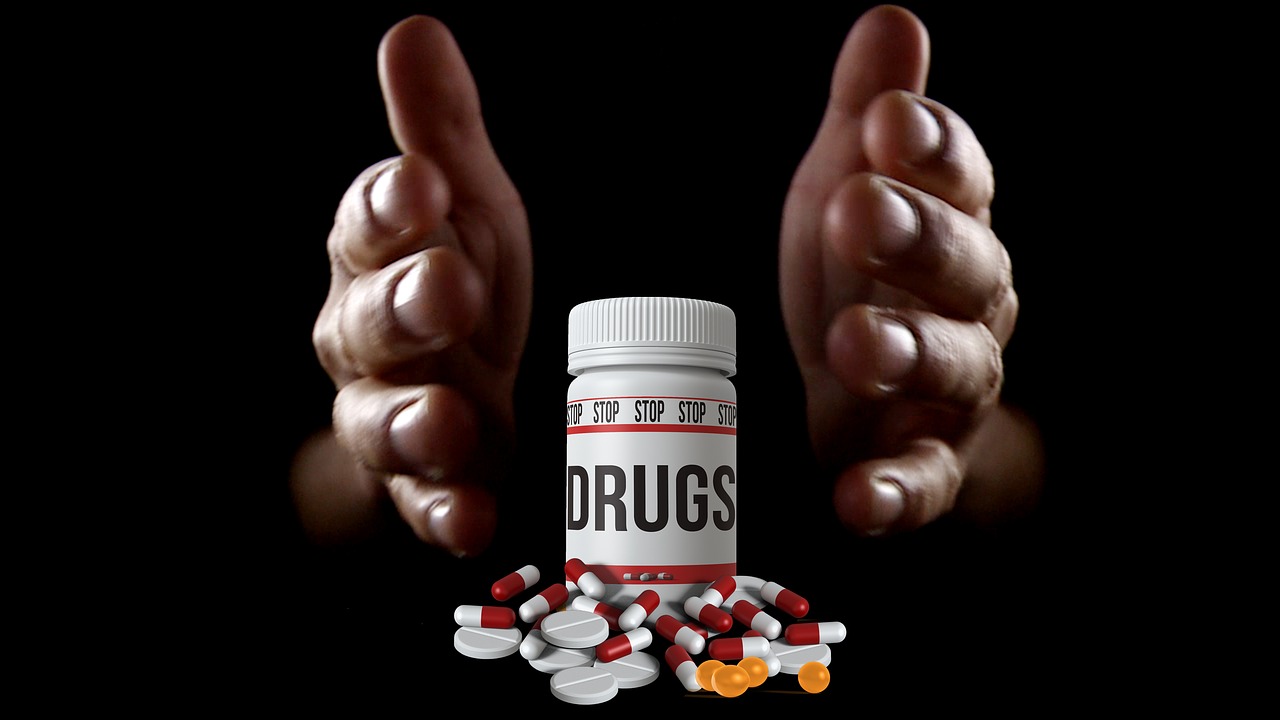
Drugs

Medications.
Photo courtesy of Pixabay.com

Is your child taking too many meds? Are you?

Ever wonder about the amount of medication, especially heavy psychiatric medication, which is being prescribed to very young children, especially foster children? I know I do. How did we get so many children who need that level of medication? What should you think if your child or the child you care for was prescribed that kind of medication?

There was an article on the internet this morning about the large number of prescriptions for antipsychotics to foster children.  These kids were being given not one medication but multiple medications and many of those medications have serious long-term side effects. Some of these side effects do not go away even after the medication is discontinued. So is all that medication really necessary?

The usual warning applies here. No matter what you and I think, it is unwise to stop, start or alter the dose of a medication without talking with your doctor first. If you are not confident with that doctor’s opinion get a second opinion. It is not safe to play doctor and change the meds yourself. But you should question things if the medications are not working or if it appears to be creating serious side effects.

So why so much medication in children? And why foster children in particular?

Now we have been hearing tales about facilities that overmedicate residents to keep them manageable for a long time. Mary Jane Ward in her book “Snakepit” describes patients in a mental hospital who were heavily medicated primarily to keep them from causing the staff problems. We also hear stories about jails and prisons using lots of meds to keep inmates from causing trouble. But is that sort of thing happening to kids? And why foster kids?

Maybe the reason is that foster kids are the ones that have the most problems? Are children in foster care more likely to have serious mental illnesses? There are two reasons to think this is not true.

The study reported that when kids in foster care were compared to other kids who were receiving Medicare the foster kids got a lot more medication that the kids who were not in foster care. Secondly, the kids in foster care should be the ones who would respond to a secure home situation. Foster care is usually looked at as a housing problem, not a mental health problem. So the seriously mentally ill children should and often do end up in group homes and institutions where they can be managed with less, not more medication. So what is going on here?

One problem is that as a society we are increasingly relying on medications, drugs if you will, to fix all our problems. Despite all our programs to get people off drugs, there are countless commercials that try to convince us to go to the local drug store and get some pills to cure all that ails us. Try counting the number of pro-drug ads on the television on any given night and then tell me that we as a society are opposed to drugs. In this country we love drugs so much, are so convinced there is a chemical that can cure whatever is wrong with us that we now want all our children to take all the drugs they can. We just want them to get their drugs from a drug store not a drug dealer in an alley.

So why are children being given so many drugs? To relieve suffering? Not a chance!

Kids are getting prescribed drugs to make them smarter and to make them behave.

Kids are being prescribed powerful stimulants for ADHD. Even kids with mental retardation and developmental delays are getting ADHD medication. This makes me question the accuracy of some ADHD diagnoses. And if the pills make one kid smarter shouldn’t all children take them?  Here is hoping you read that blog post also.

The other reason kids get so much psychiatric medication is to make them behave. I thought not always behaving properly was a symptom of childhood? Can’t we teach them to behave without sedating medications?

Children are being given lots of sedating antipsychotics mostly because their behavior is causing some adult a problem. Some of my colleagues will argue that if the child does poorly in school or gets in trouble for bad behavior they will end up suffering so by giving them medication we are preventing suffering. For me, that would make sense if there were no other alternatives. But there are other options.

Many of the problems of children for which we give them medication can be controlled, even cured by giving them attention in the proper way. Therapy and counseling are especially helpful for treating many emotional problems. ADHD can be treated by training parents as I wrote about in a previous blog. But far more kids get a prescription for a medication than are getting a session with a caring adult.

Yes, there are professional counselors and therapists; I do that for a living. But the benefits of other adults in a child’s life should not be underestimated. Teachers, grandparents, natural or foster, and friends all are helpful in a child’s learning emotional regulation. So why do we reach for meds first instead of human contact for all the emotional and behavioral problems?

Some people have suggested that counseling is just too expensive. I am not buying that argument and you won’t either if you see how much agencies are spending on medications.

Despite all the things we have learned over the last couple of centuries about the benefits of counseling in overcoming life’s problems we as a society still seem to think that if something bothers you there should be a drug to fix that.

My conclusion from all this is that a lot of kids and some adults are being given lots of medication instead of human contact. It appears that we as a society and some people individually just don’t care enough to bother with anything more than a pill to make the kid behave.

So what do you think? Could we try another approach? Are kids and adults taking too much psychiatric medication because we don’t care enough to do better?

Staying connected with David Joel Miller

Seven David Joel Miller Books are available now!

My newest book is now available. It was my opportunity to try on a new genre. I’ve been working on this book for several years, but now seem like the right time to publish it.

Story Bureau.

Story Bureau is a thrilling Dystopian Post-Apocalyptic adventure in the Surviving the Apocalypse series.

Baldwin struggles to survive life in a post-apocalyptic world where the government controls everything.

As society collapses and his family gets plunged into poverty, Baldwin takes a job in the capital city, working for a government agency called the Story Bureau. He discovers the Story Bureau is not a benign news outlet but a sinister government plot to manipulate society.

Bumps on the Road of Life. Whether you struggle with anxiety, depression, low motivation, or addiction, you can recover. Bumps on the Road of Life is the story of how people get off track and how to get your life out of the ditch.

Dark Family Secrets: Doris wants to get her life back, but small-town prejudice could shatter her dreams.

Casino Robbery Arthur Mitchell escapes the trauma of watching his girlfriend die. But the killers know he’s a witness and want him dead.

Planned Accidents  The second Arthur Mitchell and Plutus mystery.

Letters from the Dead: The third in the Arthur Mitchell mystery series.

What would you do if you found a letter to a detective describing a crime and you knew the writer and detective were dead, and you could be next?

Sasquatch. Three things about us, you should know. One, we have seen the past. Two, we’re trapped there. Three, I don’t know if we’ll ever get back to our own time.

For these and my upcoming books; please visit my Author Page – David Joel Miller

Want the latest blog posts as they publish? Subscribe to this blog.

For videos, see: Counselorssoapbox YouTube Video Channel

6 Rules for surviving your teen

By David Joel Miller, MS, Licensed Therapist & Licensed Counselor.

Teens

Teenagers.
Photo courtesy of Pixabay.com

When the teen years arrive, armed combat begins.

How do you survive your teen unharmed?

Sometime between eleven and thirteen that cute cuddly kid turns into an unrecognizable scratching clawing creature. Once in a while, the parent gets away unharmed but not often.  Parents say they don’t know what happened to their child. They don’t recognize this kid. So what happened?

How do you survive the teen years and is there a life after teens? Here are some ideas; maybe we could call then rules for those years.

1. Don’t try to hold the lid on the boiling pot.

You have spent a decade on more raising a generally civilized child, as the teen years approach and the emotions boil parents often make the mistake of clamping down. Suddenly the cute little daughter who everyone likes – well – the everyones who likes her, are no one you would want around. The result is trying to keep her in. “No dating till you’re thirty,” the parent says. Then the battle ensues. Parents try bolting the windows in her room shut, but like a magician, she somehow gets out. Parents put kids on monitoring. Call me every hour. The kids retaliate with more excuses than a congressman.

Controlling a teen, especially an older one by force is likely to wear you out and have no effect. Sometimes parent’s efforts to make the kid behave turn into violence. Sometimes the parent resorts to hitting the child, always a bad idea. You may discover you no longer have it in you to go ten rounds with a younger and stronger opponent. I have seen parents seriously hurt by their kids. The other, more serious problem with using force on a child is it teaches them to use force and there is no end to how far this will go. So rather than trying to keep the steam in the kettle by holding the lid down, try directing the steam where you want it to go.

As the teen approves adulthood parents may need to learn to discuss and even negotiate things with their offspring. I am not saying let the kids take over the house, but you do need to teach them how to handle more adult responsibilities. By sixteen or seventeen you should have taught your child the difference between right and wrong. If you haven’t it is probably too late and someone with more control than you will need to take on the job, someone like the police or parole. You need to keep up hope that the child will survive, unharmed, the episode of moral amnesia that so many of them experience.

2. Do not try to overprotect them!

You spent ten or more year protecting your child, every “good enough parent” does. Suddenly the experts tell you to stop trying to protect them. I know they will be sixty and you will still feel protective towards them but the teen years are the time for loosening the restrictions, not tightening them. You had to let them ride their bike without your hand on the seat, now you need to let them try some more adult things.

Every night in crisis centers around America we see kids whose parents have always been supportive or permissive, who suddenly engage in a life or death struggle for control with their teen. Kids who had no curfew now chaff as the parents set limits.  Parents worry about drugs, alcohol, driving, and mostly sex. They try to keep their kids safe by keeping them away from the risks – that won’t work.

One day they will turn eighteen and then they will be allowed to make all their own decisions. Some kids start before that. There is no magic cloak of maturity you can give them on that occasion.  You need to begin now teaching them how to be responsible adults and one way they learn that is to try things and see what works and what doesn’t. Increasing rules and restrictions may feel like it is protecting your child but it may also be delaying the growth of maturity.

3. Notice when your child does something right.

Many kids report the only time their parents notice them is when they are correcting them. Constantly finding fault with teens is not likely to make them perfect. It often results in kids who are highly anxious, afraid to do anything because they are sure they will never be able to do it right, or you get kids who give up trying. If the only way to get your attention is to mess up, they will mess up on a daily basis. They are after all giving you what you are requesting. You will get more of whatever you attend to.

Now I am not suggesting hollow praise here. Kids can see right through praise that was given to increase self-esteem but which they see as just something everyone is able to do. What I am suggesting is that you need to pay close enough attention to your child to know when they do something noteworthy and then let them know that you noticed and approved of that.

4. Be their parents, not their friends.

Kids should be kids and parents should be parents. Sharing your drugs with your child does not make for a good relationship. It makes for a child who does not know how to observe boundaries. And even worse are the parents who flop back and forth. One day you want to be the kid’s best friend, maybe even keep a secret from the rest of the family, the next they come down on the kid with all their force because the kid is not doing what they want.

5. Know the difference between rewards and punishments and bribes and abuse.

Lots of people in our society don’t seem to know this one. From the way we see celebrities and politicians acting you would think they are the same thing. They are not.

Rewards and punishment should be directly related to the person’s actions. For adults, this is easy to explain. If I show up for work on time and do my job I get a check. If I am late, I get docked some pay. If I keep coming in late I may lose my job. Parents get this confused and send the child to their room for getting bad grades. Bad grades should get more study time. Going to your room should be a punishment for not behaving around others. See there is some connection between the two.

Do I need to say that some of the punishments I see require me to report the parent to child protective services? Don’t ever let the punishment get out of proportion to the action. When it does it can turn into abuse. This is especially true of physical punishment and name-calling. Calling your child stupid will not improve their grades; it will make many of them stop trying.

6 Pick your battles

Parents, especially of late teens begin to get desperate. Time is running out to teach your child how to behave, especially if you have a strong feeling they should behave exactly the way you want them to. So every day becomes a battleground. The chances that your child will turn out perfectly are not especially good. They all have their flaws. So do their parents.  Unless you really like to fight, day and night, I suggest you reserve your line in the sand efforts for the really big things. Which is more troublesome, your teen’s messy room, or their drug habit?

Like all advice, these rules are easier to say than to do. My hope is that this is helpful to someone out there. If you have comments or suggestions please comment on this blog.

So there you have them, 6 rules for surviving your teen.

Staying connected with David Joel Miller

Seven David Joel Miller Books are available now!

My newest book is now available. It was my opportunity to try on a new genre. I’ve been working on this book for several years, but now seem like the right time to publish it.

Story Bureau.

Story Bureau is a thrilling Dystopian Post-Apocalyptic adventure in the Surviving the Apocalypse series.

Baldwin struggles to survive life in a post-apocalyptic world where the government controls everything.

As society collapses and his family gets plunged into poverty, Baldwin takes a job in the capital city, working for a government agency called the Story Bureau. He discovers the Story Bureau is not a benign news outlet but a sinister government plot to manipulate society.

Bumps on the Road of Life. Whether you struggle with anxiety, depression, low motivation, or addiction, you can recover. Bumps on the Road of Life is the story of how people get off track and how to get your life out of the ditch.

Dark Family Secrets: Doris wants to get her life back, but small-town prejudice could shatter her dreams.

Casino Robbery Arthur Mitchell escapes the trauma of watching his girlfriend die. But the killers know he’s a witness and want him dead.

Planned Accidents  The second Arthur Mitchell and Plutus mystery.

Letters from the Dead: The third in the Arthur Mitchell mystery series.

What would you do if you found a letter to a detective describing a crime and you knew the writer and detective were dead, and you could be next?

Sasquatch. Three things about us, you should know. One, we have seen the past. Two, we’re trapped there. Three, I don’t know if we’ll ever get back to our own time.

For these and my upcoming books; please visit my Author Page – David Joel Miller

Want the latest blog posts as they publish? Subscribe to this blog.

For videos, see: Counselorssoapbox YouTube Video Channel

ADHD Cure- – Treat Parents

By David Joel Miller, MS, Licensed Therapist & Licensed Counselor.

Sad child

ADHD?
Photo courtesy of Pixabay.com

Could we cure ADHD or depression in children, especially preschool children, by treating the parents?

Just read a report that concluded that the epidemic of ADHD in preschool children can be very effectively treated by training the parents in Parent Behavioral Therapy (PBT). This raised a lot of questions. Why the increase in ADHD? Why in Preschool children? And most importantly how could treating the parents – cure the children?

The Press Release about the report by the McMasters Center can be found here. 

The McMasters center report suggested a different way of viewing ADHD and the older ADD. As I understand their concept they are convinced there is one larger umbrella disorder – Disruptive Behavior Disorder meaning the kid is doing things or not doing things that cause the adults problems.  This more general description, which is a recognized diagnosis in the DSM-4-TR they then subdivide and refine into ADHD in all its varieties, Optional Defiant Disorder, and finally the most severe form Conduct Disorder.

This makes sense to me since most of the referrals for ADHD screening begin with things like – he won’t stay in his seat, is not doing his work, etc. These are complaints teachers and parents have, not things a child, especially a preschool child would complain about. Hence the child’s behavior disrupts an adult’s life and the diagnosis. They report that this disorder began with the label of “minimal brain damage” but when no one could find the specific brain damage we dropped that label.

Further, the study says that ADHD should be thought of as a spectrum disorder. So it might vary from no problem, through milder forms to “for sure you got it” forms. This like so many other mental illnesses are not a case of you got it or you don’t but rather how much of this disorder do you have. Also, there is no medical test for ADHD. We use screening tests and other ways of diagnosing this but the truth is who gets the diagnosis depends on who does the diagnosing.

So why an increase in ADHD cases in preschool children?

Calling them preschool children does not mean that they do not attend school. ADHD and related problems first began to be recognized about 1902 when most children on earth began to attend mandatory universal education.  Now a large number of children are attending preschool – hence lots of preschool-age children are attending school. The report on effective ADHD treatments included all children under six in the preschool group. They especially noted that at this age it is difficult to separate the effects of a condition like ADHD from normal maturation.

I think young children – by definition are immature, so we don’t diagnose “too young” as a condition unless they don’t act like we want them to then they have some kind of disruptive behavior disorder. Some countries in Europe have children wait until they are at least six to start school on the premise that before six they are too immature to benefit from school. In America, we go the other way and start them out at age two or three on the premise that the younger we start pushing them the sooner they will grow up.

So who gets diagnosed with ADHD?

Most new diagnoses of ADHD occur when children begin to attend some form of formal education and are asked to sit still and concentrate on things the adults want them to learn instead of the things kids want to learn. The majority of diagnoses are made between the ages of five and ten years of age. Diagnoses of ADHD after the sixth grade drop sharply and those first diagnosed after age eighteen are even rarer.

The majority of those diagnosed are boys. In fact, boys in the primary grades are four times more likely to get the diagnoses than anyone else. In my own experience, the time children are more likely to get referred for assessment for ADHD is when they first start school, preschool, kindergarten, or first grade. The next big surge in referrals is between the third and fourth grade when there is a shift from learning to read to reading to learn, and the poor readers get really bored.

The number of adult cases is half of those in children, so either a lot of people outgrow this condition with or without treatment or it is not so much of a problem once you are out of required school.  Or maybe a lot of kids get the diagnosis because they are bugging someone in the position to make a diagnosis.

The poor, especially those on Medicaid are much more likely to be diagnosed, but the rich (higher Socio-economic status) are much more likely to receive medication. The poor are more likely to stop taking meds after one prescription. For much the same reasons the poor are much more likely to drop out of parenting education programs.

When meds work for someone it is wonderful, unfortunately, the only way to see if a med will work for you or your child is to try it and there are side effects to worry about. Note that any meds may have side effects but some are worse than others.

In very young children – under the age of six, treatment with a stimulant ADHD med is likely to reduce the ADHD symptoms, but it increases the depression and other mood symptoms. Or maybe the sadness was always there but it becomes more noticeable when the child is able to sit still. The meds also suppress growth, something that a forty-year-old who is overweight might hope for – but not something we want to see in a child under six. And there is another problem.

In one well-documented study children who took a placebo – a non-active pill – did almost as well on managing their ADHD as children who took the real med. When the meds were stopped, 97.5 % of the kids on ADHD meds did not have a relapse, pretty impressive. But of the kids on a placebo who were treated with nothing resembling a drug other than the pill form it was given in, well a full 88% of these non-medicated kids did not relapse either. The conclusion here could be that the thing that helped the kids was the extra attention involved in treatment, not the medication.

Now, why not just send all these kids for therapy? Well as much as that helps some kids, and remember I am a therapist, there is a limitation on therapy. We see the kid for one hour a week. What happens the other 167 hours? So when parents take a class in Parent Behavioral Therapy or work with the therapist on how to help their child, they are able to maintain the treatment all week not just in the therapy hour.

Now if your child is on meds, please do not suddenly take them off, talk to your child’s doctor or psychiatrist first. But for very young children consider approaches other than medication.

The moral of this story? The more we adults work on our skills the more we can help kids with ADHD, with or without medication. So if your child has ADHD or depression or any other emotional problem, consider participating in therapy and learning new skills that might help your child.

Staying connected with David Joel Miller

Seven David Joel Miller Books are available now!

My newest book is now available. It was my opportunity to try on a new genre. I’ve been working on this book for several years, but now seem like the right time to publish it.

Story Bureau.

Story Bureau is a thrilling Dystopian Post-Apocalyptic adventure in the Surviving the Apocalypse series.

Baldwin struggles to survive life in a post-apocalyptic world where the government controls everything.

As society collapses and his family gets plunged into poverty, Baldwin takes a job in the capital city, working for a government agency called the Story Bureau. He discovers the Story Bureau is not a benign news outlet but a sinister government plot to manipulate society.

Bumps on the Road of Life. Whether you struggle with anxiety, depression, low motivation, or addiction, you can recover. Bumps on the Road of Life is the story of how people get off track and how to get your life out of the ditch.

Dark Family Secrets: Doris wants to get her life back, but small-town prejudice could shatter her dreams.

Casino Robbery Arthur Mitchell escapes the trauma of watching his girlfriend die. But the killers know he’s a witness and want him dead.

Planned Accidents  The second Arthur Mitchell and Plutus mystery.

Letters from the Dead: The third in the Arthur Mitchell mystery series.

What would you do if you found a letter to a detective describing a crime and you knew the writer and detective were dead, and you could be next?

Sasquatch. Three things about us, you should know. One, we have seen the past. Two, we’re trapped there. Three, I don’t know if we’ll ever get back to our own time.

For these and my upcoming books; please visit my Author Page – David Joel Miller

Want the latest blog posts as they publish? Subscribe to this blog.

For videos, see: Counselorssoapbox YouTube Video Channel
“Speeding up” the third grade

By David Joel Miller, MS, Licensed Therapist & Licensed Counselor.

Sad child

ADHD?
Photo courtesy of Pixabay.com

There must be a connection between Attention Deficit Hyperactivity Disorder (ADHD), Bipolar Disorder, and behavioral problems like Disruptive Behavior Disorder. If they are not connected why do I see so many children who progressively get all three diagnoses?

Recently a child was referred for assessment. The parents were concerned their child might have ADHD. They had been sent by the third-grade teacher with a stern warning that they needed to get this child help before it was too late. The teacher pointed out that she had been teaching for a great many years, she had seen many ADHD children, and that she knew a child with ADHD when she saw one. She was certain that this child had ADHD and needed medication. The teacher had told the parents she was sure of this because the child was in the bottom third of the class.

This troubles me. Now I know that there are people who suffer from ADHD. I have worked with adults who were unable to stay focused enough to succeed on a job without their medication. I have seen children with ADHD who have been struggling in school and then they get put on the right medication. It can work miracles. But this was different. If we are going to refer every child in the bottom third of the class for medications what does that say about us and our educational system? Really does that mean one in three children has ADHD? I find that hard to believe.

Now if this was an isolated incident I could explain it away. But this sort of thing is happening more and more.  Another parent shared with me that they were pressured to have their child evaluated for ADHD. The school had said that the child did not stay in their desk or do their work. Further, the parents were told that if the child continued to ignore the teacher and not do their work they might have to be placed on homeschooling. This parent took the bold step of talking to other parents in the class. Turns out that in this class of about thirty students more than half were on ADHD medication, most of them referred by the teacher and principal.

Have we reached the point where test scores are so important that we need to put a third of a class on stimulant medication to get their test scores up?

And if taking pills to get smarter really works, if drugs make kids smarter, than why only the bottom third? Aren’t we then cheating the top third by not giving them the drugs so they can do better also?

What also bothers me is the number of children who are diagnosed with ADHD who are subsequently suspended, sometimes expelled for fighting and violent behavior. I know from my work with substance abusers that when they abuse stimulants they are more likely to become violent or otherwise act impulsively. So could a stimulant ADHD med increase the child’s level of violence and result in him being expelled for behavioral problems? I asked a couple of psychiatrists about this issue. I was told that yes a side effect of some ADHD medications is an increase in violence.

On interesting new development in the field has been the availability of several newer drugs that are non-stimulant ADHD medications. While every medication has its side effects, and these meds are no exception, if the medication we are giving a child is making the problem worse not better shouldn’t we consider other options? I would if it was my child.

Now, remember here I am a therapist and not a doctor so if this gets you thinking how about talking with your doctor? And please don’t just suddenly stop giving or taking meds without consulting your doctor.

Here is another example of this problem. A child was referred for assessment. Please hold your CPS dialing finger till you read to the end. The caregiver, an older sibling, was trying to help her younger brother. He was constantly in trouble at school. Did not do his homework, daydreams in class, and would not stay in his seat. The teacher (different teacher this time) was sure this was another classic case of ADHD. The sister told me she tried to do what she could but she and her baby’s father were living with friends in a motel room and there was no place for this young man. Still, she was his school contact and she came to help him when she could. His primary care doctor had prescribed ADHD meds, but the minor still was not doing his homework and was not paying attention. His meds had been increased and still no improvement. What to think?

So I interviewed the young man. He reported his father was not around. Bio Father was in prison and would not be released for a few more years. He was staying with his mother but she was in jail right now and would not be released until Monday. So in the meantime, he had been staying with relatives. He had slept on the couch, several different couches for that matter, different relatives on different nights, and most of these homes were small and overcrowded. He had not slept well or eaten well since mom had been arrested. He was sad all the time and nothing made him feel better anymore. So was my diagnosis ADHD? Not on your life. Clearly, this young man was suffering, and I do mean suffering, from depression. The end of the story is, mom was released, the minor, and mom found a safe place to stay and the child is in counseling. I hope mom gets some counseling also.

Did I mention the referral for ADHD whose father was just deported and dad will not be allowed back in the U. S.again? He refuses to do his homework, will not listen to the teacher, and – Well you get the idea.

In each of these cases and so many, more, the first diagnosis was ADHD because of poor schoolwork, inattention, and not following rules, like being out of their seat. Later when the medication did not fix them they get diagnosed with some kind of disruptive behavior diagnosis. But in most cases when we look really carefully there was also a lot of depression and sometimes eventually a manic episode occurs and the diagnosis changes to Bipolar Disorder. Not every child who does not do homework has ADHD.

If you have had an experience with this issue or thoughts you would like to share please contact me. So much for my thoughts on Attention Deficit Hyperactivity Disorder (ADHD), Bipolar Disorder, behavioral problems like Disruptive Behavior Disorder, and Depression.

Staying connected with David Joel Miller

Seven David Joel Miller Books are available now!

My newest book is now available. It was my opportunity to try on a new genre. I’ve been working on this book for several years, but now seem like the right time to publish it.

Story Bureau.

Story Bureau is a thrilling Dystopian Post-Apocalyptic adventure in the Surviving the Apocalypse series.

Baldwin struggles to survive life in a post-apocalyptic world where the government controls everything.

As society collapses and his family gets plunged into poverty, Baldwin takes a job in the capital city, working for a government agency called the Story Bureau. He discovers the Story Bureau is not a benign news outlet but a sinister government plot to manipulate society.

Bumps on the Road of Life. Whether you struggle with anxiety, depression, low motivation, or addiction, you can recover. Bumps on the Road of Life is the story of how people get off track and how to get your life out of the ditch.

Dark Family Secrets: Doris wants to get her life back, but small-town prejudice could shatter her dreams.

Casino Robbery Arthur Mitchell escapes the trauma of watching his girlfriend die. But the killers know he’s a witness and want him dead.

Planned Accidents  The second Arthur Mitchell and Plutus mystery.

Letters from the Dead: The third in the Arthur Mitchell mystery series.

What would you do if you found a letter to a detective describing a crime and you knew the writer and detective were dead, and you could be next?

Sasquatch. Three things about us, you should know. One, we have seen the past. Two, we’re trapped there. Three, I don’t know if we’ll ever get back to our own time.

For these and my upcoming books; please visit my Author Page – David Joel Miller

Want the latest blog posts as they publish? Subscribe to this blog.

For videos, see: Counselorssoapbox YouTube Video Channel

Are you a rat?

By David Joel Miller, MS, Licensed Therapist & Licensed Counselor.

Truth or lie

Separating truth from lies is hard work.
Photo courtesy of Pixabay.com

Should you ever rat? When is it OK to tell on someone?

We tell kids to talk to the teacher if someone bullies them. We tell them no one likes a tattletale. Teenagers are vehement that it is never OK to tell on your friends. Parents of teens wish someone would tell them when their child is in danger. What things might your child be doing you would want to know about? What things do you hope your friends are keeping secret?

In a previous post, I wrote about the way in which kids will tell their friends and their friend’s parents about things they would never tell their own parents. When you hear those things, what should you keep to yourself, and what is so important you need to tell? Should we accept the rule that we should never rat? Should it be OK if our kids keep those things secret?

Wouldn’t it be nice if there were all or nothing rules for behavior in life? Some people try to make absolute rules, for themselves and for others. They are mighty sure what the right thing to do is until you call one of their actions into question.

Most of the time in life, things are on a continuum, from good to less good to a little bad to a lot bad. Telling a friend’s secret to someone else is on that continuum.

As a parent, I would want to know if my child was thinking of killing themselves. Wouldn’t you? Could your child feel good about themselves if their friend confided to them that they were suicidal and they did nothing? People who talk about suicide may want to be talked out of it, to be reassured that there is someone who cares enough to intervene and stop them. Would you want to be the kind of person who saved a life or the kind who let someone die?

How would you explain to the parents of a murdered child that you knew someone was going to kill their child but you didn’t want to tell? Could you live with yourself after that? How would you feel if your friend bullied someone and they killed themselves?

It is a good idea to talk with your child about morality and ethics before they have to make those tough decisions.

If a teen is endangering their life with drugs and drinking and driving do you owe it to them to talk to them about it? If they don’t want to stop and continue to endanger their life it is permissible to tell someone else who is in a position to stop them.

Every year we hear about a local teen that is killed by driving drunk, being a passenger of a drunk, or being hit by a drunk driver. Does not trying to stop that when you know about it make you a bad friend? Would you rather be a good friend who kept a dead friend’s secrets or a bad friend who saved their life?

Professional counselors and therapists have legal constraints on secrets. We can’t tell things we might like to such as having a client tell us about past crimes. The counseling relationship has a high level of trust and if we violate that trust we keep clients from coming for the help they need.

But there are other things that counselors are legally and ethically required to talk about, like intervening if a client plans to kill themselves or someone else. We also can intervene when someone does not know how to care for themselves even if they want to be left alone.

Knowing when to keep a secret and when you need to tell to protect that friend, others and society is one of the tasks people need to learn to be adults. A parent’s major job is to help their child grow up. That sometimes it is OK to tell is a lesson we all may need to learn.

P. S. I know that tame rats can, in fact, make good pets. I have no idea why we call people who tell on each other rats. Rats don’t tell on each other. At least I don’t think they do.

I know there are some of you who won’t agree with me on this, you are entitled to be wrong.

Still feel free to comment on this or any other blog and feel free to like, forward and recommend to your heart’s content. Till next time, David Miller LMFT, LPCC.

Staying connected with David Joel Miller

Seven David Joel Miller Books are available now!

My newest book is now available. It was my opportunity to try on a new genre. I’ve been working on this book for several years, but now seem like the right time to publish it.

Story Bureau.

Story Bureau is a thrilling Dystopian Post-Apocalyptic adventure in the Surviving the Apocalypse series.

Baldwin struggles to survive life in a post-apocalyptic world where the government controls everything.

As society collapses and his family gets plunged into poverty, Baldwin takes a job in the capital city, working for a government agency called the Story Bureau. He discovers the Story Bureau is not a benign news outlet but a sinister government plot to manipulate society.

Bumps on the Road of Life. Whether you struggle with anxiety, depression, low motivation, or addiction, you can recover. Bumps on the Road of Life is the story of how people get off track and how to get your life out of the ditch.

Dark Family Secrets: Doris wants to get her life back, but small-town prejudice could shatter her dreams.

Casino Robbery Arthur Mitchell escapes the trauma of watching his girlfriend die. But the killers know he’s a witness and want him dead.

Planned Accidents  The second Arthur Mitchell and Plutus mystery.

Letters from the Dead: The third in the Arthur Mitchell mystery series.

What would you do if you found a letter to a detective describing a crime and you knew the writer and detective were dead, and you could be next?

Sasquatch. Three things about us, you should know. One, we have seen the past. Two, we’re trapped there. Three, I don’t know if we’ll ever get back to our own time.

For these and my upcoming books; please visit my Author Page – David Joel Miller

Want the latest blog posts as they publish? Subscribe to this blog.

For videos, see: Counselorssoapbox YouTube Video Channel

7 “New Drugs” parents should be aware of

By David Joel Miller, MS, Licensed Therapist & Licensed Counselor.

Drugs.

Drugs.
Photo courtesy of pixabay.

7 “New Drugs” parents should be aware of.

New drugs and new patterns of drug use continue to emerge. When I first started talking about this in my class for drug and alcohol counselors the thought entered my mind that giving out information on new drugs might encourage their use. I didn’t need to worry about that, the people who want to use them knew about them far before I did. But now that there have been a few overdoses I believe it is important for parents and professions to be aware of these new trends in drug use. So here are six new drugs and one new drug use trend that are beginning to rival the old drug use problems. For up to the minute information on these drug use trends you only have to search the internet.

1. Khat

Khat is a stimulant plant from the Middle East, another of the results of our involvement in wars there. The leaves are chewed while still fresh and moist and are a mild stimulant similar to Coca leaves. The plant and the fresh leaves are rare in the U. S. The synthetic version is becoming more common.

2. Methcathinone

Methcathinone is a synthetic and potent laboratory-produced version of the Khat plant’s active ingredient. It is not illegal or regulated everywhere yet and is growing in popularity. Results are reported as being similar to Methamphetamine.

3. Bath salts.

These are not the kind of bath salts your grandmother might have used. These drugs are being sold in “head” or “smoke” shops not bath boutiques and the label is certainly a misnomer. Common names include such benign-sounding names as “Ivory Wave,” “Purple Wave,” “Vanilla Sky” and “Bliss.”

They are used by smoking and can contain a variety of chemicals. Join Together reports that DEA has placed a temporary ban on three ingredients used in the manufacture of bath salts, Mephedrone, MDPV, and Methylone.

As fast as one ingredient is made illegal the manufacturers switch ingredients. Overdoses can be particularly nasty and use may result in psychoses or death. To re-quote “What a price to get your kicks.”

4. Synthetic Cannabinoids.

These are best known locally under the brand names of “Spice” and “K-2.”  This can be most any dried vegetable material, commonly parsley which has been coated with a synthetic Cannabinoid. There are 300 different chemicals involved so far and more are sure to be discovered. A few have been made controlled substances, mostly this means they are illegal in the U.S. As fast as one is banned another variety comes into use. These are not benign chemicals. Overdoses and toxic results have been reported including hallucinations that have not gone away after withdrawal from the drug.

5. Salvia Divinorum.

An unusual member of the sage family originally from Central America it appears to be the only member of the sage family with psychoactive properties. It was used by Native Americans in religious ceremonies and does not appear to be especially dangerous when used that way. When combined with other drugs, especially synthetics and alcohol the results are reported as being unpredictable. Since stimulants and depressants are the most popular drugs, consciousness-altering drugs like sage have not caught on in popularity the way Methcathinone and bath salts have. As with most dried herbal products the potency and ingredients can vary considerably.

6. Kratom.

Bet you thought I made that up? This has nothing to do with Superman. It is a tree, originally native to South East Asia. The leaf is reported to have both stimulant and depressive properties. In some places it is illegal and in other places, it is totally unregulated. At high doses, it has been reported to have effects similar to morphine. Some of the trees are now in the U. S. but most of the use is by buying leaves and preparations from the internet. The tree does not grow well in cold climates so most of the cases reported are from Florida. Like all other drugs, it is likely to spread over time.

7. Smoking of Heroin by teens.

This is a new twist to an old drug. This trend is occurring in the wealthier and more affluent parts of town. Abuse of pills is now epidemic. Teens have ready access to powerful painkillers. Sometimes these have been prescribed to them for injuries but often these pills are being taken from parents and grandparents medicine cabinets. After a short time, opiate addiction develops. Unable to get more pain pills an exceptionally large number of teens have taken to purchasing heroin to replace the pills. At first, they may be induced to smoke the heroin, thinking that this differentiates them from the drug addicts who use needles. The high price of the drug and the larger quantities needed when smoking result in most switching to needle use. Heroin is consuming a whole new generation.

By the time I get this posted it is likely there will be additions to the list. I hope this helps in the way of information. The only antidote I know of for an increase in drug addiction among our children is parental and societal involvement with kids. Happy, healthy kids are less likely to become addicted and they are more likely to turn to adults for help. Kids with mental health problems, who are estranged from their parents, are at increased risk. Trying to keep drugs out of our communities does not seem to be working as you can see here new drugs of abuse will keep entering our society. The only hope for taming the dragon of addiction is early intervention and treatment.

Great sources of up to date information on drug use trends and laws are THE PARTNERSHIP AT DRUG FREE.ORG and Join Together. They send out frequent updates via email. Check them out at http://www.drugfree.org/join-together

As always comments and questions are welcome.

Staying connected with David Joel Miller

Seven David Joel Miller Books are available now!

My newest book is now available. It was my opportunity to try on a new genre. I’ve been working on this book for several years, but now seem like the right time to publish it.

Story Bureau.

Story Bureau is a thrilling Dystopian Post-Apocalyptic adventure in the Surviving the Apocalypse series.

Baldwin struggles to survive life in a post-apocalyptic world where the government controls everything.

As society collapses and his family gets plunged into poverty, Baldwin takes a job in the capital city, working for a government agency called the Story Bureau. He discovers the Story Bureau is not a benign news outlet but a sinister government plot to manipulate society.

Bumps on the Road of Life. Whether you struggle with anxiety, depression, low motivation, or addiction, you can recover. Bumps on the Road of Life is the story of how people get off track and how to get your life out of the ditch.

Dark Family Secrets: Doris wants to get her life back, but small-town prejudice could shatter her dreams.

Casino Robbery Arthur Mitchell escapes the trauma of watching his girlfriend die. But the killers know he’s a witness and want him dead.

Planned Accidents  The second Arthur Mitchell and Plutus mystery.

Letters from the Dead: The third in the Arthur Mitchell mystery series.

What would you do if you found a letter to a detective describing a crime and you knew the writer and detective were dead, and you could be next?

Sasquatch. Three things about us, you should know. One, we have seen the past. Two, we’re trapped there. Three, I don’t know if we’ll ever get back to our own time.

For these and my upcoming books; please visit my Author Page – David Joel Miller

Want the latest blog posts as they publish? Subscribe to this blog.

For videos, see: Counselorssoapbox YouTube Video Channel

Why can’t we communicate?

By David Joel Miller, MS, Licensed Therapist & Licensed Counselor.

Talking to yourself

Communication.
Photo courtesy of Pixabay.com

Eight ways to improve communication with your teens.

Therapists get lots of questions about communication. Couples want to know how to communicate better; parents want to know how to communicate with their kids.

What many people mean by wanting to improve communication is “How can I convince them to do what I want them to do?” That is not communication. It may be assertiveness training, or manipulation, or just normal parenting skills but it is not communication. Maybe improving compliance would be a good topic for a future blog. That is not what this one is about.

Communication is about the ability to hear and be heard even when we may not agree or like the message we are receiving.

Dictionaries, like Encarta, have multiple definitions for the word communication. The word means variously, exchange of information, a message, a sense of mutual understanding, sympathy, and many other related things.

Here are some suggestions for improving communication with teens, some of these suggestions are appropriate for younger children; most would help adults improve their communications.

1. Communicate early and often.

The time to open communication with kids is as young as possible. Parents often spend the early years telling kids, not listening to them. If the only time you talk to your child is to correct them, preach at them, or give them your guidance it is unlikely that suddenly they will by some miracle begin to communicate with you. Communication should be a two-way street. The good news is that it is probably never too late to open up communication but as the child gets older it becomes more difficult. So parents who start communicating, really listening to their child, have a big head start on parents who wait till the kid is a teenager and then decide to open the lines of communication. Communication is a skill. The more you practice it the better you should get at it. By having good communication with your child you teach them how to have good communication with the others in their life. If your primary way of communicating is by yelling and making the kids wrong, they will probably yell at their kids and their spouse. The better they become at yelling the more likely it becomes that you will get to yell at them some more when they divorce and move back into your house with the grand-kids. I am hoping this is not sounding like a good idea.

2. Listen don’t tell.

Have you ever met someone who tried to do all the talking? How did that feel? Did it make you want to spend more time around them? It is no different for your kids. There is a built-in bias with parent-child communication. Your kids want you to like them. They will censor what they say. If you do the talking they will skip the hard to say things about the mistakes they make and the feelings they have. So the more you talk the less likely your kids are to tell you anything. If your kids no longer care what you think, it is not because you have good communication. You are already losing the battle. Seek help NOW!

3. Be available to talk.

Good communication with kids can’t be scheduled in advance. Yes, absolutely, you need some regular consistent time to spend with kids. You also need to schedule some time for yourself and your partner. Having good communication with yourself should be a priority. Communicating with your partner is only important if you plan to keep them. (Did you get the sarcasm there?) If you want to improve the relationship with your child, make talking with them a priority. Work toward a life where you can always interrupt what you’re doing to communicate with your child. If you can’t talk right now, let them know you want to talk and will get back to them as soon as possible. Then make sure you do get back to them. This method helps hugely with spouses, partners, co-workers, do I need to keep going here?

4. Listen for the feelings, not the facts.

If you are taking notes while they are talking you will shut down the communication. It is important to make sure you have heard them correctly. Profession counselors are taught to summarize and reflect back what the client has said. We want to be sure that what we heard is what the client really meant. The teen who gets turned down for a date is feeling bad. Telling them they are young, they will have lots of chances, you know you aren’t supposed to be getting serious at your age – none of these things is helpful when they are full of tears. Right now hear them. There will be lots of time for teaching moments later. Sometimes we need to interject some reality testing here. Because the kid’s friend didn’t want to do something with them does not mean no one wants to be around them and they will never have a friend. Because we have a feeling does not make that a fact. It is not just kids who mistake feelings for reality. Speaking in front of a group may feel scary, it is probably not life-threatening. Something’s that sounds all good and fun, like some of the new drugs or sexual activity turn out to be a lot more dangerous than they seem. Teach your kids not to mistake how they feel about something for the facts.

5. Try to think about what they are saying not what you are going to say next.

If we are busy planning our response we will miss a lot of the key parts of what the kid is saying. This is true for most other situations. Most of the time what you will say in response is really not that important, right now. Wait till later for your turn. Didn’t someone important say it is better to hear than to be heard? If you don’t recognize the quote look in that big black book that is gathering dust on your nightstand. No, not the phone number book, the other big black one.

6. Remember the first rule of parenting – parents need to be parents and kids should be kids.

You are not your child’s best friend. This is really painful for some adults. They want their kids to like them so the kid can say anything, do anything and it is O. K. That is not a good idea. We should be able to hear what our child says, no matter how much we dislike the information but that does not mean we should do nothing. Kids need to learn that there are something’s that are not appropriate to say. They learn that by adults letting them know that what they have said is not acceptable.

7. It should be O. K. for your teen to talk with someone else.

Ever notice your child’s friends will tell you things that they haven’t told their parents. You are not so ego-involved with the neighbor’s kids. If they failed a test you can comfort them. Harder to do when your child fails, you are picturing the not-graduating from high school scenario, the no college live at home forever plot. If your own kid says I flunked the Algebra test you might recoil in horror. With the neighbor’s kid, you can take it in stride. By the way – if your kid’s friends never talk to you, check the mirror and wonder why. Talking to your friend’s parents is a natural teen behavior. Don’t be insulted if you kid talks to someone else, be happy they have someone they can confide in. Just make sure their friends and friend’s parents are someone you feel good about them talking with.

Sometimes kids need to talk with a professional, maybe this will be someone in your church or at their school. Other times you may need to seek out a Licensed Therapist or Counselor. Don’t take this as an indictment of your parenting. Knowing when your kid needs to talk with a professional is a sign of your maturity. Knowing when you need to look for help for yourself is also a good sign.

8. Watch for changes in the mood or behavior of your teen.

Kids who withdraw or isolate are at high risk. New friends, especially the kind they never wanted to be around before is also a warning sign. Kids who are turning to drugs, especially alcohol abuse are at high risk. These are tough times to be a kid. Lots of peer pressure, it is a scary world. Kids who suddenly don’t want to do things that they used to like are at high risk. Changes in sleep and appetite for no apparent reason should worry you. The kid who used to talk to you but suddenly won’t talk to anyone should concern you. No one likes to think about their kid having problems but suicides, drug and alcohol abuse, and self-mutilating are all on the rise. The kid who least wants to talk to his parents may have the greatest need. When you can’t get your child to communicate it is time to look for help.

My special thanks to my office colleague Wendy Brox, LMFT who suggested this topic and whose ideas help me in writing this.

Let me know what you think about these tips and as always questions, comments, and ideas for future blogs are welcome.

David Miller, LMFT, LPCC

How much is Two Times Algebra Two?

Counselorssoapbox.com

How much is Two Times Algebra Two?

Kids complain that their parents don’t help them with homework enough. Some parents confide in me that they don’t know how to help their kids. Now I know I took Algebra Two back in high school. Though I now think the half-life of that knowledge is shorter than the half-life of Hassiam, which I am told is somewhere around 8 seconds. So what am I to do when a child asks for help on Algebra Two or worse yet Chemistry with all the elements that have been invented since I completed school just after the last Ice age?

What do parents do who didn’t take these classes or who did not have the opportunity to complete their schooling? We probably don’t want to tell kids “I haven’t used that since I was in school” or anything that might imply that learning new material is unimportant. Even if kids don’t ever use a particular piece of knowledge the process of learning how to learn is important for success in this modern age. So what can a parent do to help their child?

Someone sent me a solution to this problem. And it is FREE! Yes, you read that right. Yes, this is a free homework helper and in the child’s own language. Kids are digital natives. I start to feel like a visitor from a distant galaxy when exposed to new technology, but kids get this stuff right away. So here is the solution.

Check out the Khan Academy – free online videos on everything from Basic Addition starts with the one plus one stuff all the way up to Trig and Calculus and stuff like that. Not just math here either. They’ve got videos on Science and History and even some cool stuff that parents might want to learn.

So check them out. Here is the web address: http://www.khanacademy.org/

Let me know what you think. Just don’t stop coming back here. Pleeeeease –

Look at all the suggestions for things to write about that I am receiving from Blogees (Is that near a word? What do you call recurrent Blog readers and subscribers?)  You may see a couple of extra posts this month besides my usual Sunday one.

Staying connected with David Joel Miller

Seven David Joel Miller Books are available now!

My newest book is now available. It was my opportunity to try on a new genre. I’ve been working on this book for several years, but now seem like the right time to publish it.

Story Bureau.

Story Bureau is a thrilling Dystopian Post-Apocalyptic adventure in the Surviving the Apocalypse series.

Baldwin struggles to survive life in a post-apocalyptic world where the government controls everything.

As society collapses and his family gets plunged into poverty, Baldwin takes a job in the capital city, working for a government agency called the Story Bureau. He discovers the Story Bureau is not a benign news outlet but a sinister government plot to manipulate society.

Bumps on the Road of Life. Whether you struggle with anxiety, depression, low motivation, or addiction, you can recover. Bumps on the Road of Life is the story of how people get off track and how to get your life out of the ditch.

Dark Family Secrets: Doris wants to get her life back, but small-town prejudice could shatter her dreams.

Casino Robbery Arthur Mitchell escapes the trauma of watching his girlfriend die. But the killers know he’s a witness and want him dead.

Planned Accidents  The second Arthur Mitchell and Plutus mystery.

Letters from the Dead: The third in the Arthur Mitchell mystery series.

What would you do if you found a letter to a detective describing a crime and you knew the writer and detective were dead, and you could be next?

Sasquatch. Three things about us, you should know. One, we have seen the past. Two, we’re trapped there. Three, I don’t know if we’ll ever get back to our own time.

For these and my upcoming books; please visit my Author Page – David Joel Miller

Want the latest blog posts as they publish? Subscribe to this blog.

For videos, see: Counselorssoapbox YouTube Video Channel