Why you are burned out.

By David Joel Miller, MS, Licensed Therapist & Licensed Counselor.

Match on fire

Burnout.
Photo courtesy of Pixabay.com

Are you experiencing burnout?

Burnout has been one of the major problems of the last century, and it’s getting worse, not better. As more people work in jobs that involve contact with other people, stress has been magnified. Among social workers, burnout was called “compassion fatigue.” Teachers experience burnout, so do bankers. Customer service representatives and those who work in phone centers commonly experience burnout.

High levels of stress, particularly in situations where you are low in your ability to control the situation, can result in burnout. Once you experience burnout, you may never be able to return to that job again. For some people, burnout is so complete that they become disabled and are never able to work afterward. Here are some of the things that may be putting you at high risk for burnout.

Trying to do too much results in burnout.

Worldwide, everyone seems to be doing more and finding less happiness. Today, most families are either single-parent or both parents work. With more hours put in on the job, there is less time for children, relationships, and self-care.

The price we have paid for more material possessions has been long commutes, more stress on the job, and declining life satisfaction. Recently, we have seen a tremendous increase in anxiety disorders, depression, and stress-related disorders. Poor mental and emotional health is resulting in poor physical health. If your whole life consists of running from one thing to the next, you’re at high risk to break down and not being able to do anything in the future.

When you don’t say no, you take on too much.

Whether it’s on the job or in your personal life, not being able to say no puts you at an increased risk of burnout. If you’re one of those people who feel guilty when you say no, you are sacrificing your health for other people’s approval. Taking on that one more project may be the one too many that leads to emotional exhaustion.

Not taking care of your body leads to burnout.

Most people are chronically sleep-deprived, not out of necessity but out of choice. In that respect, electricity has been a mixed blessing. People set their alarms so they can get up before the sun. It’s a rush to get yourselves and your family ready for the day. The evenings are spent bingeing on electronic entertainment. It’s common for people of all ages to stay up late online, frantically pursuing pleasure. Junk food provides the bulk of the fuel for human bodies today. Being overweight or obese adds another burden, physically and mentally, for you to carry around each day. Poor physical self-care leaves you emotionally depleted as well and at high risk for permanent burnout.

When other people’s opinion matters too much, you risk burnout.

Social media likes have become the measure of personal satisfaction. A diet of craving other people’s approval leaves you starved for self-esteem. If you don’t feel good about yourself, you will never be able to get enough approval from others. One of the first signs of burnout is feeling chronically, physically, and emotionally exhausted.

You will burn out if your brain never gets time off.

It’s common for people in therapy to report that their mind races. An unquiet mind can be a symptom of a particular mental illness, but it can also indicate stimulus overload. The human brain is designed to do most things automatically, without thought. Fewer things require serious deep thinking. When your brain is full of things you need to remember, and you are thinking deeply, your thought processes will slow down. When your brain is full, trying to do your daily job, life can be overwhelming.

Pursuing someone else’s goals causes burnout.

Some people look forward to their daily tasks. When you enjoy what you do each day, it energizes you. If you are pursuing your passions, are on the jazz about what you do each day, you are unlikely to experience burnout. Many people find they can tolerate an unpleasant workday if their leisure time allows them to pursue their passions. The more of each day you spend pursuing someone else’s goals, the less time you will have to reach your objectives.

Negative thoughts result in burnout.

The thoughts you have produce the feelings you feel. If your typical way of thinking is pessimistic, full of negative, unhelpful thoughts, you will become emotionally drained. As burnout progresses, people move from feeling physically and emotionally exhausted to being cynical and negative about other people, the situation, and the future. When you begin to feel that you are incompetent, unable to do your daily tasks correctly, you are at the end of the line for burnout.

More posts about – Burnout.

David Joel Miller, MS, is a Licensed Marriage and Family Therapist (LMFT) and a Licensed Professional Clinical Counselor (LPCC)  Mr. Miller provides supervision for beginning counselors and therapists and teaches at the local college in the Substance Abuse Counseling program.

Recommended Mental Health Books

David Miller at counselorssoapbox.com is an Amazon Affiliate and may receive a small Commission if you purchase a book or product using the link on this page. Using the link will not increase the cost to you.

Staying connected with David Joel Miller

Seven David Joel Miller Books are available now!

My newest book is now available. It was my opportunity to try on a new genre. I’ve been working on this book for several years, but now seems like the right time to publish it.

Story Bureau.

Story Bureau is a thrilling Dystopian Post-Apocalyptic adventure in the Surviving the Apocalypse series.

Baldwin struggles to survive life in a post-apocalyptic world where the government controls everything.

As society collapses and his family gets plunged into poverty, Baldwin takes a job in the capital city, working for a government agency called the Story Bureau. He discovers the Story Bureau is not a benign news outlet but a sinister government plot to manipulate society.

Bumps on the Road of Life. Whether you struggle with anxiety, depression, low motivation, or addiction, you can recover. Bumps on the Road of Life is the story of how people get off track and how to get their life out of the ditch.

Dark Family Secrets: Doris wants to get her life back, but small-town prejudice could shatter her dreams.

Casino Robbery Arthur Mitchell escapes the trauma of watching his girlfriend die. But the killers know he’s a witness and want him dead.

Planned Accidents  The second Arthur Mitchell and Plutus mystery.

Letters from the Dead: The third in the Arthur Mitchell mystery series.

What would you do if you found a letter to a detective describing a crime and you knew the writer and detective were dead, and you could be next?

Sasquatch. Three things about us, you should know. One, we have seen the past. Two, we’re trapped there. Three, I don’t know if we’ll ever get back to our own time.

For these and my upcoming books, please visit my Author Page – David Joel Miller

Want the latest blog posts as they publish? Subscribe to this blog.

For videos, see: Counselorssoapbox YouTube Video Channel

Why do you worry?

By David Joel Miller, MS, Licensed Therapist & Licensed Counselor.

Man worrying,

Some things you do not need to worry about.
Photo courtesy of Pixabay.com

Excess worry damages your mental health.

Many people know that worry and rumination can damage their mental health. Those same people may hold contradictory beliefs that they must worry in order to prevent bad things from happening.

People who hold both positive and negative beliefs about worry are likely to be higher in anxiety, experience more depression, and have impaired physical as well as mental health.

Positive beliefs about worry encourage worrying.

People who are high in worry often have firm beliefs about the positive consequences of worrying. The way you think about worrying plays a role in creating and maintaining that worry. It’s hard to give up worrying, no matter how painful it is, if you have positive beliefs about the benefits of worrying. If you worry a lot, examine your beliefs about worry. You may be expecting worry to play a role in life; it’s not able to fill.

People who worry a lot believe Worry will keep them safe.

People who worry a lot often have a belief that worrying will make possible future negative events less likely to happen or will prevent those bad results from happening altogether. People who worry a lot expect that worry will reduce the consequences should a bad event happen.

Some worriers believe that worry motivates them.

Humans tend to be loss-averse. Most people will work a lot harder to avoid losing something they have than they will work to get an item of equal value. If you worry about flooding, you may buy flood insurance.

When they are unhappy with their current job, a worrier is likely to put more effort into avoiding the loss of the current job then they will put into securing a new better job.

People who frequently worry may believe worry helps analytic thinking.

At the beginning of a project, most people see only probable success. Worriers have the belief that by worrying about what could go wrong, they will spot possible dangers.

Frequent worriers believe that they need to control their thoughts.

People who are high in worry often believe that their brains will think dangerous thoughts. Sometimes they confuse the difference between thinking about something and causing it to happen.

Worriers are intolerant of uncertainty.

People who have difficulty accepting that some things are out of their control are at increased risk of developing excessive, pathological worry. People who are high in worry and anxiety believe they are responsible for controlling outcomes. Not being able to predict what will happen, coupled with the belief that with enough thought and effort, you should be able to control the results, can result in debilitating worry and anxiety.

Worriers use the “as many as I can” worry stop rule.

These are the people who plan to focus on all possible issues. Worriers attempt to anticipate everything that could go wrong. Because of their efforts to anticipate every possible negative outcome, worriers spend a lot of time focused on low probability events and often are unprepared for the things that do occur. People who are low in worry use the “good enough worrying” rule. They worry only about a few high-probability outcomes.

Worriers believe they must have cognitive confidence.

People who worry a lot value high levels of confidence. They’re uncomfortable with uncertainty. Many life events contain large amounts of uncertainty. Worriers try to reduce that uncertainty by turning the possibilities over and over, looking for other things that could go wrong.

People who worry a lot tell themselves that worry is uncontrollable.

The focus of worry is on preventing negative feelings and consequences rather than on preventing worry. If you believe worry is uncontrollable, then it is something you are required to do. Believing worry is uncontrollable, but that you are responsible for controlling what happens, leads to superstitious beliefs and may result in repetitive obsessive-compulsive disorder behaviors.

High levels of negative feelings create worry.

Feelings of pessimism, personal inadequacy or incompetence, and personal despair and hopelessness make it more likely they will worry. People who are sad or depressed are likely to worry more.

Worry can be used to avoid facing unpleasant life events.

When you worry, you can stay focused on what might happen, and you don’t have to think about what is taking place in your life today. Studies have demonstrated that people use worry as a way of avoiding unpleasant situations and feelings. By staying “up in your head” in worry, you can block the part of the nervous system that processes feelings.

If you worry a lot, now might be a good time to challenge some of the beliefs you have about worry.

David Joel Miller, MS, is a Licensed Marriage and Family Therapist (LMFT) and a Licensed Professional Clinical Counselor (LPCC)  Mr. Miller provides supervision for beginning counselors and therapists and teaches at the local college in the Substance Abuse Counseling program.

Recommended Mental Health Books

David Miller at counselorssoapbox.com is an Amazon Affiliate and may receive a small Commission if you purchase a book or product using the link on this page. Using the link will not increase the cost to you.

Staying connected with David Joel Miller

Seven David Joel Miller Books are available now!

My newest book is now available. It was my opportunity to try on a new genre. I’ve been working on this book for several years, but now seems like the right time to publish it.

Story Bureau.

Story Bureau is a thrilling Dystopian Post-Apocalyptic adventure in the Surviving the Apocalypse series.

Baldwin struggles to survive life in a post-apocalyptic world where the government controls everything.

As society collapses and his family gets plunged into poverty, Baldwin takes a job in the capital city, working for a government agency called the Story Bureau. He discovers the Story Bureau is not a benign news outlet but a sinister government plot to manipulate society.

Bumps on the Road of Life. Whether you struggle with anxiety, depression, low motivation, or addiction, you can recover. Bumps on the Road of Life is the story of how people get off track and how to get their lives out of the ditch.

Dark Family Secrets: Doris wants to get her life back, but small-town prejudice could shatter her dreams.

Casino Robbery Arthur Mitchell escapes the trauma of watching his girlfriend die. But the killers know he’s a witness and want him dead.

Planned Accidents  The second Arthur Mitchell and Plutus mystery.

Letters from the Dead: The third in the Arthur Mitchell mystery series.

What would you do if you found a letter to a detective describing a crime and you knew the writer and detective were dead, and you could be next?

Sasquatch. Three things about us, you should know. One, we have seen the past. Two, we’re trapped there. Three, I don’t know if we’ll ever get back to our own time.

For these and my upcoming books, please visit my Author Page – David Joel Miller

Want the latest blog posts as they publish? Subscribe to this blog.

For videos, see: Counselorssoapbox YouTube Video Channel

Bliss.

Sunday Inspiration.     Post by David Joel Miller.

Sunday Inspiration

Bliss.
Photo courtesy of Pixabay.com

Bliss.

“To be happy–one must find one’s bliss”

― Gloria Vanderbilt

“The highest form of bliss is living with a certain degree of folly.”

― Erasmus

“If you do follow your bliss you put yourself on a kind of track that has been there all the while, waiting for you, and the life that you ought to be living is the one you are living.”

― Joseph Campbell

Wanted to share some inspirational quotes with you.  Today seemed like a good time to do this. If any of these quotes strike a chord with you, please share them.

Look at these related posts for more on this topic and other feelings.

Emotions and Feelings.

Inspiration

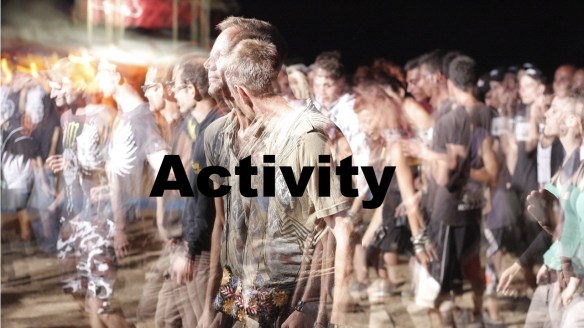
Activity.

Sunday Inspiration.     Post by David Joel Miller.

Activity.

Activity.
Photo courtesy of Pixabay.com

Activity.

“Happiness is a state of activity.”

― Aristotle

“It is more important to know where you are going than to get there quickly. Do not mistake activity for achievement.”

― Isocrates

“Many of us feel alone and assaulted by the meaninglessness of what we are doing. But, at such times, we are doing; the problem is not a lack of activity with a point, but rather questions about the point of the activity.”

― Carolyn G. Heilbrun, The Last Gift of Time: Life Beyond Sixty

Wanted to share some inspirational quotes with you.  Today seemed like a good time to do this. If any of these quotes strike a chord with you, please share them.

Look at these related posts for more on this topic and other feelings.

Emotions and Feelings.

Inspiration

Enthusiasm.

Sunday Inspiration.     Post by David Joel Miller.

Enthusiasm.

Enthusiasm.
Photo courtesy of Pixabay.com

Enthusiasm.

“It’s faith in something and enthusiasm for something that makes a life worth living.”

― Oliver Wendell Holmes Sr.

“Enthusiasm spells the difference between mediocrity and accomplishment.”

― Norman Vincent Peale

“Today is life – the only life you are sure of. Make the most of today. Get interested in something. Shake yourself awake. Develop a hobby. Let the winds of enthusiasm sweep through you. Live today with gusto”

― Dale Carnegie

Wanted to share some inspirational quotes with you.  Today seemed like a good time to do this. If any of these quotes strike a chord with you, please share them.

Look at these related posts for more on this topic and other feelings.

Emotions and Feelings.

Inspiration

Change.

Sunday Inspiration.     Post by David Joel Miller.

Change

Change.
Photo courtesy of Pixabay.com

Change.

“Be the change that you wish to see in the world.”

― Mahatma Gandhi

“Everyone thinks of changing the world, but no one thinks of changing himself.”

― Leo Tolstoy

“Education is the most powerful weapon which you can use to change the world.”

― Nelson Mandela

Wanted to share some inspirational quotes with you.  Today seemed like a good time to do this. If any of these quotes strike a chord with you, please share them.

Look at these related posts for more on this topic and other feelings.

Emotions and Feelings.

Inspiration

Connection.

Sunday Inspiration.     Post by David Joel Miller.

Connection.

Connection.
Photo courtesy of Pixabay.com

Connection.

“We cannot live only for ourselves. A thousand fibers connect us with our fellow men; and among those fibers, as sympathetic threads, our actions run as causes, and they come back to us as effects.”

― Herman Melville

“We are like islands in the sea, separate on the surface but connected in the deep.”

― William James

“It really boils down to this: that all life is interrelated. We are all caught in an inescapable network of mutuality, tied into a single garment of destiny. Whatever affects one destiny, affects all indirectly.”

― Martin Luther King Jr.

Wanted to share some inspirational quotes with you.  Today seemed like a good time to do this. If any of these quotes strike a chord with you, please share them.

Look at these related posts for more on this topic and other feelings.

Emotions and Feelings.

Inspiration

Acceptance.

Sunday Inspiration.     Post by David Joel Miller.

Acceptance

Acceptance.
Photo courtesy of Pixabay.com

Acceptance

“Life is a series of natural and spontaneous changes. Don’t resist them; that only creates sorrow. Let reality be reality. Let things flow naturally forward in whatever way they like.”

― Lao Tzu

“Understanding is the first step to acceptance, and only with acceptance can there be recovery.”

― J.K. Rowling, Harry Potter and the Goblet of Fire

“For after all, the best thing one can do when it is raining is let it rain.”

― Henry Wadsworth Longfellow

Wanted to share some inspirational quotes with you.  Today seemed like a good time to do this. If any of these quotes strike a chord with you, please share them.

Look at these related posts for more on this topic and other feelings.

Emotions and Feelings.

Inspiration

Freedom.

Sunday Inspiration.     Post by David Joel Miller.

Freedom.

Freedom.
Photo courtesy of Pixabay.com

Freedom.

“Those who deny freedom to others, deserve it not for themselves”

― Abraham Lincoln, Complete Works – Volume XII

“Most people do not really want freedom, because freedom involves responsibility, and most people are frightened of responsibility.”

― Sigmund Freud, Civilization and Its Discontents

“He who has overcome his fears will truly be free.”

― Aristotle

“For to be free is not merely to cast off one’s chains, but to live in a way that respects and enhances the freedom of others.”

― Nelson Mandela

Wanted to share some inspirational quotes with you.  Today seemed like a good time to do this. If any of these quotes strike a chord with you, please share them.

Look at these related posts for more on this topic and other feelings.

Emotions and Feelings.

Inspiration

Trust.

Sunday Inspiration.     Post by David Joel Miller.

Trust sign.

Trust.
Photo courtesy of Pixabay.com

Trust

“Love all, trust a few, do wrong to none.”

― William Shakespeare, All’s Well That Ends Well

“The best way to find out if you can trust somebody is to trust them.”

― Ernest Hemingway

“Trust thyself: every heart vibrates to that iron string.”

― Ralph Waldo Emerson, Self-Reliance

“It is more shameful to distrust our friends than to be deceived by them.”

― Confucius

Wanted to share some inspirational quotes with you.  Today seemed like a good time to do this. If any of these quotes strike a chord with you, please share them.

Look at these related posts for more on this topic and other feelings.

Emotions and Feelings.

Inspiration

Trust