
Learning to love yourself.

By David Joel Miller, MS, Licensed Therapist & Licensed Counselor.

Feeling of love

Learning to love yourself.
Photo courtesy of Pixabay.com

If you do not like yourself you make it hard for others to like you.

During the growing up process, you can accumulate a lot of negative attitudes towards yourself. Someone told you that you were less-than or not worthwhile and you may well have believed them. An important part of recovery is learning to like and eventually to love you.

Developing a healthy respect and appreciation for yourself does not mean that you get conceited. It does mean that this relationship you will have with yourself needs to be positive.

You will spend more time with you than with anyone else on earth. Wherever on earth, you go, when you sleep, you will wake up with you. Learning to like you is an important skill.

Work on being your own best friend and start treating yourself the way you would want your friends to treat you.

Here are some tips for becoming that best friend and learning to like you.

Make time to be with you.

Do not consider time alone downtime and go frantically searching for someone to be with or something to do. Learn to enjoy your own company. Take a walk, read a book, or just sit mindfully and meditate on nothing in particular. Enjoying your solitude can make interacting more enjoyable also.

Treat yourself the way you would want to be treated.

Do not abuse yourself physically or mentally. Do not call yourself names. Nurture yourself.  Ask yourself if you would treat your best friend this way. If the answer is no, don’t do that to yourself either.

Ask yourself questions and write those answers down.

When you first meet a new person you ask them lots of questions. Make up a list of the things you might ask a new acquaintance and then think about how you would answer those questions. Write the answers down and periodically look over those statements.

Explore who you are and how you became that person. For some, the best way to get reacquainted with themselves is to write out their autobiography. You do not need to have lived an extraordinary life to have had some extraordinarily interesting experiences. What are some of your life experiences? Where were you when an event in history happened? How did you feel when you heard about an important event?

Compliment yourself – recognize your achievements.

Make sure to give yourself compliments. Learn to recognize when you do something worthwhile and you will be less compliment starved when you are around others.

Knowing a list of the things you have done well can help offset those self-doubts that your life has not been enough and you have not done great enough things.

Inventory the ways you feel loved and then practice these things.

What things do others do for you that make you feel valued and loved? Practice doing these things for yourself. Becoming more self-loving opens up a place for you to express love and positive feelings for others.

Monitor your feelings and take action when needed.

Your feelings are just as valid and important as anyone else’s. Respect and honor those feelings. If you find yourself having an unexpected feeling find out what that is about.

Feelings and intuition can be powerful voices for good if you will just learn to listen to them.

Make meeting your needs a priority.

Getting your needs met should not be an afterthought. Learn to make your needs a priority.

Believe that you deserve to be loved and no one can do this better than you.

Work on experiencing love and on having plenty of it.

Take yourself on a date.

Do something nice for yourself. Travel; go to a movie or dinner alone. Do not look at this as being lonely but as carving out some time to be fully present with yourself.

Keep a list of the things you have accomplished in your life – no discounting.

Write down all the things you have accomplished in your life. Did you play a tree in the Second-grade play, write this down. Do not dismiss this as only a second-grade play. This was an accomplishment for the second grade you. Add up all those achievements and pull out that list for another look during times when you doubt yourself.

Keep a blessing or gratitude list.

Stop thinking that only the things others have matter and you don’t matter. Tell yourself that you have things others only dream of. Do you have a house? Do you have running water and electricity, even if it is just some of the time, this is more than some people have.

Has anyone ever loved you? Have you ever loved someone else? Be grateful for those experiences even if they had to end. Write this list of gratitude’s out and keep adding to it.

Love without strings – unconditionally.

Love as many people as you can as much as you can. Love does not mean being the victim. That is not love, it is bondage. Have you ever had a pet that loved you unconditionally? Look to this memory for a model of what unconditional love should look like.

Forgive yourself daily.

You may or may not be able to forgive others but make self-forgiveness a priority. We all live, we all make mistakes. Accept that this is part of being human and so is forgiving you.

Staying connected with David Joel Miller

Seven David Joel Miller Books are available now!

My newest book is now available. It was my opportunity to try on a new genre. I’ve been working on this book for several years, but now seem like the right time to publish it.

Story Bureau.

Story Bureau is a thrilling Dystopian Post-Apocalyptic adventure in the Surviving the Apocalypse series.

Baldwin struggles to survive life in a post-apocalyptic world where the government controls everything.

As society collapses and his family gets plunged into poverty, Baldwin takes a job in the capital city, working for a government agency called the Story Bureau. He discovers the Story Bureau is not a benign news outlet but a sinister government plot to manipulate society.

Bumps on the Road of Life. Whether you struggle with anxiety, depression, low motivation, or addiction, you can recover. Bumps on the Road of Life is the story of how people get off track and how to get your life out of the ditch.

Dark Family Secrets: Doris wants to get her life back, but small-town prejudice could shatter her dreams.

Casino Robbery Arthur Mitchell escapes the trauma of watching his girlfriend die. But the killers know he’s a witness and want him dead.

Planned Accidents  The second Arthur Mitchell and Plutus mystery.

Letters from the Dead: The third in the Arthur Mitchell mystery series.

What would you do if you found a letter to a detective describing a crime and you knew the writer and detective were dead, and you could be next?

Sasquatch. Three things about us, you should know. One, we have seen the past. Two, we’re trapped there. Three, I don’t know if we’ll ever get back to our own time.

For these and my upcoming books; please visit my Author Page – David Joel Miller

Want the latest blog posts as they publish? Subscribe to this blog.

For videos, see: Counselorssoapbox YouTube Video Channel

Ways to overcome shyness.

By David Joel Miller, MS, Licensed Therapist & Licensed Counselor.

Shy Person

Shyness.
Photo courtesy of Pixabay.com

Here are some suggestions to get past your shyness.

Shyness can keep you on the sidelines and out of life. Some people have been shy since early childhood and others are only shy in certain social situations. Whatever your personal issues with meeting or being around others these tips can help you get past that shyness and get into a fuller, richer life.

Some people have been shy since early childhood and others are only shy in certain social situations.

Whatever your personal issues with meeting or being around others these tips can help you get past that shyness and get into a fuller, richer life.

1. Positive self-talk – keep telling yourself you can.

Keep telling yourself that you can do this. Have a personal mantra or affirmation that helps you keep your fears at bay and maintains your focus on meeting others and making new friends. Repeat the self-affirmation silently to yourself. Concentration on your coping slogan takes your mind away from your fears.

Remember the children’s story about the train engine that kept saying it could. When you are repeating positive thoughts there is less room for self-doubt.

2. Slip into character.

Some performers, actors, musicians, and even public speakers, are shy people in their personal life. But when they get on stage they think of themselves as filling that role. When you think of yourself as a “rock star” there is no room for shyness.

Create a person for yourself. Become the leader of the group, the den mother, or some other role. When you realize that you are here to represent something it is easier to get into that role and be that outgoing extrovert. Pretend to be extroverted a few times and you will find yourself being transformed from shy to confident.

3. Take a friend along.

A friend is reassuring. You can introduce them and they introduce you. Having someone there as a cheerleader can give the confidence to tackle challenges you might otherwise find impossible.

Two people challenging their fears may be just the strength you have been needing to take that step towards being more outgoing.

4. Play to your strengths.

Engage in activities that make you feel comfortable. Do you like to garden? Join a garden society and you will have like-minded others to talk with. Like to read? Join a book club.

Make it a point to attend activities that you enjoy and feel good about engaging in.

5. Do your homework.

Going somewhere new? Try to learn something about the people you will be meeting and their interests. Attending a charity function? Look up the charity and see what they do and who the leaders of the group are.

Knowing a little about your host’s interest or the place you are going helps you feel more confident in conversation.

6. Ask lots of questions.

Feel embarrassed when talking about yourself? Ask the other people lots of questions about themselves. Most people are delighted to talk about themselves and if you give them the chance they will carry most of the conversation. Once the conversation ball starts to roll you can add value to the conversation as the chances present themselves.

7. Make technology your friend.

Stay connected in between face-to-face meetings by emailing or texting. With email, you get extra time to think about what you want to say and to proofread to get your message right.

Give yourself time to compose your reply. You are not required to engage in Ping-Pong emails.

8. Put your hand out and introduce yourself.

A simple Hi my name is — will go a long way towards breaking the ice. Be the first one to say hi and you will become the sought-after friend of others.

There are 8 short ideas to help you overcome your shyness in positive ways without having to resort to drugs, alcohol, or other negative behaviors. Which one of these suggestions will you try first?  Have you found other ways to overcome your shyness?

Staying connected with David Joel Miller

Seven David Joel Miller Books are available now!

My newest book is now available. It was my opportunity to try on a new genre. I’ve been working on this book for several years, but now seem like the right time to publish it.

Story Bureau.

Story Bureau is a thrilling Dystopian Post-Apocalyptic adventure in the Surviving the Apocalypse series.

Baldwin struggles to survive life in a post-apocalyptic world where the government controls everything.

As society collapses and his family gets plunged into poverty, Baldwin takes a job in the capital city, working for a government agency called the Story Bureau. He discovers the Story Bureau is not a benign news outlet but a sinister government plot to manipulate society.

Bumps on the Road of Life. Whether you struggle with anxiety, depression, low motivation, or addiction, you can recover. Bumps on the Road of Life is the story of how people get off track and how to get your life out of the ditch.

Dark Family Secrets: Doris wants to get her life back, but small-town prejudice could shatter her dreams.

Casino Robbery Arthur Mitchell escapes the trauma of watching his girlfriend die. But the killers know he’s a witness and want him dead.

Planned Accidents  The second Arthur Mitchell and Plutus mystery.

Letters from the Dead: The third in the Arthur Mitchell mystery series.

What would you do if you found a letter to a detective describing a crime and you knew the writer and detective were dead, and you could be next?

Sasquatch. Three things about us, you should know. One, we have seen the past. Two, we’re trapped there. Three, I don’t know if we’ll ever get back to our own time.

For these and my upcoming books; please visit my Author Page – David Joel Miller

Want the latest blog posts as they publish? Subscribe to this blog.

For videos, see: Counselorssoapbox YouTube Video Channel

Adult problems have been with you from childhood

By David Joel Miller, MS, Licensed Therapist & Licensed Counselor.

Crying child

Youth mental health.
Photo courtesy of Pixabay.com

You grew up – your problems didn’t.

Most adult problems are lessons you learned between 8 and 18 that you learned incorrectly or are no longer true.

If you got it wrong back then and are still holding on to those unhelpful beliefs about yourself and others, you are headed for a painful adulthood.

I think of this process as like trying to memorize the blueprints for a house and then, thinking you have them committed to memory, you toss those blueprints away. A year goes by, then more years, and now you start trying to build that house. What happens if you forgot a line or two? What if you build something where it shouldn’t be and leave something else out?

A very large number of adult problems, the kind of serious, painful things that bring people to therapy, are the result of things that you learned in childhood which are no longer true or helpful.

Some of those things are painful experiences that left scars, but a whole lot of other things are beliefs that you stored away in your brain, the result of those life experiences. You have been carrying around those beliefs about how life worked since you were small and you keep trying to make your adult life work using those rules you learned back then.

If you grew up in a negative hostile environment you may find it hard to relax and feel safe even when as an adult you have moved to a very safe location. If you came to believe that an adult’s bad moods were your fault you may be spending all your adult life trying to “make” people feel good.

Teased or Bullied?

If you were teased as a child, you may have come to believe the things others said to you. People called you fat and you have been worried about your weight ever since. You may even have stopped caring for your health because you formed this image of yourself that you were a “fat person.” As a result of this image you, somewhere along the line, stopped trying to live a healthy lifestyle.

Plenty of adults believe that they are “stupid” or incompetent because they were told they were slow so much that they adopted that as part of their persona. You may be used to thinking of yourself as the unpopular one that no one likes, long after the popular crowd from school has disappeared into the pages of old yearbooks.

You may have had problems and found that drugs, alcohol, sex, or gambling helped you feel better about yourself, at least temporarily. As a result of using negative coping tools, you came to believe that you could not do things without those harmful tools. You went from leaning on a crutch to believing you could not walk without that prop.

Part of recovery, from whatever challenge you are struggling with, is to take a fresh look at yourself and decide if all those lessons you learned back when you were small are still true today. Plenty of adult learners have discovered that they were a lot smarter and more capable than they thought.

A very large part of learning is interest. If you like something you can learn it. If you become discouraged and believe that you will never “get” a particular subject you make it so. Having been told you were not “good” at something you may have lost interest and given up before you ever learned how to do that skill.

Making friends, paying attention, and having self-confidence, those are all skills people have to learn. If you concluded you had no aptitude for something or could never do something your belief learned as a child has created that situation.

The good thing about having learned things as a child is – if those beliefs or behaviors are no longer working for you, if your head is full of unhelpful beliefs, you can change those beliefs. What you learned back as a child you can unlearn. Those unhelpful beliefs about yourself can be modified.

Whenever you find yourself having unhealthy thoughts, ask yourself where those thoughts came from? Is this something you are sure about or could you have learned this part of your happy life blueprint incorrectly and by learning a new skill could you change the way things are now in your present?

You might want to take a look at a past post: Why can’t we forget the painful past?

Coming up soon is a post on how to close the door on your past and stop those old experiences from continuing to govern your present and future.

Staying connected with David Joel Miller

Seven David Joel Miller Books are available now!

My newest book is now available. It was my opportunity to try on a new genre. I’ve been working on this book for several years, but now seem like the right time to publish it.

Story Bureau.

Story Bureau is a thrilling Dystopian Post-Apocalyptic adventure in the Surviving the Apocalypse series.

Baldwin struggles to survive life in a post-apocalyptic world where the government controls everything.

As society collapses and his family gets plunged into poverty, Baldwin takes a job in the capital city, working for a government agency called the Story Bureau. He discovers the Story Bureau is not a benign news outlet but a sinister government plot to manipulate society.

Bumps on the Road of Life. Whether you struggle with anxiety, depression, low motivation, or addiction, you can recover. Bumps on the Road of Life is the story of how people get off track and how to get your life out of the ditch.

Dark Family Secrets: Doris wants to get her life back, but small-town prejudice could shatter her dreams.

Casino Robbery Arthur Mitchell escapes the trauma of watching his girlfriend die. But the killers know he’s a witness and want him dead.

Planned Accidents  The second Arthur Mitchell and Plutus mystery.

Letters from the Dead: The third in the Arthur Mitchell mystery series.

What would you do if you found a letter to a detective describing a crime and you knew the writer and detective were dead, and you could be next?

Sasquatch. Three things about us, you should know. One, we have seen the past. Two, we’re trapped there. Three, I don’t know if we’ll ever get back to our own time.

For these and my upcoming books; please visit my Author Page – David Joel Miller

Want the latest blog posts as they publish? Subscribe to this blog.

For videos, see: Counselorssoapbox YouTube Video Channel

How to cure low self-esteem – 19 ways to higher self esteem

By David Joel Miller, MS, Licensed Therapist & Licensed Counselor.

Believe in you.

Self-Esteem.
Photo courtesy of Pixabay.com

Ways to boost your self-esteem.

Don’t feel good about yourself? Here are some ways to solve the low self-esteem problem.

1. Stop putting yourself down – negative self-talk causes low self-esteem

If you tell yourself you can’t then you won’t. Telling yourself negative things will keep you stuck. Putting yourself down will not protect you from failure it will protect you from success.

Continued self-criticism is the surest way to lower your self-esteem. Don’t do that to you and don’t put up with others doing it either. Don’t repeat the negative things you have been told to yourself.

2. Do something.

High self-esteem is based on what you accomplish. The more you try, the more you learn how to do things. The more you do the more you will accomplish and the more you have to make you feel good about your life. Make sure you tally up the successes, not just the errors.

3. Stop rating yourself.

Accept yourself as you are. The process of rating yourself points out where you are less than perfect. No one is perfect. There is always room for growth and improvement.

Remember that half-empty glass. Concentrate on doing, not measuring, and you will find that you will have less need of boosts to your self-esteem.

4. Stop discounting the positive.

Learn to give yourself credit for the things you do well. Practice accepting praise and compliments from others. If you do not count your successes then the tally will be only failure.

5. Write out a gratitude list.

Knowing the things that make your life good, paying attention to those things can help you to feel better about yourself.

6. Don’t listen to the haters.

There are plenty of haters in the world who need to pull you down to feel good about themselves. There are those evil trolls under every bridge. Do not listen to them. Do not believe them. Do not waste time on them.

Arguing with haters brings you nothing but pain. Sinking to their level can only destroy your self-confidence.

7. What would your best friend say about you?

Don’t dismiss the things your real friends and loving family might say about you. They know your good and your bad and they like you anyway. What are the good things they see in you? Not sure? Ask them what they see as your skills and abilities. You may be surprised to find how much others think of you while you have been thinking you are coming up short.

Don’t have family or friends that would see the good in you? Work on developing a positive support system.

8. Watch who you are comparing yourself to – looking over your shoulder.

Focus on what you are doing. Constantly comparing yourself to others will cause you to become discouraged. No one wins all the time. Do not compare your everyday life to someone else’s lifetime achievement.

9. Start over each day – past successes and failures do not count today.

Stop beating yourself up for the mistake of yesterday. Each day you start out fresh. Do your best to make today better than the day before.

10. Pick friends that support you.

Surround yourself with people who like you the way you are and will support you. Being surrounded by people who like you is a great way to boost your confidence.

11. Look for the evidence – are you really stupid?

Do not discount all the evidence that you are a worthwhile person. If you only count up the negatives you miss all the evidence that you are a person of value. Not enough evidence that you are accomplishing things? Do more, not less, and you are likely to do some worthwhile things.

12. Avoid emotional reasoning.

If you are sad that does not mean things are going poorly. Just because you feel down right now does not make you a failure. We can all have times when we are discouraged. Being discouraged means you need to take another look at what you are doing. It does not mean that you are not a worthwhile person.

13. Compliment others.

Get in the habit of noticing the good in others. Tell them what you like about them. Cultivate a positive good-seeing vision and you will be more able to see the good in yourself.

14. Accept compliments.

Do not dismiss compliments. You know when people are sincere and when they are buttering you up. Being able to accept compliments and say thank you helps you to feel good about yourself. Stop chasing the positive away from your door.

15. Tell yourself you can – positive affirmations.

Start out each day by saying good things, positive affirmations, and your brain will work on making them come true.

Restart your day at any time by telling yourself that this is a good day. You are a worthwhile person and you do not need to do or say anything to be acceptable.

16. Have a successes resume.

It is easy to remember failures and harder to remember successes. Make up a list of the things you do well. Write them down. Review that list periodically and add to it. You will be surprised how many things should be on that list that you may forget otherwise.

17. Do things.

The more you do the better you will feel about yourself. Do things for the sake of doing not for the success points. The more you do the better you will feel.

18. Play your own game, not the old family role.

Families have roles. You may have been handed the “stupid” hat or the “black sheep” hat when you were born. You can change that role. Stop living down to the things others tell you and the names you may have been called. Stop saying you are stupid or bad and try on a new role. You just might like the “OK person” role.

19. Stop keeping score all the time.

Life only happens for so long and then it is over. A hundred years from now no one will remember your mistakes. Life is about having the experience, not the score. Enjoy the trip.

Really your worth as a person does not depend on your algebra test score or your golf score.

There are my suggestions – 19 ways to cure low self-esteem. Most involving putting away the tape measure and accepting yourself the way you are. Do you have any other suggestions? What has helped you to feel good about yourself and the things you do?

Staying connected with David Joel Miller

Seven David Joel Miller Books are available now!

My newest book is now available. It was my opportunity to try on a new genre. I’ve been working on this book for several years, but now seem like the right time to publish it.

Story Bureau.

Story Bureau is a thrilling Dystopian Post-Apocalyptic adventure in the Surviving the Apocalypse series.

Baldwin struggles to survive life in a post-apocalyptic world where the government controls everything.

As society collapses and his family gets plunged into poverty, Baldwin takes a job in the capital city, working for a government agency called the Story Bureau. He discovers the Story Bureau is not a benign news outlet but a sinister government plot to manipulate society.

Bumps on the Road of Life. Whether you struggle with anxiety, depression, low motivation, or addiction, you can recover. Bumps on the Road of Life is the story of how people get off track and how to get your life out of the ditch.

Dark Family Secrets: Doris wants to get her life back, but small-town prejudice could shatter her dreams.

Casino Robbery Arthur Mitchell escapes the trauma of watching his girlfriend die. But the killers know he’s a witness and want him dead.

Planned Accidents  The second Arthur Mitchell and Plutus mystery.

Letters from the Dead: The third in the Arthur Mitchell mystery series.

What would you do if you found a letter to a detective describing a crime and you knew the writer and detective were dead, and you could be next?

Sasquatch. Three things about us, you should know. One, we have seen the past. Two, we’re trapped there. Three, I don’t know if we’ll ever get back to our own time.

For these and my upcoming books; please visit my Author Page – David Joel Miller

Want the latest blog posts as they publish? Subscribe to this blog.

For videos, see: Counselorssoapbox YouTube Video Channel
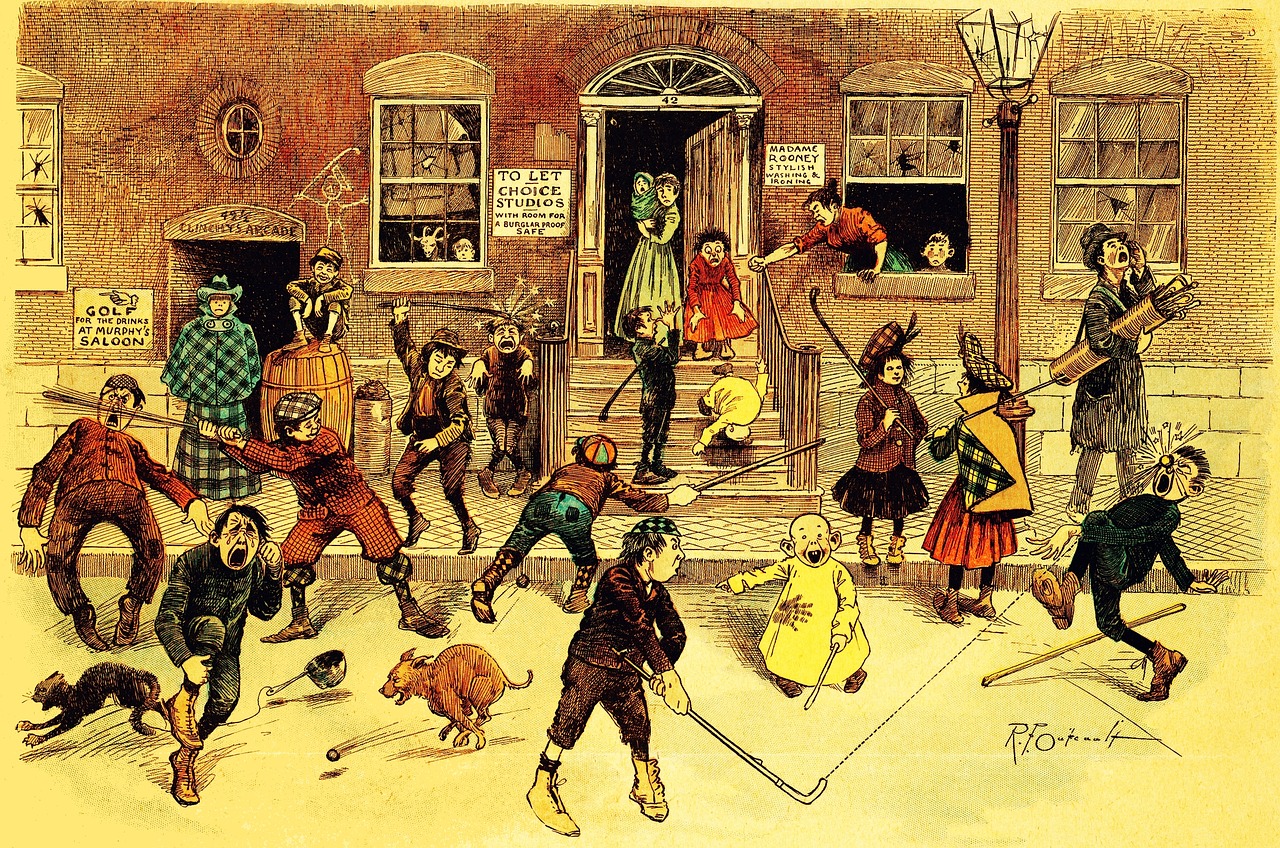
12 ways you are self-sabotaging.

By David Joel Miller, MS, Licensed Therapist & Licensed Counselor.

Comment

Bad neighborhood.
Photo courtesy of Pixabay.com

How many of these self-sabotaging things do you do?

1. Hold onto the past.

Most people know they have baggage, resentments left over from the past. You can choose to hold onto those resentments as a justification for your failures or you can decide to toss those bags, unpack that baggage and lighten your load. You can’t change the past but you can stop letting it dictate the future. Put those old hurts in the coffin and bury them.

2. Unfinished business.

You should have been something, you were supposed to get something but it never happened. You can stay hung up on those failures or you can finish off that leftover business. Didn’t get to finish that schooling you wanted, go back no matter what the age and finish up. That or decide that even if you had that education you never finished it would not be helping you today.

Those first loves that got away, those were fairy tales. Those people who bullied you or rejected you are long gone. Resolve what you can and let the rest go. Continuing to brood over the unfinished business of the past keeps you from living the life of today.

3. Lie to yourself.

Do you have lies you tell yourself so often that you have started to believe them? You have to do this and you can’t do that. If you tell yourself so you make it true. You can make up excuses for your setbacks and failures that only you believe. Blaming others for your troubles may feel good now but it does not change anything. Blaming others keeps you stuck. Take responsibility for what you can do and move forward.

Of all the people you need to get honest with, getting honest with yourself is the most important one.

4. Wreckage – Clean up your messes.

If you have wreckage get it cleaned up. People often have unpaid fines or tickets. Bills that are still due and relationships that ended in disaster. Whenever possible clean up that wreckage. Do what you can to get those old debts, financial, and emotional cleaned up so that you do not have to continue to pay on them well into your recovered life.

5. Hold on to harmful and hurtful people.

Are there people in your life that are harmful or hurtful but you just can’t seem to give them up? Just because they were there when you were down, does not mean you need to stay down with them. True friends will want to see you succeed. If you have to hold yourself back and be less than the person you were meant to be because of someone in your life these are not healthy relationships and they are not true friends.

6. Try to be perfect.

Perfectionism is the enemy of getting things done. You can tell yourself you never will be perfect and that excuses not trying at all. You miss out on all the things you never try. Students find that the pursuit of all A’s may keep them from graduating. If you insist on being perfect or not doing things at all you will keep quitting things that could have benefited you.

Do your best and call that good enough.

7. Doing nothing.

Doing nothing is a sure way to fail. Trying to be perfect is one way of alibiing your lack of effort. There are lots of other ways you can talk yourself out of ever trying.

The process of building a happy life begins with those first small steps. Get moving and the momentum will build.

8. Looking for happiness in all the wrong places – drugs – sex.

In the beginning, these crutches seem like ways to get by. You use drugs, alcohol, or other addictions to try to be enough. Eventually, those addictions become all you can be. Do not get fooled by an illusion that more of an addiction will cure the emptiness inside.

9. Thinking money will buy happiness.

Money buys things. Having some things is better than having nothing. Things alone will never make you happy. Too many things will bury you. Make sure that in your pursuit of money you do not leave family, friends, and your true self behind.

10. Beat yourself up.

There is no evidence, that I have seen, that beating yourself up makes you try harder. Love yourself and do your best. Be kind to yourself. Find the good in you and in others. Constantly reliving your failures keeps you stuck in failure.

11. Thinking you can control everything – worrying about things outside your control.

Most things in life are out of your control. You can’t make it rain. We have little control of the weather, who will get sick, and a host of other things. Rather than fussing and worrying about things that are far beyond your control put your efforts into the things that you may be able to influence, that will mostly be your actions and your attitude. Catch your children and yourself doing things right and give yourself credit for the things you do well.

12. Do not accept credit for things done well.

Is it hard to accept a compliment? Do you find you can’t please yourself? Learn to give yourself credit for things well done. Be ready to give and receive compliments.

Compliments are an antidote for that feeling of failure that can creep in when all you ever hear and think is the things that you have been able to do in a less than perfect way.

How many of these 12 self-sabotaging practices do you use? Creating that happy recovered life may be largely a matter of discontinuing these self-defeating behaviors.

Staying connected with David Joel Miller

Seven David Joel Miller Books are available now!

My newest book is now available. It was my opportunity to try on a new genre. I’ve been working on this book for several years, but now seem like the right time to publish it.

Story Bureau.

Story Bureau is a thrilling Dystopian Post-Apocalyptic adventure in the Surviving the Apocalypse series.

Baldwin struggles to survive life in a post-apocalyptic world where the government controls everything.

As society collapses and his family gets plunged into poverty, Baldwin takes a job in the capital city, working for a government agency called the Story Bureau. He discovers the Story Bureau is not a benign news outlet but a sinister government plot to manipulate society.

Bumps on the Road of Life. Whether you struggle with anxiety, depression, low motivation, or addiction, you can recover. Bumps on the Road of Life is the story of how people get off track and how to get your life out of the ditch.

Dark Family Secrets: Doris wants to get her life back, but small-town prejudice could shatter her dreams.

Casino Robbery Arthur Mitchell escapes the trauma of watching his girlfriend die. But the killers know he’s a witness and want him dead.

Planned Accidents  The second Arthur Mitchell and Plutus mystery.

Letters from the Dead: The third in the Arthur Mitchell mystery series.

What would you do if you found a letter to a detective describing a crime and you knew the writer and detective were dead, and you could be next?

Sasquatch. Three things about us, you should know. One, we have seen the past. Two, we’re trapped there. Three, I don’t know if we’ll ever get back to our own time.

For these and my upcoming books; please visit my Author Page – David Joel Miller

Want the latest blog posts as they publish? Subscribe to this blog.

For videos, see: Counselorssoapbox YouTube Video Channel

Can’t accept compliments?

By David Joel Miller, MS, Licensed Therapist & Licensed Counselor.

gift

Compliments are like gifts.
Photo courtesy of Pixabay.com

There may be reasons why you find it hard to accept compliments.

If you find it hard to accept compliments there may well be two principle reasons why you just do not believe people when they give you one. There may be something suspicious about the person giving the compliment or it may be about you.

Do you wish you could believe a “good job” well done or ever just congratulations? Were you taught you were supposed to be perfect?

Were you taught you didn’t deserve a compliment?

If you grew up in a non-affirming home, if you were constantly criticized, you may have developed “low self-esteem.” Low self-esteem stems mostly from excessive judging of one’s self. People who are criticized but never given praise can begin to think that their worth depends on them getting everything right. They need to be perfect.

Since we know that we are not perfect we can easily dismiss praise believing that this can’t be true. People with low self-esteem have difficulty giving themselves credit for things done well. The result is they never believe praise when they get it.

Compliments make you feel attacked.

The only time some people remember hearing a compliment was those back-handed sarcastic kinds. From an early age, you may have learned that what might at first glance sound like a compliment was, in fact, a disguised attack. This will leave a legacy of making you distrust all the compliments you receive.

Too many compliments don’t feel genuine.

People who hand out compliments freely, complimenting others even when there is no reason to hand one out make us all suspicious. Flatters know that if they can spread around the compliments, butter you up, if you will, then they will have less difficulty slipping something by you.

Researchers find that most of us find it easier to take a compliment from someone who also occasionally points out a fault. If the other person sees your mistakes but gives you a compliment anyway it is much easier to believe that they are being honest in both rather than strewing compliments in your way in an effort to manipulate you.

Give yourself credit when you deserve it.

The first step in being able to accept compliments from others is beginning to give yourself credit and not dismiss your own accomplishments. Once you can accept your own opinion that you have accomplished something it becomes easier to accept other’s compliments.

If you are dependent on others for that feeling of “well done”, you may never get enough sincere praise to meet that need and may always distrust other’s positive statements about you.

So if you find it hard to take a compliment, consider what a real true friend might say about you and begin to acknowledge to yourself when you do something correctly. Give yourself compliments and they will feel natural when offered by others.

When someone does offer you a compliment accept it with a simple “thanks.” No need to belittle the compliment with a statement like “it was no big deal.”

Watch others behaving and try to give out sincere compliments when others do something worth praising.

Keep practicing and soon you will be giving and receiving compliments because you know you and others are worth it.

Staying connected with David Joel Miller

Seven David Joel Miller Books are available now!

My newest book is now available. It was my opportunity to try on a new genre. I’ve been working on this book for several years, but now seem like the right time to publish it.

Story Bureau.

Story Bureau is a thrilling Dystopian Post-Apocalyptic adventure in the Surviving the Apocalypse series.

Baldwin struggles to survive life in a post-apocalyptic world where the government controls everything.

As society collapses and his family gets plunged into poverty, Baldwin takes a job in the capital city, working for a government agency called the Story Bureau. He discovers the Story Bureau is not a benign news outlet but a sinister government plot to manipulate society.

Bumps on the Road of Life. Whether you struggle with anxiety, depression, low motivation, or addiction, you can recover. Bumps on the Road of Life is the story of how people get off track and how to get your life out of the ditch.

Dark Family Secrets: Doris wants to get her life back, but small-town prejudice could shatter her dreams.

Casino Robbery Arthur Mitchell escapes the trauma of watching his girlfriend die. But the killers know he’s a witness and want him dead.

Planned Accidents  The second Arthur Mitchell and Plutus mystery.

Letters from the Dead: The third in the Arthur Mitchell mystery series.

What would you do if you found a letter to a detective describing a crime and you knew the writer and detective were dead, and you could be next?

Sasquatch. Three things about us, you should know. One, we have seen the past. Two, we’re trapped there. Three, I don’t know if we’ll ever get back to our own time.

For these and my upcoming books; please visit my Author Page – David Joel Miller

Want the latest blog posts as they publish? Subscribe to this blog.

For videos, see: Counselorssoapbox YouTube Video Channel

6 Ways to overcome low self-esteem

By David Joel Miller, MS, Licensed Therapist & Licensed Counselor.

Low Self-esteem

Low Self-esteem.
Photo courtesy of Pixabay.com

Want to feel better about yourself? Here are some ways.

The problem of low self-esteem is way more common than any problems resulting from feeling too good about yourself. My view is that this whole rating yourself thing is way overrated.

There are a great many ways to overcome your low self-esteem issues. Some of these methods are concrete and some are more global. There are things you can do and there are ways to change your thinking.

The simple ones are not always easy and the easy ways are not always simple.

The doing things are more specific but the being methods are more globally effective. Pick what works for you and see the results.

1. Work with a counselor or therapist.

Professionals are specifically trained in mental health issues and have all sorts of methods to help you. As you get more mentally healthy you should see a corresponding increase in your self-esteem.

Seeing a counselor does not mean you are “crazy.” The best athletes have coaches and there are some life problems that need a counselor. Most counselors are in the field because we like people. That liking is one of our “core conditions.” We call this “unconditional positive regard” which means I like my clients and have a belief that they can get better, do better, and have a happy life.

Would having someone who believes in you on your team help?

2. Learn a new skill.

Knowing that there is something that you are able to do is a huge boost in your self-confidence. Take a class on any subject you would enjoy and as you learn more about that topic you will find you are able to talk about that topic with others and you feel more confident.

This could be an academic class but I find many people prefer a non-graded class or activity. Learn a sport; take a cooking or yoga class or even something practical like a parenting education class.

The more skills you learn the better you will feel. And please do not fall into the trap of needing to be the best at everything so you can feel OK about yourself.

You do not need to become a master chef. You can aim for a “good enough” chef and just make something new that does not get people sick. You also do not need to be the parent of the year. There is such a thing as being a “good enough parent.” Be that good and your kids will think you are the best mom or dad ever.

3. Making more friends increases self-esteem.

Friends are often the result of shared activities. The “learn a new skill” above can help you meet new people and develop more friends. Consider also a church or other religious activities. It is nice to be around people who share your values. One caution. Do not turn your religious practice into another way to isolate and withdraw from anyone who is different from you.

Consider also making friends via volunteer work. Seek out chances to help in your community. You will make friends, help a cause, and feel better about yourself.

4. Become your own best friend.

So very many clients I see treat themselves in ways they would never let anyone else treat them. Stop beating yourself up. Learn to like yourself. In fact, learn to love yourself.

You make it difficult to like you any more than you like yourself. Think better of yourself and you will find that others around you treat you better. If they don’t catch on to this change in the rules, that from now on you are doing things to make yourself like you, then you need to get them out of your life or at least minimize their influence on your self-esteem.

5. Do an image breaking exercise.

This one came from Albert Ellis; it has been modified and used by lots of other people. He tells of having clients walk a banana through central park on a leash. Once you have done something that wild and crazy it is hard to take the day-to-day activities all that seriously.

Need to always be right and do the best at everything? Try taking a class you know you will fail. Once you failed one class and see that nothing life-threatening happened it becomes easier to take the risk of taking a class that you have a chance of passing and not feeling the pressure to be the best, perfect or you are no good. (That one is from Milton Ericsson by way of Haley.)

Remember every great person has failed at things. One writer (Joanna Penn) sums it up as “Fail early and often.” All writers have some pieces that get read and others that do not attract much attention. The more you try the more you will fail but the more you will also succeed.

Treasure those successes. It is way too easy to discount what you do right by thinking only of your faults. But remember to give yourself credit for the things you do well and keep on trying.

Someone said those who matter do not mind and those who mind do not matter. Do things to please yourself not others. Take credit for the good and if you get more things right than wrong you are at the head of the class.

One way to think of this is that most lawyers lose more cases than they win. There is at most one winner. More often both sides got less than they wanted and both think they lost.

For every person who is elected to office, scores, or more run for that office. Lots of people try and some few get there. Be one of the ones that keep trying and you will start to roll up the wins.

6. Stop rating yourself.

I left this one for last. Actually, this is the most powerful method. You are a worthwhile person just because you are you. Let all the rest go. Stop evaluating yourself and you will instantly feel just fine about what you do. This comes under the heading of radical acceptance in my book. (The one I live by not the ones I am writing.)

Hope those suggestions will help those of you who feel you have low self-esteem, anxiety, or depression to learn to improve the way you see yourself and to go on to have that happy life you deserve.

Staying connected with David Joel Miller

Seven David Joel Miller Books are available now!

My newest book is now available. It was my opportunity to try on a new genre. I’ve been working on this book for several years, but now seem like the right time to publish it.

Story Bureau.

Story Bureau is a thrilling Dystopian Post-Apocalyptic adventure in the Surviving the Apocalypse series.

Baldwin struggles to survive life in a post-apocalyptic world where the government controls everything.

As society collapses and his family gets plunged into poverty, Baldwin takes a job in the capital city, working for a government agency called the Story Bureau. He discovers the Story Bureau is not a benign news outlet but a sinister government plot to manipulate society.

Bumps on the Road of Life. Whether you struggle with anxiety, depression, low motivation, or addiction, you can recover. Bumps on the Road of Life is the story of how people get off track and how to get your life out of the ditch.

Dark Family Secrets: Doris wants to get her life back, but small-town prejudice could shatter her dreams.

Casino Robbery Arthur Mitchell escapes the trauma of watching his girlfriend die. But the killers know he’s a witness and want him dead.

Planned Accidents  The second Arthur Mitchell and Plutus mystery.

Letters from the Dead: The third in the Arthur Mitchell mystery series.

What would you do if you found a letter to a detective describing a crime and you knew the writer and detective were dead, and you could be next?

Sasquatch. Three things about us, you should know. One, we have seen the past. Two, we’re trapped there. Three, I don’t know if we’ll ever get back to our own time.

For these and my upcoming books; please visit my Author Page – David Joel Miller

Want the latest blog posts as they publish? Subscribe to this blog.

For videos, see: Counselorssoapbox YouTube Video Channel

What is low self-esteem? What causes low self-esteem?

By David Joel Miller, MS, Licensed Therapist & Licensed Counselor.

Low Self-esteem

Low Self-esteem.
Photo courtesy of Pixabay.com

Is self-esteem related to confidence?

Low self-esteem, despite all the talk we hear about it, is not a specific mental health diagnosis. Low self-esteem does co-exist with several mental health issues including depression and anxiety.

While it is hard to define precisely, it is easy to see in practice and if you have suffered from low self-esteem you know the devastating effects it can have on your life.

Definitions of self-esteem vary widely. The Dictionary definition includes such things as your confidence in your merit as an individual person.

Also contained in the concept of self-esteem are such things as self-confidence, self-respect, and problems solving abilities. In effect, self-esteem is all about your ability to cope with life.

There are many causes of low self-esteem but regardless of the cause low self-esteem can be overcome.

People with low self-esteem are frequently high in self-monitoring. They are constantly on the lookout for errors they might be making. The result of high self-monitoring is that we find what we are looking for if you expect to find yourself making mistakes and that is all you look for then you will come to believe that everything you do is wrong.

In extreme cases, people who over self-monitor, who never give themselves credit for things well done, become increasingly helpless and hopeless.

There is a major connection between low self-esteem and depression. Being depressed reduces your ability to do things you used to be able to do. One consequence of depression is reduced or low self-esteem. But the connection works in the opposite direction also. Having low self-esteem increases the probability that you will rate yourself harshly and one result of this over negative evaluation is to become depressed.

Depression is not the only mental health challenge that stems from harsh self-evaluation and low self-esteem. People who believe they are not able to do things and look for evidence become fearful that they will make mistakes. The beginning to expect others to have negative evaluations of them and they look for ways to avoid those negative evaluations.

Low self-esteem is a major cause of some anxiety disorders. But this excessive self-evaluation, this inability to give yourself credit for things you are able to do, can lead to other problems also.

One way a person with low self-esteem tries to protect themselves is to constantly check everything. They expect to do things wrong, they expect others to be negative about them as a result of their errors so they develop routines of constant checking of everything trying to prevent or correct the smallest of errors.

While not the only cause, low self-esteem, and overly harsh self-evaluation are causes of Obsessive-Compulsive Disorder symptoms. In extreme cases, this becomes Obsessive-Compulsive personality disorder.

A significant cause of low self-esteem is growing up in a non-affirming family. There was a time that parents were told that to praise the child would give them a “swelled head.” Many parents find it difficult to praise their children for things done right but are quick to fulfill their parental duties by pointing out the child’s flaws. The result is that the child only hears about the things they do wrong and begins to think that they are “wrong.” Believing that it is you that is at fault, not that you are unable to do something is a precipitator of much low self-esteem.

Even if your family did on occasion affirm you, failure to affirm yourself or having non-affirming friends can also create these symptoms. Being bullied, teased, or rejected, are reasons many children come to believe that there is something inherently wrong with them. The result is chronic low self-esteem.

One antidote for low self-esteem is high self-confidence. Being high in self-confidence is a cultural thing. Some cultures believe that to put yourself forward, to assert your ability to do things, is narcissistic and wrong. Our American culture often values those who are high in self-confidence, possibly even high in narcissistic tendencies. We accept sports heroes and politicians who brag about their abilities as long as they produce the results.

People with low self-esteem find it difficult to achieve in life. They expect to fail and so often do not try. The result is that if you do not attempt things you never achieve them. Low self-esteem is in this way self-perpetuating.

If you have low self-esteem you can learn to accept yourself and feel good about yourself. Raising your self-esteem does not put you at risk to be arrogant or have an excessive opinion of yourself. Increase your self-esteem or better yet stop judging yourself harshly and you may find that your anxiety and depression are reduced or eliminated. Get treatment for that depression or anxiety and you may find that you feel better about yourself and your life.

More to come in future posts on ways to reduce or eliminate the problem of low self-esteem.

Staying connected with David Joel Miller

Seven David Joel Miller Books are available now!

My newest book is now available. It was my opportunity to try on a new genre. I’ve been working on this book for several years, but now seem like the right time to publish it.

Story Bureau.

Story Bureau is a thrilling Dystopian Post-Apocalyptic adventure in the Surviving the Apocalypse series.

Baldwin struggles to survive life in a post-apocalyptic world where the government controls everything.

As society collapses and his family gets plunged into poverty, Baldwin takes a job in the capital city, working for a government agency called the Story Bureau. He discovers the Story Bureau is not a benign news outlet but a sinister government plot to manipulate society.

Bumps on the Road of Life. Whether you struggle with anxiety, depression, low motivation, or addiction, you can recover. Bumps on the Road of Life is the story of how people get off track and how to get your life out of the ditch.

Dark Family Secrets: Doris wants to get her life back, but small-town prejudice could shatter her dreams.

Casino Robbery Arthur Mitchell escapes the trauma of watching his girlfriend die. But the killers know he’s a witness and want him dead.

Planned Accidents  The second Arthur Mitchell and Plutus mystery.

Letters from the Dead: The third in the Arthur Mitchell mystery series.

What would you do if you found a letter to a detective describing a crime and you knew the writer and detective were dead, and you could be next?

Sasquatch. Three things about us, you should know. One, we have seen the past. Two, we’re trapped there. Three, I don’t know if we’ll ever get back to our own time.

For these and my upcoming books; please visit my Author Page – David Joel Miller

Want the latest blog posts as they publish? Subscribe to this blog.

For videos, see: Counselorssoapbox YouTube Video Channel

Why you want them to criticize you.

By David Joel Miller, MS, Licensed Therapist & Licensed Counselor.

president

Important people s day.
Photo courtesy of Pixabay.com

Do people criticize you? A little or a lot?

Having people criticize you may be a better thing than you think. I have concluded that having people out there criticizing me is a good thing much of the time.

I know that this idea that “being criticized is a good thing” will trouble some people. They are used to thinking that they need to be perfect all the time. So for them, any criticism is unsettling. We looked in a previous post at why being ordinary has its advantages and being original may get you in trouble.

Let’s look at how being criticized factors into success and happiness.

Did you know that we have a president here in America? Anyone know his name? Did someone in the last row say, President Obama? Do you ever hear anyone say anything bad about him? Does he get criticized?

Did he have to run against someone else to get that job? This may be trickier. Fewer people will remember that other candidate’s name. Try Mitt Romney?  Did anyone say anything bad about him? Did he get criticized?

Did both the major party candidates have to run against other people to get nominated? And did all those people get criticized? Being criticized must be part of being a politician.

Ever hear about that guy that lives near Rome Italy, in a place called the Vatican? What do they call him again? Oh, yeah “The Pope?” If you are a non-Catholic you may remember Pope John Paul II and not many other popes but you get my point.

Has anyone ever said anything bad about a pope? Do the leaders of the world’s religions ever get criticized?

So when you tell me that people should not criticize you, that you can’t take criticism, are you trying to tell me and yourself that you are more important or special than the Pope or the President?

Doesn’t it follow that people who do great things, who rise to high offices, they all get criticized? The only people who escape criticism most of the time are people who do nothing.

Are you willing to do things, valuable things, even if you get criticized?

One trainer who teaches marketing people how to be successful said one time that if no one is telling you that your prices are too high then your prices are too low. Even if you sell things below cost there are still people who would complain.

So consider that if you are not getting your fair share of criticism you just might not be doing enough of anything worthwhile for anyone to care enough to criticize you.

Is what you are doing important enough to get you criticized?

Staying connected with David Joel Miller

Seven David Joel Miller Books are available now!

My newest book is now available. It was my opportunity to try on a new genre. I’ve been working on this book for several years, but now seem like the right time to publish it.

Story Bureau.

Story Bureau is a thrilling Dystopian Post-Apocalyptic adventure in the Surviving the Apocalypse series.

Baldwin struggles to survive life in a post-apocalyptic world where the government controls everything.

As society collapses and his family gets plunged into poverty, Baldwin takes a job in the capital city, working for a government agency called the Story Bureau. He discovers the Story Bureau is not a benign news outlet but a sinister government plot to manipulate society.

Bumps on the Road of Life. Whether you struggle with anxiety, depression, low motivation, or addiction, you can recover. Bumps on the Road of Life is the story of how people get off track and how to get your life out of the ditch.

Dark Family Secrets: Doris wants to get her life back, but small-town prejudice could shatter her dreams.

Casino Robbery Arthur Mitchell escapes the trauma of watching his girlfriend die. But the killers know he’s a witness and want him dead.

Planned Accidents  The second Arthur Mitchell and Plutus mystery.

Letters from the Dead: The third in the Arthur Mitchell mystery series.

What would you do if you found a letter to a detective describing a crime and you knew the writer and detective were dead, and you could be next?

Sasquatch. Three things about us, you should know. One, we have seen the past. Two, we’re trapped there. Three, I don’t know if we’ll ever get back to our own time.

For these and my upcoming books; please visit my Author Page – David Joel Miller

Want the latest blog posts as they publish? Subscribe to this blog.

For videos, see: Counselorssoapbox YouTube Video Channel

Are they laughing at you again?

By David Joel Miller, MS, Licensed Therapist & Licensed Counselor.

Laughing.
Photo courtesy of Pixabay.com

Why are people watching you and laughing at you?

If I started off by suggesting that people were following you around and were out to get you most of my readers would think that this was paranoia and say “no not me.” But a great many of you are convinced that others are laughing at you a lot. I have to admit I have shared that thought also a few times.

Most people worry in social situations. We want others to like us. Being liked and included has had evolutionary survival value. When the tribe likes you they share their food, shelter, and fire with you. If they don’t like you the result may be being banished to the jungle or forest. In some more rural cultures, the mentally ill are still sent out into the jungle to live. The attitude is better they get eaten than the healthy ones in the village.

The more sensitive and insecure you are the more likely you are to be constantly vigilant to see if you are being accepted. People with high anxiety are constantly monitoring the environment to see if others like them. There is a big problem with all this insecure monitoring.

That problem is called confirmatory bias.

If you think that people laugh at you a lot, as you are walking through the mall you hear a sudden burst of laughter. You look around and see a group of people all laughing and they are looking at you. That confirms it. A group of total strangers is laughing at you. Once you catch them at this, they all turn and walk rapidly away. At least that is what you think.

That is not what happened at all.

An independent observer who was sitting on the bench watching this unfold would have a different story. A group of people was standing around talking. Someone told a joke and they all laughed. At that point, someone walking through the mall stopped, turned, and stood there staring at the group of people. They became nervous and looked back. When this stranger continued to stare they decided to get out of there before that crazy person did something and they walked as quickly as they could towards an exit.

See how this confirmatory bias works?

If you think that others are looking at you when you look around there will be some people looking at you. That confirms what you thought. All other evidence gets ignored as you are not currently looking for people who are ignoring you.

One hard thing for people who are anxious or depressed to do is to realize that most of the rest of the world is not motivated by you. Frankly, they are, most of the time, not laughing at you. They are in fact not even looking at you.

This bias comes from the belief that you somehow are responsible for what the rest of the world is feeling, that if they are sad or angry or hurt that it is somehow you doing and therefore your fault.

One thing I have learned from my time here on earth is that most people are way too interested in themselves to pay any real attention to what I am doing. A lot of times that I felt embarrassed or worried because a made a mistake there in public, it turns out no one noticed because they were all too preoccupied with themselves.

So next time you become nervous and think that others are looking at you because of something you did or said, consider that they may be looking at you because they are afraid you just noticed what they did.

One other thing I have learned? To not take myself so seriously. Sometimes I realize I did something that even I should laugh about.

Hope you are learning to accept yourself however you are and moving towards the happiest life possible.

Staying connected with David Joel Miller

Seven David Joel Miller Books are available now!

My newest book is now available. It was my opportunity to try on a new genre. I’ve been working on this book for several years, but now seem like the right time to publish it.

Story Bureau.

Story Bureau is a thrilling Dystopian Post-Apocalyptic adventure in the Surviving the Apocalypse series.

Baldwin struggles to survive life in a post-apocalyptic world where the government controls everything.

As society collapses and his family gets plunged into poverty, Baldwin takes a job in the capital city, working for a government agency called the Story Bureau. He discovers the Story Bureau is not a benign news outlet but a sinister government plot to manipulate society.

Bumps on the Road of Life. Whether you struggle with anxiety, depression, low motivation, or addiction, you can recover. Bumps on the Road of Life is the story of how people get off track and how to get your life out of the ditch.

Dark Family Secrets: Doris wants to get her life back, but small-town prejudice could shatter her dreams.

Casino Robbery Arthur Mitchell escapes the trauma of watching his girlfriend die. But the killers know he’s a witness and want him dead.

Planned Accidents  The second Arthur Mitchell and Plutus mystery.

Letters from the Dead: The third in the Arthur Mitchell mystery series.

What would you do if you found a letter to a detective describing a crime and you knew the writer and detective were dead, and you could be next?

Sasquatch. Three things about us, you should know. One, we have seen the past. Two, we’re trapped there. Three, I don’t know if we’ll ever get back to our own time.

For these and my upcoming books; please visit my Author Page – David Joel Miller

Want the latest blog posts as they publish? Subscribe to this blog.

For videos, see: Counselorssoapbox YouTube Video Channel