
Do people really forget what happened when drinking? – Blackouts

By David Joel Miller, MS, Licensed Therapist & Licensed Counselor.
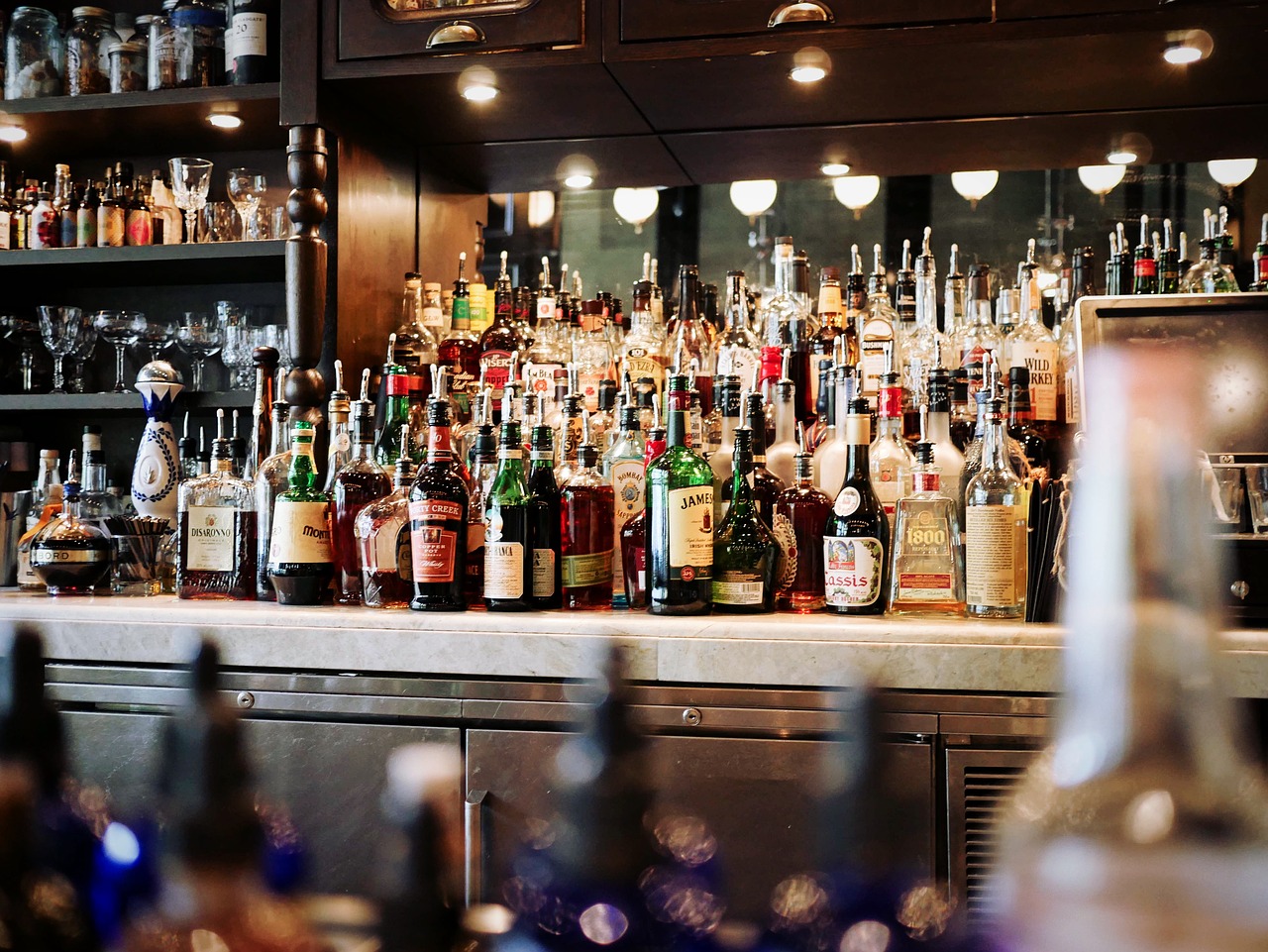
Liquor

Alcoholic beverages.
Photo courtesy of Pixabay.com

Memory, Blackouts, Alcohol, and Drugs.

Alcohol and other drugs can impair memory in a number of ways. Alcoholics frequently say they can’t remember what happened while drinking. People who have never had a blackout question if the drinker really can’t remember, or do they just not want to take responsibility for their actions. Both are possible. Alcohol is not the only reason someone might do something and then have no memory of the occurrence. Consider the following examples.

Let’s say that the people in one of the classes I taught all became very close and the group decides they would like to have a celebration after the last session. We decide on a pizza party. We get out the phone book and look up the number. We are all old school, imagine the days before cell phone Apps. I read off the number and one of the students runs downstairs to make the call. In this building, there is almost no cell phone reception.

When they return I ask “Did you order soda?” They tell me they didn’t.  Well, we need something to drink with the pizza so go call and add some soda to the order. The students reply?

What was the number?

Why can’t they remember that number?

Now I just gave them the number why can’t they remember it?

Many things in life are held in short-term memory only as long as needed. Once the need for the information is gone the memory is discarded. You may remember what you ate for breakfast today but not many people could report what they had for breakfast all of the last 365 days. Even if they had the same thing every day they would not be able to tell me which day was better or worse.

Alcohol interrupts the transfer of information from current working memory to long-term memory. Since the memory could not be saved there is no memory remaining. Ever turn off a computer or close a file and then realize you hadn’t saved the work? Computers have programs to ask you if you want to save that, otherwise, we would lose a lot of work.

Cell phone designers had to include this factor in the design. They know that phone owners will want to call people back and that the human brain will not remember the number even if you just dialed it a minute ago. The phone holds the memory for you.

Blackouts are most likely to occur when the blood alcohol level rises rapidly. A few sips an hour, no blackout. Knock down the whole fifth in a couple of minutes and the rest of the night may be gone.

Blackouts are not the only reason alcohol and other drugs may alter memories.

State-dependent learning.

Consider this scenario. Someone goes to a cocktail party. During the night they talk with a lot of people, exchange some business cards, and generally have a good productive time networking. Only they also drink too much.

Next morning they find the business cards in their pocket, only they can’t remember who these people were or what they talked about. They weren’t drunk enough to have a blackout but they did talk to a lot of people. Why can’t they remember these people?

Later in the day, they go to lunch, say they have drinks with lunch, nothing huge, just one or two drinks. They go for something in their pocket and there are those pesky cards. And suddenly they remember who these people were and what they talked about.

This is called state-dependent learning.

Information is filed away in the brain but it is as if there are file cabinet drawers for memories that are only needed in certain situations. One file drawer is for things to remember while intoxicated. These memories are harder or impossible to find unless drunk.

Students who pull all-nighters to study for finals and use lots of chemicals to stay awake may have the same result. The brain puts those memories in a drawer labeled only needed when high on stimulants. Next day in class they forget everything they studied. The lack of sleep didn’t help either. Two weeks later over some espresso, they remember something they needed for the final.

This is also why some things just can’t be learned in a classroom. Swimming and diving are examples of this. All the classroom time in the world and suddenly when you are in the water everything changes. State-dependent learning can involve things other than alcohol or drugs. Internal states, like hunger and thirst, and external states like places and activates can affect your ability to remember things.

In addition to blackouts and state-dependent learning, there are several other ways in which alcohol and drugs may be affecting memory.

Poor physical and mental health impairs memory.

When you are depressed or overtired, things may not stick in your memory. Over time there can be physical and chemical changes in the brain. Alcoholic’s brains shrink. Some drugs kill or damage nerve cells. Aging and normal memory loss may also be accelerated by substance abuse.

Memory also has a situational component. I use multiple computers at multiple locations. They each have different passwords. When at one office I will remember the password for that office and automatically enter it. Most of these passwords have to be changed every month. Last month I thought why not use the same password I just entered at the other office this morning? I could not remember it. The next day back at the first office I entered that new password without a thought and then realized, I remember passwords by the surroundings.

Doorway effect on memory.

The “doorway effect” also is likely to be more pronounced when you abuse substances. Doorway effect is the phenomenon of moving through a doorway, going from my home office to the kitchen for some water, and when I get to the kitchen I can’t remember why I am there. This confusion and the available food may explain that mysterious weight gain. This is a normal occurrence for people who do not do drugs but my experience working in substance abuse programs suggests that substance abusers are more likely to find their memories erased by moving from one place to another.

There are some thoughts on blackouts, state-dependent learning, situational memory, and the doorway effect coupled with the effects of drugs and alcohol on memories.

Staying connected with David Joel Miller

Seven David Joel Miller Books are available now!

My newest book is now available. It was my opportunity to try on a new genre. I’ve been working on this book for several years, but now seem like the right time to publish it.

Story Bureau.

Story Bureau is a thrilling Dystopian Post-Apocalyptic adventure in the Surviving the Apocalypse series.

Baldwin struggles to survive life in a post-apocalyptic world where the government controls everything.

As society collapses and his family gets plunged into poverty, Baldwin takes a job in the capital city, working for a government agency called the Story Bureau. He discovers the Story Bureau is not a benign news outlet but a sinister government plot to manipulate society.

Bumps on the Road of Life. Whether you struggle with anxiety, depression, low motivation, or addiction, you can recover. Bumps on the Road of Life is the story of how people get off track and how to get your life out of the ditch.

Dark Family Secrets: Doris wants to get her life back, but small-town prejudice could shatter her dreams.

Casino Robbery Arthur Mitchell escapes the trauma of watching his girlfriend die. But the killers know he’s a witness and want him dead.

Planned Accidents  The second Arthur Mitchell and Plutus mystery.

Letters from the Dead: The third in the Arthur Mitchell mystery series.

What would you do if you found a letter to a detective describing a crime and you knew the writer and detective were dead, and you could be next?

Sasquatch. Three things about us, you should know. One, we have seen the past. Two, we’re trapped there. Three, I don’t know if we’ll ever get back to our own time.

For these and my upcoming books; please visit my Author Page – David Joel Miller

Want the latest blog posts as they publish? Subscribe to this blog.

For videos, see: Counselorssoapbox YouTube Video Channel
Why giving up the drugs and alcohol didn’t make you happy

By David Joel Miller, MS, Licensed Therapist & Licensed Counselor.

Drugs.

Drugs.
Photo courtesy of Pixabay.

What being a “dry drunk” means.

It’s a common problem; someone gives up the drugs and the alcohol. Time goes by and they are still miserable and their lives are a mess. They expected to quit and things would be better. They quit and things did not get better. They ask “Why?”

For most people who arrive at substance recovery, the drugs, and the alcohol are not the problems. For far too long they have been that person’s solution. The problem is they don’t know how to live life without drugs and alcohol.

People with a mental illness fall into the same trap. They see a doctor take a pill or complete a therapy program. They expect it to help. It may help a little, for a while, but then they feel worse and the recovery they have begins to slip away.

You may know deep down you need to give something up. Is it a drug, alcohol or is it Anger and feeling sorry for yourself? Yes, others may have wronged you. But they are gone and you are still suffering. The past fills up your mind with pain and suffering, leaving no room for a happy contented present or future.

You may have lost a relationship, a job, or been to jail or prison. Some people lose their children because they can’t stop drinking and drugging. Your doctor may have told you “one more drink and you will die.” None of those reasons are good enough to stop and stay stopped if life after drugs was dull, boring, and unhappy.

Some people quit, they stay off the sauce for a period of time, but they are still miserable. You can see someone like this at most any A.A. meeting, you see them in churches and self-help groups. Five years or ten without drugs and they are still angry, hate themselves and others. They know they can’t drink or drug but they wish they could. In recovery language, they are called dry drunks.

Anger, fear, and resentments, those are the poisons that keep people sick. Hard to let go of that resentment. Who wants to admit that holding on to that grudge may make them feel “right” but it also makes them feel miserable?

A dry drunk has all the behaviors of a drunk. They don’t like life and can’t cope without something outside themselves to make them feel better. Sometimes they move from addiction to addiction, they try gambling or spending, sometimes it is sex or a new religion. What they don’t do is try to change themselves.

Recovery is more than putting the plug in the jug. It is more than taking medication or completing a program. Recovery takes work. There is a process you need to go through to make peace with yourself and the past. Recovering people most often find they need to work on themselves a lot. Recovery is an inside job, you hear the recovered people say. Looking at yourself is painful sometimes. The pain of self-examination leads to healing. The pain of substance abuse leads to failed relationships, jails, prisons, psych hospitals, and eventually death.

Therapists have a saying “never work harder than the client.” What we mean by that is that recovery is not something we can do to a client. Recovery is a process we can guide someone through but they need to do the work.

As long as you hold on to that addiction, the anger, the blame, you don’t have to begin to take the responsibility for your own recovery.

Living with an addiction requires a skill set. So does living with a mental illness. People learn those skills whether they intend to or not.

Recovery requires learning a new set of skills, getting a new toolkit. It also requires putting those tools to work; you need to get your recovery tools dirty by using them.

What new skills have you learned? Have you gotten honest with yourself? Do you write about things in your journal? Do you talk with your counselor, or sponsor? Have you stopped running from crisis to crisis and started making up longer-term plans, not plans of what you will have, but plans for what you will do?

Recovery is a journey. If you stick to the route you will find that the trip gets better and better.

Staying connected with David Joel Miller

Seven David Joel Miller Books are available now!

My newest book is now available. It was my opportunity to try on a new genre. I’ve been working on this book for several years, but now seem like the right time to publish it.

Story Bureau.

Story Bureau is a thrilling Dystopian Post-Apocalyptic adventure in the Surviving the Apocalypse series.

Baldwin struggles to survive life in a post-apocalyptic world where the government controls everything.

As society collapses and his family gets plunged into poverty, Baldwin takes a job in the capital city, working for a government agency called the Story Bureau. He discovers the Story Bureau is not a benign news outlet but a sinister government plot to manipulate society.

Bumps on the Road of Life. Whether you struggle with anxiety, depression, low motivation, or addiction, you can recover. Bumps on the Road of Life is the story of how people get off track and how to get your life out of the ditch.

Dark Family Secrets: Doris wants to get her life back, but small-town prejudice could shatter her dreams.

Casino Robbery Arthur Mitchell escapes the trauma of watching his girlfriend die. But the killers know he’s a witness and want him dead.

Planned Accidents  The second Arthur Mitchell and Plutus mystery.

Letters from the Dead: The third in the Arthur Mitchell mystery series.

What would you do if you found a letter to a detective describing a crime and you knew the writer and detective were dead, and you could be next?

Sasquatch. Three things about us, you should know. One, we have seen the past. Two, we’re trapped there. Three, I don’t know if we’ll ever get back to our own time.

For these and my upcoming books; please visit my Author Page – David Joel Miller

Want the latest blog posts as they publish? Subscribe to this blog.

For videos, see: Counselorssoapbox YouTube Video Channel
Morning Question # 9 Is Substance abuse or mental illness first?

By David Joel Miller, MS, Licensed Therapist & Licensed Counselor.

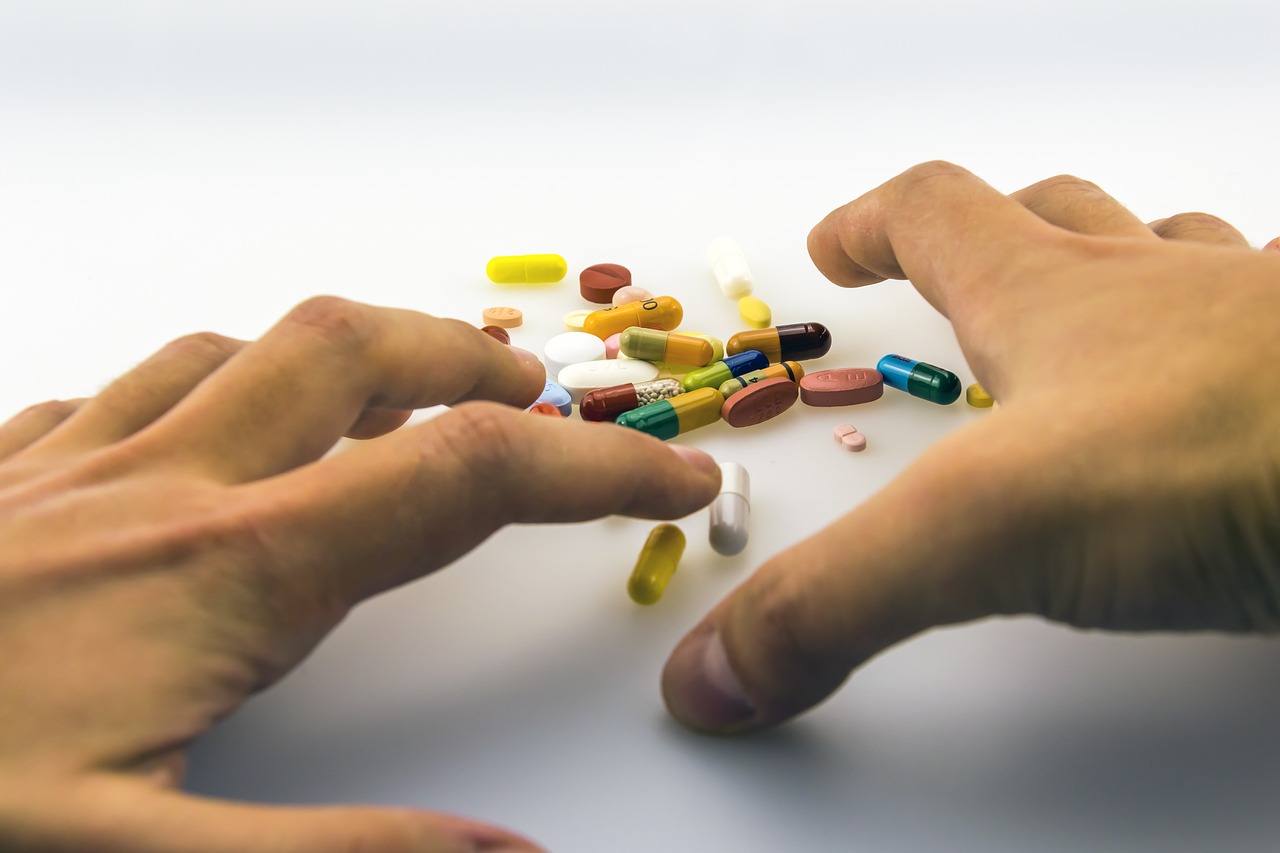
Hands with pills

Addiction.
Photo courtesy of Pixabay

Does Substance abuse or mental illness occur first?

Both can be first, depends on the person. People who have early symptoms of mental illness are at high risk of developing substance abuse disorders. People who begin abusing substances early in life are more likely to develop mental illness. It may be hard for many people to remember a time before they had one or the other so it is hard to tell sometimes. I like to start by asking how old someone was when they first began to use drugs and alcohol and then ask what life was like before the drugs or alcohol. Some people can’t remember a time before one or both.

Staying connected with David Joel Miller

Seven David Joel Miller Books are available now!

My newest book is now available. It was my opportunity to try on a new genre. I’ve been working on this book for several years, but now seem like the right time to publish it.

Story Bureau.

Story Bureau is a thrilling Dystopian Post-Apocalyptic adventure in the Surviving the Apocalypse series.

Baldwin struggles to survive life in a post-apocalyptic world where the government controls everything.

As society collapses and his family gets plunged into poverty, Baldwin takes a job in the capital city, working for a government agency called the Story Bureau. He discovers the Story Bureau is not a benign news outlet but a sinister government plot to manipulate society.

Bumps on the Road of Life. Whether you struggle with anxiety, depression, low motivation, or addiction, you can recover. Bumps on the Road of Life is the story of how people get off track and how to get your life out of the ditch.

Dark Family Secrets: Doris wants to get her life back, but small-town prejudice could shatter her dreams.

Casino Robbery Arthur Mitchell escapes the trauma of watching his girlfriend die. But the killers know he’s a witness and want him dead.

Planned Accidents  The second Arthur Mitchell and Plutus mystery.

Letters from the Dead: The third in the Arthur Mitchell mystery series.

What would you do if you found a letter to a detective describing a crime and you knew the writer and detective were dead, and you could be next?

Sasquatch. Three things about us, you should know. One, we have seen the past. Two, we’re trapped there. Three, I don’t know if we’ll ever get back to our own time.

For these and my upcoming books; please visit my Author Page – David Joel Miller

Want the latest blog posts as they publish? Subscribe to this blog.

For videos, see: Counselorssoapbox YouTube Video Channel

Bipolar Disorder, Alcoholism and Addiction

By David Joel Miller, MS, Licensed Therapist & Licensed Counselor.

Bipolar.
Photo courtesy of Pixabay.com

HUGE connection between Bipolar Disorder and Substance Disorders.

There are so many connections between having Bipolar Disorder and having a Substance Use Disorder. In treatment facilities that screen for mental illness, it is not uncommon for Bipolar to be the single most common co-occurring mental illness. Anti-social disorders are common in court order referrals and sometimes you might see a lot of clients with PTSD but most often it is the combination of Bipolar Disorder and a Substance Use Disorder that really stands out.

Drugs and alcohol can mask psychiatric symptoms, can create them and both intoxication and withdrawal can look like mental illness, but the combination of Bipolar Disorder and a substance use disorder is so common it is an expectation.

Bipolar Disorder coexists with substance abuse more often than with all the Depressions put together. All mood disorders other than Bipolar Disorder are sometimes labeled unipolar depression to separate them from the bipolar condition.

The overlap between these two conditions is huge. The Epidemiological Catchment Area Study reported that more than 60% of people with Bipolar also had a substance use disorder.

Alcohol was the drug of choice for both people with Bipolar Disorder and unipolar depression.

Because many people with Bipolar Disorder report liking the mania or hypomania they most often go undetected and untreated for long periods of time. Most of the time they come in for treatment because of an episode of depression. Many also escape detection until they have legal consequences that send them to a treatment program.

Most people who finally do arrive at the diagnosis of Bipolar Disorder have seen five or more health care professionals and have spent ten or more years on the process before getting diagnosed with Bipolar Disorder.

The extreme fluctuations in mood in Bipolar Disorder interact with drugs and alcohol. The reported rate of Bipolar Disorder is 1-2 % though it seems likely that many subclinical cases go undetected for prolonged periods of time.

Cyclothymia is another diagnosis related to Bipolar Disorder that has low highs and not so low lows. It is sometimes described as on the bipolar spectrum. For a full diagnosis of Cyclothymia, you need to have had the condition for at least two years.

This disorder is rarely diagnosed and treated as it does not cause the huge impairment or legal consequences of the more severe forms of Bipolar Disorder. People with Cyclothymia have periods of feeling better and stop treatment. They only come in when depressed and hide the hypomania well. In my own clinical experience, this condition is probably vastly underdiagnosed.

When we talk about having a substance use disorder most people will respond that they are not drug addicts or alcoholics. There are forms of the disease of addiction that stop short of physical addiction but result in ruined lives, broken relationships, and periods of time incarcerated.

The hallmarks of a substance use disorder are:

Obsessions – you can’t stop thinking about it.

Cravings – repeated urges to use

Loss of control – using more and more often than planned.

Increased tolerance – Needing more to get the same high or getting less of a result from the same amount of drug.

Withdrawal effects when you run out of the drug.

Psychological addiction or dependence occurs long before physical addiction.

Bipolar Disorder may have existed before the substance abuse but did not get diagnosed because there had been no severe mania. Some people with Bipolar begin using to cover up the symptoms or to help themselves cope. We think of this as “self-medicating.

Drugs and alcohol may increase the risk of developing Bipolar Disorder.

People with Bipolar disorder and substance abuse issues are hospitalized more often and for longer. They are more likely to have rapid cycling Bipolar Disorder and to have developed the symptoms at a younger age. They are also much more likely to have mixed episodes of both mania and depression at the same time.

Co-occurring Bipolar Disorder and substance abuse are much more resistant to treatment and people with both conditions at the same time are far more likely to drop out of or fail to complete treatment.

Alcoholism is more often a result of having Bipolar Disorder rather than a risk factor and those with alcohol as their primary drug of choice do better in treatment than many other co-occurring disorders.

Further complicating this picture we should know that any alcoholic with or without a mental illness is likely to have severe mood swings. Alcohol withdrawal and alcohol intoxication can mimic many mental illnesses and it can take some period of sobriety before a baseline for diagnoses is clear.

Alcohol and illicit drug use will also interfere with getting the medication right resulting in many med changes that might otherwise not have been needed.

So there are some brief thoughts about the connections between Bipolar disorder and substance abuse, especially alcohol abuse.

If you or someone you care about has a problem with drugs, alcohol, or may have a mental illness please encourage them to go for professional assessment and treatment.

Other articles about Bipolar Disorders and related conditions can be found at:

Bipolar or Major Depression?

Bipolar – misdiagnosed or missing diagnosis?

Am I Bipolar?

Bipolar doesn’t mean moody

Are you Hyperthymic?

New Bipolar Drug Trial

Bipolar Disorder Genetics research study – Come one come all

Staying connected with David Joel Miller

Seven David Joel Miller Books are available now!

My newest book is now available. It was my opportunity to try on a new genre. I’ve been working on this book for several years, but now seem like the right time to publish it.

Story Bureau.

Story Bureau is a thrilling Dystopian Post-Apocalyptic adventure in the Surviving the Apocalypse series.

Baldwin struggles to survive life in a post-apocalyptic world where the government controls everything.

As society collapses and his family gets plunged into poverty, Baldwin takes a job in the capital city, working for a government agency called the Story Bureau. He discovers the Story Bureau is not a benign news outlet but a sinister government plot to manipulate society.

Bumps on the Road of Life. Whether you struggle with anxiety, depression, low motivation, or addiction, you can recover. Bumps on the Road of Life is the story of how people get off track and how to get your life out of the ditch.

Dark Family Secrets: Doris wants to get her life back, but small-town prejudice could shatter her dreams.

Casino Robbery Arthur Mitchell escapes the trauma of watching his girlfriend die. But the killers know he’s a witness and want him dead.

Planned Accidents  The second Arthur Mitchell and Plutus mystery.

Letters from the Dead: The third in the Arthur Mitchell mystery series.

What would you do if you found a letter to a detective describing a crime and you knew the writer and detective were dead, and you could be next?

Sasquatch. Three things about us, you should know. One, we have seen the past. Two, we’re trapped there. Three, I don’t know if we’ll ever get back to our own time.

For these and my upcoming books; please visit my Author Page – David Joel Miller

Want the latest blog posts as they publish? Subscribe to this blog.

For videos, see: Counselorssoapbox YouTube Video Channel

Lonely Fruit Flies get drunk

By David Joel Miller, MS, Licensed Therapist & Licensed Counselor.

Fruit fly

Lonely Fruit flies drink.
Photo courtesy of Pixabay.com

Lonely fruit flies get drunk.

Lonely fruit flies drink almost 50% more alcohol than fruit flies with mates. Maybe this should reassure us, maybe not. We have known for a long time that some other mammals will get drunk. Check the internet and you will find videos of drunken monkeys. So far the question was, do monkeys drink like humans, or do humans who drink act like monkeys? Maybe both?

There are reports also of elephants that raid villager’s beer and get drunk. This is the first time I have seen an account of drunken fruit flies. And this account gives us the reason for the fruit flies drinking.

Did we really need a study of fruit flies drinking? Does this sound like something we thought we should know without a study? I had to read it twice to see why they did this study. Then I started thinking they may be on to something. If lonely fruit flies drank more maybe it is not just us humans that would drink given the chance. Hang with me on this.

This study, done in San Francisco, where else, compared the drinking of two groups of fruit flies. Knowing that part of the world the way I do I am surprised that this experiment has not already been repeated using fraternity men. Maybe it has. Send in your comments if you know of a repeat of this experiment using some other animal.

Saying the fruit flies were lonely is, of course, my interpretation. They are really hard to interview and fruit flies rarely talk about their feelings. We have to guess from their actions how fruit flies are feeling, which may be another way in which fruit flies and male humans are alike.

One way in which fruit flies are unlike humans – sort of – is that female fruit flies who have mated once lose interest in mating again. So the researchers let the female fruit flies breed, presumably without the benefit of alcohol to make the male fruit flies look better.

Then they let some more male fruit flies have a go at the lady flies. The late-arriving male flies got turned down. This is where it starts to get interesting and makes some sense of why all the flies and the alcohol.

When the males who got to mate when offered the alcohol could take it or leave it. But the male fruit flies who got turned down drank a lot more.

The unmated male flies, I prefer to think of them as lonely, had much lower levels of one specific brain chemical. A similar chemical called Neuropeptide Y is found in humans. When humans are sad or depressed the levels of Neuropeptide Y drop.

The conclusion I draw from this research is that sadness, depression, and loneliness causes a physical craving for alcohol whether you are a human or a fruit fly.

Now that is no excuse for drinking, particularly excessive drinking. In humans, we know that sex alone is not enough to reduce the urge to drink. But what stands out most for me is that a lack of warm close relationships increases the risks of a negative emotion and that predisposes a human to substance abuse.

There you have it, get depressed, Neuropeptide Y drops, and you crave alcohol whether you are a man or fruit fly.

As for those lonely fruit flies, what should we do? Maybe start a charity to form fruit fly bowling leagues or quidditch tournaments?  Anyone know of a dating service for lonely fruit flies?

Till next time, keep working on your happy relationships.

Staying connected with David Joel Miller

Seven David Joel Miller Books are available now!

My newest book is now available. It was my opportunity to try on a new genre. I’ve been working on this book for several years, but now seem like the right time to publish it.

Story Bureau.

Story Bureau is a thrilling Dystopian Post-Apocalyptic adventure in the Surviving the Apocalypse series.

Baldwin struggles to survive life in a post-apocalyptic world where the government controls everything.

As society collapses and his family gets plunged into poverty, Baldwin takes a job in the capital city, working for a government agency called the Story Bureau. He discovers the Story Bureau is not a benign news outlet but a sinister government plot to manipulate society.

Bumps on the Road of Life. Whether you struggle with anxiety, depression, low motivation, or addiction, you can recover. Bumps on the Road of Life is the story of how people get off track and how to get your life out of the ditch.

Dark Family Secrets: Doris wants to get her life back, but small-town prejudice could shatter her dreams.

Casino Robbery Arthur Mitchell escapes the trauma of watching his girlfriend die. But the killers know he’s a witness and want him dead.

Planned Accidents  The second Arthur Mitchell and Plutus mystery.

Letters from the Dead: The third in the Arthur Mitchell mystery series.

What would you do if you found a letter to a detective describing a crime and you knew the writer and detective were dead, and you could be next?

Sasquatch. Three things about us, you should know. One, we have seen the past. Two, we’re trapped there. Three, I don’t know if we’ll ever get back to our own time.

For these and my upcoming books; please visit my Author Page – David Joel Miller

Want the latest blog posts as they publish? Subscribe to this blog.

For videos, see: Counselorssoapbox YouTube Video Channel
Does drinking lite beer keep you from getting drunk?

By David Joel Miller, MS, Licensed Therapist & Licensed Counselor.

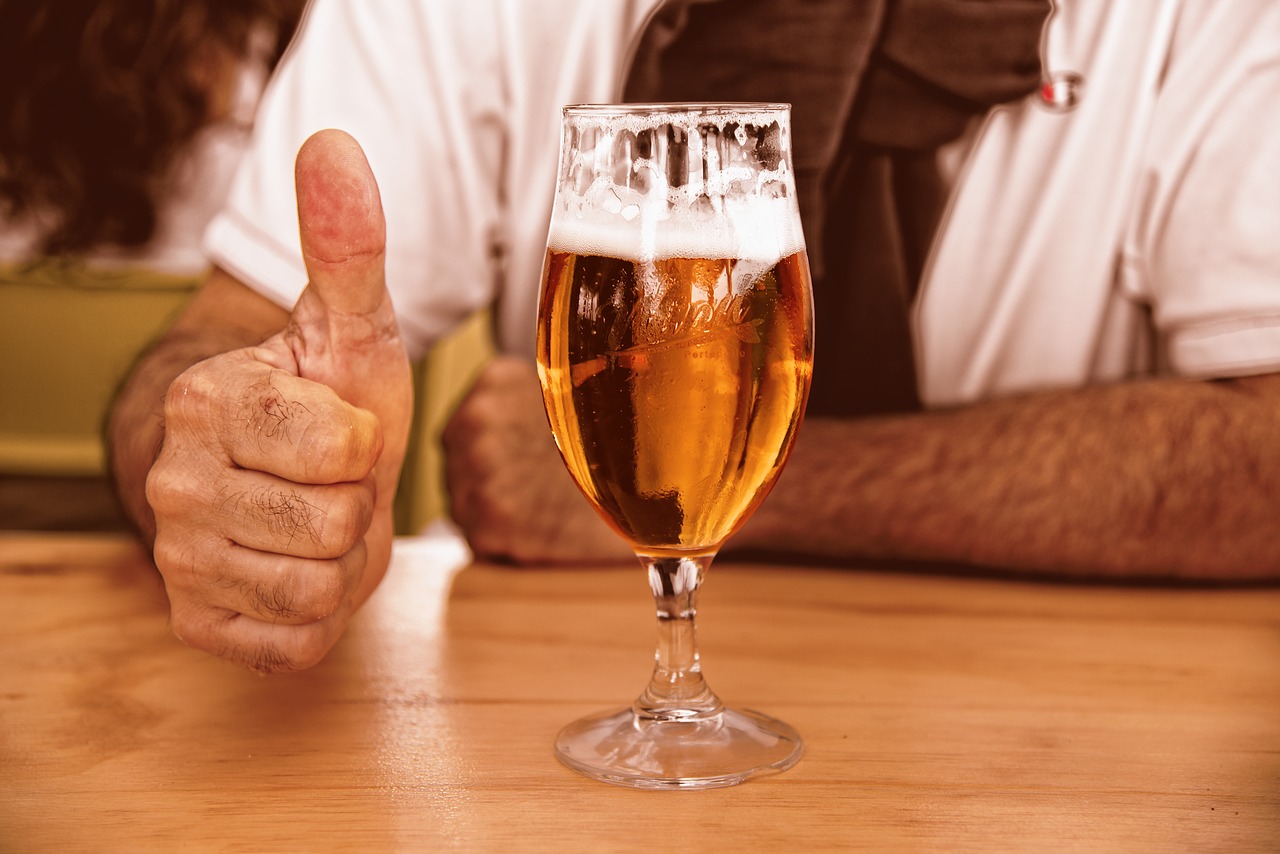
Man drinking

Drinking beer.
Photo courtesy of Pixabay.com

Can you avoid alcohol problems by drinking lite and non-alcoholic beers?

The question of drinking lite beers and drinking so-called “non-alcoholic” beers comes up frequently. People who have had problems with alcohol in the past consider switching to these alternatives to reduce the risks. Does this work?

Personally and professionally I do not recommend an approach of limited alcohol consumption to anyone who has experienced a problem with their use of substances in the past. If you have had drunk driving arrests, been diagnosed with substance abuse or dependence, or have other psychiatric problems that are affected by alcohol consumption trying to solve the problem by changing to other alcoholic beverages is not likely to work. Why? There are two major problems with this approach.

Lite beers do not contain less alcohol.

The percentage of alcohol in a beer is usually set by state or local law. In California, for a long time, “beer” had to be under 4% alcohol. (I am not a lawyer and can’t tell you if this changed but the principle remains the same.) In other places, beer could have a higher alcohol content say 5% or 6%. Above that limit it can be sold, just the name changes and so does the tax rate.

I checked an online list of beers and their alcohol contents and they mostly ran in the 4% to 6% range. One popular beer Budweiser was listed as having 5% alcohol. Bud Light was listed as having 4.2%. So the difference is small and in places, with lower limits both would have the same amount of alcohol.

Lite beers have fewer calories not less alcohol. So you do not get as full and you can drink more. Whether you drink lite beers or regulars – after four or five you will be legally drunk.

Watch out for the dangers of binge drinking.

Drinking lite beers do not keep you sober! Only not drinking keeps the alcohol out of your system. Any alcohol consumption begins to change your thinking; the difference is how much it affects you not if it will affect you.

Even “nonalcoholic beers” can contain some alcohol.

The online chart I consulted lists “nonalcoholic” Beer as having four-tenths of a percent alcohol. So this should be safer. In my experience, it is not. After four or five “non-alcoholic” beers the minimal amounts begin to add up. The cumulative effect is a change in thinking.

For anyone with an alcohol use disorder, the danger here is that after drinking a number of “non-alcoholic” beers they will begin to reason that they can have one or two real ones without a problem.

As any real alcoholic will tell you “one is too many and a thousand is never enough.”

So if you have developed an alcohol problem or if you are taking a prescribed medication that tells you to avoid alcohol, my advice to you is – don’t fool yourself by trying to find ways to use alcohol safely.

Staying connected with David Joel Miller

Seven David Joel Miller Books are available now!

My newest book is now available. It was my opportunity to try on a new genre. I’ve been working on this book for several years, but now seem like the right time to publish it.

Story Bureau.

Story Bureau is a thrilling Dystopian Post-Apocalyptic adventure in the Surviving the Apocalypse series.

Baldwin struggles to survive life in a post-apocalyptic world where the government controls everything.

As society collapses and his family gets plunged into poverty, Baldwin takes a job in the capital city, working for a government agency called the Story Bureau. He discovers the Story Bureau is not a benign news outlet but a sinister government plot to manipulate society.

Bumps on the Road of Life. Whether you struggle with anxiety, depression, low motivation, or addiction, you can recover. Bumps on the Road of Life is the story of how people get off track and how to get your life out of the ditch.

Dark Family Secrets: Doris wants to get her life back, but small-town prejudice could shatter her dreams.

Casino Robbery Arthur Mitchell escapes the trauma of watching his girlfriend die. But the killers know he’s a witness and want him dead.

Planned Accidents  The second Arthur Mitchell and Plutus mystery.

Letters from the Dead: The third in the Arthur Mitchell mystery series.

What would you do if you found a letter to a detective describing a crime and you knew the writer and detective were dead, and you could be next?

Sasquatch. Three things about us, you should know. One, we have seen the past. Two, we’re trapped there. Three, I don’t know if we’ll ever get back to our own time.

For these and my upcoming books; please visit my Author Page – David Joel Miller

Want the latest blog posts as they publish? Subscribe to this blog.

For videos, see: Counselorssoapbox YouTube Video Channel