
One preventable disease killing seniors up 1100%

By David Joel Miller, MS, Licensed Therapist & Licensed Counselor.
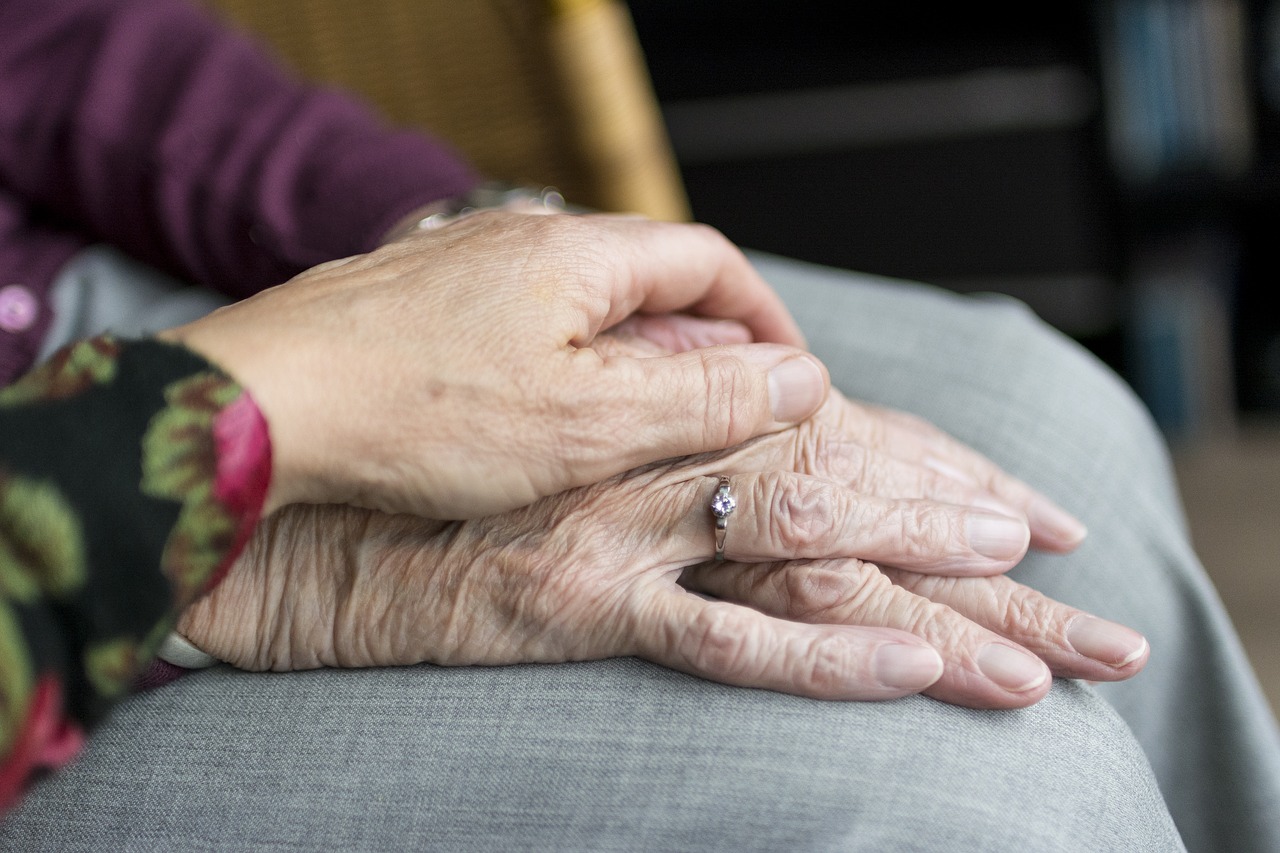
Elderly couple.
Photo courtesy of Pixabay.com

One disease has resulted in an 11 fold increase in accidental deaths among seniors.

When we think of the illnesses plaguing seniors we tend to think of heart disease, cancer, and diabetes, diseases that have long been associated with the process of growing old. As the population of the elderly, and almost-elderly, has risen, one disease has taken off in unprecedented numbers.

Drug use and abuse among seniors are out of control.

Past generations left drug use and abuse to the young people. As people age across the lifespan, they tended to give up bad habits and settle down to more responsible lives. The current generation of aged has pioneered a new trend in this as in so many other areas. Seniors are abusing more drugs and dying as a result of that abuse at alarming rates. This is a trend that is not likely to abate any time soon.

Senior’s deaths from accidental drug overdoses are rising rapidly.

Government statistics report large and rising rates of drug use among seniors. The “baby boomer” – “old hippy” age group has held onto their drugs of choice while adding to the drugs they use. Large studies take time to complete but the more seniors enter the statistics the more startling the trend becomes. Some of these drug-related deaths are obvious, some are more hidden.

Being an almost-senior puts you at risk also.

CDC reported recently that 12,000 baby boomers in the age range 45 to 64 died in one year (2013) from accidental drug overdoses. That is more than the total number of deaths from car accidents, influenza, and pneumonia combined.

Seniors have held onto their drug of choice longer than past generations.

Many baby boomers have held onto their drug of choice as they have aged. Up to 50% of all hospital emergency room admissions of senior citizens is the result of an overdose of drugs and or alcohol. In the year 2015 seniors age 60 to 65 are three times more likely to be using illicit drugs that those who were in that age group in the year 2000. Old hippies are still getting high, sometimes with life-threatening consequences.

Prescription drug deaths predominate.

Just because the drug comes from the doctor or pharmacy does not make it safe. More and more drug abusers, particularly seniors, are moving from questionable street drugs to prescription medications as their drug of choice.

Two groups of drugs account for the bulk of these drug overdoses, painkillers, and anti-anxiety drugs. Overdoses can be the result of people taking the medication and then before that med has time to act taking more. Certainly, confusion and forgetting what was taken can play a role. Still, the overwhelming conclusion is that many of these drug overdoses deaths in seniors are the result of intentional abuse rather than accidental overdose. Recreational use of these drugs by seniors is the dominant problem.

Some of these overdose deaths come from the cumulative effects of multiple drugs take together. One study found that among seniors, those taking eight or more prescribed medications had a 100% chance that two of them were interacting and causing an unintended result.  It is recommended that anyone taking medications carry a list of those medications with them and let their treating professions see what they are taking. It also helps to get all your prescriptions filled at one pharmacy. That list should include over the counter and street drugs also. Your doctor and pharmacist need to know about all the drugs you take.

Sometimes suicide is the reason for senior drug overdose deaths.

It seems possible that some of these reported “accidental” drug overdoses are in fact deliberate. We know that older people have increased rates of suicide attempts. The older a person gets the more the chances that they will attempt suicide. Before we alibi this as somehow related to incurable diseases or right to die issues, we need to also consider the way in which seniors are routinely hidden away and marginalized. Society’s discard of the elderly has resulted in a great national resource that is being wasted as the elderly have progressively less of a role in society.

Accepting high rates of addiction, alcoholism, and suicide among the elderly as inevitable diminishes us all. Loss of hope fuels drug use, as well as suicidal thinking at all ages and particularly so as the years, add up.

For the record drugs as a way to end one’s life is neither a reliable or painless alternative in many cases.

Alcohol is the lubricant that facilities senior drug abuse.

A large proportion of drug overdoses at all ages are the direct result of having alcohol in the bloodstream. One study reported that binge drinkers are fifty-five times more likely to attempt suicide. Many drug overdose deaths are facilitated by having alcohol in the bloodstream.

V. A. reported that half of their hospital beds are attributable to alcohol-related health problems. Among the seniors, one drink per day may be way too much given the other medications and health-related problems.

As we age the percentage of water in our bodies tends to decline. Less water results in a higher blood alcohol content. With age, the blood flow through the liver declines. If you drink the same amount each day, at age 90 your blood alcohol will be 50% higher than it was at 20. The amount of alcohol that used to be tolerable now results in intoxication.

Alcohol abuse by seniors often goes unrecognized, the symptoms attributed to dementia. Alcohol abuse makes the symptoms of cognitive decline worse.

As little as one drink per day results in an 800% increase in the rate of serious falls.

Growing need for senior-specific drug treatment.

There is a rapidly growing need for drug treatment for seniors. Treatment programs are having to modify themselves to meet this need. Seniors often abuse different drugs than younger people. They have been abusing drugs longer and have more health problems as a result. They have mobility issues, can’t get into bunk beds, or may need the program to be wheelchair or handicap accessible.

Abuse of drugs and alcohol by seniors is not something we should accept. If you or someone you know has a problem with substances, please talk with your doctor or seek out professional help. Abusing substances reduces the quality of life at any age and the older we get the more that drug will steal away what is left of your life.

Staying connected with David Joel Miller

Seven David Joel Miller Books are available now!

My newest book is now available. It was my opportunity to try on a new genre. I’ve been working on this book for several years, but now seem like the right time to publish it.

Story Bureau.

Story Bureau is a thrilling Dystopian Post-Apocalyptic adventure in the Surviving the Apocalypse series.

Baldwin struggles to survive life in a post-apocalyptic world where the government controls everything.

As society collapses and his family gets plunged into poverty, Baldwin takes a job in the capital city, working for a government agency called the Story Bureau. He discovers the Story Bureau is not a benign news outlet but a sinister government plot to manipulate society.

Bumps on the Road of Life. Whether you struggle with anxiety, depression, low motivation, or addiction, you can recover. Bumps on the Road of Life is the story of how people get off track and how to get your life out of the ditch.

Dark Family Secrets: Doris wants to get her life back, but small-town prejudice could shatter her dreams.

Casino Robbery Arthur Mitchell escapes the trauma of watching his girlfriend die. But the killers know he’s a witness and want him dead.

Planned Accidents  The second Arthur Mitchell and Plutus mystery.

Letters from the Dead: The third in the Arthur Mitchell mystery series.

What would you do if you found a letter to a detective describing a crime and you knew the writer and detective were dead, and you could be next?

Sasquatch. Three things about us, you should know. One, we have seen the past. Two, we’re trapped there. Three, I don’t know if we’ll ever get back to our own time.

For these and my upcoming books; please visit my Author Page – David Joel Miller

Want the latest blog posts as they publish? Subscribe to this blog.

For videos, see: Counselorssoapbox YouTube Video Channel
Is your problem drugs or people?

By David Joel Miller, MS, Licensed Therapist & Licensed Counselor.

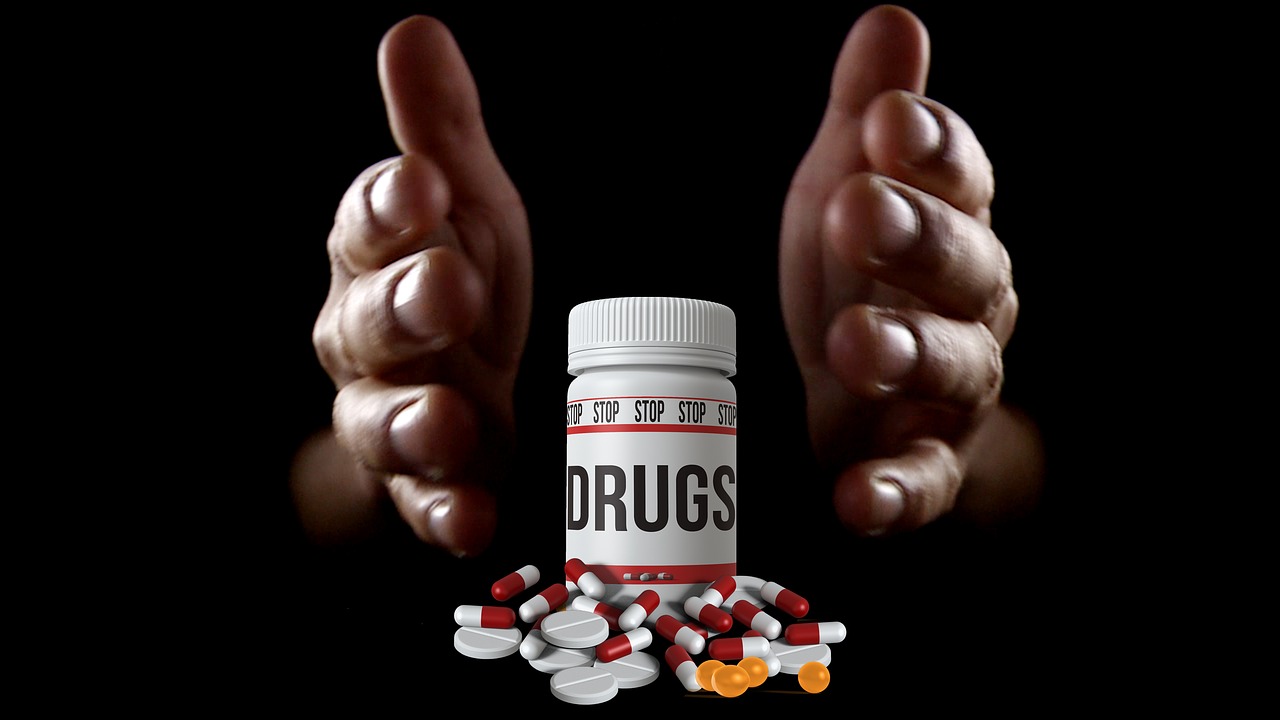
Drugs.

Drugs.
Photo courtesy of Pixabay.

Are people in your life making too much out of your recreational drug use?

A number of people recently have been describing how they do not feel they have a problem with drugs. They are not addicted. They have or have had a job. There have been no awful withdrawal symptoms. These people report that they are not addicted and that they just use drugs for fun. These conversations have been both in person and via mail or chat.

The common complaint is that others in this person’s life are being unreasonable and are upset because this person wants to have fun. The common thread in these conversations is that these others are off base because they object to the person I am talking with have fun, enjoying themselves, and doing drugs recreationally.

This blog post is of course written in generalities. I do not know each reader’s situation. Your situation may be very different from the ones I will describe. Let’s take a look at some of these interpersonal conflicts that occur around drug use and how both the user and others in their life are perceiving this recreational drug use. Below are some of the people who have objected to someone’s drug use.

The topic is drugs but as far as I am concerned alcohol should get lumped in as a drug. Alcohol alters consciousness and it impairs functioning at times. Our societal attitude to alcohol may be less rigid than the attitude towards other drugs but those attitudes are changing and penalties for doing things while intoxicated continue to increase.

Your Spouse or romantic partner objects to your drug use.

Often the first person to notice a problem with your drug use will be a close romantic partner.  So you need to ask yourself did this person have a problem with your behavior before you two moved in together or has their opinion changed and why?

If they said nothing before you became a couple but are now asking you to cut out or stop your drug use what has changed? If situations have changed, you have kids, need to make a house payment and so on that may be the reason they are talking differently now. They may just have thought that once you were in a committed relationship you would act more grown-up.

Some people are ready to settle down for the kids and the future before others. Consider which is more important, your ability to do all the drugs you want because you do not see them as being a problem or making your partner happy and being a good parent?

It is also possible that the people in your house can see the signs of trouble in you before you can see them. If more than one person has complained about your partying, you need to look at this carefully.

Do your parents criticize your drug use?

One big reason that parents tell their kids that drugs or alcohol is a problem? Because they have done those things and gotten themselves in trouble. That or they grew up in an environment where people were acting irresponsibly as a result of substances.  It is rarely because your parents are trying to hog all the fun.

As people grow up there is a tendency to push parents away, separate yourself, and become who you are as an individual. Some people pick a new career, change their religious preference, or join another political party.

Other people dabble with drugs and alcohol. If your parents are noticing your drug use, then it is likely that you are already having problems. If when you use bad things have happened, you need to take another look at that use.

Are coworkers commenting on your drug use?

If your coworkers are expressing concern about your substance use then it is likely that your use has interfered with your job performance.

Frequently I hear that the person’s drug use is not causing any problems. They might say something like “The only one I am hurting is me.”

If you are missing work, coming in late on Mondays, or calling in sick a lot, the truth is your drug use is making your coworker’s life harder when they have to cover for you.

Your boss knows you are partying.

Bosses often notice an employee has a problem early on. Many people in drug treatment have to deal with the added issue of having been fired from several jobs. Bosses may ask you if there is something going on, problems at home? If your performance has gone downhill, is substandard, or you are late and absent a lot your partying is getting in the way of having a job.

Police contact suggests something is wrong.

If you are having issues with the police then ask yourself, would you have those same issues if you were not doing drugs or drinking? Yes, you can do what you want with your life, but if it is impairing your ability to drive, getting you into fights, or attracting the notice of the police then there is something wrong.

Did the Judge say you needed treatment?

If the judge says you need a drug treatment program then you need one. Why? Not necessarily because your drug use is that bad. You may not be an addict. Yet. But the fact that you are in front of the judge and that this person knows about your drinking and drugging tells us that your use has become a problem. Maybe it is only a legal problem, but it is still a problem.

Are you on parole or probation?

If you are on Parole or Probation take another look at you. When you are trying to get your life straight any drug use, alcohol included, can impair your judgment and send you back.

You say “I should be able to do what I want?” Maybe, someday. But really is your right to drink or drug more important than staying out of jail?

Consider that one study concluded the vast majority of people in prison were drunk or high in the 24 hours before they committed the crime that put them away. Alcohol and drugs are not your friends. Not the kind of friends that want you to stay out anyway.

The person who was injured in the accident you had knows it’s a problem.

If you hurt someone either intentionally or accidentally while under the influence, that was like not cool. Everyone can have an accident, but if you were high when it happened we think this is not so much an accident as a case of your ability to function was impaired and your hurt someone else as a result.

Clearly, you were not just hurting yourself.

Did you know there are countries in Europe where the legal limit for a DUI is point-zero-two (.02)? That’s right- one drink and you can’t drive over there.

Will all these reasons keep people from drinking and using?

Not likely. Many people will still say that they should be able to do what they want because they are only hurting themselves. Every year a whole new crop of humans will experiment with drugs and alcohol. But if you find that any of the people on this list are complaining about your drinking and drugging then maybe you need to take a hard look at how much of your life you are giving up to do those things.

For more on this topic see:

Drug Use, Abuse, and Addiction

Staying connected with David Joel Miller

Seven David Joel Miller Books are available now!

My newest book is now available. It was my opportunity to try on a new genre. I’ve been working on this book for several years, but now seem like the right time to publish it.

Story Bureau.

Story Bureau is a thrilling Dystopian Post-Apocalyptic adventure in the Surviving the Apocalypse series.

Baldwin struggles to survive life in a post-apocalyptic world where the government controls everything.

As society collapses and his family gets plunged into poverty, Baldwin takes a job in the capital city, working for a government agency called the Story Bureau. He discovers the Story Bureau is not a benign news outlet but a sinister government plot to manipulate society.

Bumps on the Road of Life. Whether you struggle with anxiety, depression, low motivation, or addiction, you can recover. Bumps on the Road of Life is the story of how people get off track and how to get your life out of the ditch.

Dark Family Secrets: Doris wants to get her life back, but small-town prejudice could shatter her dreams.

Casino Robbery Arthur Mitchell escapes the trauma of watching his girlfriend die. But the killers know he’s a witness and want him dead.

Planned Accidents  The second Arthur Mitchell and Plutus mystery.

Letters from the Dead: The third in the Arthur Mitchell mystery series.

What would you do if you found a letter to a detective describing a crime and you knew the writer and detective were dead, and you could be next?

Sasquatch. Three things about us, you should know. One, we have seen the past. Two, we’re trapped there. Three, I don’t know if we’ll ever get back to our own time.

For these and my upcoming books; please visit my Author Page – David Joel Miller

Want the latest blog posts as they publish? Subscribe to this blog.

For videos, see: Counselorssoapbox YouTube Video Channel
Is addiction real? Does it have a cause?

By David Joel Miller, MS, Licensed Therapist & Licensed Counselor.

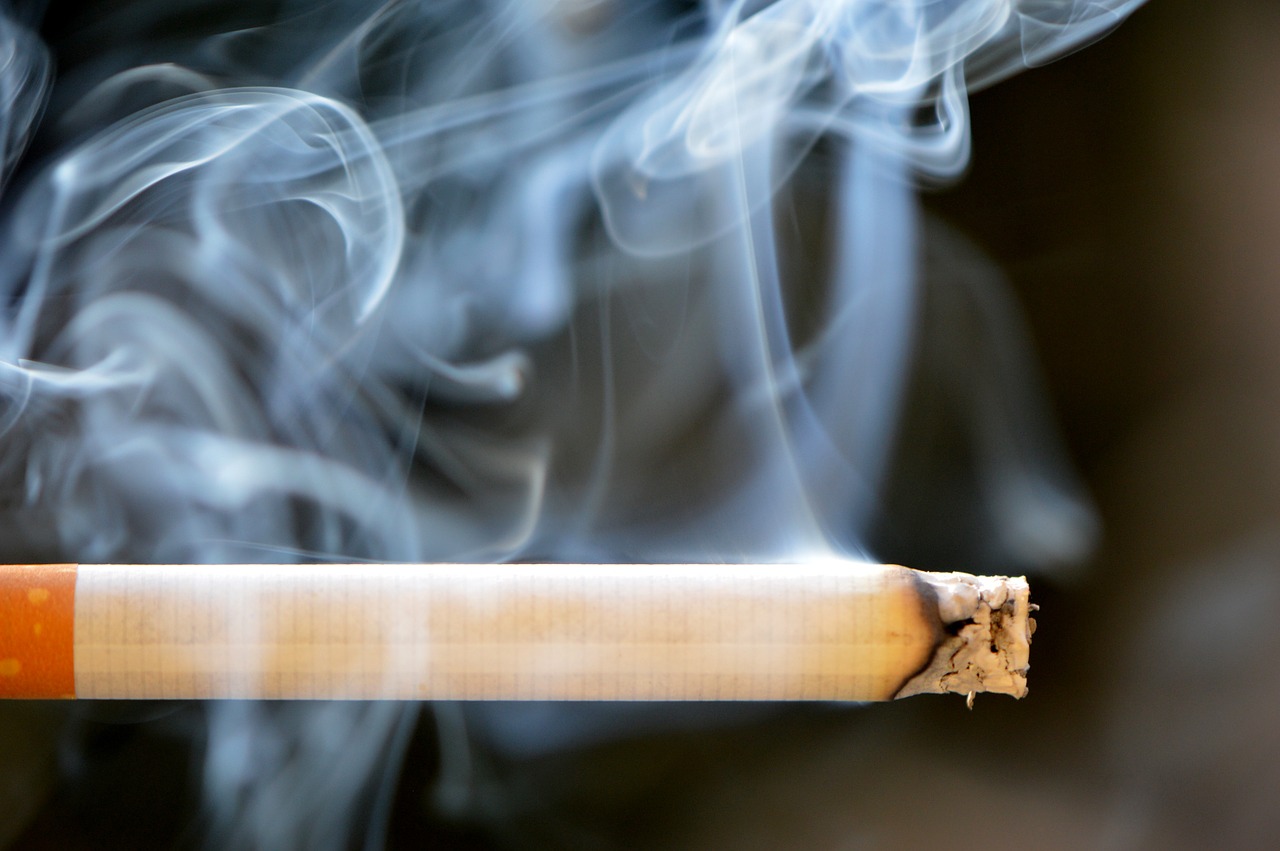
Cigarette smoking is addictive.
Photo courtesy of Pixabay.com

Comments on the deltaFosB post and the causes of addiction.

Some comments came in on the DeltaFosB post I think need discussing.

Normally I do not answer or re-comment on comments on posts. If you like a post cool. I will thank the reader for the like and that is that. If you disagree, then you are entitled to your opinion. I reserve the right to be wrong and so should all of you. Further arguing with people about their comments is not likely to change their minds so I try to use as much of my time as productively as possible and move on to new things.

This time feels different. On the chance that there are others who drew the same conclusions from the post that one reader “Tom” drew, I thought it would be worth further discussion.  I posted the headline to the original post with a link to the post on google+ and this comment from Tom was received over there.

First Toms comment on the post and then my explanations of why I think Tom is off base here.

“…there really does seem to be a physical change in the brain that accounts for why some people become addicted to chemicals, drugs in particular, and behaviors…”


I think that’s confusing hypothesis with findings. No one is seriously reporting that they have found the cause of addiction. For one thing, there is seriously insufficient research to support a global generalization of that sort.

People have been trying to find this mythical organic cause of addiction, and failing, for decades. What you report does go beyond the speculative, although it surely is not pure speculation. The research we have only supports informed speculation, to my mind.

The ambiguity in this phrase – “…that accounts for why some people become addicted…” is dangerous. I think what you’re really trying to say is something like “…that accounts for why some addicts become addicts…” As written, you appear to be talking about all addicts, and that is far beyond what we can address with the research you review, I think.

The fact remains that most people who drink alcohol are not addicts. Most people who use heroin are not addicts (little-known fact). Most people given opiates for pain can’t wait to get off of them, because of their unpleasant cognitive side effects. Those who become addicted are a small minority, and they seem all to have something in common: a persistent uncomfortable mental state which psychoactive substances/behaviors moderates. Happy people do not become addicts.

This has been known for a long, long time. But people just don’t want to let go of the “demon dope” hypothesis. The reality is more complex.

My response to Tom’s comments:

It appears that you are reaching conclusions from what I wrote that is not what I was saying. I suspect we have some fundamental philosophical differences here. We seem to be using words differently also. Look up the word addiction in a number of dictionaries and you will get a variety of definitions. I am concerned that people are using the term Addict as a pejorative term. The homeless and the mentally ill get that treatment also. Asserting that “addicts” are in some fundamental way different from non-addicted people is reassuring to some. If you have a job and a home you can tell yourself that you are not an “addict.” This obscures the very real issue of a growing problem of substance use and behavior use disorders in our society.

Let me try to clarify what I was saying about the criticisms you raised of the blog post.

  1. The term “some people” was written because I believe that those who develop an addiction, chemical or behavioral are people. To argue that “addicts” are somehow different from other people is to blame the person with the disorder for their condition. This is often done with other social issues like homelessness, poverty, and crime.
  2. The research reported on was concerning epigenetics and gene expression. This suggests that something happens which turns people who are not addicted to a behavior or a substance into those who have a dependency or reliance on this as a way of functioning. Behavioral “addictions” remain controversial with only gambling having been added to the most recent DSM. This research point to changes in the brain functioning when people reach a point of losing control over their use of that behavior or substance.
  3. If we call “it” addiction we get one paradigm. If we refer to something as chemical dependency or having a substance use disorder we get another. As a society, we are moving towards a “doublethink” approach to this issue. People who take prescribed medications do develop tolerance and withdrawal. There has been some pressure to alter the description of chemical dependency (the new term for what used to be called addiction) by adding craving as a characteristic of addiction. This might lead to the conclusion that someone can be “addicted” to a medication and not be an addict. This simply changes the terms to define away the problem of what is causing this condition.
  4. Referring to the premise that behaviors and drugs can at some point, for some unknown reason take someone from experimentation or use to being addicted as a “demon dope” hypothesis is a stretch.

If we accept that addiction could be a disease then the disease model fits. Compare this to the “demon Bacteria” theory of tuberculosis. One way of determining if something is a disease is to ask three questions.

Is there a specific agent that may be causing this condition?

Is there a host that gets the disease?

Is there a way in which this agent gets into the host?

Does this “demon bacteria” cause tuberculosis?

There are people who are around some specific other but do not get the disease. Does this mean that the bacteria is not the cause and that people who get T.B want to have it?    “Bad air,” wearing dirty clothing, and failure to wash your feet, along with a raft of other behaviors, have been postulated as causing the thing that we now attribute to the disease tuberculosis.  You can be around someone with an infection, and you may or may not get the disease. Your immune system, the length, and severity of exposure the room size, and other factors can influence whether you get the disease.

Do addictions fit this model? Yes, mostly. There are agents, pornography, or a drug (alcohol and prescribed medications could be included here.) Yes, it is an individual host that gets the disease, though with what we are calling addictions, the family and society are also affected. Lastly, there has to be an exposure to the agent. Unless you view pornography, take drugs or drink, you will not develop an addiction to these behaviors or substances.

  1. Reporting “a cause” is not the same as reporting a one and only one cause. We are reasonably sure that faulty brakes can result in automobile accidents. Faulty brakes are not the only reason for auto accidents. It seems likely that further research will find other things occurring in the brain before, during, and after exposure to the behaviors or drugs which cause chemical dependency. My statement is further qualified by the statement “seems to be.” This hypothesis or theory needs more research and testing. What has emerged to my satisfaction is that there is some sort of actual brain change occurring in “Some” of these people we currently describe as having a substance use disorder, addiction, or as being “addicts.”

I am increasingly unconformable using the word “addict.” We do not describe people with other disorders as their disorder. We do not, or should not, refer to someone who has been diagnosed with cancer as “the Cancer.”

  1. Absolutely it is likely that this one pathway, the repeated exposure to a behavior or substance, is not the only possible mechanism or reason. Smoking is not the only cause of lung cancer but the connection seems far beyond any chance correlation. Early research on Alcoholism reported that many “problem drinkers” drank to unconsciousness or blackout the first time they drank. Additional research has pointed to a genetic risk factor as well as exposure to alcohol playing a role. Research on genetic causes of alcoholism has been inconsistent. One study reported having a bio parent who drank alcoholically increased the risk that a person would become an alcoholic by 400% even if they never met that bio parent. Other studies have pointed to the increased risk of the environment. None of this negates the probability that repeated exposure to a behavior or chemical could change the “default setting” in the brain and result in the use of substances being an automatic behavior.
  2. Your statement that “Happy people do not become addicts.” is on its face false for several reasons.
  3. No one is or should be happy all the time. People who might be described as “happy people” all experience episodes of other emotions. There are no such people who are always happy.

Many people drink or use drugs to celebrate, at some point, sometimes the very first time, they go to extremes and develop a substance use disorder. Someone who drinks only one time a year, say for New Years, but over the last three years received two DUI’s and was arrested once for a bar fight clearly has an alcohol use disorder.

  1. Alcoholics or addicts do not look different than the non-addicted person. About 70% of drug addicts, those who report to treatment with a substance use disorder, have full-time jobs. About 95% of alcoholics work full-time but still find themselves unable to control their drinking when they try.
  2. Most teens who begin to use substances report the reasons they first tried substances was because it sounded like “fun.” Later in the process of developing a substance use disorder, they will report that they do it “socially” and eventually that it has stopped being “fun” and now they continue with the drug or behavior because it is difficult and painful to stop.
    While there are many factors involved there is increasing evidence that there are not two kinds of people “normal happy” ones and “addicts” but that for reasons we do not yet fully understand at some point a behavior or a substance can alter brain functioning and result in an addiction. Describing people who take prescribed medications and develop tolerance, withdrawals, and a physical addiction as not being addicts is, in my opinion, a distinction without a genuine difference.

Thanks for the comment anyway, it inspired this further explanation.

Staying connected with David Joel Miller

Seven David Joel Miller Books are available now!

My newest book is now available. It was my opportunity to try on a new genre. I’ve been working on this book for several years, but now seem like the right time to publish it.

Story Bureau.

Story Bureau is a thrilling Dystopian Post-Apocalyptic adventure in the Surviving the Apocalypse series.

Baldwin struggles to survive life in a post-apocalyptic world where the government controls everything.

As society collapses and his family gets plunged into poverty, Baldwin takes a job in the capital city, working for a government agency called the Story Bureau. He discovers the Story Bureau is not a benign news outlet but a sinister government plot to manipulate society.

Bumps on the Road of Life. Whether you struggle with anxiety, depression, low motivation, or addiction, you can recover. Bumps on the Road of Life is the story of how people get off track and how to get your life out of the ditch.

Dark Family Secrets: Doris wants to get her life back, but small-town prejudice could shatter her dreams.

Casino Robbery Arthur Mitchell escapes the trauma of watching his girlfriend die. But the killers know he’s a witness and want him dead.

Planned Accidents  The second Arthur Mitchell and Plutus mystery.

Letters from the Dead: The third in the Arthur Mitchell mystery series.

What would you do if you found a letter to a detective describing a crime and you knew the writer and detective were dead, and you could be next?

Sasquatch. Three things about us, you should know. One, we have seen the past. Two, we’re trapped there. Three, I don’t know if we’ll ever get back to our own time.

For these and my upcoming books; please visit my Author Page – David Joel Miller

Want the latest blog posts as they publish? Subscribe to this blog.

For videos, see: Counselorssoapbox YouTube Video Channel
Why people become addicted – deltaFosB

By David Joel Miller, MS, Licensed Therapist & Licensed Counselor.

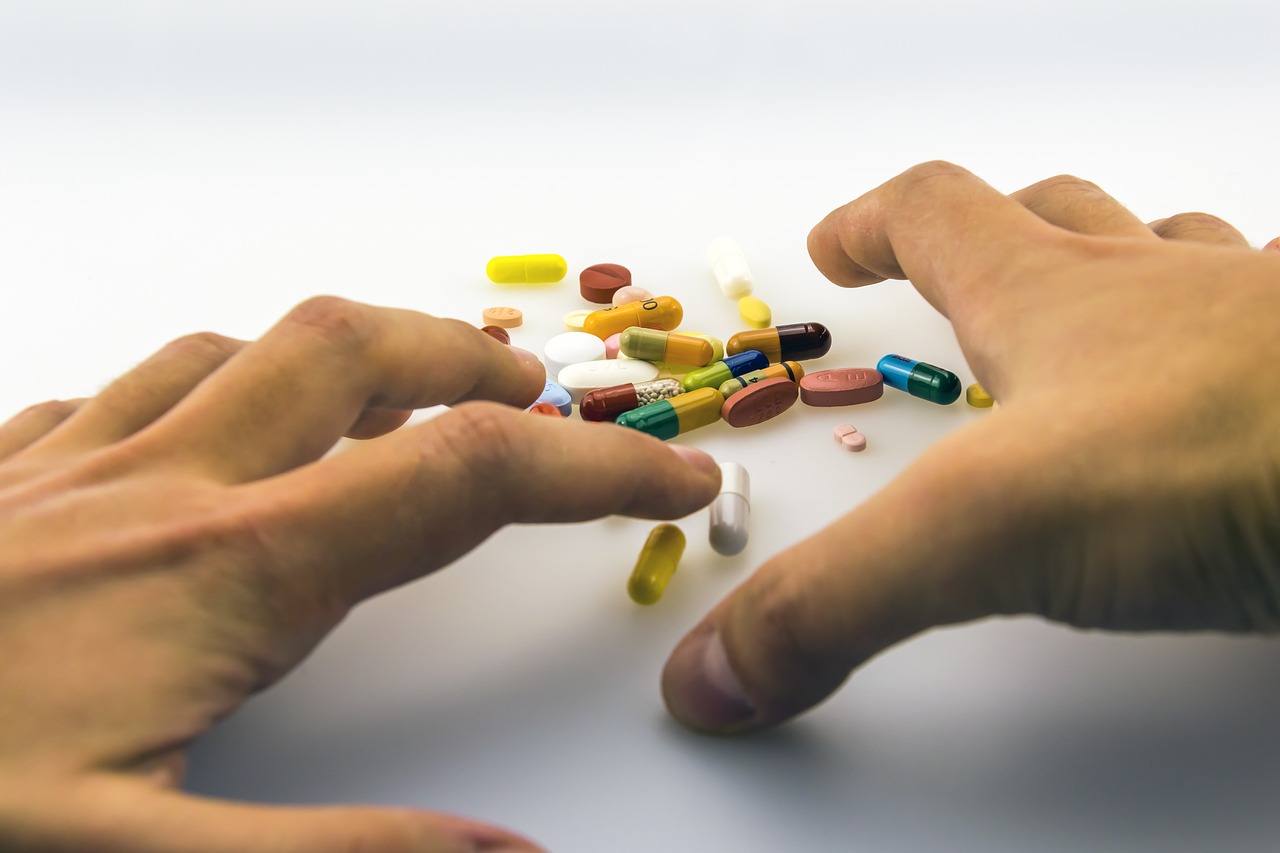
Addiction.
Photo courtesy of Pixabay

Is there really something different in the brains of addicted people?

Yes, there really does seem to be a physical change in the brain that accounts for why some people become addicted to chemicals, drugs in particular, and behaviors also. These brain changes may explain why and how people move from just experimenting, trying new novel exciting things, to the point of being addicted. Once addicted, the brain begins to demand more of the chemical or the behavior it has become dependent on.

One possible explanation for this brain change is deltaFosB.

It was quite by accident that I came across a description of deltaFosB and how it was causing a behavioral addiction. That instance had nothing to do with drugs, alcohol, or chemical dependency but came from the field of research on erectile dysfunction.

Erectile dysfunction was once considered purely a problem among older men and presumably their partners. Recently we have discovered there is a group of men who are developing erectile dysfunction at an amazingly young age.

The common denominator in this early onset of erectile dysfunction? Watching pornography. A few views appear to be no problem but those who watch a lot gradually develop a dependency on the watching of porn and become unable to be aroused by a real physical partner. The brain has rewired itself to become dependent on or addicted to porn to achieve sexual arousal.

For more on this see: Your Brain on Porn.

For those of you who like to watch – there is a YouTube TEDx Talks video on this research titled The Great Porn Experiment.

These brain changes do not happen suddenly but a little at a time.

Research on cocaine, morphine, nicotine, ethanol (drinkable alcohol), and Delta (9)-tetrahydrocannabinol (Delta (9)-THC, the active ingredient in marijuana, found they all produce specific changes in the brain. These changes do not happen suddenly from one dose but gradually over time the levels of deltaFosB increase and at some point, different for different people or different for different mice, and the brain begins to rewire itself to depend on the drug.  Interestingly enough each drug changes the brain in a different characteristic way.

Patterns of addiction to different drugs involve different changes in the brain. For more on this see: Distinct Patterns of ΔFosB Induction in Brain by Drugs of Abuse by Perrotti LI, Et. Al. Department of Psychiatry, The University of Texas Southwestern Medical Center, Dallas, Texas.

A full explanation of the chemistry involved is beyond my expertise or the scope of this blog but I have included a few links to some resources on the topic for those of you who are so inclined.

Wikipedia describes the role of deltaFosB this way.

“The ΔFosB splice variant has been identified as playing a central, crucial (necessary and sufficient) role in the development of many forms of behavioral plasticity and neuroplasticity involved in both behavioral addictions (associated with natural rewards) and drug addictions.”

How many doses does it take to become addicted – Gene Expression.

Genes are a lot more complicated than we used to think. When I went to school back in the post dark-ages era, we thought genes were yes or no things. You inherit your gene for eye color, hair color, height, and so on from your parents in a predictable, dominant-recessive way. Right?

Not really.

There is a thing called gene expression.

My gene for hair color dictated dark black hair. At least in my teens, it did. Those of you who have seen my blog bio picture realize that most of my hair is now gray, Ok maybe we should call it white. How did the gene for my hair color change?

As we age, or under the influence of environment and substances our genes can “Flip.” That switch in our genes moves and now that gene for black hair becomes the gene for white. The same thing happens for behaviors and drugs.

That chemical that used to be just an extra add-on for your pleasure becomes something you must have just to feel passable.

Here is a specific study on the process for those who take cocaine.

Expression of the transcription factor deltaFosB in the brain controls sensitivity to cocaine.

Now we have an explanation, of sorts, for how someone can use a substance or do a behavior for a while with no problem and then at some point the switch flips and they are now addicted to that drug or behavior. Presumably, this would also allow us to determine which behaviors fit the model as true behavioral addictions and which are just bad habits.

Can we flip that switch back? So far we have not found a way to turn an addict or an alcoholic back into a non-addicted person. You can dye your hair or you can let it go but once you turn gray you are stuck.

Be careful with the behaviors you practice and the chemical you use. They may be changing your brain.

Staying connected with David Joel Miller

Seven David Joel Miller Books are available now!

My newest book is now available. It was my opportunity to try on a new genre. I’ve been working on this book for several years, but now seem like the right time to publish it.

Story Bureau.

Story Bureau is a thrilling Dystopian Post-Apocalyptic adventure in the Surviving the Apocalypse series.

Baldwin struggles to survive life in a post-apocalyptic world where the government controls everything.

As society collapses and his family gets plunged into poverty, Baldwin takes a job in the capital city, working for a government agency called the Story Bureau. He discovers the Story Bureau is not a benign news outlet but a sinister government plot to manipulate society.

Bumps on the Road of Life. Whether you struggle with anxiety, depression, low motivation, or addiction, you can recover. Bumps on the Road of Life is the story of how people get off track and how to get your life out of the ditch.

Dark Family Secrets: Doris wants to get her life back, but small-town prejudice could shatter her dreams.

Casino Robbery Arthur Mitchell escapes the trauma of watching his girlfriend die. But the killers know he’s a witness and want him dead.

Planned Accidents  The second Arthur Mitchell and Plutus mystery.

Letters from the Dead: The third in the Arthur Mitchell mystery series.

What would you do if you found a letter to a detective describing a crime and you knew the writer and detective were dead, and you could be next?

Sasquatch. Three things about us, you should know. One, we have seen the past. Two, we’re trapped there. Three, I don’t know if we’ll ever get back to our own time.

For these and my upcoming books; please visit my Author Page – David Joel Miller

Want the latest blog posts as they publish? Subscribe to this blog.

For videos, see: Counselorssoapbox YouTube Video Channel

What is the DSM?

By David Joel Miller, MS, Licensed Therapist & Licensed Counselor.

What is

What is the DSM?
Photo courtesy of Pixabay.

DSM is short for Diagnostic and Statistical Manual of Mental Disorders.

The DSM, short for Diagnostic and Statistical Manual of Mental Disorders is a book created and published by the APA (American Psychiatric Association) which seeks to codify the classification of mental, emotional, or behavioral diagnoses. Currently, the DSM is in its fifth edition (DSM-5.) Each successive edition has seen significant shifts in how we understand and diagnose mental illnesses.

While this volume is published by an American organization it has been widely used throughout the world. A number of reasons for the creation of the DSM have been suggested but a few large reasons stand out as the most important.

The early lists of diseases were about mortality, morbidity, and treatment.

Some of the earliest efforts to categorize diseases had to do with classifying causes of death. Other methods of classification were used on census reports to describe those who were unable to work because of mental retardation or mental illnesses.

It was also useful to doctors to have lists of diseases in order to help direct treatment. That medical model continues to influence mental health treatment. The APA is an organization of those people from a medical specialist who can prescribe medication. The result of reliance on doctors to write the classification system has been the medicalization of mental illness. If the main tool you have to treat illness is medications then they get classified by those disorders that will respond to a particular class of medication rather than those that will be best treated by a particular talk therapy.

Your diagnosis should not change with the place you live or who sees you.

One goal in encouraging the universal use of the DSM (and the International Classification of Diseases or ICD, more on the ICD in another post) is to increase the likelihood that when clinicians in various countries diagnose someone with a mental illness they are using the same definitions and criteria.

When you do research it is important to be researching the same disorder.

Standardized criteria, sometimes called strict criteria, are important in researching the treatment of mental disorders. Being sure that everyone in the research study has the same illness improves the chances that a treatment that works once with one group might work again on people with similar symptoms.

The DSM has undergone some huge alterations over the years. Early thinking separated mental illness into neuroses, the problems of living, and psychosis, the loss of contact with reality. Often mental retardation was tossed in with mental illness or vice versa.

Every time the list of mental illnesses has been revised the list has gotten longer. There is still a lot of debate over whether we have all the possible mental health issues listed in the DSM. The result of this uncertainty is a chapter in the back of the DSM-5 called “conditions for further study.” Some of these conditions will eventually get listed as disorders and some will disappear again.

The first or original version of the DSM came out in 1952. It is reported to have been influenced by government efforts to test soldiers during WWII. This was revised into DSM-II in 1968.

DSM-III was introduced in 1980. It introduced a thing called the “multi-axial system.” This was partially a recognition that the boundaries between mental illness, environmental issues, personality disorders, and physical illness were not always easy to fix precisely. The multi-axial system survived officially until Oct of 2015 when all were, in theory, required to adopt the new DSM-5. In the DSM-5 there is no longer a 5 axis system though we still look for most of the things that used to be placed on these five axes.

The DSM-III version was revised to be DSM-III-R in 1987 with lots of stuff changed and moved around.

In 1994 the DSM became DSM-IV, followed in 2000 by a minor text revision to become the DSM-4-TR.

The latest DSM revision was released in 2013 as the DSM-5. This version includes the codes for use with both the ICD-9 and the ICD-10. For those clinicians trained over the last 20 years, the DSM-5 was a sort of culture shock as some of the things we thought we knew about mental illness have been redefined. There was and continue to be some professional disagreements about how the DSM-5 classifies certain human problems.

The process of treatment research, especially in the area of brain scans and neuroscience makes it likely that our understanding of the human brain and mental illness will continue to change.

FYI These “What is” sometimes “What are” posts are my efforts to explain terms commonly used in Mental Health, Clinical Counseling, Substance Use Disorder Counseling, Psychology, Life Coaching, and related disciplines in a plain language way. Many are based on the new DSM-5; some of the older posts were based on the DSM-IV-TR, both published by the APA. For the more technical versions please consult the DSM or other appropriate references.

See Recommended Books.     More “What is” posts will be found at “What is.”

Staying connected with David Joel Miller

Seven David Joel Miller Books are available now!

My newest book is now available. It was my opportunity to try on a new genre. I’ve been working on this book for several years, but now seem like the right time to publish it.

Story Bureau.

Story Bureau is a thrilling Dystopian Post-Apocalyptic adventure in the Surviving the Apocalypse series.

Baldwin struggles to survive life in a post-apocalyptic world where the government controls everything.

As society collapses and his family gets plunged into poverty, Baldwin takes a job in the capital city, working for a government agency called the Story Bureau. He discovers the Story Bureau is not a benign news outlet but a sinister government plot to manipulate society.

Bumps on the Road of Life. Whether you struggle with anxiety, depression, low motivation, or addiction, you can recover. Bumps on the Road of Life is the story of how people get off track and how to get your life out of the ditch.

Dark Family Secrets: Doris wants to get her life back, but small-town prejudice could shatter her dreams.

Casino Robbery Arthur Mitchell escapes the trauma of watching his girlfriend die. But the killers know he’s a witness and want him dead.

Planned Accidents  The second Arthur Mitchell and Plutus mystery.

Letters from the Dead: The third in the Arthur Mitchell mystery series.

What would you do if you found a letter to a detective describing a crime and you knew the writer and detective were dead, and you could be next?

Sasquatch. Three things about us, you should know. One, we have seen the past. Two, we’re trapped there. Three, I don’t know if we’ll ever get back to our own time.

For these and my upcoming books; please visit my Author Page – David Joel Miller

Want the latest blog posts as they publish? Subscribe to this blog.

For videos, see: Counselorssoapbox YouTube Video Channel
Do you have a drinking problem?

By David Joel Miller, MS, Licensed Therapist & Licensed Counselor.

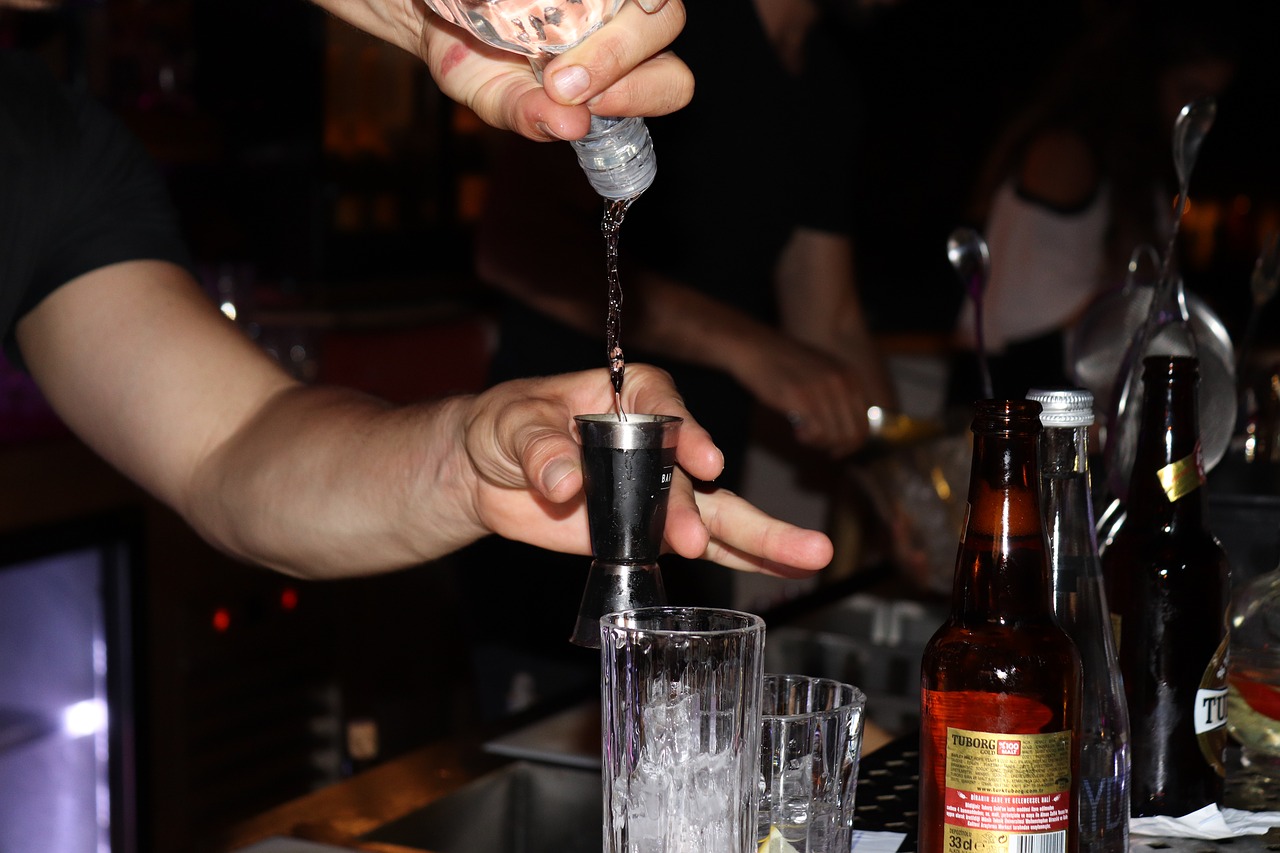
Drinking

Binge drinking.
Photo courtesy of Pixabay.com

How would you know if you have a drinking problem?

How would you know if you or someone close to you had a drinking problem? Drink too much and there will be ill effects, maybe a hangover or worse. If this happens once you or someone you know may think this was an accident, a miscalculation, or an experience that will not happen again.

So how might you determine that your drinking has moved from having fun to something that needs attention?

Screening for an Alcohol Use Disorder.

There are several screening tools professionals use to evaluate a drinking problem and to see if occasional drinking has passed over into the realm of problem drinking. One of the simpler and easier to explain ways of assessing, determining if your drinking has become a problem, is to use the CAGE tool. This can be done as a self-assessment or it can be questions one person might ask another.

Take a look at the description below and see if you or someone you are concerned about may have developed a drinking problem that needs attention. For these questions, I will say you and you can decide if this is a question you need to ask yourself or if you will be asking someone else.

CAGE –

One of the most common alcohol screening tools lists the things you should be looking at to see if there is a problem with Alcohol consumption. Originally developed by Ewing and Rouse in the 1970s this simple screen has been taught in alcoholism counseling classes and used in various forms for almost 50 years and remains as effective now as it was when it was first created.

C – Cut down or Control.

Have you ever tried to control your drinking? Do you feel the need to control how much you drink, when you drink, or why you drink? Have you ever thought that your drinking was excessive? Have you ever decided to limit your drinking?

Thinking that you need to cut down or control your drinking are bad signs. People do not normally try to control or cut down on something that is not causing them a problem. If once you decide to try to control your drinking you find that it is harder to control than you expected, your drinking problem may be worse than you realized.

Loss of control and cravings for a substance are hallmarks of a developing problem relationship with any substance or activity.

A – Annoyed at people who criticized your drinking.

Over time problem drinkers get into conflicts with others, family and friends may remind you of things you did while drinking. They may even tell you that you did things you do not remember doing. In other posts, I described some of the reasons people do not remember what they did while drinking or they remember things that never happened. See Blackouts and Why you remember things that never happened.

G – Guilty.

Ever feel guilty about things you did while drinking? This suggests that not only do you have a problem with your drinking but that it has begun to affect others. Guilt is an emotion that should function to let you know you are doing things that you should not be doing. The way to eliminate guilt is to stop doing things that will make you feel guilty.

Having done something you regret does not automatically make you a bad person. The key to improved self-respect is to stop doing things that do not make you proud.

E – Eye-opener.

Ever need an eye-opener first thing in the morning?

Needing more of a substance to cope with the effects of using the night before suggests that your usage has gone from a small problem to a much larger one. At this point, you may have developed a chemical or psychological dependence on the substance.

Using more of a chemical to reduce the effects of the drug wearing off is the result of withdrawals. All withdrawals do not include severe physical symptoms. Some withdrawal effects can be psychological like moodiness, depression, or anxiety.

Did you say yes to any of these questions? Does someone you care about exhibit these behaviors? Then it may be time for a change.

In addition to the CAGE tool, there are a number of other screening instruments that can detect the problematic use of a substance or problems with behaviors. Commonly used screening or assessment tools include the MAST, SMAST, AUDIT, and CRAFFT. All of which are longer and more detailed than the CAGE.

If there are issues that you need to deal with, especially issues involving problems with drug or alcohol use, consider talking with a doctor or counseling professional about help for these issues.

Not everyone needs to enter rehab for a substance use disorder or a behavioral issue. But without help, mental and emotional issues, like physical illness, tend to get worse over time.

Staying connected with David Joel Miller

Seven David Joel Miller Books are available now!

My newest book is now available. It was my opportunity to try on a new genre. I’ve been working on this book for several years, but now seem like the right time to publish it.

Story Bureau.

Story Bureau is a thrilling Dystopian Post-Apocalyptic adventure in the Surviving the Apocalypse series.

Baldwin struggles to survive life in a post-apocalyptic world where the government controls everything.

As society collapses and his family gets plunged into poverty, Baldwin takes a job in the capital city, working for a government agency called the Story Bureau. He discovers the Story Bureau is not a benign news outlet but a sinister government plot to manipulate society.

Bumps on the Road of Life. Whether you struggle with anxiety, depression, low motivation, or addiction, you can recover. Bumps on the Road of Life is the story of how people get off track and how to get your life out of the ditch.

Dark Family Secrets: Doris wants to get her life back, but small-town prejudice could shatter her dreams.

Casino Robbery Arthur Mitchell escapes the trauma of watching his girlfriend die. But the killers know he’s a witness and want him dead.

Planned Accidents  The second Arthur Mitchell and Plutus mystery.

Letters from the Dead: The third in the Arthur Mitchell mystery series.

What would you do if you found a letter to a detective describing a crime and you knew the writer and detective were dead, and you could be next?

Sasquatch. Three things about us, you should know. One, we have seen the past. Two, we’re trapped there. Three, I don’t know if we’ll ever get back to our own time.

For these and my upcoming books; please visit my Author Page – David Joel Miller

Want the latest blog posts as they publish? Subscribe to this blog.

For videos, see: Counselorssoapbox YouTube Video Channel

Lonely Holidays

By David Joel Miller, MS, Licensed Therapist & Licensed Counselor.

Woman alone at the beach

Alone for the holiday.
Photo courtesy of Pixabay.com

The holidays can be a tough time for many people.

The season comes with high expectations. Things you should do should have and should be. Compared to your expectations this season can be a disappointment. It doesn’t have to be that way. If you are thinking about who you wish you were with and they are not there it can be sad.

For some folk the only visitors this season will be the demons: sadness, depression, guilt, and self-doubt. Rumination and revisiting the past can generate all forms of unhelpful thoughts.

Loneliness is often accompanied by his pal, emptiness, that giant-sized hole in your middle. There are a host of ways you might try to fill that hole and keep the loneliness at bay. Most of these loneliness cures promise to make you feel better for a moment but at a long-term price. They will reach for the things that only work for a short while. Let’s talk first some things that are unhelpful then review some suggestions for coping with holiday loneliness.

Spending your way to happiness is unhelpful in the longer run.

This season is the time for the annual binge behavior. Many people expect to gorge themselves on things in an effort to make themselves feel better, feel adequate. It is a short trip from treating yourself to a new gadget to thinking that your self-worth depends on your ability to spend and spend.

Don’t have the cash? You can dine on a diet of debt. Many people will be vomiting up their money for the year to come after the overindulgence of debt spending.

There is no magic pill for feeling lonely.

This holiday season people around the globe will look for all manner of substances to satiate that uneasy feeling that they are not what they should be or that what they are is not good enough. Drugs and alcohol are chief among those things that will be abused aplenty.

Some people will discover this holiday season that they too are candidates for an addiction or alcoholism. One dose of your drug of choice makes you forget what is bothering you but at the price of becoming dependent on that drug. Addiction is a gift that keeps on taking.

If you have a health challenge, physical or mental, a diagnosed illness, medication can be important. But no medication changes your unhelpful thoughts and makes your loneliness vanish.

The kind of drug most people will take this year, the self-prescribed alcohol or street drugs will let you forget your discomfort for a moment at a high long-term cost.

Do not let the wolves in the door.

When you start to feel that loneliness knocking at your door it is tempting to let all kinds of harmful people in. People will hook up and reconnect, often with the people who have caused them the most pain. It is tempting to let a dangerous person into your life to keep loneliness at bay, but that creature may destroy you later.

Avoid dogmatism, fanaticism, and revenge.

Dedicating yourself to a cause and trying to annihilate those who disagree is an intoxicant. Trying to make yourself less alone by launching a program of forcing others to agree with your politics, religion, or other dogma may divert your attention from your unhappiness for a while. Inflicting pain on others will never heal the wound in your heart.

Stalking and seeking revenge keeps you connected to the person who harmed you and maintains the pain. Do not believe that someone’s departure from your life is the sole cause of your loneliness. Living the best life possible now is the cure for the loss of someone from your life.

What does work to keep loneliness from entering your life?

Being alone does not equal being lonely.

If whenever you are alone you find yourself feeling lonely and frantically looking for something or someone to help you feel better, the problem is that you have not learned to be comfortable in your own company. Learn to like yourself, become your own best friend. Discover the ways that you can please yourself. In other posts past and future we can talk about things to do when you are alone that are positive and nurturing of you.

Reconnect with positive people.

The holidays are a good time to reach out. Mail or email someone who was a positive influence in your life that you have not talked with in a while. Plan to visit some old friends and some younger ones. Take yourself back to some places that are filled with happy memories.

Pain, loneliness, and regret have a way of pounding on your door. Happy memories wait patiently outside that door for you to invite them in.

Seek out supportive people and give them the opportunity to feel good by being of service.

Self-help groups, 12 step groups, in particular, have all kinds of events this time of year. They conduct marathon meetings, potlucks, and social events so that recovering people do not need to be alone for the holidays. Seek out others in recovery.

Visit a positive online community.

Leave comments, read blog posts, interact with other recovering people. Know that others may be waiting for the blessing of your comment. Look for the good in others and share the best in you.

Practice your religious or spiritual tradition.

Feeling that you are connected to something greater than yourself is an antidote to that empty feeling. Make time this holiday season to think about what you think is important and why you chose that belief.

Feeling a connection to a power greater than yourself can help turn that feeling of loneliness into a feeling of purpose. Practice those ceremonies that make meaning for you. Prayer, meditation, and ritual all put you in a proper connection to your higher power.

Alone need not mean lonely.

Just because you are alone this holiday season does not mean you have to be lonely. Alone is on the outside and lonely is on the inside.

What will you do this holiday season to help your recovery and thwart the loneliness, creature?

Staying connected with David Joel Miller

Seven David Joel Miller Books are available now!

My newest book is now available. It was my opportunity to try on a new genre. I’ve been working on this book for several years, but now seem like the right time to publish it.

Story Bureau.

Story Bureau is a thrilling Dystopian Post-Apocalyptic adventure in the Surviving the Apocalypse series.

Baldwin struggles to survive life in a post-apocalyptic world where the government controls everything.

As society collapses and his family gets plunged into poverty, Baldwin takes a job in the capital city, working for a government agency called the Story Bureau. He discovers the Story Bureau is not a benign news outlet but a sinister government plot to manipulate society.

Bumps on the Road of Life. Whether you struggle with anxiety, depression, low motivation, or addiction, you can recover. Bumps on the Road of Life is the story of how people get off track and how to get your life out of the ditch.

Dark Family Secrets: Doris wants to get her life back, but small-town prejudice could shatter her dreams.

Casino Robbery Arthur Mitchell escapes the trauma of watching his girlfriend die. But the killers know he’s a witness and want him dead.

Planned Accidents  The second Arthur Mitchell and Plutus mystery.

Letters from the Dead: The third in the Arthur Mitchell mystery series.

What would you do if you found a letter to a detective describing a crime and you knew the writer and detective were dead, and you could be next?

Sasquatch. Three things about us, you should know. One, we have seen the past. Two, we’re trapped there. Three, I don’t know if we’ll ever get back to our own time.

For these and my upcoming books; please visit my Author Page – David Joel Miller

Want the latest blog posts as they publish? Subscribe to this blog.

For videos, see: Counselorssoapbox YouTube Video Channel
What does my dream mean?

By David Joel Miller, MS, Licensed Therapist & Licensed Counselor.

Dreams

Dream On!
Photo courtesy of Pixabay.com

Ever wondered what your dream meant?

Many readers email me about what their dream may mean. They want answers and hope I can provide them. Dreams can provide useful information for your awake life. Over simplistic interpretations can be harmful. I have written previously about some common drug-using dreams that clients have reported to me and what I and they thought these dreams meant.

Dreams about relationships and life events seem, to me, to be open to a lot more possible interpretations than the common drug use dreams I wrote about in those posts.

Dream interpretation used to get more attention.

First I will offer some thoughts on the topic of dream interpretation, then some suggestions for interpreting your particular dreams.

There was a time when interpreting dreams was a large part of what people in the psychology field did. The key concept in dream interpretation was the Freudian interpretation of mental processes and the role that was ascribed to the unconscious. Jung wrote about the collective unconscious and there are “depth” psychologists today that work in this area.

Interpreting dreams went out of fashion.

Somewhere along the line the study of normal psychology and the study of mental health and mental illness, sometimes called “abnormal psychology” were divorced.

Today the predominant model for treatment of mental illness or improving mental wellness is cognitive-behavioral therapy. Rather than looking for answers to life problems in the place of an unknowable and uncontrollable unconscious most therapy and counseling looks at very visible processes like learning and cognitive distortions. The emphasis is on things you think and believe, that are unhelpful, not on things your unconscious mind is making you do.

Most of the cognitive interventions, like reframing and challenging faulty assumptions are relatively straightforward. Interpreting dreams is far more subjective and less certain. While interpreting dreams and exploring your unconscious can be personally rewarding it is not the sort of brief, medically necessary, intervention a lot of insurance companies will pay for.

Personally, I have some dreams. Some of those are a bit disturbing and others are happy memories, so yes I may look at them. I find I need to be careful in interpreting my dreams and feel you should be careful with anyone who offers you a quick interpretation of your dreams. Especially be suspicious of those popular books that list a whole lot of things and if you dream of a lake it means one thing and if you dream of a river it means something else.

One thing does not always have one definite meaning for everyone. I am told that Freud, that believer in all things sexual, once replied that sometimes a cigar is just a cigar. He was, according to some reports, highly addicted to tobacco, so dreaming of cigars makes sense in a drug-using context.

Dream meanings are very personal.

Your past life experiences, in real life, and vicariously in movies and books can color your dreams. For example, back in High School, I raised some birds, Pigeons, and parakeets, if I dream about those birds it may have one meaning for me and quite another one for a person who was bitten by a bird and as a result is frightened of birds. The important thing is what does this dream mean to you?

Most of us have far more dreams than we remember. Even people who say they do not dream seem to enter dream states when hooked up to machines during sleep studies. Ever had a dream, awakened, and ran for the bathroom and when you got back to bed could not remember that dream? The majority of us forget more dreams than we remember. Some people forget almost all of their dreams.

It is the very unusual or frightening dreams that get remembered. If you keep a pad by the bed and write the dream down upon awakening you will discover you are having and remembering a lot more dreams.

From a cognitive perspective, we think that during dreams memories are taken out, processed, and then restored. There are opportunities for memories to undergo some alteration as in Lucid dreaming an intervention proposed to help with dreams that maintain PTSD symptoms. 

Things that happen in dreams do not have to follow logic or even the laws of time and space. So you may, in your dream, step out a door and be in another country. So you saw something in your dream, someone did something or something happened to you or a person close to you what does that mean?

Dreams have layers of interpretation.

Recently I read a book on dream interpretation by Jeremy Taylor, Where water runs up hill; he suggests that dreams have many layers of meaning. So the dreams about the parakeets many just be about a fond memory of childhood but it might also have to do with existential things like living, having children, and eventually dying, or it might have another meaning altogether.

What he suggests we should do is look at the dream, talk with others you trust about the dream, and then look at possible interpretations. What do you think it means at a superficial level, what it could mean at a deeper level, and so on. Some of these meanings will not make much sense and some will really speak to you.

So if you comment or use the “contact me” form, I can offer you a possible meaning to two for what you ask about, but I make no pretense that mine is the “correct” interpretation. If when someone tells you that your dream might mean a particular thing and you feel in your gut, your felt-sense, intuition, that this is correct, that meaning is probably part of your truth.

Hope this brief explanation of dreams from purely my perspective might be helpful.

Enjoy your dreams but seek help for disturbing nightmares.

Staying connected with David Joel Miller

Seven David Joel Miller Books are available now!

My newest book is now available. It was my opportunity to try on a new genre. I’ve been working on this book for several years, but now seem like the right time to publish it.

Story Bureau.

Story Bureau is a thrilling Dystopian Post-Apocalyptic adventure in the Surviving the Apocalypse series.

Baldwin struggles to survive life in a post-apocalyptic world where the government controls everything.

As society collapses and his family gets plunged into poverty, Baldwin takes a job in the capital city, working for a government agency called the Story Bureau. He discovers the Story Bureau is not a benign news outlet but a sinister government plot to manipulate society.

Bumps on the Road of Life. Whether you struggle with anxiety, depression, low motivation, or addiction, you can recover. Bumps on the Road of Life is the story of how people get off track and how to get your life out of the ditch.

Dark Family Secrets: Doris wants to get her life back, but small-town prejudice could shatter her dreams.

Casino Robbery Arthur Mitchell escapes the trauma of watching his girlfriend die. But the killers know he’s a witness and want him dead.

Planned Accidents  The second Arthur Mitchell and Plutus mystery.

Letters from the Dead: The third in the Arthur Mitchell mystery series.

What would you do if you found a letter to a detective describing a crime and you knew the writer and detective were dead, and you could be next?

Sasquatch. Three things about us, you should know. One, we have seen the past. Two, we’re trapped there. Three, I don’t know if we’ll ever get back to our own time.

For these and my upcoming books; please visit my Author Page – David Joel Miller

Want the latest blog posts as they publish? Subscribe to this blog.

For videos, see: Counselorssoapbox YouTube Video Channel
5 Reasons Mental Illness and drug use hangout together.

By David Joel Miller, MS, Licensed Therapist & Licensed Counselor.

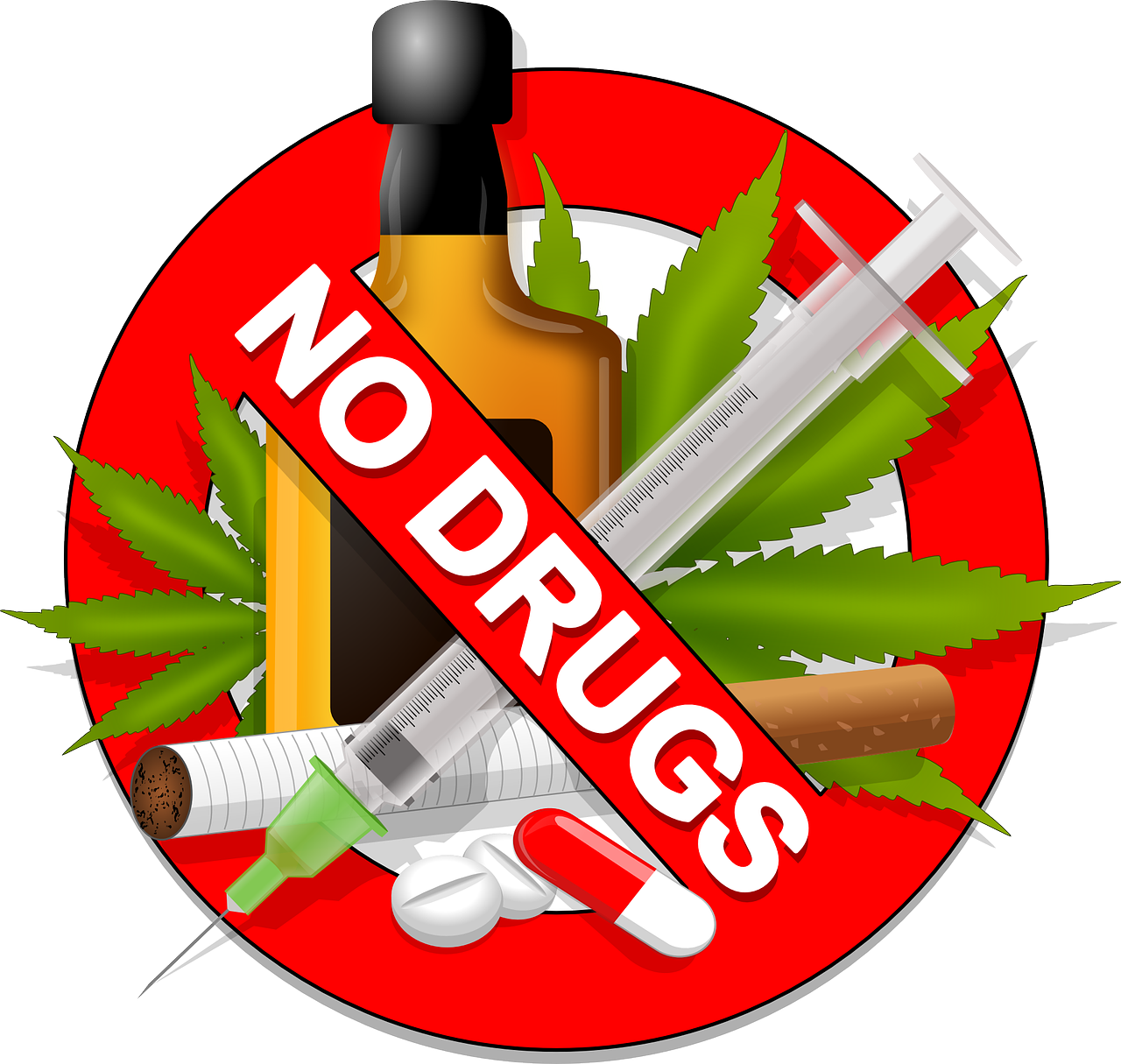
sign

No Drugs.
Photo courtesy of Pixabay.com

Why do so many people have both Substance Use Disorders and a Mental Illness?

Having multiple problems is so common today that we are surprised when someone shows up looking for help for one and only one problem. People who have a mental illness often abuse drugs or alcohol. People with a Substance abuse disorder frequently have one or more mental illnesses.

The overlap is so common we have come to expect that someone who has one life problem is at risk to develop another. When people have more than one problem it is hard to recover from one unless the other gets treated.

The old method was to ask the mentally ill to give up drugs and alcohol, stay clean 30 days, and then they could get help for their mental illness. Substance abuse clients were told to go get their depression or anxiety treated and then come back for drug treatment. The result was people with multiple problems who were ping-ponged back and forth between providers and many never got the help they needed.

The newer approach is to treat multiple problems all at once and improvements in one life area help recovery in other areas. So why are mental health problems so very common among those with substance use disorders? Here are some of those reasons.

A prior Mental illness puts you at risk to abuse substances.

Having a mental health problem puts you at risk to use substances to cope with your issue. Someone with anxiety finds that alcohol or drugs help them get past the anxiety and be more outgoing. The more of a drug they do the better they feel. Before long this use is out of control and becomes first a habit and then an addiction.

A person with Post Traumatic Stress Disorder will find that chemicals, alcohol or drugs, numb the symptom. Some people drink to forget the depression. All of these uses of chemicals to cope with a mental health issue could fit under the idea of self-medication. Using drugs and alcohol can help the person cope for a while, but since this is an unsafe coping strategy eventually the person’s solution becomes a second problem.

Common stressors and environments increase risks for both.

Living in poor neighborhoods increases the risk that you will have life difficulties. More crime more mental health issues and more drug and alcohol abuse in your neighborhood. Poverty is depressing and substances are a way to cope, temporarily, with poverty and unemployment.

Substances change your brain and induce mental health disorders.

People try drugs for all sorts of reasons. Many people have had the experience of a hangover. After that experience, a common treatment for the hangover is the hair of the dog that bit you, more alcohol.

Substance use progresses from experimentation to habitual use. The more of a drug someone uses the more their brain chemistry changes. At some point, not a planned occurrence, this habit becomes a mental need, a psychological addiction to the substance. Eventually, this progresses to a psychical addiction, a chemical dependency.

Excessive substance abuse results in long-term changes in the functioning of the brain. Depression, anxiety, or even psychosis may develop as a result of using, being under the influence, and withdrawing from substances.

Life experiences from either increase the risk of the other problem.

People with serious mental illnesses are more likely to be the victim of crime than the perpetrator. Being mentally ill makes you vulnerable. Having a mental illness increases the risk that you will be unemployed, have a psychical illness, and die at an earlier age. All of these are risk factors for substance abuse.

The life experiences that drug users have, poor neighborhoods, crime, and poverty are all risk factors for poor mental health. The drug-using experience increases the risk of traumatic experiences. Rapes, robberies, assaults, and incarcerations all can accompany substance use disorders.

The experience of having a substance use disorder increases the risk of a mental illness. Trying to live with a mental illness increases the risk that you will abuse substances.

Giving up a drug of choice is painful.

For most substance abusers their drug of choice becomes their best friend. Women come and go but Sherry is always waiting in the bottle for you. A man may leave you but Jose and Jack will always be in the bottle when you need them.

Crystal is always ready for your next date with the pipe.

People become closer to their drug of choice than to their family or friends. Giving up drugs or alcohol means losing that best friend. This loss of a friend and support system can leave the substance user alone with no coping mechanism and at high risk to develop a mental health problem or return to active use.

Hope that these 5 ideas will help to explain why having both a substance use disorder and a mental illness at the same time is so very common. If you or someone you know has one or both of these issues help is available. If that person has both conditions, look for a treatment provider who is comfortable with working on both issues at the

Staying connected with David Joel Miller

Seven David Joel Miller Books are available now!

My newest book is now available. It was my opportunity to try on a new genre. I’ve been working on this book for several years, but now seem like the right time to publish it.

Story Bureau.

Story Bureau is a thrilling Dystopian Post-Apocalyptic adventure in the Surviving the Apocalypse series.

Baldwin struggles to survive life in a post-apocalyptic world where the government controls everything.

As society collapses and his family gets plunged into poverty, Baldwin takes a job in the capital city, working for a government agency called the Story Bureau. He discovers the Story Bureau is not a benign news outlet but a sinister government plot to manipulate society.

Bumps on the Road of Life. Whether you struggle with anxiety, depression, low motivation, or addiction, you can recover. Bumps on the Road of Life is the story of how people get off track and how to get your life out of the ditch.

Dark Family Secrets: Doris wants to get her life back, but small-town prejudice could shatter her dreams.

Casino Robbery Arthur Mitchell escapes the trauma of watching his girlfriend die. But the killers know he’s a witness and want him dead.

Planned Accidents  The second Arthur Mitchell and Plutus mystery.

Letters from the Dead: The third in the Arthur Mitchell mystery series.

What would you do if you found a letter to a detective describing a crime and you knew the writer and detective were dead, and you could be next?

Sasquatch. Three things about us, you should know. One, we have seen the past. Two, we’re trapped there. Three, I don’t know if we’ll ever get back to our own time.

For these and my upcoming books; please visit my Author Page – David Joel Miller

Want the latest blog posts as they publish? Subscribe to this blog.

For videos, see: Counselorssoapbox YouTube Video Channel
Useful information about Alcohol Use and Abuse

Looking for information about Alcohol Use and Abuse?

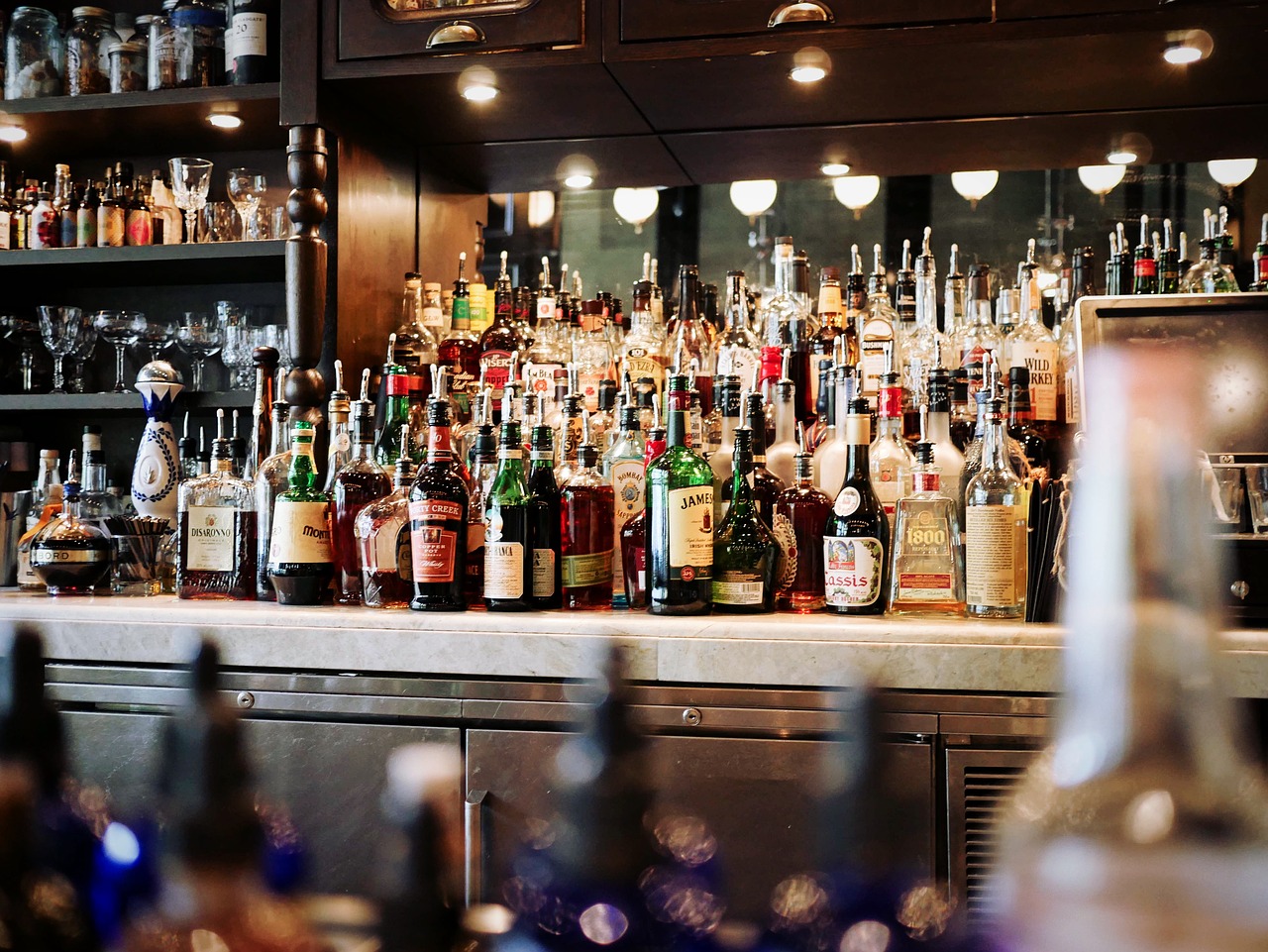
Liquor

Alcoholic beverages.
Photo courtesy of Pixabay.com

By David Joel Miller, MS, Licensed Therapist & Licensed Counselor.

Ever hear of the Alcoholism Awareness Council? I hadn’t. Recently I found this site, or more precisely they found me. Looks like a good source for information on alcohol use, alcohol use disorders, and what we used to refer to as alcohol abuse and dependence. They publish information, both statistics, and the latest research, in the field of alcohol use and abuse. Lots of links on this site to other sources, both researchers and government publications.

So if you are researching the state of alcohol use in America or working on a paper for a substance use class this site might be helpful.

Oh yes – sure, you can read counselorssoapbox.com also. I will do my best to keep you posted on the latest information in the fields of substance use disorders, mental health, and co-occurring disorders. But when you are not here at counselorssoapbox.com reading this blog, you might also want to check out the resources at Alcoholism Awareness Council           http://www.alcohol.org/

If you do check out the Alcoholism Awareness Council, please let me know what you think.

Staying connected with David Joel Miller

Seven David Joel Miller Books are available now!

My newest book is now available. It was my opportunity to try on a new genre. I’ve been working on this book for several years, but now seem like the right time to publish it.

Story Bureau.

Story Bureau is a thrilling Dystopian Post-Apocalyptic adventure in the Surviving the Apocalypse series.

Baldwin struggles to survive life in a post-apocalyptic world where the government controls everything.

As society collapses and his family gets plunged into poverty, Baldwin takes a job in the capital city, working for a government agency called the Story Bureau. He discovers the Story Bureau is not a benign news outlet but a sinister government plot to manipulate society.

Bumps on the Road of Life. Whether you struggle with anxiety, depression, low motivation, or addiction, you can recover. Bumps on the Road of Life is the story of how people get off track and how to get your life out of the ditch.

Dark Family Secrets: Doris wants to get her life back, but small-town prejudice could shatter her dreams.

Casino Robbery Arthur Mitchell escapes the trauma of watching his girlfriend die. But the killers know he’s a witness and want him dead.

Planned Accidents  The second Arthur Mitchell and Plutus mystery.

Letters from the Dead: The third in the Arthur Mitchell mystery series.

What would you do if you found a letter to a detective describing a crime and you knew the writer and detective were dead, and you could be next?

Sasquatch. Three things about us, you should know. One, we have seen the past. Two, we’re trapped there. Three, I don’t know if we’ll ever get back to our own time.

For these and my upcoming books; please visit my Author Page – David Joel Miller

Want the latest blog posts as they publish? Subscribe to this blog.

For videos, see: Counselorssoapbox YouTube Video Channel