
Alcohol does not help with depression

By David Joel Miller, MS, Licensed Therapist & Licensed Counselor.
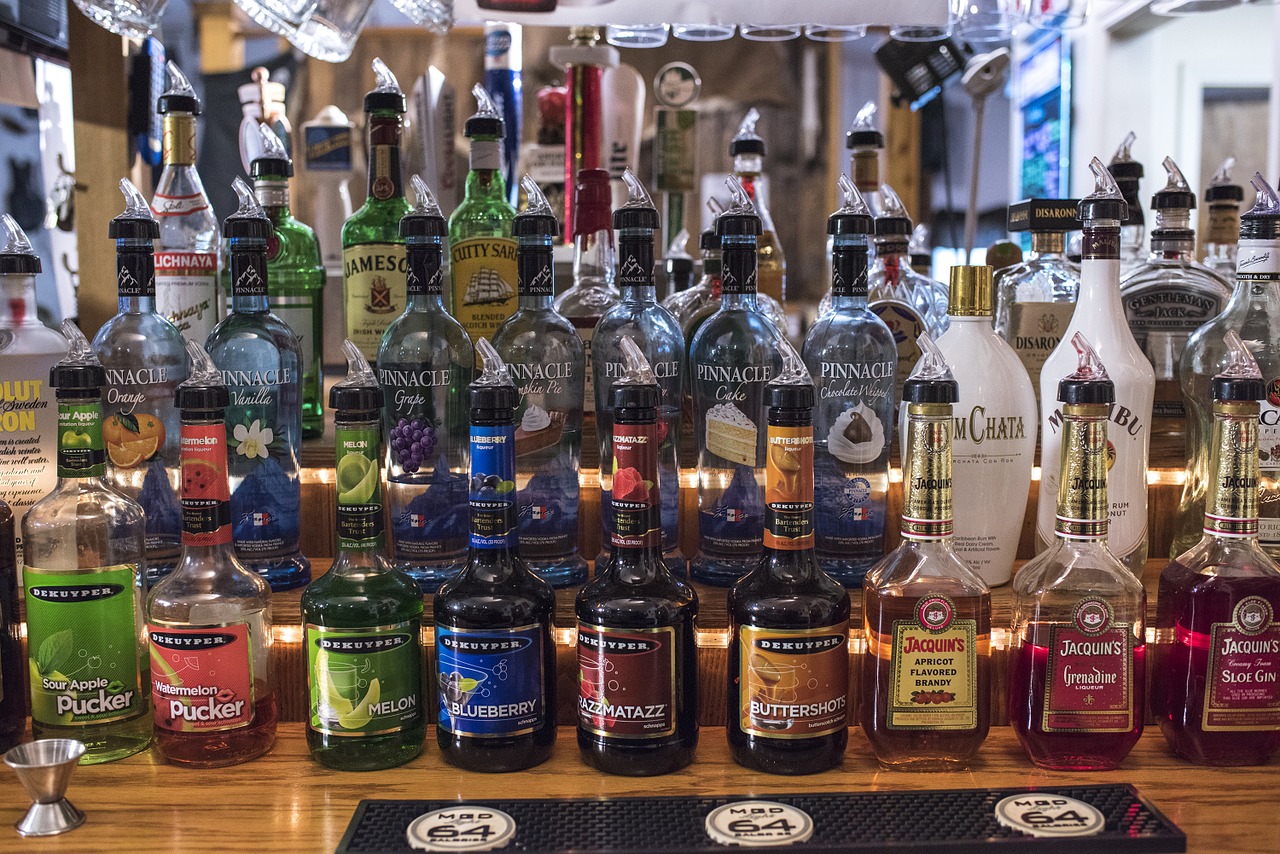
Bottles of alcohol.

Alcoholic Beverages.
Photo courtesy of Pixabay.com

Why drinking won’t make you happier.

Most people think that drinking makes you happier and for some few people who were already happy it seems to work that way.

But if you are depressed, drinking can leave you more depressed than before.

Seems like the depressed person just can’t get a break.

We associate alcohol with parties and fun times. A little will loosen you up, so we think. What it is in fact doing is relaxing parts of the brain. A little relaxation may be helpful but a lot leaves you falling down.

One reason alcohol is associated with fun times is its ability to “disinhibit” you. It shuts off the part of your brain that may be telling you not to do that. So under the influence and even one drink begins to exert an influence, you may do things that you would not do without that drink. You might make a joke, dance more uninhibitedly or participate in an activity that at other times you would not attempt.

What alcohol does not do is make you suddenly happy.

It is the activity you are engaged in that is producing the happiness. Alcohol is a depressant. It works its magic spell but shutting off parts of the brain. The depressed person, unable to cope with parts of life when sober, becomes less able to cope when drinking, not more so.

 For the depressed drinking results in an increase in depression, not a reduction.

People with Major depression who drink are more likely to be disinhibited and do negative, bad things rather than to become happy.

The depressed person is more likely to attempt suicide while intoxicated. Some depression is the result of being angry at others and then taking the feelings out on yourself. If you are in a bad job or relationship we may blame ourselves for being trapped there rather than blame the other people. In this form of depression, we used to call this reactive depression; the depressed person when intoxicated is at increased risk to try to even the score with the person that has made them angry.

The depressed person is not likely to take only one drink.

If one is good for making you happy, so the reasoning goes, more should be better. The depressed person is at high risk to continue drinking until very drunk or even unconscious.

Unconsciousness, as we have seen in other posts, is not the same thing as sleeping. So people who use alcohol to cope with depression will find that they “come to” rather than wake up. In this state, the depressed person will be more depressed as well as hungover. The only cure for this is, in most minds, more alcohol. The cycle begins to accelerate.

There is a high rate of co-occurrence between excessive alcohol use, alcoholism, and depression. Depressed people who drink are at extreme risk to develop alcoholism and chronic alcohol abusers become progressively more depressed.

Despite all the marketing efforts made to convince us that alcoholic beverages are stimulants and make people happy, the real truth is that alcohol is a depressant and any amount stresses the mind and body.

If you are depressed the last thing you should be doing is trying to drink your troubles away. If you are genuinely happy, the more you celebrate with alcohol the less happy you are likely to be.

For most alcoholics, the alcohol was early on their solution but the more they drank the more the alcoholic beverage became their problem.

Alcohol tends to be very addicting, particularly to those with mental health issues. Remember that the category “people with mental health issues” includes most of us at one time or another.

Drinking to regulate emotions is a very risky habit.

Staying connected with David Joel Miller

Seven David Joel Miller Books are available now!

My newest book is now available. It was my opportunity to try on a new genre. I’ve been working on this book for several years, but now seem like the right time to publish it.

Story Bureau.

Story Bureau is a thrilling Dystopian Post-Apocalyptic adventure in the Surviving the Apocalypse series.

Baldwin struggles to survive life in a post-apocalyptic world where the government controls everything.

As society collapses and his family gets plunged into poverty, Baldwin takes a job in the capital city, working for a government agency called the Story Bureau. He discovers the Story Bureau is not a benign news outlet but a sinister government plot to manipulate society.

Bumps on the Road of Life. Whether you struggle with anxiety, depression, low motivation, or addiction, you can recover. Bumps on the Road of Life is the story of how people get off track and how to get your life out of the ditch.

Dark Family Secrets: Doris wants to get her life back, but small-town prejudice could shatter her dreams.

Casino Robbery Arthur Mitchell escapes the trauma of watching his girlfriend die. But the killers know he’s a witness and want him dead.

Planned Accidents  The second Arthur Mitchell and Plutus mystery.

Letters from the Dead: The third in the Arthur Mitchell mystery series.

What would you do if you found a letter to a detective describing a crime and you knew the writer and detective were dead, and you could be next?

Sasquatch. Three things about us, you should know. One, we have seen the past. Two, we’re trapped there. Three, I don’t know if we’ll ever get back to our own time.

For these and my upcoming books; please visit my Author Page – David Joel Miller

Want the latest blog posts as they publish? Subscribe to this blog.

For videos, see: Counselorssoapbox YouTube Video Channel

counselorssoapbox.com posts you read the most

Counselorssoapbox.com

Here are the top 10 mental health posts to date.

By David Joel Miller, MS, Licensed Therapist & Licensed Counselor.

1. How much should you tell a therapist?         

2. Are you Hyperthymic?    

3. Do people really forget what happened when drinking? – Blackouts

4. Why can’t we forget the painful past?                 

5. Do therapists have to report a crime?                    

6. Is nicotine a stimulant or a depressant?     

7. What is the difference between Depression and Major Depressive Disorder?      

8. Levels or types of Borderline Personality Disorder        

9. Six ways to recover from Complex Trauma or Complex PTSD         

10. Which border is Borderline Intellectual Functioning on?         

Thanks for all the support and encouragement you have shown for counselorssoapbox.com I appreciate all of you who read this blog. I especially want to thank those who leave comments and likes.

Staying connected with David Joel Miller

Seven David Joel Miller Books are available now!

My newest book is now available. It was my opportunity to try on a new genre. I’ve been working on this book for several years, but now seem like the right time to publish it.

Story Bureau.

Story Bureau is a thrilling Dystopian Post-Apocalyptic adventure in the Surviving the Apocalypse series.

Baldwin struggles to survive life in a post-apocalyptic world where the government controls everything.

As society collapses and his family gets plunged into poverty, Baldwin takes a job in the capital city, working for a government agency called the Story Bureau. He discovers the Story Bureau is not a benign news outlet but a sinister government plot to manipulate society.

Bumps on the Road of Life. Whether you struggle with anxiety, depression, low motivation, or addiction, you can recover. Bumps on the Road of Life is the story of how people get off track and how to get your life out of the ditch.

Dark Family Secrets: Doris wants to get her life back, but small-town prejudice could shatter her dreams.

Casino Robbery Arthur Mitchell escapes the trauma of watching his girlfriend die. But the killers know he’s a witness and want him dead.

Planned Accidents  The second Arthur Mitchell and Plutus mystery.

Letters from the Dead: The third in the Arthur Mitchell mystery series.

What would you do if you found a letter to a detective describing a crime and you knew the writer and detective were dead, and you could be next?

Sasquatch. Three things about us, you should know. One, we have seen the past. Two, we’re trapped there. Three, I don’t know if we’ll ever get back to our own time.

For these and my upcoming books; please visit my Author Page – David Joel Miller

Want the latest blog posts as they publish? Subscribe to this blog.

For videos, see: Counselorssoapbox YouTube Video Channel
Social or anti-social drinker? Dangers of emotional drug use.

By David Joel Miller, MS, Licensed Therapist & Licensed Counselor.

Bottles of alcohol.

Alcoholic Beverages.
Photo courtesy of Pixabay.com

Using drugs to regulate emotions is high-risk behavior.

We have all heard and seen the use of drugs, especially alcohol to alter your mood. The media has bought into this and it is a common perception. If you feel bad then you need a drink.

This is the worst possible way to use any substance.

People who are sad drink, to cheer themselves up. The angry person has a few to calm down why doesn’t this work?

Absolutely drinking and other drugs can change the way you feel. You feel a little down so you have a few. For a while, you feel better. That drinking makes you forget why you were down in the first place. Then it wears off.

As the alcohol wears off the feeling returns only now you have the consequences of drinking, money spent, maybe a hangover, maybe just an empty feeling that you are sad and nothing is getting better. So you need to drink again.

Each time you drink you feel a mood swing. When it wears off your mood moves back to where it came from. Once you learn the mood swing that accompanies the use of your drug of choice it is reliable. Too reliable.

Over time, as tolerance builds it will take more of that drug to get the same feeling. Or the same amount will do less. Either way, the tendency is to do more, drink more, to try to change the way you feel. Each time the drug wears off you end up lower than where you were before you used.

Eventually, you need to drink or use all the time if you want to keep feeling good or stay out of that blackness. Then something changes.

You find that when the drug wears off you feel worse than before. You need to drink a few now just to get back to where you started. Eventually, you will need to drink just to feel normal. Whatever normal is for you and for many of us that normal was the reason we started to drink or use in the first place.

At this point, no amount of use will get you back to the feeling OK place. If only using and drinking could help you cope but at some point that substance that promised to be your solution, it has become your problem. Now you are drinking and using just to get by. You may reach a point where you can’t get back to normal anymore. Now you need some of that hair of the dog that bit you just to be able to function at all.

People who use alcohol because they are angry, find that once drunk they lose control of their emotions. That alcohol, it reduces inhibitions. A couple of drinks makes you social in the beginning but later a few drinks can make you antisocial. Under the influence, disinhibited, you may do things that you never would have done sober.

That person who needs a few to get up the courage to say what they think is now acting on that suppressed rage. One survey concluded that the vast majority of people in prison were drunk or high in the 24 hours before they committed the crime that sent them away.

That supposed friend that was helping you cope, your drug of choice, has it become the reason you are in jail or homeless?

People who are sad. Who drink to cheer themselves up, find they can forget their troubles for a while but eventually those troubles find them. And now those troubles have become worse because of failed responsibilities and things done and said while under the influence.

We know that people who are sad and depressed who drink are 55 times more likely to attempt suicide. Often with completed suicides and overdose deaths, there is alcohol in the bloodstream that reduced the inhibitions and permitted the act that brought this life to an end.

A single drink on a social occasion may make for fun. But if you find you need that drink to have fun, that without the drink, or the drug, your life is full of emotions that you just can’t stand, then that drink or drug is not your friend anymore, it has become your tormentor.

Having to drink or use to regulate emotions places you at high risk for addiction. Alcoholism, suicide or homicide. It also can induce mental and emotional illnesses or make a pre-existing mental health problem significantly worse.

You can’t learn much when unconscious and those emotional regulation lessons you learned while under the influence, there is a strong chance that you got those emotional lessons wrong.

Drinking and using for emotional reasons can take you in a really bad direction.

Staying connected with David Joel Miller

Seven David Joel Miller Books are available now!

My newest book is now available. It was my opportunity to try on a new genre. I’ve been working on this book for several years, but now seem like the right time to publish it.

Story Bureau.

Story Bureau is a thrilling Dystopian Post-Apocalyptic adventure in the Surviving the Apocalypse series.

Baldwin struggles to survive life in a post-apocalyptic world where the government controls everything.

As society collapses and his family gets plunged into poverty, Baldwin takes a job in the capital city, working for a government agency called the Story Bureau. He discovers the Story Bureau is not a benign news outlet but a sinister government plot to manipulate society.

Bumps on the Road of Life. Whether you struggle with anxiety, depression, low motivation, or addiction, you can recover. Bumps on the Road of Life is the story of how people get off track and how to get your life out of the ditch.

Dark Family Secrets: Doris wants to get her life back, but small-town prejudice could shatter her dreams.

Casino Robbery Arthur Mitchell escapes the trauma of watching his girlfriend die. But the killers know he’s a witness and want him dead.

Planned Accidents  The second Arthur Mitchell and Plutus mystery.

Letters from the Dead: The third in the Arthur Mitchell mystery series.

What would you do if you found a letter to a detective describing a crime and you knew the writer and detective were dead, and you could be next?

Sasquatch. Three things about us, you should know. One, we have seen the past. Two, we’re trapped there. Three, I don’t know if we’ll ever get back to our own time.

For these and my upcoming books; please visit my Author Page – David Joel Miller

Want the latest blog posts as they publish? Subscribe to this blog.

For videos, see: Counselorssoapbox YouTube Video Channel

What is Alcohol and Drug tolerance?

By David Joel Miller, MS, Licensed Therapist & Licensed Counselor.

Drugs.

Drugs.
Photo courtesy of Pixabay.

When it comes to drugs and alcohol tolerance is not a good thing!

If your doctor, psychiatrist, or counselor has begun to talk with you about tolerance and your drug use this is a bad sign. The concept of tolerance when applied to drugs, and alcohol is a drug also, is a very different idea than when applied to civil rights.

Alcoholic tolerance does not mean that you are OK with a drunk sleeping on your lawn. It also does not mean that you are good with sleeping on other people’s lawns on the night you are too drunk to get home. Tolerance for the ill person is a commendable thing. Building up a tolerance to a drug of choice is not.

If your body develops a tolerance for the drug, that is a serious problem.

From here on we will use the definition of a drug as “anything that goes into your body and changes functioning or thought that is not food.” So yes Alcohol is a drug and so are prescribed medications whether you have the prescription or not. Remember also that this is written from a counselor’s perspective so if you have questions of a medical or legal nature ask your doctor or lawyer.

Alcoholic tolerance is about the ways in which your body and your mind become accustomed to the presence of alcohol or another drug of choice. As a result of having lots of this drug in your system, you begin to change from the inside out.

Tolerance along with Withdrawal are two of the hallmark, identifiable characteristics of addiction or alcoholism. Doctors might define this as chemical dependency but the concept is essentially the same.

Tolerance is that natural adaptive skill your body has to resist things in you that are not normally there.

So the first time you drink you will have a low tolerance. Once the liver has experienced the presence of alcohol it will ramp up and begin to produce more of the enzymes that break down the alcohol. Each successive time you drink you will need more alcohol to feel as drunk as last time. Over time you will develop a tolerance that means you can “hold your liquor” better and better.

This ability to “Hold your liquor” or other drug is not a good thing. It indicates that your body is already changing as a result of use.

As you develop higher tolerance you will feel less drunk or high than before resulting in a need or desire for more of the drug to get that same effect that you used to get.

For some drugs, this is described as “chasing the high” as users find that they can never recreate that first using experience. Over time you will need more and more drugs to get the same or similar effect and the same amount you used to use will produce less and less of an effect.

This does not mean that the danger from use is declining. Just the opposite.

I have worked with clients whose blood alcohol content (or level) was above .32 (read as point 32). Since .08 is legally drunk in this state, that person is drunk enough for four people.

They were talking and walking around just like any normal person, or close to it. How? Because this person practiced drinking on a daily basis. Does that mean that they were OK? Not a chance.

While they may be able to talk coherently and even walk a line close to the way a non-intoxicated person would, behind the wheel they would hit anything that was out there, on the road or not. In that condition a, person who is driving has been known to drive right into the tail lights of a parked car not recognizing that the car was not moving.

People in this state of high tolerance can and do die without ever realizing the risks.

Lots of heroin overdose deaths are a result of this tolerance phenomenon.

A person has a certain level of Heroin use, over time they need to increase the amount they use as their body builds tolerance. One day they get arrested. They are in jail for a while, say thirty days. Over that time the body resets. Their tolerance to their drug of choice goes down.

Now they get released from jail. When they get home they find that packet of drugs they had tucked away. They use exactly the same amount of the same drug as they were using the day before their arrest. They overdose and if medical attention is not fast enough they die.

Why did this happen? Because over the time in jail while they were not using their tolerance declined.

So if you stay off the drugs for a while then your tolerance will decline and you can start over using a small amount occasionally? Lots of alcoholics think this way. Give them a year of not drinking and they think they are cured and can safely drink again.

What we are told is that once the body increases its ability to neutralize that drug of choice that increased capacity may take a vacation but it is still there. An alcoholic who has not had a drink for 5 years can develop the same tolerance and use pattern they had before they quit in days rather than the years it took the first time.

Tolerance even after a long period of not using comes back fast and strong.

The moral here is that if you have begun to develop tolerance or have used long enough to have this result you will probably never return to safe use.

This tolerance effect explains why some prescribed medications need to be increased in dosage after a period of use. Sometimes doctors have to switch meds if you build up too much tolerance to one medication.

Not every drug results in tolerance at the same rate. Some drugs can be used for years and little or no tolerance develops. With other drugs, tolerance develops so rapidly that if you use the drug one day it will have no effect on you the next day. I won’t tell you which drug that is but those of you who use it know what I am talking about.

I should also point out that most street drugs, drugs of abuse, are much more likely to produce rapid tolerance and the resulting addiction than most prescribed medications but there are exceptions to that rule.

When in doubt about the physical signs and symptoms of tolerance consult your doctor. If you are having behavioral or emotional issues as a result of using to the point of tolerance then consider treatment or counseling.

This discussion about tolerance has focused on changes in physical tolerance. There are also characteristic mental and emotional changes that can occur as a result of drug use. For more on those mental health issues look under co-occurring disorders in the list of topics this blog covers.

David Joel Miller, LMFT, LPCC

Staying connected with David Joel Miller

Seven David Joel Miller Books are available now!

My newest book is now available. It was my opportunity to try on a new genre. I’ve been working on this book for several years, but now seem like the right time to publish it.

Story Bureau.

Story Bureau is a thrilling Dystopian Post-Apocalyptic adventure in the Surviving the Apocalypse series.

Baldwin struggles to survive life in a post-apocalyptic world where the government controls everything.

As society collapses and his family gets plunged into poverty, Baldwin takes a job in the capital city, working for a government agency called the Story Bureau. He discovers the Story Bureau is not a benign news outlet but a sinister government plot to manipulate society.

Bumps on the Road of Life. Whether you struggle with anxiety, depression, low motivation, or addiction, you can recover. Bumps on the Road of Life is the story of how people get off track and how to get your life out of the ditch.

Dark Family Secrets: Doris wants to get her life back, but small-town prejudice could shatter her dreams.

Casino Robbery Arthur Mitchell escapes the trauma of watching his girlfriend die. But the killers know he’s a witness and want him dead.

Planned Accidents  The second Arthur Mitchell and Plutus mystery.

Letters from the Dead: The third in the Arthur Mitchell mystery series.

What would you do if you found a letter to a detective describing a crime and you knew the writer and detective were dead, and you could be next?

Sasquatch. Three things about us, you should know. One, we have seen the past. Two, we’re trapped there. Three, I don’t know if we’ll ever get back to our own time.

For these and my upcoming books; please visit my Author Page – David Joel Miller

Want the latest blog posts as they publish? Subscribe to this blog.

For videos, see: Counselorssoapbox YouTube Video Channel
Should an addict take psych meds?

By David Joel Miller, MS, Licensed Therapist & Licensed Counselor.

Drugs

Medications.
Photo courtesy of Pixabay.com

How safe is it for someone in recovery from drugs or alcohol to take psych meds?

Many recovering people are worried about the effects of taking psychiatric meds on their recovery. The recovery community has long been divided on this issue. Here is some background on the topic and my thoughts as a professional counselor.

Any decision to take, start or stop any medication should be talked over with your doctor. There can be side effects, withdrawal effects and the effects of the medication can change over time as your body adjusts to the effects. Never make sudden changes to meds without talking to your doctor.

Unfortunately, not all doctors are equally informed when it comes to the area of addiction and psychiatric medication. You need to be an informed consumer. Ask questions and talk these issues out with your doctor. Here are some things to consider in making your decision about taking psychiatric meds.

One long-standing belief in some recovery circles is that if you are taking medication then you are not clean, you are still using a drug to alter the way you feel. I think this is a bogus argument.

If you have a medical condition and there is a med that will help you, by all means, take that med. Diabetics need insulin and using that should in no way interfere with or compromise your sobriety.

Are you taking your meds AS PRESCRIBED!

This question is important. It is not should you take them but are you using them correctly.

Two med compliance issues arise for people in recovery. One they tend to play doctor and one day they take the med then the next day when they feel better they skip the meds. Most meds and psychiatric meds are especially in this group; need to be taken every day. You need a certain level in your bloodstream to be effective. Taking them some days and not others can result in developing tolerance more rapidly, or can prevent building tolerance and can result in them not working correctly when you start taking them again.

Do not do the on and off thing with prescribed meds. Take them as prescribed.

Second problem – If one is good 30 should work better right?

If you find yourself boosting the dose, taking more than was prescribed, this is the dangerous path to addiction and problems. First, most psych meds do not work that way. More is not better. The correct dose is what you need and only you and your doctor working together can figure that one out. If taking more of most psych meds makes you feel better, then this may be more of a placebo effect than the meds. Talk to your doctor and your counselors about those issues.

As a counselor what can I tell you about psych meds and their risk for recovering people? Here are my thoughts based on experience for whatever they are worth. If this gets you thinking for or against, please talk this over with your doctor.

There are four main categories (based on use not chemical formula) of psych meds, Antidepressants, Mood stabilizers (anti-mania), antipsychotics, and Anti-anxiety meds.

Let’s look at these one at a time and let me tell you what clients who have taken them, tell me about the effects they have had on their recovery. I will sneak in a few things from the effects of drugs and alcohol on the body and the brain class I teach. For more on this topic check either “Drug Use and Abuse, Maisto, Galizio and Connors” or “Uppers Downers and All Arounders, Inaba, and Cohen.” Any recent edition has good information.

1. Antidepressants.

These are NOT happy pills. They need to build up slowly over time and it can take 30 or 45 days to have an effect. You must take them every day as prescribed.

No self-respecting addict will take a pill today to feel better a month from now. No one in recovery has told me they had any problem with an antidepressant. If you don’t need them they just don’t do much and pass out of your system.

Occasionally someone will have a sudden, week or ten days, response to an antidepressant this makes me think that the person may have bipolar disorder or that this is a medication-induced hypomanic episode. If that happens, talk it over with your doctor. This is rare in my experience though I suspect psychiatrists see this more than a recovery counselor hears about it.

Either way, I don’t worry about clients in substance abuse recovery taking an anti-depressant.

2. Mood stabilizers (anti-mania.)

Mood stabilizers are used to treat Bipolar and other mood instability problems. I am told they do not make you feel any particular way. They seem to just take the edge off.

Some of these have side effects that people find unpleasant. If you need them you need them if not you will not want to take them. Either way, there is not a lot of abuse potential for recovering people.

3. Anti-psychotics.

There are two main kinds of antipsychotics the older ones or typical and the newer atypical. Some of the older ones are very sedating and they tended to be overused in prisons and institutions to keep people “zombie out.” If you like being stoned and nodding out all the time then you may want to discuss with your doctor taking the newer atypical antipsychotics.

The newer atypical ones, no one has said they like how it feels enough to abuse it. Mostly they do not like the risk of weight gain that comes with these. If you take an antipsychotic invest some time in diet and exercise and try to keep the weight off.

All in all, antipsychotics do not seem to be a big issue for those who are in recovery.

Not taking an antipsychotic if you need one, is a major risk for relapse if you are in recovery.  Getting rid of or managing hallucinations or delusions are best done with prescribed medication and counseling, not street drugs.

4. Anti-anxiety meds.

This one seems to cause the most problems for people in recovery.

If you need them, you really need them, and prescribed meds are a whole lot better than alcohol or street drugs for managing anxiety.

The worry with this group of meds is that many, (probably most) are tranquilizers. People can and do abuse these. So if you are one of those “the more pills the better” people, you will need to have that hard talk with your doctor about the risks and benefits of these meds. Let that doctor know you are in substance abuse recovery and that you are concerned about the effects of meds on your recovery.

Also with anti-anxiety meds take them EXACTLY as prescribed. Do not take extras unless the doctor has said it is OK and if they are to be used when needed try to get through as many things as possible without “needing” to take them.

Anxiety disorders are a time when social supports may be absolutely essential to your recovery. Whenever possible reach for the phone and talk with your support system before you reach for a pill.

There you have it, my opinion on psych meds. Most help and have a low risk of abuse. If you need them, you need them and do not be afraid to take them as prescribed. If you find yourself abusing them, talk with everyone on your treatment team, the doctor, and the therapist about these issues.

One last aside, those who do the best in recovery use every resource they can. Meds help but they will not do the whole job. You need a head change, a change in your way of thinking, and you need a good support system if you want to go the rest of the way in recovery.

Best wishes for your happy life.

David Joel Miller, LMFT, LPCC

Staying connected with David Joel Miller

Seven David Joel Miller Books are available now!

My newest book is now available. It was my opportunity to try on a new genre. I’ve been working on this book for several years, but now seem like the right time to publish it.

Story Bureau.

Story Bureau is a thrilling Dystopian Post-Apocalyptic adventure in the Surviving the Apocalypse series.

Baldwin struggles to survive life in a post-apocalyptic world where the government controls everything.

As society collapses and his family gets plunged into poverty, Baldwin takes a job in the capital city, working for a government agency called the Story Bureau. He discovers the Story Bureau is not a benign news outlet but a sinister government plot to manipulate society.

Bumps on the Road of Life. Whether you struggle with anxiety, depression, low motivation, or addiction, you can recover. Bumps on the Road of Life is the story of how people get off track and how to get your life out of the ditch.

Dark Family Secrets: Doris wants to get her life back, but small-town prejudice could shatter her dreams.

Casino Robbery Arthur Mitchell escapes the trauma of watching his girlfriend die. But the killers know he’s a witness and want him dead.

Planned Accidents  The second Arthur Mitchell and Plutus mystery.

Letters from the Dead: The third in the Arthur Mitchell mystery series.

What would you do if you found a letter to a detective describing a crime and you knew the writer and detective were dead, and you could be next?

Sasquatch. Three things about us, you should know. One, we have seen the past. Two, we’re trapped there. Three, I don’t know if we’ll ever get back to our own time.

For these and my upcoming books; please visit my Author Page – David Joel Miller

Want the latest blog posts as they publish? Subscribe to this blog.

For videos, see: Counselorssoapbox YouTube Video Channel

Mentally Ill keep Big Tobacco profitable – dying to smoke

By David Joel Miller, MS, Licensed Therapist & Licensed Counselor.

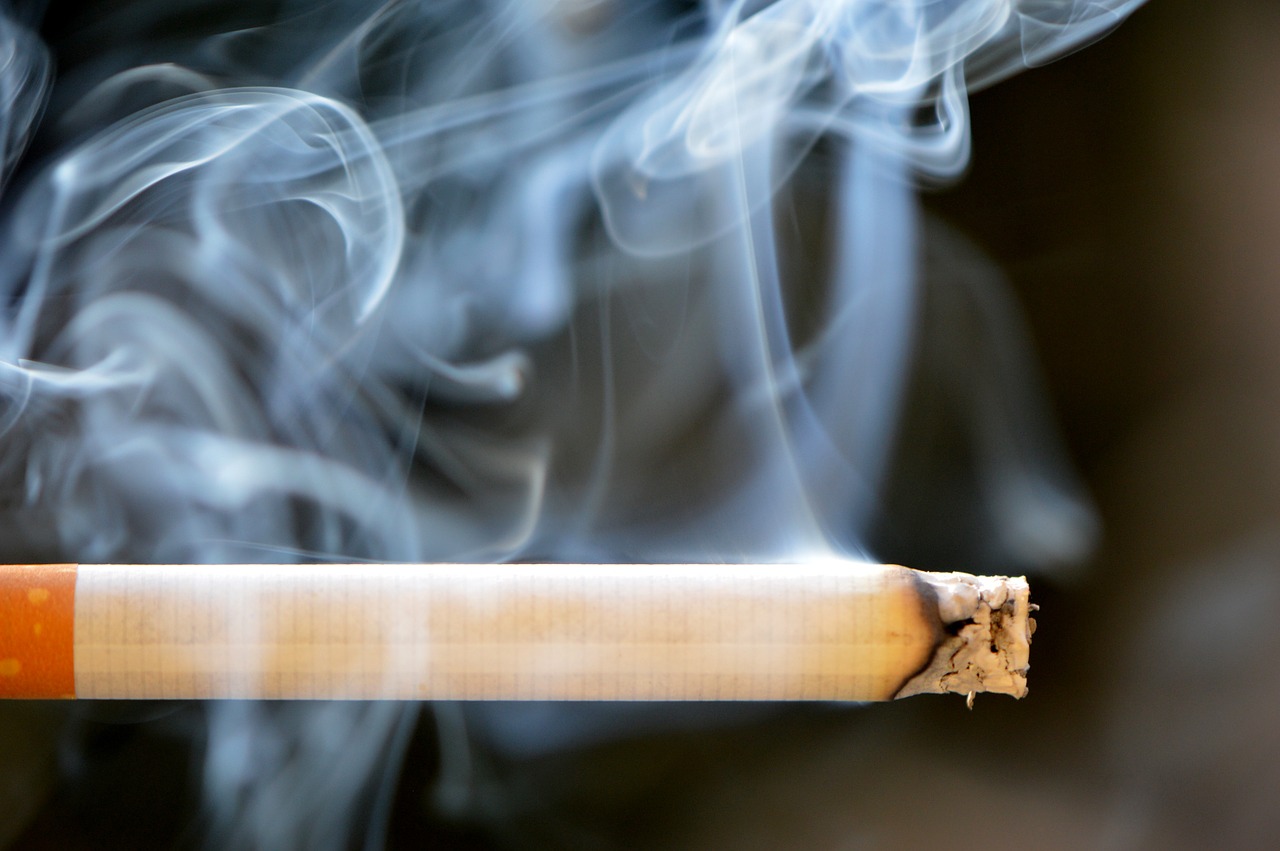
Cigarette

Cigarette smoking is addictive.
Photo courtesy of Pixabay.com

Mentally ill and substance abusers are major consumers of tobacco products.

Those with a mental or emotional health problem continue to be major consumers of tobacco products.

A recent government study reported that 40% of those with a mental illness smoke cigarettes.

This is almost double the rate of smoking among the general public.

There was a time when the rate of smoking among those with a DSM diagnosis, that is either substance abuse or mental illness was reported as topping 50%. While this most recent study suggests a slight decrease in smoking by the mentally ill their rate of tobacco consumption continues to be far above that of other Americans. This decline however slight may well reflect a change in attitude among providers of services to the mentally ill.

We have discovered that having a mental illness can reduce your life expectancy by twenty years or more. On average those with a mental illness live shorter lives than those without similar challenges. Despite the existence of treatment that significantly reduces the impact of having a mental illness, we continue to have long-term health problems associated with having developed a mental illness.

In the past, many professionals took the position that with all the challenges the mentally ill had why were we trying them to get them to give up smoking or other things they found pleasurable even if those practices were impairing their health. The attitude of professionals is changing.

Recovery includes not only recover from their mental illness or substance abuse problem but from other unhealthy lifestyle choices. It is not the role of professionals to decide for our clients how they will live. Sometimes they make unhealthy choices. But they deserve the same care and advice about the dangers of unhealthy practices that other people receive. Long-term effects of substance abuse can increase mental health symptoms while impairing health.

Some things, like smoking cigarettes and abusing street drugs, are so high-risk any recovering person should consider giving them up. Recovery is not just about giving things up. It should also include positive steps to improve health and activity. Putting away the cigarettes may be a start on your efforts to create a new healthier and happier you.

Till next time, David Miller, LMFT, LPCC

Staying connected with David Joel Miller

Seven David Joel Miller Books are available now!

My newest book is now available. It was my opportunity to try on a new genre. I’ve been working on this book for several years, but now seem like the right time to publish it.

Story Bureau.

Story Bureau is a thrilling Dystopian Post-Apocalyptic adventure in the Surviving the Apocalypse series.

Baldwin struggles to survive life in a post-apocalyptic world where the government controls everything.

As society collapses and his family gets plunged into poverty, Baldwin takes a job in the capital city, working for a government agency called the Story Bureau. He discovers the Story Bureau is not a benign news outlet but a sinister government plot to manipulate society.

Bumps on the Road of Life. Whether you struggle with anxiety, depression, low motivation, or addiction, you can recover. Bumps on the Road of Life is the story of how people get off track and how to get your life out of the ditch.

Dark Family Secrets: Doris wants to get her life back, but small-town prejudice could shatter her dreams.

Casino Robbery Arthur Mitchell escapes the trauma of watching his girlfriend die. But the killers know he’s a witness and want him dead.

Planned Accidents  The second Arthur Mitchell and Plutus mystery.

Letters from the Dead: The third in the Arthur Mitchell mystery series.

What would you do if you found a letter to a detective describing a crime and you knew the writer and detective were dead, and you could be next?

Sasquatch. Three things about us, you should know. One, we have seen the past. Two, we’re trapped there. Three, I don’t know if we’ll ever get back to our own time.

For these and my upcoming books; please visit my Author Page – David Joel Miller

Want the latest blog posts as they publish? Subscribe to this blog.

For videos, see: Counselorssoapbox YouTube Video Channel

More problems for the children of Meth users

By David Joel Miller, MS, Licensed Therapist & Licensed Counselor.

Drugs of addiction

Addiction.
Photo courtesy of Pixabay.com

Being around Meth users is bad for children.

Just read another study that reports on another problem for children of meth users. Like we needed another study to tell us that using Meth is bad for both parents and their children. We know Meth use is bad, just we may not yet know how bad and in what ways. Still, this study caught my eye for several reasons.

This study looked not at Newborns but at toddler age children of Meth users. It found parental Meth use affected these toddlers in some ways we had not looked for before.

These kids show an abnormal stress response. This will have an impact on these kids for the rest of their lives.

We have long known that the mother’s drug use during pregnancy can and does affect the child.

Alcohol is the easiest case in which to see this. We started out thinking that above a certain point alcohol could damage the fetus. For a long time, we talked about safe levels of alcohol use and how much alcohol consumption did it take to result in “Fetal Alcohol Syndrome.”

This concept, that some was safe and you had to drink a lot to harm the fetus, has been modified as we found problems in children whose mothers drank smaller amounts of alcohol and still those children showed long-term problems. We now referred to these problems as “Fetal Alcohol Spectrum Disorder” in recognition that any alcohol can affect the unborn child. We also now believe that high blood concentrations of alcohol on anyone drinking occasion, known as binge drinking, can result in damage even if the pregnant woman drinks moderately or not at all. Binge drinking harms both the mother and the unborn child.

What does this have to do with children of Meth users?

For one thing, we believe that the brain of the unborn child is heavily influenced by the chemicals in the mother’s bloodstream. What damage is done depends on which of the various structures in the brain and nervous system are being formed when the mother drinks or uses.

The fetus is experiencing a higher dose of the drug than the mother because the liver of the fetus is not well-developed. The drug passes through the placenta to the fetus and then has to return to the mother to circulate through her bloodstream and eventually be removed by the mother’s liver.

My experience clinically, and there seems to be research that bears this out, is that mothers who used Meth during pregnancy have more children with long-term learning disabilities than women who abstain from drugs during pregnancy.

This brings into question if Meth and possible Cocaine affects the unborn what effects could other drugs have?

Mothers who use depressants like Heroin appear to have children with one set of learning and behavioral problems. Children of stimulant abusers have a different set of problems.

This makes me wonder what the risks are for the children of women who consume these highly caffeinated energy drinks.

We also know that many of these drugs have larger more amplified effects on the unborn if there is alcohol in the mother’s bloodstream. This is a case of 2 plus 2 being 6 or 7 when it comes to creating harm for the unborn.

Where this new study expanded our knowledge of the effects of parent drug use on children was the evaluation of continuing stress on the children who had been exposed to Meth.

What they found was that this combination of pre-birth exposure to Meth and ongoing stress in the family resulted in toddlers who had greatly exaggerated or changed responses to stress even when outside the home.

The implication here is that the cumulative effects of Maternal drug use and then stress in the mother or family’s life after the birth magnifies the problems for the child.

All this argues for the critical need for more drug abuse prevention and treatment for women during their child producing years and for treatment to help parents of young children cope with stress and provide a less stressful environment for the child.

We can help the mother at this critical time or we can plan on building more special education classrooms, jails, prison, and mental hospitals for these kids later down the road.

I know what I think the better and more cost-effective path would be, but I doubt that the people who pay the bills for treatment will see it that way.

Getting tough on sick people is a lot easier to sell than dollars for prevention.

Here is wishing for a better and happier future for all of us and the children who come after us.

David Joel Miller, LMFT, LPCC

Staying connected with David Joel Miller

Seven David Joel Miller Books are available now!

My newest book is now available. It was my opportunity to try on a new genre. I’ve been working on this book for several years, but now seem like the right time to publish it.

Story Bureau.

Story Bureau is a thrilling Dystopian Post-Apocalyptic adventure in the Surviving the Apocalypse series.

Baldwin struggles to survive life in a post-apocalyptic world where the government controls everything.

As society collapses and his family gets plunged into poverty, Baldwin takes a job in the capital city, working for a government agency called the Story Bureau. He discovers the Story Bureau is not a benign news outlet but a sinister government plot to manipulate society.

Bumps on the Road of Life. Whether you struggle with anxiety, depression, low motivation, or addiction, you can recover. Bumps on the Road of Life is the story of how people get off track and how to get your life out of the ditch.

Dark Family Secrets: Doris wants to get her life back, but small-town prejudice could shatter her dreams.

Casino Robbery Arthur Mitchell escapes the trauma of watching his girlfriend die. But the killers know he’s a witness and want him dead.

Planned Accidents  The second Arthur Mitchell and Plutus mystery.

Letters from the Dead: The third in the Arthur Mitchell mystery series.

What would you do if you found a letter to a detective describing a crime and you knew the writer and detective were dead, and you could be next?

Sasquatch. Three things about us, you should know. One, we have seen the past. Two, we’re trapped there. Three, I don’t know if we’ll ever get back to our own time.

For these and my upcoming books; please visit my Author Page – David Joel Miller

Want the latest blog posts as they publish? Subscribe to this blog.

For videos, see: Counselorssoapbox YouTube Video Channel

Addiction, substance use disorder or chemical dependency

By David Joel Miller, MS, Licensed Therapist & Licensed Counselor.

Drugs of addiction

Addiction.
Photo courtesy of Pixabay.com

What is the difference between addiction and chemical dependency?

A lot of different terms are applied to the usage of substances and problems that arise when people begin to experience difficulties with their use.

Various professions use different terminology to describe the same or similar problems and we don’t all use the same severity points to identify problems.

One way of understanding these differences is to think of substance use as being on a continuum. Let’s start with something most people are familiar with, alcohol use, and then add various drugs to the picture.

Alcohol use might range from no use to chronic daily drinking to the point of passing out. Fully 50% of the people in the U. S, who are old enough to drink, did not have a drink in the last 30 days. Clearly not everyone drinks and among those who do, not everyone has a problem.

Heavy Drinkers.

At the other end of the scale, the 10% heaviest drinkers consume 60% of all the alcohol drunk. The top 20% heaviest drinkers consume 80% of the alcohol sold in America. People at the high end of the drinking scale develop more and more serious alcohol use problems than those who consume less.

Among those who do drink, some people have one or two drinks on a special occasion such as a wedding or New Years’. People who drink at this level rarely have any problems. It is possible however to drink only once a year on New Year’s and end up drunk every time resulting in DUI’s or arrests.

The labels that will be attached to the person as their consumption of alcohol increases and problems begin to arise will vary with the profession and the reason the person is being given the label.

The person who has one drink and no ill effects would be considered by most of us an alcohol user but nothing more. The person who only drinks occasionally but when they drink has problems might be thought of as abusing alcohol.

The chemically dependent.

The medical profession often has special units which are called “Chemical Dependency units.” The people who reach these units have the most severe form of substance use disorder. They have reached the point of physical dependence on their drug of choice. Those who are chemically dependent on alcohol are at risk to die during withdrawal.

If someone has ever had a stroke, seizure, or experienced the D.T,s if there are any hallucinations occurring when the level of alcohol in this person’s bloodstream begins to drop, this person is at high medical risk and should be detoxed in a hospital or other medically managed facility. People can and do die from alcohol withdrawal.

People who are chemical dependent on other drugs may have severe physical withdrawal symptoms. The heroin or opioid user, for example, will have diarrhea, nausea, vomiting, shakes, and goosebumps. The withdrawals from opiates may feel like the person will die but deaths from opiate withdrawals are rarer than from alcohol. Overdose deaths are another issue.

Short of physical withdrawal is a form of substance use disorder that is called Substance Dependence. Clearly, not all cravings for a drug of choice are the result of physical withdrawal.

Someone goes through a 30-day treatment program, they have not used for over a month but the day they are discharged they use again. The craving is not a result of physical or chemical dependency but is a psychological need. Therapists would diagnose this as Substance Dependency. For the Therapist, this would include both physical and psychological dependency.

Alcoholism and addiction.

Twelve-step programs draw a different distinction. They would call this problem use of substances, addiction, or alcoholism. This addiction level of problem use may be reached even before psychological dependency has occurred. Addiction may begin at the point of wanting, craving, and thinking about the drug of choice even before the person has lost the ability to control usage. If you are struggling to control your usage then you have already reached a point of problem usage and probably would fit the description of an alcoholic or addict.

Substance abuse.

The lowest level of problem use would be referred to as substance abuse. This might be binge drinking, drinking more than planned or doing something dangerous after having consumed alcohol or another drug. The person who has a few too many drinks and then drives may be abusing alcohol but may not yet have developed alcoholism.

If this alcohol abuser can realize they have a problem and stop drinking to excess, they may be able to stop their progression to alcohol dependence, alcoholism, or chemical dependency.

Substance use disorder makes its debut.

The newer trend, now reflected in the DSM-5, is to avoid making fine distinctions between substance abuse, dependency, addiction, and chemical dependency and call all problem relationships with drugs including alcohol simply a substance use disorder.

Substance use disorder can come in mild, moderate, or severe forms.

Wherever the substance use disorder starts, it needs treatment long before it becomes an addiction or chemical dependency.

Whatever happens (It has happened with the DSM-5 and the new OCD-10 as of 10/1/15) with the DSM-5, expect the various professions and the recovery community to cling to their own special perspectives and their preferred terminology.

Did that explanation help with understanding the differences between Substance use, abuse, dependency, addiction, alcoholism, and chemical dependency?

Best wishes on your journey towards a happy life.

David Joel Miller, LMFT, LPCC

Staying connected with David Joel Miller

Seven David Joel Miller Books are available now!

My newest book is now available. It was my opportunity to try on a new genre. I’ve been working on this book for several years, but now seem like the right time to publish it.

Story Bureau.

Story Bureau is a thrilling Dystopian Post-Apocalyptic adventure in the Surviving the Apocalypse series.

Baldwin struggles to survive life in a post-apocalyptic world where the government controls everything.

As society collapses and his family gets plunged into poverty, Baldwin takes a job in the capital city, working for a government agency called the Story Bureau. He discovers the Story Bureau is not a benign news outlet but a sinister government plot to manipulate society.

Bumps on the Road of Life. Whether you struggle with anxiety, depression, low motivation, or addiction, you can recover. Bumps on the Road of Life is the story of how people get off track and how to get your life out of the ditch.

Dark Family Secrets: Doris wants to get her life back, but small-town prejudice could shatter her dreams.

Casino Robbery Arthur Mitchell escapes the trauma of watching his girlfriend die. But the killers know he’s a witness and want him dead.

Planned Accidents  The second Arthur Mitchell and Plutus mystery.

Letters from the Dead: The third in the Arthur Mitchell mystery series.

What would you do if you found a letter to a detective describing a crime and you knew the writer and detective were dead, and you could be next?

Sasquatch. Three things about us, you should know. One, we have seen the past. Two, we’re trapped there. Three, I don’t know if we’ll ever get back to our own time.

For these and my upcoming books; please visit my Author Page – David Joel Miller

Want the latest blog posts as they publish? Subscribe to this blog.

For videos, see: Counselorssoapbox YouTube Video Channel

6 Myths about alcoholism

By David Joel Miller, MS, Licensed Therapist & Licensed Counselor.

Bottles of alcohol.

Alcoholic Beverages.
Photo courtesy of Pixabay.com

How many of these Alcohol myths have you heard?

If you don’t know the signs of a disease you can pretend you don’t have it. As a society, we do a lot of pretending about drugs and alcohol. Regardless of anything you may have learned alcohol is just as much a drug as any other chemical.

How it affects you depends on the relationship you develop with this powerful drug we call alcohol. Millions of people are on the road to alcoholism and don’t even know it. Some are already there despite their best efforts to pretend otherwise.

Here are some common myths about alcoholism.

1. Alcoholics are homeless bums.

The majority of all alcoholics, by some estimates up to 90%, have full-time jobs. It is only the most debilitated that end up homeless. Most have suffered for years before they reach the homeless point.

Alcoholics come from every economic strata, race, and religion. Even groups that forbid their members to drink still have alcoholics among their ranks.

2. Alcoholics drink every day.

If you only drink once a year on New Year’s but you have gotten DUI’s several times or arrested for bar fights, then you are drinking alcoholically.

It is not how often you drink, but what happens when you drink that determines alcoholic drinking. Alcoholics do not drink one or two drinks; they drink with the intention to get drunk.

Periodic episodic binge drinking is more likely to lead to alcoholism than the person who has one every day.

3. You will not become an alcoholic if you only drink beer.

The majority (54% by one estimate) of the alcohol consumed in America comes from beer. Beer drinkers get just as many DUI’s and are involved in lots of fights and domestic violence. If when you drink, you get in trouble, that is drinking alcoholically regardless of what you are drinking.

4. You need to drink for years to develop alcoholism.

Many chronic alcoholics will tell you that the first or second time they drank they became drunk and many blacked out. If you like the effects of the alcohol you can begin to drink alcoholically from the very first time.

The amount of damage done to the body is largely dependent on how high the level of alcohol in the bloodstream goes. You can die from an overdose of alcohol the first time you drink if you consume too much too quickly.

5. One drink a day won’t hurt you.

That may be true for some people, but the very young and the elderly are at risk from even that much. More than 4 drinks a week can impair health in older adults and alcoholism in the elderly is growing at a rapid rate.

More than half of all the emergency room admissions among senior citizens are the direct result of being under the influence of drugs and alcohol. Alcohol does not mix well with many prescription drugs that are routinely prescribed for the elderly.

6. Alcohol is a stimulant and gives you more energy.

Alcohol is a depressant. The use of alcohol has been linked to depression and other mental illnesses. Binge drinkers are 55 times more likely to attempt suicide.

While alcohol does not give you energy, make you look better, or improve your sex performance, what it does do is lower your inhibitions and get you to do things that you would never do sober. For every one thing positive that someone reports having done as a result of drinking we hear countless stories of people who committed crimes or were the victim of a crime as a direct result of forgetting to pay attention to what they were doing while they were intoxicated.

The majority of people in prison were drunk or high in the 24 hours before they committed the crime that sent them to prison.

Many who are arrested for being under the influence of drugs have alcohol in the bloodstream at the time of the arrest. It is very common for those dying of drug overdoses to also have alcohol in their bloodstream. Being intoxicated can impair judgment and lead to a drug overdose.

As much as alcohol consumption is glamorized in our society there are surely many more myths about the risks and benefits of drinking alcohol. What other myths have you found about alcohol?

Staying connected with David Joel Miller

Seven David Joel Miller Books are available now!

My newest book is now available. It was my opportunity to try on a new genre. I’ve been working on this book for several years, but now seem like the right time to publish it.

Story Bureau.

Story Bureau is a thrilling Dystopian Post-Apocalyptic adventure in the Surviving the Apocalypse series.

Baldwin struggles to survive life in a post-apocalyptic world where the government controls everything.

As society collapses and his family gets plunged into poverty, Baldwin takes a job in the capital city, working for a government agency called the Story Bureau. He discovers the Story Bureau is not a benign news outlet but a sinister government plot to manipulate society.

Bumps on the Road of Life. Whether you struggle with anxiety, depression, low motivation, or addiction, you can recover. Bumps on the Road of Life is the story of how people get off track and how to get your life out of the ditch.

Dark Family Secrets: Doris wants to get her life back, but small-town prejudice could shatter her dreams.

Casino Robbery Arthur Mitchell escapes the trauma of watching his girlfriend die. But the killers know he’s a witness and want him dead.

Planned Accidents  The second Arthur Mitchell and Plutus mystery.

Letters from the Dead: The third in the Arthur Mitchell mystery series.

What would you do if you found a letter to a detective describing a crime and you knew the writer and detective were dead, and you could be next?

Sasquatch. Three things about us, you should know. One, we have seen the past. Two, we’re trapped there. Three, I don’t know if we’ll ever get back to our own time.

For these and my upcoming books; please visit my Author Page – David Joel Miller

Want the latest blog posts as they publish? Subscribe to this blog.

For videos, see: Counselorssoapbox YouTube Video Channel

Why not everyone ends up addicted to pain medication – set and setting

By David Joel Miller, MS, Licensed Therapist & Licensed Counselor.

Drugs

Medications.
Photo courtesy of Pixabay.com

Psychological factors can affect the addictive potential of drugs.

Some people with chronic pain are able to take pain meds for a long period of time with no apparent addiction problem.

Other people can become addicted to a pain med after using a single prescription.

A major factor in this outcome is a thing drug counselors know as set and setting.

The way you perceive the use of a medication or drug may have more of an effect on the results than the actual chemistry of the medication.

Both “set” and “setting” influence these effects.

Set refers to “mindset” not the taking of drugs on a Hollywood movie set. The drug will produce larger effects in the direction you expect than in the opposite direction. This is similar to the things we have talked about as placebo and nocebo effects.

Someone who is in a bad mood, who drinks when angry, is likely to become more angry and violent when drinking. Another person at the same party, thinking that this is a happy occasion will likely become more outgoing and uninhibited. Both people are taking the same drug, in this case, alcohol, but the results conform to the expectations or mindset of the user.

The place matters – setting.

A single glass of wine will affect someone differently if consumed at a religious ceremony than if consumed in a bar late at night. Drinking some wine as part of a ceremony may be relaxing or spiritual, that same glass of wine consumed at a party may result in the person consuming the wine becoming more sexual rather than more spiritual.

What does all this have to do with the abuse of prescription pain medications?

People who take prescribed medication, say morphine or an opioid, in the hospital when it is prescribed for pain are at low risk to develop an addiction. That same person who has taken large amounts of morphine in the hospital with no apparent ill effects is at high risk to develop an addiction if they purchase a single prescription from a dealer in the alley. The difference is in the setting in which the drugs are consumed and the purpose for which they are used.

Unfortunately, many of us can’t tell the difference between physical pain and emotional pain. Taking drugs for emotional pain, especially pain medications is a high-risk behavior. Those illicit meds can quickly become an addiction.

Recently we have seen a huge increase in teens and young adults who are abusing prescription meds, often stolen from older family members. While grandma may take a morphine pill every day for pain and not develop the signs and symptoms of a psychological addiction the grandson who steals those meds and uses them to get high can quickly become addicted both psychologically and physically. (See the post on Grandma as a drug pusher.)

What you are thinking about and where you are when you take drugs or medications can and does affect the results you get and the potential for addiction.

The recognition of set and setting points us to a better understanding that the psychological factors in drug addiction are far more powerful than the physical effects in a great many cases.

If you come to believe that you “need” your drug of choice to function well, that you can’t do things without your drug to get you through, even if that drug has a low abuse potential you are at risk to develop a psychological addiction to that drug.

Consider your own drug use and how set and setting may be affecting the results of that drug use.

Staying connected with David Joel Miller

Seven David Joel Miller Books are available now!

My newest book is now available. It was my opportunity to try on a new genre. I’ve been working on this book for several years, but now seem like the right time to publish it.

Story Bureau.

Story Bureau is a thrilling Dystopian Post-Apocalyptic adventure in the Surviving the Apocalypse series.

Baldwin struggles to survive life in a post-apocalyptic world where the government controls everything.

As society collapses and his family gets plunged into poverty, Baldwin takes a job in the capital city, working for a government agency called the Story Bureau. He discovers the Story Bureau is not a benign news outlet but a sinister government plot to manipulate society.

Bumps on the Road of Life. Whether you struggle with anxiety, depression, low motivation, or addiction, you can recover. Bumps on the Road of Life is the story of how people get off track and how to get your life out of the ditch.

Dark Family Secrets: Doris wants to get her life back, but small-town prejudice could shatter her dreams.

Casino Robbery Arthur Mitchell escapes the trauma of watching his girlfriend die. But the killers know he’s a witness and want him dead.

Planned Accidents  The second Arthur Mitchell and Plutus mystery.

Letters from the Dead: The third in the Arthur Mitchell mystery series.

What would you do if you found a letter to a detective describing a crime and you knew the writer and detective were dead, and you could be next?

Sasquatch. Three things about us, you should know. One, we have seen the past. Two, we’re trapped there. Three, I don’t know if we’ll ever get back to our own time.

For these and my upcoming books; please visit my Author Page – David Joel Miller

Want the latest blog posts as they publish? Subscribe to this blog.

For videos, see: Counselorssoapbox YouTube Video Channel