
11 signs you crossed the addiction line. Is it partying, drinking and using or addiction?

By David Joel Miller, MS, Licensed Therapist & Licensed Counselor.
sign

No Drugs.
Photo courtesy of Pixabay.com

How do you know when your drug or alcohol use has become a problem?

Some people report that they can drink a few drinks now and then and they have no problem. There are those rare individuals who are able to try a drug a few times and then put it away with no apparent bad result. But many people discover that what started out as all fun has progressed to becoming a problem. Here are 11 signs that your partying has moved from being fun to being a problem, maybe even an addiction.

1. You are trying to control your use.

One of the first signs of an addiction gone wild are the efforts to control use. Normal people, people without a problem, do not try to control their use. They do not need to control anything because they can take it or leave it. If you find that when you drink or use you end up doing more than you planned on doing if you start needing to control your usage, then you are on your way to a problem.

2. You arrange your life around chances to drink or use.

People with an abuse problem begin to arrange their life around getting and having their drug of choice. They pick restaurants based on the bar, not the food. They avoid social settings where there will be no drugs or alcohol or they will not be able to drink and use.

They also begin giving up friends who do not use or drink.

3. It takes more of the drug or alcohol to get the same high.

This is called tolerance. If you need to drink more alcohol to feel the same effects, you are developing tolerance. If the same amount of a drug produces less and less of an effect on you, then your body has begun to develop tolerance. You are headed for problems. Those who can “hold their liquor” are not safe from alcoholism. They are already on the way to becoming an alcoholic.

4. You have symptoms of sickness when you suddenly stop getting your drug of choice.

This is called withdrawal or sometimes abstinence syndrome. Hangovers when you drink. Other physical symptoms, headaches constipation, diarrhea, changes in sleep, or appetite directly tied to your use are indicators of problems. So is needing more of the thing you did in the morning to recover. Taking some of the hair of the dog that bit you means you have been both bitten and infected with the addiction germ.

5. You get angry when people try to talk to you about your drug or alcohol use.

People who drink or use in responsible ways do not have people talking to them about their use. If your use has reached a point where people need to talk to you about it, then you have gone past the point of casual use and are headed for problems.

6. You have begun to accumulate negative consequences as a result of your use.

If you get in fights, verbal or physical, with people, are getting DUI’s or lose your job as a result of drinking or drug use then it has become a problem. If your relationships are suffering or you are fighting with your partner about your drug or alcohol use then the drug has entered the relationship and you are now in a threesome with that drug. This is not likely to turn out well. Both Sherry (alcohol) and Crystal (Methamphetamine) are jealous lovers and they do not want you to see your current partner.

7. You feel guilty about things you have done while under the influence.

Most times you can drink too much or do a little drugs and the next day you can think I wish I hadn’t done that and everything is fine. But it is not always like that.

Some people find the first time they drink they end up blackout drunk, the may drive drunk and kill someone, do something violent or even commit rape while under the influence. The little things are easier to hide than the big ones. No one knows when they will cross that line.

One warning sign is if more than once you wake up the next day having done things you wish you hadn’t and things that you need to pay for, make right, or worse yet things you can’t take back or fix.

If you feel guilty for things you do when under the influence of drugs or alcohol then you are headed towards addiction. You may already be there.

8. Most of your life involves getting the drug, using, and getting over the effects.

This is a classic sign of addiction. The addict finds that most of the day is spent thinking about their drug of choice, getting it, doing it, and then getting over the effects.

9. Drinking or using interferes with the roles you need to fill in life.

It affects your job, your relationship, and your parenting skills. When you stop seeing your friend or family, when you let your kids or spouse down all because of the things that drugs or alcohol are now requiring of you, it has passed from being fun to being a problem.

10. When you wake up one morning and this is no longer fun.

When you wonder how you ever got started. When you wish you had never taken that first drink or hit, you have reached the point where you don’t need to ask if this is a problem, you already know.

11. When what used to be your solution has become your problem.

If you move from thinking that a little alcohol or weed would mellow you out and make you happier or help you have more fun, and then after a long time using you need this substance to help you wake up, this is a problem. When you decide that this drug is your problem you have crossed the line by then it has become too late. You are now way past the point of return and have arrived at addiction.

Remember not all addictions are physical, getting sick kinds. The psychological addictions are often harder to kick than the physical ones.

If you are seeing some or all of these eleven signs in your life, then consider if it is time for you to give it up. There is help out there but you need to reach out for the help. Some professionals, counselors, and therapists, have been trained to help. There are substance abuse programs in almost every place. If those options do not work for you there are plenty of twelve-step groups and a few other peer self-help groups, all full of people who would like to help you as a part of their recovery.

If your fun has turned into your problem please consider asking for help.

Staying connected with David Joel Miller

Seven David Joel Miller Books are available now!

My newest book is now available. It was my opportunity to try on a new genre. I’ve been working on this book for several years, but now seem like the right time to publish it.

Story Bureau.

Story Bureau is a thrilling Dystopian Post-Apocalyptic adventure in the Surviving the Apocalypse series.

Baldwin struggles to survive life in a post-apocalyptic world where the government controls everything.

As society collapses and his family gets plunged into poverty, Baldwin takes a job in the capital city, working for a government agency called the Story Bureau. He discovers the Story Bureau is not a benign news outlet but a sinister government plot to manipulate society.

Bumps on the Road of Life. Whether you struggle with anxiety, depression, low motivation, or addiction, you can recover. Bumps on the Road of Life is the story of how people get off track and how to get your life out of the ditch.

Dark Family Secrets: Doris wants to get her life back, but small-town prejudice could shatter her dreams.

Casino Robbery Arthur Mitchell escapes the trauma of watching his girlfriend die. But the killers know he’s a witness and want him dead.

Planned Accidents  The second Arthur Mitchell and Plutus mystery.

Letters from the Dead: The third in the Arthur Mitchell mystery series.

What would you do if you found a letter to a detective describing a crime and you knew the writer and detective were dead, and you could be next?

Sasquatch. Three things about us, you should know. One, we have seen the past. Two, we’re trapped there. Three, I don’t know if we’ll ever get back to our own time.

For these and my upcoming books; please visit my Author Page – David Joel Miller

Want the latest blog posts as they publish? Subscribe to this blog.

For videos, see: Counselorssoapbox YouTube Video Channel
Why we need to talk about mental illness, drugs and alcohol in combination

By David Joel Miller, MS, Licensed Therapist & Licensed Counselor.

Drugs.

Drugs.
Photo courtesy of Pixabay.

Why you need to know about mental illness, substance abuse, and co-occurring disorders.

Most people identify with one major problem, they have a mental illness, they are addicts or alcoholics or they may just have a “communication problem” with their significant other. No matter what you identify as your primary problem there are reasons you need to know about the other possible problems and how they may affect you.

Why “normal” people should know about both mental illness and addiction.

In the course of any given year, 25% of all Americans (numbers in other countries are about the same for most issues) will experience symptoms of a mental or emotional problem that are severe enough to be diagnosed. Most of those people will first see a medical doctor thinking that their loss of energy or their nerves is a physical, medical problem.

Most people who die from a mental illness have been to see a primary care or medical doctor in the 30 days before they die. When there is no medical cause for their suffering found they may fail to go for mental health treatment.

In their lifetime, about 50% of all Americans will experience an episode of an emotional or mental illness. Many of these issues can be mild if caught and treated early but untreated they get worse. The old practice of pretending you are O. K. even when you are in pain did and does not work. If you have a mental illness it needs treatment and getting it treated is no more giving in than going for treatment for a heart problem or cancer.

Many people will experience at least one episode of substance abuse, some get away with it a few times. Some abuse drugs and alcohol on a regular basis and do not get caught for a while, but eventually, most people have difficulties.

Even if you do not do drugs or alcohol there is a high likelihood that someone in your family or social circle will become an alcoholic or addict. For every substance abuse out there we estimate that there 5 to 8 people directly affected by the substance abuser’s disease.

Why the mentally ill need to know about substance abuse issues.

Not all mentally ill people abuse substances but the overlap is larger than most people would care to recognize.

Those with a mental illness are drawn to using drugs and alcohol to try to cope with their symptoms. Many Bipolar people like the mood swings that accompany alcohol use. If you like the mood swing you are likely to continue using or drinking.

When the depressed person drinks it helps them forget their problems for a while. Then the alcohol wears off and the problems return. There is often a rebound effect and the result is that your mental health issues are now worse than when you started. This leads to more and more frequent drinking.

Using drugs or alcohol to change the way you feel is a risky way to use them. If you are an emotional user you are at increased risk to develop an addiction.

Most psychiatric meds do not work that way, they do not suddenly and miraculously make you feel good, and then when the med wears off you feel worse. This is why psychiatric meds which only help you function, not cure your problems, need to be taken as prescribed and every day for a period of time before most of them will begin to help.

Why addicts and alcoholics need to know about mental illnesses.

A great many people in substance abuse recovery initially feel great, they are clean and this feels good. They the good feeling wear off and they are at high risk for relapse.

Many people began using and drinking at such an early age they do not know what it feels like to be without the drugs in their system. We often find that the early symptoms of a mental illness were there before the person first experienced drugs. But the long-term use obscured the emotional part of their problems.

Using drugs, the lifestyle, the drug, or alcohol experiences, distort your development. People who go for years using and drinking do not undergo the developmental milestones they should have experienced, and as a result, they are unprepared for life without drugs. The drug of choice and that could include alcohol or gambling or any other addictive behavior, has been your best friend and now when you give that friend up you may go through a period of grieving.

So drug and alcohol use may have hidden the symptoms of a mental illness, the emotional or mental illness may have been caused by the drug use or may occur when you give the drug up and discover that there is a whole lot of wreckage that you now need to clean up.

People just do not get through life having only one problem. The chances are high that you or someone close to you will have multiple problems in their lifetime. Having a mental or emotional illness and substance abuse or misuse is one of the more common cases of having multiple problems.

Staying connected with David Joel Miller

Seven David Joel Miller Books are available now!

My newest book is now available. It was my opportunity to try on a new genre. I’ve been working on this book for several years, but now seem like the right time to publish it.

Story Bureau.

Story Bureau is a thrilling Dystopian Post-Apocalyptic adventure in the Surviving the Apocalypse series.

Baldwin struggles to survive life in a post-apocalyptic world where the government controls everything.

As society collapses and his family gets plunged into poverty, Baldwin takes a job in the capital city, working for a government agency called the Story Bureau. He discovers the Story Bureau is not a benign news outlet but a sinister government plot to manipulate society.

Bumps on the Road of Life. Whether you struggle with anxiety, depression, low motivation, or addiction, you can recover. Bumps on the Road of Life is the story of how people get off track and how to get your life out of the ditch.

Dark Family Secrets: Doris wants to get her life back, but small-town prejudice could shatter her dreams.

Casino Robbery Arthur Mitchell escapes the trauma of watching his girlfriend die. But the killers know he’s a witness and want him dead.

Planned Accidents  The second Arthur Mitchell and Plutus mystery.

Letters from the Dead: The third in the Arthur Mitchell mystery series.

What would you do if you found a letter to a detective describing a crime and you knew the writer and detective were dead, and you could be next?

Sasquatch. Three things about us, you should know. One, we have seen the past. Two, we’re trapped there. Three, I don’t know if we’ll ever get back to our own time.

For these and my upcoming books; please visit my Author Page – David Joel Miller

Want the latest blog posts as they publish? Subscribe to this blog.

For videos, see: Counselorssoapbox YouTube Video Channel
Do the mentally ill go to jail? Should they?

By David Joel Miller, MS, Licensed Therapist & Licensed Counselor.

To the mentally ill go to jail?
Picture courtesy of Pixabay

Why do so many mentally ill people end up in jail?

Mentally ill people are not supposed to end up in jail simply because they are mentally ill. Unfortunately, our jails and prisons are clogging up with the mentally ill because our systems can’t always find appropriate housing and treatment options.

At this point, I need to point out that we are finding more and more that there are NOT two distinct groups – the mentally ill and the “Normal People.”  People with mental illness can have episodes where they get better or worse. Some mentally ill do recovery. There are also a lot of people who look normal for most of their life and then something happens that they can’t cope with and they find themselves in the mentally ill group.

The person who finds out their partner is cheating may “flip out.” And show up at that worksite with a gun. Before they found out about the affair they were apparently normal people but once they start shooting up the workplace they get reclassified as “mentally ill.” In that respect, people with long-term mental illnesses get a bad rap. The chronically mentally ill are more likely to be victimized than to attack others. They are also way more likely to get murdered than to kill anyone.

There are three principal reasons that law enforcement comes in contact with the mentally ill.

1. The person is thinking of harming themselves or they are so disabled they can’t care for themselves.

While completing suicide is illegal in most places, the person who has tried to kill themselves really does not belong in jail.

Most places have a system called involuntary commitment that allows this person to be placed in a mental hospital BRIEFLY for observation and treatment. Unfortunately, once they stop wanting to kill themselves they get released. We can offer services but it is difficult to impossible to make that person stay in treatment for any length of time.

Additionally, in far too many places there is a shortage of resources for these people and often waiting times to access services.

Just because the person is suicidal does not make this an easy situation for first responders. The suicidal person may harm a bystander in their efforts to end their life, especially if authorities try to stop this attempt. There is also the risk that they will threaten law enforcement, resulting in the increasingly more common “suicide-by-cop.”

2. They are doing something illegal or causing someone a problem.

Police encounter the mentally ill in all sorts of situations. They try to sleep in people’s yards and use their water. Unfortunately, there are a whole lot of mentally ill that have ended up homeless. Add together the distortions in thinking that come from their disorder and the life skills homeless people need to develop to get by and they come into conflict with authority a lot.

When the mentally ill get too loud, don’t move along when told to do so, or act hostile and scare someone, the police get called. Usually, after a confrontation, the only alternative is to take them in.

Even if the police would prefer to not keep this person many communities just have no other place to house them. So minor lawbreakers, vagrants, petty shoplifters, and the like, with mental illnesses, end up in jail for a period of time.

Sheriffs from two of our larger American cities have been quoted recently as saying they are now the largest residential housing facility for the mentally ill in their state. There just is no place to put many of these folks.

3. They are under the influence of drugs and alcohol.

Anyone who does drugs and alcohol to excess can have a problem. The mentally ill are at high risk to abuse substances. In our American culture, those without a diagnosed mental illness are also at high risk to abuse substances.

There is a huge overlap between mental illness and substance abuse. Some mentally ill use alcohol or drugs to mask their symptoms while others started out drinking and drugging and now have developed symptoms of a mental health disorder as a result of their substance abuse.

It is also worth noting that a whole lot of people are in jail for drug and alcohol-related offenses. Those who are fortunate enough to end up in rehab programs are often found to have a mental or emotional disorder.

Incarcerating people in jails has not been working to reduce either mental illness or substance abuse. More treatment options are desperately needed.

Shockingly the most common response from the politicians and the general public is to get tough on all these people and lock them up. The proponents of more incarceration hold that view until they or someone in their family ends up in jail or prison and then they ask why there were not more treatment options available earlier.

Staying connected with David Joel Miller

Seven David Joel Miller Books are available now!

My newest book is now available. It was my opportunity to try on a new genre. I’ve been working on this book for several years, but now seem like the right time to publish it.

Story Bureau.

Story Bureau is a thrilling Dystopian Post-Apocalyptic adventure in the Surviving the Apocalypse series.

Baldwin struggles to survive life in a post-apocalyptic world where the government controls everything.

As society collapses and his family gets plunged into poverty, Baldwin takes a job in the capital city, working for a government agency called the Story Bureau. He discovers the Story Bureau is not a benign news outlet but a sinister government plot to manipulate society.

Bumps on the Road of Life. Whether you struggle with anxiety, depression, low motivation, or addiction, you can recover. Bumps on the Road of Life is the story of how people get off track and how to get your life out of the ditch.

Dark Family Secrets: Doris wants to get her life back, but small-town prejudice could shatter her dreams.

Casino Robbery Arthur Mitchell escapes the trauma of watching his girlfriend die. But the killers know he’s a witness and want him dead.

Planned Accidents  The second Arthur Mitchell and Plutus mystery.

Letters from the Dead: The third in the Arthur Mitchell mystery series.

What would you do if you found a letter to a detective describing a crime and you knew the writer and detective were dead, and you could be next?

Sasquatch. Three things about us, you should know. One, we have seen the past. Two, we’re trapped there. Three, I don’t know if we’ll ever get back to our own time.

For these and my upcoming books; please visit my Author Page – David Joel Miller

Want the latest blog posts as they publish? Subscribe to this blog.

For videos, see: Counselorssoapbox YouTube Video Channel
What is confabulation? Relationship to false memories and Wernicke-Korsakoff’s syndrome

By David Joel Miller, MS, Licensed Therapist & Licensed Counselor.

What is confabulation?
Photo courtesy of pixabay.

What is confabulation?

Confabulation is sometimes called “honest lying” because the person telling the tale actually believes that it is true despite the apparent inaccuracy of their story.  It is related to false memories but appears to have specific causes other than incorrect memory storage and retrieval or implanted false memories.

Confabulation is that tendency for the brains of people who can’t remember things to try to fill in the gaps of missing memory thereby making up an explanation that will answer questions. This is particularly common among chronic alcoholics, though other brain issues also cause these symptoms.

It is common in chronic alcoholics, particularly those with Wernicke-Korsakoff’s syndrome. These two syndromes used to be listed separately but current usage is to consider them both parts of the same disorder.

The Wernicke part has to do with eye movements, confusion, uncoordinated movement and sometimes even losing consciousness followed by death, which is always a bad side effect of any activity.

Wernicke-Korsakoff’s syndrome is caused by a lack of Thiamine (vitamin B-1) as a result of chronic alcoholism or malnutrition.  This condition is sometimes referred to in alcoholism literature as “wet brain.” While it is treatable to some degree many chronic alcoholics never recover from the condition. In addition to confabulation and blackouts, people with Korsakoff’s syndrome develop amnesia, lack insight, have reduced speech, and stop caring about themselves and others.

The brains of chronic alcoholics shrink in volume and cells stop working resulting in many defects in thinking and memory.

Some authors report that confabulation results from gaps in the memory do to Blackouts or brownouts after which the brain needs to fill in the gaps by adding details from other events in the alcoholic’s life or by suggesting things that are possible even if they did not happen.

Sometimes these explanations are fantastic but it is the only explanation the person with confabulation can imagine. Confabulation can occur even without amnesia and can be extra details added to memories.

With repeated efforts to fill in those gaps in memory, the alcoholic begins to believe those created memories.

Confabulation is also seen in people with traumatic brain injuries, Alzheimer’s disease, or those with a severe mental illness which has interfered with the accurate storing of memories. This and other memory problems can also be found in people with eating disorders or excessive vomiting which results in poor nutrition to the brain.

Confabulation is most commonly verbal as in storytelling to self and others. It can become actions when the impaired person believes the story and takes action on that false memory.

The person confabulating can become confused and mix events from their real-life experiences with fictional accounts and stories they have heard in the past. They are especially at risk to confuse time, believing they did something yesterday which they did months or even years ago. They will swear they attended an appointment yesterday at an agency they have not visited in many months or possibly years.

Those with Korsakoff’s syndrome also get sources of information confused believing that they were told something by a counselor or case manager when they heard it from a friend or drinking buddies.

This might be a good place to repeat the rule of counseling. If there is any chance that the symptoms are caused by a medical condition and Wernicke-Korsakoff’s syndrome, eating disorders and other conditions causing confabulation clearly have medical causes, see a medical doctor first.

Mental health treatments are only effective once the medical issues are managed.

This post was, I realize, a bit brief. I thought while we were talking about thinking problems that affect memory it was important to remind readers of the way in which alcohol, drugs, and medical issues might be impacting those memory issues.

It would be a mistake to dismiss memory issues, confabulation, or other thinking defects as being purely psychological or learning-based, without the client having been checked out by a medical doctor to rule out underlying medical issues.

Here is hoping that this post on confabulation, Wernicke-Korsakoff’s syndrome, and false memories was helpful and got you thinking about these issues.

Staying connected with David Joel Miller

Seven David Joel Miller Books are available now!

My newest book is now available. It was my opportunity to try on a new genre. I’ve been working on this book for several years, but now seem like the right time to publish it.

Story Bureau.

Story Bureau is a thrilling Dystopian Post-Apocalyptic adventure in the Surviving the Apocalypse series.

Baldwin struggles to survive life in a post-apocalyptic world where the government controls everything.

As society collapses and his family gets plunged into poverty, Baldwin takes a job in the capital city, working for a government agency called the Story Bureau. He discovers the Story Bureau is not a benign news outlet but a sinister government plot to manipulate society.

Bumps on the Road of Life. Whether you struggle with anxiety, depression, low motivation, or addiction, you can recover. Bumps on the Road of Life is the story of how people get off track and how to get your life out of the ditch.

Dark Family Secrets: Doris wants to get her life back, but small-town prejudice could shatter her dreams.

Casino Robbery Arthur Mitchell escapes the trauma of watching his girlfriend die. But the killers know he’s a witness and want him dead.

Planned Accidents  The second Arthur Mitchell and Plutus mystery.

Letters from the Dead: The third in the Arthur Mitchell mystery series.

What would you do if you found a letter to a detective describing a crime and you knew the writer and detective were dead, and you could be next?

Sasquatch. Three things about us, you should know. One, we have seen the past. Two, we’re trapped there. Three, I don’t know if we’ll ever get back to our own time.

For these and my upcoming books; please visit my Author Page – David Joel Miller

Want the latest blog posts as they publish? Subscribe to this blog.

For videos, see: Counselorssoapbox YouTube Video Channel
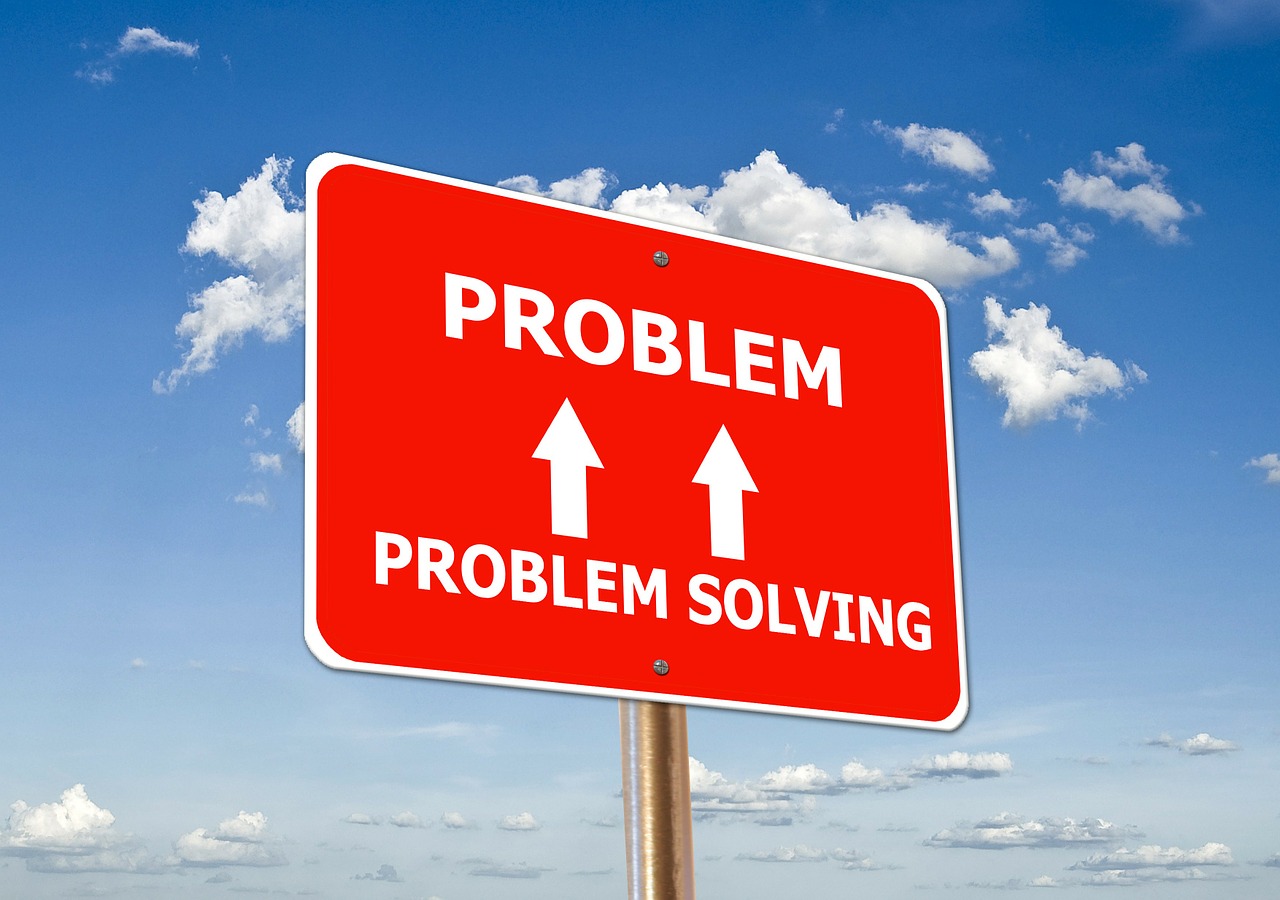
National Problem Gambling Awareness Week

By David Joel Miller, MS, Licensed Therapist & Licensed Counselor.

Problem and problem solving

Problem-solving.

This week, March 3-9, is National Problem Gambling Week.

Problem Gambling is currently described as Pathological Gambling in the Diagnostic and Statistical Manual of Mental Disorders (DSM-TR-4.) Pathological Gambling is one of a group of disorders that currently are considered “impulse control disorders.”

Pathological Gambling is one of a group of disorders that currently are considered “impulse control disorders.”

DSM-5 Update.

In the DSM-5 this is named Gambling Disorder (F63.0) Essentially the same features.

Other impulse control problems not classified as an addictive disorder.

Other impulse control problems are intermittent explosive disorder, kleptomania, pyromania, and trichotillomania. Intermittent explosive disorder gets treated by far the most, but many more people need to get treated for pathological or problem gambling than are currently receiving help.

In California, this week-long effort to make people aware of the difficulties people may have with problem gambling is spearheaded by the California Department of Drug and Alcohol Programs via their Office of Problem Gambling. In a few other states Gambling issues are treated by separately trained and licensed counselors.

One reason for the interest in problem gambling among drug and alcohol counselors is the tendency for clients in early substance abuse or addiction recoveries to “switch addictions” and now off drugs and alcohol, to develop a new problem with compulsive or pathological gambling.

The similarities between addictive disorders and pathological gambling are so large that it was proposed that Pathological Gambling be moved to the addictive disorders rather than the impulse control disorders when the new DSM-5 comes out. We will need to look at that again in the future when the DSM-5 is available.

One of the controversies among treatment professionals is about the choice between trying to control an issue like drug use or gambling and the need to stop doing that activity completely.

If we view drinking excessively or pathological gambling as an addiction then we would expect the client to need to totally abstain. If it is an impulse control issue then we might reasonably try to teach the client to control the impulses and drink or gamble in moderation.

Most people who self-describe as addicts or alcoholics will tell you that control is an illusion. For them, the only answer is complete abstinence.

One reason for the conflict is that funding for treatment often comes from the people who make the most profit from the activity. The alcoholic beverage manufacturers would like counselors to teach people to drink responsibly not tell them to stop drinking altogether. The same issue occurs when problem gambling programs are funded by casinos.

So if you are one of those people who are able to control your drinking or gambling and for whom it is mostly just a source of entertainment, then problem gambling week is not of much interest to you.

But if you are one of those people who have lost the ability to control your gambling or your drinking consider getting help. If you live with someone who has a Pathological gambling problem, consider getting help for yourself as well as for them.

The web address for the California initiative is www.problemgambling.ca.gov

Staying connected with David Joel Miller

Seven David Joel Miller Books are available now!

My newest book is now available. It was my opportunity to try on a new genre. I’ve been working on this book for several years, but now seem like the right time to publish it.

Story Bureau.

Story Bureau is a thrilling Dystopian Post-Apocalyptic adventure in the Surviving the Apocalypse series.

Baldwin struggles to survive life in a post-apocalyptic world where the government controls everything.

As society collapses and his family gets plunged into poverty, Baldwin takes a job in the capital city, working for a government agency called the Story Bureau. He discovers the Story Bureau is not a benign news outlet but a sinister government plot to manipulate society.

Bumps on the Road of Life. Whether you struggle with anxiety, depression, low motivation, or addiction, you can recover. Bumps on the Road of Life is the story of how people get off track and how to get your life out of the ditch.

Dark Family Secrets: Doris wants to get her life back, but small-town prejudice could shatter her dreams.

Casino Robbery Arthur Mitchell escapes the trauma of watching his girlfriend die. But the killers know he’s a witness and want him dead.

Planned Accidents  The second Arthur Mitchell and Plutus mystery.

Letters from the Dead: The third in the Arthur Mitchell mystery series.

What would you do if you found a letter to a detective describing a crime and you knew the writer and detective were dead, and you could be next?

Sasquatch. Three things about us, you should know. One, we have seen the past. Two, we’re trapped there. Three, I don’t know if we’ll ever get back to our own time.

For these and my upcoming books; please visit my Author Page – David Joel Miller

Want the latest blog posts as they publish? Subscribe to this blog.

For videos, see: Counselorssoapbox YouTube Video Channel
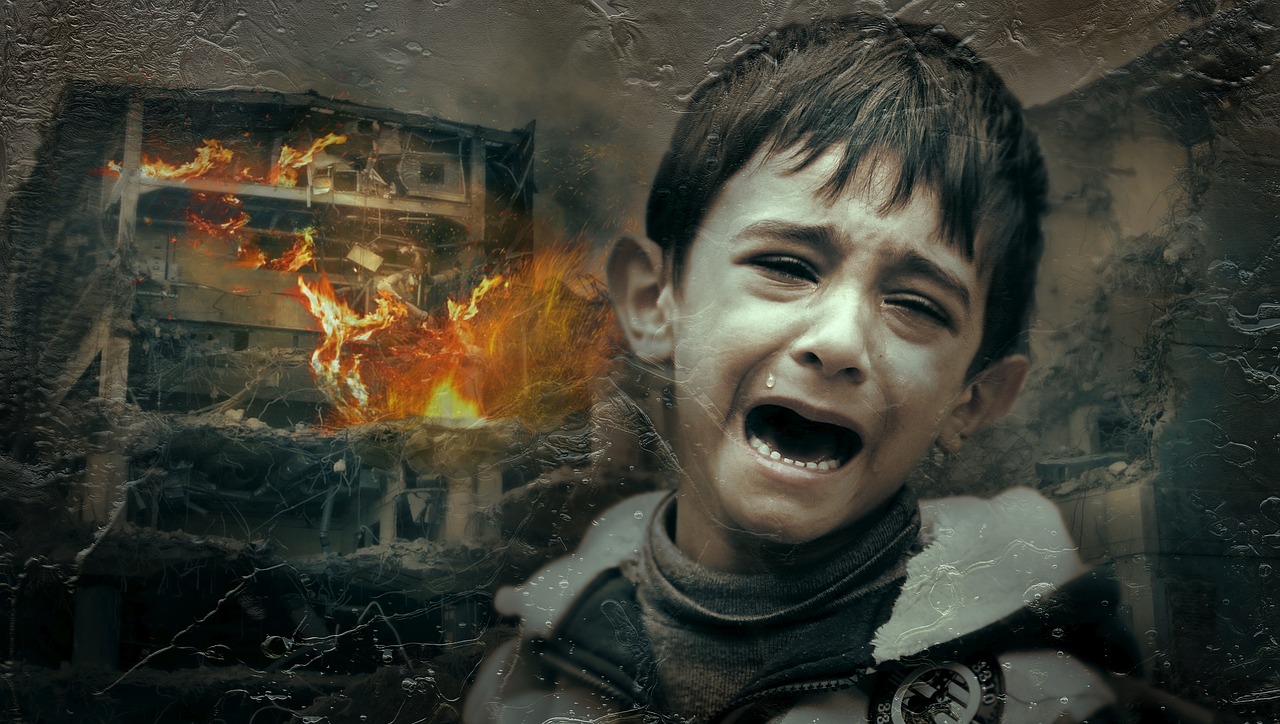
Did we lose another war? How many wars has America lost? What is a war anyway?

By David Joel Miller, MS, Licensed Therapist & Licensed Counselor.

Child crying

Why can’t we forget the painful past?
Photo courtesy of Pixabay

When is a war not a war?

We have fought a war on poverty, a war on illiteracy, and a war on drugs while sending troops all over the globe to fight “police actions” and provide “military advisers.” When is a war a war and when is it not?

The word “WAR” has been applied to so many efforts that it is beginning to lose its meaning. I am getting confused about which actions are wars and which are not.

Have we lost count of how many wars we have lost?

Does it occur to politicians that by calling every effort to right a social ill a war, while removing that label from actual military combat we are somehow trying to sanitize our news and as a result, we are debasing the service of our military?

I will defer judgment on foreign military combat and leave those evaluations to the historians.

What I am reasonably sure of is that when it comes to these domestic “wars” while we have won a few battles we have clearly lost all these wars.

The war on poverty ended without so much as an armistice. I am not sure if there was ever an official end, but we seem to have recalled all out troops and left the spoils of riches to the robber barons that are now colonizing the big banks and the insider trading battalions.

Clearly, the platoons of the homeless are growing. In the ultimate irony, many military veterans have been enlisted in the armies of the homeless, the addicted, and the mentally ill.

Of all these lost wars the cruelest defeats have come in the wars on addiction and mental illness.

Rather than a frontal attack on the diseases of addiction and mental illness we have attached the addicts, alcoholics, and the mentally ill.

Millions for arrest and incarceration but not one penny for treatment has been our leader’s slogan. What money there has been for the mentally ill has largely gone for systems and staff to manage their lives and keep them trapped in their illness rather than efforts to return them, to functional lives.

It is easy to get room and board in a jail or prison or medical insurance and a poverty-level wage on disability but it is hard to get into programs that allow the mentally ill to work part-time without losing their medical coverage.

Our prisons are full and overflowing, our disability rolls are swelling, but we refuse to believe in recovery and rehabilitation that might allow the mentally ill and the addicted to recover and return to a useful role in society.

After every horrific crime, the shootings, the violence, we hear calls to find those “bad” people, round them up, and put them away.

This false belief that there are two kinds of people, the good and the bad, has kept us looking for an easy solution to make us feel safe while avoiding the hard work of identifying the causes of violence and designing programs to prevent people from resorting to violent acts.

Like the magician pointing to one thing to keep people’s eyes off the real action, our society looks in the wrong places for the roots of violence.

The majority of molestations are perpetrated by family members, not strangers. The person just fired or served with divorce papers is more likely to bring a gun to work and shoot people than the seriously mentally ill. More children die at home each year, shot by a parent then will die in school shootings.

Among the poor and the unemployed mental illness is common. If you weren’t depressed before you lost your job a few years of trying to live on government handouts will make you doubt your sanity.

If we want to make any real progress in the “wars” on addiction and mental illness we need to get serious about providing timely treatment for anyone who wants and needs treatment.

Treatment of at-risk children in the third grade is a lot less expensive than building more prison cells. Providing treatment on request for addicted people is cheaper than arrest and incarceration.

So far we seem to be losing the war on action and mental illness but we shouldn’t give up. The efforts need not be over.

A war is not a war when we shrink from the challenge.

Staying connected with David Joel Miller

Seven David Joel Miller Books are available now!

My newest book is now available. It was my opportunity to try on a new genre. I’ve been working on this book for several years, but now seem like the right time to publish it.

Story Bureau.

Story Bureau is a thrilling Dystopian Post-Apocalyptic adventure in the Surviving the Apocalypse series.

Baldwin struggles to survive life in a post-apocalyptic world where the government controls everything.

As society collapses and his family gets plunged into poverty, Baldwin takes a job in the capital city, working for a government agency called the Story Bureau. He discovers the Story Bureau is not a benign news outlet but a sinister government plot to manipulate society.

Bumps on the Road of Life. Whether you struggle with anxiety, depression, low motivation, or addiction, you can recover. Bumps on the Road of Life is the story of how people get off track and how to get your life out of the ditch.

Dark Family Secrets: Doris wants to get her life back, but small-town prejudice could shatter her dreams.

Casino Robbery Arthur Mitchell escapes the trauma of watching his girlfriend die. But the killers know he’s a witness and want him dead.

Planned Accidents  The second Arthur Mitchell and Plutus mystery.

Letters from the Dead: The third in the Arthur Mitchell mystery series.

What would you do if you found a letter to a detective describing a crime and you knew the writer and detective were dead, and you could be next?

Sasquatch. Three things about us, you should know. One, we have seen the past. Two, we’re trapped there. Three, I don’t know if we’ll ever get back to our own time.

For these and my upcoming books; please visit my Author Page – David Joel Miller

Want the latest blog posts as they publish? Subscribe to this blog.

For videos, see: Counselorssoapbox YouTube Video Channel

Drug programs are not about treating addiction

By David Joel Miller, MS, Licensed Therapist & Licensed Counselor.

Drugs.

Drugs.
Photo courtesy of Pixabay.

Did you think drug treatment programs were designed to treat addiction?

Drug treatment efforts in the United States are generally not about treating addiction. If we really cared about reducing addiction we would be doing things differently.

There has been a fair amount of criticism surrounding drug treatment programs and why there are so many people who have been through a treatment program and still use drugs. The reason this situation looks so bleak is that the majority of these programs were never designed to treat addiction despite what the program may be called.

Addiction is not the only area where programs are designed to do one thing despite being sold to the public and called by a name that implies they are supposed to solve that problem.

Having angered half the world with my posts on prayer and the role of spirituality in recovery I might as well anger the rest of the world with some comments about the defects in our political system.

Most drug treatment programs are not meant to get addicts off drugs!

Does that surprise you? It is only very recently and among a very small number of people; that addiction, alcoholism, and related impulse control disorders like compulsive gambling have come to be regarded as diseases.

The traditional approach to addiction was to consider those people criminals and lock them up until they quit doing drugs. Alcoholics were considered crazy and got confined to psychiatric facilities called “sanitariums.”  The high prevalence of repeat DUI’s (Driving under the influence sometimes called DWI, driving while intoxicated) and rearrests for drug use confirms that more than just locking them away is needed to solve this problem.

Some examples of possible treatments

Methadone maintenance for Heroin Addicts.

Methadone maintenance is not designed to cure addiction.  It is designed to reduce crime. The goal in this and most other drug and alcohol treatment programs is now and always has been on crime prevention.

The Heroin Addict with a $200 a day habit has to come up with that money every day or become very sick. There are ways to put the bill off, like getting an advance from the dealer, but that works for a very short time unless you are very, very wealthy. Eventually, you need cash. Drug connections are not charitable institutions, they want the cash.

Many Heroin users resort to stealing to cover their costs, burglary is a common way. To get $200 a day for drugs the addict needs to steal $2,000 worth of property. Fences do not pay retail. In the process of stealing $2,000 a day to cover their drug needs the addict may do $20,000 in damage. They do not care if they break a $1,000 window to steal a $1 item.

Giving the addict a $2 dose of “narcotic replacement therapy” will save as much as $20,000 in burglary and vandalism costs. What shocks me at this point is that the insurance companies are not lining up to fund this kind of crime prevention effort.

Remember that Heroin was discovered back in the 1800s and has been way out of patent protection for a long time. The only reason it is so expensive is that it is illegal. Doctors are not even allowed to prescribe it for clients who are addicted.

The replacement drug, most often Methadone, is not less addicting but more addicting than heroin. It is also not easy to get off. So the system does not treat the heroin addict. We get them hooked on another even more addicting drug.

Please do not misread this as my arguing for the legalization of Heroin or the end of methadone clinics. Keeping as much heroin as possible off our streets may reduce initial cases of addiction. Putting more Heroin on the streets will likely increase cases of addiction. I also know of many cases of people whose lives were changed by the use of narcotic replacement therapy (mostly methadone.)  Some people need that drug to get out of the illegal lifestyle and on to a legitimate job.

What I am pointing to is that this program like so many other government programs is not meant to help the people with the problem.

Drug treatment programs are designed to reduce crime not cure addiction.

Prop 36 or SACPA.

The “Prop 36” program in California which sent tens of thousands of addicts to treatment resulted in a number getting off and staying off drugs. The program has since been in large part “defunded.” The official title of the program was SACPA, short for Substance Abuse Crime Prevention Act. Clearly, the emphasis was on crime prevention, not addiction treatment.

Drunk Driving programs.

Further evidence for this hypothesis comes from Drunk Driving programs. Drunk driving programs do NOT treat alcoholism despite the high number of alcoholics with chronic medical problems who are driving up the cost of medical care for all of us. Programs forbid their instructors from talking about alcoholism.

Drunk driving programs are focused on teaching you how to drink more and still not get a DUI. Things like designated driver programs and spacing your drinks so you can continue drinking, the more the better, and still not get a DUI.

It is possible with the expansion of health care we will get serious about treating addiction, alcoholism, and mental health issues. I remain hopeful but skeptical. Past experience has made me that way.

Sorry to spoil your illusions. Drug treatment never was about the addict. But then you are not one of those people who believe in fairy tales like the tooth fairy or that food stamps are meant to reduce hunger are you?

Staying connected with David Joel Miller

Seven David Joel Miller Books are available now!

My newest book is now available. It was my opportunity to try on a new genre. I’ve been working on this book for several years, but now seem like the right time to publish it.

Story Bureau.

Story Bureau is a thrilling Dystopian Post-Apocalyptic adventure in the Surviving the Apocalypse series.

Baldwin struggles to survive life in a post-apocalyptic world where the government controls everything.

As society collapses and his family gets plunged into poverty, Baldwin takes a job in the capital city, working for a government agency called the Story Bureau. He discovers the Story Bureau is not a benign news outlet but a sinister government plot to manipulate society.

Bumps on the Road of Life. Whether you struggle with anxiety, depression, low motivation, or addiction, you can recover. Bumps on the Road of Life is the story of how people get off track and how to get your life out of the ditch.

Dark Family Secrets: Doris wants to get her life back, but small-town prejudice could shatter her dreams.

Casino Robbery Arthur Mitchell escapes the trauma of watching his girlfriend die. But the killers know he’s a witness and want him dead.

Planned Accidents  The second Arthur Mitchell and Plutus mystery.

Letters from the Dead: The third in the Arthur Mitchell mystery series.

What would you do if you found a letter to a detective describing a crime and you knew the writer and detective were dead, and you could be next?

Sasquatch. Three things about us, you should know. One, we have seen the past. Two, we’re trapped there. Three, I don’t know if we’ll ever get back to our own time.

For these and my upcoming books; please visit my Author Page – David Joel Miller

Want the latest blog posts as they publish? Subscribe to this blog.

For videos, see: Counselorssoapbox YouTube Video Channel

Will I remember my Black out? Reader Question # 3

By David Joel Miller, MS, Licensed Therapist & Licensed Counselor.

Inebriated people.

Alcoholism.
Photo courtesy of pixabay.

Will I remember my Blackout?

Reader Question # 3

No! If you truly had a blackout you will not remember it. If no memory is stored then there is nothing to recover. Think of it like playing a brand new blank DVD. Nothing recorded, so nothing to play.

Brownouts can happen also.

Sometimes bits and pieces of information were saved. It is often referred to as a brownout. That information may come back a little, bits by bit and piece by piece.

My guess, and it is only a guess, is that the brownouts happen when there was a trauma, like rape and the brain tried to protect you or when the levels of alcohol or other drugs in the bloodstream fluctuated.

Staying connected with David Joel Miller

Seven David Joel Miller Books are available now!

My newest book is now available. It was my opportunity to try on a new genre. I’ve been working on this book for several years, but now seem like the right time to publish it.

Story Bureau.

Story Bureau is a thrilling Dystopian Post-Apocalyptic adventure in the Surviving the Apocalypse series.

Baldwin struggles to survive life in a post-apocalyptic world where the government controls everything.

As society collapses and his family gets plunged into poverty, Baldwin takes a job in the capital city, working for a government agency called the Story Bureau. He discovers the Story Bureau is not a benign news outlet but a sinister government plot to manipulate society.

Bumps on the Road of Life. Whether you struggle with anxiety, depression, low motivation, or addiction, you can recover. Bumps on the Road of Life is the story of how people get off track and how to get your life out of the ditch.

Dark Family Secrets: Doris wants to get her life back, but small-town prejudice could shatter her dreams.

Casino Robbery Arthur Mitchell escapes the trauma of watching his girlfriend die. But the killers know he’s a witness and want him dead.

Planned Accidents  The second Arthur Mitchell and Plutus mystery.

Letters from the Dead: The third in the Arthur Mitchell mystery series.

What would you do if you found a letter to a detective describing a crime and you knew the writer and detective were dead, and you could be next?

Sasquatch. Three things about us, you should know. One, we have seen the past. Two, we’re trapped there. Three, I don’t know if we’ll ever get back to our own time.

For these and my upcoming books; please visit my Author Page – David Joel Miller

Want the latest blog posts as they publish? Subscribe to this blog.

For videos, see: Counselorssoapbox YouTube Video Channel

Medication to treat alcoholism – Disulfiram, Antabuse and Naltrexone

By David Joel Miller, MS, Licensed Therapist & Licensed Counselor.

Drugs

Medications.
Photo courtesy of Pixabay.com

Are there medications to treat alcoholism?

Two ways to chemically treat alcoholism.

We have been looking for a medication to treat alcoholism for a long time. There are two principle ways in which this is supposed to work.  One goal has been to find ways to turn the alcoholic back into a normal drinker. If only we could find a medication that relieves the cravings then the problem alcoholic could be taught to drink normally again. The other option is a medication that will keep the alcoholic from drinking.

The search for an alcoholism cure.

As far back as the A.A. Big Book in the 1930’s Bill was saying that maybe someday there would be a pill or medication that could turn an alcoholic into a normal drinker. It hadn’t happened back then and despite all our medical advances we still don’t have that sort of medication.

While a few medications have been tested to try to reduce the cravings, to date I know of no medication that will restore an alcoholic to a normal drinker. The only option for someone once they have progressed from a drinker to a problem drinker seems to be to stop drinking altogether.

While there are treatment programs to help the alcoholic or the problem drinker give up drinking and stay sober, a cure for alcoholism remains elusive.

Drugs that might reduce the pleasure of drinking, Naltrexone, and others, have been suggested for reducing cravings. One characteristic of addiction, to all substances, is an increase in tolerance after using your drug of choice. Over time the alcoholic needs to drink more to get the same result. Drugs that reduce cravings seem to accelerate the process of drinking more to offset the reduced pleasure from fewer drinks.

Keeping the alcoholic from drinking.

One drug, Disulfiram which is marketed under the trade names Antabuse or Antabuse produces so severe a reaction for people who take the drug and then drink it has been widely tested as a preventative.  There are other drugs that produce this same effect.

Disulfiram has uses other than keeping an alcoholic from drinking. Originally tested to treat parasite infections, those who took the drug and then drank became violently ill.

Alcohol, when consumed, is broken down through several steps until it is transformed into water and can be eliminated from the body. One of these breakdown products is acetaldehyde, which is even more toxic than the original alcohol. Having acetaldehyde in your system is a major reason for the severity of hangovers.

Disulfiram prevents the elimination of Acetaldehyde and results in prolonging and intensifying many of the symptoms of a hangover.

With Disulfiram in the bloodstream the drinker experiences severe flushing of the skin, nausea, vomiting, headache, shortness of breath, and many other serious even life-threatening symptoms. Further the longer the Disulfiram is taken the stronger the effects become. People who take Disulfiram develop little or no tolerance to the medication.

You would think that taking a medication that made you violently sick every time you drank would be enough to cure a drinker. It doesn’t work that way.

Medication Compliance is a major problem with most medications. While a psychiatric medication may work exceptionally well, people frequently do not take their medication every day as prescribed.

Antabuse is one medication that is not likely to be taken as prescribed. The symptoms it produces are severe and if the alcoholic continues to drink with Antabuse in their system they are likely to end up in the hospital. The alcoholic will often stop taking the medication so they can drink again.

Antabuse clears from the system very slowly. There is a high potential for alcoholics to stop taking their meds and drink. Physicians are warned to discuss the possible medical risks of drinking while taking Antabuse.

The relapse rate with Alcoholics is very high. Many studies have found no improvement in abstinence between those given the medication and those who use other methods to quit drinking. As a result, Antabuse is not widely prescribed to treat alcoholism.

Other drugs that make you sick when taken with Alcohol.

Disulfiram is not the only medication that can produce this effect. Drinking Alcohol while you have several other items in your bloodstream can result in extreme sickness. Several antibiotics carry label warnings to not drink alcohol while taking these meds because of a possible “Disulfiram-like reaction.” Some anti-fungal drugs and at least one type of common mushroom can also interact with alcohol to produce extremely violent hangover-like symptoms after as little as one drink.

The conclusions on meds to reduce or cure drinking?

To date, no medication has gained widespread acceptance in the treatment of alcoholism. A few people, a few times, have reported that meds helped.  If you think meds will help, talk with your doctor. Be forewarned, the meds will not cure you. You will still need to do a lot of work on yourself.

There are some medications that are helpful for treating withdrawals and as alcohol withdrawals can be fatal I recommend that chronic alcoholics need to see a medical doctor for withdrawal. See my post on why Pink Elephants can kill.

The diseases of alcoholism and addiction are mostly in the mind or thinking not in the body. Treatment that changes the person’s thinking is far more effective than medications.

There is no medication that will allow you to drink and not be an alcoholic. Like other life problems, you need to do the work of changing yourself. Others can help you but you do the work.

Hope that information about Medication to treat alcoholism – Disulfiram, Antabuse, and Naltrexone was helpful for some of you on your path to self-improvement.

Staying connected with David Joel Miller

Seven David Joel Miller Books are available now!

My newest book is now available. It was my opportunity to try on a new genre. I’ve been working on this book for several years, but now seem like the right time to publish it.

Story Bureau.

Story Bureau is a thrilling Dystopian Post-Apocalyptic adventure in the Surviving the Apocalypse series.

Baldwin struggles to survive life in a post-apocalyptic world where the government controls everything.

As society collapses and his family gets plunged into poverty, Baldwin takes a job in the capital city, working for a government agency called the Story Bureau. He discovers the Story Bureau is not a benign news outlet but a sinister government plot to manipulate society.

Bumps on the Road of Life. Whether you struggle with anxiety, depression, low motivation, or addiction, you can recover. Bumps on the Road of Life is the story of how people get off track and how to get your life out of the ditch.

Dark Family Secrets: Doris wants to get her life back, but small-town prejudice could shatter her dreams.

Casino Robbery Arthur Mitchell escapes the trauma of watching his girlfriend die. But the killers know he’s a witness and want him dead.

Planned Accidents  The second Arthur Mitchell and Plutus mystery.

Letters from the Dead: The third in the Arthur Mitchell mystery series.

What would you do if you found a letter to a detective describing a crime and you knew the writer and detective were dead, and you could be next?

Sasquatch. Three things about us, you should know. One, we have seen the past. Two, we’re trapped there. Three, I don’t know if we’ll ever get back to our own time.

For these and my upcoming books; please visit my Author Page – David Joel Miller

Want the latest blog posts as they publish? Subscribe to this blog.

For videos, see: Counselorssoapbox YouTube Video Channel

Drinking a little alcohol can make PTSD worse

By David Joel Miller, MS, Licensed Therapist & Licensed Counselor.

Nightmare

Nightmares maintain depression and PTSD.
Photo courtesy of Pixabay

The Alcohol and PTSD connection.

Alcohol has some strong effects on people with PTSD and those effects turn out to not be what we expected.

Recently I came across a couple of studies about the interaction of alcohol and PTSD. There may be more studies about this and I will keep looking. But here are some things we think we know.

The way in which memories are stored will depend on the level of alcohol in the bloodstream when the traumatic event occurs. Alcohol consumption is related to trauma; more than one study has indicated that people who perpetrate violence are more likely to be intoxicated.

I know that this does not mean that drinking makes you violent. Millions of people have a drink every day and do not go out and perpetrate violence. But among those who do get violent, a great many are under the influence of drugs or alcohol. It is easy to see that when someone is drunk they have reduced control of their behavior and having lowered inhibitions they are more likely to engage in violent behavior.

What we also find is that victims of violence are frequently under the influence of drugs and alcohol. Being intoxicated reduces your self-protective behavior and you are more likely to put yourself in a dangerous situation, more likely to look like an easy target to someone with a violent intent and intoxicated people are more likely to “not take it anymore” and engage in argumentative and assertive behavior.

So why would drinking by someone who had been the victim of a violent trauma make the PTSD symptoms worse?

A small amount of alcohol in someone’s system may increase PTSD symptoms rather than anesthetize them for several reasons. Maintaining control of thoughts and emotions especially the intrusive memories from PTSD requires sustained effort. Alcohol reduces the ability to ward off those emotions.

Bisby, in his study, found that intrusive memories in PTSD were most likely to be suppressed at the extremes of blood alcohol content. So with no alcohol in the bloodstream, the memories could be shut off by the person’s effort. As the level rose they were less able to control those intrusive, memories until the blood alcohol levels reached the legally drunk point. While this study stopped with a blood-alcohol level of .08, the definition of legally drunk, it is likely that the memories would have continued to decline as the person became progressively more intoxicated (Bisby et al. 2009.)

Now, this study did find that memory for facts, the verbal memory portion, was impaired and the more alcohol in the bloodstream the less accurately the person remembered precisely what had happened.

What they did remember more of when under the influence was the emotional feelings associated with the traumatic experience.

Additionally, I suspect that some of this increased recall of trauma with a low-level of alcohol in the bloodstream is the result of state-dependent learning. The presence of alcohol in the bloodstream opened up the memories that had been stored away and sealed off when sober.

Further, this study concluded that people with small amounts of alcohol were more likely to develop PTSD as a result of a traumatic event. As I mentioned in a previous post the presence of alcohol in the bloodstream increases the storing of the emotions of the event while surprising the factual memories.

Having alcohol in the system during stressful events may not calm your nerves and improve your coping skills. It is more likely to reduce the ability to cope and increase the risk of developing a PTSD response to being the victim of trauma.

So for any number of reasons, consuming a small amount of alcohol is not a good idea for someone who has experienced a trauma. A small amount will increase traumatic memories and it will take highly intoxicating levels of alcohol to shut those memories off.

The result is that people with PTSD who drink any alcohol are at high risk to develop a severe case of alcoholism.

This is one more case where the use of chemicals to avoid pain can, in fact, result in increased pain when the chemicals drop below intoxicating levels.

Staying connected with David Joel Miller

Seven David Joel Miller Books are available now!

My newest book is now available. It was my opportunity to try on a new genre. I’ve been working on this book for several years, but now seem like the right time to publish it.

Story Bureau.

Story Bureau is a thrilling Dystopian Post-Apocalyptic adventure in the Surviving the Apocalypse series.

Baldwin struggles to survive life in a post-apocalyptic world where the government controls everything.

As society collapses and his family gets plunged into poverty, Baldwin takes a job in the capital city, working for a government agency called the Story Bureau. He discovers the Story Bureau is not a benign news outlet but a sinister government plot to manipulate society.

Bumps on the Road of Life. Whether you struggle with anxiety, depression, low motivation, or addiction, you can recover. Bumps on the Road of Life is the story of how people get off track and how to get your life out of the ditch.

Dark Family Secrets: Doris wants to get her life back, but small-town prejudice could shatter her dreams.

Casino Robbery Arthur Mitchell escapes the trauma of watching his girlfriend die. But the killers know he’s a witness and want him dead.

Planned Accidents  The second Arthur Mitchell and Plutus mystery.

Letters from the Dead: The third in the Arthur Mitchell mystery series.

What would you do if you found a letter to a detective describing a crime and you knew the writer and detective were dead, and you could be next?

Sasquatch. Three things about us, you should know. One, we have seen the past. Two, we’re trapped there. Three, I don’t know if we’ll ever get back to our own time.

For these and my upcoming books; please visit my Author Page – David Joel Miller

Want the latest blog posts as they publish? Subscribe to this blog.

For videos, see: Counselorssoapbox YouTube Video Channel