
Top 4 reasons people drink or use

By David Joel Miller, MS, Licensed Therapist & Licensed Counselor.

Drugs of addiction

Addiction.
Photo courtesy of Pixabay.com

The top 4 reasons you began to drink or use drugs.

Many people want to find the reasons they drank and used. Here are some common reasons and what to do about them.

1. Good day – celebrate.

In the beginning, it is all good. A little of this or that will help you celebrate. Your drug of choice helped you feel stronger, more attractive, more outgoing, and smarter. No one gives up a substance that makes them feel like that.

Drinking and using is often a social thing, you do it with your friends until your abuse of substances drives friends away and it is just you and your drug.

At the start of addiction, it is all good. As time goes on the wreckage mounts. What the addicted person eventually learns is that the drug was not their friend, making them happy, sharing their happiness. Addiction is a thief that steals your happiness.

Solution? Learn to celebrate without drugs and alcohol.

2. Bad day – drink, use to cheer yourself up.

People drink and use to change their mood. If you are sad, use a chemical to brighten your day. It works for a while. Then the drug or the alcohol stops working. It leaves you still miserable. Eventually, that drug begins to beat you up. The drug becomes the reason you are sad and depressed. The drug makes you anxious and scared.

We hear the refrain everywhere we go. This went wrong – I need a drink. That was late or unpleasant – I need a drink. People around you will tell you “You look like you could use a drink.” Not till years later will you hear “I think you have been drinking too much.”

Solution? – Learn to manage negative emotions without chemicals and learn that sometimes it is normal to feel bad for a while.

3. Boring day use drugs to create excitement.

In the early stages of use, it sounds exciting. Things are dull and boring – get high. Don’t know what you want to do – get high. For everything that is missing the refrain is get high. When there is nothing left and your life has passed by unlived you might realize that getting high day after day is the same old boring thing.

Solution – Learn to become excited about the things you already do and learn to enjoy the benefits of peace and quiet sometimes.

4. Any other reason to use whether it satisfies you or not.

Most addicts or alcoholics have a reason they tell themselves is why they drink. They had a lousy childhood, that’s why they use. They lost a partner and that means they will forever be alone. The drug promises comfort and companionship.

Drugs and alcohol pretend to be your friend. They promise a cure for loneliness, anger, and pain. In the end, they take everything you have and leave you to defeated to care anymore.

Alcohol looks like a cure for anger; it takes your mind off the thing that made you angry for a moment. But it also lowers your inhibitions. People who treat anger with alcohol are more likely to get violent, not less. People who treat depression are at an increased risk to attempt suicide or other self-harming behaviors. Treating negative emotions makes the emotion more of a problem not less.

While many people with a drug or alcohol problem would like to find a hidden reason why they drink and drug – the truth is that even when they think they have discovered the reason they still have the addiction. The reason for addiction is simple, addicts and alcoholics put chemicals in their bodies to change the way they feel and act. Once there the drug turns on the user and takes control of their life.

Solution? Build a life with meaning and purpose that is built on real experiences not the fraud of addiction.

Staying connected with David Joel Miller

Seven David Joel Miller Books are available now!

My newest book is now available. It was my opportunity to try on a new genre. I’ve been working on this book for several years, but now seem like the right time to publish it.

Story Bureau.

Story Bureau is a thrilling Dystopian Post-Apocalyptic adventure in the Surviving the Apocalypse series.

Baldwin struggles to survive life in a post-apocalyptic world where the government controls everything.

As society collapses and his family gets plunged into poverty, Baldwin takes a job in the capital city, working for a government agency called the Story Bureau. He discovers the Story Bureau is not a benign news outlet but a sinister government plot to manipulate society.

Bumps on the Road of Life. Whether you struggle with anxiety, depression, low motivation, or addiction, you can recover. Bumps on the Road of Life is the story of how people get off track and how to get your life out of the ditch.

Dark Family Secrets: Doris wants to get her life back, but small-town prejudice could shatter her dreams.

Casino Robbery Arthur Mitchell escapes the trauma of watching his girlfriend die. But the killers know he’s a witness and want him dead.

Planned Accidents  The second Arthur Mitchell and Plutus mystery.

Letters from the Dead: The third in the Arthur Mitchell mystery series.

What would you do if you found a letter to a detective describing a crime and you knew the writer and detective were dead, and you could be next?

Sasquatch. Three things about us, you should know. One, we have seen the past. Two, we’re trapped there. Three, I don’t know if we’ll ever get back to our own time.

For these and my upcoming books; please visit my Author Page – David Joel Miller

Want the latest blog posts as they publish? Subscribe to this blog.

For videos, see: Counselorssoapbox YouTube Video Channel
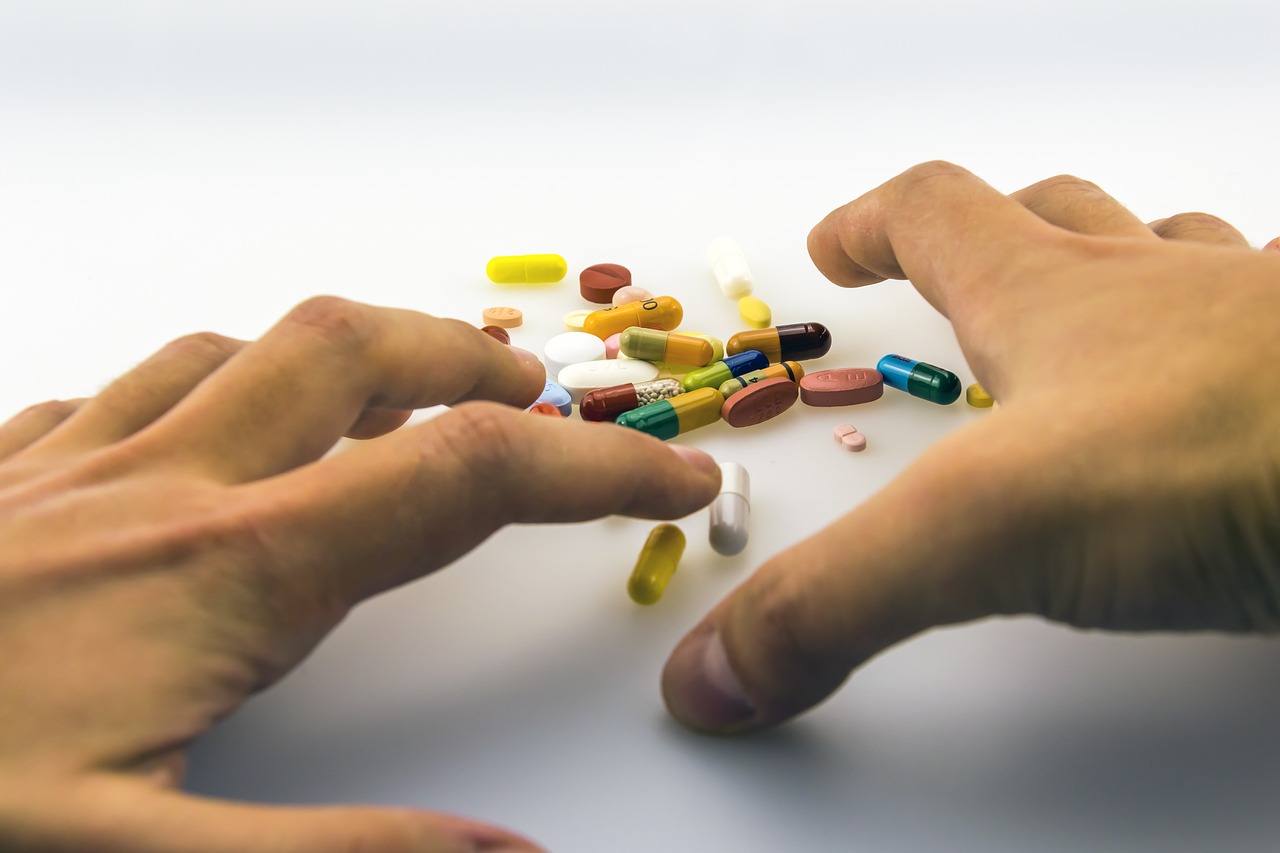
In an addiction state of mind.

By David Joel Miller, MS, Licensed Therapist & Licensed Counselor.

Hands with pills

Addiction.
Photo courtesy of Pixabay

Addiction is a mental illness.

As difficult as it is to withdraw from some drugs you would think that the primary thrust of addiction treatment would be detoxification facilities. When it comes to curing addiction, Detox programs are an almost universal failure. The majority of people who undergo detox, somewhere near 90% relapse in the first year after detox treatment.

We have been taught to think of addiction as a terrible physical craving, a drug sickness of the body when the user tries to stop. The physical part is the smallest part of addiction.

After 72 hours of detox, the standard treatment in many places, the addict should be past the cravings. Most drugs pass out of the body in hours, days at the most. How then do we explain the high rate of relapse among addicted people?

Some of the hardest to kick drugs have little or no physical withdrawal symptoms. We should expect that the highest rates of relapse would occur in the first few days after cessation. Despite the widely held opinion that addiction is a physical dependence on drugs, recovering people continue to relapse mouths, years, even decades after treatment. The inescapable conclusion?

Addiction is in the mind not the body!

Many efforts to treat addiction fail because they look in the wrong place, in the body. We see programs that include lots of diet and exercise, health farms, and sanitariums they used to be called. They had only limited success.

One way to describe addiction is that the addict’s brain has “gone over to the other team.” The alcoholic develops an alcoholic mind. Efforts to treat that condition with detoxification or drug replacement do not result in the “head change” that is needed to recover.

The psychological cravings persist for a long time after the physical urges have dissipated.

The core problem of addiction is the mind’s determination to obsess over getting a substance, any substance, to change the way we feel.

Once the mind convinces the addict to try a little, just a little, of their drug of choice, the body produces the cravings that continue the use.

Long-term recovery requires stopping those thoughts that an addict can ever safely use even a little of a drug and replacing those using thoughts with positive thoughts.

Recovery from addiction is a long-term process of changing your thinking to change your life.

Staying connected with David Joel Miller

Seven David Joel Miller Books are available now!

My newest book is now available. It was my opportunity to try on a new genre. I’ve been working on this book for several years, but now seem like the right time to publish it.

Story Bureau.

Story Bureau is a thrilling Dystopian Post-Apocalyptic adventure in the Surviving the Apocalypse series.

Baldwin struggles to survive life in a post-apocalyptic world where the government controls everything.

As society collapses and his family gets plunged into poverty, Baldwin takes a job in the capital city, working for a government agency called the Story Bureau. He discovers the Story Bureau is not a benign news outlet but a sinister government plot to manipulate society.

Bumps on the Road of Life. Whether you struggle with anxiety, depression, low motivation, or addiction, you can recover. Bumps on the Road of Life is the story of how people get off track and how to get your life out of the ditch.

Dark Family Secrets: Doris wants to get her life back, but small-town prejudice could shatter her dreams.

Casino Robbery Arthur Mitchell escapes the trauma of watching his girlfriend die. But the killers know he’s a witness and want him dead.

Planned Accidents  The second Arthur Mitchell and Plutus mystery.

Letters from the Dead: The third in the Arthur Mitchell mystery series.

What would you do if you found a letter to a detective describing a crime and you knew the writer and detective were dead, and you could be next?

Sasquatch. Three things about us, you should know. One, we have seen the past. Two, we’re trapped there. Three, I don’t know if we’ll ever get back to our own time.

For these and my upcoming books; please visit my Author Page – David Joel Miller

Want the latest blog posts as they publish? Subscribe to this blog.

For videos, see: Counselorssoapbox YouTube Video Channel
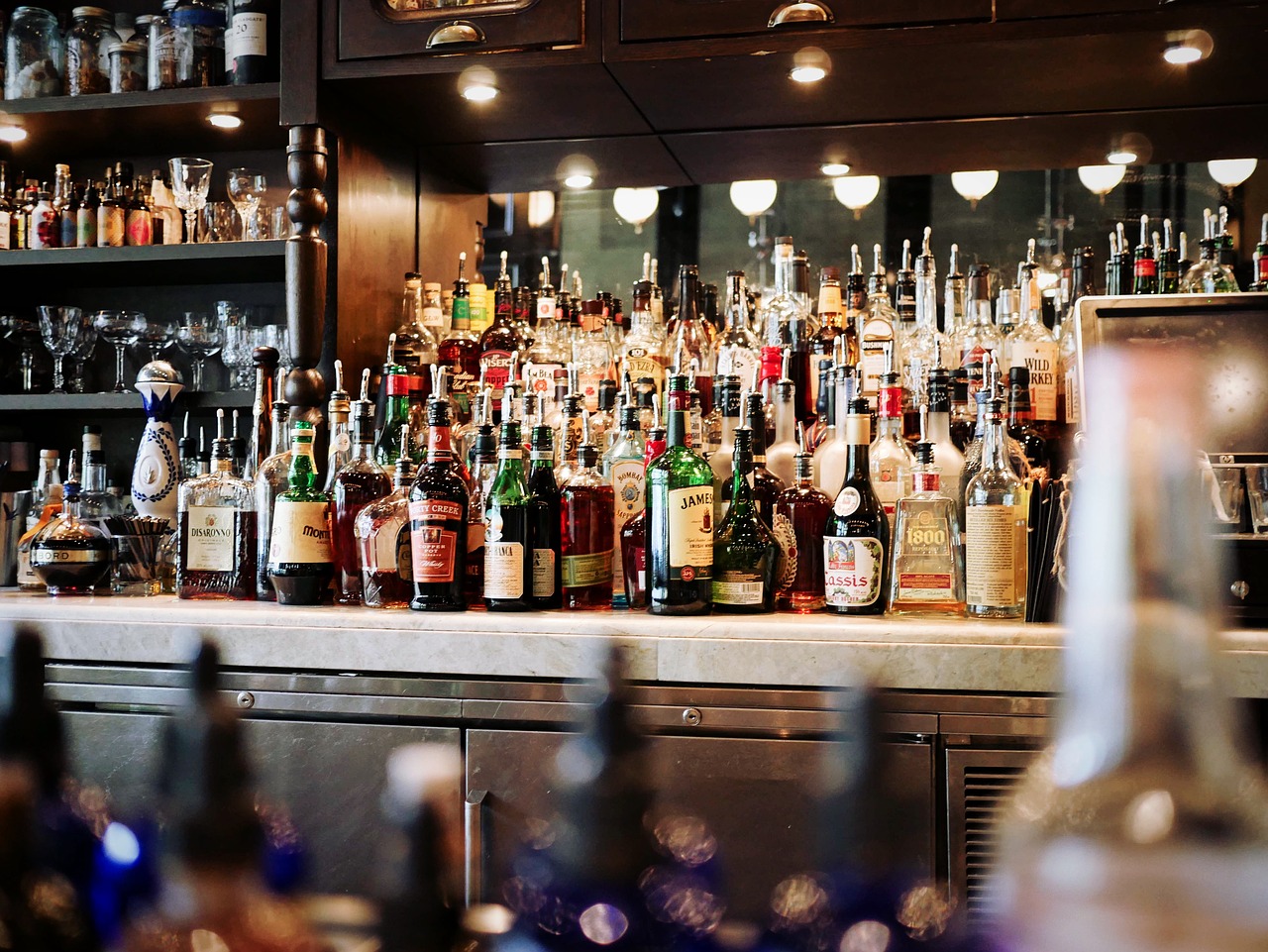
Which alcoholic beverage causes the most hangovers, DUI’s and damage to the body?

By David Joel Miller, MS, Licensed Therapist & Licensed Counselor.

Liquor

Alcoholic beverages.
Photo courtesy of Pixabay.com

Standard drinks and why they matter.

There are more urban myths and legends around alcoholic beverages than you would find in most children’s storybooks.

People believe that one particular alcoholic beverage is safer or less likely to get you drunk than another. Does drinking shots get you drunk faster? Is wine safer than beer? Can you avoid becoming an alcoholic by sticking to beer and avoiding the hard stuff? Let’s look at the facts behind these beliefs.

All alcoholic beverages share one most significant ingredient – ethanol. Alcohol is produced by the action of yeast fermenting something. Fermenting grains and berries produces ethyl alcohol, which is the only alcohol that can be drunk by humans without fatal results. Wood can be fermented and produces methyl alcohol, but if it is drunk it can be fatal, producing blindness and brain damage before death.

All alcoholic beverages contain ethyl alcohol. When it comes to intoxication – alcohol is alcohol. What varies is the amount of alcohol and the various additives and flavorings. Make no mistake. The more ethyl alcohol you consume the drunker you will get.

To compare one alcoholic beverage with another we have created the concept of a “standard drink.” Correctly served, a standard drink of beer, wine, or a shot of hard liquor all contains precisely the same amount of alcohol.

Beer.

A standard drink of beer is a twelve-ounce bottle.  One small can of beer contains one standard drink. People mislead themselves into thinking that drinking beer is safer because it requires drinking more volume than other drinks to get the same blood alcohol level.

More than once a client has said: “I only had a couple of beers but I got a DUI anyway.” It makes a lot of difference if the beers were 12 ounces or 40 ounces. One beer should produce a blood alcohol level of about .02. Two 40 ounce beers are equal to almost 7 of the little ones and will produce a blood alcohol level of around 0.14.  That is past the point of legally drunk in most any place I know of.

It is also worth noting that in the United States of America more than half of all the alcohol (pure ethyl alcohol) consumed comes from beer. Lite Beers may be as bad or even worse.

Also for the record, your liver may develop tolerance to alcohol but the liver only has one speed. No matter how high the blood alcohol level goes the liver can only detoxify one standard drink of ethyl alcohol an hour and the liver only starts to work once the alcohol is digested and absorbed into the bloodstream. This explains why someone can drink a couple of 40-ounce beers, feel fine, and then suddenly feel drunk an hour to an hour and a half later after the alcohol gets absorbed into the bloodstream.

Malt liquor will get the drinker even higher blood alcohol numbers, up to half again the numbers for beer.

Wine.

A standard drink of wine is one – five-ounce glass of 12 % wine. This number will vary from text to text. Some places measure alcohol by volume and other countries measure by weight. So don’t be surprised if you read elsewhere that a standard drink is 4 ounces of wine.

If you like “fortified wines” as in sherry or port the size of the glass needs to be smaller. A standard drink of port is a 3.5-ounce glass.

It does not count if you open a bottle of wine, pour one glass, and then continue to refill the glass all evening. If you finish off the whole bottle of wine, regardless of the number of glasses you use, you will have consumed 5 standard drinks. Five standard drinks on one occasion for a man or four standard drinks for a woman is binge drinking and does a lot more damage to your body. This is an even bigger problem if you are a binge drinking senior citizen.

Shots – Hard Liquor.

A standard drink of hard liquor is one and one-half ounces of 40% alcohol. Since proof numbers are exactly double percentages that would mean a standard drink of 86 proof liquor should be just shy of 1 ½ oz.

So a person drinking 3 ounces of hard liquor in a small glass gets two standard drinks.

Question?

A beer drinker consumes a forty-ounce bottle of beer; his buddy drinks only one glass with three ounces of 86 proof tequila, who is drunker?

Easy – the beer drinker consumed like three and a half standard drinks, the tequila drinker only consumed two standard drinks, the beer drinker will be way more intoxicated come an hour later when the drink is absorbed into the bloodstream.

See how easy it is to fool yourselves saying you had only one drink when in fact there was a whole lot more alcohol in that one drink than you thought?

In this discussion, we have left out the effects of “tolerance” and “withdrawal” which complicate the math but not the legally drunk part. We also have not talked about drinking something stronger like “151” or “191” and how much closer that could take you to the .60 blood alcohol level where you blackout, organs stop working and you get pronounced legally dead.

Also, you need to know that if every time you drink, you end up drunk, which has less to do with the kind of drink you consumed and more to do with your having counteracted a disease called alcoholism.

So the results of this exercise tell us, it really doesn’t matter if you drink beer, wine, or hard liquor, what matters is how much ethyl alcohol is in that drink and what happens to you when you put ethyl alcohol in your bloodstream.

Staying connected with David Joel Miller

Seven David Joel Miller Books are available now!

My newest book is now available. It was my opportunity to try on a new genre. I’ve been working on this book for several years, but now seem like the right time to publish it.

Story Bureau.

Story Bureau is a thrilling Dystopian Post-Apocalyptic adventure in the Surviving the Apocalypse series.

Baldwin struggles to survive life in a post-apocalyptic world where the government controls everything.

As society collapses and his family gets plunged into poverty, Baldwin takes a job in the capital city, working for a government agency called the Story Bureau. He discovers the Story Bureau is not a benign news outlet but a sinister government plot to manipulate society.

Bumps on the Road of Life. Whether you struggle with anxiety, depression, low motivation, or addiction, you can recover. Bumps on the Road of Life is the story of how people get off track and how to get your life out of the ditch.

Dark Family Secrets: Doris wants to get her life back, but small-town prejudice could shatter her dreams.

Casino Robbery Arthur Mitchell escapes the trauma of watching his girlfriend die. But the killers know he’s a witness and want him dead.

Planned Accidents  The second Arthur Mitchell and Plutus mystery.

Letters from the Dead: The third in the Arthur Mitchell mystery series.

What would you do if you found a letter to a detective describing a crime and you knew the writer and detective were dead, and you could be next?

Sasquatch. Three things about us, you should know. One, we have seen the past. Two, we’re trapped there. Three, I don’t know if we’ll ever get back to our own time.

For these and my upcoming books; please visit my Author Page – David Joel Miller

Want the latest blog posts as they publish? Subscribe to this blog.

For videos, see: Counselorssoapbox YouTube Video Channel
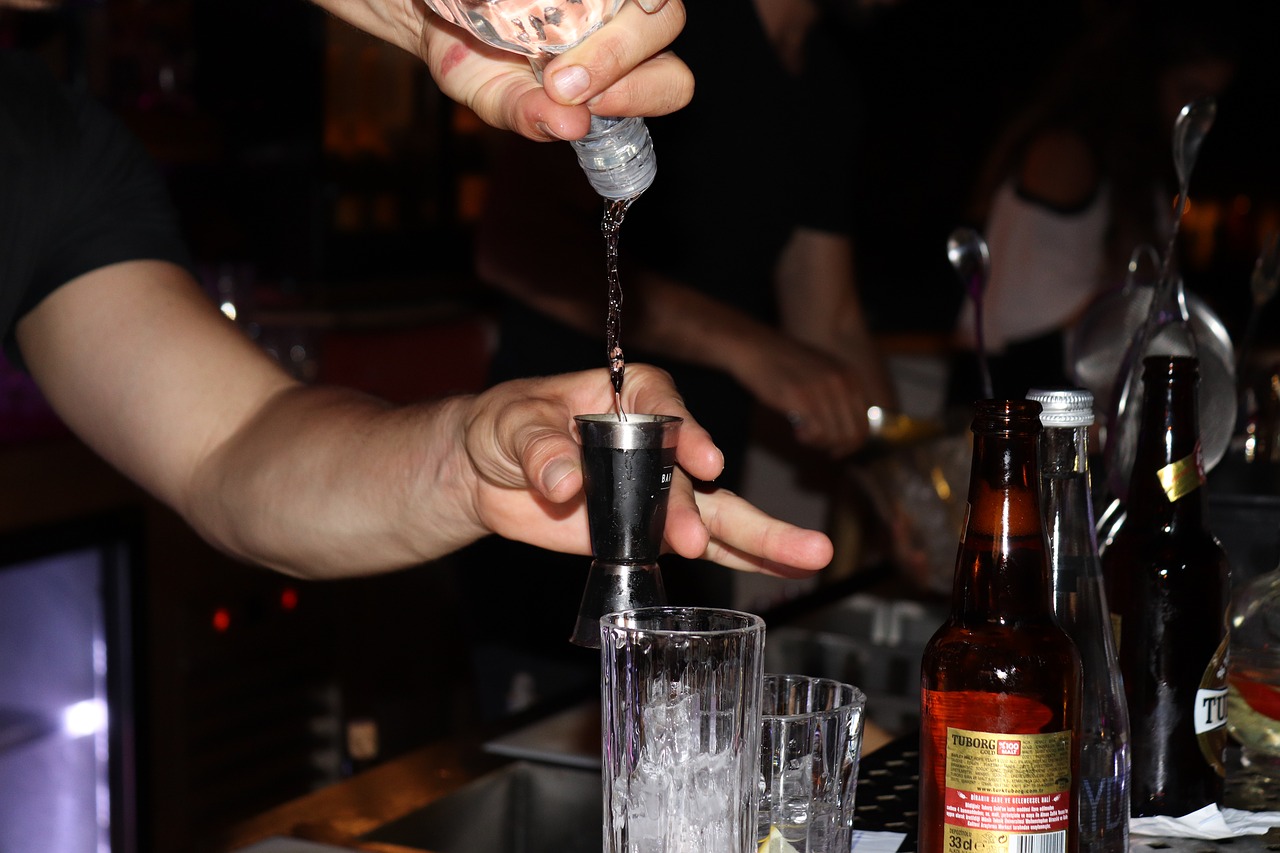
Binge drinking, memory loss, cognitive decline and Alzheimer’s

By David Joel Miller, MS, Licensed Therapist & Licensed Counselor.

Drinking

Binge drinking.
Photo courtesy of Pixabay.com

Binge drinking your way to Memory loss, cognitive decline, and Alzheimer’s.

Once you get past age sixty-five, it doesn’t take much in the way of binge drinking to impair your cognitive abilities. A recent study by Dr. Lang of the University of Exeter reports that the threshold for memory loss as a result of binge drinking is a lot lower in senior citizens than previously thought.

Seniors who binge drank TWO times per MONTH were 250% more likely to have memory loss and cognitive decline than those who did not binge drink.

The study defined binge drinking in seniors as four or more drinks on one drinking occasion. Given what other studies have found about the declining tolerance of seniors for alcohol, that four drink figure sounds awfully high. See a previous post on binge drinking for more on the effects of substances on the elderly.

This study does not draw a conclusion about any connection between binge drinking and either dementia or Alzheimer’s. But the conclusion that even occasional episodes of four drinks by seniors can impair the memory makes me question the safety of these promotions trying to get seniors to drink a little for their heart.

This study was presented at the Alzheimer’s Association International Conference. A second study presented at the same conference examined the effects of “moderate” drinking on older women. In this one over 1,300 women age 65 and up were studied for twenty years. The result?

Moderate alcohol consumption did not protect memory in older women.

We also suspect that binge drinking coupled with prescription medications increases the risk of blackouts in Seniors.

The drinking by seniors conclusion?

Alcohol consumption by seniors does not protect the memory and even occasional binge drinking, as few as four drinks in one day, maybe less, can result in memory loss for those in the senior community.

Staying connected with David Joel Miller

Seven David Joel Miller Books are available now!

My newest book is now available. It was my opportunity to try on a new genre. I’ve been working on this book for several years, but now seem like the right time to publish it.

Story Bureau.

Story Bureau is a thrilling Dystopian Post-Apocalyptic adventure in the Surviving the Apocalypse series.

Baldwin struggles to survive life in a post-apocalyptic world where the government controls everything.

As society collapses and his family gets plunged into poverty, Baldwin takes a job in the capital city, working for a government agency called the Story Bureau. He discovers the Story Bureau is not a benign news outlet but a sinister government plot to manipulate society.

Bumps on the Road of Life. Whether you struggle with anxiety, depression, low motivation, or addiction, you can recover. Bumps on the Road of Life is the story of how people get off track and how to get your life out of the ditch.

Dark Family Secrets: Doris wants to get her life back, but small-town prejudice could shatter her dreams.

Casino Robbery Arthur Mitchell escapes the trauma of watching his girlfriend die. But the killers know he’s a witness and want him dead.

Planned Accidents  The second Arthur Mitchell and Plutus mystery.

Letters from the Dead: The third in the Arthur Mitchell mystery series.

What would you do if you found a letter to a detective describing a crime and you knew the writer and detective were dead, and you could be next?

Sasquatch. Three things about us, you should know. One, we have seen the past. Two, we’re trapped there. Three, I don’t know if we’ll ever get back to our own time.

For these and my upcoming books; please visit my Author Page – David Joel Miller

Want the latest blog posts as they publish? Subscribe to this blog.

For videos, see: Counselorssoapbox YouTube Video Channel

Can you change a mentally ill family member – Powerlessness?

By David Joel Miller, MS, Licensed Therapist & Licensed Counselor.

Change

Change.
Photo courtesy of Pixabay.com

What is powerlessness?

Does powerlessness have anything to do with mental illness and family members? The more we move from a model of mental illness that emphasizes permanent disability to a wellness and recovery model the more we see terms like powerlessness applied to the recovery from mental illness process. One blog reader asked about applying Al-anon principles to their problems with mentally ill family members.

Are people really powerless over mental illness and addiction? Doesn’t saying you are powerless just breed an attitude of helplessness, a victim mentality? Not at all.

There are some things in life we have control over, there are a lot of other things that we have little or no control over. The important thing is learning which is which.

This kid was walking along texting on his phone and generally not watching where he was going. He walked straight into a cement wall. The whole situation looked humorous to me, but I am quite sure it was not a laughing matter to that teen. He became quite angry and hit that wall a good one with his fist.

That teen could stand there pounding away at the cement wall but in the end, he is likely to find he is powerless over that wall. Eventually, he may damage the wall but he is going to harm himself seriously in the process.

Now insisting that the wall is wrong, that it needs to get out of his way is unlikely to be helpful. But isn’t that what happens to so many people, especially people in recovery, every day. Despite clear indications that the current approach we are taking is not working we continue to insist that the world change to accommodate us.

Looking at that wall in an objective way it was easy to see that there was a gate only a short distance away. The teen could have taken the gate, or at the other end the wall ended and with a few extra steps he could have gone around, still, he insisted the wall change.

The alcoholic is like that. Every time they drink they end up drunk. They struggle to control their drinking. The anxious or depressed person tries to deny they have a problem. Ignore the problem and it will go away is the universal motto.

Even after untold negative consequences, alcoholics tell themselves they will find a way to keep drinking and not have problems. The sad truth is that if anything has become an addiction in your life you will never be able to control that thing again. You are powerless to make that thing do what you want it to.

We are all powerless over rain. Now anyone can take a few raindrops. But I have never been able to make it rain or not rain on command. Facing a hurricane I can walk into the storm contending that I am not powerless over a little rain but eventually the storm will get the better of me.

The surest course of action when encountering the hurricane is to admit you are powerless over the storm and take cover in as safe a place as possible. Accepting that you are powerless over hurricanes and that the storm will do what it will do is a wise use of thought. Accepting help for your emotional problem is a wise course also.

The safest thing to do when encountering a drug is to admit that the tiny little thing can whip you any day. Struggling to do a little of the drug and still not let it control you is looking for disaster. No one controls their addiction. Learning that you can say no before the first taste, that is power.

We also need to learn that we are powerless over others. All that begging and bribing, the threatening and the use of force, this approach never really gets you control of the person. If your partner is addicted do you really think you can somehow win the battle to control the substance? We are powerless over people and things.

People will struggle for years to not be sick even when an effective treatment for their problem is right in front of them.

So the idea that a family member might by some special effort get their family member to change and presumably not have a mental illness, that is the clearest sort of delusion.

A central message of Al-anon as I understand it is the same as the message to addict’s, continued efforts to pretend that we have control over others, people, or things, are an illusion. Once you admit you are powerless over the mental illness, then the person can stop trying to pretend they don’t have the problem and begin to look for help in living with their issue.

The key to helping others is to first change yourself. The serenity prayer tells us to change the things we can, mostly that is ourselves, accept the things we cannot change, and develop the wisdom to know the difference.

Absolutely spiritual principles like those of A.A., Al-anon, and other 12 step groups apply to mental illness just as they apply to addiction and alcoholism.

Staying connected with David Joel Miller

Seven David Joel Miller Books are available now!

My newest book is now available. It was my opportunity to try on a new genre. I’ve been working on this book for several years, but now seem like the right time to publish it.

Story Bureau.

Story Bureau is a thrilling Dystopian Post-Apocalyptic adventure in the Surviving the Apocalypse series.

Baldwin struggles to survive life in a post-apocalyptic world where the government controls everything.

As society collapses and his family gets plunged into poverty, Baldwin takes a job in the capital city, working for a government agency called the Story Bureau. He discovers the Story Bureau is not a benign news outlet but a sinister government plot to manipulate society.

Bumps on the Road of Life. Whether you struggle with anxiety, depression, low motivation, or addiction, you can recover. Bumps on the Road of Life is the story of how people get off track and how to get your life out of the ditch.

Dark Family Secrets: Doris wants to get her life back, but small-town prejudice could shatter her dreams.

Casino Robbery Arthur Mitchell escapes the trauma of watching his girlfriend die. But the killers know he’s a witness and want him dead.

Planned Accidents  The second Arthur Mitchell and Plutus mystery.

Letters from the Dead: The third in the Arthur Mitchell mystery series.

What would you do if you found a letter to a detective describing a crime and you knew the writer and detective were dead, and you could be next?

Sasquatch. Three things about us, you should know. One, we have seen the past. Two, we’re trapped there. Three, I don’t know if we’ll ever get back to our own time.

For these and my upcoming books; please visit my Author Page – David Joel Miller

Want the latest blog posts as they publish? Subscribe to this blog.

For videos, see: Counselorssoapbox YouTube Video Channel
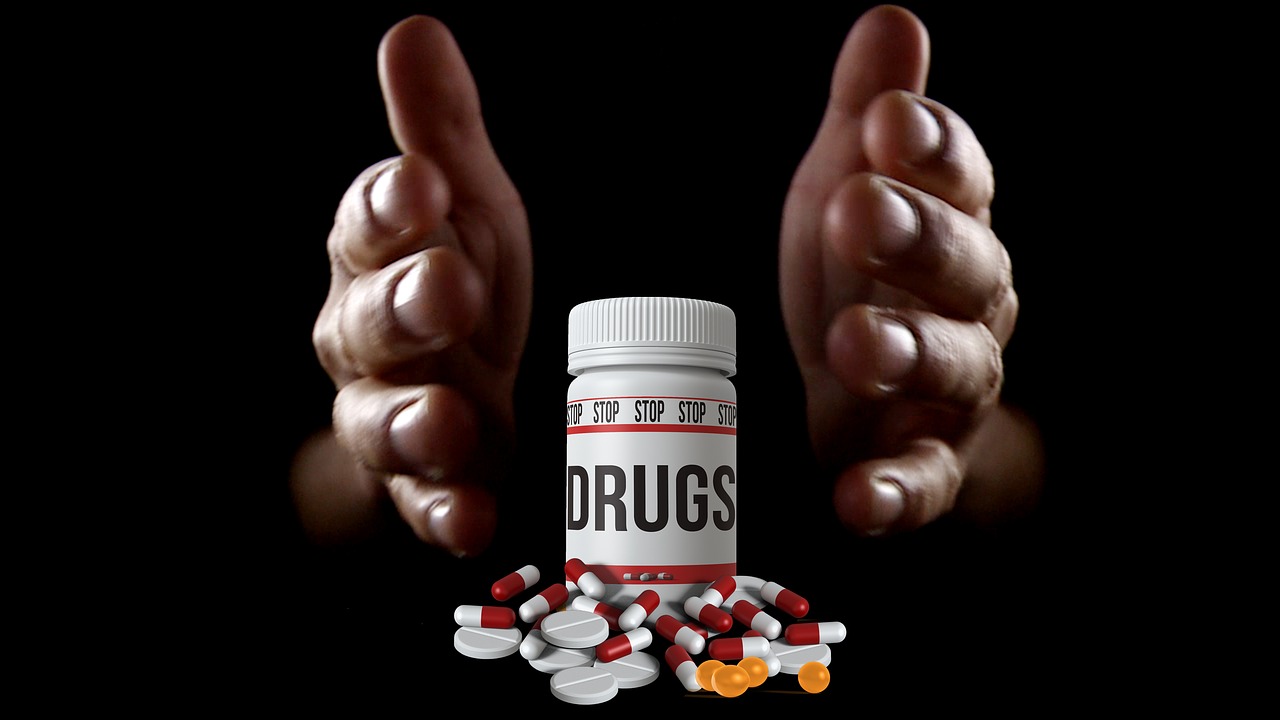
Dangers of Binge Drinking

By David Joel Miller, MS, Licensed Therapist & Licensed Counselor.

Drinking

Binge drinking.
Photo courtesy of Pixabay.com

Binge drinking may be more dangerous than we thought.

One drink per day for thirty days, for many people this is no big problem. No drinks for thirty days and then binge drink thirty drinks in one day, that would be a huge, maybe fatal, problem.

Thirty drinks, if consumed rapidly enough and kept down would result in a “theoretical” blood alcohol level of .60 which is enough alcohol in one person to have made seven and a half people legally drunk. At that blood alcohol level, the person would probably not need treatment. They would already be dead.

Blood alcohol levels of .50 to .60 are likely to be fatal. But even lower levels can kill or permanently injure a person. Alcohol kills more people in the United States every year than ALL DRUGS, legal or illegal combined (not counting nicotine.) Even when people die from other drugs, they typically have alcohol in their bloodstream.

To be fair, not everyone who drinks, binge drinks, and gets drunk. About half of all Americans old enough to drink have not had a drink in the last thirty days. Those who drink a lot, damage themselves and others a lot.

The twenty percent of Americans who consume the most alcohol, the frequent binge drinkers, consume 80% of all the alcohol sold. The majority of all the people in prison around here were drunk or high in the 24 hours before they committed the crime that sent them to prison.

People who drink rapidly and reach high blood alcohol levels are likely to have blackouts.

Even at much lower levels, we find that “binge drinkers,” those who consume larger than typical amounts of alcohol on one occasion, are 55 times more likely to attempt suicide.

The damage alcohol does to the body depends on the level of alcohol in the bloodstream. Our way of assessing risk, based on the number of drinks during a single “drinking episode” is biased towards underestimating the extent of binge drinking. Not everyone who drinks gets the same result.

The blood alcohol level is dependent on a number of factors and the number of drinks is only one of those factors.

Body weight influences blood alcohol levels. If a one hundred pound person and a two hundred pound person have the same number of “standard drinks” the one hundred pound person will have a significantly higher blood alcohol level.

Alcohol is soluble in water, the more water in the system the lower the blood alcohol level. Men have more water per pound of weight than women. This means that if a man and a woman of the same weight drink the same amount of alcohol the woman ends up with a higher blood alcohol level.

Liver function also affects the body’s ability to process alcohol. A damaged liver and the drink will stay in your system longer.

Age is a factor. You can put color on your hair but you can’t pretty up your liver. As you age the liver gets old and tired. It won’t process as much alcohol per hour. An old liver will result in higher blood alcohol levels. Studies tell us that the “safe” level of alcohol consumption for an “older person” is maybe half what it was for a younger person.

If one glass of wine a day is good for you at age 30, three glasses a week will be your max at age 80 or so. I know there are exceptions, don’t email about your grandparent who still drinks a tall one every day and is in good health. Studies say that for the elderly, most of them, 3 drinks a week would be all that is safe.

Binge drinking is defined as 4 drinks on one drinking occasion for a woman and five drinks for a man. We have already underscored that for people of low body weight or the elderly or woman these numbers are way too high.

Who is at the highest risk for medical problems from binge drinking? Four groups are at highest risk, the young, the old, the pregnant, and the alcoholic.

The young have more drinking problems.

They don’t know the risks and the results. They can get drunk, hurt someone, be in trouble and there goes the life. Almost all people with a substance use disorder become alcoholics or addicts before the end of their twenties.

The elderly have lots of substance use problems.

These folks are not exempt. In more than half of all hospital emergency room admissions of senior citizens, the elderly person is drunk or high when the accident occurs. One reason seniors are falling down and breaking hips is they are stoned.

Seniors may become depressed when they retire or end up living alone. They may drink; take prescription drugs and even illicit drugs. Put that all together and it is easy to have substance abuse get out of control in the elderly.

The pregnant should not drink.

Any alcohol is bad for the developing fetus, the more alcohol the worse the damage. We can’t always see the damage as it can hide in lower IQs, retardation, and learning disabilities. Alcohol induces “Fetal Alcohol Spectrum Disorder” which is the largest source of preventable birth defects.

The alcoholic will not be able to safely drink.

As many an alcoholic will tell you “one is too many and a thousand is never enough.” The hallmark of alcoholism is the loss of control. An alcoholic has lost control of how much they will drink once they get started. The only “safe amount” for someone with a history of alcoholism to drink is – none.

Many drug addicts get into recovery and then fool themselves by thinking “I never had a problem with alcohol so I can drink safely.” Scratch a drug addict and you will find an alcoholic. The same seems to hold true for anyone who has had any other form of impulse control problem.

Consider for a moment. If you drink multiple drinks, most days or end up drunk when you drink you may have a drinking problem. If you binge drink, drink with the intent to get drunk or buzzed, you are in the highest risk group.

Staying connected with David Joel Miller

Seven David Joel Miller Books are available now!

My newest book is now available. It was my opportunity to try on a new genre. I’ve been working on this book for several years, but now seem like the right time to publish it.

Story Bureau.

Story Bureau is a thrilling Dystopian Post-Apocalyptic adventure in the Surviving the Apocalypse series.

Baldwin struggles to survive life in a post-apocalyptic world where the government controls everything.

As society collapses and his family gets plunged into poverty, Baldwin takes a job in the capital city, working for a government agency called the Story Bureau. He discovers the Story Bureau is not a benign news outlet but a sinister government plot to manipulate society.

Bumps on the Road of Life. Whether you struggle with anxiety, depression, low motivation, or addiction, you can recover. Bumps on the Road of Life is the story of how people get off track and how to get your life out of the ditch.

Dark Family Secrets: Doris wants to get her life back, but small-town prejudice could shatter her dreams.

Casino Robbery Arthur Mitchell escapes the trauma of watching his girlfriend die. But the killers know he’s a witness and want him dead.

Planned Accidents  The second Arthur Mitchell and Plutus mystery.

Letters from the Dead: The third in the Arthur Mitchell mystery series.

What would you do if you found a letter to a detective describing a crime and you knew the writer and detective were dead, and you could be next?

Sasquatch. Three things about us, you should know. One, we have seen the past. Two, we’re trapped there. Three, I don’t know if we’ll ever get back to our own time.

For these and my upcoming books; please visit my Author Page – David Joel Miller

Want the latest blog posts as they publish? Subscribe to this blog.

For videos, see: Counselorssoapbox YouTube Video Channel
Do people really forget what happened when drinking? – Blackouts

By David Joel Miller, MS, Licensed Therapist & Licensed Counselor.

Liquor

Alcoholic beverages.
Photo courtesy of Pixabay.com

Memory, Blackouts, Alcohol, and Drugs.

Alcohol and other drugs can impair memory in a number of ways. Alcoholics frequently say they can’t remember what happened while drinking. People who have never had a blackout question if the drinker really can’t remember, or do they just not want to take responsibility for their actions. Both are possible. Alcohol is not the only reason someone might do something and then have no memory of the occurrence. Consider the following examples.

Let’s say that the people in one of the classes I taught all became very close and the group decides they would like to have a celebration after the last session. We decide on a pizza party. We get out the phone book and look up the number. We are all old school, imagine the days before cell phone Apps. I read off the number and one of the students runs downstairs to make the call. In this building, there is almost no cell phone reception.

When they return I ask “Did you order soda?” They tell me they didn’t.  Well, we need something to drink with the pizza so go call and add some soda to the order. The students reply?

What was the number?

Why can’t they remember that number?

Now I just gave them the number why can’t they remember it?

Many things in life are held in short-term memory only as long as needed. Once the need for the information is gone the memory is discarded. You may remember what you ate for breakfast today but not many people could report what they had for breakfast all of the last 365 days. Even if they had the same thing every day they would not be able to tell me which day was better or worse.

Alcohol interrupts the transfer of information from current working memory to long-term memory. Since the memory could not be saved there is no memory remaining. Ever turn off a computer or close a file and then realize you hadn’t saved the work? Computers have programs to ask you if you want to save that, otherwise, we would lose a lot of work.

Cell phone designers had to include this factor in the design. They know that phone owners will want to call people back and that the human brain will not remember the number even if you just dialed it a minute ago. The phone holds the memory for you.

Blackouts are most likely to occur when the blood alcohol level rises rapidly. A few sips an hour, no blackout. Knock down the whole fifth in a couple of minutes and the rest of the night may be gone.

Blackouts are not the only reason alcohol and other drugs may alter memories.

State-dependent learning.

Consider this scenario. Someone goes to a cocktail party. During the night they talk with a lot of people, exchange some business cards, and generally have a good productive time networking. Only they also drink too much.

Next morning they find the business cards in their pocket, only they can’t remember who these people were or what they talked about. They weren’t drunk enough to have a blackout but they did talk to a lot of people. Why can’t they remember these people?

Later in the day, they go to lunch, say they have drinks with lunch, nothing huge, just one or two drinks. They go for something in their pocket and there are those pesky cards. And suddenly they remember who these people were and what they talked about.

This is called state-dependent learning.

Information is filed away in the brain but it is as if there are file cabinet drawers for memories that are only needed in certain situations. One file drawer is for things to remember while intoxicated. These memories are harder or impossible to find unless drunk.

Students who pull all-nighters to study for finals and use lots of chemicals to stay awake may have the same result. The brain puts those memories in a drawer labeled only needed when high on stimulants. Next day in class they forget everything they studied. The lack of sleep didn’t help either. Two weeks later over some espresso, they remember something they needed for the final.

This is also why some things just can’t be learned in a classroom. Swimming and diving are examples of this. All the classroom time in the world and suddenly when you are in the water everything changes. State-dependent learning can involve things other than alcohol or drugs. Internal states, like hunger and thirst, and external states like places and activates can affect your ability to remember things.

In addition to blackouts and state-dependent learning, there are several other ways in which alcohol and drugs may be affecting memory.

Poor physical and mental health impairs memory.

When you are depressed or overtired, things may not stick in your memory. Over time there can be physical and chemical changes in the brain. Alcoholic’s brains shrink. Some drugs kill or damage nerve cells. Aging and normal memory loss may also be accelerated by substance abuse.

Memory also has a situational component. I use multiple computers at multiple locations. They each have different passwords. When at one office I will remember the password for that office and automatically enter it. Most of these passwords have to be changed every month. Last month I thought why not use the same password I just entered at the other office this morning? I could not remember it. The next day back at the first office I entered that new password without a thought and then realized, I remember passwords by the surroundings.

Doorway effect on memory.

The “doorway effect” also is likely to be more pronounced when you abuse substances. Doorway effect is the phenomenon of moving through a doorway, going from my home office to the kitchen for some water, and when I get to the kitchen I can’t remember why I am there. This confusion and the available food may explain that mysterious weight gain. This is a normal occurrence for people who do not do drugs but my experience working in substance abuse programs suggests that substance abusers are more likely to find their memories erased by moving from one place to another.

There are some thoughts on blackouts, state-dependent learning, situational memory, and the doorway effect coupled with the effects of drugs and alcohol on memories.

Staying connected with David Joel Miller

Seven David Joel Miller Books are available now!

My newest book is now available. It was my opportunity to try on a new genre. I’ve been working on this book for several years, but now seem like the right time to publish it.

Story Bureau.

Story Bureau is a thrilling Dystopian Post-Apocalyptic adventure in the Surviving the Apocalypse series.

Baldwin struggles to survive life in a post-apocalyptic world where the government controls everything.

As society collapses and his family gets plunged into poverty, Baldwin takes a job in the capital city, working for a government agency called the Story Bureau. He discovers the Story Bureau is not a benign news outlet but a sinister government plot to manipulate society.

Bumps on the Road of Life. Whether you struggle with anxiety, depression, low motivation, or addiction, you can recover. Bumps on the Road of Life is the story of how people get off track and how to get your life out of the ditch.

Dark Family Secrets: Doris wants to get her life back, but small-town prejudice could shatter her dreams.

Casino Robbery Arthur Mitchell escapes the trauma of watching his girlfriend die. But the killers know he’s a witness and want him dead.

Planned Accidents  The second Arthur Mitchell and Plutus mystery.

Letters from the Dead: The third in the Arthur Mitchell mystery series.

What would you do if you found a letter to a detective describing a crime and you knew the writer and detective were dead, and you could be next?

Sasquatch. Three things about us, you should know. One, we have seen the past. Two, we’re trapped there. Three, I don’t know if we’ll ever get back to our own time.

For these and my upcoming books; please visit my Author Page – David Joel Miller

Want the latest blog posts as they publish? Subscribe to this blog.

For videos, see: Counselorssoapbox YouTube Video Channel

Why giving up the drugs and alcohol didn’t make you happy

By David Joel Miller, MS, Licensed Therapist & Licensed Counselor.

Drugs.

Drugs.
Photo courtesy of Pixabay.

What being a “dry drunk” means.

It’s a common problem; someone gives up the drugs and the alcohol. Time goes by and they are still miserable and their lives are a mess. They expected to quit and things would be better. They quit and things did not get better. They ask “Why?”

For most people who arrive at substance recovery, the drugs, and the alcohol are not the problems. For far too long they have been that person’s solution. The problem is they don’t know how to live life without drugs and alcohol.

People with a mental illness fall into the same trap. They see a doctor take a pill or complete a therapy program. They expect it to help. It may help a little, for a while, but then they feel worse and the recovery they have begins to slip away.

You may know deep down you need to give something up. Is it a drug, alcohol or is it Anger and feeling sorry for yourself? Yes, others may have wronged you. But they are gone and you are still suffering. The past fills up your mind with pain and suffering, leaving no room for a happy contented present or future.

You may have lost a relationship, a job, or been to jail or prison. Some people lose their children because they can’t stop drinking and drugging. Your doctor may have told you “one more drink and you will die.” None of those reasons are good enough to stop and stay stopped if life after drugs was dull, boring, and unhappy.

Some people quit, they stay off the sauce for a period of time, but they are still miserable. You can see someone like this at most any A.A. meeting, you see them in churches and self-help groups. Five years or ten without drugs and they are still angry, hate themselves and others. They know they can’t drink or drug but they wish they could. In recovery language, they are called dry drunks.

Anger, fear, and resentments, those are the poisons that keep people sick. Hard to let go of that resentment. Who wants to admit that holding on to that grudge may make them feel “right” but it also makes them feel miserable?

A dry drunk has all the behaviors of a drunk. They don’t like life and can’t cope without something outside themselves to make them feel better. Sometimes they move from addiction to addiction, they try gambling or spending, sometimes it is sex or a new religion. What they don’t do is try to change themselves.

Recovery is more than putting the plug in the jug. It is more than taking medication or completing a program. Recovery takes work. There is a process you need to go through to make peace with yourself and the past. Recovering people most often find they need to work on themselves a lot. Recovery is an inside job, you hear the recovered people say. Looking at yourself is painful sometimes. The pain of self-examination leads to healing. The pain of substance abuse leads to failed relationships, jails, prisons, psych hospitals, and eventually death.

Therapists have a saying “never work harder than the client.” What we mean by that is that recovery is not something we can do to a client. Recovery is a process we can guide someone through but they need to do the work.

As long as you hold on to that addiction, the anger, the blame, you don’t have to begin to take the responsibility for your own recovery.

Living with an addiction requires a skill set. So does living with a mental illness. People learn those skills whether they intend to or not.

Recovery requires learning a new set of skills, getting a new toolkit. It also requires putting those tools to work; you need to get your recovery tools dirty by using them.

What new skills have you learned? Have you gotten honest with yourself? Do you write about things in your journal? Do you talk with your counselor, or sponsor? Have you stopped running from crisis to crisis and started making up longer-term plans, not plans of what you will have, but plans for what you will do?

Recovery is a journey. If you stick to the route you will find that the trip gets better and better.

Staying connected with David Joel Miller

Seven David Joel Miller Books are available now!

My newest book is now available. It was my opportunity to try on a new genre. I’ve been working on this book for several years, but now seem like the right time to publish it.

Story Bureau.

Story Bureau is a thrilling Dystopian Post-Apocalyptic adventure in the Surviving the Apocalypse series.

Baldwin struggles to survive life in a post-apocalyptic world where the government controls everything.

As society collapses and his family gets plunged into poverty, Baldwin takes a job in the capital city, working for a government agency called the Story Bureau. He discovers the Story Bureau is not a benign news outlet but a sinister government plot to manipulate society.

Bumps on the Road of Life. Whether you struggle with anxiety, depression, low motivation, or addiction, you can recover. Bumps on the Road of Life is the story of how people get off track and how to get your life out of the ditch.

Dark Family Secrets: Doris wants to get her life back, but small-town prejudice could shatter her dreams.

Casino Robbery Arthur Mitchell escapes the trauma of watching his girlfriend die. But the killers know he’s a witness and want him dead.

Planned Accidents  The second Arthur Mitchell and Plutus mystery.

Letters from the Dead: The third in the Arthur Mitchell mystery series.

What would you do if you found a letter to a detective describing a crime and you knew the writer and detective were dead, and you could be next?

Sasquatch. Three things about us, you should know. One, we have seen the past. Two, we’re trapped there. Three, I don’t know if we’ll ever get back to our own time.

For these and my upcoming books; please visit my Author Page – David Joel Miller

Want the latest blog posts as they publish? Subscribe to this blog.

For videos, see: Counselorssoapbox YouTube Video Channel

Morning Question # 9 Is Substance abuse or mental illness first?

By David Joel Miller, MS, Licensed Therapist & Licensed Counselor.

Hands with pills

Addiction.
Photo courtesy of Pixabay

Does Substance abuse or mental illness occur first?

Both can be first, depends on the person. People who have early symptoms of mental illness are at high risk of developing substance abuse disorders. People who begin abusing substances early in life are more likely to develop mental illness. It may be hard for many people to remember a time before they had one or the other so it is hard to tell sometimes. I like to start by asking how old someone was when they first began to use drugs and alcohol and then ask what life was like before the drugs or alcohol. Some people can’t remember a time before one or both.

Staying connected with David Joel Miller

Seven David Joel Miller Books are available now!

My newest book is now available. It was my opportunity to try on a new genre. I’ve been working on this book for several years, but now seem like the right time to publish it.

Story Bureau.

Story Bureau is a thrilling Dystopian Post-Apocalyptic adventure in the Surviving the Apocalypse series.

Baldwin struggles to survive life in a post-apocalyptic world where the government controls everything.

As society collapses and his family gets plunged into poverty, Baldwin takes a job in the capital city, working for a government agency called the Story Bureau. He discovers the Story Bureau is not a benign news outlet but a sinister government plot to manipulate society.

Bumps on the Road of Life. Whether you struggle with anxiety, depression, low motivation, or addiction, you can recover. Bumps on the Road of Life is the story of how people get off track and how to get your life out of the ditch.

Dark Family Secrets: Doris wants to get her life back, but small-town prejudice could shatter her dreams.

Casino Robbery Arthur Mitchell escapes the trauma of watching his girlfriend die. But the killers know he’s a witness and want him dead.

Planned Accidents  The second Arthur Mitchell and Plutus mystery.

Letters from the Dead: The third in the Arthur Mitchell mystery series.

What would you do if you found a letter to a detective describing a crime and you knew the writer and detective were dead, and you could be next?

Sasquatch. Three things about us, you should know. One, we have seen the past. Two, we’re trapped there. Three, I don’t know if we’ll ever get back to our own time.

For these and my upcoming books; please visit my Author Page – David Joel Miller

Want the latest blog posts as they publish? Subscribe to this blog.

For videos, see: Counselorssoapbox YouTube Video Channel

Morning Question #7 – Toxicology not picking up bath salts?

By David Joel Miller, MS, Licensed Therapist & Licensed Counselor.

New drugs

Bath salts.
Photo courtesy of Pixabay.com

Do drug tests find Bath Salts?

The jury is still out on that one. Bath salts can be made from hundreds, maybe thousands of chemicals. Standard drug testing and hospital toxicology screens just are not designed to find a whole lot of drugs that are rare or unusual. Drug users are constantly looking for ways to beat drug tests and the labs look for ways to catch the cheaters. The wheel keeps going around. I think that there are lots of kids and older drug users, playing with synthetic drugs these days, and those drugs do not show up on standard drug tests.

If the person asking this is referring to those high-profile cases that make the news. Those CSI types are pretty good at finding things so if they say something was not there, I am a lot more confident it wasn’t there than when someone is reading a standard 5-panel instant drug test.

Staying connected with David Joel Miller

Seven David Joel Miller Books are available now!

My newest book is now available. It was my opportunity to try on a new genre. I’ve been working on this book for several years, but now seem like the right time to publish it.

Story Bureau.

Story Bureau is a thrilling Dystopian Post-Apocalyptic adventure in the Surviving the Apocalypse series.

Baldwin struggles to survive life in a post-apocalyptic world where the government controls everything.

As society collapses and his family gets plunged into poverty, Baldwin takes a job in the capital city, working for a government agency called the Story Bureau. He discovers the Story Bureau is not a benign news outlet but a sinister government plot to manipulate society.

Bumps on the Road of Life. Whether you struggle with anxiety, depression, low motivation, or addiction, you can recover. Bumps on the Road of Life is the story of how people get off track and how to get your life out of the ditch.

Dark Family Secrets: Doris wants to get her life back, but small-town prejudice could shatter her dreams.

Casino Robbery Arthur Mitchell escapes the trauma of watching his girlfriend die. But the killers know he’s a witness and want him dead.

Planned Accidents  The second Arthur Mitchell and Plutus mystery.

Letters from the Dead: The third in the Arthur Mitchell mystery series.

What would you do if you found a letter to a detective describing a crime and you knew the writer and detective were dead, and you could be next?

Sasquatch. Three things about us, you should know. One, we have seen the past. Two, we’re trapped there. Three, I don’t know if we’ll ever get back to our own time.

For these and my upcoming books; please visit my Author Page – David Joel Miller

Want the latest blog posts as they publish? Subscribe to this blog.

For videos, see: Counselorssoapbox YouTube Video Channel