What is Amotivational Syndrome?

By David Joel Miller, MS, Licensed Therapist & Licensed Counselor.

Unmotivated.
Photo courtesy of Pixabay.com

Have you lost your drive or your desire to do something?

Amotivational Syndrome is often connected with the smoking of marijuana.  This is something quite different from what we see in depression.  In depression, people lose the desire to do things they use to make them happy.  We call that loss of pleasure anhedonia.

In Amotivational Syndrome people seem to spend more time looking inward and contemplating things and less time actively doing them.  This syndrome was originally recognized in younger, marijuana smokers who were heavier daily users.

Does marijuana smoking cause a loss of motivation?

Things that are, or were, associated with Amotivational Syndrome include the development of apathy and loss of ambition.  Heavy smokers just seem to become indifferent and stop caring about anything except smoking.  They seem to have fewer goals and decreased effectiveness.  Problems with attention and concentration have also been attributed to heavy marijuana smoking and Amotivational Syndrome.

Many of these characteristics are seen in daily, heavy, marijuana smokers.  What is unclear is whether marijuana smoking causes this cluster of symptoms or whether those people who are low in motivation like to smoke marijuana.  At one point it was commonly accepted that some marijuana smokers are likely to suffer from Amotivational Syndrome.

Not all marijuana smokers are low in motivation.

Because of the many famous, popular people, who have been reported to be regular marijuana smokers, the connection between smoking marijuana and low motivation has come into question. It is unclear how common this condition is, or even if this is a valid syndrome.  Amotivational Syndrome has not been reported in countries other than the United States.  There’s some question whether Amotivational Syndrome is, in fact, a cultural rather than a mental condition.

Animals on marijuana don’t lose motivation.

Laboratory studies of both humans and animals have not found evidence of the Amotivational Syndrome for those using marijuana.  Amotivational Syndrome or loss of goals and direction has been found in many groups of young people who are not using marijuana on a regular basis.  This has led some writers to conclude that Amotivational Syndrome is a personality characteristic rather than the result of smoking marijuana.  It may be that those people with low motivation are attracted to using marijuana and other intoxicating substances.

One other possibility that has been suggested is that those people who are under the influence of drugs and alcohol or other substances may have low motivations to do anything while under the influence.  What we may be seeing in those people who were described as having Amotivational Syndrome may, in fact, be the effects of intoxication and withdrawal from marijuana or other substances.

As with the other things we are calling a mental illness or symptoms of a mental illness Amotivational Syndrome would need to interfere with your ability to work or go to school, your relationships, your enjoyable activities, or cause you personal distress for it to be the focus of clinical attention. Otherwise, while you may have lost some motivation you will not be identified as someone needing clinical assistance.  If the only time you have low motivation is when you are under the influence of marijuana or another drug this would be diagnosed as drug intoxication.

For more on this and related topics see the other posts on counselorssoapbox.com under        Drug Use, Abuse, and Addiction

FYI These “What is” sometimes “What are” posts are my efforts to explain terms commonly used in Mental Health, Clinical Counseling, Substance Use Disorder Counseling, Psychology, Life Coaching, and related disciplines in a plain language way. Many are based on the new DSM-5; some of the older posts were based on the DSM-IV-TR, both published by the APA. For the more technical versions please consult the DSM or other appropriate references.

Staying connected with David Joel Miller

Seven David Joel Miller Books are available now!

My newest book is now available. It was my opportunity to try on a new genre. I’ve been working on this book for several years, but now seem like the right time to publish it.

Story Bureau.

Story Bureau is a thrilling Dystopian Post-Apocalyptic adventure in the Surviving the Apocalypse series.

Baldwin struggles to survive life in a post-apocalyptic world where the government controls everything.

As society collapses and his family gets plunged into poverty, Baldwin takes a job in the capital city, working for a government agency called the Story Bureau. He discovers the Story Bureau is not a benign news outlet but a sinister government plot to manipulate society.

Bumps on the Road of Life. Whether you struggle with anxiety, depression, low motivation, or addiction, you can recover. Bumps on the Road of Life is the story of how people get off track and how to get your life out of the ditch.

Dark Family Secrets: Doris wants to get her life back, but small-town prejudice could shatter her dreams.

Casino Robbery Arthur Mitchell escapes the trauma of watching his girlfriend die. But the killers know he’s a witness and want him dead.

Planned Accidents  The second Arthur Mitchell and Plutus mystery.

Letters from the Dead: The third in the Arthur Mitchell mystery series.

What would you do if you found a letter to a detective describing a crime and you knew the writer and detective were dead, and you could be next?

Sasquatch. Three things about us, you should know. One, we have seen the past. Two, we’re trapped there. Three, I don’t know if we’ll ever get back to our own time.

For these and my upcoming books; please visit my Author Page – David Joel Miller

Want the latest blog posts as they publish? Subscribe to this blog.

For videos, see: Counselorssoapbox YouTube Video Channel

Lessons Depression teaches you.

By David Joel Miller, MS, Licensed Therapist & Licensed Counselor.

Depressed person

Depression.
Photo courtesy of Pixabay.com

Are you learning from your issues?

People who are able to learn from their problems do better in the future.  Whether you have an episode of  – Major Depressive Disorder, Persistent Depressive Disorder, or some other type of anxiety or depression it is important to learn the lessons from that experience.  People who learn lessons from their issues seem to develop the skill of resiliency and they recover more quickly from future difficulties.  Below are some of the lessons that your depression may be able to teach you.

Sleep is more important than hard work.

One characteristic of depression is changes in sleep.  You may be sleeping far more than before or far less.  Not getting enough sleep puts you at risk to develop or worsen your depression.  Chronically getting too little sleep is one risk factor for episodes of depression and bipolar disorder.  If you’re losing sleep in order to work more or longer, that loss of sleep may impair your judgment and eventually undermine the progress you are making in your work.

You need to take care of yourself.

Just taking good care of yourself will not automatically prevent depression, but part of the process of recovering from depression is learning to take better care of yourself.  Depression teaches you the importance of good preventive self-care.

Taking care of yourself is not being selfish.

Another lesson depression can teach you is that in order to do for others you need to first take care of yourself.  You will find that taking care of yourself is not the same thing as being selfish.  Make self-care a priority to reduce the risks of future episodes of depression.

No one is perfect.

Depression can teach you that no one is perfect, there are plenty of improvement opportunities in every life.  Being too hard on yourself can easily put you in a negative frame of mind.  Trying to be perfect is setting yourself up for failure.  Learn to accept yourself just as you are.  Having this excepting frame of mind will help to inoculate you against future episodes of depression.

Sick people can do sick things.

Sometimes depression is a reaction to the hurtful things other people do to you.  Depression can teach you that other people can sometimes do very painful things.  Being a recipient of people’s negativity does not mean that you were at fault.  Sometimes people blame themselves for things that others have done when in fact that other person is a very sick person.  If someone has done something deliberately to harm you this does not mean you were at fault.

Stuff can’t make you happy.

It’s easy to slip into the trap of thinking if you just had more, bigger and prettier things, that then you would be happy.  Depression doesn’t care how much stuff you have.  Depression can teach you that experiences and relationships are far more important than material things.

Giving up on things can be a victory.

Persistence and dedication are virtues.  Sometimes we continue to try for far too long. Learning when to let go of something that is no longer making you happy is an important step in recovery.  Hanging on to lost causes is a sure way to increase your sadness and depression

It is OK to feel bad.

One lesson depression teaches is that sometimes it is OK to just feel the way you feel.  It is possible to feel badly and simply accept that feeling.  Just because something is hurtful, or painful does not mean that it needs to destroy you.

Feelings can be your friends.

Feelings, both good and bad can be your friends.  Feelings provide you with information.  They can tell you that things are good for you, or that they are bad for you.  Just because you feel badly you do not have to fall apart.

Your experiences made you who you are.

Living through feelings, good and bad, can be painful, but it ends up teaching you valuable lessons.  Your life experiences have made you who you are.  You can stay stuck in the past asking why things had to happen, or you can make peace with what happened and accept that this has become a part of who you are.

You need to measure your accomplishments, not the errors.

Most people have had many accomplishments.  Everyone who tries has some things that don’t work out the way they were planned.  If you only keep score of your errors you’ll run up a very large score.  When all you do was look at your faults it to be very discouraging.  Make sure you give yourself credit for the things you have accomplished.  It is likely that you accomplished far more things than you are aware of.  Depression likes to obscure your view of the positive things in life.

Friends will either buoy you up or pull you down.

Depression can tell you a lot about friends.  Some will help pull you up, others drag you down.  Let depression teach you about the characteristics of your friends.  Work on getting rid of friends who are negative.  A good support system can help you recover from any adversity.  Depression teaches you the value of good friends and encourages you to expand your support system.

What you tell yourself comes to be.

Words are powerful.  The things you tell yourself tend to come true.  Tell yourself that you can’t and you won’t be able to.  Tell yourself that somehow you will find a way to get past this and things go better.

How to really be grateful.

When everything is going well we forget to be grateful.  Depression teaches you to pay attention to the good things that happen in your life.  Sometimes we can become so discouraged by the things we don’t have, we lose the pleasure from the very many things we do have.  Recovery from depression can help you put all the parts of your life into a proper perspective.

What lessons have you learned from your issues?

Take some time and consider what your personal issues may have taught you.  Have your life’s struggles make you stronger and more resilient or have you ignored the lessons they were trying to teach you?

Staying connected with David Joel Miller

Seven David Joel Miller Books are available now!

My newest book is now available. It was my opportunity to try on a new genre. I’ve been working on this book for several years, but now seem like the right time to publish it.

Story Bureau.

Story Bureau is a thrilling Dystopian Post-Apocalyptic adventure in the Surviving the Apocalypse series.

Baldwin struggles to survive life in a post-apocalyptic world where the government controls everything.

As society collapses and his family gets plunged into poverty, Baldwin takes a job in the capital city, working for a government agency called the Story Bureau. He discovers the Story Bureau is not a benign news outlet but a sinister government plot to manipulate society.

Bumps on the Road of Life. Whether you struggle with anxiety, depression, low motivation, or addiction, you can recover. Bumps on the Road of Life is the story of how people get off track and how to get your life out of the ditch.

Dark Family Secrets: Doris wants to get her life back, but small-town prejudice could shatter her dreams.

Casino Robbery Arthur Mitchell escapes the trauma of watching his girlfriend die. But the killers know he’s a witness and want him dead.

Planned Accidents  The second Arthur Mitchell and Plutus mystery.

Letters from the Dead: The third in the Arthur Mitchell mystery series.

What would you do if you found a letter to a detective describing a crime and you knew the writer and detective were dead, and you could be next?

Sasquatch. Three things about us, you should know. One, we have seen the past. Two, we’re trapped there. Three, I don’t know if we’ll ever get back to our own time.

For these and my upcoming books; please visit my Author Page – David Joel Miller

Want the latest blog posts as they publish? Subscribe to this blog.

For videos, see: Counselorssoapbox YouTube Video Channel
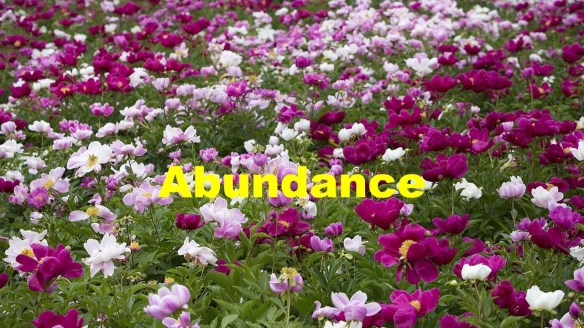
Abundance.

Sunday Inspiration.   Post By David Joel Miller.

Abundance

Having Abundance

Abundance.
Photo courtesy of Pixabay.com

“It is giving not receiving that creates an abundant life.”

“If you have love you have it all.”

“Abundance is receiving what you need not getting everything you want.”

Wanted to share some inspirational quotes with you.  Today seemed like a good time to do this. If any of these quotes strike a chord with you please share them.

What are personality disorder clusters?

By David Joel Miller, MS, Licensed Therapist & Licensed Counselor.

What is

What are personality disorder clusters?
Photo courtesy of Pixabay.

What are the three main groups of personality disorders?

The newest edition of the DSM-5 (Diagnostic and Statistical Manual of Mental Disorders divides personality disorders into three categories based on their similarities.  Personality disorders are long-term or enduring patterns of behavior.  The old way of thinking about these issues was that this is just the way someone is and treatment was not likely to be successful.

Recently treatments for many of the personality disorders have become available.  Currently, we think of many of these personality disorders as problems of living which may occur in varying degrees.  Someone who is low in self-esteem might be described as low in narcissism.  If they were high in narcissism they might be lacking in the ability to empathize with others.  Below is a list of the clusters of Personality disorders with brief descriptions of the disorders in that cluster.  For longer discussions of the personality disorders see separate posts on the specific personality disorder.

Cluster A personality disorders.

This group of personality disorders includes people who appear odd or eccentric.  Among the Cluster, A personality disorders, are Paranoid Personality Disorder, Schizoid Personality Disorder, Schizotypal Personality Disorder.

Paranoid Personality Disorder involves people who are more fearful of people, life, and events that would be warranted.  They are especially likely to think that other people are out to get them.

Those with Schizoid Personality Disorder are detached from others and seem to have little desire to have close personal relationships. They have less ability to express emotions.

In Schizotypal Personality Disorder, people are very uncomfortable in close relationships, have eccentric behavior, and may have thinking or perceptual difficulties.

Cluster B personality disorders.

Cluster B personality disorders include things like Antisocial Personality Disorder, Borderline Personality Disorder, Histrionic Personality Disorder, and Narcissistic Personality Disorder.

Those with antisocial personality disorder seem to have little regard for others and their rights.  They don’t mind taking advantage of people around them.  This is different from those people who may make a living out of crime and intentionally steal from, or harm others.  Career criminals get a diagnosis of Adult antisocial behavior Z72.811.

People with Borderline Personality Disorder are likely to have a poor self-image, low self-esteem, fluctuating emotions, and often are very impulsive in their relationships.  Those with Borderline Personality Disorder may also self-harm.

Histrionic Personality Disorder might be described as the typical “Sarah Bernhardt” actress.  Someone with histrionic personality disorder is excessively emotional and is always looking for more attention.

Cluster C personality disorders.

Cluster C personality disorders include disorders related to relationships with other people.  These personality disorders in Cluster C are thought to begin in early childhood. They include unusual ways of relating to close people in their life. This includes Avoidant Personality Disorder, Dependent Personality Disorder, and Obsessive-Compulsive Personality Disorder.

People with Avoidant Personality Disorder avoid other people, feel that they’re inadequate, and are often very sensitive to criticism.

Those with Dependent Personality Disorder are the people likely to become co-dependents.   They are often submissive, clingy, with an excessive need to find someone who will take care of them and control their lives.

Obsessive-Compulsive Personality Disorder is different and separate from Obsessive-Compulsive Disorder.  When the pattern of being obsessive-compulsive becomes a preoccupation with orderliness, perfection, control, having everything exactly the way they need it to be at all times, this moves from a single obsessive-compulsive behavior to the level of a continuing personality disorder.

In addition to the three personality disorder clusters, two other personality disorder characteristics are described in the DSM-5.  Sometimes a personality disorder can be the result of medical conditions.  The DSM-5 also allows for other specified personality disorder or other unspecified personality disorder when one exists that does not fit this list.

Each of these personality disorders is described more completely in other “What is” posts about that specific personality disorder.

As with the other things we are calling a mental illness this needs to interfere with your ability to work or go to school, your relationships your enjoyable activities, or cause you personal distress.

Having mild forms of these disorders does not qualify unless it causes you problems.  In that case, you may have the issues, but you will not get the diagnoses. If the only time this happens is when under the influence of drugs or medicines or because of some other physical or medical problem these characteristics need to be more than your situation would warrant. These other issue needs treating first, then if you still have symptoms you could get this diagnosis.

FYI These “What is” sometimes “What are” posts are my efforts to explain terms commonly used in Mental Health, Clinical Counseling, Substance Use Disorder Counseling, Psychology, Life Coaching, and related disciplines in a plain language way. Many are based on the new DSM-5; some of the older posts were based on the DSM-IV-TR, both published by the APA. For the more technical versions please consult the DSM or other appropriate references.

See also Recommended Books.    “What is.” and Personality Disorders

Staying connected with David Joel Miller

Seven David Joel Miller Books are available now!

My newest book is now available. It was my opportunity to try on a new genre. I’ve been working on this book for several years, but now seem like the right time to publish it.

Story Bureau.

Story Bureau is a thrilling Dystopian Post-Apocalyptic adventure in the Surviving the Apocalypse series.

Baldwin struggles to survive life in a post-apocalyptic world where the government controls everything.

As society collapses and his family gets plunged into poverty, Baldwin takes a job in the capital city, working for a government agency called the Story Bureau. He discovers the Story Bureau is not a benign news outlet but a sinister government plot to manipulate society.

Bumps on the Road of Life. Whether you struggle with anxiety, depression, low motivation, or addiction, you can recover. Bumps on the Road of Life is the story of how people get off track and how to get your life out of the ditch.

Dark Family Secrets: Doris wants to get her life back, but small-town prejudice could shatter her dreams.

Casino Robbery Arthur Mitchell escapes the trauma of watching his girlfriend die. But the killers know he’s a witness and want him dead.

Planned Accidents  The second Arthur Mitchell and Plutus mystery.

Letters from the Dead: The third in the Arthur Mitchell mystery series.

What would you do if you found a letter to a detective describing a crime and you knew the writer and detective were dead, and you could be next?

Sasquatch. Three things about us, you should know. One, we have seen the past. Two, we’re trapped there. Three, I don’t know if we’ll ever get back to our own time.

For these and my upcoming books; please visit my Author Page – David Joel Miller

Want the latest blog posts as they publish? Subscribe to this blog.

For videos, see: Counselorssoapbox YouTube Video Channel

What is a Standard Drink?

By David Joel Miller, MS, Licensed Therapist & Licensed Counselor.

The taste may change but the alcohol stays the same.

What is a Standard Drink?
Photo courtesy of Pixabay.com

Only one kind of alcohol, ethanol, is drinkable. Ethanol or ethyl alcohol is made from fermenting a liquid made from fruit, grains, or similar vegetative products. Sometimes this chemical is called grain alcohol. While chemically similar, all the types of alcohol other than Ethanol can do significant harm, including cause blindness or death, when consumed. From here on, when I say alcohol, I am talking exclusively about the ethanol type.

The folk-lore of drinking contains lots of myths about what to drink and how to drink it. People may think that if they only drink beer or wine then they can’t become alcoholics. Some people give up “the hard stuff” thinking this will prevent them from having a problem with alcohol. Most of this belief that one alcoholic drink is better or worse than another is based on misconceptions about the content of alcoholic drinks.

No matter what we call an alcoholic beverage, what it is made from or what flavorings and additives are included, the pure alcohol part of alcoholic beverages is the same. All drinkable alcoholic beverages contain ethanol. Ethanol is the component that gets you drunk and withdrawal from ethanol, no matter the source, is what causes a hangover.

In order to compare the amount of pure alcohol contained in various beverages we use a concept called a “standard drink.” That standard drink is the amount of a beverage that contains one-half an ounce of pure ethanol.

In some places, the alcohol content is calculated by weight and in other places, it is calculated by volume. Depending on whether the alcohol is measured by weight or by volume and depending on who does the measuring we can get slightly different numbers here. Either way, the results of alcohol are pretty much the same.

Beer has the smallest percentage of alcohol.

Beers can vary between three and seven percent alcohol. Most of the major commercial beers in the U. S. are at the low end, close to 3 % and a twelve-ounce beer is considered a standard drink. Many people believe that because beer has a lower alcohol content it is safer and less likely to lead to problems. Unfortunately, that turns out to not be true. Because beer has a lower alcohol content per standard drink most people just drink more volume of beer than they would if drinking another alcoholic beverage. More than half the pure alcohol consumed every year here in the U. S. comes from beer.

Wine is a little stronger and can vary more.

Typical wines come in at eight to fourteen percent alcohol. The various textbooks I consulted gave between four and five oz. of wine as a standard drink. Wine can be fortified by adding alcohol distilled from some other alcoholic beverage. By fortifying a wine it can be pushed up to as much as twenty-two percent ethyl alcohol.

Spirits or Hard Liquor are the result of distillation.

As the fermentation progresses the alcohol begins to prevent the yeast from working so the process of fermentation stops. To get stronger alcoholic beverages some manipulation is required. If the liquid is heated, the alcohol evaporates faster than the water and other components. Catch this steam which is largely alcohol, condense it, and you get a beverage with a higher concentration of alcohol. We call this product with the concentrated levels of alcohol, spirits, or hard liquor.

A standard drink containing spirits is about one “shot” of an 86 proof liquor. Proof numbers are twice the percentage numbers so this shot contains about half an ounce of pure alcohol.

Glass size and proof matter.

In trying to compare the amount of alcohol in one drink with another it is important to keep in mind that a glass of wine is defined as a 4 to 5 ounce glass size.  Pouring the wine into a 32-ounce tumbler does not mean a tumbler full is still one standard drink.

When the “proof” changes so should the size of the drink. Stronger spirits should be served in smaller glasses. In practice, people still pour more than one standard drink into their glass resulting in some drinks that contain way more than “one standard drink.” Even beer can become deceptively intoxicating if served in a mug that holds more than 12 ounces.

The problem with counting standard drinks.

The whole idea of standard drinks was to predict the effects of drinking a glass of a particular alcoholic beverage. In practice, most people are taking in more alcohol than they realize and the heavy or binge drinkers are drinking way more drinks than they planned.

If you are having a problem with controlling your drinking the answer is not in measuring standard drinks. If when you drink you consume more than intended or bad things happen to you, there is a good chance that you have an Alcohol Use Disorder. Stop trying to find a way to beat the game and drink more but not get drunk and get some help from a support group like A. A. or a professional counselor.

For more on this topic see:  Alcoholism       Drug Use, Abuse, and Addiction

Terms and their meaning can differ with the profession using them. The literature from the Rehab or AOD (Alcohol and Other Drug) field may be very different from that in the mental health field. There is still a large gap between recovery programs and AOD professionals and the terms and descriptions used in the DSM.

FYI These “What is” sometimes “What are” posts are my efforts to explain terms commonly used in Mental Health, Clinical Counseling, Substance Use Disorder Counseling, Psychology, Life Coaching, and related disciplines in a plain language way. Many are based on the new DSM-5; some of the older posts were based on the DSM-IV-TR, both published by the APA. For the more technical versions please consult the DSM or other appropriate references.

See Recommended Books.     More “What is” posts will be found at “What is.”

Staying connected with David Joel Miller

Seven David Joel Miller Books are available now!

My newest book is now available. It was my opportunity to try on a new genre. I’ve been working on this book for several years, but now seem like the right time to publish it.

Story Bureau.

Story Bureau is a thrilling Dystopian Post-Apocalyptic adventure in the Surviving the Apocalypse series.

Baldwin struggles to survive life in a post-apocalyptic world where the government controls everything.

As society collapses and his family gets plunged into poverty, Baldwin takes a job in the capital city, working for a government agency called the Story Bureau. He discovers the Story Bureau is not a benign news outlet but a sinister government plot to manipulate society.

Bumps on the Road of Life. Whether you struggle with anxiety, depression, low motivation, or addiction, you can recover. Bumps on the Road of Life is the story of how people get off track and how to get your life out of the ditch.

Dark Family Secrets: Doris wants to get her life back, but small-town prejudice could shatter her dreams.

Casino Robbery Arthur Mitchell escapes the trauma of watching his girlfriend die. But the killers know he’s a witness and want him dead.

Planned Accidents  The second Arthur Mitchell and Plutus mystery.

Letters from the Dead: The third in the Arthur Mitchell mystery series.

What would you do if you found a letter to a detective describing a crime and you knew the writer and detective were dead, and you could be next?

Sasquatch. Three things about us, you should know. One, we have seen the past. Two, we’re trapped there. Three, I don’t know if we’ll ever get back to our own time.

For these and my upcoming books; please visit my Author Page – David Joel Miller

Want the latest blog posts as they publish? Subscribe to this blog.

For videos, see: Counselorssoapbox YouTube Video Channel

Things that will make you anxious.

By David Joel Miller, MS, Licensed Therapist & Licensed Counselor.

Anxiety provoking.

Anxiety.
Photo courtesy of Pixabay.com

How many of these things make you anxious?

If you are high in anxiety and your life is full of stress, some of the things you have surrounding you may be adding to the tension and pressure you are struggling with. Take an inventory of these worry-producing factors and see which ones are part of your life. Consider cutting back on or eliminating things that are fueling your anxiety and stress and see if your life does not become far more pleasant.

Unsupportive relationships increase anxiety.

Having people in your life who like, respect, and support you as a person and friend can be protective when it comes to anxiety and stress. Having to spend a lot of time around those who are uncooperative wears you out and leads to that stressed-out feeling. Consider taking a look at your relationships and decide which ones add to your well-being and which ones need to be curtailed.

Judgmental people surrounding you increase anxiety.

People who are constantly judging you rather than accepting you are guaranteed to increase your anxiety. If you keep getting the message that you do not measure up to others standards, take a look at yourself. Improve what you can and distance yourself from those you will never be able to please no matter what.

Having to constantly be on guard to do and say just the right thing is exhausting. Having people in your life who can accept the real you lets you relax and recharge.

Not getting enough sleep results in anxious days and stressed out nights.

Do not start thinking that sleep is time wasted. Those hours asleep each night help your brain clear the mental wreckage from the day before. Your brain burns a lot of calories each day and that mental exercise creates waste. You need some sleep for the brain to repair.

Chronically sleep-deprived people become grouchy, have difficulty thinking, getting along with others, and begin to make mistakes. When thinking is hard you can easily become overwhelmed and anxious. Increase your sleep to reduce your anxiety and fears.

Your diet is emotionally burning you out.

Poor diet results in trying to run your body on less than adequate fuel. Make sure you get enough to eat. Look to improve your diet in small ways. You do not need to become a healthy diet fascist to learn to eat better.

A healthy balanced diet needs to include plenty of water and less in the way of sugar. Look for ways to make small sustainable changes that help you have the energy to cope with life. When you feel healthy you can better cope with stress.

If exercise has become a spectator sport anxiety increases.

Make sure your body is capable of responding when the challenge comes. Get up and move around. Sever that connection between fear and moving. Dance, walk, play to keep the body used to beneficial movement. Not being fit increases the stress when you do have to move for a reason.

Forgetting to breathe expands anxiety.

When the body is deprived of oxygen it sends out distress messages. Most people only breathe deeply when they are already in a panic. Learn to control your breathing rather than letting anxiety take your breath to unknown places.

Having a job, not a life purpose stresses you out.

If you do your work with a purpose it rewards you twice, once when you enjoy what you do and again when they pay you for having done what gives you pleasure. People who have to endure the workday become progressively more worn out.

Seek out work that gives your life meaning. Look for something you can feel proud you do. Make your daily occupation a means to an end not the end of your existence.

Living to meet other’s expectations increases anxiety.

If you are mostly motivated by trying to please others you will find it difficult to please yourself. Do each daily task as if you were the boss and do it well enough that you would be happy with an employee that worked this hard.

Being on the lookout for what could go wrong magnifies anxiety.

Do you spend most of your day looking for what might go wrong? If you are on the constant lookout for problems you will find them. In that process, you may miss the possible solutions and the happy moments between the problems.

All you do is work, too many miles without downtime adds to anxiety.

If life becomes a grind then it will grind you down. Some people love what they do and it energizes them but other people work to exhaustion and spend their off time worrying about work and teetering on collapse.

You spend more time in the past and the future than in now.

The more time you spend visiting the past and the future the more anxious or depressed you may become. People who anticipate the future with dread, looking for what might go wrong, grow more anxiety than accomplishments.

Ruminating about things, not let things go increases anxiety.

Rumination is that habit humans have of just not being ready to let anything go. You worry you obsess and then you worry some more. If most of your thoughts are about things that need worry, your life has been taken over by the anxiety monster and you are doing his bidding.

Taking things way too seriously grows anxiety.

Is everything in your life deadly serious? Do you need to be right about everything? Then you have lost your perspective and are ripe to be absorbed in your anxiety. In terms of humans history, not much that happens in most of our lives will matter next week let alone next year. But your effort into the things that will really matter.

For more on this topic see:      Anxiety

Staying connected with David Joel Miller

Seven David Joel Miller Books are available now!

My newest book is now available. It was my opportunity to try on a new genre. I’ve been working on this book for several years, but now seem like the right time to publish it.

Story Bureau.

Story Bureau is a thrilling Dystopian Post-Apocalyptic adventure in the Surviving the Apocalypse series.

Baldwin struggles to survive life in a post-apocalyptic world where the government controls everything.

As society collapses and his family gets plunged into poverty, Baldwin takes a job in the capital city, working for a government agency called the Story Bureau. He discovers the Story Bureau is not a benign news outlet but a sinister government plot to manipulate society.

Bumps on the Road of Life. Whether you struggle with anxiety, depression, low motivation, or addiction, you can recover. Bumps on the Road of Life is the story of how people get off track and how to get your life out of the ditch.

Dark Family Secrets: Doris wants to get her life back, but small-town prejudice could shatter her dreams.

Casino Robbery Arthur Mitchell escapes the trauma of watching his girlfriend die. But the killers know he’s a witness and want him dead.

Planned Accidents  The second Arthur Mitchell and Plutus mystery.

Letters from the Dead: The third in the Arthur Mitchell mystery series.

What would you do if you found a letter to a detective describing a crime and you knew the writer and detective were dead, and you could be next?

Sasquatch. Three things about us, you should know. One, we have seen the past. Two, we’re trapped there. Three, I don’t know if we’ll ever get back to our own time.

For these and my upcoming books; please visit my Author Page – David Joel Miller

Want the latest blog posts as they publish? Subscribe to this blog.

For videos, see: Counselorssoapbox YouTube Video Channel
Happy Mother’s Day

Mothers day

Happy Mother’s Day

mom is like icecreamHope you are all having a Happy Mothers Day.


Today needed a couple of extra pictures.


animal mom

animal mom

We can’t forget all the animal moms who are showing how basic the need for mothers love is.

All Photos courtesy of Pixabay.com

Wanted to share some inspirational thoughts with you.  Today seemed like a good time to do this. If any of these quotes strike a chord with you please share them.

Persistent Depressive Disorder – PDD (F34.1)

By David Joel Miller, MS, Licensed Therapist & Licensed Counselor.

What is

What is Persistent Depressive Disorder?
Photo courtesy of pixabay.

What if you don’t ever remember being happy?

Persistent Depressive Disorder – PDD (F34.1) is new to the DSM-5. The DSM is the book professionals use to identify mental illnesses. This diagnosis is the result of merging Dysthymia and another group of symptoms which was being researched as Chronic Major Depression. Some other variations on the depressive theme were being called Minor Depressive Disorder, which did not get recognized as such but kind of fits here.

While we may label these conditions as chronic or minor, there is nothing minor about them if you are someone who has this condition?

The defining characteristic of Persistent Depressive Disorder – PDD, is a pervasive sadness that just won’t go away. People who have this condition are always sad or unhappy. They may describe themselves as “always down” or having the blues. While this can cause a lot of impairment, people who have PDD come to think of their chronic sadness as “Just the way I am.”

It is estimated that about two percent of the U. S. population has PDD. Many people with PDD also experience a substance use disorder. There is also an overlap between PDD and Cluster B and Cluster C personality disorders, both of which, to my way of thinking, may have their roots in negative childhood experiences.

Persistent Depressive Disorder (PDD) is more disabling than Major Depressive Disorder.

PDD has been identified on brain scans and seems to affect at least four separate brain regions. PDD is long-lasting, at least two years, often more. During this time someone with PDD may also experience an episode of Major Depressive Disorder. While the major depressive episode may come and go the PDD often remains relatively constant. Because of this constant feature, people with PDD may not be able to ever feel really happy and their functioning, day-to-day, is more impacted than those with Major Depressive Disorder only.

Persistent Depressive Disorder (PDD) is chameleon-like.

Chronic unending depression has a lot of variations. This disorder can exhibit itself a great many ways. As a result, there are eighteen separate specifiers that can and should be added after the F43.1 These specifiers are not exclusive, so one person may also get several specifiers added to the Persistent Depressive Disorder (PDD) diagnosis.

Specifiers include with:

Anxious distress – anxiety commonly co-occurs with depression.

Mixed features

Melancholy features

Atypical features

Mood-congruent psychotic features

Mood-incongruent psychotic features

Peripartum features

In partial remission

In full remission

Early onset – before 21

Late onset – at or after age 21

Pure dysthymia syndrome

Persistent major depressive episode

Intermittent major depressive episode, currently with MDD

Intermittent major depressive episode, currently without MDD

Mild

Moderate

Severe

The symptoms of Persistent Depressive Disorder.

To qualify for PDD a person should have the following symptoms:

  1. Felt depressed or down, or had others see them this way, most of the day, most days, over a two-year period.
  2. Had at least two of the following six symptoms. These symptoms should be caused by emotions not by dieting or working long hours, etc.
  3. Change in appetite either up or down.
  4. Changes in sleep either too much or too little.
  5. Felt low in energy or fatigued a lot.
  6. Low self-esteem.
  7. Difficulty deciding things or poor concentration.
  8. Hopeless.
  9. Most of the usual exclusions. This has to be causing problems with work, school, relationships, should interfere with important activities or upset the client. It should not overlap Bipolar Disorder or Psychotic Disorder but may overlap Major Depressive Disorder. These symptoms should not be the result of medical or substance use issues.
  10. These symptoms have been constant and not gone away for two months or more over the required two-year period.

Be careful with the PDD label.

Calling Persistent Depressive Disorder by the label PDD could be problematic. In the past, we had another PDD – Pervasive Developmental Delay which is now recognized as a part of the Autism Spectrum. Persistent Depressive Disorder – PDD is about depression and has nothing to do with Autism. Be careful in reading articles that if they use the label PDD you know which of these two they are talking about. From here on I will call Persistent Depressive Disorder – PDD.

As with the other things we are calling a mental illness this needs to interfere with your ability to work or go to school, your relationships, your enjoyable activities, or cause you personal distress. Otherwise, you may have the issues but you will not get the diagnoses if this is a personal characteristic, not a problem. If the only time this happens is when you are under the influence of drugs or medicines or because of some other physical or medical problem these symptoms need to be more than your situation would warrant. These other issues may need treating first, then if you still have symptoms you could get this diagnosis.

FYI These “What is” sometimes “What are” posts are my efforts to explain terms commonly used in Mental Health, Clinical Counseling, Substance Use Disorder Counseling, Psychology, Life Coaching, and related disciplines in a plain language way. Many are based on the new DSM-5; some of the older posts were based on the DSM-IV-TR, both published by the APA. For the more technical versions please consult the DSM or other appropriate references.

More “What is” posts will be found at “What is.”  and Depression  

Staying connected with David Joel Miller

Seven David Joel Miller Books are available now!

My newest book is now available. It was my opportunity to try on a new genre. I’ve been working on this book for several years, but now seem like the right time to publish it.

Story Bureau.

Story Bureau is a thrilling Dystopian Post-Apocalyptic adventure in the Surviving the Apocalypse series.

Baldwin struggles to survive life in a post-apocalyptic world where the government controls everything.

As society collapses and his family gets plunged into poverty, Baldwin takes a job in the capital city, working for a government agency called the Story Bureau. He discovers the Story Bureau is not a benign news outlet but a sinister government plot to manipulate society.

Bumps on the Road of Life. Whether you struggle with anxiety, depression, low motivation, or addiction, you can recover. Bumps on the Road of Life is the story of how people get off track and how to get your life out of the ditch.

Dark Family Secrets: Doris wants to get her life back, but small-town prejudice could shatter her dreams.

Casino Robbery Arthur Mitchell escapes the trauma of watching his girlfriend die. But the killers know he’s a witness and want him dead.

Planned Accidents  The second Arthur Mitchell and Plutus mystery.

Letters from the Dead: The third in the Arthur Mitchell mystery series.

What would you do if you found a letter to a detective describing a crime and you knew the writer and detective were dead, and you could be next?

Sasquatch. Three things about us, you should know. One, we have seen the past. Two, we’re trapped there. Three, I don’t know if we’ll ever get back to our own time.

For these and my upcoming books; please visit my Author Page – David Joel Miller

Want the latest blog posts as they publish? Subscribe to this blog.

For videos, see: Counselorssoapbox YouTube Video Channel

What is Polydrug or Polysubstance use?

By David Joel Miller, MS, Licensed Therapist & Licensed Counselor.

Polydrug use is common.

Drugs

What is Polydrug or Polysubstance use?
Photo courtesy of Pixabay.com

Polydrug use, sometimes referred to as multiple drug use, is an increasingly common pattern. Diagnosis of Substance Use Disorders used to be divided along the lines of the particular substance that someone used or abused. Treatment systems separated the alcoholics from the Heroin users and so on. There was a lot of validity to that model but it is becoming less and less possible as more people are using combinations of many drugs.

Most drug users have a preferred “High.” Stimulant users like being way up. Depressant users like the falling asleep, passing out kind of high. Hallucinogen users are chasing an altered reality. Some people dabble in all three types and their pattern of addiction is more to the process of using drugs than to any one particular substance.

I have heard people with a history of polysubstance use describe themselves as “trashcan junkies” just open the lid and throw something in. When asked what drugs they do, the standard answer is “What have you got?”

Drugs of abuse have cultures.

Alcohol users and abusers tend to hang out together. They have their preferred beverage of choice and their favorite method of consumption. If you drink the way others in your social circle drink then you can maintain the illusion that your drinking is under control. Some drinking groups divide up a 12 or 24 pack, some pass around a bottle of wine or a paper bag containing the hard stuff. Other groups order fancy mixed drinks from the cocktail waitress. Alcohol is everywhere and most people develop some familiarity with this culture.

Weed smokers have their culture also. They pass around the blunt, smoke a bowl or roll a joint. They have particular names for the varieties of marijuana they smoke or those they disdain. Most drink alcohol from time to time. Many weed smokers also have cultural decorations, tribal music, and cultural heroes who smoked a lot of weed. But in a group of consistent marijuana users, it is likely that most primarily smoke marijuana.

Heroin users develop their own special culture. They know the process of making a rig. Users learn the concepts of going to the cotton and cotton fever. They also know the struggles of kicking and going cold turkey.

Some of the younger opiate abusers believe they are from a different tribe. They do their opiates as pills and liquids, obtained from doctors, pharmacies, and diverted medical supplies. They may even hold fast to the myth that they are not addicts because they do not use needles. That myth gets shattered when their supply is interrupted and they have to kick along with the heroin addicts.

Polysubstance users move between cultures.

Increasingly we are seeing those whose allegiance is not to one drug of choice but to the process of doing drugs of any and every kind. The use of multiple substances is the norm rather than the exception. Most people in drug treatment and a major part of our jail and prison populations have long histories of using a wide variety of substances.

Polysubstance dependence is a problem without a diagnosis.

The most recent edition of the DSM eliminated the diagnosis of polysubstance dependence. We never did use polysubstance abuse. From here on the plan is to list each drug someone may have developed a problem with and then rate each use disorder as mild, moderate or severe.

For those working in the Substance Use Disorder field, this is problematic. While a client may have a mild problem with each of eight or ten different drugs, overall they can have a significant problem living life without using drugs or destructive behaviors.

My own experience has been that when someone has this “polysubstance dependence” problem, there are usually some other significant mental health issues going on.  The best treatment when polysubstance abuse or dependence is encountered is the treatment of the mental health issues and substance use issues at the same time.

Terms and their meaning can differ with the profession using them. The literature from the Rehab or AOD (Alcohol and Other Drug) field may be very different from that in the mental health field. There is still a large gap between recovery programs and AOD professionals and the terms and descriptions used in the DSM.

FYI. These “What is” sometimes “What are” posts are my efforts to explain terms commonly used in Mental Health, Clinical Counseling, Substance Use Disorder Counseling, Psychology, Life Coaching, and related disciplines in a plain language way. Many are based on the new DSM-5; some of the older posts were based on the DSM-IV-TR, both published by the APA. For the more technical versions please consult the DSM or other appropriate references.

Staying connected with David Joel Miller

Seven David Joel Miller Books are available now!

My newest book is now available. It was my opportunity to try on a new genre. I’ve been working on this book for several years, but now seem like the right time to publish it.

Story Bureau.

Story Bureau is a thrilling Dystopian Post-Apocalyptic adventure in the Surviving the Apocalypse series.

Baldwin struggles to survive life in a post-apocalyptic world where the government controls everything.

As society collapses and his family gets plunged into poverty, Baldwin takes a job in the capital city, working for a government agency called the Story Bureau. He discovers the Story Bureau is not a benign news outlet but a sinister government plot to manipulate society.

Bumps on the Road of Life. Whether you struggle with anxiety, depression, low motivation, or addiction, you can recover. Bumps on the Road of Life is the story of how people get off track and how to get your life out of the ditch.

Dark Family Secrets: Doris wants to get her life back, but small-town prejudice could shatter her dreams.

Casino Robbery Arthur Mitchell escapes the trauma of watching his girlfriend die. But the killers know he’s a witness and want him dead.

Planned Accidents  The second Arthur Mitchell and Plutus mystery.

Letters from the Dead: The third in the Arthur Mitchell mystery series.

What would you do if you found a letter to a detective describing a crime and you knew the writer and detective were dead, and you could be next?

Sasquatch. Three things about us, you should know. One, we have seen the past. Two, we’re trapped there. Three, I don’t know if we’ll ever get back to our own time.

For these and my upcoming books; please visit my Author Page – David Joel Miller

Want the latest blog posts as they publish? Subscribe to this blog.

For videos, see: Counselorssoapbox YouTube Video Channel

Thinking mistakes you are making.

Is your thinking full of bad habits?
Photo courtesy of Pixabay.com

By David Joel Miller, MS, Licensed Therapist & Licensed Counselor.

Is your thinking full of bad habits?

It is easy to drift into bad habits. Do something a certain way a few times and that becomes the default setting for your brain. After that, you need to put conscious effort into responding in a different way.

Many times people drift into bad thought habits and from then on having unhelpful thoughts pop into your mind becomes your usual way of thinking. Just because this is the way you always think about things does not make those thoughts true. Your bad thought habits may be making your problems worse and interfering with your having a happy life.

There are 11 ways your thinking may be full of bad habits.

1. Thinking it is all about you, personalizing.

If you walk into the room and people laugh you might think they were all talking about you. When someone is short or curt with you, do you think they are being disrespectful? Many times in life when someone ignores us or is less than helpful it has nothing to do with us. One of the great lessons of growing up is that most of the time other people are just too preoccupied with their own lives and problems to give you a second thought.

2. Your magnifying mind blows things out of proportion.

When you think about what could happen, do you imagine the worst possible thing? If your mind can turn a minor inconvenience into the end of the world you have trained your thinking to be a magic magnifying mind.

You went on a date, you liked that other person and they said they would give you a call. But the next day comes and goes and no call. You are now convinced that they will never call, that you will never meet that special someone, and that you will live the rest of your life alone. When they call an hour later you are now so bummed out from ruminating about this life alone you just don’t want to talk to them and you do not answer the phone.

There are lots of variations to this thought pattern. It rains for a few minutes and you are sure it will flood, you get stuck behind a truck and are sure you will be late to work and get fired. In each scenario, your mind leaps from a small problem to a happy-life threatening outcome.

3. Minimizing, discounting the positive.

You got ninety-nine questions out of a hundred right, but you are upset about the question you missed. Some people find it hard to take credit for the things they do well. The underlying thought here is that you should be perfect and that anything less is not acceptable.

If you can’t take a compliment, or you find it hard to accept credit for what you have done, you may have trained your brain to ignore anything you did well and focus only on the mistakes of life. This can result in a pretty bleak, discouraging way of looking at things.

4. Either Or, Black and White thinking, means you are either a winner or a loser.

High achievers are at extra risk for this one. If you have trained your brain to go for being the best at everything it can be hard to accept the size of the achievement that a second-place might be.

Do not let your brain cheat you out of enjoying an accomplishment by insisting you have to be better than everyone else to be worthwhile.

5. Taking events out of context.

So you get the job but all you remember from the process is that you did not have a good answer for one of the questions. One criticism from your partner becomes they “never” like anything you do. You are on vacation for two weeks but the thing you most remember is the traffic jam on the way out-of-town that first day.

If when you think back on past events all you can remember are the rough spots you are falling into making too much of the small things and forgetting the big ones.

6. Jumping to conclusions.

He didn’t return my text right away so that means he does not want to talk to me. You feel a lump somewhere and don’t go to the doctor convinced you must have cancer and only days to live. Many people have developed the habit of jumping over all the possible good outcomes and landing in a pit of pain.

7. Overgeneralizing leads you to bad places.

“I did not get this job” becomes “I will never get a job.” That thought can get you so worked up that you stop looking for work. Believing because something did not go your way once that means you will never achieve your objective, can become the greatest obstacle to progress.

8. Self-Blame, believing you made a mistake so you are stupid, no good.

This mental and verbal self-abuse does not motivate you to work harder. Beating yourself up leads to feelings of helplessness and giving up. You shouldn’t accept this kind of treatment from others. Don’t abuse yourself this way.

9. Are you that good at mind-reading?

Do you tell yourself, “When he does that it means — If she loved me she would know.”

Believing others should know what you want and need and then thinking less of them for not reading your mindsets your relationships up for failure. Believing that others should be able to read your mind and anticipate your needs without your voicing them creates misunderstandings.

10. Comparing up, that model or star is better than me.

Comparing yourself to others sets you up for disappointment. There are always people who have more friends on social media and who make more money. To feel better about yourself stop comparing. Especially do not compare yourself in your gardening outfit to someone walking down the red carpet.

11. Catastrophizing is thinking the worst possible outcome will happen.

Do you think “he is late, he probably got in an accident and died?” When things happen that are not to your liking is your first thought that this absolutely must not happen? Catastrophizing is looking for the worst possible outcome and then mentally rehearsing that thought in your head until it demolishes your sanity.

If you are practicing any of these bad thought habits work with someone on changing these unhelpful thoughts to more adaptive ones.

Staying connected with David Joel Miller

Seven David Joel Miller Books are available now!

My newest book is now available. It was my opportunity to try on a new genre. I’ve been working on this book for several years, but now seem like the right time to publish it.

Story Bureau.

Story Bureau is a thrilling Dystopian Post-Apocalyptic adventure in the Surviving the Apocalypse series.

Baldwin struggles to survive life in a post-apocalyptic world where the government controls everything.

As society collapses and his family gets plunged into poverty, Baldwin takes a job in the capital city, working for a government agency called the Story Bureau. He discovers the Story Bureau is not a benign news outlet but a sinister government plot to manipulate society.

Bumps on the Road of Life. Whether you struggle with anxiety, depression, low motivation, or addiction, you can recover. Bumps on the Road of Life is the story of how people get off track and how to get your life out of the ditch.

Dark Family Secrets: Doris wants to get her life back, but small-town prejudice could shatter her dreams.

Casino Robbery Arthur Mitchell escapes the trauma of watching his girlfriend die. But the killers know he’s a witness and want him dead.

Planned Accidents  The second Arthur Mitchell and Plutus mystery.

Letters from the Dead: The third in the Arthur Mitchell mystery series.

What would you do if you found a letter to a detective describing a crime and you knew the writer and detective were dead, and you could be next?

Sasquatch. Three things about us, you should know. One, we have seen the past. Two, we’re trapped there. Three, I don’t know if we’ll ever get back to our own time.

For these and my upcoming books; please visit my Author Page – David Joel Miller

Want the latest blog posts as they publish? Subscribe to this blog.

For videos, see: Counselorssoapbox YouTube Video Channel