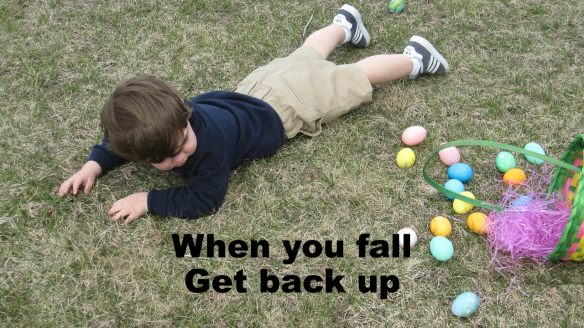
When You Fall Get Back Up.

Sunday Inspiration    Post By David Joel Miller.

Falling down

When you fall get back up.
Photo courtesy of Pixabay.com

It’s about getting back up.

“There is no disgrace in being knocked down, there is only shame in not getting back up; never quit!”

― Ken Poirot

“We all make mistakes, have struggles, and even regret things in our past. But you are not your mistakes, you are not your struggles, and you are here NOW with the power to shape your day and your future.”

― Steve Maraboli, Unapologetically You: Reflections on Life and the Human Experience

Wanted to share some inspirational quotes with you.  Sunday seemed like a good time to do this. If any of these quotes strike a chord with you please share them.

What is Agoraphobia? (300.22, now F40.00)

By David Joel Miller, MS, Licensed Therapist & Licensed Counselor.
What is

What is Agoraphobia?
Photo courtesy of Pixabay.

Agoraphobia is about fear.

Agoraphobia is often translated as “fear of the marketplace.” This disorder involves being overwhelmed when you encounter people outside your home or “nest.” People with this problem become fearful when they have to venture out. It is not required that the person actually leaves their house and experience the situation, just thinking about the possibility, and then having symptoms can qualify as Agoraphobia. For some people, these symptoms and their efforts to avoid feeling these feelings can result in their becoming home-bound.

This disorder has been associated with panic attacks and panic disorder. We used to diagnose this as Panic Disorder with or without Agoraphobia. The new trend, as dictated by the DSM-5, is to separate Panic Disorder from Agoraphobia as some people can have either one without the other, some people have both in which case they get both diagnoses put on their chart.

Current estimates are that between five and six million Americans have Agoraphobia. Somewhere between one-third and half of these also have panic attacks. Many do not receive treatment because they are too fearful to leave their homes and go for treatment. Agoraphobia is a major cause of disability with over one-third of those with Agoraphobia being home-bound and unable to work. There are treatments for Agoraphobia if you are able to access them.

Some people report that when they experience settings that would qualify them for the diagnosis of Agoraphobia they have “Anxiety Attacks.” Having a brief increase in Anxiety as in an “Anxiety Attack” can be a part of other illnesses such as any Anxiety disorder, trauma, and stressor-related disorders, depression, and so on.

To be Agoraphobia, by definition, you need to experience these fear-based symptoms in two or more specific situations. This helps separate the Agoraphobia condition from a narrower specific fear or phobia. These fears also need to be excessive or unrealistic. Fear of leaving the house does not count if you live in a war zone or a high crime neighborhood.

The 5 specific fears of Agoraphobia you asked?

  1. Being on public transportation.
  2. Open spaces.
  3. Closed or confined spaces.
  4. Standing in a line or being in a crowd.
  5. Being outside your home alone.

To get the diagnosis of Agoraphobia it is not enough that you just be scared or nervous in these situations. People with Agoraphobia avoids these and possibly related experiences. This interfering with the rest of your life is one of the hallmarks of a mental health issue that should get diagnosed and treated.

People with Agoraphobia also worry excessively that they may not be able to escape or won’t be able to get help in these situations. It is these two key characteristics, not being able to escape and the belief that something terrible will happen that make Agoraphobia so debilitating.

For this diagnosis to “fit” this intense fear can’t be just a one time or occasional occurrence. It has to happen most or all the time you encounter these situations.  People with Agoraphobia often insist on having a companion to reassure them when they leave the house and they can only endure these situations by ensuring intense fear.

Symptoms for Agoraphobia are a little wider than the psychical ones seen in Panic Disorder. Other possible symptoms would include the risk of having an embarrassing or incapacitating incident such as loss of control over bodily functions or falling, passing out, or getting lost. In the elderly, it is hard to separate real concerns from excessive ones that would count towards Agoraphobia.

As with the other things we are calling a mental illness this needs to interfere with your ability to work or go to school, your relationships, your enjoyable activities, or cause you personal distress. Otherwise, you may have the fear but you may not get the diagnoses if this is a preference, not a problem. If the only time this happens is when under the influence of drugs or medicines or because of some other physical or medical problem this fear needs to be more than your situation would warrant. These other issue needs treating first, then if you still have symptoms you could get the Agoraphobia diagnosis.

For more on these topics see Anxiety Disorders,

Stress and Trauma-Related Disorders,

FYI These “What is” sometimes “What are” posts are my efforts to explain terms commonly used in Mental Health, Clinical Counseling, Substance Use Disorder Counseling, Psychology, Life Coaching, and related disciplines in a plain language way. Many are based on the new DSM-5; some of the older posts were based on the DSM-IV-TR, both published by the APA. For the more technical versions please consult the DSM or other appropriate references.

Staying connected with David Joel Miller

Seven David Joel Miller Books are available now!

My newest book is now available. It was my opportunity to try on a new genre. I’ve been working on this book for several years, but now seem like the right time to publish it.

Story Bureau.

Story Bureau is a thrilling Dystopian Post-Apocalyptic adventure in the Surviving the Apocalypse series.

Baldwin struggles to survive life in a post-apocalyptic world where the government controls everything.

As society collapses and his family gets plunged into poverty, Baldwin takes a job in the capital city, working for a government agency called the Story Bureau. He discovers the Story Bureau is not a benign news outlet but a sinister government plot to manipulate society.

Bumps on the Road of Life. Whether you struggle with anxiety, depression, low motivation, or addiction, you can recover. Bumps on the Road of Life is the story of how people get off track and how to get your life out of the ditch.

Dark Family Secrets: Doris wants to get her life back, but small-town prejudice could shatter her dreams.

Casino Robbery Arthur Mitchell escapes the trauma of watching his girlfriend die. But the killers know he’s a witness and want him dead.

Planned Accidents  The second Arthur Mitchell and Plutus mystery.

Letters from the Dead: The third in the Arthur Mitchell mystery series.

What would you do if you found a letter to a detective describing a crime and you knew the writer and detective were dead, and you could be next?

Sasquatch. Three things about us, you should know. One, we have seen the past. Two, we’re trapped there. Three, I don’t know if we’ll ever get back to our own time.

For these and my upcoming books; please visit my Author Page – David Joel Miller

Want the latest blog posts as they publish? Subscribe to this blog.

For videos, see: Counselorssoapbox YouTube Video Channel

What is Drug Tolerance?

By David Joel Miller, MS, Licensed Therapist & Licensed Counselor.

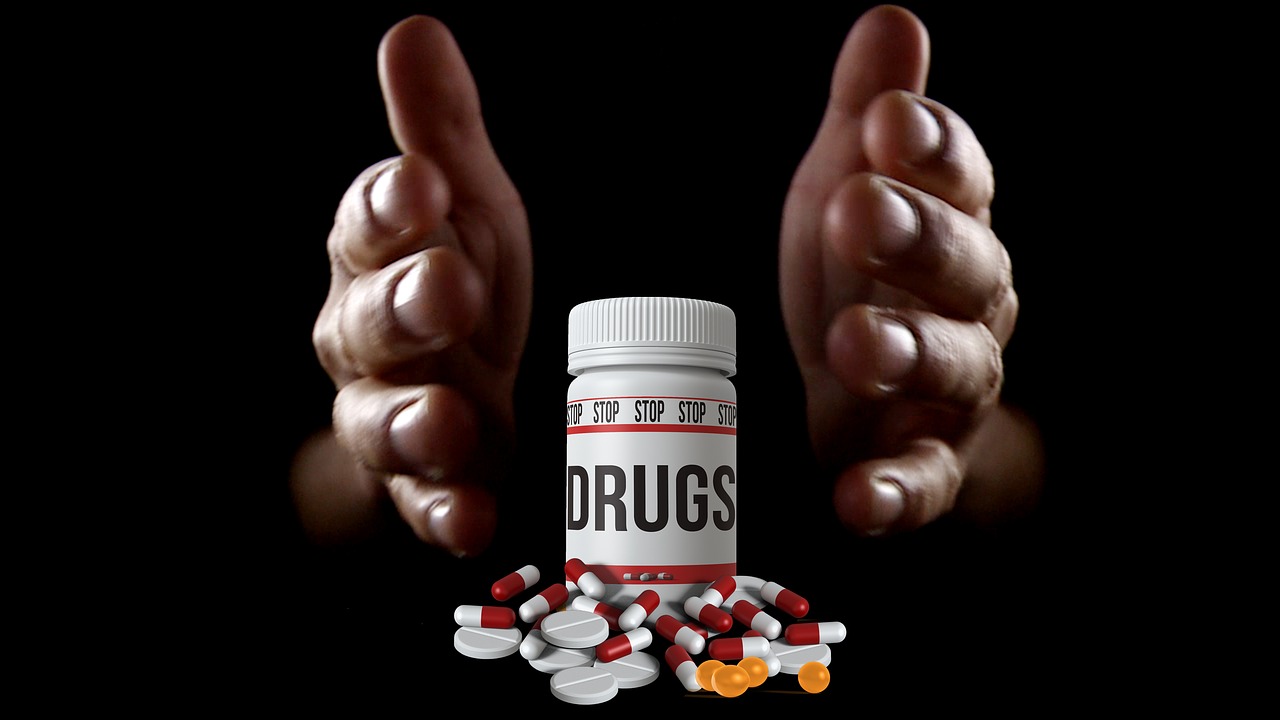
Drugs.

Drugs.
Photo courtesy of Pixabay.

What does it mean to develop drug tolerance?

The term tolerance or to develop tolerance has been a common concept in substance use disorder treatment for a long time. Tolerance has one meaning in that context but can have a number of other meanings in the field of medicine or pharmacology. None of these types of tolerance have anything to do with the idea of acceptance of diversity the way the word tolerance is used in political or social contexts.

Tolerance in Drug Treatment.

In Alcohol and Drug Counseling and CD (Chemical Dependency), thinking Tolerance is one of the first signs that someone’s body is being altered by the use of chemicals. Tolerance for drugs, and in this context Alcohol is a drug, means needing more of a drug to get the same effect or getting a smaller effect if you use the same amount you had been using.

Tolerance, along with Withdrawal symptoms have long been the hallmarks of addiction. Recently, in recognition that people can and do develop tolerance for prescribed drugs, even those with low abuse potential, we have also begun adding the concept of cravings to the characteristics of a substance use disorder.

A simple example of tolerance to alcohol.

When someone first starts drinking one or two beers may have a significant effect on them. After years of practice, that person may need to drink 6 or even 12 beers a night to get the same buzz. Someone who drinks a lot and develops substantial tolerance may be able to talk coherently or even act “sober” after substantial consumption of alcohol. They may think they have learned to “handle their liquor.”

Despite developing this tolerance if we were to put that person on a driving simulator they would fail the test. They may be able to make some compensations in their behavior to fool themselves and others but their brain’s reaction times and coordination are not fooled.

Drugs of abuse are not the only ones that build tolerance.

Many prescribed drugs need to be started at low doses until the body or brain “adjusts” to the new medication. Even drugs with little or no abuse potential still develop tolerance. As time passes that person’s dose will need to be increased because tolerance has developed.

One aspect of tolerance is that you might develop a tolerance to the side effects of a drug over time while not developing a tolerance to the medicinal effects. This explains the need to sometimes gradually increase the dose of these drugs until the level in the body reaches a “therapeutic level.”

Technically there are multiple types of tolerance.

In pharmacology texts or AOD counseling books with sections on pharmacology, they describe three types of tolerance. These are sometimes subdivided. In substance abuse counseling we also talk about “selective tolerance” the concept that it may be possible for the body to develop tolerance for some effects of a drug but not others. Personally, I think of “tolerance” as the body’s natural adaption to the presence of a specific chemical. Sometimes that developing tolerance can be beneficial and sometimes it is harmful.

Tolerance can develop slowly to some drugs and rapidly for others. For example tolerance to many hallucinogens develops from a single dose. Try to use that drug again tomorrow and it will have little or no effect.

Functional Tolerance involves changes in the body’s behavior.

Functional tolerance can be further subdivided into Acute and Protracted Tolerance. Acute involves changes to the body’s reaction to that one first dose of drugs over the time that dose is in the body. Protracted tolerance is a change in the results from the second or third dose on the same using occasion.

Acute Tolerance develops during a single use of a drug.

In Acute tolerance, the body responds more significantly as the level in the blood is rising. As long as it keeps going up the effect is maintained. Once the blood level drops the adverse effects kick in. With alcohol as long as the level in the blood is rising the hangover is held at bay. Regardless of how high the level, once it starts to drop, the withdrawal effect, the hangover with alcohol, kicks in.

Protracted Tolerance

The second type of functional tolerance called protracted tolerance is best demonstrated by stimulant drugs like cocaine. The first dose produces a strong effect but after that first dose, each subsequent one produces less and less of an effect.

Metabolic or Dispositional Tolerance is how long the drug lasts.

How rapidly the drug is metabolized and eliminated changes over time and also varies from drug to drug.  For many, but not all drugs, the more you take or do the faster your body metabolizes and eliminates that drug. Some drugs, LSD for example, develop metabolic tolerance very rapidly.  Other drugs like Alcohol maintain a pretty constant rate of metabolism while the tissues and nerves alter their response.

Behavioral or Learned Tolerance.

People who frequently consume alcohol learn to slow down their walk and alter their stance to hide that they are under the influence. Many other adaptions of behavior to compensate for frequently having a particular drug in your system are possible.

Selective Tolerance.

When you develop tolerance to some of a drug’s effects but not others this is called selective tolerance. Heavy coffee drinkers find it stimulating in the morning but may develop a tolerance to caffeine’s sleep preventing effects.

Reverse Tolerance.

This form of tolerance involves becoming sensitized to a particular drug or substance so each time you take that drug there is a stronger effect than the previous time.

Cross-Tolerance.

Cross-tolerance is when someone who has been using a particular drug will develop a tolerance to other similar drugs. Someone who drinks alcohol will develop a tolerance to Barbiturates or surgical anesthetics even though they have never had those drugs in the past.

Terms and their meaning can differ with the profession using them. The literature from the Rehab or AOD (Alcohol and Other Drug) field may be very different from that in the mental health field. There is still a large gap between recovery programs and AOD professionals and the terms and descriptions used in the DSM.

Related posts: Drug Use, Abuse, and Addiction      Recovery

More “What is” posts will be found at “What is.”

FYI These “What is” sometimes “What are” posts are my efforts to explain terms commonly used in Mental Health, Clinical Counseling, Substance Use Disorder Counseling, Psychology, Life Coaching, and related disciplines in a plain language way. Many are based on the new DSM-5; some of the older posts were based on the DSM-IV-TR, both published by the APA. For the more technical versions please consult the DSM or other appropriate references.

Staying connected with David Joel Miller

Seven David Joel Miller Books are available now!

My newest book is now available. It was my opportunity to try on a new genre. I’ve been working on this book for several years, but now seem like the right time to publish it.

Story Bureau.

Story Bureau is a thrilling Dystopian Post-Apocalyptic adventure in the Surviving the Apocalypse series.

Baldwin struggles to survive life in a post-apocalyptic world where the government controls everything.

As society collapses and his family gets plunged into poverty, Baldwin takes a job in the capital city, working for a government agency called the Story Bureau. He discovers the Story Bureau is not a benign news outlet but a sinister government plot to manipulate society.

Bumps on the Road of Life. Whether you struggle with anxiety, depression, low motivation, or addiction, you can recover. Bumps on the Road of Life is the story of how people get off track and how to get your life out of the ditch.

Dark Family Secrets: Doris wants to get her life back, but small-town prejudice could shatter her dreams.

Casino Robbery Arthur Mitchell escapes the trauma of watching his girlfriend die. But the killers know he’s a witness and want him dead.

Planned Accidents  The second Arthur Mitchell and Plutus mystery.

Letters from the Dead: The third in the Arthur Mitchell mystery series.

What would you do if you found a letter to a detective describing a crime and you knew the writer and detective were dead, and you could be next?

Sasquatch. Three things about us, you should know. One, we have seen the past. Two, we’re trapped there. Three, I don’t know if we’ll ever get back to our own time.

For these and my upcoming books; please visit my Author Page – David Joel Miller

Want the latest blog posts as they publish? Subscribe to this blog.

For videos, see: Counselorssoapbox YouTube Video Channel
Getting your life unstuck.

By David Joel Miller, MS, Licensed Therapist & Licensed Counselor.

Life stuck

Getting your life unstuck.
Photo courtesy of Pixabay.com

Ways to create a better life.

Have you ever felt like your life is stuck?

Time is passing and you are just standing still, going nowhere, and wishing that your life had more meaning and purpose?

Getting your life on track requires a shift in how you see and do things. Here are some ways you can start creating the life you want.

Inventory what you have not what is missing.

If you spend all your time looking at the things you want and do not yet have you can get discouraged easily. Make sure you count up all the things you have accomplished. Emphasize what you have and the shortages will seem less overwhelming.

Keep your eye on the future, not the past.

Let things go. Always looking over your shoulder at the “good old days” can result in losing the present. Bemoaning what you had that is no longer in your life can take the pleasure of those experiences from you. Value what has been a part of your life rather than sit and cry over what has gone. Don’t lose the joys when it is time for something or someone to leave your life.

Plan to be in a good place.

Expect to have a good day. Plan on an excellent day and see if you do not attract more of them into your life. If you expect to have a bad day your brain will willingly create one for you.

Victims wait for things to happen to them, winners plan for the best while preparing for all eventualities.

Start doing more positive things.

Do more positive things and life becomes more positive. Do for others. Be of service. Do things you can be proud of and watch your self-esteem soar.

Say goodbye to unhelpful urges. – don’t give in.

One hallmark of addictions and dysfunctional behaviors are the cravings. Giving in to that desire may seem like the way to reduce the discomfort in the short-term but over the long-term resisting urges will grow your inner strength.

Rethink your life rules. Who says you have to be that way.

What you tell yourself about you becomes who you are. Tell yourself often enough that you can’t do something and you make it true. What are those unhelpful rules you find yourself living by? Who told you that you were just that way and needed to accept things the way they are?

Clean out the unhelpful activities.

Are there lots of busy activities that are filling up your time? It is not just garages, drawers, and closets that need spring cleanings. Our lives can fill up with habits and activates that result in a cluttered, stuck life. If you find yourself out of time each and every day to do those great things start cleaning out the unhelpful activities and make room for the future.

Get rid of toxic friends.

Good friends can help you build your life. Toxic friends poison your environment. Getting unstuck involves looking at your life and deciding what to keep and what to jettison. Unhelpful thoughts and draining friends need to go.

Stop worrying about what others think and say.  Make your own decisions.

Do the things you believe in, they matter. Other’s opinions shouldn’t matter. Decide what is right and act on that view. This doesn’t mean that you should be selfish. It does mean that you need to follow your dreams and live your life rather than curtailing your hopes and dreams to fit other’s preconceived beliefs about how you should be.

Be careful who you listen too.

Get good advice from those who want the best for you. There is lots of advice around. Much of it free, but beware those who tell you what to do because it benefits them. True experts can give you facts and options, not answers to how you should live. If you want to get that life of yours moving in a positive direction seek out a coach or mentor, work with a counselor. Look to see what changes in you will produce the changes you want in your life.

Be open to new experiences.

Everything in life does not need to go as planned. Opportunity does not always knock, not loudly anyway. Sometimes the greatest opportunities in life go to those who put themselves in new situations and learn as a result.

Let go of resentments. No more blame.

Whose fault things are matters far less than whose responsibility is it to change things. If you want to get going stop blaming others for steering you wrong. Take back control of your life’s steering wheel.

Emphasize experiences and people, not things.

Things wear out and break. The latest fashion goes out of fashion, but the things you experience are with you for a lifetime. You will forget about those things you bought but you will treasure the memories of what you did.

Tell doubt to shut up. Do not listen to that committee in your head.

There are always those thoughts in your head. “You should do this” and “what about that.” Ignore those limiting voices. Heed the conscience but not the chorus of doubts. Be careful about believing your own thoughts, not everything you think is true. Those voices in your head, sometimes they lie to you.

Start with small steps, one day, one hour at a time.

Do not put off life improvements until you have the time. You get 168 hours a week like everyone else. There will never be a week with more hours or a year with more days. Start now going where you want your life to go and a little at a time you will get there.

Do nothing and ten years from now you will still be where you are now, stuck! Do some small thing to improve that life each day and in ten years you can look back and marvel at how far you have come. Most great projects can be broken down into a series of small baby steps. Take them one step at a time and see where it gets you.

Ask instead of waiting for someone else to take the first step.

Don’t fall into the trap of thinking others should anticipate your wants. There are very few mind readers around in spite of the large number who think they can read minds. If you expect others to know what you want, if you wait to be asked, you may miss out. That other person may be wanting for you to say something first.

Look for supporters, not obstacles.

Do not focus on the people or things that could get in your way. Look for those people who will be allies in your progress. Build bridges, not walls. There are all kinds of things that could hold you back but as long as you look around for obstacles you will miss identifying those who could truly help you get where it is you want to go.

Staying connected with David Joel Miller

Seven David Joel Miller Books are available now!

My newest book is now available. It was my opportunity to try on a new genre. I’ve been working on this book for several years, but now seem like the right time to publish it.

Story Bureau.

Story Bureau is a thrilling Dystopian Post-Apocalyptic adventure in the Surviving the Apocalypse series.

Baldwin struggles to survive life in a post-apocalyptic world where the government controls everything.

As society collapses and his family gets plunged into poverty, Baldwin takes a job in the capital city, working for a government agency called the Story Bureau. He discovers the Story Bureau is not a benign news outlet but a sinister government plot to manipulate society.

Bumps on the Road of Life. Whether you struggle with anxiety, depression, low motivation, or addiction, you can recover. Bumps on the Road of Life is the story of how people get off track and how to get your life out of the ditch.

Dark Family Secrets: Doris wants to get her life back, but small-town prejudice could shatter her dreams.

Casino Robbery Arthur Mitchell escapes the trauma of watching his girlfriend die. But the killers know he’s a witness and want him dead.

Planned Accidents  The second Arthur Mitchell and Plutus mystery.

Letters from the Dead: The third in the Arthur Mitchell mystery series.

What would you do if you found a letter to a detective describing a crime and you knew the writer and detective were dead, and you could be next?

Sasquatch. Three things about us, you should know. One, we have seen the past. Two, we’re trapped there. Three, I don’t know if we’ll ever get back to our own time.

For these and my upcoming books; please visit my Author Page – David Joel Miller

Want the latest blog posts as they publish? Subscribe to this blog.

For videos, see: Counselorssoapbox YouTube Video Channel

Happy Valentine’s Day.

Sunday Inspiration    Post By David Joel Miller.

Valentine's Day

Happy Valentine’s Day.
Photo courtesy of Pixabay.com

Happy Valentine’s Day.

“A friend is someone who knows all about you and still loves you.”

― Elbert Hubbard

“Being deeply loved by someone gives you strength, while loving someone deeply gives you courage.”

― Lao Tzu

Wanted to share some inspirational quotes with you.  Sunday seemed like a good time to do this. If any of these quotes strike a chord with you please share them.

What is the ICD?

By David Joel Miller, MS, Licensed Therapist & Licensed Counselor.

What is

What is the ICD?
Photo courtesy of Pixabay.

International Classification of Diseases by the WHO.

The ICD stands for the International Classification of Diseases, a compilation by the World Health Organization of the various diseases and disorders that might be diagnosed. The ICD has undergone a number of updates and revisions. Currently, we in the U. S. are using the ICD-10. The ICD-11 is expected to be available for implementation by October of 2018.

The ICD includes a large number of diseases that are outside the scope of practice of mental health professionals. In the U. S. mental health professionals are used to using the DSM (see the post on the DSM.) What tends to get overlooked is that while the descriptions in the DSM come from the APA (American Psychiatric Association) the numbers in the DSM are from the ICD. This resulted in the most recent DSM, the DSM-5 including two sets of numbers, those from the older ICD-9 and the newer numbers from the ICD-10.

Under the ICD-10 system, each specialty has a letter followed by numbers for each disease or disorder.

Using the new numbers all mental, emotional and behavioral disorders a counselor might expect to treat will begin with the letter F while the other life issues, like partner relational conflict, will all be prefaced with the letter Z. Beyond that, there are very few issues a counselor might treat.

The early ICD’s were mainly a list of causes of death prior to the issuance of the ICD-6. Starting with the ICD-6 in 1949 causes of illnesses were included along with causes of death.

By 1975 the WHO had reached version ICD-9 and in 1978 the ICD-9-CM (clinical modification.) The rest of the world adopted the ICD-10 in 1990 but the U. S. delayed adoption until October of 2015. Any treatment that is reimbursable under HIPAA covered insurance must use the ICD-10-CM.

The ICD-11 is expected to be released in 2018. When the U. S. will adopt the ICD-11, who will use it and what they will use it for remains to be seen.

FYI These “What is” sometimes “What are” posts are my efforts to explain terms commonly used in Mental Health, Clinical Counseling, Substance Use Disorder Counseling, Psychology, Life Coaching, and related disciplines in a plain language way. Many are based on the new DSM-5; some of the older counselorssoapbox.com posts were based on the DSM-IV-TR, both published by the APA. For the more technical versions please consult the DSM or other appropriate references.

Staying connected with David Joel Miller

Seven David Joel Miller Books are available now!

My newest book is now available. It was my opportunity to try on a new genre. I’ve been working on this book for several years, but now seem like the right time to publish it.

Story Bureau.

Story Bureau is a thrilling Dystopian Post-Apocalyptic adventure in the Surviving the Apocalypse series.

Baldwin struggles to survive life in a post-apocalyptic world where the government controls everything.

As society collapses and his family gets plunged into poverty, Baldwin takes a job in the capital city, working for a government agency called the Story Bureau. He discovers the Story Bureau is not a benign news outlet but a sinister government plot to manipulate society.

Bumps on the Road of Life. Whether you struggle with anxiety, depression, low motivation, or addiction, you can recover. Bumps on the Road of Life is the story of how people get off track and how to get your life out of the ditch.

Dark Family Secrets: Doris wants to get her life back, but small-town prejudice could shatter her dreams.

Casino Robbery Arthur Mitchell escapes the trauma of watching his girlfriend die. But the killers know he’s a witness and want him dead.

Planned Accidents  The second Arthur Mitchell and Plutus mystery.

Letters from the Dead: The third in the Arthur Mitchell mystery series.

What would you do if you found a letter to a detective describing a crime and you knew the writer and detective were dead, and you could be next?

Sasquatch. Three things about us, you should know. One, we have seen the past. Two, we’re trapped there. Three, I don’t know if we’ll ever get back to our own time.

For these and my upcoming books; please visit my Author Page – David Joel Miller

Want the latest blog posts as they publish? Subscribe to this blog.

For videos, see: Counselorssoapbox YouTube Video Channel
What are the 5 drug schedules?

By David Joel Miller, MS, Licensed Therapist & Licensed Counselor.

Drugs.

Drugs.
Photo courtesy of Pixabay.

How the Federal government regulates who gets which drug.

Here in the United States, the federal government regulates the status of drugs, who gets which drugs and how based on their listing on one of five “drug schedules.” These schedules were created by the “Controlled Substance Act of 1970.”

This act separates drugs into schedules based on their potential for addiction, their acceptance for medical treatment, and their safety. Prior to 1906, the U. S. had almost no laws regulating drug use or sales. Beginning with the Narcotic Control Act in 1956 laws regulating drugs have become a common topic in legislatures both federal and state.

Drugs can be moved up or down schedules as more data comes in. Clearly, some classification decisions have been based more on political sentiment than any hard research evidence. Some drugs that had little or no potential for abuse or dependence were left off the schedules. Herbal products and many over the counter medications are either regulated in a different way or not at all.

Two drugs that are the most destructive of human health, Nicotine and Alcohol are not listed on any of these drug enforcement schedules. Some other drugs, antipsychotics, and many antidepressant drugs are also not listed. Newer synthetic drugs, the methcathinone’s or bath salts, were not added until 1992.

Schedule I drugs.

These drugs have a high potential for abuse, these drugs are not commonly accepted for medical treatment in the U. S. and there is a lack of safety data to suggest these drugs would be safe for human consumption. Drugs on this schedule are considered some of the most dangerous of the abused drugs and may not be prescribed by a physician in the U. S. Unfortunately some drugs made this prohibited schedule mostly on the basis of opinions rather than evidence. Currently, Marijuana is a Schedule I drug. (I know medical and recreational marijuana is “legal” in some states but the feds still have it on Schedule I. The feds do not license doctors so they can’t keep doctors with state licenses from prescribing marijuana but they can take that doctor’s DEA number. This issue probably needs another post.)

Schedule II drugs.

These drugs have a high potential for abuse. Use or abuse of this drug can lead to addiction as in physical or psychological dependency. These drugs do have a recognized medical use. The question for the doctor is, does that use justify the risks of the patient using the drug. Many of the opioids fall into this category. They work well on pain but they are very likely to produce addiction. These drugs require the prescribing doctor to have a DEA number and to write triplicate prescriptions. One copy stays with the doctor, one goes to the patient to carry to the pharmacy and one goes to the DEA. Hard to believe they miss pill mills considering they get these copies. Still, many of these meds do get diverted into illegal use and result in a significant amount of addiction and deaths.

Schedule III drugs.

Drugs on Schedule III are less likely to be abused than those on Schedules I and II. The medical value is high enough that there are fewer restrictions on prescribing these drugs including who is allowed to prescribe the drugs on this schedule. These drugs are not terribly physically addicting but may be very psychologically addicting.

Schedule IV drugs.

Drugs on this schedule are safer than those on Schedules I, II, and III. These drugs have accepted medical uses and are lower in addiction potential.

Schedule V drugs.

Lowest abuse potential and safest of the scheduled drugs.

Hope this helps explain how the Controlled Substance Act of 1970 with all its subsequent amendments is supposed to help reduce the prescription and use of dangerous pharmaceutical drugs. You may see that there are still some problems with the scheduling of specific drugs and scheduling them does not keep them off the street but on balance I think things would be worse if there were no regulations of this kind.

FYI These “What is” sometimes “What are” posts are my efforts to explain terms commonly used in Mental Health, Clinical Counseling, Substance Use Disorder Counseling, Psychology, Life Coaching, and related disciplines in a plain language way. Many are based on the new DSM-5; some of the older posts were based on the DSM-IV-TR, both published by the APA. For the more technical versions please consult the DSM or other appropriate references.

You might also want to check out these other counselorssoapbox posts.

Drug Use, Abuse, and Addiction

Staying connected with David Joel Miller

Seven David Joel Miller Books are available now!

My newest book is now available. It was my opportunity to try on a new genre. I’ve been working on this book for several years, but now seem like the right time to publish it.

Story Bureau.

Story Bureau is a thrilling Dystopian Post-Apocalyptic adventure in the Surviving the Apocalypse series.

Baldwin struggles to survive life in a post-apocalyptic world where the government controls everything.

As society collapses and his family gets plunged into poverty, Baldwin takes a job in the capital city, working for a government agency called the Story Bureau. He discovers the Story Bureau is not a benign news outlet but a sinister government plot to manipulate society.

Bumps on the Road of Life. Whether you struggle with anxiety, depression, low motivation, or addiction, you can recover. Bumps on the Road of Life is the story of how people get off track and how to get your life out of the ditch.

Dark Family Secrets: Doris wants to get her life back, but small-town prejudice could shatter her dreams.

Casino Robbery Arthur Mitchell escapes the trauma of watching his girlfriend die. But the killers know he’s a witness and want him dead.

Planned Accidents  The second Arthur Mitchell and Plutus mystery.

Letters from the Dead: The third in the Arthur Mitchell mystery series.

What would you do if you found a letter to a detective describing a crime and you knew the writer and detective were dead, and you could be next?

Sasquatch. Three things about us, you should know. One, we have seen the past. Two, we’re trapped there. Three, I don’t know if we’ll ever get back to our own time.

For these and my upcoming books; please visit my Author Page – David Joel Miller

Want the latest blog posts as they publish? Subscribe to this blog.

For videos, see: Counselorssoapbox YouTube Video Channel

Getting past the fear.

By David Joel Miller, MS, Licensed Therapist & Licensed Counselor.

What do you fear

Fear
Photo courtesy of Pixabay.com

Ways to overcome your fears and anxiety.

Fear and anxiety are terrible roommates. They can take over your life and make you miserable. Anxiety is like some nasty monster lurking about your life controlling your destiny. Fear is a bully whispering in your ear all manner of negativity. The more you try to ignore your fears, pacify them by avoiding all the scary things, the more they take over your life.

If you have decided that you are tired of letting your fears and anxieties control your life then now is the time to get this relationship with your fears under control. Like an annoying relative, you may not be able to cut your anxieties out of your life altogether, but you can set up some new rules and take back control of your life. Here are some ways to tame the anxiety monster.

Accept the fear, recognize it is in the room.

Hiding from your fears will not make them go away. Neither will trying to run away. You can’t get rid of fear by hiding. Drugs, alcohol, or other distracting behaviors will only make matters worse.

Take a good look at this fear. What does it look like? How is this interfering with your life? Consider how your life would be different if you listen to the fear less. You can’t work on a problem until you recognize it.

Name the fear – what are you really afraid of?

Think about this fear. What is it really? Fear of flying? Or is it fear of crashing? Flying happens way more than crashing. Fear of snakes? Or fear of being bitten by a snake? Maybe even fear of being bitten by a poisonous snake. Snakes are not really interested in biting you, not unless you look like a meal. They will run if they get the chance. They may even hiss or rattle to scare you away. The biting happens when you don’t recognize the snake for what it is and wants until after the bite.

What does your fear really want from you? Is this outcome something you will accept rather than live the life you want?

Some fears are protective and some are not.

If someone is shooting at you be afraid and take cover. Fear, in that case, is trying to protect you. But if you hear a car door slams down the block and your fear sends you running for cover, this fear is far bigger than the real danger.

Just because it scares you does not mean there is a danger.

Being afraid of your shadow is more than an expression. Many of our fears and anxieties in adult life are fears left over from childhood when we were smaller and more helpless. Reevaluate those fears. Are they valid today in the world you are living in?

You may need an objective opinion to evaluate the risk.

When you are frightened the whole world looks scary. It can help to talk about your fears with an objective person. Sometimes you know already that your fear is excessive. It may even be keeping you from having a life, talking to a professional can help you get past the fear.

Being perfect is not possible.

Are you afraid to make a mistake? Are you worried that others will judge you and think you are incapable? Not taking action will guarantee the result you fear. There are no perfect people. Everyone makes mistakes. No one hits a home run every time or wins every contest. Letting fear keep you out of the game will prevent what could have been. You will not get 100% of the jobs you do not apply for.

Don’t go around collecting other’s fears.

Fear, like misery, loves company. If you grew up in a fear-filled home or live with someone who is full of fear then you may have been infected by other’s fears. If you are struggling with other people’s fears, return that fear creature and get the refund of your life back.

What would be better if you did not have this fear?

When you stay focused on the fear you miss out on the other possibilities. Ask yourself what would be better if you did not have that fear. Act as if that fear was already gone and as you move towards the thing you used to fear you will see it shrink. Anxieties bully people, tell that bully no.

Avoid comparing up.

One way to keep anxiety a part of life is to constantly compare yourself to someone who has more than you. This “comparing up” results in a lot of depression and anxiety. You are not as famous as that person you saw on the awards show. You do not have 152,000 friends on social media like that other person. If you keep comparing up you will start feeling bad about yourself and magnify your fear of not measuring up.

Collect successes.

Most people ignore their successes and collect the memories of their shortfalls. This is precisely the wrong approach. Make sure that you recognize your life’s good times. Pick those happy memories up and hold onto them. If you do not save successes you will lose count of them and then your inventory will look like all you have ever had were failures.

Sneak up on the fear. Systematic desensitization.

You can conquer that fear or anxiety using a process called systematic desensitization. I have written elsewhere about this process. The trick here is to approach the fear as close as you can and then hold that position. If you begin to experience feeling the fear and yet nothing bad happens the fear will move away. Keep this up and you can stretch your comfort zone and reduce the circle that fear stays in. Eventful that fear will come to serve you not the other way around. Working with a professional on this process can pay great rewards.

Build a fear-busting team. Support system.

Fears are much scarier when you have to face them alone. One of the best ways to tackle life’s problems is to develop a good support system. You need to surround yourself with people who can stand with you when you face this fear down.

Which of these fear busting tools are you going to try?

Staying connected with David Joel Miller

Seven David Joel Miller Books are available now!

My newest book is now available. It was my opportunity to try on a new genre. I’ve been working on this book for several years, but now seem like the right time to publish it.

Story Bureau.

Story Bureau is a thrilling Dystopian Post-Apocalyptic adventure in the Surviving the Apocalypse series.

Baldwin struggles to survive life in a post-apocalyptic world where the government controls everything.

As society collapses and his family gets plunged into poverty, Baldwin takes a job in the capital city, working for a government agency called the Story Bureau. He discovers the Story Bureau is not a benign news outlet but a sinister government plot to manipulate society.

Bumps on the Road of Life. Whether you struggle with anxiety, depression, low motivation, or addiction, you can recover. Bumps on the Road of Life is the story of how people get off track and how to get your life out of the ditch.

Dark Family Secrets: Doris wants to get her life back, but small-town prejudice could shatter her dreams.

Casino Robbery Arthur Mitchell escapes the trauma of watching his girlfriend die. But the killers know he’s a witness and want him dead.

Planned Accidents  The second Arthur Mitchell and Plutus mystery.

Letters from the Dead: The third in the Arthur Mitchell mystery series.

What would you do if you found a letter to a detective describing a crime and you knew the writer and detective were dead, and you could be next?

Sasquatch. Three things about us, you should know. One, we have seen the past. Two, we’re trapped there. Three, I don’t know if we’ll ever get back to our own time.

For these and my upcoming books; please visit my Author Page – David Joel Miller

Want the latest blog posts as they publish? Subscribe to this blog.

For videos, see: Counselorssoapbox YouTube Video Channel

Dream On!

Sunday Inspiration    Post By David Joel Miller.

Dream On!

Dreams

Dream On!
Photo courtesy of Pixabay.com

“There is nothing like a dream to create the future.”

― Victor Hugo, Les Misérables

“It is a happiness to wonder; — it is a happiness to dream.”

― Edgar Allan Poe, Complete Stories and Poems of Edgar Allen Poe

“Nothing happens unless first a dream.”

― Carl Sandburg, The Complete Poems

Wanted to share some inspirational quotes with you.  Sunday seemed like a good time to do this. If any of these quotes strike a chord with you please share them.

What is the ACA?

By David Joel Miller, MS, Licensed Therapist & Licensed Counselor.

What is

What is an adult child of an alcoholic?
Photo courtesy of Pixabay.

How many ACA’s are there?

These initial things don’t always mean what we think. Different groups of people mean different things by the same set of initials and the same group or condition may get more than one shortened reference. Currently, we are struggling with a sudden shift in the meaning of ACA. I will give you some possible meanings for ACA in a moment.

Context matters.

There is a lot of research out there and more being published every day. Sometimes I think that I read way too much of that research. Is there a treatment for excessive research preoccupation?

The convention in research is that the first time a writer uses a term in their article they give the full name of the condition, theory, or test instrument they used followed by the abbreviation they will be using in parentheses. Thereafter they use only the abbreviation.

For example, older articles on Pervasive Developmental Delay used to read Pervasive Developmental Delay (PDD.) Thereafter the article would only talk about PDD. With the DSM-5, Pervasive Developmental Delay became a part of the Autism Spectrum Disorder (ASD.) There is now a new disorder Persistent Depressive Disorder (PDD.) Persistent Depressive Disorder is pretty much like the thing we used to call Dysthymia.

So if you see PDD in an article look back to the beginning of the article and see what the original term was that is being shortened to PDD.

So what is ACA?

In the mental health field, ACA has several meanings. Most likely these days ACA refers to the Affordable Care Act (ACA.) This is big here in America, right now, in that it expanded medical coverage to a lot more people. Unfortunately, this does not mean that everyone here in the U. S. has medical insurance. There are still a lot of poor people who do not have medical insurance. We still have a long way to go to get everyone health insurance.

This does not mean those uninsured people do not receive medical care. They still show up in hospital emergency rooms and get free care there. The difference is that without insurance there is no provision for who will pay for that care and so the public gets the bill. Sure if you have no insurance they mail you a bill, but if you are homeless you are not likely to pay that bill.

The result of this system is that the uninsured are discouraged from seeking care if they have anything at all until they are dying and then the rest of us get that bill. This presumably saves money by avoiding preventative care and only having publicly funded care after there is a serious medical emergency. I will step off my large soapbox now and resume my place on the smaller soapbox.

ACA means something special to Professional Counselors.

The American Counseling Association (ACA) is a major organization in the counseling field. Most professional counselors, clinical counselors, mental health counselors, and so on are members of the ACA (American Counseling Association.)

If you are a counselor you should be a member of the ACA and/ or its local affiliate. Here in California that would be CALPCC. Some people are members of both.

If you are a counselor that sees people with Behavioral Health coverage under the ACA (Affordable Care Act) you should especially be a member of the ACA (American Counseling Association.) I am still not sure why we call emotional and mental illnesses “Behavioral Health.”

ACA is also for people in recovery.

Adult Children of Alcoholics (ACA.)

American Council on Alcoholism (ACA.)    

Adult Children Anonymous (ACA.)

And that’s not all the ACA’s.

One internet source (http://www.acronymfinder.com/ACA.html) lists 241 different ACA’s. This includes groups in Australia, Austria, Alaska, and Arizona. They also list groups of Accountants, Actuaries, and other “A” occupations. Just reading that list has started to make my head hurt.

We will leave our discussion of ACA there.

FYI These “What is” sometimes “What are” posts are my efforts to explain terms commonly used in Mental Health, Clinical Counseling, Substance Use Disorder Counseling, Psychology, Life Coaching, and related disciplines in a plain language way. Many are based on the new DSM-5; some of the older posts were based on the DSM-IV-TR, both published by the APA. For the more technical versions please consult the DSM or other appropriate references.

Staying connected with David Joel Miller

Seven David Joel Miller Books are available now!

My newest book is now available. It was my opportunity to try on a new genre. I’ve been working on this book for several years, but now seem like the right time to publish it.

Story Bureau.

Story Bureau is a thrilling Dystopian Post-Apocalyptic adventure in the Surviving the Apocalypse series.

Baldwin struggles to survive life in a post-apocalyptic world where the government controls everything.

As society collapses and his family gets plunged into poverty, Baldwin takes a job in the capital city, working for a government agency called the Story Bureau. He discovers the Story Bureau is not a benign news outlet but a sinister government plot to manipulate society.

Bumps on the Road of Life. Whether you struggle with anxiety, depression, low motivation, or addiction, you can recover. Bumps on the Road of Life is the story of how people get off track and how to get your life out of the ditch.

Dark Family Secrets: Doris wants to get her life back, but small-town prejudice could shatter her dreams.

Casino Robbery Arthur Mitchell escapes the trauma of watching his girlfriend die. But the killers know he’s a witness and want him dead.

Planned Accidents  The second Arthur Mitchell and Plutus mystery.

Letters from the Dead: The third in the Arthur Mitchell mystery series.

What would you do if you found a letter to a detective describing a crime and you knew the writer and detective were dead, and you could be next?

Sasquatch. Three things about us, you should know. One, we have seen the past. Two, we’re trapped there. Three, I don’t know if we’ll ever get back to our own time.

For these and my upcoming books; please visit my Author Page – David Joel Miller

Want the latest blog posts as they publish? Subscribe to this blog.

For videos, see: Counselorssoapbox YouTube Video Channel