
Ways to avoid work burnout.

By David Joel Miller, MS, Licensed Therapist & Licensed Counselor.

Match on fire

Burnout.
Photo courtesy of Pixabay.com

Are you unhappy at work?

More people are unhappy than happy on the job site these days. Not that the job is necessarily supposed to make you happy. There was a time when people’s main reason for working was just money. When most people worked in farming or at a trade you worked to save up some money, bought some land, and then had your life. Now if you have land you have to work to pay the taxes and other bills.

You will be working for a long time.

If you look at your work or career as something you will do for 40 or so years, from becoming an adult, till you retire, it makes sense to look for a career doing something which you can be happy doing all those years.

The pay scale is not the only thing that makes for happiness. Pay is mostly symbolic. If I make enough to live the way I want, more is less important than if I am not making enough to get by on. A dollar an hour wage increase is huge for someone making minimum wage but means not much to someone who makes millions each year. Any good manager should know that giving out a raise can up production and happiness for a while but after some time people tend to revert back to their old ways. So the good workers work hard after the raise and those who thought that more money would make them happy find the effects of that raise are wearing off before long.

People who are truly happy at work find that it is more what they do and think than what the boss does that determines their happiness at work. While a bad boss can make things more difficult, there are things you can do wherever you are to make your work life more rewarding. Rather than expecting someone else to make you happy at work look for ways to get and keep a job that will make you happy.

Here are a few tips for creating a happy environment at your work site.

Search out a job that is right for you and that you would like to do.

College students often end up in majors because they heard that people who do that kind of work make a lot of money. Once out of school and on the job they are miserable and they often blame the place they work. If you are a shy person avoid training for or looking for a job that puts you out front talking to lots of people unless your goal is to overcome that shyness.

Look first for a job that would fit your personality and likes. Over time you should stretch and try to grow. Taking a job that you do not want to do is a sure recipe for job burnout. You may need to take a less than ideal job for now, but if you do, try to avoid settling into this for the long haul and being miserable in the meantime. Be thankful for the paycheck, do your very best, all the while looking for your ideal situation.

Do some research on what to expect on that job.

Some jobs look like fun when you see them on T. V. but the seamstress murder mystery solver is a fiction. Do some homework, talk with some people who actually do the kind of work you are thinking of doing. Does what is expected of employees at this company sound like something you could deal with for a long time or are you asking yourself how long you can put up with this right from day one.

Take care of yourself.

You cannot push all day at work and then go home and push all night without risking burnout. You work for a paycheck, OK. But partying all weekend is going to turn that job into something you will find it hard to show up for on Monday.

Learn to say no.

When asked to do something that you don’t think you can do, at least not safely or in the time allowed, say so. Avoid saying yes and then not doing what you said you would do. Being overcommitted at work and in your out-of-work-life can make even the most enjoyable job an overwhelming burnout.

Please the people who matter. Do not try to please everyone.

Usually, you need to please your immediate boss or supervisor. You also need to keep the “customers” whoever that may be, happy. Beyond that, you should try to keep good relationships with coworkers but you can’t please everyone all the time. Pick who you will need to please and work on that.

You probably can’t please your boss and your parents and spouse all at the same time. Make sure you keep your family out of your work life and your boss out of your home life.

Work smarter not longer.

To the extent you have any control over the work you do and how you do it look for ways to get more done in less time. Elaborate filling systems are nice – sort of – but watch out for things that suck up a lot of time and produce no results. If the project changes weekly those files may all need to be pitched out next Monday.

Concentrate on the things that are most productive.

A few of the things you do produce the bulk of the results. This is true at the job, school, and in your relationships. Do the things that are the most productive first. Often those productive things will be the willpower sucking things that you keep putting off.

Do the hard things first while your willpower is strongest, then move on through your day to the less and less difficult things. Remember there will always be more to do tomorrow.

Prioritize to-do lists.

Lists keep growing to fill the paper available. Many things on that list are wishes rather than need-to-do items. Do what matters first and cross off all the things that really do not need to be done. The goal is to be productive and enjoy your work life not to be a super-employee whose cape is worn out before retirement day.

Enjoy your face time.

Emails and tweets are fine but nothing beats a face to face get together. Humans are social animals we need to see and be around others. Most happy employees get some time each day to stop and chat with other employees.

You can’t understand the tone of voice very well in an email, you get that better in person. You also need to be concerned about the person you are with as well as the work.

Think about when it will be time for a change and how you will know that.

Staying in the same place on the same job can burn people out. You need fresh challenges or opportunities if you stay on the same job. Some people find that periodically they need to change departments, tasks, companies, or even careers. Others will find that they need to look for those challenges in their hobbies or out-of-work activates.

What ways have you found to avoid burnout in your life?

For more on the topic of Work and Careers see:

Careers and Jobs

Staying connected with David Joel Miller

Seven David Joel Miller Books are available now!

My newest book is now available. It was my opportunity to try on a new genre. I’ve been working on this book for several years, but now seem like the right time to publish it.

Story Bureau.

Story Bureau is a thrilling Dystopian Post-Apocalyptic adventure in the Surviving the Apocalypse series.

Baldwin struggles to survive life in a post-apocalyptic world where the government controls everything.

As society collapses and his family gets plunged into poverty, Baldwin takes a job in the capital city, working for a government agency called the Story Bureau. He discovers the Story Bureau is not a benign news outlet but a sinister government plot to manipulate society.

Bumps on the Road of Life. Whether you struggle with anxiety, depression, low motivation, or addiction, you can recover. Bumps on the Road of Life is the story of how people get off track and how to get your life out of the ditch.

Dark Family Secrets: Doris wants to get her life back, but small-town prejudice could shatter her dreams.

Casino Robbery Arthur Mitchell escapes the trauma of watching his girlfriend die. But the killers know he’s a witness and want him dead.

Planned Accidents  The second Arthur Mitchell and Plutus mystery.

Letters from the Dead: The third in the Arthur Mitchell mystery series.

What would you do if you found a letter to a detective describing a crime and you knew the writer and detective were dead, and you could be next?

Sasquatch. Three things about us, you should know. One, we have seen the past. Two, we’re trapped there. Three, I don’t know if we’ll ever get back to our own time.

For these and my upcoming books; please visit my Author Page – David Joel Miller

Want the latest blog posts as they publish? Subscribe to this blog.

For videos, see: Counselorssoapbox YouTube Video Channel

7 Thoughts create success.

By David Joel Miller, MS, Licensed Therapist & Licensed Counselor.

Success

Success.
Photo courtesy of Pixabay.com

Think these 7 thoughts to have a successful life.

What you think tends to come true. You can’t accomplish things if you do not believe they are possible. Successful people do more positive thinking. Highly successful people make these 7 thoughts a part of their thought habits. To be really successful practice these thoughts every day until they become your default way of thinking.

1. Where I came from does not determine where I am going.

Your past may have put you where you are but you have choices on where you go from here. Having things in your past may limit some options but there are always more possibilities out there than most of us see.

Look for those options. Had a lousy childhood? Become your own parent and learn those lessons you should have gotten early on.

No education? Get back into school. There are a great many older students in college these days. Everyone needs to keep learning to keep up. Things change. Many of the students in the college evening classes I have thought were surprised to find they had far more ability than they thought.

Watch for an upcoming post on making learning fun and being successful at learning as an adult.

2. You only need to get up once more than you get knocked down.

Successful people keep getting back up. Life knocked you down? Get back up. Do learn from the things that happen to you. Change your game plan, your study routines, or get more help. The truth is that most “naturals” became naturals by practicing over and over. You make the most progress at things by working on your weak spots not by limiting what you do to the things that come easy.

3. What you think about things is more important than what they were.

If you focus on what happened, why did that have to happen and why you, you can get stuck in the past. Learn from these experiences. I get that some experiences can be extremely painful, but if you want to have the rest of your life you need to see how you could do things that can make your life better.

Look at the future as another chance and good things just might happen for you. Find it hard to believe? Short on hope? Work on developing a group of supporters that can see the possibilities ahead even when you find them hard to see.

4. This is not fear – I am on the jazz.

Change, new experiences, can provoke anxiety. Some people, they look for all the things that could go wrong and the result is they stay stuck. Really successful people reframe those butterflies in their stomachs as excitement. New experiences become their friends.

What possibilities could you get excited about? What novel situations could give you the chance to shine?

5. The best one to create my life is me.

Successful people think that they are the one to make things happen in their life. Getting the breaks and having a successful person recommend you or offer you opportunities is great, but sitting back thinking I can never do it unless someone else does things for me is a sure recipe for failure. Want to create your dream? Go out and do the work. Practice and learn. Once you become good at things others will notice. Most of those big breaks come after years of practice and study.

6. You need to make mistakes to learn.

Mistakes need not be catastrophic. Highly successful people make lots of mistakes. They learn from those errors. Do lots of things, some work some do not. Stop doing the things that do not work out for you. Put in more effort on the things you see that need improvement and see just how far you will go.

7. Aim high if you want to achieve worthwhile things.

Aim low and that is what you will hit. Aim high and even if you do not go all the way you will still end up a lot further along. Have high aims and aspirations while accepting that if you are hitting every target the first time you are still not aiming high enough. Not missing the mark a lot? You are underestimating yourself and playing it too safe to ever go as far as you are capable.

There are seven principles of success that have shown up repeatedly in the literature on success and have been born out in the lives of those who achieve great things. Have you discovered other principles that you would like to share?

For more on this topic see these other posts on counselorssoapbox.com

Success

Staying connected with David Joel Miller

Seven David Joel Miller Books are available now!

My newest book is now available. It was my opportunity to try on a new genre. I’ve been working on this book for several years, but now seem like the right time to publish it.

Story Bureau.

Story Bureau is a thrilling Dystopian Post-Apocalyptic adventure in the Surviving the Apocalypse series.

Baldwin struggles to survive life in a post-apocalyptic world where the government controls everything.

As society collapses and his family gets plunged into poverty, Baldwin takes a job in the capital city, working for a government agency called the Story Bureau. He discovers the Story Bureau is not a benign news outlet but a sinister government plot to manipulate society.

Bumps on the Road of Life. Whether you struggle with anxiety, depression, low motivation, or addiction, you can recover. Bumps on the Road of Life is the story of how people get off track and how to get your life out of the ditch.

Dark Family Secrets: Doris wants to get her life back, but small-town prejudice could shatter her dreams.

Casino Robbery Arthur Mitchell escapes the trauma of watching his girlfriend die. But the killers know he’s a witness and want him dead.

Planned Accidents  The second Arthur Mitchell and Plutus mystery.

Letters from the Dead: The third in the Arthur Mitchell mystery series.

What would you do if you found a letter to a detective describing a crime and you knew the writer and detective were dead, and you could be next?

Sasquatch. Three things about us, you should know. One, we have seen the past. Two, we’re trapped there. Three, I don’t know if we’ll ever get back to our own time.

For these and my upcoming books; please visit my Author Page – David Joel Miller

Want the latest blog posts as they publish? Subscribe to this blog.

For videos, see: Counselorssoapbox YouTube Video Channel
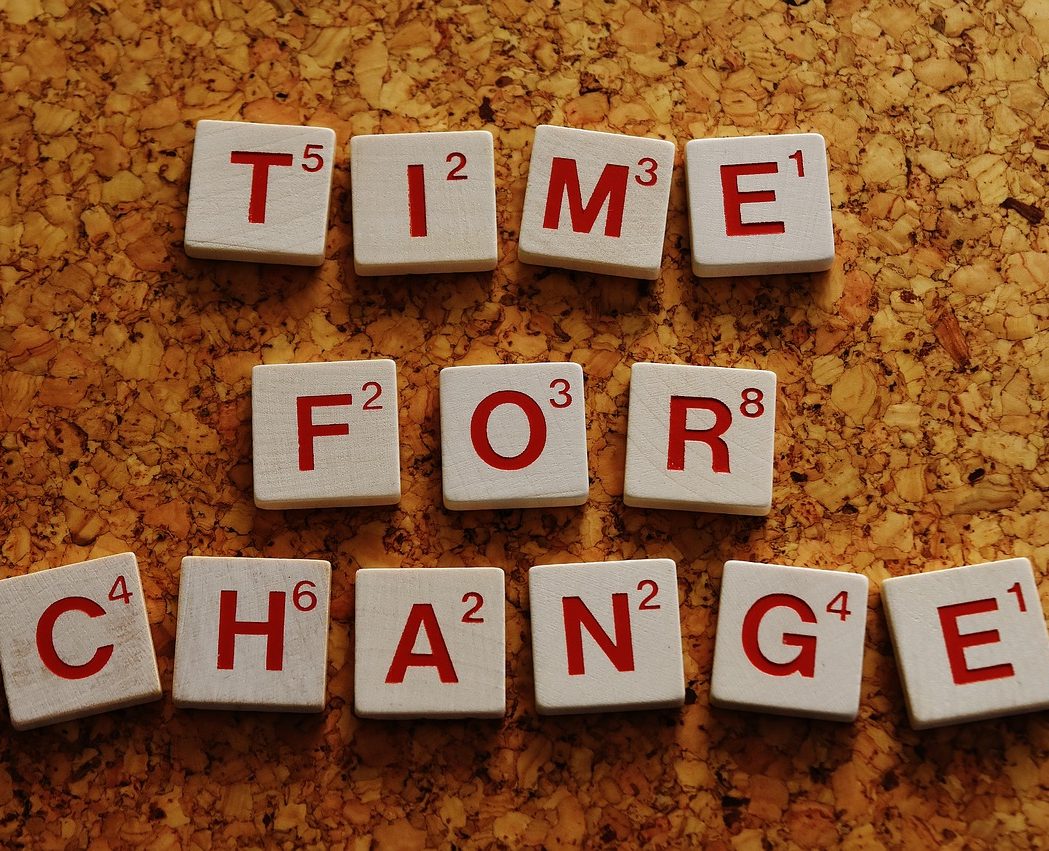
Do people with problems not want to change?

By David Joel Miller, MS, Licensed Therapist & Licensed Counselor.

Need to change

Time for you to make a change?
Photo courtesy of Pixabay.com

Why do they say that people with problems want to be that way?

Lots of people, with varying problems and disabilities, seem to be dismissed with the expression that the reason for their problems is that they do not want to change. Is there any truth to these claims and why do we hear this so often?

First, let me give you a list of the things I have heard recently. Some of this comes from professionals, some from the news media, and some from just average people. After the list let me tell you why I think we are hearing this more these days and lastly what we should be doing about this.

People with depression are using this illness to avoid doing anything.

Fat people don’t really want to lose weight.

There is no such thing as mental illness, those people just want to get on disability.

People who say they have anxiety are just trying to get other people to take care of them.

The homeless prefer to live out on the street.

Drug users do not quit because they want to use.

The unemployed are unemployed because they do not want to work.

There are many other forms of these statements, but mostly they seem to me to be ways of dismissing people with problems by blaming them for having those problems and then saying that they are unwilling to change.

So why if obesity, homelessness, unemployment, loneliness, drug addiction, and mental illness cause all that pain, do people seem to so strenuously avoid doing exactly the things that would change their situation? Doesn’t it look sometimes as if people with problems really do not want to change or they would?

Turns out that change is far harder most of the time than doing nothing.

I can see why society and people who work in the helping fields could start blaming the people with the problems for their lack of progress. As long as we can blame them we do not have to think that our programs and policies might be letting the suffering down. It is easier to think that the homeless like to be out there in the cold, the rain, or the snow than to really try to tackle those issues.

Why do we blame those with problems for those problems?

Turns out that change is hard for humans. We learn a certain way of coping and then we continue that coping style over and over. Even when we come to believe that what we are doing is not working, deciding to do something different and then carrying through on that decision is difficult. People in these situations sometimes have to give up everything they have to reach for something else. Here are some examples.

Unemployment is rarely a choice.

If I think that unemployment is caused by a lack of jobs, I might get scared I could end up out of work. If I can convince myself it is because they don’t want to work I can pretend it won’t happen to me.

For a huge stretch of time since World War II here in the United States, we have had growth and expanding employment. There have been ups and downs but overall more people work as time goes on. There was a time when any able-bodied person who wanted to work could find a job. Recently we have seen a trend, there are jobs available, but those jobs require advanced skills and are often in distant places.

Many who are unemployed lack the skills needed to get a good job, they may live in places with high unemployment and as a result, become seriously depressed. When you are depressed doing anything can be at the limits of your abilities.

For the homeless shelters may mean giving up all you have.

If you are homeless, most of your friends and partners are homeless also. If you have a boyfriend or girlfriend you need to leave them behind. Your pet? That dog that kept you warm and comforted you on that cold night? That animal goes to the pound. There are few places a homeless person can take their partner or their pet.

While in the homeless shelter you need to be there in the early afternoon and leave in the early morning. Getting to and from the shelter takes up the whole day. Your life begins to revolve around being a recipient of a place to sleep.

When you have next to nothing you use what tools you can find to cope. Many homeless people drink to dull the pain, physical and emotional. Without an address, it is hard to get into medical or psychiatric services.

Homeless programs often require that the people they house stop alcohol and drug use altogether to get housed. It is easy to say that the homeless do not want housing and harder to recognize that they may not be willing to give up friends, relationships, pets, or other coping mechanisms to fit into the requirements of a given program.

Obesity is about more than just eating less.

Once upon a time, we idolize the person with some meat on their bones. When food was scarce the healthy, those who were not emaciated, made it through the winter to live another year. Then times change, food became instantly available, and the ideal change.

Weight loss has become big business. Despite a quizillion diet books and weight loss programs, the rate of obesity in America continues to climb. Food is available on every corner. Fast food and food available 24 hours a day in any season. The result of this increased availability of food has not been better health but more unhealthy food.

Most dieters learn all too rapidly that the minute you relax your diet the weight returns and brings a few pounds of extra fat with it. With the weight gain comes physical ailments. Exercise is harder the more weight you need to lose. The modern solution? Surgery to reduce the body’s ability to hold and process food.

The mentally ill are likely to be told to just snap out of it.

For most people who have a mental illness snapping out of it is only slightly more difficult than growing a few inches because you should be taller.

When you have depression, severe major depression, getting out of bed in the morning is an all-day task. This is not laziness, it is horrific work to make yourself do something that you lack the ability to do.

If you have an anxiety disorder, the most common mental disorder in America, you are likely to be told to just not worry about it. If you go for treatment those of you who have social anxiety can look forward to spending hours in crowded waiting rooms with people you do not know and with whom you wish you did not have to spend time.

I know there are exceptions. Programs to treat anxiety that are small and personalized. But all too often treatment programs are organized to meet the needs of the system, not the individual.

The truth is that those with problems no not always use programs, not because they like things the way they are but because they are being asked to do more than they are able to in order to access those helps that most of the rest of us take for granted. We need to stop blaming the sufferers for their illness and look for solutions that work rather than create more programs that fail the people they are designed to serve.

Staying connected with David Joel Miller

Seven David Joel Miller Books are available now!

My newest book is now available. It was my opportunity to try on a new genre. I’ve been working on this book for several years, but now seem like the right time to publish it.

Story Bureau.

Story Bureau is a thrilling Dystopian Post-Apocalyptic adventure in the Surviving the Apocalypse series.

Baldwin struggles to survive life in a post-apocalyptic world where the government controls everything.

As society collapses and his family gets plunged into poverty, Baldwin takes a job in the capital city, working for a government agency called the Story Bureau. He discovers the Story Bureau is not a benign news outlet but a sinister government plot to manipulate society.

Bumps on the Road of Life. Whether you struggle with anxiety, depression, low motivation, or addiction, you can recover. Bumps on the Road of Life is the story of how people get off track and how to get your life out of the ditch.

Dark Family Secrets: Doris wants to get her life back, but small-town prejudice could shatter her dreams.

Casino Robbery Arthur Mitchell escapes the trauma of watching his girlfriend die. But the killers know he’s a witness and want him dead.

Planned Accidents  The second Arthur Mitchell and Plutus mystery.

Letters from the Dead: The third in the Arthur Mitchell mystery series.

What would you do if you found a letter to a detective describing a crime and you knew the writer and detective were dead, and you could be next?

Sasquatch. Three things about us, you should know. One, we have seen the past. Two, we’re trapped there. Three, I don’t know if we’ll ever get back to our own time.

For these and my upcoming books; please visit my Author Page – David Joel Miller

Want the latest blog posts as they publish? Subscribe to this blog.

For videos, see: Counselorssoapbox YouTube Video Channel

Top 10 life mistakes.

By David Joel Miller, MS, Licensed Therapist & Licensed Counselor.

Mistakes and errors

Mistakes.
Photo courtesy of Pixabay.com

How many of these top 10 life mistakes are you making?

What is a mistake for one person may not be for another. Over the long haul, most mistakes can be turned into assets if you recognize you are making them and change what you are doing. Here is a list of some of the things people report have been their top mistakes in life. Take a look at this list and see if you are making any of these. If so would today be the time to change what you are doing?

1. Trying to live up or down to others expectations.

Having someone who believes in you can be a powerful incentive. But if you find you are doing things you do not want to do because others expect this of you, take another look at these efforts and decide if this what you really want out of life.

Are you trying to enter a career or profession because that is what your family expects? If you get there will this be something that makes you happy? Often people try to do things to get the love and acceptance of their families only to find that what they do can never be enough. If you try to make the big leagues because your parent wanted to get there and now is living through you, be careful.

Potentially worse is the situation in which someone fails because this is what their family expects of them. Do not listen to others who need you to fail so they will not feel so bad about themselves. If you have always been told that you can’t do something, that you will never be able to do what you want, take another look at this and see if this is really true or is it others trying to hold you back. Some parents even think the way to protect their children from failure is to tell them they can’t do things so they will not try and be disappointed.

Give things a try and see how far you can go. Do not be held back by doubts, yours or others. You may discover you have more ability than you think. You do not need to make it to the White House to be successful, but if you do not try you will never know if you could have accomplished something.

2. Insisting life be fair.

Do not waste time insisting life be fair. You can spend a lot of time, fighting over what is and is not fair but sometimes life is just not fair. Work to change things if you can, but do not let unfair situations or people keep you from the pursuit of your goals. It may not be fair that someone else gets into a good school and you do not. Dust yourself off and keep going. People who get advantages early in life often fade as time goes on. People who learn to overcome adversity keep moving forward.

3. Blaming others for what you lack.

It really does not matter whose fault it is that your life is not the way you want it. You can stay stuck in blame or you can take the initiative and start off again.

4. Expecting someone to fix you.

Making your life happy or you successful is an inside job. Others can help but they can’t make you a different person. A good doctor can help you heal but the docs will tell you that a patient who takes an active part in their recovery and maintains a positive attitude will recover more rapidly.

5. Thinking you should be somewhere else.

Do not blame your life on where you are. Be as successful as you can. If you really need to be somewhere else, say you want to act, you need to go where there are theaters. Do not say that someday when you move to New York you will become a great actor. Learn all you can where you are.

6. Saying you are too old or do not have the time.

Always wanted to do something? Now is the time. Do not fall into the trap of thinking you are too old or do not have the time.

Always wanted to go back and get your college degree? Think you are too old? How old are you now? How old will you be in four years? Will you be any different in age whether you go to school or not? Lots of people are going back to school or starting a new career at ages that used to be thought of as too old. The truth is you can do whatever you set your mind to if you stop putting it off.

7. Letting fear keep you from trying.

Lots of people never tried things that they might have been good at because they let fear stand in their way. Take a realistic look at what it is that you always wanted to do. Get some advice from someone else. Always wanted to write the great American novel? Age is no barrier. Give it a try.

Doing things is more possible now than ever before. You may not have the advantage of going to a prestigious school or years to practice your skill. You do not need to be as good as Shakespeare or Hemingway to write a book. Whatever book you write will be your book. Why let fear keep you from giving it a try.

8. Expecting someone else to make you happy or successful.

Learn that others can’t eat for you, can’t sleep for you, and can’t exercise for you. They also can’t make you happy. Having happy loving people can add to your happiness but you can be miserable any place you choose. You can also learn to be happy in whatever situation you find yourself in. Work on making your life better but accept that happiness is up to you not others.

9. Calling yourself names.

Do not call yourself names or put you down. Some people experienced this as children and have kept up the destructive practice. They may pass down this negativity to their offspring. There is no proof that calling yourself stupid can make you smarter. What it will do is make you give up trying and not trying is the perfection of stupid.

Believe in yourself, accept yourself as you are, and you will go a whole lot farther in life. Calling yourself names will not motivate you to do better. It will hold you back. Tell yourself positive affirmations and you will do better. Say you can’t and you will make that come true.

10. Trying to please others.

Spend your life trying to please others and you are likely to please no one. Others are hard to please. Work to please yourself. Do things you can be proud of and you will end up pleasing those who matter.

Yes, sure you want to please the boss or your partner. Do this not because of the desire to please them but because doing your best will please you and see how many more people will be pleased by your efforts.

Those are the top ten life mistakes on my list. Are there any other mistakes that you have made and now regret? What are you doing to overcome those mistakes and move forward?

For more on becoming the best you possible, check out these other counselorssoapbox.com posts.

Self-improvement

Success

Staying connected with David Joel Miller

Seven David Joel Miller Books are available now!

My newest book is now available. It was my opportunity to try on a new genre. I’ve been working on this book for several years, but now seem like the right time to publish it.

Story Bureau.

Story Bureau is a thrilling Dystopian Post-Apocalyptic adventure in the Surviving the Apocalypse series.

Baldwin struggles to survive life in a post-apocalyptic world where the government controls everything.

As society collapses and his family gets plunged into poverty, Baldwin takes a job in the capital city, working for a government agency called the Story Bureau. He discovers the Story Bureau is not a benign news outlet but a sinister government plot to manipulate society.

Bumps on the Road of Life. Whether you struggle with anxiety, depression, low motivation, or addiction, you can recover. Bumps on the Road of Life is the story of how people get off track and how to get your life out of the ditch.

Dark Family Secrets: Doris wants to get her life back, but small-town prejudice could shatter her dreams.

Casino Robbery Arthur Mitchell escapes the trauma of watching his girlfriend die. But the killers know he’s a witness and want him dead.

Planned Accidents  The second Arthur Mitchell and Plutus mystery.

Letters from the Dead: The third in the Arthur Mitchell mystery series.

What would you do if you found a letter to a detective describing a crime and you knew the writer and detective were dead, and you could be next?

Sasquatch. Three things about us, you should know. One, we have seen the past. Two, we’re trapped there. Three, I don’t know if we’ll ever get back to our own time.

For these and my upcoming books; please visit my Author Page – David Joel Miller

Want the latest blog posts as they publish? Subscribe to this blog.

For videos, see: Counselorssoapbox YouTube Video Channel

11 tips for more marriage miles.

By David Joel Miller, MS, Licensed Therapist & Licensed Counselor.

Getting better marriage mileage.
Photo courtesy of Pixabay.com

Ways to get more mileage out of the marriage you have.

Marriage seems to be an endangered institution these days. Fewer people getting married and more divorces, people appear to be trading in their spouses faster than they are trading in their car. What we often find, with cars and with partners, is that there is a reason someone else is trying to trade theirs in.

Before you scrap your marriage and go shopping for a new relationship consider that whatever relationship you are in may be in need of a little refurbishing. Marriages need maintenance just like houses and cars. You may need to see a professional from time to time. That is what marriage counselors are for, but there are lots of things you can do on a daily basis to maintain that relationship before it falls apart.

Consider doing some of these activates frequently if you want your relationship to last.

1. Make couples maintenance a priority.

You’re in a relationship, you think you are past the hard part. Now that you have a partner you can focus on becoming a success in life. Not so fast.

Jobs will come and go. Life has its ups and downs regardless of the partner you are with. You may move around or change jobs. Your kids will grow up and launch out on their own. In all that living will you stay connected to your partner?

Put time spent maintaining that relationship in your schedule. Money may come and go but you only get so much life. Invest some of that time in maintaining your relationship. Otherwise, you will wake up one day and not know who this person you are living with has become.

2. Add more kind words to your relationship.

Families who are happy make kind words a staple in their emotional diet. There are plenty of times that people disagree and there will be arguments, but make an effort to say nice things to your partner.

If someone only hears about the things their partner does not like, but never hears that they are valued, they develop the belief that their partner does not see anything good in them or the relationship. For a long-lasting relationship say nice things to each other more often.

3. Touch is a two-way street.

Touch builds bonds. In early courtship couples hold hands, they snuggle, and want to be close. Touch needs to be in the relationship for more than just the mechanical part of sex. Sex is good, it builds the couple relationship, but sex alone will not be enough.

Make sure you are including some hand-holding, some gentle touching, and an occasional back rub or massage for a well-functioning relationship.

4. Talk more for more marriage mileage.

Humans use words for a lot more than conveying information. We think in words and we use them to express feelings. If you really want to understand your partner and to be understood, talk more. Talk not to convince them or to win the argument but to learn about each other.

Couples in the dating period do lots of talking, then they get together and there is progressively less time for talking. Life happens, the job, the kids. Over time people change. Make sure that you spend some time just talking if you want to know your partner. Otherwise one day you will wake up and discover that the two of you no longer know who this person is that you are living with.

5. Have new experiences together.

Far too many families discover when it is too late that the things of life do not make you happy. Yes, a new car or video game is enjoyable for a while but eventually, they wear out and get discarded. What you have after the things are gone are the memories.

Make memories together. You will need those good-time feelings in the emotional bank when the trials of life arrive.

6. Problem solve. Use disagreements to brainstorm new solutions.

The easy solution to life’s problems is to fight for what you think you want or need. Do not blame your partner for the problems and make it all their fault. You are in this partnership together. Avoid win-lose solutions and spend some time looking for options that allow both of you to get your needs met.

Do not fall into the trap of trying to control the situation and your partner. When times are tough winning the argument can cost you the relationship.

7. Have something to look forward to.

Life should not be all grind. Have hopes and dreams and work towards them. Make sure you do not get so wound up in the work of living that you do not see the rewards down the line.

8. Do unexpected nice things.

One large meal will not fill you up for a month. Do not expect that an occasional nice thing for your partner should make them feel loved and satisfied.

In your love menu include small unexpected treats and you will maximize positive relationships.

9. Don’t take yourself so seriously. Learn to laugh at your mistakes.

Trying to be perfect can leave you perfectly alone. The perfect person is very difficult to live with. Take the pressure off you and your relationship. Learn to admit when you are wrong about something and try to fix it.

Being able to laugh at yourself is a very helpful ability. We all do silly things at times. Recognize when you do those things and do not keep trying to explain why you did that or why it is not your fault.

10. Create new together activities and interests.

Couples, like individuals, need to grow. Grow together or grow apart. It is healthy for there to be interests that your partner does not particularly share. Talk about those interests some of the time. But also make it a priority to do new things together and develop new interests. This keeps the relationship alive and growing.

11. Put more kisses on your to-do list.

Happy long-term couples kiss more. These frequent kisses are not reserved for the start of sex but are liberally sprinkled throughout the life together. Make sure that there are quiet together times for these affection gestures. While your partner is struggling with a misbehaving child or an overflowing washer may not be the best time. But sometimes those are exactly the time to stop the flow of things and interject an “I love you” and a kiss.

Those are some of my suggestions for things you might want to do to keep your relationship in top condition. Have you found any other maintenance techniques that make your relationship run better?

For more on this topic take a look at these other posts on counselorssoapbox.com

Relationships

Love

Staying connected with David Joel Miller

Seven David Joel Miller Books are available now!

My newest book is now available. It was my opportunity to try on a new genre. I’ve been working on this book for several years, but now seem like the right time to publish it.

Story Bureau.

Story Bureau is a thrilling Dystopian Post-Apocalyptic adventure in the Surviving the Apocalypse series.

Baldwin struggles to survive life in a post-apocalyptic world where the government controls everything.

As society collapses and his family gets plunged into poverty, Baldwin takes a job in the capital city, working for a government agency called the Story Bureau. He discovers the Story Bureau is not a benign news outlet but a sinister government plot to manipulate society.

Bumps on the Road of Life. Whether you struggle with anxiety, depression, low motivation, or addiction, you can recover. Bumps on the Road of Life is the story of how people get off track and how to get your life out of the ditch.

Dark Family Secrets: Doris wants to get her life back, but small-town prejudice could shatter her dreams.

Casino Robbery Arthur Mitchell escapes the trauma of watching his girlfriend die. But the killers know he’s a witness and want him dead.

Planned Accidents  The second Arthur Mitchell and Plutus mystery.

Letters from the Dead: The third in the Arthur Mitchell mystery series.

What would you do if you found a letter to a detective describing a crime and you knew the writer and detective were dead, and you could be next?

Sasquatch. Three things about us, you should know. One, we have seen the past. Two, we’re trapped there. Three, I don’t know if we’ll ever get back to our own time.

For these and my upcoming books; please visit my Author Page – David Joel Miller

Want the latest blog posts as they publish? Subscribe to this blog.

For videos, see: Counselorssoapbox YouTube Video Channel

Emotional Avalanches and Feelings Landslides

By David Joel Miller, MS, Licensed Therapist & Licensed Counselor.

Do your emotions sometimes just sweep you away?

Emotional avalanches. 
Photo courtesy of pixabay.

Everyone has ups and downs in life. There are times you are up and times you are down. Those ups and downs can come slowly or they can come quickly. For some people, those changes in their emotional landscape suddenly and unexpectedly sweep them away. There may be things you are doing that are triggering these emotional avalanches.

In your journey of life, there may be times when the trip is mostly uphill; things go as planned and in a positive direction. People who seem to be able to keep their emotional journeys on an even keel have the ability to regulate their emotions and keep them in bounds. Not everyone has that option.

If you travel in emotionally rough territory you may have a lot more ups and downs. The key in those times is to keep your eye on the distant goal, pace yourself, and not let those trips downhill define your whole journey. The more the ups and downs in life, the steeper the emotional terrain, the faster those emotions may come at you. To surmount tough emotional terrain you need to have your climbing skills well perfected. Sometimes those emotional regulation skills just are not enough.

If your emotional life is mostly flat terrain, relatively few ups and downs, a professional might think of you as having or experiencing good emotional regulation. Some people seem to be able to find the flattest path through life even in hilly terrain.

If your emotional journey has more than the expected ups and downs we professionals might think of this as you having high emotional liability. Your emotions shift in repose to things that happen and the faster things happen in your life the faster your mood shifts.

Please do not jump to the conclusion that people who are emotionally very labile have Bipolar Disorder. While people with Bipolar disorder do experience times of mood shifts, I think of their mood shifts as less related to the life events, the emotionally hilly terrain, and more related to an internal journey.

Lots of people have emotional ups and downs; some of them out of control, and these people do not all have Bipolar disorder.

Some people are just walking along and out of nowhere, so it appears, the emotional ground falls out from under them.

One cause of these emotional avalanches is a human habit called rumination. All humans think about the things that they have done and the things that have happened in the past. The way in which you think about these things is what determines the result of this rethinking. In other posts, I have and will talk more about the ways in which rumination can destroy your emotional health, create or increase depression or anxiety.

In an emotional avalanche, the person begins to think about something and that thought begins to grow the more they think about it. There may have been a trigger that brought the thought into their mind or a random memory may have been the trigger.

We suspect that those who do non-suicidal self-injury, cutting for short, are particularly prone to these emotional landslides. Once the thought occurs, any negative self-evaluative thought will do here, it becomes increasingly difficult to stop that emotional mountain from falling on you.

These emotional landslides are the cause of lots of sudden impulsive behaviors. Can’t get that thought out of your head? You might choose to drink over it. Someone else might cut on an arm or leg to distract themselves from that thought. This inability to stop the thought avalanche once it starts explains a lot of impulsive behavior better than either long-term anxiety or depression.

Being sad and then beginning to brood (ruminate) over that sadness is a strong predictor of emotional avalanches. Productive thought about past events is about how can I change that, what will I do next. Unproductive rumination is about why me and how could this happen to me.

Believing that a past stress or trauma means there is something wrong with you leads to global beliefs about yourself. That you will never be better and things can’t change. Asking how you will get past these results and create a desire to learn the skills you will need to be successful in life.

If you find that sometimes out of nowhere your emotions carry you away in a bad way, take another look at your thinking process and see if you have developed the habit of ruminating, thinking about something bad in your life over and over. Make sure you do not spend time with friends in group rumination. Having a support system can be helpful, hanging out with a group of co-ruminators can really bring you down.

You might want to check out the other posts on counselorssoapbox about rumination. There are more posts on this topic to come.

If you experience emotional avalanches that are causing you problems consider seeing a professional counselor or therapist for help. It is not “just you” and you can learn ways to have a happy productive life.

Staying connected with David Joel Miller

Seven David Joel Miller Books are available now!

My newest book is now available. It was my opportunity to try on a new genre. I’ve been working on this book for several years, but now seem like the right time to publish it.

Story Bureau.

Story Bureau is a thrilling Dystopian Post-Apocalyptic adventure in the Surviving the Apocalypse series.

Baldwin struggles to survive life in a post-apocalyptic world where the government controls everything.

As society collapses and his family gets plunged into poverty, Baldwin takes a job in the capital city, working for a government agency called the Story Bureau. He discovers the Story Bureau is not a benign news outlet but a sinister government plot to manipulate society.

Bumps on the Road of Life. Whether you struggle with anxiety, depression, low motivation, or addiction, you can recover. Bumps on the Road of Life is the story of how people get off track and how to get your life out of the ditch.

Dark Family Secrets: Doris wants to get her life back, but small-town prejudice could shatter her dreams.

Casino Robbery Arthur Mitchell escapes the trauma of watching his girlfriend die. But the killers know he’s a witness and want him dead.

Planned Accidents  The second Arthur Mitchell and Plutus mystery.

Letters from the Dead: The third in the Arthur Mitchell mystery series.

What would you do if you found a letter to a detective describing a crime and you knew the writer and detective were dead, and you could be next?

Sasquatch. Three things about us, you should know. One, we have seen the past. Two, we’re trapped there. Three, I don’t know if we’ll ever get back to our own time.

For these and my upcoming books; please visit my Author Page – David Joel Miller

Want the latest blog posts as they publish? Subscribe to this blog.

For videos, see: Counselorssoapbox YouTube Video Channel

Inner Child a Twin?

By David Joel Miller, MS, Licensed Therapist & Licensed Counselor.

Is your inner child a twin?
Photo courtesy of Pixabay.com

Are there times your inner-child can’t get along with its siblings?

There has been lots of discussion, and more than a few books over the years, about having an inner child. That part of us that is leftover from childhood, who may have those emotional hurts and pains which have failed to heal properly. There are even some therapists who advertise that they specialize in “inner child work” by which they mean they work with adults on the emotional healing and growth that should have happened in childhood but as an adult, we realize still needs to receive attention. What about the times this approach does not work? Why won’t my inner-child go along with this program?

If you feel like you need to cry or scream like a little child why don’t you do it?

Now the very rational among us tell us that there is no inner-child hiding inside us. We can perform x-rays, ultrasounds, cat-scans, and all manner of other tests, and still no one seems to be able to find that inner child lurking in there. You can’t locate that inner child so why do so many so persistently feel that one must be present?

One way I have tried to work through this inner-child stuff is my continued belief that there are certain lessons, emotional ones, and intellectual ones, which I need to learn in life. If I did not learn those lessons at 8 then I will still be working on them at 80. Eventually, we all need to learn lessons and master emotions.

That might work if I could decide what that lesson was, what is the right answer that I need to arrive at for a happy life. Then I could study until I get it right. Wouldn’t that be reassuring? It may be that there is no one answer for so many of life challenges because you may have more than one inner child, inner twins, or an inner family and those needs may be in conflict.

Our language has expressions that describe not one inner child but a whole inner family.

Do you ever find yourself thinking – part of me wants to do x and part of me wants to do Y? Do you say “on the one hand I think yes and on the other hand, I think No?”

Could one of the conflicts inherent in being a human be that feelings and thinkings are just not all that clear-cut? Some experiences are bitter-sweet. Sometimes you feel like laughing and crying at the same time. Could it be that the flaw in so many of these personality tests is that you have not one inner you but two or more inner you’s? Let’s look at some examples of inner dilemmas.

Are you an Introvert or Extrovert?

Me? Part of me is an introvert and part of me, my inner-self’s twin is an extrovert. I like being around people. I enjoy teaching and public speaking, this is the extroverted me.

But the other inner me likes to write, a rather solitary introverted behavior. There are times that I need to be around others and there are times that I need to spend some time alone watching the wind blow through the trees and the birds sing.

Which is the real me? Well, both are me and the longer I live I have come to believe that it is not in discovering the one and only one inner-me. Mentally healthy living is about embracing the various aspect of my own inner worlds.

Are you a Thinking or Feeling person?

The rational thinking part of you worries about why you are not happier. The feeling part of you wonders what you need to do to be less anxious. Occasionally I start to wonder just what I think about the way I am feeling. How do I feel about what I am thinking? Do you ever do that? Do your inner children sometimes all start acting up at once?

Life, for me anyway, turns out to be a whole lot more complicated than just figuring out what my inner-child thinks, feels, or wants. Sometimes I have a family full of inner children all competing for my attention and wanting their needs met. Is it just me? Or do others of you out there sometimes think your inner child must be a twin or, heaven forbid, a set of quintuplets?

Can you see how you might have competing conflicted inner you needs and those needs are all real and all part of you? Sometimes the way to work with your inner child is to become an inner adult, love all the parts of you. Sometimes you will need to mediate between all your parts and sometimes you will need to decide which part gets its needs met just now and which part will have to wait a while.

How about yours? Is your inner-child an only child or are there other members of your inner family?

Staying connected with David Joel Miller

Seven David Joel Miller Books are available now!

My newest book is now available. It was my opportunity to try on a new genre. I’ve been working on this book for several years, but now seem like the right time to publish it.

Story Bureau.

Story Bureau is a thrilling Dystopian Post-Apocalyptic adventure in the Surviving the Apocalypse series.

Baldwin struggles to survive life in a post-apocalyptic world where the government controls everything.

As society collapses and his family gets plunged into poverty, Baldwin takes a job in the capital city, working for a government agency called the Story Bureau. He discovers the Story Bureau is not a benign news outlet but a sinister government plot to manipulate society.

Bumps on the Road of Life. Whether you struggle with anxiety, depression, low motivation, or addiction, you can recover. Bumps on the Road of Life is the story of how people get off track and how to get your life out of the ditch.

Dark Family Secrets: Doris wants to get her life back, but small-town prejudice could shatter her dreams.

Casino Robbery Arthur Mitchell escapes the trauma of watching his girlfriend die. But the killers know he’s a witness and want him dead.

Planned Accidents  The second Arthur Mitchell and Plutus mystery.

Letters from the Dead: The third in the Arthur Mitchell mystery series.

What would you do if you found a letter to a detective describing a crime and you knew the writer and detective were dead, and you could be next?

Sasquatch. Three things about us, you should know. One, we have seen the past. Two, we’re trapped there. Three, I don’t know if we’ll ever get back to our own time.

For these and my upcoming books; please visit my Author Page – David Joel Miller

Want the latest blog posts as they publish? Subscribe to this blog.

For videos, see: Counselorssoapbox YouTube Video Channel

Free things that make you happy

By David Joel Miller, MS, Licensed Therapist & Licensed Counselor.

Happiness.
Photo courtesy of Pixabay.com

Can free things really make you happy?

We hear that money can’t buy happiness but we all know that a lack of money can bring you down.

Turns out that happy people are more successful in life, but success, especially money, does not by itself make you happy.

Here are some things that are free but can greatly improve your happiness if only you would use them.

Going outside increases happiness.

Spending more time outside, in nature makes people happy. The beach, the mountains, almost any place but the city makes most people feel happy. Despite all our desires to have bigger houses and more things, being away from those things man makes has turned out to make people happy in study after study.

Plan a trip to the country. Visit a local park or just walk along some local streets. Make sure you pay attention to the trees, the birds, and the flowers to increase your happiness.

The ideal happy temperature is 57 degrees Fahrenheit.

Strengthen happiness by getting more exercise.

Walking can improve your mood as well as, sometimes more than, most medications. A goal of many treatments for depression is to get people to the point that they are able to get up and get moving.

Exercise does not need to be strenuous to make you happy. Just simply moving around can begin the process. Consider taking up yoga. Look for events that get you moving. Sharing that exercise with other people can increase the happiness benefits.

Get more sleep for more happiness.

Most of us are chronically sleep-deprived. Not enough sleep results in depression, poor memory, and impaired learning abilities. Sleep is not a bank account where you make a deposit one night a week and then live off that sleep all week. Think of sleep more like food you need to eat a healthy diet every day rather than bingeing on food.

There is one form of depression in which people eat and spend too much time trying to sleep, that is not because of too much sleep. What happens is that when depressed you may find it difficult to get out of bed and do anything. If you are in bed a lot of hours and still feel tired try getting up and doing something and see if your mood doesn’t improve.

Socialize more for more happiness.

Spending time with family and friends should not cost you. If it is, take another look at that relationship. The more time you spend with others the more likely you are to create a happy life.

Friends can give your happiness a real boost. Don’t have many friends you can spend time with? Get involved in something and you will make new friends. Most friendships begin around shared activates. You make friends at school, your place of religious practice or the places you do your sports and hobbies.  Join a group, take up a new activity, look for ways to meet new people, and in the process, you can make some new friends.

Let go of the past to increase your happiness.

Holding on to the past, ruminating about those things that made you unhappy in the past is a sure way to prevent happiness in the present. Let the past go and you will see improvements in the now.

Hard to stop thinking about the negative? Train your brain to avoid those repetitive memories. When your thoughts head down a bad street, tell your mind to knock that off. Make a conscious effort to stay in the now and focus on the positive. What you look for expands. Look for happiness.

Happiness is contagious – get infected.

Being around happy people makes you happy. Read funny things, watch happy videos, and laugh all you can. Share those cute-cat-videos with your social media friends. Spread wanton happiness wherever you go.

Slow your pace down and savor the happiness you do find.

Become a happiness watcher.

Happiness is all around you but may go unnoticed if you are not on the lookout. Just like people watch for birds and find them, you need to be on the lookout for happiness and throughout your day you are likely to see small snippets of happy all around you.

Get a pet to share your happiness.

This may not be totally free but it is certainly reasonably priced for most people. Having an animal in your life makes us all feel a little more loved. Get a dog, a cat, or some other creature and see if your happiness does not improve.

The size or breed does not appear to make a difference. You do need to think ahead though because while you may get a pet for little or no outlay over their life they will require some food and other expenditures.

Doing something for someone else can make you happy.

Being of service can boost your happiness. Recovering people know that happiness is one of those things you need to give away to keep. Anytime you have done something for another, not for what you will get out of them but for the sheer pleasure of being helpful, you will become happier.

A warning. Do not do for others expecting them to appreciate you. Things done because you want others to like you will leave you feeling cheated when others do not appreciate what you have done as much as you expected. Things done for the pleasure of doing them always pay dividends.

There is my list of mostly free ways to increase your happiness in the place you find yourself. Being happy where you are has some side effects. You may find yourself more energetic and productive and your life may start to change for the better.

Staying connected with David Joel Miller

Seven David Joel Miller Books are available now!

My newest book is now available. It was my opportunity to try on a new genre. I’ve been working on this book for several years, but now seem like the right time to publish it.

Story Bureau.

Story Bureau is a thrilling Dystopian Post-Apocalyptic adventure in the Surviving the Apocalypse series.

Baldwin struggles to survive life in a post-apocalyptic world where the government controls everything.

As society collapses and his family gets plunged into poverty, Baldwin takes a job in the capital city, working for a government agency called the Story Bureau. He discovers the Story Bureau is not a benign news outlet but a sinister government plot to manipulate society.

Bumps on the Road of Life. Whether you struggle with anxiety, depression, low motivation, or addiction, you can recover. Bumps on the Road of Life is the story of how people get off track and how to get your life out of the ditch.

Dark Family Secrets: Doris wants to get her life back, but small-town prejudice could shatter her dreams.

Casino Robbery Arthur Mitchell escapes the trauma of watching his girlfriend die. But the killers know he’s a witness and want him dead.

Planned Accidents  The second Arthur Mitchell and Plutus mystery.

Letters from the Dead: The third in the Arthur Mitchell mystery series.

What would you do if you found a letter to a detective describing a crime and you knew the writer and detective were dead, and you could be next?

Sasquatch. Three things about us, you should know. One, we have seen the past. Two, we’re trapped there. Three, I don’t know if we’ll ever get back to our own time.

For these and my upcoming books; please visit my Author Page – David Joel Miller

Want the latest blog posts as they publish? Subscribe to this blog.

For videos, see: Counselorssoapbox YouTube Video Channel

Who taught you about anger?

By David Joel Miller, MS, Licensed Therapist & Licensed Counselor.

Angry person

Anger.
Picture courtesy of Pixabay.

How do you know what you know about anger?

Long before you went to school and learned to read and write you learned a bunch of lessons about how the world was. Some of those lessons were about feelings, anger in particular. Did you have good feelings teachers? Did you get those lessons right?

Thinking back to your childhood and how you came to think and believe the things you do can be a happy experience for some people. Others feel that those early life lessons left scars. What you learned about anger at a young age is one lesson you may want to take another look at. If thinking about your early life experiences is painful and difficult, then you are a candidate for counseling or some other personal growth experience.

What are your earliest life memories of anger?

Early life experiences shape personality development. Many of these memories are pictures of what happened or feelings about these happenings rather than the sort of stories we older people tell about these memories.

Do you have strong gut reactions to seeing others angry? How does experiencing other’s anger affect you now? Are you “freaked out” if someone is angry? Some people learned to avoid anger and feeling angry, others learned that when angry they should “let it all hang out.”

As a child do you remember being angry? What happened when you got angry? Did your needs get met or did you learn to hide that anger?

Infants and young children develop anger spontaneously when their needs are not met or they are frustrated. They quickly learn how they must express these needs to get what they require. Some people learn that others may express anger but they are not allowed to do so. If you learned rules about anger and how to express it as a young child this may be affecting your ability to cope productively with those feelings.

How did those you grew up around express their Anger?

Some families had the unwritten rule that anger or other strong emotions were not to be expressed, ever, under any circumstance. Other families were constantly acting out anger in a variety of ways.

For some people, anger was expressed by cursing or vulgar gestures. Did you adopt those ways of expressing anger and those expressions have become, for you automatic? You may find yourself saying things and doing things when upset or angry that you had not planned to do.

Who was allowed to express anger, who could not?

Was one person allowed to express their anger and others were not? Some families have one person who carries the anger for the whole family. The rest of the family member’s lives revolve around not making the angry person angry.

If you had a family culture where one person was the angry one you may have perpetuated that system in your relationships or the family you have created. Is that working for you or would you like to change the way anger is allowed to be a member of your family?

How did they express anger?

Families develop rules for how and when anger can be expressed. We often hold on to those rules when we leave out family of origin and then try to make those behavior patterns fit our new relationships. For some anger can be expressed directly, this is what is making me mad. Or it may be expressed more indirectly. There could be yelling and screaming or the silent treatment and stonewalling.

If your life is full of throwing and breaking things it is time for a change. If you or someone in your household has a pattern of leaving when angry this may be keeping you from every finding solutions to the conflicts.

Productive anger management may require time-outs when one person becomes overheated but those exchanges also require setting a time to reconnect and work on solving those problems.

Did you learn gender roles in anger expression?

Many people arrive at therapy with a set of rules in their head about how people should fill their life roles. Do you think there are ways men express anger? Are those “male” anger behaviors different from those of women? Should the two sexes express their emotions differently?

Do you expect men and women to express their anger differently?

Are your disagreements win-lose situations or can people disagree?

Healthy families have some rules that are must-haves. The parents must set boundaries that are firm. As a parent, you probably should tell your kids that drugs are not allowed. But there are other things, politics, and religion where an absolute need for everyone to agree might be more optional.

Ask yourself can you allow other family members to disagree about things? Do you feel threatened when they don’t agree with you? Are there things you learned early in life that may not be working for you anymore?

Reexamine how and what you have learned about anger and decide for yourself if there are things about anger and your relationship to that anger that need changing.

For more on anger and anger management check out the other Anger Posts on counselorssoapbox.com.

Staying connected with David Joel Miller

Seven David Joel Miller Books are available now!

My newest book is now available. It was my opportunity to try on a new genre. I’ve been working on this book for several years, but now seem like the right time to publish it.

Story Bureau.

Story Bureau is a thrilling Dystopian Post-Apocalyptic adventure in the Surviving the Apocalypse series.

Baldwin struggles to survive life in a post-apocalyptic world where the government controls everything.

As society collapses and his family gets plunged into poverty, Baldwin takes a job in the capital city, working for a government agency called the Story Bureau. He discovers the Story Bureau is not a benign news outlet but a sinister government plot to manipulate society.

Bumps on the Road of Life. Whether you struggle with anxiety, depression, low motivation, or addiction, you can recover. Bumps on the Road of Life is the story of how people get off track and how to get your life out of the ditch.

Dark Family Secrets: Doris wants to get her life back, but small-town prejudice could shatter her dreams.

Casino Robbery Arthur Mitchell escapes the trauma of watching his girlfriend die. But the killers know he’s a witness and want him dead.

Planned Accidents  The second Arthur Mitchell and Plutus mystery.

Letters from the Dead: The third in the Arthur Mitchell mystery series.

What would you do if you found a letter to a detective describing a crime and you knew the writer and detective were dead, and you could be next?

Sasquatch. Three things about us, you should know. One, we have seen the past. Two, we’re trapped there. Three, I don’t know if we’ll ever get back to our own time.

For these and my upcoming books; please visit my Author Page – David Joel Miller

Want the latest blog posts as they publish? Subscribe to this blog.

For videos, see: Counselorssoapbox YouTube Video Channel

Why do mice and researchers get it wrong?

By David Joel Miller, MS, Licensed Therapist & Licensed Counselor.

Sometimes the mice get it wrong.
Photo courtesy of Pixabay.com

Why don’t the things we find in mouse studies work for humans?

Quite often these days we hear about a new research study that sounds like someone discovered a cure for some disease or a drug that helps a particular condition. I and other writers read these research studies. The news media may get hold of it and there go the articles about how someone may have found a cure for a particular disorder. And then nothing happens. Worse than nothing, eventually that medication or procedure is tried on a human and it just doesn’t work.

Why is it so much easier to find medications for mice than for humans?

Recently Dr. Insel, director of the National Institute of Mental Health (NIMH) wrote an editorial on just that topic, titled “Lost in Translation.

Let me preface this by saying I am a writer and a talk therapist, not a research scientist. My way of understanding and telling you about these complicated science things is to create an analogy that helps explain them. Hopefully, my analogy is not too far off. For the full story in the technical language check out the original editorial.

Mice brains are like human brains, sort of. We have structures in our brains very much like those in the mice brains and nervous system. Additionally, we have a whole lot more things in our brains.

Think of this as trying to evaluate new designs for cars by trying them out on bicycles.

Yes, bicycles have wheels and a steering mechanism vaguely like a car, but that car has a lot of parts not found on the bicycle. So what might work when installed on the bike, may be worthless on an auto going 65 miles per hour.

Our human brains are not all one giant thing. There are a host of parts and pieces in that brain. Some of the things that go wrong in the human brain could be because one part is not working right or is too big, too small, or because that part is not talking (Communicating) with other parts correctly.

We can test our new med on the mouse but since he lacks some of those parts that the human brain has the result in humans is different. Over the last few years, researchers have found drugs that could cure most mental illnesses in mice. Unfortunately, most of these discoveries did not work in humans.

One solution to this problem is to test new medications and procedures on animals that are more like humans. Non-human Primates are one possibility. The larger the primate and the closer their brain is to humans the more that med should work in the primate’s brain the same way it would work on a human. But there are problems with this approach.

First, we have the question of ethics. Is it right or necessary to test new drugs on primates? In fact, there have been some suggestions, mostly well-founded, that too much stuff is tested on animals when we already know what it will do and this causes these animals needless suffering.

If you have a family member who has Alzheimer’s or Parkinson’s you are probably OK with us testing some drugs on animals that might save your family member’s life or their cognitive function. Considering the number of mice and rats that are poisoned each year for health and sanitation reasons it seems hard to object to research on rodents as long as it is done in a humane way. I will not try here to define humane and will leave that to the reader’s sensibilities.

Far fewer people will be willing to see us test a host of drugs on primates, especially the big primates, like Gorillas and Baboons, which act so much like humans, unless this is absolutely necessary.

Another possibility is getting a lot of use these days. We can grow cells in the lab and then test medications on those lab-grown cells. This works some of the time but has some of the same issues as the mice brain. What works in the lab, in a test tube or petri dish, does not always work the same way in humans.

These same issues of transferability or “generalizability” occur in behavioral or psychological studies in humans. We try something with a few dozen college students at one particular school and then someone suggests that this same approach will work with – say – inner-city kids in another country.

With mental health treatments, there is, here in the United States, a registry of things we call “Evidenced Based Practices.” For medications, there are long testing processes before a drug can be sold for use on humans.

Keep these issues in mind as you read articles about psychological research, whether it is in the counselorssoapbox blog or elsewhere. I will do my best to tell you about new research and what we know or think we know about mental and emotional issues and their treatment but that “what we know” may change as more and better research comes in. Even with its shortcomings, the newest research says we know far more about humans, their brains, nervous systems, and how to help them than we knew even a couple of years ago. Let’s see where the future goes.

Staying connected with David Joel Miller

Seven David Joel Miller Books are available now!

My newest book is now available. It was my opportunity to try on a new genre. I’ve been working on this book for several years, but now seem like the right time to publish it.

Story Bureau.

Story Bureau is a thrilling Dystopian Post-Apocalyptic adventure in the Surviving the Apocalypse series.

Baldwin struggles to survive life in a post-apocalyptic world where the government controls everything.

As society collapses and his family gets plunged into poverty, Baldwin takes a job in the capital city, working for a government agency called the Story Bureau. He discovers the Story Bureau is not a benign news outlet but a sinister government plot to manipulate society.

Bumps on the Road of Life. Whether you struggle with anxiety, depression, low motivation, or addiction, you can recover. Bumps on the Road of Life is the story of how people get off track and how to get your life out of the ditch.

Dark Family Secrets: Doris wants to get her life back, but small-town prejudice could shatter her dreams.

Casino Robbery Arthur Mitchell escapes the trauma of watching his girlfriend die. But the killers know he’s a witness and want him dead.

Planned Accidents  The second Arthur Mitchell and Plutus mystery.

Letters from the Dead: The third in the Arthur Mitchell mystery series.

What would you do if you found a letter to a detective describing a crime and you knew the writer and detective were dead, and you could be next?

Sasquatch. Three things about us, you should know. One, we have seen the past. Two, we’re trapped there. Three, I don’t know if we’ll ever get back to our own time.

For these and my upcoming books; please visit my Author Page – David Joel Miller

Want the latest blog posts as they publish? Subscribe to this blog.

For videos, see: Counselorssoapbox YouTube Video Channel