
Do medications or drugs cause mania or Bipolar disorder?

By David Joel Miller MS, Licensed Therapist & Licensed Counselor.
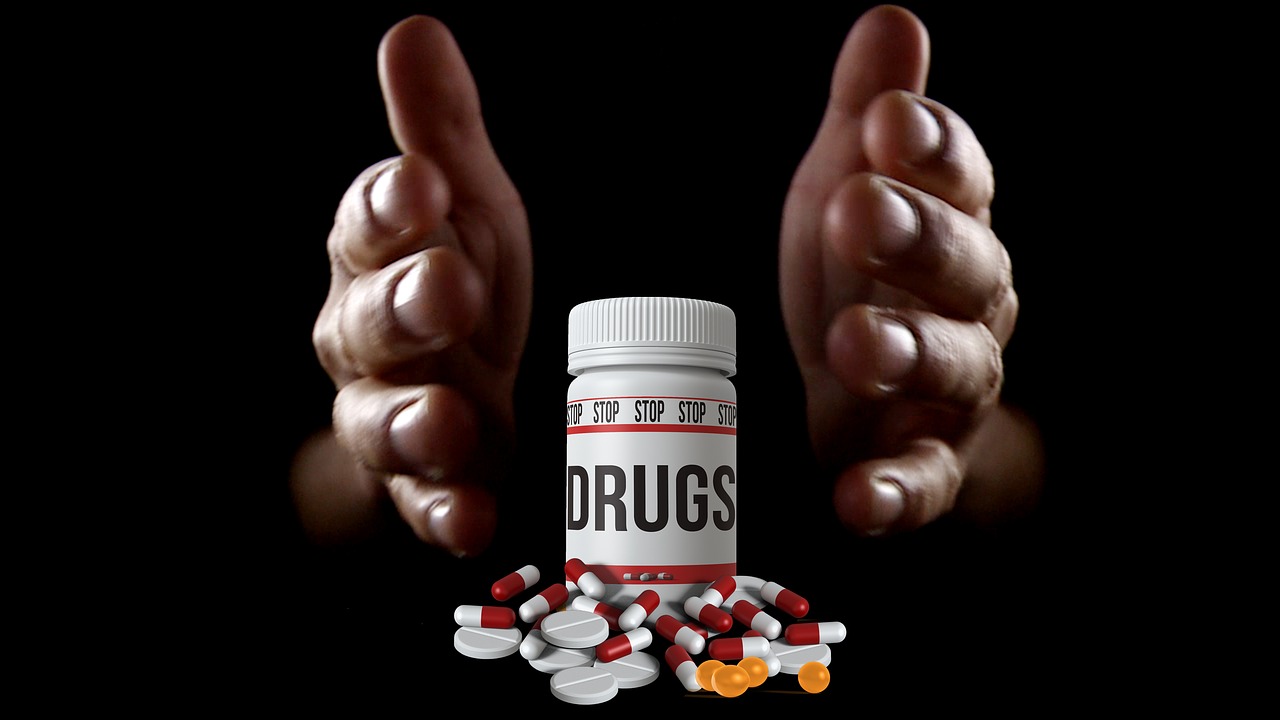
Drugs.

Drugs.
Photo courtesy of Pixabay.

A connection between taking medication, abusing drugs, and Bipolar Mania?

The question of connections between “drugs” and various mental illnesses is a huge concern.  We have known for a long time that there is a connection between some chemicals and Mania. The connection to Bipolar Disorders, formerly called Manic Depressive Disorder, is more problematic.

People seem to think that because a medication is prescribed by a doctor or can be purchased over the counter, it is safe. The huge increase in abuse of prescription medication has made us question that. Now there is evidence that not just street drugs but prescription medications may be setting off episodes of mania.

We all pretty much intuitively know what depression looks like. But Bipolar Disorder that is something else. The official definition of Bipolar disorder requires a lot more than just moodiness.

To get the diagnosis of bipolar you need to have had an episode of mania or hypomania. But the DSM excludes from diagnoses symptoms caused by drugs of abuse. For Bipolar Disorder this includes Bipolar symptoms that were caused by prescribed medications.

Do prescribed medications cause Mania or Hypomania? They sure do.

The creation of Manic symptoms by the taking of medications is so common that some researchers have proposed a separate “type” of Bipolar Disorder, Bipolar III, for those times when taking a medication causes manic symptoms (Akiskal 1999, 2003, Williams 2006.)

Here is the Bipolar medication dilemma.

Most people who get diagnosed with Bipolar Disorder have had one or more episodes of depression first. Then they have an episode of mania or hypomania and the diagnosis gets changed. Taking antidepressants is well known to result in propelling some people into a manic episode. This happens to about 10% of all people prescribed some antidepressants. Also if someone has EVER had an episode of mania or hypomania that risk of sudden switching increases to 20% (Breggin 2010.)

That drug or medication-induced mania is specifically excluded from the diagnosis under the DSM-4.

In practice, it has come to be common that a person who has a sudden extreme reaction to an antidepressant is a likely candidate for a Bipolar Diagnosis despite the DSM-4 exclusion.

If it was only antidepressants that created mania things would be simple. Lots of other drugs and medications can result in manic or near manic episodes.

There is a huge difference between someone being “maniacy” when under the influence or while withdrawing and those people who take a medication one time and are propelled into recurring bouts of mania or hypomania.

We see manic-like symptoms in people who use and abuse stimulants. Even excess of caffeine can create those sorts of symptoms. But medications that we do not think of as stimulants can cause manic and hypomanic episodes.

Antibiotics have been shown to induce manic episodes. So have anti-anxiety meds and some over the counter medications. Other medications like steroids, both prescribed and abused have been suspected of creating this effect also. That connection remains uncertain.

So the question becomes, “Do prescribe medications create a manic episode?” It looks like the answer to that is yes, sometimes they do. Does that mean this is just an allergic reaction or side effect of that medication? This is iffier as some people have that response and others don’t.

Is it possible that people who have an undiagnosed Bipolar Disorder are likely to be propelled into a manic or hypomanic episode when they are exposed to a medication to which they are sensitive?  I am inclined to think so.

We also see a huge overlap between substance abuse disorders, especially alcohol abuse, and Bipolar Disorders. Does alcohol abuse cause a Bipolar condition? Are people with undiagnosed Bipolar Disorder more likely to abuse alcohol?

Does this medication-induced mania matter? Williams says it does and reports that the rate of suicide attempts by people who switch to mania as a result of taking an antidepressant is even higher than for those with Bipolar II.

But there is more

People with anxiety are sometimes treated with an antidepressant. They also can experience an episode of mania or hypomania.

All this points out to me that with all we know about Bipolar Disorder there is still a lot more we don’t know and a lot more research is needed in this area.

It also suggests that there may be multiple types of Bipolar or even several different disorders currently being lumped together under one name.

For more on Bipolar disorders see:

Hyperthymia and Bipolar Disorder

Do drugs cause mental illness?

Bipolar – Misdiagnosed or missing diagnosis?

Bipolar or Major Depression?

Bipolar doesn’t mean moody    

Or the category list to the right.

Anyone have the experience of taking or doing something and then having an episode of Mania which resulted in the diagnosis of Bipolar Disorder that you would care to share?

Staying connected with David Joel Miller

Seven David Joel Miller Books are available now!

My newest book is now available. It was my opportunity to try on a new genre. I’ve been working on this book for several years, but now seem like the right time to publish it.

Story Bureau.

Story Bureau is a thrilling Dystopian Post-Apocalyptic adventure in the Surviving the Apocalypse series.

Baldwin struggles to survive life in a post-apocalyptic world where the government controls everything.

As society collapses and his family gets plunged into poverty, Baldwin takes a job in the capital city, working for a government agency called the Story Bureau. He discovers the Story Bureau is not a benign news outlet but a sinister government plot to manipulate society.

Bumps on the Road of Life. Whether you struggle with anxiety, depression, low motivation, or addiction, you can recover. Bumps on the Road of Life is the story of how people get off track and how to get your life out of the ditch.

Dark Family Secrets: Doris wants to get her life back, but small-town prejudice could shatter her dreams.

Casino Robbery Arthur Mitchell escapes the trauma of watching his girlfriend die. But the killers know he’s a witness and want him dead.

Planned Accidents  The second Arthur Mitchell and Plutus mystery.

Letters from the Dead: The third in the Arthur Mitchell mystery series.

What would you do if you found a letter to a detective describing a crime and you knew the writer and detective were dead, and you could be next?

Sasquatch. Three things about us, you should know. One, we have seen the past. Two, we’re trapped there. Three, I don’t know if we’ll ever get back to our own time.

For these and my upcoming books; please visit my Author Page – David Joel Miller

Want the latest blog posts as they publish? Subscribe to this blog.

For videos, see: Counselorssoapbox YouTube Video Channel

Bereavement, Grief and Loss – V62.82 or Z63.4

Quote

By David Joel Miller.

Why Bereavement might require counseling.

Bereavement

Bereavement, grief, and loss.
Picture courtesy of Pixabay.

Why Bereavement might require counseling.

Bereavement, the loss of someone close, is a normal part of life. How you react to that Bereavement determines if someone needs to see a counselor. We expect you to go through the process of grieving when they lose someone close to you. If you have difficulty with this process you might need to see a counselor.

Having certain other factors in your life may increase the need for professional help to deal with the bereavement.

Most people can navigate the bereavement process with the help of family, friends, and their faith-based community if they have a particular faith. We expect you to think about the departed person, be sad, and have some physical symptoms. Crying, loss of appetite, poor sleep, and even some weight loss are common in the early stages of bereavement. You may experience more or less of these symptoms. Some people can express this outwardly and some keep the pain inside.

You will probably never completely get over the loss and you are sure to always remember the loved one but at some point, you will begin to be able to return to your life as it was before they passed. You should still be able to work, be close to others among your family and friends, and find some things pleasurable to do.

If the symptoms go on too long they begin to look more like depression than normal grief. How long the bereavement process may take you depends on you and your culture. In American and most of the “western” culture, we expect this process to take 60 days or less. If it goes beyond that we need to look at how this loss is affecting you.

If you have had other problems in the past this may put you at high risk for Bereavement issues.  If you have a history of substance abuse issues, bereavement may be a trigger for you. The loss may increase the risk you will relapse. People with histories of mental health issues are also at increased risk when navigating grief and loss.

People with Co-occurring Disorders (dual-diagnosis) are at added risk and need to be making full use of their relapse prevention tools and their support systems during this time.

Experiencing depression, substance abuse episodes, or relapsing into episodes of either are reasons you may decide to seek therapy.

Some warning signs of bereavement problems are listed in the DSM. The symptoms (in my words) include 1. Excess guilt other than about things that happened around the time of the death. 2. Thoughts of death beyond just wishing you had died with or instead of them, especially any thoughts of suicide or allowing yourself to die. 3. Feeling worthless. 4. Sluggishness, lack of energy to do anything 5. Can’t work, be with family or friends or have fun 6. Hallucinations

Bereavement is a V code (in the DSM-5 now a Z code) and is not covered by some insurance plans but if you need help it is well worth the cost to see a counselor.

If you occasionally see the person briefly or hear their voice from time to time we let that go. Depending on your beliefs this may be a very normal experience. If you see or hear other things or this begins to interfere with your life than seek help.

I have used the terms grief and loss in this explanation of bereavement but there are other types of grief and loss besides bereavement. People grieve over lost loves, divorces, job loss, natural disasters, and many other things. None of those fall under the heading of bereavement and they may or may not meet criteria for treatment according to the DSM. But then many people who don’t have a specific diagnosis come to see a counselor, they just need help solving some of life’s problems.

While I can’t provide counseling or therapy via this blog I would love to hear from any of you who care to comment on this post about your experiences with Bereavement and how you moved past it. Questions on this topic or anything having to do with mental health, substance abuse or dual diagnosis are welcome.

Has Bereavement impacted your mental health, substance abuse, dual diagnosis, and how have you coped?

Staying connected with David Joel Miller

Seven David Joel Miller Books are available now!

My newest book is now available. It was my opportunity to try on a new genre. I’ve been working on this book for several years, but now seem like the right time to publish it.

Story Bureau.

Story Bureau is a thrilling Dystopian Post-Apocalyptic adventure in the Surviving the Apocalypse series.

Baldwin struggles to survive life in a post-apocalyptic world where the government controls everything.

As society collapses and his family gets plunged into poverty, Baldwin takes a job in the capital city, working for a government agency called the Story Bureau. He discovers the Story Bureau is not a benign news outlet but a sinister government plot to manipulate society.

Bumps on the Road of Life. Whether you struggle with anxiety, depression, low motivation, or addiction, you can recover. Bumps on the Road of Life is the story of how people get off track and how to get your life out of the ditch.

Dark Family Secrets: Doris wants to get her life back, but small-town prejudice could shatter her dreams.

Casino Robbery Arthur Mitchell escapes the trauma of watching his girlfriend die. But the killers know he’s a witness and want him dead.

Planned Accidents  The second Arthur Mitchell and Plutus mystery.

Letters from the Dead: The third in the Arthur Mitchell mystery series.

What would you do if you found a letter to a detective describing a crime and you knew the writer and detective were dead, and you could be next?

Sasquatch. Three things about us, you should know. One, we have seen the past. Two, we’re trapped there. Three, I don’t know if we’ll ever get back to our own time.

For these and my upcoming books; please visit my Author Page – David Joel Miller

Want the latest blog posts as they publish? Subscribe to this blog.

For videos, see: Counselorssoapbox YouTube Video Channel

Cost of mental health.

A Great post on the cost of mental illness. As high as the cost to treat it are the cost of not treating is even higher.

What is Mania or a Manic Episode?

By David Joel Miller, MS, Licensed Therapist & Licensed Counselor.

Person with masks

Bipolar.
Photo courtesy of Pixabay.com

Manic Episodes.

Episodes, according to the Diagnostic and Statistical Manual of Mental Disorders (DSM) are not diagnoses, they are “building blocks” out of which diagnosis are created.

Mania and its milder cousin Hypomania are linked, closer than most marriages, to the Bipolar diagnoses. To get the Bipolar tag you must have had either a manic or a hypomanic episode and there is only a hand full of other things that might create a Manic or manic-like episode that is not Bipolar.

Some of these symptoms are a matter of judgment and intensity. There has been lots of research on the area of Mania and Bipolar disorders but the more we learn the more questions we have.

Currently, there are no laboratory tests, not even brain scans that are clearly diagnostic of mania. There are some differences in some tests but nothing that so far is clearly convincing enough to make the diagnosis.

The DSM-4-TR tells us that there may be differences in the functioning of some neurotransmitters. Then it lists five different transmitters that may vary. There are lots of ways any one transmitter may vary and any one person could have variations in from one to five transmitters. That whole approach so far is not very helpful to the clinicians or the people who have mania.

So in practice, we look for a whole list of symptoms, add them up with exclusions, inclusions, and severity, look for other explanations, and when all else is ruled out what is left we call a manic episode.

If you have EVER had a Manic Episode for which we cannot find a medical cause you get the diagnosis of Bipolar I. First the symptoms, then the exclusions. This narrative parallels the DSM but is my less technical, more colorful explanation.

A. For over a week the person has an episode of “elevated, expansive or irritable mood.” Elevated does not mean happy. There are lots of descriptions of these elevated moods and they vary from person to person but the key factor is that these episodes are not like other people and that there are times when this person is not like this. If you get yourself locked up, usually this is in a psychiatric hospital; we wave the full week requirement.

B. Pick 3 or four symptoms from a list of seven.

Each of these symptoms can vary in intensity and it is a judgment call. The result is that diagnosis can vary from clinician to clinician and ever from time to time for the same person and the same clinician. For example, studies show that young children in the U.S. get diagnosed with Bipolar a lot. Show the same file to a psychiatrist in the U.K and the child is more likely to get OCD or ADHD (Dubicka et al. 2008.)

Here are the 7 symptoms needed to make a manic episode.

1. Big-shotism, to use a 12 step term. a sudden burst of confidence or thinking you are better, more intelligent, or smarter than others. Plans to cure cancer, run for president, and write a novel all in the same week. This can be fun for the person with Bipolar until others start disagreeing with you.

2. Sleep changes. You don’t need to sleep. Someone with Bipolar I can stay up for days and is full of energy. They may only sleep two, three, or four hours a night. And in the morning they are not tired.

This looks a lot like a Meth user only they don’t need drugs to stay up and they get to sleep just a little each night.

The DSM says this is the big one of all the symptoms. To quote the DSM – “Almost invariably, there is a decreased need for sleep.”

This is a troubling part of the diagnosis. Research studies (Carver & Johnson 2008) say that a lack of sleep can “induce” mania. So a lack of sleep is both a cause and a symptom of Mania? This sleep mania question needs more research. If the definitive study of this connection has been done so far I have not found it.

Not sleeping and not feeling tired does not mean that the person is rested. The longer this below normal sleep episode goes on the more irritable and delusional the person is likely to get. They may even begin to hallucinate. Only they don’t know they are delusional. They are convinced they are right and other people are dumb to not see how smart they are.

3. They talk a lot.

Not used car salesman or late night infomercial type rapid talk. Professionals call this “pressured Speech.” The person has so much going on in their head they can’t talk fast enough to say it all. The can jump from subject to subject, include extra unrelated stuff and just generally talk so only they know what they are talking about. Sometimes even they can’t figure out what they were trying to say.

4. They feel their thoughts are “racing” or they keep jumping subjects like that old-school record with a scratch.

This also gets mentioned by clients diagnosed with anxiety based disorders. Are Bipolar and Anxiety related? We know that depression and anxiety co-occur commonly, why not Bipolar and anxiety?

5. Lack of focus and easily distracted.

They are in such a hurry they move from topic to topic, project to project and can’t figure out what to do next. Lots of things left half-finished and on to the next one.

This sort of lack of focus reminds me of sitting with a channel surfer who keeps changing the T.V. channel in mid-sentence. This is more a matter of being over-interested in too many things than of losing interest in any one thing.

This characteristic looks a lot like a symptom of ADHD and so given the same person and the same symptoms one clinician may see this as Bipolar and another will see ADHD.

6. Excessive goal-directed activity.

This can be trying to do too much at work, socially, sexually, or in most any area of life. This over goal-directed activity can lead to excessive physical motion like a person whose engine is always running. This characteristic called “psychomotor agitation” also looks like the “hyperactivity” in ADHD further leading to the question are those two conditions related or do they just get confused?

7. Overdoing pleasurable activities

Hard to believe that someone could have too much fun but what we are looking for here is not that they have a lot of fun but that they continue to do pleasurable things despite negative consequences. This could also be affected by the assessor’s values judgments.

Examples of excesses are overspending, reckless or dangerous activities, “sexual indiscretions” and so forth. This needs to be more than someone who just likes to do something, like collect something. There is an episodic nature to these activities and most everyone will agree that this person has binges of overdoing things despite them getting in trouble.

This characteristic is highly related to the continued use despite negative consequences we see in substance abuse. As a matter of fact, people with a Bipolar diagnosis are much more likely to also have addiction and alcoholism issues than the general population.

The result

To be diagnosed with a manic episode you need to have three of the seven symptoms. We want four if you are just irritable but not expansive or elevated in mood.

But look at how many of these things are judgment calls. Was Steve Jobs grandiose? How about Bill Gates? How much can I work or write before it becomes “excessive goal-directed behavior.” Are all writers Bipolar? (I need to think about that one.)  How many books can I buy this week before it becomes excessive involvement with pleasurable activities?

Sorry, this post is running long. My short explanation of manic episodes leaves more questions unanswered than it answered. Like: How could you be manic and not have Bipolar disorder?  What is hypomania and how is it related to all this? Are their different types of mania? What is a mixed episode? What things cause mania? How will this all change when we get the DSM-5?

If you or someone you know has symptoms of mania please see a professional. This article is not meant to be enough for you to do “do it yourself diagnosis.” There are many effective treatments for Mania, Bipolar Disorder, and related conditions.

Stay tuned for more on Mania, Hypomania, Cyclothymia, and Bipolar Disorder and the things we know and don’t know about all these topics.

Staying connected with David Joel Miller

Seven David Joel Miller Books are available now!

My newest book is now available. It was my opportunity to try on a new genre. I’ve been working on this book for several years, but now seem like the right time to publish it.

Story Bureau.

Story Bureau is a thrilling Dystopian Post-Apocalyptic adventure in the Surviving the Apocalypse series.

Baldwin struggles to survive life in a post-apocalyptic world where the government controls everything.

As society collapses and his family gets plunged into poverty, Baldwin takes a job in the capital city, working for a government agency called the Story Bureau. He discovers the Story Bureau is not a benign news outlet but a sinister government plot to manipulate society.

Bumps on the Road of Life. Whether you struggle with anxiety, depression, low motivation, or addiction, you can recover. Bumps on the Road of Life is the story of how people get off track and how to get your life out of the ditch.

Dark Family Secrets: Doris wants to get her life back, but small-town prejudice could shatter her dreams.

Casino Robbery Arthur Mitchell escapes the trauma of watching his girlfriend die. But the killers know he’s a witness and want him dead.

Planned Accidents  The second Arthur Mitchell and Plutus mystery.

Letters from the Dead: The third in the Arthur Mitchell mystery series.

What would you do if you found a letter to a detective describing a crime and you knew the writer and detective were dead, and you could be next?

Sasquatch. Three things about us, you should know. One, we have seen the past. Two, we’re trapped there. Three, I don’t know if we’ll ever get back to our own time.

For these and my upcoming books; please visit my Author Page – David Joel Miller

Want the latest blog posts as they publish? Subscribe to this blog.

For videos, see: Counselorssoapbox YouTube Video Channel

Which border is Borderline Intellectual Functioning on?

By David Joel Miller, MS, Licensed Therapist & Licensed Counselor.

Crossing the border.
Photo courtesy of Pixabay.com

What is Borderline Intellectual Functioning?

Borderline Intellectual Functioning (BIF) is one of several totally unrelated conditions that are officially or unofficially called borderline only because they are on the edge or junction of some other condition. BIF is in no way related to Borderline Personality Disorder.

Borderline Intellectual Functioning is a designation for some individuals who find it hard to learn some information. It sometimes gets confused and mixed up with several types of ADHD or the older label ADD.

The definition of BIF is totally determined by the person’s IQ score. Stay with me here as I explain this. I will give you the exact numbers as we go.

There is also a lot of prejudice about anyone with a low I.Q. score even though some low I.Q. scoring people are extremely talented in areas that are not captured on an I.Q. test.

When discussing I.Q scores we need to be very careful. First, they do NOT mean what many people think they mean, and since they are mathematical numbers being somehow attached to non-mathematical people we need to talk some statistic-number-stuff to explain this one. I will keep the number stuff extra simple.

The companies that make the tests try to improve the test over time but there is only so much you can do in trying to give a test that somehow is meant, to sum up, a person’s abilities. We believe that  I. Q. is made up, not of one single ability, but a whole host of talents. Verbal and mathematical talents are easy to capture with a written test, musical, artistic, and athletic talents may not show up so much.

There is also evidence of something called E. Q. (Emotional intelligence.) We all know someone who is very bright in school but is no good with people and there are those individuals who are good with people or animals but can’t pass a written test.

Many, but not all I. Q. and related tests, are biased towards how many words you know. Want to score well on a lot of ability tests – learn all the words you can.

The scores are designed to measure how someone’s test score compares to other people. We still can’t find any “normal” people to compare others to so we create an imaginary “normal” person by averaging all the scores we get and saying that average (or mean or mode) is somehow the “normal” person.

I.Q. tests are set up so that the “average” score is 100. Theoretically, if you test enough people the most common score is 100. But scores vary an awful lot. So is someone with a 99 really less smart than someone who scores a 101? Not very much.

If you take this kind of test many times you will get many scores. So some days you, one single individual will be “smarter” than on others.

One day the average person scores a 95. We could call that below normal. The next day they get a 105 and are above average. So we learn to use ranges of scores, not just the number.

Turns out that the largest group of people will score between 85 and 115 on most tests. (For the math people the standard deviation here is 15.) This group will contain just under 70% of all humans.

We consider this whole range of people 85-115 more or less the same. Since scores of one person may move up or down 5 points from day-to-day we need to look at the people just outside that range.

So are people above 115 really smart, geniuses maybe? Not that often. It may be easier for someone with an I.Q of 125 to get A’s in school but we all have heard of very bright people who fail school and less smart people who study really hard and get good grades.

For most purposes, we don’t see a lot of differences in individuals till we get out to two standard deviations. People who score between 70 and 130 all fall within the “average” group. This group covers about 97.5 % of all people. Only those below 70 and above 130, start to get extra special labels.

Really high scores might get the label “genius.” But some of them still do some dumb things. It may be a lot easier for the person who has an I.Q. of 125 to do a book report and someone with a score of 90 may struggle on a math assignment or vice versa, but we think anyone in that range, with a good education, can do this stuff.

Now back to Borderline Intellectual Functioning. The definition of BIF is an I. Q. Score of 71-84. The person with this score is on the low end of what we would consider an “average” or “normal” person.

Telling someone they or their child has a low score on an I. Q. test is likely to upset them. They want us to do something.

Most of us understand when a kid is too small or skinny to be good at football. We accept that a really short kid will not do so well in basketball. Most of us get this. Except sometimes parents want their kid to be good at a sport so badly that they push this kid unmercifully to grow more and get taller. Don’t get me started on the long-term damage wanting your kid to be something they are not can do to that child.

Not very many parents want to accept that their kid has fewer math or spelling circuits in their brain. So when they get the results of the I.Q. test they want something to make their kid smarter. Lots of kids in the lower normal I.Q. score range get low grades, get discouraged, and stop caring about school work. Then they get diagnosed with ADHD and given a stimulant medication. It may boost their test scores a little, for a while, but it does not make them develop a higher I.Q.

Many people with BIF do graduate from school, get jobs, and have happy productive lives. The task for them is to find the other areas in life for which they have abilities and then accept that some school type things may be harder for them than for people with more skill in another area.

My belief is we need to stop telling our kids that they need to be on the football team and get straight A’s and begin to accept that everyone has different talents. What are your talents and what are you doing with them?

For more on the Mental Health treatment of Borderline intellectual functioning see the post on V codes.

There, I will climb down off my soapbox, — for now.

Did that help you understand Borderline Intellectual Functioning?

Staying connected with David Joel Miller

Seven David Joel Miller Books are available now!

My newest book is now available. It was my opportunity to try on a new genre. I’ve been working on this book for several years, but now seem like the right time to publish it.

Story Bureau.

Story Bureau is a thrilling Dystopian Post-Apocalyptic adventure in the Surviving the Apocalypse series.

Baldwin struggles to survive life in a post-apocalyptic world where the government controls everything.

As society collapses and his family gets plunged into poverty, Baldwin takes a job in the capital city, working for a government agency called the Story Bureau. He discovers the Story Bureau is not a benign news outlet but a sinister government plot to manipulate society.

Bumps on the Road of Life. Whether you struggle with anxiety, depression, low motivation, or addiction, you can recover. Bumps on the Road of Life is the story of how people get off track and how to get your life out of the ditch.

Dark Family Secrets: Doris wants to get her life back, but small-town prejudice could shatter her dreams.

Casino Robbery Arthur Mitchell escapes the trauma of watching his girlfriend die. But the killers know he’s a witness and want him dead.

Planned Accidents  The second Arthur Mitchell and Plutus mystery.

Letters from the Dead: The third in the Arthur Mitchell mystery series.

What would you do if you found a letter to a detective describing a crime and you knew the writer and detective were dead, and you could be next?

Sasquatch. Three things about us, you should know. One, we have seen the past. Two, we’re trapped there. Three, I don’t know if we’ll ever get back to our own time.

For these and my upcoming books; please visit my Author Page – David Joel Miller

Want the latest blog posts as they publish? Subscribe to this blog.

For videos, see: Counselorssoapbox YouTube Video Channel

You know your manic when–

Here is a really good description of one type of mania.

What are V and Z codes? – Things insurance doesn’t cover

By David Joel Miller, MS, Licensed Therapist & Licensed Counselor.

Counseling questions

Counseling questions.
Photo courtesy of Pixabay.com

Why are there counseling things that insurance does not cover? V and Z codes.

There are lots of life’s problems that need attention, but they don’t fit neatly under our definition of a mental illness. As a result, most insurance providers won’t pay for treating these problems or if they do there are severe limits on the amount of counseling that you can get for these issues.

These everyday problems that can derail someone’s life get a “V” code. That does not mean they are not important, but it does mean that generally, we don’t see them as an illness, more like a challenge the person must face and overcome. There are over 20 of these “V” codes. (In the DSM-5 this list has gotten longer.)

Some of these are the kind of issues that make the news, the partners who kill each other, and the extreme cases of child abuse. They need treatment but we can’t say that every couple who fights is mentally ill. What we can say is that killing your spouse is not normal or acceptable.

Conflicts with other people are a big part of this, Partner Relations problems, sibling relational problem, parent-child relational problem. These conflicts can cause a lot of damage and they need treatment. Marriage, family, and child counselors specialize in just these issues. The list of relation problems goes like this:

Partner Relations problem

Sibling relational problem

Parent-child relational problem

Relational Problem related to medical or mental disorder

Other Relational Problem

There are life-stage issues we all need to navigate. Some of us move through these concerns with no problem. Other people struggle with one or more of these issues. Each of these can become a reason to see a counselor and they do not mean there is anything wrong with you.

Occupational Problem

Academic Problem

Acculturation Problem

Phase of life Problem

Religious or Spiritual Problem

Bereavement

Borderline Intellectual Functioning   

People who injure others need treatment. Sometimes they are required to go for treatment and may even be made to pay for that treatment. Victims of abuse, neglect or violence get a special status in the DSM and their treatment is found under the 995.xx codes, which are almost always paid for by society. The person doing the abuse or neglect gets the “V” code and mostly has to pay for their own treatment. The categories of misbehavior towards others that may be the focus of treatment include:

Neglect of a child

Sexual Abuse of a child

Physical Abuse of a child

Physical Abuse of Adult

Sexual Abuse of Adult

The last group of things that may need attention but don’t get counted as full mental illnesses are things that people do, other than abuse or neglect, that we as a society do not like. This includes things like career criminals who know what they are doing but do the crime anyway. The term “Behavior” is used here to differentiate those who don’t know that what they are doing is wrong or can’t control themselves as in Antisocial Personality Disorder vs. those who know it is wrong and do it anyway, as in Antisocial Behavior. These items include:

Adult Antisocial Behavior

Child or Adolescent

All these things and many more may be good reasons to see a counselor or therapist even if you don’t have a diagnosable mental illness.

Staying connected with David Joel Miller

Seven David Joel Miller Books are available now!

My newest book is now available. It was my opportunity to try on a new genre. I’ve been working on this book for several years, but now seem like the right time to publish it.

Story Bureau.

Story Bureau is a thrilling Dystopian Post-Apocalyptic adventure in the Surviving the Apocalypse series.

Baldwin struggles to survive life in a post-apocalyptic world where the government controls everything.

As society collapses and his family gets plunged into poverty, Baldwin takes a job in the capital city, working for a government agency called the Story Bureau. He discovers the Story Bureau is not a benign news outlet but a sinister government plot to manipulate society.

Bumps on the Road of Life. Whether you struggle with anxiety, depression, low motivation, or addiction, you can recover. Bumps on the Road of Life is the story of how people get off track and how to get your life out of the ditch.

Dark Family Secrets: Doris wants to get her life back, but small-town prejudice could shatter her dreams.

Casino Robbery Arthur Mitchell escapes the trauma of watching his girlfriend die. But the killers know he’s a witness and want him dead.

Planned Accidents  The second Arthur Mitchell and Plutus mystery.

Letters from the Dead: The third in the Arthur Mitchell mystery series.

What would you do if you found a letter to a detective describing a crime and you knew the writer and detective were dead, and you could be next?

Sasquatch. Three things about us, you should know. One, we have seen the past. Two, we’re trapped there. Three, I don’t know if we’ll ever get back to our own time.

For these and my upcoming books; please visit my Author Page – David Joel Miller

Want the latest blog posts as they publish? Subscribe to this blog.

For videos, see: Counselorssoapbox YouTube Video Channel

What if you go to the hospital drunk or high?

What if you go to the hospital drunk or high?
Photo courtesy of pixabay.

By David Joel Miller.

Hospital emergency rooms are filling up with people under the influence.

This is causing a whole lot of problems for hospitals, the emergency room staff, and society in general. There is no special reason why someone needs to go to a hospital because they are drunk or high unless they also have a medical or psychiatric emergency.

They end up there because of the other problems drug and alcohol use cause to the person and to society. Often this happens because there is just no other place to send them. Hospitals do not function as an extension of law enforcement and patient privacy is strongly enforced so unless you are in prison when the emergency occurs don’t worry about seeking help because of the legal consequences.

People who are drunk or high are a lot more likely to slip, fall, or otherwise injure themselves. The emergency room staff is used to this and unless you broke some major law like hitting someone while driving drunk and you are already in custody, their goal is to get you patched up and out of there.

Some under-the-influence people really really need to be in the hospital.

If someone has the Delirium Tremens (DT’s), they need to be in the hospital, this is life-threatening. But most drunks are just a pain to the workers in the ER. They argue, try to go places, and do things that just get in the way.

Heroin and other opiate abusers need an injection to reverse the effects of the overdose, but most enlightened emergency responders carry the injection to do this on the ambulance so that by the time the patient reaches the hospital the emergency is over.

Drunks are most problematic because the alcohol impairs their judgment. They are often suicidal or violent. No not everyone who drinks gets suicidal or violent but many suicidal people abuse substances. A binge drinker is 55 times more likely to attempt suicide than a non-drinker.

Substance abusers make up a significant proportion of admissions to psychiatric facilities. While they are under the influence they are prone to be violent and irresponsible. Some of them are still suicidal or violent after the drugs and alcohol wear off and need further treatment.

Since we don’t know if the current psychiatric problem is only a result of the substance or do they have these issues at other times. Most suicidal, self-harming, or violent people who are under the influence end up staying until the drugs and alcohol wear off and they can rationally answer questions about their behavior and intent.

One very effective approach to this overflow of under-the-influence people filling up the hospital ER’s has been the creation of sobering centers.

Situated close to the hospital and under the supervision of medical staff, trained Para-professionals such as substance abuse counselors and mental health professionals can screen patients for medical necessity and supervise detoxification. These systems have worked well. Unfortunately, when budgets get tight, detox, as well as other services for substance abusers and the mentally ill, get cut.

At the time the need is the greatest detox and sobering centers are the most likely to get cut and throw their work back on the already overused ER’s.

Hospitals are also seeing a surge in irrational people as a result of synthetic drug use. (See 7 new drugs parents should be aware of.) Sometimes that psychosis goes away once they detox but other times it seems to be long-term and results in a psychiatric hospital admission.  Professionals are debating whether the new drugs are creating the psychosis or just a stressor that causes the first occurrence of the disorder.

I am convinced that drug use is damaging some brains and creating mental illness which would not have occurred without the drug use. I understand that not everyone agrees with this position.

So the conclusion to all this is that if you or someone around you is drunk or high and there appears to be a medical or psychiatric emergency you should go to the hospital and get checked out and do not worry about the police finding out about this as a result of your visit. If there is no medical or psychiatric problem and no past history of problems most people do not need to go to the hospital. When in doubt call 911, the doctor or hospital first, not your therapist or the social worker.

Staying connected with David Joel Miller

Seven David Joel Miller Books are available now!

My newest book is now available. It was my opportunity to try on a new genre. I’ve been working on this book for several years, but now seem like the right time to publish it.

Story Bureau.

Story Bureau is a thrilling Dystopian Post-Apocalyptic adventure in the Surviving the Apocalypse series.

Baldwin struggles to survive life in a post-apocalyptic world where the government controls everything.

As society collapses and his family gets plunged into poverty, Baldwin takes a job in the capital city, working for a government agency called the Story Bureau. He discovers the Story Bureau is not a benign news outlet but a sinister government plot to manipulate society.

Bumps on the Road of Life. Whether you struggle with anxiety, depression, low motivation, or addiction, you can recover. Bumps on the Road of Life is the story of how people get off track and how to get your life out of the ditch.

Dark Family Secrets: Doris wants to get her life back, but small-town prejudice could shatter her dreams.

Casino Robbery Arthur Mitchell escapes the trauma of watching his girlfriend die. But the killers know he’s a witness and want him dead.

Planned Accidents  The second Arthur Mitchell and Plutus mystery.

Letters from the Dead: The third in the Arthur Mitchell mystery series.

What would you do if you found a letter to a detective describing a crime and you knew the writer and detective were dead, and you could be next?

Sasquatch. Three things about us, you should know. One, we have seen the past. Two, we’re trapped there. Three, I don’t know if we’ll ever get back to our own time.

For these and my upcoming books; please visit my Author Page – David Joel Miller

Want the latest blog posts as they publish? Subscribe to this blog.

For videos, see: Counselorssoapbox YouTube Video Channel

What if a client tells you they had sex with their last psychotherapist?

By David Joel Miller, MS, Licensed Therapist & Licensed Counselor.

Couple

Sex?
Photo courtesy of pixabay.

Sex is not the cure – Morning Question #19.

Ethically this is never considered acceptable. If the client was a child we would report this as child sexual abuse. If they were adults they need to report this to the licensing board. In California, we have a nifty little book called “Professional Therapy Never Includes Sex.” We are supposed to keep this book handy and give it to anyone who tells us they had sex with a previous therapist. What they do about the situation is up to them.

One reason sex with patients is not considered acceptable is the trust clients put in their therapist to help them sort out emotions. Getting into a relationship other than the therapeutic one is likely to result in the therapist taking advantage of the client.

What to do about this situation generally is up to the client, not the new therapist. Laws could, of course, be different where you live but second relationships with clients are considered unethical most everywhere.

More on this is here and info on what counseling should be is at Counseling as a novel relationship.

Staying connected with David Joel Miller

Seven David Joel Miller Books are available now!

My newest book is now available. It was my opportunity to try on a new genre. I’ve been working on this book for several years, but now seem like the right time to publish it.

Story Bureau.

Story Bureau is a thrilling Dystopian Post-Apocalyptic adventure in the Surviving the Apocalypse series.

Baldwin struggles to survive life in a post-apocalyptic world where the government controls everything.

As society collapses and his family gets plunged into poverty, Baldwin takes a job in the capital city, working for a government agency called the Story Bureau. He discovers the Story Bureau is not a benign news outlet but a sinister government plot to manipulate society.

Bumps on the Road of Life. Whether you struggle with anxiety, depression, low motivation, or addiction, you can recover. Bumps on the Road of Life is the story of how people get off track and how to get your life out of the ditch.

Dark Family Secrets: Doris wants to get her life back, but small-town prejudice could shatter her dreams.

Casino Robbery Arthur Mitchell escapes the trauma of watching his girlfriend die. But the killers know he’s a witness and want him dead.

Planned Accidents  The second Arthur Mitchell and Plutus mystery.

Letters from the Dead: The third in the Arthur Mitchell mystery series.

What would you do if you found a letter to a detective describing a crime and you knew the writer and detective were dead, and you could be next?

Sasquatch. Three things about us, you should know. One, we have seen the past. Two, we’re trapped there. Three, I don’t know if we’ll ever get back to our own time.

For these and my upcoming books; please visit my Author Page – David Joel Miller

Want the latest blog posts as they publish? Subscribe to this blog.

For videos, see: Counselorssoapbox YouTube Video Channel

Pink elephants kill – Dangers of Delirium Tremens (DT’s)

By David Joel Miller, MS, Licensed Therapist & Licensed Counselor.

Inebriated people.

Alcoholism.
Photo courtesy of Pixabay.

Seeing bugs when drinking?

There are lots of jokes about people seeing things while drinking. Having Delirium Tremens (D.T.’s) is no joke.

Withdrawal from alcohol can be fatal. When we mention withdrawal from drugs most people think of the physical symptoms of heroin withdrawal. Kicking Heroin can make someone wish they were dead, but alcohol withdrawal is far more likely to kill.

Deaths directly related to alcohol each year exceed all the deaths from other drugs, legal and illegal.

DT’s occur when the drinker is withdrawing from alcohol as the blood level is declining. Before modern medicine was available up to one-third of alcoholics with DTs died during withdrawal. Modern medical treatment has cut that rate dramatically but people do still die while sobering up.

If the drinker has EVER had hallucinations or a seizure when drinking or detoxing they need medical attention and should be detoxed in a hospital.

Other symptoms of DT’s can include fever, shakes, and formication. Tactile hallucinations, bugs or snakes crawling over the skin are commonly associated with the DT’s. These symptoms are sometimes worse at night and can begin to occur days after the last drink as the body attempts to adjust to the absence of alcohol.

Any unusual symptoms that occur when an alcoholic stops drinking should be checked out by a medical professional.

Staying connected with David Joel Miller

Seven David Joel Miller Books are available now!

My newest book is now available. It was my opportunity to try on a new genre. I’ve been working on this book for several years, but now seem like the right time to publish it.

Story Bureau.

Story Bureau is a thrilling Dystopian Post-Apocalyptic adventure in the Surviving the Apocalypse series.

Baldwin struggles to survive life in a post-apocalyptic world where the government controls everything.

As society collapses and his family gets plunged into poverty, Baldwin takes a job in the capital city, working for a government agency called the Story Bureau. He discovers the Story Bureau is not a benign news outlet but a sinister government plot to manipulate society.

Bumps on the Road of Life. Whether you struggle with anxiety, depression, low motivation, or addiction, you can recover. Bumps on the Road of Life is the story of how people get off track and how to get your life out of the ditch.

Dark Family Secrets: Doris wants to get her life back, but small-town prejudice could shatter her dreams.

Casino Robbery Arthur Mitchell escapes the trauma of watching his girlfriend die. But the killers know he’s a witness and want him dead.

Planned Accidents  The second Arthur Mitchell and Plutus mystery.

Letters from the Dead: The third in the Arthur Mitchell mystery series.

What would you do if you found a letter to a detective describing a crime and you knew the writer and detective were dead, and you could be next?

Sasquatch. Three things about us, you should know. One, we have seen the past. Two, we’re trapped there. Three, I don’t know if we’ll ever get back to our own time.

For these and my upcoming books; please visit my Author Page – David Joel Miller

Want the latest blog posts as they publish? Subscribe to this blog.

For videos, see: Counselorssoapbox YouTube Video Channel