Has happiness Eluded you?

Happy faces
Happiness. Photo courtesy of Pixabay.com

By David Joel Miller, MS, Licensed Therapist & Licensed Counselor.

Happiness has three essential parts.

The statistics tell us that depression is at an all-time high. Recent events have harmed almost everyone’s life. But even when times are good, depression is a lot more common than authentic happiness. With everyone looking for happiness, why is it so difficult to find?

If you want more happiness in your life, become a happiness expert.

The human brain seems to be biased toward remembering negative, painful experiences. Remembering the bad and forgetting the good may have given humans an evolutionary advantage. Say your distant ancestors were walking through the jungle and then found some red berries on a bush. Before grocery stores and refrigeration, humans were always hungry, so your distant ancestor ate those berries. If they got sick and died from those berries – well, you wouldn’t be here, now would you? But if they ate those berries, got sick, and then recovered, they would have remembered those berries forever and avoided eating them again.

Your brain is no different than those ancestor’s brains. Something bad happens to you, and your brain doesn’t want you to ever forget that. But what about the opposite result? If that distant ancestor had eaten the red berries and enjoyed them, they may not have remembered what they look like. Just because they liked the berries once doesn’t mean they would ever encounter them again. So why use up space in memory remembering things that might not ever happen again?

It’s almost as if negative, painful experiences cut a groove into our brains, so we hold onto them forever. At the same time, happy experiences can easily slide right off your brain and disappear.

If something good happens, you need to pay attention to that happiness. If your child does something cute, or you walk by a beautiful flower, you need to stare at that positive event for perhaps as much as thirty seconds to give that information time to soak into your brain and be fully absorbed.

If you want more happiness in your life, you need to study it and become an expert on it. Unfortunately, most of us spend most of our lives studying pain and misery rather than joy and happiness. As you’re studying happiness, it’s important to realize that most experts believe there are three critical parts to having an authentically happy or, as some positive psychologists call it, a life that is flourishing and full of subjective well-being. What are the three parts to this authentically happy, flourishing life?

Pleasure is necessary, but not enough to ensure happiness.

Pleasure is essential to having a good life. Our bodies and nervous systems are designed to experience pleasure when we do things that benefit us. If you’re hungry, eating brings you pleasure. Physical affection is also a great source of pleasure. The pleasure system is designed to get humans to do more things that benefit them.

Unfortunately, pleasure by itself will not result in genuine happiness. When you engage in something pleasurable, you become satiated. Twice as much food does not make you twice as happy. To maintain the same level of happiness, humans need ever-increasing amounts of pleasure. One piece of chocolate cake is good tasting. Eating a second chocolate cake may not even be enjoyable. Eventually, you reach a point where more of a pleasurable experience doesn’t add to your happiness. So, what else is necessary for maintaining authentic happiness?

Engagement is essential for maximum happiness.

Engagement, sometimes referred to as flow, is also an essential ingredient for happiness. Engagement involves developing and using the skill of curiosity. It’s also intimately connected with the character strengths. It was initially called vitality but has been renamed zest in the more recent positive psychology research.

Vitality seems to imply both physical and emotional energy or drive. This makes sense because physical vitality and emotional zest are intimately connected. People who are in poor physical health have difficulty maintaining their zest for living. Conversely, people who lack engagement in life are at increased risk of developing many physical ailments.

Vitality or zest goes by many other names, including passion, enthusiasm, flow, or my favorite “being on the jazz.” Vitality is so connected to the use and perfection of other personality character strengths and virtues that I plan to write some posts specifically on this ingredient, which is missing from so many people’s authentically happy life.

Meaning and purpose are necessary for authentic happiness.

Regardless of how much pleasure you have for something or how enthusiastically you pursue it if when you reach your goal, it has no meaning it won’t take you to the place most of us call happiness. Positive psychology describes this state as a life that is “flourishing.” If you’d like a life that goes beyond temporary pleasure, then discovering your life’s meaning and purpose is an essential activity.

Many of the people who arrive at the counselor’s office, experiencing depression, anxiety, or another mental health issue, say they are there to “find themselves.” In the process of living life, the pain has often overwhelmed the positive. Frequently, people tried to drown their sorrows and alcohol. They may have experimented with drugs, sex, or gambling, only to find that the temporary spikes in dopamine provided by pleasure didn’t lead to authentic happiness or a life that was flourishing.

So how should you go about finding yourself? Where should you look for that meaning and purpose? Many people find the answers to those questions by doing their own personal work with the counselor. In upcoming blog posts, I want to give you some hints about ways to find yourself and discover your meaning and purpose.

Staying connected with David Joel Miller

Seven David Joel Miller Books are available now!

My newest book is now available. It was my opportunity to try on a new genre. I’ve been working on this book for several years, but now seems like the right time to publish it.

Story Bureau.

Story Bureau is a thrilling Dystopian Post-Apocalyptic adventure in the Surviving the Apocalypse series.

Baldwin struggles to survive life in a post-apocalyptic world where the government controls everything.

As society collapses and his family gets plunged into poverty, Baldwin takes a job in the capital city, working for a government agency called the Story Bureau. He discovers the Story Bureau is not a benign news outlet but a sinister government plot to manipulate society.

Bumps on the Road of Life. Whether you struggle with anxiety, depression, low motivation, or addiction, you can recover. Bumps on the Road of Life is the story of how people get off track and how to get your life out of the ditch.

Dark Family Secrets: Doris wants to get her life back, but small-town prejudice could shatter her dreams.

Casino Robbery Arthur Mitchell escapes the trauma of watching his girlfriend die. But the killers know he’s a witness and want him dead.

Planned Accidents  The second Arthur Mitchell and Plutus mystery.

Letters from the Dead: The third in the Arthur Mitchell mystery series.

What would you do if you found a letter to a detective describing a crime and you knew the writer and detective were dead, and you could be next?

Sasquatch. Three things about us, you should know. One, we have seen the past. Two, we’re trapped there. Three, I don’t know if we’ll ever get back to our own time.

For these and my upcoming books; please visit my Author Page – David Joel Miller

Want the latest blog posts as they publish? Subscribe to this blog.

For videos, see: Counselorssoapbox YouTube Video Channel

What gives your life meaning, and purpose?

What gives your life meaning and purpose? Photo courtesy of Pixabay.

By David Joel Miller, MS, Licensed Therapist & Licensed Counselor.

Have you identified your life’s meaning and purpose?

People can go through some incredibly challenging times if they have a good enough reason to do it. But even the simplest tasks may be overwhelming if you don’t see a good reason to do what you’re doing. Another name for your meaning or purpose might be your passion. Is there something that you are passionate about?

A few people are fortunate; they discover their meaning and purpose for life early on and then devote the rest of their days to pursuing that purpose. Some people find their life purpose after a series of trials. I think it’s sad when I see people who have lived their whole life and never discovered anything that gave their life meaning or purpose. If you haven’t put some time into thinking about this, I would encourage you to do so.

The work you do may give your life its purpose.

For some people, the work they do is their life’s purpose. Other people work a job, so they have enough money to support themselves and their family, and then they spend every available moment pursuing their passion. Your life’s work doesn’t necessarily have to be the same thing you do for your paycheck. Just make sure that what you devote your life to doing has some meaning.

Relationships are an important source of meaning and purpose.

Caring for others can give your life its meaning. This can be a child, a pet, or an older person. Caregiving, loving, and being loved are significant sources of meaning. Few relationships will be with you your whole life. Make sure you put effort into maintaining your relationships with partners, family, and friends. However long that relationship is a part of your life, it needs to be nurtured. When you look back on the life you’ve lived, ask yourself, “have my relationships been a source of meaning and purpose?”

Religious or spiritual beliefs can guide you to life’s meaning.

For some people, the anchor that holds them to a purposeful life is their spiritual beliefs. If this life is all there is, then it’s essential to live it well. But if you believe in a life after death, then this life should be a process of growth and perfecting yourself. Do your best to live your life in a manner that is consistent with your spiritual beliefs. Feeling connected to something greater than yourself is a significant contributor to a life full of meaning and purpose.

More things don’t equate to a more satisfying life.

In this era of rampant consumerism, it’s become apparent that having more things does not equate to more happiness. Having more resources certainly provide you with more options. But money and things do not equal happiness. Every day you hear about some rich and famous person whose life was empty and meaningless. It’s not the things you have but what you do with those things that matter.

These days people are focusing more on getting rid of things, decluttering, than on accumulating them. Once a year, our city has a citywide cleanup day. On that one day, the city residents pile all their unwanted items out onto the street to be hauled away to the dump. One curious feature of this free trash removal day is at the piles of refuge are higher and wider in the poorer parts of the city. The pleasure you get from buying things is temporary.

Volunteering can be better than having.

Doing for others can be a significant source of life’s meaning. Being of service to others pays dividends long afterward. The things you buy can end up owning you, but the acts of kindness you give away will be with you forever.

Have you found your life’s meaning and purpose? If not, don’t you think it’s time you started your search?

Staying connected with David Joel Miller

Seven David Joel Miller Books are available now!

My newest book is now available. It was my opportunity to try on a new genre. I’ve been working on this book for several years, but now seems like the right time to publish it.

Story Bureau.

Story Bureau is a thrilling Dystopian Post-Apocalyptic adventure in the Surviving the Apocalypse series.

Baldwin struggles to survive life in a post-apocalyptic world where the government controls everything.

As society collapses and his family gets plunged into poverty, Baldwin takes a job in the capital city, working for a government agency called the Story Bureau. He discovers the Story Bureau is not a benign news outlet but a sinister government plot to manipulate society.

Bumps on the Road of Life. Whether you struggle with anxiety, depression, low motivation, or addiction, you can recover. Bumps on the Road of Life is the story of how people get off track and how to get your life out of the ditch.

Dark Family Secrets: Doris wants to get her life back, but small-town prejudice could shatter her dreams.

Casino Robbery Arthur Mitchell escapes the trauma of watching his girlfriend die. But the killers know he’s a witness and want him dead.

Planned Accidents The second Arthur Mitchell and Plutus mystery.

Letters from the Dead: The third in the Arthur Mitchell mystery series.

What would you do if you found a letter to a detective describing a crime and you knew the writer and detective were dead, and you could be next?

Sasquatch. Three things about us, you should know. One, we have seen the past. Two, we’re trapped there. Three, I don’t know if we’ll ever get back to our own time.

For these and my upcoming books; please visit my Author Page – David Joel Miller

Want the latest blog posts as they publish? Subscribe to this blog.

For videos, see: Counselorssoapbox YouTube Video Channel

Happiness.

Happy faces
Happiness. Photo courtesy of Pixabay.com

Happiness.

Sunday Inspiration.     Post by David Joel Miller.

“For every minute you are angry you lose sixty seconds of happiness.”

― Ralph Waldo Emerson

“Folks are usually about as happy as they make their minds up to be.”

― Abraham Lincoln

“Love is that condition in which the happiness of another person is essential to your own.”

― Robert A. Heinlein, Stranger in a Strange Land

Wanted to share some inspirational quotes with you.  Today seemed like a good time to do this. There are an estimated 100,000 words in the English language that are feelings related. Some emotions are pleasant, and some are unpleasant, but all feelings can provide useful information. If any of these quotes strike a chord with you, please share them.

Look at these related posts for more on this topic and other feelings.

Emotions and Feelings.

Inspiration

Happiness

Positive Psychology

2021 First-Foot.

2018 First-Foot.

By David Joel Miller.

1st foot.
Photo courtesy of Pixabay.com

The first-foot through the door each year sets the tone for the rest of the year.

There’s an old tradition; they say it comes from Scotland, that the first person through the door each new year sets the tone for the rest of that year.  Because of that, I wanted this to be my first post for the new year.

If this is your first time reading counselorssoapbox.com, I hope this post will start off your year in a good direction.  Longtime readers will know that this blog’s premise is having a happy life.

Life can have its struggles.  At some point in their life, everyone is likely to experience a mental, emotional, or behavioral issue.  Because of this, I write a lot about mental health, mental illness, substance use disorders, and overcoming the bumps on the road of life.  Here is hoping that this new year will bring happiness to you and yours.

Throughout this year on counselorssoapbox.com I plan to bring you tips about having a happy life, coping with emotional and mental issues, and the impact that using and abusing substances might have on your mental and emotional health.

We will also present posts to help you with being a success. However, you define that success.  With over 1800 posts on counselorssoapbox.com so far, you’ll find plenty of tips in the past posts with more to come this year.  You might even want to consider subscribing to counselorssoapbox.com.

Thanks for being my lucky first-foot this year.

P.S.  If it takes you a while to get around to reading this post I will understand.  Whenever you get to it, please drop me a line.

Staying connected with David Joel Miller

Seven David Joel Miller Books are available now!

My newest book is now available. It was my opportunity to try on a new genre. I’ve been working on this book for several years, but now seems like the right time to publish it.

Story Bureau.

Story Bureau is a thrilling Dystopian Post-Apocalyptic adventure in the Surviving the Apocalypse series.

Baldwin struggles to survive life in a post-apocalyptic world where the government controls everything.

As society collapses and his family gets plunged into poverty, Baldwin takes a job in the capital city, working for a government agency called the Story Bureau. He discovers the Story Bureau is not a benign news outlet but a sinister government plot to manipulate society.

Bumps on the Road of Life. Whether you struggle with anxiety, depression, low motivation, or addiction, you can recover. Bumps on the Road of Life is the story of how people get off track and how to get your life out of the ditch.

Dark Family Secrets: Doris wants to get her life back, but small-town prejudice could shatter her dreams.

Casino Robbery Arthur Mitchell escapes the trauma of watching his girlfriend die. But the killers know he’s a witness and they want him dead.

Planned Accidents  The second Arthur Mitchell and Plutus mystery.

Letters from the Dead: The third in the Arthur Mitchell mystery series.

What would you do if you found a letter to a detective describing a crime and you knew the writer and detective were dead, and you could be next?

Sasquatch. Three things about us, you should know. One, we have seen the past. Two, we’re trapped there. Three, I don’t know if we’ll ever get back to our own time.

For these and my upcoming books; please visit my Author Page – David Joel Miller

Want the latest blog posts as they publish? Subscribe to this blog.

For videos, see: Counselorssoapbox YouTube Video Channel

Have a happy and safe new year.

Another year has come and gone. Thanks for stopping by the counselorssoapbox.com blog. Over the next year, we will continue our exploration of how to have a happy life. Take care, and I hope to see all of you in the new year.

Will this winter be a catastrophe or a challenge?

Winter
Winter. Photo courtesy of Pixabay.com

By David Joel Miller, MS, Licensed Therapist & Licensed Counselor.

How will the coronavirus and potential lockdowns affect you?

For many people, winter is a challenge every year. But this year, it’s likely to be a tough challenge. Coronavirus has had a horrific impact on our society. How long this will go on and how it will affect you is probably outside your control. But how it affects you mentally, there may be something you can do about that.

Currently, there’s a glimmer of hope. Over the long haul, one or more of the vaccines now in development may prove to be the solution to our coronavirus problem. But even if the vaccine works perfectly, it will be a long time until enough vaccine doses become available and enough people are vaccinated to have any impact on the prevalence of the illness. Until then, life can be a challenge.

Depending on where you live, you probably experienced one or more lockdowns, stay-at-home orders, or disruptions in your job or education. Some people would prefer the option of going ahead with their life knowing there’s a chance they will catch the infection and either die or pass it on to someone close to them.

Other people would prefer to hunker down, isolate as much as possible, and ride out the viral storm waiting for safer days. Regardless of your preference, some things are going to change. Some of these changes will be severe short-term losses for some and minor inconveniences for others. Other changes may be permanent. Businesses have closed, and more will close. Many jobs have been lost. Some will return, but other jobs may never come back. People have died. More and more of us know someone who has lost a family member.

I believe that some of these changes we’re seeing will turn out to be permanent long-term changes. The coronavirus has just accelerated the rapid pace of change. The trend toward online education was already well underway, with some colleges offering their entire curriculum as online classes. In the future, I think working from home and learning at home are going to be long term trends. These are things we may just have to get used to.

But between now and the time we reach our new normal, we will face some extraordinary challenges.

The challenge of seasonal affective disorder.

A significant portion of the population typically suffers from seasonal affective disorder. While we often think of this as seasonal depression, commonly called winter blues, there are also seasonal increases in anxiety disorders, OCD, and other mental illnesses.

Changes in the weather, especially changes in the amount of daylight each day appear to naturally alter human being’s moods. The large number of holidays during the winter may be an effort for us, humans, to cheer ourselves up during an inhospitable time of year.

What if our attitude toward the winter season is an important factor?

Not everyone, everywhere, seems to experience seasonal affective disorder. This article in the Guardian shows us another way to look at challenging circumstances.

If you approach the winter season with the attitude that it will be difficult, you’re predisposed to negative mood states. But if you take a different view toward it and view the winter season as another situation full of possibilities, you may experience a different set of feelings.

When it comes to mood, your mindset matters.

How you think about things alters their effect on you. The way you look at things can affect your mental health and your physical health. Your attitude affects your blood pressure and heart rate. People who think of things as catastrophic and tell themselves that this thing mustn’t, shouldn’t, happen experience it is much more negative than those who see the event as an opportunity.

Is it a threat or an opportunity?

How you approach things often depends on the resources you have available. By resources, I don’t mean just financial ones. Education, available opportunities, and your support system, can also alter the way you view challenging circumstances. Having a good support system, developing coping skills, and improving your resiliency all buffer you against stressful times.

Telling yourself, you’re excited reduces anxiety.

Many people experience having to make a speech in public as terrifying. Public speaking is the number one fear in America. And yet, other people enjoy speaking in public. If you are terrified of getting up on stage, becoming an entertainer will probably be a highly stressful career. But if you love the applause of the crowd, you won’t experience it as anxiety-provoking but as energizing.

Some athletes become anxious before competing, and they are at high risk of choking. But those athletes who interpret those butterflies in their stomachs as excitement can use that energy to propel them to even more remarkable achievements.

Planning positive activities reduces the impact of challenges.

Whatever your challenges this winter, and many of us will face a great many challenges, plan for some positive activities. Those little bits of pleasure and happiness, you should pay attention to them when you find them. Amid all the struggles, you should plan on becoming a happiness expert.

Admittedly the winter ahead will not be easy. There will be costs, and there will be losses. Let’s all keep our eyes peeled for the pockets of happiness ahead.

Staying connected with David Joel Miller

Seven David Joel Miller Books are available now!

My newest book is now available. It was my opportunity to try on a new genre. I’ve been working on this book for several years, but now seems like the right time to publish it.

Story Bureau.

Story Bureau is a thrilling Dystopian Post-Apocalyptic adventure in the Surviving the Apocalypse series.

Baldwin struggles to survive life in a post-apocalyptic world where the government controls everything.

As society collapses and his family gets plunged into poverty, Baldwin takes a job in the capital city, working for a government agency called the Story Bureau. He discovers the Story Bureau is not a benign news outlet but a sinister government plot to manipulate society.

Bumps on the Road of Life. Whether you struggle with anxiety, depression, low motivation, or addiction, you can recover. Bumps on the Road of Life is the story of how people get off track and how to get your life out of the ditch.

Dark Family Secrets: Doris wants to get her life back, but small-town prejudice could shatter her dreams.

Casino Robbery Arthur Mitchell escapes the trauma of watching his girlfriend die. But the killers know he’s a witness and want him dead.

Planned Accidents The second Arthur Mitchell and Plutus mystery.

Letters from the Dead: The third in the Arthur Mitchell mystery series.

What would you do if you found a letter to a detective describing a crime and you knew the writer and detective were dead, and you could be next?

Sasquatch. Three things about us, you should know. One, we have seen the past. Two, we’re trapped there. Three, I don’t know if we’ll ever get back to our own time.

For these and my upcoming books; please visit my Author Page – David Joel Miller

Want the latest blog posts as they publish? Subscribe to this blog.

For videos, see: Counselorssoapbox YouTube Video Channel

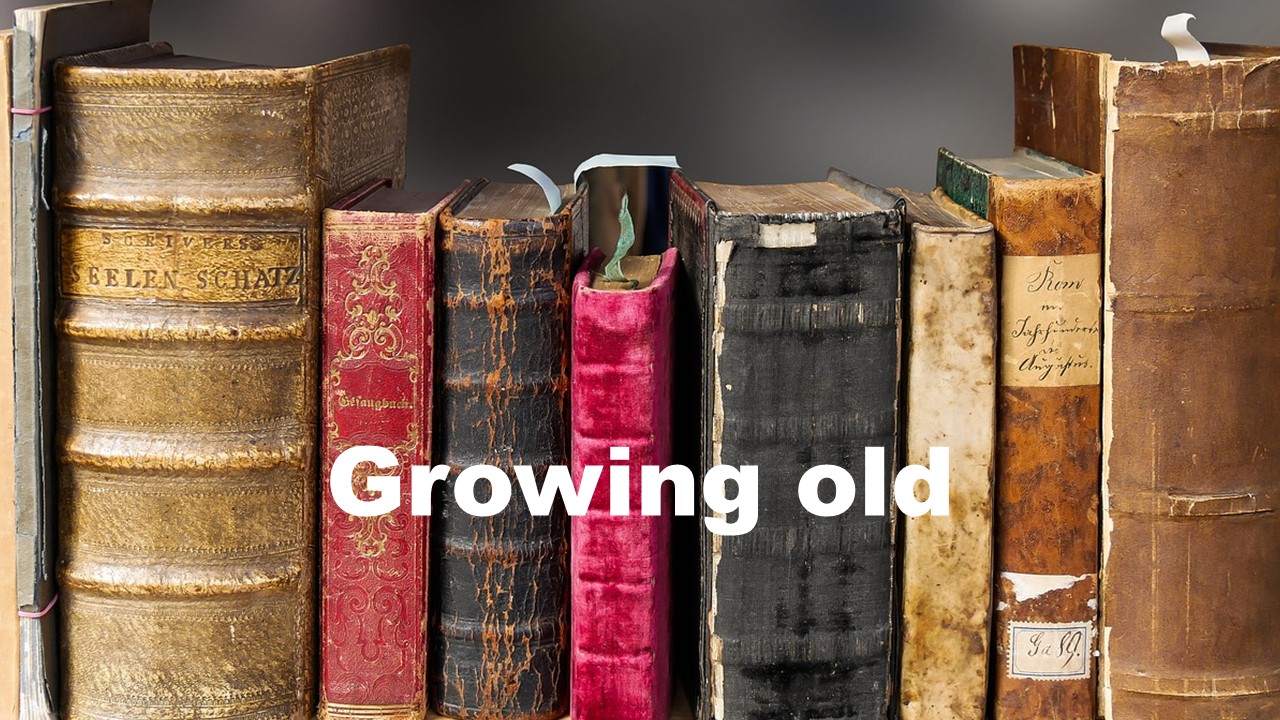
Growing Old

Growing old picture of books

Growing Old – photo courtesy of Pixabay

Sunday Inspiration.     Post by David Joel Miller.

As the year comes to an end, I thought this was an excellent time to look at this topic.

“We are always the same age inside.”

― Gertrude Stein

“The older I grow, the more I distrust the familiar doctrine that age brings wisdom.”

― H.L. Mencken

“Aging is not ‘lost youth’ but a new stage of opportunity and strength.”

― Betty Friedan

Wanted to share some inspirational quotes with you.  Today seemed like a good time to do this. There are an estimated 100,000 words in the English language that are feelings related. Some emotions are pleasant, and some are unpleasant, but all feelings can provide useful information. If any of these quotes strike a chord with you, please share them.

Look at these related posts for more on this topic and other feelings.

Emotions and Feelings.

Inspiration

Do you trust your intuition?

Intuition. Photo courtesy of Pixabay.

By David Joel Miller, MS, Licensed Therapist & Licensed Counselor.

Intuition makes up half the decision-making system in your brain.

People who study brain functioning have investigated two different ways in which people make decisions. This is sometimes called the dual-process theory. One system, the deliberate decision-making system, is slow and requires a lot of information to arrive at a decision. The other system, intuition, reaches a conclusion rapidly, often based on very little conscious information. Relying on only one of these two systems can get you into trouble. The challenge is to decide when to use the slow, deliberative decision-making model and when to use the fast, intuitive model.

When might ignoring intuition get you into serious trouble?

You’re in the big city, walking across the street. You glance up and suddenly realize a bus is speeding towards you and you are about to get hit. Which decision-making model do you think you ought to use?

If you’re a very logical person, you might want to think this over a bit. How many feet away as the bus? How fast is the bus traveling? You look ahead and see how many feet it is to the other side of the street to get out of the way of the bus. You might also want to look back to estimate if you turn around and jump back onto the sidewalk; how far must you go? While you’re gathering all this information, the bus driver is slamming on the brakes, and you are betting your life on whether he will stop before impact.

What if you decided to use your intuition?

People who use an intuitive decision-making model would leap one way or the other without thinking. If you pick the right direction, this improves your chances of survival. Of course, you could choose the wrong direction and run directly into the path of the bus. Or you might decide to turn around and run back for the sidewalk you just left. One of these decisions, maybe both, might save your life.

Are there other situations in which you might want to use your intuition?

Social situations are a time when you want to rely on your intuition. You meet someone, and they say hello. If you stand there too long thinking over what the proper greeting would be, you’re going to appear socially inept. In the pre-Covid days, if someone put out their hand, you wanted to put your hand out and shake. Now your automatic response might be to bump elbows or perform some other gesture. What you don’t want to do is stand there staring blankly.

Making good decisions in life involves using both decision-making systems.

Relying too much on one decision-making system and not enough on the other are characteristics of two specific mental illnesses. Research on decision-making tells us that people on the autism spectrum rely heavily on thinking things over. They are high on rational decision-making, but that leaves them unable to make automatic decisions based on their intuitive systems.

On the other end of the spectrum are people who make almost all decisions emotionally or using the intuitive method. Relying solely on the intuitive decision-making system is one of the characteristics of schizotypal personality disorder.

You can improve both decision-making systems.

Some people believe that they are using logic to make their decisions, but their decision-making is so full of logical errors and flaws that it’s not very useful. Studying logic and how to make better decisions can improve the slow, deliberative decision-making system.

Many people don’t realize that the fast, intuitive decision-making system can also be improved. In some upcoming posts, I want to talk to you about improving your intuitive decision-making and deciding when to trust those fast decisions and when to use the slower logical decision-making system.

Other posts on related topics can be found under the following categories.

Overthinking               Rumination                 Worry              Finding Yourself

Personality                  Inner Child                  Intuition             Personality Disorders             

Staying connected with David Joel Miller

Seven David Joel Miller Books are available now!

My newest book is now available. It was my opportunity to try on a new genre. I’ve been working on this book for several years, but now seems like the right time to publish it.

Story Bureau.

Story Bureau is a thrilling Dystopian Post-Apocalyptic adventure in the Surviving the Apocalypse series.

Baldwin struggles to survive life in a post-apocalyptic world where the government controls everything.

As society collapses and his family gets plunged into poverty, Baldwin takes a job in the capital city, working for a government agency called the Story Bureau. He discovers the Story Bureau is not a benign news outlet but a sinister government plot to manipulate society.

Bumps on the Road of Life. Whether you struggle with anxiety, depression, low motivation, or addiction, you can recover. Bumps on the Road of Life is the story of how people get off track and how to get your life out of the ditch.

Dark Family Secrets: Doris wants to get her life back, but small-town prejudice could shatter her dreams.

Casino Robbery Arthur Mitchell escapes the trauma of watching his girlfriend die. But the killers know he’s a witness and want him dead.

Planned Accidents The second Arthur Mitchell and Plutus mystery.

Letters from the Dead: The third in the Arthur Mitchell mystery series.

What would you do if you found a letter to a detective describing a crime and you knew the writer and detective were dead, and you could be next?

Sasquatch. Three things about us, you should know. One, we have seen the past. Two, we’re trapped there. Three, I don’t know if we’ll ever get back to our own time.

For these and my upcoming books; please visit my Author Page – David Joel Miller

Want the latest blog posts as they publish? Subscribe to this blog.

For videos, see: Counselorssoapbox YouTube Video Channel
Puzzled.

Puzzled.

Illustrate the word puzzled

Puzzled?
Photo courtesy of Pixabay.com

Sunday Inspiration.     Post by David Joel Miller.

“And the Grinch, with his Grinch-feet ice cold in the snow, stood puzzling and puzzling, how could it be so? It came without ribbons. It came without tags. It came without packages, boxes or bags. And he puzzled and puzzled ’till his puzzler was sore. Then the Grinch thought of something he hadn’t before. What if Christmas, he thought, doesn’t come from a store. What if Christmas, perhaps, means a little bit more.”

― Dr. Seuss, How the Grinch Stole Christmas!

“Who in the world am I? Ah, that’s the great puzzle.”

― Lewis Carroll, Alice in Wonderland

“The truth may be puzzling. It may take some work to grapple with. It may be counterintuitive. It may contradict deeply held prejudices. It may not be consonant with what we desperately want to be true. But our preferences do not determine what’s true.”

― Carl Sagan

Wanted to share some inspirational quotes with you.  Today seemed like a good time to do this. There are an estimated 100,000 words in the English language that are feelings related. Some emotions are pleasant, and some are unpleasant, but all feelings can provide useful information. If any of these quotes strike a chord with you, please share them.

Look at these related posts for more on this topic and other feelings.

Emotions and Feelings.

Inspiration

What is good mental health?

Mental Health and Wellness. Photo courtesy of Pixabay.

By David Joel Miller, MS, Licensed Therapist & Licensed Counselor.

Good mental health affects every part of your life.

Mental health has a significant impact on your thinking, your feelings, and your behavior. Impaired mental health damages relationships. While poor mental health is connected to specific illnesses such as depression and anxiety, good mental health is associated with positive feelings like happiness and contentment. It’s essential to learn to recognize the signs of good mental health.

Mental health lies on a continuum.

Just like physical health, mental health lies on a continuum. People can move from being physically or mentally healthy to less healthy before finally reaching unwell. A lack of wellness doesn’t necessarily constitute illness. But low mental wellness can quickly turn into a mental illness.

A mentally healthy person has a life that is in balance.

Life is challenging, and each person has many roles to balance. Keeping the various parts of your life in balance promotes both physical and mental health. Work is important, but it shouldn’t be the only activity you have time for. Relationships with family and friends impact your mental health as well. Physical health and mental health are not two separate things; they are interconnected. Good sleep and diet, along with exercise, promotes both physical and mental health.

Learning to listen to and manage your feelings can contribute to your mental health. For some people, their spiritual or religious beliefs are also a significant part of them feeling connected to something greater than themselves. Social relationships also factor into your well-being. During this time of Covid-19, many people have had to limit their face-to-face contacts. Maintaining those relationships by phone or the Internet can also have a positive impact on your mental health.

Good mental health improves relationships.

Positive relationships with family and friends, as well as with an intimate partner, promote mental health. Unhealthy relationships are likely to damage your mental health. This relationship works in both directions. Generally, people with many good relationships have better mental health. Working on your mental health through counseling or using self-help methods can also improve your close relationships.

Being mentally healthy means enjoying life, having fun, and being able to laugh.

Happiness can be elusive. Don’t mistake temporary pleasure for happiness. Become a happiness expert. Many adults don’t know how to have fun without alcohol, drugs, and sex. Learn to have fun in positive ways and to recognize when good things are happening. Don’t forget to laugh. Remember also that contentment is a sign of good mental health.

Mentally healthy people have a meaning and purpose for their life.

If you can’t readily identify things that give your life meaning and purpose, it’s time to search for your life’s meaning. Your purpose in life may be to be a good parent or spouse, or it may be to have a good work-life. Some people find their meaning in religious and spiritual practices and their relationship with their higher power. Even if a physical or mental problem prevents you from full-time employment, there are many volunteer opportunities or other ways to be productive.

Good mental health is characterized by hope.

Hold onto your hope for all it’s worth. Having hope powers the rest of your mental health. Hope consists of two factors. You need to believe that if you try, you can achieve some measure of success. Secondly, if one path you’re taking doesn’t help you reach your goals, hope tells you to look for other ways that you might find what you’re looking for. If you’re low on hope, please check out some of the other articles I’ve written about help.

Mentally healthy people are more resilient.

Resiliency is the ability to bounce back. Many people have been knocked down repeatedly. Those people who can bounce back are inspirations to us all. Study resiliency and how highly resilient people recover from life’s setbacks. Cultivate a resilient spirit. Resiliency is so important that I wrote a book on this topic, titled Bumps on The Road of Life.

Being flexible and able to adapt is a sign of good mental health.

Avoid the tyranny of the “musts” and the “shoulds.” Learn to be flexible and accept that sometimes things will turn out the way you want them to, and sometimes they won’t. Insisting that the world be the way you want it, can cause you a lot of stress and lead to poor mental health.

Good mental health leads to self-acceptance.

Stop comparing yourself to others and accept yourself, however you are. Working on yourself does not mean there’s anything wrong with you. We are all in the process of learning and growing. Don’t focus on what is wrong with you. Focus on life’s improvement opportunities.

Staying connected with David Joel Miller

Seven David Joel Miller Books are available now!

My newest book is now available. It was my opportunity to try on a new genre. I’ve been working on this book for several years, but now seems like the right time to publish it.

Story Bureau.

Story Bureau is a thrilling Dystopian Post-Apocalyptic adventure in the Surviving the Apocalypse series.

Baldwin struggles to survive life in a post-apocalyptic world where the government controls everything.

As society collapses and his family gets plunged into poverty, Baldwin takes a job in the capital city, working for a government agency called the Story Bureau. He discovers the Story Bureau is not a benign news outlet but a sinister government plot to manipulate society.

Bumps on the Road of Life. Whether you struggle with anxiety, depression, low motivation, or addiction, you can recover. Bumps on the Road of Life is the story of how people get off track and how to get your life out of the ditch.

Dark Family Secrets: Doris wants to get her life back, but small-town prejudice could shatter her dreams.

Casino Robbery Arthur Mitchell escapes the trauma of watching his girlfriend die. But the killers know he’s a witness and want him dead.

Planned Accidents The second Arthur Mitchell and Plutus mystery.

Letters from the Dead: The third in the Arthur Mitchell mystery series.

What would you do if you found a letter to a detective describing a crime and you knew the writer and detective were dead, and you could be next?

Sasquatch. Three things about us, you should know. One, we have seen the past. Two, we’re trapped there. Three, I don’t know if we’ll ever get back to our own time.

For these and my upcoming books; please visit my Author Page – David Joel Miller

Want the latest blog posts as they publish? Subscribe to this blog.

For videos, see: Counselorssoapbox YouTube Video Channel