
How do you get your child help for drug addiction?

By David Joel Miller, MS, Licensed Therapist & Licensed Counselor.
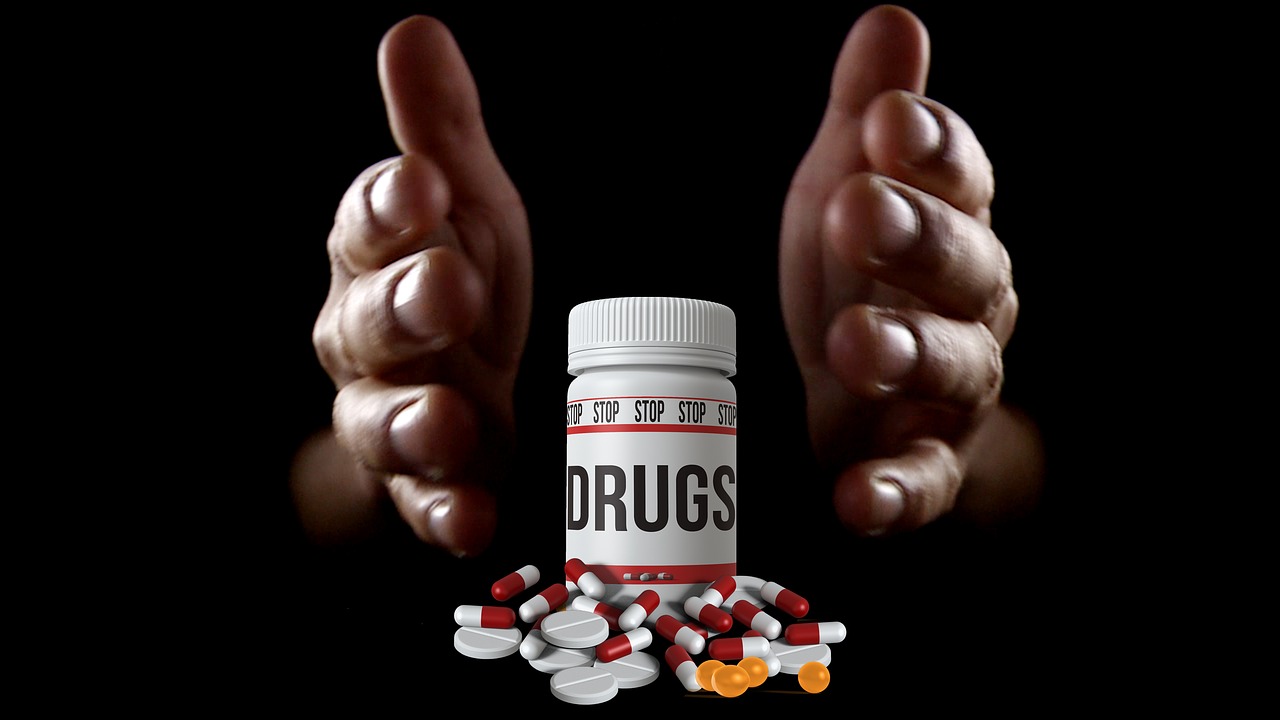
Drugs.

Drug Addiction. 
Photo courtesy of Pixabay.

Finding help for a child with a mental illness or drug addiction is difficult.

The question of how you get help for a child with drug addiction, mental illness, or alcoholism comes up frequently. Parents contacted me asking this question. Other therapists and counselors contact me looking for a referral to give their clients. The answers to these questions depend on a lot of factors and are never easy. My answer to the question of how to get help for a child typically begins with me asking some questions to gather more information. No one answer is right for everyone.

How old is your child who has the addiction?

If your child is under 18, you theoretically have not only control over the child but also the responsibility to act. Getting help for a child under 18 often is a parenting question. How do you get your child to go to school? Or how do you get your child to go to bed at night or eat their broccoli? For young children, you use discipline, that mixture of reward and punishment that shapes children’s behavior. Send them for treatment and make sure they go.

What if the child with an addiction is over 18?

I know if you are a parent you never stop thinking of your offspring as your child. The reality of the situation is that once they turn 18, you have very limited options to control their behavior. You may not like the person they want to have children with, the job they choose, or the chemicals they select to put into their bodies. Once they turn 18, you can only help them if they want to be helped, and even then, you need to be careful about the help you offer.

Does your addicted adult child want help with their addiction?

If the child says no to drug treatment than the only things you can do are hope, pray, and wait for the opportunity to be helpful. The only way adults are forced into drug treatment is by being arrested, and court-ordered into treatment. You can hope that your adult child with an addiction, encounters law enforcement or child protective services and is required to get drug treatment. Trying to force this by calling the police on your child is likely to backfire causing them to sever their relationship with you and maybe delaying them getting into treatment.

You should avoid enabling your adult addicted child to continue using.

A lot of parents offer their children with an addiction all kinds of help. You might let them live with you until they steal things to sell for drug money. You might feed them or pay their rent. Anything you do financially to help them carries the risk that it just frees up more money for them to use to support their drug habit.

Should you pay for your adult child to go into rehab?

Addiction is characterized by being a chronic, relapsing, and often fatal disease. One episode in rehab may not result in arresting the disease of addiction. I’ve seen families spend everything they have putting an adult addicted child into rehab only to have them walk out of treatment early or relapse shortly after the treatment episode. If you have lots of money, sending them to a month-long rehab at the beach may be an option. But think of how many famous people have gone through repeated expensive episodes of rehab.

If you do decide to pay for your child’s rehab, spend the smallest amount possible because you’re likely to have to do it more than once. If your adult child has medical insurance, have them contact their insurance carrier.

Remember that even if you write the check to the rehab facility your child is an adult child, and that facility can’t tell you anything without your child’s permission. It can be very frustrating to parents whose child has an addiction to find that because of confidentiality the treatment provider can’t tell you anything even after you paid for treatment. Even if you get your child to sign a consent to release information form, at any moment they can revoke that release.

What resources are available if your adult addicted child says they want help?

The simplest resource to use is self-help groups, Alcoholics Anonymous, or Narcotics Anonymous. There are meetings in almost every town, and there is no charge for their services.

You can also suggest you adult addicted child contact the local county behavioral health services. They can refer you to agencies that treat addiction in your county. Some of these agencies are low-cost or are funded by the County; others may accept medical insurance or have sliding fee scales.

Some private therapists and counselors specialize in treating clients with co-occurring disorders, both a mental illness and substance use disorder. Individual therapy is likely to be expensive. The therapist must pay for the office, and you’re buying an hour of their time. Going once a week to see a therapist will not result in an end to their addiction if they continue to use drugs between sessions.

Treating addiction is not a short-term process. Because of their using drugs over a long period the brain appears to change its default setting and the brain of the addict will continue to demand drugs long after the substances are out of the body. For most people, recovery from addiction is a long-term process requiring both treatment and the development of a support system that encourages the addict in recovery to stay sober.

What about interventions?

There used to be a lot of interventions. You still see TV shows about interventions. My experience has been that doing interventions has been a lot less effective than we would have hoped. Many people who are addicted refused to go into treatment. This can often lead to angry confrontations and an end to the relationship. For an intervention to work you also need to be able to get the addict into treatment immediately. Even a one-day delay can result in them changing the mind and not going into treatment. Unless you can pay for the treatment privately or are paying for their medical insurance you may not be able to reserve a bed in a rehab facility for an adult child.

So, what is your best option for getting an adult addicted child into treatment? Have an honest talk with them. Offer to be emotionally supportive but don’t enable their continued drug use. Expect to have to be patient until they are ready to go for treatment. A first step in the direction of recovery may be to agree to go with them to a 12-step self-help group.

I hope that it answered some of the questions. Feel free to leave a comment or use the contact me form if you’d like more information.

Staying connected with David Joel Miller

Seven David Joel Miller Books are available now!

My newest book is now available. It was my opportunity to try on a new genre. I’ve been working on this book for several years, but now seem like the right time to publish it.

Story Bureau.

Story Bureau is a thrilling Dystopian Post-Apocalyptic adventure in the Surviving the Apocalypse series.

Baldwin struggles to survive life in a post-apocalyptic world where the government controls everything.

As society collapses and his family gets plunged into poverty, Baldwin takes a job in the capital city, working for a government agency called the Story Bureau. He discovers the Story Bureau is not a benign news outlet but a sinister government plot to manipulate society.

Bumps on the Road of Life. Whether you struggle with anxiety, depression, low motivation, or addiction, you can recover. Bumps on the Road of Life is the story of how people get off track and how to get your life out of the ditch.

Dark Family Secrets: Doris wants to get her life back, but small-town prejudice could shatter her dreams.

Casino Robbery Arthur Mitchell escapes the trauma of watching his girlfriend die. But the killers know he’s a witness and want him dead.

Planned Accidents  The second Arthur Mitchell and Plutus mystery.

Letters from the Dead: The third in the Arthur Mitchell mystery series.

What would you do if you found a letter to a detective describing a crime and you knew the writer and detective were dead, and you could be next?

Sasquatch. Three things about us, you should know. One, we have seen the past. Two, we’re trapped there. Three, I don’t know if we’ll ever get back to our own time.

For these and my upcoming books; please visit my Author Page – David Joel Miller

Want the latest blog posts as they publish? Subscribe to this blog.

For videos, see: Counselorssoapbox YouTube Video Channel
Thankful.

Sunday Inspiration.     Post by David Joel Miller.

Thankful

Thankful.
Photo courtesy of Pixabay.com

Thankful.

“Be thankful for what you have; you’ll end up having more. If you concentrate on what you don’t have, you will never, ever have enough”

― Oprah Winfrey

“Cultivate the habit of being grateful for every good thing that comes to you, and to give thanks continuously. And because all things have contributed to your advancement, you should include all things in your gratitude.”

― Ralph Waldo Emerson

“Let us rise up and be thankful, for if we didn’t learn a lot at least we learned a little, and if we didn’t learn a little, at least we didn’t get sick, and if we got sick, at least we didn’t die; so, let us all be thankful.”

― Gautama Buddha

Wanted to share some inspirational quotes with you.  Today seemed like a good time to do this. If any of these quotes strike a chord with you, please share them.

Look at these related posts for more on this topic and other feelings.

Emotions and Feelings.

Inspiration

The one absolute rule for writing a book.

By David Joel Miller, MS, Writer.

Man writing

Writing.
Photo courtesy of Pixabay.com

It’s not a book until you type “The End.”

The process of writing a book is a lot like running a marathon. Beginning runners spend a lot of time training. Lots of people talk about someday running a marathon, but the number of people who finish one is much smaller. An immense quantity of manuscripts never become books.

No matter what you are telling yourself, that thing you’re calling your book, it will never be a book until you get done writing it. I know this firsthand. Stored away in my digital attic are scads of unfinished manuscripts. So far none of them have turned into books. They never will unless I take that big step and finish them. No matter what you have been told, the essential step in writing a book is starting at the beginning and writing all the way to the end. Do whatever you have to do to reach the end.

There are lots of abandon partial books in drawers.

Everyone who aspires to become a writer probably has many writing projects sitting in drawers or in digital storage. For some of those manuscripts that’s a good thing. If a writing project doesn’t work out, you may be better off abandoning it.

There’s a world of difference between writing and being a writer. Writers finish things. In my mind, I also distinguish writers and authors. Authors send their works out into the world like children who, for better or worse, have grown up and need to make it on their own. Authors publish what they write.

I made the transition from writer to author when I push that publish button for my first blog post. It has given me a great deal of enjoyment to see three of my books so far released. I elected to self-publish. Eventually, I want to write about my decision to become an indie author rather than submit my books to a traditional legacy publisher.

It’s possible my writing would have gotten better by taking the time to learn to submit to traditional publishers and go through that process. The best part about the indie route is I got to physically hold my book in my hand, rather than wonder if my descendants will get to do that after I’m gone.

Being perfect is the enemy of a finished book.

Trying to make something perfect can get in the way of ever finishing the project. Every semester I assign my students the task of writing a paper. As beginning students, I don’t expect any of these papers to be masterpieces, though some are remarkably well done. Unfortunately, each semester some students keep revising their papers but never turn them in. A few students turn them in late, and others don’t turn them in at all. Most of them would’ve gotten better grades if they had turned their report in on time, perfect or not.

It’s possible that the books I’ve written would’ve been better had I rewritten them several more times, but the risk was that I would never move on and begin work on the next book. So far, those people who have left me reviews have been positive about my efforts.

Even if your book is not perfect, eventually you must send your children out into the world to make it on their own.

It requires more than one date to create a relationship.

When I first started writing, I thought I could produce a passable result the first time. The result was that my early blog posts, written late at night and published immediately, contained a lot more errors than I would’ve liked.

I’ve learned that no matter how happy I am with something I write, it needs to sit for a while, and then I need to reread it and make corrections. Occasionally someone falls in love at first sight, that’s usually more lust at first sight, but the odds of a good relationship are a lot better if you get to know the person first. Spending additional time on your writing project makes them better.

That first draft was probably awful.

Each successive book I’ve written has required more drafts. I think that’s a good thing. The first draft, sometimes called the down-draft, is a result of you trying to get the story all down on paper. If you attempt to edit it too much as you write, you’ll never get to the end. You can’t start the second draft until you finish the first. Each successive version should get better. In the second draft, you fix big, glaring problems. Later drafts involve smaller and smaller polishing efforts. Unfortunately, every draft also includes discovering some additional typos and spelling mistakes.

Whatever you’re trying to write, the absolute rule must be, finished that piece you’re working on. Thanks for letting me share a part of my writing journey with you. Next week another segment of my writing experience.

You’ll find more posts on this topic under – Writing.

Staying connected with David Joel Miller

Seven David Joel Miller Books are available now!

My newest book is now available. It was my opportunity to try on a new genre. I’ve been working on this book for several years, but now seem like the right time to publish it.

Story Bureau.

Story Bureau is a thrilling Dystopian Post-Apocalyptic adventure in the Surviving the Apocalypse series.

Baldwin struggles to survive life in a post-apocalyptic world where the government controls everything.

As society collapses and his family gets plunged into poverty, Baldwin takes a job in the capital city, working for a government agency called the Story Bureau. He discovers the Story Bureau is not a benign news outlet but a sinister government plot to manipulate society.

Bumps on the Road of Life. Whether you struggle with anxiety, depression, low motivation, or addiction, you can recover. Bumps on the Road of Life is the story of how people get off track and how to get your life out of the ditch.

Dark Family Secrets: Doris wants to get her life back, but small-town prejudice could shatter her dreams.

Casino Robbery Arthur Mitchell escapes the trauma of watching his girlfriend die. But the killers know he’s a witness and want him dead.

Planned Accidents  The second Arthur Mitchell and Plutus mystery.

Letters from the Dead: The third in the Arthur Mitchell mystery series.

What would you do if you found a letter to a detective describing a crime and you knew the writer and detective were dead, and you could be next?

Sasquatch. Three things about us, you should know. One, we have seen the past. Two, we’re trapped there. Three, I don’t know if we’ll ever get back to our own time.

For these and my upcoming books; please visit my Author Page – David Joel Miller

Want the latest blog posts as they publish? Subscribe to this blog.

For videos, see: Counselorssoapbox YouTube Video Channel

.

Veteran.

Sunday Inspiration.     Post by David Joel Miller.

Veteran

Veteran.
Photo courtesy of Pixabay.com

Veteran.

“Honor to the soldier and sailor everywhere, who bravely bears his country’s cause. Honor, also, to the citizen who cares for his brother in the field and serves, as he best can, the same cause.”

― Abraham Lincoln

“The nicest veterans…the kindest and funniest ones, the ones who hated war the most, were the ones who’d really fought.”

― Kurt Vonnegut, Slaughterhouse-Five

“We all thought Richmond, protected as it was by our splendid fortifications and defended by our army of veterans, could not be taken. Yet Grant turned his face to our Capital, and never turned it away until we had surrendered. Now, I have carefully searched the military records of both ancient and modern history, and have never found Grant’s superior as a general. I doubt that his superior can be found in all history.”

― Robert E. Lee

Wanted to share some inspirational quotes with you.  Today seemed like a good time to do this. If any of these quotes strike a chord with you, please share them.

Look at these related posts for more on this topic and other feelings.

Emotions and Feelings.

Inspiration

The wounds of war last long after the soldiers return.

By David Joel Miller, MS, Licensed Therapist & Licensed Counselor.

Veterans.

Veterans Day.
Photo courtesy of Pixabay.com

Military parades don’t tell the whole story.

Today is Veterans Day in the United States. Various countries will celebrate their military veterans on other days.

On each of those veteran’s days, there will be parades and speeches and sometimes a lot of saber-rattling on the part of politicians.

It’s appropriate for people who served in the military to be honored today. Some will march in parades, and some will be honored with flags placed on their graves.

What we shouldn’t do is forget about these veterans the other 364 days of the year.

The physical wounds of war have become more pervasive.

The list of wars America has fought continues to grow. They used to be periods of peace between our wars, and we tried to believe that future generations wouldn’t have to fight. Unfortunately, across my lifespan, the periods of peace have grown shorter. We have reached the point where Americans have been fighting somewhere in the world continuously for the longest time in American history.

Many of the physical wounds of war today’s soldiers endure, traumatic brain injury, for example, are much more common today than they were in the past. It’s fashionable to spend money and manpower to win a war. It is a much lower priority to spend money and effort caring for the wounded warriors of America’s many conflicts across the remainder of these veteran’s lifespan.

The invisible wounds of war appear more common now than before.

PTSD and other psychological injuries are more common among today’s veterans than they were in past generations. At least that’s what the statistics tell us. It’s very likely that many cases of PTSD went unrecognized or underrecognized among veterans of World War II and Vietnam. It’s also probable that the more protracted wars, more frequent deployments, and the changing nature of warfare has made PTSD more common than it was before.

Homelessness among veterans remains much higher than it should be.

Politicians are far too willing to appropriate funds for new weapon systems to fight wars then they are to provide adequate resources for treatment and housing of those who have made the sacrifices to fight those wars.

Alcoholism and addiction are an occupational hazard among military veterans.

Medical facilities, particularly the VA, see many patients who are former military and whose medical issues have been caused by or made worse by, untreated alcoholism or drug abuse.

Substance abuse treatment facilities encounter a significant number of former military personnel who have struggled with alcoholism and drug addiction during and after the military service. For some former military personnel, drugs and alcohol have been their way of coping with the traumatic experiences they encounter during their military career.

However you celebrate Veterans Day, I hope during the day of parades, speeches, and ceremonies you don’t lose sight of the long-term personal costs borne by those who served their country, their families and friends, and the rest of our society.

Next week’s post will pick up where we left off in the series of posts about what drug counselors do on the job and the core functions of substance use disorder counselors.

Staying connected with David Joel Miller

Seven David Joel Miller Books are available now!

My newest book is now available. It was my opportunity to try on a new genre. I’ve been working on this book for several years, but now seem like the right time to publish it.

Story Bureau.

Story Bureau is a thrilling Dystopian Post-Apocalyptic adventure in the Surviving the Apocalypse series.

Baldwin struggles to survive life in a post-apocalyptic world where the government controls everything.

As society collapses and his family gets plunged into poverty, Baldwin takes a job in the capital city, working for a government agency called the Story Bureau. He discovers the Story Bureau is not a benign news outlet but a sinister government plot to manipulate society.

Bumps on the Road of Life. Whether you struggle with anxiety, depression, low motivation, or addiction, you can recover. Bumps on the Road of Life is the story of how people get off track and how to get your life out of the ditch.

Dark Family Secrets: Doris wants to get her life back, but small-town prejudice could shatter her dreams.

Casino Robbery Arthur Mitchell escapes the trauma of watching his girlfriend die. But the killers know he’s a witness and want him dead.

Planned Accidents  The second Arthur Mitchell and Plutus mystery.

Letters from the Dead: The third in the Arthur Mitchell mystery series.

What would you do if you found a letter to a detective describing a crime and you knew the writer and detective were dead, and you could be next?

Sasquatch. Three things about us, you should know. One, we have seen the past. Two, we’re trapped there. Three, I don’t know if we’ll ever get back to our own time.

For these and my upcoming books; please visit my Author Page – David Joel Miller

Want the latest blog posts as they publish? Subscribe to this blog.

For videos, see: Counselorssoapbox YouTube Video Channel

For your book to live, you must start writing.

By David Joel Miller, MS, Writer.

Man writing

Writing.
Photo courtesy of Pixabay.com

One obstacle can stop you from writing your book.

The biggest obstacle to the creation of their book most would-be writers face is procrastination.

If you sit and think about your book, talk about how someday you’re going to write a book, but never ever take that first step of writing something down, that idea will rattle around in your head, and eventually your unborn book will perish.

For your dream to become a book, you must record it.

In every field, there are people with grand dreams. For business people, it’s the business they’re going to start someday. For musicians, it is that song they want to write. For people with financial problems, it is the change they’re going to make eventually but never do. People with an addiction are always telling themselves they will quit someday. For writers, it’s always those ideas floating around in their heads that never become a reality.

What stops all these grand visions from becoming a reality is failing to take that first step and transforming those thoughts into something tangible.

Writers must write.

No matter how fabulous your idea for a book is, you will never give birth to that creation until you begin recording your thoughts. The mechanics of how we record thoughts has changed over the millennium. The earliest writings were probably chiseled in the stone, pressed into bricks, or painted on ceramics.

For several thousand years now writing meant recording something with a stylist, a pen or pencil, on paper, or its equivalent. Today writers have the option of typing on a computer, recording their thoughts on an electronic medium, or dictating, and many other possibilities besides writing directly onto paper.

The one thing that hasn’t changed is that it’s not a writing until someone acts and records what they are thinking.

Writing a book requires a commitment.

Your book begins when you write the first page. It’s possible that your first page will be discarded or revised so much that you will not recognize it. But you can’t write the second page until you’ve written the first.

For me the years of wanting to write produced nothing. What shifted me from wishing to having written, was putting down a date on my calendar when I would begin. This year will be my fourth year entering NaNoWriMo. Making the commitment to start writing on November 1 and to continue to write all the way to the end of November results in substantial progress in transforming my ideas into something written.

What results in the finished work is what happens between the end of November and the following year when I start a new project.

Lots of things get in the way of starting your book.

The list of reasons why you haven’t begun to write yet is almost infinite. We each have excuses we give ourselves for why we haven’t started that book we want to write. While the excuses are many, the solution is singular.

If you want to write or create something else, you must start the process of transforming those ideas in your head into something tangible. Write out your business plan. Draw a sketch of the finished project.

Humans are not born as adults, full-grown, and full-sized. It’s not likely that someday you’ll sit down and, in a few hours, type out that book. What is certain is that nothing will happen until you write that first page.

What separates the 10% of people who begin to write a book from the 90% who plan to write a book someday but never do is the simple step of beginning to write.

Is today the day to begin to write your book? Which day on your calendar have you selected as the day that you will start transforming your daydreams into realities?

Today I talked to you about the largest obstacle that prevents potential writers from ever starting that book, next week on my writing Wednesday post, let’s talk about the second obstacle you will face in transforming your idea into a finished book.

Staying connected with David Joel Miller

Seven David Joel Miller Books are available now!

My newest book is now available. It was my opportunity to try on a new genre. I’ve been working on this book for several years, but now seem like the right time to publish it.

Story Bureau.

Story Bureau is a thrilling Dystopian Post-Apocalyptic adventure in the Surviving the Apocalypse series.

Baldwin struggles to survive life in a post-apocalyptic world where the government controls everything.

As society collapses and his family gets plunged into poverty, Baldwin takes a job in the capital city, working for a government agency called the Story Bureau. He discovers the Story Bureau is not a benign news outlet but a sinister government plot to manipulate society.

Bumps on the Road of Life. Whether you struggle with anxiety, depression, low motivation, or addiction, you can recover. Bumps on the Road of Life is the story of how people get off track and how to get your life out of the ditch.

Dark Family Secrets: Doris wants to get her life back, but small-town prejudice could shatter her dreams.

Casino Robbery Arthur Mitchell escapes the trauma of watching his girlfriend die. But the killers know he’s a witness and want him dead.

Planned Accidents  The second Arthur Mitchell and Plutus mystery.

Letters from the Dead: The third in the Arthur Mitchell mystery series.

What would you do if you found a letter to a detective describing a crime and you knew the writer and detective were dead, and you could be next?

Sasquatch. Three things about us, you should know. One, we have seen the past. Two, we’re trapped there. Three, I don’t know if we’ll ever get back to our own time.

For these and my upcoming books; please visit my Author Page – David Joel Miller

Want the latest blog posts as they publish? Subscribe to this blog.

For videos, see: Counselorssoapbox YouTube Video Channel

Intake – a core drug counselor function.

By David Joel Miller, MS, Licensed Therapist & Licensed Counselor.

Counseling questions

Counseling questions.
Photo courtesy of Pixabay.com

Intake involves a lot of paperwork.

Getting a client signed up for a drug treatment program involves a lot of paperwork that needs to be completed before the counseling can begin. Drug counselors need to know how to do this function, although the exact paperwork they will have to do can vary a great deal from program to program. Many treatment agencies now use computerized systems. As the counseling field shifts towards more electronic records, more of the intake paperwork will end up on the computer. Some systems now include electronic signature pads that will capture the client’s signature onto the electronic file.

Some of this paperwork part can be done by office staff. Larger drug treatment programs may have one person assigned to do the intake paperwork. There are some advantages to having the primary counselor, the one the client will see the client throughout treatment, do the intake. When the client first comes into drug treatment, they are likely to be anxious and uncertain. Developing a relationship, establishing rapport, is an essential part of what staff at a drug treatment program must do. It’s easier to build up a rapport when the client sees the same person throughout treatment.

Informed consent is a required part of treatment.

Informed consent is not a separate specific drug counselor function, but it should be incorporated into all the intake paperwork as part of the legal and ethical responsibilities of a counselor. Fees need to be discussed during the first session the staff spends with the client.

Limits of confidentiality and the exceptions to them, need to be explained to the client. What information will the program keep confidential and what information might be disclosed. Drug counseling has an extremely high requirement for confidentiality. Drug counselors should not even confirm or deny that someone is in their program.

Drug counselors are mandated reporters who must report clients who are a danger to themselves or others. They also are required to report abuse of the child, an elderly, or a disabled person. In some jurisdictions, they may be required to report clients who view child pornography. All these exceptions to confidentiality need to be explained to the client during the intake process.

Because so many clients are referred to drug treatment by the criminal justice system, parole probation, or the courts, more of the client’s information may be divulged than might happen in mental health counseling.

As part of the evidence that you did informed consent, the client will be required to sign a form called either a consent for treatment or a treatment agreement.

Consent to release information forms.

If any information about a client will be released to an outside party, a specific form called a consent for release of information should be filled out and signed by the client. These forms are often referred to by counselors as “releases.” Most releases can be revoked by the client, which must be done in writing if they decide they want the drug program to stop releasing information. One exception to this right to revoke consent to release information is the “criminal justice consent form.”

If the criminal justice system has sent a client to your program, they will require information about that client. If the client does not wish to sign a release of information, you will not be able to admit that client to your program. Clients who attend a drug treatment program without signing a release for the criminal justice system will not have met their legal requirements for a court-mandated program.

Financial forms are part of drug counseling intakes.

For most programs, someone is paying for treatment. If it’s insurance, then there will be insurance forms to fill out. If the treatment is paid for by the criminal justice system or the child protective services, there will be other forms they will need to fill out. Clients who self-pay will still need to fill out a financial agreement.   Some programs have a sliding scale fee agreement for low-income clients. Providing financial information and filling out additional forms may be a part of qualifying for these reduced fees.

HIPPA notice of privacy practices.

Almost all programs nowadays are “covered entities” and must follow the HIPPA regulations. The counselor needs to give the client a notice of privacy practices and have the client sign a form saying they received this information.

Demographic information.

Clients need to provide the program with their demographic information. You need to know who it is you’re working with. It’s good practice to have an address and phone number for this client. This form might also next of kin.

Consent to follow-up.

Some programs do follow-up studies to see how effective their treatment is. Studying the results of treatment may be a condition of receiving funding from grants or contracts with governmental agencies. It’s a good practice to have written permission to follow-up, signed at the time of intake. You should also make sure you know how you are allowed to contact the client. If the phone number they gave you is a work phone, they may not want you calling there for follow-up.

Program rules or expectations.

During the intake, the counselor may give the client rules, a form about client rights and responsibilities, and other information about the program. Some programs do this after the intake as part of a separate step referred to as the core function of orientation. More about orientation in an upcoming post.

There are a wide variety of other forms used by various treatment programs. Most of these forms have been created by the individual treatment program.

Assessment may take place during intake.

Assessment means different things in different contexts. Assessment is considered a separate drug counselor function and it’s a skill that counselors need to learn and to practice. Assessment may take place during the initial intake. Some programs will schedule a separate appointment for the assessment. Assessment functions as the bridge between the first domain which involves getting clients into treatment, and the second domain which is the work the counselor will do in creating a comprehensive recovery plan.

In our next installment of this “what do drug counselors do and how do they do it” series we will look at the core counselor function of assessment.

For more on the drug counselor domains and the core functions see John W. Herdman’s book Global Criteria; the 12 Core Functions of the Substance Abuse Counselor

Staying connected with David Joel Miller

Seven David Joel Miller Books are available now!

My newest book is now available. It was my opportunity to try on a new genre. I’ve been working on this book for several years, but now seem like the right time to publish it.

Story Bureau.

Story Bureau is a thrilling Dystopian Post-Apocalyptic adventure in the Surviving the Apocalypse series.

Baldwin struggles to survive life in a post-apocalyptic world where the government controls everything.

As society collapses and his family gets plunged into poverty, Baldwin takes a job in the capital city, working for a government agency called the Story Bureau. He discovers the Story Bureau is not a benign news outlet but a sinister government plot to manipulate society.

Bumps on the Road of Life. Whether you struggle with anxiety, depression, low motivation, or addiction, you can recover. Bumps on the Road of Life is the story of how people get off track and how to get your life out of the ditch.

Dark Family Secrets: Doris wants to get her life back, but small-town prejudice could shatter her dreams.

Casino Robbery Arthur Mitchell escapes the trauma of watching his girlfriend die. But the killers know he’s a witness and want him dead.

Planned Accidents  The second Arthur Mitchell and Plutus mystery.

Letters from the Dead: The third in the Arthur Mitchell mystery series.

What would you do if you found a letter to a detective describing a crime and you knew the writer and detective were dead, and you could be next?

Sasquatch. Three things about us, you should know. One, we have seen the past. Two, we’re trapped there. Three, I don’t know if we’ll ever get back to our own time.

For these and my upcoming books; please visit my Author Page – David Joel Miller

Want the latest blog posts as they publish? Subscribe to this blog.

For videos, see: Counselorssoapbox YouTube Video Channel

Wisdom.

Sunday Inspiration.     Post by David Joel Miller.

Wisdom.

Wisdom.
Photo courtesy of Pixabay.com

Wisdom.

“No one can make you feel inferior without your consent.”

― Eleanor Roosevelt, This is My Story

“Whenever you find yourself on the side of the majority, it is time to reform (or pause and reflect).”

― Mark Twain

“Knowing yourself is the beginning of all wisdom.”

― Aristotle

“The only true wisdom is in knowing you know nothing.”

― Socrates

It’s amazing the number of wonderful quotes about wisdom. With all these great quotes why does wisdom seem to be in such short supply these days?

Wanted to share some inspirational quotes with you.  Today seemed like a good time to do this. If any of these quotes strike a chord with you, please share them.

Look at these related posts for more on this topic and other feelings.

Emotions and Feelings.

Inspiration

National Novel Writing Month (NaNoWriMo) starts tomorrow.

By David Joel Miller, MS, Writer.

Man writing

Writing.
Photo courtesy of Pixabay.com

NaNoWriMo is a way to grow as an author.

The National Novel Writing Month is a mixture of competition and un-competition. During this month aspiring authors attempt to write an entire novel, a novel of at least 50,000 words, during the 30 days of November. That works out to 1667 words per day average. Each participant is competing with themselves to see if they can take an idea and turn it into a finished novel in 30 days. In the spirit of un-competition, anyone who completes their novel is considered a “winner.”

My experiences with NaNoWriMo.

I first heard about NaNoWriMo about 2010. The following year, 2011, I made my first attempt. That ill-fated attempt stalled somewhere around 5000 words. The remnants of that manuscript still reside in the ancient recesses of my computer’s hard drive. While that particular story has not yet emerged into the light of day the lessons learned put me on the path towards becoming a better writer.

For the next few years, life happened. Then in 2016, I took another try at completing a novel in the 30-day time span. This time I was able to complete the project. That book, initially with the working title “thrift store” took two more years to revise and edit before it was published in late 2017. That manuscript spurred by NaNoWriMo grew from the original 50,000 words to over 80,000 and the title shifted to Casino Robbery, my first published novel.

Because of that accomplishment, I pulled out another one of my partially finished novels, and earlier this year that manuscript now revised, edited, and retitled, ended up being published as my second novel “Sasquatch.”

In November of 2017 during NaNoWriMo, I started and finished a novel with the working title “Family Secrets.” Over the last year “Family Secrets” has been revised and edited several times. Sometime in the spring of 2019, I hope to publish that novel. It is possible that “Family Secrets” may be the first of my novels to make it through the entire process while retaining its original title.

How did I go about writing 50,000 words in one month?

One of the lessons NaNoWriMo has taught me was the importance of setting deadlines. I have many incomplete books, both fiction and nonfiction, stored away on the hard drive still not finished, some going back 20 years. None of them were ever completed because there was always a busy life and the next shining project getting in the way.

Once I learned to make meeting the deadline my highest priority, at least for that limited period, things started happening. This process has worked for me in writing the first draft, revising, and for finally pushing the publish button. I could have drawn each of these tasks out over more time but having a deadline on my calendar forced me to finish a project so that I could check that one off, and I would be ready to start on another project next month.

October is my time for preparation for NaNoWriMo.

I didn’t want to cheat myself out of the full experience of writing a novel in 30 days. Not that anyone else would’ve known if I had jumped the gun and started writing early, but I would’ve known. So, I don’t begin to write until November 1. What I do allow myself to do before that date is preparation.

The two books that were finished during NaNoWriMo had some similar features. I thought about the general idea, started making some notes, and selected a working title knowing that title might change. I try to prepare an outline, though it is never in any fine detail. As ideas come for events, scenes if you will, I digitally jot them down. As the scene list grows, I rearrange the order.

When I start to write its very likely new ideas will occur to me, and they will get inserted in my list of events wherever they fit. I’m also likely to find that some of the things I initially thought would be separate scenes all get used in a single chapter.

Another thing I try to have planned before November first is a list of the characters, their names, and a brief description of them. If I’m using a specific location, I may do a little research and write some notes on that location. None of this advanced preparation is firm. Once November 1 arrives, everything is subject to change.

So, what am I planning to write for NaNoWriMo this year?

This year’s novel has the working title “Planning Accidents.” It will be the second adventure for Arthur Mitchell, the protagonist from my first novel Casino Robbery. For the first time this year, I created a cover that I can use for the e-book edition of “Planning Accidents.”

If you’ve ever thought about writing a novel, then NaNoWriMo this November, might be just the encouragement you need to get that first draft written. I’d love to hear your thoughts and comments about writing. If you have questions for me, please send them along. I’ll get back to everyone just as quickly as possible, though as you can see for the next month, I am likely to be extremely busy.

Staying connected with David Joel Miller

Seven David Joel Miller Books are available now!

My newest book is now available. It was my opportunity to try on a new genre. I’ve been working on this book for several years, but now seem like the right time to publish it.

Story Bureau.

Story Bureau is a thrilling Dystopian Post-Apocalyptic adventure in the Surviving the Apocalypse series.

Baldwin struggles to survive life in a post-apocalyptic world where the government controls everything.

As society collapses and his family gets plunged into poverty, Baldwin takes a job in the capital city, working for a government agency called the Story Bureau. He discovers the Story Bureau is not a benign news outlet but a sinister government plot to manipulate society.

Bumps on the Road of Life. Whether you struggle with anxiety, depression, low motivation, or addiction, you can recover. Bumps on the Road of Life is the story of how people get off track and how to get your life out of the ditch.

Dark Family Secrets: Doris wants to get her life back, but small-town prejudice could shatter her dreams.

Casino Robbery Arthur Mitchell escapes the trauma of watching his girlfriend die. But the killers know he’s a witness and want him dead.

Planned Accidents  The second Arthur Mitchell and Plutus mystery.

Letters from the Dead: The third in the Arthur Mitchell mystery series.

What would you do if you found a letter to a detective describing a crime and you knew the writer and detective were dead, and you could be next?

Sasquatch. Three things about us, you should know. One, we have seen the past. Two, we’re trapped there. Three, I don’t know if we’ll ever get back to our own time.

For these and my upcoming books; please visit my Author Page – David Joel Miller

Want the latest blog posts as they publish? Subscribe to this blog.

For videos, see: Counselorssoapbox YouTube Video Channel

What is the counselor function of screening?

By David Joel Miller, MS, Licensed Therapist & Licensed Counselor.

What is

What is the counselor function of screening?
Photo courtesy of Pixabay.

Screening means two different things in drug counseling.

Drug counselors are often required to “screen” clients.

That doesn’t mean they’re looking for reasons to turn people away, but sometimes screening can result in someone not being admitted to the program.

During their career counselors will be called upon to do two very different types of screening.

Both types of screening can be done in mental health systems though I have never heard these things called screening except in substance abuse counseling.

Screening can be used to detect a problem.

Counselors sometimes use “screens” to detect a problem. In medical settings, they might screen for high blood pressure. Drug counselors sometimes set up informational booths or attend public events and ask people a series of questions designed to find out whether that person has a problem with drugs or alcohol.

These kinds of screenings are mostly informational. One common screening tool is the “CAGE” instrument. The CAGE is a series of four questions that can be asked to detect a problem with alcohol. This screen can be administered by the counselor or could be a checklist given the person to be screened. In this screen, a yes to any one of these four questions indicates that the person needs further assessment for a possible alcohol problem.

Because of screenings, people may be referred to their primary care doctor, self-help program, or professional drug treatment.

The second type of screening happens when a drug program admits someone.

People don’t usually show up at the cancer center wanting to try chemotherapy even though they don’t have cancer. People do sometimes turn out for a drug treatment program that doesn’t meet their needs. People who are homeless may try to get into a residential drug program even though they don’t have a drug problem because they need a place to stay and food to eat.

Sometimes a lawyer has told the client they need to get into counseling. Maybe they’re going to court for a DUI or domestic violence charges. They want to sign up for a program, so they have something to show the judge when they go to court. Now if they really have a drug problem that would be appropriate. But if they need an anger management program or domestic violence program, the drug counselor should not be signing them up for drug treatment.

During intake, the counselor will be asking questions to find out if this person has a substance use disorder. Some programs specialize in a particular type of treatment. Someone with an opiate or methamphetamine use disorder would not be appropriate for a drunk driving program.

Some programs are residential; some are outpatient. You don’t want to put someone with a full-time job into a residential treatment program they won’t be able to attend. A man would not be admitted to a women’s only program. If the client does not speak English and you have no staff speaking their language, you either must be able to provide an interpreter or referred them to a program that provides services in their language. You shouldn’t put an adult in a program for adolescents or a teenager in an all adult program.

During intake, the question the counselor is asking themselves is: “Is this client appropriate for our program? Do they have the problem we treat? Are they part of the “population” our program is designed to serve?

If you get no is to any of those questions you won’t be able to admit this client. That does not mean you merely turn them away. Another one of the counselor’s essential functions is to be able to do a thing we call “referrals and linkages” in which you help them access services your agency does not provide. More on that function in another post.

Is this person acceptable to your program?

There might be some reasons why, even though the person has the problem you treat, like drug addiction, and they are part of the population you serve, for example, if this client is a man and your program has groups specifically for men, you may still have to turn them away. Why might someone who is appropriate for your program not be acceptable?

Sometimes this is the question of finances. If you take a specific medical insurance, but the client doesn’t have that kind of insurance, you can’t accept them. If your program is funded by criminal justice, parole, or probation but this client was referred by their doctor for a medical problem you might not be able to accept them.

If your program treats women and children, you may not be able to admit the client with a history of convictions for rape or child molestation. A residential drug treatment program may have things in their rules or their insurance requirements that prohibit them from admitting a person with a history of convictions for arson. You must be careful not to create so many rules that you screen out all people in need of treatment, but there may be certain people that you will not be able to admit to your program.

The screening part of intake boils down to two questions.

  1. Is this client appropriate for the kind of treatment you offer?
  2. Is this client acceptable under the rules of your program or is there some reason you can’t admit them?

Treatment begins with your first contact with the client.

Sometimes clients call, and sometimes they come in person. From the moment they make the first contact, the whole course of treatment takes shape. This is why it’s crucial for the people at your front desk or who answer the phone to be knowledgeable about your program and to be engaging.

Screening could happen during that first contact even if it’s on the phone or it may take place at your first face-to-face meeting in the office. It’s imperative that if you can’t provide the needed services, you can give them a referral. You may have potential legal liability if someone calls and is suicidal and you don’t refer them for appropriate treatment.

Once the screening is completed, whether it happened on the phone or in person, the next step in the process of getting someone into treatment is the intake. In our next post let’s look at all that paperwork that needs to be done during intake.

For more on the drug counselor domains and the core functions see John W. Herdman’s book Global Criteria; the 12 Core Functions of the Substance Abuse Counselor,

Staying connected with David Joel Miller

Seven David Joel Miller Books are available now!

My newest book is now available. It was my opportunity to try on a new genre. I’ve been working on this book for several years, but now seem like the right time to publish it.

Story Bureau.

Story Bureau is a thrilling Dystopian Post-Apocalyptic adventure in the Surviving the Apocalypse series.

Baldwin struggles to survive life in a post-apocalyptic world where the government controls everything.

As society collapses and his family gets plunged into poverty, Baldwin takes a job in the capital city, working for a government agency called the Story Bureau. He discovers the Story Bureau is not a benign news outlet but a sinister government plot to manipulate society.

Bumps on the Road of Life. Whether you struggle with anxiety, depression, low motivation, or addiction, you can recover. Bumps on the Road of Life is the story of how people get off track and how to get your life out of the ditch.

Dark Family Secrets: Doris wants to get her life back, but small-town prejudice could shatter her dreams.

Casino Robbery Arthur Mitchell escapes the trauma of watching his girlfriend die. But the killers know he’s a witness and want him dead.

Planned Accidents  The second Arthur Mitchell and Plutus mystery.

Letters from the Dead: The third in the Arthur Mitchell mystery series.

What would you do if you found a letter to a detective describing a crime and you knew the writer and detective were dead, and you could be next?

Sasquatch. Three things about us, you should know. One, we have seen the past. Two, we’re trapped there. Three, I don’t know if we’ll ever get back to our own time.

For these and my upcoming books; please visit my Author Page – David Joel Miller

Want the latest blog posts as they publish? Subscribe to this blog.

For videos, see: Counselorssoapbox YouTube Video Channel

.