
More depression these days?

By David Joel Miller, MS, Licensed Therapist & Licensed Counselor.

Depressed person

Depression.
Photo courtesy of Pixabay.com

Is there more depression now than they used to be?

More anxiety? More ADHD or PTSD? In fact, could we say there are more diseases like cancer now than in the past? Is the increase in disorders the result of chemicals or toxins or something else?

Let me be radical and suggest something here. Now remember I am coming at this from a therapist’s, this therapist’s to be more precise, viewpoint. I am not a medical researcher and I do not have data to back up this viewpoint, though I can cite some authorities in those fields who seem to explain this issue.

There are probably less of most diseases than ever before! Does that surprise you?  What has changed is the salience of diseases. Salience is a new word, relatively. It first started being used in 1836. FYI the word allergy did not make the dictionaries till much later. Before 1900 presumably, no one had allergies because there was no word in the dictionary for this. Lots of people had hay fever though. So does changing the word for something change the number of people diagnosed with a condition, yes. Does changing a name alter the amount of human suffering, I think not. What about mental illnesses and depression in particular?

The ancient Greek writers talked about bile and humors. One-color made you sad and depressed another made you overactive and impulsive. The descriptions remind me of depression and mania. I suspect there was a lot of depression during the great ice age but they didn’t blog about it.

Sapolsky tells us that one reason for the increase of certain disorders is that we are living longer.  When the average lifespan of Americans was 40, most people did not live long enough for us to worry about cancer or Alzheimer’s. Many of our current physical health issues are the result of people living long enough to be diagnosed with diseases of old age. For the record, they may not have had Alzheimer’s way back when but my great-grandmother died of senile dementia. Not sure what the difference is but I want to live long enough to find out.

When half the people in town die one summer from the black plague no one worries about the person who killed themselves as a result of depression.

Depression is a new name. In older books, they wrote about Melancholy (literally black bile.) But that disorder was usually reserved for the upper or aristocratic class. Poor people were too busy dying of dysentery and milk sickness to live long enough to be depressed.

If you read journals of the early American settlers you would find plenty of stories about suffering, just back then we all accepted suffering as inevitable, just part of God’s will. People began to distrust that bad things might be part of some higher powers plan and started thinking that we just might be able to reduce human suffering without challenging the power of the Almighty. Then we started looking for cures to conditions that might have been considered normal in the past.

Until this last century, we thought mental illness was incurable. There were only two choices, pray over them and hope or chain them to the wall. Then we discovered that there were medications that could turn previously “crazy” people into functioning members of society.  This discovery took mental illness out of the demon possession category and moved it over into the treatable illness category.

There are still some people, politicians mostly, that think that people with mental illnesses are faking it to get out of work and just need to snap out of their disorder.  Other times they will tell you that these people are really just criminals and need to be locked up. There are lazy people and there are criminals for sure, but that is a different group than the mentally ill, though sometimes a person can have two or three conditions.

For sure there are toxins and environmental hazards. Some of these things have increased the rates of specific illnesses. But I can’t blame them for depression or anxiety.

The last century was a turning point in the fight to control diseases. We began to use antibiotics, vaccines and now we have advanced diagnoses and treatment. The next century holds promise for the integration of mental and emotional disorders into the mainstream of care. Let’s hope that the increased awareness and detection of mental health and substance abuse disorders increases society’s willingness to tackle these sources of human suffering.

So for the record, I don’t think there is significantly more depression or more of most other diseases. The numbers of people diagnosed with a particular illness do go up and down. But as we are able to see them, the diseases become more important. But isn’t ending suffering, both physical and mental a part of having a happy life?

Staying connected with David Joel Miller

Seven David Joel Miller Books are available now!

My newest book is now available. It was my opportunity to try on a new genre. I’ve been working on this book for several years, but now seem like the right time to publish it.

Story Bureau.

Story Bureau is a thrilling Dystopian Post-Apocalyptic adventure in the Surviving the Apocalypse series.

Baldwin struggles to survive life in a post-apocalyptic world where the government controls everything.

As society collapses and his family gets plunged into poverty, Baldwin takes a job in the capital city, working for a government agency called the Story Bureau. He discovers the Story Bureau is not a benign news outlet but a sinister government plot to manipulate society.

Bumps on the Road of Life. Whether you struggle with anxiety, depression, low motivation, or addiction, you can recover. Bumps on the Road of Life is the story of how people get off track and how to get your life out of the ditch.

Dark Family Secrets: Doris wants to get her life back, but small-town prejudice could shatter her dreams.

Casino Robbery Arthur Mitchell escapes the trauma of watching his girlfriend die. But the killers know he’s a witness and want him dead.

Planned Accidents  The second Arthur Mitchell and Plutus mystery.

Letters from the Dead: The third in the Arthur Mitchell mystery series.

What would you do if you found a letter to a detective describing a crime and you knew the writer and detective were dead, and you could be next?

Sasquatch. Three things about us, you should know. One, we have seen the past. Two, we’re trapped there. Three, I don’t know if we’ll ever get back to our own time.

For these and my upcoming books; please visit my Author Page – David Joel Miller

Want the latest blog posts as they publish? Subscribe to this blog.

For videos, see: Counselorssoapbox YouTube Video Channel

Best of Blog Recap – January 2012

Counselorssoapbox.com

Thanks to all of you that read this blog. Some of you have been with me from the beginning and some just joined. I appreciate each and every one of you. This month has marked a change in the blog. My original plan was to increase the number of posts from one or so per week to at least three. Along the way, the comments came in both on the blog and off, so did a lot more likes. It is always nice to be liked and to know that what you are trying to do is of interest to someone. As a result, this month I wrote some articles that turned into series and the final result was a lot more than the three a week I had planned on. We will see if time permits me to keep up the writing at this level.

The theme of this blog continues to be – having a happy life. That topic includes issues related to mental health, substance abuse, parenting, recovery, and resiliency.

Here are the top read blogs of the last month.

1. How does therapy help people?

2. Stages of Change – Early action

3. Is relapse a part of recovery?

About the author and Bipolar – misdiagnosed or missing diagnosis? Where close to the top also. Thanks for all your interest.

From the last year the top posts were:

1. How does therapy help people?

2. Treatment for teen’s risky behavior

3. Post Traumatic Stress Disorder – PTSD and bouncing back from adversity

4. 7 “new drugs” parents should be aware of.

Over time lots of you have viewed the home page and “about the author” page also.

Thanks to all my readers for being part of this effort.

Next month we will explore some other topics and see what we come up with.

Till next time, David Jole Miller, LMFT, LPCC.

How many mental illnesses are there?

By David Joel Miller, MS, Licensed Therapist & Licensed Counselor.

Confused brain

Mental illness.
Photo courtesy of Pixabay.com

How many mental illnesses do you know about?

Most people are familiar with a few mental illnesses. We have an official book called the DSM-4-TR which lists all the ones that are currently recognized, but professionals all know that sometime very soon there will be a new list and then this will all change (UPDATE now the DSM-5). Sometimes, as with manic-depressive disorder, we change the way people think about an illness by changing the name. The new name for this is Bipolar Disorder and that lets us start drawing small distinctions between people who get the same diagnosis but their symptoms are so very different. Then there are a lot of things we might call “problems of daily living.” These problems send more people to counseling than most of the well known mental illnesses.

Now in addition to this, there are a lot of things in the back of the DSM (pick an edition here) that are only recognized in a particular culture. There is also a long list of diagnoses suggested for further research, which means some professionals think it should be a disorder and other professionals don’t.

So currently the DSM lists about 400 give or take mental, emotional, or behavioral disorders. Even professionals forget to use all these codes a lot of the time.

When I teach classes in substance abuse counseling, I try to give prospective substance abuse counselors an overview of all these disorders. We don’t expect them to learn to diagnose disorders, just to recognize when a problem might be a mental illness and need a referral to a mental health professional. Here is that very oversimplified way of understanding mental illnesses. We will reduce that list of 400 to about 6. For the rest of the list read the book or better yet go to a professional.

1. Problems of daily living.

These are the most common. That does not mean they are the least important. This includes adjustment disorders and relationship problems. Job loss, breakups, and divorces, and parenting issues are common but they can be fatal. Ever hear of a person going through a divorce who kills themselves or others? These adjustments to life’s changes can throw people for a loop and result in severe disability. They result in the majority of referrals to therapists in private practice. Despite the fact that these problems can cause death, violence, and lots of suffering, not all insurance covers this kind of counseling. Publicly funded programs for adults often require that you actually try to kill yourself before they will treat you. Kids get a break most of the time. We need to make therapy and counseling more available but you knew I would say that. Didn’t you?

2. Anxiety disorders.

Does it surprise you that anxiety is in second place? It would be the first place in those disorders most programs are set up to treat. Lots of anxiety out there. PTSD (Post Traumatic Stress Disorder) is on the rise. Lots of shades of anxiety from phobias like fear of snakes to panic attacks.

3. Mood disorders.

This includes depression, bipolar disorder, and a whole bunch of other labels we use less often. I have written several blog posts on these disorders and how we fail to catch them early. If you feel that you or someone around you have emotions that they can’t control, seek professional help.

4. Substance use disorders.

This includes addiction or substance abuse and dependence as we are now calling it. Some of you will argue that this is not a mental illness. Taking drugs or drinking is a choice right? Well not exactly. Think of substance abuse in the same way we might look at type two diabetes. This has been characterized as a “disease of excess calories.” So if you exercise more and eat less you may not get it. But the truth is that whatever the reason you got it, voluntary or not, once you have it, you have it.

Substance use disorder is like that. It is characterized by an increase in tolerance to a drug, a physical or psychological withdrawal, and a loss of control over the amount the client uses once they start using. Once they get it they need treatment or help to stop.

P.S. on this – in the DSM-5 there is more emphasis on the cravings that go with chemical and behavioral disorders.

5. Psychoses.

Most people would immediately think of a “paranoid schizophrenic” as an example of this. That would be wrong. Most people would also have started the list with this one. People think psychosis is a lot more common than it is. For the record, there are lots of psychoses other than Schizophrenia. Not all paranoids have schizophrenia by the way, and not all people with schizophrenia are paranoid.

Psychosis is a distortion of reality, sometimes referred to as a loss of touch with reality. That sounds more like a politician than a mentally ill person to me.

6. Problems of kids and growing up.

Things like developmental delays and mental retardation show up most often before a child goes to school. Learning disabilities and ADHD get diagnosed in the early grades and behavioral problems get diagnosed in middle school most often. This is not because these problems develop then but because as the child ages our expectations of them change and we notice different problems. Autism, Asperger’s Disorder, and Pervasive Developmental Delay NOS also get diagnosed most often when the child is young. Of course, most any of these conditions could show up in adulthood if they had not been spotted before. A group of issues we call attachment disorders could show up here but many adult clients are just now dealing with issues that began when they were very young. Things like abusive or neglectful parents. They have just managed to hide and put off dealing with these problems until a life stressor brings then out.

P.S. on that one also. In the DSM-5 we see a recognition that while something like ADHD may be first recognized in childhood it can continue your whole life. Just cause you never got this diagnosed in childhood should not keep it from getting recognized and treated later in life.

So there you have them – 6 broad categories of mental illnesses. I am sure I have left some other things out but these are the biggies that bring lots of suffering and drive people to therapy or meds. If any of these issues are affecting you or someone you care about, consider therapy, counseling, or possible meds.  There is help out there and most of the time suffering in silence does not make the pain go away.

Staying connected with David Joel Miller

Seven David Joel Miller Books are available now!

My newest book is now available. It was my opportunity to try on a new genre. I’ve been working on this book for several years, but now seem like the right time to publish it.

Story Bureau.

Story Bureau is a thrilling Dystopian Post-Apocalyptic adventure in the Surviving the Apocalypse series.

Baldwin struggles to survive life in a post-apocalyptic world where the government controls everything.

As society collapses and his family gets plunged into poverty, Baldwin takes a job in the capital city, working for a government agency called the Story Bureau. He discovers the Story Bureau is not a benign news outlet but a sinister government plot to manipulate society.

Bumps on the Road of Life. Whether you struggle with anxiety, depression, low motivation, or addiction, you can recover. Bumps on the Road of Life is the story of how people get off track and how to get your life out of the ditch.

Dark Family Secrets: Doris wants to get her life back, but small-town prejudice could shatter her dreams.

Casino Robbery Arthur Mitchell escapes the trauma of watching his girlfriend die. But the killers know he’s a witness and want him dead.

Planned Accidents  The second Arthur Mitchell and Plutus mystery.

Letters from the Dead: The third in the Arthur Mitchell mystery series.

What would you do if you found a letter to a detective describing a crime and you knew the writer and detective were dead, and you could be next?

Sasquatch. Three things about us, you should know. One, we have seen the past. Two, we’re trapped there. Three, I don’t know if we’ll ever get back to our own time.

For these and my upcoming books; please visit my Author Page – David Joel Miller

Want the latest blog posts as they publish? Subscribe to this blog.

For videos, see: Counselorssoapbox YouTube Video Channel

Chemical imbalance?

By David Joel Miller, MS, Licensed Therapist & Licensed Counselor.

Brain

Memory.
Photo courtesy of Pixabay.com

Some of the ways mental illness is described disturb me. Chemical imbalance and minimal brain damage are especially troublesome. This post is about the whole idea of mental illness being the result of a chemical imbalance. I can see how these ideas got their start and why they continue to be popular, but they can be way misleading also. Below is a very oversimplified explanation of this issue.

One reason these ideas gained popularity was that it explains why some people were not able to “just snap out of it” even when they tried. We began to believe that mental illness was not a choice or a moral flaw but an illness. And if it was an illness then we should be able to find treatments for it. We also started to think there were risk factors and protective factors. Not everyone with a particular gene gets a particular disorder even when the gene increases the risk.

When I first studied physiological psychology way back in the dark ages of the 1960’s we studied mostly electrical potential and structure of the brain. There were a total of two neurotransmitters that were of any importance in that class. Forty years later I took a class on the effects of drugs and alcohol on the body and the brain. In that class, the text reported there were over 200 neurotransmitters in the brain and that brain chemistry was way more important than anyone had thought until that time. The book also suggested that there were probably another 200 or so neurotransmitters that had yet to be identified and named. That number has grown since.

One thing this diversity of chemicals in the brain might explain is the way in which drugs of abuse might work. There is one theory called the “lock and key” theory that says that drugs of abuse while not the same chemical as a neurotransmitter are shaped just like one and so they fit in the receptors, the locks, in the brain and these chemicals make the same things happen that happen when neurotransmitters move only way more so.

We now know, or think we know, that messages in the brain are carried within a nerve cell, called a neuron, by electrical charges. But from one neuron to another they are carried chemically. The role of the neurotransmitters is to move messages about. But there are other chemicals present also and they do many other things. It is a complicated world inside our brains.

We discovered that a medication that changed the way a neurotransmitter, serotonin, for example, was made, moved around, broken down, and recycled, could also impact mental illness symptoms. So the shorthand for this became that someone who had depression might have a shortage of serotonin. The expectation was that give this person a medication that increases serotonin and they should be cured. It has turned out to be more complicated than that.

The belief that a shortage or surplus of a neurotransmitter was causing a particular mental illness gave rise to the idea that in time we would be able to take a sample of the fluid in someone’s brain, decide which neurotransmitter or enzyme was out of balance, and then by adding or subtracting neurotransmitters they could be cured. People still come into our office and want to be “tested” to find out which chemical in their brain is out of balance. So far this hasn’t worked out. Let me suggest why.

Thoughts are carried from nerve cell to nerve cell chemically. You have lots of thoughts, conscious and unconscious. Hunger is a thought, so is tired. We may feel these long before we know that consciously. A depressed person might have a happy thought, might even laugh at a joke. The brain chemistry will change. They think about their depression or a bad experience their brain chemistry changes again. So the chemicals in the brain are constantly changing. We also find that changes in thinking can change your mood. That is the basis of conative therapies. Changes in muscles are also controlled by chemicals so that might explain why behavioral therapies work also. But psychiatric chemicals, like anti-depressants, do work also.

Another thing we are starting to read about in the popular accounts of scientific research is the way in which neurotransmitters may act differently in different structures of the brain. We also find that there is a lot more than one model of a neurotransmitter. If serotonin were like a car, say a sedan model, there would be two-door and four-door models and various colors. Turns out there are multiple varieties of neurotransmitters. So the more we learn about brain chemistry the more refined the medications become but the more questions there are that need answers.

Rather than being just a simple case of a chemical imbalance, it may be that some brains get more mileage out of one chemical than another. Some brains come with superchargers and need higher octane fuel and others stall on the same mix. Forgive the repeated use of the car analogy but it comes the closest of any I can think of as to why we can’t just test for a chemical imbalance and why some people respond well to a medication and other people do not.

So remember that it is not just a shortage of or surplus of a chemical that throws brains out of balance. The things you do and the thoughts you think also influence your brain chemistry. In future posts, I want to talk about minimal brain damage and the ways in which psychiatric medications like anti-depressants might be working. Remember this is coming from a therapist and counselors point of view. Before you make any changes in your medication, starting or stopping, please talk with your doctor. But in my world, it never seems to hurt if you add some counseling to the medication.

Staying connected with David Joel Miller

Seven David Joel Miller Books are available now!

My newest book is now available. It was my opportunity to try on a new genre. I’ve been working on this book for several years, but now seem like the right time to publish it.

Story Bureau.

Story Bureau is a thrilling Dystopian Post-Apocalyptic adventure in the Surviving the Apocalypse series.

Baldwin struggles to survive life in a post-apocalyptic world where the government controls everything.

As society collapses and his family gets plunged into poverty, Baldwin takes a job in the capital city, working for a government agency called the Story Bureau. He discovers the Story Bureau is not a benign news outlet but a sinister government plot to manipulate society.

Bumps on the Road of Life. Whether you struggle with anxiety, depression, low motivation, or addiction, you can recover. Bumps on the Road of Life is the story of how people get off track and how to get your life out of the ditch.

Dark Family Secrets: Doris wants to get her life back, but small-town prejudice could shatter her dreams.

Casino Robbery Arthur Mitchell escapes the trauma of watching his girlfriend die. But the killers know he’s a witness and want him dead.

Planned Accidents  The second Arthur Mitchell and Plutus mystery.

Letters from the Dead: The third in the Arthur Mitchell mystery series.

What would you do if you found a letter to a detective describing a crime and you knew the writer and detective were dead, and you could be next?

Sasquatch. Three things about us, you should know. One, we have seen the past. Two, we’re trapped there. Three, I don’t know if we’ll ever get back to our own time.

For these and my upcoming books; please visit my Author Page – David Joel Miller

Want the latest blog posts as they publish? Subscribe to this blog.

For videos, see: Counselorssoapbox YouTube Video Channel
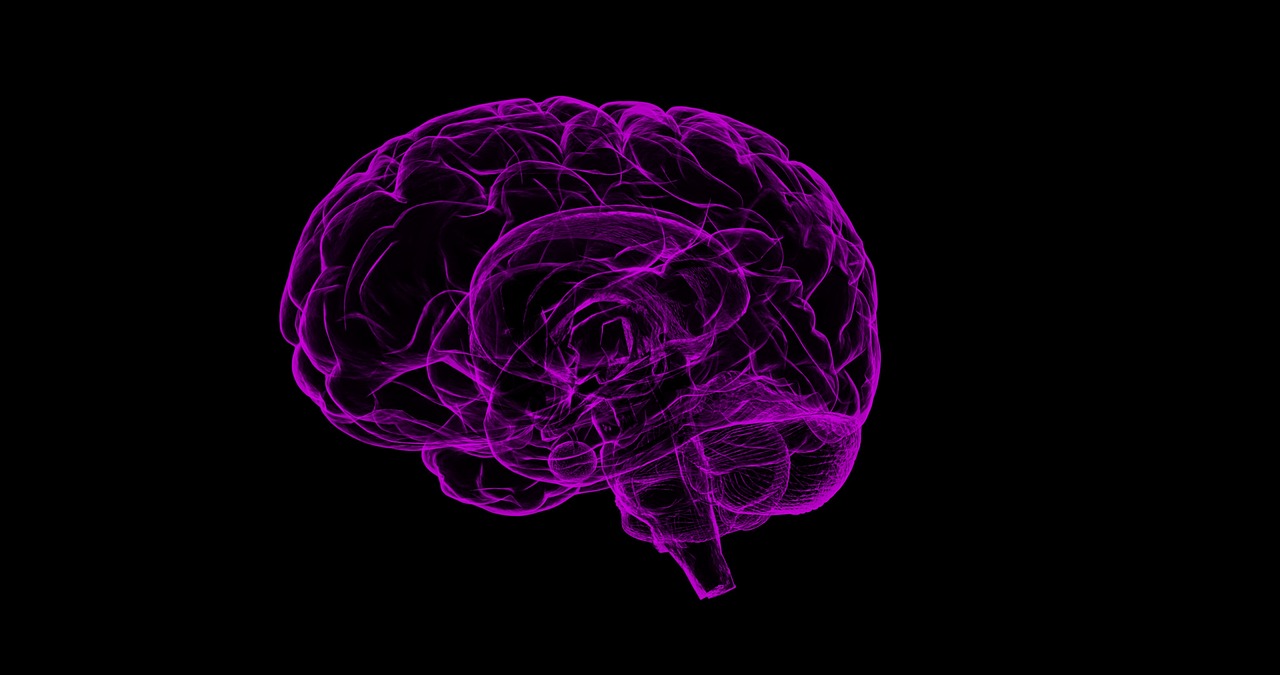
Why does the doctor keep changing my meds?

By David Joel Miller, MS, Licensed Therapist & Licensed Counselor.

Drugs

Medications.
Photo courtesy of Pixabay.com

Why is med compliance important?

More than once in my career as a therapist I have been asked to talk with a client about a subject that professionals call “Medication compliance.” The doctor wants us to be sure that the client is taking the medication as prescribed. People respond differently to different medications. There are reasons why clients might not take meds as prescribed. There are excellent reasons why the doctor wants their patients to take meds as prescribed.

I can’t give you advice on meds or counseling here, this is a blog, not on-line treatment, but maybe I can provide some general information on the issue of meds and why the doctor might change them.

There are five principle steps I see doctors go through in the process of deciding what meds a client should take. I am sure doctors think about a lot more than these steps but let me walk you through this process. If this raises questions about your medication please talk with your healthcare provider.

This blog post is about med management from the professional’s viewpoint. Next time some thoughts about side effects and other reasons clients don’t take meds as prescribed.

A. The doctor needs to do a thorough initial assessment. Sometimes they ask questions that sound like they are irrelevant. The doctor has their reasons. They need to establish a working diagnosis. You wouldn’t want to be prescribed cancer treatment if you didn’t have cancer, would you? They also need to know what your symptoms are and their severity. You want them prescribing meds that have some chance of helping with your problems and they need to know what your problems are to be effective at this.

B. The doctor who prescribes your psych meds needs to know if you have any other health issues and they need to monitor you for other problems and side effects. More than half of all psychiatric meds are prescribed by primary care physicians who know your medical history. The more complicated situations are usually managed by specialized doctors called psychiatrists. They will probably want lab work before prescribing medication. If you have high blood pressure they may avoid a drug known to raise blood pressure. If you have type two diabetes your psychiatrist may avoid drugs known to raise blood sugar levels or cause weight gain. I say may, because sometimes your psychiatric symptoms may be so severe that the benefits of a med will outweigh the potential risks. If a doctor does this he will probably be monitoring the effects that drug has on you. Sometimes the doctor will order regular tests, such as blood tests, to make sure the drug is doing what it is supposed to do and is not causing other problems.

At this point, the doctor will “start” a patent on a med. This initial med may not be the final med you will end up on. The doctor may need to change your med. Some meds need to be started high and then they may be reduced. Other meds may have side effects that go away over time so the doctor might choose to start with a low dose and raise it over time.

So now you are on meds, the problem should be controlled and all is well, right? Probably not. A lot of clients report that at this point the doctor starts changing meds. Why? And what makes them make the changes they do? Most often the changing starts because the problem is not under control. Either the client reports the med is not working or there are other symptoms that are causing problems. So the doctor might do three things in this order.

1.  Increase the strength or dosage of the med the client is taking and or vary the time of day or number of doses. If the doctor feels the diagnosis is correct and that the med should be helping, the first option is usually to increase the dose. If there are side effects like being sleepy during the day or not sleeping at night the doctor may choose to have the client take the meds at a different time of day. Nightmares might be another reason to move the dose to the morning instead of the night. The doctor may try increasing the dose several times to see if more of the preferred med is going to work.

2. If one or several increases in dose don’t help the doctor may try switching meds. Many doctors have a preferred med. This may be one they studied in school or did research on. It also might be a med they have used a lot and gotten good results from. Since not everyone is the same sometimes this first choice med does not work or causes other problems so the doctor tries switching. After the med switch, they may have to increase the dose of the new med. They may need to repeat the switch and adjust the dose process several times to find one that works for this client. This is frustrating for the client. It might frustrate the doctor also. He wants to help the client and nothing seems to work. This might be the point where he asks the therapist to have a talk with the client and see if the client understands and is taking the med as prescribed. Let’s say the client understands, is willing and able to follow directions, but none of the meds have worked. What might a doctor do next?

3. The doctor might at this point decide to try several meds in combination. This is a tricky one. He needs to select multiple medications from all the ones available and adjust doses of multiple meds. This process may continue for a long time as new meds are added, doses are adjusted and some meds may be discontinued. After a while, a discontinued med might get added back if it looks like the client was better with that med than after it was discontinued. During the process of juggling multiple meds, it is very important that the client is following the directions, telling the doctor about any effects and side effects experienced and it is also important that the doctor is hearing what the client is telling the doctor about their med experience.

I hope that this blog post helps you understand some of the things a prescribing doctor might consider or do in the process of trying to find the med that will help their client.

You are welcome to post comments on your experiences with meds. Just remember that as a therapist, I can’t give you specific advice about meds or prescribe any.

Another time some thoughts on side effects and why clients aren’t always able to take meds as prescribed.

Staying connected with David Joel Miller

Seven David Joel Miller Books are available now!

My newest book is now available. It was my opportunity to try on a new genre. I’ve been working on this book for several years, but now seem like the right time to publish it.

Story Bureau.

Story Bureau is a thrilling Dystopian Post-Apocalyptic adventure in the Surviving the Apocalypse series.

Baldwin struggles to survive life in a post-apocalyptic world where the government controls everything.

As society collapses and his family gets plunged into poverty, Baldwin takes a job in the capital city, working for a government agency called the Story Bureau. He discovers the Story Bureau is not a benign news outlet but a sinister government plot to manipulate society.

Bumps on the Road of Life. Whether you struggle with anxiety, depression, low motivation, or addiction, you can recover. Bumps on the Road of Life is the story of how people get off track and how to get your life out of the ditch.

Dark Family Secrets: Doris wants to get her life back, but small-town prejudice could shatter her dreams.

Casino Robbery Arthur Mitchell escapes the trauma of watching his girlfriend die. But the killers know he’s a witness and want him dead.

Planned Accidents  The second Arthur Mitchell and Plutus mystery.

Letters from the Dead: The third in the Arthur Mitchell mystery series.

What would you do if you found a letter to a detective describing a crime and you knew the writer and detective were dead, and you could be next?

Sasquatch. Three things about us, you should know. One, we have seen the past. Two, we’re trapped there. Three, I don’t know if we’ll ever get back to our own time.

For these and my upcoming books; please visit my Author Page – David Joel Miller

Want the latest blog posts as they publish? Subscribe to this blog.

For videos, see: Counselorssoapbox YouTube Video Channel

Are you Hyperthymic?

By David Joel Miller, MS, Licensed Therapist & Licensed Counselor.

Hyperthymia person

Are you Hyperthymic? Photo courtesy of Pixabay.

Recently I read an article in a peer journal about Hyperthymia. Here is an interesting point of view on the question of whether the mentally ill are really different from “normal” people. Maybe people with a diagnosed illness are on a continuum and just have more or less of the characteristics the rest of us take for granted.

I am inclined towards the idea of continuums, not discreet illnesses despite the fact that I need to give people a diagnosis to get insurance to pay for treatment. That says to me, some people’s problems keep them from having jobs, friends, or being happy and they need help. Other people get along fine as they are and don’t need help. For example, 70% of people report having at least once in their life heard a voice calling their name but when they looked there was no one there. Does this say that hearing “voices” is normal or that the other 30% are lying?

Bipolar disorder is especially troublesome. There are degrees of symptoms and as we have talked about in past blogs lots of people get another diagnosis first and then it gets changed later on, often when the antidepressants make it worse, not better. What if parts of Bipolar disorder are just normal personality characteristics? Could there be milder forms of bipolar disorder that are not getting recognized or does that start to pathologize everyone?  Some authors have suggested we need a Bipolar 3 and Bipolar 4 to capture milder forms of the disorder.

Hyperthymic temperament is a description given to people with 7 specific characteristics.  Sometimes the list is longer or shorter. It is currently seen as a personality characteristic which means it is not generally recognized as an illness. Most mental health professions avoid working with and diagnosing personality disorders as these are often seen as just the way a person is and not likely to change or as needing lots of treatment to change. Dialectic Behavioral Therapy is used to treat some personality disorders and long-term psychotherapy is used for treating aspects of personality that might be considered neurotic or psychotic personality features. Most of the time professionals leave this one alone.

People with this personality style do develop problems of living everyday life that result in them coming to counselors for treatment. Maybe it should be a disorder?

Here are the 7 characteristics of Hyperthymic Personality described by Glick. With MY explanations of how they might be recognized.

1. Cheerfulness

Hyperthymic people are annoyingly cheerful, cheerful to a fault. Hard to understand how someone could be too cheerful but I have learned to be suspicious of overly cheerful people. What are they up too?

2. Exuberance

This is clearly pathological, especially before I have had my coffee in the morning. These people are often described as needing a “chill pill.”

3. Meddlesomeness

To my detractors, I will say I am not meddlesome. I am just helpful even when you don’t realize you need my help. If this does not explain things try the “chill pill” described in 2 above.

4. Lack of inhibitions

Why can’t people just let last year’s New Year’s Eve party go? Occasionally letting your hair down is a good thing. However if this has resulted in more than one arrest, we are thinking you are beyond uninhibited.

5. Overconfidence

What I shouldn’t run for president? Have you seen who else is running? Now that is overconfidence.

6. Grandiosity

Genius is never recognized in its own time.

7. High energy levels.

Not sure about this one. I can be as energetic as almost anyone right after my nap. So there are people with high energy all morning?

So are there people who meet most or all of these characteristics? Sure. Do they sometimes get in trouble and have problems, yes again. Should this be another condition we diagnose and treat? The jury is still out on that one.

What do you think? Is Hyperthymia a legitimate issue? Does it need treatment? Are we making too many things disorders and trying to treat people just for being who they are?

This post was featured in “Best of Blog – May 2012

Staying connected with David Joel Miller

Seven David Joel Miller Books are available now!

My newest book is now available. It was my opportunity to try on a new genre. I’ve been working on this book for several years, but now seem like the right time to publish it.

Story Bureau.

Story Bureau is a thrilling Dystopian Post-Apocalyptic adventure in the Surviving the Apocalypse series.

Baldwin struggles to survive life in a post-apocalyptic world where the government controls everything.

As society collapses and his family gets plunged into poverty, Baldwin takes a job in the capital city, working for a government agency called the Story Bureau. He discovers the Story Bureau is not a benign news outlet but a sinister government plot to manipulate society.

Bumps on the Road of Life. Whether you struggle with anxiety, depression, low motivation, or addiction, you can recover. Bumps on the Road of Life is the story of how people get off track and how to get your life out of the ditch.

Dark Family Secrets: Doris wants to get her life back, but small-town prejudice could shatter her dreams.

Casino Robbery Arthur Mitchell escapes the trauma of watching his girlfriend die. But the killers know he’s a witness and want him dead.

Planned Accidents  The second Arthur Mitchell and Plutus mystery.

Letters from the Dead: The third in the Arthur Mitchell mystery series.

What would you do if you found a letter to a detective describing a crime and you knew the writer and detective were dead, and you could be next?

Sasquatch. Three things about us, you should know. One, we have seen the past. Two, we’re trapped there. Three, I don’t know if we’ll ever get back to our own time.

For these and my upcoming books; please visit my Author Page – David Joel Miller

Want the latest blog posts as they publish? Subscribe to this blog.

For videos, see: Counselorssoapbox YouTube Video Channel

Bipolar or Major Depression?

By David Joel Miller, MS, Licensed Therapist & Licensed Counselor.

Depressed person

Depression.
Photo courtesy of Pixabay.com

Since episodes of depression are a feature of Bipolar Disorder, how would we know if this is indeed Bipolar Disorder? And does it really matter?

Yes, it does matter. People who have Bipolar Disorder are more likely to have major problems in many areas of their life. Certainly, depression is debilitating, it causes more disability than lots of physical disabilities but Bipolar cases more noticeable and life-threatening problems. Treating someone who has Bipolar Disorder for depression may result in creating manic episodes and make the condition worse. No professional ever intends to make the patient worse, at least I hope not, but not seeing the signs of Bipolar can result in incorrect treatment. Now in fairness to doctors and other professionals often the client, not knowing the differences, fails to report symptoms that might have helped in getting the correct diagnosis. Here are some things that might indicate that the condition under treatment was, in fact, Bipolar Disorder and not Major Depression.

1. Sudden onset of episodes.

Clients with Bipolar are more likely to have sudden episodes of depression and sudden remission of depressive symptoms. Major Depression is more likely to creep up on you. And Major Depression rarely just goes away suddenly without treatment or some other reason. Bipolar Disorder may strike suddenly and it may switch to an elated mood or mania all of a sudden.

2. Early age of first onset.

There was a time when we thought little kids did not get depression, not anymore. Very small children do indeed experience episodes of depression. One way we have found this out is that more and more people who struggled with depression or Bipolar Disorder as children have become professionals.

The younger the child is when they first experience a mood disorder episode the more likely they are to go on and develop Bipolar Disorder. Now we are not saying that the child is to blame for being moody. If they are able to control the mood swings then it is not Bipolar or Depression. We are also not talking about that day-to-day moodiness or event-triggered moods that all children experience. Each type of mood disorder, depression, Dysthymia, Cyclothymia, Bipolar one, and two each have a minimum length of time that is needed. This separates the events of living from a true episode of a mental illness.

3. Presence of Psychosis

With Bipolar Disorder there is almost always some disturbance of reality. This does not mean that the client is hallucinating. Psychosis also includes delusions, irrational thinking, and lots of grandiosity. During manic episodes, people with Bipolar simply try to do way too much. And they believe they can and should be able to do these things.

There is also a diagnosis of Major Depression with Psychotic Features, so the boundary between Depression and Bipolar gets blurry the closer you look. The good news is it doesn’t matter which label you get, the treatment is about the same. The bad news is that by sticking with the treatment for depression sometimes the diagnosis and treatment of Bipolar Disorder gets delayed. If you or those around you say you have thinking problems, grandiosity or delusions make sure to tell the professional who is treating you. If you don’t have someone treating you and experience delusions, seek help quickly. The sooner you get help the better the prognosis.

4. Presence of “Psychomotor retardation”

During episodes of depression some people get so tired they have trouble moving. Sometimes they literally can’t get out of bed. These extreme levels of impairment may signal that this is Bipolar and not Depression.

5. Having “Atypical features”

Many people with depression become very agitated. They can’t sleep and they can’t eat. People with atypical features are just the opposite. A shorthand way of explaining Atypical features is like a bear hibernating for the winter. These clients eat all they can. They may be over hungry at certain times of the day. Then once they get to bed they want to, need to, sleep far beyond what other people do. During extreme episodes of depression with atypical features, a client will be unable to do anything but sleep and eat.

These “Atypical” features can be seasonal as in Seasonal Affective Disorder or they can come and go with the rhythms of the year.  Having an episode of depression with atypical features increases the chances that an episode of mania or hypomania is just around the corner and with that episode comes a diagnosis of Bipolar Disorder.

6. Having a sudden overwhelming improvement in depression mood when given an antidepressant.

Antidepressant medications need time to work. Usually, the effects of antidepressants build up slowly over time. Antidepressants are not “happy pills” they do not suddenly make someone happy. They should usually be coupled with some form of therapy or addressing life’s problems.

When people with Bipolar Disorder take antidepressants they are sometimes propelled from depression to mania. A sudden huge response to antidepressants needs to be monitored for possible mania or delusional thinking. Too much response to an antidepressant suggests that this is, in fact, Bipolar disorder.

If you are unsure about this or think you may have Bipolar instead of depression talk with your doctor, psychiatrist, or therapist before making any changes in your meds. Your doctor needs to know what is happening in order to monitor your condition and there can be adverse results to suddenly stopping or changing a medication.

7. Family history of Bipolar Disorder, Psychosis, Schizophrenia, or excessive irrational behavior.

The more people on your family tree with an issue, especially close relatives, the more likely you are to have problems. Being Bipolar has had some advantages in some situations. Many people with Bipolar disorder are highly creative and productive as long as they can keep things on track.

Some families have avoided getting professional help and so there may be no formal diagnoses but most families have their stories about family members with mental health issues. Family trees with lots of depression in them seem to produce more people with a genetic risk factor for depression. Families with lots of people who had hallucinations, delusions or mania increase the risk for Bipolar Disorder. Lots of substance abuse in your family tree increases risks for substance abuse and mental illness, for a variety of reasons. Remember however that risk factor does not equal an illness. Lots of people grow up in high-risk families and have no problems, other people are the first in their family to get a diagnosis or have a problem. We are still trying to figure out why this happens.

Hope this was food for thought for you and that it encouraged some people to go for the professional help they need.

Till next time this is David Joel Miller, LMFT, LPCC saying so long.

If you have any thoughts on depression or Bipolar Disorder and the differences between them, please leave a comment on this blog.

Staying connected with David Joel Miller

Seven David Joel Miller Books are available now!

My newest book is now available. It was my opportunity to try on a new genre. I’ve been working on this book for several years, but now seem like the right time to publish it.

Story Bureau.

Story Bureau is a thrilling Dystopian Post-Apocalyptic adventure in the Surviving the Apocalypse series.

Baldwin struggles to survive life in a post-apocalyptic world where the government controls everything.

As society collapses and his family gets plunged into poverty, Baldwin takes a job in the capital city, working for a government agency called the Story Bureau. He discovers the Story Bureau is not a benign news outlet but a sinister government plot to manipulate society.

Bumps on the Road of Life. Whether you struggle with anxiety, depression, low motivation, or addiction, you can recover. Bumps on the Road of Life is the story of how people get off track and how to get your life out of the ditch.

Dark Family Secrets: Doris wants to get her life back, but small-town prejudice could shatter her dreams.

Casino Robbery Arthur Mitchell escapes the trauma of watching his girlfriend die. But the killers know he’s a witness and want him dead.

Planned Accidents  The second Arthur Mitchell and Plutus mystery.

Letters from the Dead: The third in the Arthur Mitchell mystery series.

What would you do if you found a letter to a detective describing a crime and you knew the writer and detective were dead, and you could be next?

Sasquatch. Three things about us, you should know. One, we have seen the past. Two, we’re trapped there. Three, I don’t know if we’ll ever get back to our own time.

For these and my upcoming books; please visit my Author Page – David Joel Miller

Want the latest blog posts as they publish? Subscribe to this blog.

For videos, see: Counselorssoapbox YouTube Video Channel

Bipolar – misdiagnosed or missing diagnosis?

By David Joel Miller, MS, Licensed Therapist & Licensed Counselor.

Person with masks

Bipolar.
Photo courtesy of Pixabay.com

Diagnosing Bipolar Disorder.

Why is it so hard for people with Bipolar Disorder to get diagnosed and treated? For mental and emotional problems, the sooner the diagnosis, the sooner the treatment begins, the less the suffering. The more entrenched the illness the longer and more difficult the recovery. We continue to have difficulty with Bipolar Disorder. Why?

Almost 70% of people with a Bipolar Diagnosis had another diagnosis first. On average they get four other diagnoses before the Bipolar one. Usually, somewhere along the line, they are diagnosed with Major Depressive Disorder, given an anti-depressant. At this point, on an antidepressant, 40% of clients with Bipolar experience an episode of mania or hypomania. Antidepressants given to people with Bipolar disorder also increase the likelihood they will become rapid cyclers.

Our understanding of this condition has changed over the years. To be honest the mental health profession’s understanding of most illnesses has changed a lot over the years. We used to call Bipolar Disorder by another name – Manic Depressive disorder. Clients continue to come into facilities and tell us that they have Manic Depressive Disorder and Bipolar, not understanding that both are the same thing, just a new name.

Currently, there are two principle camps in this debate – those who think too many people are being diagnosed with Bipolar Disorder and those who think that professionals are missing a lot of Bipolar Disorder. The controversy goes back to the first efforts at classifying anything, the lumpers, and the splitters. Some people would like a different name for every possible type of dog; other people are content to consider them all dogs, the same with mental illnesses. So what difference does it make? It could make a lot of difference.

Ira Glick, up at Stanford wrote an article a while back called Undiagnosed Bipolar Disorder: New Syndromes and New Treatments. This is not a really new article but it is important as we think about how the diagnosis is likely to change in the next few years when the DSM-5 comes out. Glick suggests that the true rate of Bipolar may be as much more than what is being diagnosed. We used to expect Bipolar Disorder to run 1% to 2 % of the population; recently it has been diagnosed closer to 7%.

We are starting to think of this condition as a spectrum disorder. So there is a range of symptoms and the ones with less noticeable symptoms are not getting diagnosed.

Does it matter if some mild cases are getting missed and not treated? Yes, it matters and the clients with the less prominent symptoms are not necessarily milder cases. Currently, we separate cases into Bipolar I and Bipolar II.  People who have Bipolar II don’t have pronounced episodes of mania. They do have other significant differences.

People with Bipolar II have way more unemployment. They get divorced more often; have more thoughts of suicide and more suicide attempts. This one disorder, according to Glick, accounts for more suicide attempts than any other mental illness, excluding personality disorders. This is a big problem since Bipolar II looks like Major Depression until the mania or hypomania kicks in.

Many people who eventually get the Bipolar Diagnosis are first seen by their primary care physician. Primary care doctors treat more than half of all the depression and anxiety. There are a lot of medical problems that are especially problematic for people with Bipolar Disorder. People with bipolar disorder are more likely to have migraines, diabetes, or obesity.

Medications for people with Bipolar are especially problematic. People with Bipolar II get antidepressants till they have a manic episode then they may get all sorts of meds. People with Bipolar I have the more pronounced psychosis and may get all kinds of heavy-duty antipsychotics. Sometimes people with depression have distorted thinking and we see psychosis. Sometimes the psychosis in Bipolar II looks a lot like Schizophrenia, Schizoaffective disorder, and a lot of other things.

We are also not sure how much of all this is a result of genetics and how much is learning. Some authors have talked about how personality traits, those supposed unchanging characteristic ways of behaving may be related to Bipolar Disorder.

In fact, there is some question as to which mental health issues are district illnesses and which are symptoms. A cough is easy to notice but what causes the cough can vary a lot from person to person.

Despite all the issues with diagnosis, Bipolar disorder in all its forms causes a significant amount of suffering. It is also a difficult disorder to manage for the client and for the professional. If there is a chance you or someone you know has this disorder get a professional evaluation. If you have Bipolar disorder become a knowledgeable client, and don’t give up hope, the treatment options continue to improve.

Staying connected with David Joel Miller

Seven David Joel Miller Books are available now!

My newest book is now available. It was my opportunity to try on a new genre. I’ve been working on this book for several years, but now seem like the right time to publish it.

Story Bureau.

Story Bureau is a thrilling Dystopian Post-Apocalyptic adventure in the Surviving the Apocalypse series.

Baldwin struggles to survive life in a post-apocalyptic world where the government controls everything.

As society collapses and his family gets plunged into poverty, Baldwin takes a job in the capital city, working for a government agency called the Story Bureau. He discovers the Story Bureau is not a benign news outlet but a sinister government plot to manipulate society.

Bumps on the Road of Life. Whether you struggle with anxiety, depression, low motivation, or addiction, you can recover. Bumps on the Road of Life is the story of how people get off track and how to get your life out of the ditch.

Dark Family Secrets: Doris wants to get her life back, but small-town prejudice could shatter her dreams.

Casino Robbery Arthur Mitchell escapes the trauma of watching his girlfriend die. But the killers know he’s a witness and want him dead.

Planned Accidents  The second Arthur Mitchell and Plutus mystery.

Letters from the Dead: The third in the Arthur Mitchell mystery series.

What would you do if you found a letter to a detective describing a crime and you knew the writer and detective were dead, and you could be next?

Sasquatch. Three things about us, you should know. One, we have seen the past. Two, we’re trapped there. Three, I don’t know if we’ll ever get back to our own time.

For these and my upcoming books; please visit my Author Page – David Joel Miller

Want the latest blog posts as they publish? Subscribe to this blog.

For videos, see: Counselorssoapbox YouTube Video Channel

The Inside and Outside of Relapse triggers.

By David Joel Miller, MS, Licensed Therapist & Licensed Counselor.

Relapse

Relapse.
Photo courtesy of Pixabay.com

Relapse triggers, either internal or external, are those things that set off cravings in a recovering person. The failure to do maintenance steps in the process of change increase the risk of giving into triggers.

External triggers are the things outside ourselves that place us at risk to resume old behaviors and give up on the progress of recovery. Shorthand ways of understanding these triggers are people, places, and things.

People are one of the biggest reasons people relapse. There is a huge temptation to look up old friends. Often the only thing that you have in common with an old friend is a history of using drugs or drinking. Sometimes there was a history of other dysfunctional activities, codependency, or abusive relationships. If the people you had around you in the past supported your addiction or if they were not affirming, or made you feel bad about yourself, being around them can take you back there. Avoiding people who are bad for you is not being selfish.it is being self-caring. In early recovery it is suggested you not make a change you can’t take back like changing jobs or relationships. Surround yourself with people who support your recovery.

Places are another important external trigger to pay attention to. Alcoholics need to avoid bars; drug addicts should avoid dope houses. But there are other places to avoid. People with relationship issues should avoid revisiting places they used to go with a partner who is no longer in your life. Should someone on a diet visit a candy store? I wouldn’t recommend it. Think about places that you may need to avoid if you want to be secure in your recovery. Is there a family member or former friend who triggers your issues?

Things can also reignite thoughts of returning to an old lifestyle. Music can be a powerful memory trigger, so can some smells. People with relationship issues, sometimes we call these people love-addicts, find it hard to let a relationship go. They keep the old moments out. They think about the things they did together. One last call to see how that person is doing is likely to set off a new round of problems. Carrying lots of cash can trigger some people, especially gambling addicts and former drug dealers. Sometimes it is a pipe or a lighter you find hard to get rid of. Is there something that reminds you of your issue but which you find hard to give up?

Internal triggers are the other part of the equation. The things going on inside our bodies and our minds are also relapse triggers. The word HALT standing for, Hungry, Angry, Lonely, and Tired is used as a reminder of those triggers.

Hunger, thirst, and many other physical sensations can make you feel restless, irritable, and unleash the cravings. Negative emotions are powerful relapse triggers. Feeling anger fear or resentment, any number of negative emotions can cause someone to catch a case of “who cares.” Loneliness sends people back to their disorder quickly. Being tired is likely to upset recovery also. All of these internal triggers have to do with not taking care of ourselves. It is a short hop from not taking care of yourself to thinking you don’t deserve care, after that why should you hang on? Why not go back to the old life? People who don’t provide good self-care don’t encourage others to care for them. They start believing they don’t deserve to be treated well and then they stop treating themselves well.

Another way of understanding internal and external triggers is to look at the two main causes of relapse, romances, and finances. Romances are all about your feelings, feelings of loving and being loved, self-worth, and self-esteem. Finances, mostly money, is the ultimate thing. Lack of money can sap our will to change. Having a lot of money makes some people feel they are invincible; the rules don’t apply to them. Pay attention to the healthiness of your relationships with things and with people. When one of these relationships gets out of balance, your life is headed out of balance.

These are only some of the things that might cause you to relapse. We each have our own triggers. What are yours? Knowing your triggers and how to defuse them strengthens your recovery.

Staying connected with David Joel Miller

Seven David Joel Miller Books are available now!

My newest book is now available. It was my opportunity to try on a new genre. I’ve been working on this book for several years, but now seem like the right time to publish it.

Story Bureau.

Story Bureau is a thrilling Dystopian Post-Apocalyptic adventure in the Surviving the Apocalypse series.

Baldwin struggles to survive life in a post-apocalyptic world where the government controls everything.

As society collapses and his family gets plunged into poverty, Baldwin takes a job in the capital city, working for a government agency called the Story Bureau. He discovers the Story Bureau is not a benign news outlet but a sinister government plot to manipulate society.

Bumps on the Road of Life. Whether you struggle with anxiety, depression, low motivation, or addiction, you can recover. Bumps on the Road of Life is the story of how people get off track and how to get your life out of the ditch.

Dark Family Secrets: Doris wants to get her life back, but small-town prejudice could shatter her dreams.

Casino Robbery Arthur Mitchell escapes the trauma of watching his girlfriend die. But the killers know he’s a witness and want him dead.

Planned Accidents  The second Arthur Mitchell and Plutus mystery.

Letters from the Dead: The third in the Arthur Mitchell mystery series.

What would you do if you found a letter to a detective describing a crime and you knew the writer and detective were dead, and you could be next?

Sasquatch. Three things about us, you should know. One, we have seen the past. Two, we’re trapped there. Three, I don’t know if we’ll ever get back to our own time.

For these and my upcoming books; please visit my Author Page – David Joel Miller

Want the latest blog posts as they publish? Subscribe to this blog.

For videos, see: Counselorssoapbox YouTube Video Channel

How do people change? Preparation

By David Joel Miller, MS, Licensed Therapist & Licensed Counselor.

Change

Change.
Photo courtesy of Pixabay.com

Stages of Change – Preparation.

In the last two blogs (Stages of Change – Pre-contemplation, Contemplation) we explored steps one and two of a model of change. Some of you will remember that I was using a weight loss example. The need to change could be weight loss but it might also be an addiction, job or career change, or a relationship event. So to recap past episodes of my little story, I go to a reunion, people tell me I have put on a lot of weight. At first, I deny this, and I argue about it. That stage of change is called pre-contemplation. Next, I do some thinking about it. I weigh myself, ask the advice of others and I do lots of thinking about it. Finally despite all my efforts to avoid having a problem I discovered that in fact, I do have a problem. Now I am faced with a choice.

At this point, I could just accept the fact that I am now FAT!  Accept and go on with my life maybe embrace the idea. Yes, I am fat and proud of it. Since I am fat why not be the best that I can be and let my fatness shine through. Some people accept their problem. Many alcoholics go on drinking until the bitter end. Or – as strange as this may seem to some people I could decide to make a change and face my problem. That brings us to the third stage of change.

Stage of change 3 – Preparation. Some authors call this determination.

So I decide to challenge my fatness or my joblessness or – could be any other problem. I get out the phone book and look up gyms. There is one right around the corner and I call them. Then for good measure, I call a few more. Most gyms have sales on new memberships around the first of every year. Three months for the price of two and so on. They know that lots of us will decide to exercise, get in shape, join a gym as part of our New Year’s resolution. They also know to get the cash now, because by February at the latest most of the new gym members will have stopped coming. But a few people will stay at it and next year they will be that slim trim self I want to be. So how do they do it?

So I go down and tour this gym. I like the place, friendly people and all, so I join. And I get ready. There is a sporting goods store in that shopping center and I go there and buy some new exercise clothing. Notice I still haven’t exercised much but my credit card at this point. But there is more.

I see a video sales and rental place in the center. I go in there and find some exercise videos. I am in whole hog. I buy three videos. Now I take them home and put them in the VCR.  (Update this to DVD or Blue Ray or Hollow-suite program as needed.) I pop a big bowl of popcorn put my feet up and sit and watch these three videos, faithfully for a week. I really like watching exercise videos. Not so sure about actually exercising though. See a problem here?

Pause this picture for a minute. Doesn’t this apply to most any planned change? People buy books, self-help, or AA books, and then they take them home and pile them on the table and balance a drink on them. Other people put that new self-help book under their pillow in the hope that by osmosis the book will change us while we sleep. Unfortunately, change requires more than preparation. Don’t misunderstand here. Getting a list of meetings for AA or weight loss places is good. Joining a gym is good also. But doesn’t it take more than preparation to make a change?

At some point, I need to stop preparing, use that determination, and actually do something. Next blog we will talk about that next fourth stage of change where the rubber meets the road, where we finally start doing some things that result in change. So if you still want to learn about stages of change stay tuned for the next blog post. If you have decided to stay the way you are or to change someone else, skip the next couple of posts and rejoin us for the episode after the change is over. Feel free to share your thoughts along the way.

Other posts on this topic can be found at Pre-contemplation, Contemplation, Preparation, Early Action, Late Action, Maintenance, relapse, recovery, triggers, support system, more on support systems, Resiliency

Staying connected with David Joel Miller

Seven David Joel Miller Books are available now!

My newest book is now available. It was my opportunity to try on a new genre. I’ve been working on this book for several years, but now seem like the right time to publish it.

Story Bureau.

Story Bureau is a thrilling Dystopian Post-Apocalyptic adventure in the Surviving the Apocalypse series.

Baldwin struggles to survive life in a post-apocalyptic world where the government controls everything.

As society collapses and his family gets plunged into poverty, Baldwin takes a job in the capital city, working for a government agency called the Story Bureau. He discovers the Story Bureau is not a benign news outlet but a sinister government plot to manipulate society.

Bumps on the Road of Life. Whether you struggle with anxiety, depression, low motivation, or addiction, you can recover. Bumps on the Road of Life is the story of how people get off track and how to get your life out of the ditch.

Dark Family Secrets: Doris wants to get her life back, but small-town prejudice could shatter her dreams.

Casino Robbery Arthur Mitchell escapes the trauma of watching his girlfriend die. But the killers know he’s a witness and want him dead.

Planned Accidents  The second Arthur Mitchell and Plutus mystery.

Letters from the Dead: The third in the Arthur Mitchell mystery series.

What would you do if you found a letter to a detective describing a crime and you knew the writer and detective were dead, and you could be next?

Sasquatch. Three things about us, you should know. One, we have seen the past. Two, we’re trapped there. Three, I don’t know if we’ll ever get back to our own time.

For these and my upcoming books; please visit my Author Page – David Joel Miller

Want the latest blog posts as they publish? Subscribe to this blog.

For videos, see: Counselorssoapbox YouTube Video Channel