
More depression these days?

By David Joel Miller, MS, Licensed Therapist & Licensed Counselor.

Depressed person

Depression.
Photo courtesy of Pixabay.com

Is there more depression now than they used to be?

More anxiety? More ADHD or PTSD? In fact, could we say there are more diseases like cancer now than in the past? Is the increase in disorders the result of chemicals or toxins or something else?

Let me be radical and suggest something here. Now remember I am coming at this from a therapist’s, this therapist’s to be more precise, viewpoint. I am not a medical researcher and I do not have data to back up this viewpoint, though I can cite some authorities in those fields who seem to explain this issue.

There are probably less of most diseases than ever before! Does that surprise you?  What has changed is the salience of diseases. Salience is a new word, relatively. It first started being used in 1836. FYI the word allergy did not make the dictionaries till much later. Before 1900 presumably, no one had allergies because there was no word in the dictionary for this. Lots of people had hay fever though. So does changing the word for something change the number of people diagnosed with a condition, yes. Does changing a name alter the amount of human suffering, I think not. What about mental illnesses and depression in particular?

The ancient Greek writers talked about bile and humors. One-color made you sad and depressed another made you overactive and impulsive. The descriptions remind me of depression and mania. I suspect there was a lot of depression during the great ice age but they didn’t blog about it.

Sapolsky tells us that one reason for the increase of certain disorders is that we are living longer.  When the average lifespan of Americans was 40, most people did not live long enough for us to worry about cancer or Alzheimer’s. Many of our current physical health issues are the result of people living long enough to be diagnosed with diseases of old age. For the record, they may not have had Alzheimer’s way back when but my great-grandmother died of senile dementia. Not sure what the difference is but I want to live long enough to find out.

When half the people in town die one summer from the black plague no one worries about the person who killed themselves as a result of depression.

Depression is a new name. In older books, they wrote about Melancholy (literally black bile.) But that disorder was usually reserved for the upper or aristocratic class. Poor people were too busy dying of dysentery and milk sickness to live long enough to be depressed.

If you read journals of the early American settlers you would find plenty of stories about suffering, just back then we all accepted suffering as inevitable, just part of God’s will. People began to distrust that bad things might be part of some higher powers plan and started thinking that we just might be able to reduce human suffering without challenging the power of the Almighty. Then we started looking for cures to conditions that might have been considered normal in the past.

Until this last century, we thought mental illness was incurable. There were only two choices, pray over them and hope or chain them to the wall. Then we discovered that there were medications that could turn previously “crazy” people into functioning members of society.  This discovery took mental illness out of the demon possession category and moved it over into the treatable illness category.

There are still some people, politicians mostly, that think that people with mental illnesses are faking it to get out of work and just need to snap out of their disorder.  Other times they will tell you that these people are really just criminals and need to be locked up. There are lazy people and there are criminals for sure, but that is a different group than the mentally ill, though sometimes a person can have two or three conditions.

For sure there are toxins and environmental hazards. Some of these things have increased the rates of specific illnesses. But I can’t blame them for depression or anxiety.

The last century was a turning point in the fight to control diseases. We began to use antibiotics, vaccines and now we have advanced diagnoses and treatment. The next century holds promise for the integration of mental and emotional disorders into the mainstream of care. Let’s hope that the increased awareness and detection of mental health and substance abuse disorders increases society’s willingness to tackle these sources of human suffering.

So for the record, I don’t think there is significantly more depression or more of most other diseases. The numbers of people diagnosed with a particular illness do go up and down. But as we are able to see them, the diseases become more important. But isn’t ending suffering, both physical and mental a part of having a happy life?

Staying connected with David Joel Miller

Seven David Joel Miller Books are available now!

My newest book is now available. It was my opportunity to try on a new genre. I’ve been working on this book for several years, but now seem like the right time to publish it.

Story Bureau.

Story Bureau is a thrilling Dystopian Post-Apocalyptic adventure in the Surviving the Apocalypse series.

Baldwin struggles to survive life in a post-apocalyptic world where the government controls everything.

As society collapses and his family gets plunged into poverty, Baldwin takes a job in the capital city, working for a government agency called the Story Bureau. He discovers the Story Bureau is not a benign news outlet but a sinister government plot to manipulate society.

Bumps on the Road of Life. Whether you struggle with anxiety, depression, low motivation, or addiction, you can recover. Bumps on the Road of Life is the story of how people get off track and how to get your life out of the ditch.

Dark Family Secrets: Doris wants to get her life back, but small-town prejudice could shatter her dreams.

Casino Robbery Arthur Mitchell escapes the trauma of watching his girlfriend die. But the killers know he’s a witness and want him dead.

Planned Accidents  The second Arthur Mitchell and Plutus mystery.

Letters from the Dead: The third in the Arthur Mitchell mystery series.

What would you do if you found a letter to a detective describing a crime and you knew the writer and detective were dead, and you could be next?

Sasquatch. Three things about us, you should know. One, we have seen the past. Two, we’re trapped there. Three, I don’t know if we’ll ever get back to our own time.

For these and my upcoming books; please visit my Author Page – David Joel Miller

Want the latest blog posts as they publish? Subscribe to this blog.

For videos, see: Counselorssoapbox YouTube Video Channel

How do antidepressants work?

Counselorssoapbox.com

By David Joel Miller, MS, Licensed Therapist & Licensed Counselor.

Here is the best way I have found to explain the way in which antidepressants help. Remember this is an analogy, not a scientific explanation. In a previous post, I talked about the way in which thoughts are moved around in the brain by neurotransmitters and the way in which they might regulate thoughts and emotions.

The most commonly prescribed antidepressants these days are SSRI’s. That stands for Selective Serotonin Reuptake Inhibitor. Complicated name but let’s try to make the idea behind it simpler.

One thing that happens after a message is moved from one neuron to another by a neurotransmitter is that the neurotransmitter needs to be released from its receptacle. The key needs to be removed from the lock otherwise that neuron could never receive that message again. The released neurotransmitter starts floating around and eventually it gets eliminated from the body. If you only got one use out of a neurotransmitter then you might start running out of them really fast. So your brain has a recycling department. The used neurotransmitter is recycled by enzymes and other “stuff” that breaks it down and lets the brain reuse it.

Think of this analogy.

Once in my younger days, maybe more than once, I had this car that kept overheating. I would fill the radiator up and drive as far as I could until it started getting hot. Water leaked out of that old rusty radiator in several places. To go all the way to work or school I might need to carry water or stop a few times to refill the radiator. It was a hassle. A friend of mine suggested I try this product he called “slow leak.” Something like that. You put it in the radiator and it found the places that were leaking and plugged them up. It did not eliminate the leaks completely but I got a lot more miles from my car before I had to stop and put water in it.

An SSRI kind of works like that. It keeps those “packman like” enzymes from finding my brain’s serotonin and recycling it before I am done with it. It does not put more serotonin in your brain but it helps you get more mileage out of what you have there.

A cognitive-behavioral therapist, (wait a minute, that’s me!) might argue that diet, exercise, and good thinking could help you make and release more serotonin. Brains like cars differ. Some brains can get more mileage out of their serotonin. Some brains might “leak” the stuff out or overheat and boil it off. You with me so far?

See how keeping the serotonin in my brain longer might improve its performance. That “leak stopper stuff” did a great job on the radiator so some SSRI just might work on my brain.

Now back to that old wreck of a car. You can trade in a car and get a newer one. So far we don’t have brain transplants so we need to take the best care we can of the brains we have.

My car was so much better. I could make it all the way to school without stopping to put water in the radiator. My friends were impressed.

One day some of my buddies were over to the house and I was bragging about that “fixum leaks up” stuff I had discovered. They said they were impressed. From the looks on their faces, I could see they were skeptical. So let’s say I go into the house and get my dad’s old shotgun. Play along with me here. The shotgun is not to scare my buddies; it is to demonstrate the effectiveness of my “Leak fixer-upper stuff.”

I fire that old shotgun right at the front of the radiator. Just as expected the water pours out.  I now get out the “leaker solver” can and put some in the radiator. Only this time it no work so good. The thing continues to leak.

Some of you are now asking – who would do a thing like that?  Stay with our analogy here. Lots of people do just this thing. After taking all that medication to reduce their depression, they go and drink some alcohol. Alcohol is a depressant drug. So drinking alcohol undoes all the effects of the antidepressant.

Now some of you are arguing about alcohol being a depressant drug. You will tell me that it makes you more energetic. With alcohol in you, you want to party, at least until you pass out. The truth is that you only think that alcohol perks you up. It shuts down the functions of the frontal lobe of the brain and some other parts also. So under the influence of alcohol the part of the brain that tells you “hey stupid – don’t do that!” is not working.

I hope this little tale has offered you a way to understand how an antidepressant might help with depression while not instantly erasing it. Hopefully, you also see how mixing psychiatric meds with alcohol and street drugs might be a bad idea.

Staying connected with David Joel Miller

Seven David Joel Miller Books are available now!

My newest book is now available. It was my opportunity to try on a new genre. I’ve been working on this book for several years, but now seem like the right time to publish it.

Story Bureau.

Story Bureau is a thrilling Dystopian Post-Apocalyptic adventure in the Surviving the Apocalypse series.

Baldwin struggles to survive life in a post-apocalyptic world where the government controls everything.

As society collapses and his family gets plunged into poverty, Baldwin takes a job in the capital city, working for a government agency called the Story Bureau. He discovers the Story Bureau is not a benign news outlet but a sinister government plot to manipulate society.

Bumps on the Road of Life. Whether you struggle with anxiety, depression, low motivation, or addiction, you can recover. Bumps on the Road of Life is the story of how people get off track and how to get your life out of the ditch.

Dark Family Secrets: Doris wants to get her life back, but small-town prejudice could shatter her dreams.

Casino Robbery Arthur Mitchell escapes the trauma of watching his girlfriend die. But the killers know he’s a witness and want him dead.

Planned Accidents  The second Arthur Mitchell and Plutus mystery.

Letters from the Dead: The third in the Arthur Mitchell mystery series.

What would you do if you found a letter to a detective describing a crime and you knew the writer and detective were dead, and you could be next?

Sasquatch. Three things about us, you should know. One, we have seen the past. Two, we’re trapped there. Three, I don’t know if we’ll ever get back to our own time.

For these and my upcoming books; please visit my Author Page – David Joel Miller

Want the latest blog posts as they publish? Subscribe to this blog.

For videos, see: Counselorssoapbox YouTube Video Channel
Side Effects

By David Joel Miller, MS, Licensed Therapist & Licensed Counselor.

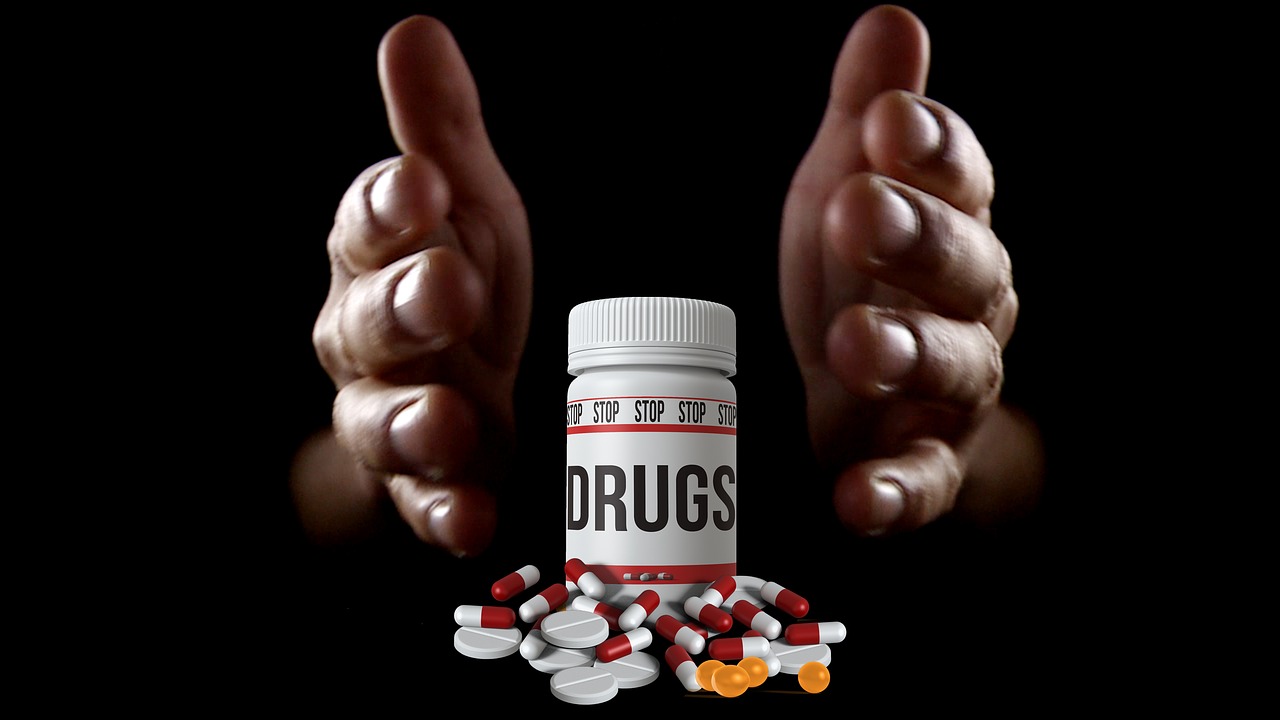
Drugs.

Drugs.
Photo courtesy of Pixabay.

What about those drug side effects.

The other night as I was walking by the Television in the family room I heard a frightening commercial in which they described a long list of possible side effects for a medication they were advertising. This experience combined two things that I try to avoid, television and commercials that interrupt my train of thought. Fortunately, I recovered enough from the trauma to start thinking about what they were portraying in their commercial. Here they had paired a positive commercial with a quick legal disclaimer of all kinds of possible side effects.  They also had a “call to action” saying “ask your doctor” if you should be taking our med.

With that graphic warning would anyone buy this medication? Then it occurred to me that yes indeed people were buying the med despite some pretty extreme side effects. I won’t give the name of the med but here is what I remember of the list of side effects. Remember I was walking by the family room when I heard this so I may have gotten some of these side effects wrong.

This med may cause sexual impotence, sudden death, and the loss of body parts, presumably because after taking this drug sometimes arms and legs or other members fall off. It also has caused blindness, deafness, and loss of memory. These side effects alone caught my attention, though the list was considerably longer. Could any possible benefit outweigh a side effect like death and impotence?

This drug was not a warning for some illegal drug. I know that people might take a drug that causes their teeth to fall out and their skin to develop scabs along with the loss of home and family. Illegal drugs like Methamphetamine result in these kinds of effects all the time. But why do legally prescribed drugs have so many terrible side effects and get prescribed anyway? Here are some thoughts about how side effects are discovered and what the risks are.

Let’s say for example sake that a company approached the college where I teach and offered the students a chance to test some new drugs that had been shown in lab tests to increase concentration and intelligence. Set aside for a second the ethical issues about should we do this test and let’s say that someone thinks that testing this drug is worth the ethical risks. Maybe it also prevents cancer. So we do the test.

There are two things we want to know. Does it work? Is it safe? For the does it work issue we want to know if it improves test scores and makes students more alert in class. For the “is it safe issue” we want to know if there are side effects, like death, that outweigh the benefits.  So we do two things, we give some students one drug and the rest another drug. Preferably we make them look-alike so no one knows who is taking which drug. An even better procedure might be to make up a third test group that gets a pill with no drug in it. During the test we also want students to record any health problems they develop.

So if we test these drugs on thousands of students what might happen? During the course of the test could any students have nights where they could not sleep? Sure. Would other students have a night where they were so tired they fell asleep early? Some of the students would gain weight during the semester and some might lose weight. There might be people who got constipated or who got diarrhea. Some students would also catch colds and flu during the test.

At this point we might have a list of side effects that reads like this:

May cause insomnia or drowsiness

May cause constipation or diarrhea

May cause weight gain or loss

May cause repertory symptoms

Now we need to check a few things. Did one drug produce more of any one side effect than the other? Even more importantly how did the side effects of the two active drugs compare to the side effects reported by people who were taking the inactive pill?

So in considering whether to take a drug and run the risk of the side effects, you also need to know how much the drug increases the risk over the risk from not taking the drug.  So rather than relying on what you hear about a drug’s side effects on a brief commercial or even by reading about side effects on blogs of people who have taken that drug you also need to discuss the risks and benefits with your doctor.

Sometimes people tune out the warnings about side effects thinking that the benefit is so great that they are willing to run some risks. We all like to think that bad things won’t happen to us. If you want to be an informed consumer it pays to consider the risks also.

In my thinking, you need to balance the risks and the benefits and your doctor can help you do this. Getting two minutes extra sleep a night may not be worth the risk of a sudden heart attack. Some people avoid psychiatric medication because of weight gain, but the risk of the weight gain, even if you end up with diabetes may be worth it if the med keeps you out of the psychiatric hospital and lets you have a life. Don’t be scared off from a potentially helpful medication by the list of side effects, but please, do discuss the med with your doctor and decide if the risks are worth the benefits for you.

And do I need to say this? Don’t ever take a med that was not prescribed for you!

Till next time, wishing you a happy life.

Staying connected with David Joel Miller

Seven David Joel Miller Books are available now!

My newest book is now available. It was my opportunity to try on a new genre. I’ve been working on this book for several years, but now seem like the right time to publish it.

Story Bureau.

Story Bureau is a thrilling Dystopian Post-Apocalyptic adventure in the Surviving the Apocalypse series.

Baldwin struggles to survive life in a post-apocalyptic world where the government controls everything.

As society collapses and his family gets plunged into poverty, Baldwin takes a job in the capital city, working for a government agency called the Story Bureau. He discovers the Story Bureau is not a benign news outlet but a sinister government plot to manipulate society.

Bumps on the Road of Life. Whether you struggle with anxiety, depression, low motivation, or addiction, you can recover. Bumps on the Road of Life is the story of how people get off track and how to get your life out of the ditch.

Dark Family Secrets: Doris wants to get her life back, but small-town prejudice could shatter her dreams.

Casino Robbery Arthur Mitchell escapes the trauma of watching his girlfriend die. But the killers know he’s a witness and want him dead.

Planned Accidents  The second Arthur Mitchell and Plutus mystery.

Letters from the Dead: The third in the Arthur Mitchell mystery series.

What would you do if you found a letter to a detective describing a crime and you knew the writer and detective were dead, and you could be next?

Sasquatch. Three things about us, you should know. One, we have seen the past. Two, we’re trapped there. Three, I don’t know if we’ll ever get back to our own time.

For these and my upcoming books; please visit my Author Page – David Joel Miller

Want the latest blog posts as they publish? Subscribe to this blog.

For videos, see: Counselorssoapbox YouTube Video Channel

Why does the doctor keep changing my meds?

By David Joel Miller, MS, Licensed Therapist & Licensed Counselor.

Drugs

Medications.
Photo courtesy of Pixabay.com

Why is med compliance important?

More than once in my career as a therapist I have been asked to talk with a client about a subject that professionals call “Medication compliance.” The doctor wants us to be sure that the client is taking the medication as prescribed. People respond differently to different medications. There are reasons why clients might not take meds as prescribed. There are excellent reasons why the doctor wants their patients to take meds as prescribed.

I can’t give you advice on meds or counseling here, this is a blog, not on-line treatment, but maybe I can provide some general information on the issue of meds and why the doctor might change them.

There are five principle steps I see doctors go through in the process of deciding what meds a client should take. I am sure doctors think about a lot more than these steps but let me walk you through this process. If this raises questions about your medication please talk with your healthcare provider.

This blog post is about med management from the professional’s viewpoint. Next time some thoughts about side effects and other reasons clients don’t take meds as prescribed.

A. The doctor needs to do a thorough initial assessment. Sometimes they ask questions that sound like they are irrelevant. The doctor has their reasons. They need to establish a working diagnosis. You wouldn’t want to be prescribed cancer treatment if you didn’t have cancer, would you? They also need to know what your symptoms are and their severity. You want them prescribing meds that have some chance of helping with your problems and they need to know what your problems are to be effective at this.

B. The doctor who prescribes your psych meds needs to know if you have any other health issues and they need to monitor you for other problems and side effects. More than half of all psychiatric meds are prescribed by primary care physicians who know your medical history. The more complicated situations are usually managed by specialized doctors called psychiatrists. They will probably want lab work before prescribing medication. If you have high blood pressure they may avoid a drug known to raise blood pressure. If you have type two diabetes your psychiatrist may avoid drugs known to raise blood sugar levels or cause weight gain. I say may, because sometimes your psychiatric symptoms may be so severe that the benefits of a med will outweigh the potential risks. If a doctor does this he will probably be monitoring the effects that drug has on you. Sometimes the doctor will order regular tests, such as blood tests, to make sure the drug is doing what it is supposed to do and is not causing other problems.

At this point, the doctor will “start” a patent on a med. This initial med may not be the final med you will end up on. The doctor may need to change your med. Some meds need to be started high and then they may be reduced. Other meds may have side effects that go away over time so the doctor might choose to start with a low dose and raise it over time.

So now you are on meds, the problem should be controlled and all is well, right? Probably not. A lot of clients report that at this point the doctor starts changing meds. Why? And what makes them make the changes they do? Most often the changing starts because the problem is not under control. Either the client reports the med is not working or there are other symptoms that are causing problems. So the doctor might do three things in this order.

1.  Increase the strength or dosage of the med the client is taking and or vary the time of day or number of doses. If the doctor feels the diagnosis is correct and that the med should be helping, the first option is usually to increase the dose. If there are side effects like being sleepy during the day or not sleeping at night the doctor may choose to have the client take the meds at a different time of day. Nightmares might be another reason to move the dose to the morning instead of the night. The doctor may try increasing the dose several times to see if more of the preferred med is going to work.

2. If one or several increases in dose don’t help the doctor may try switching meds. Many doctors have a preferred med. This may be one they studied in school or did research on. It also might be a med they have used a lot and gotten good results from. Since not everyone is the same sometimes this first choice med does not work or causes other problems so the doctor tries switching. After the med switch, they may have to increase the dose of the new med. They may need to repeat the switch and adjust the dose process several times to find one that works for this client. This is frustrating for the client. It might frustrate the doctor also. He wants to help the client and nothing seems to work. This might be the point where he asks the therapist to have a talk with the client and see if the client understands and is taking the med as prescribed. Let’s say the client understands, is willing and able to follow directions, but none of the meds have worked. What might a doctor do next?

3. The doctor might at this point decide to try several meds in combination. This is a tricky one. He needs to select multiple medications from all the ones available and adjust doses of multiple meds. This process may continue for a long time as new meds are added, doses are adjusted and some meds may be discontinued. After a while, a discontinued med might get added back if it looks like the client was better with that med than after it was discontinued. During the process of juggling multiple meds, it is very important that the client is following the directions, telling the doctor about any effects and side effects experienced and it is also important that the doctor is hearing what the client is telling the doctor about their med experience.

I hope that this blog post helps you understand some of the things a prescribing doctor might consider or do in the process of trying to find the med that will help their client.

You are welcome to post comments on your experiences with meds. Just remember that as a therapist, I can’t give you specific advice about meds or prescribe any.

Another time some thoughts on side effects and why clients aren’t always able to take meds as prescribed.

Staying connected with David Joel Miller

Seven David Joel Miller Books are available now!

My newest book is now available. It was my opportunity to try on a new genre. I’ve been working on this book for several years, but now seem like the right time to publish it.

Story Bureau.

Story Bureau is a thrilling Dystopian Post-Apocalyptic adventure in the Surviving the Apocalypse series.

Baldwin struggles to survive life in a post-apocalyptic world where the government controls everything.

As society collapses and his family gets plunged into poverty, Baldwin takes a job in the capital city, working for a government agency called the Story Bureau. He discovers the Story Bureau is not a benign news outlet but a sinister government plot to manipulate society.

Bumps on the Road of Life. Whether you struggle with anxiety, depression, low motivation, or addiction, you can recover. Bumps on the Road of Life is the story of how people get off track and how to get your life out of the ditch.

Dark Family Secrets: Doris wants to get her life back, but small-town prejudice could shatter her dreams.

Casino Robbery Arthur Mitchell escapes the trauma of watching his girlfriend die. But the killers know he’s a witness and want him dead.

Planned Accidents  The second Arthur Mitchell and Plutus mystery.

Letters from the Dead: The third in the Arthur Mitchell mystery series.

What would you do if you found a letter to a detective describing a crime and you knew the writer and detective were dead, and you could be next?

Sasquatch. Three things about us, you should know. One, we have seen the past. Two, we’re trapped there. Three, I don’t know if we’ll ever get back to our own time.

For these and my upcoming books; please visit my Author Page – David Joel Miller

Want the latest blog posts as they publish? Subscribe to this blog.

For videos, see: Counselorssoapbox YouTube Video Channel

Willpower Shortage

By David Joel Miller, MS, Licensed Therapist & Licensed Counselor.

Willpower

Willpower.

Willpower Shortage.

Of late it has become standard practice to decry the shortage of willpower here in America, maybe the shortage of willpower on planet earth. How did this worldwide shortage develop?

The shortage does not seem to be of recent origin. Writers from the Plymouth Colony, writing shortly after the founding in the 1620s expressed their concern that people could not display significant willpower to avoid breaking the laws. I am told that there are passages in the Bible about a lack of willpower though I am not sure if it is found in the book of Leviticus or not. Presumably, this worldwide shortage of willpower has been going on for thousands of years.

If we can find oil deep under the sea and rocks on the moon why is it that there has been no significant discovery of additional willpower in all these millenniums? Perhaps we have been looking for the wrong thing in the wrong places. Behaviorists, like Martin and Pear, believe they have discovered the source of the willpower shortage. They say there are in fact two very different creatures that we are calling willpower and that we keep looking for the wrong one in the wrong place. Could that be?

Determination.

Willpower One might more properly be called determination.  This is the willpower required to do something that we know would be good for us but that is unpleasant or painful while we are doing it. Exercise is a good example. We all know we should do more exercise. It has all those positive benefits, like losing weight and being healthier. But it is hard to think about doing something that involves effort and possible unpleasant pain when there is that nice warm comfy couch sitting there and there are 36 new movies on the cable that begs to be watched.

It takes a special brand of willpower to give up a current pleasure or reward, sitting on the couch and watching movies, to secure far-off benefits like weight loss and improved health. To continue to engage in this effort for a deferred gain we need lots of positive encouragement and reinforcements. This is why people who exercise in groups where they encourage each other are more likely to succeed than those who try to do an exercise program alone.

The problem with shortages of this first kind of willpower is that the current negative of the action does not seem to have much connection to a far-off positive result like weight loss. It is hard to make yourself do something today for a gain a long time from now. This kind of willpower deficiency also accounts for the lack of retirement savings of many citizens.

One way to offset this is to turn the negative into a positive. Instead of exercising, pick a hobby that involves activity. Square dancing comes to mind. You get some positive people interactions coupled with the advantage of exercise and it could be fun.

Self-denial

Will Power Two, maybe we should call this self-denial, is the kind of willpower needed to get ourselves to give up something that we know is not good for us but is so much fun. In this type of willpower, the problem is to skip those extra goodies that put on the pounds. We know that obesity is bad. And we know that eating a few extra calories will over time pack the pounds on. But it is hard to connect in our minds the extra pounds and the health impairment a year from now with the one extra cookie. Usually, the one extra cookie wins out.

In trying to cut down on things like extra cookies or cigarettes the challenge is to give up a current pleasure for a far off good. Addictions fall in this class of shortage of willpower. One behavioral approach is to create a script that you say to yourself. Behaviorists call this self-instruction. You might say to yourself that you do not need that drug or that cookie and that you are looking good. Substance abusers find that the more time they spend with people who encourage them to stay sober the more likely they are to succeed.

At this point, we are almost a month into the year. How many of you have given up on your New Years’ resolution? Did you read my series on stages of change? Think about where you are in this change process and how you might start moving forward.

If you are short on willpower, what positive things could you use to reward yourself for doing those hard to do things? What could you do to make giving up those current pleasures to secure a long-term goal feel less like a sacrifice?

Anyone out there have an experience to share that involves making a change and increasing your willpower?

Staying connected with David Joel Miller

Seven David Joel Miller Books are available now!

My newest book is now available. It was my opportunity to try on a new genre. I’ve been working on this book for several years, but now seem like the right time to publish it.

Story Bureau.

Story Bureau is a thrilling Dystopian Post-Apocalyptic adventure in the Surviving the Apocalypse series.

Baldwin struggles to survive life in a post-apocalyptic world where the government controls everything.

As society collapses and his family gets plunged into poverty, Baldwin takes a job in the capital city, working for a government agency called the Story Bureau. He discovers the Story Bureau is not a benign news outlet but a sinister government plot to manipulate society.

Bumps on the Road of Life. Whether you struggle with anxiety, depression, low motivation, or addiction, you can recover. Bumps on the Road of Life is the story of how people get off track and how to get your life out of the ditch.

Dark Family Secrets: Doris wants to get her life back, but small-town prejudice could shatter her dreams.

Casino Robbery Arthur Mitchell escapes the trauma of watching his girlfriend die. But the killers know he’s a witness and want him dead.

Planned Accidents  The second Arthur Mitchell and Plutus mystery.

Letters from the Dead: The third in the Arthur Mitchell mystery series.

What would you do if you found a letter to a detective describing a crime and you knew the writer and detective were dead, and you could be next?

Sasquatch. Three things about us, you should know. One, we have seen the past. Two, we’re trapped there. Three, I don’t know if we’ll ever get back to our own time.

For these and my upcoming books; please visit my Author Page – David Joel Miller

Want the latest blog posts as they publish? Subscribe to this blog.

For videos, see: Counselorssoapbox YouTube Video Channel
Creating an underachiever

By David Joel Miller, MS, Licensed Therapist & Licensed Counselor.

Mistakes and errors

Mistakes.
Photo courtesy of Pixabay.com

We hear there are a lot of underachievers in our society. Our schools and workplaces seem to be designed to create them. If you want to turn someone with a natural talent into an underachiever the process is simple. Here are the steps you will need to take to create an underachiever.

Your child does something cute, it may not be perfect but that first burst of effort gets noticed. You give them lots of praise. What they did was adorable. You tell them so. They love all the attention. In school, the child may put in extra effort to study and do well on a test. For this example let’s say it was a math test. But it could be a sports skill, art, or anything where superior performance would be noticed. They are rewarded with acknowledgment, a good grade. Everyone is happy. They should be motivated to continue putting in the effort. But they don’t. Why?

On the job site, there might be a critical project, a report that needs to be out right away. This is something that takes extra effort. The employee puts in a burst of effort to get the task done. They get the task completed and they get some praise. They feel good about their effort. Then something goes wrong, very wrong.

The child who got lots of recognition begins to be thought of as good at math. The teacher stops spending time with the child on his lessons. There are other students who need her help more. The parents may slack off on helping the child with his homework. He doesn’t need help, right? He is good at math. This time the child gets no help. They study, for sure, just not as hard. No one seems to care about them and they are identified as good at math. Then their grade slips, maybe on the first test, maybe slowly over time. No one notices until the grade gets back to the level of the rest of the class. Suddenly everyone notices.

The employee, who got that report out on time, now gets assigned a lot of reports to do. They are good at report writing, aren’t they?  But now the recognition and the praise stop coming. They are expected to always do better so they start getting assigned more work. Now if that employee gets a raise or a better office that may continue to be rewarding. But often they get taken for granted and the work piles up. Until one day they turn out a report that is not very good or they turn it out late. Then the boss has a talk with them.

Now in both cases, the person is now getting noticed again. The child may study extra hard for the next test. The employee may work extra hard on the next report. They both get a renewed round of attention for their renewed efforts. But this second round of notice fades faster than the first. What is the lesson these people learn from this?

In both cases, they learn that there are more rewards from occasional flashes of brilliance than from persistent good performance. So they learn to hold back most of the time and then occasionally do a superior job which is always rewarded by being noticed. They have learned the advantages of underachievement. If people have low expectations of you, you get rewarded for good work, but if people expect a lot from you, you might occasionally fail and that will be punished.

This procedure is not the only one that encourages people to fail.

The child wants to please his mother. She tells him to come to help with the dishes. So the child finishes what he is doing and then comes to help. He tries really hard. At the end mother thanks him for the help and then adds that back-handed compliment – “But you could have come sooner.” The lesson learned – no amount of effort is good enough. Maybe they start to think they are not good enough.

Another child may study really hard for the math test. They get ninety-nine correct out of the one hundred questions. Is the parent happy? No! They say to the child “Why did you get that one wrong? You knew that!”

No matter how much that child or that report writing employee do, it will never be enough. Pretty soon the connection between their efforts and success or failure doesn’t look to be working. They may develop a connection that Martin Seligman calls “learned helplessness.”  You might want to check out his book called “Learned Optimism.”

So what is the solution to this problem? If you are that child’s parent or teacher, don’t take superior achievement for granted, keep positively reinforcing it. You don’t need to praise the child every time, but over time you need to vary the intervals between praise so the child knows you are still noticing their efforts. If you are the boss or supervisor of a good employee make sure you don’t take them for granted and pile extra work on them while letting the less able employees slide. The rewards need to match the effort and the work output.

What should you do if you are that child or employee and people no longer notice your efforts? What if you were not rewarded as a child and grew up as an underachiever? Are you doomed? Not at all!

In all these examples the problem for the person who is no longer getting rewarded is that they needed reinforcement from external sources. If you can learn to have what we might call an “internal locus of control,” if you can learn to do things so that you can be proud of yourself, then that lack of reinforcement may not affect you so much.

So it would appear that one of the secrets of having a happy life is being happy with the life you are leading.

Staying connected with David Joel Miller

Seven David Joel Miller Books are available now!

My newest book is now available. It was my opportunity to try on a new genre. I’ve been working on this book for several years, but now seem like the right time to publish it.

Story Bureau.

Story Bureau is a thrilling Dystopian Post-Apocalyptic adventure in the Surviving the Apocalypse series.

Baldwin struggles to survive life in a post-apocalyptic world where the government controls everything.

As society collapses and his family gets plunged into poverty, Baldwin takes a job in the capital city, working for a government agency called the Story Bureau. He discovers the Story Bureau is not a benign news outlet but a sinister government plot to manipulate society.

Bumps on the Road of Life. Whether you struggle with anxiety, depression, low motivation, or addiction, you can recover. Bumps on the Road of Life is the story of how people get off track and how to get your life out of the ditch.

Dark Family Secrets: Doris wants to get her life back, but small-town prejudice could shatter her dreams.

Casino Robbery Arthur Mitchell escapes the trauma of watching his girlfriend die. But the killers know he’s a witness and want him dead.

Planned Accidents  The second Arthur Mitchell and Plutus mystery.

Letters from the Dead: The third in the Arthur Mitchell mystery series.

What would you do if you found a letter to a detective describing a crime and you knew the writer and detective were dead, and you could be next?

Sasquatch. Three things about us, you should know. One, we have seen the past. Two, we’re trapped there. Three, I don’t know if we’ll ever get back to our own time.

For these and my upcoming books; please visit my Author Page – David Joel Miller

Want the latest blog posts as they publish? Subscribe to this blog.

For videos, see: Counselorssoapbox YouTube Video Channel

Maintenance is a part of change

By David Joel Miller, MS, Licensed Therapist & Licensed Counselor.

Changing your life

Time for a life change?
Photo courtesy of Pixabay.com

How do you stay changed?

How can maintenance be a part of change? Isn’t maintenance what you do, as needed after the successful results of change are obvious? No, not at all. Not including maintenance as a step in the change process is where many improvement projects, public and private get themselves into trouble. Let me give you a more visual example.

The other day I drove through an older part of town. This part of town, built throughout the Victorian era to the turn of the century was really something once. Today this part of town is a poor neighborhood. While there are still a few houses that reflect the old glory days most of them are getting run down now. A couple of houses are slated for demolition. What happened to those grand old houses? There was no earthquake or fire, nothing dramatic, just the slow process of decomposition.

A roof was torn off, the owner had not bothered to get it fixed and the rain had rotted out the lumber. Another has a porch that has fallen down. Lots of homes have not been painted in a while, broken windows are covered with cardboard, and sometimes there is an old blue tarp over the destruction. Realtors describe these homes as having “deferred maintenance.” Last time I talked with you about relapse as the result of the failure to do a maintenance step. Relapse is a sort of deferred maintenance.

What do we hear from people who relapsed on substances? You hear the story so often it starts to sound like a well-rehearsed poem. The recovering person says they, stopped going to meetings, stopped calling their sponsor, and started hanging out at the old spots. The dieter gets the goal pounds off and then eases up on the diet. The change has been a short-term project and now the deferral of maintenance starts. Eventually, when the change is completely reversed by the relapse the person starts to wonder when they tried to make that change in the first place.

We tell recovering people that whatever you did to get better, you need to keep doing it to stay recovered. Most people don’t want to accept the idea that what was needed was not a quick repair but an ongoing plan of preventative maintenance.

One important component of that relapse prevention plan is learning to provide good self-care. Having a good support system is also vital. People who have positive people in their life, people that want them to do well, are more likely to succeed. Never get to busy to call your support system. One study found that schizophrenics with a warm supportive person in the home with them cut their risk of ending up in a psychiatric hospital by almost 50%. People who attend AA drink less even if they don’t stop altogether. Many weight loss programs include a group component. Being surrounded by others who are also working on their own recovery is likely to strengthen your recovery.

Real lasting change has to include a commitment to a different lifestyle. This does not mean that every self-improvement plan needs to take over your life. If the changes you make are hard to do the chances are that you will stop doing them when the urgency is gone. Urgency is an often-overlooked factor. If your doctor tells you to lose twenty pounds or he can’t do a life-saving surgery, that is motivation. If the judge says to stay off drugs or you will go back to prison that is motivation. But if the diet is a lot of work to keep up it will probably be forgotten way too soon.

The end of this tale is that whatever got you better, diet, meetings, a religious practice, or time with friends, keep doing them. Don’t give up these positive things as you see results from your change efforts.

That is the story of my understanding of stages of change. In future blog posts, I want to talk more about relapse prevention and triggers. We should also talk more about the connection between depression, bipolar, and abuse of a couple of substances. There is a huge connection between mood disorders and substances and not always in the direction you might think. I also want to talk about why it seems there is so much controversy, especially among professionals about the diagnosis of bipolar disorder.

I read your comments and appreciate them. I also try to read as many blogs as I can that are written by recovering people of all types. The things you say remind me of things I need to talk about.

There is a lot of pain out there and we know how to help more than ever before – so why is it hard for people to find the help they need?  Why doesn’t therapy always work? What makes counseling helpful? I will give you my take on these issues and would appreciate yours.

I also want to talk to all of you, very soon, about how you might find help when you don’t have the money to pay for the help you need. Till then, here is wishing you all a happy life.

Other posts on this topic can be found at Pre-contemplation, Contemplation, Preparation, Early Action, Late Action, Maintenance, relapse, recovery, triggers, support system, more on support systems, Resiliency

Staying connected with David Joel Miller

Seven David Joel Miller Books are available now!

My newest book is now available. It was my opportunity to try on a new genre. I’ve been working on this book for several years, but now seem like the right time to publish it.

Story Bureau.

Story Bureau is a thrilling Dystopian Post-Apocalyptic adventure in the Surviving the Apocalypse series.

Baldwin struggles to survive life in a post-apocalyptic world where the government controls everything.

As society collapses and his family gets plunged into poverty, Baldwin takes a job in the capital city, working for a government agency called the Story Bureau. He discovers the Story Bureau is not a benign news outlet but a sinister government plot to manipulate society.

Bumps on the Road of Life. Whether you struggle with anxiety, depression, low motivation, or addiction, you can recover. Bumps on the Road of Life is the story of how people get off track and how to get your life out of the ditch.

Dark Family Secrets: Doris wants to get her life back, but small-town prejudice could shatter her dreams.

Casino Robbery Arthur Mitchell escapes the trauma of watching his girlfriend die. But the killers know he’s a witness and want him dead.

Planned Accidents  The second Arthur Mitchell and Plutus mystery.

Letters from the Dead: The third in the Arthur Mitchell mystery series.

What would you do if you found a letter to a detective describing a crime and you knew the writer and detective were dead, and you could be next?

Sasquatch. Three things about us, you should know. One, we have seen the past. Two, we’re trapped there. Three, I don’t know if we’ll ever get back to our own time.

For these and my upcoming books; please visit my Author Page – David Joel Miller

Want the latest blog posts as they publish? Subscribe to this blog.

For videos, see: Counselorssoapbox YouTube Video Channel

Stages of change – Late Action

By David Joel Miller, MS, Licensed Therapist & Licensed Counselor.

Change

Change.
Photo courtesy of Pixabay.com

Late Action – The change accelerates.

Last time we talked about how I might be full of enthusiasm as my self-improvement program gets going. In the weight loss example, I begin to exercise and maybe even get interested in nutrition and diet. Are deep-fried Twinkies a healthy diet? The diet guru says no. I eat low-fat and lots of greens. I hate greens but I eat them anyway. My efforts at change are taking shape and encouraged by my own persistence I may even expand my efforts.

On days when I can’t get to the gym, workdays, I start walking on my lunch hour. It is a mile around the park. If I walk fast I can make two trips and eat during my lunch period. I discover that if I bring a healthy lunch, a sandwich, and some low-fat yogurt, and I walk around the park fast, some days I lose weight. Even if I don’t actually lose weight, at least those days I do not gain any more. At this point, the intensity of my workouts is increasing. I am really getting into this.

In substance abuse recovery terms, the person involved may not only be attending meetings, but they also have a regular home group they go to every week, maybe even a fellowship they attend every night. Some people “get into service” meaning they make coffee, take out the trash, and so on. We get trainers, sponsors, and a support system. At this point, my change is beginning to be something I tell people about.

For people who have an emotional problem, like depression or anxiety, their recovery action might be seeing their therapist on a regular basis, improving self-care, or journaling. There is a huge connection between emotional issues and eating problems. One of the key issues a professional looks for in making a mental health diagnosis is changes in eating and sleep. Binge eating, overeating or not being able to eat, as well as sleeping too much or too little are all symptoms of problems. They can also be causes. More about that mind-body connection and the relationship between sleep, eating, and other life problems in a future blog.

So in late action, I am getting somewhere on my self-change program. Losing a few pounds, not drinking or drugging and I am no longer so depressed I don’t want to get out of bed. Everything should be going fine. Right?

Then what happens? Why do so many people successfully make a change only to return to the place they were before? Why do most weight loss programs, diet, and exercise, end in putting on more pounds than we lost? Why do so many people get a thirty-day sober chip only to drink again? And how is it that depression and anxiety return after a period of time?

I start wondering, am I fixed? Do I have to give up those quadruple thick burgers with the pound of fries? How long will I need to take these psych meds? Can’t I just have a donut or a glass of wine? What kind of wine goes best with donuts? My mind starts looking for ways out of the change process.

For substance abuse, we call this relapse. For depression or anxiety, we are starting to think in those terms also. For weight loss programs the part that we don’t like to talk about is why after losing twenty pounds, do I put it all back on and then some. Every time I have been on a diet I have needed to get new larger clothes.

This is the point where people start talking to us about maintenance plans.  You mean I can’t just crash diet off ten pounds and then I will be able to eat like other people? Can’t you AA folks just teach me to control my drinking? So my depression is gone. I will never feel that way again. Time to get back to the way things were before my self-improvement program. So next time let’s talk about putting the weight back on, the relapse, and the return of emotional problems.

Other posts on this topic can be found at Pre-contemplation, Contemplation, Preparation, Early Action, Late Action, Maintenance, relapse, recovery, triggers, support system, more on support systems, Resiliency

Staying connected with David Joel Miller

Seven David Joel Miller Books are available now!

My newest book is now available. It was my opportunity to try on a new genre. I’ve been working on this book for several years, but now seem like the right time to publish it.

Story Bureau.

Story Bureau is a thrilling Dystopian Post-Apocalyptic adventure in the Surviving the Apocalypse series.

Baldwin struggles to survive life in a post-apocalyptic world where the government controls everything.

As society collapses and his family gets plunged into poverty, Baldwin takes a job in the capital city, working for a government agency called the Story Bureau. He discovers the Story Bureau is not a benign news outlet but a sinister government plot to manipulate society.

Bumps on the Road of Life. Whether you struggle with anxiety, depression, low motivation, or addiction, you can recover. Bumps on the Road of Life is the story of how people get off track and how to get your life out of the ditch.

Dark Family Secrets: Doris wants to get her life back, but small-town prejudice could shatter her dreams.

Casino Robbery Arthur Mitchell escapes the trauma of watching his girlfriend die. But the killers know he’s a witness and want him dead.

Planned Accidents  The second Arthur Mitchell and Plutus mystery.

Letters from the Dead: The third in the Arthur Mitchell mystery series.

What would you do if you found a letter to a detective describing a crime and you knew the writer and detective were dead, and you could be next?

Sasquatch. Three things about us, you should know. One, we have seen the past. Two, we’re trapped there. Three, I don’t know if we’ll ever get back to our own time.

For these and my upcoming books; please visit my Author Page – David Joel Miller

Want the latest blog posts as they publish? Subscribe to this blog.

For videos, see: Counselorssoapbox YouTube Video Channel

12 ways to Sabotage New Year’s resolutions

By David Joel Miller, MS, Licensed Therapist & Licensed Counselor.

the future

Living the Future
Photo courtesy of Pixabay.com

There are hundreds of articles out there about how to keep New Year’s resolutions. This isn’t one of them. This is about getting out of the ones you already made.

Lots of people make New Year’s resolutions, we feel we have to. But then the next morning we wish we had never said that. Here are some easy ways to make sure that your New Year’s resolution ends up in the dust and ensure that no one blames you for not living up to your promises.

1. Set huge impossible large goals. Despite not exercising for the last  60 years or so and having given up my photograph efforts in the late 1970s, this year I plan to make a film chronicling my success at winning twelve different gold medals in sports I had not previously played. Who could blame me for not keeping that one? The key here is to not plan to do anything, just plan to somehow have achieved the goal without effort.

2. Do not write down your goals or tell anyone. Writing things down leaves evidence. You might be tempted to look at your goals during the year. If you can’t remember what you planned to do how can it be your fault? Telling someone only expands the conspiracy. If you don’t tell, they won’t ask. People who blab their resolutions fell obliged to work on them.

3. Hang out with the losers. If you hang out with successful people you might emulate them. Want to avoid weight loss? Hang out at the donut shop or a buffet; better yet look up a donut buffet.

4. Resolve to change someone else. This is a favorite one that works every time. Plan to change your children or your spouse. Who could blame you if your family does not change? It was certainly your ex’s fault or maybe the fault of those rotten kids, wherever they are these days.

5. Embrace boredom. If it is fun don’t do it. Make resolutions to do boring, painful things not something you might actually get to like if you tried it. Nothing will squash a resolution faster than a good reason to avoid it in the first place.

6. Bet the farm on this one. If you are going to not do something, don’t do something big. Make your resolution so huge that your family might end up homeless if you did not carry through. Who could argue with you giving up your dream for the safety of your family? Doing a series of small things might actually be doable and then you would be stuck with a string of successes. Nothing ends your streak of failures like a small unsuspected success.

7. Test yourself constantly. This works well for alcoholics, who test themselves by buying alcohol and hanging out in bars. If your resolution had to do with food, go shopping and fill the house with your favorite foods. Then check the cupboard or the fridge often just to reassure yourself you have not eaten them – yet. Test yourself often enough you are sure to fail.

8. Don’t worry about being emotional. Watch sad movies and cry. Pick lots of fights. Argue with everyone you can. After an emotional day like that, you are sure to not have the energy needed to work on any stupid resolution. Happiness is incompatible with failure. Laughter can ruin a well thought out sorry-for-yourself binge. Stay moody.

9. Stop sleeping. Stay up all night every night and then sleep all day. Worry about your exercise plan, make a list of things you can’t buy. Lack of sleep will make you irrational but who can blame a half-crazed person for shopping online all night.

10. Give up all friends. Nothing so ensures your failure at resolutions as being totally isolated from all human contact. Quit your job, fight with your spouse till they leave, and hang up on your friends. People who are all alone should not be expected to be a success at anything, right?

11. Don’t eat. Being really eat-a-bear hungry can make you grouchy enough to not only stop trying but to be able to tell anyone still talking to you to put that resolution where the moonshine doesn’t- whatever.

12. If you tried before and failed don’t try again. Some people keep trying. If they keep that up they risk an eventual success. Smokers have an edge here. Most need to try to quit five to seven times so they get to talk about their try’s three or four times before giving up. Be careful though if you try too many times you might just end up making that change.

Well, I hope that this was helpful to all of you who are trying to avoid carrying through on your New Year’s resolutions. You could use this at other times of the year for any other change you are avoiding. Despite all my good advice some of you will try to make and keep New Year’s resolutions. Those of you who are successful will probably have passed through the series of steps we call “Stages of Change.” I see some of my former students smiling at that. They knew I couldn’t slip by mentioning the “Stages of Change.”

Spoiler alert – In a future blog I plan to write about how it is that people who attempt changes really do go about doing it successfully. Some of you are anticipating me and are inferring that real change rarely comes from one time resolutions and may involve a series of steps which we counselors like to term “Stages of Change.” If you prefer making resolutions and then not keeping them, avoid those blog posts.

Staying connected with David Joel Miller

Seven David Joel Miller Books are available now!

My newest book is now available. It was my opportunity to try on a new genre. I’ve been working on this book for several years, but now seem like the right time to publish it.

Story Bureau.

Story Bureau is a thrilling Dystopian Post-Apocalyptic adventure in the Surviving the Apocalypse series.

Baldwin struggles to survive life in a post-apocalyptic world where the government controls everything.

As society collapses and his family gets plunged into poverty, Baldwin takes a job in the capital city, working for a government agency called the Story Bureau. He discovers the Story Bureau is not a benign news outlet but a sinister government plot to manipulate society.

Bumps on the Road of Life. Whether you struggle with anxiety, depression, low motivation, or addiction, you can recover. Bumps on the Road of Life is the story of how people get off track and how to get your life out of the ditch.

Dark Family Secrets: Doris wants to get her life back, but small-town prejudice could shatter her dreams.

Casino Robbery Arthur Mitchell escapes the trauma of watching his girlfriend die. But the killers know he’s a witness and want him dead.

Planned Accidents  The second Arthur Mitchell and Plutus mystery.

Letters from the Dead: The third in the Arthur Mitchell mystery series.

What would you do if you found a letter to a detective describing a crime and you knew the writer and detective were dead, and you could be next?

Sasquatch. Three things about us, you should know. One, we have seen the past. Two, we’re trapped there. Three, I don’t know if we’ll ever get back to our own time.

For these and my upcoming books; please visit my Author Page – David Joel Miller

Want the latest blog posts as they publish? Subscribe to this blog.

For videos, see: Counselorssoapbox YouTube Video Channel

Recovery defined

By David Joel Miller, MS, Licensed Therapist & Licensed Counselor.

Ball recovery

Recovery and Resiliency.
Photo courtesy of Pixabay.com

What exactly is recovery?

Should we describe someone as “In recovery,” “recovering” or recovered? What about resilience. Is it in any way related to recovery? This month SAMHSA (Substance Abuse and Mental Health Services Administration) suggested a working definition for recovery.

The word recovery is commonly used when talking about substance abuse. Recently mental health has tried to incorporate wellness and recovery language into mental health programs. But it has long been clear that not everyone agrees about what is meant by recovery.

Trying to define recovery has always been a challenge.  Not the dictionary definition, which is relatively straightforward but not simple. Some common dictionary definitions of recovery include 1 A return to health 2 Return to a normal state 3 Gaining back something that was lost. The hard part was to explain what recovery meant when related to the issues of mental health and substance abuse.

Many people describe themselves as recovering. By that they mean they are struggling with a chronic progressive disease like alcoholism or drug addiction. They do not believe you are ever cured of a chronic disease condition and continue to remind themselves that at any moment they could experience a recurrence if they were to relax their vigilance.

Some people prefer the term “in recovery.” They believe that recovery is not a passive thing that happens to them but something that requires their active participation. They need to climb on board the recovery train and move towards their goal.

Some old-time AA members describe themselves as “recovered” and they point to the title page to the book “Alcoholics Anonymous” which states that the book is “the story of how many thousands of men and women have recovered from Alcoholism.” They further point out the book say that “we are not cured” but “have recovered from a hopeless state of mind and body.”  The thought that anyone could ever be fully recovered scares other people. They point out that accepting being recovered might lead someone to become careless and think that there is not more work to do on themselves.

SAMHS has suggested the following as a working definition of recovery:

A process of change through which individuals improve their health and wellness, live a self-directed life, and strive to reach their full potential.

SAMHSA delineates four major dimensions that support a life in recovery, Health, Home, Purpose, and Community.

A resiliency researcher tried to explain the difference between recovery and resiliency as – Recovery is coming back from negative consequences and resiliency as the ability to continue to function despite traumas.

A short way to think of this might be – Recovery is the process of getting back to where you were, regaining your life and Resiliency is handling life on life’s terms.

Staying connected with David Joel Miller

Seven David Joel Miller Books are available now!

My newest book is now available. It was my opportunity to try on a new genre. I’ve been working on this book for several years, but now seem like the right time to publish it.

Story Bureau.

Story Bureau is a thrilling Dystopian Post-Apocalyptic adventure in the Surviving the Apocalypse series.

Baldwin struggles to survive life in a post-apocalyptic world where the government controls everything.

As society collapses and his family gets plunged into poverty, Baldwin takes a job in the capital city, working for a government agency called the Story Bureau. He discovers the Story Bureau is not a benign news outlet but a sinister government plot to manipulate society.

Bumps on the Road of Life. Whether you struggle with anxiety, depression, low motivation, or addiction, you can recover. Bumps on the Road of Life is the story of how people get off track and how to get your life out of the ditch.

Dark Family Secrets: Doris wants to get her life back, but small-town prejudice could shatter her dreams.

Casino Robbery Arthur Mitchell escapes the trauma of watching his girlfriend die. But the killers know he’s a witness and want him dead.

Planned Accidents  The second Arthur Mitchell and Plutus mystery.

Letters from the Dead: The third in the Arthur Mitchell mystery series.

What would you do if you found a letter to a detective describing a crime and you knew the writer and detective were dead, and you could be next?

Sasquatch. Three things about us, you should know. One, we have seen the past. Two, we’re trapped there. Three, I don’t know if we’ll ever get back to our own time.

For these and my upcoming books; please visit my Author Page – David Joel Miller

Want the latest blog posts as they publish? Subscribe to this blog.

For videos, see: Counselorssoapbox YouTube Video Channel