
Why pay a therapist when you can just talk to a friend?

By David Joel Miller, MS, Licensed Therapist & Licensed Counselor.
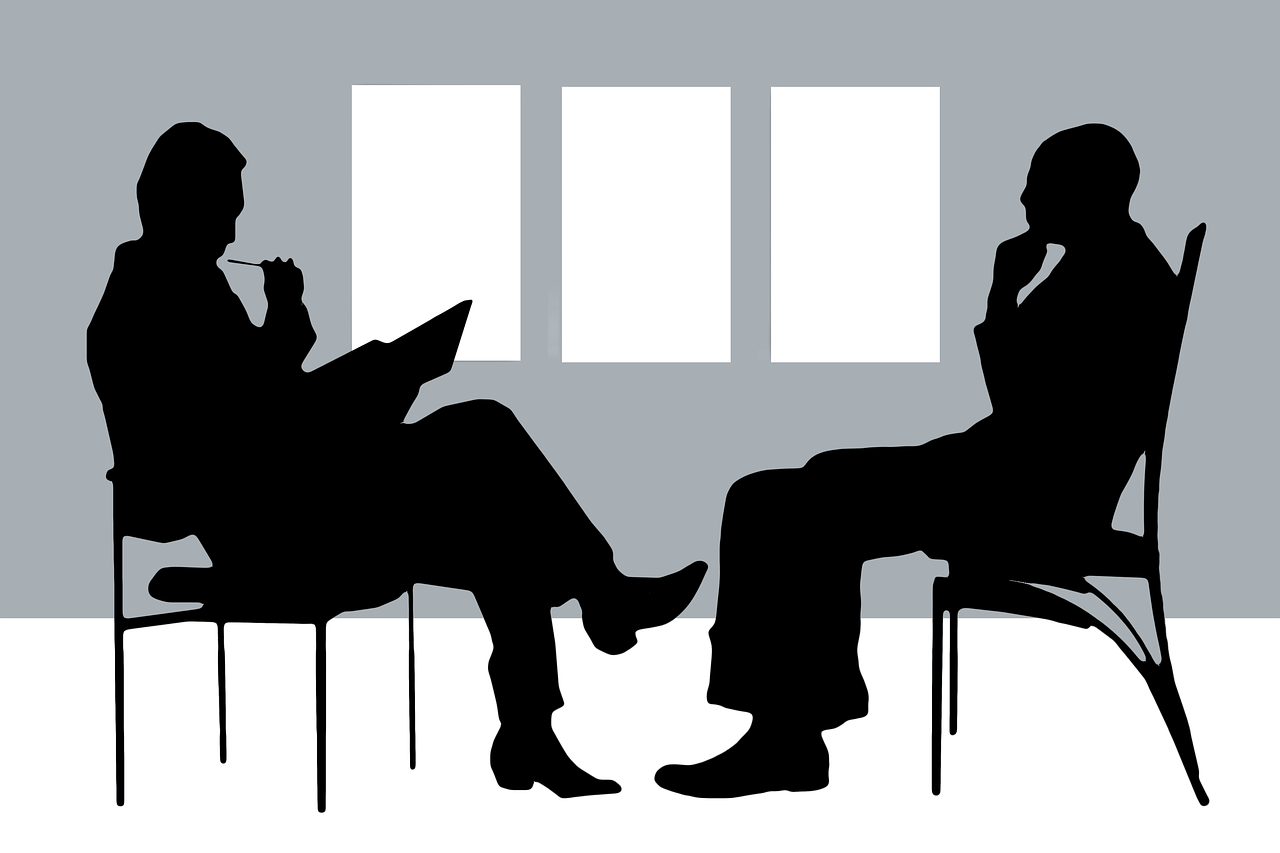
Therapist

Therapist.
Photo courtesy of Pixabay.com

Therapist or friend – what is the difference?

1. Friends may keep your secrets; therapists are required to keep them.

Some friends are so close you can tell them anything. Well, almost anything. Most of us have secrets which we were sure we could never tell anyone. Friends are usually friends because we have things in common. If you tell them everything can they, will they, keep the secret? What effect might their knowing the secret have on your friendship? What if you two have a falling out? Some things are just too embarrassing to tell a friend.

There are two concepts that keep a therapist from revealing secrets. Confidentiality, which means that they can’t talk about what you say unless it fits those very few exceptions like you are suicidal or talk about abuse of a child. Other than that what you say there stays there.

Also, there is what is called patient-provider privilege. That means some things may be protected even if police or lawyers come around asking questions. Friends don’t get legal protection to keep your secrets.

You are only as sick as your secrets – Friends shouldn’t have to carry some secrets

2. Friends can help you solve today’s problem – counselors can help you learn to solve your own problems.

Counselors often work with clients to help them learn skills to solve life’s problems. Friends may tell you what to do in a given situation but that does not help you with the next problem.

You want help that will help you become more independent not more dependent. Therapists are taught they should help you be independent not foster dependency.

3. Friends may not want to hurt you but sometimes you need to hear the truth.

A professional person can give you their honest opinion. You paid for it and you deserve it. Friends may be afraid to tell you the truth for fear of losing a friend.

4. Friends get tired of listening to your problems, therapists do this for a living.

Ever meet someone who was really needy. Every time you talked to them it was all about their problem of the day? When you are going through something difficult you need to talk about it. Friends can get talked out. Don’t burn out friends and damage friendships by asking friends to become very involved in your problems.

5. Friends have a good heart. They want to help with your problems. That doesn’t mean they always known how.

Therapists have many years of schooling and specific training in how to help people like you with problems. They study not only diagnosis and treatment but how to help with particular problems.
It is that kind of expertise that you need in your corner when that problem overwhelms you.

6. Friends can play the game with you, but counselors and coaches can help you improve your game.

When the team is losing all the players are going to talk to each other. They know what it feels like to lose. What they don’t always know is how to change that losing streak. That is where a new coach can come in and help turn a team around. Counselors, therapists, and professional coaches can do that for your life problems.

That does not mean you should avoid friends or peer support groups. Both are vital parts of your support system. Millions have recovered from alcoholism in A.A. But if you find that when you talk to your friends about your problem, that they don’t know how to help you or that the solutions they offer are not helping, consider that you may have a second problem, a mental health problem and seek professional help.

Those are some reasons that you might decide to see a therapist rather than talk with a friend. What if your friend is a therapist? What if you are a counselor? In the next post, I want to talk about reasons to keep that friendship and that professional relationship separate.

Staying connected with David Joel Miller

Seven David Joel Miller Books are available now!

My newest book is now available. It was my opportunity to try on a new genre. I’ve been working on this book for several years, but now seem like the right time to publish it.

Story Bureau.

Story Bureau is a thrilling Dystopian Post-Apocalyptic adventure in the Surviving the Apocalypse series.

Baldwin struggles to survive life in a post-apocalyptic world where the government controls everything.

As society collapses and his family gets plunged into poverty, Baldwin takes a job in the capital city, working for a government agency called the Story Bureau. He discovers the Story Bureau is not a benign news outlet but a sinister government plot to manipulate society.

Bumps on the Road of Life. Whether you struggle with anxiety, depression, low motivation, or addiction, you can recover. Bumps on the Road of Life is the story of how people get off track and how to get your life out of the ditch.

Dark Family Secrets: Doris wants to get her life back, but small-town prejudice could shatter her dreams.

Casino Robbery Arthur Mitchell escapes the trauma of watching his girlfriend die. But the killers know he’s a witness and want him dead.

Planned Accidents  The second Arthur Mitchell and Plutus mystery.

Letters from the Dead: The third in the Arthur Mitchell mystery series.

What would you do if you found a letter to a detective describing a crime and you knew the writer and detective were dead, and you could be next?

Sasquatch. Three things about us, you should know. One, we have seen the past. Two, we’re trapped there. Three, I don’t know if we’ll ever get back to our own time.

For these and my upcoming books; please visit my Author Page – David Joel Miller

Want the latest blog posts as they publish? Subscribe to this blog.

For videos, see: Counselorssoapbox YouTube Video Channel

When you were born did you get your instruction book?

By David Joel Miller, MS, Licensed Therapist & Licensed Counselor.

Books for sale

Books.
Photo courtesy of pixabay.

Did you get your life’s instruction book?

With most important things, when you make the purchase you get an instruction book. When you buy a new mower, you get a book.  When you buy a barbecue, you get a book. When I came home from the hospital I don’t think I got a book.

It would have been nice to get an instruction manual for life when I was born. How about you? Did you get an instruction book that told you what to do and where to go? Wouldn’t that have been helpful?

Such a book should include warnings – don’t do that with your life, it can be painful.

So often I feel like I am making this life up as I go along. You would think the instructions would have been clearer. Should I move here or there? Which relationships should I get into and which should I avoid. It would be nice to have instructions to known about the warnings without having to make the mistakes and suffer the pain of yet another learning experience.

Some hospitals used to give out books to new parents, what to do, and not do to be a good parent. Most of those books described the “typical” child and the “average” parent. “Typical” and “average” are rare things – almost as rare as those elusive “normal” people.

People who were given those baby-raising books, or bought one, report that the books were only marginally helpful. Not that you should do without one. If by some chance of luck you get a book that tells you how to raise a child and the system works, cherish that book. Just most of the time the book describes things that don’t happen, and your child is doing things that don’t sound like anything in the book.

Think of those baby-raising books more like field guides to the fauna of childhood than any accurate plan for raising your child right.  Books that describe developmentally appropriate parenting and life stages give you a guide to things some or many children a certain age do or should be able to do. As for your child, the writer of that book knows no more than the child does about how he may act tomorrow.

Which should you spring for, sports equipment, music lessons, or tutoring in algebra? Do everything right and your child may become famous for something you forgot to provide for him and may fail at the thing you put all that time and effort into. Kids are like that, so are adults.

The older the child gets, the less helpful the book becomes. Give that child a year, and just as you get them figured out they will have changed.

By the time your child is grown the book is hopelessly out of date, or the child is.

Most of the people who come to see me for counseling report they not only didn’t they get a book on how to be a parent they got even less information on how to grow up. So we teach our kids the lessons we learned from them about being a parent and leave the how-to grow up and have a happy life for them to figure out.

Despite all the books out there on how to live and how to have a happy life we still all need to live, make choices, and learn from our mistakes as well as our successes.

So consider all those self-help books – mine included, as books of suggestions. Try on the things that are suggested but feel free to discard anything that doesn’t work.

So many of my plans for a great life didn’t work out the way I planned them. I think that may be why the hospital neglected to give me that instruction book for my life. The full instructions are still being tested and improved.

Hope you are successful at designing and constructing a happy life for yourself. Remember there is time to write another chapter right up till the Great Editor adds the “The end.”

Staying connected with David Joel Miller

Seven David Joel Miller Books are available now!

My newest book is now available. It was my opportunity to try on a new genre. I’ve been working on this book for several years, but now seem like the right time to publish it.

Story Bureau.

Story Bureau is a thrilling Dystopian Post-Apocalyptic adventure in the Surviving the Apocalypse series.

Baldwin struggles to survive life in a post-apocalyptic world where the government controls everything.

As society collapses and his family gets plunged into poverty, Baldwin takes a job in the capital city, working for a government agency called the Story Bureau. He discovers the Story Bureau is not a benign news outlet but a sinister government plot to manipulate society.

Bumps on the Road of Life. Whether you struggle with anxiety, depression, low motivation, or addiction, you can recover. Bumps on the Road of Life is the story of how people get off track and how to get your life out of the ditch.

Dark Family Secrets: Doris wants to get her life back, but small-town prejudice could shatter her dreams.

Casino Robbery Arthur Mitchell escapes the trauma of watching his girlfriend die. But the killers know he’s a witness and want him dead.

Planned Accidents  The second Arthur Mitchell and Plutus mystery.

Letters from the Dead: The third in the Arthur Mitchell mystery series.

What would you do if you found a letter to a detective describing a crime and you knew the writer and detective were dead, and you could be next?

Sasquatch. Three things about us, you should know. One, we have seen the past. Two, we’re trapped there. Three, I don’t know if we’ll ever get back to our own time.

For these and my upcoming books; please visit my Author Page – David Joel Miller

Want the latest blog posts as they publish? Subscribe to this blog.

For videos, see: Counselorssoapbox YouTube Video Channel

Where happiness hides.

By David Joel Miller, MS, Licensed Therapist & Licensed Counselor.

Happy faces

Happiness.
Photo courtesy of Pixabay.com

How happiness becomes invisible.

Happiness is so much harder to find than pain for the majority of humans. This is not a result of some personal failing. Turns out that this bias, to see the bad and the dangerous and to miss the happy and the pleasant, is a built-in feature, a part of the design of humans.

One particular psychological principle explains a lot about the inability of so many people to see happiness even when it is right in front of you. That principle is the “expert effect.”

Let me explain the expert effect and how it hides happiness with a story from my past.

I once had a friend who was into antiques. We decide to meet up for lunch and check out a few antique stores downtown. After walking through one especially well-stocked establishment we paused outside to talk about what we had seen.

“Did you see that Fenton glass? And the shelf of carnival glass over in the corner?” She asked.

I had to admit I hadn’t noticed either of these glass items. They were right there in plain sight.” She commented.  “How could you have missed them?”

I had to admit I had missed them. There was a good reason why. At that point in my life, I could not have told you the difference between a piece of Fenton glass and a fence. I could easily spot the shelves of old books but the glass, not so much.

So after that experience and not wanting to appear so stupid I determined to solve this problem. The next week I went to the library and checked out, and read, some books on antique and collectible glass.  The next time we went antique hunting I did indeed see all sorts of previously invisible collectible glass.

Not only did I see it, but now I slowed down to take a close look and tried to remember what I had read about this particular type of glass. When we did finally talk about what we had seen there was so much more to the conversation.

The principle here is the “expert effect.” If you don’t know what something looks like it is hard to spot. The more you learn about a subject the faster you will identify it and the more meaning it will have when you see it.

Most of us are hard-wired to spot pain but we have never learned to see happiness. This makes the good things in life invisible even when they are right in front of us.

Most of us are naturally able to spot the unhappy, the painful, and the dangerous. You don’t need to be eaten by a lion to know that avoiding lions is a good thing to do. We can learn from others by seeing them get eaten. We might even learn from hearing others tell tales about lions eating people. Getting eaten has a high importance if you live around lions. In my town, we avoid gang members with guns in the same way.

It is much harder to spot others who are happy. And we don’t often hear stories about other’s happy moments. Even when we do see and hear happiness stories they don’t stick in our brains the way lion stories do. This is called a negativity bias.

Rick Hanson author of Buddha Brain, has written and talked about our ability to learn about the negative quickly and our lack of skill in learning to spot and remember happiness. With time our brains can learn most anything but the less you know about the topic the harder it is to learn and the more we will be biased to learning only scary things we need to know to keeps us alive.

So his prescription for learning about happiness? How do you become a happiness expert so you can spot it at a distance and learn to run toward happiness instead of from lions? Hanson suggests that a positive memory needs to be held and savored for 20-30 seconds before it will sink in unlike pain that registers straight off. He calls this 3 step process “taking in the good.”

The brain does not do a good job of storing facts, especially small or unimportant facts.

Did you know that the bulk of all learning, maybe 80% or more, is emotional, not intellectual?

Want to remember something? Turn it into an emotional experience, not a fact. Here is a happiness example.

You are walking along at a fast clip, trying to get your exercise done before sunset. Nice sunset. Nice flower I just passed. Glad when this jogging stuff is over and I can rest. Is that the way many of us do this exercising thing?

What would happen if you stopped and looked at the sunset? How long can you stare at your neighbor’s flowers before she calls the cops? If you pause and look, for as little as twenty to thirty seconds, give this experience time to soak into your brain, you will greatly increase the likelihood of remembering this experience as a pleasant one. Let a few of these 30-second experiences accumulate and you might become a happiness expert.

What – you too busy to spend 30 seconds collecting happiness?

But wait there is more. Hanson also said that besides slowing down and turning the facts into an experience, holding the feeling for the 30 seconds we also need to make a conscious effort to save the experience.

So if you set out to become a happiness expert, invest the time, feel the feeling when it comes, and plan to hold on to it and capture it in your brain.

You too can become a happiness expert and prevent happiness invisibility.

Staying connected with David Joel Miller

Seven David Joel Miller Books are available now!

My newest book is now available. It was my opportunity to try on a new genre. I’ve been working on this book for several years, but now seem like the right time to publish it.

Story Bureau.

Story Bureau is a thrilling Dystopian Post-Apocalyptic adventure in the Surviving the Apocalypse series.

Baldwin struggles to survive life in a post-apocalyptic world where the government controls everything.

As society collapses and his family gets plunged into poverty, Baldwin takes a job in the capital city, working for a government agency called the Story Bureau. He discovers the Story Bureau is not a benign news outlet but a sinister government plot to manipulate society.

Bumps on the Road of Life. Whether you struggle with anxiety, depression, low motivation, or addiction, you can recover. Bumps on the Road of Life is the story of how people get off track and how to get your life out of the ditch.

Dark Family Secrets: Doris wants to get her life back, but small-town prejudice could shatter her dreams.

Casino Robbery Arthur Mitchell escapes the trauma of watching his girlfriend die. But the killers know he’s a witness and want him dead.

Planned Accidents  The second Arthur Mitchell and Plutus mystery.

Letters from the Dead: The third in the Arthur Mitchell mystery series.

What would you do if you found a letter to a detective describing a crime and you knew the writer and detective were dead, and you could be next?

Sasquatch. Three things about us, you should know. One, we have seen the past. Two, we’re trapped there. Three, I don’t know if we’ll ever get back to our own time.

For these and my upcoming books; please visit my Author Page – David Joel Miller

Want the latest blog posts as they publish? Subscribe to this blog.

For videos, see: Counselorssoapbox YouTube Video Channel

Meditation for people who don’t meditate

By David Joel Miller, MS, Licensed Therapist & Licensed Counselor.

Tree.
Photo courtesy of Pixabay.com

Are you a meditator or a non-meditator?

For a very long time now I have been convinced that there are two kinds of people, meditators, and non-meditators. I was sure I was a non-meditator. Turns out I just might be a closet meditator after all.

There are lots of meditators out there. I read about them and the benefits of meditation. I am sure it must be immensely helpful to those who practice it, but like weight loss and exercise it has always on my “to do” list not my “done” list till now.

Meditation fits nicely with all those pleasant eastern religions, but I am a hopelessly western person. How could meditation fit into my life? I have been to a twelve-step meeting where they talk about prayer and meditation but getting into meditation has been an awfully long stretch for me.

One problem with my meditation efforts may have been the tendency to think that somehow I needed to close my eyes and block out the world. That is the way we are supposed to pray in church so that was the way I tried to meditated. The same problem occurs with both prayer and meditation when I close my eyes. First, my mind floods with thoughts about everything in the world. These are important thoughts, creative thoughts and I don’t want to lose them so I keep trying to remember these important ideas while trying to empty my mind. Ever try to empty a large pool of water using a running hose?

This flood of ideas happens at other times, like when I am supposed to be writing my blog post. At those times I use a “capture tool” for those pesky other thoughts. Rather than trying to remember the idea I just got for tomorrow’s post while typing today’s installment, I write it down on a clipboard next to my computer. This “captures” the thought and lets me drop it out of my mind and concentrate on the idea at hand. I tried that with meditation but it seems disrespectful to the meditation leaders to always be writing things down while others are trying to meditate. Seems downright sacrilegious, in a non-religious meditation way.

My training as a counselor has been mostly centered around the western style of cognitive behavioral therapy. Get a head change, change your thinking and the emotions will follow. Meditation might work for some of my really anxious clients but I was a little unsure how to teach them the benefit of something I had always been sure I didn’t do – till now.

Someone recently told me they meditate by watching the leaves in the trees. There was a brief flash of thought, not willing to call it enlightenment just yet, but I started to wonder – could watching the leaves in a tree be a form of meditation?

In counseling, we work on a skill called “attunement” with clients. We try to not only get the meaning of their words but also the feeling behind those words. We try to see the world from the client’s point of view. If we can attune to people why not trees?

It suddenly came to me that the times in my life which were the most peaceful were when I could attune with something in nature. Sitting on the ground staring away at the leaves, watching the wind making its way through the tree and feeling attuned to the tree, that occasion was one of the most peaceful times in my life.

Trees have a lot to tell us. From a distance, they look a lot alike. Close up it is amazing the variation. No tree is perfect but you don’t need to be perfect if you are a tree, you just grow and give shade.

Like most people I have moved all around looking for the place I belong, that tree outside my office has lived in that same spot since the day it was born. In all likelihood that tree will still be here after all the people who work in the building have come and gone.

The tree has its struggles. Last winter there was a wind storm and the tree lost a branch, broke off all of a sudden. The tree lost part of its self and still just kept on growing, reaching for the sun. We humans sometimes stop growing after a loss like that.

Trees aren’t the only non-humans we need to attune with. There are birds that act out their drama while living in that tree. The rain comes and it plays with that tree until drops fall to the ground and flow away.

Watching the river run downstream is also a peaceful centering experience. Water, by the way, does not care if you watch or close your eyes to meditate. If you close your eyes while attuned to a river, it will sing to you.

There you have it. While I will probably never be able to sit quietly staring off into space and meditating, I find great joy and contentment in watching the wind play games with the tree outside my window and the rain run down the stream to the river and eventually the sea.

Could you accept that attunement to nature is a very productive form of meditation?  It’s a version of meditation that works for me.

Staying connected with David Joel Miller

Seven David Joel Miller Books are available now!

My newest book is now available. It was my opportunity to try on a new genre. I’ve been working on this book for several years, but now seem like the right time to publish it.

Story Bureau.

Story Bureau is a thrilling Dystopian Post-Apocalyptic adventure in the Surviving the Apocalypse series.

Baldwin struggles to survive life in a post-apocalyptic world where the government controls everything.

As society collapses and his family gets plunged into poverty, Baldwin takes a job in the capital city, working for a government agency called the Story Bureau. He discovers the Story Bureau is not a benign news outlet but a sinister government plot to manipulate society.

Bumps on the Road of Life. Whether you struggle with anxiety, depression, low motivation, or addiction, you can recover. Bumps on the Road of Life is the story of how people get off track and how to get your life out of the ditch.

Dark Family Secrets: Doris wants to get her life back, but small-town prejudice could shatter her dreams.

Casino Robbery Arthur Mitchell escapes the trauma of watching his girlfriend die. But the killers know he’s a witness and want him dead.

Planned Accidents  The second Arthur Mitchell and Plutus mystery.

Letters from the Dead: The third in the Arthur Mitchell mystery series.

What would you do if you found a letter to a detective describing a crime and you knew the writer and detective were dead, and you could be next?

Sasquatch. Three things about us, you should know. One, we have seen the past. Two, we’re trapped there. Three, I don’t know if we’ll ever get back to our own time.

For these and my upcoming books; please visit my Author Page – David Joel Miller

Want the latest blog posts as they publish? Subscribe to this blog.

For videos, see: Counselorssoapbox YouTube Video Channel

How to be Happy

By David Joel Miller, MS, Licensed Therapist & Licensed Counselor.

Happy faces

Happiness.
Photo courtesy of Pixabay.com

How to Experience Happiness.

Do you have trouble feeling happy? This should be easy right? You would think there is nothing you should have to do to feel happy. Doesn’t it seem as if we should be able to find something, some experience that would make us happy? Then why are so many people looking and so few finding happiness?

The truth is that some of us don’t know happiness when we have it. Pain is easy to find and we always know unhappiness when we see it but happiness, well that is harder to be sure about. One minute it is there and the next it is gone.

In a past post, Why can’t we forget the painful past, I wrote about the reasons it is easier to remember pain than happiness. Remembering pain has an evolutionary value. It keeps us from making the same mistake over and over. You would think that happiness and pleasure should have the same evolutionary advantage, reminding us to do pleasant things over and over.

Pleasure seems to be rewarding. People will repeat behaviors to get more pleasure even when these actions are destructive. Things like addiction, behavioral excess, overspending, and risky sexual activities are all temporarily rewarding even when they don’t result in long-term happiness.

Sharp emotions like pleasure and pain arrive quickly and unannounced. Some feelings are softer and gentler. Feelings like happiness and contentment swell up softly and slowly from our unconscious.

If you want more happiness you need to cultivate the experience of watching for its appearance and you need to look for it. Happiness is not a pushy emotion. It doesn’t force its way into your heart. It waits to be noticed and invited.

Did you ever go looking for a particular style of car, maybe a van or a hatchback? Before you begin your search you didn’t see many of that model. Once you look, they are everywhere.

Happiness is like that. We need to consciously search for it.

Did you look for that car you wanted in the big box store or a department store? No of course not. You looked in places where that model of car might be sold.

So why do we look for happiness by chasing after short-term pleasure or running from pain? Happiness is the result of facing our troubles. It is also the direct product of acceptance. If we are never content with what we have, if we are always chasing more, then happiness gets passed by.

The allusion that if we catch pleasure we will be happy traps many. How easy it is to chase pleasure through the thicket of thorns. If we would just stand still and notice what we have perhaps the butterfly of happiness will land on our outstretched hand.

Staying connected with David Joel Miller

Seven David Joel Miller Books are available now!

My newest book is now available. It was my opportunity to try on a new genre. I’ve been working on this book for several years, but now seem like the right time to publish it.

Story Bureau.

Story Bureau is a thrilling Dystopian Post-Apocalyptic adventure in the Surviving the Apocalypse series.

Baldwin struggles to survive life in a post-apocalyptic world where the government controls everything.

As society collapses and his family gets plunged into poverty, Baldwin takes a job in the capital city, working for a government agency called the Story Bureau. He discovers the Story Bureau is not a benign news outlet but a sinister government plot to manipulate society.

Bumps on the Road of Life. Whether you struggle with anxiety, depression, low motivation, or addiction, you can recover. Bumps on the Road of Life is the story of how people get off track and how to get your life out of the ditch.

Dark Family Secrets: Doris wants to get her life back, but small-town prejudice could shatter her dreams.

Casino Robbery Arthur Mitchell escapes the trauma of watching his girlfriend die. But the killers know he’s a witness and want him dead.

Planned Accidents  The second Arthur Mitchell and Plutus mystery.

Letters from the Dead: The third in the Arthur Mitchell mystery series.

What would you do if you found a letter to a detective describing a crime and you knew the writer and detective were dead, and you could be next?

Sasquatch. Three things about us, you should know. One, we have seen the past. Two, we’re trapped there. Three, I don’t know if we’ll ever get back to our own time.

For these and my upcoming books; please visit my Author Page – David Joel Miller

Want the latest blog posts as they publish? Subscribe to this blog.

For videos, see: Counselorssoapbox YouTube Video Channel

Buying happiness.

By David Joel Miller, MS, Licensed Therapist & Licensed Counselor.

Happy children

Happy.
Photo courtesy of Pixabay.com

Just how do you go about getting happiness?

Happiness seems to be so much harder to get than misery. In a previous post, I wrote about 13 ways to make yourself miserable. Finding ways to make yourself happy seems so much more difficult. It appears there are only a couple of ways we humans go about trying to acquire happiness. I did an internet search and found mostly things to do, places to go, to make me happy. There were also some sites devoted to treating unhappiness based on the assumption if we are less miserable we must then be happier.

Lots of people try to make themselves happy by buying. Despite more goods available now for purchase than ever before these things have not resulted in a universal reduction in unhappiness. More stuff and still we are unhappy.

More money does not make us happy, hence the old saying “money does not buy happiness.” Is that so? Then why do we keep spending money trying to become happy?

People also try to find happiness in frantic doing. The paradox here is that the people who do the most seem to be the least happy.

There are times when buying and doing do make people happy. Maybe the difference is in the way we spend our money and our time.

1. Doing for others makes us feel good.

Have you ever done something for a little child or a sick person? How did it make you feel to help someone else? Did you feel bad? Did you feel good? Most people tell me that helping a child makes them feel good.

This is a major part of the twelfth step as those who have been around a twelve-step group can tell you. Sponsors offer to help newcomers because it feels good to help. Anytime we are thinking about others and not ourselves our problems shrink. Twelve-step sponsors work with newcomers because it keeps them sober.

The joy of helping others sure looks like happiness to me.

2. The way we spend our money determines if it makes us happy or not.

Michael Norton has done a wonderful video on how the way we spend our money affects our happiness, more on Michael Norton at the end of this post.

People, who spend money on others, most often feel happier about the purchase than people who spend the money on themselves. Norton has done a lot of research on this. The results seem to be the same almost everywhere on the planet.

Donate money to charity and you will feel better. Spend it on yourself and the pleasure will last a very short time. Now, this does not say to neglect ourselves or that it is wrong to do nice things for ourselves. What he does point out is that money spent solely for the purpose of making ourselves happy is likely to fail.

The size of the purchase does not seem to matter. One huge donation to a charity, while commendable does not create the long-term happiness that developing a habit of being helpful or of service to people will create.

The conclusion I take from all this is that developing a habit of caring about others and spending your time and money on doing good, creates more happiness. Grow the habit of selfishness and spending on your own pleasure and no amount of time or money can make you happy.

About Mr. Norton, you can see the video of his presentation on the TED site. For those of you not familiar with TED it is an organization devoted to “ideas worth spreading.” This is one online video source worth watching. Here is the link.

Michael Norton TED – Ideas worth spreading

Any of you have stories about the way in which you spent your time and money and how those expenditures influenced your happiness?

Staying connected with David Joel Miller

Seven David Joel Miller Books are available now!

My newest book is now available. It was my opportunity to try on a new genre. I’ve been working on this book for several years, but now seem like the right time to publish it.

Story Bureau.

Story Bureau is a thrilling Dystopian Post-Apocalyptic adventure in the Surviving the Apocalypse series.

Baldwin struggles to survive life in a post-apocalyptic world where the government controls everything.

As society collapses and his family gets plunged into poverty, Baldwin takes a job in the capital city, working for a government agency called the Story Bureau. He discovers the Story Bureau is not a benign news outlet but a sinister government plot to manipulate society.

Bumps on the Road of Life. Whether you struggle with anxiety, depression, low motivation, or addiction, you can recover. Bumps on the Road of Life is the story of how people get off track and how to get your life out of the ditch.

Dark Family Secrets: Doris wants to get her life back, but small-town prejudice could shatter her dreams.

Casino Robbery Arthur Mitchell escapes the trauma of watching his girlfriend die. But the killers know he’s a witness and want him dead.

Planned Accidents  The second Arthur Mitchell and Plutus mystery.

Letters from the Dead: The third in the Arthur Mitchell mystery series.

What would you do if you found a letter to a detective describing a crime and you knew the writer and detective were dead, and you could be next?

Sasquatch. Three things about us, you should know. One, we have seen the past. Two, we’re trapped there. Three, I don’t know if we’ll ever get back to our own time.

For these and my upcoming books; please visit my Author Page – David Joel Miller

Want the latest blog posts as they publish? Subscribe to this blog.

For videos, see: Counselorssoapbox YouTube Video Channel

Top blog posts for April 2012

Counselorssoapbox.com

By David Joel Miller, MS, Licensed Therapist & Licensed Counselor.

Here it is – The Best of Blog Recap for April 2012 –

Just in case you missed some of these, this is a second opportunity to check out some of the best posts as measured by reader views.

This month also, a new feature, “My favorite posts.” This category is my chance to mention some older posts and some that may have gotten missed because they were posted early in the blog or at times when many of you readers were away, Tax Day had a lower than normal readership for example.

Top read blog posts of April 2012.

1. Grandma is the Drug Connect

2. How much should you tell a therapist?

3. 13 Ways to make yourself miserable

4. Millions about to Catch a Mental Illness

My favorites, in no particular order

1. Why Can’t We Forget the Painful Past?

2. The Ambulance at the Corner

3. People are like them Trees

4. Bury the Past – Put it in a box

This month has been so gratifying. Thanks to all of you. April has been another record month for views. To date, there have been readers in over 35 countries. Many of you have emailed me to tell me you enjoyed a post. Please feel free to comment on any post. Reader comments help to make this blog more useful to all of us.

Staying connected with David Joel Miller

Seven David Joel Miller Books are available now!

My newest book is now available. It was my opportunity to try on a new genre. I’ve been working on this book for several years, but now seem like the right time to publish it.

Story Bureau.

Story Bureau is a thrilling Dystopian Post-Apocalyptic adventure in the Surviving the Apocalypse series.

Baldwin struggles to survive life in a post-apocalyptic world where the government controls everything.

As society collapses and his family gets plunged into poverty, Baldwin takes a job in the capital city, working for a government agency called the Story Bureau. He discovers the Story Bureau is not a benign news outlet but a sinister government plot to manipulate society.

Bumps on the Road of Life. Whether you struggle with anxiety, depression, low motivation, or addiction, you can recover. Bumps on the Road of Life is the story of how people get off track and how to get your life out of the ditch.

Dark Family Secrets: Doris wants to get her life back, but small-town prejudice could shatter her dreams.

Casino Robbery Arthur Mitchell escapes the trauma of watching his girlfriend die. But the killers know he’s a witness and want him dead.

Planned Accidents  The second Arthur Mitchell and Plutus mystery.

Letters from the Dead: The third in the Arthur Mitchell mystery series.

What would you do if you found a letter to a detective describing a crime and you knew the writer and detective were dead, and you could be next?

Sasquatch. Three things about us, you should know. One, we have seen the past. Two, we’re trapped there. Three, I don’t know if we’ll ever get back to our own time.

For these and my upcoming books; please visit my Author Page – David Joel Miller

Want the latest blog posts as they publish? Subscribe to this blog.

For videos, see: Counselorssoapbox YouTube Video Channel

13 Ways to Make Yourself Miserable.

By David Joel Miller, MS, Licensed Therapist & Licensed Counselor.

Unhappy emoticon

Unhappy.
Photo courtesy of Pixabay.com

How to create a miserable life – let me count the ways.

1. Require yourself to be perfect.

No matter how well you do at anything, tell yourself you should have done better. Flog yourself repeatedly because you “should have” done better. Carefully avoid ever giving yourself credit for anything you ever do right.

2. Compare yourself to others constantly.

Look for someone who is taller, smarter, richer, or better looking. Keep comparing yourself until you find people who were better at something than you. Did you win a gold medal at the Olympics? Was there someone who won two? Did someone win 5 or 7 once? Did a medalist run for Congress? There must be someone out there who was better than you!

3. Discount all your accomplishments.

Did you get the highest score on a test? Well, you should have done better. You were just lucky that day. Tell yourself that your accomplishment is no big thing. Do it right ten times in a row, remind yourself that you might fail next time.

4. Call yourself names.

Remember to call yourself stupid or ugly several times a day. Repeat over and over “I am a loser.” Need help thinking of insults? Call those around you names and encourage them to call you names back.

5. Focus on your disabilities.

Remind yourself that you are too tall or too short. Can you claim to be too dumb or too smart? Anything can be a disability if you can find a way to allow this to hold you back.

6. If someone gives you a compliment toss it back.

Instantly dismiss any compliments. If they really knew you they would not have said that. You know you are not worthy. It was no big deal. Anyone else would have done it better, right?

7. Become indignant when anyone criticizes you.

How dare them to criticize a helpless person like you. Do not ever take any critique in a positive way. If you are not the best at something know it is because you are worthless not because you have something yet to learn. Make no effort to improve yourself and remind yourself that they are just criticizing you because they hate you and think you are worthless.

8. Self-sabotage.

If things start going too good mess it up. Get drunk, do some drugs, gamble it all away. No point in being good if you can’t have fun. No reason to have fun if you can’t take it to revolting extremes.

9. Hang out with negative people who will agree that you should be miserable.

Avoid those suspicious positive people. Look for the Gloomy Gus’s of the world. They know what is up and will not mislead you with any of that happiness stuff.

10. Never do something when you can complain.

Take no action that might change anything. Especially avoid changing you. Make sure you complain often and loudly until someone agrees with you that things are bad and you are worse.

11. Neglect self-care – you don’t deserve it.

Taking care of yourself is a waste of time and money. A miserable person does not deserve anything and you are out to deprive yourself as much as possible.

12. Make lists of things that could go wrong.

Look for misery anywhere you can find it. Catalog all the things that could go wrong. Watch the news and look for the awaiting catastrophes.  Imagine all the failures and diseases you or your family could get and hide from them. Worry about what could go wrong but under no circumstance should you do anything to prevent catastrophes or protect yourself.

13. Work at a job you hate.

Pick a dead-end job and stay there until you die. Carefully avoid any effort to improve your job or career. Never get more education or learn new skills. There is no point in trying as you know that happiness is an illusion and everyone hates their job. If you start to like your job become suspicious and quit. Take a new job that is less rewarding. Good things can’t last so if this is too enjoyable it is bound to go wrong soon.

This blog was inspired by a post of Tim Brownson on Steven Aitchison’s blog CYT (Change Your Thinking)

Tim’s post started as 12 ways but ended as 14 ways. Since I was not sure that would be enough ways to create misery I have come up with 13 more ways. If you need more ways to be miserable check out the list at CYT.

Now should you decide you have had enough misery and want some recovery, try doing the opposite of these suggestions.

Any of you have other ways you have made yourself miserable that you would care to share? What are you doing to move from misery to happiness? What has worked to make your life happy?

Staying connected with David Joel Miller

Seven David Joel Miller Books are available now!

My newest book is now available. It was my opportunity to try on a new genre. I’ve been working on this book for several years, but now seem like the right time to publish it.

Story Bureau.

Story Bureau is a thrilling Dystopian Post-Apocalyptic adventure in the Surviving the Apocalypse series.

Baldwin struggles to survive life in a post-apocalyptic world where the government controls everything.

As society collapses and his family gets plunged into poverty, Baldwin takes a job in the capital city, working for a government agency called the Story Bureau. He discovers the Story Bureau is not a benign news outlet but a sinister government plot to manipulate society.

Bumps on the Road of Life. Whether you struggle with anxiety, depression, low motivation, or addiction, you can recover. Bumps on the Road of Life is the story of how people get off track and how to get your life out of the ditch.

Dark Family Secrets: Doris wants to get her life back, but small-town prejudice could shatter her dreams.

Casino Robbery Arthur Mitchell escapes the trauma of watching his girlfriend die. But the killers know he’s a witness and want him dead.

Planned Accidents  The second Arthur Mitchell and Plutus mystery.

Letters from the Dead: The third in the Arthur Mitchell mystery series.

What would you do if you found a letter to a detective describing a crime and you knew the writer and detective were dead, and you could be next?

Sasquatch. Three things about us, you should know. One, we have seen the past. Two, we’re trapped there. Three, I don’t know if we’ll ever get back to our own time.

For these and my upcoming books; please visit my Author Page – David Joel Miller

Want the latest blog posts as they publish? Subscribe to this blog.

For videos, see: Counselorssoapbox YouTube Video Channel

Where do you belong?

By David Joel Miller, MS, Licensed Therapist & Licensed Counselor.

Family of teddy bears.

Belonging.
Photo courtesy of Pixabay.com

“I don’t belong here.”

Lots of people say they don’t belong here. Have you ever felt that way? Sometimes people who say and think that, mean here, now, in the present situation or place. Sometimes they mean on this earth.

When you don’t feel like you belong it is hard to be motivated, to have a purpose. Some people despair of ever finding a place where they can belong.

We talk about our “belongings,” the things we own. But feeling like someone’s possession, that can’t make us feel like we belong. Feeling that you are where you should be is not about things.

For some people belonging is about being tucked safely and securely in a close affectionate group. It might also mean feeling like we are the same as those around us. For other people belonging is being surrounded by people who accept us for who we are and encourage us to be ourselves even if that self is different from the self they have.

Some kids who have moved a lot tell me they feel this lack of belonging. People from families that never accepted them for whom and what they are; say they don’t feel like they belong also. If your family does not affirm you or if you have no friends it is not likely you can feel that you belong there. But where do you belong?

When you are always moving, starting over with new friends, new routines, it is hard to feel like you fit in. Some people find that right place, that time they fit in, early in life. Some of us spend our lifetimes looking for that place.

It is not just kids; adults say the same thing. They have spent their lives looking for that one place they fit in, that belief, cause, or activity that makes them feel that this is their one special place, the place they belong, the place they ought to be.

Sometimes it is a relationship where we belong, which gives out lives meaning. But relationships can end and then we ask if we still belong.

Elizabeth Lesser in her book Broken Open says it this way. “The first time I assisted at a birth, I had that feeling that I belonged exactly where I was, that there was nowhere else I would rather be.”

Some of us grow up not knowing where we ought to be. We may travel the world only to return to the place where we started and find there the place we always belonged, the place we needed to be.

Others of us travel and somewhere in those moves we find a place where we finally can say this is where I belong.

People will tell us that they find that belonging feeling in a spiritual place, a church, temple, mosque, or a clearing in the woods. We might find the place we belong in a cause or political movement. Why it is that one person feels at home in one place and another in a quite different setting I cannot say.

Recovering people have told me that the first time they ever felt at home, like they belonged there, was in a twelve-step meeting, among other people who understood their struggles and who welcomed them home.

Many among us will work their whole lives at a job so that they can finally retire and go on their quest for the place they belong, the thing that gives their life meaning. Others find that calling early in life and belong doing what they do their whole life. Sadly some people never do find that place where they belong.

Have you found that place where your life has meaning and purpose, a place where people accept you, that one place where you belong?

Staying connected with David Joel Miller

Seven David Joel Miller Books are available now!

My newest book is now available. It was my opportunity to try on a new genre. I’ve been working on this book for several years, but now seem like the right time to publish it.

Story Bureau.

Story Bureau is a thrilling Dystopian Post-Apocalyptic adventure in the Surviving the Apocalypse series.

Baldwin struggles to survive life in a post-apocalyptic world where the government controls everything.

As society collapses and his family gets plunged into poverty, Baldwin takes a job in the capital city, working for a government agency called the Story Bureau. He discovers the Story Bureau is not a benign news outlet but a sinister government plot to manipulate society.

Bumps on the Road of Life. Whether you struggle with anxiety, depression, low motivation, or addiction, you can recover. Bumps on the Road of Life is the story of how people get off track and how to get your life out of the ditch.

Dark Family Secrets: Doris wants to get her life back, but small-town prejudice could shatter her dreams.

Casino Robbery Arthur Mitchell escapes the trauma of watching his girlfriend die. But the killers know he’s a witness and want him dead.

Planned Accidents  The second Arthur Mitchell and Plutus mystery.

Letters from the Dead: The third in the Arthur Mitchell mystery series.

What would you do if you found a letter to a detective describing a crime and you knew the writer and detective were dead, and you could be next?

Sasquatch. Three things about us, you should know. One, we have seen the past. Two, we’re trapped there. Three, I don’t know if we’ll ever get back to our own time.

For these and my upcoming books; please visit my Author Page – David Joel Miller

Want the latest blog posts as they publish? Subscribe to this blog.

For videos, see: Counselorssoapbox YouTube Video Channel

Why can’t we forget the painful past?

By David Joel Miller, MS, Licensed Therapist & Licensed Counselor.

Why can’t we forget the painful past?
Photo courtesy of pixabay

Are there some things you just can’t get over?

Why is it so hard to forget the pain of the past and so hard to remember times when things go well? Your brain is hard at work here, reminding you of your mistakes, not letting you get over the past. Why can’t we forget?

It is as if the brain stores memories in two different ways. Pleasant experiences, our successes in life get filed in boxes somewhere in the back of the brain. They take work to find. Not so with the pain.

Pain is grooved into the brain, great deep gashes in our consciousness. That one argument, that one mistake, and your mind just won’t let you forget. The unhappiness just doesn’t want to let you go.

There are good reasons for the brain to store memories that way. By emphasizing pain, keeping it close to the surface where it can be easily found again, your brain is trying to protect you from making the same mistake again. We should learn from our mistakes. Learn from what happened but not be controlled by the past.

This also means that if you are under the influence of drugs or alcohol you may not remember the pain, your brain was anesthetized.

Say you eat a hot-fudge-sundae. You will probably eat a number of those or some similar treat, in your lifetime. Think back on the times you ate one. Can you remember which one was better? How did the tenth one taste? The eleventh?  Pleasure is stored in the brain in a general way.

Unfortunately, most of us store our successes in the same way. We can’t seem to remember anything positive about our lives. It takes work to find that happy life events file.

What if something bad happens? Say you are driving along the freeway that takes you to work. You have driven this way every day for years. Can’t remember which day was sunny and when was that day you saw the deer up on the hill as you drove by. But one day there is an accident, you see people hurt, maybe killed. Will you forget that day? Not likely.

Painful memories are stored in extra easy to find files. Sometimes they aren’t filed away at all. They lay there open. You see that accident over and over in your mind. Some small details you may never be able to forget even when you try.

Your mind may remind you of that one day and the crash so much the memories intrude on your sleep. Some people will become so fearful that they will no longer take that freeway. They may decide to avoid freeways altogether. They may only use surface streets. Some people give up driving altogether. These extreme reactions to trauma take on a life of their own. If the fear and efforts to avoid things that remind you of the event last a long time this may become Posttraumatic Stress Disorder.

If you were in a war zone, were abused or neglected as a child, this makes sense. Treatment for PTSD is available but it is not a one size fits all treatment. Some people need to talk it out, some people get worse when forced to talk about horrific experiences. This calls for professional help.

But if this constant negative thought is the result of your focusing only on the pain and forgetting the positive then there are many things you can do about it.

In marriages, we believe that the couple needs seven or more positive experiences for every negative one. The brain has trouble remembering the good times. For children we tell parents to “catch your child doing something right” you won’t spoil them and they need that much positive attention from you to offset the times you will need to tell them they did something wrong.

What if your parents didn’t tell you that you had ever done something right? How about those who are their own worst enemies and never give themselves a break? Being over hard on yourself is not likely to make you try harder. Constant criticism can cause people to give up and stop trying, even when the blame comes from within.

Give yourself a pat on the back for anything you do well. Keep a list in a journal of all the things in your life large or small you have done well. Say positive self-affirming things to yourself every day. Post those affirmations in places you will see.

If you can’t remember a time you succeeded, when it is really hard to give yourself credit, ask yourself what would your best friend say? Don’t discount the praise you get. Accept the compliments and praise without discounting it.

While you may never be able to forget the pain of the past completely, focusing on the positive in the present and future will shrink those old memories.

This post was featured in “Best of Blog – May 2012

Staying connected with David Joel Miller

Seven David Joel Miller Books are available now!

My newest book is now available. It was my opportunity to try on a new genre. I’ve been working on this book for several years, but now seem like the right time to publish it.

Story Bureau.

Story Bureau is a thrilling Dystopian Post-Apocalyptic adventure in the Surviving the Apocalypse series.

Baldwin struggles to survive life in a post-apocalyptic world where the government controls everything.

As society collapses and his family gets plunged into poverty, Baldwin takes a job in the capital city, working for a government agency called the Story Bureau. He discovers the Story Bureau is not a benign news outlet but a sinister government plot to manipulate society.

Bumps on the Road of Life. Whether you struggle with anxiety, depression, low motivation, or addiction, you can recover. Bumps on the Road of Life is the story of how people get off track and how to get your life out of the ditch.

Dark Family Secrets: Doris wants to get her life back, but small-town prejudice could shatter her dreams.

Casino Robbery Arthur Mitchell escapes the trauma of watching his girlfriend die. But the killers know he’s a witness and want him dead.

Planned Accidents  The second Arthur Mitchell and Plutus mystery.

Letters from the Dead: The third in the Arthur Mitchell mystery series.

What would you do if you found a letter to a detective describing a crime and you knew the writer and detective were dead, and you could be next?

Sasquatch. Three things about us, you should know. One, we have seen the past. Two, we’re trapped there. Three, I don’t know if we’ll ever get back to our own time.

For these and my upcoming books; please visit my Author Page – David Joel Miller

Want the latest blog posts as they publish? Subscribe to this blog.

For videos, see: Counselorssoapbox YouTube Video Channel