
Dextromethorphan and paranoia.

By David Joel Miller, MS, Licensed Therapist & Licensed Counselor.

Grim Reaper

Paranoia.
Photo courtesy of pixabay.

Sometimes over-the-counter medications cause paranoia.

Dextromethorphan is a common antitussive (cough suppressant) medication found in over-the-counter medications. It is a common ingredient in over 140 over-the-counter medications. Unfortunately, Dextromethorphan has become an increasingly abused substance among those in the 18 to 25-year-old range. Abuse by younger teens is reported to be on the rise.

Because dextromethorphan can be purchased over-the-counter or stolen from grocery stores and pharmacies, many users have underestimated the serious, long-term effects of dextromethorphan abuse.

When taken according to directions most over-the-counter medications are relatively safe. Any medication, including over-the-counter medications, may result in side effects or allergic reactions. Abuse of Dextromethorphan can have some serious health consequences.

When Dextromethorphan is taken in larger than recommended amounts it can produce psychoactive effects. “Use in amounts exceeding those recommended, a practice which is known as “Robotripping,” may result in a toxidrome of psychomotor agitation, hallucinations and paranoia best characterized as Intoxication Delirium (Stanciu, C. et al., 2016.)

Dextromethorphan shares pharmacologic and neurobehavioral properties similar to opiates and phencyclidine (PCP.) Because of its cough suppression action is like the opiate codeine, as the dose increases it can produce dreamlike states and hallucinations somewhat like the “pipedreams” of opium smokers. As the dose increases significant unpleasant and health impairing results occur. At very high doses Delirium and misperceptions occur, resulting in paranoia and violent behavior similar to PCP intoxication.

“Intoxicated excited delirium describes the most serious and potentially deadly DXM-induced medical condition involving psychotic behavior, elevated temperature, and an extreme psychomotor agitation fight-or-flight response by the nervous system. Due to extreme violence frequently encountered such presentations, typically encountered in the emergency room setting with law enforcement involvement, have resulted in sudden death secondary to cardiac or respiratory arrest, an outcome associated with the use of physical restraints” (Stanciu, C. et al., 2016.)

One online user bulletin board, I will leave the website name out, included a number of user warnings. Users report tolerance to dextromethorphan happens rapidly, often after a single dose. Reports of paranoia were common, both paranoia caused by taking dextromethorphan and users reports of high anxiety which they called “paranoid” about the many other negative results from use.

Users have reported impaired daily functioning for as long as six years afterward.

On the way to psychosis and paranoia, users may experience a variety of alterations in perception. Commonly reported are auditory, visual, and tactile hallucinations. That may pass through a period of excitability and pressured speech which can easily be mistaken for bipolar mania. Nervousness, confusion, and disorientation can occur. A variety of physical symptoms are also likely, including tremors, slurred speech, and occasionally seizures. Some less pleasant symptoms include nausea, vomiting, respiratory depression, coma, and even death.

The particular gene responsible for metabolizing dextromethorphan is polymorphic meaning there are a number of different mutations of this gene in humans. Because of this a new user never knows just how dextromethorphan may affect them. Some people need to take a large amount to feel the effects while other people can have a serious adverse effect even at doses only a little above the label recommendations (Stanciu, C. et al., 2016.)

There are antidotal reports of serious interactions between dextromethorphan and commonly used substances such as alcohol and marijuana. In medical settings, life-threatening interactions between prescribed psychiatric medications and intentional overdoses of dextromethorphan-containing products.

Dextromethorphan is not the only drug of abuse that has been connected to an increased risk of developing paranoia. Reports of paranoia among drug users are common. Paranoia can be difficult to identify and diagnose. It is often only considered in the context of diagnosing the paranoid type Schizophrenia or Paranoid Personality Disorder. Recent studies have suggested that paranoia falls on a continuum and paranoia has rarely been studied outside the seriously mentally ill. Many things about the drug-using lifestyle increase the risk of paranoia. Another reason for the shortage of information about rates of paranoia and its treatment among drug users has been the systematic exclusion of those with a substance use disorder from psychological research. Given the large overlap between those with a substance use disorder and a diagnosed mental illness, there’s a lot we haven’t learned about trust issues, suspicion, and various levels of paranoia among those with a co-occurring disorder.

I’ll continue to watch for and read research about the trust to suspicion continuum so watch for future posts on this topic.

Staying connected with David Joel Miller

Seven David Joel Miller Books are available now!

My newest book is now available. It was my opportunity to try on a new genre. I’ve been working on this book for several years, but now seem like the right time to publish it.

Story Bureau.

Story Bureau is a thrilling Dystopian Post-Apocalyptic adventure in the Surviving the Apocalypse series.

Baldwin struggles to survive life in a post-apocalyptic world where the government controls everything.

As society collapses and his family gets plunged into poverty, Baldwin takes a job in the capital city, working for a government agency called the Story Bureau. He discovers the Story Bureau is not a benign news outlet but a sinister government plot to manipulate society.

Bumps on the Road of Life. Whether you struggle with anxiety, depression, low motivation, or addiction, you can recover. Bumps on the Road of Life is the story of how people get off track and how to get your life out of the ditch.

Dark Family Secrets: Doris wants to get her life back, but small-town prejudice could shatter her dreams.

Casino Robbery Arthur Mitchell escapes the trauma of watching his girlfriend die. But the killers know he’s a witness and want him dead.

Planned Accidents  The second Arthur Mitchell and Plutus mystery.

Letters from the Dead: The third in the Arthur Mitchell mystery series.

What would you do if you found a letter to a detective describing a crime and you knew the writer and detective were dead, and you could be next?

Sasquatch. Three things about us, you should know. One, we have seen the past. Two, we’re trapped there. Three, I don’t know if we’ll ever get back to our own time.

For these and my upcoming books; please visit my Author Page – David Joel Miller

Want the latest blog posts as they publish? Subscribe to this blog.

For videos, see: Counselorssoapbox YouTube Video Channel

What is Paranoid Personality Disorder (F60.0)?

By David Joel Miller, MS, Licensed Therapist & Licensed Counselor.

Grim Reaper

Paranoia.
Photo courtesy of Pixabay.

There’s more than one kind of paranoia.

When you hear the word paranoid, most people think of the expression “paranoid schizophrenic.” Paranoia can be a part of several mental illnesses. Among the mental illnesses that include paranoia as a symptom of Paranoid Personality Disorder is the most common. According to the DSM-5, estimates for the prevalence of Paranoid Personality Disorder range between 2.3% and 4.4 %. The estimate for all types of schizophrenia is between 0.3% and 0.7%. Since there are several types of schizophrenia, my rough estimate tells me Paranoid Personality Disorder is probably 10 times as common as paranoid schizophrenia.

Paranoia can also be a part of several other mental illnesses including, depression, bipolar disorder with psychotic features, other psychotic disorders, delusional disorder persecutory type. Suspicion and even paranoia may also be features of cognitive dementia and substance use disorders.

There is also a condition known as “Subclinical paranoia” in which the person has milder forms of trust issues, suspicion, or paranoia. Symptoms that may cause them problems, but doesn’t quite meet all the criteria to be diagnosed as a specific mental illness. Professionals are beginning to believe that paranoia can exist on a continuum from occasional mild symptoms to the more persistent and serious symptoms that we see in those people diagnosed with Paranoid Personality Disorder.

Many cases of paranoid personality disorder do not get diagnosed. People with this disorder, whether in a mild form or more serious one, distrust others and believe people are out to harm them. As a result of these beliefs, they tend to avoid others, professionals in particular. Those with paranoid personality disorder are likely to only be diagnosed when they are involuntarily hospitalized for mental health issues or forced to be seen by professionals because of criminal or legal issues.

How is Paranoid Personality Disorder diagnosed?

To receive the diagnosis of Paranoid Personality Disorder someone would need to exhibit the presence of at least four symptoms from a list of 7 possible symptoms. These symptoms involve suspiciousness, trust issues, beliefs that others are deliberately trying to harm them. The DSM calls for the symptoms to begin by early adulthood and happen in multiple contexts. This leaves us with a gray area in diagnosing paranoid symptoms which develop in senior citizens.

It’s easy to see that there can be a large mathematical number of combinations of having or not having the seven symptoms. My math tells me that there are over 5000 possible combinations of these symptoms with 840 of those combinations meeting the criteria for a diagnosis of Paranoid Personality Disorder. Since we don’t have laboratory tests such as blood tests or x-rays to detect the symptoms, they are evaluated using symptom check-lists either from the patient’s reports or observations by others. Depending on how the client describes their feelings and the mood of the therapist that day it’s easy to call a particular symptom either in or out resulting in fuzzy diagnoses.

Many of these possible symptoms can vary in intensity. Deciding if someone has 3, 4, or 5 symptoms present can be very much a judgment call. Using more objective screening tools and checklists result in a large number of people who show some symptoms, but not enough to make the cut off for having Paranoid Personality Disorder. One commonly used instrument is the 20-question questionnaire, Paranoia Scale by Fenigstein and Vanable. Results from this scale vary from very low, occasional, symptoms of paranoid to extremely high and constant levels. In future posts, I want to talk about those people who fall in the middle of the score range on the paranoid scale, enough that they frequently experience trust issues and suspicion but don’t quite meet the cut off to be diagnosed with Paranoid Personality Disorder.

What are the 7 symptoms that may be present in Paranoid Personality Disorder?

  1. Being suspicious without good reason that others are trying to harm them, lie to them, or take advantage of them. The presumption here is that the person can’t accurately perceive the actions of others. It can be difficult for the professional to determine whether these beliefs about other’s actions are accurate.
  2. They spend a lot of time thinking about their beliefs that others are not trustworthy, disloyal, or have bad intentions.
  3. They do not trust anyone and avoid talking about their fears because of a belief that others will use what they say against them.
  4. They interpret normal, everyday events as threats or personal attacks.
  5. Holds onto the perceived attacks, may have grudges, and be unwilling to forgive even accidental injuries because they believe others are deliberately trying to harm them.
  6. Gets angry and fights back because they believe others are attacking their character or reputation. The things they’re angry about most other observers don’t see as intentional attacks.
  7. Have unjustified suspicions that their regular sexual partner is unfaithful.

How does Paranoid Personality Disorder disrupt lives?

People with Paranoid Personality Disorder assume that others are out to get them. Sometimes these thoughts are totally unreasonable but other times there a matter of opinion or even experience. If someone has harmed you in the past, it’s not unreasonable to be on the lookout for other people seeking to harm you.

If your partner has cheated on you before, it’s hard to trust them again. Sometimes the mistrust makes sense but other times the injured spouse develops a persistent sort of paranoid jealousy, and no amount of checking will convince them that their partner is faithful.

People with varying levels of paranoid thoughts spend a lot of time doubting and worrying about whether the people around them are trustworthy and loyal. When you’re high in paranoia, you find it difficult to believe you can trust anyone.

Paranoia makes it harder to trust others and makes you reluctant to share personal information with others for fear they will use that information against you. They may be reluctant to answer personal questions and when asked to fill out forms may refuse to give answers to some questions saying that these things are “nobody’s business.” This high level of distrust leads them to believe that accidents were deliberate and that routine jokes were meant as personal criticism. The paranoid person is likely to take compliments as veiled insults.

There are some other characteristics of paranoia that aren’t included in the diagnostic criteria but are listed as associated features. It’s really hard to get along with people who have even moderate levels of suspicion and distrust. People who are high in paranoia are likely to be control freaks and have difficulty getting along with others.

Paranoid Personality Disorder is part of the “Cluster A Personality Disorders.” It’s common for people who are diagnosed with one of the Cluster A personality disorders to also have symptoms of several other personality disorders from this group.

Not everyone with trust issues gets diagnosed with Paranoid Personality Disorder.

As with the other things we are calling a mental illness this needs to interfere with your ability to work or go to school, your relationships, your enjoyable activities, or cause you personal distress. Otherwise, you may have the issues, but you will not get the diagnoses if this is not causing you a problem. If the only time this happens is when you are under the influence of drugs or medicines, or because of some other physical or medical problem, this fear needs to be more than your situation would warrant. These other issue needs treating first; then if you still have symptoms, you could get this diagnosis.

In upcoming posts, we will look at the overlap between paranoia and substance use disorders, some possible causes for paranoia, some of the milder variations of fearfulness and trust issues as well as ways to reduce the impact of your trust issues on your ability to have a satisfactory life.

FYI These “What is” sometimes “What are” posts are my efforts to explain terms commonly used in Mental Health, Clinical Counseling, Substance Use Disorder Counseling, Psychology, Life Coaching, and related disciplines in a plain language way. Many are based on the new DSM-5; some of the older posts were based on the DSM-IV-TR, both published by the APA. For the more technical versions, please consult the DSM or other appropriate references.

See Recommended Books.     More “What is” posts will be found at “What is.”

Staying connected with David Joel Miller

Seven David Joel Miller Books are available now!

My newest book is now available. It was my opportunity to try on a new genre. I’ve been working on this book for several years, but now seem like the right time to publish it.

Story Bureau.

Story Bureau is a thrilling Dystopian Post-Apocalyptic adventure in the Surviving the Apocalypse series.

Baldwin struggles to survive life in a post-apocalyptic world where the government controls everything.

As society collapses and his family gets plunged into poverty, Baldwin takes a job in the capital city, working for a government agency called the Story Bureau. He discovers the Story Bureau is not a benign news outlet but a sinister government plot to manipulate society.

Bumps on the Road of Life. Whether you struggle with anxiety, depression, low motivation, or addiction, you can recover. Bumps on the Road of Life is the story of how people get off track and how to get your life out of the ditch.

Dark Family Secrets: Doris wants to get her life back, but small-town prejudice could shatter her dreams.

Casino Robbery Arthur Mitchell escapes the trauma of watching his girlfriend die. But the killers know he’s a witness and want him dead.

Planned Accidents  The second Arthur Mitchell and Plutus mystery.

Letters from the Dead: The third in the Arthur Mitchell mystery series.

What would you do if you found a letter to a detective describing a crime and you knew the writer and detective were dead, and you could be next?

Sasquatch. Three things about us, you should know. One, we have seen the past. Two, we’re trapped there. Three, I don’t know if we’ll ever get back to our own time.

For these and my upcoming books; please visit my Author Page – David Joel Miller

Want the latest blog posts as they publish? Subscribe to this blog.

For videos, see: Counselorssoapbox YouTube Video Channel

How to create job burnout.

By David Joel Miller, MS, Licensed Therapist & Licensed Counselor.

Match on fire

Burnout.
Photo courtesy of Pixabay.com

Some of the things you’re doing can increase burnout risks.

Life can be stressful. Some jobs are more stressful than others. In recent years, job burnout has become extremely common. Once people reached the point of burnout they are likely to quit their job, get fired, or moved to a new equally stressful position. Some people become so burned out they must change careers or may not be able to work at all. While you can’t always control the stresses in your life some of the things you’re doing may be increasing the risk that you will burn out or have a nervous breakdown. How many of the things on this list are propelling you towards burnout?

Sleep less, and you can burn out more rapidly.

People under stress frequently try to do too much. You can’t continue burning the midnight oil for very long before the lack of sleep will wear you out. Not getting a full night’s sleep increases your risk of burnout. If you think you’re too busy to get a full night’s sleep just wait until you crack under the stress. Once you have a breakdown you will have plenty of time to stay home from work.

Increased alcohol consumption leads to burnout.

In the short term drinking alcohol or doing drugs seems like a way to cope with stress. Anesthetizing yourself with chemicals doesn’t allow you to rest, it creates one more stress for your body to recover from. Drinking alcohol does not improve sleep. When you drink alcohol, you end up unconscious rather than sleeping. Your brain does not get a chance to recover. When your liver detoxifies the alcohol, you will wake up. Frequently people who use alcohol to sleep have disrupted sleep, wake up early, and can’t get back to sleep.

Using stimulant drugs to increase your work abilities does not give you an unlimited supply of energy. When the drugs wear off, you crash, and your need for rest becomes even more acute. Abusing tranquilizers and pain medications will catch up with you eventually. You can only walk around with anesthetized pain, physical or emotional, for so long. Eventually, you will collapse into burnout from physical and emotional exhaustion.

Isolating leads to burnout.

Humans are inherently social. People who have a good support system, feel like a part of the team, can cope with stress. As people become physically and emotionally worn out, the early signs of burnout, they often isolate. The more you cut yourself off from other humans, the more rapid the journey toward burnout. If you find yourself too busy to spend time with your family and friends, you are traveling the dangerous road to an emotional breakdown.

Being a perfectionist will burn you out.

B students are happier than straight A students. When a straight “A” student gets even one “B,” they feel like a failure. The “B” student is delighted with the occasional “A.” If your way of coping with stress is to try to do everything perfectly, you are turning up the intensity of your stress and cooking yourself into a burnout. There is such a thing as “good enough parenting” if you do more things right than wrong your children will think you’re a wonderful parent. Try to get everything right, and insisting they be perfect is a recipe for conflicted relationships at home.

Many people who develop job burnout come to work in the morning already emotionally exhausted from relationship problems at home. If your relationships are not supportive, work on improving your home life. Consider counseling, for you, for your relationship, or for your family, before your stress at home destroys your work life and your emotional health.

Having few job prospects leads to burnout.

People who feel trapped in a high-stress job convinced themselves they have no other options. If you’re unhappy while at your job, spend some time deciding what is causing this unhappiness. Is it the job you’re unhappy with? Would moving to a different company actually relieve your stress? Or have you trapped yourself working in a job you don’t enjoy, with few prospects of finding another job? The best time to look for a new job is when you have one.

If however, the problem is not the job, but that what you’re doing for an income doesn’t match with your values, life goals, and ambitions, the way to avoid job burnout is to work on yourself and become the best possible person.

Limited job skills increase the burnout risk.

Lack of variety in anything can take all the pleasure out of what you’re doing. If you have only one skill, that will be all you will ever do. The day you can’t earn a living doing that one skill is the day you become unemployed. Learning additional skills gives you the opportunity to have a more varied day and to be more useful to your employer. Look for opportunities to identify skills you have, but which have not been developed. Growing as a person opens up more opportunities and reduces your risk of burning out doing that one thing you know how to do until you can do it anymore.

The things you are doing may be making the stresses you’re under worse. Your current actions, or inaction, may be accelerating your journey towards burnout and an emotional breakdown.

Check out the other counselorssoapbox.com posts about stress and burnout.

Staying connected with David Joel Miller

Seven David Joel Miller Books are available now!

My newest book is now available. It was my opportunity to try on a new genre. I’ve been working on this book for several years, but now seem like the right time to publish it.

Story Bureau.

Story Bureau is a thrilling Dystopian Post-Apocalyptic adventure in the Surviving the Apocalypse series.

Baldwin struggles to survive life in a post-apocalyptic world where the government controls everything.

As society collapses and his family gets plunged into poverty, Baldwin takes a job in the capital city, working for a government agency called the Story Bureau. He discovers the Story Bureau is not a benign news outlet but a sinister government plot to manipulate society.

Bumps on the Road of Life. Whether you struggle with anxiety, depression, low motivation, or addiction, you can recover. Bumps on the Road of Life is the story of how people get off track and how to get your life out of the ditch.

Dark Family Secrets: Doris wants to get her life back, but small-town prejudice could shatter her dreams.

Casino Robbery Arthur Mitchell escapes the trauma of watching his girlfriend die. But the killers know he’s a witness and want him dead.

Planned Accidents  The second Arthur Mitchell and Plutus mystery.

Letters from the Dead: The third in the Arthur Mitchell mystery series.

What would you do if you found a letter to a detective describing a crime and you knew the writer and detective were dead, and you could be next?

Sasquatch. Three things about us, you should know. One, we have seen the past. Two, we’re trapped there. Three, I don’t know if we’ll ever get back to our own time.

For these and my upcoming books; please visit my Author Page – David Joel Miller

Want the latest blog posts as they publish? Subscribe to this blog.

For videos, see: Counselorssoapbox YouTube Video Channel
Loneliness can make you ill.

By David Joel Miller, MS, Licensed Therapist & Licensed Counselor.

Lonely person

Loneliness.
Photo courtesy of Pixabay.com

Loneliness has been linked to many illnesses.

While loneliness is a common human emotion and happens to most people at certain points in their life, for most people, it is a very negative emotion, with significant consequences. Untreated loneliness can become a debilitating condition, which results in isolation, feelings of emptiness, and worthless. People with severe loneliness can feel personally threatened, rejected, and that they lack control of their lives.

Loneliness is often described as the difference between the quality and quantity of the social relationships you have, and the ones you wish you had. Some people experience loneliness only a few times in their life, while other people may experience high levels of loneliness throughout their lifetime. Despite loneliness not being a specific mental or emotional illness, feelings of loneliness play a major role in physical, mental, emotional, and behavioral illnesses.

Loneliness is a risk factor for physical illness.

The health risk from loneliness equals the risk from smoking. (Gerst-Emerson, Jayawardhana, 2015.) Feelings of loneliness make physical health problems worse. Feeling lonely increases blood pressure. Feelings of isolation play a role in eating and sleep disorders. Among people with obesity feelings of loneliness interfere with their ability to lose weight.

Among the elderly, increasing levels of loneliness results in increasing numbers of Dr. visits. While this is believed to be partially caused by a need for more social connection, it may also reflect the way that emotional symptoms are often misinterpreted as signs of physical illness. Fortunately, high levels of loneliness in the elderly do not also translate into more hospitalizations. Among people over the age of 80, more than 50% report being often lonely. Among middle-aged patients, those between 40 and 60 years of age, those who report higher levels of loneliness see their medical doctor more often than those who do not report being lonely.

Loneliness makes emotional problems worse.

Feeling lonely has been linked to depression. A common cause of substance use disorder and a relapse trigger for drug and alcohol use are feelings of loneliness. Feelings of isolation can increase stress. Not having a support system makes personality disorders worse, and it has been associated with psychosis, cognitive decline, and dementia. Loneliness can seriously undermine your self-esteem.

Behavioral problems are made worse by loneliness.

Feeling lonely along with binge drinking or drug use increases the risk of suicide attempts. This feeling is also connected with self-harm, such as cutting or other Nonsuicidal self-injury. Loneliness has also been associated with relationship violence and other impulse control problems. Being lonely can make you feel more vulnerable resulting in more vigilance to keep yourself safe, the result is more difficulty falling asleep and staying asleep. Poor sleep results in an increase in grouchiness and irritability.

Cognitive and thinking problems are made worse by loneliness.

People who are isolated and lack a support system are prone to an increase in irrational decision making. When you feel all alone, your mind can fill with unhelpful thoughts. Sometimes loneliness becomes a positive emotion when it encourages people to look at their lives and seek out more connections with other humans. It’s important to connect with people who will have a positive impact on your life. Don’t become so desperate for human connection that you allow negative, abusive people into your life.

Loneliness damages relationships.

Among couples heading for a breakup, we often find that both parties report being lonely. The higher the feelings of loneliness, the more likely the couple is to break up. If you’re in a relationship and feeling lonely, don’t automatically think you need a new partner. Begin by working on yourself, becoming your own best friend, and learning to not feel lonely when you’re by yourself. Also, work on improving the emotional connection you and your partner have.

If you’re suffering from loneliness and it’s starting to damage your health and your relationships now is the time to reach out for help. Consider getting involved in activities where you can make friends and seeking professional help.

Staying connected with David Joel Miller

Seven David Joel Miller Books are available now!

My newest book is now available. It was my opportunity to try on a new genre. I’ve been working on this book for several years, but now seem like the right time to publish it.

Story Bureau.

Story Bureau is a thrilling Dystopian Post-Apocalyptic adventure in the Surviving the Apocalypse series.

Baldwin struggles to survive life in a post-apocalyptic world where the government controls everything.

As society collapses and his family gets plunged into poverty, Baldwin takes a job in the capital city, working for a government agency called the Story Bureau. He discovers the Story Bureau is not a benign news outlet but a sinister government plot to manipulate society.

Bumps on the Road of Life. Whether you struggle with anxiety, depression, low motivation, or addiction, you can recover. Bumps on the Road of Life is the story of how people get off track and how to get your life out of the ditch.

Dark Family Secrets: Doris wants to get her life back, but small-town prejudice could shatter her dreams.

Casino Robbery Arthur Mitchell escapes the trauma of watching his girlfriend die. But the killers know he’s a witness and want him dead.

Planned Accidents  The second Arthur Mitchell and Plutus mystery.

Letters from the Dead: The third in the Arthur Mitchell mystery series.

What would you do if you found a letter to a detective describing a crime and you knew the writer and detective were dead, and you could be next?

Sasquatch. Three things about us, you should know. One, we have seen the past. Two, we’re trapped there. Three, I don’t know if we’ll ever get back to our own time.

For these and my upcoming books; please visit my Author Page – David Joel Miller

Want the latest blog posts as they publish? Subscribe to this blog.

For videos, see: Counselorssoapbox YouTube Video Channel

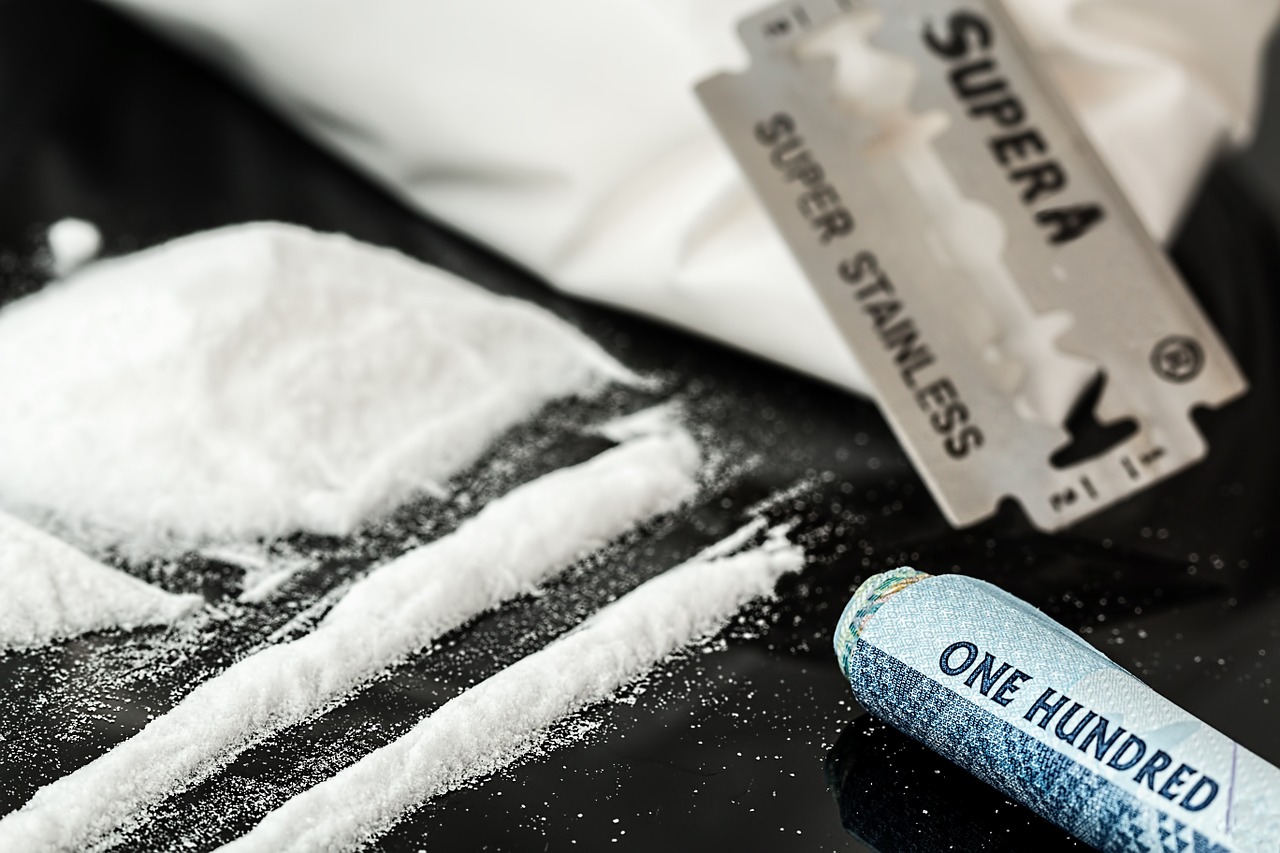
Commonly abused stimulant drugs.

By David Joel Miller, MS, Licensed Therapist & Licensed Counselor.

Stimulant drugs.
Photo courtesy of Pixabay.com

A few stimulant drugs account for a major portion of drug abuse.

Abuse of stimulant drugs has become a major problem in America. Some of these stimulant drugs have some limited medical uses. Recreational drug use seems to run in cycles. A new drug or a new form of a drug becomes popular for a while only to be replaced by the next “in” drug. Here is a brief description of the primary types of stimulant drugs being abused today.

Cocaine.

Cocaine comes from the coca plant which was originally found growing wild in the Andes Mountains of South America. Coca leaves were used there, probably for thousands of years, by the native population who would chew the leaves or mix them with roasted seashells and hold the mixture next to their gum similar to the way chewing tobacco is used. Chewing a few leaves produces a mild stimulant effect which allowed the natives to work more effectively at high altitudes.

In the late 1800s, European chemists isolated the active ingredient, cocaine. Cocaine was promoted by Doctors, particularly Freud, for treatment for a variety of illnesses. The first great cocaine epidemic occurred in the 1880s.

Cocaine can be used in a variety of ways; powdered cocaine can be snorted, and crack cocaine can be smoked. The 1980s saw a second cocaine epidemic with the introduction of much cheaper crack cocaine. Cocaine was used for a while to treat depression but this is no longer an acceptable use because when a stimulant drug wears off the depression is worse than before.

The only currently accepted medical uses for cocaine are eye and nose surgeries.

Amphetamines.

Amphetamines became popular during World War II when both sides used them. Initially, they were thought of as wonder drugs and were used for the treatment of respiratory problems, obesity, and to increase attention and prevent sleep. Amphetamines were widely prescribed for both weight loss and to increase productivity.

In the 1960s the dangerous properties of amphetamines were recognized. Today use of the older amphetamines is largely restricted to the treatment of ADHD.

Methamphetamine.

There had been some use of injectable methamphetamine in the 1970s. In the 1990s methamphetamine began to replace other stimulant drugs, first in Hawaii and later, on the West Coast of the United States, ultimately spreading throughout America. Methamphetamine manufactured synthetically in large quantities became considerably cheaper and lasts longer than other stimulant drugs. Methamphetamine is used as an injectable drug and is available in a smokable crystal form.

From a mental health standpoint, methamphetamine is diagnosed as an amphetamine use disorder. Substance abuse treatment often provides separate categories for amphetamine and methamphetamine disorders. While amphetamines are usually prescription-grade medical pharmaceuticals which are diverted for illegal use, methamphetamine is produced by illegal labs in huge quantities for recreational use and abuse. See drug diagnoses.

The sight of the meth addict, sucked up from loss of weight, often covered with scabs, frequently paranoid and hallucinating, has become a common sight in hospital emergency rooms and on the streets of America’s cities.

Khat.

Khat is a stimulant plant which grows wild in East Africa, where it was chewed by natives the same way coca leaves were chewed in South America. The leaves are most stimulating when chewed fresh. Khat contains two stimulant chemicals, Cathine, and cathinone. Both of these chemicals and many other related compounds are now produced synthetically.

Bath Salts.

Bath salts have nothing to do with bathing. These synthetic stimulant drugs, largely related to cathinone, are imported into the United States labeled “not for human consumption.” These are often mixed and sold under various labels such as “bath salts, herbal incense, water pipe cleaner,” and many other names. This family of chemicals can produce strong stimulant effects as well as hallucinations. Because these are mixtures of chemicals and are sold labeled “not for human consumption” they have been very difficult to regulate. As quickly as federal regulators ban one chemical, the manufacturers and marketers of bath salts change their formulations. There are frequent reports of permanent neurological damage because of using these drugs.

Caffeine and related compounds.

Caffeine is one of the milder stimulant drugs and is the most widely used drug on planet earth. It is estimated that 90% of the world’s population consumes caffeine or a related compound on a regular basis. Occasionally someone receives a caffeine overdose and presents in an emergency room. Caffeine overdoses usually result from consuming energy drinks which are high in caffeine combined with alcohol or by consuming large quantities of caffeine pills to stay awake longer than the human body should.

Staying connected with David Joel Miller

Seven David Joel Miller Books are available now!

My newest book is now available. It was my opportunity to try on a new genre. I’ve been working on this book for several years, but now seem like the right time to publish it.

Story Bureau.

Story Bureau is a thrilling Dystopian Post-Apocalyptic adventure in the Surviving the Apocalypse series.

Baldwin struggles to survive life in a post-apocalyptic world where the government controls everything.

As society collapses and his family gets plunged into poverty, Baldwin takes a job in the capital city, working for a government agency called the Story Bureau. He discovers the Story Bureau is not a benign news outlet but a sinister government plot to manipulate society.

Bumps on the Road of Life. Whether you struggle with anxiety, depression, low motivation, or addiction, you can recover. Bumps on the Road of Life is the story of how people get off track and how to get your life out of the ditch.

Dark Family Secrets: Doris wants to get her life back, but small-town prejudice could shatter her dreams.

Casino Robbery Arthur Mitchell escapes the trauma of watching his girlfriend die. But the killers know he’s a witness and want him dead.

Planned Accidents  The second Arthur Mitchell and Plutus mystery.

Letters from the Dead: The third in the Arthur Mitchell mystery series.

What would you do if you found a letter to a detective describing a crime and you knew the writer and detective were dead, and you could be next?

Sasquatch. Three things about us, you should know. One, we have seen the past. Two, we’re trapped there. Three, I don’t know if we’ll ever get back to our own time.

For these and my upcoming books; please visit my Author Page – David Joel Miller

Want the latest blog posts as they publish? Subscribe to this blog.

For videos, see: Counselorssoapbox YouTube Video Channel

Is job burnout inevitable?

By David Joel Miller, MS, Licensed Therapist & Licensed Counselor.

Match on fire

Burnout.
Photo courtesy of Pixabay.com

Are you destined for job burnout?

Job burnout is taking a huge toll. Despite not being a recognized mental illness, work-related burnout is a major reason people go out on disability. We have tried various approaches to this problem. Sometimes we blame the employer, too much work, too much stress, not enough staff to meet the challenges. Other times we blame the employee. If you have worked anywhere with a significant number of employees, you know some people arrive at work already stressed out before the workday begins. Maybe they have relationship problems, sick children or financial stress, whatever the reason some people arrive at work already stressed out.

At some work sites, everyone is stressed out.

In some occupations, people are burning out faster than new employees can be hired. Some interesting research has been done recently in China. As they moved to modernize their economy, burnout has been a significant issue. In the aftermath of the financial crisis of 2008, bank workers were under significant work stress. It’s not customary to think of bank employees as likely to burn out, but in 2008 the burnout rate among Chinese bank employees reach seventy percent.

Repeatedly studies of social workers have reported burnout rates of more than fifty percent. One of the consequences of employee burnout is that the social worker becomes emotionally exhausted and tries to protect themselves by withdrawing emotionally from their clients. As the number of burned out employees increase, client satisfaction declines. One consequence of so many burned out human service employees is poor recovery rates among the clients they serve.

Why burnout doesn’t always result in high employee turnover.

Many of the professions with high burnout rates are highly paid but require advanced education. Doctors go through an incredible ordeal and accumulate a large amount of student loan debt. Social workers, counselors, and therapists, often have master’s degrees are Ph.D.’s. The process of continuing in school for six or eight years past high school can result in large student loan debt.

Careers that require long training periods and a large financial investment can trap burned-out employees who must work for years to pay off financial debt. They may also be unable to move to a new occupation without taking a huge pay cut, resulting in additional financial and family stress. Burned-out workers who feel trapped and unable to change their employment become less productive, less cooperative with other staff, and are more likely to become detached from, and cynical about, the clients they work with.

High burnout rates may result in everyone being inexperienced.

In some occupations burnout results in higher than normal turn over. One survey of drug and alcohol counselors revealed that more than half of the counselors had been on the job for less than a year. Many public mental health facilities have a high number of recently graduated clinicians compared to the number of senior staff available to oversee their work.

Many clients experience multiple changes in the person providing their service. It’s hard to develop a good relationship between therapist and client when the therapist keeps changing.

Don’t let yourself become a victim of burnout.

High systemic rates of burnout suggest that there is not much an employer can do to prevent burnout among employees. Certainly, anything the employer can do to reduce employee burnout will benefit that employer. Employee assistance programs can be very helpful in letting employees resolve stressful issues. But keeping yourself from burning out is something everyone needs to make a priority for themselves. Don’t make the mistake of pushing so hard in the early stages of your career, that you burn out and don’t have a career.

In future posts let’s explore some ways you can prevent burnout from taking control of your life.

More posts about – Burnout.

Staying connected with David Joel Miller

Seven David Joel Miller Books are available now!

My newest book is now available. It was my opportunity to try on a new genre. I’ve been working on this book for several years, but now seem like the right time to publish it.

Story Bureau.

Story Bureau is a thrilling Dystopian Post-Apocalyptic adventure in the Surviving the Apocalypse series.

Baldwin struggles to survive life in a post-apocalyptic world where the government controls everything.

As society collapses and his family gets plunged into poverty, Baldwin takes a job in the capital city, working for a government agency called the Story Bureau. He discovers the Story Bureau is not a benign news outlet but a sinister government plot to manipulate society.

Bumps on the Road of Life. Whether you struggle with anxiety, depression, low motivation, or addiction, you can recover. Bumps on the Road of Life is the story of how people get off track and how to get your life out of the ditch.

Dark Family Secrets: Doris wants to get her life back, but small-town prejudice could shatter her dreams.

Casino Robbery Arthur Mitchell escapes the trauma of watching his girlfriend die. But the killers know he’s a witness and want him dead.

Planned Accidents  The second Arthur Mitchell and Plutus mystery.

Letters from the Dead: The third in the Arthur Mitchell mystery series.

What would you do if you found a letter to a detective describing a crime and you knew the writer and detective were dead, and you could be next?

Sasquatch. Three things about us, you should know. One, we have seen the past. Two, we’re trapped there. Three, I don’t know if we’ll ever get back to our own time.

For these and my upcoming books; please visit my Author Page – David Joel Miller

Want the latest blog posts as they publish? Subscribe to this blog.

For videos, see: Counselorssoapbox YouTube Video Channel

Is job burnout inevitable?

By David Joel Miller, MS, Licensed Therapist & Licensed Counselor.

Match on fire

Burnout.
Photo courtesy of Pixabay.com

Are you destined for job burnout?

Job burnout is taking a huge toll. Despite not being a recognized mental illness, work-related burnout is a major reason people go out on disability. We tried various approaches to this problem. Sometimes we blame the employer, too much work, too much stress, not enough staff to meet the challenges. Other times we blame the employee. If you have worked anywhere with a significant number of employees, you know there are people who arrive at work already stressed out before the workday begins. Maybe they have relationship problems, sick children, or financial stress, whatever the reason some people arrive at work already stressed out.

At some work sites, everyone is stressed out.

In some occupations, people are burning out faster than new employees can be hired. Some interesting research has been done recently in China. As they moved to modernize their economy burnout has been a significant issue. In the aftermath of the financial crisis of 2008, bank workers were under significant work stress. It’s not customary to think of bank employees as likely to burn out, but in 2008 the burnout rate among Chinese bank employees reach seventy percent.

Repeatedly studies of social workers have reported burnout rates of more than fifty percent. One of the consequences of employee burnout is that the social worker becomes emotionally exhausted and tries to protect themselves by withdrawing emotionally from their clients. As the number of burned out employees increase, client satisfaction declines. One consequence of so many burned out human service employees is poor recovery rates among the clients they serve.

Why burnout doesn’t always result in high employee turnover.

Many of the professions with high burnout rates are highly paid but require advanced education. Doctors go through an incredible ordeal and accumulate a large amount of student loan debt. Social workers, counselors, and therapists, often have master’s degrees are Ph.D.’s. The process of continuing in school for six or eight years past high school can result in large student loan debt.

Careers that require long training periods and a large financial investment can trap burned out employees who must work for years to pay off financial debt. They may also be unable to move to a new occupation without taking a huge pay, resulting in additional financial and family stress. Burned-out workers will feel trapped and unable to change their employment become less productive, less cooperative with other staff, and are more likely to become detached from, and cynical about, the clients they work with.

High burnout rates may result in everyone being inexperienced.

In some occupations burnout results in higher than normal turn over. One survey of drug and alcohol counselors revealed more than half of the counselors had been on the job for less than a year. Many public mental health facilities have a high number of recently graduated clinicians compared to the number of senior staff available to oversee their work.

Many clients experience multiple changes in the person providing their service. It’s hard to develop a good relationship between therapist and client when the therapist keeps changing.

Don’t let yourself become a victim of burnout.

High systemic rates of burnout suggest that there is not much an employer can do to prevent burnout among employees. Certainly, anything the employer can do to reduce employee burnout will benefit that employer. Employee assistance programs can be very helpful in letting employees resolve stressful issues. But keeping yourself from burning out is something everyone needs to make a priority for themselves. Don’t make the mistake of pushing so hard in the early stages of your career, that you burn out and don’t have a career.

In future posts let’s explore some ways you can prevent burnout from taking control of your life.

More posts about – Burnout.

Staying connected with David Joel Miller

Seven David Joel Miller Books are available now!

My newest book is now available. It was my opportunity to try on a new genre. I’ve been working on this book for several years, but now seem like the right time to publish it.

Story Bureau.

Story Bureau is a thrilling Dystopian Post-Apocalyptic adventure in the Surviving the Apocalypse series.

Baldwin struggles to survive life in a post-apocalyptic world where the government controls everything.

As society collapses and his family gets plunged into poverty, Baldwin takes a job in the capital city, working for a government agency called the Story Bureau. He discovers the Story Bureau is not a benign news outlet but a sinister government plot to manipulate society.

Bumps on the Road of Life. Whether you struggle with anxiety, depression, low motivation, or addiction, you can recover. Bumps on the Road of Life is the story of how people get off track and how to get your life out of the ditch.

Dark Family Secrets: Doris wants to get her life back, but small-town prejudice could shatter her dreams.

Casino Robbery Arthur Mitchell escapes the trauma of watching his girlfriend die. But the killers know he’s a witness and want him dead.

Planned Accidents  The second Arthur Mitchell and Plutus mystery.

Letters from the Dead: The third in the Arthur Mitchell mystery series.

What would you do if you found a letter to a detective describing a crime and you knew the writer and detective were dead, and you could be next?

Sasquatch. Three things about us, you should know. One, we have seen the past. Two, we’re trapped there. Three, I don’t know if we’ll ever get back to our own time.

For these and my upcoming books; please visit my Author Page – David Joel Miller

Want the latest blog posts as they publish? Subscribe to this blog.

For videos, see: Counselorssoapbox YouTube Video Channel

Could your thinking problems be job burnout?

By David Joel Miller, MS, Licensed Therapist & Licensed Counselor.

Match on fire

Burnout.
Photo courtesy of Pixabay.com

Burnout damages your thinking abilities.

One symptom of burnout is slow thinking.

As job burnout becomes worse, specific thinking problems develop. If you notice that you’re having trouble with thinking, you may be developing job burnout.

People suffering from burnout make a great many more errors.

Burnout can also reduce your ability to make any kind of decision.

Burnout leaves you too tired to pay attention.

In the early stages of job burnout, people become emotionally and physically exhausted. A key element of burnout is this overwhelming emotional exhaustion. As the job burnout progresses people find you’re unable to relax and rest in their time away from work. If you spend your weekends worrying about what waits for you when you return to work, you’re never out from under that work stress.

Burnout destroys your concentration.

One of the first on the job symptoms of job burnout is a reduced ability to concentrate and pay attention. Any time you’re exhausted, it becomes more difficult to pay attention. If you find you are having trouble paying attention at work, forgetting important job duties, arriving home so tired you fall into bed, the cause may be that you are developing job burnout. Many people who were diagnosed with chronic fatigue syndrome also show the symptoms of job burnout. That does not mean that chronic fatigue syndrome is all in your head, but rather than high levels of stress hormones can cause impairment to your nervous system.

Burnout interferes with making good decisions.

Burnout has been linked to declines in executive function, the part of the brain that decides what to do and when to do it. As burnout progresses, as you become more and more emotionally exhausted, decisions will become harder and harder to make.

People with burnout can’t remember things.

Memory is impaired as the burnout progresses. As you become too tired to function, your brain becomes too tired to store and process memories. Because burnout is a response to stress more and more of your brain’s capacity is used just to get through the day, leaving less and less memory capacity for storing important information. Memories are consolidated, saved for future use, during sleep. If the stress you have been under is keeping you from sleeping, or causing fragmented sleep, your memory systems will be impaired.

Burnout destroys your objectivity.

People suffering from burnout notice only the negative. At the end of the workday, they will have noticed fewer positive events. As burnout becomes worse, you will become more biased towards negative, pessimistic thoughts. The constant focus on what’s wrong will reduce your level of happiness. This loss of the ability to feel pleasure is one of the key overlaps between work burnout and developing a long-term major depressive disorder.

Burnout damages your ability to sleep.

The stress component of burnout leaves you tired but unable to sleep. Any night you are unable to get at least six hours of sleep you will be highly impaired the following day. If you find yourself repeatedly sleeping less than six hours you may be headed for an episode of major depressive disorder or another serious mental illness.

More posts about – Burnout.

Staying connected with David Joel Miller

Seven David Joel Miller Books are available now!

My newest book is now available. It was my opportunity to try on a new genre. I’ve been working on this book for several years, but now seem like the right time to publish it.

Story Bureau.

Story Bureau is a thrilling Dystopian Post-Apocalyptic adventure in the Surviving the Apocalypse series.

Baldwin struggles to survive life in a post-apocalyptic world where the government controls everything.

As society collapses and his family gets plunged into poverty, Baldwin takes a job in the capital city, working for a government agency called the Story Bureau. He discovers the Story Bureau is not a benign news outlet but a sinister government plot to manipulate society.

Bumps on the Road of Life. Whether you struggle with anxiety, depression, low motivation, or addiction, you can recover. Bumps on the Road of Life is the story of how people get off track and how to get your life out of the ditch.

Dark Family Secrets: Doris wants to get her life back, but small-town prejudice could shatter her dreams.

Casino Robbery Arthur Mitchell escapes the trauma of watching his girlfriend die. But the killers know he’s a witness and want him dead.

Planned Accidents  The second Arthur Mitchell and Plutus mystery.

Letters from the Dead: The third in the Arthur Mitchell mystery series.

What would you do if you found a letter to a detective describing a crime and you knew the writer and detective were dead, and you could be next?

Sasquatch. Three things about us, you should know. One, we have seen the past. Two, we’re trapped there. Three, I don’t know if we’ll ever get back to our own time.

For these and my upcoming books; please visit my Author Page – David Joel Miller

Want the latest blog posts as they publish? Subscribe to this blog.

For videos, see: Counselorssoapbox YouTube Video Channel

Warning signs you are headed for burnout.

By David Joel Miller, MS, Licensed Therapist & Licensed Counselor.

Match on fire

Burnout.
Photo courtesy of Pixabay.com

Burnout can derail your life.

Burnout is usually associated with the inability to continue to work. Burnout can result in

poor work performance, getting fired, or employees quitting. Burnout has also been reported in caregivers for the seriously ill. If your emotional exhaustion is interfering with your ability to work, and that work may include caring for ill family members, don’t wait for the breakdown. If you have any of the symptoms alone, seek help.

Whenever you experience physical symptoms, it’s wise to start by seeing a medical Doctor and rule out a medical cause for your symptoms. But if the doctor can find nothing organically wrong that doesn’t mean you should ignore the problem. When you’re under stress over a long period, your emotional system takes a beating. Here are some warning signs you may be headed for burnout and no longer be able to cope with the life you’re living.

Extreme low energy for no apparent reason may be burnout.

Burnout often begins with emotional exhaustion. When things come out you faster than you can cope with your emotional system can become stressed out. You are suffering from emotional exhaustion pay attention and make some changes in your life.

Reduced ability to sleep is common in burnout.

Whenever you notice a change in your sleep patterns, look for a cause. Having too much on your plate, getting to bed too late, and getting up too early puts you at risk for emotional exhaustion and work burnout. But if you go to bed early and still can’t fall asleep, if you have frequent awakenings or wake up far too early in the morning and can’t get back to sleep, this suggests that something is impairing your sleep. Don’t ignore changes in sleep, do something about them.

Loss of appetite can be a sign of depression.

If you find that you have trouble eating, losing weight for no apparent reason, think about the emotional stresses taking place in your life. Loss of appetite can be a symptom of a serious major depressive episode. Your body can’t run well without healthy fuel. Don’t wait till your body has paid the price before you do something about reducing your stress.

Loss of ability to focus, concentrate, or remember may be from burnout.

People who are suffering from burnout find they will have difficulty with paying attention and focusing on tasks at hand. As burnout becomes more severe, there are less and less mental resources available to stay on task. Burnout by itself will impair your thinking. Add in the loss of sleep and changes in appetite and your ability to function can decline dramatically.

Burnout causes increased forgetfulness.

People suffering from burnout tend to forget. It’s the mind’s way of protecting you from too much to do. Pay attention to this warning sign.

Being both physically and emotionally drained are symptoms of burnout.

Burnout begins with emotional exhaustion but frequently progresses to leave you physically drained also. If getting extra sleep on the weekend doesn’t bring you back to normal pay attention to that worn-out feeling. Don’t wait for the nervous breakdown before acting. People who reach the more severe levels of burnout may be unable to return to their job or may even be unable to work in the future.

Burnout causes Loss of motivation.

People can get through some very difficult times if they have a meaning or purpose in life. If you stopped caring about what you do and why you do it life will become much more difficult. Think about ways you have motivated yourself in the past. Study motivation techniques. But if you find you are just to worn out to care you’ve reached a level of serious burnout.

Frequent illnesses can be the result of burnout.

Unhealthy stress increases the chances you will become sick. Stress reduces your resistance to infection. Burned-out workers use more sick days each year than there are emotionally healthy co-workers. Don’t lose a large chunk of your life to burnout related illnesses.

Physical symptoms with no apparent medical cause may be burnout.

Burnout related stresses put a heavy burden on many of the systems of the body. Burnout along with anxiety and major depression overlap a great many physical issues. Check with the doctor first but also consider ways to reduce the stress and to learn new more effective ways to cope with ongoing stressors.

Burnout could cause constant, high anxiety.

If the anxiety is your constant companion but others around you don’t perceive any real danger you may have become hyper-vigilant always on the lookout for something that could go wrong. Excessive levels of anxiety are another symptom of burnout.

Burnout causes an increase in anger and irritability.

As people’s level of burnout increases, they become harder and harder to be around. If you find it difficult to get along with people at work who used to be your friends, ask yourself if you’re becoming more irritable. Don’t wait for your irritability to become anger and your anger to result in doing things you regret. Coworkers suffering from burnout are a major source of workplace violence. Seek help before you do something you’ll regret.

More posts about – Burnout.

Staying connected with David Joel Miller

Seven David Joel Miller Books are available now!

My newest book is now available. It was my opportunity to try on a new genre. I’ve been working on this book for several years, but now seem like the right time to publish it.

Story Bureau.

Story Bureau is a thrilling Dystopian Post-Apocalyptic adventure in the Surviving the Apocalypse series.

Baldwin struggles to survive life in a post-apocalyptic world where the government controls everything.

As society collapses and his family gets plunged into poverty, Baldwin takes a job in the capital city, working for a government agency called the Story Bureau. He discovers the Story Bureau is not a benign news outlet but a sinister government plot to manipulate society.

Bumps on the Road of Life. Whether you struggle with anxiety, depression, low motivation, or addiction, you can recover. Bumps on the Road of Life is the story of how people get off track and how to get your life out of the ditch.

Dark Family Secrets: Doris wants to get her life back, but small-town prejudice could shatter her dreams.

Casino Robbery Arthur Mitchell escapes the trauma of watching his girlfriend die. But the killers know he’s a witness and want him dead.

Planned Accidents  The second Arthur Mitchell and Plutus mystery.

Letters from the Dead: The third in the Arthur Mitchell mystery series.

What would you do if you found a letter to a detective describing a crime and you knew the writer and detective were dead, and you could be next?

Sasquatch. Three things about us, you should know. One, we have seen the past. Two, we’re trapped there. Three, I don’t know if we’ll ever get back to our own time.

For these and my upcoming books; please visit my Author Page – David Joel Miller

Want the latest blog posts as they publish? Subscribe to this blog.

For videos, see: Counselorssoapbox YouTube Video Channel

What is burnout?

By David Joel Miller, MS, Licensed Therapist & Licensed Counselor.

Match on fire

Burnout.
Photo courtesy of Pixabay.com

Are you at risk of burning out?

Burnout is one of those conditions, like anger, loneliness, and jealousy which results in

a lot of people coming for counseling, but which is not a specific mental health diagnosis. Burnout has usually been studied in connection to occupational functioning. Job burnout can result in significant losses of productivity and people who are off work on disability.

Burnout is best described as a syndrome, a cluster of similar symptoms. Researchers have debated whether burnout is in fact just another example of major depressive disorder which occurs because of stress at work.

One of the criteria for diagnosing any mental health condition is whether or not that condition interferes with occupational functioning. So, if burnout keeps you from being able to work, you will probably get diagnosed with either a major depressive disorder or an adjustment disorder. In some countries, they use the ICD code Z73, which is not found in the copy of the DSM-5 I have in my office. The result is that while you may be off work for work stress or job-related burnout when you go to use your medical insurance, they will probably be diagnosed you as having Major Depressive Disorder.

Burnout is largely associated with occupations which require a lot of contact with customers or clients.

Three professions are particularly noted for having high burnout rates.

  1. Educational professionals, teachers, and administrators.
  2. Medical professionals, doctor’s nurses, and other related professionals.
  3. The human service professions, counselors, therapists, and social workers.

Burnout has also been identified in the banking and retail sectors. Some researchers have studied burnout in students, home workers, and couples. The concept of burnout was originally called compassion-fatigue because of the number of workers in the social service area who became so burned out they stopped feeling empathy for their clients.

The impact of burnout.

Employee burnout results in increased absenteeism and increased employee turnover. There’s also a condition which has been called presenteeism in which people show up for work but work so slowly they accomplish almost nothing. If you are suffering from burnout, you may consider quitting, or you may do your job in a halfhearted manner. People suffering from burnout have an increased rate of physical illnesses, they missed more days of work and are more likely to file for disability payments.

The three components of burnout.

Burnout is a response to stress which exceeds a person’s ability to cope and which largely impacts their ability to work. Three specific symptom clusters have been identified as part of the “burnout syndrome.” The names of various authors use to describe these symptom clusters may vary, but the descriptions are remarkably similar.

Burnout causes extreme fatigue.

People who are suffering from burnout report high levels of both physical and emotional fatigue. They may describe themselves as being “worn out.” As the burnout progresses, people may become too tired or anxious to sleep. Loss of sleep, continuing to worry about what will happen when they returned to work increases the exhaustion leading to a downward spiral.

People with burnout stop caring.

This detachment is sometimes called cynicism, or Depersonalization. When you’re burned out or in the process of burning out, you may try to reduce the stress by detaching, becoming distant and impersonal. Workers who are burning out presented as cold and aloof. In the social services, they may be described as suffering from compassion fatigue.

You start doubting your abilities as your burnout progresses.

As burnout develops people report a reduction in self-efficacy, their belief that if they try, they can do something. Work output declines. Burned-out workers become less and less efficient. They start developing a negative self-concept, have feelings of helplessness and hopelessness. Clients or customers report less satisfaction with the services they receive from providers who are suffering from burnout. Eventually, the burned-out work leaves. Sometimes they go on disability, sometimes they take another job, but many times burned-out workers are unable to work for long periods of time.

If you are developing the burnout syndrome because of work stress, seek help as soon as possible. Please don’t wait until you reach the point you can’t work at all. In some upcoming posts, look at some of the other characteristics and the treatments available for burnout.

More posts about – Burnout

Staying connected with David Joel Miller

Seven David Joel Miller Books are available now!

My newest book is now available. It was my opportunity to try on a new genre. I’ve been working on this book for several years, but now seem like the right time to publish it.

Story Bureau.

Story Bureau is a thrilling Dystopian Post-Apocalyptic adventure in the Surviving the Apocalypse series.

Baldwin struggles to survive life in a post-apocalyptic world where the government controls everything.

As society collapses and his family gets plunged into poverty, Baldwin takes a job in the capital city, working for a government agency called the Story Bureau. He discovers the Story Bureau is not a benign news outlet but a sinister government plot to manipulate society.

Bumps on the Road of Life. Whether you struggle with anxiety, depression, low motivation, or addiction, you can recover. Bumps on the Road of Life is the story of how people get off track and how to get your life out of the ditch.

Dark Family Secrets: Doris wants to get her life back, but small-town prejudice could shatter her dreams.

Casino Robbery Arthur Mitchell escapes the trauma of watching his girlfriend die. But the killers know he’s a witness and want him dead.

Planned Accidents  The second Arthur Mitchell and Plutus mystery.

Letters from the Dead: The third in the Arthur Mitchell mystery series.

What would you do if you found a letter to a detective describing a crime and you knew the writer and detective were dead, and you could be next?

Sasquatch. Three things about us, you should know. One, we have seen the past. Two, we’re trapped there. Three, I don’t know if we’ll ever get back to our own time.

For these and my upcoming books; please visit my Author Page – David Joel Miller

Want the latest blog posts as they publish? Subscribe to this blog.

For videos, see: Counselorssoapbox YouTube Video Channel