Why Blaming, Scolding and Criticizing don’t work

By David Joel Miller, MS, Licensed Therapist & Licensed Counselor.

Why blaming, scolding, and criticizing don’t work.
Photo courtesy of Pixabay.com

Ways to tame the blaming, scolding, and criticizing.

We all know someone who relies on these techniques and we know that these methods of communicating don’t make us want to do what they are asking. In many families, this becomes the primary way in which people communicate even when the person doing the blaming knows they don’t like the feeling of being on the receiving end of this sort of communication.

You can recognize someone doing these behaviors easily, but recognizing when you are doing them and changing to more effective behaviors takes some effort and practice. Responding to a scolder with scolding does not solve the problem. It only further escalates the conflict.

Blaming as communication.

Blaming is one of the three “communication stances” described by Virginia Satir, one of the founders of family therapy, and others of her colleagues. She describes people as communicating in three basic ways – Blaming, Placating, and congruent communications.

Blaming is the looking down on other’s stance, it includes all sorts of putting the person you are talking to down and making them “less than.”

Placating communication scrambles the message.

Placating might be described as the “victim stance.” We see puppies take this stance when they roll over and expose their bellies. Children will cower when yelled at. Placating says I give in. It says nothing about agreeing.

Congruent communication.

Congruent communication is the preferred mode in which people talk to each other as equals. Congruent communication does not look for whose fault it is that things are out of whack. the goal here is understanding.

Criticizing sabotages communication.

Criticizing has been described as attacking the person, not the action you want to change. Scolding includes a range of behaviors, verbal and physical that is designed to make the person being scolded “smaller” and the scolder feels more powerful and in control.

Some authors have suggested there is a difference between “complaining” in which you ask for a change and “criticizing” in which you just run the other person down in an effort to get revenge. One way to become more aware of these behaviors is to actually practice them until you recognize when you are doing them. Ben Furman has described some of these behaviors related to scolding. Done as a group activity the behaviors can be exaggerated until they become downright funny.

Here are the things a good blamer, scolder, and criticizer should be able to do automatically.

1. Tower over the person to be upbraided.

Parents have a natural advantage here. They are taller to start with. But if the person you are trying to demean is near your size, wait till they are seated and then pulling yourself up as much as possible and crowd in close so they can’t get up. In a pinch, a ladder or standing on a chair might help.

2. Stick your finger in their face.

This gesture, the universal sign of I am right and you are no good works, best if the finger motion includes several wags. Practice the up-down pound them into the ground move and the left-right “bad dog” move.

3. Leave no doubt that they are totally worthless.

Use plenty of words that leave no room for them to ever make it up to you or redeem themselves. You never, you always and other categorical statements should prove their worthlessness.

4. Demean their intelligence.

Statements like “anyone with half a brain would know” are especially good. Remind them they are dumb, stupid and that they have none of that rare commodity “common sense.” It helps to remind them how much common sense you have.

5. Ask questions for which there are no answers.

Don’t you understand that—?

Why did you do that?

6. Call them names.

Calling the person you are talking to “stupid” or “idiot” is sure to get a dramatic response out of the person you are talking at. Not a positive response necessarily, but a huge response none the less.

7. Be as vague as possible.

Never ask specifically for what you want and if by some chance they should request a clarification fall back on the old standbys “you know what I mean” or “If I have to explain it, you wouldn’t understand anyway.”

8. When all else fails try threatening.

Remind your children that if they don’t start doing as you tell them you will ground them for life. Threatening to take away the cell phone till they turn thirty can be especially ineffective. Make threats as large, outlandish, and impossible as you can. No sense in threatening with something you might actually be able to do.

Now should you want to really communicate in a positive way, which may be harder and require more work, then reverse the process and do the opposite of the things described above.

There you have it, 8 suggestions for becoming really good at Blaming, Scolding and Criticizing, and one antidote for poor communication.

Staying connected with David Joel Miller

Seven David Joel Miller Books are available now!

My newest book is now available. It was my opportunity to try on a new genre. I’ve been working on this book for several years, but now seem like the right time to publish it.

Story Bureau.

Story Bureau is a thrilling Dystopian Post-Apocalyptic adventure in the Surviving the Apocalypse series.

Baldwin struggles to survive life in a post-apocalyptic world where the government controls everything.

As society collapses and his family gets plunged into poverty, Baldwin takes a job in the capital city, working for a government agency called the Story Bureau. He discovers the Story Bureau is not a benign news outlet but a sinister government plot to manipulate society.

Bumps on the Road of Life. Whether you struggle with anxiety, depression, low motivation, or addiction, you can recover. Bumps on the Road of Life is the story of how people get off track and how to get your life out of the ditch.

Dark Family Secrets: Doris wants to get her life back, but small-town prejudice could shatter her dreams.

Casino Robbery Arthur Mitchell escapes the trauma of watching his girlfriend die. But the killers know he’s a witness and want him dead.

Planned Accidents  The second Arthur Mitchell and Plutus mystery.

Letters from the Dead: The third in the Arthur Mitchell mystery series.

What would you do if you found a letter to a detective describing a crime and you knew the writer and detective were dead, and you could be next?

Sasquatch. Three things about us, you should know. One, we have seen the past. Two, we’re trapped there. Three, I don’t know if we’ll ever get back to our own time.

For these and my upcoming books; please visit my Author Page – David Joel Miller

Want the latest blog posts as they publish? Subscribe to this blog.

For videos, see: Counselorssoapbox YouTube Video Channel

Getting rid of Nightmares that maintain Depression and PTSD

By David Joel Miller, MS, Licensed Therapist & Licensed Counselor.

Nightmares maintain depression and PTSD.
Photo courtesy of Pixabay

Then Come Nightmares.

Frequent nightmares play a major role in maintaining depression, PTSD, and other mental health problems. It is common for people to think that they need to cure the PTSD or Depression and then the nightmares will go away.  The opposite approach is more likely to be productive.

Most treatments for PTSD do not target the nightmares. There are treatments for nightmares available, some as brief as three sessions. These have been shown to help reduce nightmares and promote recovery from other problems.

Treatment for nightmares has been shown to reduce symptoms of PTSD and depression.

Children also suffer from nightmare related problems. Children who are fearful because of a family problem, moves, divorces, or separation develop symptoms of mental illness. “Bad dreams” are the result of the child’s out of control fear and are at the root of many childhood attention or conduct disturbances. When the child gets a good night’s sleep they behave, when they don’t sleep they don’t pay attention, and they don’t mind.

Nightmares are associated with high levels of anxiety. They are fear-based.

Most people who have PTSD, depression, bipolar disorder, or any other diagnosis also have a co-occurring anxiety problem. Now sometimes anxiety is good, it protects you from danger. But when the anxiety circuits do not turn off the anxiety gets to be the problem rather than the solution.

We also see lots of disturbing dreams in clients recovering from substance abuse problems. Substance abuse counselors report clients sharing about drug-using dreams. We have some simple interventions around those issues, but not much research has been done in this area because substance abusers, people with Bipolar Disorder, and people with psychosis are routinely excluded from research studies. I believe that the treatment for nightmares will work for anyone.

The solution is to tone down that fear circuit.

Before I describe a treatment method for reducing nightmares – a word of caution, working on nightmares, especially those that maintain PTSD, can be a painful process. It is best to work with a therapist or other professional person, and you need to make sure you have a strong support system in place in case you have difficulty coping.  For more on support systems see “How to develop a support system” or “How supportive is your support system?”

Taming nightmares involves three steps.

1. Learn relaxation methods.

Nightmares are fear-based, and the fear persists after you awake. Sitting thinking about the scary part of the dream might reinforce the nightmare and result in memorizing your nightmare. Fear and relaxations are not compatible. The more you relax, the less fear you will have. As you get better at relaxing your fear shrinks and your dreams become less traumatic.

2. Learn sleep hygiene

Keeping regular bedtimes, reducing or eliminating caffeine especially in the hours before bedtime and other efforts to improve sleep naturally are helpful. It is important to allow plenty of time for sleep.

People who stay up late and get up early gradually become sleep deprived. Lack of sleep aggravates all sorts of mental health issues. Insufficient sleep increases the possibilities that you will be suddenly awakened and will remember the “bad dreams.”

During sleep the brain keeps working on our issues, memories are consolidated and thoughts organized. We only call dreams “nightmares” if we awake during the dream and have memories of it. Better sleep can result in fewer nightmares.

3. Begin treatment of the nightmares once you are relaxed and well-rested.

The process of “reframing” nightmares makes them less scary and more manageable. Reframing or reprocessing is helpful for intrusive daytime thoughts as well as for nightmares.  The application of this to reducing or eliminating nightmares was described by Rhudy et al. in their 2010 article on CBT treatment for nightmares in trauma-exposed people, where they called it “ERRT” therapy.  Ben Furman has also described a similar approach for use with children.

Disclaimer- Rhudy et al.’s study, like most research in the mental health area, excluded substance abusers, people with mania or psychosis, and probably screened out all people with Bipolar Disorders. The sample size was also low with about twenty people per group. There is so much overlap between substance abuse, bipolar disorder, and PTSD in the clients I see these studies leave out exactly the people who most need new effective treatments. That said – the ideas appear to be fully appropriate for clients with co-occurring disorders.

Here is how it works:

To reprocess or reframe nightmares do the following things:

A. Write out as full a description of the nightmare as possible.

Getting it down on paper tames the story and makes it manageable. It also allows you to go back over it and add missing details. In step C you will be rewriting it with added insight.

Remember that it is a normal process for your brain to use your dreams to make sense of your experiences. In dreams, your brain will turn the experience around and examine it from all sides. Your brain may also play out multiple alternative endings for the event. It is not the dream that is the problem; it is the connection between the dream and fear that makes this a nightmare.

If you have several versions of the dream try to write them all down.

B. Read the nightmare story aloud.

Listen for the themes in the story. What are the fear messages? I think it is helpful to be able to read this to a therapist or other support person who can keep you from being overwhelmed and can provide some insight into things you may not immediately see. Just don’t make someone listen to your nightmare that is not emotionally able to hear the story.

C. Re-script the nightmare.

What is the expected ending? What is an alternative ending? Write out the story this time with a new less scary ending. Read the new version out loud. Has seeing a new possible ending tamed the fear?

Furman described a story, not sure where it originated, in which a grandmother applied the sort of approach to her grandson’s nightmare.

The child came to the grandmother scared because of a nightmare.

“Grandma, ” he said, “I had a nightmare.”

“There are no such things as nightmares,” The grandmother said “Only goodmares. All dreams should have happy endings. The problem is you keep waking up before the end. What is a good ending that could have happened?”

In this story, the child then works with his grandmother to find new happy endings for these scary dreams. The result – fewer scary dreams and less fear when bad dreams occurred.

Warring – in people with PTSD who were treated with re-scripting the fear declined first, anger later and the frequency and length of nightmares were the last things to decline.

Talk to your care provider about this process. If you try this process, see if it works. Learn to relax more. Tame your sleep. Then tame your nightmares. If you have had success in changing your nightmares ending please share your success with the rest of us.

Staying connected with David Joel Miller

Seven David Joel Miller Books are available now!

My newest book is now available. It was my opportunity to try on a new genre. I’ve been working on this book for several years, but now seem like the right time to publish it.

Story Bureau.

Story Bureau is a thrilling Dystopian Post-Apocalyptic adventure in the Surviving the Apocalypse series.

Baldwin struggles to survive life in a post-apocalyptic world where the government controls everything.

As society collapses and his family gets plunged into poverty, Baldwin takes a job in the capital city, working for a government agency called the Story Bureau. He discovers the Story Bureau is not a benign news outlet but a sinister government plot to manipulate society.

Bumps on the Road of Life. Whether you struggle with anxiety, depression, low motivation, or addiction, you can recover. Bumps on the Road of Life is the story of how people get off track and how to get your life out of the ditch.

Dark Family Secrets: Doris wants to get her life back, but small-town prejudice could shatter her dreams.

Casino Robbery Arthur Mitchell escapes the trauma of watching his girlfriend die. But the killers know he’s a witness and want him dead.

Planned Accidents  The second Arthur Mitchell and Plutus mystery.

Letters from the Dead: The third in the Arthur Mitchell mystery series.

What would you do if you found a letter to a detective describing a crime and you knew the writer and detective were dead, and you could be next?

Sasquatch. Three things about us, you should know. One, we have seen the past. Two, we’re trapped there. Three, I don’t know if we’ll ever get back to our own time.

For these and my upcoming books; please visit my Author Page – David Joel Miller

Want the latest blog posts as they publish? Subscribe to this blog.

For videos, see: Counselorssoapbox YouTube Video Channel
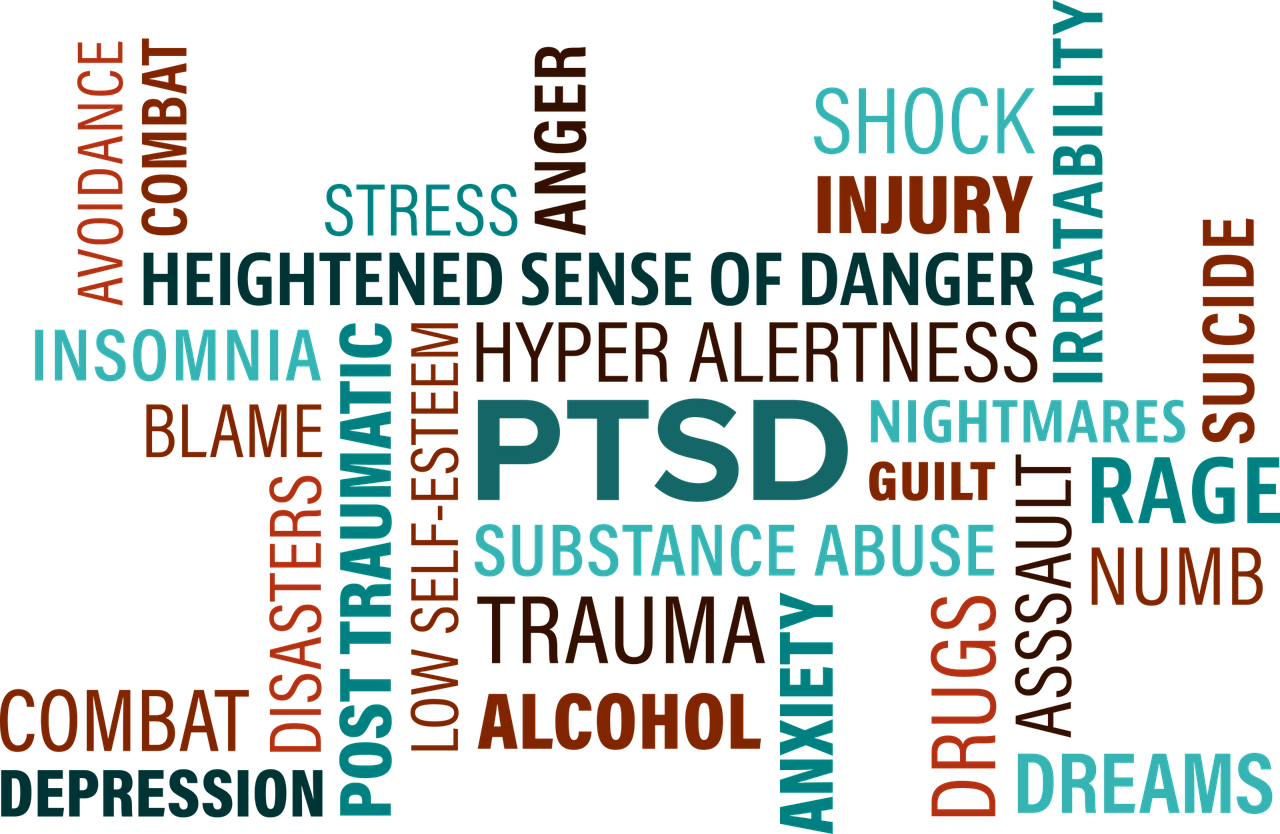
6 ways to recover from Complex Trauma or Complex PTSD

By David Joel Miller, MS, Licensed Therapist & Licensed Counselor.

Words about PTSD

PTSD.
Photo courtesy of Pixabay.com

You can recover from Complex Trauma or Complex PTSD.

Complex Trauma or Complex PTSD is the result of repeated injuries, each of which creates additional trauma. Complex Trauma frequently arises in children who are abused or neglected over long periods of time or survivors of sexual assaults who are re-assaulted.

Being injured once is bad enough but repeated traumatization can result in problems far in excess of those caused by a single trauma. People who were traumatized in childhood and then retraumatize in later life are likely to develop severe and debilitating symptoms. Some researchers have suggested the name of Complex Trauma or Complex PTSD for this condition.

It appears that many people can experience severe trauma, recover, and not develop PTSD. Some of the symptoms of PTSD are normal reactions to experiencing trauma – in the short run. If the reaction is excessive, interferes with a job, friendships or relationships then it first becomes Acute Stress Disorder when the symptoms continue for long periods of time and seriously interfere with functioning the name and diagnosis is changed to Posttraumatic Stress Disorder (PTSD).

Complex Trauma adds trauma upon trauma and results in long-term suffering.

Some treatments make the symptoms of Complex Trauma worse and some things are effective in treatment. Here are the basic rules for recovering from Complex Trauma. I based this on the research of Conner & Higgins and their description of the work of Chu, with my own usually twists.

1. CAUTION – do not start digging until you know what is buried out there, avoid black holes.

The first reaction of someone trying to recover from complex trauma and the approach of many counselors is to go searching for the buried details. People ask “Why can’t I remember things?” Counselors are tempted to try to recover those lost memories. This can result in more trauma and pain and runs the risk of digging up stuff that wasn’t really buried in your yard but the yards of neighbors or even fictional characters.

Some serious damage has been done by forcing people to remember things way before they were ready and by hunting for things that you are not sure happened. Ask a kid often enough about sexual abuse and they will begin to “remember” things that “may have happened” or they “think” happened. These contaminated memories have resulted in a lot of extra pain.

There are a number of other steps that need to be completed before you go digging into the past for answers. The brain tries to protect us by hiding details from us that might keep us from functioning well enough to survive. Trust the process.

2. Have a supportive therapist or counselor as well as a support system in place.

You can’t make this journey of healing alone and the more capable the companions you have on the journey the better. Professionals are important because there may be things you need to tell them that you won’t feel safe telling others. Peers are also helpful for similar reasons.

Group counseling can be especially effective when and if you are ready to talk in front of others.

3. Ensure your personal safety

If you are in a dangerous situation healing is not likely until you deal with the current emergency. Make a safety plan and execute it. You need to feel safe and have reliable food clothing and shelter before you think about other aspects of recovery. But don’t put off recovery waiting for the day you will miraculously feel safe. Get started on the safety part first. Just taking steps to move to a safe place can be empowering.

Challenges to your safety don’t only come from outside. You may be a big part of the danger. Avoid, control, or work on urges and cravings. Confront any urges to commit suicide and seek help immediately if you have thoughts of suicide. Recognize and deal with non-suicidal self-injury, substance abuse, eating disorders, and the urge to try out risky behaviors. Don’t put yourself at risk to be victimized anymore.

4. Get your daily routines and rituals in place.

Most people who experience a crisis lose that ability to get up, eat, care for themselves, and then move about their day. The sooner you re-establish your daily routine the better.

When children are involved the recommendation is the sooner you can resume family rituals the better. Get back to your spiritual home. Remember to have some sort of ritual in your life; birthdays, Christmas, or any other familiar activity makes everyone feel better.

Returning to a job or other activity can be a great way to begin your recovery. If you can’t work at a paid job consider volunteering. Having a reason to get up and out of the house can jump-start your recovery.

A regular and consistent amount of sleep is important. So is some form of exercise. Be as consistent as possible with mealtimes and bedtimes. Include time for relaxation and positive activities.

5. Learn as much as you can about stress, acute stress, and the more difficult forms of PTSD and Chronic Stress. Learn to manage your primary symptoms.

Knowledge is power. When you know you are not “crazy” or “losing your mind” but that the things you are experiencing are common responses to what you have been through, then it is easier to look for the things others have found useful in recovering from their chronic stress.

Accept what you feel. Try to learn to feel what you are feeling rather than run from the uncomfortable feelings. The feelings will come and go. Learn that you don’t have to run from feelings, but you do need to move away from real danger.

6. Begin work on your long-term issues, the chronic stress symptoms, the problems you had before the stressor, and lastly the actual event.

Often people who develop PTSD or a chronic stress disorder discover they had other issues before the stress that put them at risk for PTSD.

Begin to talk about you. What does the experience mean to you? Who are you aside from the trauma? What does the trauma say about the person or thing that hurt you? What if any sense can you make of this?

The discussion of what actually happened should occur when you are ready to tackle this information.

7. Have patience with yourself and the persistence to work through your problems.

Recovery does not happen all at once. There may be sudden leaps forward or slips back but a continued effort will get you to recovery.

Use tools like positive affirmations. You are a worthwhile person no matter what has happened to you. Give yourself credit for the things you accomplish.

You can recover from Complex Trauma or Complex PTSD.

Staying connected with David Joel Miller

Seven David Joel Miller Books are available now!

My newest book is now available. It was my opportunity to try on a new genre. I’ve been working on this book for several years, but now seem like the right time to publish it.

Story Bureau.

Story Bureau is a thrilling Dystopian Post-Apocalyptic adventure in the Surviving the Apocalypse series.

Baldwin struggles to survive life in a post-apocalyptic world where the government controls everything.

As society collapses and his family gets plunged into poverty, Baldwin takes a job in the capital city, working for a government agency called the Story Bureau. He discovers the Story Bureau is not a benign news outlet but a sinister government plot to manipulate society.

Bumps on the Road of Life. Whether you struggle with anxiety, depression, low motivation, or addiction, you can recover. Bumps on the Road of Life is the story of how people get off track and how to get your life out of the ditch.

Dark Family Secrets: Doris wants to get her life back, but small-town prejudice could shatter her dreams.

Casino Robbery Arthur Mitchell escapes the trauma of watching his girlfriend die. But the killers know he’s a witness and want him dead.

Planned Accidents  The second Arthur Mitchell and Plutus mystery.

Letters from the Dead: The third in the Arthur Mitchell mystery series.

What would you do if you found a letter to a detective describing a crime and you knew the writer and detective were dead, and you could be next?

Sasquatch. Three things about us, you should know. One, we have seen the past. Two, we’re trapped there. Three, I don’t know if we’ll ever get back to our own time.

For these and my upcoming books; please visit my Author Page – David Joel Miller

Want the latest blog posts as they publish? Subscribe to this blog.

For videos, see: Counselorssoapbox YouTube Video Channel

Best of Blog – May 2012

Counselorssoapbox.com

By David Joel Miller, MS, Licensed Therapist & Licensed Counselor.

Here it is – The Best of Blog Recap for May 2012 –

Thanks so much to all of you for making this another great month. I appreciate all those of you that have read the blog and especially appreciate those who have left “likes” and comments. Please feel free to leave a comment or ask a question.

I have included 5 posts since the last two in both categories were tied or very close.

Best of blog for May

How much should you tell a therapist?

Are you Hyperthymic?

Why can’t we forget the painful past?

Posttraumatic Growth (PTG) vs. Posttraumatic Stress Disorder (PTSD)

Is it Complex Grief, Depression, or Bereavement?

The best of blog all-time posts are

How much should you tell a therapist?

How does therapy help people?

Are you Hyperthymic?

Why can’t we forget the painful past?

Grandma is the drug connect

To date, there have been readers in over fifty countries. Thanks to all of you. Stay tuned for more to come.

Till next time, David Miller, LMFT, LPCC saying “Hope you are having the happy life you deserve.”

Love Hate relationship with food – Bulimia Nervosa.

By David Joel Miller, MS, Licensed Therapist & Licensed Counselor.

Unhealthy relationship with food.
Photo courtesy of pixabay

Bulimia Nervosa a relapsing eating disease.

Bulimia Nervosa is included in the eating disorder category along with Anorexia Nervosa but it is very different from the other eating disorders. Anorexia progresses like a vice, starving the sufferer until their weight reaches a critical potentially fatal low. Bulimia runs its course in episodes of extreme eating and efforts to undo the overeating and lose the weight until it finally does its damage.

If you didn’t hear the person with Bulimia talking about food, should you only hear the emotional component, it would be hard to distinguish Bulimia from the binge drinking form of alcoholism.

Episodes of binging and the resulting guilt can be triggered by many of the same things that trigger addictive binges. Poor relationships and conflicts with others, the feeling of deprivation from excessively strict diets, or feeling out of control all can trigger the binges.

Binge eaters describe these overwhelming obsessive-compulsive urges as emotional eating. Emotional eaters who do not purge develop Binge Eating Disorder. Those who start compensating develop Bulimia.

Most people who develop Bulimia start off at normal or even a little overweight. They are likely to be a little older than the beginning person with Anorexia, perhaps late teens or even early twenties. There may be a period of moderate to strict dieting before the Bulimia strikes.

When they diet they have increasingly intense urges to eat. The tension continues to grow until the individual can’t stand it any longer, then like the alcoholic, the binge is on. At this point, the “just don’t think about it” approach does not work and may make things worse. In a previous post “Don’t think about Elephants.”   I described why the “just not thinking about things” approach does not work and what else can be done in this circumstance.

Binge drinking is defined as 4-5 drinks on a single drinking occasion, enough to get intoxicated. Binge eating is described as eating far more than a normal person during a single food intake episode lasting two hours or less. Bulimics crave food and then when they give in and eat it is not a little, but a lot of food consumed in a short amount of time. This overconsumption results in guilt and regret.

These episodes increase in frequency. Typically the person with Bulimia will have two or more episodes of loss of control, binge eating, and then efforts to purge the food every week for at least three months. The guilt over the episode increases the risk they will binge again.

Often the food of choice is ice cream or cake though no one food type is the choice of all people with Bulimia. They will eat until they reach the over-full point, become uncomfortable, or even painfully full.

The Bulimic then tries to undo the excess calories by deliberate vomiting or other compensatory behaviors. This is not a disease of gradual overeating and excess weight gain. Bulimia may result in sudden swings in weight, both increases, and decreases. The damage comes not from the weight gain or loss but from the radical behaviors used to undo the binge episode.

The emphasis is on the person’s use of “inappropriate” methods to undo the overeating. Someone with Bulimia may vomit so often that the enamel in the teeth is destroyed. They may develop calluses on the knuckles from repeated efforts to force the vomiting.

There can be damage to the throat and esophagus. A great many medical problems develop over time but may go unnoticed as the person’s weight swings up and down rather than moving to an extreme.

Bulimia is more common than Anorexia with up to three percent of women developing Bulimia during their lifetime.

These episodes of binge eating and the resulting efforts to undo the overeating are generally done in secret. The sufferer tries to be inconspicuous and may withdraw from family and friends damaging their relationships.

Self-esteem for the person with Bulimia is dependent on body shape and weight. They often develop intense depression after a period of bingeing and purging. Some have undiagnosed depression before the Bulimia, but Bulimia can also cause depression and anxiety.

Bulimia Nervosa like Anorexia Nervosa is treatable but both require specialized treatment by someone knowledgeable and experienced in treating eating disorders.

Bulimia is not associated with a high risk of suicide or death from medical complications, though some who have suffered from Bulimia can become severely depressed and have thoughts of self-harm.

Bulimia Nervosa is an illness not a case of vain or selfish behavior. If you want to be helpful to someone with this disorder listen to what they have to say in an open and non-judgmental way.

If you have Bulimia, get help now. If you know someone who has this problem encourage them to seek professional help.

Other posts about eating disorders and the new DSM-V proposals will be found at:

Binge Eating Disorder – the other side of Anorexia and Bulimia 

Middle class and starving to death in America – An Eating Disorder called Anorexia

Love Hate relationship with food – Bulimia Nervosa

Eating Disorders and Substance abuse  

Avoidant Restrictive Food Intake Disorder

Staying connected with David Joel Miller

Seven David Joel Miller Books are available now!

My newest book is now available. It was my opportunity to try on a new genre. I’ve been working on this book for several years, but now seem like the right time to publish it.

Story Bureau.

Story Bureau is a thrilling Dystopian Post-Apocalyptic adventure in the Surviving the Apocalypse series.

Baldwin struggles to survive life in a post-apocalyptic world where the government controls everything.

As society collapses and his family gets plunged into poverty, Baldwin takes a job in the capital city, working for a government agency called the Story Bureau. He discovers the Story Bureau is not a benign news outlet but a sinister government plot to manipulate society.

Bumps on the Road of Life. Whether you struggle with anxiety, depression, low motivation, or addiction, you can recover. Bumps on the Road of Life is the story of how people get off track and how to get your life out of the ditch.

Dark Family Secrets: Doris wants to get her life back, but small-town prejudice could shatter her dreams.

Casino Robbery Arthur Mitchell escapes the trauma of watching his girlfriend die. But the killers know he’s a witness and want him dead.

Planned Accidents  The second Arthur Mitchell and Plutus mystery.

Letters from the Dead: The third in the Arthur Mitchell mystery series.

What would you do if you found a letter to a detective describing a crime and you knew the writer and detective were dead, and you could be next?

Sasquatch. Three things about us, you should know. One, we have seen the past. Two, we’re trapped there. Three, I don’t know if we’ll ever get back to our own time.

For these and my upcoming books; please visit my Author Page – David Joel Miller

Want the latest blog posts as they publish? Subscribe to this blog.

For videos, see: Counselorssoapbox YouTube Video Channel

LPC or LPCC? – Brief news update – plus the LPCC gap exam

By David Joel Miller, MS, Licensed Therapist & Licensed Counselor.

Counseling questions

Counseling questions.
Photo courtesy of Pixabay.com

Is there a difference between LPC’s and LPCC’s and if so what is that difference, and how hard is the gap exam?

There have been several web searches on this topic and a couple of emails so now might be a good time to explain this. This question primarily applies to California clients and professionals.

Mental health practitioners in California are regulated by the California Board of Behavioral Sciences (BBS). They administer the laws passed by the California legislature and their rules and regulations. A recent news update from CALPCC explained the sudden appearance of multiple sets of initials for mental health clinicians.

The difference between LPC’s and LPCC’s has to do with the BBS computer system not any difference in the licenses or qualifications.

The BBS computer program only allows for three initials in front of the license number no matter what the designation of the practitioner. The correct designations are:

Licensed Professional Clinical Counselors are designated LPCC’s. Their license number begins with LPC.

Licensed Clinical Social workers are designated LCSW’s. Their license begins with LCS.

Licensed Marriage and Family Therapists are called LMFT’s. Their license number begins with MFC.

MFC is a throwback to the days when they (we) were called Marriage, Family, and Child Counselors. MFT’s are the same thing as LMFT’s since you can’t call yourself an MFT unless you are licensed. Marriage and family therapy interns and trainees should be identified as MFT interns and MFT trainees – NOT MFTI or MFTT. Both of these groups are working under the supervision of a licensed clinician.

How hard is the LPCC gap exam?

People have been asking “How hard is the LPCC gap exam?” Personally, I would say based on my experience – well that depends on whether or not you knew the answers. Since the exam is only on the differences between LCSW, LMFT, and LPCC’s, there is a lot of material to cover in a very few questions. If you graduated recently or have been studying LPCC material since graduation you should be in good shape. Some of the material was very specific so if your school covered if you were in luck. If your particular instructor did not cover an item it would have been hard to know what to study.

I would recommend a review course, though it is early for the review classes to know what to teach you. Also, study anything in the BBS booklet that looks unfamiliar. The wider your knowledge base the better you should do.

Hope this helps explain LPC’s, LPCC’s, and the gap exam.

Update on the gap exam and the changes in initials.

The period for grandfathering in as an LPCC has come and gone. No more Gap exam. Also, the new computer system fixed the initial problems. My most recent license renewal shows my licenses as LPCC and LMFT.

Staying connected with David Joel Miller

Seven David Joel Miller Books are available now!

My newest book is now available. It was my opportunity to try on a new genre. I’ve been working on this book for several years, but now seem like the right time to publish it.

Story Bureau.

Story Bureau is a thrilling Dystopian Post-Apocalyptic adventure in the Surviving the Apocalypse series.

Baldwin struggles to survive life in a post-apocalyptic world where the government controls everything.

As society collapses and his family gets plunged into poverty, Baldwin takes a job in the capital city, working for a government agency called the Story Bureau. He discovers the Story Bureau is not a benign news outlet but a sinister government plot to manipulate society.

Bumps on the Road of Life. Whether you struggle with anxiety, depression, low motivation, or addiction, you can recover. Bumps on the Road of Life is the story of how people get off track and how to get your life out of the ditch.

Dark Family Secrets: Doris wants to get her life back, but small-town prejudice could shatter her dreams.

Casino Robbery Arthur Mitchell escapes the trauma of watching his girlfriend die. But the killers know he’s a witness and want him dead.

Planned Accidents  The second Arthur Mitchell and Plutus mystery.

Letters from the Dead: The third in the Arthur Mitchell mystery series.

What would you do if you found a letter to a detective describing a crime and you knew the writer and detective were dead, and you could be next?

Sasquatch. Three things about us, you should know. One, we have seen the past. Two, we’re trapped there. Three, I don’t know if we’ll ever get back to our own time.

For these and my upcoming books; please visit my Author Page – David Joel Miller

Want the latest blog posts as they publish? Subscribe to this blog.

For videos, see: Counselorssoapbox YouTube Video Channel

Have you lost your child forever? Parenting after being away.

By David Joel Miller, MS, Licensed Therapist & Licensed Counselor.

Children working

Parentified child.
Photo courtesy of pixabay

How do you reconnect with your children if you have been away a long time?

Recovering people have often been away from their children for extended periods of time, in jail and prison, in rehab programs, or just gone doing their drug of choice. When you have been away from your children for a while, parenting can be especially difficult. Over time they change, you change and the situation changes also. Here are some thoughts on making the transition back home.

The reunification challenges are greatly increased if your child has been in foster care or their other parent has started a new relationship. You may be the biological parent but someone else has been there raising this child while you were gone.

You need their permission to reconnect.

Just being the biological parent does not give you the right to force your way back into their life. Time changes people. Painful as it may be for you, the process needs to move at the child’s pace, not the pace you would want.

The longer you have been away the more your children will have changed. You can’t expect to pick up where you left off. We tend to remember things the way they were and forget how much they will have changed.

Short separations don’t pose the problems that longer separations do. Several clients, I have worked with were away from a decade or more. That cute five-year-old who was starting kindergarten when you went away, would be a teenager now. Your “little girl” may have a boyfriend, piercings, and a whole lot of habits you wish she hadn’t picked up. She won’t take kindly to you coming back after all this time wanting to change her life.

You need to figure out how you fit into the child’s life, not the other way around.

What they went through left wounds.

You may have changed but the only memory they have of you is the way things were. Drug addicts with three days clean wonder why the family can’t forgive them, after all, they quit right? One way people protect themselves is to hold on to that anger or resentment. For some kid,s that has turned to indifference. You left them, whether you chose to or not. Seeing you again can be like being grabbed where the broken bone still hasn’t healed.

They have had to adjust.

Adjusting for the child means developing new relationships. Someone has cared for them, seen that they were fed, taken care of them when they were sick. They got close to that person. They have come to love that person and trust them. They owe that person some loyalty. Reconnecting with you can make them feel like they are betraying the one who cared for them while you were away.

Now suddenly you want them to forget the person who raised them and follow you blindly?  Why should they trust you? You weren’t there?

This is a huge problem if their other parent has started a new relationship. Papernow has written about step-families and tells us that with blended families the new spouse is always an outsider. The parent and the children had a relationship first and the new spouse came second.

If you have been away for a long time you may be in the position of the new stepparent with your own biological children. The child has developed a relationship with their other parent’s new partner. The one who was there all those years has been the one that went to their school activities and played with them.

Biological parent or not you are the new person in the child’s life, and to make it more difficult you are not even living in the house now.

To rebuild this relationship will take time, lots of time and that time will have to fit into your child’s life and their family’s life, not yours.

Reconnecting needs to be a priority.  Lots of people in early recovery fantasize about having those great relationships with their children, the reality is that it takes lots of work and it will probably not live up to your expectations. Lots of people give up. I commend those who are so determined that they stick with the process even when it is less fulfilling than they had hoped.

Staying connected with David Joel Miller

Seven David Joel Miller Books are available now!

My newest book is now available. It was my opportunity to try on a new genre. I’ve been working on this book for several years, but now seem like the right time to publish it.

Story Bureau.

Story Bureau is a thrilling Dystopian Post-Apocalyptic adventure in the Surviving the Apocalypse series.

Baldwin struggles to survive life in a post-apocalyptic world where the government controls everything.

As society collapses and his family gets plunged into poverty, Baldwin takes a job in the capital city, working for a government agency called the Story Bureau. He discovers the Story Bureau is not a benign news outlet but a sinister government plot to manipulate society.

Bumps on the Road of Life. Whether you struggle with anxiety, depression, low motivation, or addiction, you can recover. Bumps on the Road of Life is the story of how people get off track and how to get your life out of the ditch.

Dark Family Secrets: Doris wants to get her life back, but small-town prejudice could shatter her dreams.

Casino Robbery Arthur Mitchell escapes the trauma of watching his girlfriend die. But the killers know he’s a witness and want him dead.

Planned Accidents  The second Arthur Mitchell and Plutus mystery.

Letters from the Dead: The third in the Arthur Mitchell mystery series.

What would you do if you found a letter to a detective describing a crime and you knew the writer and detective were dead, and you could be next?

Sasquatch. Three things about us, you should know. One, we have seen the past. Two, we’re trapped there. Three, I don’t know if we’ll ever get back to our own time.

For these and my upcoming books; please visit my Author Page – David Joel Miller

Want the latest blog posts as they publish? Subscribe to this blog.

For videos, see: Counselorssoapbox YouTube Video Channel

He slept in trash cans.

He slept in trash cans.

“Mental health care advocates hope the video of police beating the homeless man, who later died, will spark systemic reforms in the treatment of the mentally ill, even in this era of funding deficiencies.”

This story about Kelly Thomas and how he died is moving reading. If you haven’t heard about this yet check out the story by Scott Gold, Richard Winton, and Abby Sewell of the Los Angeles Times.

The full text is at:

http://www.latimes.com/health/la-me-kelly-thomas-mental-20120509%2c0%2c4023045.story?utm_source=Join+Together+Daily&utm_campaign=61e7621ec3-JT_Daily_News_Senate_Opens&utm_medium=email

Sniping wires that connect you to problems.

By David Joel Miller, MS, Licensed Therapist & Licensed Counselor.

Cutting the wires that connect you to your problems.
Photo courtesy of Pixabay.com

Ending the connections with your problems.

Wouldn’t it be wonderful if we could solve our life problems by just tossing them out? Just toss that addiction, the depression, and the clutter out in the trash can and now life will be grand. Lose that excess weight – once and for all. Why doesn’t it work that way?

Our problems are not just a single thing ready for disposal. Often they are an integrated part of our life. Life problems are connected by lots of wires to other aspects of our life. We have a host of wires connecting our problems with the rest of our lives. These wires are elastic like bungee cords, toss the problem and it keeps bouncing back.

We see this in relationships that crash and burn. We see it in addiction and we see it in lots of self-help failures.

A couple can’t get along, they divorce, but there are children, the children act like wires pulling the parents back together. Calling the ex to complain about “look what your son did” or to argue about money and the needs of the children keep the dysfunctional relationship alive. I have seen couples ten years post-divorce and already with new partners who still manage to call each other once a week to continue the old marital argument.

“Rightism” that need to prove you are right long after it has stopped mattering is a common defect of character.

Just because you end a relationship does not mean the connections are severed. You divorce your partner but not your kids. I warn teens when I counsel them that you can break up with a boyfriend or girlfriend but babies mommas and babies daddies are forever. The key here is to maintain the relationship with the ex as your child’s parent while cutting all the old relationship wires. The wires of anger, bitterness, and resentment keep us connected to the pain of the past.

Any 12 step meeting is sure to have a couple of people, sometimes more, who are not drinking, but they are not happy about being sober. You can spot these people in a flash. Ten years not drinking and they are still angry and resentful, unwilling to do any work on self-change. They keep the wires that connect them to their addiction connected and eventually most of them are pulled back to the problem.

Three things we all should know can keep us connected to our problems, people, places, and things.

Most of us have people in our lives that help maintain our problems. Plan to lose weight? Do you drop by that friend’s house, you know the one I mean, the one that is a good cook and always has a fresh-baked cake ready to help you eat instead of exercise.

Do all your friends have your same problem and are they stuck in the problem and not the solution?  Addicts in recovery find most of their “friends” are really just using associates. Going to see old friends often means doing old behaviors. Hard to cut wires of bad relationships? They have a strong pull to take you back to old behaviors.

Places are also strong wires that bind us to our past. The old saying goes – “Hang out in a barbershop and you get a haircut. Do you think it is safe to visit a bar?

When a mental illness takes hold, people may find that they can’t return to the place they used to work or even the career they used to hold. Not that the place or job makes them mentally ill but the tendency to slip back into old patterns, to work too much, neglect self-care, all these things set you up for another round of illness.

Do you have some wires connecting you to your problems that need to be sniped?

Staying connected with David Joel Miller

Seven David Joel Miller Books are available now!

My newest book is now available. It was my opportunity to try on a new genre. I’ve been working on this book for several years, but now seem like the right time to publish it.

Story Bureau.

Story Bureau is a thrilling Dystopian Post-Apocalyptic adventure in the Surviving the Apocalypse series.

Baldwin struggles to survive life in a post-apocalyptic world where the government controls everything.

As society collapses and his family gets plunged into poverty, Baldwin takes a job in the capital city, working for a government agency called the Story Bureau. He discovers the Story Bureau is not a benign news outlet but a sinister government plot to manipulate society.

Bumps on the Road of Life. Whether you struggle with anxiety, depression, low motivation, or addiction, you can recover. Bumps on the Road of Life is the story of how people get off track and how to get your life out of the ditch.

Dark Family Secrets: Doris wants to get her life back, but small-town prejudice could shatter her dreams.

Casino Robbery Arthur Mitchell escapes the trauma of watching his girlfriend die. But the killers know he’s a witness and want him dead.

Planned Accidents  The second Arthur Mitchell and Plutus mystery.

Letters from the Dead: The third in the Arthur Mitchell mystery series.

What would you do if you found a letter to a detective describing a crime and you knew the writer and detective were dead, and you could be next?

Sasquatch. Three things about us, you should know. One, we have seen the past. Two, we’re trapped there. Three, I don’t know if we’ll ever get back to our own time.

For these and my upcoming books; please visit my Author Page – David Joel Miller

Want the latest blog posts as they publish? Subscribe to this blog.

For videos, see: Counselorssoapbox YouTube Video Channel

Running hard after recovery.

By David Joel Miller, MS, Licensed Therapist & Licensed Counselor.

Ball recovery

Recovery and Resiliency.
Photo courtesy of Pixabay.com

How hard are you running?

“I ran real hard after drugs, I’m gonna run real hard after recovery,” the client said. Even after they left I couldn’t get this out of my head. We all run real hard after our problems but how hard are we willing to run after our recovery.

Being a drug addict or an alcoholic is hard work. So are all kinds of other problems we get stuck in. The addict’s life consists of thinking about their drug of choice, all day long. There is not much room for other thoughts.

From the time they get up till the time they crash out the search for drugs is on. Addicts truly work hard to get the money to buy drugs. They do things they thought they would never do. Things they said you couldn’t pay them enough to do until they needed the money for drugs.

Every drug has its culture and the addict stays with his own kind as much as they can. The Heroin addict knows about rigs, going to the cotton, and cotton fever. The Meth smoker knows about a hundred ways to make a pipe out of any sort of scraps. The alcoholic, well for them it is types of wines and how to order a drink, on the rocks, straight up, beer back or chaser.

The addict knows how to chase their drug and the lifestyle that goes with it like an Olympic athlete. What they don’t know is how to chase recovery.

One old-timer at a 12 step meeting used to ask the newcomers a couple of simple questions.

How far were you willing to go to get a drink or a drug? How far are you willing to go to get recovery? Shouldn’t you be willing to go farther for recovery than for your addiction?

People practice for years, sometimes decades to become really good at their addiction. Maybe we should call that really bad in their addiction. But something happens when they get into recovery. They think the training is over.

Anyone who has been around meetings knows that while the addict may take a vacation from the disease the disease does not forget the addict. While the alcoholic is taking a break from drinking their disease is growing. The older we get the less alcohol or drugs our poor liver can take. The brain never forgets how to use like an addict.

Recovery is not something you can buy, purchase at the cost of programs and meetings and then tuck it away in a drawer for the time you will need it. Recovery is a set of skills and they need to be practiced over and over.

Americans have grown heavier than ever before. Many of us engage in physical activity by watching it on T. V. instead of participating in the activity. Watching exercise won’t keep you in shape. A shelf full of self-help books won’t help your recovery if you don’t read them and then go on to practice the principles in those volumes. Recovery is something we need to keep practicing.

How hard are you running after your recovery?

Staying connected with David Joel Miller

Seven David Joel Miller Books are available now!

My newest book is now available. It was my opportunity to try on a new genre. I’ve been working on this book for several years, but now seem like the right time to publish it.

Story Bureau.

Story Bureau is a thrilling Dystopian Post-Apocalyptic adventure in the Surviving the Apocalypse series.

Baldwin struggles to survive life in a post-apocalyptic world where the government controls everything.

As society collapses and his family gets plunged into poverty, Baldwin takes a job in the capital city, working for a government agency called the Story Bureau. He discovers the Story Bureau is not a benign news outlet but a sinister government plot to manipulate society.

Bumps on the Road of Life. Whether you struggle with anxiety, depression, low motivation, or addiction, you can recover. Bumps on the Road of Life is the story of how people get off track and how to get your life out of the ditch.

Dark Family Secrets: Doris wants to get her life back, but small-town prejudice could shatter her dreams.

Casino Robbery Arthur Mitchell escapes the trauma of watching his girlfriend die. But the killers know he’s a witness and want him dead.

Planned Accidents  The second Arthur Mitchell and Plutus mystery.

Letters from the Dead: The third in the Arthur Mitchell mystery series.

What would you do if you found a letter to a detective describing a crime and you knew the writer and detective were dead, and you could be next?

Sasquatch. Three things about us, you should know. One, we have seen the past. Two, we’re trapped there. Three, I don’t know if we’ll ever get back to our own time.

For these and my upcoming books; please visit my Author Page – David Joel Miller

Want the latest blog posts as they publish? Subscribe to this blog.

For videos, see: Counselorssoapbox YouTube Video Channel