Youth Mental Health First Aid – ALGEE imposter

Counselorssoapbox.com

Really? Do I look that much like ALGEE?

By David Joel Miller.
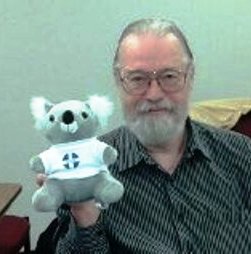
Algee Look Alike

Algee Look-Alike

Just back from a Youth Mental Health First Aid Training. One of the other trainers took this picture and tried to assert that somehow I look like a relative of ALGEE. Really? Do I look that much like a koala bear?

For those of you not familiar with Algee or Mental Health First Aid (MHFA) let me catch you up.

Mental Health First Aid is this cool program that started in Australia and is now available in America. It is sponsored by the National Council for Community Behavioral Healthcare.

MHFA

MHFA

The goal of the program is to teach as many people as possible to recognize when someone is having a mental health problem. You can also learn some skills to be helpful and to get this person the help they need.

The program is not designed for professionals; after all, by the time someone gets to us, we already know they have problems. MHFA is designed to be used just like Medical First Aid in being helpful when there are no professionals around or until you can get help for the person experiencing mental health issues.

The training runs 8 information-packed hours and is conducted by certified trainers all over America and in many other countries as well. I have been an MHFA trainer in the Adult course for a number of years.

Youth Mental Health First Aid is not meant to be a training for young people but rather a course for adults who work with young people. The goal is to help adults who work with or around young people to better recognize and respond to emerging problems in the hope that early detection and assistance efforts may help prevent some mental health issues and may help to reduce the severity of others.

The Mental Health First Aid website has a list of certified trainers and scheduled upcoming trainings. Check there for possible trainings in your area. You are also welcome to contact me about trainings, I may be doing in the future.

While Algee and I may have some superficial resemblances I do not believe that we are in any way related. We are however both interested in helping to reduce the stigma around mental illness and to help people to cope with all of life’s problems.

How about you? Are you interested in becoming a Mental Health First Aider?

Staying connected with David Joel Miller

Seven David Joel Miller Books are available now!

My newest book is now available. It was my opportunity to try on a new genre. I’ve been working on this book for several years, but now seem like the right time to publish it.

Story Bureau.

Story Bureau is a thrilling Dystopian Post-Apocalyptic adventure in the Surviving the Apocalypse series.

Baldwin struggles to survive life in a post-apocalyptic world where the government controls everything.

As society collapses and his family gets plunged into poverty, Baldwin takes a job in the capital city, working for a government agency called the Story Bureau. He discovers the Story Bureau is not a benign news outlet but a sinister government plot to manipulate society.

Bumps on the Road of Life. Whether you struggle with anxiety, depression, low motivation, or addiction, you can recover. Bumps on the Road of Life is the story of how people get off track and how to get your life out of the ditch.

Dark Family Secrets: Doris wants to get her life back, but small-town prejudice could shatter her dreams.

Casino Robbery Arthur Mitchell escapes the trauma of watching his girlfriend die. But the killers know he’s a witness and want him dead.

Planned Accidents  The second Arthur Mitchell and Plutus mystery.

Letters from the Dead: The third in the Arthur Mitchell mystery series.

What would you do if you found a letter to a detective describing a crime and you knew the writer and detective were dead, and you could be next?

Sasquatch. Three things about us, you should know. One, we have seen the past. Two, we’re trapped there. Three, I don’t know if we’ll ever get back to our own time.

For these and my upcoming books; please visit my Author Page – David Joel Miller

Want the latest blog posts as they publish? Subscribe to this blog.

For videos, see: Counselorssoapbox YouTube Video Channel

Questions and comments – let me get back to you on that

By David Joel Miller, Licensed Therapist, and Licensed Counselor.

Counseling questions

Counseling questions.
Photo courtesy of Pixabay.com

You have questions – you left comments.

Sorry about not getting to answer all those great questions. You, readers, have sent in a number of comments and questions, some on one site and some on another.  All those comments and questions deserve a decent response. I am finding that this time of year with finals, a three-day training, preparing for the next semester, and the general hecticness of the season, there has just not been time to get back to all of you as I had wished.

So I hope you will keep reading the posts as they are scheduled to appear and know that I will get back to your questions and comments as soon as I possibly can.

You should know that most of the posts on counselorssoapbox.com are written ahead of time and then scheduled to appear at a later date.

There have been lots of new developments in therapyland and in recoveryland also. I have been reading some new research and the way we see substance abuse, mental illness and recovery are all about to change.

Over the next year, I want to talk about all of these items and give the questions and comments the replies they deserve.

Here are just some of the things that remain on my to-write-about list.

1.  How treatment and recovery might apply to children and adolescents. Over my time working in the recovery field I have seen a lot of youngsters that need and deserve help. Working with adults I see issues that are clearly the result of childhood mental illness or substance abuse that went untreated.

2. The role of the internet and modern technology in mental health and recovery. I see both harms and help from these new technologies. We should talk about what might be helpful in treating and preventing emotional and substance abuse issues and what internet features may be promoting recovery.

3. The changing role and status of LPCC’s in delivering mental health and substance abuse treatment in California.

4. Affairs: This is not a new topic but it is a large, possibly the largest, reason couples come to see me in private practice. People have strong feelings about this. With more than half of all marriages ending in divorce and more than half of all people reporting they have had affairs we need to look at this issue and how you might recover from an affair – yours or your partners.

5. New developments in brain science. The last year has resulted in some intriguing new knowledge of the brain and how it works. This research has suggested some new ways that mental and emotional illnesses, as well as substance use disorders, can be treated. Not all of this new knowledge points to using more medication to treat problems. Research continues to point to the value of talk therapies in treating emotional issues.  While I am neither a medical doctor nor a researcher, as a counselor, therapist, and writer, I find these developments worth commenting on.

6. The major role of stress, adjustment, and dissociation in emotional problems. PTSD, complex trauma, and a host of other problems have received less attention than they require. We need to talk more about how stress affects people, how to manage stress, and how to heal from past stressful experiences.

One goal for the counselorssoapbox.com blog this year was to write and post 350 new articles. With those already scheduled to appear before the year-end, it is clear that we will reach this goal. This will bring the total of articles posted on counselorssoapbox.com to over 700 posts.

This coming year looks to be a busy one. I will be teaching more classes than last year, doing more trainings, and plan to get back to work on that book or books. Readers have asked questions about, change, recovery, resiliency, and how to create a happy life, which needs much longer discussions than a blog post. The books in progress will be a way to offer my views on those topics.

Thanks to all the readers, new and longtime, of counselorssoapbox.com.  Keep those questions and comments coming; it encourages me to keep writing.

Staying connected with David Joel Miller

Seven David Joel Miller Books are available now!

My newest book is now available. It was my opportunity to try on a new genre. I’ve been working on this book for several years, but now seem like the right time to publish it.

Story Bureau.

Story Bureau is a thrilling Dystopian Post-Apocalyptic adventure in the Surviving the Apocalypse series.

Baldwin struggles to survive life in a post-apocalyptic world where the government controls everything.

As society collapses and his family gets plunged into poverty, Baldwin takes a job in the capital city, working for a government agency called the Story Bureau. He discovers the Story Bureau is not a benign news outlet but a sinister government plot to manipulate society.

Bumps on the Road of Life. Whether you struggle with anxiety, depression, low motivation, or addiction, you can recover. Bumps on the Road of Life is the story of how people get off track and how to get your life out of the ditch.

Dark Family Secrets: Doris wants to get her life back, but small-town prejudice could shatter her dreams.

Casino Robbery Arthur Mitchell escapes the trauma of watching his girlfriend die. But the killers know he’s a witness and want him dead.

Planned Accidents  The second Arthur Mitchell and Plutus mystery.

Letters from the Dead: The third in the Arthur Mitchell mystery series.

What would you do if you found a letter to a detective describing a crime and you knew the writer and detective were dead, and you could be next?

Sasquatch. Three things about us, you should know. One, we have seen the past. Two, we’re trapped there. Three, I don’t know if we’ll ever get back to our own time.

For these and my upcoming books; please visit my Author Page – David Joel Miller

Want the latest blog posts as they publish? Subscribe to this blog.

For videos, see: Counselorssoapbox YouTube Video Channel

8 Ways to make the holiday emotionally safe

By David Joel Miller, MS, Licensed Therapist & Licensed Counselor.

Fall scene

Happy Holidays

Plan now to safeguard yourself in recovery.

The holidays can be stressful times. Recovery, from anxiety, trauma, alcohol or drugs is a precious thing and it takes a lot of work to reach for a recovered life. Keep your recovery and yourself safe this Holiday season by using these tips.

It is easy to get caught up in the “shoulds” and the “musts” and forget to look for the things that will be most helpful to you and your recovery.

Here are some helpful hints for getting through this time of year with your recovery unscathed.

1. Practice saying NO!

There can be a lot of pressure to do and say things that are not good for you. Work on setting healthy boundaries. Tell people no if they try to get you to do things that may be stressful and bad for your recovery.

Learn to tell yourself no also. There is always the temptation to overdo, run about too much, visit too many places, and try to do too much to make this a perfect holiday. Nothing will make the holidays perfect if your recovery unravels.

2. Too much of a good thing is a bad thing.

Even happy times can be stressful. This is especially true if you are recovering from depression, anxiety, or substance abuse. Do not let the good times wear you out and leave you vulnerable to relapse into your particular issue.

Happiness is not a sprint to get to the cookie jar first. A happy life is a long journey of relaxed enjoyment. Trying to put too much pleasure on your plate one day may leave you unable to do the things that might make you happy the next and beyond.

3. Avoid people and places that would undermine your recovery.

Some family is not healthy. Just because they are relatives does not mean you owe it to them to put yourself at risk. Avoid family members who may undermine your mental health. Take a supportive person with you if you will encounter negative people and be prepared to cut your visit short if the stress gets to you or you begin to be overtired.

4. Take exceptional care of yourself.

Get plenty of sleep. Lack of sleep one night can set up the downward spiral that will result in being too emotional wrung out to get up the next day. Overtired can lead to using substances to try to keep going. Cut your sleep short and you are setting yourself up for a relapse.

Drink plenty of water. This reduces the effects of other unhealthy exposures. Being very thirsty sets problem drinkers up to drink alcohol and places people with mental illnesses at risk to drink more than they planned.

Eat healthy food. Avoid excess sugar and take in those calories in moderation. It is a whole lot easier to pass up a few unhealthy treats than it will be to get back in shape in the New Year.

5. Make getting better job one.

Nothing is more important than your recovery. If you have started practices that are furthering your recovery do not put them aside over the holiday season.

Go to the gym, do your journaling, call supportive people. Keep up with your spiritual practice. Prayer and meditation are not tools that should be kept in the drawer this time of year. If you practice mindfulness and meditation make this a do first action.

6. Go for the safe choice first.

Avoid doing things that you “might” be able to handle. Avoid things that are risky and go always for the safe choice first.

Alcoholics should not drop by the bar just to say hi. Do not call people you know will be upsetting.

7. Reach out for help.

Call your support system. If you are a member of a particular fellowship make sure meetings are on your to-do list. Attend religious services if you find this supportive of your recovery.

Every recovering person needs a list of people who are supportive. Make those calls to other recovering people. Sometimes you will find that they needed to hear from you even more than you need to talk with them.

8. Do not push yourself.

Be kind and gentle with yourself. Do not overdo. Do not pile more and more on your plate and expect to get through the holiday season with your recovery intact.

Taking good care of yourself is not being selfish. Be the kind of friend you need. Be your own best friend.

Which of these things do you plan to do? What other techniques have you found that help keeps you safe and in recovery over the holidays?

Staying connected with David Joel Miller

Seven David Joel Miller Books are available now!

My newest book is now available. It was my opportunity to try on a new genre. I’ve been working on this book for several years, but now seem like the right time to publish it.

Story Bureau.

Story Bureau is a thrilling Dystopian Post-Apocalyptic adventure in the Surviving the Apocalypse series.

Baldwin struggles to survive life in a post-apocalyptic world where the government controls everything.

As society collapses and his family gets plunged into poverty, Baldwin takes a job in the capital city, working for a government agency called the Story Bureau. He discovers the Story Bureau is not a benign news outlet but a sinister government plot to manipulate society.

Bumps on the Road of Life. Whether you struggle with anxiety, depression, low motivation, or addiction, you can recover. Bumps on the Road of Life is the story of how people get off track and how to get your life out of the ditch.

Dark Family Secrets: Doris wants to get her life back, but small-town prejudice could shatter her dreams.

Casino Robbery Arthur Mitchell escapes the trauma of watching his girlfriend die. But the killers know he’s a witness and want him dead.

Planned Accidents  The second Arthur Mitchell and Plutus mystery.

Letters from the Dead: The third in the Arthur Mitchell mystery series.

What would you do if you found a letter to a detective describing a crime and you knew the writer and detective were dead, and you could be next?

Sasquatch. Three things about us, you should know. One, we have seen the past. Two, we’re trapped there. Three, I don’t know if we’ll ever get back to our own time.

For these and my upcoming books; please visit my Author Page – David Joel Miller

Want the latest blog posts as they publish? Subscribe to this blog.

For videos, see: Counselorssoapbox YouTube Video Channel
Reactive Attachment Disorder is now a Trauma and Stressor-Related Disorder

By David Joel Miller, MS, Licensed Therapist & Licensed Counselor.

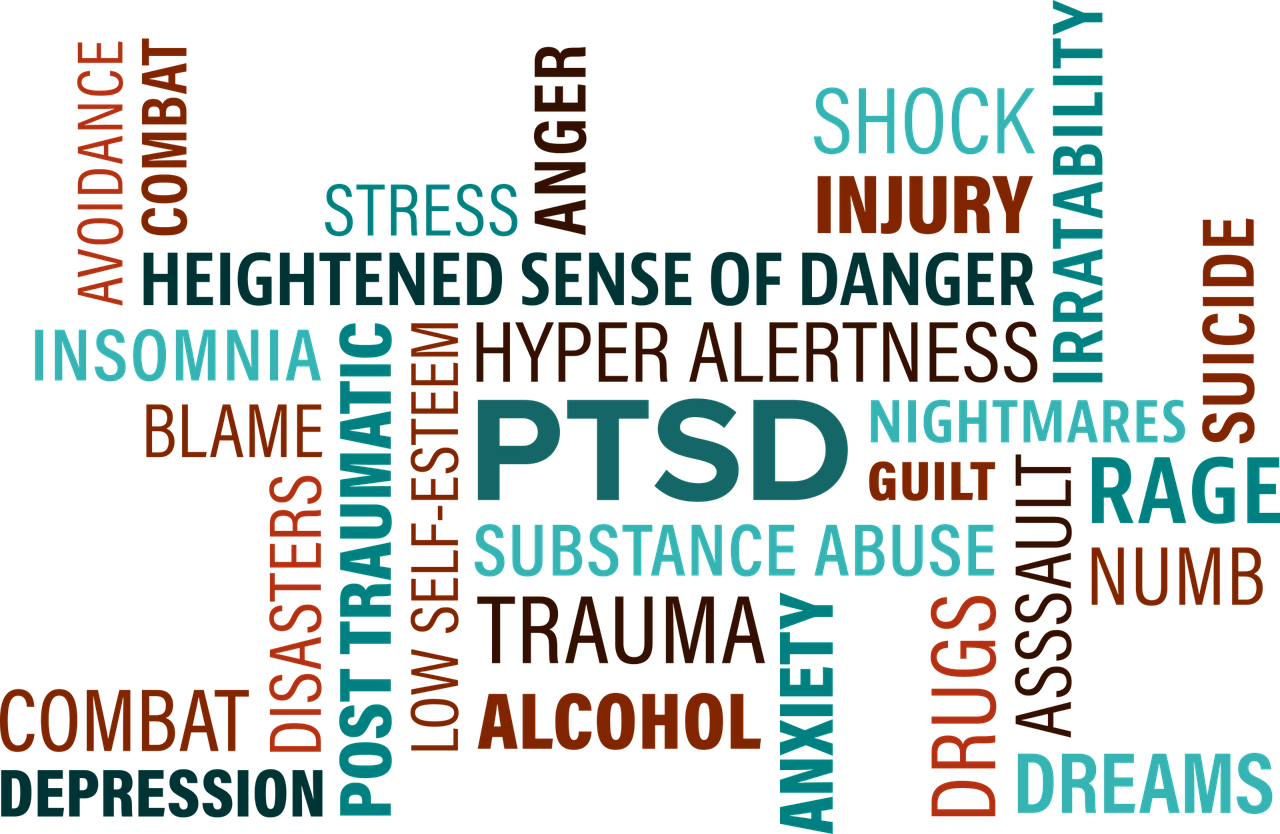
Words about PTSD

Stress and Trauma. 
Photo courtesy of Pixabay.com

Reactive Attainment is related to Stress and Trauma but how?

We know children can be affected by reactive attachments but now we are wondering if it might underlie some problems of adults. We know what happens to you growing up can shape and affect you for the rest of your life, how much might reactive attachment disorder be contributing to adult mental health issues?

Reactive Attachment Disorder (RAD) used to be a problem relegated to a special section on childhood issues; it has been moved to the Stress and Trauma section of the new DSM-5. Two things to consider – the way in which this childhood problem may be affecting adults and how might this be another case of how much is it affecting adults rather than a simple yes or no question.

Reactive Attachment is a serious problem for very young children as any Child Protective services worker will tell you. We have a fairly good idea of what causes it and some methods of treating it but the long-term consequences seem to get lost when the child reaches the school years and beyond.

Working with adults I see some of these characteristics from time to time. I do not want to minimize the problem in children nor do I think every adult problem should get blamed on childhood experiences. Just the same there are these tendencies we see in adults and I can’t help wondering how many of those adult problems had their roots in childhood experiences.

First the 7 criteria for Reactive Attachment Disorder (very roughly paraphrased from the DSM-5) and along the way some thoughts on how other adult issues may be like this one and may be different from RAD. For the full, precise set of characteristics and diagnostic criteria see the DSM-5.

1. The child is always or almost always is inhibited and withdrawn. They do not go to adults for comfort and when the adult tries they do not appear to be comforted.

2. Low or no social interaction with others, and does not look happy or like they are enjoying themselves. Lots of sadness, irritability, and fear for no good reason.

3. The child has been neglected and did not get their needs met by adults in their life. Parents could not or did not meet the child’s needs or the child moved from caregiver to caregiver so much no pattern of care got off the ground. Group settings with too few adults per child can also cause this.

4. We think the lack of care caused the problem. (This can be the tricky one as we may not know what this person’s care was like way back when.)

5. This is not Autism or something like autism (The DSM lists ways to tell these apart.)

6. This started before age 5.

7. The child is developmentally at least 9 months old.

Now if you got all that you should have a picture of what this neglected (maybe also abused) child might look like. This kid could be a very difficult child to raise. The just sit there and look at you.

Most kids we expect to be cute. Give them a toy to play with and they smile. Hug them and they hug you back. Not the child with RAD. This kid cries for no reason and does not stop when you hold them. They never smile and they are always irritable. They jump at the slightest sound and then refuse your touch when you try to comfort them. Getting the picture?

Now the criteria wants us to see and know all this before 5 years and know that the neglect (or abuse) caused this.

What would this child look like in ten or twenty years as they grow up and for some reason first appear in the mental health system?

What might these symptoms look like if it was not an all or nothing situation? Say the parents worked all the time and the child had to fend for themselves. They moved around a lot and had no friends or close family members?

As this person ages, they might live in various group homes. The caregiver would keep changing. They would develop trust issues. They might believe that you can’t rely on others because they will leave you.

In the teen years, this child might, still angry, irritable, anxious, act out, and get in trouble. These would be the children that blow foster home placements or move from group home to group home. Even if they lived with some family member, grandma or aunt, they would never really get close to that person and eventually, they would “hook up with” a member of the opposite sex and have some more little ones.

Not able to feel cared for they might not be able to care for their own children and they might abuse or neglect the next generation.

While Reactive attachment is an extreme case I think by now you might see how low caregiver contact, abuse, neglect, or frequent changes in living situations could produce some of these characteristics to a greater or lesser degree as the child grows to adulthood.

Not knowing or feeling loved is at the core of these problems.

We may well have been underestimating the effects of lifespan issues in our evaluation of adult mental and emotional issues.

People can and do recover from almost all forms of mental and emotional disorders, but recovery from Reactive Attachment Disorder is a difficult process.

Staying connected with David Joel Miller

Seven David Joel Miller Books are available now!

My newest book is now available. It was my opportunity to try on a new genre. I’ve been working on this book for several years, but now seem like the right time to publish it.

Story Bureau.

Story Bureau is a thrilling Dystopian Post-Apocalyptic adventure in the Surviving the Apocalypse series.

Baldwin struggles to survive life in a post-apocalyptic world where the government controls everything.

As society collapses and his family gets plunged into poverty, Baldwin takes a job in the capital city, working for a government agency called the Story Bureau. He discovers the Story Bureau is not a benign news outlet but a sinister government plot to manipulate society.

Bumps on the Road of Life. Whether you struggle with anxiety, depression, low motivation, or addiction, you can recover. Bumps on the Road of Life is the story of how people get off track and how to get your life out of the ditch.

Dark Family Secrets: Doris wants to get her life back, but small-town prejudice could shatter her dreams.

Casino Robbery Arthur Mitchell escapes the trauma of watching his girlfriend die. But the killers know he’s a witness and want him dead.

Planned Accidents  The second Arthur Mitchell and Plutus mystery.

Letters from the Dead: The third in the Arthur Mitchell mystery series.

What would you do if you found a letter to a detective describing a crime and you knew the writer and detective were dead, and you could be next?

Sasquatch. Three things about us, you should know. One, we have seen the past. Two, we’re trapped there. Three, I don’t know if we’ll ever get back to our own time.

For these and my upcoming books; please visit my Author Page – David Joel Miller

Want the latest blog posts as they publish? Subscribe to this blog.

For videos, see: Counselorssoapbox YouTube Video Channel

Is life freaking you out? Can’t calm down?

By David Joel Miller, MS, Licensed Therapist & Licensed Counselor.

Stress person

Stress.
Photo courtesy of Pixabay.com

What do you do when life overwhelms you?

Ever have someone tell you to – “Just calm down?” Some people seem to be born with that skill but others of us once overwhelmed find it easy to get worked up and upset and a whole lot harder to calm down afterward.

Adults have a habit of telling children to feel this way or that. This approach, invalidating the child’s feelings, will cause problems later. If you were told to feel a certain way or told you had no right to feel as you did, you may have learned the lesson that feelings were bad. Suppressing feelings can cause you to ignore valuable information coming from that part of the nervous system.

Learning to listen to your emotions is a valuable skill. Unfortunately sometimes our emotions start yelling in their “outside voice” and will not shut up long enough to let us think. At that point, you need to be able to control those feelings. Note that controlling is not the same thing as ignoring, as any parent of young children will probably learn.

What is left out in this instruction, “calm down, stop getting upset” and so on, is how you get yourself to feel other than what you feel.

We call this skill of being able to change your feelings to match the situation “Emotional regulation.”

Many of us learned fear; anger and other negative emotions by watching the adults around us act them out. We may have learned happiness and love that way also. What was usually missing is how you get from full emotional turmoil to calm again.

Regulating your emotions, calming yourself down, is a skill that can be learned.

One post on emotional regulation will not make you an expert in this. It takes learning the skill, practicing the skill, and then over-learning the skill until rather than something you have to think about this emotional regulation is something you do automatically.

Here is a quick summary of things that may help to reduce the emotional intensity of negative feelings or to prevent them in the first place.

1. Use thought-stopping to reduce negativity.

When that thought that provokes your anger or anxiety first occurs find ways to interrupt that thought. Think of other things instead. Having a “happy place” or affirming memory can be a great help here.

2. Question this unhelpful thought.

What is the belief behind the thought? Challenge that belief. No one is “always” a certain way. There are many other ways to alter your thoughts and beliefs and the result is a change in your feelings.

 3. Tell yourself things that you find reassuring or grounding.

For people who are easily overwhelmed by negative emotions getting out of the movie playing in your head and back to the current moment can be very helpful. Start with the simple things. Therapists refer to these as “orientations.” Ask and answer some right here and now questions. Things like; Who are you? (Your name, not the meaning of your life.)  Where are you? What are you doing now? Who are the others around you?

Try to avoid taking detours down those “mean streets” in your head. Forget trying to “not think about things.” (See the post Don’t think about Elephants.)

Keep bringing yourself back to reality.

There are literally hundreds of ways to turn down the level of emotions and get yourself back to a safe mental place. These techniques need to be practiced beforehand otherwise while running in panic, you will never remember what you were going to do.

Watch counselorssoapbox.com for more posts on ways to regulate your emotions. You might want to subscribe to the blog if you find these posts helpful.

P. S. Stay tuned for info on the book I am working on. More on that in the posts to come.

Have you found ways to calm yourself down and regulate your emotions? Care to share?

Staying connected with David Joel Miller

Seven David Joel Miller Books are available now!

My newest book is now available. It was my opportunity to try on a new genre. I’ve been working on this book for several years, but now seem like the right time to publish it.

Story Bureau.

Story Bureau is a thrilling Dystopian Post-Apocalyptic adventure in the Surviving the Apocalypse series.

Baldwin struggles to survive life in a post-apocalyptic world where the government controls everything.

As society collapses and his family gets plunged into poverty, Baldwin takes a job in the capital city, working for a government agency called the Story Bureau. He discovers the Story Bureau is not a benign news outlet but a sinister government plot to manipulate society.

Bumps on the Road of Life. Whether you struggle with anxiety, depression, low motivation, or addiction, you can recover. Bumps on the Road of Life is the story of how people get off track and how to get your life out of the ditch.

Dark Family Secrets: Doris wants to get her life back, but small-town prejudice could shatter her dreams.

Casino Robbery Arthur Mitchell escapes the trauma of watching his girlfriend die. But the killers know he’s a witness and want him dead.

Planned Accidents  The second Arthur Mitchell and Plutus mystery.

Letters from the Dead: The third in the Arthur Mitchell mystery series.

What would you do if you found a letter to a detective describing a crime and you knew the writer and detective were dead, and you could be next?

Sasquatch. Three things about us, you should know. One, we have seen the past. Two, we’re trapped there. Three, I don’t know if we’ll ever get back to our own time.

For these and my upcoming books; please visit my Author Page – David Joel Miller

Want the latest blog posts as they publish? Subscribe to this blog.

For videos, see: Counselorssoapbox YouTube Video Channel
Change

By David Joel Miller, MS, Licensed Therapist & Licensed Counselor.

Changing your life

Time for a life change?
Photo courtesy of Pixabay.com

Ready for the changes?

Today is Sunday. For much of the world, Sunday is the first day of the week. December is well underway. Before long the year will come to an end and a new year will begin. Many people will take a look at their lives and their situation and decide the time for a change is coming soon.

When the New Year arrives there will be a time for making resolutions and setting goals but now as the year 2013 comes into its final phase it would behoove us all to look at ourselves and our lives and to look at the things we need to bring to an end.

Before there is room in your life for new things you may well find that you have to bring some old things to an end.

What things do you need to let go of before you can find the room for a better life in the year to come?

What would your life look like if as this year comes to a close you finally began the process of change?

What exactly is this elusive thing we all say we want but that escapes from our grasp so often?

What is change?

Change:

Become or make different

Substitute something else for or replace with something else

Pass or move from one state to another

Remove one thing (as in clothing) and put on another

Exchange one thing for another

Vary a routine

A fresh set of something

A transition from one thing or state to another

To become altered, undergo a transformation, or be partly or wholly altered

Definitions adapted from Encarta and The Century Dictionary 1889.

Some thoughts about change from Goodreads;

“Here’s to the crazy ones. The misfits. The rebels. The troublemakers. The round pegs in the square holes. The ones who see things differently. They’re not fond of rules. And they have no respect for the status quo. You can quote them, disagree with them, glorify or vilify them. About the only thing you can’t do is ignore them. Because they change things. They push the human race forward. And while some may see them as the crazy ones, we see genius. Because the people who are crazy enough to think they can change the world, are the ones who do.”

― Apple Inc.

“Yesterday I was clever, so I wanted to change the world. Today I am wise, so I am changing myself.”

― Rumi

“Everyone thinks of changing the world, but no one thinks of changing himself.”

― Leo Tolstoy

“Education is the most powerful weapon which you can use to change the world.”

― Nelson Mandela

“Do I contradict myself? Very well, then, I contradict myself; I am large — I contain multitudes.”

― Walt Whitman

“We are taught you must blame your father, your sisters, your brothers, the school, the teachers – but never blame yourself. It’s never your fault. But it’s always your fault, because if you wanted to change you’re the one who has got to change.”

― Katharine Hepburn, Me: Stories of My Life

Are you preparing for the changes that will come in the New Year?

Staying connected with David Joel Miller

Seven David Joel Miller Books are available now!

My newest book is now available. It was my opportunity to try on a new genre. I’ve been working on this book for several years, but now seem like the right time to publish it.

Story Bureau.

Story Bureau is a thrilling Dystopian Post-Apocalyptic adventure in the Surviving the Apocalypse series.

Baldwin struggles to survive life in a post-apocalyptic world where the government controls everything.

As society collapses and his family gets plunged into poverty, Baldwin takes a job in the capital city, working for a government agency called the Story Bureau. He discovers the Story Bureau is not a benign news outlet but a sinister government plot to manipulate society.

Bumps on the Road of Life. Whether you struggle with anxiety, depression, low motivation, or addiction, you can recover. Bumps on the Road of Life is the story of how people get off track and how to get your life out of the ditch.

Dark Family Secrets: Doris wants to get her life back, but small-town prejudice could shatter her dreams.

Casino Robbery Arthur Mitchell escapes the trauma of watching his girlfriend die. But the killers know he’s a witness and want him dead.

Planned Accidents  The second Arthur Mitchell and Plutus mystery.

Letters from the Dead: The third in the Arthur Mitchell mystery series.

What would you do if you found a letter to a detective describing a crime and you knew the writer and detective were dead, and you could be next?

Sasquatch. Three things about us, you should know. One, we have seen the past. Two, we’re trapped there. Three, I don’t know if we’ll ever get back to our own time.

For these and my upcoming books; please visit my Author Page – David Joel Miller

Want the latest blog posts as they publish? Subscribe to this blog.

For videos, see: Counselorssoapbox YouTube Video Channel

Wait and see makes mental illness worse.

By David Joel Miller, MS, Licensed Therapist & Licensed Counselor.

Crying child

Youth mental health.
Photo courtesy of Pixabay.com

Have you been putting off getting help for an emotional problem?

Some problems go away on their own if you just let them be others do not. Mental illness or emotional issues are not problems that benefit from delaying treatment. The majority of mental illnesses begin much earlier than we thought. Half of all those who get diagnosed with a mental illness have those symptoms by age fourteen.

Three out of four people who will develop a mental or emotional illness will have symptoms by age 24.

As early as the end of the third grade, eight years of age, we can already identify students who are at high risk for mental illnesses, emotional problems, and a future of substance abuse, dropping out of school and ending up in jails and prisons.

The conventional wisdom has been that you should not give in to an emotional problem.  The truth is that walking around on a broken leg makes the damage worse. The earlier that cancer is detected and treated the better the prognosis.

Early detection and treatment of mental, emotional, and behavior problems results in a reduction in illness severity and saves lives and futures.

A whole lot of mental and emotional disorders turn up in a severe enough condition to get diagnosed way earlier than we used to think. The myth of childhood being all happy times has not proved to be true for a lot of children.

That does not mean that parents caused all these early-onset mental or emotional problems. We are still a long way away from knowing precisely why one person gets an illness and another does not. Current theories tell us that most of this is the result of the interaction of risk factors and environmental factors. Every time a cell divides there is a risk of mutation. Genetics play a role. So too does early experiences and learning. Trauma can rewire the brain.

Whatever the cause, early identification and treatment is superior to the wait and see attitude.

So what disorders are most likely to show up and at what ages?

These are lifespan issues. Preschool children get seen by medical doctors, primarily for developmental issues. Failure to eat or eliminate as others or walking and talking issues get recognized early on.

By age 6 anxiety symptoms are noticeable. Some children outgrow the shyness; some get more withdrawn as they age. Hoping they will grow out of anxiety is a risky approach.

At age 11, Behavior disorders, acting out, disruptive behavior, and ADHD start getting diagnosed.

Beginning in the teen years, about age 13, mood disorders become more recognizable. Some of the children who were being given behavioral diagnosis get their code change to a mood issue as the symptoms of depression or Bipolar disorder become clearer.

Some small number of children will get their diagnosis changed from Depression to Bipolar once they have the first manic or hypomanic episode. No mania or near mania and they should not be getting labeled bipolar no matter how moody they are. Reduced need for sleep and pressured driven behaviors also point in the direction of bipolar disorders.

The number of people diagnosed with a mood disorders increases as people get older. The number of Anxiety disorders stays relatively constant regardless of the age of the person.  Exceptions to this are the increase in stress-related diagnoses as a group ages.

The younger someone is when they first develop a mental illness the more severe it is likely to be, especially if their problem goes untreated.

The same mechanism applies to learning disabilities. If they can’t read at grade level in third grade the child will continue to fall farther and farther behind until one day they give up and discontinue their education.

Anxious children give up trying new things and retreat into more and more isolation. People with depression are likely to stop trying.

Having an early onset of an emotional problem also sets up a high risk of trying drugs and alcohol as ways to cope. The earlier someone starts abusing substances the more likely they are to develop a substance use disorder.

Identification and treatment of mental health problems in young people have been woefully inadequate. The average person with a serious mental illness has the illness ten years from the onset until they arrive at treatment. Many do not get treatment until they end up in jails, prisons, or other institutions.

The cost of undiagnosed and untreated mental and emotional disorders does not solely fall on the person with the mental illness.

The mentally ill have higher rates of unemployment and underemployment.

They are more likely to be arrested. They have unstable housing and frequent changes of address. Having a mental health diagnosis is associated with poorer physical health and a shortened lifespan. This trend becomes worse the longer the delay between the onset of the disorder and the treatment.

The mentally ill also have more emergency room visits.

All these costs impact the person with the mental illness, their friends, family, and society in general.

Whether we like it or not the cost of every person with an untreated mental illness is paid for by the portion of society who is not having an illness in that particular year.

Early identification and treatment of mental and emotional disorders result in a reduced amount of suffering and countless benefits to the mentally ill, their families, and society.

If you or someone you know seem to be having emotional or mental problems seek out help as soon as possible.

Staying connected with David Joel Miller

Seven David Joel Miller Books are available now!

My newest book is now available. It was my opportunity to try on a new genre. I’ve been working on this book for several years, but now seem like the right time to publish it.

Story Bureau.

Story Bureau is a thrilling Dystopian Post-Apocalyptic adventure in the Surviving the Apocalypse series.

Baldwin struggles to survive life in a post-apocalyptic world where the government controls everything.

As society collapses and his family gets plunged into poverty, Baldwin takes a job in the capital city, working for a government agency called the Story Bureau. He discovers the Story Bureau is not a benign news outlet but a sinister government plot to manipulate society.

Bumps on the Road of Life. Whether you struggle with anxiety, depression, low motivation, or addiction, you can recover. Bumps on the Road of Life is the story of how people get off track and how to get your life out of the ditch.

Dark Family Secrets: Doris wants to get her life back, but small-town prejudice could shatter her dreams.

Casino Robbery Arthur Mitchell escapes the trauma of watching his girlfriend die. But the killers know he’s a witness and want him dead.

Planned Accidents  The second Arthur Mitchell and Plutus mystery.

Letters from the Dead: The third in the Arthur Mitchell mystery series.

What would you do if you found a letter to a detective describing a crime and you knew the writer and detective were dead, and you could be next?

Sasquatch. Three things about us, you should know. One, we have seen the past. Two, we’re trapped there. Three, I don’t know if we’ll ever get back to our own time.

For these and my upcoming books; please visit my Author Page – David Joel Miller

Want the latest blog posts as they publish? Subscribe to this blog.

For videos, see: Counselorssoapbox YouTube Video Channel

Does Multiple Personality Disorder really exist?

By David Joel Miller, MS, Licensed Therapist & Licensed Counselor.

personality disorder

What Causes DID Disorder?
Photo courtesy of Pixabay.com

Are Multiple Personality Disorder, Manic-Depressive Disorder, and Addiction real illnesses?

There have been some books, articles, and blog posts recently saying that many things we are calling illness either do not exist or if they do exist they are not really illnesses but choices people make.

Some of the arguments these people are making seem to have some merit on the face, but when I look deeper there are some serious flaws in this kind of reasoning. All good lies have some truth in them and so these misconceptions about illnesses take some sorting out. Most of these efforts to deny the existence of a particular illness are cases of – if I do not believe in this it can’t hurt me.

Let’s look at some examples of ways people try to deny the existence of mental disorders.

1. Change the name and the illness ceases to exist – Denial one.

“There is no such thing as Consumption. When people believed in consumption they got it and died. No one gets it now because we know it does not exist.”

You buying that?

Consumption is the old name for Tuberculosis. Yes, people still get T. B. and die from it. We do have medication to treat it, but if you take no meds, you still can die from this illness. Changing the name did not erase the disease.

What about Manic-Depressive Disorder? No such thing right?

Well, we changed the name of that one to Bipolar Disorder so in that sense there is no such thing as Manic Depressive Disease. No difference really in the condition. Still, a serious illness and still needs treating, but not in the strictly literal sense, there is no such thing as Manic Depressive disorder anymore at least not in the DSM.

Which brings us to Multiple Personality Disorder.

The name misled a lot of people into thinking that everyone who had this issue would look like Sybil.  The truth is that there are lots of variations. The new name is “Dissociative Identity Disorder” so while technically, semantically, Multiple Personality Disorder no longer exists, there are still millions of people living with exactly these symptoms; we just call this condition by a new name.

Watch for an upcoming post on Dissociation Disorders. (Yes, there are more than one of these creatures.)

2. Second denial – There is no such thing as mental illness.

The argument runs – mental illness is not a “real disease” these are just people who think or behave differently from the rest of us and we want to force them to act and think like the rest of us.

A lot was made of this a few years back. Again in a strictly semantically way, this has some truth to it. Just enough truth to be misleading.

One definition of illness or disease is a process of an organism, bacteria, or virus, invading the body, and damaging cells. The proponents of this “no mental illness” idea argued that if mental illness was a real illness we should be able to find the bug that caused it and a drug that removed this infection from the body.

Newer research on the brain is chipping away at this one. There are lots of changes that nerve cells undergo that cause a change in functioning. Thoughts and traumatic experiences can change the wiring and the chemistry of the brain.

Most mental issues are correctly referred to as “disorders” not technically diseases. The specific definition of a disorder is essentially something that causes you a thinking, feeling, or behavioral issue.

So if the emotional, mental, or behavior problem cause you to have impairment in Social functioning, (You can’t get along with family and or friends) occupational functioning (the ability to hold a job) of subjective distress (You say it bothers you) then we diagnose it as a mental disorder. The DSM-5 adds “other important area of functioning” I am still not sure what all that might be but if we find that we can give you the diagnosis also.

So while there does not appear to be any Dissociative Disorder germ, I still think that the effects of trauma can alter your emotions sufficiently that we can say you have a disorder.

3. Denial three – I do not believe in Dissociative Disorders so they do not exist.

I take this to be the funniest reason of all to pretend that disorders do not exist. Still, some people cling to the notion that there was no evolution or that the sun does, in fact, revolve around the earth.

Personally, I have taken to believing that Arizona does not exist. California just runs all the way to New Mexico. Those of you that think you live in Arizona knock that foolishness off and start sending your taxes my way.

People have denied the existence of addiction for years saying those people just chose to be that way. Some of them say the same thing about schizophrenia. Now the medical people are saying almost all medications including prescribed ones can cause tolerance and withdrawal so they all met the old definition for addiction.

We are getting around this one by eliminating addiction – it is no more. All of you that thought you knew someone with an addiction you were wrong – there is no such thing as addiction – We will, however, be treating a lot of people next year for substance use disorders and the key characteristic of that disorder will be a loss of control over their use of a substance.

See how this works.

4. Straw man argument.

The way this one goes is: When you talk about Multiple Personality Disorder or Dissociative Disorder what you really mean is –

They then proceed to spend the rest of their post arguing about things that you never said and wouldn’t have said, but it makes them feel better to win an argument even if they need to misrepresent what you think to win one.

Oh, my – another long post. So in the future let’s talk some more about all the things that we have been learning about stress, trauma, and dissociation.

Staying connected with David Joel Miller

Seven David Joel Miller Books are available now!

My newest book is now available. It was my opportunity to try on a new genre. I’ve been working on this book for several years, but now seem like the right time to publish it.

Story Bureau.

Story Bureau is a thrilling Dystopian Post-Apocalyptic adventure in the Surviving the Apocalypse series.

Baldwin struggles to survive life in a post-apocalyptic world where the government controls everything.

As society collapses and his family gets plunged into poverty, Baldwin takes a job in the capital city, working for a government agency called the Story Bureau. He discovers the Story Bureau is not a benign news outlet but a sinister government plot to manipulate society.

Bumps on the Road of Life. Whether you struggle with anxiety, depression, low motivation, or addiction, you can recover. Bumps on the Road of Life is the story of how people get off track and how to get your life out of the ditch.

Dark Family Secrets: Doris wants to get her life back, but small-town prejudice could shatter her dreams.

Casino Robbery Arthur Mitchell escapes the trauma of watching his girlfriend die. But the killers know he’s a witness and want him dead.

Planned Accidents  The second Arthur Mitchell and Plutus mystery.

Letters from the Dead: The third in the Arthur Mitchell mystery series.

What would you do if you found a letter to a detective describing a crime and you knew the writer and detective were dead, and you could be next?

Sasquatch. Three things about us, you should know. One, we have seen the past. Two, we’re trapped there. Three, I don’t know if we’ll ever get back to our own time.

For these and my upcoming books; please visit my Author Page – David Joel Miller

Want the latest blog posts as they publish? Subscribe to this blog.

For videos, see: Counselorssoapbox YouTube Video Channel

What are you wishing for? What is on your holiday list?

By David Joel Miller, MS, Licensed Therapist & Licensed Counselor.

What is on your holiday wish list this year?

As we kick off the run-up to Christmas, the stores are getting busy. There are black-whatever deals and there are wish lists for Santa, mom, dad, and the government.

Watching the news this season has made me wonder whether we should be so disappointed about what we do not have or grateful for the things we do have.

Are you saying that you need a newer larger house?

No Roof.

No Roof.
Photo courtesy of Pixabay.com

OR – Do you wish your house had a roof?

Are you griping about the electricity bill?

No Power.
Photo courtesy of Pixabay.com

OR – Do you wish you had electricity?

Are you carving Chocolate?

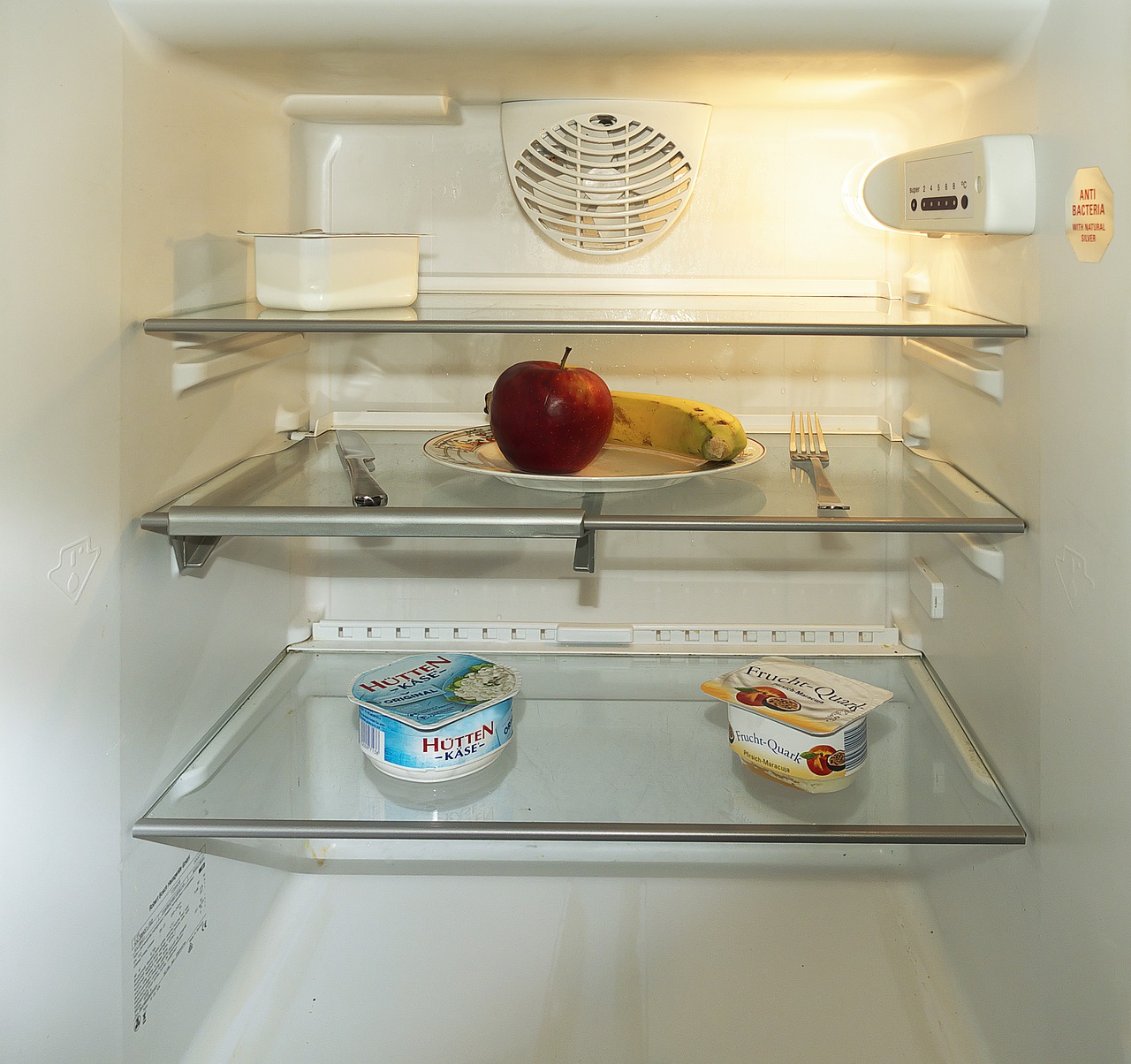
Empty Refrigerator.
Photo courtesy of Pixabay.com

OR – Are you carving some food for your children?

Are you wishing for more time off from work?

Unemployed.
Photo courtesy of Pixabay.com

OR – Do you wish you had a job?

Maybe this season we should continue to remember the lists we made of things to be thankful for and expand our gratitude lists at a faster rate than we add to our wish lists.

Staying connected with David Joel Miller

Seven David Joel Miller Books are available now!

My newest book is now available. It was my opportunity to try on a new genre. I’ve been working on this book for several years, but now seem like the right time to publish it.

Story Bureau.

Story Bureau is a thrilling Dystopian Post-Apocalyptic adventure in the Surviving the Apocalypse series.

Baldwin struggles to survive life in a post-apocalyptic world where the government controls everything.

As society collapses and his family gets plunged into poverty, Baldwin takes a job in the capital city, working for a government agency called the Story Bureau. He discovers the Story Bureau is not a benign news outlet but a sinister government plot to manipulate society.

Bumps on the Road of Life. Whether you struggle with anxiety, depression, low motivation, or addiction, you can recover. Bumps on the Road of Life is the story of how people get off track and how to get your life out of the ditch.

Dark Family Secrets: Doris wants to get her life back, but small-town prejudice could shatter her dreams.

Casino Robbery Arthur Mitchell escapes the trauma of watching his girlfriend die. But the killers know he’s a witness and want him dead.

Planned Accidents  The second Arthur Mitchell and Plutus mystery.

Letters from the Dead: The third in the Arthur Mitchell mystery series.

What would you do if you found a letter to a detective describing a crime and you knew the writer and detective were dead, and you could be next?

Sasquatch. Three things about us, you should know. One, we have seen the past. Two, we’re trapped there. Three, I don’t know if we’ll ever get back to our own time.

For these and my upcoming books; please visit my Author Page – David Joel Miller

Want the latest blog posts as they publish? Subscribe to this blog.

For videos, see: Counselorssoapbox YouTube Video Channel

Should your therapist tell you what to do?

By David Joel Miller, MS, Licensed Therapist & Licensed Counselor.

Therapist

Therapist.
Photo courtesy of Pixabay.com

Do therapists and counselors tell people what to do?

Most counselors and therapists will tell you that they do not, under any circumstances, tell clients what to do. Frankly, I think many of my colleagues are fooling themselves more than they are fooling their clients when they say that they do not tell clients what to do.

There are good reasons to tell someone to do things and there are also good reasons to not tell people what to do. This is especially true in something as close and confidential as the counseling relationship.

Clients have told me that they get very upset with their therapists either because the therapist keeps telling them to do something that is inconsistent with their goals and beliefs or because they ask the therapist what they should do and did not get an answer.

There are three questions to examine here. Why do therapists avoid telling clients what to do? Why after saying they would never do this do they then go ahead and try to influence the client’s behavior in more subtle ways, and lastly why counselors can and should tell clients what to do.

Two reasons why the therapist should avoid telling the client what to do.

The goal of counseling is to help clients learn to solve their own problems. Telling clients what to do “fosters dependence” meaning if we make the decisions for you then you do not learn to make them for yourself.

Rather than telling you what to do the counselor should be helping you learn about yourself, what are your values and goals, and then learn how to make the choices that are right for you, not the ones that are good for the therapist.

Second, it is your life, not ours. I do not want to tell someone to get married or divorced and then have to take the blame for things that turn out badly. We are not fortune tellers and do not know what the future holds. You need to pick the outcome that is best for you. While we may have opinions, they are our opinions.

How therapists try to tell you what to do anyway.

Therapists and counselors have opinions, often strong opinions about things. We see certain things as bad for you and other things as good. Not all professionals agree on which is which.

Some marriage therapists refer to themselves as “Gorilla divorce busters.” They believe that all marriages should be saved. So if you go to them for help, no matter how badly you feel in this relationship expect this professional to try to talk you into working on the relationship and out of getting a divorce.

Some therapists take a pro one gender stance. Lots of times this is a pro-feminist stance. They seem to always align with the woman. The message is the man is the problem, get rid of that guy and things will be better.

Personally, over time my position on these gender issues has changed. Most of the time it is neither person’s fault, and if they get divorced they will each be back with a new partner. Pick a partner and you pick a set of problems. So I encourage them to learn the skills they need for a good relationship and practice this with their current partner first.

I also recognize that sometimes even if both people change, the damage they did to each other may mean that they just can’t be together.

Personally, I have worked with so many people who have a substance use disorder that I tend to think most people need to give the drugs or alcohol up. If the couple has most of their fights while drinking I tend to think we need to talk about Alcohol abuse. If the client says they do not want to quit, I go with that. But next week when they get drunk and hit each other again I may ask about that drinking thing again.

I can think of a bunch of other issues that turn up in counseling that might prompt a counselor who has strong opinions to try to influence their client even after that professional says they never tell their clients what to do. Abortion, Homosexuality, and other sexual behaviors all may evoke that behavior in the therapist.

When should a counselor tell a client what to do?

I think, and I may well be in the minority on this, that there are times the counselor may need to tell the client what to do. I usually do this more in the way of providing information or making suggestions, but the point is clear that I think this is what the client should do.

When might a counselor do that? Mostly when I have some information that the client needs and the client does not have that information, some of this borders on social work. I do not do that but I do clinical counseling and there are similarities.

If the client does not have a job, I might do some testing, talk about their job history, and which was their favorite job, and then I might suggest some careers that would be good for the client. I might also suggest some websites to visit and some ways to revise their resume.

If the client is homeless I might suggest some places to go for housing. I might also revisit the drinking problems and suggest that if they stay sober their housing opportunities increase.

When doing Cognitive Behavioral therapy I may give homework. We sometimes call this “conducting behavioral experiments.” I ask the client to do something and then in the next session we talk about how that went. If they did not do the experiment we talk about what got in the way of doing this exercise.

Most of this “advice-giving” is done when the client is trying to adjust to a change in their life and they just do not know where to go or what to do. This “telling” also works best when it is done in the form of suggestions and the client is free to do or not do these things. Either way, I am willing to keep seeing the client and together we work on finding the solution to their problems that work best for them.

Staying connected with David Joel Miller

Seven David Joel Miller Books are available now!

My newest book is now available. It was my opportunity to try on a new genre. I’ve been working on this book for several years, but now seem like the right time to publish it.

Story Bureau.

Story Bureau is a thrilling Dystopian Post-Apocalyptic adventure in the Surviving the Apocalypse series.

Baldwin struggles to survive life in a post-apocalyptic world where the government controls everything.

As society collapses and his family gets plunged into poverty, Baldwin takes a job in the capital city, working for a government agency called the Story Bureau. He discovers the Story Bureau is not a benign news outlet but a sinister government plot to manipulate society.

Bumps on the Road of Life. Whether you struggle with anxiety, depression, low motivation, or addiction, you can recover. Bumps on the Road of Life is the story of how people get off track and how to get your life out of the ditch.

Dark Family Secrets: Doris wants to get her life back, but small-town prejudice could shatter her dreams.

Casino Robbery Arthur Mitchell escapes the trauma of watching his girlfriend die. But the killers know he’s a witness and want him dead.

Planned Accidents  The second Arthur Mitchell and Plutus mystery.

Letters from the Dead: The third in the Arthur Mitchell mystery series.

What would you do if you found a letter to a detective describing a crime and you knew the writer and detective were dead, and you could be next?

Sasquatch. Three things about us, you should know. One, we have seen the past. Two, we’re trapped there. Three, I don’t know if we’ll ever get back to our own time.

For these and my upcoming books; please visit my Author Page – David Joel Miller

Want the latest blog posts as they publish? Subscribe to this blog.

For videos, see: Counselorssoapbox YouTube Video Channel