
What is low self-esteem? What causes low self-esteem?

By David Joel Miller, MS, Licensed Therapist & Licensed Counselor.

Low Self-esteem

Low Self-esteem.
Photo courtesy of Pixabay.com

Is self-esteem related to confidence?

Low self-esteem, despite all the talk we hear about it, is not a specific mental health diagnosis. Low self-esteem does co-exist with several mental health issues including depression and anxiety.

While it is hard to define precisely, it is easy to see in practice and if you have suffered from low self-esteem you know the devastating effects it can have on your life.

Definitions of self-esteem vary widely. The Dictionary definition includes such things as your confidence in your merit as an individual person.

Also contained in the concept of self-esteem are such things as self-confidence, self-respect, and problems solving abilities. In effect, self-esteem is all about your ability to cope with life.

There are many causes of low self-esteem but regardless of the cause low self-esteem can be overcome.

People with low self-esteem are frequently high in self-monitoring. They are constantly on the lookout for errors they might be making. The result of high self-monitoring is that we find what we are looking for if you expect to find yourself making mistakes and that is all you look for then you will come to believe that everything you do is wrong.

In extreme cases, people who over self-monitor, who never give themselves credit for things well done, become increasingly helpless and hopeless.

There is a major connection between low self-esteem and depression. Being depressed reduces your ability to do things you used to be able to do. One consequence of depression is reduced or low self-esteem. But the connection works in the opposite direction also. Having low self-esteem increases the probability that you will rate yourself harshly and one result of this over negative evaluation is to become depressed.

Depression is not the only mental health challenge that stems from harsh self-evaluation and low self-esteem. People who believe they are not able to do things and look for evidence become fearful that they will make mistakes. The beginning to expect others to have negative evaluations of them and they look for ways to avoid those negative evaluations.

Low self-esteem is a major cause of some anxiety disorders. But this excessive self-evaluation, this inability to give yourself credit for things you are able to do, can lead to other problems also.

One way a person with low self-esteem tries to protect themselves is to constantly check everything. They expect to do things wrong, they expect others to be negative about them as a result of their errors so they develop routines of constant checking of everything trying to prevent or correct the smallest of errors.

While not the only cause, low self-esteem, and overly harsh self-evaluation are causes of Obsessive-Compulsive Disorder symptoms. In extreme cases, this becomes Obsessive-Compulsive personality disorder.

A significant cause of low self-esteem is growing up in a non-affirming family. There was a time that parents were told that to praise the child would give them a “swelled head.” Many parents find it difficult to praise their children for things done right but are quick to fulfill their parental duties by pointing out the child’s flaws. The result is that the child only hears about the things they do wrong and begins to think that they are “wrong.” Believing that it is you that is at fault, not that you are unable to do something is a precipitator of much low self-esteem.

Even if your family did on occasion affirm you, failure to affirm yourself or having non-affirming friends can also create these symptoms. Being bullied, teased, or rejected, are reasons many children come to believe that there is something inherently wrong with them. The result is chronic low self-esteem.

One antidote for low self-esteem is high self-confidence. Being high in self-confidence is a cultural thing. Some cultures believe that to put yourself forward, to assert your ability to do things, is narcissistic and wrong. Our American culture often values those who are high in self-confidence, possibly even high in narcissistic tendencies. We accept sports heroes and politicians who brag about their abilities as long as they produce the results.

People with low self-esteem find it difficult to achieve in life. They expect to fail and so often do not try. The result is that if you do not attempt things you never achieve them. Low self-esteem is in this way self-perpetuating.

If you have low self-esteem you can learn to accept yourself and feel good about yourself. Raising your self-esteem does not put you at risk to be arrogant or have an excessive opinion of yourself. Increase your self-esteem or better yet stop judging yourself harshly and you may find that your anxiety and depression are reduced or eliminated. Get treatment for that depression or anxiety and you may find that you feel better about yourself and your life.

More to come in future posts on ways to reduce or eliminate the problem of low self-esteem.

Staying connected with David Joel Miller

Seven David Joel Miller Books are available now!

My newest book is now available. It was my opportunity to try on a new genre. I’ve been working on this book for several years, but now seem like the right time to publish it.

Story Bureau.

Story Bureau is a thrilling Dystopian Post-Apocalyptic adventure in the Surviving the Apocalypse series.

Baldwin struggles to survive life in a post-apocalyptic world where the government controls everything.

As society collapses and his family gets plunged into poverty, Baldwin takes a job in the capital city, working for a government agency called the Story Bureau. He discovers the Story Bureau is not a benign news outlet but a sinister government plot to manipulate society.

Bumps on the Road of Life. Whether you struggle with anxiety, depression, low motivation, or addiction, you can recover. Bumps on the Road of Life is the story of how people get off track and how to get your life out of the ditch.

Dark Family Secrets: Doris wants to get her life back, but small-town prejudice could shatter her dreams.

Casino Robbery Arthur Mitchell escapes the trauma of watching his girlfriend die. But the killers know he’s a witness and want him dead.

Planned Accidents  The second Arthur Mitchell and Plutus mystery.

Letters from the Dead: The third in the Arthur Mitchell mystery series.

What would you do if you found a letter to a detective describing a crime and you knew the writer and detective were dead, and you could be next?

Sasquatch. Three things about us, you should know. One, we have seen the past. Two, we’re trapped there. Three, I don’t know if we’ll ever get back to our own time.

For these and my upcoming books; please visit my Author Page – David Joel Miller

Want the latest blog posts as they publish? Subscribe to this blog.

For videos, see: Counselorssoapbox YouTube Video Channel

What should your tombstone say?

By David Joel Miller, MS, Licensed Therapist & Licensed Counselor.

What do you want your tombstone to say?
Photo courtesy of Pixabay.com

How do you want to be remembered?

This question of what we will be leaving behind does not occupy our thoughts very much, especially in our younger years. It is a topic older people think about more even when they may find it difficult to put into words.

When you are gone who will notice? What will they say about you? What do you wish they would say?

I am hoping that none of you are expecting or planning on quitting on life just yet. If you are please talk with someone, there is help available. Look for a suicide prevention line and call it or see a local professional.

One thing I have noticed from working in locked psychiatric facilities, frequently with suicidal people or people who have attempted suicide is that most often those who lived were glad for the second chance.

Those crisis moments when we almost die can put life in perspective. Those who have had near-death experiences describe them with a religious reverence as something which changed their way of seeing the world forever. Do you need to have that near-death experience to stop, pause, and think about what you want your existence on this planet to have meant?

What really matters to you? What do you want to leave behind?

Some of you, if they were to write your obituary – that piece would read something like

“They had a good time, but didn’t care who they hurt.”  Is that what you would want your obituary to say?

Or how about the person of whom it is said they “they sure were unhappy all the time, it was a downer just being around them.”

One way to gain perspective on your life is to try this simple exercise.

Write your obituary. What has your life been about, where have you traveled and what impact have you had on others. No one is ever too close to the end to rewrite their obituary. You can be that grumpy old person who hates everyone laying there in your bed in the hospital, the one that made life miserable for the staff at the nursing home or you can be the one who always had a smile and a thank you on their lips. You can choose to be miserable or a blessing.

Once you have finished that obituary, pause to reflect on it. What is the one most important thing you have said about you? Condense it down. What is the short sentence they will inscribe on your tombstone?

Now tuck that obit away and work on making the good things in it come true. Use whatever time you have left, a lot or a little, to create those things.

That positive saying for your tombstone, I suggest posting that somewhere where you can see it every day.

Live every day as if this is your last chance to make that saying you want on your tombstone to come true.

What do you want people to say about you when you are gone?

Staying connected with David Joel Miller

Seven David Joel Miller Books are available now!

My newest book is now available. It was my opportunity to try on a new genre. I’ve been working on this book for several years, but now seem like the right time to publish it.

Story Bureau.

Story Bureau is a thrilling Dystopian Post-Apocalyptic adventure in the Surviving the Apocalypse series.

Baldwin struggles to survive life in a post-apocalyptic world where the government controls everything.

As society collapses and his family gets plunged into poverty, Baldwin takes a job in the capital city, working for a government agency called the Story Bureau. He discovers the Story Bureau is not a benign news outlet but a sinister government plot to manipulate society.

Bumps on the Road of Life. Whether you struggle with anxiety, depression, low motivation, or addiction, you can recover. Bumps on the Road of Life is the story of how people get off track and how to get your life out of the ditch.

Dark Family Secrets: Doris wants to get her life back, but small-town prejudice could shatter her dreams.

Casino Robbery Arthur Mitchell escapes the trauma of watching his girlfriend die. But the killers know he’s a witness and want him dead.

Planned Accidents  The second Arthur Mitchell and Plutus mystery.

Letters from the Dead: The third in the Arthur Mitchell mystery series.

What would you do if you found a letter to a detective describing a crime and you knew the writer and detective were dead, and you could be next?

Sasquatch. Three things about us, you should know. One, we have seen the past. Two, we’re trapped there. Three, I don’t know if we’ll ever get back to our own time.

For these and my upcoming books; please visit my Author Page – David Joel Miller

Want the latest blog posts as they publish? Subscribe to this blog.

For videos, see: Counselorssoapbox YouTube Video Channel

Why the B student is happier – good enough is often better

By David Joel Miller, MS, Licensed Therapist & Licensed Counselor.

School success.
Photo courtesy of Pixabay.com

How perfect do you need to be?

The connection between grades and happiness is a lot more tenuous than we used to think. A recent survey concluded that by and large students with a B average were a lot happier than those who got A’s.

Now, this was not a perfect correlation. Some A students were very happy and some B students were miserable but overall, a B just might make you happier than an A.

Why do B’s make you happier than A’s?

This is another example of that old 80/20 rule. Getting to be perfect at something takes a lot of your time. If you focus on doing one thing perfectly you need to devote large amounts of time to that task. The result is this one thing begins to take over your life. You need to ask yourself is this thing worth it?

If to get A’s a student has to give up sports or a club that they truly love, will they be better off with the A and no participation in that sport? This goes to goals.

If you want to get into a prestigious school, then those A’s might be a minimum. You may also need to be in advanced placement classes and to have participated in a lot of extracurricular activities. That push to meet these requirements may keep you from many other things you want to do.

So ask yourself how important is that goal of making it into a particular Ivy League school worth? If it is not something you really want, then consider that spending less time studying and more on other activities may optimize your happiness.

There is a more adult corollary to this. If you spend 20% of your time and do an 80% job you may optimize your happiness. I am not suggesting you will be happier if you do shoddy work. But sometimes that extra effort to be 100% perfect, results in taking too much time on a task, getting nothing else done, and in the end, this perfect job has sabotaged your career or your relationships.

Try to get your life in balance. Spend the time you need to in order to make something “good enough” without putting yourself in the place of being stressed out or having to neglect other things.

Trying to be perfect can be crazy-making.

One author reports that to perfect a skill requires 10,000 hours of practice. You can do that for one, maybe two things in your life, but you can’t do that for everything. Some of your life roles need to be relegated to that “good enough” category where you do enough to get 80% of the project and then let the rest of it go to make room for the balance of your life.

What are the things in your life that you need to lighten up on and go for the B grade so you can concentrate on getting an A in the things that really matter to you? Have you spent the time to set goals and prioritize so that your time can be invested in what really matters?

Staying connected with David Joel Miller

Seven David Joel Miller Books are available now!

My newest book is now available. It was my opportunity to try on a new genre. I’ve been working on this book for several years, but now seem like the right time to publish it.

Story Bureau.

Story Bureau is a thrilling Dystopian Post-Apocalyptic adventure in the Surviving the Apocalypse series.

Baldwin struggles to survive life in a post-apocalyptic world where the government controls everything.

As society collapses and his family gets plunged into poverty, Baldwin takes a job in the capital city, working for a government agency called the Story Bureau. He discovers the Story Bureau is not a benign news outlet but a sinister government plot to manipulate society.

Bumps on the Road of Life. Whether you struggle with anxiety, depression, low motivation, or addiction, you can recover. Bumps on the Road of Life is the story of how people get off track and how to get your life out of the ditch.

Dark Family Secrets: Doris wants to get her life back, but small-town prejudice could shatter her dreams.

Casino Robbery Arthur Mitchell escapes the trauma of watching his girlfriend die. But the killers know he’s a witness and want him dead.

Planned Accidents  The second Arthur Mitchell and Plutus mystery.

Letters from the Dead: The third in the Arthur Mitchell mystery series.

What would you do if you found a letter to a detective describing a crime and you knew the writer and detective were dead, and you could be next?

Sasquatch. Three things about us, you should know. One, we have seen the past. Two, we’re trapped there. Three, I don’t know if we’ll ever get back to our own time.

For these and my upcoming books; please visit my Author Page – David Joel Miller

Want the latest blog posts as they publish? Subscribe to this blog.

For videos, see: Counselorssoapbox YouTube Video Channel
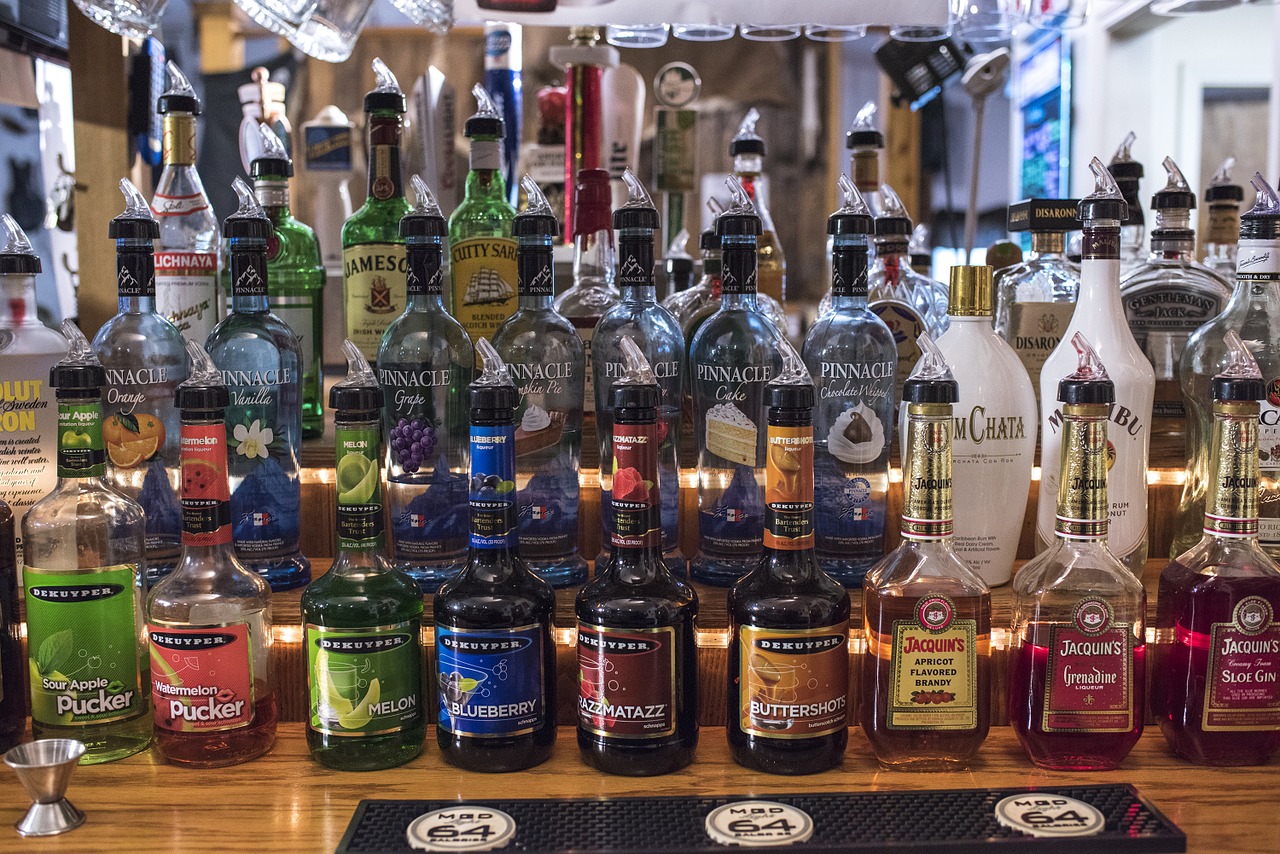
Alcohol does not help with depression

By David Joel Miller, MS, Licensed Therapist & Licensed Counselor.

Bottles of alcohol.

Alcoholic Beverages.
Photo courtesy of Pixabay.com

Why drinking won’t make you happier.

Most people think that drinking makes you happier and for some few people who were already happy it seems to work that way.

But if you are depressed, drinking can leave you more depressed than before.

Seems like the depressed person just can’t get a break.

We associate alcohol with parties and fun times. A little will loosen you up, so we think. What it is in fact doing is relaxing parts of the brain. A little relaxation may be helpful but a lot leaves you falling down.

One reason alcohol is associated with fun times is its ability to “disinhibit” you. It shuts off the part of your brain that may be telling you not to do that. So under the influence and even one drink begins to exert an influence, you may do things that you would not do without that drink. You might make a joke, dance more uninhibitedly or participate in an activity that at other times you would not attempt.

What alcohol does not do is make you suddenly happy.

It is the activity you are engaged in that is producing the happiness. Alcohol is a depressant. It works its magic spell but shutting off parts of the brain. The depressed person, unable to cope with parts of life when sober, becomes less able to cope when drinking, not more so.

 For the depressed drinking results in an increase in depression, not a reduction.

People with Major depression who drink are more likely to be disinhibited and do negative, bad things rather than to become happy.

The depressed person is more likely to attempt suicide while intoxicated. Some depression is the result of being angry at others and then taking the feelings out on yourself. If you are in a bad job or relationship we may blame ourselves for being trapped there rather than blame the other people. In this form of depression, we used to call this reactive depression; the depressed person when intoxicated is at increased risk to try to even the score with the person that has made them angry.

The depressed person is not likely to take only one drink.

If one is good for making you happy, so the reasoning goes, more should be better. The depressed person is at high risk to continue drinking until very drunk or even unconscious.

Unconsciousness, as we have seen in other posts, is not the same thing as sleeping. So people who use alcohol to cope with depression will find that they “come to” rather than wake up. In this state, the depressed person will be more depressed as well as hungover. The only cure for this is, in most minds, more alcohol. The cycle begins to accelerate.

There is a high rate of co-occurrence between excessive alcohol use, alcoholism, and depression. Depressed people who drink are at extreme risk to develop alcoholism and chronic alcohol abusers become progressively more depressed.

Despite all the marketing efforts made to convince us that alcoholic beverages are stimulants and make people happy, the real truth is that alcohol is a depressant and any amount stresses the mind and body.

If you are depressed the last thing you should be doing is trying to drink your troubles away. If you are genuinely happy, the more you celebrate with alcohol the less happy you are likely to be.

For most alcoholics, the alcohol was early on their solution but the more they drank the more the alcoholic beverage became their problem.

Alcohol tends to be very addicting, particularly to those with mental health issues. Remember that the category “people with mental health issues” includes most of us at one time or another.

Drinking to regulate emotions is a very risky habit.

Staying connected with David Joel Miller

Seven David Joel Miller Books are available now!

My newest book is now available. It was my opportunity to try on a new genre. I’ve been working on this book for several years, but now seem like the right time to publish it.

Story Bureau.

Story Bureau is a thrilling Dystopian Post-Apocalyptic adventure in the Surviving the Apocalypse series.

Baldwin struggles to survive life in a post-apocalyptic world where the government controls everything.

As society collapses and his family gets plunged into poverty, Baldwin takes a job in the capital city, working for a government agency called the Story Bureau. He discovers the Story Bureau is not a benign news outlet but a sinister government plot to manipulate society.

Bumps on the Road of Life. Whether you struggle with anxiety, depression, low motivation, or addiction, you can recover. Bumps on the Road of Life is the story of how people get off track and how to get your life out of the ditch.

Dark Family Secrets: Doris wants to get her life back, but small-town prejudice could shatter her dreams.

Casino Robbery Arthur Mitchell escapes the trauma of watching his girlfriend die. But the killers know he’s a witness and want him dead.

Planned Accidents  The second Arthur Mitchell and Plutus mystery.

Letters from the Dead: The third in the Arthur Mitchell mystery series.

What would you do if you found a letter to a detective describing a crime and you knew the writer and detective were dead, and you could be next?

Sasquatch. Three things about us, you should know. One, we have seen the past. Two, we’re trapped there. Three, I don’t know if we’ll ever get back to our own time.

For these and my upcoming books; please visit my Author Page – David Joel Miller

Want the latest blog posts as they publish? Subscribe to this blog.

For videos, see: Counselorssoapbox YouTube Video Channel

Are you a Parentified Child?

By David Joel Miller, MS, Licensed Therapist & Licensed Counselor.

Children working

Parentified child.
Photo courtesy of pixabay

If you are a Parentified Child how do you ever finish growing up?

Some children grow up way too young. Are you one of those people?  Did you take on roles that were far too adult for your age? Parentified children begin to act like adults before they ever have the chance to be kids. This causes them problems later in life.

If you came from a dysfunctional home, and there are lots of different types of dysfunctional homes, you may have been cast in the role of parent for your mother or father. They played the child role; you tried to be the responsible adult. You made their food, cleaned the house, and may have cared for your siblings. You may have had to call their bosses or make excuses for them when they were not able to function as an adult.

If you had to be a surrogate parent before you were able to be a child, how did you learn what to do as an adult, and when do you ever get to be a child? Parentified children, grown into adults who never had a childhood become either super responsible or irresponsible to the max.

We often see this in families where a parent is an alcoholic or an addict. They are so debilitated much of the time that a child steps in and takes care of the parent and fills the parent’s other roles also. This parentified child becomes so used to being the responsible, caregiving one, that they all too often end up in dysfunctional relationships hooked up with an immature adult that needs a caregiver rather than a partner.

The little girl who goes to school, say in the third grade, but then goes home to fix dinner for her younger siblings, is acting like a parentified child. She may have to do the laundry or even feed and change the baby. She becomes the parent for her siblings. What happens to this child when they grow up?

One result of being too mature too soon is the unresolved need to be a child and play. These Parentified children are quick to jump into sexual relationships. They go straight from being a child-mother to their brothers, sisters, and parent, to being a partner and mother or father themselves. There is never a time to get their needs met.

These Parentified children are at high risk to abuse substances themselves to cope with the too early assumed responsibilities of being a parent. They are also at risk at some point in their life to veer off and go through a period of irresponsible behavior, trying to learn to play and have fun. What they may not have learned is how to have fun without indulging in drugs, alcohol, or other risky behavior.

They are also at risk to never really learn functional ways to parent. Having had to be adults at a young age they expect their own children to start taking on that role before those children are ready. This results in a lot of family dysfunction.

If you grew up in a home where you had to take on too many adult responsibilities at a very young age you may not have had good role models for the ways in which you need to behave. You have had to make the rules up as you go along. Often you have paid the price of having to learn how functional people behave by trial and error.

One major challenge for the parentified child is to learn about developmental milestones, what should you have learned and how should you have behaved at eight, at eighteen, and at twenty-eight. Many parentified children need to take parenting classes so they can parent themselves as well as parent their children.

Did you become a parentified child? Do you now have to learn how to play, have fun, and go through the process of growing up all over again?

Staying connected with David Joel Miller

Seven David Joel Miller Books are available now!

My newest book is now available. It was my opportunity to try on a new genre. I’ve been working on this book for several years, but now seem like the right time to publish it.

Story Bureau.

Story Bureau is a thrilling Dystopian Post-Apocalyptic adventure in the Surviving the Apocalypse series.

Baldwin struggles to survive life in a post-apocalyptic world where the government controls everything.

As society collapses and his family gets plunged into poverty, Baldwin takes a job in the capital city, working for a government agency called the Story Bureau. He discovers the Story Bureau is not a benign news outlet but a sinister government plot to manipulate society.

Bumps on the Road of Life. Whether you struggle with anxiety, depression, low motivation, or addiction, you can recover. Bumps on the Road of Life is the story of how people get off track and how to get your life out of the ditch.

Dark Family Secrets: Doris wants to get her life back, but small-town prejudice could shatter her dreams.

Casino Robbery Arthur Mitchell escapes the trauma of watching his girlfriend die. But the killers know he’s a witness and want him dead.

Planned Accidents  The second Arthur Mitchell and Plutus mystery.

Letters from the Dead: The third in the Arthur Mitchell mystery series.

What would you do if you found a letter to a detective describing a crime and you knew the writer and detective were dead, and you could be next?

Sasquatch. Three things about us, you should know. One, we have seen the past. Two, we’re trapped there. Three, I don’t know if we’ll ever get back to our own time.

For these and my upcoming books; please visit my Author Page – David Joel Miller

Want the latest blog posts as they publish? Subscribe to this blog.

For videos, see: Counselorssoapbox YouTube Video Channel

counselorssoapbox.com posts you read the most

Counselorssoapbox.com

Here are the top 10 mental health posts to date.

By David Joel Miller, MS, Licensed Therapist & Licensed Counselor.

1. How much should you tell a therapist?         

2. Are you Hyperthymic?    

3. Do people really forget what happened when drinking? – Blackouts

4. Why can’t we forget the painful past?                 

5. Do therapists have to report a crime?                    

6. Is nicotine a stimulant or a depressant?     

7. What is the difference between Depression and Major Depressive Disorder?      

8. Levels or types of Borderline Personality Disorder        

9. Six ways to recover from Complex Trauma or Complex PTSD         

10. Which border is Borderline Intellectual Functioning on?         

Thanks for all the support and encouragement you have shown for counselorssoapbox.com I appreciate all of you who read this blog. I especially want to thank those who leave comments and likes.

Staying connected with David Joel Miller

Seven David Joel Miller Books are available now!

My newest book is now available. It was my opportunity to try on a new genre. I’ve been working on this book for several years, but now seem like the right time to publish it.

Story Bureau.

Story Bureau is a thrilling Dystopian Post-Apocalyptic adventure in the Surviving the Apocalypse series.

Baldwin struggles to survive life in a post-apocalyptic world where the government controls everything.

As society collapses and his family gets plunged into poverty, Baldwin takes a job in the capital city, working for a government agency called the Story Bureau. He discovers the Story Bureau is not a benign news outlet but a sinister government plot to manipulate society.

Bumps on the Road of Life. Whether you struggle with anxiety, depression, low motivation, or addiction, you can recover. Bumps on the Road of Life is the story of how people get off track and how to get your life out of the ditch.

Dark Family Secrets: Doris wants to get her life back, but small-town prejudice could shatter her dreams.

Casino Robbery Arthur Mitchell escapes the trauma of watching his girlfriend die. But the killers know he’s a witness and want him dead.

Planned Accidents  The second Arthur Mitchell and Plutus mystery.

Letters from the Dead: The third in the Arthur Mitchell mystery series.

What would you do if you found a letter to a detective describing a crime and you knew the writer and detective were dead, and you could be next?

Sasquatch. Three things about us, you should know. One, we have seen the past. Two, we’re trapped there. Three, I don’t know if we’ll ever get back to our own time.

For these and my upcoming books; please visit my Author Page – David Joel Miller

Want the latest blog posts as they publish? Subscribe to this blog.

For videos, see: Counselorssoapbox YouTube Video Channel
Can you get a job if you are a felon? 6 tips

By David Joel Miller, MS, Licensed Therapist & Licensed Counselor.

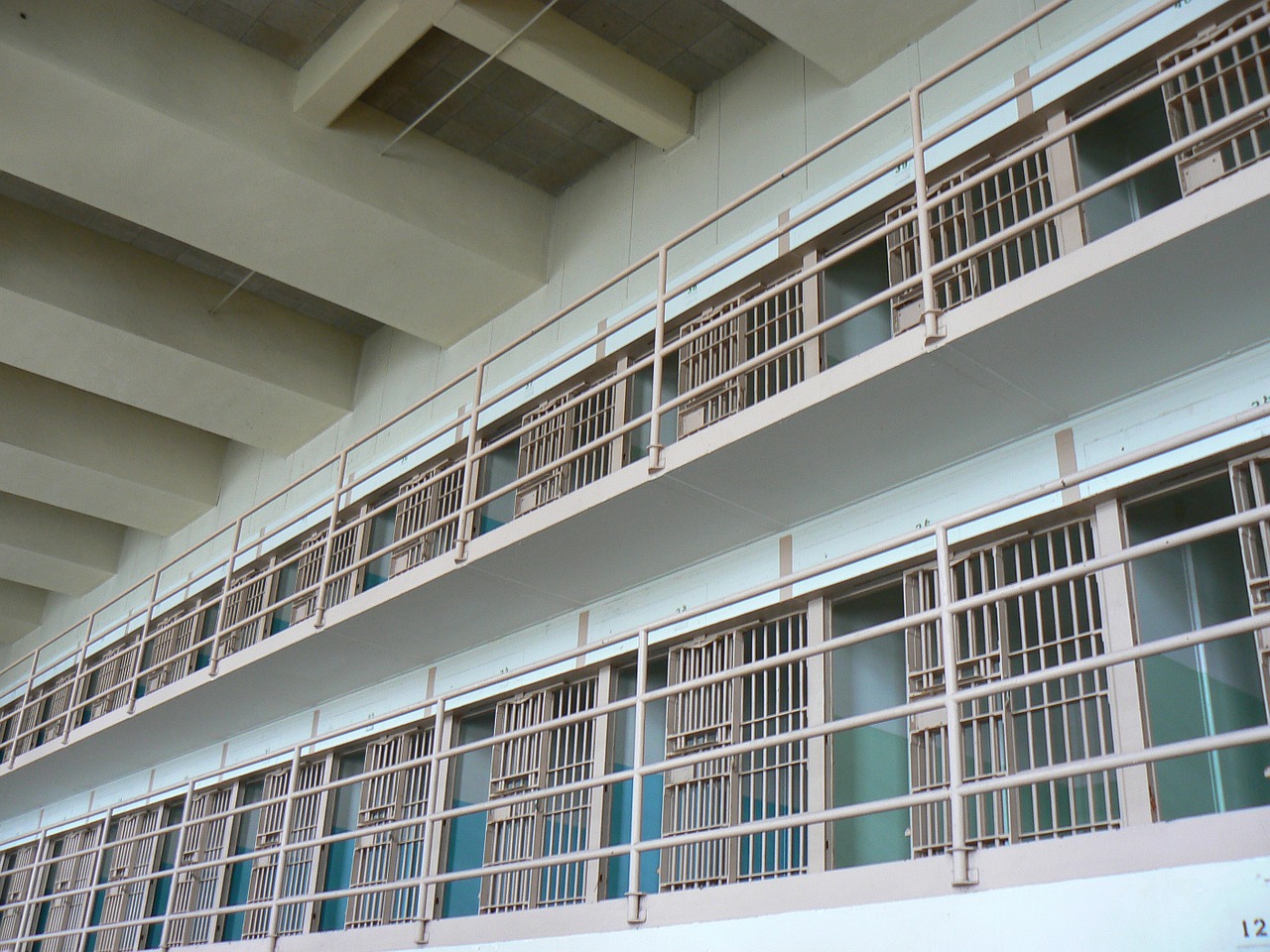
Are there jobs after prison?
Photo courtesy of Pixabay.com

Are there jobs for felons and ex-felons?

Just because you have been to prison does not exclude you from getting a job. I know lots of people on parole get discouraged and give up looking because they feel that no one will hire them with a serious crime on their record.

The truth is that many people with a jail or prison record do get jobs, but having that record may make it harder to find work.

Here are some suggestions for finding a job if you have a less than perfect past.

1. Start your job search where you have the best chances.

There are government programs that offer tax incentives to companies who hire people on parole or with a history of incarceration. They save money on their taxes by taking a chance on you.

These programs come and go but if you are on parole ask your agent about these programs. Some of these jobs are difficult grungy work, they have high turnover. If you really want to work again you need to prove yourself. Work on this kind of job for a while, do good work even if the conditions and pay are not so good and you have a reference that might help you land a better job.

2. The connection between your crime and the job you are applying for.

If you were convicted of embezzlement or theft you aren’t going to get a job as a head cashier. Companies often take out insurance (called a bond or bonding) on employees that handle cash or valuable merchandise. If you are convicted of stealing you probably will not get a job handling valuable things but you can get a job doing construction or physical labor.

If you were arrested for abusing a child or domestic violence forget working around women and children. That will not keep you out of many other jobs.

These days’ drug convictions are less of a problem than they used to be. If some companies did not hire people with drug convictions on their record they would have no employees. Just don’t expect to work in a pharmacy or a job where you would be handling drugs as part of the job.

3. Do something to show you are changing.

Start doing positive things and show that you want a new crime-free life. This is hard when you are first starting out but do what you can. Even though you may have paid your “debt to society” the prospective employer is thinking to themselves will this guy do it again? How much of a chance am I taking?

Besides doing this for the job consider doing this for yourself. Do good things and you become a good person. Do bad, selfish things and you – Well you get the idea.

If you had a drug crime go to A.A. or N.A. Consider joining or attending a religious group in the faith of your choice. When possible do volunteer work. Also, make those amends.

Consider going back to school or getting some vocational training. Completing a GED or a college degree says that you are willing to make some effort to improve yourself.

It does not look good to a prospective employer if you are ducking your child support payments and you drive on a suspended license. Get that wreckage of the past cleaned up even if that means working a really crummy job to get those fines and fees paid off.

4. Be honest on your application but do take every opportunity to be positive and explain your situation.

That question on the application – you know the one I mean. “Have you ever been convicted of a —?” Read it carefully. If the question asks for felonies do not include all the misdemeanors and parking tickets. If it asks about misdemeanors include them.

When possible put down something like “Will explain in interview.” Then make sure you have a good explanation. If you were convicted of a drug crime the prospective employer would like to hear you completed a drug treatment program and have the certificate to prove it. If there was an assault did you do the anger management or batters class you were required to do? Have you learned something from this experience and have you changed? Or are you still blaming your ex and talking about why your prison stretch is all someone else’s fault?

5. Go to the interview looking like a professional, not a prisoner.

Cover up tattoos and consider getting them removed. Avoid anything that looks gang-related. The customary recommendation is to dress a little better than you would dress if you got the job. So if you are applying to work on a hog farm a suit may not be needed but do not come in for the interview looking like one of the pigs.

Have a resume if that is appropriate or a master job application. Practice interviewing. Doing well in the interview is a skill just like the other skills you need to do the work if you want to get the job.

6. If you do not get the job do not give up or get discouraged.

There are lots of people out there going for interviews. Many of them do not have a prison record. Yes, they have an advantage, but if you don’t get the job it may well not be your record that is holding you back. Do not take it personally or blame the system. Keep working on yourself and on your job skills.

I know it is hard, but many people with a criminal conviction on their records do get jobs if they are willing to do the footwork. Yes, it is difficult and it takes time.

Don’t expect miracles or overnight success. You lost a lot of time while you were locked up. You may be 40 but you can still be starting out alongside some twenty-year-olds. Do not expect to move up overnight. But if you keep on the path, then recovery and a happy life are possible no matter where you have been.

The alternative to going through the process of change and doing the hard work is to end up back in prison. Unfortunately, the system makes going back easier for most than the alternative of staying out. Some people do make it and recover. Do you want to be one of the ones who recover?

Staying connected with David Joel Miller

Seven David Joel Miller Books are available now!

My newest book is now available. It was my opportunity to try on a new genre. I’ve been working on this book for several years, but now seem like the right time to publish it.

Story Bureau.

Story Bureau is a thrilling Dystopian Post-Apocalyptic adventure in the Surviving the Apocalypse series.

Baldwin struggles to survive life in a post-apocalyptic world where the government controls everything.

As society collapses and his family gets plunged into poverty, Baldwin takes a job in the capital city, working for a government agency called the Story Bureau. He discovers the Story Bureau is not a benign news outlet but a sinister government plot to manipulate society.

Bumps on the Road of Life. Whether you struggle with anxiety, depression, low motivation, or addiction, you can recover. Bumps on the Road of Life is the story of how people get off track and how to get your life out of the ditch.

Dark Family Secrets: Doris wants to get her life back, but small-town prejudice could shatter her dreams.

Casino Robbery Arthur Mitchell escapes the trauma of watching his girlfriend die. But the killers know he’s a witness and want him dead.

Planned Accidents  The second Arthur Mitchell and Plutus mystery.

Letters from the Dead: The third in the Arthur Mitchell mystery series.

What would you do if you found a letter to a detective describing a crime and you knew the writer and detective were dead, and you could be next?

Sasquatch. Three things about us, you should know. One, we have seen the past. Two, we’re trapped there. Three, I don’t know if we’ll ever get back to our own time.

For these and my upcoming books; please visit my Author Page – David Joel Miller

Want the latest blog posts as they publish? Subscribe to this blog.

For videos, see: Counselorssoapbox YouTube Video Channel

If you’re mentally ill can you work? What profession or job for the mentally ill?

By David Joel Miller, MS, Licensed Therapist & Licensed Counselor.

Dream job.
Photo courtesy of Pixabay.com

Can the mentally ill find a meaningful career?

Lots of people with mental illness work full-time jobs and often these are in responsible positions, not just minimum wage jobs. How does someone in mental health recovery find a job in which they can be successful?

We used to think there were two kinds of people, the normal ones, and those others, the mentally ill. We have found that this is just not true. In the course of a lifetime, most people will experience a mental or emotional problem that would benefit from counseling. Some of these are serious and persistent mental illnesses and some are milder but even the most seriously mentally ill can get better, and we call this improvement, at least in my book, recovery.

Lots of people with a diagnosed mental illness can and do work. Don’t let anyone sell you the idea that once you get a diagnosis, your life is over and from now on some government person will need to run your life. You can develop the recovered life that is right for you.

People with a history of substance abuse issues can and do recover also. So do those with multiple challenges. If you have a history of arrest and incarceration do not give up. People with felonies on their records do recover and get their life back on track. You can work again. More on that in a future post.

What factor is most likely to result in a person who has had an episode of mental illness symptoms being able to work again?

It is all about the job fit.

The most important factor is not the presence or absence of a mental illness, but how do this person’s interest and abilities match up with the job regardless of their mental health challenges. The interaction between the job and that person’s mental illness is secondary.

Someone who is shy is not likely to enjoy a job in which they need to interact with lots of people directly. Occasionally there is a shy person who is great as an on-stage entertainer even when they are shy off stage and in small groups. Being shy may interfere with the ability to enjoy the job but a moderately shy person may take the job anyway.

If that person’s shyness has crossed the boundary and has become a diagnosable anxiety disorder that person may not simply dislike the job but may dread it so much that they throw up each day when getting ready to leave for work. They may have anxiety attacks on the job and spend all day in the bathroom or stop showing up for work altogether.

This is not the right job for them! This does not mean they can’t find a job that is a good fit. They also may be able to work on this shy anxiety problem they have so that the range of jobs they would enjoy expands.

Some people are very social. They like being around others. They crave the interaction and the attention of others. That person may be great in sales. They could do well selling real estate, jewelry, furniture, or cars. That same person, say they are a recovering alcoholic would be miserable working in a bar or selling alcoholic beverages. Every day at work would be a relapse risk for that recovering person.

Working again after an episode of mental illness requires learning to manage your symptoms, finding a job that is a good fit for you, and having a support system on and off the job that wants you to succeed.

Yes, there are plenty of people with Schizophrenia, Bipolar disorder, and the like who have good, responsible jobs. Don’t let anyone tell you that recovery is not possible. It is! You need to decide for yourself what your recovery will look like and take an active role in creating that future.

Best wishes for creating your happy life. whatever that may mean to you.

Tomorrow we talk about “so you have been convicted of a crime, you will never get a job again right?” Not so. There is recovery after all sorts of things.

Staying connected with David Joel Miller

Seven David Joel Miller Books are available now!

My newest book is now available. It was my opportunity to try on a new genre. I’ve been working on this book for several years, but now seem like the right time to publish it.

Story Bureau.

Story Bureau is a thrilling Dystopian Post-Apocalyptic adventure in the Surviving the Apocalypse series.

Baldwin struggles to survive life in a post-apocalyptic world where the government controls everything.

As society collapses and his family gets plunged into poverty, Baldwin takes a job in the capital city, working for a government agency called the Story Bureau. He discovers the Story Bureau is not a benign news outlet but a sinister government plot to manipulate society.

Bumps on the Road of Life. Whether you struggle with anxiety, depression, low motivation, or addiction, you can recover. Bumps on the Road of Life is the story of how people get off track and how to get your life out of the ditch.

Dark Family Secrets: Doris wants to get her life back, but small-town prejudice could shatter her dreams.

Casino Robbery Arthur Mitchell escapes the trauma of watching his girlfriend die. But the killers know he’s a witness and want him dead.

Planned Accidents  The second Arthur Mitchell and Plutus mystery.

Letters from the Dead: The third in the Arthur Mitchell mystery series.

What would you do if you found a letter to a detective describing a crime and you knew the writer and detective were dead, and you could be next?

Sasquatch. Three things about us, you should know. One, we have seen the past. Two, we’re trapped there. Three, I don’t know if we’ll ever get back to our own time.

For these and my upcoming books; please visit my Author Page – David Joel Miller

Want the latest blog posts as they publish? Subscribe to this blog.

For videos, see: Counselorssoapbox YouTube Video Channel
That Jobs thing – Is anybody working?

By David Joel Miller, MS, Licensed Therapist & Licensed Counselor.

Dream job sign

Dream job.
Photo courtesy of Pixabay.com

Why do we have a system where people can’t work?

The questions and queries about work and recovery keep showing up in the search terms.

Can a mentally ill person work?

What kinds of jobs are suitable to employ the mentally ill?

How can a person in recovery find a job?

How can anyone find a meaningful job that pays enough to live on?

What is the difference between a job and a career?

Looks like most everyone is unable to work anymore. We read that the disabled can’t work, despite the Americans with Disabilities Act. More and more people are being discouraged from working. A lot of non-disabled people are getting discouraged from looking for work also.

Everyone seems worried about the mentally ill. They can’t be trusted to work. This despite the fact that they are us. In their lifetime half of all Americans will experience an episode of a mental or emotional disorder. Other countries may have slightly lower rates, but not that much lower.

The only jobs available to the majority of people who have experienced an episode of substance abuse are to become professional inmates in our jails and institutions.

Those of you who have read my blog before should know that I am a firm believer in recovery. People with grave mental and emotional disorders do recover. That includes substance abuse and yes Virginia, which includes people with Schizophrenia.

The idea that because you are knocked down once means that you forever need to stay down is not one I am buying into.

People with mental illness can and do recover.

One major vehicle for recovery is jobs. Nothing so increases a person’s self-esteem as finding a job that makes them feel useful. For some that is volunteer work, but for many, this is the ability to engage in paid employment.

Those employers who know the value of good mental health include that coverage in their employee benefits. Soon it will become mandatory for most plans to cover some level of mental health treatment.

What we don’t need is a system that traps people in “hopeless programs” and penalizes them for seeking to become meaningfully employed.

Over the next few weeks, I want to put up some posts on the whole subject of work and how you – that includes most all of you – can find meaningful employment. We also may need to tackle the question of why if you accept government aid when you are not working they seem to want to discourage you from ever working again. (That is political I know, but we gotta talk about it anyway.)

So from time to time, I will try to put up some posts on this whole jobs issue.

I noticed that a lot of you read this blog Monday through Friday. I hope you have not come to think of reading my blog as your primary occupation, flattering as that would be. If you are reading this blog at work I suggest that you read it on your lunch hour or breaks but that is your call. Feel free to recommend counselorssoapbox.com at any time of the day or night.

Starting next week I will try to work the series of posts on Jobs, Careers, and recovery into the stream of posts. Stay tuned for those posts. Thanks for reading.

Staying connected with David Joel Miller

Seven David Joel Miller Books are available now!

My newest book is now available. It was my opportunity to try on a new genre. I’ve been working on this book for several years, but now seem like the right time to publish it.

Story Bureau.

Story Bureau is a thrilling Dystopian Post-Apocalyptic adventure in the Surviving the Apocalypse series.

Baldwin struggles to survive life in a post-apocalyptic world where the government controls everything.

As society collapses and his family gets plunged into poverty, Baldwin takes a job in the capital city, working for a government agency called the Story Bureau. He discovers the Story Bureau is not a benign news outlet but a sinister government plot to manipulate society.

Bumps on the Road of Life. Whether you struggle with anxiety, depression, low motivation, or addiction, you can recover. Bumps on the Road of Life is the story of how people get off track and how to get your life out of the ditch.

Dark Family Secrets: Doris wants to get her life back, but small-town prejudice could shatter her dreams.

Casino Robbery Arthur Mitchell escapes the trauma of watching his girlfriend die. But the killers know he’s a witness and want him dead.

Planned Accidents  The second Arthur Mitchell and Plutus mystery.

Letters from the Dead: The third in the Arthur Mitchell mystery series.

What would you do if you found a letter to a detective describing a crime and you knew the writer and detective were dead, and you could be next?

Sasquatch. Three things about us, you should know. One, we have seen the past. Two, we’re trapped there. Three, I don’t know if we’ll ever get back to our own time.

For these and my upcoming books; please visit my Author Page – David Joel Miller

Want the latest blog posts as they publish? Subscribe to this blog.

For videos, see: Counselorssoapbox YouTube Video Channel

Learning to say NO

By David Joel Miller, MS, Licensed Therapist & Licensed Counselor.

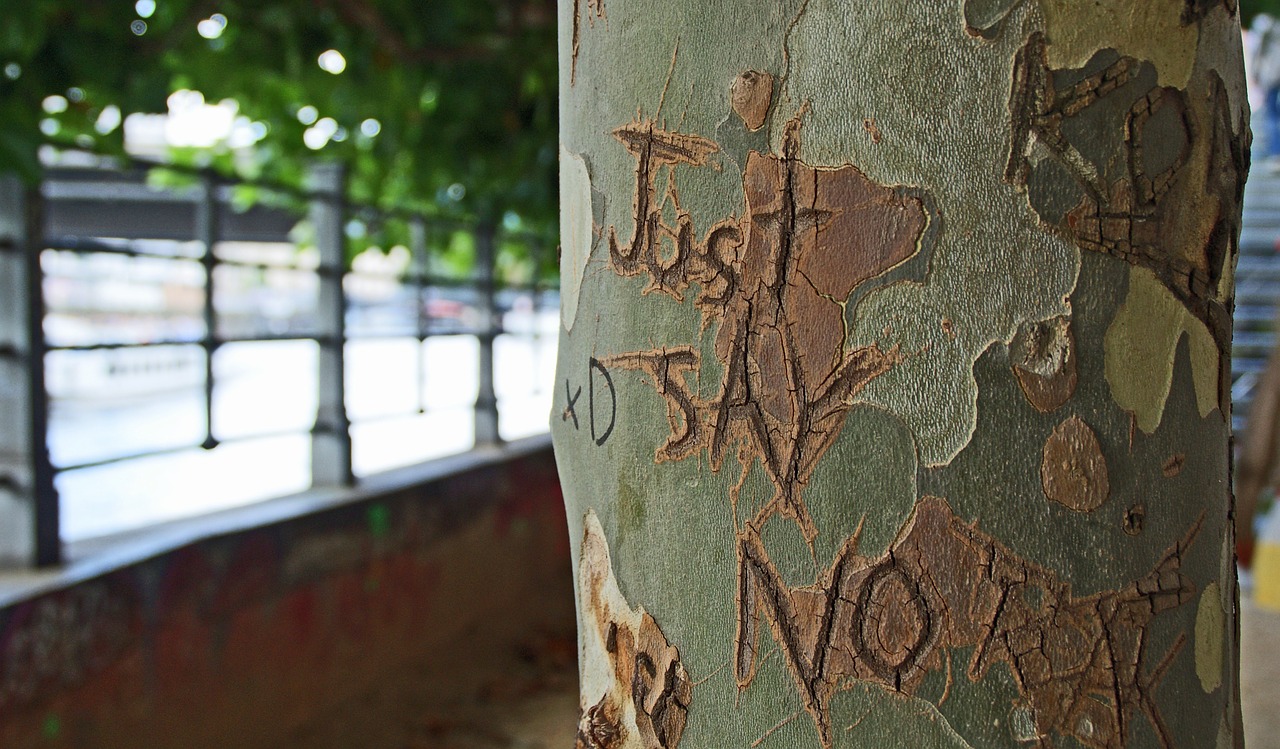
Tree with just say no

Just say no.

No should be easy to say.

No should be the easiest word in the English language for all of us to say. Look at any three-year-old and you will see them saying NO repeatedly all day long. Their parents are good at saying this and other negative things also.

So with all this practice from our earliest years in saying the word NO you would think that adults would have no problem saying NO to each other – but they do. Saying no to unwanted things can improve your mental health and happiness.

There are good reasons we need to work on and practice the ability to say NO.

1. Some people expect to be told no.

In functional families, people are able to say no some of the time. Realistic people expect to be told no. So if you get in the habit of always saying yes, people in your life may be surprised to find that you have been doing things you never wanted to do.

You have the right to say No to a great many things in life. Outside the legal and moral things we expect people to do, most things are open to people choosing for themselves what to include and what to exclude from their life.

The opportunity to say NO is one of those fundamental freedoms we all should be able to practice.

2. We have to teach others how to treat us.

For some people, it is all about them and they will keep going until you say no. Some of them will not take NO for an answer even when you say NO. They have to be taught that you mean NO when you say NO.

You will encounter some people in life who are not familiar with the word NO. They do not seem to have heard it much growing up and it comes as a surprise to them that others might not be on this earth to serve them.

Many people will ask you for things or to do things in the course of your life. Giving into everything they all ask of you results in your living other people’s lives and never having one of your own.

3. Standing up for our boundaries.

People without boundaries end up with a whole lot of other people’s garbage dumped on them. In all of our relationships, it is important to establish boundaries between us and others. There is you and there is me. I do not have to agree with you on everything for us to get along.

People who insist you do, think, and say what they want, are into controlling others. Without good boundaries, you will find you are living their life not yours.

People who do not understand when you say NO are not real friends. Lovers who try to remake you to fit their needs and wants have only themselves in their hearts.

Family members may find it difficult to accept your NO’s. They get used to you doing for them or going along with what they want.

4. Setting an example for our children.

The only way children learn appropriate behavior is to be taught. Parents get the first crack at teaching those lessons. If you don’t teach your kids the meaning of the word No they can grow up to be selfish adults who have conflict-filled lives.

You do not spoil children by giving them too much praise or love. They get spoiled by not learning right and wrong and the values of self-control.

That should not be an argument to treat children as slaves, bent to your will. Your job as a parent, like it or not, is to help them grow up into healthy adults who can have a happy life without you. Do that and they just might want you in their lives after they are grown.

We don’t always get what we want in life and there is value to learning that others can say no to us. But your kids also need to know that they have that right too, some of the time anyway. If they never saw you draw a line and protect your boundaries then they may grow up to be like you.

Many children who grew up in dysfunctional homes create another unhealthy home. If they see you unable to say no they may become a person who can’t say NO or they may become a person who forces others to agree with them. Either of those lifestyles will cause them a lot of unhappiness.

The word NO, like every other word in the language, has times it needs to be used, and times we should not use it. Have you practiced the proper use of the word NO?

Use your NO word in healthy ways.

Staying connected with David Joel Miller

Seven David Joel Miller Books are available now!

My newest book is now available. It was my opportunity to try on a new genre. I’ve been working on this book for several years, but now seem like the right time to publish it.

Story Bureau.

Story Bureau is a thrilling Dystopian Post-Apocalyptic adventure in the Surviving the Apocalypse series.

Baldwin struggles to survive life in a post-apocalyptic world where the government controls everything.

As society collapses and his family gets plunged into poverty, Baldwin takes a job in the capital city, working for a government agency called the Story Bureau. He discovers the Story Bureau is not a benign news outlet but a sinister government plot to manipulate society.

Bumps on the Road of Life. Whether you struggle with anxiety, depression, low motivation, or addiction, you can recover. Bumps on the Road of Life is the story of how people get off track and how to get your life out of the ditch.

Dark Family Secrets: Doris wants to get her life back, but small-town prejudice could shatter her dreams.

Casino Robbery Arthur Mitchell escapes the trauma of watching his girlfriend die. But the killers know he’s a witness and want him dead.

Planned Accidents  The second Arthur Mitchell and Plutus mystery.

Letters from the Dead: The third in the Arthur Mitchell mystery series.

What would you do if you found a letter to a detective describing a crime and you knew the writer and detective were dead, and you could be next?

Sasquatch. Three things about us, you should know. One, we have seen the past. Two, we’re trapped there. Three, I don’t know if we’ll ever get back to our own time.

For these and my upcoming books; please visit my Author Page – David Joel Miller

Want the latest blog posts as they publish? Subscribe to this blog.

For videos, see: Counselorssoapbox YouTube Video Channel