
Sniping wires that connect you to problems.

By David Joel Miller, MS, Licensed Therapist & Licensed Counselor.

Cutting the wires that connect you to your problems.
Photo courtesy of Pixabay.com

Ending the connections with your problems.

Wouldn’t it be wonderful if we could solve our life problems by just tossing them out? Just toss that addiction, the depression, and the clutter out in the trash can and now life will be grand. Lose that excess weight – once and for all. Why doesn’t it work that way?

Our problems are not just a single thing ready for disposal. Often they are an integrated part of our life. Life problems are connected by lots of wires to other aspects of our life. We have a host of wires connecting our problems with the rest of our lives. These wires are elastic like bungee cords, toss the problem and it keeps bouncing back.

We see this in relationships that crash and burn. We see it in addiction and we see it in lots of self-help failures.

A couple can’t get along, they divorce, but there are children, the children act like wires pulling the parents back together. Calling the ex to complain about “look what your son did” or to argue about money and the needs of the children keep the dysfunctional relationship alive. I have seen couples ten years post-divorce and already with new partners who still manage to call each other once a week to continue the old marital argument.

“Rightism” that need to prove you are right long after it has stopped mattering is a common defect of character.

Just because you end a relationship does not mean the connections are severed. You divorce your partner but not your kids. I warn teens when I counsel them that you can break up with a boyfriend or girlfriend but babies mommas and babies daddies are forever. The key here is to maintain the relationship with the ex as your child’s parent while cutting all the old relationship wires. The wires of anger, bitterness, and resentment keep us connected to the pain of the past.

Any 12 step meeting is sure to have a couple of people, sometimes more, who are not drinking, but they are not happy about being sober. You can spot these people in a flash. Ten years not drinking and they are still angry and resentful, unwilling to do any work on self-change. They keep the wires that connect them to their addiction connected and eventually most of them are pulled back to the problem.

Three things we all should know can keep us connected to our problems, people, places, and things.

Most of us have people in our lives that help maintain our problems. Plan to lose weight? Do you drop by that friend’s house, you know the one I mean, the one that is a good cook and always has a fresh-baked cake ready to help you eat instead of exercise.

Do all your friends have your same problem and are they stuck in the problem and not the solution?  Addicts in recovery find most of their “friends” are really just using associates. Going to see old friends often means doing old behaviors. Hard to cut wires of bad relationships? They have a strong pull to take you back to old behaviors.

Places are also strong wires that bind us to our past. The old saying goes – “Hang out in a barbershop and you get a haircut. Do you think it is safe to visit a bar?

When a mental illness takes hold, people may find that they can’t return to the place they used to work or even the career they used to hold. Not that the place or job makes them mentally ill but the tendency to slip back into old patterns, to work too much, neglect self-care, all these things set you up for another round of illness.

Do you have some wires connecting you to your problems that need to be sniped?

Staying connected with David Joel Miller

Seven David Joel Miller Books are available now!

My newest book is now available. It was my opportunity to try on a new genre. I’ve been working on this book for several years, but now seem like the right time to publish it.

Story Bureau.

Story Bureau is a thrilling Dystopian Post-Apocalyptic adventure in the Surviving the Apocalypse series.

Baldwin struggles to survive life in a post-apocalyptic world where the government controls everything.

As society collapses and his family gets plunged into poverty, Baldwin takes a job in the capital city, working for a government agency called the Story Bureau. He discovers the Story Bureau is not a benign news outlet but a sinister government plot to manipulate society.

Bumps on the Road of Life. Whether you struggle with anxiety, depression, low motivation, or addiction, you can recover. Bumps on the Road of Life is the story of how people get off track and how to get your life out of the ditch.

Dark Family Secrets: Doris wants to get her life back, but small-town prejudice could shatter her dreams.

Casino Robbery Arthur Mitchell escapes the trauma of watching his girlfriend die. But the killers know he’s a witness and want him dead.

Planned Accidents  The second Arthur Mitchell and Plutus mystery.

Letters from the Dead: The third in the Arthur Mitchell mystery series.

What would you do if you found a letter to a detective describing a crime and you knew the writer and detective were dead, and you could be next?

Sasquatch. Three things about us, you should know. One, we have seen the past. Two, we’re trapped there. Three, I don’t know if we’ll ever get back to our own time.

For these and my upcoming books; please visit my Author Page – David Joel Miller

Want the latest blog posts as they publish? Subscribe to this blog.

For videos, see: Counselorssoapbox YouTube Video Channel
What is hitting bottom?

By David Joel Miller, MS, Licensed Therapist & Licensed Counselor.

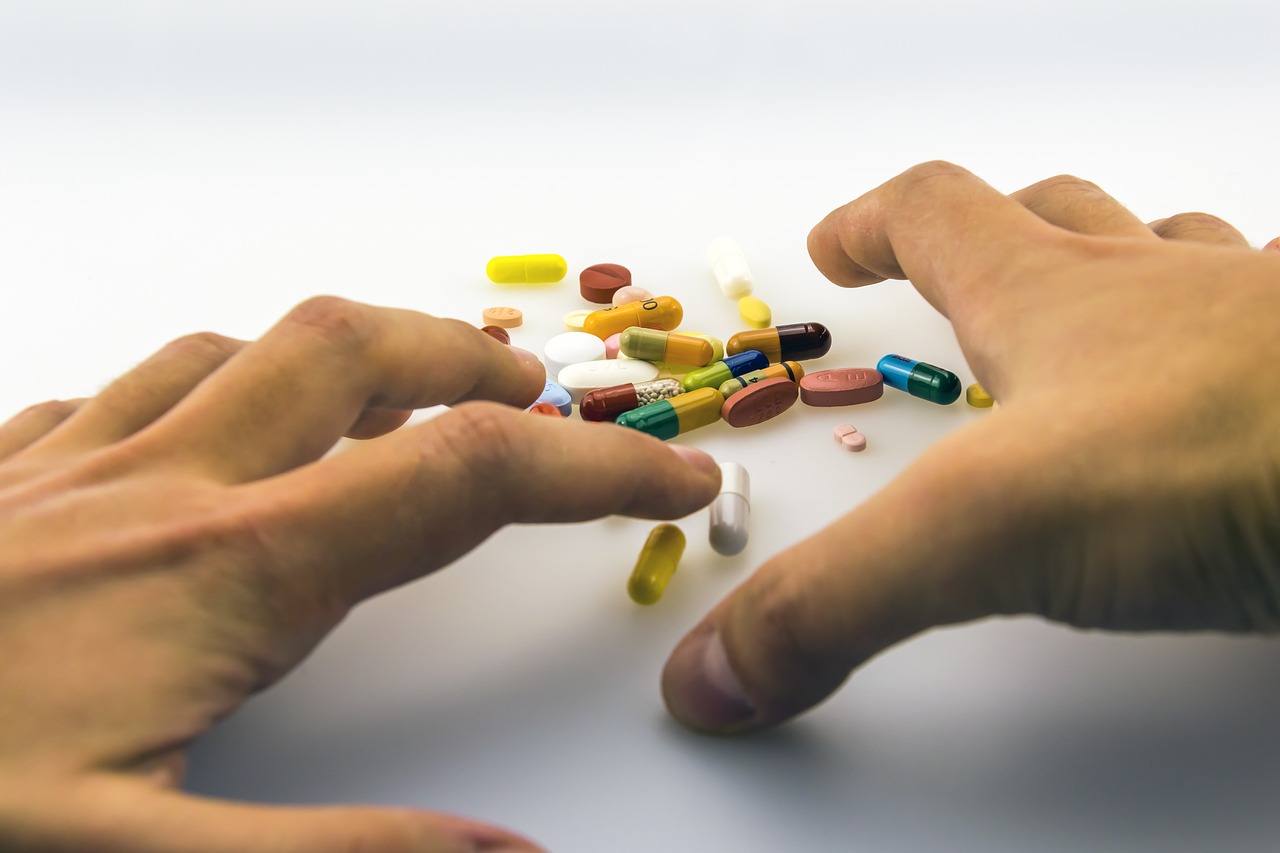
Hands with pills

Addiction.
Photo courtesy of Pixabay

How would you know if you have hit bottom, and does it matter?

The idea that you have to hit bottom before you can start back up comes from the early days of the 12 step movement largely by way of Jellinek’s research on people who recovered in A.A.  It is not often applied to mental health but the two are just too similar in their disease and recovery processes to not take a look at the significance of the idea of hitting bottom and whether it applies to something other than addiction.

The hitting bottom expression referred to the point of accepting that the way you have been doing things was not working and it was time to try something different. You can think of this as “admitting complete defeat” but you can also think of this as “radical acceptance”, take your pick.

Most people will continue to struggle long after they should have changed directions. Who wants to admit they are an alcoholic? Who wants to say they have Bipolar Disorder or any other form of mental illness. I do not remember Alcoholic or Schizophrenic being included in the list of future careers when I was back in high school. It can be reassuring to tell yourself that you are not that bad. But some of us got there anyway.

So if there is some sort of bottom, lower than where you are, it can give you the false sense that you are not as bad as someone else. People fool themselves for a long time because they can believe that alcoholics are homeless bums. The truth is more than 90% of alcoholics have full-time jobs. People with Bipolar Disorder fool themselves into thinking they are more productive, creative, or have more energy than others until they crash.

So hitting bottom is different for different people. For one person the realization they have the disease of alcoholism will come after the first DUI or the first unpleasant incident with the family. Other people will continue to try to control their drinking, complete with recurrent episodes of out of control drinking until they have been sentenced to a fifth or tenth program, or have done more years in prison than on the street.

But it is not just alcoholics that try to deny their disease. People may try suicide multiple times, have repeated psychiatric hospitalization, and still believe that they just need to move somewhere else, that it is someone else’s fault, anything to avoid the fact that they have a mental health problem that needs treatment.

Many of us want to pretend we don’t have a disease. If you just ignore it then this problem will go away. Don’t give in to depression is their mantra. A few relatively minor conditions do go away without treatment. Colds and flu may remit without treatment. But serious conditions, Cancer, tuberculosis, and heart disease get worse if ignored. Alcoholism, addiction, and mental illness also can worsen if not treated. Pretending is not treatment.

The founders of A.A. concluded that sometimes we need to “raise the bottom” till it hits people. Why do people need to totally destroy their life, spend time in prison, or psych hospitals before they can accept that they have a condition that will respond to treatment?

Education can help sometimes. But the people who need education the most avoid it. What person who is manic, drunk, or on drugs wants to sit and listen to others talk about how they were unable to control their disease until they became willing to accept help?

Lots of people with addictions and mental illnesses will isolate, they will avoid others, and shrink from treatment. Their bottoms most often come when the losses and the pain become unbearable.

So you don’t need to wait for you or a loved one to “hit bottom” before you seek help. You do not reach bottom until you put the shovel down and quit digging. There is help available the moment you realize that you can’t dig your way out of a hole. Accepting that you have a problem, condition, illness, or defect of character that requires a new way of thinking and behaving can be your bottom. You don’t have to get any lower before you start your journey back.

Staying connected with David Joel Miller

Seven David Joel Miller Books are available now!

My newest book is now available. It was my opportunity to try on a new genre. I’ve been working on this book for several years, but now seem like the right time to publish it.

Story Bureau.

Story Bureau is a thrilling Dystopian Post-Apocalyptic adventure in the Surviving the Apocalypse series.

Baldwin struggles to survive life in a post-apocalyptic world where the government controls everything.

As society collapses and his family gets plunged into poverty, Baldwin takes a job in the capital city, working for a government agency called the Story Bureau. He discovers the Story Bureau is not a benign news outlet but a sinister government plot to manipulate society.

Bumps on the Road of Life. Whether you struggle with anxiety, depression, low motivation, or addiction, you can recover. Bumps on the Road of Life is the story of how people get off track and how to get your life out of the ditch.

Dark Family Secrets: Doris wants to get her life back, but small-town prejudice could shatter her dreams.

Casino Robbery Arthur Mitchell escapes the trauma of watching his girlfriend die. But the killers know he’s a witness and want him dead.

Planned Accidents  The second Arthur Mitchell and Plutus mystery.

Letters from the Dead: The third in the Arthur Mitchell mystery series.

What would you do if you found a letter to a detective describing a crime and you knew the writer and detective were dead, and you could be next?

Sasquatch. Three things about us, you should know. One, we have seen the past. Two, we’re trapped there. Three, I don’t know if we’ll ever get back to our own time.

For these and my upcoming books; please visit my Author Page – David Joel Miller

Want the latest blog posts as they publish? Subscribe to this blog.

For videos, see: Counselorssoapbox YouTube Video Channel

Is your marriage house collapsing?

By David Joel Miller, MS, Licensed Therapist & Licensed Counselor.

No Roof.

No Roof.
Photo courtesy of Pixabay.com

Sorry, this post is no longer available.

Is your marriage house collapsing?

New post on relationships

Is your marriage house collapsing?

Let me know how you like this post.

Staying connected with David Joel Miller

Seven David Joel Miller Books are available now!

My newest book is now available. It was my opportunity to try on a new genre. I’ve been working on this book for several years, but now seem like the right time to publish it.

Story Bureau.

Story Bureau is a thrilling Dystopian Post-Apocalyptic adventure in the Surviving the Apocalypse series.

Baldwin struggles to survive life in a post-apocalyptic world where the government controls everything.

As society collapses and his family gets plunged into poverty, Baldwin takes a job in the capital city, working for a government agency called the Story Bureau. He discovers the Story Bureau is not a benign news outlet but a sinister government plot to manipulate society.

Bumps on the Road of Life. Whether you struggle with anxiety, depression, low motivation, or addiction, you can recover. Bumps on the Road of Life is the story of how people get off track and how to get your life out of the ditch.

Dark Family Secrets: Doris wants to get her life back, but small-town prejudice could shatter her dreams.

Casino Robbery Arthur Mitchell escapes the trauma of watching his girlfriend die. But the killers know he’s a witness and want him dead.

Planned Accidents  The second Arthur Mitchell and Plutus mystery.

Letters from the Dead: The third in the Arthur Mitchell mystery series.

What would you do if you found a letter to a detective describing a crime and you knew the writer and detective were dead, and you could be next?

Sasquatch. Three things about us, you should know. One, we have seen the past. Two, we’re trapped there. Three, I don’t know if we’ll ever get back to our own time.

For these and my upcoming books; please visit my Author Page – David Joel Miller

Want the latest blog posts as they publish? Subscribe to this blog.

For videos, see: Counselorssoapbox YouTube Video Channel

How to be Happy

By David Joel Miller, MS, Licensed Therapist & Licensed Counselor.

Happy faces

Happiness.
Photo courtesy of Pixabay.com

How to Experience Happiness.

Do you have trouble feeling happy? This should be easy right? You would think there is nothing you should have to do to feel happy. Doesn’t it seem as if we should be able to find something, some experience that would make us happy? Then why are so many people looking and so few finding happiness?

The truth is that some of us don’t know happiness when we have it. Pain is easy to find and we always know unhappiness when we see it but happiness, well that is harder to be sure about. One minute it is there and the next it is gone.

In a past post, Why can’t we forget the painful past, I wrote about the reasons it is easier to remember pain than happiness. Remembering pain has an evolutionary value. It keeps us from making the same mistake over and over. You would think that happiness and pleasure should have the same evolutionary advantage, reminding us to do pleasant things over and over.

Pleasure seems to be rewarding. People will repeat behaviors to get more pleasure even when these actions are destructive. Things like addiction, behavioral excess, overspending, and risky sexual activities are all temporarily rewarding even when they don’t result in long-term happiness.

Sharp emotions like pleasure and pain arrive quickly and unannounced. Some feelings are softer and gentler. Feelings like happiness and contentment swell up softly and slowly from our unconscious.

If you want more happiness you need to cultivate the experience of watching for its appearance and you need to look for it. Happiness is not a pushy emotion. It doesn’t force its way into your heart. It waits to be noticed and invited.

Did you ever go looking for a particular style of car, maybe a van or a hatchback? Before you begin your search you didn’t see many of that model. Once you look, they are everywhere.

Happiness is like that. We need to consciously search for it.

Did you look for that car you wanted in the big box store or a department store? No of course not. You looked in places where that model of car might be sold.

So why do we look for happiness by chasing after short-term pleasure or running from pain? Happiness is the result of facing our troubles. It is also the direct product of acceptance. If we are never content with what we have, if we are always chasing more, then happiness gets passed by.

The allusion that if we catch pleasure we will be happy traps many. How easy it is to chase pleasure through the thicket of thorns. If we would just stand still and notice what we have perhaps the butterfly of happiness will land on our outstretched hand.

Staying connected with David Joel Miller

Seven David Joel Miller Books are available now!

My newest book is now available. It was my opportunity to try on a new genre. I’ve been working on this book for several years, but now seem like the right time to publish it.

Story Bureau.

Story Bureau is a thrilling Dystopian Post-Apocalyptic adventure in the Surviving the Apocalypse series.

Baldwin struggles to survive life in a post-apocalyptic world where the government controls everything.

As society collapses and his family gets plunged into poverty, Baldwin takes a job in the capital city, working for a government agency called the Story Bureau. He discovers the Story Bureau is not a benign news outlet but a sinister government plot to manipulate society.

Bumps on the Road of Life. Whether you struggle with anxiety, depression, low motivation, or addiction, you can recover. Bumps on the Road of Life is the story of how people get off track and how to get your life out of the ditch.

Dark Family Secrets: Doris wants to get her life back, but small-town prejudice could shatter her dreams.

Casino Robbery Arthur Mitchell escapes the trauma of watching his girlfriend die. But the killers know he’s a witness and want him dead.

Planned Accidents  The second Arthur Mitchell and Plutus mystery.

Letters from the Dead: The third in the Arthur Mitchell mystery series.

What would you do if you found a letter to a detective describing a crime and you knew the writer and detective were dead, and you could be next?

Sasquatch. Three things about us, you should know. One, we have seen the past. Two, we’re trapped there. Three, I don’t know if we’ll ever get back to our own time.

For these and my upcoming books; please visit my Author Page – David Joel Miller

Want the latest blog posts as they publish? Subscribe to this blog.

For videos, see: Counselorssoapbox YouTube Video Channel

Top blog posts for April 2012

Counselorssoapbox.com

By David Joel Miller, MS, Licensed Therapist & Licensed Counselor.

Here it is – The Best of Blog Recap for April 2012 –

Just in case you missed some of these, this is a second opportunity to check out some of the best posts as measured by reader views.

This month also, a new feature, “My favorite posts.” This category is my chance to mention some older posts and some that may have gotten missed because they were posted early in the blog or at times when many of you readers were away, Tax Day had a lower than normal readership for example.

Top read blog posts of April 2012.

1. Grandma is the Drug Connect

2. How much should you tell a therapist?

3. 13 Ways to make yourself miserable

4. Millions about to Catch a Mental Illness

My favorites, in no particular order

1. Why Can’t We Forget the Painful Past?

2. The Ambulance at the Corner

3. People are like them Trees

4. Bury the Past – Put it in a box

This month has been so gratifying. Thanks to all of you. April has been another record month for views. To date, there have been readers in over 35 countries. Many of you have emailed me to tell me you enjoyed a post. Please feel free to comment on any post. Reader comments help to make this blog more useful to all of us.

Staying connected with David Joel Miller

Seven David Joel Miller Books are available now!

My newest book is now available. It was my opportunity to try on a new genre. I’ve been working on this book for several years, but now seem like the right time to publish it.

Story Bureau.

Story Bureau is a thrilling Dystopian Post-Apocalyptic adventure in the Surviving the Apocalypse series.

Baldwin struggles to survive life in a post-apocalyptic world where the government controls everything.

As society collapses and his family gets plunged into poverty, Baldwin takes a job in the capital city, working for a government agency called the Story Bureau. He discovers the Story Bureau is not a benign news outlet but a sinister government plot to manipulate society.

Bumps on the Road of Life. Whether you struggle with anxiety, depression, low motivation, or addiction, you can recover. Bumps on the Road of Life is the story of how people get off track and how to get your life out of the ditch.

Dark Family Secrets: Doris wants to get her life back, but small-town prejudice could shatter her dreams.

Casino Robbery Arthur Mitchell escapes the trauma of watching his girlfriend die. But the killers know he’s a witness and want him dead.

Planned Accidents  The second Arthur Mitchell and Plutus mystery.

Letters from the Dead: The third in the Arthur Mitchell mystery series.

What would you do if you found a letter to a detective describing a crime and you knew the writer and detective were dead, and you could be next?

Sasquatch. Three things about us, you should know. One, we have seen the past. Two, we’re trapped there. Three, I don’t know if we’ll ever get back to our own time.

For these and my upcoming books; please visit my Author Page – David Joel Miller

Want the latest blog posts as they publish? Subscribe to this blog.

For videos, see: Counselorssoapbox YouTube Video Channel

Where do you belong?

By David Joel Miller, MS, Licensed Therapist & Licensed Counselor.

Family of teddy bears.

Belonging.
Photo courtesy of Pixabay.com

“I don’t belong here.”

Lots of people say they don’t belong here. Have you ever felt that way? Sometimes people who say and think that, mean here, now, in the present situation or place. Sometimes they mean on this earth.

When you don’t feel like you belong it is hard to be motivated, to have a purpose. Some people despair of ever finding a place where they can belong.

We talk about our “belongings,” the things we own. But feeling like someone’s possession, that can’t make us feel like we belong. Feeling that you are where you should be is not about things.

For some people belonging is about being tucked safely and securely in a close affectionate group. It might also mean feeling like we are the same as those around us. For other people belonging is being surrounded by people who accept us for who we are and encourage us to be ourselves even if that self is different from the self they have.

Some kids who have moved a lot tell me they feel this lack of belonging. People from families that never accepted them for whom and what they are; say they don’t feel like they belong also. If your family does not affirm you or if you have no friends it is not likely you can feel that you belong there. But where do you belong?

When you are always moving, starting over with new friends, new routines, it is hard to feel like you fit in. Some people find that right place, that time they fit in, early in life. Some of us spend our lifetimes looking for that place.

It is not just kids; adults say the same thing. They have spent their lives looking for that one place they fit in, that belief, cause, or activity that makes them feel that this is their one special place, the place they belong, the place they ought to be.

Sometimes it is a relationship where we belong, which gives out lives meaning. But relationships can end and then we ask if we still belong.

Elizabeth Lesser in her book Broken Open says it this way. “The first time I assisted at a birth, I had that feeling that I belonged exactly where I was, that there was nowhere else I would rather be.”

Some of us grow up not knowing where we ought to be. We may travel the world only to return to the place where we started and find there the place we always belonged, the place we needed to be.

Others of us travel and somewhere in those moves we find a place where we finally can say this is where I belong.

People will tell us that they find that belonging feeling in a spiritual place, a church, temple, mosque, or a clearing in the woods. We might find the place we belong in a cause or political movement. Why it is that one person feels at home in one place and another in a quite different setting I cannot say.

Recovering people have told me that the first time they ever felt at home, like they belonged there, was in a twelve-step meeting, among other people who understood their struggles and who welcomed them home.

Many among us will work their whole lives at a job so that they can finally retire and go on their quest for the place they belong, the thing that gives their life meaning. Others find that calling early in life and belong doing what they do their whole life. Sadly some people never do find that place where they belong.

Have you found that place where your life has meaning and purpose, a place where people accept you, that one place where you belong?

Staying connected with David Joel Miller

Seven David Joel Miller Books are available now!

My newest book is now available. It was my opportunity to try on a new genre. I’ve been working on this book for several years, but now seem like the right time to publish it.

Story Bureau.

Story Bureau is a thrilling Dystopian Post-Apocalyptic adventure in the Surviving the Apocalypse series.

Baldwin struggles to survive life in a post-apocalyptic world where the government controls everything.

As society collapses and his family gets plunged into poverty, Baldwin takes a job in the capital city, working for a government agency called the Story Bureau. He discovers the Story Bureau is not a benign news outlet but a sinister government plot to manipulate society.

Bumps on the Road of Life. Whether you struggle with anxiety, depression, low motivation, or addiction, you can recover. Bumps on the Road of Life is the story of how people get off track and how to get your life out of the ditch.

Dark Family Secrets: Doris wants to get her life back, but small-town prejudice could shatter her dreams.

Casino Robbery Arthur Mitchell escapes the trauma of watching his girlfriend die. But the killers know he’s a witness and want him dead.

Planned Accidents  The second Arthur Mitchell and Plutus mystery.

Letters from the Dead: The third in the Arthur Mitchell mystery series.

What would you do if you found a letter to a detective describing a crime and you knew the writer and detective were dead, and you could be next?

Sasquatch. Three things about us, you should know. One, we have seen the past. Two, we’re trapped there. Three, I don’t know if we’ll ever get back to our own time.

For these and my upcoming books; please visit my Author Page – David Joel Miller

Want the latest blog posts as they publish? Subscribe to this blog.

For videos, see: Counselorssoapbox YouTube Video Channel

Think yourself sick – Nocebo Effect

By David Joel Miller, MS, Licensed Therapist & Licensed Counselor.

Woman thinking

Thinking.
Photo courtesy of Pixabay.com

The Nocebo Effect.

Did you know that thinking you will get sick, can make it so? Most of us are familiar with the Placebo effect in which someone who thinks they are taking powerful medication will get better even if the pill has nothing in it. There is an opposite but not so equal effect called the Nocebo effect in which we can make ourselves sick when the risk factors say we should not have gotten ill.

In one study of women with a family history of heart disease, women who expected to have heart problems – eventually developed them.  Thinking they were prone to heart disease made them four times more likely to develop the disease than those who did not think they would get it. That difference persisted even when we compared the results of diet, exercise, weight, blood pressure, and cholesterol.

This does not mean you should give up efforts to control your weight or improve your health. What it does tell us is that while positive thoughts can make you happier, negative thoughts can kill you.

Doctors have known about the existence of the Nocebo effect for a long time. Surgeons know that people who do not expect to survive an operation are much more likely to die. If the patient has had a loved one who died recently and they want to be with that loved one, the risk of death increases dramatically even when the operation is not that risky. Still, it is hard to measure something that makes the body sick but is centered in the mind, not the body.

Is this a new idea? No, not really. We have all talked or thought about someone who “makes me sick.” Brian Reid wrote an interesting article called The Nocebo Effect: Placebo’s Evil Twin for The Washington Post on April 30, 2002. He is not the only one to tackle this subject. Penny Sarchet discussed research on the ‘Nocebo’ effect in her winning essay for the Wellcome Trust science writing prize in November of 2001. There have been lots of other references to this phenomenon but it hasn’t been widely noticed.

One reason is that we like to give people credit for healing themselves through their beliefs or positive thinking but we are reluctant to criticize someone for having negative thoughts. Depressed people, for example, can’t be positive. Acknowledging the Nocebo effect feels like blaming the victim.

Many of the side-effects reported for medications may be the result of Nocebo effects. Burns, Meichenbaum, and others have talked about the way in which beliefs about the effectiveness of a medication or negative beliefs about the med can change the results of studies even when there are no active ingredients in the pill. For example, always buy multi-colored capsules if you can; they work better than white tablets regardless of what is in them.

Reid also pointed out in his article that doctors don’t like to warn patients about potential side effects because telling the patient about that side-effect makes the patient much more likely to have that side effect.

We know that thoughts are transmitted in the brain chemically. Now with various sorts of brain scans, we can see what happens in the brain. Tell someone that the medication they are taking will have a painful effect and the parts of the brain that process pain will light up.

We also know that what you are thinking, good or bad has an effect not just on your thoughts and mood but also on the production of chemicals that make you better or worse.

Have you ever awakened one morning and thought you were going to have a bad day? Have you known someone who was always negative and expected the worst? How does it usually turn out? Expecting the worst increases the chances that you will experience it.

Thinking is not a substitute for proper medical treatment, but your attitude towards that treatment may influence the effectiveness of the treatment no matter what your doctor does. Your thoughts can influence the results.

So how do you banish Nocebo?

Try to keep your thoughts positive. Read inspirational books. Spend time with friends. Having positive people around you can make you more positive. If you don’t have a positive support system, develop one. Go to religious services, do hobbies and activities where you might see people and make friends. Having good friends can lengthen your life.

Pay more attention to the benefits of things than the negative. Whatever you focus on you will get more of. Constantly worrying about side effects will make them larger. Focusing on any progress no matter how small will magnify that progress.

If something is concerning you, capture that thought, write it down, type it on the computer whatever it takes to get it recorded, and then out of your head. Trying to remember for a month all the things you need to discuss with your doctor will keep you focused on your pain and symptoms. Writing it down gets the disturbing thought out of your head and gives you something to take with you when you talk to your provider.

Work with a counselor or therapist on improving your outlook. Self-help groups, religious leaders, and trustworthy friends can also be helpful in banishing negative thoughts.

Be aware of the Nocebo effect and don’t become its next victim.

Staying connected with David Joel Miller

Seven David Joel Miller Books are available now!

My newest book is now available. It was my opportunity to try on a new genre. I’ve been working on this book for several years, but now seem like the right time to publish it.

Story Bureau.

Story Bureau is a thrilling Dystopian Post-Apocalyptic adventure in the Surviving the Apocalypse series.

Baldwin struggles to survive life in a post-apocalyptic world where the government controls everything.

As society collapses and his family gets plunged into poverty, Baldwin takes a job in the capital city, working for a government agency called the Story Bureau. He discovers the Story Bureau is not a benign news outlet but a sinister government plot to manipulate society.

Bumps on the Road of Life. Whether you struggle with anxiety, depression, low motivation, or addiction, you can recover. Bumps on the Road of Life is the story of how people get off track and how to get your life out of the ditch.

Dark Family Secrets: Doris wants to get her life back, but small-town prejudice could shatter her dreams.

Casino Robbery Arthur Mitchell escapes the trauma of watching his girlfriend die. But the killers know he’s a witness and want him dead.

Planned Accidents  The second Arthur Mitchell and Plutus mystery.

Letters from the Dead: The third in the Arthur Mitchell mystery series.

What would you do if you found a letter to a detective describing a crime and you knew the writer and detective were dead, and you could be next?

Sasquatch. Three things about us, you should know. One, we have seen the past. Two, we’re trapped there. Three, I don’t know if we’ll ever get back to our own time.

For these and my upcoming books; please visit my Author Page – David Joel Miller

Want the latest blog posts as they publish? Subscribe to this blog.

For videos, see: Counselorssoapbox YouTube Video Channel

Put the head back on!

By David Joel Miller, MS, Licensed Therapist & Licensed Counselor.

Confused brain

Mental illness.
Photo courtesy of Pixabay.com

Mental illness versus physical illness.

For a very long time, physical health practitioners have ignored the connection between mental and physical illness. When someone suggested that the way in which we think can cause physical illness they have been disregarded, or worse. Traditional western medical practice has looked for the cause of physical illnesses everywhere but in our thoughts. That may be about to change.

As I write these words I am getting very nervous. The pictures in my head of cancer patients giving up their meds to participate in some sort of thought workshop scare me. I am not suggesting that some “psychic energy transfer” ought to replace conventional treatment.

But the research, good scientific research, by reputable researchers, keeps pointing to the connections between physical illness and mental illness. No less an authority than the Robert Wood Johnson Foundation has published a report on the subject.

Their conclusion is that the connection between mental health and physical illness is overwhelming and it has huge implications for the direction and cost of healthcare in the future.

Why?

Among those with a diagnosed mental illness in the U.S, almost 70% have a chronic long-term physical illness. That might not sound so significant until we notice that in any given year about 25% of the U. S. population has a mental illness. Their conclusion is clear. Those people with a mental illness are not just faking things. The problems are not just all in their heads. The mentally ill are much more likely to develop chronic long-term diseases. But that is only the beginning of the problem.

Almost a third of those people who have a chronic long-term physical illness develop a mental illness. The connection between physical and mental health and illness runs in both directions.

In typical scientific fashion they tell us so far we can’t be sure if mental illness causes physical illness or physical illness causes mental illness. There may even be a third thing that is causing both. What we do know for sure is that very often the two exist at the same time in the same person.

There is a circle or maybe a spiral of risk going on here.

A medical condition with a “high symptom burden” such as migraine headaches or back pain is a risk factor for, which means it is likely to lead to, depression. But the spiral does not end there. Depression is a high-risk factor for heart disease. See how mental illness and physical illness are intertwined?

There is a bigger societal problem in the making here. There are extremely high rates of “uninsurance” among the mentally ill. We also know that many people with chronic medical conditions may lose their coverage if they are unable to work.

Treatment for one problem can make the other worse. Medication for a psychiatric illness like depression or psychosis can result in weight gain making the person’s diabetes worse. Medications for many physical symptoms can make a person’s mental health conditions worse.

In the elderly, and these are the people where we would expect chronic physical conditions to be at their worse, we also have the problem of multiple meds. One hospital study found that among patients who are taking 8 or more meds there was a 100% chance two of these meds were interacting and producing unwanted results. In assessing for cognitive decline in the elderly, a therapist always wants the prescribing doctor to take another look and tell us if part of the problem might be the medications not the client’s loss of mental ability.

Now regardless of how you swing politically, the bottom line here is that those people with mental illness or chronic physical illnesses are at high risk to develop the other condition and then to be unable to work. One way or the other this group of people will end up in hospital emergency rooms and those who can’t pay – well those of us who are still working – we get to pay that bill. This will only get worse as time goes on.

I suppose we could just stop paying for those who are too sick or old to work and pay for their own medical care. It sounds like some are advocating that approach these days. I for one would not care to live in a society that was unwilling to provide care for those who are least able to care for themselves. I also have enough faith in my fellow Americans to think it will not come to that.

But there is another option and support for this option is growing not just in treating the uninsured but also in treating those with the best of insurance coverage. This other option which is growing in popularity is to integrate the treatment of physical and mental health.

Consumers who are less depressed take their heart meds more often and end up in the emergency room less. The reintegration of the two specialties is overdue.

We need to stop treating medical patients as headless bodies and but the head and the feelings back in the equation when it comes to treating the whole person.

Staying connected with David Joel Miller

Seven David Joel Miller Books are available now!

My newest book is now available. It was my opportunity to try on a new genre. I’ve been working on this book for several years, but now seem like the right time to publish it.

Story Bureau.

Story Bureau is a thrilling Dystopian Post-Apocalyptic adventure in the Surviving the Apocalypse series.

Baldwin struggles to survive life in a post-apocalyptic world where the government controls everything.

As society collapses and his family gets plunged into poverty, Baldwin takes a job in the capital city, working for a government agency called the Story Bureau. He discovers the Story Bureau is not a benign news outlet but a sinister government plot to manipulate society.

Bumps on the Road of Life. Whether you struggle with anxiety, depression, low motivation, or addiction, you can recover. Bumps on the Road of Life is the story of how people get off track and how to get your life out of the ditch.

Dark Family Secrets: Doris wants to get her life back, but small-town prejudice could shatter her dreams.

Casino Robbery Arthur Mitchell escapes the trauma of watching his girlfriend die. But the killers know he’s a witness and want him dead.

Planned Accidents  The second Arthur Mitchell and Plutus mystery.

Letters from the Dead: The third in the Arthur Mitchell mystery series.

What would you do if you found a letter to a detective describing a crime and you knew the writer and detective were dead, and you could be next?

Sasquatch. Three things about us, you should know. One, we have seen the past. Two, we’re trapped there. Three, I don’t know if we’ll ever get back to our own time.

For these and my upcoming books; please visit my Author Page – David Joel Miller

Want the latest blog posts as they publish? Subscribe to this blog.

For videos, see: Counselorssoapbox YouTube Video Channel

Sharing made me a new person – group therapy.

By David Joel Miller, MS, Licensed Therapist & Licensed Counselor.

Support group

Group.

Group therapy can be very helpful.

The group really helped me, sharing made me a new person. The client was trying to describe the way that being in group counseling had benefited them. I am a believer in group therapy. I have seen the things that happen when a group is on task and working. The clients can see it also.

There is a saying in groups that “we are only as sick as our secrets.” One powerful way in which groups can help people is to allow them to tell their stories in a supportive environment.  When it works it can be magic.

Twelve-step groups are self-help group’s not professional therapy. But in the addiction field, we quickly learned the value of being in a group that understood what you are going through and who were all supportive of your recovery. In mental health groups, we see the same results. People all sharing about their life struggles makes us feel more connected and less alone. Powerful things happen in peer support groups.

Some professionals are leery of groups. They have suggested to me that group counseling is a lesser sort. They tell me that “real therapy” takes place with one client and one therapist in the room. I try to avoid arguing. Then why do we do couples counseling and family counseling if it is best done in an individual session I ask? I try to listen politely to their answers.

Most of life is about relationships. We are wounded in our relationships and most often we are healed by a helping, supportive relationship. Sometimes that relationship is a counselor, sometimes it is a group.

Not all groups are safe places to tell your most painful life events. In therapy groups, it is up to the leader to make groups a safe place. In self-help groups, it can be riskier. We talk about confidentiality and anonymity but that is no guarantee that someone will not break the rules and repeat what another person said. The longer the group has been together the safer people feel but it is never without risks.

What I often see happen is that people try to keep things secret in group, that everyone else in the group knew already. When someone is arrested for a DUI it is in the paper but when they come to a group, they hint vaguely about a self-control problem and demand confidentiality.

More than once a client has told me something in a private session and then a few weeks later their courage now turned up a notch, they tell the whole group. In almost every case the result was that the group understood and supported them in their disclosure and the person, now having publicly admitted their defects of character, finds they have unburdened themselves and are no longer kept in pain by that secret.

Some of us have spent our whole life’s trying to hide our true selves from others. There is something very freeing about opening up and sharing about our total selves, warts and all. People who have to hide themselves from others not only cover up their flaws, they cover up their endearing qualities also.

Sharing who you really are can indeed make you a whole new person.

Staying connected with David Joel Miller

Seven David Joel Miller Books are available now!

My newest book is now available. It was my opportunity to try on a new genre. I’ve been working on this book for several years, but now seem like the right time to publish it.

Story Bureau.

Story Bureau is a thrilling Dystopian Post-Apocalyptic adventure in the Surviving the Apocalypse series.

Baldwin struggles to survive life in a post-apocalyptic world where the government controls everything.

As society collapses and his family gets plunged into poverty, Baldwin takes a job in the capital city, working for a government agency called the Story Bureau. He discovers the Story Bureau is not a benign news outlet but a sinister government plot to manipulate society.

Bumps on the Road of Life. Whether you struggle with anxiety, depression, low motivation, or addiction, you can recover. Bumps on the Road of Life is the story of how people get off track and how to get your life out of the ditch.

Dark Family Secrets: Doris wants to get her life back, but small-town prejudice could shatter her dreams.

Casino Robbery Arthur Mitchell escapes the trauma of watching his girlfriend die. But the killers know he’s a witness and want him dead.

Planned Accidents  The second Arthur Mitchell and Plutus mystery.

Letters from the Dead: The third in the Arthur Mitchell mystery series.

What would you do if you found a letter to a detective describing a crime and you knew the writer and detective were dead, and you could be next?

Sasquatch. Three things about us, you should know. One, we have seen the past. Two, we’re trapped there. Three, I don’t know if we’ll ever get back to our own time.

For these and my upcoming books; please visit my Author Page – David Joel Miller

Want the latest blog posts as they publish? Subscribe to this blog.

For videos, see: Counselorssoapbox YouTube Video Channel

Best of Blog Recap March 2012

Counselorssoapbox.com

By David Joel Miller, MS, Licensed Therapist & Licensed Counselor.

Here it is – The Best of Blog Recap for March 2012 –

Thanks so much! A big thanks to all of you that read this blog. This has been another great month at the counselorssoapbox.com blog thanks to all of you. Hope some of the things I have written have been helpful and thought-provoking. Feel free to comment and especially pass along the link to anyone you think might want to read this effort.

This month there were a few days with no post but when we reached the month end there were more posts than I had originally planned. We will see what the next month holds.

Here are the top read blog posts of the last month with the links.

1. Bipolar genetics research study.  

2. Trauma steals your sleep.  

3. More ways to mess up your mind.       

4. Why relationships fail – two large reasons.

The all-time top read posts were::

1. How does therapy help people? (still in first place!)

2. Do drugs cause mental illness?

3. How much should you tell a therapist?

4. Treatment for teen’s risky behavior.

Many of you have viewed the home page and “about the author” page also.

Thanks to all my readers new and old.

Next month we will explore some other topics and see what we come up with.

Till next time, David Miller, LMFT, (Soon to be LPCC licensed also)