
6 Top Reasons to Go for Counseling.

By David Joel Miller, MS, Licensed Therapist & Licensed Counselor.

Counseling questions

Counseling questions.
Photo courtesy of Pixabay.com

Reasons you may want to consult a counselor.

Many people avoid going to see a professional counselor until their life falls apart.

There’s been a growing acceptance of preventative medicine for physical health issues. Still, some people believe that going to see the doctor or the therapist is a sign of weakness.

An increasing number of companies provide E.A.P.’s (employee assistance programs) for their employees. There are plenty of good reasons to see a counselor before your problems become severe.

Avoiding counseling appears to me like walking around town with a broken leg. See the doctor, and that leg might heal, keep walking on that broken leg you may do permanent damage to it.

1. There are things you can’t talk to your family and friends about.

Your family and friends may be sympathetic but if you keep talking to them repeatedly about the same problems you can burn them out. People close to you may judge you for what you think or how you feel. A professional counselor can listen to you non-judgmentally.

2. You don’t know what you don’t know.

Professional counselors can provide you with the information you may need. They talk to many people with similar problems. They may be able to fill in gaps in what you know and refer you to resources where you can find answers to your questions.

3. They can mentor you on life skills.

If you didn’t have a knowledgeable adult or older sibling in your life, a counselor could fill that need. Even when you have great role models, you may not have learned every lesson. Counselors can help you with skills to reduce or manage your anger. They can help you cope with your anxiety. If there are feelings you find it difficult to manage, a good therapist can help you learn the needed skills.

4. When you get counseling, they can tell you the truth.

The smartest people sometimes get extraordinarily dumb ideas. Top executives need to beware of yes-men and yes-women. The people close to you may not want to hurt you or offend you by telling you the truth. A professional counselor can help you do something called reality testing. They can help you sort out your thoughts and separate the good ideas from the fanciful ones.

5. Prevention is cheaper and faster than cure.

Dealing with emotional problems in the early stage can prevent them becoming huge problems.

6. Counselors can give you another perspective.

Successful athletes have coaches. You can’t see your own swing.  A good counselor can give you a fresh perspective on the challenges you face.

Staying connected with David Joel Miller

Seven David Joel Miller Books are available now!

My newest book is now available. It was my opportunity to try on a new genre. I’ve been working on this book for several years, but now seem like the right time to publish it.

Story Bureau.

Story Bureau is a thrilling Dystopian Post-Apocalyptic adventure in the Surviving the Apocalypse series.

Baldwin struggles to survive life in a post-apocalyptic world where the government controls everything.

As society collapses and his family gets plunged into poverty, Baldwin takes a job in the capital city, working for a government agency called the Story Bureau. He discovers the Story Bureau is not a benign news outlet but a sinister government plot to manipulate society.

Bumps on the Road of Life. Whether you struggle with anxiety, depression, low motivation, or addiction, you can recover. Bumps on the Road of Life is the story of how people get off track and how to get your life out of the ditch.

Dark Family Secrets: Doris wants to get her life back, but small-town prejudice could shatter her dreams.

Casino Robbery Arthur Mitchell escapes the trauma of watching his girlfriend die. But the killers know he’s a witness and want him dead.

Planned Accidents  The second Arthur Mitchell and Plutus mystery.

Letters from the Dead: The third in the Arthur Mitchell mystery series.

What would you do if you found a letter to a detective describing a crime and you knew the writer and detective were dead, and you could be next?

Sasquatch. Three things about us, you should know. One, we have seen the past. Two, we’re trapped there. Three, I don’t know if we’ll ever get back to our own time.

For these and my upcoming books; please visit my Author Page – David Joel Miller

Want the latest blog posts as they publish? Subscribe to this blog.

For videos, see: Counselorssoapbox YouTube Video Channel

Could your overthinking be an illness?

By David Joel Miller, MS, Licensed Therapist & Licensed Counselor.

Woman thinking

Overthinking.
Photo courtesy of Pixabay.com

Overthinking leads to mental health problems.

Overthinking, that constantly turning problems over in your mind, sometimes called rumination, may be a symptom of an existing or developing

mental illness. Constantly second-guessing your past leads to depression. Having doubts about the future increases your anxiety. How many of these overthinking problems are you experiencing?

Am I good enough?

Continually wondering how you compare to others can be a sign of social or performance anxiety. Accepting yourself as you are while striving for self-improvement will increase your mental health. Constantly comparing yourself and judging everything you do results in the bias of only seeing your faults and never recognizing your strengths.

Should I have said that?

Extreme concerns over what you should say or didn’t say is another sign of social anxiety. For many situations, there is no correct response. In social situations strive to be your genuine self. You can reduce the number of social errors you make by pausing before speaking. Not every thought should escape from your mouth. Learn from any mistakes you make but avoid continually rehashing every conversation.

You have a bad case of the “what if’s.”

If you are constantly on the alert for any presence of threats, you may have Generalized Anxiety Disorder. Some people develop this condition because of past stress or trauma. But if you instinctively look for every possible way in which something could go wrong, you’ve developed the overanxious condition professionals call Generalized Anxiety Disorder. Most time spent on what if’s will be time wasted on thinking about unlikely possibilities. Focus your efforts on high probability events.

You worry about having an undiagnosed illness.

Worry about having an illness that hasn’t been diagnosed can be the result of a Somatic Symptom Disorder or an Illness Anxiety Disorder. When you have concerns about your health see your Dr. If your symptoms are severe, you may want to get a second opinion. Continuing to worry that you might develop an illness robs you of the opportunity to enjoy the life you have.

You worry about leaving the house.

This condition is called Agoraphobia, which translates to fear of the marketplace. People who worry constantly and excessively about leaving the house can also be afraid of crowds and meeting strangers. If you have this worry, seek professional help before your fears hold you prisoner in your own home. Agoraphobia can hold you hostage and deprive you of your family, friends, and your job.

You worry about having another panic attack.

People who are prone to panic attacks often know that the symptoms they have are from a panic attack. Still, during a panic attack, you may worry that this time you actually are having a heart attack or that you will not be able to catch your breath and will suffocate. It’s common for people with panic disorder to fear being somewhere where they will not be able to get help.

You fear something bad will happen and you need to do a ritual to prevent that.

This type of repetitive overthinking is characteristic of Obsessive-Compulsive Disorder. While the person with this disorder may know, the fear is irrational; they still feel compelled to do a repetitive behavior in the belief that this will prevent the danger.

Overthinking, or rumination can be both a cause of and a symptom of a serious mental health problem. If your overthinking is undermining your happy life, seek help.

Staying connected with David Joel Miller

Seven David Joel Miller Books are available now!

My newest book is now available. It was my opportunity to try on a new genre. I’ve been working on this book for several years, but now seem like the right time to publish it.

Story Bureau.

Story Bureau is a thrilling Dystopian Post-Apocalyptic adventure in the Surviving the Apocalypse series.

Baldwin struggles to survive life in a post-apocalyptic world where the government controls everything.

As society collapses and his family gets plunged into poverty, Baldwin takes a job in the capital city, working for a government agency called the Story Bureau. He discovers the Story Bureau is not a benign news outlet but a sinister government plot to manipulate society.

Bumps on the Road of Life. Whether you struggle with anxiety, depression, low motivation, or addiction, you can recover. Bumps on the Road of Life is the story of how people get off track and how to get your life out of the ditch.

Dark Family Secrets: Doris wants to get her life back, but small-town prejudice could shatter her dreams.

Casino Robbery Arthur Mitchell escapes the trauma of watching his girlfriend die. But the killers know he’s a witness and want him dead.

Planned Accidents  The second Arthur Mitchell and Plutus mystery.

Letters from the Dead: The third in the Arthur Mitchell mystery series.

What would you do if you found a letter to a detective describing a crime and you knew the writer and detective were dead, and you could be next?

Sasquatch. Three things about us, you should know. One, we have seen the past. Two, we’re trapped there. Three, I don’t know if we’ll ever get back to our own time.

For these and my upcoming books; please visit my Author Page – David Joel Miller

Want the latest blog posts as they publish? Subscribe to this blog.

For videos, see: Counselorssoapbox YouTube Video Channel

Get rid of fear.

By David Joel Miller, MS, Licensed Therapist & Licensed Counselor.

Fear

Get rid of fear.
Photo courtesy of Pixabay.com

Don’t let fears control your life.

Fear has a role in our lives. If you’re in a dangerous situation, fear can warn you to be

cautious. Fear is an early warning system. It becomes a problem when you have the volume on your fear system turned up too high. It becomes like that burglar alarm system which goes off constantly and stops being useful. Often the fears people experience turn out to be false alarms. Here are some of the exaggerated fears that may be taking over your life.

Types of unhelpful fears.

How many of these types of unhelpful fears do you experience? If you could, would you be willing to give up those fears?

Fear of what others think.

Being afraid of what others might think of you, can leave you paralyzed and unable to act. There may be a few people, your boss, or your partner, whose opinions matter. But most of the time, what other people think about you is none of your business. Don’t let your fear keep you from doing things that might be beneficial and enjoyable.

Fear of not getting what you want.

Being afraid that you won’t reach your goal can prevent you from enjoying the process of growing and living. Don’t let your fear of failure and disappointment prevent you from trying. When you stay in the fear of not getting what you want, you devalue what you have.

Fear of losing or being out of control.

The idea that we’re in control turns out to be an illusion. Humans don’t control very much in life, we adapt. You can’t stop the rain; you can carry an umbrella. Life becomes more enjoyable when you stop trying to control people and situations and learn to adapt to a changing world.

Fear of the unknown.

This fear is based on the belief that the things you can’t see or don’t know must be dangerous. Often the unknown turns out to be enjoyable experiences you just haven’t yet tried. Many children resist trying new foods. The things we enjoy as adults were new experiences the first time we tried them.

Fear of feelings, sadness, loneliness.

Fear tells us we shouldn’t feel. Some people spend their whole life cut off from feeling, numb. Feelings can provide us with valuable information. Loneliness encourages us to seek out relationships with other humans. When you lose someone in your life, it is appropriate to feel sad. By avoiding loneliness and sadness, you also avoid being able to feel happiness and connection.

Fear of losing what you have.

Don’t let the fear of losing something take away the pleasure of having it. People are often afraid that a relationship will end, and so they avoid ever enjoying the companionship of that other person. Don’t lose out on the pleasure of doing things because you are afraid that eventually what you’re doing may come to an end.

How do you cope with fears?

Try some of the simple fear reducing techniques.

Take action.

Many things you fear become less scary as you approach them. If you think about something, you want to do, act immediately. People who act in the first five seconds are engaged in action. Wait too long, and nothing happens.

Tell yourself positive things.

Tell yourself you can. Remind yourself that you can choose to do things. Avoid saying to yourself that you can’t or won’t. People who think negatively create unfavorable outcomes. People who believe that they can, accomplish many things others thought were impossible.

Make self-care, time for yourself, a priority.

Being constantly stressed out increases your fear. Not enough sleep makes you more anxious. Get plenty of rest, healthy food, and allow yourself to make self-care a priority.

Do more things that scare you.

A great way to reduce fear is to stretch your comfort zone. Each day try to do something that makes you uncomfortable. Tackle things that scare you and notice how that fear loses its hold over you.

Learn more about the things that scare you.

The unknown is often scary. Make the unknown a known. As you have more information, what used to scare you begins to feel less dangerous.

Get better prepared, have the right tools and education.

You can reduce your fear by getting the education and learning the skills you will need to be able to accomplish whatever you set out to do. Having the right physical and mental tools can make the task less daunting.

Allow yourself to look and be silly.

Put yourself into situations where you can take a chance. Put on a costume, act, sing or dance. Take a chance and let others see you in a new light.

Staying connected with David Joel Miller

Seven David Joel Miller Books are available now!

My newest book is now available. It was my opportunity to try on a new genre. I’ve been working on this book for several years, but now seem like the right time to publish it.

Story Bureau.

Story Bureau is a thrilling Dystopian Post-Apocalyptic adventure in the Surviving the Apocalypse series.

Baldwin struggles to survive life in a post-apocalyptic world where the government controls everything.

As society collapses and his family gets plunged into poverty, Baldwin takes a job in the capital city, working for a government agency called the Story Bureau. He discovers the Story Bureau is not a benign news outlet but a sinister government plot to manipulate society.

Bumps on the Road of Life. Whether you struggle with anxiety, depression, low motivation, or addiction, you can recover. Bumps on the Road of Life is the story of how people get off track and how to get your life out of the ditch.

Dark Family Secrets: Doris wants to get her life back, but small-town prejudice could shatter her dreams.

Casino Robbery Arthur Mitchell escapes the trauma of watching his girlfriend die. But the killers know he’s a witness and want him dead.

Planned Accidents  The second Arthur Mitchell and Plutus mystery.

Letters from the Dead: The third in the Arthur Mitchell mystery series.

What would you do if you found a letter to a detective describing a crime and you knew the writer and detective were dead, and you could be next?

Sasquatch. Three things about us, you should know. One, we have seen the past. Two, we’re trapped there. Three, I don’t know if we’ll ever get back to our own time.

For these and my upcoming books; please visit my Author Page – David Joel Miller

Want the latest blog posts as they publish? Subscribe to this blog.

For videos, see: Counselorssoapbox YouTube Video Channel

Is it Anxiety, Stress or PTSD?

By David Joel Miller, MS, Licensed Therapist & Licensed Counselor.

Stress person

Stress.
Photo courtesy of Pixabay.com

Just how stressed out are you?

Everyone experiences a little stress in their day-to-day life.  Having anxiety in your life is considered just a part of modern life.  But sometimes that stress and anxiety overwhelm people.  The things that get called trauma come in all shapes and sizes.  Many times these traumas resolve in a short period of time.  Traumas that don’t resolve, that hang on for long periods of time and interrupt your daily life, can turn into a serious mental illness such as an anxiety disorder a stress-related disorder, or even Posttraumatic Stress Disorder.

If you’re struggling with difficulties, anxieties, stress, or even some traumatic events it is helpful to know just what kind of problem you’re dealing with.  Some things will sort themselves out on their own.  Other times anxiety, stress, and trauma need professional help.  Here are some of the problems that you might be experiencing and some thoughts about how to tell the different problems apart.

Stress.

Stress is the reaction the body has to challenges from the environment.  Stress can be small and repeated or large and dramatic.  Even good things can be stressful.  That first day on a new job can be full of stress even when you really want that job.  Many people get sick the first week on a new job.  Weddings or the birth of a baby can be stressful also, even when these have been something you have looked forward to.

Most of the time people have stress and it goes away.  But over time people can accumulate a great deal of stress, and this can result in physical, emotional, and mental illnesses.  One very important life skill is learning how to manage and reduce stress.  Take a look at the other posts on counselorssoapbox.com about stress and stress management.

Animals get stressed and so do people.

Humans are not the only creatures to get stressed.  Animals in the wild can have a very stressful life.  Sapolsky wrote a very interesting book called Why Zebras Don’t Get Ulcers.”  The main difference between humans and animals seems to be how they adjust to stress after it has come and gone.  Animals who were stressed returned to a low-stress state very quickly.  Humans get stressed and years later they are still experiencing that stress.  For humans, this accumulation of stress over time can result in chronic illnesses.

Anxiety.

Anxiety is a normal human response.  But when it gets out of control it can become a disease.  If you’re in a dangerous situation, anxiety and even fear can help you stay safe.  If the volume on your anxiety is turned up too high, it can cause you to overreact to many everyday situations.  Sometimes people have what they call anxiety attacks.  For a brief period of time, they feel excessive anxiety but eventually, these anxieties attacks subside.

When this high anxiety continues too long and begins to interfere with your daily life, your job, or your relationships, it is excessive and may be diagnosed as an anxiety disorder.  There are a number of different recognized Anxiety disorders depending on the particular features of your anxiety.

Post-Traumatic Stress Disorder or PTSD.

Post-traumatic Stress Disorder or PTSD is a diagnosable mental illness.  Sometimes in life people experience overwhelming traumatic experiences.  They may witness a violent death, a tornado, hurricane, or other natural disasters.  In these events, the person may fear that they or someone close to them is going to die.

This condition was originally identified in the veterans returning from war zones.  It has since been identified in civilian populations who have been exposed to traumatic events and feared for their lives.

As a result of this trauma, people begin to develop difficulties functioning.  Some people will struggle with these problems for a short period of time, a month or so.  Other people will very quickly return to normal function.  In some cases, as a result of these traumatic experiences, people will continue to have symptoms for years afterward.  These continuing symptoms may be PTSD.

Complex trauma.

Repeated traumatization becomes more difficult to heal from.  There has been a good deal of research and writing about a condition that is sometimes called complex trauma.  While it’s not an official diagnosis, is helpful for many people to think about it this way.  Someone may be able to experience a trauma and recover from it.  If that same person experiences the same trauma repeatedly, each time it becomes more difficult to recover.

If you are struggling with anxiety, stress or PTSD consider getting professional help.

Staying connected with David Joel Miller

Seven David Joel Miller Books are available now!

My newest book is now available. It was my opportunity to try on a new genre. I’ve been working on this book for several years, but now seem like the right time to publish it.

Story Bureau.

Story Bureau is a thrilling Dystopian Post-Apocalyptic adventure in the Surviving the Apocalypse series.

Baldwin struggles to survive life in a post-apocalyptic world where the government controls everything.

As society collapses and his family gets plunged into poverty, Baldwin takes a job in the capital city, working for a government agency called the Story Bureau. He discovers the Story Bureau is not a benign news outlet but a sinister government plot to manipulate society.

Bumps on the Road of Life. Whether you struggle with anxiety, depression, low motivation, or addiction, you can recover. Bumps on the Road of Life is the story of how people get off track and how to get your life out of the ditch.

Dark Family Secrets: Doris wants to get her life back, but small-town prejudice could shatter her dreams.

Casino Robbery Arthur Mitchell escapes the trauma of watching his girlfriend die. But the killers know he’s a witness and want him dead.

Planned Accidents  The second Arthur Mitchell and Plutus mystery.

Letters from the Dead: The third in the Arthur Mitchell mystery series.

What would you do if you found a letter to a detective describing a crime and you knew the writer and detective were dead, and you could be next?

Sasquatch. Three things about us, you should know. One, we have seen the past. Two, we’re trapped there. Three, I don’t know if we’ll ever get back to our own time.

For these and my upcoming books; please visit my Author Page – David Joel Miller

Want the latest blog posts as they publish? Subscribe to this blog.

For videos, see: Counselorssoapbox YouTube Video Channel
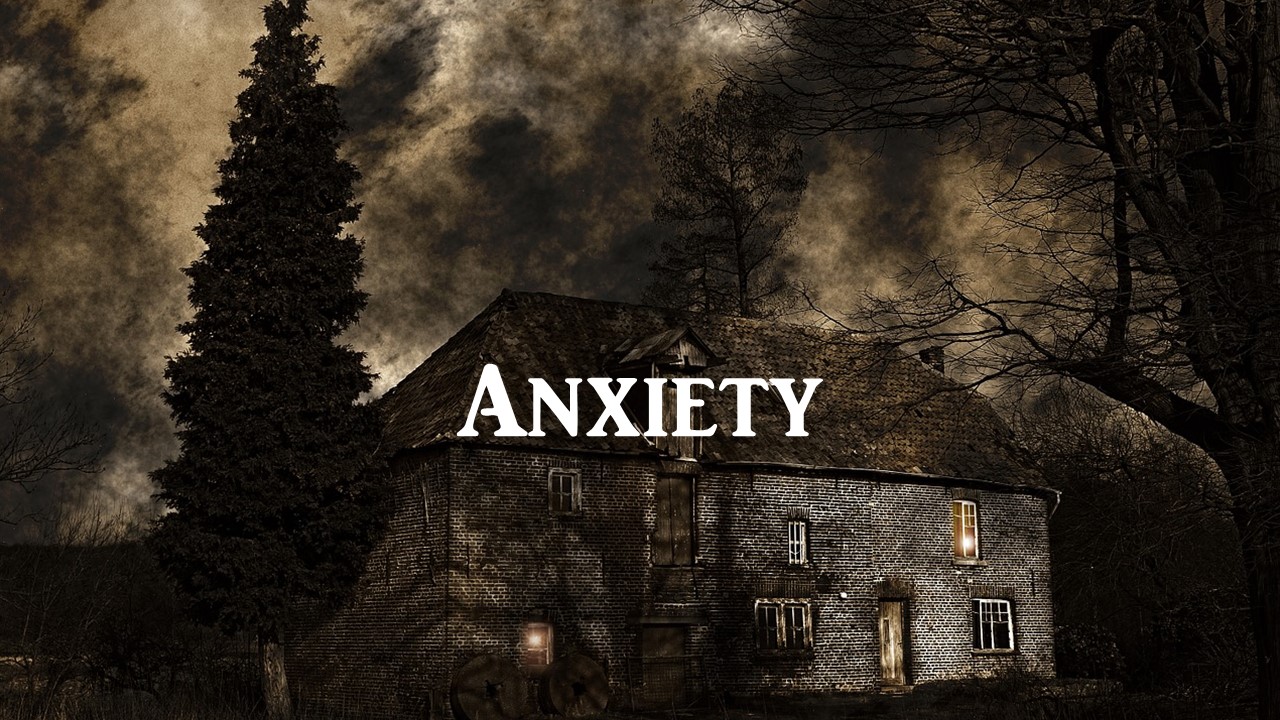
Your thoughts making you anxious?

By David Joel Miller, MS, Licensed Therapist & Licensed Counselor.

Anxiety provoking.

Anxiety.
Photo courtesy of Pixabay.com

9 ways to tell if your thoughts are causing your anxiety.

Is anxiety a constant feature in your life? Anxiety has its place. It tells you if you are in a dangerous situation and keeps you alert. But if you are always in an anxious state you will wear yourself out and anxiety no longer becomes protective, it becomes your tormentor.

If you have a pattern of thinking anxious thoughts even when they are not necessary then you may be training your brain to maintain an anxious state at times you should be relaxed and calm.

How many of these over-anxious thoughts are you practicing?

1. Your negative thoughts have become a habit.

Is your default brain setting to look for the danger, for what could go wrong? Have you made looking for the negative a habit? Start looking for the good, the unexpected. Meditate on the positive things in your life and challenge yourself to stop ruminating on what could go wrong and begin looking for all the constructive things in your life.

Developing a list of things you are grateful for can increase the habit of seeing the good and reduce the tendency to look for the anxiety-provoking cues in your environment.

2. A recurring thought interferes with your life.

Do you have a recurring fear that you are or will get sick? Do you worry about finances and think you will go broke? Do you practice the thoughts you will have when something bad might happen?

Look for the facts in these situations. See a doctor. Get your health checked out. Work on your finances. Look for ways to earn more, spend less, and save some. Buy some insurance.

Stop practicing that fearful, anxious thought and begin to take action. Include in those actions learning to relax and to look for the positive. Give yourself credit for the things you have accomplished.

3. You worry about things that don’t really matter.

Do you worry that something will happen, somewhere, to someone, and you do not even know why? Do you worry that characters on shows will die or fictional couples will break up?

When you find yourself worrying, ask yourself, does this matter? Does it matter to you? Does it matter right now?

Do you worry about whether to buy one kind of vegetable or the other? Make a choice and the worry ends. For many of life’s choices, there is no correct answer. Pick the thing you want and move forward.

4. Your need for everything to be perfect makes you anxious.

You are a human, aren’t you? No human is perfect. We learn from our mistakes. Learn from your mistake and do better next time. Everything can never be perfect. Your perfect will not be someone else’s.

5. Your worry about things that are out of your control makes you anxious.

Some things are your job. Some things are not. Worrying about someone else’s job is unproductive. You may think about what would happen, you may even make contingency plans, but let others worry about their stuff.

Worrying about things over which you have no control does not protect you from danger. It diverts resources from doing the things you need to do into unproductive worrying.

6. You beat yourself up about things everyone does – normal behavior.

Accept your humanness, embrace it. Sometimes you will burp, sometimes you will pass gas, possible at the most embarrassing moment. All humans sometimes trip or fall.

We all make errors and do uncomfortable things. Try to minimize your number and the nature of your embarrassing moments but do not beat yourself up.

Hint here. Turn your cell phone off during church services and do not eat beans just before an important meeting. Do things proactively to reduce your embarrassing moments, but once they happen, accept that you to are blessed with those normal human moments.

7. Calling yourself names increases your anxieties.

Call a child stupid often enough and they believe you. Eventually, they will stop trying to learn. You can do the same thing to yourself. Calling yourself names is not helpful. It will result in anxiety over your self-worth. You are worthwhile simply because you are you.

8. Second-guessing decisions will paralyze you with anxiety.

Once a decision is made move forward. There are times when situations change when you get new information, and you need to reevaluate. If you find yourself rethinking every decision realize that this is wasting time looking back over your shoulder at the past and you should be living in the present.

9. Telling yourself that good things will never happen for you feeds the anxiety.

What you tell yourself over and over your brain believes. If you say you can’t your brain will avoid trying. If you repeatedly tell yourself things will never get better, they won’t. This is a negative affirmation. Negative affirmations like positive ones work. Try telling yourself that you can do things and good things become possible.

Do you practice any of those 9 thinking patterns that cause anxiety? Would you be willing to part with some of your fearfulness? Try practicing more positive and more helpful ways of thinking. Practice helpful thoughts over and over and see if your anxieties don’t melt away.

Staying connected with David Joel Miller

Seven David Joel Miller Books are available now!

My newest book is now available. It was my opportunity to try on a new genre. I’ve been working on this book for several years, but now seem like the right time to publish it.

Story Bureau.

Story Bureau is a thrilling Dystopian Post-Apocalyptic adventure in the Surviving the Apocalypse series.

Baldwin struggles to survive life in a post-apocalyptic world where the government controls everything.

As society collapses and his family gets plunged into poverty, Baldwin takes a job in the capital city, working for a government agency called the Story Bureau. He discovers the Story Bureau is not a benign news outlet but a sinister government plot to manipulate society.

Bumps on the Road of Life. Whether you struggle with anxiety, depression, low motivation, or addiction, you can recover. Bumps on the Road of Life is the story of how people get off track and how to get your life out of the ditch.

Dark Family Secrets: Doris wants to get her life back, but small-town prejudice could shatter her dreams.

Casino Robbery Arthur Mitchell escapes the trauma of watching his girlfriend die. But the killers know he’s a witness and want him dead.

Planned Accidents  The second Arthur Mitchell and Plutus mystery.

Letters from the Dead: The third in the Arthur Mitchell mystery series.

What would you do if you found a letter to a detective describing a crime and you knew the writer and detective were dead, and you could be next?

Sasquatch. Three things about us, you should know. One, we have seen the past. Two, we’re trapped there. Three, I don’t know if we’ll ever get back to our own time.

For these and my upcoming books; please visit my Author Page – David Joel Miller

Want the latest blog posts as they publish? Subscribe to this blog.

For videos, see: Counselorssoapbox YouTube Video Channel
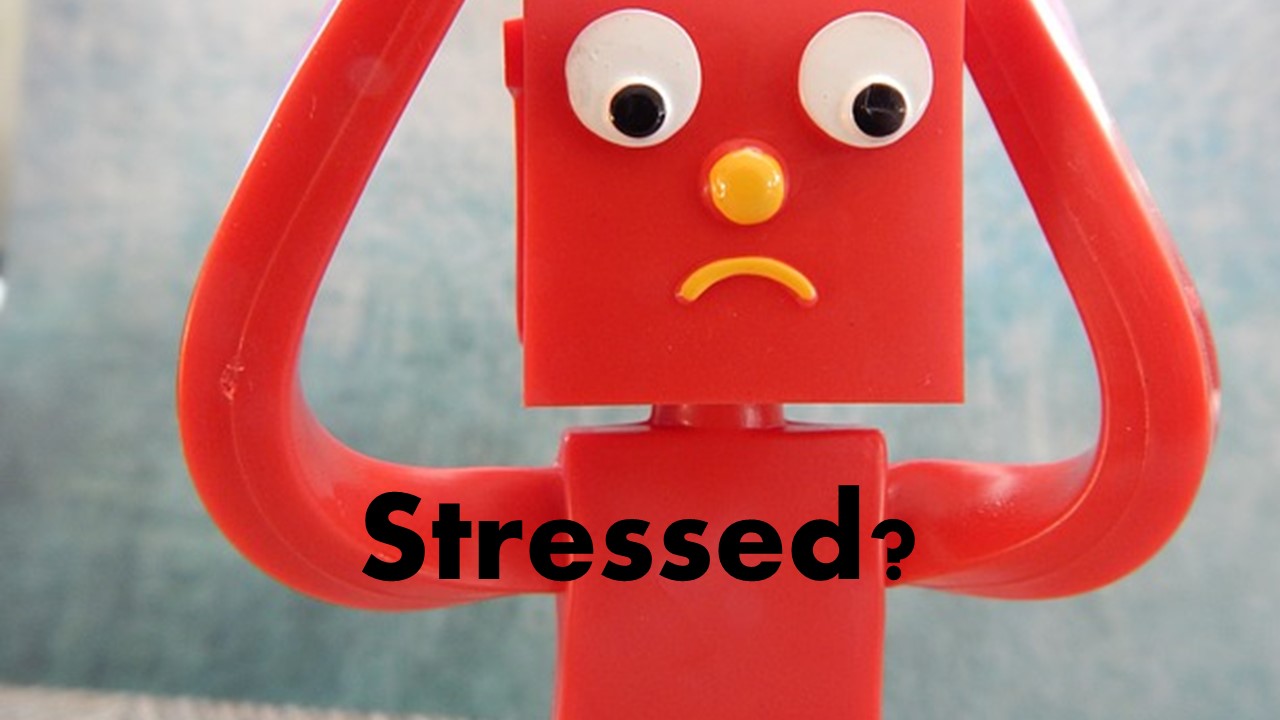
17 Ways to de-stress

By David Joel Miller, MS, Licensed Therapist & Licensed Counselor.

Stressed

Feeling stressed out?
Photo courtesy of Pixabay.com

How do you manage stress?

Stress can overwhelm you at any time or anywhere – Here are some suggested ways to turn down the stress volume.

1. Breath.

Under stress, most of us forget to breathe. The result is fewer shorter breathes and an overwhelming sense of panic that can follow a lack of air in your lungs.

Slow your breathing down. Take deep breaths from the diaphragm. You should feel your stomach moving in and out. Short fast breaths from high up in your chest can increase the feelings of stress.

Breathe slowly and deeply, pause between breaths. Watch your stress move out each time you breathe out and pause before taking in that next deep breath.

2. Make friends with silence.

There is noise everywhere. We have our radios and our televisions, our iPad’s and other electronics all screaming away at once. Add on people talking at you all day long and a few people screaming for whatever reason and you are bound to feel the stress meter rise.

Think back to that last time you felt really relaxed and distressed. Maybe a vacation in the mountains or at the beach. One thing you are likely to remember about that time is how quiet it was.

Those voices in your head can get awfully loud some days. Learn to quiet your mind down and embrace the silence. I keep a set of headphones at my desk to minimize the noise. Soft nature sounds help, sometimes no sound at all helps even more to reduce my stress.

3. Say a positive affirmation.

Affirmations are those little saying you tell yourself that help you to cope. Don’t lie to yourself or the whole affirmation will backfire. Tell yourself that this may be stressful but you can handle it. This too shall pass or whatever other saying works for you to put this current stress in perspective.

4. Make a list of the good things in your life.

If you keep thinking about all the problems your life story gets soaked through with problems. Most of us have lots of positive things going on. Take those little sparkling moments and hold on to them.

Writing out a list of things that are good, things you are grateful for can put the rest of your life in perspective. This list, sometimes called a gratitude list, can be a reference guide when things get tough.

The very act of writing down positive things in your life reinforces those things. Thinking saves the thought briefly in one part of the brain. Writing stores these blessings in a second part of the brain. Sharing them out loud with a friend stores them in a third part of the brain. The more of your brain that is full of happiness the less room there is for stress.

5. Stand more.

Stand and get the body moving. Stretch and relax those tense muscles. Tight muscles can be a result of stress but they can also be the cause of your body thinking that the stress is worse than it really is.

People who stand burn more calories than those who sit. Standing is a quick easy way to relax and reduce the stress of the moment.

6. Walk more.

Walking can be very effective in reducing depression. When the body shares the load the mind can get a rest. A quick walk to the end of the hall, the water cooler, or the bathroom can refocus the mind and move the stress off the front burner.

7. Make prioritized lists.

The human brain has a limit on the number of things you can keep in conscious memory at any one time. The more you try to keep in the front of the mind the less space is available to work on the current task.

Writing down a “to-do list” can free up space in your brain to get this task done. It also reduces the anxiety you may be feeling that you might forget something.

Once the list is down on paper, prioritize those things. Do one big hard thing first and leave the long list of quick things for later when you may only have a few minutes left.

Check those items off your list as you do them and by the end of the day you may find that you are far more productive and less stressed than when you were spending all that time trying to remember all those things you needed to get done today.

8. Feel what you’re feeling.

Feelings are not the enemy. They can convey much-needed information. Feelings like human friends are not always right. Because something scares you does not mean it is dangerous. Listen to the feelings but then make informed decisions on how you will handle those feelings.

See the post Making Friends with Feelings

9. Look at things that make you happy.

If you run from place to place with no time to take in the joys of life you will only accumulate more stress. Slow down sometimes and notice the pleasant things. Take an extra second or two and taste the thing you are eating. Pause to notice those flowers growing outside your office.

Accumulating those brief doses of pleasure can make the rest of the day less stressful.

Ever stop to really look at the pictures your workplace put up in the hall?

10. Carry a worry stone

A worry stone, religious symbol, or other personal object carried in your pocket can absorb a lot of that stress you are holding onto.

11. Make time for family and friends.

When you don’t have friends and family around you, then you are all alone. Seek out positive people for a role in your stress reduction plan.

12. A pet can help you reduce stress.

When no one else listens, when you feel all alone, that pet, a dog or cat, is waiting at the door when you come home. A pet is a great example of unconditional love.

13. Be an indoor explorer – look for new experiences.

Check out a new deli or other places to eat. Visit a new store or library. Keep an eye peeled for things you might try that you have never done. A local adult education or college class may offer all kinds of opportunities for new experiences.

There are lots of resources on the internet these days to allow you to take a class at a far off university or learn about something that interests you.

14. Develop a skill.

Is there a new skill you might develop? Something you always wanted to do but never got around to? Take the time to develop that skill and see where it takes you. Those breaks while you practice that skill reduce stress and challenge you to keep working on your self-improvement.

15. Do self-care.

The more stressed-out people get the less time they take for self-care. Do something nice for yourself. Look for ways to treat yourself well.

16. Practice your spirituality.

If you have a faith, practice it. Religion or spirituality are comforting when times are tough. If you have a belief make sure that your actions are consistent with that belief. Pray, meditate, or engage in other spiritual practices. Those moments of faith can get that stress volume down to a realistic size.

17. Express Yourself.

Write not because you have to but because you chose to. Draw if that interests you. Do this for yourself, not for the approval of others. Dance, pantomime or practice any other expressive skill.

There are my suggestions of 17 ways to reduce stress. Do you have other ways you have found to help you manage your stress?

Staying connected with David Joel Miller

Seven David Joel Miller Books are available now!

My newest book is now available. It was my opportunity to try on a new genre. I’ve been working on this book for several years, but now seem like the right time to publish it.

Story Bureau.

Story Bureau is a thrilling Dystopian Post-Apocalyptic adventure in the Surviving the Apocalypse series.

Baldwin struggles to survive life in a post-apocalyptic world where the government controls everything.

As society collapses and his family gets plunged into poverty, Baldwin takes a job in the capital city, working for a government agency called the Story Bureau. He discovers the Story Bureau is not a benign news outlet but a sinister government plot to manipulate society.

Bumps on the Road of Life. Whether you struggle with anxiety, depression, low motivation, or addiction, you can recover. Bumps on the Road of Life is the story of how people get off track and how to get your life out of the ditch.

Dark Family Secrets: Doris wants to get her life back, but small-town prejudice could shatter her dreams.

Casino Robbery Arthur Mitchell escapes the trauma of watching his girlfriend die. But the killers know he’s a witness and want him dead.

Planned Accidents  The second Arthur Mitchell and Plutus mystery.

Letters from the Dead: The third in the Arthur Mitchell mystery series.

What would you do if you found a letter to a detective describing a crime and you knew the writer and detective were dead, and you could be next?

Sasquatch. Three things about us, you should know. One, we have seen the past. Two, we’re trapped there. Three, I don’t know if we’ll ever get back to our own time.

For these and my upcoming books; please visit my Author Page – David Joel Miller

Want the latest blog posts as they publish? Subscribe to this blog.

For videos, see: Counselorssoapbox YouTube Video Channel

How to be on time.

By David Joel Miller, MS, Licensed Therapist & Licensed Counselor.

Time to change.

Are you on time?
Photo courtesy of Pixabay.com

How do those consistently punctual people do it?

Some people are always, almost pathologically, on time. Others are chronically late. Our western society is run on time. Things start at a particular time and then we are off to the next thing which also has a time. It can feel like we are being controlled by the clock.

The twentieth century was heralded as the century of labor-saving devices. With all that time we saved you would think no one would ever be hurried again. The result has not been an increase in available time but more working overtime to pay for all these labor and time-saving devices.

Even with all those technological advancements, some people are always on time and some are always late. Without getting into a discussion of the psychological factors that affect punctuality, and there are many psychological reasons people are on time or late arrivals, let’s look at how the Punctual People do things.

1. Punctual People get to bed on time.

If you think your day starts when you get up in the morning you would be way off. Getting plenty of sleep increases punctuality in the same way it increases productivity.

If you stay up late you will pay for it the whole next day. Tired people drag and then have to rush from thing to thing all day long.

2. Punctual People start their day early.

Late risers are already behind schedule when their feet hit the floor. They feel rushed and harried from start to finish. Let one thing go wrong and the rest of their day is off-kilter.

Burn breakfast and there is no time to make a new one. The kids or you go hungry.

Plenty of road rage is caused by people who start out late and then need to “make up time” on the roadway. This rushing is bad for your driving and is bad for your health.

Start your day early and there is time if something goes wrong.

3. Punctual People allow enough time.

You know that your morning drive takes thirty minutes but you hang around reading your email and drinking coffee till quarter till. The result you have to rush and you are still late.

The worst papers come in from the students who wait until the night before and then try to write a paper in a few hours that they should have been working on all semester.

Bosses can easily tell when someone only allows an hour for an activity that should take four. The result is hurried, partially done, and almost always late if it is done at all.

Give yourself plenty of time for each thing you do and you will be more creative, do a better job, and still get it in on time.

Be realistic about how long things will take and you will run on time a lot more.

4. Productive People do not schedule themselves 100% of their time.

Early in the industrial age factory owners learned that you can’t schedule factories at 100% of capacity. Try to get above a certain productivity and something is bound to go wrong. A machine breaks or jams and then shuts down the whole line, the result is that productivity falls drastically,

People need downtime for rest, relaxation, and repair in the same way machines need maintenance if we are to avoid a major emergency.

Punctual people do not schedule themselves nonstop. They allow small gaps throughout their day so that if one activity runs long they do not throw their whole day out of whack.

5. Punctual People prefer waiting to being late.

Punctual People enjoy those relaxing moments when they get somewhere before the event starts. They do not mind waiting for others. A few minutes to relax between things is both healthy and it keeps you on schedule the rest of the day.

6. Punctual People start tasks early.

If you begin your work on that report or paper early there is little need to rush and you are more likely to be done on time.

Getting off the procrastination ride and doing the hard things first assures they will get done on time. Waiting till the last-minute sets you up to run overtime and be off schedule from then on.

7. Punctual People use their calendar.

Punctual people plan ahead. The plan on doing things on schedule and that means leaving enough time on their calendar for getting something done. It also means not scheduling things too close together so that getting from one thing to the next throws them off schedule.

8. Punctual people feel disrespected when you are late.

Punctual people manage their stress by staying organized and planning ahead. They do not feel stressed because they started way before this meeting with you.

They may have gone to bed early, gotten up early, and left home for your meeting early all to avoid rushing and arriving stressed. It is also likely that they have planned some flex time between seeing you and the next thing they need to do.

When you are late you take away that tranquility they have created and dump your stress directly in their lap.

When you are late there is less time to spend with you, less gets done, meetings are abrupt or hurried and if they run over time, you have just stolen some time that they had planned to spend with someone else.

There are some things in life where you do not need to observe a strict start and stop time. But most of life is run by the clock. Show up late for court and you may lose your case. Be late for a job interview and you reduced the chances of getting hired.

People who are on time are seen as dependable, they do what they say they will. So if you want to join the on-time club, consider adopting some of the characteristics of Punctual People and see if this does not reduce your stress in the process of making you a more Punctual Person.

Staying connected with David Joel Miller

Seven David Joel Miller Books are available now!

My newest book is now available. It was my opportunity to try on a new genre. I’ve been working on this book for several years, but now seem like the right time to publish it.

Story Bureau.

Story Bureau is a thrilling Dystopian Post-Apocalyptic adventure in the Surviving the Apocalypse series.

Baldwin struggles to survive life in a post-apocalyptic world where the government controls everything.

As society collapses and his family gets plunged into poverty, Baldwin takes a job in the capital city, working for a government agency called the Story Bureau. He discovers the Story Bureau is not a benign news outlet but a sinister government plot to manipulate society.

Bumps on the Road of Life. Whether you struggle with anxiety, depression, low motivation, or addiction, you can recover. Bumps on the Road of Life is the story of how people get off track and how to get your life out of the ditch.

Dark Family Secrets: Doris wants to get her life back, but small-town prejudice could shatter her dreams.

Casino Robbery Arthur Mitchell escapes the trauma of watching his girlfriend die. But the killers know he’s a witness and want him dead.

Planned Accidents  The second Arthur Mitchell and Plutus mystery.

Letters from the Dead: The third in the Arthur Mitchell mystery series.

What would you do if you found a letter to a detective describing a crime and you knew the writer and detective were dead, and you could be next?

Sasquatch. Three things about us, you should know. One, we have seen the past. Two, we’re trapped there. Three, I don’t know if we’ll ever get back to our own time.

For these and my upcoming books; please visit my Author Page – David Joel Miller

Want the latest blog posts as they publish? Subscribe to this blog.

For videos, see: Counselorssoapbox YouTube Video Channel
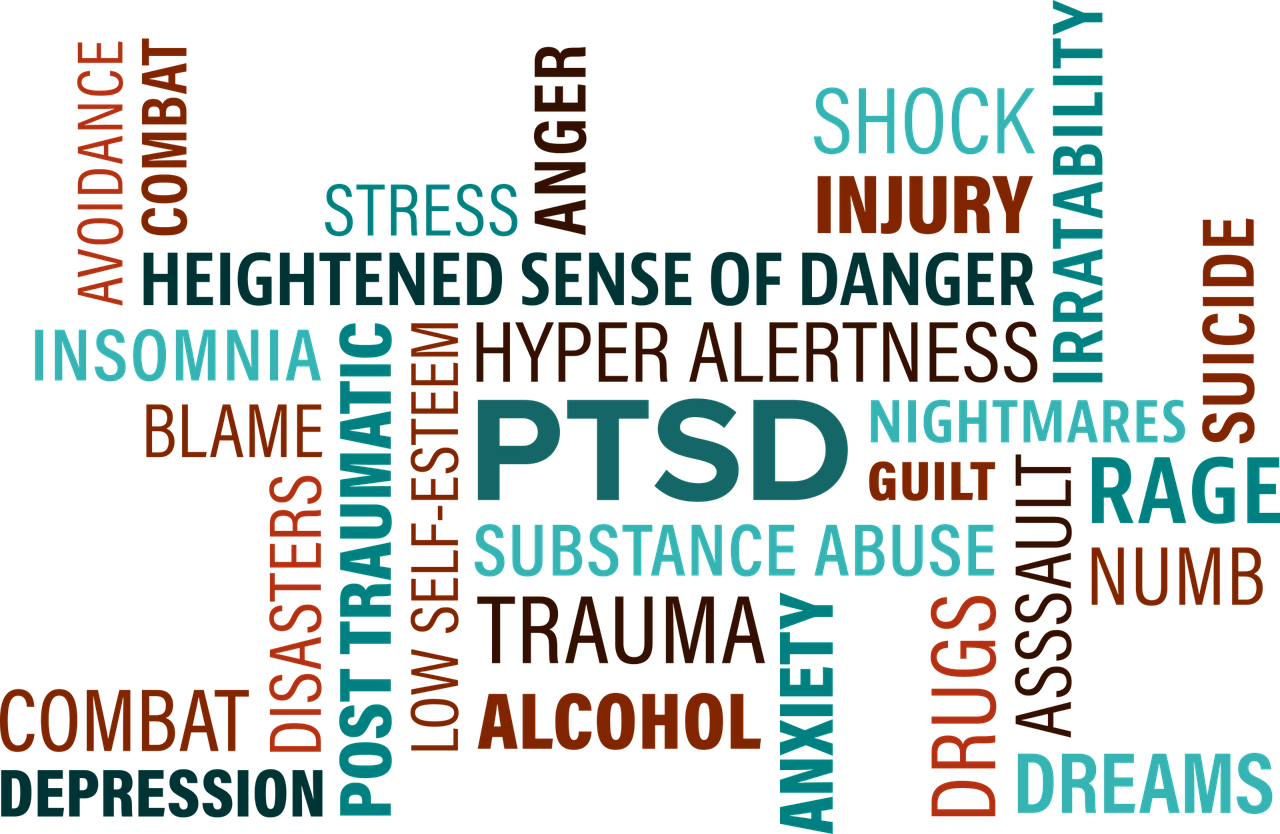
Complex Trauma, Stress and PTSD

By David Joel Miller, MS, Licensed Therapist & Licensed Counselor.

Words about PTSD

PTSD.
Photo courtesy of Pixabay.com

What is Complex Trauma and how is it connected to other emotional problems?

Most therapists recognize the existence of a “thing” that might be called Complex Trauma. We are pretty sure it exists. We see clients with it all the time.  Only it looks different in different people. Sometimes it looks like a stress disorder, sometimes it looks more like Post Traumatic Stress Disorder (PTSD) other times it looks a lot like depression or anxiety.

We, professionals, are just not sure what to call this thing and worse yet we are not all sure how to treat it.

This confusion is aggravated by the problem that there is was no diagnosis for this thing, this complex trauma monster, in the DSM-4. Worse yet, even with the increased attention to stress caused disorders in the new DSM-5 Complex trauma did not make the new book either.

The result is that we have a disorder that we all see in our clients but it looks different in a different light and we give it different names depending on who has this issue.

This problem, this idea that multiple, complex trauma is different from single trauma and that the results of multiple traumas are not a case of two plus two equaling four is not new. With complex trauma two plus two maybe six or even seven.

We know this from reading books and articles on zoology. Humans are not the only creatures who suffer more from repeated traumatization. Other creatures can recover from a single large trauma but when subjected to repeated traumas they lose the ability to adjust.

Let me attempt to explain this problem by using a far-fetched analogy.

Complex Trauma is kind of like a hurricane or monsoon.

Most of us know what a hurricane is, sort of. The wind blows really hard. It damages things and knocks things down. A tree may blow over and smash your roof or the wind may break some windows and blow over some things breaking them. But that is not all.

With the wind comes a lot of rain. The rain fills up creeks and small rivers and then they overflow. Your house may get flooded.

That tree may miss your house when it falls and hit a power pole. That pole may start a fire and your house could burn down. If you live near the coast the tide from the ocean may become a tide surge and sweep your home away.

All of these things are the consequences of the hurricane, but the effect on you and the way your insurance company sees things may be very different depending on whether your house is damaged by a falling tree, flooded, swept away by the tide, or burns due to a falling power line.

Complex trauma is a lot like that. Different people are affected differently. Some get depressed, some get anxious, some people dissociate and others think of harming themselves or others. All of these possibilities and more are the result of the stress or trauma but each person experiences them slightly differently and they all may get different diagnoses.

A different diagnosis may result in a different treatment which means some people are way more responsive to a particular treatment.

We used to think that there was a discrete number of mental illnesses, two, neurosis, or psychoses. Then a hundred or so and in the DSM-4 about 400. Now we are thinking that if we keep splitting up these problems of living we are going to end up with one diagnosis per person. So we are trying to think more in terms of a continuum. Some people are only a tiny bit depressed occasionally and others are major depressed all the time.

This variation in features is also impacting the way professionals see and respond to stress-related problems.

Over the next few weeks as time and space permits, I want to talk more about complex trauma, how it develops and why it is sort of like PTSD, anxiety, and other named disorders, and why it is enough different from those other disorders that clinicians are developing specialized treatments for this issue.

People can and do recover from complex trauma so stay tuned and we will talk about the steps to recovery from this misunderstood disorder.

Staying connected with David Joel Miller

Seven David Joel Miller Books are available now!

My newest book is now available. It was my opportunity to try on a new genre. I’ve been working on this book for several years, but now seem like the right time to publish it.

Story Bureau.

Story Bureau is a thrilling Dystopian Post-Apocalyptic adventure in the Surviving the Apocalypse series.

Baldwin struggles to survive life in a post-apocalyptic world where the government controls everything.

As society collapses and his family gets plunged into poverty, Baldwin takes a job in the capital city, working for a government agency called the Story Bureau. He discovers the Story Bureau is not a benign news outlet but a sinister government plot to manipulate society.

Bumps on the Road of Life. Whether you struggle with anxiety, depression, low motivation, or addiction, you can recover. Bumps on the Road of Life is the story of how people get off track and how to get your life out of the ditch.

Dark Family Secrets: Doris wants to get her life back, but small-town prejudice could shatter her dreams.

Casino Robbery Arthur Mitchell escapes the trauma of watching his girlfriend die. But the killers know he’s a witness and want him dead.

Planned Accidents  The second Arthur Mitchell and Plutus mystery.

Letters from the Dead: The third in the Arthur Mitchell mystery series.

What would you do if you found a letter to a detective describing a crime and you knew the writer and detective were dead, and you could be next?

Sasquatch. Three things about us, you should know. One, we have seen the past. Two, we’re trapped there. Three, I don’t know if we’ll ever get back to our own time.

For these and my upcoming books; please visit my Author Page – David Joel Miller

Want the latest blog posts as they publish? Subscribe to this blog.

For videos, see: Counselorssoapbox YouTube Video Channel

Have another helping of stress. Stress can be good for you.

By David Joel Miller, MS, Licensed Therapist & Licensed Counselor.

Stressed out

Stressed.
Photo courtesy of Pixabay.com

You might need more stress in your diet.

Recently one of my esteemed colleagues wrote a post on the need to avoid stress. I am not sure he is right about that. We have been told so often that we need to avoid stress, that a lot of people are avoiding anything that might be stressful and the result is that they are very low in productivity and lower yet in self-esteem.

More stress in your diet just might be what the doctor ordered.

If your doctor tells you that you are now overweight and you need to lose some weight, he does not prescribe reducing the physical stress in your life. He does not tell you to go home, put your feet up, and avoid anything that might put a stress load on your system.

What the doctor does suggest is that your exercise put a manageable level of stress on your muscles. As you become stronger you increase the level of stress you place on your muscles. The key here is not reducing or avoiding stress but learning how to manage your stress so that it is a growth opportunity rather than being at a breaking point level.

Clients have told me that their work “stresses them out.” Their conclusion is that they should avoid working to reduce the stress. What they fail to recognize often, is that not working will result in a substantial reduction in income. Losing your house to foreclosure, being homeless or even the task of living the rest of your life on the small amount of income available to welfare recipients is a lot more stressful than learning to not stress yourself out over your work.

Writers typically get stressed every time they look at a blank page. We call this writer’s block. You don’t overcome that kind of stress by avoiding the stress of writing and giving up on your dream. You reduce the stress by writing, writing anything to fill up that space, and then you edit and revise until hopefully a piece worth reading comes to life.

Most things in our life do not “stress us out” though we would all like to blame our level of negative emotions on some outside force that is producing “stress.” Most of the time we stress ourselves out by ruminating on the thing we would like to avoid until it grows to gigantic proportions. Casey Truffo described this in one of her webinars as “gnawing on the thing that is eating you.”

Should we by some accident find ourselves without stress one morning, why there are plenty of things we could choose to worry about? Start by worrying that you have forgotten to worry about something important. Get really into fear, fear of losing something, fear of not getting what you want. Create so much stress over what might happen that you are unable to do anything.

The stress reaction is our body and our mind’s way of gearing up for a challenging situation. The difficulty here is that so many people can turn up the stress, but don’t know how to turn it back down when the occasion for the stress is over.

Stress hormones are supposed to be temporary events. Some crisis occurs, we need to respond and our body helps out here by pushing out adrenaline and other hormones, we are ready to fight, flee or fight. The problem with humans is that most of us have forgotten how to turn the stress hormones off. Three months later we are still telling anyone who will listen how that incident “stressed us out’ and in the process, we are able to relieve the stress.

Have you ever met someone who was highly productive and seems to thrive on stress? Have you wondered what their secret was?

The thing they have found is how to keep the stress external and maintain their responses internally. They have learned to turn stress to their advantage by using that stress to turn their performance up another notch.

The difference between people who use stress to their advantage and those who are defeated by stress is not in the stress. It is in our attitude to the stress.

The secret is to stop running from the stress monster and to turn towards him and kick his tail.

There are dangers in life that we all should avoid. Most of the things that stress us out every day are not those overwhelming life-threatening kinds of stress. The worst kinds of stress are those times when we upset ourselves over things that are outside our control.

Learn to control your stress, learn mindfulness, breathing control or embrace radical acceptance but don’t try to avoid stress by running from it.

Staying connected with David Joel Miller

Six David Joel Miller Books are available now!

Dark Family Secrets: Some family secrets can be deadly.

What if your family secrets put you in danger?

Letters from the Dead The third in the Arthur Mitchell mystery series.

What would you do if you found a letter to a detective describing a crime and you knew the writer and detective were dead?

Casino Robbery is a novel about a man with PTSD who must cope with his symptoms to solve a mystery and create a new life.

Planned Accidents  The second Arthur Mitchell and Plutus mystery.

SasquatchWandering through a hole in time, they encounter Sasquatch. Can they survive?

Bumps on the Road of Life. Whether you struggle with anxiety, depression, low motivation, or addiction, you can recover. Bumps on the Road of Life is the story of how people get off track and how to get your life out of the ditch.

For these and my upcoming books; please visit my Author Page – David Joel Miller

Books are now available on Amazon.

Want the latest blog posts as they publish? Subscribe to this blog.

For videos see: Counselorssoapbox YouTube Video Channel

Want the latest on news from recoveryland, the field of counseling, my writing projects, speaking, and teaching? Please sign up for my newsletter at – Newsletter. I promise not to share your email or to send you spam, and you can unsubscribe at any time.

For more about David Joel Miller and my work in the areas of mental health, substance abuse, and Co-occurring disorders see my Facebook author’s page, davidjoelmillerwriter.

3 ways to Cut Down on Stress

By David Joel Miller, MS, Licensed Therapist & Licensed Counselor.

Stressed

Feeling stressed out?
Photo courtesy of Pixabay.com

Trim away the worries and live a healthier life.

Want a reduced stress diet? Try trimming out some of the stress. Just as weight loss programs tell you to trim the fat out of your diet there are three ways to trim excess stress out of your life.

1. Cut off the future

Learn to be mindful and stay in the present. Yes, of course, you should make plans for the future and take the steps needed to get there, but stressing over things that may or may not happen adds a lot of stress to your diet for events you haven’t even tasted yet.

Worrying that you may not get what you want can add a lot of stress to your life today when what you should really be doing is the required work to get where you are going. Stressing over the uncertainty of the future can keep you from enjoying the taste of the present.

2. Cut down on the past

A steady diet of regrets and recriminations about the past can keep you stressed out and unable to live in the present.

The work of grieving over losses and letting go of guilt and shame may require seeing a therapist or counselor. Make the effort to process those old hurts and let them go.

Many of us have resentments towards people who have harmed or wronged us in the past. Holding onto those old wounds keeps us living in the stress of events that have long since ended.

Let the past live in the past and spend your time having the best possible present to enjoy your low-stress diet.

3. Stop trying to eat other people’s dinner – worrying about problems others need to solve

That you care about others is wonderful, but if you are finding your life overrun by stressors then you need to send some of them back where they came from.

You can’t solve problems for others and the more you stress yourself out over their issues the fewer resources you have for your life in the here and now.

If you chose to worry and stress there will always be negative news from around the globe twenty-four-seven. Some people believe that worrying and stressing over what might happen somehow keeps the safe from an unwanted future. It doesn’t work that way.

Prepare for the worst but live in the now. Limit your worrying to the things that you really may be able to influence and practice your acceptance of those things that are out of your control.

Is a reduced stress diet for you?

Try one for a while and see if you are not healthier and happier. If reduced stress does not work for you then you can always go back to worrying about the problems that are out of your control.

Staying connected with David Joel Miller

Seven David Joel Miller Books are available now!

My newest book is now available. It was my opportunity to try on a new genre. I’ve been working on this book for several years, but now seem like the right time to publish it.

Story Bureau.

Story Bureau is a thrilling Dystopian Post-Apocalyptic adventure in the Surviving the Apocalypse series.

Baldwin struggles to survive life in a post-apocalyptic world where the government controls everything.

As society collapses and his family gets plunged into poverty, Baldwin takes a job in the capital city, working for a government agency called the Story Bureau. He discovers the Story Bureau is not a benign news outlet but a sinister government plot to manipulate society.

Bumps on the Road of Life. Whether you struggle with anxiety, depression, low motivation, or addiction, you can recover. Bumps on the Road of Life is the story of how people get off track and how to get your life out of the ditch.

Dark Family Secrets: Doris wants to get her life back, but small-town prejudice could shatter her dreams.

Casino Robbery Arthur Mitchell escapes the trauma of watching his girlfriend die. But the killers know he’s a witness and want him dead.

Planned Accidents  The second Arthur Mitchell and Plutus mystery.

Letters from the Dead: The third in the Arthur Mitchell mystery series.

What would you do if you found a letter to a detective describing a crime and you knew the writer and detective were dead, and you could be next?

Sasquatch. Three things about us, you should know. One, we have seen the past. Two, we’re trapped there. Three, I don’t know if we’ll ever get back to our own time.

For these and my upcoming books; please visit my Author Page – David Joel Miller

Want the latest blog posts as they publish? Subscribe to this blog.

For videos, see: Counselorssoapbox YouTube Video Channel