Is your story a Fairytale or Nightmare?

By David Joel Miller, MS, Licensed Therapist & Licensed Counselor.

Castle in the sky

Fairytale world.
Photo courtesy of Pixabay.com

The stories you tell yourself come true.

We all tell ourselves stories. You may not think of them that way, you may have other names for them. You may think that what you are saying is just self-evident truths.  You are shy, clumsy stupid, and so on. You may say your family is cold or that you are all failures.

The things you tell yourself have a way of coming true. If you tell yourself often enough that you are stupid or that you can’t succeed you create that outcome.

Some people think of these stories as life scripts. If you tell yourself you are a loser, you will continue to lose to meet that requirement.

You tell yourself you are a certain kind of person and that means you will have a specific sort of life. You say you are unlucky and you avoid situations that involve risk. The result is that those great wins in life are always just out of reach.

Which kind of stories do you tell yourself?

If you tell yourself you can’t do something your brain will take that for an order and will prevent you from doing what you have forbidden yourself to do. Like that little engine if you tell yourself you can you will find it easier to get over the hill.

Many of you have pet stories you tell yourself. You tell yourself you are too stupid or too weak to do something and then you find you can’t do it which proves that you were right. The great surprise, for many of you, will come when you stop telling yourself that you are stupid and tell yourself that you can learn what you set out to do, and then that new story becomes true.

If you tell yourself that life is awful and that you can’t, then you won’t. If you can change that story and tell yourself that all things are possible, then more opportunities will open up.

Changing your life script story.

Some people have told themselves that they are addicts and so they need to use drugs. If you tell yourself that you are an alcoholic you will need to drink. But you can change that story. You can be an addict in recovery or an alcoholic in sobriety. You can tell yourself that you no longer need to do those things and if you tell yourself that you can live life without drugs or depression or anxiety, then that can become the new story, the new life script for you.

We all tell ourselves stories, who we are, what we can and can’t do. Make one mistake and you may tell yourself you are a failure. Forget something once and you may start telling yourself you are forgetful. The truth is that you do not forget everything and you can change that story.

The person who told you that story could easily be wrong.

Some of these life tales are stories that we were told as children. We hear that we are stupid and we repeat that story. If you heard these stories often enough you may have stopped recognizing that this is just a story, someone else’s story for your life.

If you have learned to tell those stories to yourself, you will find that you can change the endings. You can be and do so much more than you ever thought you could.

What is the new story, the new life script you are creating for the role you will play in your life?

Staying connected with David Joel Miller

Seven David Joel Miller Books are available now!

My newest book is now available. It was my opportunity to try on a new genre. I’ve been working on this book for several years, but now seem like the right time to publish it.

Story Bureau.

Story Bureau is a thrilling Dystopian Post-Apocalyptic adventure in the Surviving the Apocalypse series.

Baldwin struggles to survive life in a post-apocalyptic world where the government controls everything.

As society collapses and his family gets plunged into poverty, Baldwin takes a job in the capital city, working for a government agency called the Story Bureau. He discovers the Story Bureau is not a benign news outlet but a sinister government plot to manipulate society.

Bumps on the Road of Life. Whether you struggle with anxiety, depression, low motivation, or addiction, you can recover. Bumps on the Road of Life is the story of how people get off track and how to get your life out of the ditch.

Dark Family Secrets: Doris wants to get her life back, but small-town prejudice could shatter her dreams.

Casino Robbery Arthur Mitchell escapes the trauma of watching his girlfriend die. But the killers know he’s a witness and want him dead.

Planned Accidents  The second Arthur Mitchell and Plutus mystery.

Letters from the Dead: The third in the Arthur Mitchell mystery series.

What would you do if you found a letter to a detective describing a crime and you knew the writer and detective were dead, and you could be next?

Sasquatch. Three things about us, you should know. One, we have seen the past. Two, we’re trapped there. Three, I don’t know if we’ll ever get back to our own time.

For these and my upcoming books; please visit my Author Page – David Joel Miller

Want the latest blog posts as they publish? Subscribe to this blog.

For videos, see: Counselorssoapbox YouTube Video Channel
4 reasons your self-improvement program will fail

By David Joel Miller, MS, Licensed Therapist & Licensed Counselor.

Changing your life

Time for a life change?
Photo courtesy of Pixabay.com

Self-improvement programs fail when you set wrong goals.

Another year, another bunch of resolutions, and by now most are headed for the same old failures. The reason most self-change programs fail – wrong, fuzzy, and poorly defined goals.

Most resolutions are made with little or no thought about where you are going and how you will get there. If this new you is not worth the trouble to plan, then it probably will not be worth the effort to take action, and next year, long about this time, you will be in the same place you are now.

What are the specific things you need to think about if you want your plan to succeed?

1. What is your goal?

Set the wrong goal and you end up at the wrong destination or you don’t get anywhere at all. Fuzzy goals lead you around in circles.

A common form of resolution this time of year goes something like:

I want to lose weight, exercise more, get in shape, and improve my health.

Some of these goals may conflict. One easy way to lose lots of weight is to get sick, physically, or mentally. Worry enough or get really depressed and you may stop eating. Good for weight loss but not for getting healthy.

Exercising more may result in that fat being converted to muscle. You will be healthier but may not lose any weight.

Improving your health may involve seeing a doctor, getting your flu shot, and a lot of preventative screening tests. Hard to do when you are starving yourself and running marathons. Severe calorie restriction and aggressive exercise may result in a hospital say, not really what you had in mind when you set your goals.

Second goal problems example.

You decide you want to be wealthier. For most people, this means wanting to be able to afford to buy the things that you or your family wants. So you work harder, take a second job, save some money and then you buy your kids that new video game console they wanted.

One problem – now you are broke again and you are working more hours than before. When most people say they wish they were wealthier what they really mean is they would like to be able to spend more. The wealthier goal self-destructs the closer you get to it.

To build real wealth you need to scale back your consumption and save. That is exactly the opposite of what most people mean when they say they want to be wealthier.

Getting really clear on your goals can improve your chances that this year’s resolutions have some chance of succeeding.

2. How big a priority is this goal?

Many people set goals that sound all nice but they are not really committed to getting there. If you would like to lose weight or get richer, as long as you do not have to actually work for that goal, there is little chance of you arriving there.

To make achieving a goal a reality it needs to be something that you want more than you want other things. Do you want that goal enough to give up time on the couch? Will you forego spending or eating something to reach that goal?

Just how committed are you to this thing and what difference will it really make in your life if you get there?

3. Is the goal consistent with your values?

You value time with family, especially those family get together dinners. That time with family is pretty inconsistent with working more, spending less, and improving your finances. Those entertaining times are also inconsistent with losing weight.

Despite these inconsistencies, lots of people will say they want things mostly because they would like the praise of others for getting to this goal even when that goal is in direct conflict with their personal values.

4. Can you see clear benefits in reaching this goal?

Some things are kind of nice to have but really getting them will not change much in your life. Unless you can picture yourself reaching this goal and visualize how your life will be better off for having made the sacrifices needed to get there, you are not likely to be motivated to do the work.

So consider now, as the first month of 2014 is well underway, what happened to those New Year’s resolutions? Did you get clear on what you wanted and how that is influenced by your values? Can you see this goal becoming a reality? And most of all is this change thing something you are doing for you or is it something you think you should do because of what others will think about you?

Are you one of the rare ones who decide to make a change and then does the work to get there? Maybe we will check back in about a year and see who has made a success of their change plans.

Staying connected with David Joel Miller

Seven David Joel Miller Books are available now!

My newest book is now available. It was my opportunity to try on a new genre. I’ve been working on this book for several years, but now seem like the right time to publish it.

Story Bureau.

Story Bureau is a thrilling Dystopian Post-Apocalyptic adventure in the Surviving the Apocalypse series.

Baldwin struggles to survive life in a post-apocalyptic world where the government controls everything.

As society collapses and his family gets plunged into poverty, Baldwin takes a job in the capital city, working for a government agency called the Story Bureau. He discovers the Story Bureau is not a benign news outlet but a sinister government plot to manipulate society.

Bumps on the Road of Life. Whether you struggle with anxiety, depression, low motivation, or addiction, you can recover. Bumps on the Road of Life is the story of how people get off track and how to get your life out of the ditch.

Dark Family Secrets: Doris wants to get her life back, but small-town prejudice could shatter her dreams.

Casino Robbery Arthur Mitchell escapes the trauma of watching his girlfriend die. But the killers know he’s a witness and want him dead.

Planned Accidents  The second Arthur Mitchell and Plutus mystery.

Letters from the Dead: The third in the Arthur Mitchell mystery series.

What would you do if you found a letter to a detective describing a crime and you knew the writer and detective were dead, and you could be next?

Sasquatch. Three things about us, you should know. One, we have seen the past. Two, we’re trapped there. Three, I don’t know if we’ll ever get back to our own time.

For these and my upcoming books; please visit my Author Page – David Joel Miller

Want the latest blog posts as they publish? Subscribe to this blog.

For videos, see: Counselorssoapbox YouTube Video Channel
Pick your grandmas wisely – their life affects your feelings

By David Joel Miller, MS, Licensed Therapist & Licensed Counselor.

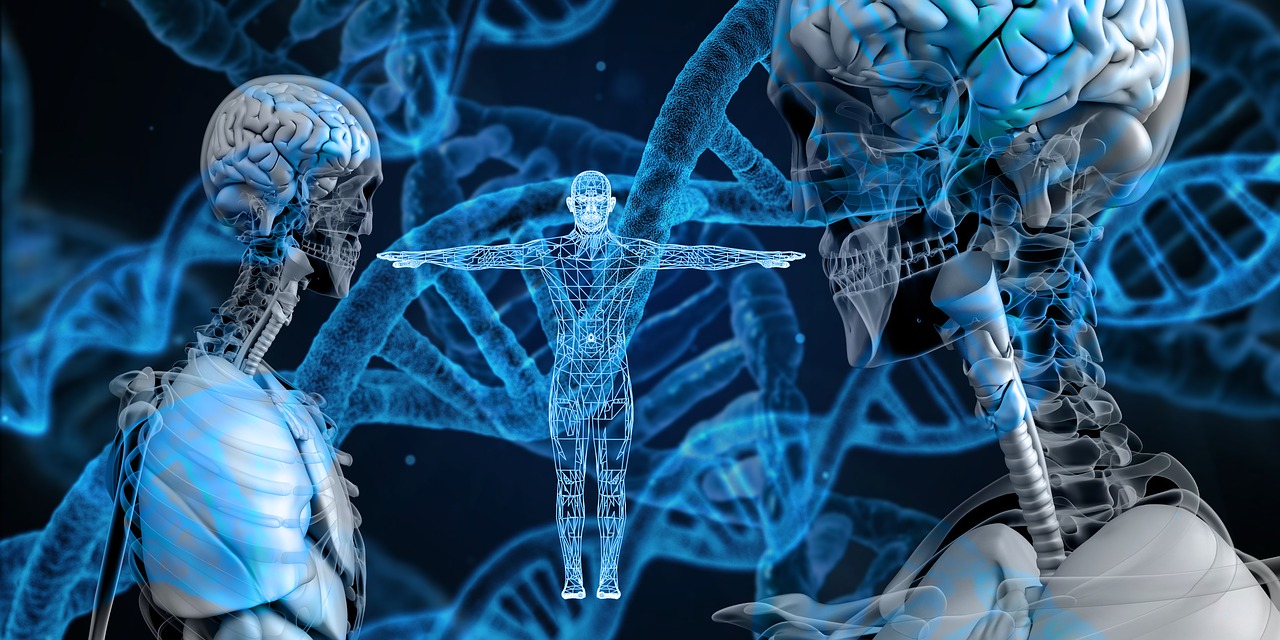
Grandma’s DNA may be affecting you.
Photo courtesy of Pixabay.com

What happened to grandma is affecting your life today.

Not just grandma but great-grandma has an effect on your feelings, even if you never met them, or so we are told. The more we learn about genetics and environment the more complicated it all gets.

We used to think that genes were genes and experiences; well that was what happened to you.  There has been a lot of research on which causes what. Do genes cause addiction and mental illness or do experiences sometimes described as the environment?

We have started to think that genes and experiences are both factors, risk factors for developing an addiction or mental illness. A risk factor does not mean you get the disorder, but it increases your susceptibility. We thought that genes and experiences were separate things.

What if grandma’s experiences became part of her genes?

For a long time, we thought that was not possible, now there is evidence that this may be what has and is happening.

Genes were seen as the blueprint for the way your body and your nervous system would develop. There might be variations, pigmentation for instance; one color was dominant and the other recessive so you get one-half of your genetic material from each parent. Two dominant genes or one dominant and one recessive and you still look like you have the dominant color. Two recessives and you win the different color prize. (In Humans most colors, eyes, hair etc. are the result of multiple genes so it is also more complicated than just dominant and recessive.)

We know environment can affect genes. No matter what your genes say if your grandmother grew up in a time of famine her growth was stunted. We see this in recent immigrants here in the U. S. Grandma is short but her children get more food both before and after birth and they are taller.

So after two or three generations, this family should all be reaching full height. Why then does succeeding generations keep getting taller?

Could grandma’s experience of living through starvation also alter her genes so that for a number of generations her children grow up shorter? Eventually, as time progresses that gene could change back to the full stature that was a potential in the genes but eventually that should stop.

That may not be what is happening genetically.

We were looking at genes as if they were blueprints. Not enough lumber and the house gets built smaller but the blueprints still call for a full-size house. Bringing in more lumber and the next house should match the blueprint. But what if that lack of lumber resulted in a change in the blueprint?

A new field of research, one name for this is Epigenetics, looks at how the way a gene gets expressed, the house is built, in my example, based on the experiences of the parents.

Epigenetics tells us that genes are not constant. They can turn on and off.  So that gene for black hair, that shuts off at some point and the gene begins to produce gray or even white hair. Same person, same genetics, but different hair color.

Research in mice, this is just  beginning to be replicated in human studies, found that in addition to genes and DNA there are other chemicals that can hook onto the gene and then when that gene gets reproduced the add-on gets copied also.

One of these add-ons is a methyl group. So if grandma was traumatized, raped or lived through a violent war. Her DNA could have picked up some extra molecules that shut off those outgoing genes. The result would be that as a result of grandma’s experiences your DNA is changed.

Remember that methyl stuck on is not adding to or changing your DNA, it is preventing some of that DNA from expressing itself. Depending on which part of your DNA it is stuck to, this could be a good thing or a bad thing.

Say your great-grandmother dies when your grandmother was very young. Great-grandfather tried but he was just not able to be affectionate the way great-grandmother would have been. The result is grandma had trouble feeling affection towards your mother.  You mother with a non-affectionate mother would find it hard to show a lot of affection to you.

Some women report that they have difficulty feeling love or nurturing towards their children. Yes they could have learned this but even when they were adopted by a loving adoptive mom these women may as a result of their extra methyl group hooked onto their DNA find it hard to nurture their children.

Now if this concept holds up through more research this may explain how ancestor’s experiences have altered the way our DNA develops and the resulting impact on our mental and emotional health.

My takeaway from this is that while this may explain some things about why we are the way we are this also means that if we learn new things if we have positive experiences our children and grandchildren can be affected by their genes in a very different way. This suggests to me that we need to spend a lot more time on treatment for depressed or anxious children before they have children of their own if we want to have an impact on mental health.

There is a lot of research going on now on mutations in genes. There are a lot more mutations going on than previously thought. But even if a particular mutation increases the risk of a mental illness, what if some early life experiences could counteract that gene and produce a different emotional result?

Let’s hope that it will be possible to help more people as time goes along. For more on this subject check out the article in Discovery Magazine for May 13, 2013, titled “Grandmas Experiences Leave a Mark on Your Genes. 

Staying connected with David Joel Miller

Seven David Joel Miller Books are available now!

My newest book is now available. It was my opportunity to try on a new genre. I’ve been working on this book for several years, but now seem like the right time to publish it.

Story Bureau.

Story Bureau is a thrilling Dystopian Post-Apocalyptic adventure in the Surviving the Apocalypse series.

Baldwin struggles to survive life in a post-apocalyptic world where the government controls everything.

As society collapses and his family gets plunged into poverty, Baldwin takes a job in the capital city, working for a government agency called the Story Bureau. He discovers the Story Bureau is not a benign news outlet but a sinister government plot to manipulate society.

Bumps on the Road of Life. Whether you struggle with anxiety, depression, low motivation, or addiction, you can recover. Bumps on the Road of Life is the story of how people get off track and how to get your life out of the ditch.

Dark Family Secrets: Doris wants to get her life back, but small-town prejudice could shatter her dreams.

Casino Robbery Arthur Mitchell escapes the trauma of watching his girlfriend die. But the killers know he’s a witness and want him dead.

Planned Accidents  The second Arthur Mitchell and Plutus mystery.

Letters from the Dead: The third in the Arthur Mitchell mystery series.

What would you do if you found a letter to a detective describing a crime and you knew the writer and detective were dead, and you could be next?

Sasquatch. Three things about us, you should know. One, we have seen the past. Two, we’re trapped there. Three, I don’t know if we’ll ever get back to our own time.

For these and my upcoming books; please visit my Author Page – David Joel Miller

Want the latest blog posts as they publish? Subscribe to this blog.

For videos, see: Counselorssoapbox YouTube Video Channel

Are the mental health problems in children different?

By David Joel Miller, MS, Licensed Therapist & Licensed Counselor.

Crying child

Youth mental health.
Photo courtesy of Pixabay.com

Age impacts mental health.

A reader asked “You keep mentioning children in your posts, how are their problems like or different from adult mental illness?

There are some differences between the issues children have and adults, but my experiences tell me that there are a lot of similarities.

We used to have a separate section for “Disorders usually first diagnosed in Infancy, Childhood, and Adolescence, in the DSM-4. In the DSM-5 those disorders get moved around. One problem with the old approach was that many clinicians missed the “Usually” part. We tended to think of these problems as something children get and adult problems as something only adults got.

That just is not so.

Some of these early-onset problems get missed or continue to plague people throughout their lives. Stress-related issues are a good example of this. Reactive Attachment Disorder may be easy to see in a small child but the after-effects can result in a bunch of problems that in adults we usually call by other names.

Just like the child develops, the mental health problems of that child may develop and change with time.

Also, it is very possible for children to develop problems that we used to think were only the providence of adults. Remember that “Happy childhood” myth. There must have been a few people with happy childhoods but there were a lot of people who did not get their ration of that one.

So children can and do suffer from depression, anxiety, stress, trauma, and a host of other adult looking problems.

We currently believe, I think for good reason, that the earlier in life we recognize some of these problems and treat them the better the chance that the person will not grow up to have a severe emotional disorder. That treatment, by the way, need not be medication or prolonged therapy.

Lots of other things can help these children. Anger Management and Parenting classes for unprepared parents also help. So do supportive environments like quality preschool or even grandparents or other supportive adults.

A disclaimer here – my perspective on working with children may be a bit different from other clinicians. My work with children has been largely in crisis settings, these kids were brought in because they said they were suicidal or they were way out of control. The other groups of children I worked with were substance abusing or those brought in for an assessment because someone believed this child has a serious emotional problem or a serious mental illness.

My experiences were with a group of children that may be more seriously affected by society’s problems. As a result, some childhood problems were probably not represented and others were way over-represented.

The problems that bring children to the attention of professionals change as they get older. The 3-year-old who is not talking is a way different problem than a 17-year-old girl who has been abusing drugs and is now suicidal because she found out she is pregnant by her 24-year-old boyfriend.

Both may have been the victims of abuse or neglect, so these very different “symptoms” may stem from the same or similar roots.

As a child gets older the way we should be assessing and the way we treat this “child’s” issues should get more and more like the way we treat adults. Mental health has had problems here for years as I see it. Some clinicians continue to treat adult clients as if they were mentally retarded or little kids.

One day you are 17 and you get the “now little girl” treatment and the next day you are 18 and you get the “grow up” lecture.

One other thing to consider when talking about the difference between adults and youth mental health issues is how to tell the difference between normal adolescent issues and those problems that could be the beginnings of a serious mental health issue. Just being a teen is, in and of itself, not a diagnosis.

Recently I attended a training to get certified as a Youth Mental Health First Aid trainer. I can’t begin to cover all that info here. If the issue of how to recognize mental health problems in young people interests you, you might want to check out that training.

The question about how the treatment approaches may differ between a young person with a disorder and a person who has accumulated more years, presumably an adult, that topic needs a whole other post.

Till next time, David Miller, LMFT, LPCC

Staying connected with David Joel Miller

Seven David Joel Miller Books are available now!

My newest book is now available. It was my opportunity to try on a new genre. I’ve been working on this book for several years, but now seem like the right time to publish it.

Story Bureau.

Story Bureau is a thrilling Dystopian Post-Apocalyptic adventure in the Surviving the Apocalypse series.

Baldwin struggles to survive life in a post-apocalyptic world where the government controls everything.

As society collapses and his family gets plunged into poverty, Baldwin takes a job in the capital city, working for a government agency called the Story Bureau. He discovers the Story Bureau is not a benign news outlet but a sinister government plot to manipulate society.

Bumps on the Road of Life. Whether you struggle with anxiety, depression, low motivation, or addiction, you can recover. Bumps on the Road of Life is the story of how people get off track and how to get your life out of the ditch.

Dark Family Secrets: Doris wants to get her life back, but small-town prejudice could shatter her dreams.

Casino Robbery Arthur Mitchell escapes the trauma of watching his girlfriend die. But the killers know he’s a witness and want him dead.

Planned Accidents  The second Arthur Mitchell and Plutus mystery.

Letters from the Dead: The third in the Arthur Mitchell mystery series.

What would you do if you found a letter to a detective describing a crime and you knew the writer and detective were dead, and you could be next?

Sasquatch. Three things about us, you should know. One, we have seen the past. Two, we’re trapped there. Three, I don’t know if we’ll ever get back to our own time.

For these and my upcoming books; please visit my Author Page – David Joel Miller

Want the latest blog posts as they publish? Subscribe to this blog.

For videos, see: Counselorssoapbox YouTube Video Channel

Change

By David Joel Miller, MS, Licensed Therapist & Licensed Counselor.

Changing your life

Time for a life change?
Photo courtesy of Pixabay.com

Ready for the changes?

Today is Sunday. For much of the world, Sunday is the first day of the week. December is well underway. Before long the year will come to an end and a new year will begin. Many people will take a look at their lives and their situation and decide the time for a change is coming soon.

When the New Year arrives there will be a time for making resolutions and setting goals but now as the year 2013 comes into its final phase it would behoove us all to look at ourselves and our lives and to look at the things we need to bring to an end.

Before there is room in your life for new things you may well find that you have to bring some old things to an end.

What things do you need to let go of before you can find the room for a better life in the year to come?

What would your life look like if as this year comes to a close you finally began the process of change?

What exactly is this elusive thing we all say we want but that escapes from our grasp so often?

What is change?

Change:

Become or make different

Substitute something else for or replace with something else

Pass or move from one state to another

Remove one thing (as in clothing) and put on another

Exchange one thing for another

Vary a routine

A fresh set of something

A transition from one thing or state to another

To become altered, undergo a transformation, or be partly or wholly altered

Definitions adapted from Encarta and The Century Dictionary 1889.

Some thoughts about change from Goodreads;

“Here’s to the crazy ones. The misfits. The rebels. The troublemakers. The round pegs in the square holes. The ones who see things differently. They’re not fond of rules. And they have no respect for the status quo. You can quote them, disagree with them, glorify or vilify them. About the only thing you can’t do is ignore them. Because they change things. They push the human race forward. And while some may see them as the crazy ones, we see genius. Because the people who are crazy enough to think they can change the world, are the ones who do.”

― Apple Inc.

“Yesterday I was clever, so I wanted to change the world. Today I am wise, so I am changing myself.”

― Rumi

“Everyone thinks of changing the world, but no one thinks of changing himself.”

― Leo Tolstoy

“Education is the most powerful weapon which you can use to change the world.”

― Nelson Mandela

“Do I contradict myself? Very well, then, I contradict myself; I am large — I contain multitudes.”

― Walt Whitman

“We are taught you must blame your father, your sisters, your brothers, the school, the teachers – but never blame yourself. It’s never your fault. But it’s always your fault, because if you wanted to change you’re the one who has got to change.”

― Katharine Hepburn, Me: Stories of My Life

Are you preparing for the changes that will come in the New Year?

Staying connected with David Joel Miller

Seven David Joel Miller Books are available now!

My newest book is now available. It was my opportunity to try on a new genre. I’ve been working on this book for several years, but now seem like the right time to publish it.

Story Bureau.

Story Bureau is a thrilling Dystopian Post-Apocalyptic adventure in the Surviving the Apocalypse series.

Baldwin struggles to survive life in a post-apocalyptic world where the government controls everything.

As society collapses and his family gets plunged into poverty, Baldwin takes a job in the capital city, working for a government agency called the Story Bureau. He discovers the Story Bureau is not a benign news outlet but a sinister government plot to manipulate society.

Bumps on the Road of Life. Whether you struggle with anxiety, depression, low motivation, or addiction, you can recover. Bumps on the Road of Life is the story of how people get off track and how to get your life out of the ditch.

Dark Family Secrets: Doris wants to get her life back, but small-town prejudice could shatter her dreams.

Casino Robbery Arthur Mitchell escapes the trauma of watching his girlfriend die. But the killers know he’s a witness and want him dead.

Planned Accidents  The second Arthur Mitchell and Plutus mystery.

Letters from the Dead: The third in the Arthur Mitchell mystery series.

What would you do if you found a letter to a detective describing a crime and you knew the writer and detective were dead, and you could be next?

Sasquatch. Three things about us, you should know. One, we have seen the past. Two, we’re trapped there. Three, I don’t know if we’ll ever get back to our own time.

For these and my upcoming books; please visit my Author Page – David Joel Miller

Want the latest blog posts as they publish? Subscribe to this blog.

For videos, see: Counselorssoapbox YouTube Video Channel

Wait and see makes mental illness worse.

By David Joel Miller, MS, Licensed Therapist & Licensed Counselor.

Crying child

Youth mental health.
Photo courtesy of Pixabay.com

Have you been putting off getting help for an emotional problem?

Some problems go away on their own if you just let them be others do not. Mental illness or emotional issues are not problems that benefit from delaying treatment. The majority of mental illnesses begin much earlier than we thought. Half of all those who get diagnosed with a mental illness have those symptoms by age fourteen.

Three out of four people who will develop a mental or emotional illness will have symptoms by age 24.

As early as the end of the third grade, eight years of age, we can already identify students who are at high risk for mental illnesses, emotional problems, and a future of substance abuse, dropping out of school and ending up in jails and prisons.

The conventional wisdom has been that you should not give in to an emotional problem.  The truth is that walking around on a broken leg makes the damage worse. The earlier that cancer is detected and treated the better the prognosis.

Early detection and treatment of mental, emotional, and behavior problems results in a reduction in illness severity and saves lives and futures.

A whole lot of mental and emotional disorders turn up in a severe enough condition to get diagnosed way earlier than we used to think. The myth of childhood being all happy times has not proved to be true for a lot of children.

That does not mean that parents caused all these early-onset mental or emotional problems. We are still a long way away from knowing precisely why one person gets an illness and another does not. Current theories tell us that most of this is the result of the interaction of risk factors and environmental factors. Every time a cell divides there is a risk of mutation. Genetics play a role. So too does early experiences and learning. Trauma can rewire the brain.

Whatever the cause, early identification and treatment is superior to the wait and see attitude.

So what disorders are most likely to show up and at what ages?

These are lifespan issues. Preschool children get seen by medical doctors, primarily for developmental issues. Failure to eat or eliminate as others or walking and talking issues get recognized early on.

By age 6 anxiety symptoms are noticeable. Some children outgrow the shyness; some get more withdrawn as they age. Hoping they will grow out of anxiety is a risky approach.

At age 11, Behavior disorders, acting out, disruptive behavior, and ADHD start getting diagnosed.

Beginning in the teen years, about age 13, mood disorders become more recognizable. Some of the children who were being given behavioral diagnosis get their code change to a mood issue as the symptoms of depression or Bipolar disorder become clearer.

Some small number of children will get their diagnosis changed from Depression to Bipolar once they have the first manic or hypomanic episode. No mania or near mania and they should not be getting labeled bipolar no matter how moody they are. Reduced need for sleep and pressured driven behaviors also point in the direction of bipolar disorders.

The number of people diagnosed with a mood disorders increases as people get older. The number of Anxiety disorders stays relatively constant regardless of the age of the person.  Exceptions to this are the increase in stress-related diagnoses as a group ages.

The younger someone is when they first develop a mental illness the more severe it is likely to be, especially if their problem goes untreated.

The same mechanism applies to learning disabilities. If they can’t read at grade level in third grade the child will continue to fall farther and farther behind until one day they give up and discontinue their education.

Anxious children give up trying new things and retreat into more and more isolation. People with depression are likely to stop trying.

Having an early onset of an emotional problem also sets up a high risk of trying drugs and alcohol as ways to cope. The earlier someone starts abusing substances the more likely they are to develop a substance use disorder.

Identification and treatment of mental health problems in young people have been woefully inadequate. The average person with a serious mental illness has the illness ten years from the onset until they arrive at treatment. Many do not get treatment until they end up in jails, prisons, or other institutions.

The cost of undiagnosed and untreated mental and emotional disorders does not solely fall on the person with the mental illness.

The mentally ill have higher rates of unemployment and underemployment.

They are more likely to be arrested. They have unstable housing and frequent changes of address. Having a mental health diagnosis is associated with poorer physical health and a shortened lifespan. This trend becomes worse the longer the delay between the onset of the disorder and the treatment.

The mentally ill also have more emergency room visits.

All these costs impact the person with the mental illness, their friends, family, and society in general.

Whether we like it or not the cost of every person with an untreated mental illness is paid for by the portion of society who is not having an illness in that particular year.

Early identification and treatment of mental and emotional disorders result in a reduced amount of suffering and countless benefits to the mentally ill, their families, and society.

If you or someone you know seem to be having emotional or mental problems seek out help as soon as possible.

Staying connected with David Joel Miller

Seven David Joel Miller Books are available now!

My newest book is now available. It was my opportunity to try on a new genre. I’ve been working on this book for several years, but now seem like the right time to publish it.

Story Bureau.

Story Bureau is a thrilling Dystopian Post-Apocalyptic adventure in the Surviving the Apocalypse series.

Baldwin struggles to survive life in a post-apocalyptic world where the government controls everything.

As society collapses and his family gets plunged into poverty, Baldwin takes a job in the capital city, working for a government agency called the Story Bureau. He discovers the Story Bureau is not a benign news outlet but a sinister government plot to manipulate society.

Bumps on the Road of Life. Whether you struggle with anxiety, depression, low motivation, or addiction, you can recover. Bumps on the Road of Life is the story of how people get off track and how to get your life out of the ditch.

Dark Family Secrets: Doris wants to get her life back, but small-town prejudice could shatter her dreams.

Casino Robbery Arthur Mitchell escapes the trauma of watching his girlfriend die. But the killers know he’s a witness and want him dead.

Planned Accidents  The second Arthur Mitchell and Plutus mystery.

Letters from the Dead: The third in the Arthur Mitchell mystery series.

What would you do if you found a letter to a detective describing a crime and you knew the writer and detective were dead, and you could be next?

Sasquatch. Three things about us, you should know. One, we have seen the past. Two, we’re trapped there. Three, I don’t know if we’ll ever get back to our own time.

For these and my upcoming books; please visit my Author Page – David Joel Miller

Want the latest blog posts as they publish? Subscribe to this blog.

For videos, see: Counselorssoapbox YouTube Video Channel

What are you wishing for? What is on your holiday list?

By David Joel Miller, MS, Licensed Therapist & Licensed Counselor.

What is on your holiday wish list this year?

As we kick off the run-up to Christmas, the stores are getting busy. There are black-whatever deals and there are wish lists for Santa, mom, dad, and the government.

Watching the news this season has made me wonder whether we should be so disappointed about what we do not have or grateful for the things we do have.

Are you saying that you need a newer larger house?

No Roof.

No Roof.
Photo courtesy of Pixabay.com

OR – Do you wish your house had a roof?

Are you griping about the electricity bill?

No Power.
Photo courtesy of Pixabay.com

OR – Do you wish you had electricity?

Are you carving Chocolate?

Empty Refrigerator.
Photo courtesy of Pixabay.com

OR – Are you carving some food for your children?

Are you wishing for more time off from work?

Unemployed.
Photo courtesy of Pixabay.com

OR – Do you wish you had a job?

Maybe this season we should continue to remember the lists we made of things to be thankful for and expand our gratitude lists at a faster rate than we add to our wish lists.

Staying connected with David Joel Miller

Seven David Joel Miller Books are available now!

My newest book is now available. It was my opportunity to try on a new genre. I’ve been working on this book for several years, but now seem like the right time to publish it.

Story Bureau.

Story Bureau is a thrilling Dystopian Post-Apocalyptic adventure in the Surviving the Apocalypse series.

Baldwin struggles to survive life in a post-apocalyptic world where the government controls everything.

As society collapses and his family gets plunged into poverty, Baldwin takes a job in the capital city, working for a government agency called the Story Bureau. He discovers the Story Bureau is not a benign news outlet but a sinister government plot to manipulate society.

Bumps on the Road of Life. Whether you struggle with anxiety, depression, low motivation, or addiction, you can recover. Bumps on the Road of Life is the story of how people get off track and how to get your life out of the ditch.

Dark Family Secrets: Doris wants to get her life back, but small-town prejudice could shatter her dreams.

Casino Robbery Arthur Mitchell escapes the trauma of watching his girlfriend die. But the killers know he’s a witness and want him dead.

Planned Accidents  The second Arthur Mitchell and Plutus mystery.

Letters from the Dead: The third in the Arthur Mitchell mystery series.

What would you do if you found a letter to a detective describing a crime and you knew the writer and detective were dead, and you could be next?

Sasquatch. Three things about us, you should know. One, we have seen the past. Two, we’re trapped there. Three, I don’t know if we’ll ever get back to our own time.

For these and my upcoming books; please visit my Author Page – David Joel Miller

Want the latest blog posts as they publish? Subscribe to this blog.

For videos, see: Counselorssoapbox YouTube Video Channel

Can you focus your mind?

By David Joel Miller, MS, Licensed Therapist & Licensed Counselor.

Focus

Focus.
Photo courtesy of Pixabay.com

You can shift the focus of your eyes but what about your thoughts?

In old-school photography, every student had to learn selective focus. The goal was to keep one thing in clear focus while letting the other things in the scene blur out and become ambiguous.

If you had a person close to you, then you wanted their face clear and the things behind them, the background, to blur out. If you took a picture through a fence the goal was to get the things far away clear and the fence to blur until it disappeared.

Wouldn’t it be nice if we could shift the focus on our minds just like that camera?

Well, some people can do just that.

Often when we interact with others our minds go all over the place. We think about the room temperature and lighting, what we will do after this meeting, what we did yesterday.

We can be overwhelmed and the result is that we lose the ability to pay clear attention to the thing we are doing or the person who we are speaking with.

When we try to relax our minds can become troubled with that swarm of thoughts buzzing around in our head. Things to do, people to call, emails to answer. Did you pay that bill? Should you check Facebook or Twitter first?

Seeing everything at once can result in seeing nothing as your life flows by lost in the jumble of thoughts.

One skill they teach in “mindfulness” training is how to shift that focus of your thinking, how to pay attention to the things you want to attend to and let the rest go. This is a valuable skill to have. The ability to attend to one thing and let the other things blur out is not something we are all born with but a skill that can be developed.

I realize that this selective attention or mindfulness can be more difficult for people with certain disorders like ADHD, but with the constant flow of information overload, all of us are at risk of losing our mental focus if we do not learn to attend to one thing out of a swarm of thoughts in our heads.

Do you sometimes feel like a traffic cop trying to direct thousands of unruly thoughts traveling within your head?

This age we live in has more information available than ever before. There are constantly things to do and distractions everywhere. The thoughts, feelings, and sensations run back and forth in our minds.

Do you run after each and every thought like a school worker trying to corral a group of unruly children?

Sometimes it is nice to just observe the thoughts as they run through our minds, let them go, and shift our focus from all that is going on outside us to what is going on inside yourself.

Learning to shift your mind’s focus, attuned to one important idea at a time can reduce your stress and improve your creativity and productivity.

Give that shift of mind focus a try and see if it does not bring a whole lot of things into sharper focus.

Staying connected with David Joel Miller

Seven David Joel Miller Books are available now!

My newest book is now available. It was my opportunity to try on a new genre. I’ve been working on this book for several years, but now seem like the right time to publish it.

Story Bureau.

Story Bureau is a thrilling Dystopian Post-Apocalyptic adventure in the Surviving the Apocalypse series.

Baldwin struggles to survive life in a post-apocalyptic world where the government controls everything.

As society collapses and his family gets plunged into poverty, Baldwin takes a job in the capital city, working for a government agency called the Story Bureau. He discovers the Story Bureau is not a benign news outlet but a sinister government plot to manipulate society.

Bumps on the Road of Life. Whether you struggle with anxiety, depression, low motivation, or addiction, you can recover. Bumps on the Road of Life is the story of how people get off track and how to get your life out of the ditch.

Dark Family Secrets: Doris wants to get her life back, but small-town prejudice could shatter her dreams.

Casino Robbery Arthur Mitchell escapes the trauma of watching his girlfriend die. But the killers know he’s a witness and want him dead.

Planned Accidents  The second Arthur Mitchell and Plutus mystery.

Letters from the Dead: The third in the Arthur Mitchell mystery series.

What would you do if you found a letter to a detective describing a crime and you knew the writer and detective were dead, and you could be next?

Sasquatch. Three things about us, you should know. One, we have seen the past. Two, we’re trapped there. Three, I don’t know if we’ll ever get back to our own time.

For these and my upcoming books; please visit my Author Page – David Joel Miller

Want the latest blog posts as they publish? Subscribe to this blog.

For videos, see: Counselorssoapbox YouTube Video Channel

What is Happiness?

By David Joel Miller, MS, Licensed Therapist & Licensed Counselor.

Happy children

Happy.
Photo courtesy of Pixabay.com

Would you know happiness if you felt it?

Happiness is the state of being Happy

Happy: feeling or showing pleasure, contentment, or joy, feeling satisfied that something is right or has been done right

“For every minute you are angry you lose sixty seconds of happiness.”

― Ralph Waldo Emerson

“People are just as happy as they make up their minds to be.”

― Abraham Lincoln

“Happiness is not something ready made. It comes from your own actions.”

― Dalai Lama XIV

“Count your age by friends, not years. Count your life by smiles, not tears.”

― John Lennon

“Happiness is a warm puppy.”

― Charles M. Schulz

Quotes from GoodReads

What really causes Mental illness?

By David Joel Miller, MS, Licensed Therapist & Licensed Counselor.

Could you be mentally ill?

What Causes Mental Illness?

Why do some people get a mental illness and not others?

We have had a lot of theories of mental illness, over the years, most of which have not panned out. So what do we know or think we know at this point? Some things that were suggested as causes of mental illness in the past turned out to be only a little right and a lot wrong. Check past posts for the discussion of that part if you missed it.

Recent studies of the brain have added a lot to our knowledge of how the brain works and what is causing those processes. The picture while having more lines drawn in is far from clear.

Some people would like to think most of what we call mental health issues are the result of something wrong with the brain. Other people will argue that mental illness is caused by a person’s thinking or life experiences. Let’s try to sort this out.I believe the truth is yes to all three possible causes.

Is Mental illness a “brain disease?”

In some ways yes mental illness is a disease of the brain. But in other ways no, there is more to getting a mental illness than just something chemically wrong with the brain.

We believe that mental illness is a real illness. The principle impairments are in the area of the nervous system. So this is not something the person chooses to have or can just snap out of. Mental illness is, I think more complicated than just that statement.

Saying mental illness is a brain disease should not be taken to mean that the person was born with a defective brain. They are not subject to recall or reassignment because of some sort of human lemon law. Yes, some brains are born different, right from the start. Unfortunately thinking that abnormalities in the brain are the one and only cause of mental illness is way too simplistic.

Let’s look at how the brain works, in a grossly oversimplified way, by comparing it to something most of us use every day.

How is your brain like a car?

You call the mechanic and tell him your car is not running, it no-goes.  He tells you to bring it in. You get it towed into the garage. The mechanic checks it, you’re right, it does not start. He tells you it is a lemon, worthless car, get a new one.

Wait a second, you drove this care in the past, it went then, why not now? The analogy here is why does someone seem normal at 12 and at 20 hear voices? Was there a brain bad all that time? Or did something change? How come someone who used to be happy gets depressed? Bad brain? I do not think so.

So the mechanic notices your tires are low, puts air in them, still, the car no-goes.  You check for gas, fill up the tank, but the car still does not run. With people, we do all the stuff that is supposed to make them stop being sad, but they still are depressed.

So the mechanic changes the battery, then the starter, finally the engine turns over. You get in the car and put her in gear and – the car goes nowhere. It still no-goes.

Down the line, you find that there is somewhere in the transmission and it slips or the rear end or drive shaft is bad. It could be lots of things.

The point is that the car has lots of parts – So does your brain.

So your brain has lots of parts and problems in one part may look sort of like problems in another part. Genetics may affect the structure or the functioning of various parts of your brain.

To date, we have identified over one hundred genetic mutations that appear to contribute to schizophrenia. No one mutation explains it and you can have varying amounts of these genes and still not get it. Take these 100 genetic mutations that may relate to schizophrenia and multiply that by 400 to 800 other mental health conditions and you see where this could go.

This is not, 100 times 400 by the way, but 100 times 399, times 398, and so on. One of you math guys can run the numbers if you want but you can see this is a HUGE number.

So a portion of the brain works too fast, too slow, is too large or small, or has wires connected incorrectly. This can all increase the risks that your brain will give results that are different from the results others get.

This may mean a mental illness or it could mean creativity or novel abilities. Sometimes the symptoms we call a mental illness can be connected to something else we call a talent. All very confusing.  Some of these personal differences, like fast thinking speed, may have been adaptive when your ancestors lived in the jungle and had to run from tigers but can get you in trouble if you jump to conclusions and hit someone who was just joking with you.

There are some skill differences in driving a stick shift and an automatic. You can learn to drive both but the skills are slightly different. Unfortunately, our educational system and a lot of the rest of our society is set up as if every brain ran the same way. (Read that as a possible cause of higher rates of ADHD in some schools and not in others.)

Notice that, to belabor this analogy, fluids do not work the same way in all parts of your car. Water is good in the radiator but may be bad if it is in your electrical system or your oil. Same with your brain.

Serotonin or Dopamine or other neurotransmitters may behave differently in various parts of the brain. So saying that the brain has too much or too little dopamine, may be wrong. Saying that there is too much or too little in a particular part of the brain might be closer to the truth but not there yet.

Thoughts change the brain.

Thoughts are moved from one nerve cell to another by chemicals we call neurotransmitters. Since thoughts are carried by chemicals, what you think changes your brain chemistry. That is a major factor behind the effectiveness of talk therapies.

Experiences can change the wiring of the brain. And of course, genetics can affect the shape, size, and efficiency of any number of thousands of parts of the brain.

So your genetics can predispose you to a particular mental illness, your environment can alter those neural circuits and your thoughts can add to or reduce the problems. No one thing is the whole answer but cumulatively they add up to a lot of ways the brain can be different in one way or another. Some of these differences we define as good and some we call mental illnesses.

Someone who has parents with a particular “high risk” gene who is under stress as a child, say abuse or neglect, or who does drugs or has tragedies in their life, all those things can add up to more than this particular brain can handle.

Conclusion:

There is no one thing that causes all cars to no go. There is also no one thing that causes the conditions that we are calling mental, emotional, and behavioral illness. Genetics, at birth and as the genes express themselves across the lifespan, coupled with life experiences and learning and add in beliefs about things or attitude and all together in varying amounts may be the cause of what we are calling mental illness.

Next stop, after a few other things get talked about,  coming soon – What is complex trauma and how does it rewire the brain?

Staying connected with David Joel Miller

Seven David Joel Miller Books are available now!

My newest book is now available. It was my opportunity to try on a new genre. I’ve been working on this book for several years, but now seem like the right time to publish it.

Story Bureau.

Story Bureau is a thrilling Dystopian Post-Apocalyptic adventure in the Surviving the Apocalypse series.

Baldwin struggles to survive life in a post-apocalyptic world where the government controls everything.

As society collapses and his family gets plunged into poverty, Baldwin takes a job in the capital city, working for a government agency called the Story Bureau. He discovers the Story Bureau is not a benign news outlet but a sinister government plot to manipulate society.

Bumps on the Road of Life. Whether you struggle with anxiety, depression, low motivation, or addiction, you can recover. Bumps on the Road of Life is the story of how people get off track and how to get your life out of the ditch.

Dark Family Secrets: Doris wants to get her life back, but small-town prejudice could shatter her dreams.

Casino Robbery Arthur Mitchell escapes the trauma of watching his girlfriend die. But the killers know he’s a witness and want him dead.

Planned Accidents  The second Arthur Mitchell and Plutus mystery.

Letters from the Dead: The third in the Arthur Mitchell mystery series.

What would you do if you found a letter to a detective describing a crime and you knew the writer and detective were dead, and you could be next?

Sasquatch. Three things about us, you should know. One, we have seen the past. Two, we’re trapped there. Three, I don’t know if we’ll ever get back to our own time.

For these and my upcoming books; please visit my Author Page – David Joel Miller

Want the latest blog posts as they publish? Subscribe to this blog.

For videos, see: Counselorssoapbox YouTube Video Channel