
What is Bulimia Nervosa? (Was 307.51 now F50.2)

By David Joel Miller, MS, Licensed Therapist & Licensed Counselor.

What is

What is Bulimia Nervosa? (Was 307.51 now F50.2)
Photo courtesy of Pixabay.

When eating and avoiding weight gain collide.

Bulimia Nervosa, Bulimia for short, is one of the feeding and eating disorders and is diagnosed about 4 times more often than Anorexia Nervosa according to the DSM-5. For the full description consult the DSM-5, what follows is my simple language version of this disorder and my experiences in seeing clients with these issues.

Women are ten times as likely to receive this diagnosis as men. Bulimia has three defining characteristics, “pigging out” and extreme measures to make up for that episode of excessive calorie intake as well as self-esteem or self-worth that is excessively based on weight and body type. These three characteristics make Bulimia sort of like Anorexia Nervosa on the one hand and Binge Eating Disorder on the other.

Pigging out is more than just liking to eat.

What makes the pigging-out or “binge eating” different in this disorder is the feeling of loss of control. In Bulimia, the client will eat far more than would be normal and do this in a relatively short time. The official definition sets this time limit more or less at 2 hours.

So binge eating is not snacking all day or having a big appetite. It is a loss of control over how much they eat and once they start the eating run it goes on until something interrupts the binge. Some have described these loss-of-control episodes as “spacing out” or dissociating. What they binge on can be very individual and can vary from episode to episode.

This loss of control is very similar to what we see in Substance Use Disorders. Turns out that about 30 % of those with Bulimia also develop a substance use disorder. Mostly this will be alcohol which is readily and legally available and can temporarily dissolve the guilt that comes from overeating. The other common drug of choice among many people with Bulimia is a stimulant use disorder. Start off on the “Jenny-Crank” diet to lose weight and you too may develop a Stimulant Use Disorder.

Once the guilt sets in you try to undo the binge.

A characteristic of Bulimia is the use of unhealthy ways of offsetting the excess calories consumed on the binge.  Those with Bulimia may force themselves to vomit to get rid of the over-full feeling and to lose weight. They also can try laxatives, water pills (diuretics), and extreme episodes of fasting. Those fasts by the way often end with another binge.

In Bulimia, self-worth is based on weight.

All this pigging-out style overeating and then trying to make up by extreme measures is hard on the self-esteem and self-confidence. Those with Bulimia base their self-esteem and self-worth on their weight and or body. So when they put on weight, they feel bad about themselves.

Bulimia is not something that just happens during Thanksgiving week.

To be defined as Bulimia we expect this person’s dance with overeating to go on for say three months or more and they will probably be binging at least once per week. In Bulimia the revolving pattern is binge, feel bad about yourself, and then do the extreme measures to keep the weight off. The recurring story the person with Bulimia tells themselves is that if they were just thinner they would feel better about themselves and others would like them more. Unfortunately, the only way to discharge the anxiety around food is with another binge and purge.

Which eating disorder is which?

Bulimia is separated from Anorexia mostly by the person’s body weight. In Anorexia they weigh significantly less than they should and are trying to stay that way or lose even more. In Bulimia, the person weighs about normal or even a little beyond but they are defiantly not obese. In Bulimia, the main difference is that they binge and then feel they have to do extreme measures to compensate. In Binge Eating Disorder there is still the binging and the feeling bad but no compensating behaviors.

For more on this and related topics see – Feeding and Eating Disorders.

FYI These “What is” sometimes “What are” posts are my efforts to explain terms commonly used in Mental Health, Clinical Counseling, Substance Use Disorder Counseling, Psychology, Life Coaching, and related disciplines in a plain language way. Many are based on the new DSM-5, some of the older posts were based on the DSM-IV-TR, both published by the APA. For the more technical versions please consult the DSM or other appropriate references.

Staying connected with David Joel Miller

Seven David Joel Miller Books are available now!

My newest book is now available. It was my opportunity to try on a new genre. I’ve been working on this book for several years, but now seem like the right time to publish it.

Story Bureau.

Story Bureau is a thrilling Dystopian Post-Apocalyptic adventure in the Surviving the Apocalypse series.

Baldwin struggles to survive life in a post-apocalyptic world where the government controls everything.

As society collapses and his family gets plunged into poverty, Baldwin takes a job in the capital city, working for a government agency called the Story Bureau. He discovers the Story Bureau is not a benign news outlet but a sinister government plot to manipulate society.

Bumps on the Road of Life. Whether you struggle with anxiety, depression, low motivation, or addiction, you can recover. Bumps on the Road of Life is the story of how people get off track and how to get your life out of the ditch.

Dark Family Secrets: Doris wants to get her life back, but small-town prejudice could shatter her dreams.

Casino Robbery Arthur Mitchell escapes the trauma of watching his girlfriend die. But the killers know he’s a witness and want him dead.

Planned Accidents  The second Arthur Mitchell and Plutus mystery.

Letters from the Dead: The third in the Arthur Mitchell mystery series.

What would you do if you found a letter to a detective describing a crime and you knew the writer and detective were dead, and you could be next?

Sasquatch. Three things about us, you should know. One, we have seen the past. Two, we’re trapped there. Three, I don’t know if we’ll ever get back to our own time.

For these and my upcoming books; please visit my Author Page – David Joel Miller

Want the latest blog posts as they publish? Subscribe to this blog.

For videos, see: Counselorssoapbox YouTube Video Channel

What is Anorexia Nervosa (307.1, F50.01 or F50.02)

By David Joel Miller, MS, Licensed Therapist & Licensed Counselor.

What is

What is Anorexia Nervosa (307.1, F50.01 or F50.02)
Photo courtesy of Pixabay.

Anorexia is an eating disorder that is about more than food.

Anorexia Nervosa, Anorexia for short, is one of the Feeding and Eating Disorders that are officially recognized as a mental disorder in the DSM-5. Anorexia has recognized “subtypes.” Like that of many other mental health disorders, these subtypes may over time change enough that a person might get several different diagnoses during their life.

There have been several prominent people who have suffered from Anorexia and death is a possible outcome of this disease. This disorder affects women about ten times as often as it does men. Researchers and writers have compared this disorder to OCD and addiction. Similar pathways in the brain may be affected in all these conditions. More information on the alteration of the brain’s functioning in these disorders is likely to become available in the future.

The big three Anorexia symptoms.

There are three significant symptoms that professionals look for in diagnosing Anorexia. These include how the person with Anorexia sees their body, similar to the distortions we see in Body Dysmorphic Disorder. Also on the symptoms list is how the client feels about their body weight and lastly comes the result of this distorted body image and their altered feelings about body weight. This post as other posts on counselorssoapbox.com is my simplified, common language description. For the full text check out the DSM-5 by the APA.

People with Anorexia think they are fat even when the mirror disagrees.

It is common for those with Anorexia to report they dislike themselves because they are “fat” or overweight. They will persist in believing they are fat even when told by their doctor or other professional that their body weight falls below the minimum needed for health.

When asked about their weight they will often report that they need to lose a few pounds even when they are experiencing medical issues from malnutrition.

Some may only report that one part of their body is too large or misshapen. The solution to this oversized body part in their mind is extreme weight loss.

In Anorexia weight gain is more feared than death.

Someone who has Anorexia will demonstrate an extreme fear of gaining weight. They continue to assert that if they eat they will become “fat” and will go to extreme lengths to avoid weight gain.

A dislike of the self because of this distorted view of their body is common. Even when they know that this self-view is unrealistic they can’t seem to shake the belief that if they could just lose some more weight than they would be acceptable,

Using more calories than you take in is the continual goal.

Someone with Anorexia will attempt to reduce the calories taken in each day below the amount they need to maintain a normal weight. This is done not simply to prevent weight gain but to result in a loss of weight. This is nothing like typical dieting where the goal is to maintain a healthy weight. The goal here, presumably, is to continue to lose weight even when they are already thinner than a healthy weight.

Because of the two criteria above the person with Anorexia continues to think of themselves as fat and to fear any weight gain no matter how low the body weight may go.

In children or young adults, this may manifest more as a failure to grow and put on weight during the growing years rather than a measurable loss of weight.

There are two recognized types of Anorexia, although this may change over time.

Restricting type Anorexia.

In this condition, the person avoids taking in calories as much as possible. They may avoid eating around others, say they are full or not feeling well, or otherwise try to avoid even a minimal amount of calories.

Binge eating and purging type Anorexia.

In this subtype of Anorexia Nervosa, the person with Anorexia may give in to the look or taste of food and eat. When they do this it is like the alcoholic who just relapsed. Any food in sight is fair game. But as soon as they have eaten, they are overcome with an intense fear of weight gain and guilt. At this point, they will use extraordinary efforts to get rid of the unwanted calories.

These compensatory efforts may include purging, self-induced vomiting, or the use of laxatives to produce intense diarrhea. Some will resort to strenuous exercise in an effort to atone for the eating binge.

The primary distinction between Anorexia and Bulimia Nervosa is that the person with Bulimia looks like they have a normal body weight. They may even be a few pounds over and they eat well, just they use the compensatory methods to avoid weight gain.  Those purging binges can damage their health. In Anorexia the risk is that the damage to health may be more rapid and may result in death. More on Bulimia Nervosa in an upcoming What is. post

Risk factors for developing Anorexia include having currently or in the past had an Anxiety disorder, as well as cultures, occupations, or activities that emphasize being thin.

FYI these recent “What is” posts are based on the new DSM-5, some of the older posts were based on the DSM-IV-TR, both published by the APA. The descriptions are largely my own plain language versions.

For more on this and related topics see – Feeding and Eating Disorders.

Staying connected with David Joel Miller

Seven David Joel Miller Books are available now!

My newest book is now available. It was my opportunity to try on a new genre. I’ve been working on this book for several years, but now seem like the right time to publish it.

Story Bureau.

Story Bureau is a thrilling Dystopian Post-Apocalyptic adventure in the Surviving the Apocalypse series.

Baldwin struggles to survive life in a post-apocalyptic world where the government controls everything.

As society collapses and his family gets plunged into poverty, Baldwin takes a job in the capital city, working for a government agency called the Story Bureau. He discovers the Story Bureau is not a benign news outlet but a sinister government plot to manipulate society.

Bumps on the Road of Life. Whether you struggle with anxiety, depression, low motivation, or addiction, you can recover. Bumps on the Road of Life is the story of how people get off track and how to get your life out of the ditch.

Dark Family Secrets: Doris wants to get her life back, but small-town prejudice could shatter her dreams.

Casino Robbery Arthur Mitchell escapes the trauma of watching his girlfriend die. But the killers know he’s a witness and want him dead.

Planned Accidents  The second Arthur Mitchell and Plutus mystery.

Letters from the Dead: The third in the Arthur Mitchell mystery series.

What would you do if you found a letter to a detective describing a crime and you knew the writer and detective were dead, and you could be next?

Sasquatch. Three things about us, you should know. One, we have seen the past. Two, we’re trapped there. Three, I don’t know if we’ll ever get back to our own time.

For these and my upcoming books; please visit my Author Page – David Joel Miller

Want the latest blog posts as they publish? Subscribe to this blog.

For videos, see: Counselorssoapbox YouTube Video Channel
What are Alcohol-Related Disorders?

By David Joel Miller, MS, Licensed Therapist & Licensed Counselor.

Liquor

Alcoholic beverages.
Photo courtesy of Pixabay.com

Alcoholism is not the only problem alcohol causes.

Most of the time when people think of the problems that could be caused by alcohol they think of the “chronic” alcoholic. A lot of what people “know” about alcohol-related issues turns out to be untrue.

Most people who have the problem we used to call Alcoholism, and are now calling a moderate to severe alcohol use disorder, have full-time jobs. About 90% of those who are dependent on alcohol physically or mentally work full-time. They may have trouble keeping those jobs but they can go on getting and changing jobs for a long time.

Someone does not have to be an alcoholic or even have an Alcohol Use Disorder to experience an alcohol-related problem. If a surgeon shows up drunk to do your heart surgery, do you really care if this is the only time it happened? A pilot flying drunk even once is one time too many.

Because alcohol disinhibits and impairs coordination people do things when drunk they might not do when sober. They also fail to do things they should, like stop for an oncoming car. You will find a number of other posts at counselorssoapbox.com on the problems drugs, alcohol, and mental illness cause. The “What is.” This series of posts includes a number of posts on this topic and more will be published soon. If you want to see those other posts the best way is to subscribe or follow counselorssoapbox.com

Here is the short list of 5 problems that together make up the Alcohol-Related Disorders. This is based on the new DSM-5 but it parallels other classification systems and ways of thinking about Alcohol-Related problems.

Alcohol Use Disorder (F10.10 or 10.20.)

This used to get divided into Alcohol Abuse and Alcohol Dependence, then we started looking at the difference between physical dependence, psychological dependence, alcoholism, and Chemical Dependency and the lines got blurry depending on who was describing the problem. Now we think if when you drink you have a problem, you have an alcohol use disorder, which can come in mild, moderate, or severe. More on Alcohol Use Disorder in an upcoming post.

Alcohol Intoxication (F10.129, 10.229, or 10.929.)

This is not funny the way some entertainers portray it. When drunk, people can get distorted thinking. Being intoxicated increases the risk you will do something you would not do sober. Drunk people hurt themselves and others, both directly on purpose and in unintended ways. You only need to drive drunk once if you kill someone, and you have destroyed their life and yours. This, when you drink it is a problem, qualifies as an Alcohol Use Disorder.

It is also possible to drink enough to die if you run that blood alcohol level up high enough and fast enough.

Alcohol Withdrawal (F10.239 or F10.232.)

A well-kept secret is that you can die detoxing off alcohol, especially in combination with other drugs in your bloodstream. The experience of a hangover is so common that you will find lots of online hangover remedies. (Hint here, only not drinking and lots of time after drinking have been proven to treat hangovers.)

Alcohol withdrawal gets treated medically sometimes and in detox facilities a lot. Facilities that treat alcohol withdrawal are the busiest substance abuse treatment facilities there are.

Other Alcohol-Induced Disorders (lots of codes depending on what the alcohol induces.)

Sometimes things that look like a mental illness are caused by prolonged drinking. This can be a lifetime of prolonged drinking or just a single run. Contrary to popular opinion it is not necessary to make people sober up and get thirty days or any other period of time sober before assessing or treating them for other problems. It just takes a lot more effort and skill on the staff’s part.

Unspecified Alcohol-Related Disorder F10.99.)

This gets used when a clinician thinks that Alcohol may be the cause of or may have contributed to your problem but you do not have symptoms that match any of the other diagnoses close enough to get that other label. Yes, I know that these labels can be somewhat subjective. Despite the best efforts to create very precise categories for issues, there are some problems that just do not fit the existing categories. Still, Professionals need some sort of label for what they are treating, and not every client fits these labels exactly.

Those are the five Alcohol-Related disorders. More on this and related topics coming up in the “What is” series of counselorssoapbox.com blog posts.

FYI. These “What is” sometimes “What are” posts are my efforts to explain terms commonly used in Mental Health, Clinical Counseling, Substance Use Disorder Counseling, Psychology, Life Coaching, and related disciplines in a plain language way. Many are based on the new DSM-5; some of the older posts were based on the DSM-IV-TR, both published by the APA. For the more technical versions please consult the DSM or other appropriate references.

Staying connected with David Joel Miller

Seven David Joel Miller Books are available now!

My newest book is now available. It was my opportunity to try on a new genre. I’ve been working on this book for several years, but now seem like the right time to publish it.

Story Bureau.

Story Bureau is a thrilling Dystopian Post-Apocalyptic adventure in the Surviving the Apocalypse series.

Baldwin struggles to survive life in a post-apocalyptic world where the government controls everything.

As society collapses and his family gets plunged into poverty, Baldwin takes a job in the capital city, working for a government agency called the Story Bureau. He discovers the Story Bureau is not a benign news outlet but a sinister government plot to manipulate society.

Bumps on the Road of Life. Whether you struggle with anxiety, depression, low motivation, or addiction, you can recover. Bumps on the Road of Life is the story of how people get off track and how to get your life out of the ditch.

Dark Family Secrets: Doris wants to get her life back, but small-town prejudice could shatter her dreams.

Casino Robbery Arthur Mitchell escapes the trauma of watching his girlfriend die. But the killers know he’s a witness and want him dead.

Planned Accidents  The second Arthur Mitchell and Plutus mystery.

Letters from the Dead: The third in the Arthur Mitchell mystery series.

What would you do if you found a letter to a detective describing a crime and you knew the writer and detective were dead, and you could be next?

Sasquatch. Three things about us, you should know. One, we have seen the past. Two, we’re trapped there. Three, I don’t know if we’ll ever get back to our own time.

For these and my upcoming books; please visit my Author Page – David Joel Miller

Want the latest blog posts as they publish? Subscribe to this blog.

For videos, see: Counselorssoapbox YouTube Video Channel
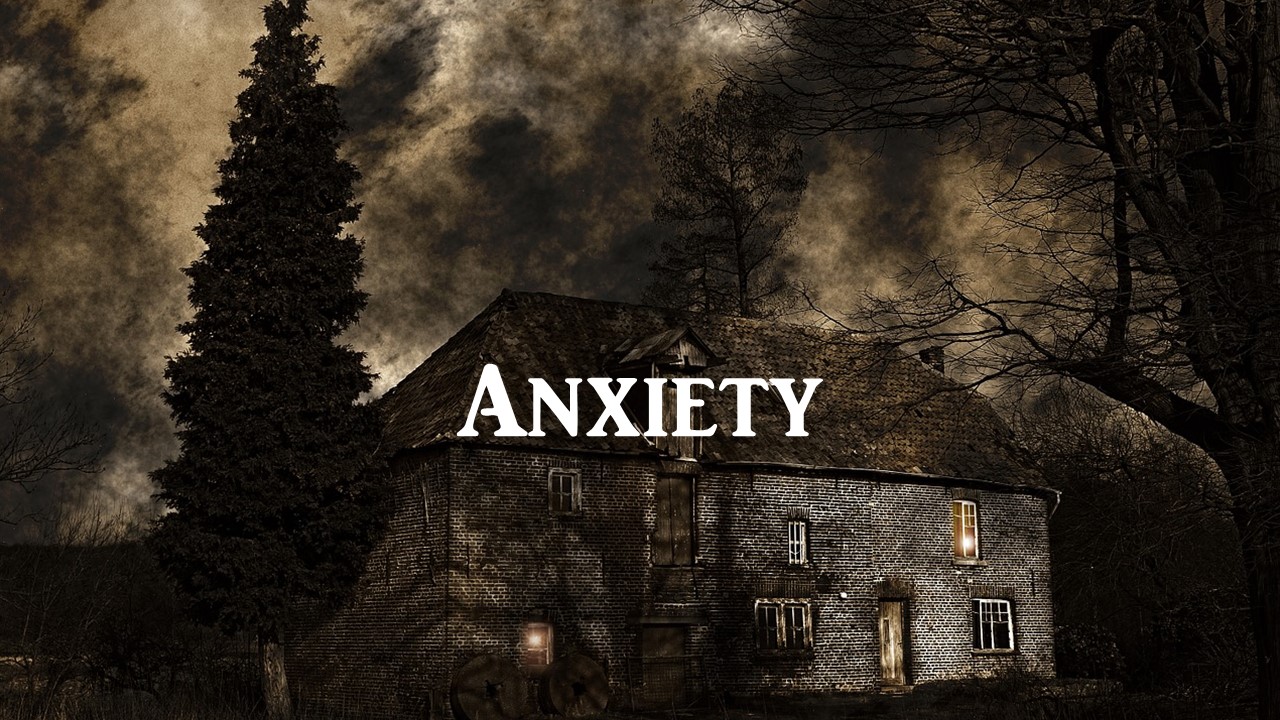
What is Social Anxiety Disorder (Social Phobia.)

By David Joel Miller.

What is

What is Social Anxiety Disorder (Social Phobia.)
Photo courtesy of Pixabay.

Social Anxiety Disorder (Social Phobia.) Was 300.23 now F40.10.

Social Anxiety Disorder sometimes called Social Phobia is far more common and debilitating here in the United States than is generally recognized. The most recent estimates are that in excess of seven percent or over 22 million Americans have Social Anxiety Disorder. The U.S rate runs 3 to 6 times the rate reported in other countries.

Fully three-fourths of those who will revive this diagnosis first have symptoms during childhood from the fourth to the tenth grade. This results in significantly lower graduation rates by those with Social Anxiety Disorder. Lifetime someone with Social Anxiety Disorder is more likely to be lower-income and socioeconomic status.

The rates of Social Anxiety Disorder are highest among those who are single, unmarried, or divorced. The disorder may be severe when young and single, become milder when the person is married, and reemerge when they are divorced. The typical person with this disorder waits from fifteen to twenty years before seeking treatment.

The symptoms of Social Anxiety Disorder.

People with Social Anxiety Disorder become extremely, excessively, anxious when they will be in social situations where they may be judged or evaluated by others. While you are only required to be anxious in one social situation to be diagnosed with Social Anxiety Disorder most people with this condition are anxious in many situations.

Someone with Social Anxiety Disorder will report that they can’t relax around others. They may hide achievements that would get them noticed, avoid attention, avoid eating in front of others, and when in social situations they will listen instead of speak.

Other ways this disorder will manifest include, avoid confrontations, preferring to work alone, being afraid to ask questions, avoiding social gatherings, parties, etc. They will underachieve to avoid attention, may drop out of school, or not apply for a job or promotion.

Performance Anxiety is a special case of Social Anxiety Disorder.

People who are in the public eye are at extra risk for Social Anxiety Disorder. Many people are afraid of public speaking, this will not count towards Social Anxiety Disorder if you do not normally need to speak in public. But if your job requires public speaking, or being on stage and when you do this you become extremely anxious then that would be considered a case of Social Anxiety Disorder.

Children with Social Anxiety Disorder.

For children, we do not count situations in which they become anxious in front of adults. Children who develop the disorder also need to be excessively anxious in front of their peers.

Children may try to avoid social anxiety by crying excessively, having tantrums, being clingy, or going mute.

With Social Anxiety Disorder you can run or suffer.

Most people with Social Anxiety Disorder will go to great lengths to avoid social interactions. Some attempt to stay at home with parents well into adulthood convinced that they simply can’t venture out around strangers. They may settle for living in poverty, staying in abusive or dysfunctional relationships rather than attempt to move outside their residence.

Social Anxiety Disorder is neither brief nor temporary.

When we talk about Social Anxiety Disorder we are expecting a problem that is ongoing not a brief temporary fear of a social situation. Typically this has lasted for six months or more. Though clinicians are encouraged to use some judgment here. If you come in asking for help after only five months and three weeks you should get the help despite it being less than six months. In this disorder, the fear also should be far more severe than the situation would merit. If the danger is real and severe, this is not Social Anxiety Disorder.

Treatment for Social Anxiety Disorder.

Treatment for Social Anxiety Disorder can be very effective if the client can get to the treatment. One promising development has been the use of distance counseling over the internet for those too anxious to travel to the counselor’s office. Treatment has been effective both in reducing the Anxiety symptoms and in shortening the duration of the disorder.

There are other things that kind of look like Social Anxiety Disorder.

Professionals need to look at a bunch of other things and make sure that they are not sticking this diagnosis on someone when another diagnosis would fit better. The DSM-5 lists fifteen things that need to be ruled out before deciding on Social Anxiety Disorder. At the top of that list? Social Anxiety Disorder needs to be more severe and cause way more problems than just normal shyness.

As with the other things we are calling a mental illness, Social Anxiety Disorder needs to interfere with your ability to work or go to school, your relationships, your enjoyable activities or cause you personal distress. Otherwise, you may have the issues but you will not get the diagnosis if this is a preference, not a problem. If the only time this happens is when under the influence of drugs or medicines or because of some other physical or medical problem this fear needs to be more than your situation would warrant. These other issue needs treating first, then if you still have symptoms you could get the Social Anxiety diagnosis.

FYI These “What is” sometimes “What are” posts are my efforts to explain terms commonly used in Mental Health, Clinical Counseling, Substance Use Disorder Counseling, Psychology, Life Coaching, and related disciplines in a plain language way. Many are based on the new DSM-5, some of the older posts were based on the DSM-IV-TR, both published by the APA. For the more technical versions please consult the DSM or other appropriate references.

Staying connected with David Joel Miller

Seven David Joel Miller Books are available now!

My newest book is now available. It was my opportunity to try on a new genre. I’ve been working on this book for several years, but now seem like the right time to publish it.

Story Bureau.

Story Bureau is a thrilling Dystopian Post-Apocalyptic adventure in the Surviving the Apocalypse series.

Baldwin struggles to survive life in a post-apocalyptic world where the government controls everything.

As society collapses and his family gets plunged into poverty, Baldwin takes a job in the capital city, working for a government agency called the Story Bureau. He discovers the Story Bureau is not a benign news outlet but a sinister government plot to manipulate society.

Bumps on the Road of Life. Whether you struggle with anxiety, depression, low motivation, or addiction, you can recover. Bumps on the Road of Life is the story of how people get off track and how to get your life out of the ditch.

Dark Family Secrets: Doris wants to get her life back, but small-town prejudice could shatter her dreams.

Casino Robbery Arthur Mitchell escapes the trauma of watching his girlfriend die. But the killers know he’s a witness and want him dead.

Planned Accidents  The second Arthur Mitchell and Plutus mystery.

Letters from the Dead: The third in the Arthur Mitchell mystery series.

What would you do if you found a letter to a detective describing a crime and you knew the writer and detective were dead, and you could be next?

Sasquatch. Three things about us, you should know. One, we have seen the past. Two, we’re trapped there. Three, I don’t know if we’ll ever get back to our own time.

For these and my upcoming books; please visit my Author Page – David Joel Miller

Want the latest blog posts as they publish? Subscribe to this blog.

For videos, see: Counselorssoapbox YouTube Video Channel

What are the 11 drug categories in the DSM-5?

By David Joel Miller, MS, Licensed Therapist & Licensed Counselor.

What is

What are the 11 drug categories in the DSM-5?
Photo courtesy of Pixabay.

How does the DSM-5 classify drugs?

There are lots of ways to categorize drugs depending on why you are doing the categorizing. In the DSM-5 the drugs are primarily classified by the way they affect the body of the person who is using the drugs. This perspective is a medical one and the doctors likely have a different perspective on this than substance abuse or mental health counselors.

This classification of drugs appears in the substance use disorder section. Substance Use Disorders largely excludes the effects or side effects of prescribed medications. This classification system emphasizes drugs with similar effects on the body and which might be medically treated with similar medications. Counselors will likely see some of this from a somewhat different treatment perspective.

It is important to note that to get a diagnosis in the section the person does not have to intend to use the drug. Someone exposed to fumes or accidental exposure, say to pesticide, could meet criteria for a diagnosis if the chemical resulted in symptoms that fit one of these classifications.

Here are the 11 categories. Listed in the DSM in alphabetic order.

Alcohol F10.XX

Caffeine F15.9X

Cannabis (Primarily Marijuana) F12.XX

Hallucinogens F16.XX

Inhalants F18.XX

Opioids (Heroin and RX pills) F11.XX

Sedatives, Hypnotics, and Anxiolytics. F13.XX

Stimulants. (This combines Cocaine F14.XX and Amphetamines F15.XX, the DSM does not separate Meth from other amphetamines the way substance abuse treatment does.)

Tobacco F17.XX

Other or Unknown Substance Use Disorder F19.XX

Each particular drug may or may not have additional specifiers after the initial F number. Some have three digits after and some have only two available.

This DSM-5 classification system is only marginally related to the Federal Drug Schedules used here in the U. S. to regulate the sale and prescription of drugs. Various groups and authors have classified drugs, both drugs of abuse and prescribed drugs, using a number of other systems. Some things we know are drugs are often not regulated because they are sold with a label “not for human consumption.” Herbal products and supplements fall into a gray area and regulation of these products along with classification are more problematic.

Substance use disorders are included in the DSM-5 and hence qualify as a “mental disorder.” As with the other things we are calling a mental illness or disorder this problem needs to interfere with your ability to work or go to school, your relationships, your enjoyable activities, or cause you personal distress. Otherwise, you may have the issues but you will not get the diagnoses if this is a preference, not a problem.

One major reason people get this diagnosis is that they get arrested for breaking a drug-related law. This qualifies as a problem with some sort of functioning. With other mental illnesses, there is an exclusion if your problems only happen when you are under the influence of drugs or medicines or because of some other physical or medical problem. For substance use disorders we do not need to rule out drug use or exposure as causes.

FYI These “What is” sometimes “What are” posts are my efforts to explain terms commonly used in Mental Health, Clinical Counseling, Substance Use Disorder Counseling, Psychology, Life Coaching, and related disciplines in a plain language way. Many are based on the new DSM-5; some of the older posts were based on the DSM-IV-TR, both published by the APA. For the more technical versions please consult the DSM or other appropriate references.

You might also want to check out these other counselorssoapbox posts.

Drug Use, Abuse, and Addiction

Staying connected with David Joel Miller

Seven David Joel Miller Books are available now!

My newest book is now available. It was my opportunity to try on a new genre. I’ve been working on this book for several years, but now seem like the right time to publish it.

Story Bureau.

Story Bureau is a thrilling Dystopian Post-Apocalyptic adventure in the Surviving the Apocalypse series.

Baldwin struggles to survive life in a post-apocalyptic world where the government controls everything.

As society collapses and his family gets plunged into poverty, Baldwin takes a job in the capital city, working for a government agency called the Story Bureau. He discovers the Story Bureau is not a benign news outlet but a sinister government plot to manipulate society.

Bumps on the Road of Life. Whether you struggle with anxiety, depression, low motivation, or addiction, you can recover. Bumps on the Road of Life is the story of how people get off track and how to get your life out of the ditch.

Dark Family Secrets: Doris wants to get her life back, but small-town prejudice could shatter her dreams.

Casino Robbery Arthur Mitchell escapes the trauma of watching his girlfriend die. But the killers know he’s a witness and want him dead.

Planned Accidents  The second Arthur Mitchell and Plutus mystery.

Letters from the Dead: The third in the Arthur Mitchell mystery series.

What would you do if you found a letter to a detective describing a crime and you knew the writer and detective were dead, and you could be next?

Sasquatch. Three things about us, you should know. One, we have seen the past. Two, we’re trapped there. Three, I don’t know if we’ll ever get back to our own time.

For these and my upcoming books; please visit my Author Page – David Joel Miller

Want the latest blog posts as they publish? Subscribe to this blog.

For videos, see: Counselorssoapbox YouTube Video Channel

Generalized Anxiety Disorder. (GAD Was 300.02 now F41.1)

By David Joel Miller, MS, Licensed Therapist & Licensed Counselor.

Anxiety provoking.

Anxiety.
Photo courtesy of Pixabay.com

In Generalized Anxiety Disorder, everything is scary.

The key feature of Generalized Anxiety Disorder (GAD) is that in this disorder the worry-weed just keeps growing. Worry in GAD is all out of proportion. Clients with this problem worry the majority of their time. While you need to have been worrying for at least six months to get this diagnosis, most people with GAD have been worrying far longer. It is common to hear from someone with GAD that they have been worrying all their lives or that they can’t remember a time before they began worrying.

Generalized Anxiety Disorder is a relatively common disorder despite being very disabling for so many. In any given year here in the U. S., it is estimated 3 million people will receive this diagnosis. Cumulatively this amounts to between 27 and 35 million people who are estimated to be living with GAD.

Generalized Anxiety Disorder can begin at any age but many people first realized they were worriers or over-anxious in childhood or adolescence. There used to be a diagnosis for over-anxious children but that one got merged into the GAD diagnosis. While Generalized Anxiety Disorder can strike at any age and often stays with you, your whole life what people will worry about changes as you age.

Common worry themes in GAD are punctuality, natural disasters, being a victim of crime, and the need to do things perfectly and be perfect. With all these worries it is common for someone with Generalized Anxiety Disorder to seek reassurance. If they adopt rituals to keep themselves safe it can be a short hop to OCD or a related disorder.

What separates GAD from other anxiety disorders is the length of the list of things you worry about. People with GAD worry about many things most or all the time, not simply a few things occasionally. Someone with Generalized Anxiety Disorder is frequently apprehensive about what might happen and they tend to expect the worse. The anxiety bully whispers in their ear (figuratively) that something bad is about to happen and over time they come to believe these thoughts.

In GAD it is not that they hear these thoughts, as in an auditory hallucination, but the thoughts can take on a life of their own and they start believing that if they think this thought it must be true. One characteristic of GAD is the loss of control over the worry. It happens whether you want or need to worry or not.

Physical symptoms are very common with mental illnesses. This does not mean things are just “in your head.”  The increase in stress hormones results in physical signs and symptoms in the body. Adults will have at least three of the six symptoms below. Less than 3 probably mean that one or more of the other anxiety disorders would be a better fit for the problem than GAD. Here are the six physical and emotional problems, 3 of which should be present in GAD.

  1. Motor racing – Feeling keyed up or restless.
  2. Tired, worn-out, or fatigued for no good reason.
  3. The mind goes blank, can’t focus or concentrate.
  4. Grouchy, irritable.
  5. Muscle tension.
  6. Poor sleep, reduced, disturbed, or otherwise disrupted for no discernible reason.

Note that some of these symptoms are combinations of emotional and physical issues. This is why before giving someone a diagnosis a therapist always wants to be sure that you have recently seen a medical doctor and ruled out a medical condition. We also have to ask about drug and alcohol use, not because we want to pry, but because if you are doing drugs, especially stimulants, this may be causing or aggravating the anxiety.

An important consideration, for this to be Generalized Anxiety Disorder, is that the anxiety needs to be way out of proportion to the actual life risks. A significant part of your thinking brain will be used up on worry leaving less to use in actually living life.

Much of the worry in Generalized Anxiety Disorder can be directed towards what you “should be” doing as opposed to what you are actually doing. People with GAD are likely to have exaggerated startle responses. Most of us will jump if a gun goes off close by, or we probably should. Someone with GAD will jump when a car door slams on the next block.

If you or someone you know has symptoms of GAD, seek professional help. There are treatments that can reduce or eliminate the symptoms of Generalized Anxiety Disorder.

FYI These “What is” sometimes “What are” posts are my efforts to explain terms commonly used in Mental Health, Clinical Counseling, Substance Use Disorder Counseling, Psychology, Life Coaching, and related disciplines in a plain language way. Many are based on the new DSM-5; some of the older posts were based on the DSM-IV-TR, both published by the APA. For the more technical versions please consult the DSM or other appropriate references.

Staying connected with David Joel Miller

Seven David Joel Miller Books are available now!

My newest book is now available. It was my opportunity to try on a new genre. I’ve been working on this book for several years, but now seem like the right time to publish it.

Story Bureau.

Story Bureau is a thrilling Dystopian Post-Apocalyptic adventure in the Surviving the Apocalypse series.

Baldwin struggles to survive life in a post-apocalyptic world where the government controls everything.

As society collapses and his family gets plunged into poverty, Baldwin takes a job in the capital city, working for a government agency called the Story Bureau. He discovers the Story Bureau is not a benign news outlet but a sinister government plot to manipulate society.

Bumps on the Road of Life. Whether you struggle with anxiety, depression, low motivation, or addiction, you can recover. Bumps on the Road of Life is the story of how people get off track and how to get your life out of the ditch.

Dark Family Secrets: Doris wants to get her life back, but small-town prejudice could shatter her dreams.

Casino Robbery Arthur Mitchell escapes the trauma of watching his girlfriend die. But the killers know he’s a witness and want him dead.

Planned Accidents  The second Arthur Mitchell and Plutus mystery.

Letters from the Dead: The third in the Arthur Mitchell mystery series.

What would you do if you found a letter to a detective describing a crime and you knew the writer and detective were dead, and you could be next?

Sasquatch. Three things about us, you should know. One, we have seen the past. Two, we’re trapped there. Three, I don’t know if we’ll ever get back to our own time.

For these and my upcoming books; please visit my Author Page – David Joel Miller

Want the latest blog posts as they publish? Subscribe to this blog.

For videos, see: Counselorssoapbox YouTube Video Channel

What is Aftercare?

By David Joel Miller, MS, Licensed Therapist & Licensed Counselor.

What is

What is Aftercare?
Photo courtesy of Pixabay.

How does aftercare relate to treatment?

Aftercare is continuing or follow-up care that is received after the initial intense round of treatment. This is common in counseling those with a substance use disorder. It should be more common for those with most types of mental illness also. Aftercare is intended to prevent a return to active symptoms of the disorder. In the case of substance use disorders, this means aftercare should reduce the risk of relapse.

This term probably originated back in the days when the 28-day rehab was common practice. You got your initial drug or alcohol treatment in a residential treatment center and then after that initial period, you went home. Remember that while medical treatment for physical health problems has been around for centuries, treatment for substance use disorders and mental illness are relatively new procedures.

It is easier staying clean and especially sober when you are in a residential program. It is possible to get drugs and alcohol into a rehab facility but many of the people who are there are really trying to quit and they will report that kind of thing. Programs try their hardest to keep drugs out, kind of like jails do.

What often happened when people left the program was that they ended up back in the same environment as before. Everywhere you go there are people using drugs, drinking, and so on. The temptation to revert to the old ways of behavior is tremendous. Think of the alcoholic in early recovery. Everywhere they go there is alcohol. Why even the grocery store is out to get them. You have to walk past the wine to get produce and the beer is in front of the meat case.

To help people who had done a residential drug treatment program stay sober aftercare of some kind is a big help. This may be as little as one time a week or it could be more. Some aftercare’s are even a meeting every night.

Having this ongoing connection to other clean and sober people helps keep the person focused on their recovery and reduced the temptation to do what others were doing and get high or drunk. If you hang out with sober people you are less likely to drink.

Recently we have seen this same aftercare advantage with those with a mental illness. You can go see a therapist, get and take meds but if at the end of a few weeks you go back to your old way of living and nothing changes then you can end up feeling the way you used to feel. The depression has returned.

Staying connected to meds and therapy longer reduces the risk of relapse. One study I read reported that those who stayed on antidepressant meds for two years had fewer relapses even after discontinuing the medications.

Whatever you do to change your life. Keep doing it after that initial change effort starts working. That is aftercare in practice. Maintaining your changes is the primary purpose of attending an aftercare program.

FYI These “What is” sometimes “What are” posts are my efforts to explain terms commonly used in Mental Health, Clinical Counseling, Substance Use Disorder Counseling, Psychology, Life Coaching, and related disciplines in a plain language way. Many are based on the new DSM-5, some of the older posts were based on the DSM-IV-TR, both published by the APA. For the more technical versions please consult the DSM or other appropriate references.

You might also want to check out these other posts Drug Use, Abuse, and Addiction 

Staying connected with David Joel Miller

Seven David Joel Miller Books are available now!

My newest book is now available. It was my opportunity to try on a new genre. I’ve been working on this book for several years, but now seem like the right time to publish it.

Story Bureau.

Story Bureau is a thrilling Dystopian Post-Apocalyptic adventure in the Surviving the Apocalypse series.

Baldwin struggles to survive life in a post-apocalyptic world where the government controls everything.

As society collapses and his family gets plunged into poverty, Baldwin takes a job in the capital city, working for a government agency called the Story Bureau. He discovers the Story Bureau is not a benign news outlet but a sinister government plot to manipulate society.

Bumps on the Road of Life. Whether you struggle with anxiety, depression, low motivation, or addiction, you can recover. Bumps on the Road of Life is the story of how people get off track and how to get your life out of the ditch.

Dark Family Secrets: Doris wants to get her life back, but small-town prejudice could shatter her dreams.

Casino Robbery Arthur Mitchell escapes the trauma of watching his girlfriend die. But the killers know he’s a witness and want him dead.

Planned Accidents  The second Arthur Mitchell and Plutus mystery.

Letters from the Dead: The third in the Arthur Mitchell mystery series.

What would you do if you found a letter to a detective describing a crime and you knew the writer and detective were dead, and you could be next?

Sasquatch. Three things about us, you should know. One, we have seen the past. Two, we’re trapped there. Three, I don’t know if we’ll ever get back to our own time.

For these and my upcoming books; please visit my Author Page – David Joel Miller

Want the latest blog posts as they publish? Subscribe to this blog.

For videos, see: Counselorssoapbox YouTube Video Channel

What is Agoraphobia? (300.22, now F40.00)

By David Joel Miller, MS, Licensed Therapist & Licensed Counselor.

What is

What is Agoraphobia?
Photo courtesy of Pixabay.

Agoraphobia is about fear.

Agoraphobia is often translated as “fear of the marketplace.” This disorder involves being overwhelmed when you encounter people outside your home or “nest.” People with this problem become fearful when they have to venture out. It is not required that the person actually leaves their house and experience the situation, just thinking about the possibility, and then having symptoms can qualify as Agoraphobia. For some people, these symptoms and their efforts to avoid feeling these feelings can result in their becoming home-bound.

This disorder has been associated with panic attacks and panic disorder. We used to diagnose this as Panic Disorder with or without Agoraphobia. The new trend, as dictated by the DSM-5, is to separate Panic Disorder from Agoraphobia as some people can have either one without the other, some people have both in which case they get both diagnoses put on their chart.

Current estimates are that between five and six million Americans have Agoraphobia. Somewhere between one-third and half of these also have panic attacks. Many do not receive treatment because they are too fearful to leave their homes and go for treatment. Agoraphobia is a major cause of disability with over one-third of those with Agoraphobia being home-bound and unable to work. There are treatments for Agoraphobia if you are able to access them.

Some people report that when they experience settings that would qualify them for the diagnosis of Agoraphobia they have “Anxiety Attacks.” Having a brief increase in Anxiety as in an “Anxiety Attack” can be a part of other illnesses such as any Anxiety disorder, trauma, and stressor-related disorders, depression, and so on.

To be Agoraphobia, by definition, you need to experience these fear-based symptoms in two or more specific situations. This helps separate the Agoraphobia condition from a narrower specific fear or phobia. These fears also need to be excessive or unrealistic. Fear of leaving the house does not count if you live in a war zone or a high crime neighborhood.

The 5 specific fears of Agoraphobia you asked?

  1. Being on public transportation.
  2. Open spaces.
  3. Closed or confined spaces.
  4. Standing in a line or being in a crowd.
  5. Being outside your home alone.

To get the diagnosis of Agoraphobia it is not enough that you just be scared or nervous in these situations. People with Agoraphobia avoids these and possibly related experiences. This interfering with the rest of your life is one of the hallmarks of a mental health issue that should get diagnosed and treated.

People with Agoraphobia also worry excessively that they may not be able to escape or won’t be able to get help in these situations. It is these two key characteristics, not being able to escape and the belief that something terrible will happen that make Agoraphobia so debilitating.

For this diagnosis to “fit” this intense fear can’t be just a one time or occasional occurrence. It has to happen most or all the time you encounter these situations.  People with Agoraphobia often insist on having a companion to reassure them when they leave the house and they can only endure these situations by ensuring intense fear.

Symptoms for Agoraphobia are a little wider than the psychical ones seen in Panic Disorder. Other possible symptoms would include the risk of having an embarrassing or incapacitating incident such as loss of control over bodily functions or falling, passing out, or getting lost. In the elderly, it is hard to separate real concerns from excessive ones that would count towards Agoraphobia.

As with the other things we are calling a mental illness this needs to interfere with your ability to work or go to school, your relationships, your enjoyable activities, or cause you personal distress. Otherwise, you may have the fear but you may not get the diagnoses if this is a preference, not a problem. If the only time this happens is when under the influence of drugs or medicines or because of some other physical or medical problem this fear needs to be more than your situation would warrant. These other issue needs treating first, then if you still have symptoms you could get the Agoraphobia diagnosis.

For more on these topics see Anxiety Disorders,

Stress and Trauma-Related Disorders,

FYI These “What is” sometimes “What are” posts are my efforts to explain terms commonly used in Mental Health, Clinical Counseling, Substance Use Disorder Counseling, Psychology, Life Coaching, and related disciplines in a plain language way. Many are based on the new DSM-5; some of the older posts were based on the DSM-IV-TR, both published by the APA. For the more technical versions please consult the DSM or other appropriate references.

Staying connected with David Joel Miller

Seven David Joel Miller Books are available now!

My newest book is now available. It was my opportunity to try on a new genre. I’ve been working on this book for several years, but now seem like the right time to publish it.

Story Bureau.

Story Bureau is a thrilling Dystopian Post-Apocalyptic adventure in the Surviving the Apocalypse series.

Baldwin struggles to survive life in a post-apocalyptic world where the government controls everything.

As society collapses and his family gets plunged into poverty, Baldwin takes a job in the capital city, working for a government agency called the Story Bureau. He discovers the Story Bureau is not a benign news outlet but a sinister government plot to manipulate society.

Bumps on the Road of Life. Whether you struggle with anxiety, depression, low motivation, or addiction, you can recover. Bumps on the Road of Life is the story of how people get off track and how to get your life out of the ditch.

Dark Family Secrets: Doris wants to get her life back, but small-town prejudice could shatter her dreams.

Casino Robbery Arthur Mitchell escapes the trauma of watching his girlfriend die. But the killers know he’s a witness and want him dead.

Planned Accidents  The second Arthur Mitchell and Plutus mystery.

Letters from the Dead: The third in the Arthur Mitchell mystery series.

What would you do if you found a letter to a detective describing a crime and you knew the writer and detective were dead, and you could be next?

Sasquatch. Three things about us, you should know. One, we have seen the past. Two, we’re trapped there. Three, I don’t know if we’ll ever get back to our own time.

For these and my upcoming books; please visit my Author Page – David Joel Miller

Want the latest blog posts as they publish? Subscribe to this blog.

For videos, see: Counselorssoapbox YouTube Video Channel

What is the ICD?

By David Joel Miller, MS, Licensed Therapist & Licensed Counselor.

What is

What is the ICD?
Photo courtesy of Pixabay.

International Classification of Diseases by the WHO.

The ICD stands for the International Classification of Diseases, a compilation by the World Health Organization of the various diseases and disorders that might be diagnosed. The ICD has undergone a number of updates and revisions. Currently, we in the U. S. are using the ICD-10. The ICD-11 is expected to be available for implementation by October of 2018.

The ICD includes a large number of diseases that are outside the scope of practice of mental health professionals. In the U. S. mental health professionals are used to using the DSM (see the post on the DSM.) What tends to get overlooked is that while the descriptions in the DSM come from the APA (American Psychiatric Association) the numbers in the DSM are from the ICD. This resulted in the most recent DSM, the DSM-5 including two sets of numbers, those from the older ICD-9 and the newer numbers from the ICD-10.

Under the ICD-10 system, each specialty has a letter followed by numbers for each disease or disorder.

Using the new numbers all mental, emotional and behavioral disorders a counselor might expect to treat will begin with the letter F while the other life issues, like partner relational conflict, will all be prefaced with the letter Z. Beyond that, there are very few issues a counselor might treat.

The early ICD’s were mainly a list of causes of death prior to the issuance of the ICD-6. Starting with the ICD-6 in 1949 causes of illnesses were included along with causes of death.

By 1975 the WHO had reached version ICD-9 and in 1978 the ICD-9-CM (clinical modification.) The rest of the world adopted the ICD-10 in 1990 but the U. S. delayed adoption until October of 2015. Any treatment that is reimbursable under HIPAA covered insurance must use the ICD-10-CM.

The ICD-11 is expected to be released in 2018. When the U. S. will adopt the ICD-11, who will use it and what they will use it for remains to be seen.

FYI These “What is” sometimes “What are” posts are my efforts to explain terms commonly used in Mental Health, Clinical Counseling, Substance Use Disorder Counseling, Psychology, Life Coaching, and related disciplines in a plain language way. Many are based on the new DSM-5; some of the older counselorssoapbox.com posts were based on the DSM-IV-TR, both published by the APA. For the more technical versions please consult the DSM or other appropriate references.

Staying connected with David Joel Miller

Seven David Joel Miller Books are available now!

My newest book is now available. It was my opportunity to try on a new genre. I’ve been working on this book for several years, but now seem like the right time to publish it.

Story Bureau.

Story Bureau is a thrilling Dystopian Post-Apocalyptic adventure in the Surviving the Apocalypse series.

Baldwin struggles to survive life in a post-apocalyptic world where the government controls everything.

As society collapses and his family gets plunged into poverty, Baldwin takes a job in the capital city, working for a government agency called the Story Bureau. He discovers the Story Bureau is not a benign news outlet but a sinister government plot to manipulate society.

Bumps on the Road of Life. Whether you struggle with anxiety, depression, low motivation, or addiction, you can recover. Bumps on the Road of Life is the story of how people get off track and how to get your life out of the ditch.

Dark Family Secrets: Doris wants to get her life back, but small-town prejudice could shatter her dreams.

Casino Robbery Arthur Mitchell escapes the trauma of watching his girlfriend die. But the killers know he’s a witness and want him dead.

Planned Accidents  The second Arthur Mitchell and Plutus mystery.

Letters from the Dead: The third in the Arthur Mitchell mystery series.

What would you do if you found a letter to a detective describing a crime and you knew the writer and detective were dead, and you could be next?

Sasquatch. Three things about us, you should know. One, we have seen the past. Two, we’re trapped there. Three, I don’t know if we’ll ever get back to our own time.

For these and my upcoming books; please visit my Author Page – David Joel Miller

Want the latest blog posts as they publish? Subscribe to this blog.

For videos, see: Counselorssoapbox YouTube Video Channel

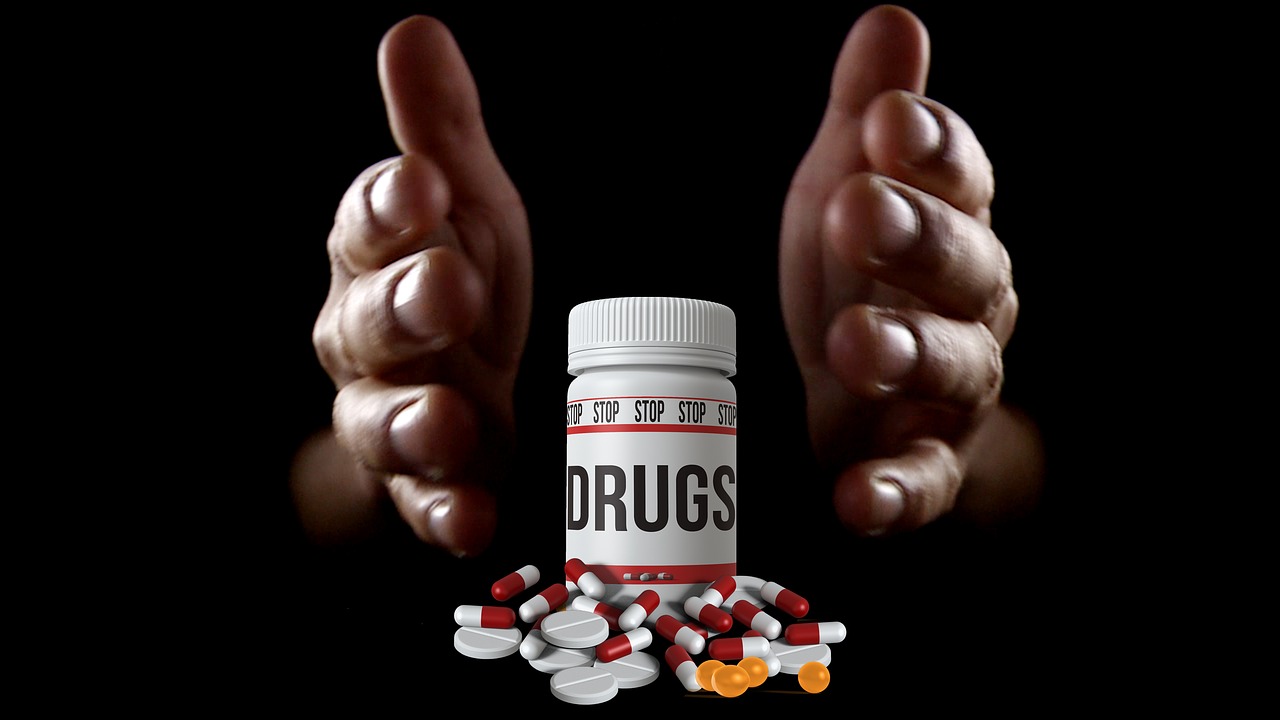
What are the 5 drug schedules?

By David Joel Miller, MS, Licensed Therapist & Licensed Counselor.

Drugs.

Drugs.
Photo courtesy of Pixabay.

How the Federal government regulates who gets which drug.

Here in the United States, the federal government regulates the status of drugs, who gets which drugs and how based on their listing on one of five “drug schedules.” These schedules were created by the “Controlled Substance Act of 1970.”

This act separates drugs into schedules based on their potential for addiction, their acceptance for medical treatment, and their safety. Prior to 1906, the U. S. had almost no laws regulating drug use or sales. Beginning with the Narcotic Control Act in 1956 laws regulating drugs have become a common topic in legislatures both federal and state.

Drugs can be moved up or down schedules as more data comes in. Clearly, some classification decisions have been based more on political sentiment than any hard research evidence. Some drugs that had little or no potential for abuse or dependence were left off the schedules. Herbal products and many over the counter medications are either regulated in a different way or not at all.

Two drugs that are the most destructive of human health, Nicotine and Alcohol are not listed on any of these drug enforcement schedules. Some other drugs, antipsychotics, and many antidepressant drugs are also not listed. Newer synthetic drugs, the methcathinone’s or bath salts, were not added until 1992.

Schedule I drugs.

These drugs have a high potential for abuse, these drugs are not commonly accepted for medical treatment in the U. S. and there is a lack of safety data to suggest these drugs would be safe for human consumption. Drugs on this schedule are considered some of the most dangerous of the abused drugs and may not be prescribed by a physician in the U. S. Unfortunately some drugs made this prohibited schedule mostly on the basis of opinions rather than evidence. Currently, Marijuana is a Schedule I drug. (I know medical and recreational marijuana is “legal” in some states but the feds still have it on Schedule I. The feds do not license doctors so they can’t keep doctors with state licenses from prescribing marijuana but they can take that doctor’s DEA number. This issue probably needs another post.)

Schedule II drugs.

These drugs have a high potential for abuse. Use or abuse of this drug can lead to addiction as in physical or psychological dependency. These drugs do have a recognized medical use. The question for the doctor is, does that use justify the risks of the patient using the drug. Many of the opioids fall into this category. They work well on pain but they are very likely to produce addiction. These drugs require the prescribing doctor to have a DEA number and to write triplicate prescriptions. One copy stays with the doctor, one goes to the patient to carry to the pharmacy and one goes to the DEA. Hard to believe they miss pill mills considering they get these copies. Still, many of these meds do get diverted into illegal use and result in a significant amount of addiction and deaths.

Schedule III drugs.

Drugs on Schedule III are less likely to be abused than those on Schedules I and II. The medical value is high enough that there are fewer restrictions on prescribing these drugs including who is allowed to prescribe the drugs on this schedule. These drugs are not terribly physically addicting but may be very psychologically addicting.

Schedule IV drugs.

Drugs on this schedule are safer than those on Schedules I, II, and III. These drugs have accepted medical uses and are lower in addiction potential.

Schedule V drugs.

Lowest abuse potential and safest of the scheduled drugs.

Hope this helps explain how the Controlled Substance Act of 1970 with all its subsequent amendments is supposed to help reduce the prescription and use of dangerous pharmaceutical drugs. You may see that there are still some problems with the scheduling of specific drugs and scheduling them does not keep them off the street but on balance I think things would be worse if there were no regulations of this kind.

FYI These “What is” sometimes “What are” posts are my efforts to explain terms commonly used in Mental Health, Clinical Counseling, Substance Use Disorder Counseling, Psychology, Life Coaching, and related disciplines in a plain language way. Many are based on the new DSM-5; some of the older posts were based on the DSM-IV-TR, both published by the APA. For the more technical versions please consult the DSM or other appropriate references.

You might also want to check out these other counselorssoapbox posts.

Drug Use, Abuse, and Addiction

Staying connected with David Joel Miller

Seven David Joel Miller Books are available now!

My newest book is now available. It was my opportunity to try on a new genre. I’ve been working on this book for several years, but now seem like the right time to publish it.

Story Bureau.

Story Bureau is a thrilling Dystopian Post-Apocalyptic adventure in the Surviving the Apocalypse series.

Baldwin struggles to survive life in a post-apocalyptic world where the government controls everything.

As society collapses and his family gets plunged into poverty, Baldwin takes a job in the capital city, working for a government agency called the Story Bureau. He discovers the Story Bureau is not a benign news outlet but a sinister government plot to manipulate society.

Bumps on the Road of Life. Whether you struggle with anxiety, depression, low motivation, or addiction, you can recover. Bumps on the Road of Life is the story of how people get off track and how to get your life out of the ditch.

Dark Family Secrets: Doris wants to get her life back, but small-town prejudice could shatter her dreams.

Casino Robbery Arthur Mitchell escapes the trauma of watching his girlfriend die. But the killers know he’s a witness and want him dead.

Planned Accidents  The second Arthur Mitchell and Plutus mystery.

Letters from the Dead: The third in the Arthur Mitchell mystery series.

What would you do if you found a letter to a detective describing a crime and you knew the writer and detective were dead, and you could be next?

Sasquatch. Three things about us, you should know. One, we have seen the past. Two, we’re trapped there. Three, I don’t know if we’ll ever get back to our own time.

For these and my upcoming books; please visit my Author Page – David Joel Miller

Want the latest blog posts as they publish? Subscribe to this blog.

For videos, see: Counselorssoapbox YouTube Video Channel