Unknown's avatar

About David Joel Miller

David Miller is a California Licensed Marriage and Family Therapist, Clinical Counselor, faculty member at a local college, certified trainer and writer.

Complex Trauma, Stress and PTSD

By David Joel Miller, MS, Licensed Therapist & Licensed Counselor.

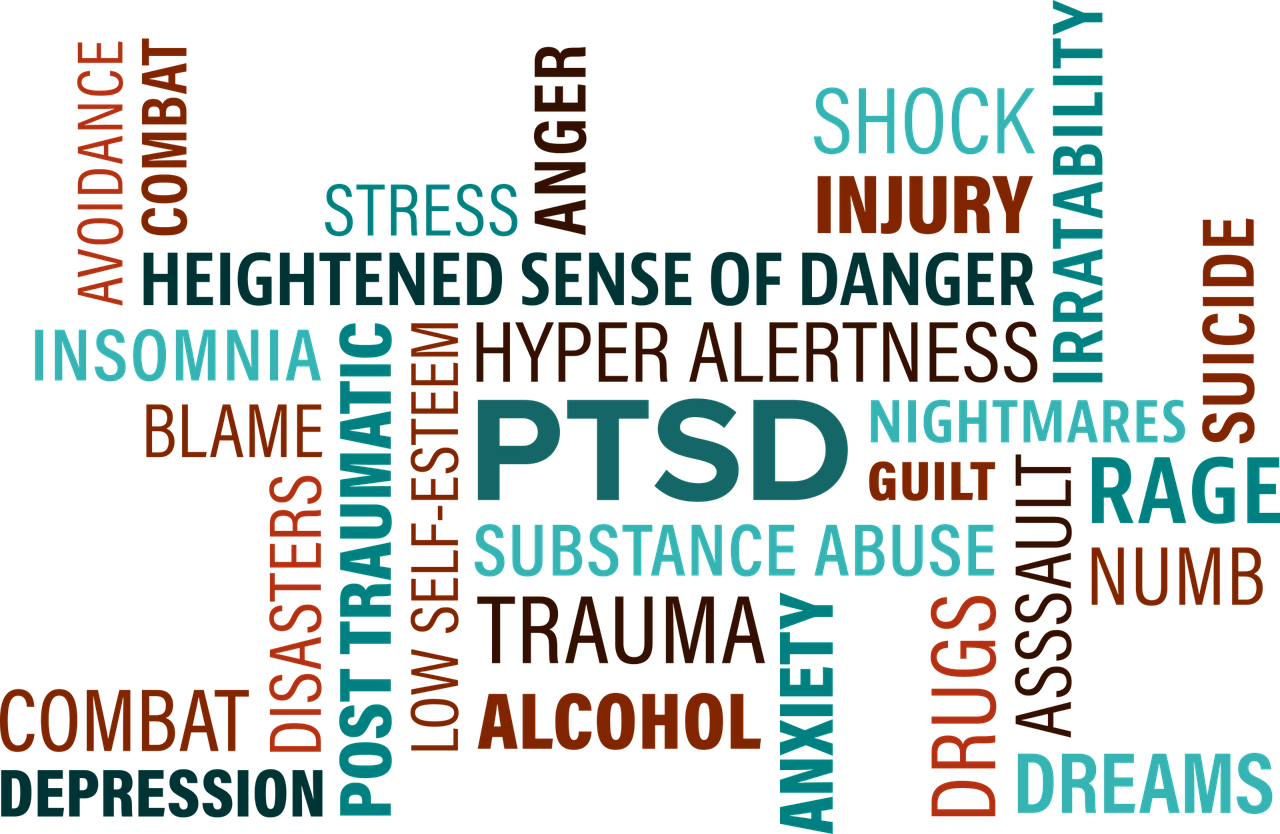
Words about PTSD

PTSD.
Photo courtesy of Pixabay.com

What is Complex Trauma and how is it connected to other emotional problems?

Most therapists recognize the existence of a “thing” that might be called Complex Trauma. We are pretty sure it exists. We see clients with it all the time.  Only it looks different in different people. Sometimes it looks like a stress disorder, sometimes it looks more like Post Traumatic Stress Disorder (PTSD) other times it looks a lot like depression or anxiety.

We, professionals, are just not sure what to call this thing and worse yet we are not all sure how to treat it.

This confusion is aggravated by the problem that there is was no diagnosis for this thing, this complex trauma monster, in the DSM-4. Worse yet, even with the increased attention to stress caused disorders in the new DSM-5 Complex trauma did not make the new book either.

The result is that we have a disorder that we all see in our clients but it looks different in a different light and we give it different names depending on who has this issue.

This problem, this idea that multiple, complex trauma is different from single trauma and that the results of multiple traumas are not a case of two plus two equaling four is not new. With complex trauma two plus two maybe six or even seven.

We know this from reading books and articles on zoology. Humans are not the only creatures who suffer more from repeated traumatization. Other creatures can recover from a single large trauma but when subjected to repeated traumas they lose the ability to adjust.

Let me attempt to explain this problem by using a far-fetched analogy.

Complex Trauma is kind of like a hurricane or monsoon.

Most of us know what a hurricane is, sort of. The wind blows really hard. It damages things and knocks things down. A tree may blow over and smash your roof or the wind may break some windows and blow over some things breaking them. But that is not all.

With the wind comes a lot of rain. The rain fills up creeks and small rivers and then they overflow. Your house may get flooded.

That tree may miss your house when it falls and hit a power pole. That pole may start a fire and your house could burn down. If you live near the coast the tide from the ocean may become a tide surge and sweep your home away.

All of these things are the consequences of the hurricane, but the effect on you and the way your insurance company sees things may be very different depending on whether your house is damaged by a falling tree, flooded, swept away by the tide, or burns due to a falling power line.

Complex trauma is a lot like that. Different people are affected differently. Some get depressed, some get anxious, some people dissociate and others think of harming themselves or others. All of these possibilities and more are the result of the stress or trauma but each person experiences them slightly differently and they all may get different diagnoses.

A different diagnosis may result in a different treatment which means some people are way more responsive to a particular treatment.

We used to think that there was a discrete number of mental illnesses, two, neurosis, or psychoses. Then a hundred or so and in the DSM-4 about 400. Now we are thinking that if we keep splitting up these problems of living we are going to end up with one diagnosis per person. So we are trying to think more in terms of a continuum. Some people are only a tiny bit depressed occasionally and others are major depressed all the time.

This variation in features is also impacting the way professionals see and respond to stress-related problems.

Over the next few weeks as time and space permits, I want to talk more about complex trauma, how it develops and why it is sort of like PTSD, anxiety, and other named disorders, and why it is enough different from those other disorders that clinicians are developing specialized treatments for this issue.

People can and do recover from complex trauma so stay tuned and we will talk about the steps to recovery from this misunderstood disorder.

Staying connected with David Joel Miller

Seven David Joel Miller Books are available now!

My newest book is now available. It was my opportunity to try on a new genre. I’ve been working on this book for several years, but now seem like the right time to publish it.

Story Bureau.

Story Bureau is a thrilling Dystopian Post-Apocalyptic adventure in the Surviving the Apocalypse series.

Baldwin struggles to survive life in a post-apocalyptic world where the government controls everything.

As society collapses and his family gets plunged into poverty, Baldwin takes a job in the capital city, working for a government agency called the Story Bureau. He discovers the Story Bureau is not a benign news outlet but a sinister government plot to manipulate society.

Bumps on the Road of Life. Whether you struggle with anxiety, depression, low motivation, or addiction, you can recover. Bumps on the Road of Life is the story of how people get off track and how to get your life out of the ditch.

Dark Family Secrets: Doris wants to get her life back, but small-town prejudice could shatter her dreams.

Casino Robbery Arthur Mitchell escapes the trauma of watching his girlfriend die. But the killers know he’s a witness and want him dead.

Planned Accidents  The second Arthur Mitchell and Plutus mystery.

Letters from the Dead: The third in the Arthur Mitchell mystery series.

What would you do if you found a letter to a detective describing a crime and you knew the writer and detective were dead, and you could be next?

Sasquatch. Three things about us, you should know. One, we have seen the past. Two, we’re trapped there. Three, I don’t know if we’ll ever get back to our own time.

For these and my upcoming books; please visit my Author Page – David Joel Miller

Want the latest blog posts as they publish? Subscribe to this blog.

For videos, see: Counselorssoapbox YouTube Video Channel

What is kindness?

By David Joel Miller, MS, Licensed Therapist & Licensed Counselor.

Do you know kindness when you see it?

Encarta says Kindness is:

An act that shows consideration and caring

The practice of being or the tendency to be sympathetic and compassionate

The Century Dictionary, 1889 has a lot more definitions:

Good will, Benevolence

Tender feeling, affection, love

Fitness, agreeableness

“Be kind, for everyone you meet is fighting a harder battle.”  ― Plato

“My religion is very simple. My religion is kindness.”  ― Dalai Lama XIV

“Three things in human life are important: the first is to be kind; the second is to be kind; and the third is to be kind.”  ― Henry James

“Kindness is a language which the deaf can hear and the blind can see.”  ― Mark Twain

Have you been kind today?

What will you have to do if you go to an A.A. meeting?

By David Joel Miller, MS, Licensed Therapist & Licensed Counselor.

AA big book

Alcoholics Anonymous big book.

A. A. etiquette, Does and Don’ts.

You need to go to an Alcoholics Anonymous meeting, maybe you have decided you have a drinking problem, or maybe the judge or probation has told you that you will have to attend a certain number of meetings. Most rehab programs will require meeting attendance also.

What should you expect the first time you go? What will they ask you to do and say? What should you not do? Are they going to grill you about your private business?

When I teach Substance abuse counseling I encourage students who are not regular attendees of A. A. meetings to go to a meeting and have that experience of walking through the door the first time.

Here are some of the things that you might experience that first time at A. A.

For this description, I will assume that you have checked a schedule and are attending an “open” meeting so you will not be asked to qualify as an Alcoholic. I will describe a “typical” meeting, though things may happen differently in various areas and meetings are free to set up their own procedures as long as those procedures do not violate the 12 steps or the 12 traditions.

A. A. Members practice a policy called Anonymity. This is different from what counselors observe when we say most things we talk about in counseling are “confidential.”

When you introduce yourself, in order to protect your “anonymity” you will introduce yourself as let’s say “Mark A.” You are not expected to use your last name. You could use a middle name, an alias, or any name you chose. No one is going to check your I. D.

Just remember if you introduce yourself by an alias or a nickname that it will be embarrassing later when you know these people to have to say – oh and by the way my name is really Bob.

There may be a sign-in sheet that goes around. This is to help the secretary or meeting chair know who to call on. These sheets are not kept and are not used to prove you were there. They are destroyed after the meeting is over. You do not need to sign in if you chose not to.

If you have a “court card” or another document that you need to be signed to prove you are there get there before the meeting starts and give that paper to the person conduction the meeting. This person is customarily called the “secretary.

I will talk more about court cards in an upcoming post.

If this is a book study people will take turns reading. They may go around the table or the Secretary may call for volunteers or may call on people. If you do not feel like reading it is fine to just tell them you pass.

During the discussion part of the meeting or if this is an all discussion meeting, then anytime, you may get called on. Either by the name you signed in with or by something abstract like – “how about the man in the blue shirt over there, would you like to share?”

If you do not want to share it is perfectly permissible to say something to the effect of “I just want to listen.” At that point, the secretary or chairman will move on to someone else.

You will never be required to talk or answer questions, though some members may be interested in you and at breaks, before or after the meeting, they will come up to you and introduce themselves. At that point, they may ask you a question about yourself as a way of starting a conversation.

It is acceptable to just say you wanted to see what happens at an A. A. meeting or to ask the person who introduced themselves to tell you about their experiences in A. A.

At some point in the meeting, they will practice the “seventh tradition.”

This means that they will pass a basket and people put in what they can. If you are a member (want to stop drinking) put something in if you can.

A. A. does not accept money from outside sources so the money put in the basket pays for the room and the coffee. If there is food, someone bought it and donated it.

If you decide to share, talk about your problems with alcohol and staying sober. If you have other problems or issues, you may mention them in passing but stick to the topic which is mostly staying sober.

A. A. members understand that the people who come to meetings may well have many problems. There are now over 200 twelve-step groups patterned after A. A. Not all of those groups have meetings all over all the time the way A. A. does, so people may turn up at an A. A. meeting who do not think they have a problem with alcohol.

Most of those people who come in thinking that their main problem is something other than alcohol say depression or anxiety, may be surprised as they listen to learn how much their alcohol consumption is impacting those other problems.

Beyond those simple things, sit back and listen. Hang around after the meeting and talk to the people who are there. You just might make some new clean and sober friends and discover that going to meetings is something you enjoy doing rather than something forced on you by the court or a rehab program.

Next time let’s talk about “Carrying a Court card.”

The posts I write about AA are from my perspective as a therapist and clinical counselor and do not necessarily reflect the views of AA World Services. For more on AA and their program of recovery check out the “AA Big Book” titled Alcoholics Anonymous at the links below or contact AA World Services at their website.

The Big Book of Alcoholics Anonymous

The classic text on Alcoholism, recovery this is the book that started off the whole 12 step phenomenon.

Alcoholics Anonymous from The Anonymous Press

One of the Kindle editions – At 99 cents this is such a bargain. This edition needed a separate listing. No Kindle reader? No Problem, if you have a computer you can download a free Kindle reader.

http://www.aa.org

Staying connected with David Joel Miller

Seven David Joel Miller Books are available now!

My newest book is now available. It was my opportunity to try on a new genre. I’ve been working on this book for several years, but now seem like the right time to publish it.

Story Bureau.

Story Bureau is a thrilling Dystopian Post-Apocalyptic adventure in the Surviving the Apocalypse series.

Baldwin struggles to survive life in a post-apocalyptic world where the government controls everything.

As society collapses and his family gets plunged into poverty, Baldwin takes a job in the capital city, working for a government agency called the Story Bureau. He discovers the Story Bureau is not a benign news outlet but a sinister government plot to manipulate society.

Bumps on the Road of Life. Whether you struggle with anxiety, depression, low motivation, or addiction, you can recover. Bumps on the Road of Life is the story of how people get off track and how to get your life out of the ditch.

Dark Family Secrets: Doris wants to get her life back, but small-town prejudice could shatter her dreams.

Casino Robbery Arthur Mitchell escapes the trauma of watching his girlfriend die. But the killers know he’s a witness and want him dead.

Planned Accidents  The second Arthur Mitchell and Plutus mystery.

Letters from the Dead: The third in the Arthur Mitchell mystery series.

What would you do if you found a letter to a detective describing a crime and you knew the writer and detective were dead, and you could be next?

Sasquatch. Three things about us, you should know. One, we have seen the past. Two, we’re trapped there. Three, I don’t know if we’ll ever get back to our own time.

For these and my upcoming books; please visit my Author Page – David Joel Miller

Want the latest blog posts as they publish? Subscribe to this blog.

For videos, see: Counselorssoapbox YouTube Video Channel

Why are so many children being diagnosed Bipolar?

By David Joel Miller, MS, Licensed Therapist & Licensed Counselor.

Person with masks

Bipolar.
Photo courtesy of Pixabay.com

Early Onset Bipolar Disorder.

Bipolar diagnoses in children have increased 40 fold in the ten-year period from 2000 to 2010.

What is behind the increasing number of children and teens who are being diagnosed with Bipolar Disorder?

We are learning more about the risk factors for early-onset all the time. Still, as we learn about what may be causing this increase in the number of cases of early-onset Bipolar Disorder, the picture of how to treat or prevent early life Bipolar Disorder is getting less clear.

If we could detect symptoms of Bipolar Disorder early, presumably we should be able to treat those symptoms and reduce the incidence of Bipolar Disorder or at least reduce the severity of the disorder.

Unfortunately, there is often a lag of ten years or more from the first symptoms until the child has a manic or hypomanic episode that qualifies them for a diagnosis of Bipolar.

I have written in past blog posts about how many of the things that cause people to think of someone as Bipolar are in fact not necessarily symptoms of the disorder. Being moody does not make you Bipolar.

What does help define the Bipolar condition is the ability to sleep only a few or no hours per night and still have plenty of energy. That along with excessive energy, being driven to do things, and being impulsive are the hallmark features of Bipolar Disorder.

Here are some of the possible causes of the increasing number of Bipolar diagnoses in children.

1. Taking Stimulant ADHD meds or antidepressants can set off a manic or hypomanic episode.

One huge risk factor for developing a Manic or hypomanic episode, the key factor in a Bipolar Disorder diagnosis is having taken either a stimulant or antidepressant medication.

Having been treated with a stimulant ADHD med seems to correlate with developing mania. Not all children treated for ADHD develop Bipolar and not all people with a Bipolar Disorder diagnosis were first diagnosed with ADHD but the overlap is disturbing.

In one study of adolescents with Bipolar Disorder, 98% had been diagnosed with ADHD and treated with stimulant meds first.

This points to the need for psychiatric diagnosis to be reviewed by psychiatrists and in children by a child psychiatrist.

2. Abusing substances increases the risk of developing Bipolar disorder.

Over 40 % of children who receive the Bipolar Disorder diagnosis have been abusing substances. In their lifetime, 60% of all people with Bipolar Disorder will develop a substance use disorder.

This is not limited to just stimulant drugs. There is a high overlap between Bipolar Disorder and alcohol abuse as well as developing problems with excessive use of Marijuana.

3. Being the victim of physical or sexual abuse or neglect.

Abuse or neglect increases the risk of developing Bipolar disorder. This also accounts for the difficulty in many cases of distinguishing between Bipolar disorder and Borderline Personality Disorder. It is possible for people to have both illnesses.

There is also an overlap between trauma-induced problems, stress disorders like PTSD, dissociation and the like, and Bipolar Disorder. We would like to think the boundaries between genetic disorders and those that are the result of life experiences that were easy to find. In practice those lines are blurry.

4. Poor diet and lack of exercise are risk factors for Bipolar Disorder.

Poor diet, particularly diets deficient in some vitamins and minerals can increase the risk of getting a Bipolar diagnosis. Hard here to tell which came first. People with depression or mania, both symptoms of Bipolar Disorder neglect their diet. Poor diet increases the risk and around the circle goes.

Lack of adequate exercise has resulted in an explosion in weight-related problems. There is the thought that this lack of exercise and poor diet is also contributing to the increased prevalence of Bipolar Disorder.

5. Genetics is a Bipolar Disorder risk factor.

If you have one parent with Bipolar Disorder the risk you will develop Bipolar Disorder is 33%. Two parents with Bipolar Disorder and the risk goes up to 70%.  Add to that the difficulty that parents who have an emotional problem have in parenting and you can see how the interplay of genetics and environment increases the risk dramatically of your grow up with a Bipolar, substance-abusing parent.

6.  A changing environment may make Bipolar Disorder more noticeable.

Some of the characteristics that we today call Bipolar Disorder would have had survival benefits in the past. Fast processing speed and jumping to conclusions might save your life in the woods but can get you into trouble in the classroom.

People with milder varieties of bipolar disorder enjoy the hypomania – for a while. Even full-on Mania can be fun until those impulsive decisions get you into trouble. Bipolar Disorders are often associated with overspending, excessive sexual activity, and substance abuse. All things that damage relationships and can cost you your job.

The increase in children receiving the diagnosis of Bipolar disorder will continue to result in more adults with those labels as these early life cases age. If your child is having problems consider family therapy to help everyone find simple solutions to these problems.

If you or someone you know has Bipolar Disorder or another emotional problem that might look like Bipolar Disorder consider getting help. Therapy can be effective in helping you to learn how to control your symptoms. Medication can also be useful in keeping your moods within bounds.

People can and do recover from the symptoms we call Bipolar Disorder.

Staying connected with David Joel Miller

Seven David Joel Miller Books are available now!

My newest book is now available. It was my opportunity to try on a new genre. I’ve been working on this book for several years, but now seem like the right time to publish it.

Story Bureau.

Story Bureau is a thrilling Dystopian Post-Apocalyptic adventure in the Surviving the Apocalypse series.

Baldwin struggles to survive life in a post-apocalyptic world where the government controls everything.

As society collapses and his family gets plunged into poverty, Baldwin takes a job in the capital city, working for a government agency called the Story Bureau. He discovers the Story Bureau is not a benign news outlet but a sinister government plot to manipulate society.

Bumps on the Road of Life. Whether you struggle with anxiety, depression, low motivation, or addiction, you can recover. Bumps on the Road of Life is the story of how people get off track and how to get your life out of the ditch.

Dark Family Secrets: Doris wants to get her life back, but small-town prejudice could shatter her dreams.

Casino Robbery Arthur Mitchell escapes the trauma of watching his girlfriend die. But the killers know he’s a witness and want him dead.

Planned Accidents  The second Arthur Mitchell and Plutus mystery.

Letters from the Dead: The third in the Arthur Mitchell mystery series.

What would you do if you found a letter to a detective describing a crime and you knew the writer and detective were dead, and you could be next?

Sasquatch. Three things about us, you should know. One, we have seen the past. Two, we’re trapped there. Three, I don’t know if we’ll ever get back to our own time.

For these and my upcoming books; please visit my Author Page – David Joel Miller

Want the latest blog posts as they publish? Subscribe to this blog.

For videos, see: Counselorssoapbox YouTube Video Channel

Is money keeping you from getting emotional help?

By David Joel Miller, MS, Licensed Therapist & Licensed Counselor.

Cash

Money.
Photo courtesy of Pixabay.com

Is the cost keeping you from getting help?

No doubt that therapy does cost and it would be easy to tell yourself that you can’t afford it. Most people who do check it out find that the costs of therapy can be a lot less than they thought and that the cost of avoiding it can be way more than what the therapy would have cost in the first place.

You may be surprised to find how affordable some kinds of counseling can be. Going for therapy may actually be cheaper than not going. There are some ways to get the cost of seeing a therapist down in the same way you can shop for other things and find ways to save. More on that later.

Some hypothetical examples may help explain this cost versus benefits problem.

The cost of relationship counseling.

A couple is having problems in their relationship. They try to fix this by going on a few date nights.  She gets her hair done. He buys tickets to a show and they go to dinner. During the date night, they get into an argument and go home mad at each other. The fight carries over and neither gets much sleep. They have spent a lot of money and their relationship is in worse shape than before.

Note in this example that the hairdresser’s hourly rate may well be higher than the psychotherapists. The auto mechanic and the guy who does your taxes all charge as much or more than the therapist. Also, dinner and tickets will easily cost more than a visit to the therapist.

Another couple, same problem, went away for the weekend to the coast or it could be the casino. Someone drank too much or gambled too much, they fought and the result is a lot of money spent and no improvement in the relationship.

When you compare the cost of therapy with a lot of the ways couples go about avoiding therapy the avoidance is a lot more expensive.

This is not to mention that the hourly rate of the divorce and child custody lawyers will top all the other professionals I have mentioned so far.

Why then do people avoid the work of repairing relationships or themselves and then have to spend the large sums for lawyers to end these relationships?

Counseling for substance problems.

Seeing a professional to explore your drinking and other substance use problems, to see why you are overdoing things and reduce or quit that behavior is a whole lot cheaper than the cost of the DUI. But people put off the cost of repairing themselves or their relationship until they hit the wall and are required to do a program or go to counseling in order to avoid jail or loss of their children.

How might you make therapy more affordable?

Often seeing a counselor for psychotherapy costs a lot less than people think. The days of going to your analyst weekly for years have been replaced by a lot of counselors that do very brief therapy.

The average client going to a private therapist goes for about 6 sessions. The usual and customary rate for these sessions depends on the therapist and also on what they pay for their office and other expenses. I have seen figures from $50 per hour to $200 per hour.

Figure the middle figure ($100 per hour) and would it be worth $600 to repair your marriage, avoid a DUI, or keep your child from getting expelled from school?

But there may be a bargain in the making. Some of you have health insurance. The cost to you, if your plan covers your problem, will be a co-pay of say $20 per session. That brings the cost of the typical therapy program down to $120. That sounds doable for a lot more of you.

Under the new laws, this started way before the current Affordable Health Care Act (Obama Care), private insurance companies are supposed to provide the same benefits for mental health and substance abuse that they do for physical health coverage. This is referred to as Parity.

So in the future, more people are going to find that they can see a therapist at very little out-of-pocket costs if they are just willing to pick one that is on their insurance company’s in-network list. This means that the therapist has signed a contract with the insurance company to see their clients.

But there is more, therapy may be FREE!

Many of you will have an EAP (Employee Assistance Plan) at work. This plan probably includes seeing a therapist – for FREE! I am on some of these panels and I like doing this kind of work.

The client comes in for marriage counseling, anger issues, or substance abuse. The EAP usually has a checklist of what we are going to work on. The client gets 5-6 or 12 sessions at NO CHARGE! We agree upfront to try in those few sessions to find a way to reduce this client’s issues to a manageable level.

What if you have no job, no health insurance, and no EAP? Say you also know that you cannot pay $600 cash without giving up eating. This means that you have no extra money for hair appointments or trips and nights out. (Otherwise, we are talking about your priorities and that you don’t want to spend money on therapy not that you really can’t.)

There is a bunch of ways that you can get very low or no-cost counseling.

For more on those kinds of services see the counselorssoapbox post –

10 ways to get emotional help without money

Staying connected with David Joel Miller

Seven David Joel Miller Books are available now!

My newest book is now available. It was my opportunity to try on a new genre. I’ve been working on this book for several years, but now seem like the right time to publish it.

Story Bureau.

Story Bureau is a thrilling Dystopian Post-Apocalyptic adventure in the Surviving the Apocalypse series.

Baldwin struggles to survive life in a post-apocalyptic world where the government controls everything.

As society collapses and his family gets plunged into poverty, Baldwin takes a job in the capital city, working for a government agency called the Story Bureau. He discovers the Story Bureau is not a benign news outlet but a sinister government plot to manipulate society.

Bumps on the Road of Life. Whether you struggle with anxiety, depression, low motivation, or addiction, you can recover. Bumps on the Road of Life is the story of how people get off track and how to get your life out of the ditch.

Dark Family Secrets: Doris wants to get her life back, but small-town prejudice could shatter her dreams.

Casino Robbery Arthur Mitchell escapes the trauma of watching his girlfriend die. But the killers know he’s a witness and want him dead.

Planned Accidents  The second Arthur Mitchell and Plutus mystery.

Letters from the Dead: The third in the Arthur Mitchell mystery series.

What would you do if you found a letter to a detective describing a crime and you knew the writer and detective were dead, and you could be next?

Sasquatch. Three things about us, you should know. One, we have seen the past. Two, we’re trapped there. Three, I don’t know if we’ll ever get back to our own time.

For these and my upcoming books; please visit my Author Page – David Joel Miller

Want the latest blog posts as they publish? Subscribe to this blog.

For videos, see: Counselorssoapbox YouTube Video Channel

What will happen if I go for therapy?

By David Joel Miller, MS, Licensed Therapist & Licensed Counselor.

Therapy

Therapy.
Photo courtesy of Pixabay.com

Therapy can be pretty scary if you don’t know what to expect.

Whether it is your first time seeing a therapist or just your first time seeing this particular one you are probably wondering what to expect. The process of seeking professional help for emotional, mental, or behavior problems can make you so anxious some people do not make it to the appointment. Some folks never make the call in the first place.

You probably have one set of concerns on your mind. You know why you are thinking about therapy or at least who told you to go for therapy. The therapist often does not know these things about you.

The therapist has a whole other set of worries on their mind. In the interest of demystifying the whole process, let me try to explain what is happening here and why. To do this we may need to do some head-hopping between your thoughts and what is going on in the therapist’s mind.

In larger practices, you may have to come in beforehand and fill out paperwork. That helps relieve some of the therapist’s anxieties but not yours. In smaller practices, this may all get done at the first visit.

The therapist will want to know who they are supposed to be treating. We call this the “unit of treatment.

Sometimes the person in front of the therapist wants help for themselves. Sometimes they are here because a family member needs help or they need help coping with that other person. Just because a couple shows up does not mean they want marriage therapy. One may need help and the other is being supportive or they may need help telling the kids about the divorce.

So the therapist asks what brings you to therapy. Who will be receiving the counseling and what you want to accomplish by being in therapy?

Once the therapist knows who they are treating they need to go through a bunch of stuff we call “informed consent.” You may or may not care about this stuff but we care.

First, the therapist has to tell you about exceptions to confidentiality. Yes, therapists want to keep your secrets and most of the time most of them do. But there are those pesky exceptions to confidentiality, the things the law says the therapist is not allowed to keep to themselves.

Look back over the last year and the posts about exceptions to confidentiality and what secrets the therapist can and cannot keep are the perennial top read posts.  Shortlist is 1. Danger to self or suicidal, 2 Danger to others, homicidal 3 Gravely disabled, unable to feed and clothe yourself. 4. If you enter your mental status into the court record then the judge can order the therapist to testify about what you said. 5. If you sue the therapist and say they did a bad job, they get to show the judge and jury your record and what you said at the time.

The other thing the therapist is thinking about is how much will you be paying and who is paying the bill. By law, in most places, they must tell you if they take insurance or not and either way how much each session will cost you.

The next thing the therapist is likely to do is an “assessment” of some sort, they need to know what the problem is that they will be treating you for. This identified problem can change over time but your treatment should aim at changing something.

The client may come in saying they are having conflicts with their partner. Later in this first session, they might say they have an “anger management” problem. We want to know how bad that problem is and what might be causing it. In the course of the assessment, if they say that they and their partner fight a lot, the therapist wants to know if this is domestic violence. We also would be asking how much alcohol they drink and what drugs they use.

This is not about being judgmental. It is about seeing what the problems are and how it needs to be treated.

Therapists, especially those paid or reimbursed by insurance will also probably need to create a treatment plan for what they will do and how you and they will know if you are getting better.

Different schools of therapy may proceed differently through these items. Some therapists like to let you do most of the talking, to talk it out. They feel that you already know the answer but you have no one you trust to listen. Other professionals will be looking for things you need and make referrals. They may even give you homework assignments.

If you came in saying that the problem is you are depressed because of your poor relationship with your partner we probably will work on that for a while. Later on, you may find that this relationship is a copy of the one you had with your parents or your parents had with their partners. At that point, we might shift to working on things from childhood.  All the while, as the focus of the session shifts, the therapist is thinking and working on how do we connect this back to the depression. How can a better awareness of where your depression comes from help you reduce the things that are maintaining that depression?

Some problems have quick solutions. Others take a lot longer. Some people may need to stay in therapy for a long time to avoid getting worse and ending up in a psychiatric hospital. Whatever your needs, the therapist should be working towards a thing called termination, the time when you will not need to come to see them anymore.

Those are the things that are likely to happen in the first session. From there the process moves to finding ways to help you get the result you want.

Staying connected with David Joel Miller

Seven David Joel Miller Books are available now!

My newest book is now available. It was my opportunity to try on a new genre. I’ve been working on this book for several years, but now seem like the right time to publish it.

Story Bureau.

Story Bureau is a thrilling Dystopian Post-Apocalyptic adventure in the Surviving the Apocalypse series.

Baldwin struggles to survive life in a post-apocalyptic world where the government controls everything.

As society collapses and his family gets plunged into poverty, Baldwin takes a job in the capital city, working for a government agency called the Story Bureau. He discovers the Story Bureau is not a benign news outlet but a sinister government plot to manipulate society.

Bumps on the Road of Life. Whether you struggle with anxiety, depression, low motivation, or addiction, you can recover. Bumps on the Road of Life is the story of how people get off track and how to get your life out of the ditch.

Dark Family Secrets: Doris wants to get her life back, but small-town prejudice could shatter her dreams.

Casino Robbery Arthur Mitchell escapes the trauma of watching his girlfriend die. But the killers know he’s a witness and want him dead.

Planned Accidents  The second Arthur Mitchell and Plutus mystery.

Letters from the Dead: The third in the Arthur Mitchell mystery series.

What would you do if you found a letter to a detective describing a crime and you knew the writer and detective were dead, and you could be next?

Sasquatch. Three things about us, you should know. One, we have seen the past. Two, we’re trapped there. Three, I don’t know if we’ll ever get back to our own time.

For these and my upcoming books; please visit my Author Page – David Joel Miller

Want the latest blog posts as they publish? Subscribe to this blog.

For videos, see: Counselorssoapbox YouTube Video Channel
Can therapy help if the problem is someone else?

By David Joel Miller, MS, Licensed Therapist & Licensed Counselor.

Change

Change.
Photo courtesy of Pixabay.com

Sometimes the problem is others.

Lots of times the client sits in front of us and tells the counselor that they are sure that they are not the problem. In their view, the other person, the one not in the room, is the problem. They tell me that and then they ask me to help them.

Actually many times the counselor can help in this situation.

There are two obvious possibilities here. First, it is possible that the person who has come to the office is reacting to the problems of another. If you are married to a drug addict or your child is having problems you may be right in saying that the other person needs therapy.

The other option is that the person who is telling the counselor the other person is the problem is mistaken. They have not recognized their role in creating and maintaining the occurrence they define as the issue.

The problem is you are here and the other person is not. It is hard to work on something or someone who is not there, hard but not impossible.

One way of looking at this is that this is a case of a problem in a relationship. Relationships involve one person doing something and the other person reacting or not reacting to the actions of the first person.

Both people in this relationship can be mentally healthy or they can both be seriously mentally ill. Either way, the issue that needs working on is not the individual but the way these two people are interacting. Add more people and you get a family, and as most of us suspect the majority of families are called dysfunctional by someone in them.

Think of this couple’s or family’s interactions as if it was a square dance. Each couple or family develops its own unique dance. Everyone does one thing first and then something else next. Your child does nothing, you yell, they ignore you and then you get upset and storm out and yell at your spouse, who now comes in and tells the kid to do what you said in the first place Now they kid does it, grumbling all the way and you not them become the bad person. It is you the “yeller” who is defined by the rest of the family as having an “anger management problem.”

Once the family develops a dance it becomes hard to change it. But like that square dance if one person in the square changes direction and does something different the whole square falls apart.

This time instead of yelling at your child, you turn off the electronics and then talk to them calmly. They ignore you, so now you calmly take away their entertainment. Something new has been introduced, you have changed the dance. This could end in all sorts of ways, some good and some not so good but the point is that by changing your dance steps you can force others to change theirs.

Now some of you are asking “What if the person who comes to the counseling room really is the person with the issue?”

The key here is that this person needs to understand two things.

1. What they are doing is not working.

2.  Changing others is hard work and requires them to change some of the things they have been doing.

So regardless of whose “fault”, it is. If someone in this family or couple starts the change process then the relationship will change. If you decide to try to change others by changing the way you relate to them, think this through or better yet talk this through with a professional.

Otherwise, you may change, the family may change and when you are all done you may decide you wished you had never started the change.

For tips on how to change others or more accurately induce them to change, look at the series of posts about getting someone else to change listed below.

The changing others series:

One way we get others to do more of what we want them to do and less of what we wish to avoid is a process called Behavioral Modification. Here are six posts on that topic.

Changing Others – Part One  

Changing others part two

Rewards gone wild – Changing Others Part 3

Why ignoring them doesn’t work – Or does it Part 4

Why Your Child Won’t Behave

NO, NO, NO – Learning NO!

For more on the process of change see the blog post series “What are the Stages of Change

Staying connected with David Joel Miller

Seven David Joel Miller Books are available now!

My newest book is now available. It was my opportunity to try on a new genre. I’ve been working on this book for several years, but now seem like the right time to publish it.

Story Bureau.

Story Bureau is a thrilling Dystopian Post-Apocalyptic adventure in the Surviving the Apocalypse series.

Baldwin struggles to survive life in a post-apocalyptic world where the government controls everything.

As society collapses and his family gets plunged into poverty, Baldwin takes a job in the capital city, working for a government agency called the Story Bureau. He discovers the Story Bureau is not a benign news outlet but a sinister government plot to manipulate society.

Bumps on the Road of Life. Whether you struggle with anxiety, depression, low motivation, or addiction, you can recover. Bumps on the Road of Life is the story of how people get off track and how to get your life out of the ditch.

Dark Family Secrets: Doris wants to get her life back, but small-town prejudice could shatter her dreams.

Casino Robbery Arthur Mitchell escapes the trauma of watching his girlfriend die. But the killers know he’s a witness and want him dead.

Planned Accidents  The second Arthur Mitchell and Plutus mystery.

Letters from the Dead: The third in the Arthur Mitchell mystery series.

What would you do if you found a letter to a detective describing a crime and you knew the writer and detective were dead, and you could be next?

Sasquatch. Three things about us, you should know. One, we have seen the past. Two, we’re trapped there. Three, I don’t know if we’ll ever get back to our own time.

For these and my upcoming books; please visit my Author Page – David Joel Miller

Want the latest blog posts as they publish? Subscribe to this blog.

For videos, see: Counselorssoapbox YouTube Video Channel

What is honor?

What is Honor?

By David Joel Miller, MS, Licensed Therapist & Licensed Counselor.

Honor.
Photo courtesy of Pixabay.com

Who and what do you honor?

Honor is:

Respect blended with reverence.

Esteem due to worth or exalted merit

High respect and esteem

A controlling sense of what is right

Highest courage and loyalty

From the Century Dictionary, 1889

“I am not bound to win, but I am bound to be true. I am not bound to

succeed, but I am bound to live up to what light I have.”

― Abraham Lincoln

“It is not titles that honour men, but men that honour titles.”

― Niccolò Machiavelli

“We should keep the dead before our eyes, and honor them as though still living”

― Confucius

– Quotes from GoodReads

What is Happiness?

By David Joel Miller, MS, Licensed Therapist & Licensed Counselor.

Happy children

Happy.
Photo courtesy of Pixabay.com

Would you know happiness if you felt it?

Happiness is the state of being Happy

Happy: feeling or showing pleasure, contentment, or joy, feeling satisfied that something is right or has been done right

“For every minute you are angry you lose sixty seconds of happiness.”

― Ralph Waldo Emerson

“People are just as happy as they make up their minds to be.”

― Abraham Lincoln

“Happiness is not something ready made. It comes from your own actions.”

― Dalai Lama XIV

“Count your age by friends, not years. Count your life by smiles, not tears.”

― John Lennon

“Happiness is a warm puppy.”

― Charles M. Schulz

Quotes from GoodReads

What goes on at an A. A. meeting?

By David Joel Miller, MS, Licensed Therapist & Licensed Counselor.

AA big book

Alcoholics Anonymous big book.

What happens at an A. A. Meeting?

Last time, about a week ago I talked about the various kinds of A. A. meetings. The actual activates taking place could vary depending on whether this is a speaker meeting or a book study, still, every meeting will have a lot of similarities. If you are expecting to, or are expected to attend some other 12 step group, translate the rest of this as needed.

I refer a lot of clients to A. A. and I believe they need to know what to expect. Here are some of the things they need to be aware of in my area. Things may be slightly different in your town, but not very different.

Every sandwich comes on bread and probably has a spread on it, but the meat may be different, so may the garnish. Think of A. A. meetings in that manner. Various meetings will be slightly different so just some basic similarities first.

There are certain things that I can very much assure you will not happen at a meeting. This is not a networking group. Though you may make friends as time passes. There should be no political or commercial pitches. You will not be asked or required to sign up for anything or to contribute any amount of money. They will pass the hat or basket but putting something in it is up to you.

No pressure or requirement to do much of anything except listen if that is what you chose to do. They also ask that you stay on topic.

What is the topic at an A. A. meeting? – Not drinking.

The meeting will be called to order by the secretary or chairman. The Secretary usually serves for a period of time, say 6 months more or less. That person also will customarily have been sober for a period of time. Each group sets its own rules. If lots of people want to be secretary then the suggested sober period gets longer.

There may be a chairperson that changes from, week to week; less sobriety is required to chair a meeting than to be the secretary.

They may have passed around a sign-in sheet first, or they may pass it around now. As I mentioned before people sign in by first name last initial only (that confidentiality thing) and you do not have to sign in if you chose not to. No one keeps these sign-in sheets, not that I know of, so there is no way to prove you were there unless you get something signed at the time of the meeting.

The meeting will likely start with a moment of silence and the recitation of the “serenity prayer.” Many groups will have the serenity prayer, the twelve steps, and the twelve traditions as well as some sayings, posted on the wall.

There may also be a picture of three men and a bed. This refers to the very first meeting where two sober members went to visit a man in the hospital. The idea of A. A. all started with the understanding that to stay sober you need to get out of self and start doing for others. (They refer to that ideal as the 12th step.)

Court cards are an “outside issue.” A. A. does not get paid for this; they do it as a courtesy. If you ask the secretary for a signature to prove you were there, be nice about it. Get there on time, put your card in the basket, or ask the person upfront where it goes and stays until the end to get your card back.

Meetings often start with some readings, the Secretary may hand out some things to read or they may read from a page in the book. You do not have to read if you do not want to.

Once the meeting starts they will follow the format for that particular meeting. They may take turns reading and sharing or they may just share.

The 7th Tradition.

At some time during the meeting, they will pause to “practice the 7th tradition.” This means they will pass the basket. People who are members put in what they can. If you are not a member you are not expected to contribute.

You are a member if you have a desire to stop drinking. You do not have to say you are an alcoholic, though most people do because they define their problems as alcoholism. You do not go to Cancer treatment place for diabetes and presumably, no one goes of their own free will to an A. A. meeting if they do not have a problem with alcohol.

If you are there for some other reason, make sure you are attending an open meeting (most are) and confine what you share about to your problems related to alcohol. If you are a student required to attend or do not have a problem related to alcohol you simply tell them that you would like to listen.

At the end many meetings, but not all, they will hold hands and recite a prayer. Often this is called the “Lord’s Prayer, or Our Father.”

This is usually announced as “we will say this prayer for those who care to join us.” If this is not part of your religious or spiritual tradition you are not obligated to say the prayer. If you have problems with the hand holding thing – do not do it.

The best part of most meetings is the meetings before and after the meeting. This is the time when members and visitors sit around or stand outside and talk. This conversation is often accompanied by drinking coffee or smoking. Many meetings, but not all, have gone nonsmoking. Check the schedule or ask about this if this is a concern for you.

Aside from your own fears or embarrassments, attending or visiting a meeting is a pretty easy thing to do. You will find most people there willing to talk with you and shake your hand whether you think you are an alcoholic or not. They are likely to welcome you as long as you are not trying to sell them something or change them in some way.

Go with the flow and you will be surprised how enjoyable attending meetings can be and how much you will be welcomed and accepted.

Many people tell me that A. A. was the first place in their life they were accepted for themselves and not because they were drinking or paid for that acceptance.

The posts I write about AA are from my perspective as a therapist and clinical counselor and do not necessarily reflect the views of AA World Services. For more on AA and their program of recovery check out the “AA Big Book” titled Alcoholics Anonymous at the links below or contact AA World Services at their website.

The Big Book of Alcoholics Anonymous

The classic text on Alcoholism recovery, this is the book that started off the whole 12 step phenomenon.

Alcoholics Anonymous from The Anonymous Press

One of the Kindle editions – At 99 cents this is such a bargain. This edition needed a separate listing. No Kindle reader? No Problem, if you have a computer you can download a free Kindle reader. For more information on A.A.

Staying connected with David Joel Miller

Seven David Joel Miller Books are available now!

My newest book is now available. It was my opportunity to try on a new genre. I’ve been working on this book for several years, but now seem like the right time to publish it.

Story Bureau.

Story Bureau is a thrilling Dystopian Post-Apocalyptic adventure in the Surviving the Apocalypse series.

Baldwin struggles to survive life in a post-apocalyptic world where the government controls everything.

As society collapses and his family gets plunged into poverty, Baldwin takes a job in the capital city, working for a government agency called the Story Bureau. He discovers the Story Bureau is not a benign news outlet but a sinister government plot to manipulate society.

Bumps on the Road of Life. Whether you struggle with anxiety, depression, low motivation, or addiction, you can recover. Bumps on the Road of Life is the story of how people get off track and how to get your life out of the ditch.

Dark Family Secrets: Doris wants to get her life back, but small-town prejudice could shatter her dreams.

Casino Robbery Arthur Mitchell escapes the trauma of watching his girlfriend die. But the killers know he’s a witness and want him dead.

Planned Accidents  The second Arthur Mitchell and Plutus mystery.

Letters from the Dead: The third in the Arthur Mitchell mystery series.

What would you do if you found a letter to a detective describing a crime and you knew the writer and detective were dead, and you could be next?

Sasquatch. Three things about us, you should know. One, we have seen the past. Two, we’re trapped there. Three, I don’t know if we’ll ever get back to our own time.

For these and my upcoming books; please visit my Author Page – David Joel Miller

Want the latest blog posts as they publish? Subscribe to this blog.

For videos, see: Counselorssoapbox YouTube Video Channel