What is CAADE?

By David Joel Miller.

Update 2/1/18

At this time CAADE and its counselor certification body ACCBC are unable to certify AOD counselors. ACCBC is pursuing the ability to certify counselors again.  More information to follow.

California Association for Drug and Alcohol Educators.

CAADE stands for the California Association for Drug and Alcohol Educators. The first organization meeting was held here in Fresno in 1982 and CAADE was formally organized in 1984. CAADE is a nonprofit 501(C) 3 corporation and supports the efforts to educate drug and alcohol counselors and further the standards of the drug and alcohol treatment profession.

CAADE is one of the credentialing organizations included in the State of California Department of Drug and Alcohol Programs directory. Their website notes that they serve some 40 colleges and universities in California, Arizona, and Nevada.

Over the last few years, I have had the honor and the privilege of teaching at Fresno City College in their Drug and Alcohol Counseling program.  This program consists of a 36 unit curriculum in substance abuse counseling and related subjects, making it one of the more rigorous substance abuse counseling programs available.

In 2012 CAADE formed the Addiction Counselor Certification Board of California (an official affiliate of CAADE). This division clarifies the separate functions of improving the education provided to prospective counselors and the registration and certification of counselors as meeting the standards expected in this counseling specialty.

For more on the CAADE program, colleges, and universities that teach this program, and the CAADE annual conventions please visit the CAADE website.

Staying connected with David Joel Miller

Seven David Joel Miller Books are available now!

My newest book is now available. It was my opportunity to try on a new genre. I’ve been working on this book for several years, but now seem like the right time to publish it.

Story Bureau.

Story Bureau is a thrilling Dystopian Post-Apocalyptic adventure in the Surviving the Apocalypse series.

Baldwin struggles to survive life in a post-apocalyptic world where the government controls everything.

As society collapses and his family gets plunged into poverty, Baldwin takes a job in the capital city, working for a government agency called the Story Bureau. He discovers the Story Bureau is not a benign news outlet but a sinister government plot to manipulate society.

Bumps on the Road of Life. Whether you struggle with anxiety, depression, low motivation, or addiction, you can recover. Bumps on the Road of Life is the story of how people get off track and how to get your life out of the ditch.

Dark Family Secrets: Doris wants to get her life back, but small-town prejudice could shatter her dreams.

Casino Robbery Arthur Mitchell escapes the trauma of watching his girlfriend die. But the killers know he’s a witness and want him dead.

Planned Accidents  The second Arthur Mitchell and Plutus mystery.

Letters from the Dead: The third in the Arthur Mitchell mystery series.

What would you do if you found a letter to a detective describing a crime and you knew the writer and detective were dead, and you could be next?

Sasquatch. Three things about us, you should know. One, we have seen the past. Two, we’re trapped there. Three, I don’t know if we’ll ever get back to our own time.

For these and my upcoming books; please visit my Author Page – David Joel Miller

Want the latest blog posts as they publish? Subscribe to this blog.

For videos, see: Counselorssoapbox YouTube Video Channel

What are evidence based practices?

By David Joel Miller, MS, Licensed Therapist & Licensed Counselor.
Counseling questions

Counseling questions.
Photo courtesy of Pixabay.com

Update on the national registry of evidence-based programs and practices, 2/19/18.

SAMHS recently sent out a press release saying please disregard the National Registry of Evidence-based Programs and Practices.

The new administration questions whether some of these programs and practices listed there were added without much real evidence. The original post follows.

What are evidence-based practices?

How many evidenced-based practices are there anyway and why should you care? Should you care if your counselor or therapist is using an evidence-based practice, and what are those things anyway?

The talking cure and case studies.

In the beginning of psychotherapy, it came as a shock that just talking could help someone. Freud came up with a whole lot of ideas about how and why things were creating problems for clients. If you see early childhood sexual conflicts and the unconscious as the source of the patient’s issues you go in one direction.

So as the practice of psychotherapy grew, those practitioners, often called analysts, started trying all sorts of interventions. Some worked and some didn’t and often we had no idea what worked, for whom, and when.

Analytical psychotherapists started writing up case studies about clients they had treated. Then other psychotherapists tried similar interventions and often got different results.

How are we to know what works when? Is it the characteristics of the psychotherapist, the client or the intervention that is causing the results we see?

When someone else pays they care if your treatment is working.

If you are paying for your treatment then you can see whomever you want, but as there became more government and insurance funding we need a way to check and see if what others are paying for is really worth the money.

Some therapists, particularly Cognitive-Behavioral Therapists, believed that if a technique is valid then it should work most of the time and no matter who did the technique. That notion has spurred a lot of research.

What we find is that the larger the group in the study the more reliable the results of the study, all other things being equal. So more and more theories have been studied in larger and larger trials. We are starting to see that some interventions work most of the time, for most people, when the therapist does them correctly.

One way to further this process has been to create a “National Registry of Evidence-Based Practices.” New interventions, treatment manuals, etc. are registered here and as the research is conducted it gets added to this database.

SAMHSA (Substance Abuse and Mental Health Services Administration created a National Registry of Evidence-based Programs and Practices.  

Currently, the registry contains listings for over 300 different programs and practices that are registered and for which reports and evaluations are available. Some of these treatments are much better than others. Some treatments have a few or only one study showing they worked. Other treatments have hundreds of studies and thousands of clients and are much more recognized as worth the cost.

Over time we should be able to see what works and what does not. Understand that no treatment or intervention is guaranteed to cure every client every time. But some treatments are clearly worth their costs and others are rarely of value.

Also, consider that it matters who did the research and how many people were in the sample. A study of two friends does not mean as much as a study of 10,000 randomly selected clients. Not every counselor has the same level of skill. So in evidence-based practices, it would be reasonable to emphasize treatments that are “manualized,” meaning that there is an instruction book and we can see if the therapist is actually giving the client the treatment that is prescribed by a particular evidence-based practice.

While not all evidence-based practices are equal and some of those on our current list are sure to fade away with time, this system of asking practitioners to prove that what they are doing for or with clients is beneficial to those clients is certainly a huge step forward.

A program or practice inclusion does not necessarily mean that a practice works or that it will work all the time with every client. What it does mean is that these programs and practices have documentation to tell others how they should be conducted and research to document when and where they have been effective or not effective.

SAMHSA notes that “NREPP is not an exhaustive list of interventions, and inclusion in the registry does not constitute an endorsement.”

Whatever the drawbacks having a place where providers can go to look for programs and practices that may be helpful in designing treatment programs is hugely helpful in moving the mental health and substance abuse professions forward.

There was a time not that long ago when each place was doing their own thing sometimes with good and sometimes with poor results. We now have better ways of establishing that the treatment provided is generally effective in treating a particular condition.

Some of the programs included in the registry are expensive to get trained and certified and others are free or nearly so. Clearly, some practices were listed by their originators to sell more books and trainings; others are listed because the developer wants people to try them and to promote research. A few of the programs were developed by SAMSA or other government programs and the materials are all available to download for free.

A quick scan of the list came up with some treatments worth looking into.

Brief Marijuana Dependence Counseling

Mental Health First Aid

Seeking Safety

Take a look, and let me know what other Evidenced Based Practices you find interesting.

Staying connected with David Joel Miller

Seven David Joel Miller Books are available now!

My newest book is now available. It was my opportunity to try on a new genre. I’ve been working on this book for several years, but now seem like the right time to publish it.

Story Bureau.

Story Bureau is a thrilling Dystopian Post-Apocalyptic adventure in the Surviving the Apocalypse series.

Baldwin struggles to survive life in a post-apocalyptic world where the government controls everything.

As society collapses and his family gets plunged into poverty, Baldwin takes a job in the capital city, working for a government agency called the Story Bureau. He discovers the Story Bureau is not a benign news outlet but a sinister government plot to manipulate society.

Bumps on the Road of Life. Whether you struggle with anxiety, depression, low motivation, or addiction, you can recover. Bumps on the Road of Life is the story of how people get off track and how to get your life out of the ditch.

Dark Family Secrets: Doris wants to get her life back, but small-town prejudice could shatter her dreams.

Casino Robbery Arthur Mitchell escapes the trauma of watching his girlfriend die. But the killers know he’s a witness and want him dead.

Planned Accidents  The second Arthur Mitchell and Plutus mystery.

Letters from the Dead: The third in the Arthur Mitchell mystery series.

What would you do if you found a letter to a detective describing a crime and you knew the writer and detective were dead, and you could be next?

Sasquatch. Three things about us, you should know. One, we have seen the past. Two, we’re trapped there. Three, I don’t know if we’ll ever get back to our own time.

For these and my upcoming books; please visit my Author Page – David Joel Miller

Want the latest blog posts as they publish? Subscribe to this blog.

For videos, see: Counselorssoapbox YouTube Video Channel

More side effects of synthetic Marijuana

By David Joel Miller, MS, Licensed Therapist & Licensed Counselor.

THC in synthetic marijuana.
Photo courtesy of Pixabay.com

Synthetic Marijuana has side effects? Who knew!

Add another outbreak of mystery illness to the credit of synthetic marijuana.

Colorado’s tally of sick and dead as a result of synthetic marijuana has risen to 15 according to NPR. Previous reports had the total at 3 dead and 75 sick.

One problem with these outbreaks is that the chemicals involved keep changing. As fast as one chemical is banned the manufacturers of these products switch to another chemical.

Estimates I have seen of possible synthetic cannabinoids range up to 400 or more chemicals.

Symptoms of toxic effects of synthetic marijuana so far include:

Death

Kidney Failure

Loss of control

Inability to feel pain

Increased agitation

Seizures,

Vomiting

Spastic body movements

High blood pressure, palpitations, and increased heart rate

Past episodes of hospital admissions from synthetic marijuana smoking have been the result of new and novel chemicals making it difficult to detect and treat these overdoses.

The race continues between the manufacturers trying to find a product to sell for the next new high and the medical facilities that have to detect and treat these chemicals.

So far public health and well-being is the loser.

Synthetic marijuana’s sounded appealing to their users, a “legal” high and something that the drug test would not detect. Those qualities have turned out to be an illusion.

Death or permanent damage to your system are pretty serious side effects. The drug tests keep getting better, detecting things that the user thought they could get away with.

On balance synthetic marijuana’s, manufactured cannabinoids have turned out to be that friend who turns into a serial killer. Synthetic Marijuana has side effects? Who knew!

Staying connected with David Joel Miller

Seven David Joel Miller Books are available now!

My newest book is now available. It was my opportunity to try on a new genre. I’ve been working on this book for several years, but now seem like the right time to publish it.

Story Bureau.

Story Bureau is a thrilling Dystopian Post-Apocalyptic adventure in the Surviving the Apocalypse series.

Baldwin struggles to survive life in a post-apocalyptic world where the government controls everything.

As society collapses and his family gets plunged into poverty, Baldwin takes a job in the capital city, working for a government agency called the Story Bureau. He discovers the Story Bureau is not a benign news outlet but a sinister government plot to manipulate society.

Bumps on the Road of Life. Whether you struggle with anxiety, depression, low motivation, or addiction, you can recover. Bumps on the Road of Life is the story of how people get off track and how to get your life out of the ditch.

Dark Family Secrets: Doris wants to get her life back, but small-town prejudice could shatter her dreams.

Casino Robbery Arthur Mitchell escapes the trauma of watching his girlfriend die. But the killers know he’s a witness and want him dead.

Planned Accidents  The second Arthur Mitchell and Plutus mystery.

Letters from the Dead: The third in the Arthur Mitchell mystery series.

What would you do if you found a letter to a detective describing a crime and you knew the writer and detective were dead, and you could be next?

Sasquatch. Three things about us, you should know. One, we have seen the past. Two, we’re trapped there. Three, I don’t know if we’ll ever get back to our own time.

For these and my upcoming books; please visit my Author Page – David Joel Miller

Want the latest blog posts as they publish? Subscribe to this blog.

For videos, see: Counselorssoapbox YouTube Video Channel

Study drugs can cause you to fail

By David Joel Miller, MS, Licensed Therapist & Licensed Counselor.

Drugs.

Drugs.
Photo courtesy of Pixabay.

Study Drugs are for sale but at what price.

Study drugs and other so-called mind power improving meds are big business on the internet.

Anything related to drugs to make you think better, improve your memory, or learn more with less effort is a popular search term.

Study drugs are less commonly used and less effective than most people think.

Despite the widespread belief that “everyone is doing them,” the truth is that less than 10 % of the school-age population has used a study drug.

These drugs are most popular among the late high school and first-year college students. Just at the time when students are trying to establish themselves as adults and begin a new independent life they are at most risk to begin to abuse stimulants in the name of improved learning.

Who is most at risk to begin using and abusing “study drugs?”

Students with low GPAs, those who skip the class a lot, and those who drink and drug a lot are most likely to reach for something that they see as a shortcut to putting in the study time.

We already know that there is a very direct correlation between alcohol consumption and GPA. The more you drink the lower your GPA. Taking a second drug on top of the alcohol does not improve memory.

Another disturbing trend is the increase in those students who smoke marijuana and experience difficulty learning and remembering things who reach for a study drug to compensate.

One reason that study drugs are so attractive to first-year college students is that tendency to take on too much too soon. There is a strong temptation to work full-time, try to have an apartment and a new car, possibly a new relationship, and still try to carry a lot of classes towards a degree. Trying to do too much and then relying on using a drug – any drug is setting you up for failure.

What does improve grades and make you smarter?

The best study drug is good self-care.  Get plenty of sleep, some basic exercise, eat well, and study.

The students with the best grades are those who go to class. Read the book, take notes, and study. Cut back on or avoid partying and your chances of good grades improve.

You can’t expect to burn the candle at both ends and then throw some magic power on it to make it last longer.

Study drugs turn out to be just another drug use trap that students can fall into.

For more on this topic check out the commentary by Amelia Arria, Ph.D. over on drugfree.org/join together/  Myth of Study Drugs. 

Staying connected with David Joel Miller

Seven David Joel Miller Books are available now!

My newest book is now available. It was my opportunity to try on a new genre. I’ve been working on this book for several years, but now seem like the right time to publish it.

Story Bureau.

Story Bureau is a thrilling Dystopian Post-Apocalyptic adventure in the Surviving the Apocalypse series.

Baldwin struggles to survive life in a post-apocalyptic world where the government controls everything.

As society collapses and his family gets plunged into poverty, Baldwin takes a job in the capital city, working for a government agency called the Story Bureau. He discovers the Story Bureau is not a benign news outlet but a sinister government plot to manipulate society.

Bumps on the Road of Life. Whether you struggle with anxiety, depression, low motivation, or addiction, you can recover. Bumps on the Road of Life is the story of how people get off track and how to get your life out of the ditch.

Dark Family Secrets: Doris wants to get her life back, but small-town prejudice could shatter her dreams.

Casino Robbery Arthur Mitchell escapes the trauma of watching his girlfriend die. But the killers know he’s a witness and want him dead.

Planned Accidents  The second Arthur Mitchell and Plutus mystery.

Letters from the Dead: The third in the Arthur Mitchell mystery series.

What would you do if you found a letter to a detective describing a crime and you knew the writer and detective were dead, and you could be next?

Sasquatch. Three things about us, you should know. One, we have seen the past. Two, we’re trapped there. Three, I don’t know if we’ll ever get back to our own time.

For these and my upcoming books; please visit my Author Page – David Joel Miller

Want the latest blog posts as they publish? Subscribe to this blog.

For videos, see: Counselorssoapbox YouTube Video Channel
Switching addictions, can a drug addict drink Alcohol?

By David Joel Miller, MS, Licensed Therapist & Licensed Counselor.

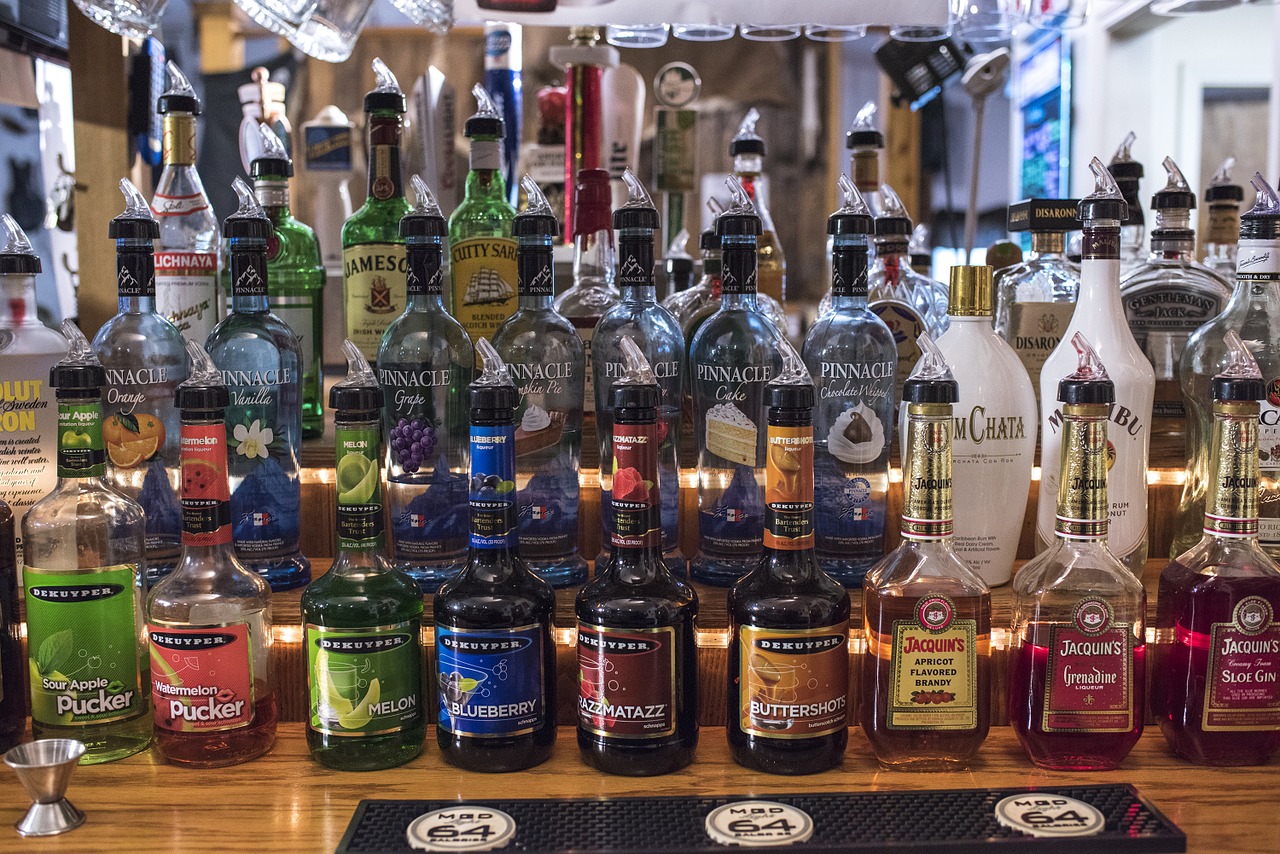
Bottles of alcohol.

Alcoholic Beverages.
Photo courtesy of Pixabay.com

Can or should a drug addict drink alcohol?

This comes up frequently in recovery circles. Typically after the person has drunk and had a bad result.

One saying, that may tell the story, is that if you scratch an addict underneath you find an alcoholic.

The great illusion of any addicted person is that the will find some other substance, some other process out there that will allow them to feel those same highs, to reach for a new solution to avoid their problems and be able to handle that substance.

Lots of addicts alibi that alcohol is legal so there should be no problem with their using it. Truth is that the legal drugs cause the most damage.

Alcohol is a drug, make no mistake about that. It alters thinking. Whether you have had a problem with alcohol in the past or not, alcohol will turn off the part of the brain that tells you “HEY STUPID, DO NOT DO THAT.”

For most people in substance use or abuse recovery, the drugs or the alcohol are not the problems. The drugs, alcohol, gambling, or addictive sex become the solution. The problem is that the user does not know how to live life without the thing or activity they have become dependent upon.

My recommendation is that if you are in recovery from drugs or any other addictive behavior you should avoid alcohol.

Alcohol is not the only substitute addiction that creeps up on recovering people. It is common for recovering people to switch addictions.

Often in groups, I hear from recovering people that they are trying to have fun without their drug of choice and they have been spending time at the local casino. That excitement of the risk of wagering is taking the place of the previous drug high.

No longer having to pay for drugs they take that leftover money and head for the casino. Recovering people can quickly find they have developed a problem with gambling, sex addiction or any other addictive behavior.

If you are in any type of recovery, be very careful about merely switching from one addictive substance or activity to another.

Staying connected with David Joel Miller

Seven David Joel Miller Books are available now!

My newest book is now available. It was my opportunity to try on a new genre. I’ve been working on this book for several years, but now seem like the right time to publish it.

Story Bureau.

Story Bureau is a thrilling Dystopian Post-Apocalyptic adventure in the Surviving the Apocalypse series.

Baldwin struggles to survive life in a post-apocalyptic world where the government controls everything.

As society collapses and his family gets plunged into poverty, Baldwin takes a job in the capital city, working for a government agency called the Story Bureau. He discovers the Story Bureau is not a benign news outlet but a sinister government plot to manipulate society.

Bumps on the Road of Life. Whether you struggle with anxiety, depression, low motivation, or addiction, you can recover. Bumps on the Road of Life is the story of how people get off track and how to get your life out of the ditch.

Dark Family Secrets: Doris wants to get her life back, but small-town prejudice could shatter her dreams.

Casino Robbery Arthur Mitchell escapes the trauma of watching his girlfriend die. But the killers know he’s a witness and want him dead.

Planned Accidents  The second Arthur Mitchell and Plutus mystery.

Letters from the Dead: The third in the Arthur Mitchell mystery series.

What would you do if you found a letter to a detective describing a crime and you knew the writer and detective were dead, and you could be next?

Sasquatch. Three things about us, you should know. One, we have seen the past. Two, we’re trapped there. Three, I don’t know if we’ll ever get back to our own time.

For these and my upcoming books; please visit my Author Page – David Joel Miller

Want the latest blog posts as they publish? Subscribe to this blog.

For videos, see: Counselorssoapbox YouTube Video Channel
What is the Drug of choice among the homeless?

By David Joel Miller, MS, Licensed Therapist & Licensed Counselor.

Homeless person

Homeless.
Photo courtesy of Pixabay.com

So which drug does the majority of the homeless use?

Being homeless is one problem. Most of the homeless have a whole raft of problems. It would be nice to think that if they just got a place to stay, move them into a shelter, then their problems would go away. It is more complicated than that. Drug use also plays a role. You may be surprised at the relationship between drugs and homelessness.

It is more complicated than that. Drug use also plays a role. You may be surprised at the relationship between drugs and homelessness.

Homelessness, mental illness, and drug use run in packs.

Among the homeless, there is a disproportionate number of the mentally ill. These are people with serious and persistent mental illness. By serious and persistent mentally ill, I do not mean that they are beyond hope and incapable of recovery. Many very seriously impaired people do recover. But being homeless and having a mental illness makes the road of recovery that much more difficult.

The question is “Do we as a society have the collective will to help them recover?” Can we create the path back to society that they need? I fear that as a society most of our efforts are to keep them out of sight rather than to welcome than back to society.

People who are mentally ill, homeless, or not, are more likely to do certain drugs. They use them to control or manage symptoms and the use to forget and to cope. The mentally ill use one drug in particular more than the rest of society.

Beyond mental illness, there are other problems for the homeless. Drug use yes that is one. I’ll get to that in a moment. They also have a host of medical problems. The mentally ill die significantly sooner than the people who are not symptomatic. Their most preferred drug shortens their lifespan dramatically.

Note that I did not say the non-mentally ill. (Or the normal, who knows what is normal?)

We know that there are many people with less severe emotional problems who when put under enough stress can show signs of a mental illness.

As I have said before, I do not get fearful working around someone with schizophrenia. What makes me really scared is the “normal” person who is served with divorce papers or has just found out their partner is cheating and then this enraged person shows up at a workplace with a gun.

These adjustment disorders, untreated are a lot scarier than the persistently mentally ill. But I digress.

The homeless, often with a mental illness, and being homeless can cause depression and anxiety in the most stable of people, they have severe medical issues. The only source of treatment for many is long waits in hospital ER’s, at a huge effort for them and a huge cost to society. Their drug of choice makes their medical issues more acute.

By drug, I do not mean prescribed medication. Most homeless have difficulty getting a prescription and if they do have one taking it consistently is unlikely.

The homeless and the mentally ill everywhere are more likely to be the victims of crime than the perpetrators. When they do have prescribed meds they are likely to get lost or stolen during the course of life on the street. Lots of things get lost or stolen when you are homeless.

So which drug is the drug of choice among the homeless?

Tobacco, nicotine is the drug of choice among the homeless, followed arguably by alcohol. They pick these drugs because they are cheap and readily available.

The numbers with respect to smoking are staggering.

Three of every four homeless smoke, you heard that right, 75% of the homeless smoke. Rates of smoking among those with psychosis are very high.

A homeless person is FOUR times more likely to smoke than someone who is not homeless. The homeless are dying from smoking-related illnesses at rates far above the rest of the population.

Helping the homeless with smoking cessation, alcohol abuse treatment, and treating the health-related problems these two legal drugs are creating might go a significant way towards helping the homeless on their path to recovery.

Staying connected with David Joel Miller

Seven David Joel Miller Books are available now!

My newest book is now available. It was my opportunity to try on a new genre. I’ve been working on this book for several years, but now seem like the right time to publish it.

Story Bureau.

Story Bureau is a thrilling Dystopian Post-Apocalyptic adventure in the Surviving the Apocalypse series.

Baldwin struggles to survive life in a post-apocalyptic world where the government controls everything.

As society collapses and his family gets plunged into poverty, Baldwin takes a job in the capital city, working for a government agency called the Story Bureau. He discovers the Story Bureau is not a benign news outlet but a sinister government plot to manipulate society.

Bumps on the Road of Life. Whether you struggle with anxiety, depression, low motivation, or addiction, you can recover. Bumps on the Road of Life is the story of how people get off track and how to get your life out of the ditch.

Dark Family Secrets: Doris wants to get her life back, but small-town prejudice could shatter her dreams.

Casino Robbery Arthur Mitchell escapes the trauma of watching his girlfriend die. But the killers know he’s a witness and want him dead.

Planned Accidents  The second Arthur Mitchell and Plutus mystery.

Letters from the Dead: The third in the Arthur Mitchell mystery series.

What would you do if you found a letter to a detective describing a crime and you knew the writer and detective were dead, and you could be next?

Sasquatch. Three things about us, you should know. One, we have seen the past. Two, we’re trapped there. Three, I don’t know if we’ll ever get back to our own time.

For these and my upcoming books; please visit my Author Page – David Joel Miller

Want the latest blog posts as they publish? Subscribe to this blog.

For videos, see: Counselorssoapbox YouTube Video Channel
4 types of addiction

By David Joel Miller, MS, Licensed Therapist & Licensed Counselor.

Hands with pills

Addiction.
Photo courtesy of Pixabay

Not all addictions are created equal.

The word addiction and the whole concept of addiction have taken on a number of meanings. The result is that when we talk about addiction we are not all meaning the same thing.

As a counselor, I have come to see 4 different classes or patterns of addictions.

The meaning of the word addiction has changed so much it becomes difficult to know when to use the word addiction in one way and when it is being used in another.

My favorite dictionary, a real physical, book type dictionary, is the Century Dictionary from 1889. It defines addiction as “A state of being given up to some habit, practice or pursuit; addictedness; devotion. This definition explains why so very many different patterns of behavior have come to be called addictions.

Modern on-line dictionaries have inserted a first meaning of drug dependency and reduced the notion of devotion to something to a secondary position. Both meanings bring people to the counseling room.

Here are 4 primary types of addiction that may call for treatment or recovery.

Physical tissue dependency on a substance is an addiction.

Doctors might refer to this form of addiction as “Chemical Dependency.” We all know about addictions to chemicals which result in severe withdrawal symptoms when the user stops. The Heroin or opioid user gets violently physically ill when they are without their drug for a period of time. Alcoholics may experience the DTs if they are without a drink for a period of time.

Psychological dependence on a substance is addiction.

This manifests when the addict goes through a rehab, 28 or 30 days, and then, when they leave rehab, they return to drug or alcohol use. Clearly, this form of addiction is in the mind, not the body.

One reason we might develop this variety of addiction is the belief that we should be able to handle our alcohol or that we need substances to have a good time. The idea of heavy alcohol or drug uses is almost synonymous with the concept of a party and with having fun.

When people develop problems, DUI’s or similar issues, from drug use, they think it is their fault, that they should be able to handle their alcohol. We are mostly reluctant to admit that drugs, including alcohol, are inherently problematic.

By the way – it is quite possible to have fun, enjoy yourself – without resorting to drugs or alcohol. And this is one case where more is not better, more is a bad thing.

Process addictions, when doing takes control of the doer.

Some processes are psychologically rewarding and become so reinforcing that people find themselves unable to stop an activity or to regulate the time they spend on this behavior.

Slot machines and gambling are one activity that can form a process addiction. Video games, sexual activity, and shopping can all become repetitive patterns that a person can give themselves over to. The result is an addiction, a loss of control of your life, as a result of over participation in this activity.

Overeating may well be a form of process addiction. Other eating disorders anorexia or bulimia may fall into the psychological dependency category.

Lifestyles can become addictions.

The dope game or criminal behavior can also be addicting. Dope dealers get caught up in the game. The lifestyle provides large amounts of money, status, and recognition within a subgroup. The lifestyle also provides many other personal benefits. Every dope man knows there are plenty of customers willing to trade sex or other illegal activities for more dope.

The great fallacy of this game is that because you can make a lot of money in a short time it is very profitable. Careful studies have shown that many a young man thought he had it made; the cars, women, the bling, and the cash. But when we factor in the fines, the legal fees, and the time locked up and making nothing, it is not unusual for the dope man to make less than minimum wage. The catch is that he makes thousands in a weekend and then nothing for the years he spends in prison.

No doubt I have left out listing examples of other items that might fit these four categories. Have you experienced an over-dependence, a devotion to something that has affected your life? Have you been chemically or psychologically dependent on a substance or developed an excessive reliance on a process or a lifestyle?

If you have any of these issues help is available.

Staying connected with David Joel Miller

Seven David Joel Miller Books are available now!

My newest book is now available. It was my opportunity to try on a new genre. I’ve been working on this book for several years, but now seem like the right time to publish it.

Story Bureau.

Story Bureau is a thrilling Dystopian Post-Apocalyptic adventure in the Surviving the Apocalypse series.

Baldwin struggles to survive life in a post-apocalyptic world where the government controls everything.

As society collapses and his family gets plunged into poverty, Baldwin takes a job in the capital city, working for a government agency called the Story Bureau. He discovers the Story Bureau is not a benign news outlet but a sinister government plot to manipulate society.

Bumps on the Road of Life. Whether you struggle with anxiety, depression, low motivation, or addiction, you can recover. Bumps on the Road of Life is the story of how people get off track and how to get your life out of the ditch.

Dark Family Secrets: Doris wants to get her life back, but small-town prejudice could shatter her dreams.

Casino Robbery Arthur Mitchell escapes the trauma of watching his girlfriend die. But the killers know he’s a witness and want him dead.

Planned Accidents  The second Arthur Mitchell and Plutus mystery.

Letters from the Dead: The third in the Arthur Mitchell mystery series.

What would you do if you found a letter to a detective describing a crime and you knew the writer and detective were dead, and you could be next?

Sasquatch. Three things about us, you should know. One, we have seen the past. Two, we’re trapped there. Three, I don’t know if we’ll ever get back to our own time.

For these and my upcoming books; please visit my Author Page – David Joel Miller

Want the latest blog posts as they publish? Subscribe to this blog.

For videos, see: Counselorssoapbox YouTube Video Channel

What is Alcohol and Drug tolerance?

By David Joel Miller, MS, Licensed Therapist & Licensed Counselor.

Drugs.

Drugs.
Photo courtesy of Pixabay.

When it comes to drugs and alcohol tolerance is not a good thing!

If your doctor, psychiatrist, or counselor has begun to talk with you about tolerance and your drug use this is a bad sign. The concept of tolerance when applied to drugs, and alcohol is a drug also, is a very different idea than when applied to civil rights.

Alcoholic tolerance does not mean that you are OK with a drunk sleeping on your lawn. It also does not mean that you are good with sleeping on other people’s lawns on the night you are too drunk to get home. Tolerance for the ill person is a commendable thing. Building up a tolerance to a drug of choice is not.

If your body develops a tolerance for the drug, that is a serious problem.

From here on we will use the definition of a drug as “anything that goes into your body and changes functioning or thought that is not food.” So yes Alcohol is a drug and so are prescribed medications whether you have the prescription or not. Remember also that this is written from a counselor’s perspective so if you have questions of a medical or legal nature ask your doctor or lawyer.

Alcoholic tolerance is about the ways in which your body and your mind become accustomed to the presence of alcohol or another drug of choice. As a result of having lots of this drug in your system, you begin to change from the inside out.

Tolerance along with Withdrawal are two of the hallmark, identifiable characteristics of addiction or alcoholism. Doctors might define this as chemical dependency but the concept is essentially the same.

Tolerance is that natural adaptive skill your body has to resist things in you that are not normally there.

So the first time you drink you will have a low tolerance. Once the liver has experienced the presence of alcohol it will ramp up and begin to produce more of the enzymes that break down the alcohol. Each successive time you drink you will need more alcohol to feel as drunk as last time. Over time you will develop a tolerance that means you can “hold your liquor” better and better.

This ability to “Hold your liquor” or other drug is not a good thing. It indicates that your body is already changing as a result of use.

As you develop higher tolerance you will feel less drunk or high than before resulting in a need or desire for more of the drug to get that same effect that you used to get.

For some drugs, this is described as “chasing the high” as users find that they can never recreate that first using experience. Over time you will need more and more drugs to get the same or similar effect and the same amount you used to use will produce less and less of an effect.

This does not mean that the danger from use is declining. Just the opposite.

I have worked with clients whose blood alcohol content (or level) was above .32 (read as point 32). Since .08 is legally drunk in this state, that person is drunk enough for four people.

They were talking and walking around just like any normal person, or close to it. How? Because this person practiced drinking on a daily basis. Does that mean that they were OK? Not a chance.

While they may be able to talk coherently and even walk a line close to the way a non-intoxicated person would, behind the wheel they would hit anything that was out there, on the road or not. In that condition a, person who is driving has been known to drive right into the tail lights of a parked car not recognizing that the car was not moving.

People in this state of high tolerance can and do die without ever realizing the risks.

Lots of heroin overdose deaths are a result of this tolerance phenomenon.

A person has a certain level of Heroin use, over time they need to increase the amount they use as their body builds tolerance. One day they get arrested. They are in jail for a while, say thirty days. Over that time the body resets. Their tolerance to their drug of choice goes down.

Now they get released from jail. When they get home they find that packet of drugs they had tucked away. They use exactly the same amount of the same drug as they were using the day before their arrest. They overdose and if medical attention is not fast enough they die.

Why did this happen? Because over the time in jail while they were not using their tolerance declined.

So if you stay off the drugs for a while then your tolerance will decline and you can start over using a small amount occasionally? Lots of alcoholics think this way. Give them a year of not drinking and they think they are cured and can safely drink again.

What we are told is that once the body increases its ability to neutralize that drug of choice that increased capacity may take a vacation but it is still there. An alcoholic who has not had a drink for 5 years can develop the same tolerance and use pattern they had before they quit in days rather than the years it took the first time.

Tolerance even after a long period of not using comes back fast and strong.

The moral here is that if you have begun to develop tolerance or have used long enough to have this result you will probably never return to safe use.

This tolerance effect explains why some prescribed medications need to be increased in dosage after a period of use. Sometimes doctors have to switch meds if you build up too much tolerance to one medication.

Not every drug results in tolerance at the same rate. Some drugs can be used for years and little or no tolerance develops. With other drugs, tolerance develops so rapidly that if you use the drug one day it will have no effect on you the next day. I won’t tell you which drug that is but those of you who use it know what I am talking about.

I should also point out that most street drugs, drugs of abuse, are much more likely to produce rapid tolerance and the resulting addiction than most prescribed medications but there are exceptions to that rule.

When in doubt about the physical signs and symptoms of tolerance consult your doctor. If you are having behavioral or emotional issues as a result of using to the point of tolerance then consider treatment or counseling.

This discussion about tolerance has focused on changes in physical tolerance. There are also characteristic mental and emotional changes that can occur as a result of drug use. For more on those mental health issues look under co-occurring disorders in the list of topics this blog covers.

David Joel Miller, LMFT, LPCC

Staying connected with David Joel Miller

Seven David Joel Miller Books are available now!

My newest book is now available. It was my opportunity to try on a new genre. I’ve been working on this book for several years, but now seem like the right time to publish it.

Story Bureau.

Story Bureau is a thrilling Dystopian Post-Apocalyptic adventure in the Surviving the Apocalypse series.

Baldwin struggles to survive life in a post-apocalyptic world where the government controls everything.

As society collapses and his family gets plunged into poverty, Baldwin takes a job in the capital city, working for a government agency called the Story Bureau. He discovers the Story Bureau is not a benign news outlet but a sinister government plot to manipulate society.

Bumps on the Road of Life. Whether you struggle with anxiety, depression, low motivation, or addiction, you can recover. Bumps on the Road of Life is the story of how people get off track and how to get your life out of the ditch.

Dark Family Secrets: Doris wants to get her life back, but small-town prejudice could shatter her dreams.

Casino Robbery Arthur Mitchell escapes the trauma of watching his girlfriend die. But the killers know he’s a witness and want him dead.

Planned Accidents  The second Arthur Mitchell and Plutus mystery.

Letters from the Dead: The third in the Arthur Mitchell mystery series.

What would you do if you found a letter to a detective describing a crime and you knew the writer and detective were dead, and you could be next?

Sasquatch. Three things about us, you should know. One, we have seen the past. Two, we’re trapped there. Three, I don’t know if we’ll ever get back to our own time.

For these and my upcoming books; please visit my Author Page – David Joel Miller

Want the latest blog posts as they publish? Subscribe to this blog.

For videos, see: Counselorssoapbox YouTube Video Channel
Mentally Ill keep Big Tobacco profitable – dying to smoke

By David Joel Miller, MS, Licensed Therapist & Licensed Counselor.

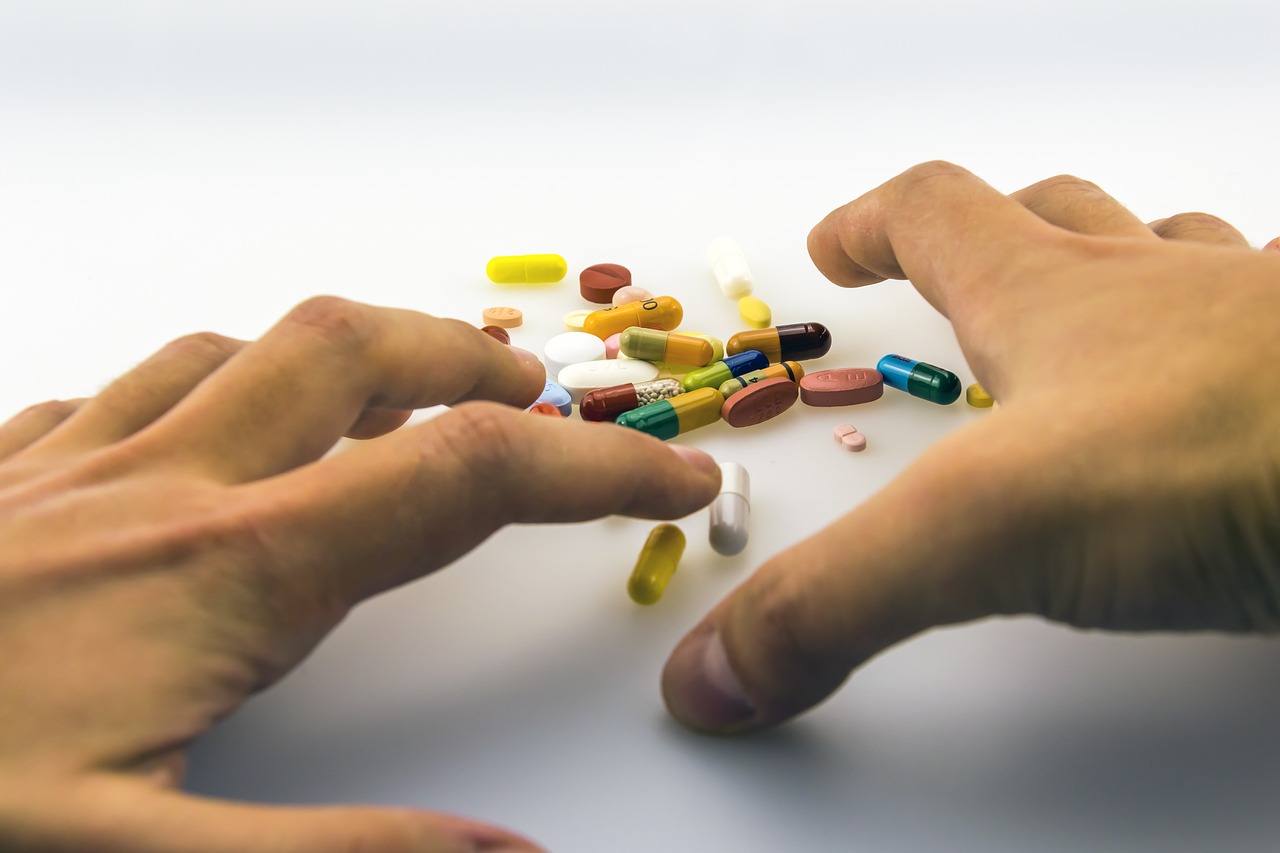
Cigarette

Cigarette smoking is addictive.
Photo courtesy of Pixabay.com

Mentally ill and substance abusers are major consumers of tobacco products.

Those with a mental or emotional health problem continue to be major consumers of tobacco products.

A recent government study reported that 40% of those with a mental illness smoke cigarettes.

This is almost double the rate of smoking among the general public.

There was a time when the rate of smoking among those with a DSM diagnosis, that is either substance abuse or mental illness was reported as topping 50%. While this most recent study suggests a slight decrease in smoking by the mentally ill their rate of tobacco consumption continues to be far above that of other Americans. This decline however slight may well reflect a change in attitude among providers of services to the mentally ill.

We have discovered that having a mental illness can reduce your life expectancy by twenty years or more. On average those with a mental illness live shorter lives than those without similar challenges. Despite the existence of treatment that significantly reduces the impact of having a mental illness, we continue to have long-term health problems associated with having developed a mental illness.

In the past, many professionals took the position that with all the challenges the mentally ill had why were we trying them to get them to give up smoking or other things they found pleasurable even if those practices were impairing their health. The attitude of professionals is changing.

Recovery includes not only recover from their mental illness or substance abuse problem but from other unhealthy lifestyle choices. It is not the role of professionals to decide for our clients how they will live. Sometimes they make unhealthy choices. But they deserve the same care and advice about the dangers of unhealthy practices that other people receive. Long-term effects of substance abuse can increase mental health symptoms while impairing health.

Some things, like smoking cigarettes and abusing street drugs, are so high-risk any recovering person should consider giving them up. Recovery is not just about giving things up. It should also include positive steps to improve health and activity. Putting away the cigarettes may be a start on your efforts to create a new healthier and happier you.

Till next time, David Miller, LMFT, LPCC

Staying connected with David Joel Miller

Seven David Joel Miller Books are available now!

My newest book is now available. It was my opportunity to try on a new genre. I’ve been working on this book for several years, but now seem like the right time to publish it.

Story Bureau.

Story Bureau is a thrilling Dystopian Post-Apocalyptic adventure in the Surviving the Apocalypse series.

Baldwin struggles to survive life in a post-apocalyptic world where the government controls everything.

As society collapses and his family gets plunged into poverty, Baldwin takes a job in the capital city, working for a government agency called the Story Bureau. He discovers the Story Bureau is not a benign news outlet but a sinister government plot to manipulate society.

Bumps on the Road of Life. Whether you struggle with anxiety, depression, low motivation, or addiction, you can recover. Bumps on the Road of Life is the story of how people get off track and how to get your life out of the ditch.

Dark Family Secrets: Doris wants to get her life back, but small-town prejudice could shatter her dreams.

Casino Robbery Arthur Mitchell escapes the trauma of watching his girlfriend die. But the killers know he’s a witness and want him dead.

Planned Accidents  The second Arthur Mitchell and Plutus mystery.

Letters from the Dead: The third in the Arthur Mitchell mystery series.

What would you do if you found a letter to a detective describing a crime and you knew the writer and detective were dead, and you could be next?

Sasquatch. Three things about us, you should know. One, we have seen the past. Two, we’re trapped there. Three, I don’t know if we’ll ever get back to our own time.

For these and my upcoming books; please visit my Author Page – David Joel Miller

Want the latest blog posts as they publish? Subscribe to this blog.

For videos, see: Counselorssoapbox YouTube Video Channel
More problems for the children of Meth users

By David Joel Miller, MS, Licensed Therapist & Licensed Counselor.

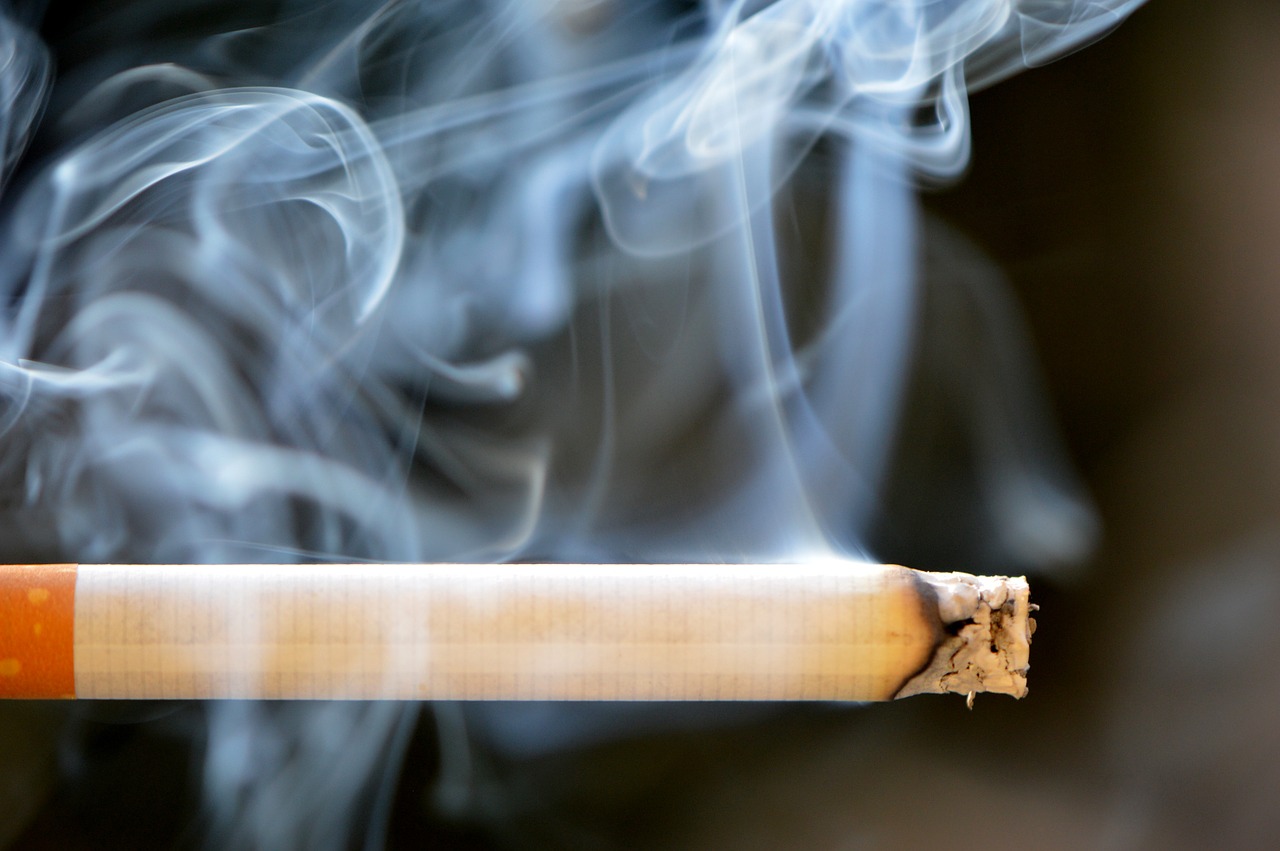
Drugs of addiction

Addiction.
Photo courtesy of Pixabay.com

Being around Meth users is bad for children.

Just read another study that reports on another problem for children of meth users. Like we needed another study to tell us that using Meth is bad for both parents and their children. We know Meth use is bad, just we may not yet know how bad and in what ways. Still, this study caught my eye for several reasons.

This study looked not at Newborns but at toddler age children of Meth users. It found parental Meth use affected these toddlers in some ways we had not looked for before.

These kids show an abnormal stress response. This will have an impact on these kids for the rest of their lives.

We have long known that the mother’s drug use during pregnancy can and does affect the child.

Alcohol is the easiest case in which to see this. We started out thinking that above a certain point alcohol could damage the fetus. For a long time, we talked about safe levels of alcohol use and how much alcohol consumption did it take to result in “Fetal Alcohol Syndrome.”

This concept, that some was safe and you had to drink a lot to harm the fetus, has been modified as we found problems in children whose mothers drank smaller amounts of alcohol and still those children showed long-term problems. We now referred to these problems as “Fetal Alcohol Spectrum Disorder” in recognition that any alcohol can affect the unborn child. We also now believe that high blood concentrations of alcohol on anyone drinking occasion, known as binge drinking, can result in damage even if the pregnant woman drinks moderately or not at all. Binge drinking harms both the mother and the unborn child.

What does this have to do with children of Meth users?

For one thing, we believe that the brain of the unborn child is heavily influenced by the chemicals in the mother’s bloodstream. What damage is done depends on which of the various structures in the brain and nervous system are being formed when the mother drinks or uses.

The fetus is experiencing a higher dose of the drug than the mother because the liver of the fetus is not well-developed. The drug passes through the placenta to the fetus and then has to return to the mother to circulate through her bloodstream and eventually be removed by the mother’s liver.

My experience clinically, and there seems to be research that bears this out, is that mothers who used Meth during pregnancy have more children with long-term learning disabilities than women who abstain from drugs during pregnancy.

This brings into question if Meth and possible Cocaine affects the unborn what effects could other drugs have?

Mothers who use depressants like Heroin appear to have children with one set of learning and behavioral problems. Children of stimulant abusers have a different set of problems.

This makes me wonder what the risks are for the children of women who consume these highly caffeinated energy drinks.

We also know that many of these drugs have larger more amplified effects on the unborn if there is alcohol in the mother’s bloodstream. This is a case of 2 plus 2 being 6 or 7 when it comes to creating harm for the unborn.

Where this new study expanded our knowledge of the effects of parent drug use on children was the evaluation of continuing stress on the children who had been exposed to Meth.

What they found was that this combination of pre-birth exposure to Meth and ongoing stress in the family resulted in toddlers who had greatly exaggerated or changed responses to stress even when outside the home.

The implication here is that the cumulative effects of Maternal drug use and then stress in the mother or family’s life after the birth magnifies the problems for the child.

All this argues for the critical need for more drug abuse prevention and treatment for women during their child producing years and for treatment to help parents of young children cope with stress and provide a less stressful environment for the child.

We can help the mother at this critical time or we can plan on building more special education classrooms, jails, prison, and mental hospitals for these kids later down the road.

I know what I think the better and more cost-effective path would be, but I doubt that the people who pay the bills for treatment will see it that way.

Getting tough on sick people is a lot easier to sell than dollars for prevention.

Here is wishing for a better and happier future for all of us and the children who come after us.

David Joel Miller, LMFT, LPCC

Staying connected with David Joel Miller

Seven David Joel Miller Books are available now!

My newest book is now available. It was my opportunity to try on a new genre. I’ve been working on this book for several years, but now seem like the right time to publish it.

Story Bureau.

Story Bureau is a thrilling Dystopian Post-Apocalyptic adventure in the Surviving the Apocalypse series.

Baldwin struggles to survive life in a post-apocalyptic world where the government controls everything.

As society collapses and his family gets plunged into poverty, Baldwin takes a job in the capital city, working for a government agency called the Story Bureau. He discovers the Story Bureau is not a benign news outlet but a sinister government plot to manipulate society.

Bumps on the Road of Life. Whether you struggle with anxiety, depression, low motivation, or addiction, you can recover. Bumps on the Road of Life is the story of how people get off track and how to get your life out of the ditch.

Dark Family Secrets: Doris wants to get her life back, but small-town prejudice could shatter her dreams.

Casino Robbery Arthur Mitchell escapes the trauma of watching his girlfriend die. But the killers know he’s a witness and want him dead.

Planned Accidents  The second Arthur Mitchell and Plutus mystery.

Letters from the Dead: The third in the Arthur Mitchell mystery series.

What would you do if you found a letter to a detective describing a crime and you knew the writer and detective were dead, and you could be next?

Sasquatch. Three things about us, you should know. One, we have seen the past. Two, we’re trapped there. Three, I don’t know if we’ll ever get back to our own time.

For these and my upcoming books; please visit my Author Page – David Joel Miller

Want the latest blog posts as they publish? Subscribe to this blog.

For videos, see: Counselorssoapbox YouTube Video Channel