Today is World Mental Health Day

By David Joel Miller, MS, Licensed Therapist & Licensed Counselor.

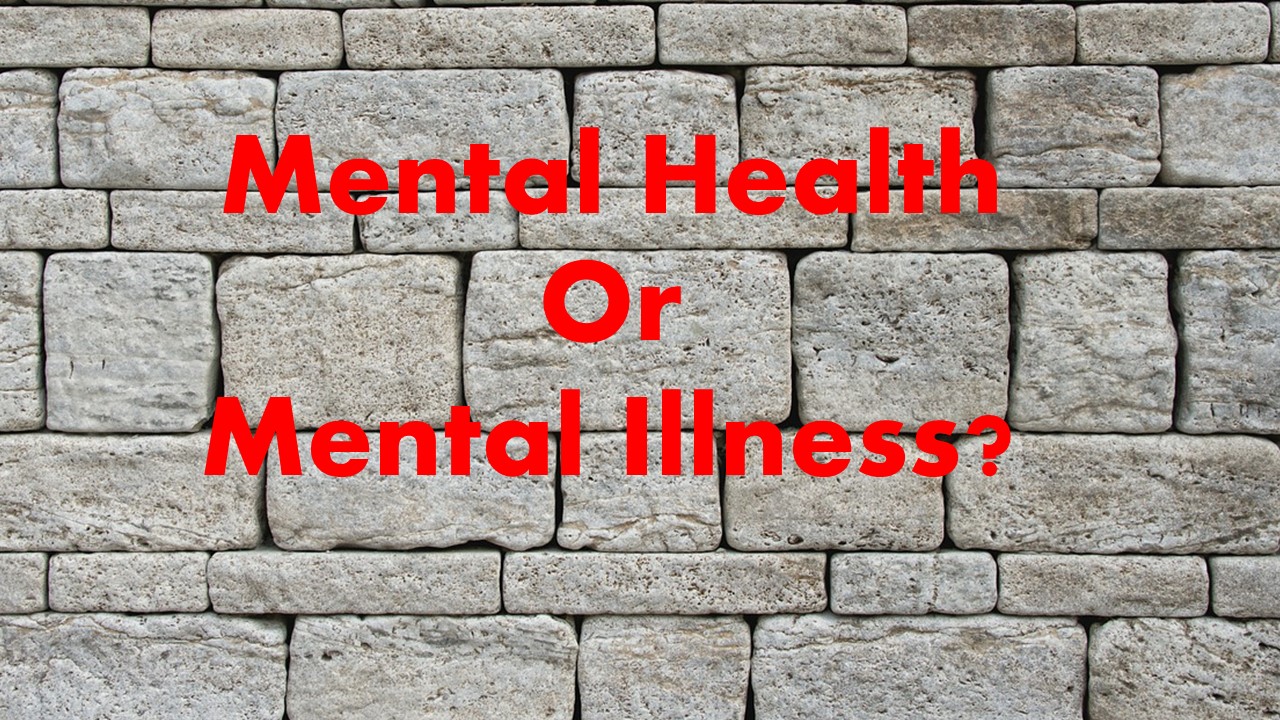
Mental Health or Mental Illness

Mental Health or Mental Illness?
Photo courtesy of Pixabay.com

Raising awareness of mental health issues.

Today is the official World Mental Health Day. Each year on October tenth a day is set aside to remind people about the importance of good Mental Health and Mental Wellness. World Mental Health Day is an initiative of the World Federation of Mental Health and is supported by WHO (World Health Organization.)

The theme for 2014 is “Living with schizophrenia”. Last year’s theme, 2013, was Mental Health and Older Adults.

In North America, Mental illness is the largest single health issue. Days of work lost and impairment in functioning as a result of mental illnesses exceeds the disability burden of both cardiovascular disease and cancer (WHO.)

Depression is the largest single cause of disability. The good news is that today the emphasis in the treatment of mental illness is on wellness and recovery. Many people who have had episodes of serious mental illnesses have gone on to have happy and productive lives.

Consider today how your life or the life of someone you know has been affected by a mental illness. What would it mean to you if you or someone close to you could recover from that condition? No one should have to face a mental illness alone. There is help available in many places. We hope that this day, World Mental Health Day will focus awareness on the need to do more to help those who are currently experiencing a mental illness.

Remember World Mental Health Day.

Staying connected with David Joel Miller

Seven David Joel Miller Books are available now!

My newest book is now available. It was my opportunity to try on a new genre. I’ve been working on this book for several years, but now seem like the right time to publish it.

Story Bureau.

Story Bureau is a thrilling Dystopian Post-Apocalyptic adventure in the Surviving the Apocalypse series.

Baldwin struggles to survive life in a post-apocalyptic world where the government controls everything.

As society collapses and his family gets plunged into poverty, Baldwin takes a job in the capital city, working for a government agency called the Story Bureau. He discovers the Story Bureau is not a benign news outlet but a sinister government plot to manipulate society.

Bumps on the Road of Life. Whether you struggle with anxiety, depression, low motivation, or addiction, you can recover. Bumps on the Road of Life is the story of how people get off track and how to get your life out of the ditch.

Dark Family Secrets: Doris wants to get her life back, but small-town prejudice could shatter her dreams.

Casino Robbery Arthur Mitchell escapes the trauma of watching his girlfriend die. But the killers know he’s a witness and want him dead.

Planned Accidents  The second Arthur Mitchell and Plutus mystery.

Letters from the Dead: The third in the Arthur Mitchell mystery series.

What would you do if you found a letter to a detective describing a crime and you knew the writer and detective were dead, and you could be next?

Sasquatch. Three things about us, you should know. One, we have seen the past. Two, we’re trapped there. Three, I don’t know if we’ll ever get back to our own time.

For these and my upcoming books; please visit my Author Page – David Joel Miller

Want the latest blog posts as they publish? Subscribe to this blog.

For videos, see: Counselorssoapbox YouTube Video Channel

Are you at risk for Postpartum or Peripartum Depression?

By David Joel Miller, MS, Licensed Therapist & Licensed Counselor.

Mother with child

Postpartum depression.
Photo courtesy of pixabay.

7 risk factors for Postpartum Depression.

What factors might put you at risk of Peripartum Depression?

When it comes to mental health, why one person gets a disorder and another person does not, is just not all that clear. A life event, something we call a stressor, could push one person into depression and a similar event could leave another person unscathed. Risk factors do not equal getting the disorder. But if you have these factors in your life then you are at more risk of Peripartum Depression than most.

For those not familiar with the term Peripartum depression, it is like Postpartum Depression only it allows for depression that starts in pregnancy rather than restricting the concept to those who become depressed after the birth of a child.

Here are 7 factors that put you at risk.

1. Past Episodes of Depression.

Women who have had episodes of depression in the past are at increased risk to develop Peripartum Depression. The more times someone has been depressed and the longer those episodes, presumably the higher that risk.

If you have had depression and received treatment, think back to what was helpful to you in reducing or controlling that episode of depression and do more of that. If you did not get help for those past episodes of depression or sadness, now is the time.

2. Stress in your life adds risk.

The more stress the woman is under the more the risk. What is stressful to one woman may not be to another. It is far more complicated than just financial stress.

Look for ways to reduce stress. Learn stress reduction and stress management techniques. Also, work on relaxing and being patient. Give your life the time to develop rather than pushing to have everything be done right now.

3. Poor relationship with your partner.

New couples need some time to adjust to each other. Some couples were never meant to be despite getting together and making that baby. Many other couples get off to a rocky start but with work, they develop a good long-term relationship.

Having a second person to share the duties, joys, and trials of child-rearing can be a beneficial thing for all involved. If there are problems in the relationship the sooner you work through those problems the better.

4. Having little social support increases your risks.

One person, your partner, no matter how supportive that person is, will probably not be enough support for the tasks of creating a family and raising children. Being a parent is hard work. Some people make parenting and relationships look easy but for most of us, it takes work.

Your partner will be going through things also. Sometimes you feel and think things your partner is not up to hearing. Work on strengthening your support system to reduce this risk of Peripartum Depression.

There are posts elsewhere on this blog about support systems and how to develop one. Some of those posts can be found here:

How supportive is your support system?

Can one person be a support system?

How do you develop a support system?

5. Your mother’s depression puts you at risk.

A family history of depression, any depression, increases the risk of you developing Depression. Having a mother had Peripartum or postpartum depression adds to the risk that a woman will have an episode of depression during pregnancy and the first year after the delivery of the child.

As with so many other “risk factors,great-grand-mother” a risk factor does not mean that absolutely positively this woman will be depressed, it just means it is one other thing to think about.

We have also seen research that suggests that the life experiences of your great-grandmother and beyond may be affecting your emotions. See the post – Pick your grandmas wisely – their life affects your feelings. 

6. Being poor – low SES.

Along with all the other burdens that come with being poor, living in bad neighborhoods, or being of low socioeconomic status there is the extra risk of developing postpartum depression.

Absolutely there are poor families that are happy and where there is little or no depression. Having money does not deter depression. But all things being equal having some money, at least enough to get by on sure relieves a lot of the stress of being a new parent.

Couples who are able to delay that first child until they have a job or career path do better. It helps if you have stable housing and something saved up. Many young parents have to rely on family, friends, or government programs to make ends meet.

Not having the money to get by on can strip the joy of a new child right out of your grasp.

7. Having a difficult infant.

There are those babies who from day one just are crankier than others. That child may have an illness or just an irritating disposition. Hard to care for children make their parent’s life more difficult. This is an extra burden on young or inexperienced parents.

These are the most commonly recognized risk factors for Postpartum or Peripartum Depression. I suspect there are other factors that up this risk, especially personal life experience factors. When you have come through difficult times or are still going through them, life’s challenges can be more difficult to manage.

If you or someone you know has a lot of these risk factors, look for ways to manage the stress of going through the pregnancy or being a new parent. Support systems can help so can professionals. And if you are feeling overwhelmed just now consider a help hot-line or reaching out for professional help.

Staying connected with David Joel Miller

Seven David Joel Miller Books are available now!

My newest book is now available. It was my opportunity to try on a new genre. I’ve been working on this book for several years, but now seem like the right time to publish it.

Story Bureau.

Story Bureau is a thrilling Dystopian Post-Apocalyptic adventure in the Surviving the Apocalypse series.

Baldwin struggles to survive life in a post-apocalyptic world where the government controls everything.

As society collapses and his family gets plunged into poverty, Baldwin takes a job in the capital city, working for a government agency called the Story Bureau. He discovers the Story Bureau is not a benign news outlet but a sinister government plot to manipulate society.

Bumps on the Road of Life. Whether you struggle with anxiety, depression, low motivation, or addiction, you can recover. Bumps on the Road of Life is the story of how people get off track and how to get your life out of the ditch.

Dark Family Secrets: Doris wants to get her life back, but small-town prejudice could shatter her dreams.

Casino Robbery Arthur Mitchell escapes the trauma of watching his girlfriend die. But the killers know he’s a witness and want him dead.

Planned Accidents  The second Arthur Mitchell and Plutus mystery.

Letters from the Dead: The third in the Arthur Mitchell mystery series.

What would you do if you found a letter to a detective describing a crime and you knew the writer and detective were dead, and you could be next?

Sasquatch. Three things about us, you should know. One, we have seen the past. Two, we’re trapped there. Three, I don’t know if we’ll ever get back to our own time.

For these and my upcoming books; please visit my Author Page – David Joel Miller

Want the latest blog posts as they publish? Subscribe to this blog.

For videos, see: Counselorssoapbox YouTube Video Channel

.

What is Postpartum or Peripartum Depression?

By David Joel Miller, MS, Licensed Therapist & Licensed Counselor.

Is this postpartum depression or just the baby blues?

Postpartum depression.
Photo courtesy of Pixabay.

The idea that a woman can get sad, blue, even depressed as a result of giving birth has been around for a long time. Professionals have struggled with what this is and how to be helpful and we continue to struggle with those issues.

We knew that depression around the time of delivery causes a lot of suffering for the mother. Sometimes it becomes a problem for the father and other family members. And yes, we now know that having a depressed mother, immediately after birth, or later in childhood, can affect the child, possible for the rest of that child’s life.

There has been a reluctance to keep creating new disorders for each and every cause of depression. One way out of this dilemma has been to keep the same set of symptoms for depression regardless of what has caused the depression.

For depression, there is a list of specifiers for types. Most of those specifiers have to do with the way the symptoms present. Some people eat more and some eat less and so on.

Only two causes have gotten their own specifiers, seasonal pattern as in seasonal affective disorder and Postpartum Depression. Postpartum Depression is now called Peripartum Depression to also include depression that sets in before the birth of the child.

Symptoms of Peripartum Depression.

Symptoms of Peripartum depression are very similar to the symptoms of other forms of depression. Sleep disturbance, if it is over and above that caused by having a newborn who cries when it has needs, is one symptom. Changes in appetite and loss of interest in things that used to make you happy are other common signs this is depression and not just the normal getting used to being a parent.

Feeling hopeless or like a bad mother are serious symptoms of depression. Some women will become much more irritable or anxious than before pregnancy. You may also feel numbed out or disconnected from life and from those around you. Worrying, excessively about the child’s safety can also be a symptom of a mental health issue.

The new DSM (DSM-5) reports the frequency of Peripartum Depression at 3% to 6% of all women. The sheer fact that it gets its own separate specifiers suggests to me that the rate of women with depression during and after the birth of a child is higher than any 6%.

Some studies have followed women for the first year after the birth of the first child and they find significant stress and higher rates of depression over that year time period.

Research studies have reported that rates of “Baby Blues” those brief episodes of sadness that occur during and after pregnancy can run as high as 80% in some populations.

One reason for the discrepancy in the numbers is that we used to talk about mood disorders and treat Depression and Bipolar as part of the same mood disorder family. These two conditions have gotten a divorce and are now living in separate chapters in the new DSM-5. While Postpartum or Peripartum depression may only get 6% the new Peripartum Bipolar Disorder should also have some numbers. So far I have not seen any statistics on the number of women who develop Peripartum Bipolar Disorder but the new DSM-5 clearly allows for this possibility.

Some of these cases in which a woman develops symptoms during and after pregnancy also reach the point of having delusional or psychotic features. In these cases, the mother may believe there is something wrong with the child, that the child is evil or a similar delusion. Women who develop psychosis after the birth of one child have a risk (from 30% to 50%) of having psychotic symptoms during each pregnancy thereafter.

Another reason the rates of Peripartum Depression may be understated is that some women do not develop symptoms quickly enough to get the diagnoses in the first 4 to 6 weeks. After that, the diagnoses will probably be Major Depression and the Peripartum specific will get left off.

Those milder cases of sadness that happen during pregnancy and after delivery, the things that are popularly called baby blues, they most likely will not get a diagnosis at all. For a while there was a study of something called Minor Depression, there was even a set of proposed symptoms for minor depression in the older DSM-4. That has now been dropped.

While some cases of baby blues may not get the official nod of a diagnosis of “with Peripartum onset,” they need treatment. If you have been sad or depressed during pregnancy or afterward, consider getting professional help. Let the professional worry about what the correct diagnosis code should be.

If you have ever thought that your child was cursed or evil, get help fast before you harm that child and yourself.

What causes a woman to be at high risk for Peripartum or Postpartum Depression? There are at least 7 factors that put you at risk for postpartum depression. More on those factors in a coming blog post.

Staying connected with David Joel Miller

Seven David Joel Miller Books are available now!

My newest book is now available. It was my opportunity to try on a new genre. I’ve been working on this book for several years, but now seem like the right time to publish it.

Story Bureau.

Story Bureau is a thrilling Dystopian Post-Apocalyptic adventure in the Surviving the Apocalypse series.

Baldwin struggles to survive life in a post-apocalyptic world where the government controls everything.

As society collapses and his family gets plunged into poverty, Baldwin takes a job in the capital city, working for a government agency called the Story Bureau. He discovers the Story Bureau is not a benign news outlet but a sinister government plot to manipulate society.

Bumps on the Road of Life. Whether you struggle with anxiety, depression, low motivation, or addiction, you can recover. Bumps on the Road of Life is the story of how people get off track and how to get your life out of the ditch.

Dark Family Secrets: Doris wants to get her life back, but small-town prejudice could shatter her dreams.

Casino Robbery Arthur Mitchell escapes the trauma of watching his girlfriend die. But the killers know he’s a witness and want him dead.

Planned Accidents  The second Arthur Mitchell and Plutus mystery.

Letters from the Dead: The third in the Arthur Mitchell mystery series.

What would you do if you found a letter to a detective describing a crime and you knew the writer and detective were dead, and you could be next?

Sasquatch. Three things about us, you should know. One, we have seen the past. Two, we’re trapped there. Three, I don’t know if we’ll ever get back to our own time.

For these and my upcoming books; please visit my Author Page – David Joel Miller

Want the latest blog posts as they publish? Subscribe to this blog.

For videos, see: Counselorssoapbox YouTube Video Channel

Surviving sadness – avoiding depression

By David Joel Miller, MS, Licensed Therapist & Licensed Counselor.

Sad child

Sad.
Photo courtesy of Pixabay.com

How do you cope with sadness when your life goes on?

Sadness is a normal part of life. You feel sad sometimes and then the sadness passes and you move on. Sometimes we feel sadness and we get stuck there. The longer you stay stuck the more likely you are to slip down into the quicksand of depression.

So what should you do when that sadness feeling comes lurking around?

1. Let yourself feel what you feel.

It is OK to feel what you feel. Some things are sad. Sometimes we feel sad just because we do. We hear of someone else’s misfortune and it makes us sad. We see something and we feel this feeling. This is called empathy, the ability to understand and experience what others feel. Put yourself in another’s shoes and you will understand some part of their sadness.

Do not try to stop the feeling the second it comes on. It is OK to experience it. Just do not stay there and wallow in the feeling. Understand that this feeling like all other feelings can pass if you permit it.

2. Share with someone else.

In times of trouble, we need to share our sadness with others. We talk about our pain and grief with friends or family. If you have religious faith or a spiritual tradition you will want to seek out those with like beliefs.

When there is no one that you feel comfortable turning to, when there is no one there or when you do not feel comfortable putting your sadness on those close to you there are professionals that can help. Seek them out.

3. Share with yourself – write it out.

Sadness that continues to rattle around in the head magnifies itself. A first step in getting loose from the sadness is to get it out.

Some people find that journaling, writing about their sadness or depression, helps discharge it. Others use drawing or dance to express these sentiments.

4. Turn sadness into motivation.

A sad event in your life can be the tipping point that turns your life around. Lose someone to a drug overdose and you may be motivated to become a counselor.

How might your sadness, pain, and suffering become tools to help you find your purpose in life?

5. Treat yourself to things you like.

Learn those things that make you happy and make it a point to allow yourself those items on the list that are positive.

6. Budget extra sleep time

Not getting enough rest, being overtired, is a way to let sadness and depression overcome you. Get plenty of rest. Make bedtime a regularly scheduled event.

One type of depression (atypical features) results in people who start to stay in bed all the time. They eat more than normal, like a bear ready for winter, and then sleep day and night. If you find that you are tired all the time and just do not have the energy to get out of bed and do things, try setting a time for bed and one for getting up. If that still is a problem consider an evaluation by a professional for possible depression.

7. Eat regular meals.

Failure to eat on time, lack of energy can result in sad, tired feelings also. This makes it hard to get back into life after a life event that creates sadness. Take care of yourself and that especially means eating in a healthy way if you want to reduce the impact of sadness on your life and mental health.

8. Invest in laughter.

Laughing can be a powerful antidote for sadness. Watch a sitcom, visit a comedy club, tell jokes, and your sadness fades. Not able to laugh when the rest of the crowd does? That is a sign that your feeling has moved beyond sadness to major depression. Laughter is great medicine, take some daily if possible,

9. Hang out with positive people.

You become like the people you spend time with. Your friends are your future. Hang with the winners if you want to win. Hanging out with downers will pull you down.

10. Take frequent short breaks.

When you are down and sad, things can be overwhelming. Do what you can. Do not give up. Do a little and then take a break. Repeat as needed. Be kind to yourself when times are tough.

11. Exercise.

A little movement can brighten your mood. Walk around the block if that is all you are up to. Exercise is a good prescription for depression and a little can be a preventative when it comes to the progression from sadness to depression.

Try to include some exercise in your regular routine to improve both psychical health and mental health.

12. Change the scenery.

Get out of the house. Take your lunch break away from the office. Do something new on your time off. A change of scenery can create a new perspective on life and on your troubles.

13. Learn to say no.

When sad we tend to give in and go along. This can create feelings of resentment. Learn to set boundaries. Do not let yourself be taken advantage of. Saying no to requests that are beyond your current abilities can reduce your stress and keep your sadness from drowning you.

14. Avoid negative people.

Misery may love company, but it loves miserable company. If you want to get out of the sadness trap seek out positive people. Limit your exposure to naysayers and Negative Nellies.

15. Plan for time to yourself.

When you are down, too much commotion and too many people can be overwhelming. Include in your schedule quiet time for yourself.

16. Reconnect with supportive people.

Make sure those people you do contact are supportive. Call an old friend. Attend a self-help meeting even if you do not feel like it. Being around supportive people is good for your recovery and for your future mental health.

What other positive coping skills have you discovered that keep your sadness from becoming a serious depressive episode?

Staying connected with David Joel Miller

Seven David Joel Miller Books are available now!

My newest book is now available. It was my opportunity to try on a new genre. I’ve been working on this book for several years, but now seem like the right time to publish it.

Story Bureau.

Story Bureau is a thrilling Dystopian Post-Apocalyptic adventure in the Surviving the Apocalypse series.

Baldwin struggles to survive life in a post-apocalyptic world where the government controls everything.

As society collapses and his family gets plunged into poverty, Baldwin takes a job in the capital city, working for a government agency called the Story Bureau. He discovers the Story Bureau is not a benign news outlet but a sinister government plot to manipulate society.

Bumps on the Road of Life. Whether you struggle with anxiety, depression, low motivation, or addiction, you can recover. Bumps on the Road of Life is the story of how people get off track and how to get your life out of the ditch.

Dark Family Secrets: Doris wants to get her life back, but small-town prejudice could shatter her dreams.

Casino Robbery Arthur Mitchell escapes the trauma of watching his girlfriend die. But the killers know he’s a witness and want him dead.

Planned Accidents  The second Arthur Mitchell and Plutus mystery.

Letters from the Dead: The third in the Arthur Mitchell mystery series.

What would you do if you found a letter to a detective describing a crime and you knew the writer and detective were dead, and you could be next?

Sasquatch. Three things about us, you should know. One, we have seen the past. Two, we’re trapped there. Three, I don’t know if we’ll ever get back to our own time.

For these and my upcoming books; please visit my Author Page – David Joel Miller

Want the latest blog posts as they publish? Subscribe to this blog.

For videos, see: Counselorssoapbox YouTube Video Channel

The link between Smoking and Depression

By David Joel Miller, MS, Licensed Therapist & Licensed Counselor.

Full ashtray

Smoking cigarettes.
Photo courtesy of Pixabay.com

Smoking may be the cause not the result of depression.

People who smoke are far more likely to become depressed than nonsmokers. About 40% of smokers suffer from a mood disorder, largely depression, while the rate in the whole population is typically in the range of 2% to 10% in any one year.

The connections between tobacco smoking and mental health issues may be even more severe than was previously thought. The connections are not limited to depression or related mood disorders.

One recent study took another look at the National Epidemiologic Study on Alcohol and Related Conditions, a large nationwide survey of mental health and addiction issues.  (P. A. Cavazos-Rehg, N. Breslau, D. Hatsukami, M. J. Krauss, E. L. Spitznagel, R. A. Grucza, P. Salyer, S. M. Hartz, L. J. Bierut. Smoking cessation is associated with lower rates of mood/anxiety and alcohol use disorders. Psychological Medicine, 2014; 1 DOI: 10.1017/S0033291713003206)

This study surveyed 35,000 people; about 4,800 of those were daily smokers. The study participants were resurveyed 3 years later. Smokers in this study appear to have significantly higher rates of mental health issues.

Half of all smokers reported having “Alcohol problems” While 24% reported some form of drug use problem.

Over the course of the three-year period between studies, some people quit smoking. Among those who quit smoking the rates of mental health and substance abuse problems declined, while those who continued to smoke continued to have higher rates of mental health and substance use disorders.

This challenges the conventional wisdom that in treating serious mental health or substance abuse issues the issue of tobacco smoking can be left for a later time.

Chemical use of many kinds is known to impact mental health. Excessive alcohol use results in depression. Many practitioners have been reluctant to treat someone for depression while they are still drinking alcohol.

Recently professionals in the mental health and substance abuse field have moved to thinking that substance use issues and mental health issues so thoroughly interact that both problems need to be treated simultaneously.

The evidence continues to mount that there is a connection between tobacco use and both mental health issues and substance use disorders. It is becoming clear that ending tobacco use might have a significant impact on mental health.

Recently I have been hearing of studies in which the seriously mentally ill were taught smoking cessation and the results of their recovery from both issues were essentially the same as the general population.

If you are a smoker, quitting may well improve your mood and your mental health. If you are struggling with a mental health or substance use disorder there is no reason to put off quitting smoking and there are a growing number of reasons to think that quitting will make your other problems easier to manage.

Have you seen a connection between your smoking and other life problems?

Staying connected with David Joel Miller

Seven David Joel Miller Books are available now!

My newest book is now available. It was my opportunity to try on a new genre. I’ve been working on this book for several years, but now seem like the right time to publish it.

Story Bureau.

Story Bureau is a thrilling Dystopian Post-Apocalyptic adventure in the Surviving the Apocalypse series.

Baldwin struggles to survive life in a post-apocalyptic world where the government controls everything.

As society collapses and his family gets plunged into poverty, Baldwin takes a job in the capital city, working for a government agency called the Story Bureau. He discovers the Story Bureau is not a benign news outlet but a sinister government plot to manipulate society.

Bumps on the Road of Life. Whether you struggle with anxiety, depression, low motivation, or addiction, you can recover. Bumps on the Road of Life is the story of how people get off track and how to get your life out of the ditch.

Dark Family Secrets: Doris wants to get her life back, but small-town prejudice could shatter her dreams.

Casino Robbery Arthur Mitchell escapes the trauma of watching his girlfriend die. But the killers know he’s a witness and want him dead.

Planned Accidents  The second Arthur Mitchell and Plutus mystery.

Letters from the Dead: The third in the Arthur Mitchell mystery series.

What would you do if you found a letter to a detective describing a crime and you knew the writer and detective were dead, and you could be next?

Sasquatch. Three things about us, you should know. One, we have seen the past. Two, we’re trapped there. Three, I don’t know if we’ll ever get back to our own time.

For these and my upcoming books; please visit my Author Page – David Joel Miller

Want the latest blog posts as they publish? Subscribe to this blog.

For videos, see: Counselorssoapbox YouTube Video Channel

Winter Blues (SAD) Prevention and Treatment

By David Joel Miller, MS, Licensed Therapist & Licensed Counselor.

Winter

Winter.
Photo courtesy of Pixabay.com

Treatments for Winter Blues.

For some people, the Winter Blues is a mild transitory issue. You miss someone who is not there or you wish something were other than it is. But for some people, this becomes a severe emotional problem.

The Winter Blues sometimes is called Seasonal Affective Disorder or more precisely it is Major Depressive Disorder with seasonal features, a diagnosable mental illness.

There are a handful of treatments and the one that is right for you should be chosen in consultation with your doctor, psychiatrist, or therapist. Each treatment has its advantages and its limitations.

Light therapy for seasonal affective disorder.

One group of theories about winter blues has its cause as a reduction in the amount of sunlight that occurs during the winter. More light, so the thought goes, and you should be less depressed. The cause could be just the amount of light but it can also be changes in the way your body reacts to the light level so some people are way more sensitive to changes in light levels, light intensity, and the amount of sleep they get.

Just leaving on a few lights in the early morning or evening may help a few people but most light therapy involves special lights of high intensity which are close in color and intensity to normal daylight.

The drawbacks to light therapy, above and beyond the cost of special lights, are that to be effective you may need to devote a lot of time on a very regular basis to sitting in these lights. Most often this is done first thing in the morning.

If this works for you, and remember it does not work for everyone, the results will fade in 3 to 5 days if you stop sitting under the lights. Once you start light therapy plan on continuing it until the winter season is over.

Medication seasonal depression.

Some people react well and quickly to antidepressants. Not everyone gets the same benefits from the same meds. You need to work with your doctor on this and start early, take the meds as prescribed and keep them up until any chance of a relapse of your depression is passed.

Therapy can reduce seasonal depression.

People with seasonal features to their depression, Winter Blues, in particular, are prone to the same sort of thinking errors that people with other kinds of depression experience. Therapy to correct negative or unhelpful thinking can reduce Seasonal Affective Disorder.

Self-care reduces the impact of seasonal affective disorder.

More exercise, better diet, and being around a positive support system can help you avoid or reduce the symptoms of the Winter Blues. Relapse from this condition, like recovery from most issues, requires a program of relapse prevention that includes management of internal triggers like sleep, hunger, and emotions as well as management of your contact with outside things such as people and places. Work on staying healthy and being around healthy supportive people.

Combination Therapy

Any or all of the treatments above can be combined. Medication is most often combined with therapy and self-care. Having a strong support system is especially important if you experience Winter Blues.

If you are sad, down, or depressed this Holiday season, whether it is because of Winter Blues or some other reason, please take good care of yourself and reach out for help when you need it.

For more about SAD and the risk factors involved take a look at the post

Sad – Risk factors. 

Staying connected with David Joel Miller

Seven David Joel Miller Books are available now!

My newest book is now available. It was my opportunity to try on a new genre. I’ve been working on this book for several years, but now seem like the right time to publish it.

Story Bureau.

Story Bureau is a thrilling Dystopian Post-Apocalyptic adventure in the Surviving the Apocalypse series.

Baldwin struggles to survive life in a post-apocalyptic world where the government controls everything.

As society collapses and his family gets plunged into poverty, Baldwin takes a job in the capital city, working for a government agency called the Story Bureau. He discovers the Story Bureau is not a benign news outlet but a sinister government plot to manipulate society.

Bumps on the Road of Life. Whether you struggle with anxiety, depression, low motivation, or addiction, you can recover. Bumps on the Road of Life is the story of how people get off track and how to get your life out of the ditch.

Dark Family Secrets: Doris wants to get her life back, but small-town prejudice could shatter her dreams.

Casino Robbery Arthur Mitchell escapes the trauma of watching his girlfriend die. But the killers know he’s a witness and want him dead.

Planned Accidents  The second Arthur Mitchell and Plutus mystery.

Letters from the Dead: The third in the Arthur Mitchell mystery series.

What would you do if you found a letter to a detective describing a crime and you knew the writer and detective were dead, and you could be next?

Sasquatch. Three things about us, you should know. One, we have seen the past. Two, we’re trapped there. Three, I don’t know if we’ll ever get back to our own time.

For these and my upcoming books; please visit my Author Page – David Joel Miller

Want the latest blog posts as they publish? Subscribe to this blog.

For videos, see: Counselorssoapbox YouTube Video Channel

Winter Blues (SAD) Risk Factors

By David Joel Miller, MS, Licensed Therapist & Licensed Counselor.

Winter

Winter.
Photo courtesy of Pixabay.com

Winter Blues are a troublesome, recurrent form of Major Depressive Disorder.

Every year a select group of people seems to get a recurrent episode of Depression. These symptoms can start as early as age three or four and result in serious impairment. People do poorly in school; lose jobs and relationships as a result of having this disorder.

The major occurrences of this disorder are in the winter months. A few people get recurrent episodes of depression every summer, fewer yet have spring or fall recurrences of depression. The winter version of this disorder is particularly problematic.

We have a large number of theories about why this occurs and what the risk factors are for this disorder but so far treatments and prevention efforts are more hit and miss.

If you have had episodes of Winter Blues you know the havoc it can play with your life.

Technically Winter Blues are diagnosed as a variation of Major Depressive Disorder (MDD.) The specifier of seasonal features is added on to the principle diagnosis of MDD.

Winter Blues is characterized by what is called “atypical” features. The easiest way to describe this is that the person begins to hibernate like an animal preparing for a long winter.

As winter approaches the person with Winter Blues begins to sleep more and more. They increase their food consumption and begin to put on weight. Carbohydrate Cravings are likely to become pronounced. The person with Winter Blues is also likely to avoid others and begin to isolate.

Case studies tell us of a child who became so very different during the winter that for a time they thought this might be a developmental delay. His speech became difficult to understand and he appeared to stop learning. He was tested for autism and retardation.

Then for no apparent reason, he began to function more normally as spring approached. Over subsequent years he regressed each winter and then “bloomed” again as spring returned. One early theory was that he was getting sick in the winter, a common occurrence for a child. But in the year he was sick in the summer and had fewer illnesses the following winter he still improved in ability over the summer and relapsed in the winter. Eventually, at about age 6, this child was diagnosed with a significant form of depression that grew worse each year.

Another woman came for treatment one winter and reported that she was about to lose her job from poor job performance. She had repeatedly over the years done well each summer and received promotions, but in the winters she made mistakes, was disciplined and eventually at risk of losing her job. She was treated for MDD with seasonal features and responded well.

Risk factors for Seasonal Affective Disorder.

The amount of daylight affects mood.

The farther north you live the fewer the hours of daylight in winter. Less light triggers the hibernation response. Some people have it more difficult than others.

Genetics can increase your winter blues risk.

This has been suggested as a factor. It has been a long time since I read much on genetics. If this interests you, I recommend you look it up and not take my fuzzy understanding as the whole story. Here is what one study seems to say.

Variations in the 5-HTTLPR have been suggested as being a risk factor. Some people have long versions and some people have short versions of this gene. Some people inherit two short genes and other people have two long. One of each is also possible. People with two short genes are at extra risk for winter blues, people with two longs are more likely to have a melancholy form of depression.

Eye color may be connected to seasonal affective disorder.

People with blue eyes get more use out of the light. People with brown eyes have more difficulty in Northern latitudes in the winter.

Thinking errors increase all kinds of depression.

People who experience episodes of seasonal affective disorder are more likely to ruminate, assign negative meanings to things, and look for the negative.

Whatever the risk factor or the reason someone has recurrent episodes of depression with those seasonal features each winter, the good news is that there are treatments for this form of depression, just as there are treatments for most other mental and emotional disorders.

If you find yourself getting depressed as the winter progresses you do not have to just suffer through it. Please reach out for help.

Coming up soon a post on treatment and prevention of the winter blues.

Staying connected with David Joel Miller

Seven David Joel Miller Books are available now!

My newest book is now available. It was my opportunity to try on a new genre. I’ve been working on this book for several years, but now seem like the right time to publish it.

Story Bureau.

Story Bureau is a thrilling Dystopian Post-Apocalyptic adventure in the Surviving the Apocalypse series.

Baldwin struggles to survive life in a post-apocalyptic world where the government controls everything.

As society collapses and his family gets plunged into poverty, Baldwin takes a job in the capital city, working for a government agency called the Story Bureau. He discovers the Story Bureau is not a benign news outlet but a sinister government plot to manipulate society.

Bumps on the Road of Life. Whether you struggle with anxiety, depression, low motivation, or addiction, you can recover. Bumps on the Road of Life is the story of how people get off track and how to get your life out of the ditch.

Dark Family Secrets: Doris wants to get her life back, but small-town prejudice could shatter her dreams.

Casino Robbery Arthur Mitchell escapes the trauma of watching his girlfriend die. But the killers know he’s a witness and want him dead.

Planned Accidents  The second Arthur Mitchell and Plutus mystery.

Letters from the Dead: The third in the Arthur Mitchell mystery series.

What would you do if you found a letter to a detective describing a crime and you knew the writer and detective were dead, and you could be next?

Sasquatch. Three things about us, you should know. One, we have seen the past. Two, we’re trapped there. Three, I don’t know if we’ll ever get back to our own time.

For these and my upcoming books; please visit my Author Page – David Joel Miller

Want the latest blog posts as they publish? Subscribe to this blog.

For videos, see: Counselorssoapbox YouTube Video Channel

What does being sad say about you?

By David Joel Miller, MS, Licensed Therapist & Licensed Counselor.

Sad child

Sad.
Photo courtesy of Pixabay.com

What do you tell yourself when you are sad?

Many of us can’t bear to let ourselves be sad. Not because the feeling is so unbearable but because we tell ourselves that if I feel that way there is something wrong with me. That insistence that we should not feel what we feel or that feelings are negative, can keep you from learning the lessons that feeling are trying to teach you.

Those things we tell ourselves to try to avoid feeling what we feel can keep us stuck in those negative feelings a lot longer than if you let yourself feel and then decided what you wanted to do about that feeling.

Do you tell yourself these things when you feel a sad emotion coming on?

1. If I am sad that means I am weak.

Sad or even depressed does not mean weak. Feeling sad means you are normal, especially if the sad is for what you see happening to others. Only a psychopath can see a child being harmed and not feel sad. So unless you are aspiring to become a psychopath let yourself feel sad when things happen that should make you sad.

Being sad is not weak, it is realistic. What you need to do is not stay stuck in the sadness but look for ways to be kind and compassionate to those that suffer.

That list of people who you need to be kind to – your name should be up at the top of the list of people deserving kindness.

2. Do you think being sad is pitiful?

Pity is a looking down on other’s emotions. Why are you looking down at yourself?

Be compassionate with yourself. Beating yourself up or telling yourself not to feel what you feel will undermine your ability to use feelings as a reliable guide to life events. It is not pitiful to be you.

3. If I let myself be sad I am a basket case.

It is not people who feel that end up in emotional trouble. People who try to hold things in eventually meltdown or they become dead inside.

Some feelings have to be felt before you can move on. If someone dies feel the grief. Be sad when sad things happen.

Do not let sad or your efforts to not feel sad take over your life.

4. Being sad makes me inferior.

Being sad is a normal human emotion. Everyone can and does feel sad some of the time. What matters is what you do with that feeling. Do you get sad when you should and then let it pass or do you get stuck there?

You do not need to be less feeling and more numb than others to think of yourself as acceptable.

It is not the feeling sad that defines you, it is what you do with that emotion once it has visited you.

Staying connected with David Joel Miller

Seven David Joel Miller Books are available now!

My newest book is now available. It was my opportunity to try on a new genre. I’ve been working on this book for several years, but now seem like the right time to publish it.

Story Bureau.

Story Bureau is a thrilling Dystopian Post-Apocalyptic adventure in the Surviving the Apocalypse series.

Baldwin struggles to survive life in a post-apocalyptic world where the government controls everything.

As society collapses and his family gets plunged into poverty, Baldwin takes a job in the capital city, working for a government agency called the Story Bureau. He discovers the Story Bureau is not a benign news outlet but a sinister government plot to manipulate society.

Bumps on the Road of Life. Whether you struggle with anxiety, depression, low motivation, or addiction, you can recover. Bumps on the Road of Life is the story of how people get off track and how to get your life out of the ditch.

Dark Family Secrets: Doris wants to get her life back, but small-town prejudice could shatter her dreams.

Casino Robbery Arthur Mitchell escapes the trauma of watching his girlfriend die. But the killers know he’s a witness and want him dead.

Planned Accidents  The second Arthur Mitchell and Plutus mystery.

Letters from the Dead: The third in the Arthur Mitchell mystery series.

What would you do if you found a letter to a detective describing a crime and you knew the writer and detective were dead, and you could be next?

Sasquatch. Three things about us, you should know. One, we have seen the past. Two, we’re trapped there. Three, I don’t know if we’ll ever get back to our own time.

For these and my upcoming books; please visit my Author Page – David Joel Miller

Want the latest blog posts as they publish? Subscribe to this blog.

For videos, see: Counselorssoapbox YouTube Video Channel

Mental Health Monsters – Depression and Anxiety

By David Joel Miller, MS, Licensed Therapist & Licensed Counselor.

Emotional monsters.
Photo courtesy of Pixabay.com

Has your life been a struggle with monsters?

As children, many of us had monsters in our closet. Some of you needed night lights or parents to turn on the light and check the closet for us. That light chased away the monsters.

But as we grew older some of us discovered we were locked in a struggle with real-life monsters, anxiety, depression, or another emotional problem.

Rather than fearing the monster under the bed or the one in our closet, we began to try to lock those monsters away in the closet. Slam the door on the depression or anxiety and pretend that if we don’t see that monster then he does not exist. Our family, friends, and society were more than willing to play along in this game.

So now older, we discover that the mental health monster has been living in the closets of our mind and all the while that depression monster, the anxiety monster, and maybe you addiction monster, they have all been growing, locked away in the closet.

So how, after all this time of pretending that you are not troubled by an emotional problem monster, do you open that closet and do battle with the creature that you wanted to deny?

Society has been a willing participant in this process of hiding the monsters of mental illness and emotional problems from us. If we pretend that depression does not walk among us, if we can laugh at the ravages of the anxiety monster then we can all feel safe from this gang of emotional problem monsters.

If you are going to fight the great fight against the gang of mental health monsters you will need a host of emotional tools, the weapons you will need to defeat the monsters of the mind.

Have you put together a toolkit that will help you in your struggle with those emotional monsters?

What tools work for you?

Related articles

Staying connected with David Joel Miller

Seven David Joel Miller Books are available now!

My newest book is now available. It was my opportunity to try on a new genre. I’ve been working on this book for several years, but now seem like the right time to publish it.

Story Bureau.

Story Bureau is a thrilling Dystopian Post-Apocalyptic adventure in the Surviving the Apocalypse series.

Baldwin struggles to survive life in a post-apocalyptic world where the government controls everything.

As society collapses and his family gets plunged into poverty, Baldwin takes a job in the capital city, working for a government agency called the Story Bureau. He discovers the Story Bureau is not a benign news outlet but a sinister government plot to manipulate society.

Bumps on the Road of Life. Whether you struggle with anxiety, depression, low motivation, or addiction, you can recover. Bumps on the Road of Life is the story of how people get off track and how to get your life out of the ditch.

Dark Family Secrets: Doris wants to get her life back, but small-town prejudice could shatter her dreams.

Casino Robbery Arthur Mitchell escapes the trauma of watching his girlfriend die. But the killers know he’s a witness and want him dead.

Planned Accidents  The second Arthur Mitchell and Plutus mystery.

Letters from the Dead: The third in the Arthur Mitchell mystery series.

What would you do if you found a letter to a detective describing a crime and you knew the writer and detective were dead, and you could be next?

Sasquatch. Three things about us, you should know. One, we have seen the past. Two, we’re trapped there. Three, I don’t know if we’ll ever get back to our own time.

For these and my upcoming books; please visit my Author Page – David Joel Miller

Want the latest blog posts as they publish? Subscribe to this blog.

For videos, see: Counselorssoapbox YouTube Video Channel

The voices in your head – depression, anxiety and fear – they lie

By David Joel Miller, MS, Licensed Therapist & Licensed Counselor.

The voices in your head, depression anxiety, and fear – they lie
Photo courtesy of Pixabay.com

Should you listen to those voices in your head?

You know the ones I mean, the doubt, the discouragement, the thoughts of depression, and anxiety. Those voices that tell you things will never be better. They say you can’t do this and you must do that. Those voices are maintaining your emotional and mental problems.

We all have those voices in our heads at times. The ones that tell us we must do something or that we will never be able to do something. How we interpret those voices makes all the difference.

Those voices in your head and you do not need to be psychotic to hear them, they arise from all sorts of things. They can be the voices of negative people from your past. Remember that those adults that told you depressing, hurtful things, they may have had an emotional problem also. It is not unusual for a depressed parent to pass those voices of despair down to their descendants.

Not all voices in our heads are negative. Sometimes they are telling us valuable information, memories from our happy experiences. But remember other times what they say are outright lies. How can you tell the difference?

Frequently, that thing we call a voice in our head is our own thoughts, thoughts heavily influenced by our emotional state.  When we are in a bad mood, down and dejected, those voices talk of doom and gloom, the tales of the depressed.

Some people take this to be the devil on one shoulder and an angel on the other. Our thoughts are telling us we should or shouldn’t do or think a particular thing.

If you are more philosophical than religious you might frame this as a conflict between your conscience and your desires. If that voice in your head is telling you to go ahead and do it, you can get away with it this one time. That is probably your desires. If the voice says that what you are thinking about is wrong – that might be your conscience. But there are exceptions.

Others of us will interpret those “voices” in our heads, those thoughts that sound so convincing that they must come from somewhere else, as messages from God or our higher power.  If you get that thought, be careful to check out this message with your spiritual adviser. The God talking to you may be a function of your emotional problems.

Another source of those “voices in your head” is the things you have been told in the past. Under times of stress, and most of life is stressful, memories of what we have been told come back.

What we constantly need to ask ourselves is – are these voices telling the truth?

Believing that because you have a sudden thought, that you must do a particular thing, can result in a lot of problems.

More cognitive humans might interpret these “voices” as automatic thoughts. Over time the things we tell ourselves and are told become so a part of us that we think these thoughts as if they were facts. Those ideas are our automatic default ways of believing even when they do not match the facts of the current situation.

These voices in our heads become problematic when we lose the ability to dispute what they are saying. We do not need to believe everything that we think. What we tell ourselves may only be true because we say it.

If you find that those voices will not be silent even when you command them. If those voices take on a personality of their own, then it is time for professional help and probably medication.

But short of a true psychotic experience, we all have those recurring thoughts that might at times sound like voices telling us things. Whether those voices are the memories of what you were told as a child or are your own imaginings, remember that sometimes the voices lie.

Not only are some of our self-talk lies but what those old voices in your head are telling you, that may be lies also.

What has your depression, bipolar, anxiety, or other emotional problem been telling you? Are your internal voices telling you the truth or has your depression been telling you lies again?

Staying connected with David Joel Miller

Seven David Joel Miller Books are available now!

My newest book is now available. It was my opportunity to try on a new genre. I’ve been working on this book for several years, but now seem like the right time to publish it.

Story Bureau.

Story Bureau is a thrilling Dystopian Post-Apocalyptic adventure in the Surviving the Apocalypse series.

Baldwin struggles to survive life in a post-apocalyptic world where the government controls everything.

As society collapses and his family gets plunged into poverty, Baldwin takes a job in the capital city, working for a government agency called the Story Bureau. He discovers the Story Bureau is not a benign news outlet but a sinister government plot to manipulate society.

Bumps on the Road of Life. Whether you struggle with anxiety, depression, low motivation, or addiction, you can recover. Bumps on the Road of Life is the story of how people get off track and how to get your life out of the ditch.

Dark Family Secrets: Doris wants to get her life back, but small-town prejudice could shatter her dreams.

Casino Robbery Arthur Mitchell escapes the trauma of watching his girlfriend die. But the killers know he’s a witness and want him dead.

Planned Accidents  The second Arthur Mitchell and Plutus mystery.

Letters from the Dead: The third in the Arthur Mitchell mystery series.

What would you do if you found a letter to a detective describing a crime and you knew the writer and detective were dead, and you could be next?

Sasquatch. Three things about us, you should know. One, we have seen the past. Two, we’re trapped there. Three, I don’t know if we’ll ever get back to our own time.

For these and my upcoming books; please visit my Author Page – David Joel Miller

Want the latest blog posts as they publish? Subscribe to this blog.

For videos, see: Counselorssoapbox YouTube Video Channel