
So gratefully thankful I might be spoiled – gratitude lists.

By David Joel Miller, MS, Licensed Therapist & Licensed Counselor.
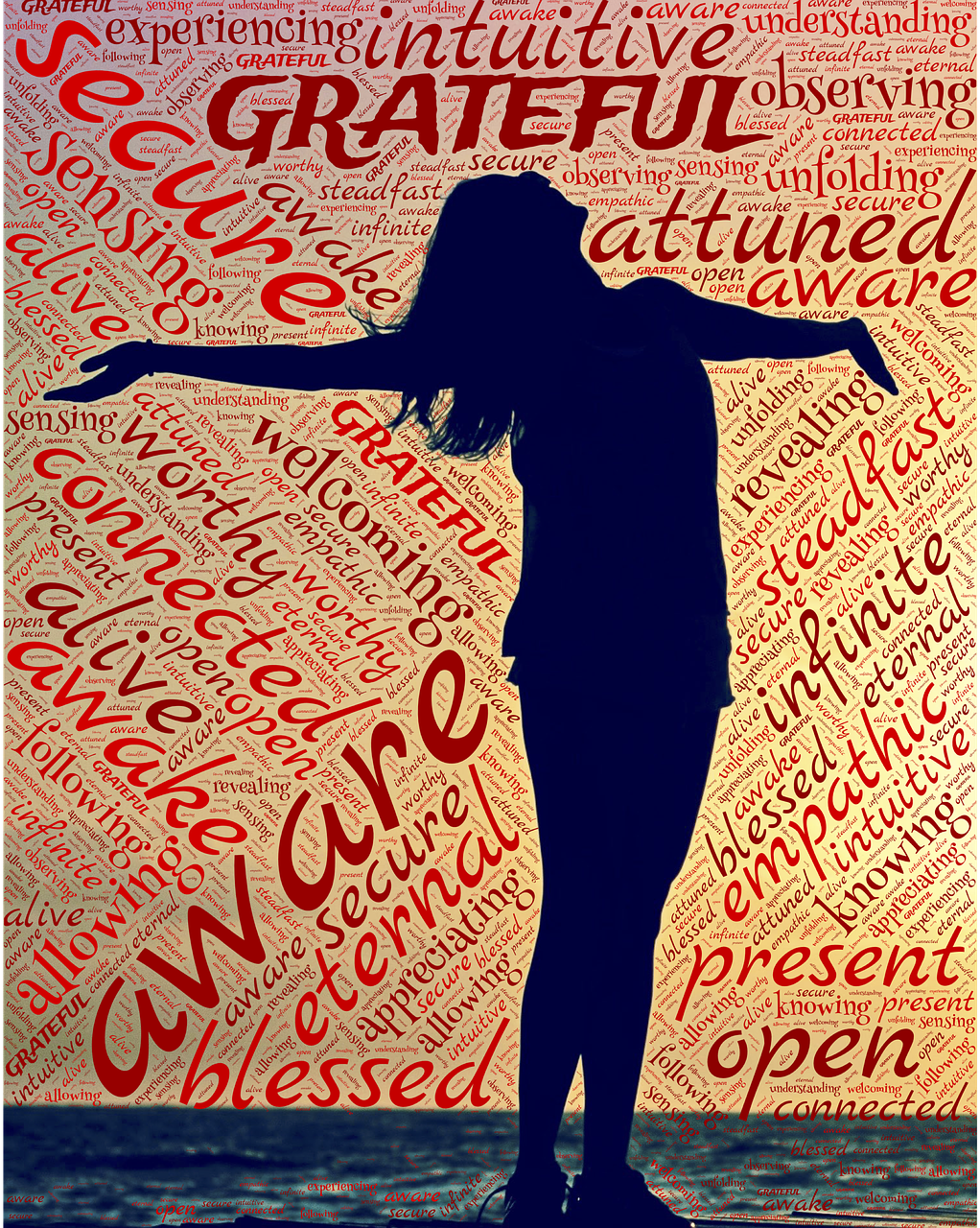
grateful

Gratitude.

If you are too grateful, might you be spoiled?

This is the time of year that those of us in the United States of America (North) celebrate a holiday called Thanksgiving. Why we need to restrict our thanks to one day escapes me. I know that those of you in other countries may be thankful on other days, some of you may even be thankful on more than one day a year. I think we here in America may have so much to be thankful for we just might be spoiled. I am convinced I am.

One thing that recovering people do is make gratitude lists. They should do this regularly, list out the things that make them grateful, but especially on Thanksgiving, it is helpful to know what we are thankful for.

So often these lists are lists of things we have, not things we are. Do you have to own a lot of stuff to be grateful? How many square feet does your house need to have for you to be thankful?

Here are some of the things that I am thankful for this year, listed in no particular order.

I woke up this morning instead of coming too.

An old-timer told me this one. Any morning you wake up is a good morning. There are people all over the planet who may or may not regain consciousness this morning. I am so lucky to be among those who woke up.

I live in a house.

You don’t have to go very far to see people who are living on the street or under bridges. Here in America, the richest country on earth, we still have homeless. Some of you are unhappy because your house is not the size you want or in the place you want it.  There are days I have felt that way, but seeing people who don’t have any home makes me think I am a little spoiled.

My house has a roof.

There are people whose houses are made of sticks or thatch. That’s not so bad. There are people whose roof is a cheap blue tarp or a freeway overpass.  My roof keeps the rain out. I am so lucky.

I have running water.

My running water does not require me to go to a stream or make a trip to a well. There is no pitcher or jug that I have to pour from to make my water run. I turn the tap and out it comes. Presumably, it is safe and palatable. There are people who don’t have running water and the water they do have is not safe to drink.

I feel so spoiled, having clean water any time I want it.

My house has windows.

I can see out and still the rain is kept out. I know there are houses in this town, not far from mine, who have plywood nailed up on their windows. Some people have cardboard in the holes.

I am told that some people only have holes in the walls to look out if they even have walls. I am so fortunate to have windows.

I have electricity and gas heating.

Not only do I have electricity but it works most days. There are people who don’t have electricity. There are others whose idea of electricity is to run an extension cord over a fence or next door and plug into someone else’s house. I don’t have to do those things and the lights are on anytime I want them, no lighting fires required.

Lots of people had their power interrupted recently by a huge storm. My heart goes out to those who had to wait days, even weeks to get the power back. All that while I was safe and warm in my home with the power on.

I feel so ungrateful that any morning I want I can turn those lights on. Sometimes I realize I did not give thanks today for having electricity and heat. How spoiled can I be?

I can read and write.

In places all around the earth, there are people who are not able to read or write. The prisons are full of those who can’t read at grade level. We here in America take education for granted until we see someone in another country who is willing to risk their lives for the chance to learn to read.

I even own some books and a computer so I can surf the web and read things whenever I want. Some people only get to read what their government wants them to read.

I am blessed with so much to read that it would be easy to complain that I have too much – until I think that too much is a better alternative than too little.

I am free to come and go as I please.

I am not incarcerated. I have freedoms other people on earth only dream of. When I think of how valuable these freedoms are and how rarely I think about them, I feel like I must be spoiled from having so much.

If I don’t like the rules or the rulers I can vote.

My vote does not always go to the winning side. Sometimes I wonder if my vote makes any difference.

But I keep reminding myself there are people who are not allowed to vote, for whom the outcome of the election is decided before they ever go to the polls.

I have a job and they pay me to do what I do.

Sure I would like to be paid more. I don’t like the idea of pay cuts any more than anyone else. But think of this, each day I get to go do something I like to do and they pay me for doing it.

There are lots of people out there today that wish they had a job, any job. I feel so spoiled by the idea that they pay me money for the work I do.

I can pay taxes.

It would be easy to complain about my taxes. Lots of us do. No one likes to have high taxes, but the alternative, to have a government that can’t do the things we want it to do, which is not acceptable to me.

So while I don’t like ever-higher taxes, I feel blessed that I make enough to be able to pay some taxes and still have enough left to get by on.

I have people in my life who care about me.

I will keep this short but every friend in my life is a blessing for which I am grateful. You know who you are. I include all my readers in this also, you like what I write enough to keep coming back, which makes me feel privileged to have your ear from time to time.

I could go on and on but enough is enough. Those are some of the reasons I feel blessed, grateful, thankful, and yes even a little spoiled on this one day of the year we are supposed to be thinking of things that make us thankful.

Do you have things on your gratitude list that make you feel blessed, thankful, or even a little spoiled?

Staying connected with David Joel Miller

Seven David Joel Miller Books are available now!

My newest book is now available. It was my opportunity to try on a new genre. I’ve been working on this book for several years, but now seem like the right time to publish it.

Story Bureau.

Story Bureau is a thrilling Dystopian Post-Apocalyptic adventure in the Surviving the Apocalypse series.

Baldwin struggles to survive life in a post-apocalyptic world where the government controls everything.

As society collapses and his family gets plunged into poverty, Baldwin takes a job in the capital city, working for a government agency called the Story Bureau. He discovers the Story Bureau is not a benign news outlet but a sinister government plot to manipulate society.

Bumps on the Road of Life. Whether you struggle with anxiety, depression, low motivation, or addiction, you can recover. Bumps on the Road of Life is the story of how people get off track and how to get your life out of the ditch.

Dark Family Secrets: Doris wants to get her life back, but small-town prejudice could shatter her dreams.

Casino Robbery Arthur Mitchell escapes the trauma of watching his girlfriend die. But the killers know he’s a witness and want him dead.

Planned Accidents  The second Arthur Mitchell and Plutus mystery.

Letters from the Dead: The third in the Arthur Mitchell mystery series.

What would you do if you found a letter to a detective describing a crime and you knew the writer and detective were dead, and you could be next?

Sasquatch. Three things about us, you should know. One, we have seen the past. Two, we’re trapped there. Three, I don’t know if we’ll ever get back to our own time.

For these and my upcoming books; please visit my Author Page – David Joel Miller

Want the latest blog posts as they publish? Subscribe to this blog.

For videos, see: Counselorssoapbox YouTube Video Channel

What causes an eating disorder relapse?

By David Joel Miller, MS, Licensed Therapist & Licensed Counselor.

Food

Food.
Photo courtesy of Pixabay.com

Can we predict who will have an eating disorder relapse?

People who work in the recovery field are struggling to figure out how relapses on mental health issues are like and how they are different from relapses involving substance abuse.

Eating disorders are a strong example of that difference.

With substance abuse, most authorities think any return to using or drinking constitutes a relapse. Some authors have tried to differentiate a “Lapse,” a single case of starting to pick up followed by a decision not to return to active use, from a relapse.

Most recovering people are uncomfortable with the idea that any case of picking up can be excused. Rule one for their recovery is “Don’t pick up.” Still, if you do relapse the sooner the return to recovery behaviors the better the chances.

With eating disorders we understand everyone needs to eat, many of us may worry about our weight and sometimes do something excessive to control that weight. To be a relapse on an eating disorder we think we need to see not just one incident but a return to the overall pattern of bad relationships with food.

That part of an eating disorder relapse is similar to relapse to other disorders. The relapse begins before picking up or purging behaviors. It begins with changes in thinking and failure to maintain your recovery.

Four key factors appear to predict who will have an eating disorder relapse (Per McFarlane et al 2008.) These factors may have an application for other mental health challenges.

1. How bad was the eating disorder before treatment?

The more severely affected the person was the more it will take to change those behaviors. People who have been starving, binging, or purging or even overeating for decades do not become cured overnight.

They may make significant progress in a short period of time but they will need a lot more time to consolidate those improvements if they have had the disease for a long time and the symptoms have gotten severe.

2. Higher level of eating disorder symptoms at end of treatment.

This makes intuitive sense. Someone still running a fever is at more risk than someone whose temperature has returned to normal to relapse into a physical health crisis.

The more the urges and cravings, the harder it will be to continue on the path to recovery and not lapse back into old behaviors.

Sometimes professionals are in too much of a rush to fix people and we may send them out of treatment before they are ready. With eating disorder symptoms the more there are and the larger the symptoms are the more the risk of relapse.

Pressure from managed care systems to cut costs is one source of the rush but there are others. Patients want to get this over with and get home. They often think they were cured when the professional known the symptoms are not even all gone yet.

3. Slow response to treatment predicts an eating disorder relapse.

Clients who enter a 28-day program need to hit the ground running. There is no time to waste. Unfortunately many are still not sure they want to change or that they really have a problem. In drug treatment, it is not unusual for clients to avoid treatment for the first thirty days. Somewhere along the way, they see others getting better and they want that result for themselves.

Eating disorder clients who do not start to make progress until three weeks into treatment will not be better, regardless of what that scale says, at the end of the 30 days.

Clients who are slow to respond to treatment need longer to consolidate gains and they are at a higher risk of relapse which means they need more support as the treatment frequency decreases.

4. Higher weight-related self-evaluation predicts relapse.

When your idea of your self-worth is based on an outward characteristic, like weight, it is hard to give up any control over your eating no matter how slight the risk.

This whole area of self-evaluation is a cause of a lot of mental illness and just plain unhappiness. Learn to like yourself for who and what you are inside and anyone who only likes you for your outward appearance is not worth your time.

Selling people things is big business. Sell people on the need to have and eat certain foods, sell them on the joys of eating large and high-calorie foods, make extra fat a standard menu item on fast food menus and you will make money. Then when we get done selling you high-calorie food we tell you it is your fault that you have gained weight.

Don’t buy the yo-yo. Learn to eat healthy in the first place but accept that no one keeps that elementary school figure without giving up a lot of life.

There is a whole lot more inside you than what will show on the scale. The secret to happiness is in keeping your life in balance, not in winning the prize for self-deprivation.

People who think their self-worth is all about their weight will never get happy. Get happy first and you will like yourself regardless of your weight.

Staying connected with David Joel Miller

Seven David Joel Miller Books are available now!

My newest book is now available. It was my opportunity to try on a new genre. I’ve been working on this book for several years, but now seem like the right time to publish it.

Story Bureau.

Story Bureau is a thrilling Dystopian Post-Apocalyptic adventure in the Surviving the Apocalypse series.

Baldwin struggles to survive life in a post-apocalyptic world where the government controls everything.

As society collapses and his family gets plunged into poverty, Baldwin takes a job in the capital city, working for a government agency called the Story Bureau. He discovers the Story Bureau is not a benign news outlet but a sinister government plot to manipulate society.

Bumps on the Road of Life. Whether you struggle with anxiety, depression, low motivation, or addiction, you can recover. Bumps on the Road of Life is the story of how people get off track and how to get your life out of the ditch.

Dark Family Secrets: Doris wants to get her life back, but small-town prejudice could shatter her dreams.

Casino Robbery Arthur Mitchell escapes the trauma of watching his girlfriend die. But the killers know he’s a witness and want him dead.

Planned Accidents  The second Arthur Mitchell and Plutus mystery.

Letters from the Dead: The third in the Arthur Mitchell mystery series.

What would you do if you found a letter to a detective describing a crime and you knew the writer and detective were dead, and you could be next?

Sasquatch. Three things about us, you should know. One, we have seen the past. Two, we’re trapped there. Three, I don’t know if we’ll ever get back to our own time.

For these and my upcoming books; please visit my Author Page – David Joel Miller

Want the latest blog posts as they publish? Subscribe to this blog.

For videos, see: Counselorssoapbox YouTube Video Channel

Creating the changes you need.

By David Joel Miller, MS, Licensed Therapist & Licensed Counselor.

Change

Change.
Photo courtesy of Pixabay.com

Changing self or others?

So very many people who come into counseling report their major problem is – the behavior of someone else. They ask “How can I get —– to change and stop doing —–.

Recovery literature frequently takes the view that you really can’t change someone else. If they change it will be because they recognize a problem and decide to change. So if 99% of the problem is their fault and only 1% is yours you need to start by working on your one percent.

There are times you can get others to change, but the trick here is that often that change begins with a change in you.

There are four primary change options. Which you chose and how effective it will be will depend on the nature of the change you need. Your partner driving you nuts by being a slob is quite different from a child who breaks out all the windows in a house.

1. Change by stop letting it bother you.

Change your thinking and stop letting it upset you. This is easy to say and sometimes difficult to do. If you began by liking a partner who was spontaneous, a free spirit, but now you are upset because they are irresponsible and a slob, recognize that the problem is in you. The very thing that attracted you to them is the thing that is causing the problem.

Anger management techniques, especially that Cognitive Behavioral Therapy technique involving the A-B-C-D-E model can be especially helpful.

Mindfulness training, meditation, and relaxation training can also help you to reduce your negative feelings so you can go along with what is happening but not get upset.

2. Help them move through the process of change.

If the other person has the problem and you are doing all you can to accept them but you decide it is they, not you who need to change, you can still help them change by assisting them in moving through the stages of change.

Counselors and professionals are specifically trained in the stages of change model and can help someone move through the process. Take a look at the blog posts on Stages of Change.

3. Create change by changing the dance.

Couples, families, and even workplaces get into a predictable way of doing things. Sometimes this works and sometimes it is dysfunctional. Think of the way this dance happens over and over.

Relationships are a lot like a square dance. Everyone moves around the square doing the same things over and over. If one person changes the way they move, starts walking in a different direction the whole square falls apart.

In relationships, we get into predictable patterns. A friend calls with a problem; we spend hours on the phone. We drive over to their house and help them out. Then we realize that we are always helping them, they never have the time or resources to help us.

Next time they call and describe their problem, rather than telling them you will help, tell them wow that is some problem, I am really looking forward to seeing how you solve that one. Then excuse yourself and hang up.

They may escalate the demands for your help by calling again and asking you to do something. Here is where you may need some assertiveness training. But at some point, you may need to tell them that if you keep solving their problems for them they will never learn to solve them on their own. Besides, right now you have problems of your own that need attention.

Once you have changed the dance, the other person will keep pushing you to get back in the old pattern. You will need to keep to the new direction. But eventually, they will stop asking for help. They may even stop inviting you to their problem dance.

But if you lose this “friend” because you put your needs and those of your family first, well they weren’t that good a friend, to begin with. You deserve better than that.

4. Change others using Influence.

Sometimes you need to make others change even when it would be easier and safer to let it go.

If your young child falls on the floor and has a tantrum, you teach him to stop. If your teenager is doing that you need serious intervention. You should not have let it get to this point.

Parents and teachers change kid’s behaviors all the time. We use rewards and appropriate non-physical punishment to produce change all the time.

There is a series of posts about how behavioral modification specialists get people to change their behavior. This is not some form of brainwashing or mind control.

You get to drive if you take the required steps including taking some tests. If you drive without a license you may get arrested or your car impounded. Society uses rewards and punishments every day. For rules to work we need to keep enforcing these rules.

If you want to alter behavior in your child or others in your life consider the more subtle uses of behavior modification described in my Changing Others series. Praise your child or your partner when they do well. Make sure that they don’t have to do something wrong to get your attention.

What you attend to you will get more of. Make sure you let those in your life know when they are pleasing you.

See also the posts on

Stages of Change

Changing others by Influencing  

Staying connected with David Joel Miller

Seven David Joel Miller Books are available now!

My newest book is now available. It was my opportunity to try on a new genre. I’ve been working on this book for several years, but now seem like the right time to publish it.

Story Bureau.

Story Bureau is a thrilling Dystopian Post-Apocalyptic adventure in the Surviving the Apocalypse series.

Baldwin struggles to survive life in a post-apocalyptic world where the government controls everything.

As society collapses and his family gets plunged into poverty, Baldwin takes a job in the capital city, working for a government agency called the Story Bureau. He discovers the Story Bureau is not a benign news outlet but a sinister government plot to manipulate society.

Bumps on the Road of Life. Whether you struggle with anxiety, depression, low motivation, or addiction, you can recover. Bumps on the Road of Life is the story of how people get off track and how to get your life out of the ditch.

Dark Family Secrets: Doris wants to get her life back, but small-town prejudice could shatter her dreams.

Casino Robbery Arthur Mitchell escapes the trauma of watching his girlfriend die. But the killers know he’s a witness and want him dead.

Planned Accidents  The second Arthur Mitchell and Plutus mystery.

Letters from the Dead: The third in the Arthur Mitchell mystery series.

What would you do if you found a letter to a detective describing a crime and you knew the writer and detective were dead, and you could be next?

Sasquatch. Three things about us, you should know. One, we have seen the past. Two, we’re trapped there. Three, I don’t know if we’ll ever get back to our own time.

For these and my upcoming books; please visit my Author Page – David Joel Miller

Want the latest blog posts as they publish? Subscribe to this blog.

For videos, see: Counselorssoapbox YouTube Video Channel

What are the stages of change?

By David Joel Miller, MS, Licensed Therapist & Licensed Counselor.

Changing your life

Time for a life change?
Photo courtesy of Pixabay.com

How do people really change?

The stages of change model comes originally from a book titled “Changing For Good” by Prochaska, Norcross, and DiClemente.

This model has been widely applied to substance abuse treatment but is also applicable to mental health, weight loss, or even improving test scores in underperforming schools.

We teach this model to beginning students in Substance abuse counseling programs and it is gradually becoming a part of Professional Clinical Counseling and Marriage and Family Therapy training.

It is helpful for professionals to understand how it is that people change so we don’t get ahead of or behind our clients in the process of change. This model also helps predict the possibility of relapse and is applied to relapse prevention.

The Stages of Change model is not just for professionals. It is included in the Mental Health First Aid program and is now being taught to clients and consumers.

Below are the links to a series of posts I wrote on the stages of change. This is my explanation of the model and some additional insights from Ken Minkhoff at Zia Partners and my fellow Change Agents.

My apologies to Prochaska, Norcross, and DiClemente if I have in any way distorted their model. For their version read the book. See also materials on Stages of Change at the SAMHSA website.

Stages of Change or How Do We Change Pre-Contemplation

Stages of Change part two – Contemplation

How do People Change? Preparation

Stages of Change – Early Action

Stages of Change – Late Action

Maintenance is a Part of Change

Related posts are at:

Is Relapse a Part of Recovery?

Four Stages of Recovery

Getting some recovery – preventing relapse

Staying connected with David Joel Miller

Seven David Joel Miller Books are available now!

My newest book is now available. It was my opportunity to try on a new genre. I’ve been working on this book for several years, but now seem like the right time to publish it.

Story Bureau.

Story Bureau is a thrilling Dystopian Post-Apocalyptic adventure in the Surviving the Apocalypse series.

Baldwin struggles to survive life in a post-apocalyptic world where the government controls everything.

As society collapses and his family gets plunged into poverty, Baldwin takes a job in the capital city, working for a government agency called the Story Bureau. He discovers the Story Bureau is not a benign news outlet but a sinister government plot to manipulate society.

Bumps on the Road of Life. Whether you struggle with anxiety, depression, low motivation, or addiction, you can recover. Bumps on the Road of Life is the story of how people get off track and how to get your life out of the ditch.

Dark Family Secrets: Doris wants to get her life back, but small-town prejudice could shatter her dreams.

Casino Robbery Arthur Mitchell escapes the trauma of watching his girlfriend die. But the killers know he’s a witness and want him dead.

Planned Accidents  The second Arthur Mitchell and Plutus mystery.

Letters from the Dead: The third in the Arthur Mitchell mystery series.

What would you do if you found a letter to a detective describing a crime and you knew the writer and detective were dead, and you could be next?

Sasquatch. Three things about us, you should know. One, we have seen the past. Two, we’re trapped there. Three, I don’t know if we’ll ever get back to our own time.

For these and my upcoming books; please visit my Author Page – David Joel Miller

Want the latest blog posts as they publish? Subscribe to this blog.

For videos, see: Counselorssoapbox YouTube Video Channel

What is a dry Drunk – putting down without really getting clean.

By David Joel Miller, MS, Licensed Therapist & Licensed Counselor.

Liquor

Alcoholic beverages.
Photo courtesy of Pixabay.com

They quit drinking and using but nothing else changed.

They quit drinking, they put down the drugs. The family hopes. They have heard this before. “I am done,” this is the last time. The now-former drinker starts talking a good game. They swear they are not doing drugs. Things will change now. The family wants to believe them. For a little while, there is hope.

Only nothing does change.

Despite the not drinking and the lack of drugs, the person behaves the same way they used to. They are miserable. Their relationships at home and work do not improve, not the way they think they should. The family and friends don’t like being around them anymore now than they did when the person was drinking and using. They are dry but they are not sober.

Suddenly without drugs and alcohol in their system, they feel feelings they have kept at bay for a long time.  Life does not miraculously become perfect. There are bills to pay, legal consequences to take care of and relationships to mend. Life becomes real with its ups and downs.

Dry drunks are easy to spot if you know what you are looking for. They turn up at meetings all across America. Some have been off the sauce for years, 5 years maybe. But they are miserable. And they make others miserable. They are full of anger, bitterness, and hurt.

They may turn to a religion. They go to church and become more righteous than the preacher. They can see the flaws and failings of everyone they meet – just not in themselves.

Eventually, the stop going to meetings, that program doesn’t work they tell others. They went but they never really participated. They wanted a shortcut to recovery. One that did not require them to do the painful work of changing.

They may leap from church to church; decrying people as hypocrites and saying people there were not true believers. They learn rules on how to worship but not the values of hope, caring, and compassion.

Families tire of being around them. The dry drunk thinks they deserve credit for not drinking and using. The family doesn’t see what has changed. The alcoholic or drug addict is still self-centered and unhappy.

Sometimes the family will tell the dry person “liked you better when you were drinking, you were more fun then.” Or “at least when you were drinking we knew what to expect.”

Dry drunks can go on walking around miserable for years. Eventually most either relapse or turn up in counseling. They attribute their problems to something else, a bad relationship, or a difficult work situation. Yes, of course, they have problems. Just putting down the drug or giving up the alcohol does not make all your problems magically disappear.

Some become so discouraged that they stop trying. Why give up the drink if life will never get any better? We see them in multiple drug and alcohol treatment programs.

Eventually what most recovering people find is that they never really had a drinking or drug problem – they have a living sober problem. The problem was not the drugs. Drugs and drinks were their solutions. A solution that temporarily hid their problems but did not solve them.

What they learn eventually, if they learn it at all, is that what they really have is a life problem.

How do you live a happy, fulfilled life without the drugs and alcohol?

Finding that better life requires more than just not drinking or putting down the drugs. It requires an active process of change. Going to meetings is not enough, you need to actually “work” the steps, do the work of change.

Counseling also involves a process of change. The recovery, from whatever your problem is, does not happen in the sixty minutes of each session. In that time we can chart a course, teach skills, and help you discover pain you didn’t know you had. The real work of recovery happens in your daily life, in that other 167 hours per week when you need to practice new skills and new ways of being.

If you or someone you know is a dry drunk, has put down but not gotten clean and sober, don’t give up. Find someone you can work with that can help you really become clean and sober.

For more on recovery topics see:

Getting your tools dirty

Getting some recovery

Is relapse a part of recovery?

Running hard after recovery

Why giving up the drugs and alcohol did not make you happy

What is hitting bottom?

Staying connected with David Joel Miller

Seven David Joel Miller Books are available now!

My newest book is now available. It was my opportunity to try on a new genre. I’ve been working on this book for several years, but now seem like the right time to publish it.

Story Bureau.

Story Bureau is a thrilling Dystopian Post-Apocalyptic adventure in the Surviving the Apocalypse series.

Baldwin struggles to survive life in a post-apocalyptic world where the government controls everything.

As society collapses and his family gets plunged into poverty, Baldwin takes a job in the capital city, working for a government agency called the Story Bureau. He discovers the Story Bureau is not a benign news outlet but a sinister government plot to manipulate society.

Bumps on the Road of Life. Whether you struggle with anxiety, depression, low motivation, or addiction, you can recover. Bumps on the Road of Life is the story of how people get off track and how to get your life out of the ditch.

Dark Family Secrets: Doris wants to get her life back, but small-town prejudice could shatter her dreams.

Casino Robbery Arthur Mitchell escapes the trauma of watching his girlfriend die. But the killers know he’s a witness and want him dead.

Planned Accidents  The second Arthur Mitchell and Plutus mystery.

Letters from the Dead: The third in the Arthur Mitchell mystery series.

What would you do if you found a letter to a detective describing a crime and you knew the writer and detective were dead, and you could be next?

Sasquatch. Three things about us, you should know. One, we have seen the past. Two, we’re trapped there. Three, I don’t know if we’ll ever get back to our own time.

For these and my upcoming books; please visit my Author Page – David Joel Miller

Want the latest blog posts as they publish? Subscribe to this blog.

For videos, see: Counselorssoapbox YouTube Video Channel

7 steps to prepare for a recovery crisis.

By David Joel Miller, MS, Licensed Therapist & Licensed Counselor.

Ball recovery

Recovery and Resiliency.
Photo courtesy of Pixabay.com

Recovery Emergency Plan.

We all know about the importance of preparing for a physical disaster, some of us make these disaster preparations. People in recovery are likely to experience recovery crises. Are you prepared for a recovery crisis?

Just because someone enters recovery does not guarantee a perfect life. This is a real-life, sometimes good things happen; sometimes things are not so good. Having a recovery preparedness plan is not just for those in substance abuse recovery. If you are in recovery from mental health or another life problem you need to make these preparations also.

Here are ways to prepare for those not so good times.

1. Enlarge your support system

When things are going well a few people in your support system is fine, but when challenges arise those few people may not be enough. Get phone numbers you can call from more people. What if your first three people are not home or unavailable? Having as at least 20 phone numbers on your support system list is recommended.

A list of numbers for organizations and national support lines is helpful when traveling. Keep your doctor or counselor’s number handy. Many fellowships have websites and there are online meetings. Add these contacts to your phone support list.

Attend support groups other than your regular meeting. Having a number of places you can go to means you will not be alone in the crisis.

2.  Recharge your mind.

Practice positive affirmations. Allow yourself to spend quiet recovery time every day. Continue with your prayer and meditation. Read positive books and listen to positive programs.  Exercising your happiness keeps your mind in top shape for those attacks of negative emotions.

3. Recharge your body.

Your body can’t carry you through tough times if you neglect it in the good times. Recovering people know that hunger, thirst, and lack of sleep are all relapse triggers. Eat regular meals. Drink plenty of water and avoid high sugar drinks. Allow plenty of time for sleep.

The body needs a balance of exercise and rest to function at its best.

4. Don’t let you mind overload the rest of you.

In early recovery, people want to make up for the lost time. One week out of the hospital or treatment facility and they are looking for a job, signing up for school, in a program of aftercare, and seeing a therapist.

Someone who has never cooked anything that does not go in a microwave may take up cooking healthy meals while joining the gym and embarking on a weight loss program.

Overloading yourself by trying to make too many huge changes too fast increases the risk of relapse. Take small steps. Working on goals a little each day over a long period produces results. Your goal should not be a sudden transformation; it should be to make changes in your lifestyle that you can maintain.

Trying to start out on massive change projects can be a way of setting yourself up for failure and sabotaging your recovery.

Do what you can today and a little more tomorrow.

5. Be kind to yourself – give yourself credit – reward yourself.

People who only hear about their mistakes lose confidence, learn to be helpless, and may stop trying. Don’t be your own worst critic. Take credit for the things you are doing right. Say positive affirmations. Give yourself small positive rewards for your efforts.

Avoid negative rewards like drugs or alcohol. Have healthy little treats. Take time to go to places you enjoy being. Spend time with positive friends. Spending time in meetings and with good friends is not an interruption to your recovery – it is a part of that recovery.

Recovery should be fun. Let yourself enjoy your new and improved life.

6. Keep a book handy.

Keep recovery materials handy. When adversity comes, remember to read uplifting materials. That one recovery book may be just the thing to keep your recovery on track when the problems come.

7. Practice your maintenance steps.

Whatever program you worked to get recovery, do not stop working it. If you worked a twelve-step program, keep in touch with that fellowship. If you have a spiritual connection stay connected. Read your recovery materials. Maintain and enlarge your support system. Continue to practice the skills your counselor taught you.

Putting it all together

What is your plan to keep your recovery strong? Every person in recovery needs an emergency plan to prevent relapse.

Staying connected with David Joel Miller

Seven David Joel Miller Books are available now!

My newest book is now available. It was my opportunity to try on a new genre. I’ve been working on this book for several years, but now seem like the right time to publish it.

Story Bureau.

Story Bureau is a thrilling Dystopian Post-Apocalyptic adventure in the Surviving the Apocalypse series.

Baldwin struggles to survive life in a post-apocalyptic world where the government controls everything.

As society collapses and his family gets plunged into poverty, Baldwin takes a job in the capital city, working for a government agency called the Story Bureau. He discovers the Story Bureau is not a benign news outlet but a sinister government plot to manipulate society.

Bumps on the Road of Life. Whether you struggle with anxiety, depression, low motivation, or addiction, you can recover. Bumps on the Road of Life is the story of how people get off track and how to get your life out of the ditch.

Dark Family Secrets: Doris wants to get her life back, but small-town prejudice could shatter her dreams.

Casino Robbery Arthur Mitchell escapes the trauma of watching his girlfriend die. But the killers know he’s a witness and want him dead.

Planned Accidents  The second Arthur Mitchell and Plutus mystery.

Letters from the Dead: The third in the Arthur Mitchell mystery series.

What would you do if you found a letter to a detective describing a crime and you knew the writer and detective were dead, and you could be next?

Sasquatch. Three things about us, you should know. One, we have seen the past. Two, we’re trapped there. Three, I don’t know if we’ll ever get back to our own time.

For these and my upcoming books; please visit my Author Page – David Joel Miller

Want the latest blog posts as they publish? Subscribe to this blog.

For videos, see: Counselorssoapbox YouTube Video Channel

Can one person be a support system?

By David Joel Miller, MS, Licensed Therapist & Licensed Counselor.

Support system.
Photo courtesy of Pixabay.com

How many people make a support system?

Morning Question #16

Having a close, significant person as a support system can be extremely helpful. People with a serious and persistent mental illness who are in a long-term supportive relationship are less likely to end up back in the hospital. There are several reasons why a one-person support system is risky for them and for you.

Expecting one person to carry the full load of supporting you is an awful lot to ask. It is too much for someone to care for your needs and to be in a close relationship with you. How does that person get their needs met? If you need a support system, can you be fully present to meet your partner’s needs? Having people other than your partner in a support network increases the support you can call on and avoids pushing that one person who is around you all the time to the breaking point.

More people in your support system spreads the burden around and increases the joy of being able to help each other. Building a support system is important, so is making sure they are supportive.

Support people are often relatives or close intimate partners. Having someone to love and who loves you can be very supportive. No relationship is ever conflict-free. If you and your partner have a disagreement, if there is a fight, you risk your support system being unavailable just at the time you most need one.

We tend to be attracted to and close to people like ourselves. There is no reason why two people who have depression or any other mental illness can’t be in a relationship. If your partner has issues also they may not always be available or able to cope with your issues.

Too many people in your support system may be just as much of a problem, as too few. It is difficult to stay in contact with many people. A support person should be someone you know well and who knows you well.

How many people do you have in your support system? How many do you believe would be ideal?

Other posts about support systems can be found at:

How supportive is your support system?

Support meetings for family members?

How do you develop a support system?

Staying connected with David Joel Miller

Seven David Joel Miller Books are available now!

My newest book is now available. It was my opportunity to try on a new genre. I’ve been working on this book for several years, but now seem like the right time to publish it.

Story Bureau.

Story Bureau is a thrilling Dystopian Post-Apocalyptic adventure in the Surviving the Apocalypse series.

Baldwin struggles to survive life in a post-apocalyptic world where the government controls everything.

As society collapses and his family gets plunged into poverty, Baldwin takes a job in the capital city, working for a government agency called the Story Bureau. He discovers the Story Bureau is not a benign news outlet but a sinister government plot to manipulate society.

Bumps on the Road of Life. Whether you struggle with anxiety, depression, low motivation, or addiction, you can recover. Bumps on the Road of Life is the story of how people get off track and how to get your life out of the ditch.

Dark Family Secrets: Doris wants to get her life back, but small-town prejudice could shatter her dreams.

Casino Robbery Arthur Mitchell escapes the trauma of watching his girlfriend die. But the killers know he’s a witness and want him dead.

Planned Accidents  The second Arthur Mitchell and Plutus mystery.

Letters from the Dead: The third in the Arthur Mitchell mystery series.

What would you do if you found a letter to a detective describing a crime and you knew the writer and detective were dead, and you could be next?

Sasquatch. Three things about us, you should know. One, we have seen the past. Two, we’re trapped there. Three, I don’t know if we’ll ever get back to our own time.

For these and my upcoming books; please visit my Author Page – David Joel Miller

Want the latest blog posts as they publish? Subscribe to this blog.

For videos, see: Counselorssoapbox YouTube Video Channel
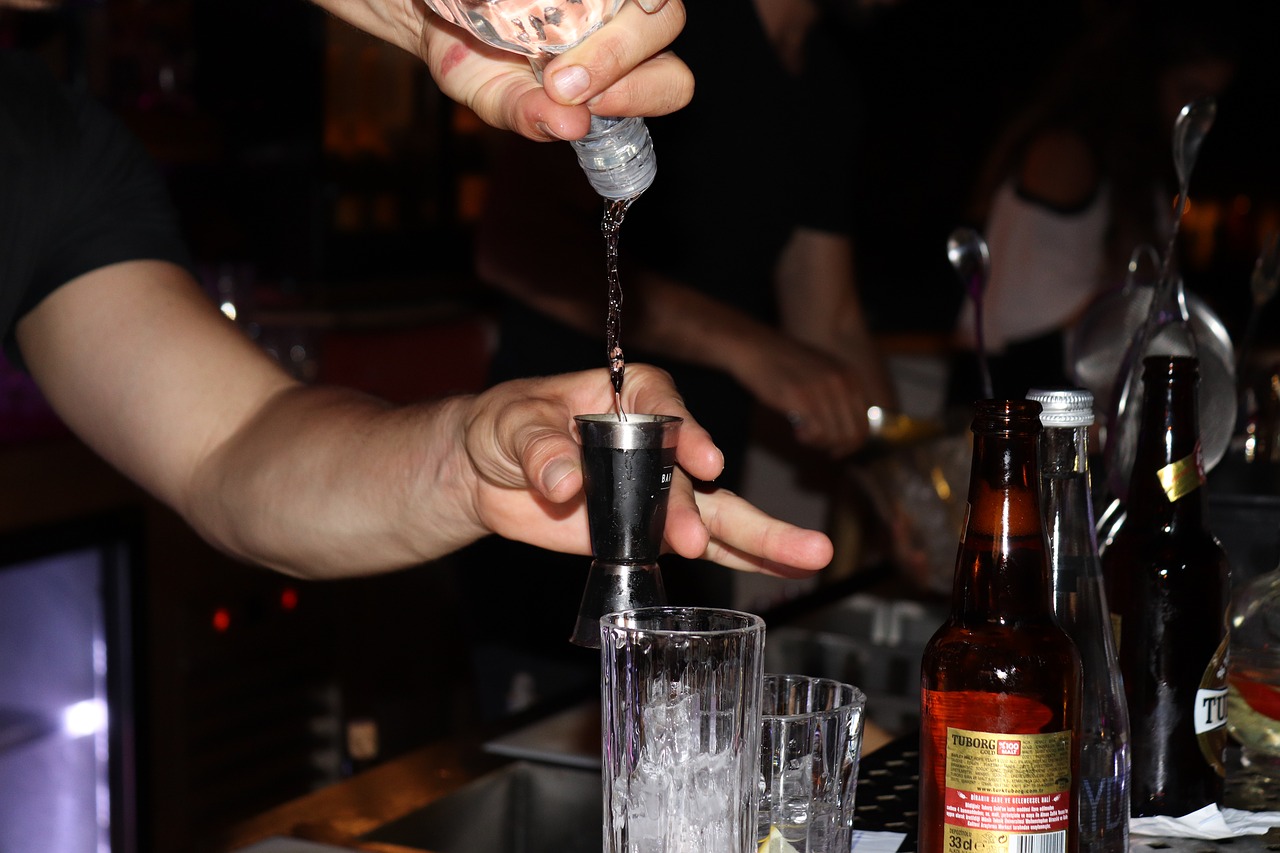
Blackouts – common or rare?

By David Joel Miller, MS, Licensed Therapist & Licensed Counselor.

Drinking

Binge drinking.
Photo courtesy of Pixabay.com

Are blackouts common?

Morning Question #15.

Blackouts are nothing like passing out or being unconscious. Blackouts involve the ability to walk, talk, and function while intoxicating but to form no memories. The next day the drinker may not know what happened.

Blackouts are relatively common, with up to half of all college students reporting having had an episode of memory loss when drinking. These episodes are highly associated with Binge Drinking. Blackouts range from “brownouts” sometimes called fragmentary blackouts where there are portions of memory mixed with missing facts to full-on blackouts (sometimes called block blackouts) of having lived hours or sometimes days with no memory of where you were or what happened.

Having a blackout especially early in your drinking career indicates a huge risk of developing alcoholism.

Staying connected with David Joel Miller

Seven David Joel Miller Books are available now!

My newest book is now available. It was my opportunity to try on a new genre. I’ve been working on this book for several years, but now seem like the right time to publish it.

Story Bureau.

Story Bureau is a thrilling Dystopian Post-Apocalyptic adventure in the Surviving the Apocalypse series.

Baldwin struggles to survive life in a post-apocalyptic world where the government controls everything.

As society collapses and his family gets plunged into poverty, Baldwin takes a job in the capital city, working for a government agency called the Story Bureau. He discovers the Story Bureau is not a benign news outlet but a sinister government plot to manipulate society.

Bumps on the Road of Life. Whether you struggle with anxiety, depression, low motivation, or addiction, you can recover. Bumps on the Road of Life is the story of how people get off track and how to get your life out of the ditch.

Dark Family Secrets: Doris wants to get her life back, but small-town prejudice could shatter her dreams.

Casino Robbery Arthur Mitchell escapes the trauma of watching his girlfriend die. But the killers know he’s a witness and want him dead.

Planned Accidents  The second Arthur Mitchell and Plutus mystery.

Letters from the Dead: The third in the Arthur Mitchell mystery series.

What would you do if you found a letter to a detective describing a crime and you knew the writer and detective were dead, and you could be next?

Sasquatch. Three things about us, you should know. One, we have seen the past. Two, we’re trapped there. Three, I don’t know if we’ll ever get back to our own time.

For these and my upcoming books; please visit my Author Page – David Joel Miller

Want the latest blog posts as they publish? Subscribe to this blog.

For videos, see: Counselorssoapbox YouTube Video Channel

Getting some recovery – preventing relapse

By David Joel Miller, MS, Licensed Therapist & Licensed Counselor.

Urge Surfing Prevents Relapses.

Urge Surfing Prevents Relapses.
Photo courtesy of Pixabay.com

How do you get this recovery thing?

Moving from being “in the problem” to being “recovered” is a process. Many of the things that will take you from the pain to the solution are simple. That does not mean they are easy. Sometimes healing from the past can be painful also.

In past posts, we have talked about Defining Recovery and how recovery is possible for anyone, and that recovery means having the best life possible not necessarily a cure for your condition.

In another post we looked at Why giving up the drugs and alcohol might not make you any happier. Just trying to not do the negative or dysfunctional behaviors will not be enough. Recovery literature talks a lot about using “recovery tools” (see: Getting your tools dirty) and things like internal and external triggers.

What may be missing are the blueprints for creating recovery.

Reader Sue made the following comment.

How exactly should one get their recovery tools dirty? Giving up something that is bad for one, you do expect to feel better but when you don’t you feel disheartened. What’s left is yourself and your problems. So you read all the self-help books and try and work on yourself but how do you connect the practice to the theory? All those learned responses and ways of coping are very hard to unlearn – is it about keeping a record, making new goals, or just trying to get through without going backward?

There are a lot of recovery processes in use today, 12 step models, CBT & REBT therapy, counseling, and so on. They all have their place and they all have some common elements. Here are some basic steps for transforming your life from being hopeless and suffering to having a healthy recovery.

1. What is the problem?

You don’t get chemotherapy for depression or a drinking problem. Drug and alcohol treatment is not very effective for cancer. Make sure you are treating the real problem.

For most people who come to treatment for an addiction problem, the drugs, and the alcohol is not the problem! The drugs and alcohol are their solutions. The real problem is that their coping method, drinking or drugging to ease the pain, is not working. The problem has become that they don’t know how to live without the drugs and alcohol.

Part of defining problems is to admit that your efforts to control the problem have not been working. This is sometimes referred to as “Powerlessness” which is not the same thing as being helpless. Applying this concept of powerlessness to ways to cope with family members who have the problem was the subject of another blog post.

Mental illnesses can play the same role. Depression, anxiety, and dissociation can all function to avoid a painful life experience. The current problem, the one you need to solve first is how to live life without drugs, alcohol, depression, anxiety, or any other negative coping mechanisms.

Most of the time we think the solution to drugs and alcohol is to just stop doing them. This rarely works. Once deprived of your coping mechanism people just suffer. The most effective treatment is to replace the substances with something positive. With clients that I work with we start by creating a Happy Emotional Life Plan (HELP). As a counselor, I believe I am in the happy life business.

With emotional issues, as with eating disorders, it is a little more difficult. You can’t just give up sadness or anxiety and you have to eat and stay healthy. You need to learn to feel feelings without having them control you.

2. Are you ready to change? What help will you need?

Self-help groups talk about recovery being a “we” program not an “I” program. You need to be willing to accept help and support from any source that is healthy. Counselors, Therapists, 12 step groups all can assist in your recovery.

3. Change requires moving through a process

Twelve-step programs refer to “working” the steps or “taking” the steps. Counseling involves some self-examination. To really change requires a lot of action steps. For a detailed description of the process see the series of posts on “Stages of Change”

Pre-contemplation
Contemplation
Preparation or determination
Early Action
Late Action
Maintenance

4. Even after you have changed there is more work to do.

For change to be lasting you will need to do some sort of maintenance. Our old behavior patterns are deeply grooved into the structure of our life. It takes work to avoid falling back into the same old groove.

5. Progress, not perfection.

People in early recovery try to do everything now. They want to do recovery, get a job, find a new relationship, and generally create the perfect life all in one week. Learn to take things “one day at a time.”

Relapse, in my view, may not be a required “part of recovery, ” but it happens often enough that it is nothing to beat yourself up about. If you relapse on substance or depression, just get back into recovery as quickly as possible and move on.

The goal, as the old saying goes is “progress not perfection.” Keep your eyes on the gains you are making, give yourself credit for anything well done, and try to build on small successes until you create the bigger ones.

Life in recovery is a sort of experiment. We try things and learn from our efforts. Try to avoid experiments that result in a lot of pain or require time behind bars, but you will have to make choices and some of those choices will not work out the way you would have hoped.

This is a real-life, sometimes I like it sometimes I don’t. Learning to sit and feel bad and know this will pass, but I can tolerate this feeling without using my negative coping mechanism.

So, yes Sue, recovery is about trudging forward, trying on new behaviors and sometimes it is hard or painful and sometimes we fall back but always keep track of what works and what doesn’t and keep moving forward.

Staying connected with David Joel Miller

Seven David Joel Miller Books are available now!

My newest book is now available. It was my opportunity to try on a new genre. I’ve been working on this book for several years, but now seem like the right time to publish it.

Story Bureau.

Story Bureau is a thrilling Dystopian Post-Apocalyptic adventure in the Surviving the Apocalypse series.

Baldwin struggles to survive life in a post-apocalyptic world where the government controls everything.

As society collapses and his family gets plunged into poverty, Baldwin takes a job in the capital city, working for a government agency called the Story Bureau. He discovers the Story Bureau is not a benign news outlet but a sinister government plot to manipulate society.

Bumps on the Road of Life. Whether you struggle with anxiety, depression, low motivation, or addiction, you can recover. Bumps on the Road of Life is the story of how people get off track and how to get your life out of the ditch.

Dark Family Secrets: Doris wants to get her life back, but small-town prejudice could shatter her dreams.

Casino Robbery Arthur Mitchell escapes the trauma of watching his girlfriend die. But the killers know he’s a witness and want him dead.

Planned Accidents  The second Arthur Mitchell and Plutus mystery.

Letters from the Dead: The third in the Arthur Mitchell mystery series.

What would you do if you found a letter to a detective describing a crime and you knew the writer and detective were dead, and you could be next?

Sasquatch. Three things about us, you should know. One, we have seen the past. Two, we’re trapped there. Three, I don’t know if we’ll ever get back to our own time.

For these and my upcoming books; please visit my Author Page – David Joel Miller

Want the latest blog posts as they publish? Subscribe to this blog.

For videos, see: Counselorssoapbox YouTube Video Channel

Preventing anxiety and depression relapses.

By David Joel Miller, MS, Licensed Therapist & Licensed Counselor.

Urge Surfing Prevents Relapses.

Urge Surfing Prevents Relapses.
Photo courtesy of Pixabay.com

10 Ways to avoid a relapse of anxiety or depression.

Anxiety and Depression are treatable, but like other conditions, it is possible to relapse into anxiety and depression. There are some understandable reasons to relapse on anxiety. But what steps can you take to prevent a mental health relapse?

1. Learn and learn again.

Just learning something once is not enough. To learn it thoroughly you need to continue studying even once you think you have it. We call this form of learning “overlearning.” Learn your relapse prevention skill beyond the point of being able to recite it. Learn your relaxation techniques and thought-stopping skills until those processes become automatic.

2. Don’t quit your lessons once you pass the first test.

For substance abuse clients we know that the longer they stay in treatment past the point of getting off the drugs the better their chances of avoiding a relapse. The same is true of anxiety and depression. Fears will return. Life stressors will get you down. Having stayed in treatment will build protection from an emotional relapse.

3. Face your problems as they come.

Using avoidance and distraction only makes the challenge larger. Putting things off, using substances, or not thinking about your challenges may seem like a way to avoid the fear in the beginning, but fear avoided grows. Seeking out pleasure as a way to avoid anxiety or depression works for a while but eventually, you will have to face your problems.

4. Practice and train for many possible relapse triggers.

If you are afraid of snakes practice looking at and talking about many kinds of snakes. If your fear is public speaking make as many small presentations as possible with as many different groups as possible. Practice speaking on several topics. The more potential cues for fear you practice on the better prepared you will be for an unexpected fear.

5. Practice your relapse prevention skills in multiple locations.

It is easier to manage your fear of snakes when looking at a picture book in the library than to avoid that fear in the woods. Practice in the yard, on walks in the neighborhood, and as many other places as you can find to be outside and think I can handle seeing a snake if one should cross my path. Practice public speaking in more than one place.

6. Practice relapse prevention skills at times you are slightly uncomfortable.

You don’t develop skills if there is no challenge. Your anxiety relapse prevention exercises need to create a little anxiety. Training when you are very anxious is setting yourself up for failure. Gradually increase the challenges, keeping the anxiety at a manageable level.

7. Self-improvement programs work better with a little homework.

Set some homework projects for yourself. Ask your counselor or support system for suggestions. Don’t put homework off. You grow by repeated practice.

8.  Not all homework has to be done involving real danger.

Mental rehearsals for challenges can be helpful in increasing your ability to cope with an anxiety-provoking situation. What should you do if the situation occurs? What do you wish you were able to do? Picture yourself doing the thing you most would like to be able to accomplish.

9. Use “I can” self-talk.

Telling yourself that you will be able to cope increases the likelihood you will be able to cope. People who repeatedly tell themselves they can’t find they are right. Use coping language and stories to help you picture being successful and competent.

10. Avoid emotional reasoning.

Just because something feels scary does not make it dangerous. Examine the connection between your fears, anxiety, and sad thoughts and the things that cause them. You likely will find that it is the view of the situation that is causing the negative emotion.

There are 10 Ways to avoid a relapse of anxiety, depression, or other negative emotion.

Staying connected with David Joel Miller

Seven David Joel Miller Books are available now!

My newest book is now available. It was my opportunity to try on a new genre. I’ve been working on this book for several years, but now seem like the right time to publish it.

Story Bureau.

Story Bureau is a thrilling Dystopian Post-Apocalyptic adventure in the Surviving the Apocalypse series.

Baldwin struggles to survive life in a post-apocalyptic world where the government controls everything.

As society collapses and his family gets plunged into poverty, Baldwin takes a job in the capital city, working for a government agency called the Story Bureau. He discovers the Story Bureau is not a benign news outlet but a sinister government plot to manipulate society.

Bumps on the Road of Life. Whether you struggle with anxiety, depression, low motivation, or addiction, you can recover. Bumps on the Road of Life is the story of how people get off track and how to get your life out of the ditch.

Dark Family Secrets: Doris wants to get her life back, but small-town prejudice could shatter her dreams.

Casino Robbery Arthur Mitchell escapes the trauma of watching his girlfriend die. But the killers know he’s a witness and want him dead.

Planned Accidents  The second Arthur Mitchell and Plutus mystery.

Letters from the Dead: The third in the Arthur Mitchell mystery series.

What would you do if you found a letter to a detective describing a crime and you knew the writer and detective were dead, and you could be next?

Sasquatch. Three things about us, you should know. One, we have seen the past. Two, we’re trapped there. Three, I don’t know if we’ll ever get back to our own time.

For these and my upcoming books; please visit my Author Page – David Joel Miller

Want the latest blog posts as they publish? Subscribe to this blog.

For videos, see: Counselorssoapbox YouTube Video Channel