
Gunny Sacking – When the emotional dam breaks

By David Joel Miller MS, Licensed Therapist & Licensed Counselor.

Pile of gunnysack

Gunny sacks.
Photo courtesy of  Pixabay.

Gunny Sacking is a major source of problems in relationships.

Gunny Sacking, sometimes called dam building, is that human tendency to hold grudges and then try to get even later. People who do this are often not aware they are doing it and they have, or think they have, good reasons for the behavior. Unfortunately, this Gunny Sacking behavior makes their relationship conflicts worse, not better.

Here is how the emotional Gunny sack fills up.

You get up one morning, you don’t feel well and you are running late. You trip over your husband’s dirty gym clothes that he left on the floor. You are miffed, maybe annoyed, but you let it go. When you get to the kitchen there are dirty dishes on the table and your husband is already gone. He did not wait for you, did not say goodbye, or clean up after himself.

Now you are getting angry. But you don’t say anything.

Later in the week, you make plans to go somewhere, maybe the two of you have been planning this activate for weeks, but he comes home late and you miss the thing you had planned on, or maybe you just go alone. Now you are furious, but still, you don’t say anything.

At this point, you men are getting defensive. I know that the boss called you to come in early. He also dropped an emergency on your desk at five minutes to five and when you called your partner the phone was busy. You have lots of reasons for all of this, she would call them excuses.

You guys are also thinking of all the things she did this week that you never said anything about.

None of that matters.

All week long she has been collecting slights, things he did wrong, and putting them in her gunny sack. By weekend that sack is overfull and getting too heavy to carry.

He has probably been filling up his gunny sack also. She didn’t do the dishes, there were tissues on the floor from the soap opera she watched and cried through, she was late getting dinner ready because of the meeting she had with the “The President” or “The Prime Minister.”

None of those things matter either.

Come Friday night, this was supposed to be their romantic evening alone, but before the loving can get started one or the other suddenly explodes and starts beating their partner to death with the full gunny sack. This beating usually starts off verbally but may end up becoming physical if both parties are not very careful.

The result of storing up all these issues and then dumping them all at once results in some particularly nasty disagreements. Well-functioning families talk out these issues as the week goes along and they do not let that gunny sack get full enough to be an unbearable weight.

Some people prefer to build a dam to hold the problems back. For them, a gunny sack is simply not big enough to hold all the resentments they are developing towards their family member.

They store stuff up over longer time frames, but when that dam finally breaks the deluge of anger is devastating. This broken dam release often washes away the relationship and takes family and friends downstream with it.

Cognitive-Behavioral Therapists (CBT) will ascribe the problems above to a faulty belief system. This couple has developed beliefs about why the other person is doing what they are doing. If she thinks his leaving without cleaning up and saying goodbye is because he is rude and uncaring, she gets mad. If she thinks something terribly important must have come up to make him do this, then she will be worried about him.

He probably also has distorted beliefs. Those tissues on the floor, they were because her girlfriend is very ill with cancer not because of the soap opera. See how faulty beliefs can turn life occurrences into crazy-making anger?

The stories you tell yourself matter.

Narrative therapists will say that both parties in this tale have constructed their own personal story or fable about why the other is doing what they are doing and what this means. Once the story gets full of problems and we can’t see anything good anymore. We will find this story we created harms our emotional health.

In future posts, I want to talk more about these ideas. But for now, whether you see this as faulty beliefs or a problem-filled story, we tell ourselves things and then live down to them. This couple would have gotten a whole lot farther if they had tackled each problem as they came along, in a loving accepting way, rather than storing up all their resentments for the inevitable catastrophe.

Do you gunny-sack?

How about you? Do you have a gunny sack for collecting resentments or are you building a dam full of resentments to wash away your relationship? If you or your partner are doing these things, this can change. If the two of you can’t talk about things without the gunny sack consider getting professional help.

Related articles

Staying connected with David Joel Miller

Seven David Joel Miller Books are available now!

My newest book is now available. It was my opportunity to try on a new genre. I’ve been working on this book for several years, but now seem like the right time to publish it.

Story Bureau.

Story Bureau is a thrilling Dystopian Post-Apocalyptic adventure in the Surviving the Apocalypse series.

Baldwin struggles to survive life in a post-apocalyptic world where the government controls everything.

As society collapses and his family gets plunged into poverty, Baldwin takes a job in the capital city, working for a government agency called the Story Bureau. He discovers the Story Bureau is not a benign news outlet but a sinister government plot to manipulate society.

Bumps on the Road of Life. Whether you struggle with anxiety, depression, low motivation, or addiction, you can recover. Bumps on the Road of Life is the story of how people get off track and how to get your life out of the ditch.

Dark Family Secrets: Doris wants to get her life back, but small-town prejudice could shatter her dreams.

Casino Robbery Arthur Mitchell escapes the trauma of watching his girlfriend die. But the killers know he’s a witness and want him dead.

Planned Accidents  The second Arthur Mitchell and Plutus mystery.

Letters from the Dead: The third in the Arthur Mitchell mystery series.

What would you do if you found a letter to a detective describing a crime and you knew the writer and detective were dead, and you could be next?

Sasquatch. Three things about us, you should know. One, we have seen the past. Two, we’re trapped there. Three, I don’t know if we’ll ever get back to our own time.

For these and my upcoming books; please visit my Author Page – David Joel Miller

Want the latest blog posts as they publish? Subscribe to this blog.

For videos, see: Counselorssoapbox YouTube Video Channel

Are you a Mind Reader?

By David Joel Miller, MS, Licensed Therapist & Licensed Counselor.

Fortuneteller.
Photo courtesy of Pixabay.com

How good are you at reading minds?

I see a lot of mind readers and would be mind readers every day. I also see a lot of people in relationships that seem to believe their partner should be able to read their minds. These folks think they know what other people are thinking. These are amateur mind readers or spouses of amateur mind readers.

We are not talking here about the professional mind readers. The ones who study nonverbal communication and can tell about your feelings from your behavior. Professionals use intuition, that mix of gut felt-sense and small clues, which let them read the person in front of them. They couple that with some standard lines, some stage presence, and a lot of luck and skill.

Amateur mind readers are neither skilled not willing to practice reading others. They just assume that they know what everyone else thinks about them. They are sure that no one likes them; everyone is talking about them and that the world is out to get them.

These would-be mind readers also believe that everyone else can, or should be able to, read their minds. They love to say. You know what I mean – without further explanation. If questioned they are indignant that you don’t know what they mean and will tell you that you should know how your speech and actions will affect them.

Mind readers are also quick to tell you that if they have to explain something to you then you wouldn’t get it anyway. There are also surprised at how often people just don’t get them. Their thinking goes that since you should know what they want and how what you say and do is affecting them, you must be doing things deliberately to hurt them.

Mind readers make serious efforts to guilt people into behavior. When that effort to guilt you into knowing their wants and needs fails to work, they are quick to tell you that if they have to explain it then you wouldn’t be able to get it anyway. You, of course, know what I mean?

Mind reading, the belief that we know what others are thinking about us, is one of those “cognitive distortions” that result in maladaptive or irrational thoughts. As we have seen in previous posts (see – Are they laughing at you) if you believe that others do not like you or disapprove of you, and you look for evidence of that, you just might find it.

These mind-reading problems result in a lot of couple’s relationship problems. One partner believes that the way the other acts or something they say “means” that they don’t like you, don’t want to be with you, and so on.

Occasionally these beliefs turn out to be correct not because of this current situation but cumulatively a person’s behavior and statements can give you that gut feeling we call intuition.

One thing that amateur mind readers fail to do is directly check out this belief about why others are saying and doing the things they do with the person involved. Getting couples to talk to each other and really hear what the other partner is saying and feeling, is a large part of couples counseling.

Despite what most mind readers believe, most partners have no idea what the other partner is talking about a good part of the time. They are often not attaching the same meanings to the words they say. (See post on Denotative and Connotative meanings of words.)

Continuing to act as if the person has the feelings and motives you have assigned to them creates actions that can bring this to reality. Remember when we talked about how thinking you are sick can actually make you sick? (The Nocebo effect) The same thing happens in relationships if you practice this amateur mind-reading.

Your partner walks in the door, there is a disgusted look on their face. You realize that there are some things in the living room that you did not get picked up. You KNOW that they are thinking that you are a slob, they hate you and they wished they had never married you.

Your response to this partner’s look of disgust is to start to cry followed by a loud outburst. “I hate you.” Men skip the crying part and just storm out of the room.

The key problem with mind reading is that we decide what the other person is thinking without getting information from them. We also make the mistake of thinking that what others think and do is somehow about us. Often the others in our lives are preoccupied with their own problems and issues.

That partner of yours, they may have had a really bad day at work. Something went wrong and they are thoroughly disgusted with a coworker. They came home expecting to tell you the story. They were expecting some support from you. But your mind-reading, your belief that everything the partner does is about you, has resulted in your statement “I hate you.”

Mind readers need to learn to check out these thoughts and beliefs at a calm rational time. We also need to stop thinking that everything others do is somehow about us and that others are responsible to do and not do things that might upset us.

Staying connected with David Joel Miller

Seven David Joel Miller Books are available now!

My newest book is now available. It was my opportunity to try on a new genre. I’ve been working on this book for several years, but now seem like the right time to publish it.

Story Bureau.

Story Bureau is a thrilling Dystopian Post-Apocalyptic adventure in the Surviving the Apocalypse series.

Baldwin struggles to survive life in a post-apocalyptic world where the government controls everything.

As society collapses and his family gets plunged into poverty, Baldwin takes a job in the capital city, working for a government agency called the Story Bureau. He discovers the Story Bureau is not a benign news outlet but a sinister government plot to manipulate society.

Bumps on the Road of Life. Whether you struggle with anxiety, depression, low motivation, or addiction, you can recover. Bumps on the Road of Life is the story of how people get off track and how to get your life out of the ditch.

Dark Family Secrets: Doris wants to get her life back, but small-town prejudice could shatter her dreams.

Casino Robbery Arthur Mitchell escapes the trauma of watching his girlfriend die. But the killers know he’s a witness and want him dead.

Planned Accidents  The second Arthur Mitchell and Plutus mystery.

Letters from the Dead: The third in the Arthur Mitchell mystery series.

What would you do if you found a letter to a detective describing a crime and you knew the writer and detective were dead, and you could be next?

Sasquatch. Three things about us, you should know. One, we have seen the past. Two, we’re trapped there. Three, I don’t know if we’ll ever get back to our own time.

For these and my upcoming books; please visit my Author Page – David Joel Miller

Want the latest blog posts as they publish? Subscribe to this blog.

For videos, see: Counselorssoapbox YouTube Video Channel
That’s not what I meant – Words can interfere with communication – Denotative and connotative meanings

By David Joel Miller MS Licensed Therapist & Licensed Counselor.

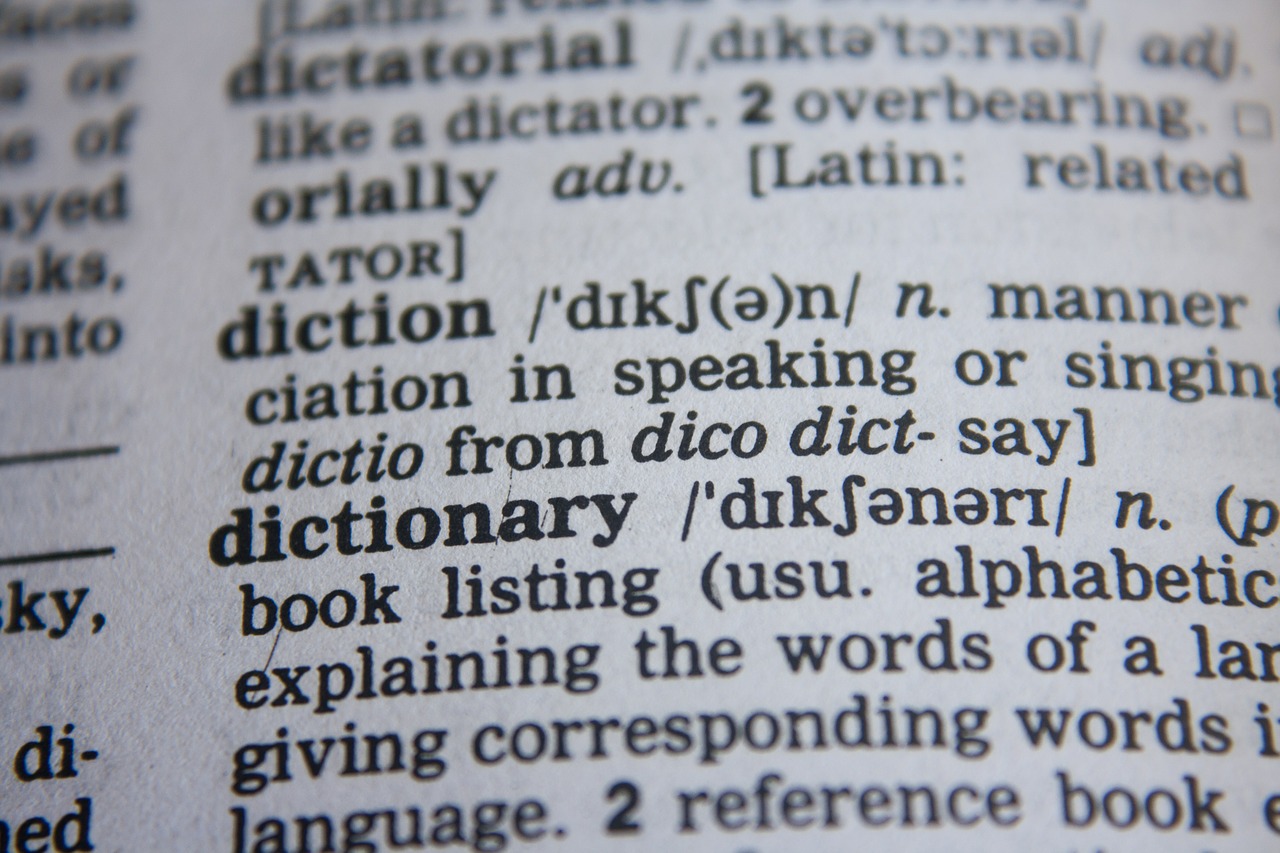
Dictionary

Looking it up in the dictionary won’t help.
Photo courtesy of Pixabay.com

Why what you thought I meant and what I meant to say get so far apart.

Even when we talk with someone in the same language and we think we should both know what the other one is talking about, we can walk away shaking our heads about how far apart our understandings are of the conversation.

These misunderstandings often get attributed to other people lying to us. It is not unusual for two people both engaged in an argument to accuse each other of lying. To the outside observer, it sounds like they are talking about two unrelated topics.

One cause of these disagreements is the different meanings we ascribe to the words we use. The things we say begin as thoughts in our heads. We can make a strong argument that thoughts are largely mental words or self-talk. Those thoughts are strongly influenced by our feelings before they leave our bodies via speech and action.

Words are symbolic and there is not a direct one to one correlation between thoughts and words. We can and often do disagree about what word best describes a thing or a feeling. Then our thoughts need to be transferred into words sent to the other person and then decoded. There is plenty of room for error in this process.

Consider the common two-finger gesture. Sometimes this is interpreted as a “peace sign” and other times as the sign for victory. Words frequently have multiple meanings.

Four discrepancies in the way we attach meanings to words can result in garbled communication even when we think we are being clear and that we understand what the other person is saying. Those four communication traps are the differences between “denotative” meanings and “connotative” meanings, personal idiosyncratic meanings, and slang.

What slang words mean.

Slang words require both people using them to attach the same meaning to the expression. They change over time and vary between subcultures.

Consider the word “hot.” To a weatherman, it could mean an above-average temperature or a day in the hundreds. To the scientist, this may be a statement about the amount of energy the item contains. To someone else, this may mean something that is new, in fashion, or desirable.

So the person in the shop points to an item on the table and says “that new part is really hot.” The apprentice quickly picks it up and then screams in pain. He expected this new part to be something novel that he might want. His coworker was warning him about the item’s temperature and potential to harm. See how using a word in multiple ways can obscure communication?

Denotative meanings.

Denotative meaning is what the dictionary says the word means. Look up most words in a dictionary and you will find that there are multiple definitions for the same word. Check many dictionaries and you get alternative meanings.

Most of us have learned a large number of words from hearing others use them in speech. We haven’t looked up every word and while we can feel pretty sure we know what we mean when we say the word we can’t be sure someone else has the same meaning in mind.

If I were to say that someone had been staring at the moon too long – what might you think I meant? That they are in love from too much time in the moonlight? That they had gone crazy as in becoming a “lunatic.” Or do we mean that they and their friends have been exposing their naked rear-ends a lot? It would make a lot of difference in our conversation.

What is a connotative meaning?

Connotation is when a meaning is implied or attached to something in addition to its basic denotative meaning. For a long time, black has been attached to bad, evil, or another negative opinion. If I describe someone’s character as black, it makes a lot of difference whether I am talking about someone from the African-American community who exemplifies what an African-American should be or if I were describing a Caucasian who is doing some evil things.

Idiosyncratic meanings.

Sometimes words develop a specific meaning for a person or group of people because of a particular experience.

Say a man came from a family that had a dog when he was a young child. For whatever reason he had difficulty saying the word dog and used its name, Spot to called the pet. From then on all dogs became “Spot.”  To this day if someone uses the word spot in a conversation this family will laugh and think of that dog. This has resulted in some embarrassing moments at the dry cleaners.

Other people might hear the word spot and think of a place they had visited, a stain on the carpet or an ad on T. V. The online dictionary I use listed 21 meanings for the word spot.

So when we consider that words can have so many different meanings, is it any wonder that we can have a conversation, think we have conveyed some meaning and then later find that what we said was totally misconstrued.

The real wonder is that with all this confusion we are able to communicate at all.

Staying connected with David Joel Miller

Seven David Joel Miller Books are available now!

My newest book is now available. It was my opportunity to try on a new genre. I’ve been working on this book for several years, but now seem like the right time to publish it.

Story Bureau.

Story Bureau is a thrilling Dystopian Post-Apocalyptic adventure in the Surviving the Apocalypse series.

Baldwin struggles to survive life in a post-apocalyptic world where the government controls everything.

As society collapses and his family gets plunged into poverty, Baldwin takes a job in the capital city, working for a government agency called the Story Bureau. He discovers the Story Bureau is not a benign news outlet but a sinister government plot to manipulate society.

Bumps on the Road of Life. Whether you struggle with anxiety, depression, low motivation, or addiction, you can recover. Bumps on the Road of Life is the story of how people get off track and how to get your life out of the ditch.

Dark Family Secrets: Doris wants to get her life back, but small-town prejudice could shatter her dreams.

Casino Robbery Arthur Mitchell escapes the trauma of watching his girlfriend die. But the killers know he’s a witness and want him dead.

Planned Accidents  The second Arthur Mitchell and Plutus mystery.

Letters from the Dead: The third in the Arthur Mitchell mystery series.

What would you do if you found a letter to a detective describing a crime and you knew the writer and detective were dead, and you could be next?

Sasquatch. Three things about us, you should know. One, we have seen the past. Two, we’re trapped there. Three, I don’t know if we’ll ever get back to our own time.

For these and my upcoming books; please visit my Author Page – David Joel Miller

Want the latest blog posts as they publish? Subscribe to this blog.

For videos, see: Counselorssoapbox YouTube Video Channel

Criticizing, complaining and asking for change.

By David Joel Miller, MS, Licensed Therapist & Licensed Counselor.

Talking to yourself

Communication.
Photo courtesy of Pixabay.com

Criticizing, complaining, and asking for change.

Communication skills part 3.

When something bugs us what should we do? When we are unhappy we are likely to react in one of a very few ways. Will you say nothing, become angry, or take a middle road and try to talk about the issue?

Some people say nothing and suffer in silence. For those people, we recommend assertiveness training. If you do nothing about a problem then you become part of the mechanism perpetuation the problem not part of the solution.

Some people react to annoyances by becoming angry and acting out. Even if the violent approach works in the short run it is likely to result in long-term undesirable consequences. An excessive response to a problem may wind up in you having to do an Anger Management class, going to jail, or permanently damaging the relationship.

In between is the “let’s talk about it” approach. Some ways of talking with the other person are more effective than others.

Criticizing is not communication.

Criticizing is the method most often used and least likely to be helpful. This method attacks the other person. You call them names for not doing what you think they should. Statements get made like “you don’t respect me, you are a slob or other personal attacks.

Criticizing does not make any friends. When we are criticized we are likely to become defensive and reply with our list of all the things the other has done. Criticize someone too often and they may stop listening altogether.

Criticizing cuts off communication rather than improving it or getting things to change.

Complaining does not help communication.

Complaining involves talking about how the issue is affecting you.  While a slight improvement over criticizing it rarely gets anything to change.

This is a recurring behavior in work settings where people complain about how they have to too much to do and saying others do not help and so on. It can become the standard operating procedure in some settings.

People who work as professionals in a complaint department know, or should know, the importance of listening to the customer’s complaint. Until the person feels their complaint has been heard nothing much is likely to happen to resolve that complaint. But eventually, the process needs to move beyond complaining.

Some relationship skill building programs suggest combining the complaining behavior with the next step, problem-solving, or asking for change. While complaining may be a way to tell the other person what is upsetting you, moving to the next step and stating the specifics you want to change are most likely to improve the situation.

Asking for change improves communication.

Of all the ways of dealing with problems, this is the most likely to improve the situation despite seeming to be the hardest thing to do.

Use good problem-solving skills. Ask for change and stay on the problem and how to solve it. The greatest chance for improvement is to find a solution in which both parties win rather than a win-lose situation. There needs to be genuine two-way communication, hearing, and being heard.

Making things better.

Make sure that when you have a problem with another person that you avoid the name-calling and the personal attacks.

Clearly, state the problem as you see it. Ask for specific changes such as not interrupting you when you speak rather than global things like being nicer.

Listen while the other person describes how they see the problem. Work towards understanding their point of view. Look for a solution that meets both of your needs.

More on communication skills can be found at:

Communication is not what you think

Just Being Honest        

Criticism, complaining, asking for change.

How are your communication skills? Are you criticizing, complaining or asking for change?

Staying connected with David Joel Miller

Seven David Joel Miller Books are available now!

My newest book is now available. It was my opportunity to try on a new genre. I’ve been working on this book for several years, but now seem like the right time to publish it.

Story Bureau.

Story Bureau is a thrilling Dystopian Post-Apocalyptic adventure in the Surviving the Apocalypse series.

Baldwin struggles to survive life in a post-apocalyptic world where the government controls everything.

As society collapses and his family gets plunged into poverty, Baldwin takes a job in the capital city, working for a government agency called the Story Bureau. He discovers the Story Bureau is not a benign news outlet but a sinister government plot to manipulate society.

Bumps on the Road of Life. Whether you struggle with anxiety, depression, low motivation, or addiction, you can recover. Bumps on the Road of Life is the story of how people get off track and how to get your life out of the ditch.

Dark Family Secrets: Doris wants to get her life back, but small-town prejudice could shatter her dreams.

Casino Robbery Arthur Mitchell escapes the trauma of watching his girlfriend die. But the killers know he’s a witness and want him dead.

Planned Accidents  The second Arthur Mitchell and Plutus mystery.

Letters from the Dead: The third in the Arthur Mitchell mystery series.

What would you do if you found a letter to a detective describing a crime and you knew the writer and detective were dead, and you could be next?

Sasquatch. Three things about us, you should know. One, we have seen the past. Two, we’re trapped there. Three, I don’t know if we’ll ever get back to our own time.

For these and my upcoming books; please visit my Author Page – David Joel Miller

Want the latest blog posts as they publish? Subscribe to this blog.

For videos, see: Counselorssoapbox YouTube Video Channel

Communication is not what you think

By David Joel Miller, MS, Licensed Therapist & Licensed Counselor.

Talking to yourself

Communication.
Photo courtesy of Pixabay.com

Why communication is not getting you anywhere.

Ever feel like “We just can communicate?” Ever say that? The old standby in counseling, especially relationship counseling, is to teach people to be better communicators. Usually, the clients are disappointed with the results.

Everyone communicates all the time. If someone gives you the cold shoulder you know what that means, right? The stone wall and the icy silence speak more than words could ever say.

It really is impossible to not communicate. Most of us are pretty good at communicating angry, hurtful messages. It is the happy, helpful messages that get lost between people.

The problem lies in what people mean when they say they can’t communicate.

Most of the time people who say they can’t communicate mean one or more of the following things, sometimes all of them.

The other person does not do what you want them to.

Good communication does not mean the other person will give in and do what you want. Improving your communication skills will not suddenly have you winning all the arguments. What it might do is increase the chances you could have a discussion with the other person and you could find a solution to a problem that works for both of you.

If there are fundamental differences in what you want or believe, better communication is not likely to change one of you. What it will do is to help you understand why the other person thinks and feels the way they do. But after all that understanding you two may still not find a way to agree.

Religious differences are a common example of this. You may think communication about your beliefs will change the other person. Occasionally it does. Most of the time this conversation highlights how we put off these conversations as long as possible and then get disappointed when the other person does not come around to our way of thinking.

They don’t like the message they are receiving.

Lots of communication is sabotaged by having so many negative messages included in the communication no one in their right mind would want to listen to this conversation.

Verbally beating your partner up and then excusing that behavior in the name of “communicating” is guaranteed to result in more problems down the line. Just being Honest is no excuse for deliberately hurting someone else and it is not a communication style that is likely to improve a relationship.

Communication is all about the way in which we send and the other person understands the message. If there is an underlying message of “you are no good” or some other negative evaluation, improving communication will likely lead to a realization that the real problem is not the communication but the feelings behind it.

There are immense differences between Criticism, complaining, asking for change. If what you are hearing about yourself from the other person is hurtful, it is hard to hear much else.

They never hear anything good.

We tell parents that they need to “catch their children doing something right.” The principle applies to adults also.

If the only messages we hear are negative, we tune out. The surest way to reduce communication is to only communicate when there is a negative message. A constant stream of negative messages makes the other person stop trying. There is such a thing as “learned helplessness.” When you begin to think that no matter what you do it will never be good enough you stop trying.

Good communication includes small talk.

Human relationships are built by time together, positive time. It is not in the huge weighty matters that relationships are built but in the small day-to-day conversations where you come to know the other person.

Small talk is not a waste of time. It is one way to make relationships closer and more intimate. We grow fond of others not because they are of the correct political party or have the correct view of the world but because we share common interests.

Take time to talk about the colors and textures of life. The best communication comes when you are able to open yourself up and talk about who you really are as a person, way down inside.

Communicate to the other person that they are important enough for you to want to spend time with them. Try to do this without the distraction of other activities that need to be done. Make sure that your time together is not one where you divide your attention between the other person and the T. V. or a computer.

What do you think? As always comments are welcome. Look for more posts on communication and relationship skills in the near future.

More on communication skills can be found at:

Communication is not what you think

Just Being Honest 

Criticism, complaining, asking for change

How are your relationships, how are your communication skills, and for you are the two related?

Staying connected with David Joel Miller

Seven David Joel Miller Books are available now!

My newest book is now available. It was my opportunity to try on a new genre. I’ve been working on this book for several years, but now seem like the right time to publish it.

Story Bureau.

Story Bureau is a thrilling Dystopian Post-Apocalyptic adventure in the Surviving the Apocalypse series.

Baldwin struggles to survive life in a post-apocalyptic world where the government controls everything.

As society collapses and his family gets plunged into poverty, Baldwin takes a job in the capital city, working for a government agency called the Story Bureau. He discovers the Story Bureau is not a benign news outlet but a sinister government plot to manipulate society.

Bumps on the Road of Life. Whether you struggle with anxiety, depression, low motivation, or addiction, you can recover. Bumps on the Road of Life is the story of how people get off track and how to get your life out of the ditch.

Dark Family Secrets: Doris wants to get her life back, but small-town prejudice could shatter her dreams.

Casino Robbery Arthur Mitchell escapes the trauma of watching his girlfriend die. But the killers know he’s a witness and want him dead.

Planned Accidents  The second Arthur Mitchell and Plutus mystery.

Letters from the Dead: The third in the Arthur Mitchell mystery series.

What would you do if you found a letter to a detective describing a crime and you knew the writer and detective were dead, and you could be next?

Sasquatch. Three things about us, you should know. One, we have seen the past. Two, we’re trapped there. Three, I don’t know if we’ll ever get back to our own time.

For these and my upcoming books; please visit my Author Page – David Joel Miller

Want the latest blog posts as they publish? Subscribe to this blog.

For videos, see: Counselorssoapbox YouTube Video Channel

Why can’t we communicate?

By David Joel Miller, MS, Licensed Therapist & Licensed Counselor.

Talking to yourself

Communication.
Photo courtesy of Pixabay.com

Eight ways to improve communication with your teens.

Therapists get lots of questions about communication. Couples want to know how to communicate better; parents want to know how to communicate with their kids.

What many people mean by wanting to improve communication is “How can I convince them to do what I want them to do?” That is not communication. It may be assertiveness training, or manipulation, or just normal parenting skills but it is not communication. Maybe improving compliance would be a good topic for a future blog. That is not what this one is about.

Communication is about the ability to hear and be heard even when we may not agree or like the message we are receiving.

Dictionaries, like Encarta, have multiple definitions for the word communication. The word means variously, exchange of information, a message, a sense of mutual understanding, sympathy, and many other related things.

Here are some suggestions for improving communication with teens, some of these suggestions are appropriate for younger children; most would help adults improve their communications.

1. Communicate early and often.

The time to open communication with kids is as young as possible. Parents often spend the early years telling kids, not listening to them. If the only time you talk to your child is to correct them, preach at them, or give them your guidance it is unlikely that suddenly they will by some miracle begin to communicate with you. Communication should be a two-way street. The good news is that it is probably never too late to open up communication but as the child gets older it becomes more difficult. So parents who start communicating, really listening to their child, have a big head start on parents who wait till the kid is a teenager and then decide to open the lines of communication. Communication is a skill. The more you practice it the better you should get at it. By having good communication with your child you teach them how to have good communication with the others in their life. If your primary way of communicating is by yelling and making the kids wrong, they will probably yell at their kids and their spouse. The better they become at yelling the more likely it becomes that you will get to yell at them some more when they divorce and move back into your house with the grand-kids. I am hoping this is not sounding like a good idea.

2. Listen don’t tell.

Have you ever met someone who tried to do all the talking? How did that feel? Did it make you want to spend more time around them? It is no different for your kids. There is a built-in bias with parent-child communication. Your kids want you to like them. They will censor what they say. If you do the talking they will skip the hard to say things about the mistakes they make and the feelings they have. So the more you talk the less likely your kids are to tell you anything. If your kids no longer care what you think, it is not because you have good communication. You are already losing the battle. Seek help NOW!

3. Be available to talk.

Good communication with kids can’t be scheduled in advance. Yes, absolutely, you need some regular consistent time to spend with kids. You also need to schedule some time for yourself and your partner. Having good communication with yourself should be a priority. Communicating with your partner is only important if you plan to keep them. (Did you get the sarcasm there?) If you want to improve the relationship with your child, make talking with them a priority. Work toward a life where you can always interrupt what you’re doing to communicate with your child. If you can’t talk right now, let them know you want to talk and will get back to them as soon as possible. Then make sure you do get back to them. This method helps hugely with spouses, partners, co-workers, do I need to keep going here?

4. Listen for the feelings, not the facts.

If you are taking notes while they are talking you will shut down the communication. It is important to make sure you have heard them correctly. Profession counselors are taught to summarize and reflect back what the client has said. We want to be sure that what we heard is what the client really meant. The teen who gets turned down for a date is feeling bad. Telling them they are young, they will have lots of chances, you know you aren’t supposed to be getting serious at your age – none of these things is helpful when they are full of tears. Right now hear them. There will be lots of time for teaching moments later. Sometimes we need to interject some reality testing here. Because the kid’s friend didn’t want to do something with them does not mean no one wants to be around them and they will never have a friend. Because we have a feeling does not make that a fact. It is not just kids who mistake feelings for reality. Speaking in front of a group may feel scary, it is probably not life-threatening. Something’s that sounds all good and fun, like some of the new drugs or sexual activity turn out to be a lot more dangerous than they seem. Teach your kids not to mistake how they feel about something for the facts.

5. Try to think about what they are saying not what you are going to say next.

If we are busy planning our response we will miss a lot of the key parts of what the kid is saying. This is true for most other situations. Most of the time what you will say in response is really not that important, right now. Wait till later for your turn. Didn’t someone important say it is better to hear than to be heard? If you don’t recognize the quote look in that big black book that is gathering dust on your nightstand. No, not the phone number book, the other big black one.

6. Remember the first rule of parenting – parents need to be parents and kids should be kids.

You are not your child’s best friend. This is really painful for some adults. They want their kids to like them so the kid can say anything, do anything and it is O. K. That is not a good idea. We should be able to hear what our child says, no matter how much we dislike the information but that does not mean we should do nothing. Kids need to learn that there are something’s that are not appropriate to say. They learn that by adults letting them know that what they have said is not acceptable.

7. It should be O. K. for your teen to talk with someone else.

Ever notice your child’s friends will tell you things that they haven’t told their parents. You are not so ego-involved with the neighbor’s kids. If they failed a test you can comfort them. Harder to do when your child fails, you are picturing the not-graduating from high school scenario, the no college live at home forever plot. If your own kid says I flunked the Algebra test you might recoil in horror. With the neighbor’s kid, you can take it in stride. By the way – if your kid’s friends never talk to you, check the mirror and wonder why. Talking to your friend’s parents is a natural teen behavior. Don’t be insulted if you kid talks to someone else, be happy they have someone they can confide in. Just make sure their friends and friend’s parents are someone you feel good about them talking with.

Sometimes kids need to talk with a professional, maybe this will be someone in your church or at their school. Other times you may need to seek out a Licensed Therapist or Counselor. Don’t take this as an indictment of your parenting. Knowing when your kid needs to talk with a professional is a sign of your maturity. Knowing when you need to look for help for yourself is also a good sign.

8. Watch for changes in the mood or behavior of your teen.

Kids who withdraw or isolate are at high risk. New friends, especially the kind they never wanted to be around before is also a warning sign. Kids who are turning to drugs, especially alcohol abuse are at high risk. These are tough times to be a kid. Lots of peer pressure, it is a scary world. Kids who suddenly don’t want to do things that they used to like are at high risk. Changes in sleep and appetite for no apparent reason should worry you. The kid who used to talk to you but suddenly won’t talk to anyone should concern you. No one likes to think about their kid having problems but suicides, drug and alcohol abuse, and self-mutilating are all on the rise. The kid who least wants to talk to his parents may have the greatest need. When you can’t get your child to communicate it is time to look for help.

My special thanks to my office colleague Wendy Brox, LMFT who suggested this topic and whose ideas help me in writing this.

Let me know what you think about these tips and as always questions, comments, and ideas for future blogs are welcome.

David Miller, LMFT, LPCC